Lee
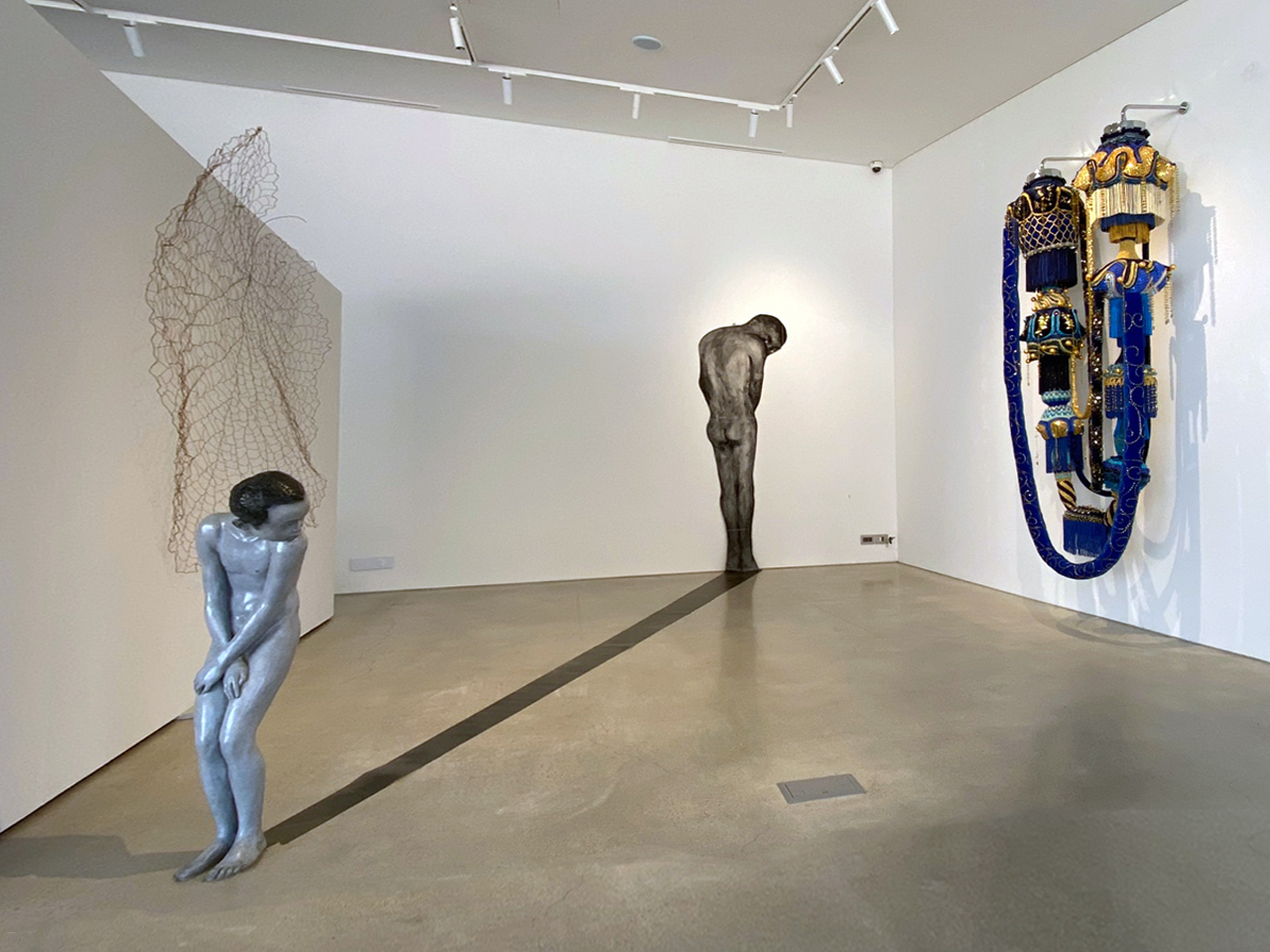
Dongwook has exhibited works that display his introspection on human existence
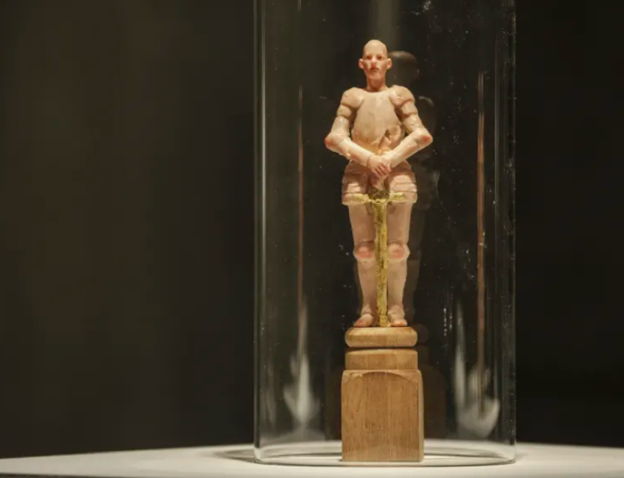
in our age through figurines. In his early pieces, Lee satirically represented
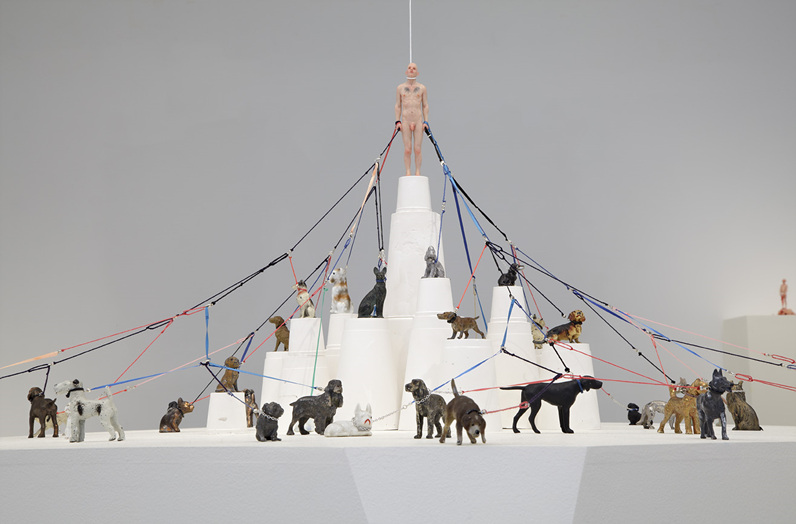
life in a capitalist society in a unique manner in which he portrayed figures
in a receptacle. After that, he worked from a cynical perspective, portraying
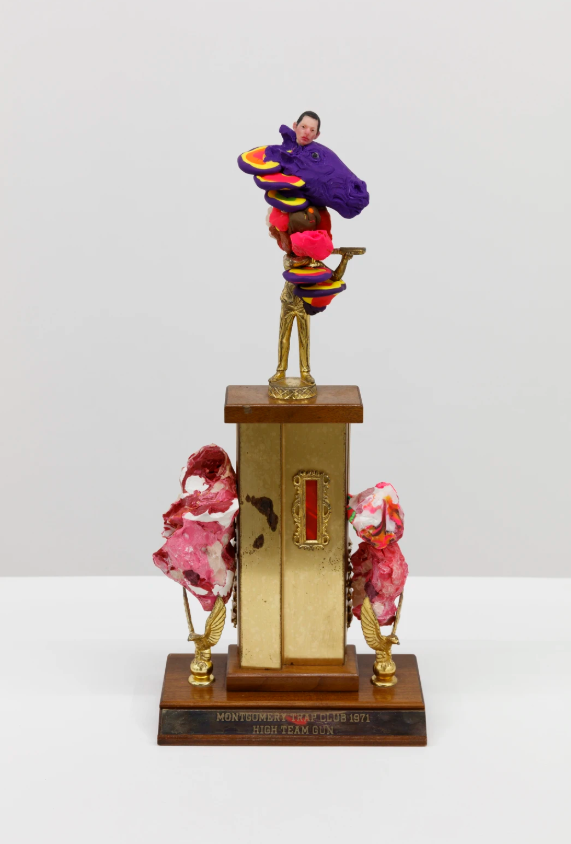
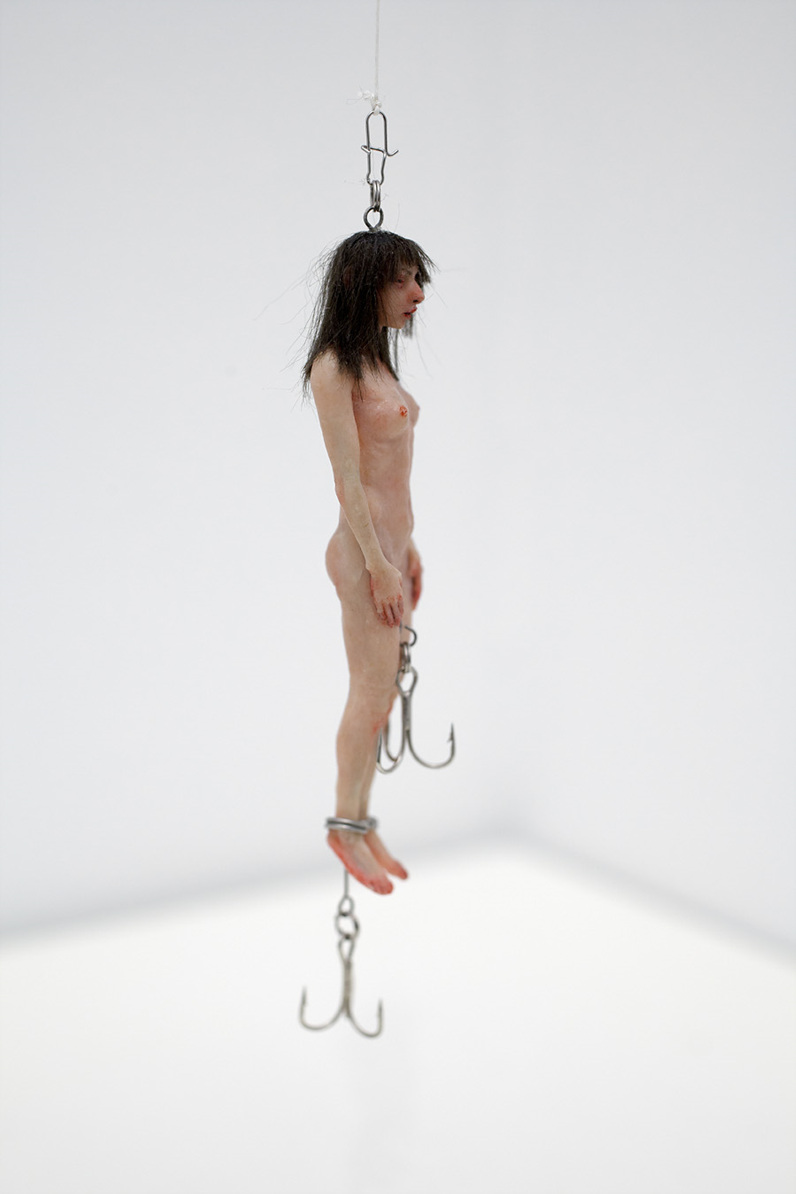
humans in a dramatic backdrop while using a variety of objects such as golden
trophies, ropes, knives, and axes.
Lee’s art has been a connotative showcase of our
lives through such figurines, classified into several tendencies. He presented
visual pleasure and imagination trough objects and characters in works he did
in the early stage of his career. Since then, he has showed interest in the
human body and addressed narratives on life forms, gradually extending the
domain of meaning in his art. He has worked on various things or the
coexistence of all things. Two factors can be considered to analyze the trends
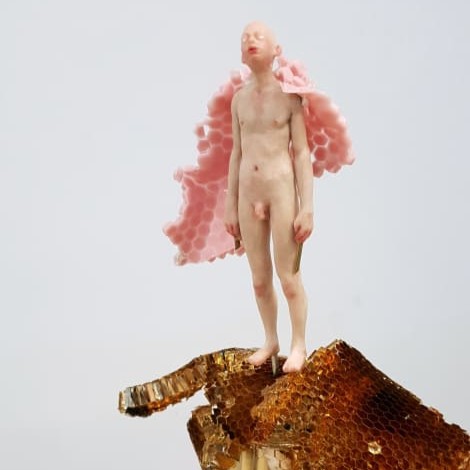
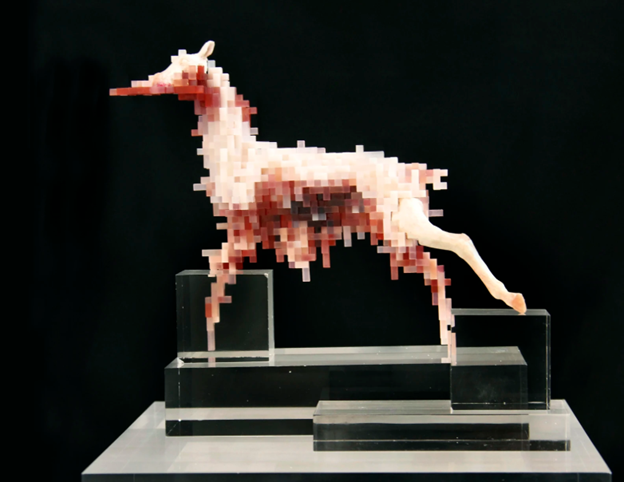
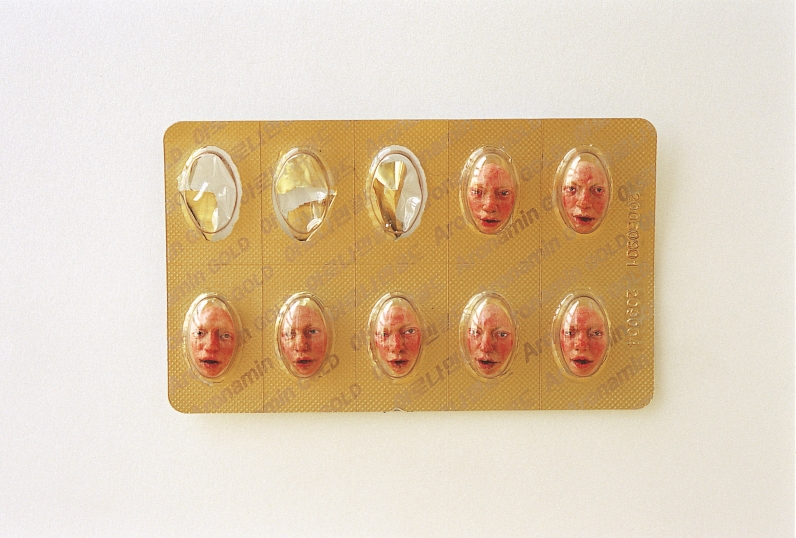
of his work. One concerns the body or the skin. The skin is the tender surface
of the human body. The skin in scarlet seems like a very delicate membrane,
adopted in all figures he has created. His object work also reminiscent of
scarlet skin arouses some dramatic ambience with a precarious equilibrium,
tenderness, and tension of the moment. The other is associated with the
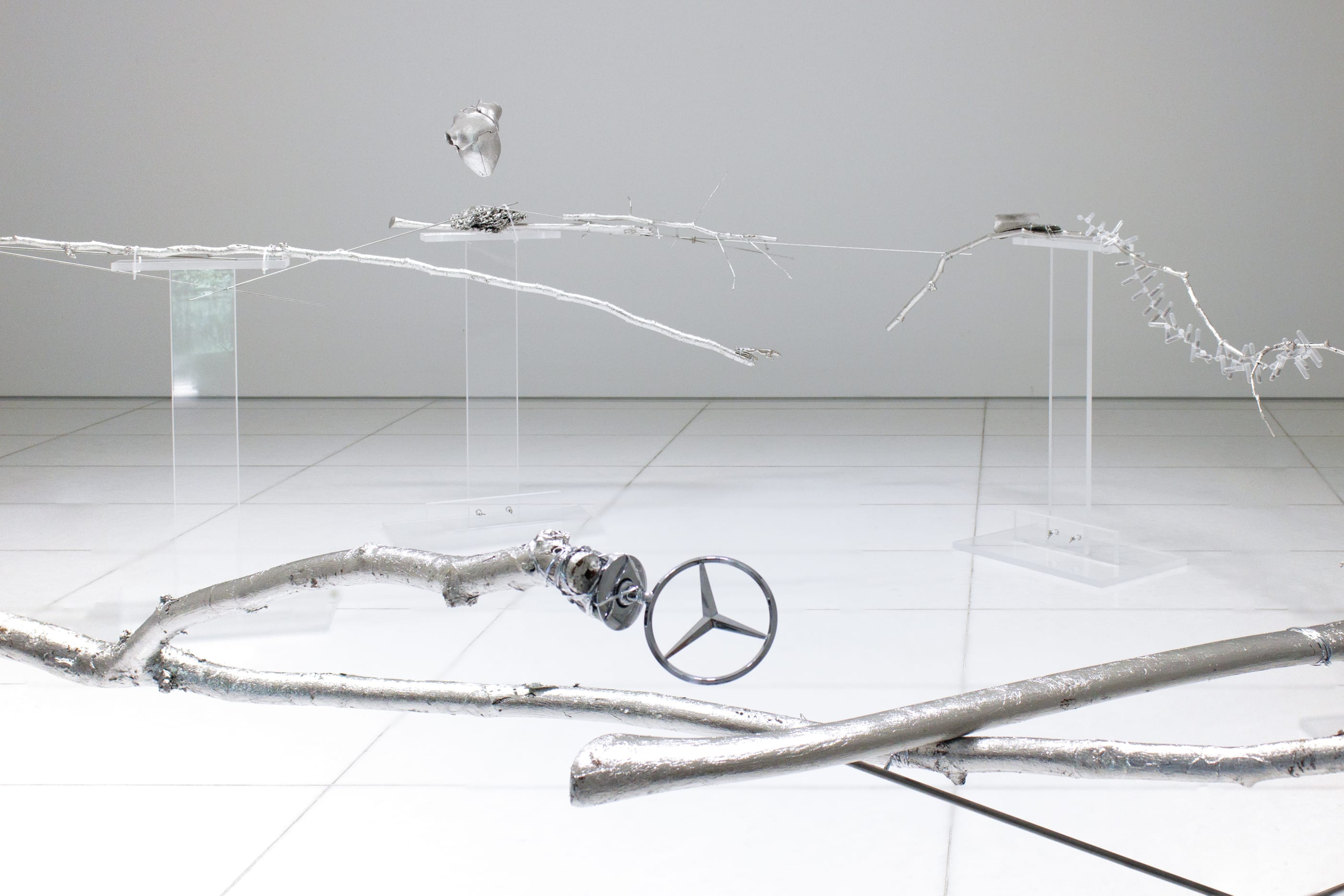
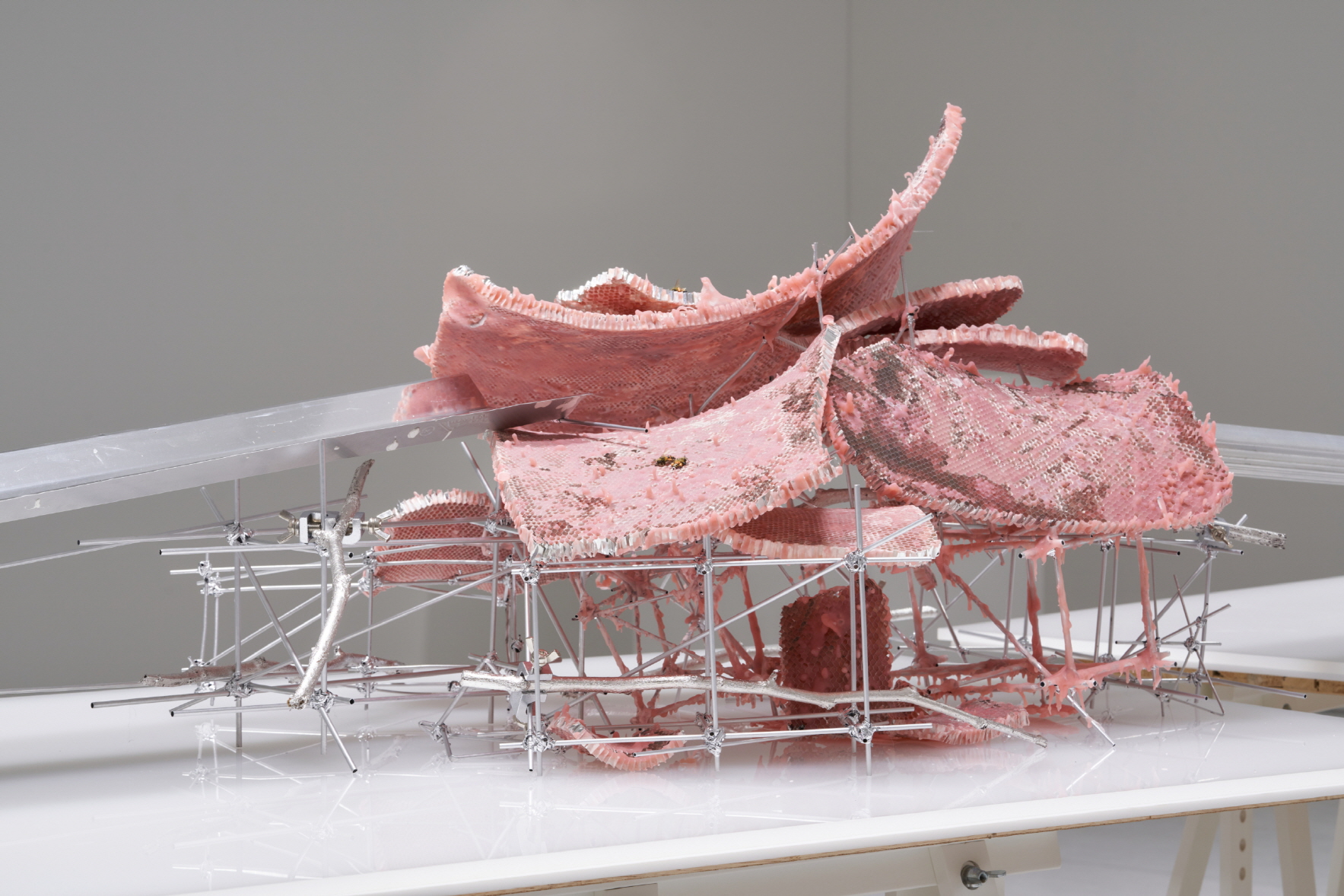
environment his figurines inhabit. Objects such as honey and hive, birdcages,
name brand logos, and traps are used as devices to make such environments
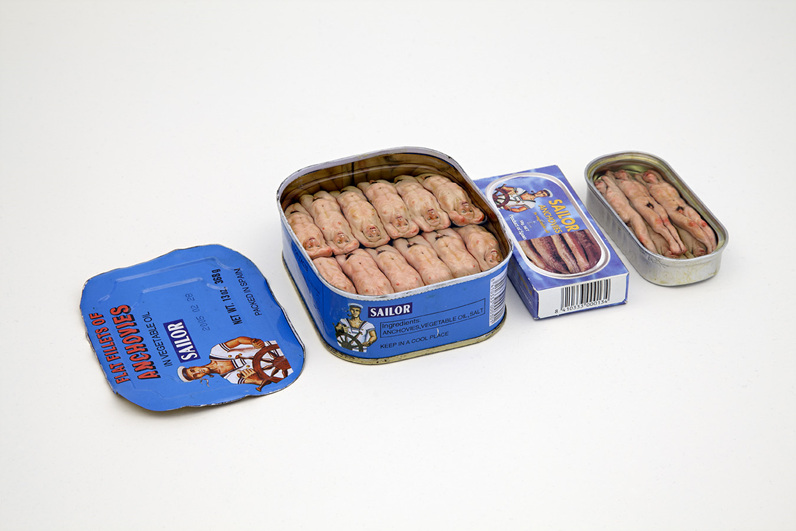
uncanny. He also bluntly depicts the realities we face with quotidian tools and
industrial products we find in our everyday life. His work adopting figurines
and tiny objects grows visually potent with his expression of such dramatic
situations. Let’s review works on show at this
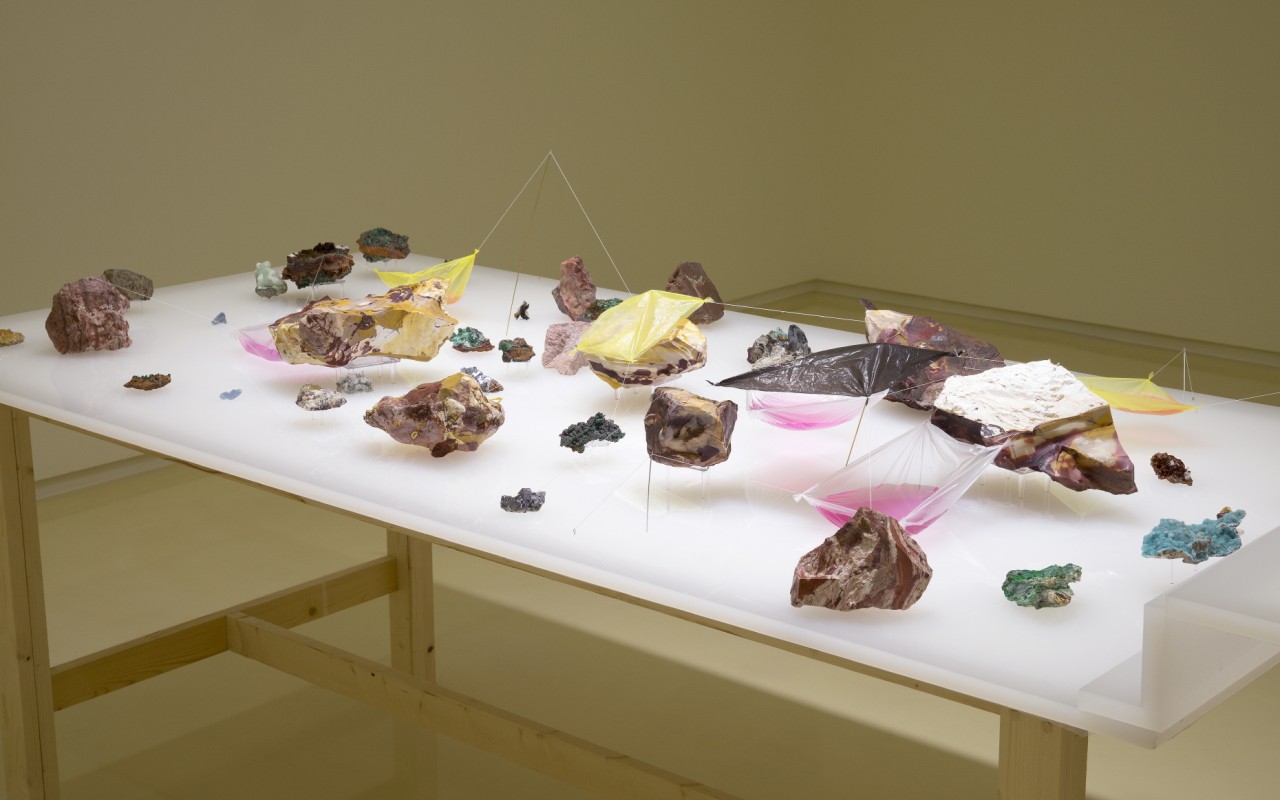
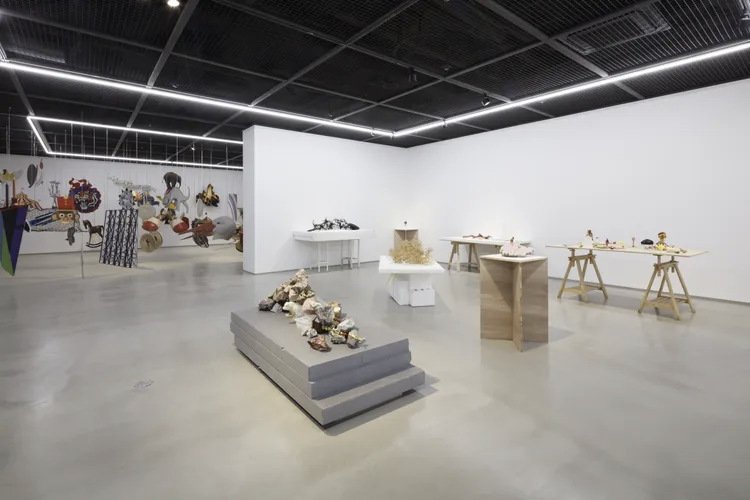
exhibition. The title of both this exhibition and his work is All the
interestings. We can grasp what he intends with his work if we discover what he
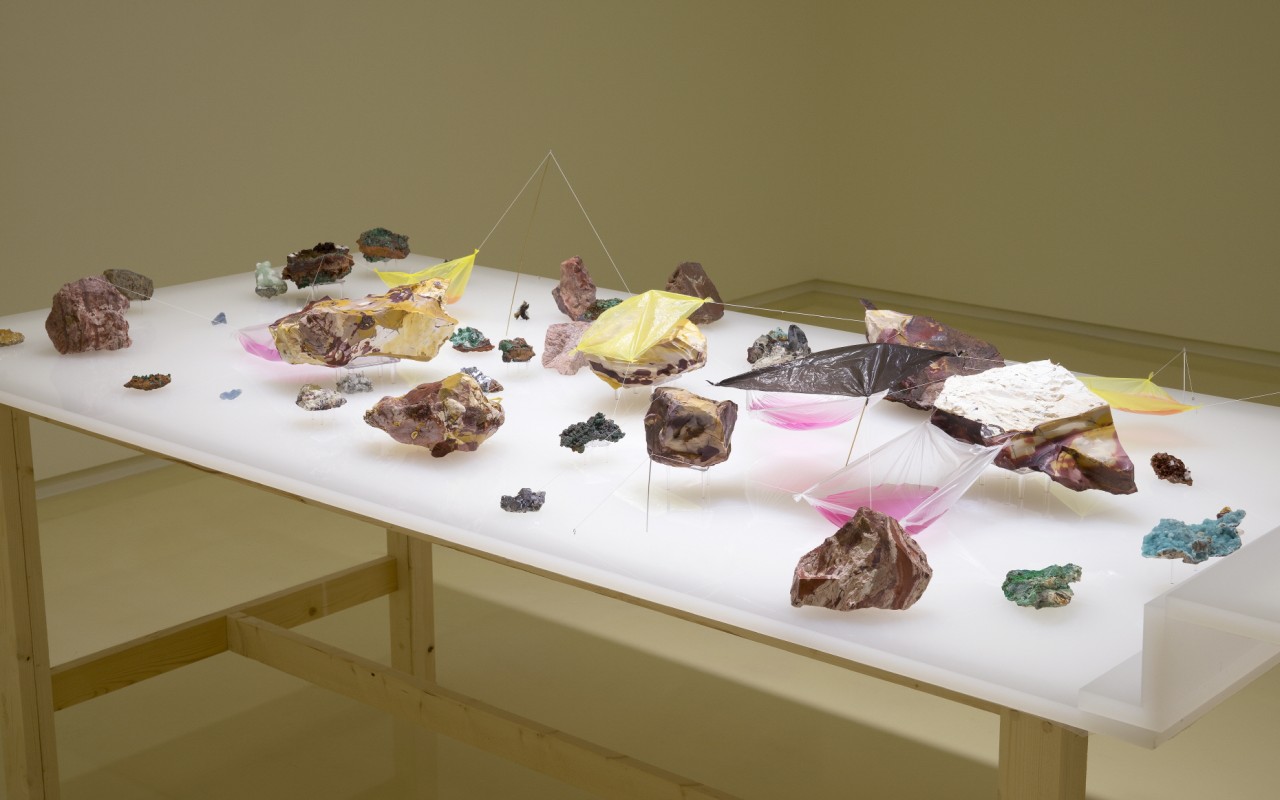
considers interesting. He first of all ordered stones of great diversity from
all over the world. These stones are tangled up together and materials and
objects used for his previous work appear among them. These stones with
multifarious forms, colors, and patterns have their own distinctive
individuality so they offer two types of visual pleasure: examining each stone
and the overall forms he creates. This visual stimulus and interest is perhaps
not all he wants to convey. This work is abstract and ambiguous so open to
diverse interpretations. It can be about anything, natural or artificial
objects in a sense, or all variable and invariable things. If so, how should
his previous explicit works and abstract, ambiguous works at this exhibition be
interpreted? The true nature of something “interesting” in the exhibit title cannot be revealed unless we grasp the
connection between this installation open to multifarious interpretations and
his previous work.
Let’s try to discover clues to interpreting his work through the new
subject matter and objects he has adopted. The stones mentioned above are part
of the earth, shaping its surface. Things humans have made as well as
components of nature including life forms have their own skin. Thus, we live in
contact with others’ skin as long as life goes on. If
so, what’s the skin he talks about? As he
denotes, the skin works as a border between one and the external world
including humans, nature, things, and all in the world. When we contact all in
the world, what we first contact is their surface. The surface is the most
significant measure in figuring out and distinguishing things, which is also
the source of conflicts. People’s skin varies in its
color. The variety of human skin colors causes either identity or exclusion.
This universal concept of the surface is a criterion, and each individuality is
buried by this clumsy criterion. This skin is tender but represents a potent
concept. Lee creates a situation in which individual subjectivity is revealed
and concealed by its entire scene at the same time. He suggests that we have to
see not only the surface but also the hidden side and perceive each individual
being through such vague installation. He makes individual situations more
ambiguous using the title All the interestings without expressing why some
object is interesting.
Now,
let’s examine things that appear among his stones.
These are mostly materials he used in his previous works and objects he made.
Noteworthy among them are mushrooms. In some of his latest works, mushrooms and
mushroom-shaped things are parasitic on the main bodies. Mushrooms springing
from a tender skin stand for our appearances and also freestanding things
completely different from us. These mushrooms have a duplicity that links the
surface to the hidden side: they belong to both but have an independent trait
unrelated to both. They are after all detached from the main bodies. These
mushrooms are made with an accumulation of price tags. We attach value to some
product with numbers. We arbitrarily define the value that was inexistent in
the beginning and it proliferates very fluidly. As time slips by, we cannot be
sure whether we perceive the main body or the value priced with numbers. Thus,
his mushrooms are not rooted in the main bodies but derive from the surface.
They exist on the surface, concealing things of the hidden side.
What
change occurs with the introduction of new factors in comparison with his
previous work? Humans showcased in his previous work were not freestanding with
their own personalities but universal figures representing our appearance. A
lone individual, not a group of people, has been adopted for most of his works.
The scarlet skin in seemingly grotesque nudes was effective in portraying
humans as insecure, feeble beings fraught with desires. This manner is not to
explore the body in terms of conventional sculpture or to present any new
interpretation but is a means to portray us dramatically. The concept of skin
in this exhibition has expanded to the realms of everything in the world
including mankind, nature, and artificial things. As reviewed above, stone is
translated diversely. As he speaks to us through stone, we believe there are
universal values we pursue but not all think the same. We all have different
ideas and are merely in a temporary agreement. The expression, “interesting” employed for the titles of this
exhibition and work is predicated upon humanity’s
duplicity and the impossibility of the universal as seen in the relation
between the surface and the hidden side. Theories and assertions are mostly
incompatible. We seek an agreement among these various factors for harmony,
repeating conciliation, and conflict. And, this reflects a tentative, variable
reality. Despite our efforts, the surface and the hidden side cannot coexist
due to such conflict. To us, universal words such as diversity and equality
take us away from the nature of humans by blurring each individual and value.
As he mentions, “all the interestings” addresses incomplete human perception, trying to convey this to us
through the relation between the surface and the hidden side.
As reviewed above, Lee has built his own world where all of his distinctive
idioms are collected through works on show at this exhibition. As he mentions
through his work, this is nothing but a shard of his whole world. Some
unperceivable situations that are not easily discovered between the surface and
the hidden side of all things in the world are inherent in diverse factors he
has employed since his previous pieces. His work is either provisional or
fluid. He previously told his stories through the surface of skins whereas the
surfaces of his pieces on show now are not merely human skin but are somewhere
between the surface and hidden side. The hidden side, an antonym of the
surface, is distinguished by the difference of viewpoints and the two are not
different. Our stories are discovered in between his work’s surface and hidden side. We are floating at times on the surface
or at times in the hidden side. Therefore, we have to be flexible in our
thinking rather than being stuck by any specific word, expression, or idea. Lee’s work has its surface and hidden side in a sense. What we have to
discover in his work is the surface and hidden side from a macroscopic
perspective and diverse individual subjects between them from a microscopic
perspective. If we consider his work from this point of view, stones and
objects among the stones seem tightly fixed but tender and variable. They
naturally appear the same with and different from his previous work. He raises
a discourse on whether it is really our ideal to conciliate conflicting
elements through the pursuit of universal equilibrium and diversity in his own
fashion, carrying his own story on the surface and hidden side.