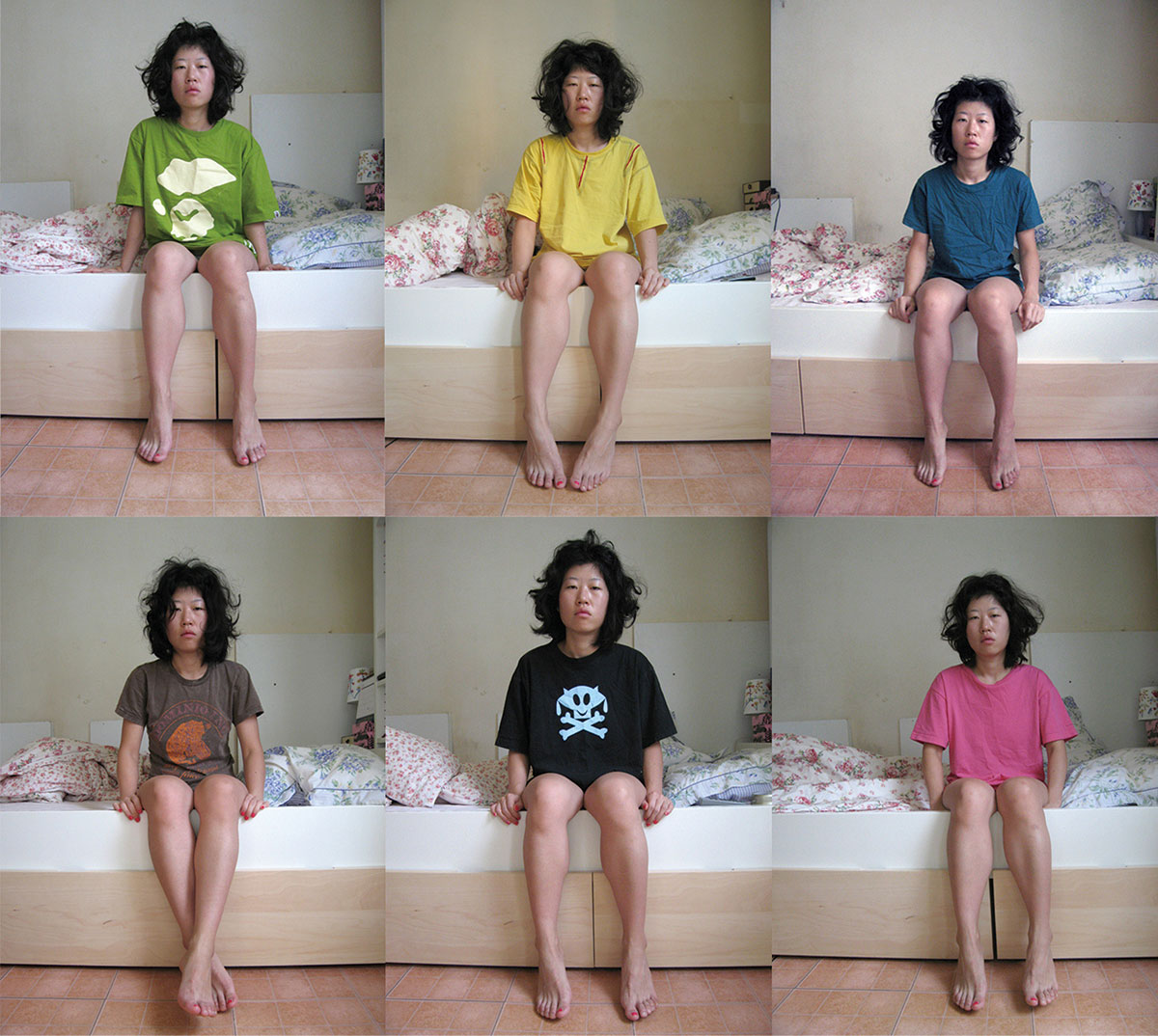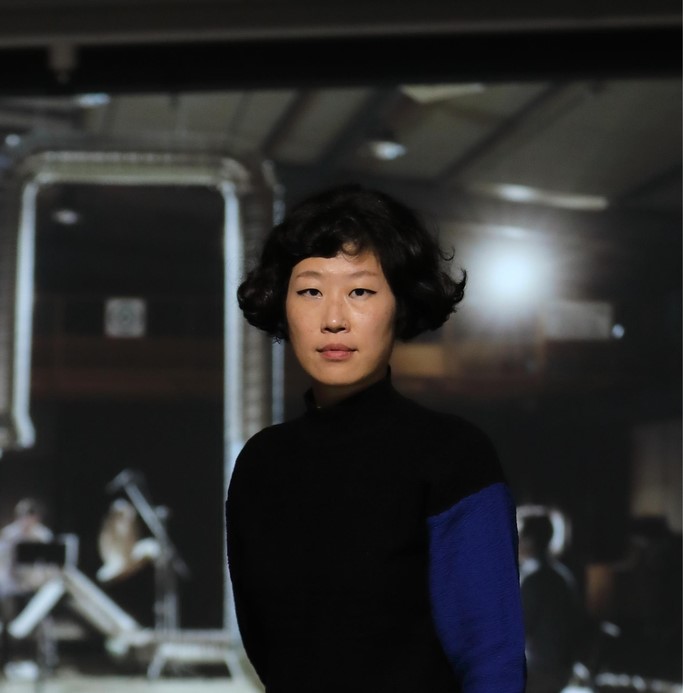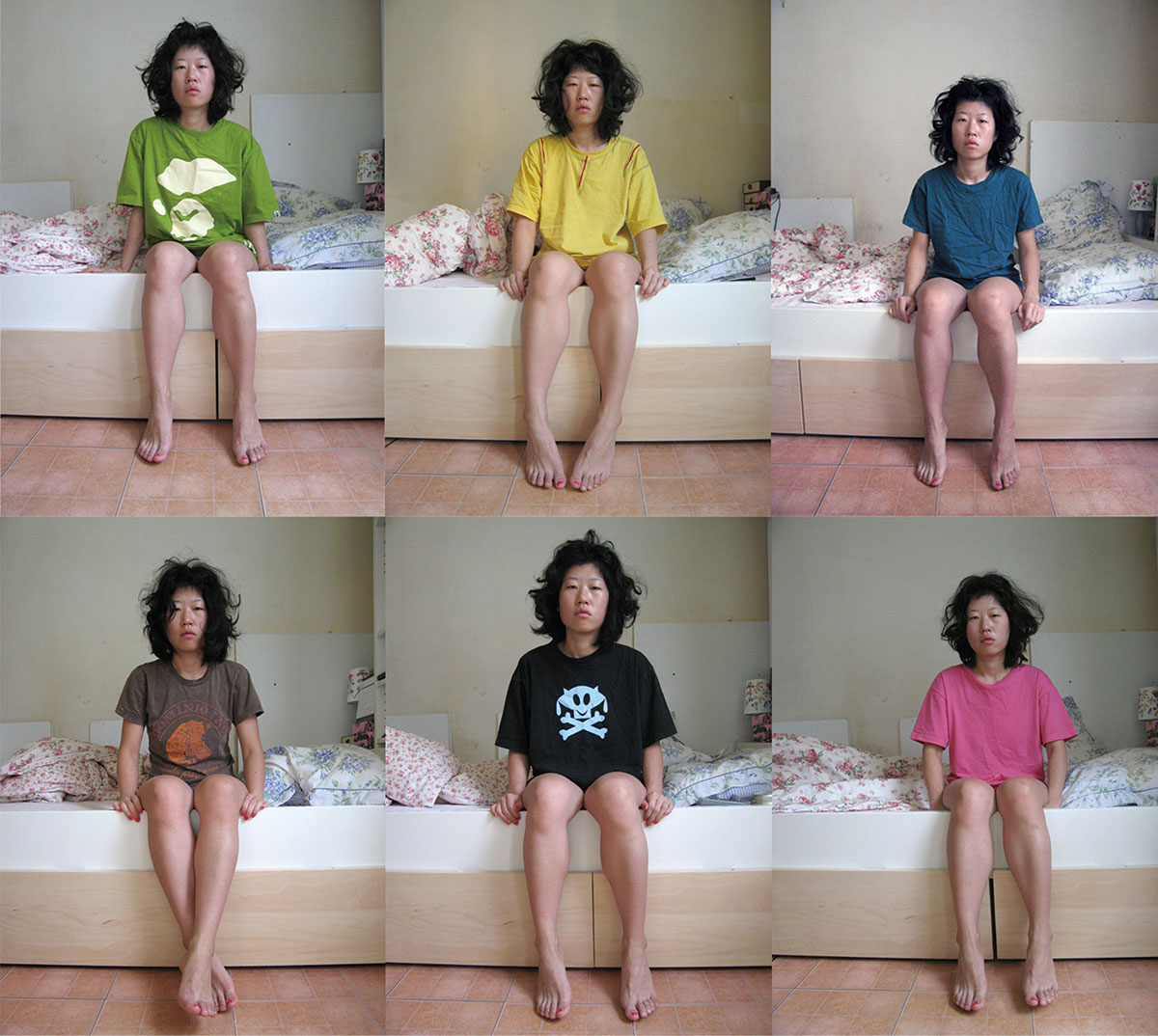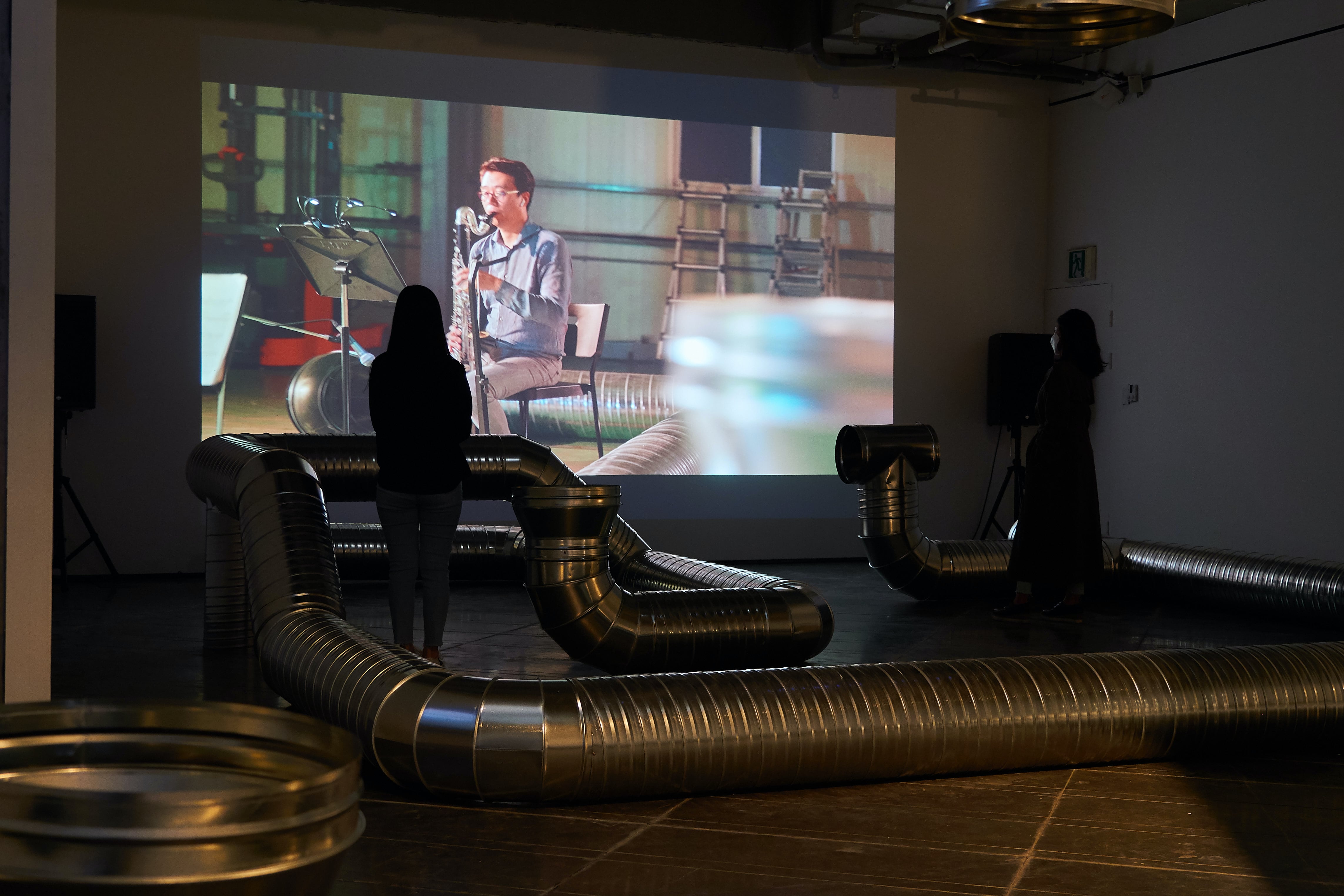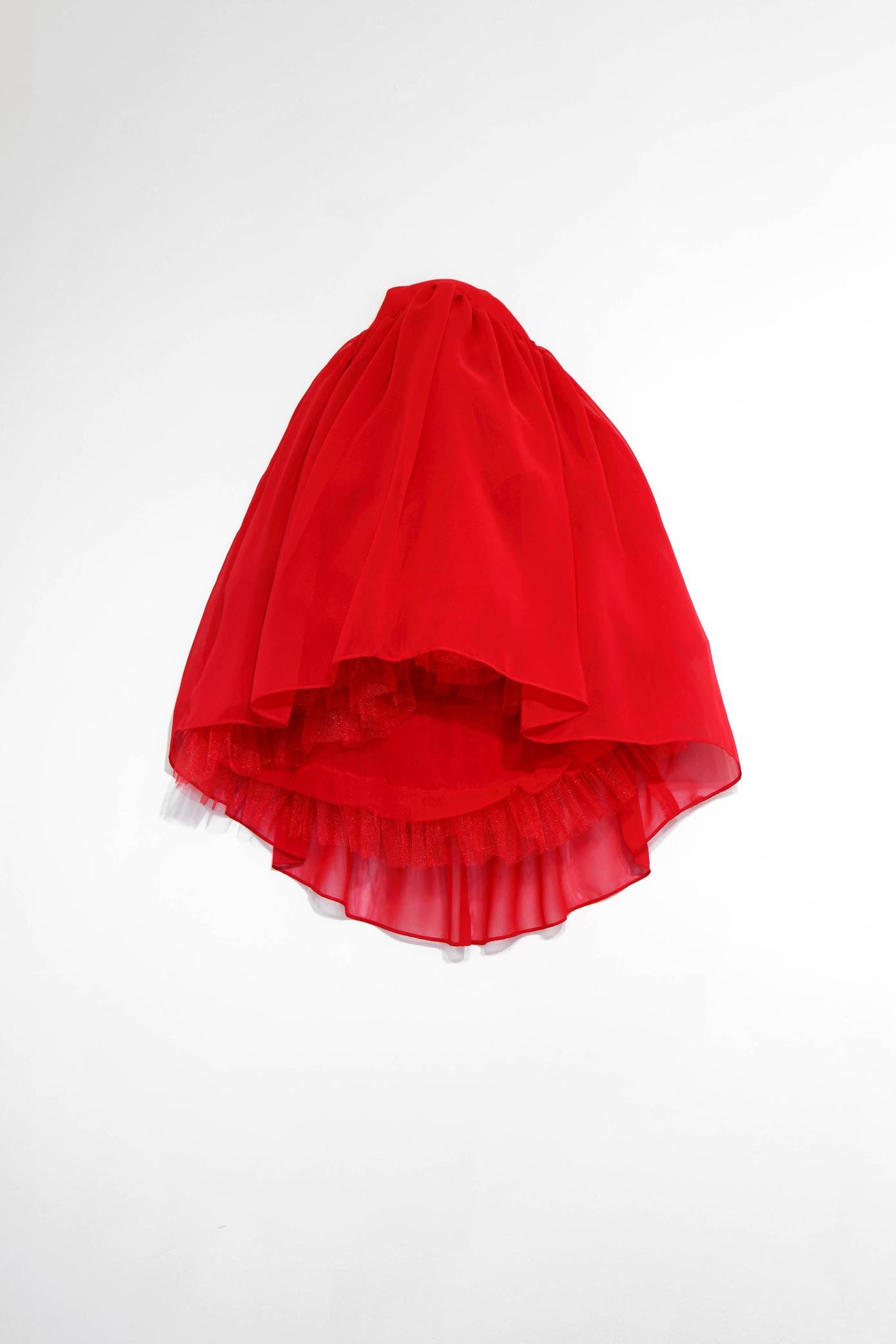


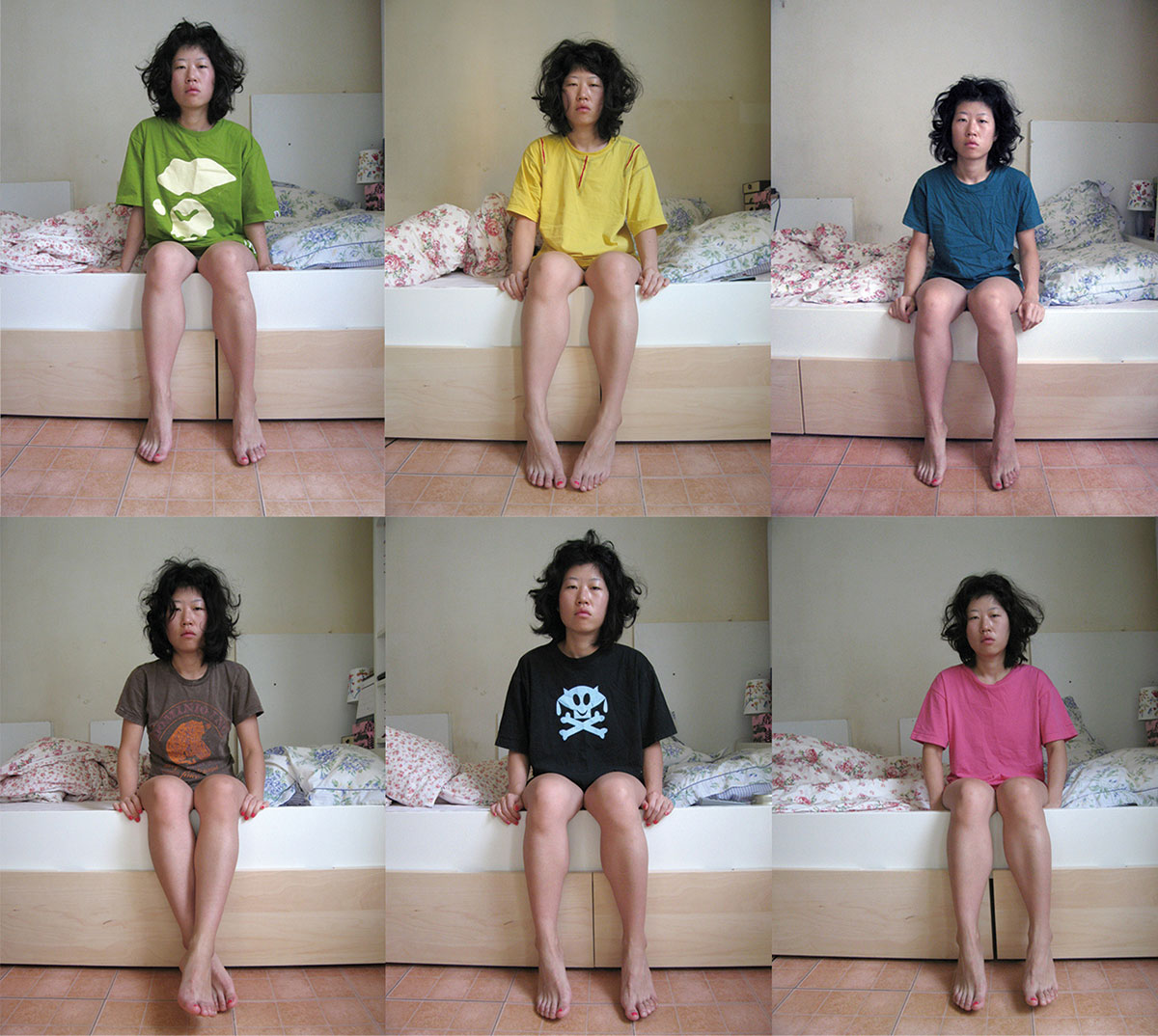
Youngjoo Cho, One night with someone’s t-shirt in my bed, 2014 ©Youngjoo Cho

‘One night with someone’s t-shirt in my bed’ (2006-2007), photo series by Youngjoo Cho, a record of her own expressionless face and stiff body right from the bed, has as interesting content as the imagination that the title enables. This work has been done during her student days in France, started from an intimate request to male strangers who she met on the street or in meetings: a request to lend her their t-shirt they are wearing. Once the promise to return it to be made, contact numbers exchanged, then she got the t-shirt with the man’s body temperature and smell still remaining. When she is back home, she sleeps that night with the stranger’s clothes on. In the next morning, sitting on her untidy single bed, she takes a picture without minding her disheveled hairs. This one-night ritual planned by Youngjoo Cho is completed when she cleans this t-shirt, mixed with the body smell of him and her and returns it to the owner. In a public space, a woman addresses to a strange man, makes him taking off his clothes, spends one secret night alone on her own bed, then ends the situation without anything happened. This odd happening itself is the real intention of this picture.

The important in ‘One night with someone’s t-shirt in my bed’ is the vague alibi of this incident, only left in the picture. The artist in the picture is in a t-shirt borrowed from strange men such as Shingo, Shasha, Philip, Juilen. She is just off the messy blanket on the bed in the background of the picture. In a clothes of a strange man met for the first time the previous day, a series of odd incidents are traversing some ordinary and even dull-looking pictures. It makes viewers to pay attention to the mysterious blank imprinted on these pictures. The artist says she intended, through this process of intimate incident, to create a “role to subvert the Western prejudice on Asian women”. (Youngjoo Cho, Artist statement) A young Korean woman approaches to a Western man, talks, borrows his clothes and returns it: each step is executed by new movements free from the routine of her own body, free from any gazes, and emphasizing the blank created by crossed eyes. In other words, Youngjoo Cho keeps exchanging the place (role) of He and She, who get close and apart by a liberal imagination. She puts her own body as the subject of this extra or suspended incidence that cannot be determined by any means.

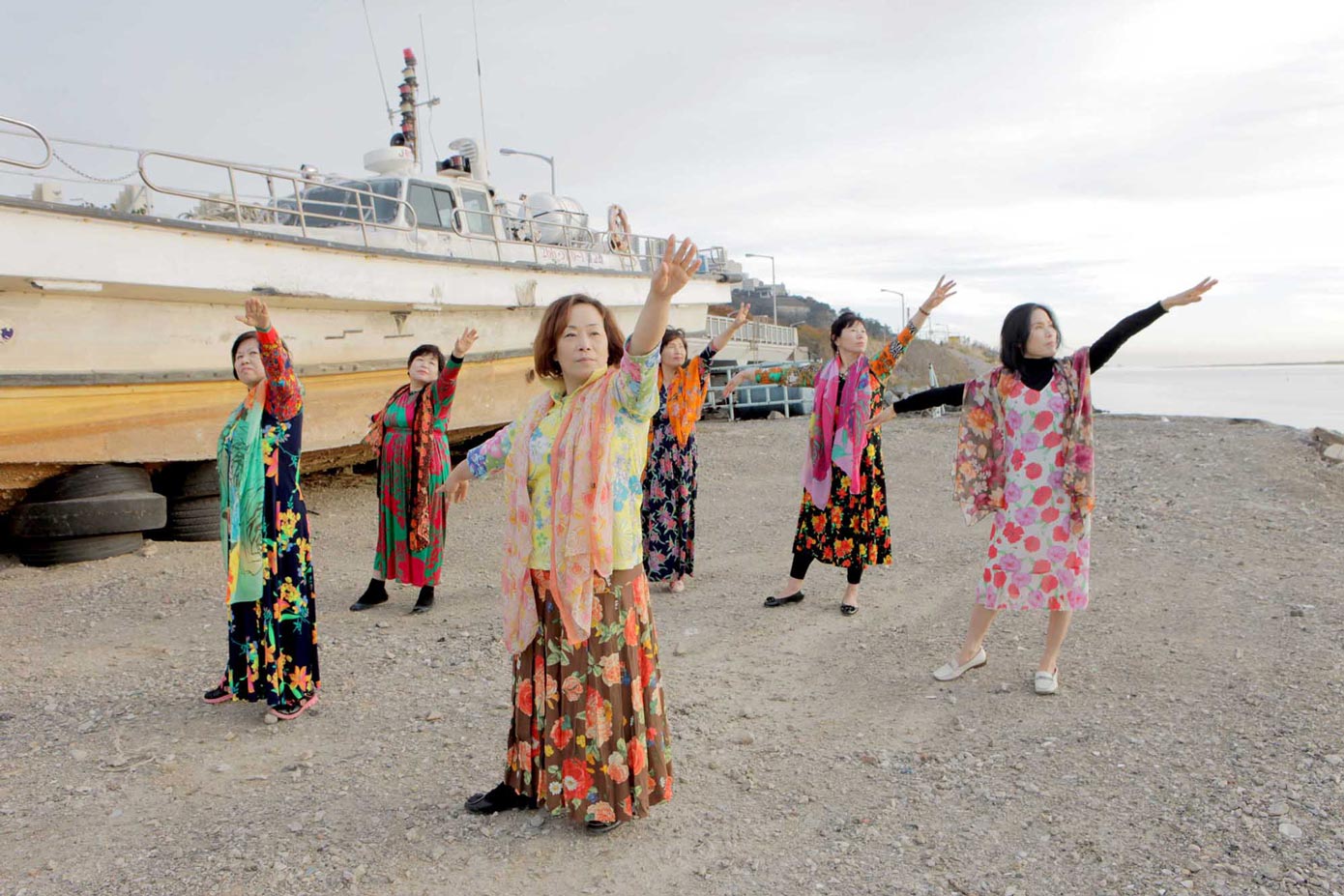
Youngjoo Cho, Floral Patterned Romance, 2014 ©Youngjoo Cho

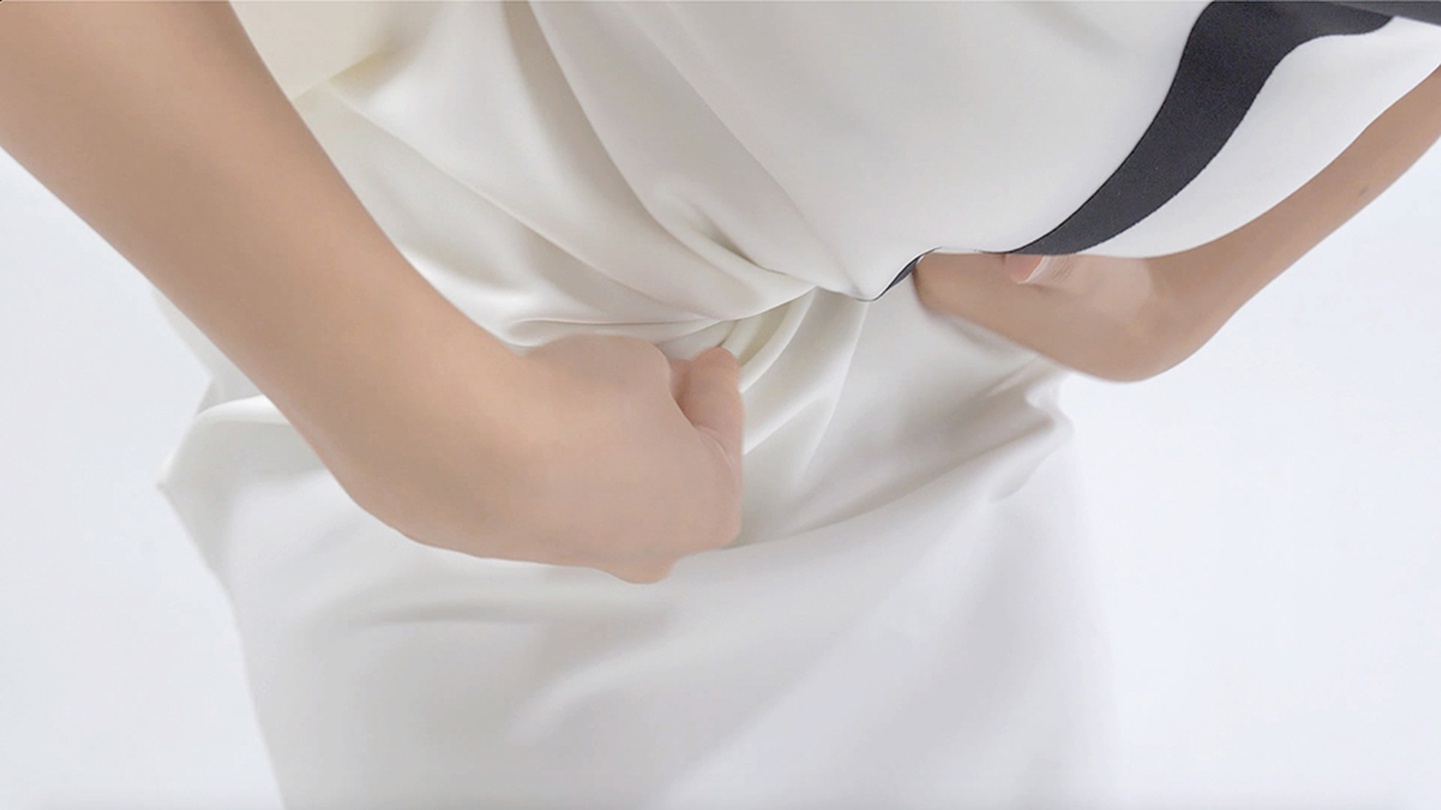
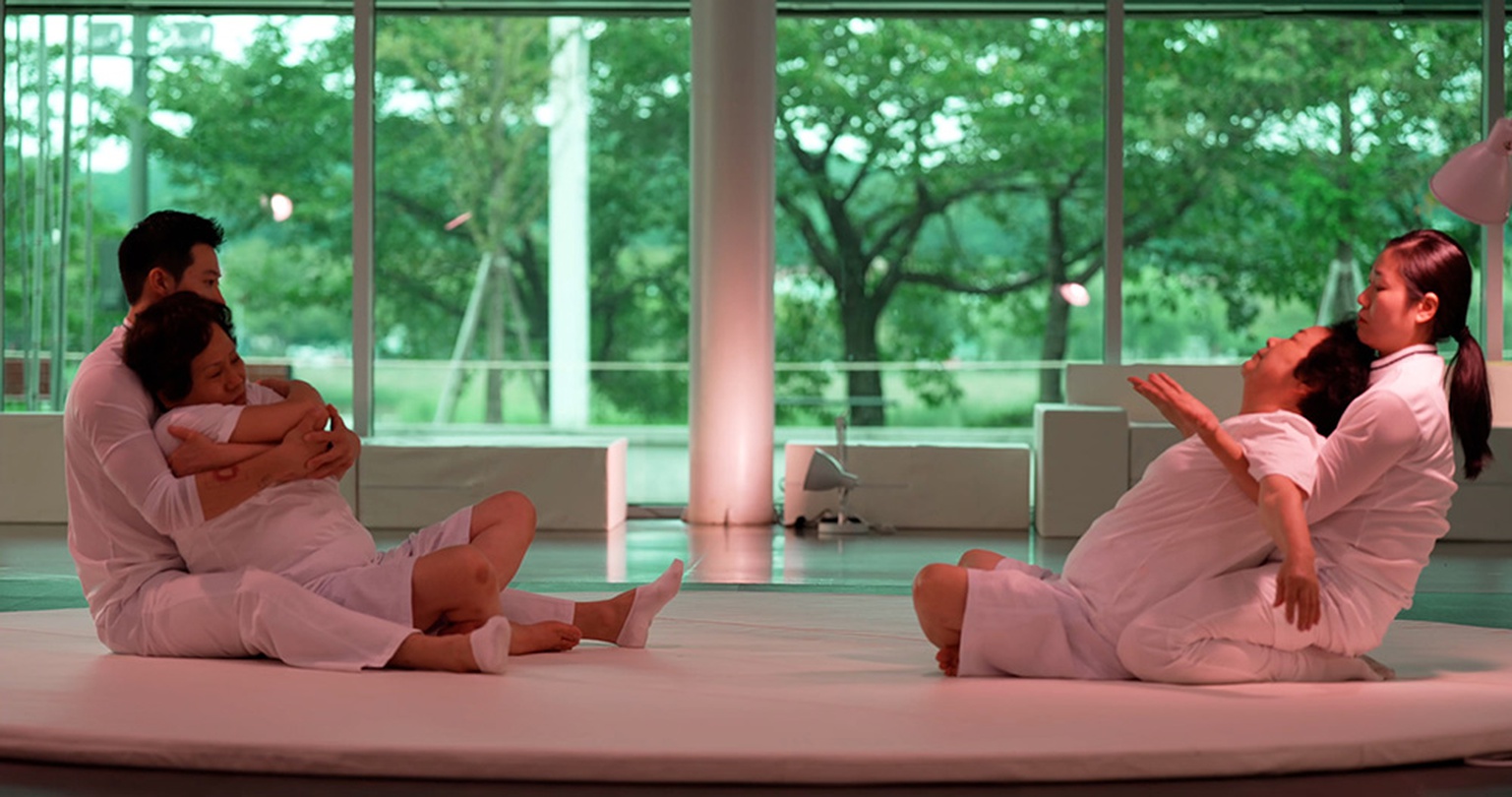
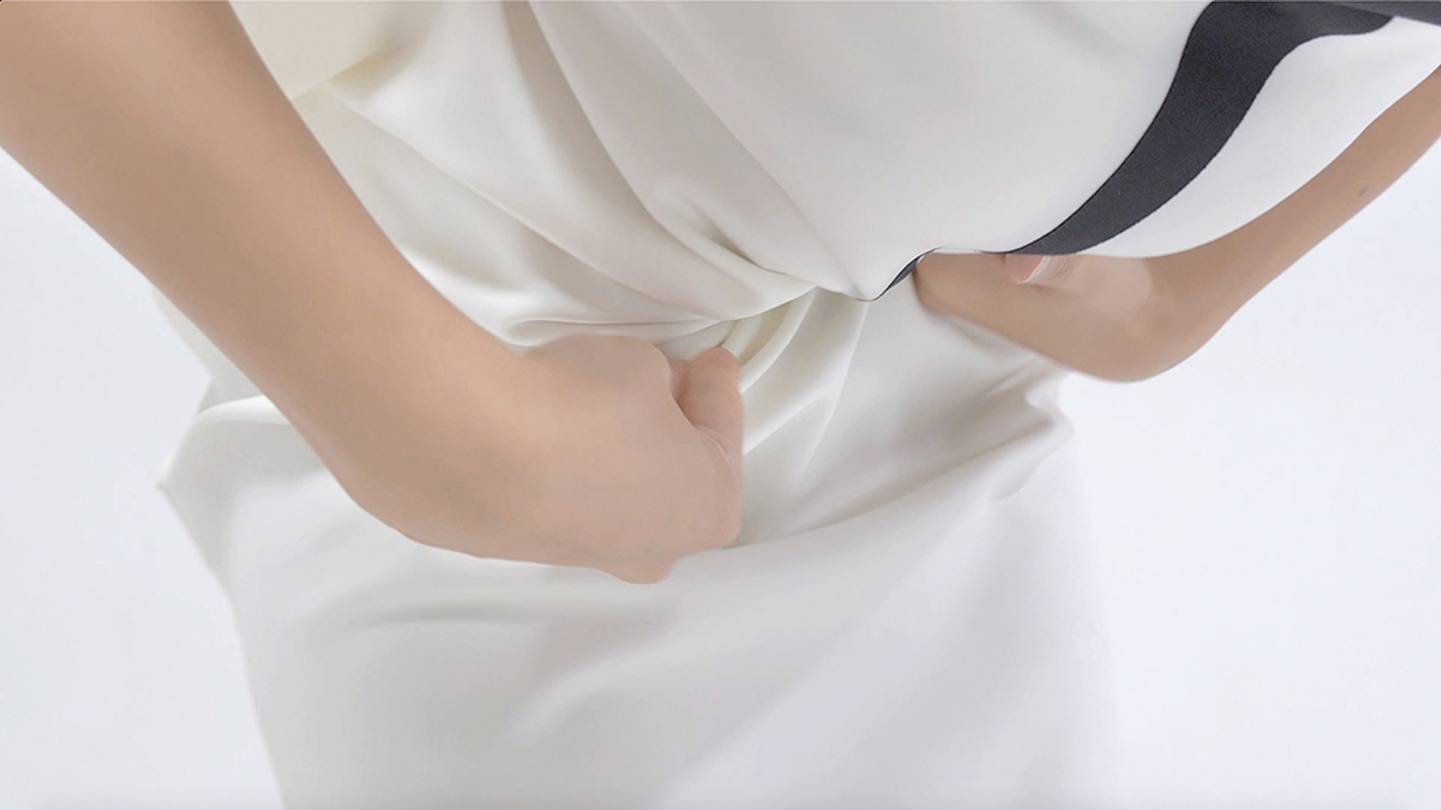
In the continuation of this initiative, the performance video Floral Patterned Romance (2014) that she produced when she was back to Korea after her studies abroad focuses more on the “motility of body” through “extra incident”. She made this video in a residence near industrial complex in Busan. She saw an old woman in showy patterned trousers passing by. Then she developed the thought to involve this experience in her works. A presence of an old woman in showy floral patterned pants in the typical local background of Korean society, might feel like a scene traversing the ordinary reality. Youngjoo Cho found the inspiration of from the floral patterned pants that the old lady chose to wear to go out. In fact, the pants are of a kind called “Monpe”, a sort of common workpants, rather forced style to women laborers descended from the Japanese colonial period. As soon as we notice that the sign of vague femininity from the appearance of an old woman is ironically a double representation of choice and forcing, we realize the narrative about the floral patterned pants cannot be described as simple as it seemed to be.

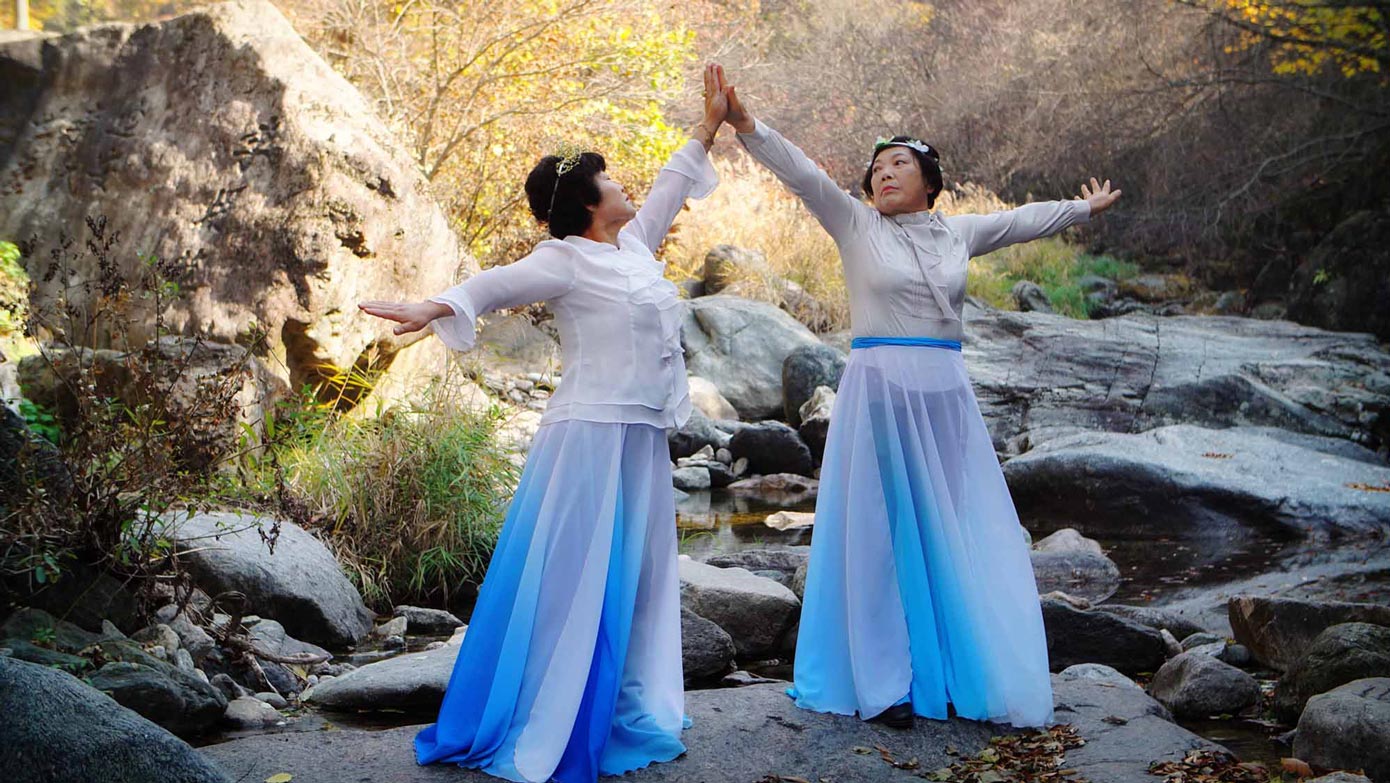
When she started Floral Patterned Romance, Youngjoo Cho called for female factory workers and organized “Dance” workshop. Women mainly in their fifties or sixties gathered, learned dance moves and gradually got free from the familiar routine traits engraved in their body thanks to the new gestures. The artist tried the conversation with “women” living as factory workers in Korea, as she engaged her conversation with “men” in France. As she intruded her own space wearing the borrowed t-shirt from men, she plotted this time an incident intruding those women’s tedious space of reality and thought about the relation between undefined “body” and defined “clothes”. Through the workshop together, they exchanged experiences, learned dance and chose new clothes as dance outfit. The very accidental union of conversation and dance, body and clothes, one woman (Youngjoo Cho) and women (factory workers) takes its place in reality as an extra incident, which cannot be defined or fixed in the reality. Women’s body liberated from familiar gestures and speech, as well as the floral patterned pants which create a new blank on the women’s body without leaving any mark, produce the same kind of dim motility as in the pictures taken right off her own bed after one night sleep in a strange man’s t-shirt. Just like a “dancing body” traversing space. is a performance video with 13 middle-aged women dancing after the ballet choreography in the factory complex of Busan as a background. Women expose the dance moves hidden before, motility inlaid in their body, wearing showy floral patterned skirt and scarf. The space where they dance manifests clearly the triteness of reality, but the temporary union of women’s body traversing it and the floral patterned clothes covering the body causes extra incidences that didn’t happen in the reality.

Youngjoo Cho, Watery Madams, 2015 ©Youngjoo Cho

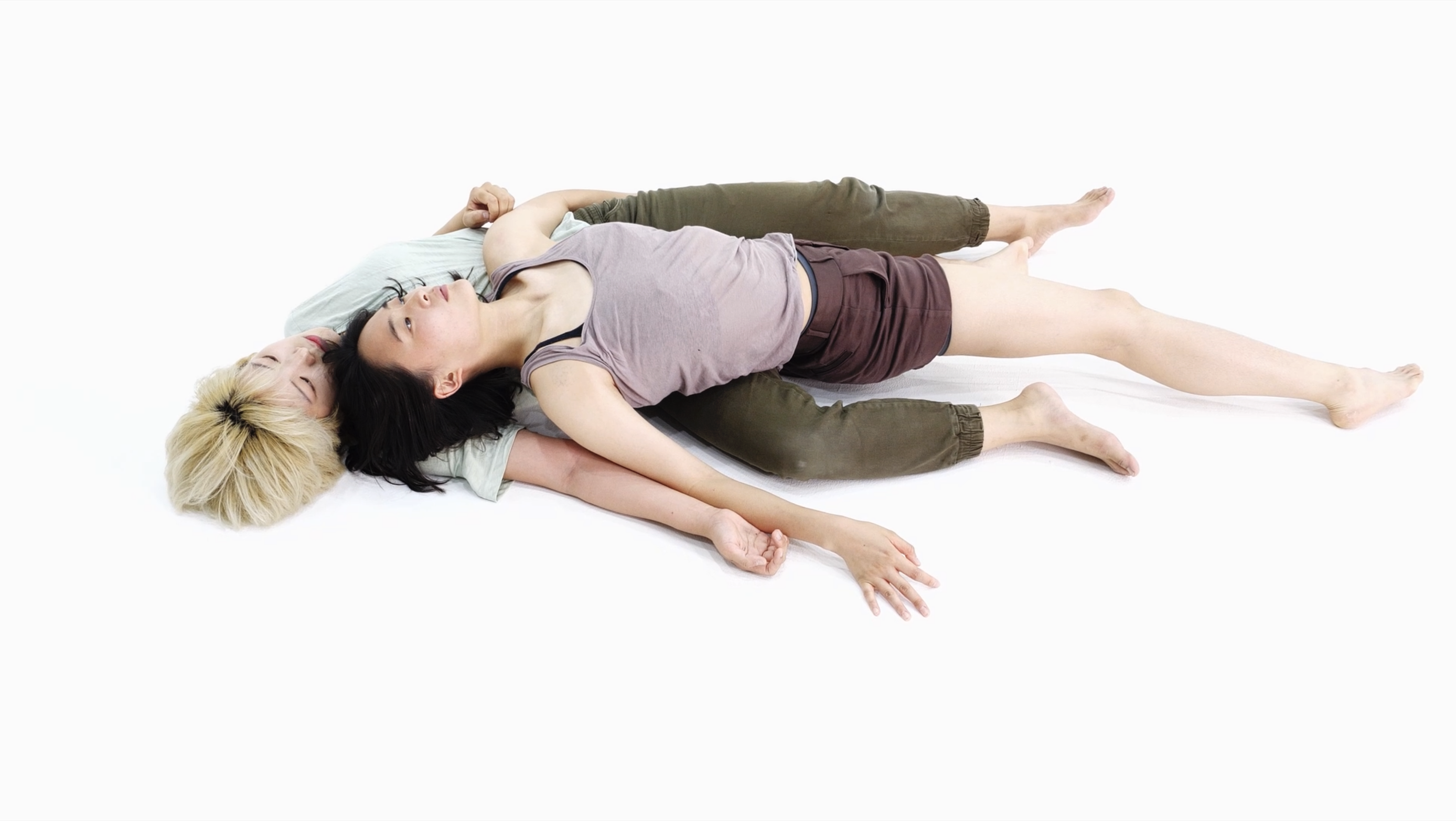
Like this, Youngjoo Cho imagines the latent things in the daily life through dance and conversation. It seems that she tries to make presence of the “nameless” objects or incidents associated by imagination. The artist subverted subtly the banal cliché of middle-aged female worker and floral patterned clothes, and focused on the temporary romantic narrative that the simple association arouses, appearing once in a while, traversing the reality and disappearing soon. After , Youngjoo Cho has continued more dance performances in other regions, created with middle-aged women such as Grand Cuties (2015), The Divas go out(2015), Watery Madams(2015), Demilitarized Goddess(2015). The series of dance performances of Youngjoo Cho has been developed up to 5 works so far. As mentioned above, it reveals the “anonymity” of Korean middle-aged women’s body. Instead of re-locating it on the already fixed spot, this series intends to leave it in a status of possibility of “limitless movement” transcending oneself, like undefined dance moves. It is the true necessity of “dance” in Youngjoo Cho’s works.

Youngjoo Cho, Talks in wearing a dress, 2015 ©Youngjoo Cho

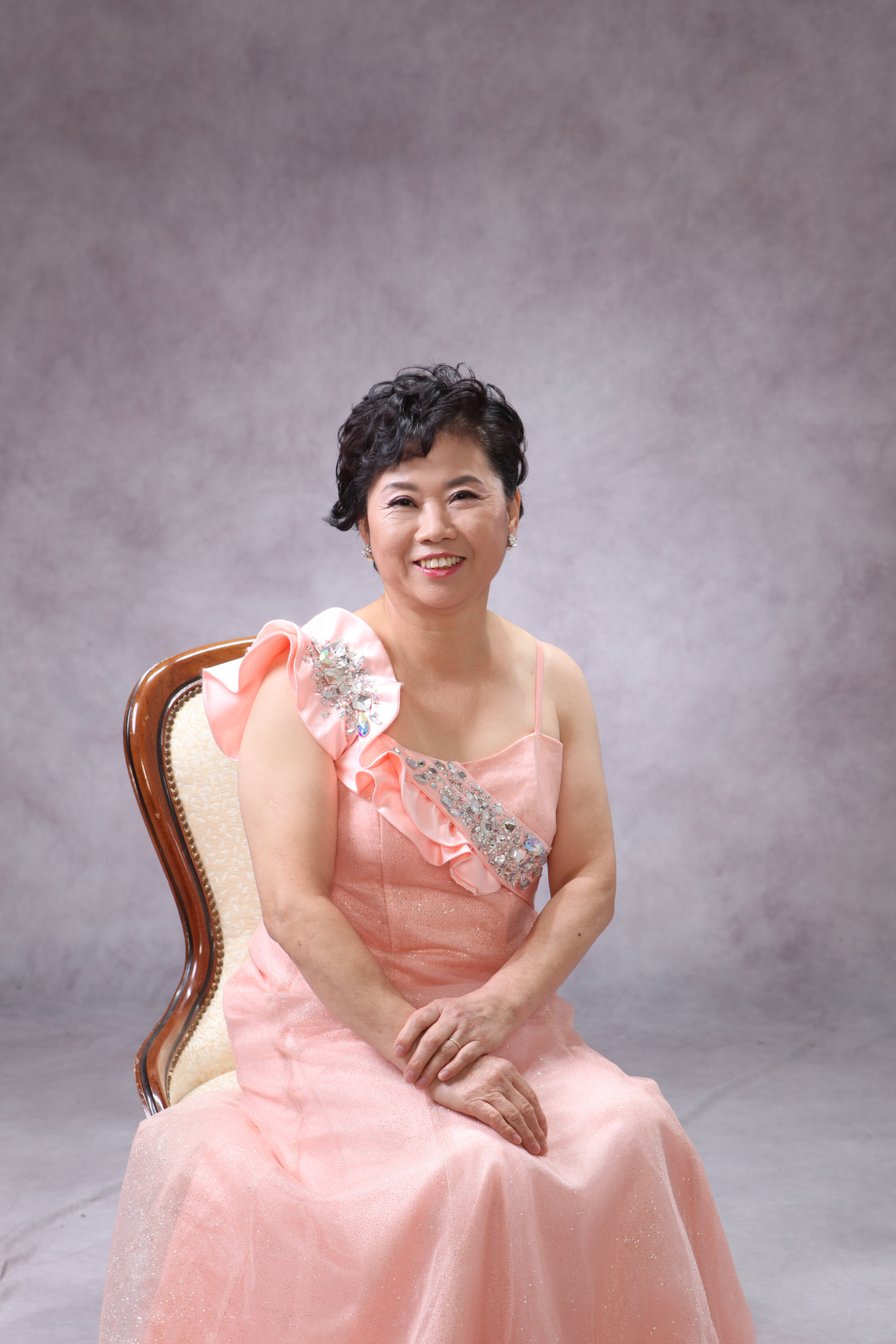
On the other hand, another work of the artist Talks in wearing a dress (2015) is focusing more on the act of “conversation” she shared with the middle-aged women participants. She talked about trivial things of life while she did the so-called ‘bridal make-up’ to those women. Looking at themselves changing the appearance in the mirror, the women started to tell the many personal stories hidden in their heart, without any context or guidance. In the words exchanged, they specified their impalpable experiences, digging out the individual incidents locked in the middle-aged women’s body. Just like the dancers’ gesture traversing the space, their conversation requires a new perspective on what is liberated from themselves. That perspective is recurring in another work of the artist Home-Less: The Intentional Home-Less Women(2016). This work, composed with interviews of women who left their family and home and the pictures directed to represent such images, alludes strongly to a perspective watching someone’s personal experiences implying countless silence and blank. That imperfect perspective can also be found in the subtly damaged photo frames and fragmented, patched disposition of sourceless documents. It makes us think how experiences of a woman as an individual representing anonymity get to face imperfect perspectives in a society.

To conclude, a series of performance-based works on which Youngjoo Cho has focused, approach to something that presents mainly women’s body and their experiences through “dance” and “conversation”. This has a meaning as an extra incident that traverses the reality, and is treated subtly as anonymous incidents on the frontier between “appearance” and “disappearance” of unnamable gestures and words.

References