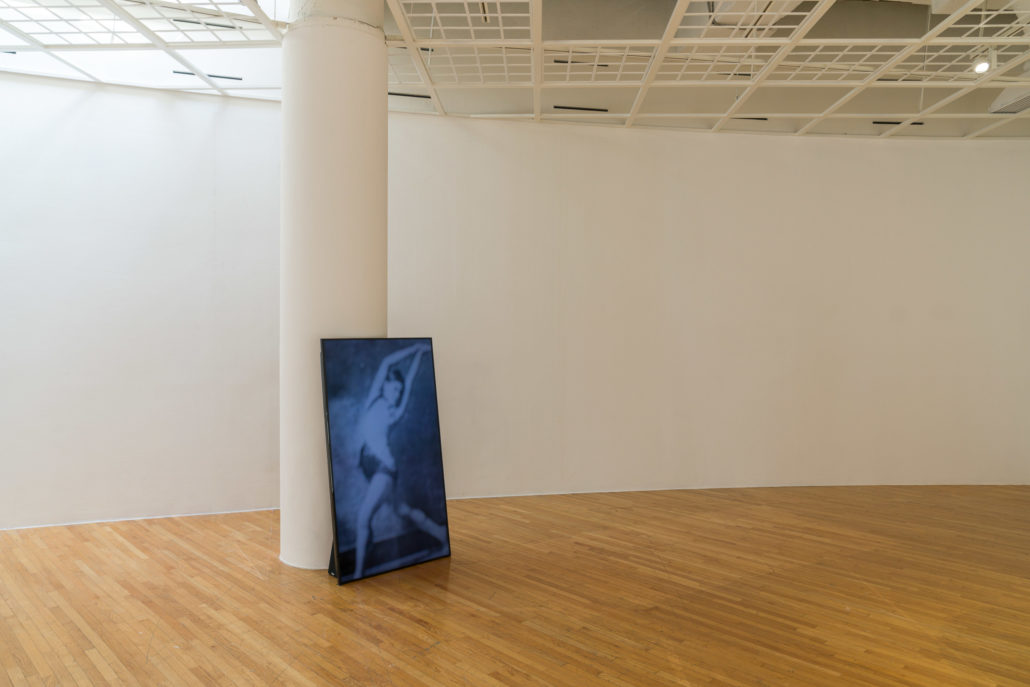
This exhibition invites reflection on the categories and
possibilities of the artist's treatment of time. The artist does not merely
remain at the level of understanding time but examines the temporal composition
and the interactions within and beyond its multiple boundaries. Ultimately, the
artist consciously reflects on the modes of existence of the self or the world.
Therefore, the English word "mechanics" in the exhibition title not
only indicates the unified, concrete state of time but also implies the
fluidity of the temporal horizon. Yet, as is well known, “time,” as a dimension
of pure existence, is not easily perceived through sensory experience in the
material world. Moreover, since the formalization of time has long depended on
the medium of sound, it has remained a challenge for visual artists.
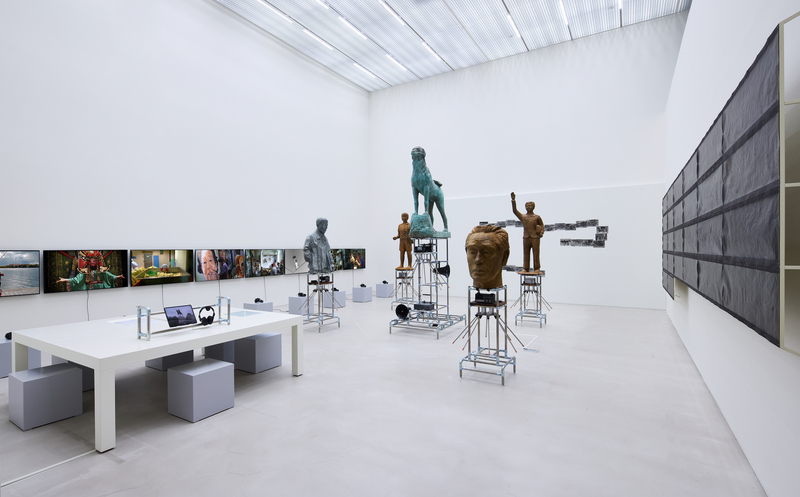
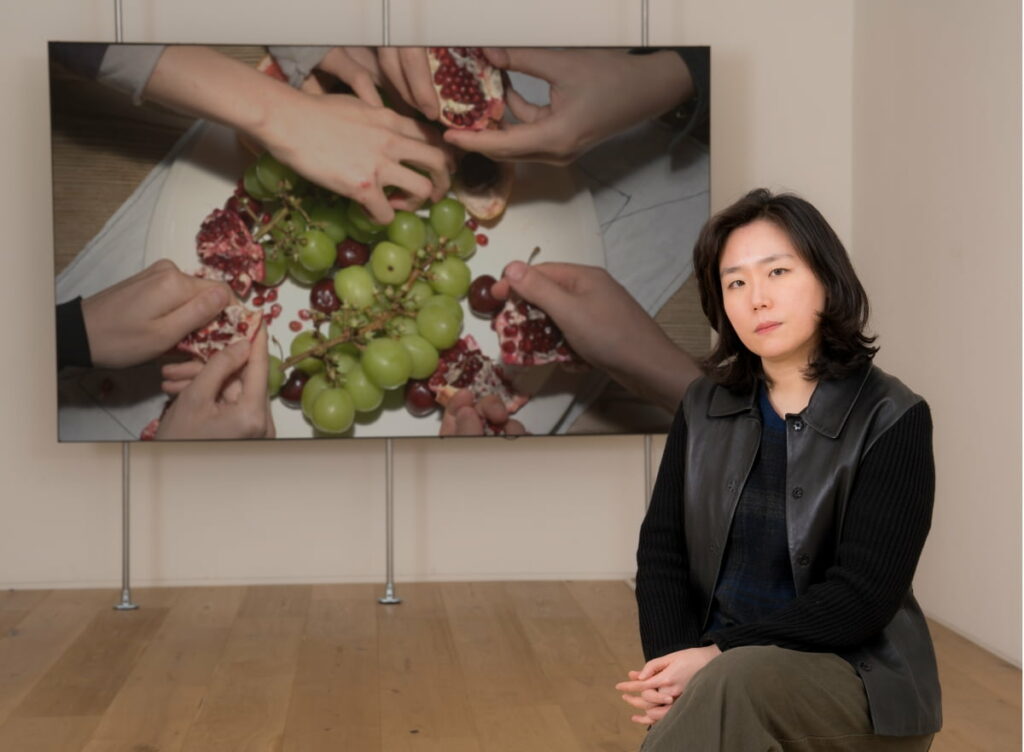
In this exhibition, the diverse media employed by Hwayeon Nam
convey the temporal experiences of life. However, these experiences are not
confined to the realm of the individual but are expanded into social meanings
and spatial dimensions. By involving objects and events in the fleeting
experiences of what has passed, been forgotten, or wished to be recalled, the
works endow these ephemeral moments with an objective materiality. In this
manner, the temporal experience within the material world is recontextualized
as a social form, transforming into a performative aesthetics. This process
leads to the inference of meaning from unrelated objects and events.
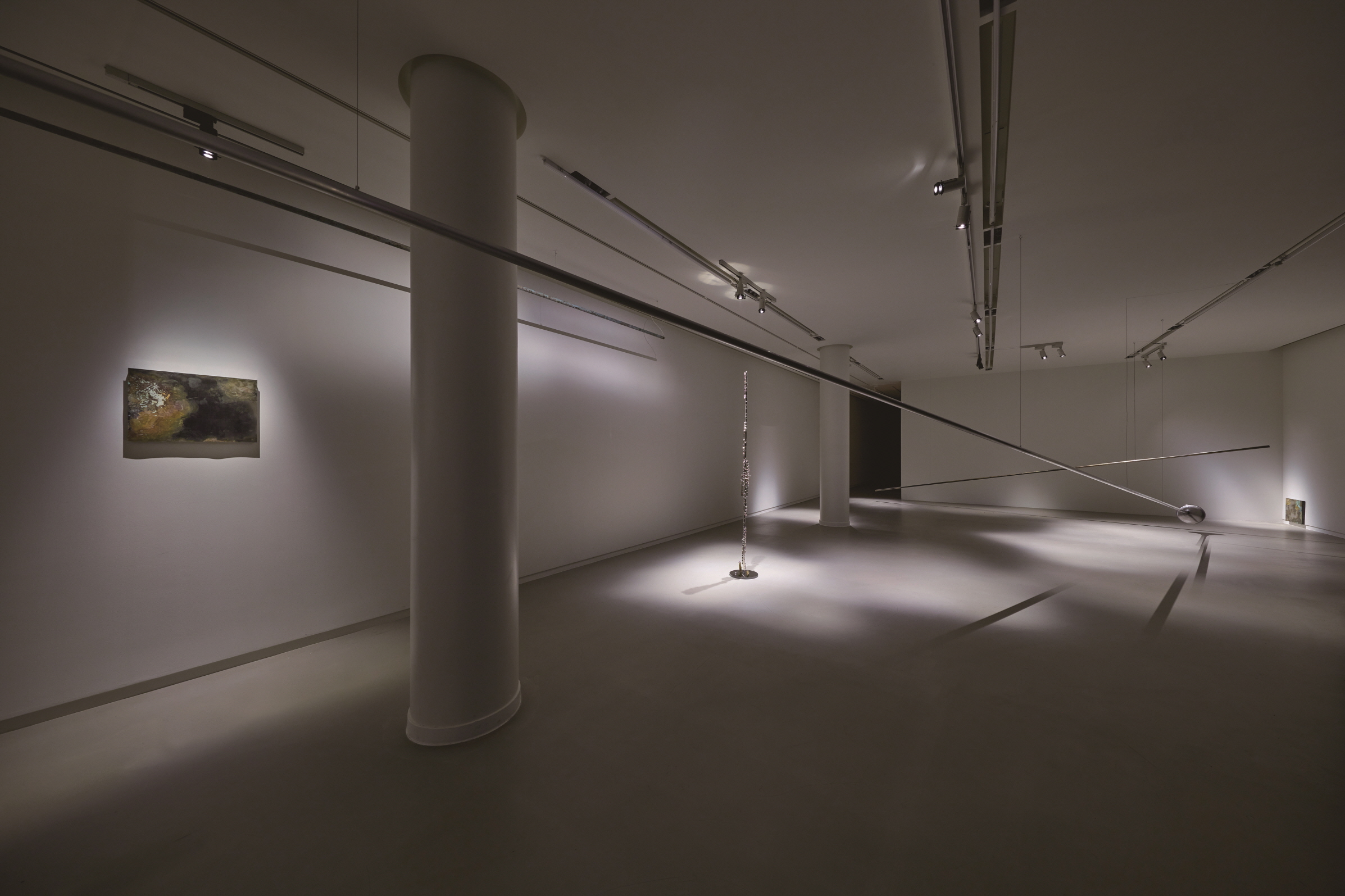
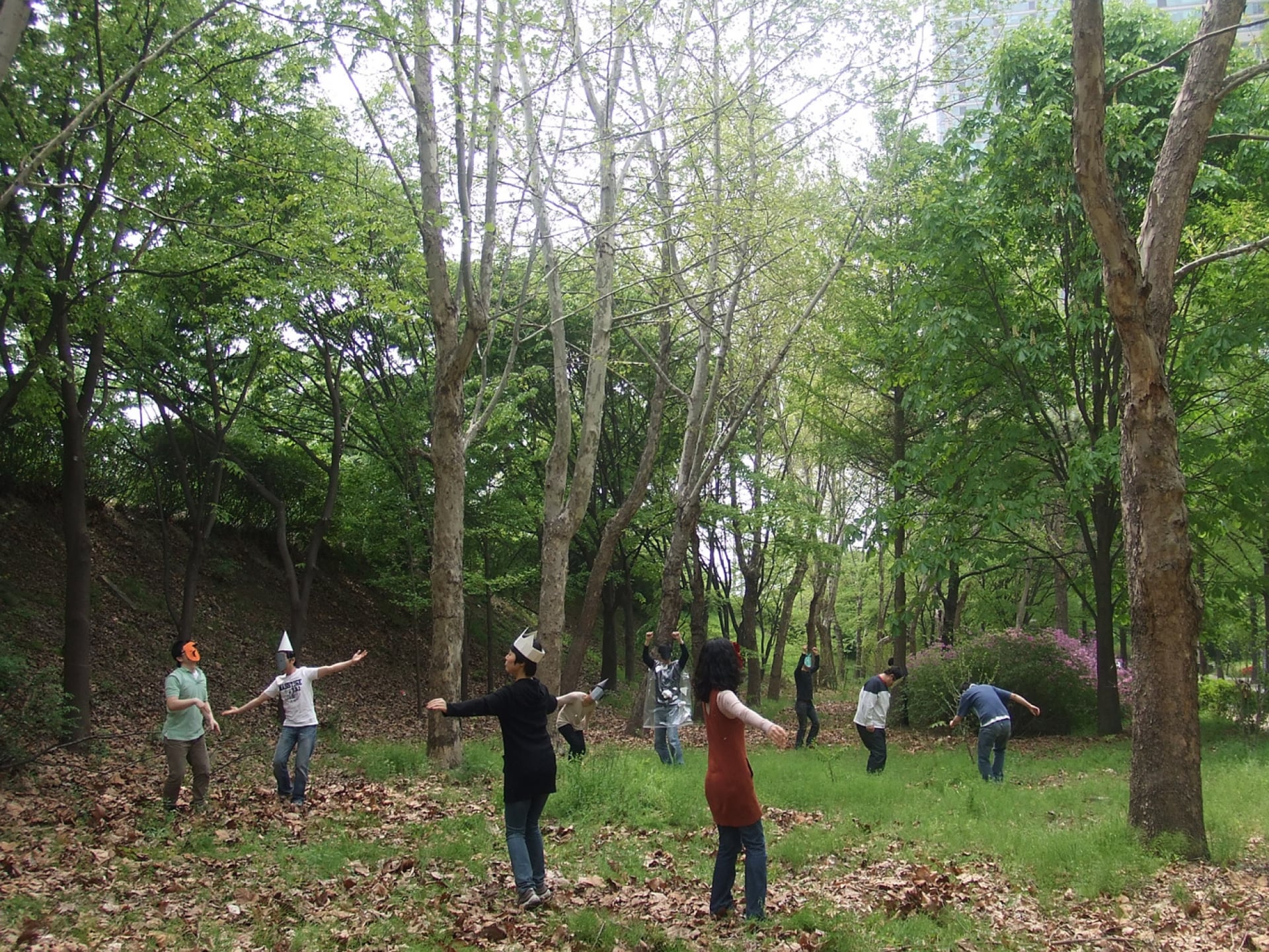
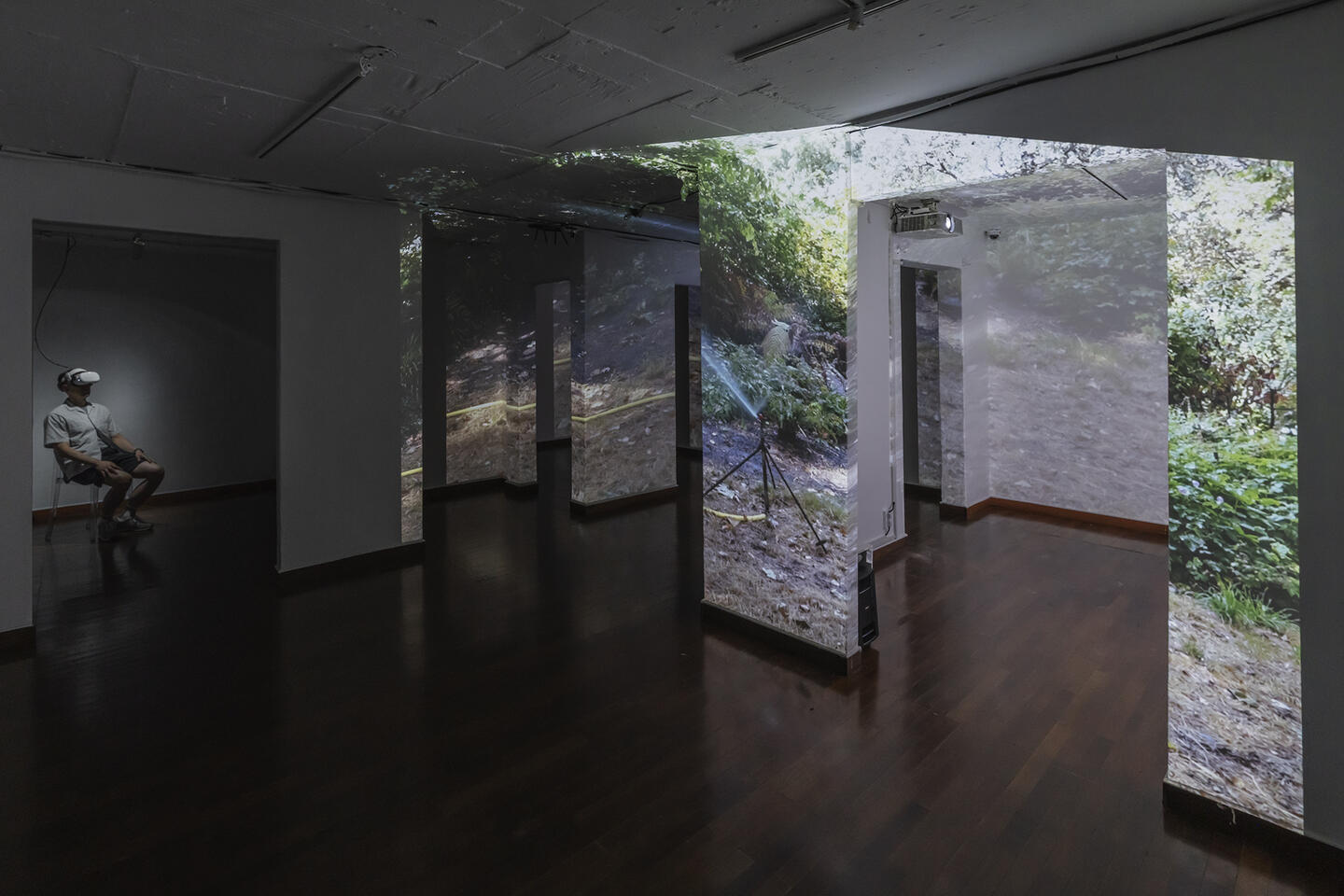
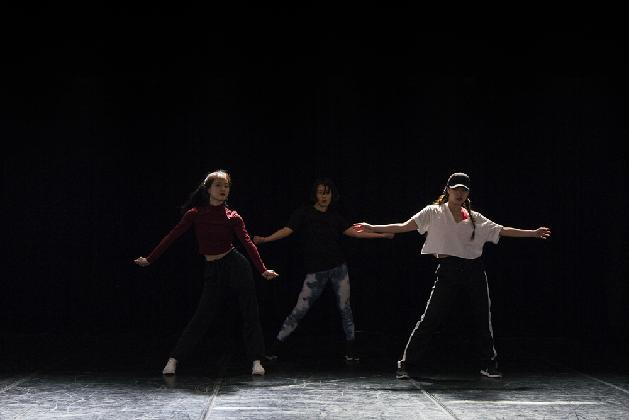
The performative actions in this exhibition are expressed through
voice, body, gaze, or as objects themselves, capturing reality. Simultaneously,
the symbolic processes and semantic devices utilized in the temporal media,
where actions are realized, are connected to the spatial movement of the
audience. This connection aims to elevate the artist’s experiential performance
and the viewer’s imaginative participation into a holistic situation. In this
sense, the exhibition showcases a curatorial intention that stands out.
This strategy of organizing time as a unified construct awakens
the conscious and historical presence of the viewer through the artist’s
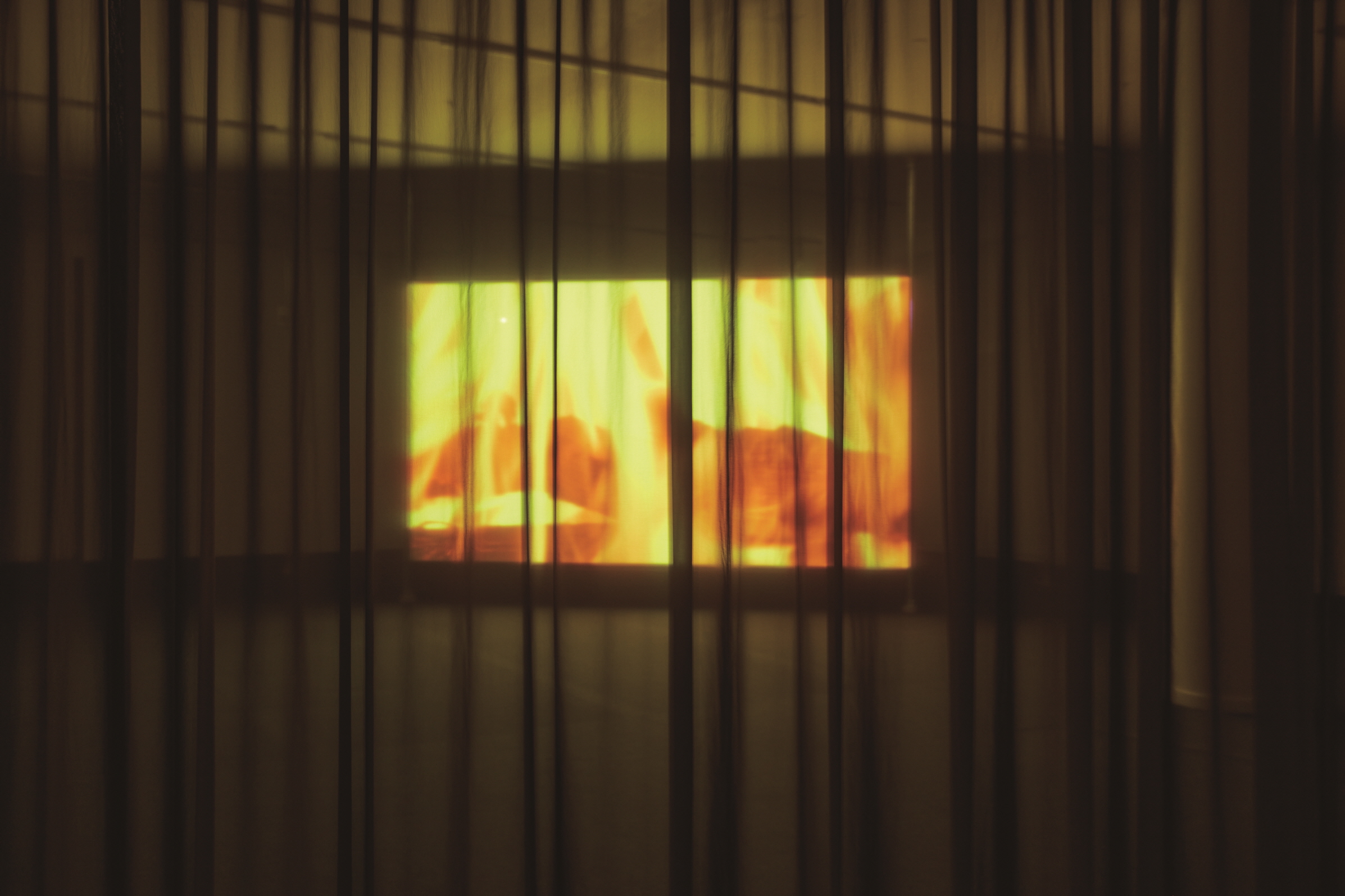
performative actions. In Coreen 109, virtual material
symbols, which substitute for the actual experience of the historical object
“Jikji Simche Yojeol,” emerge, thereby suspending direct engagement with the
past object. Despite the presentation of micro-historical facts, the closer
they approach the present tense, the more our consciousness concentrates on the
visual image of Jikji, believed to reside in a specific space. This cultural
memory’s attachment to the temporality of materiality reveals its potential to
be repurposed as a political form, as evidenced by its ultimate resting places
in modern knowledge-power constructs like libraries and archives.
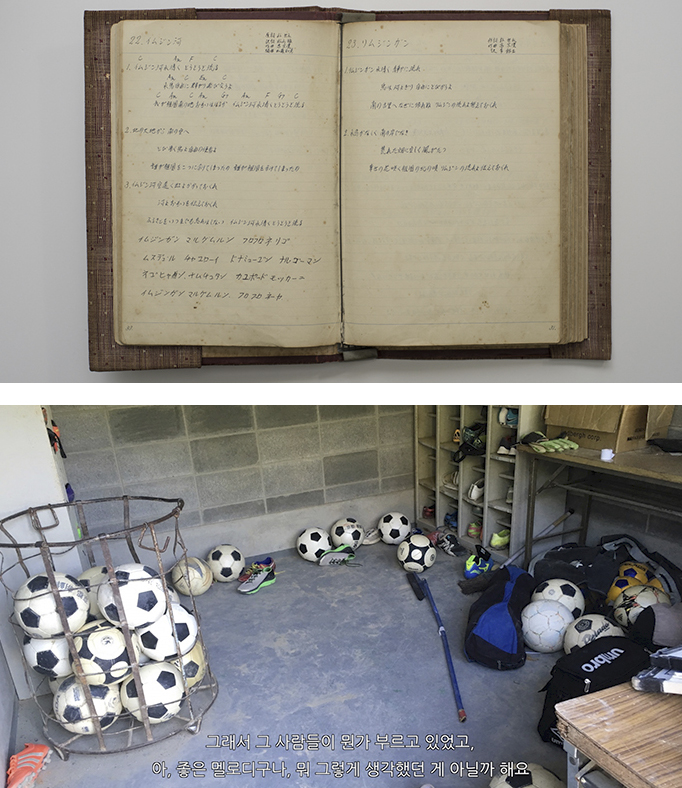
Nam's video work indirectly conveys that the fragmented memories
produced during the existence of collected objects can further mythologize
them. The more this happens, the more time accepts the courtship of power,
governing consciousness and historical progression. This theme is also evident
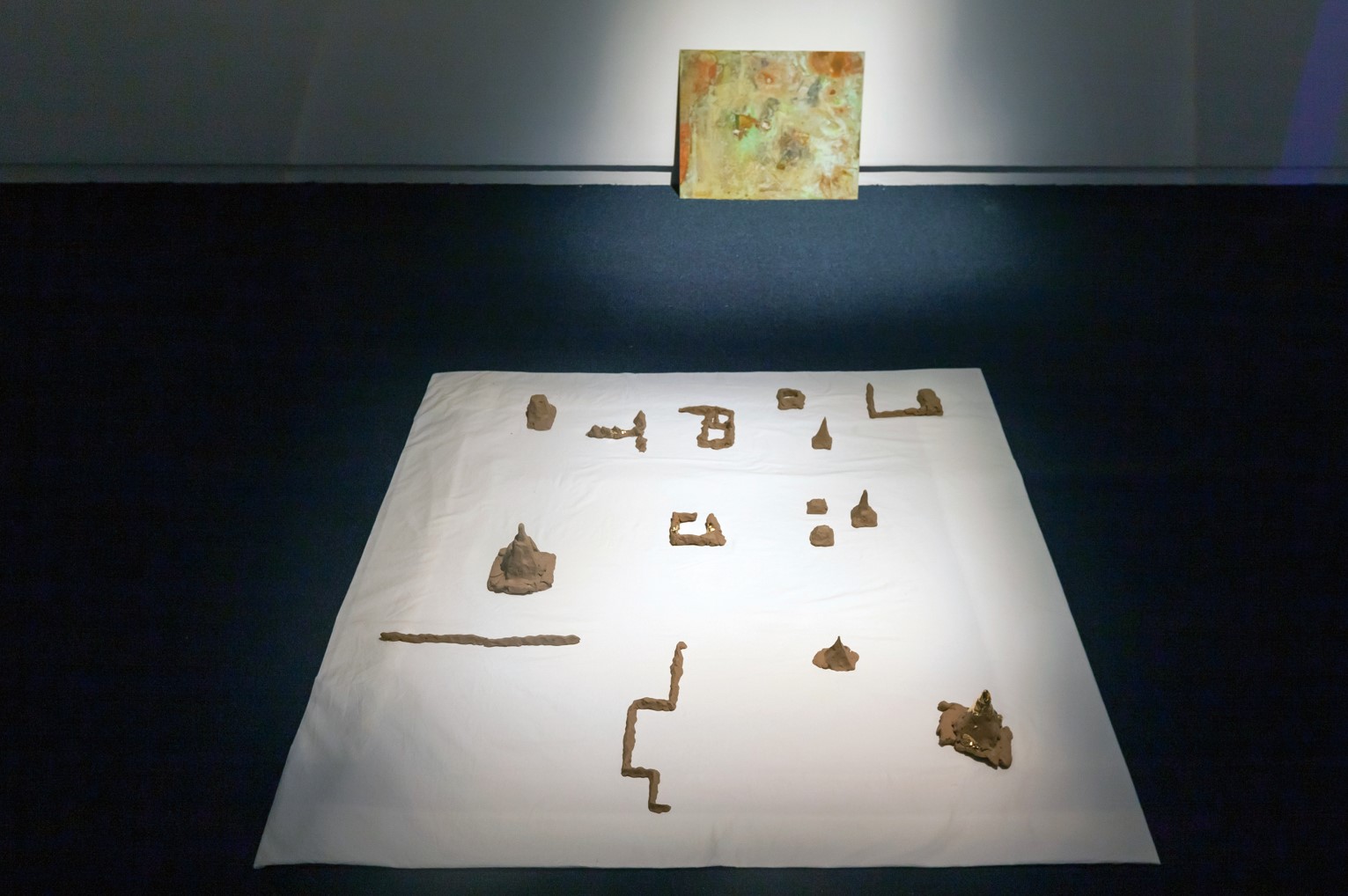
in Ghost Orchid and The Adoration of
the Magi. The collecting practices and authority, functioning as
modes of knowledge-power, maximize and visualize the reliability of fragmented
memories. Consequently, the so-called “imagined communities” that rely on
partially collected images, without knowledge of the whole narrative, become
accustomed to accepting past experiences of others in figurative and
metaphorical forms.
As illustrated by Nam, the image bearing Giotto’s religious
prestige is symbolically appropriated in the scientific world, and the colonial
lists created by 19th-century orchid hunters persist as if they were a
consensual “ritual” in modern society. The persistence of such lists signifies
an ongoing need for deeper insights to penetrate the underlying complexities of
“time mechanics,” just as the videos and sounds in the exhibition space are
intertwined. In this way, the freedom of the artist’s concrete performance can
return to the work itself.