





Solo Exhibitions (Brief)
Siren eun young jung has held approximately
13 solo exhibitions from 2006 to the present (2025) in various cities,
including Seoul, Incheon, Singapore, Kyoto, Düsseldorf, and Montreal. Notable
solo exhibitions include 《The Wandering Diseases》(2006, brainfactory,
Seoul), 《Trans-Theatre》(2015,
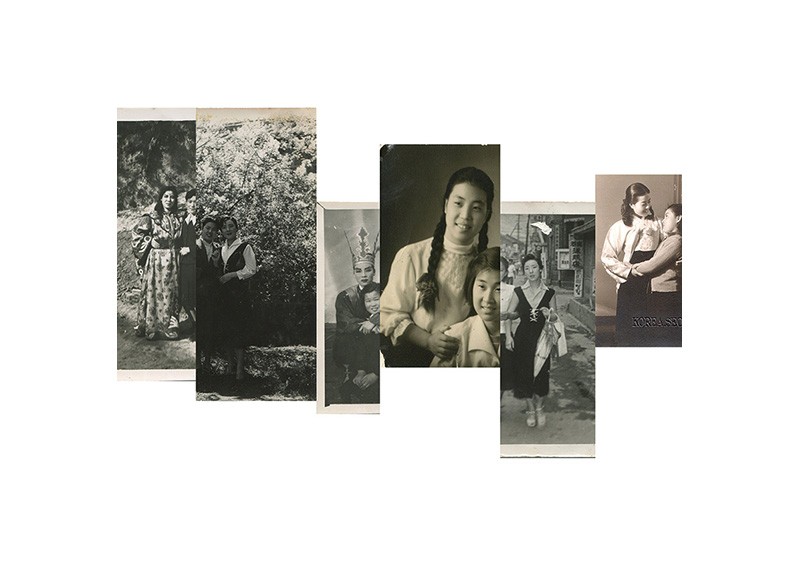
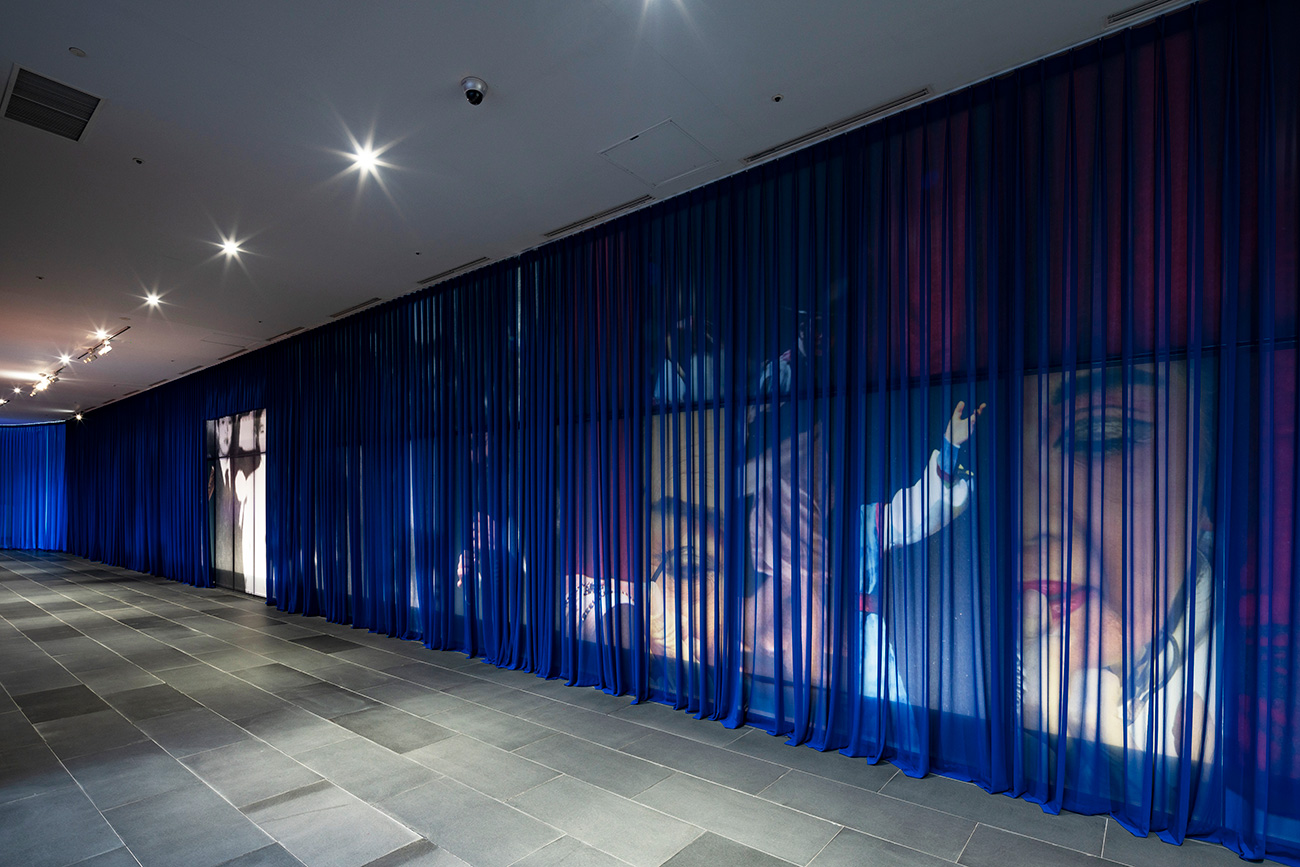
Art Space Pool, Seoul), 《Wrong Indexing》(2016, Sindoh Art Gallery, Seoul), 《Wrong
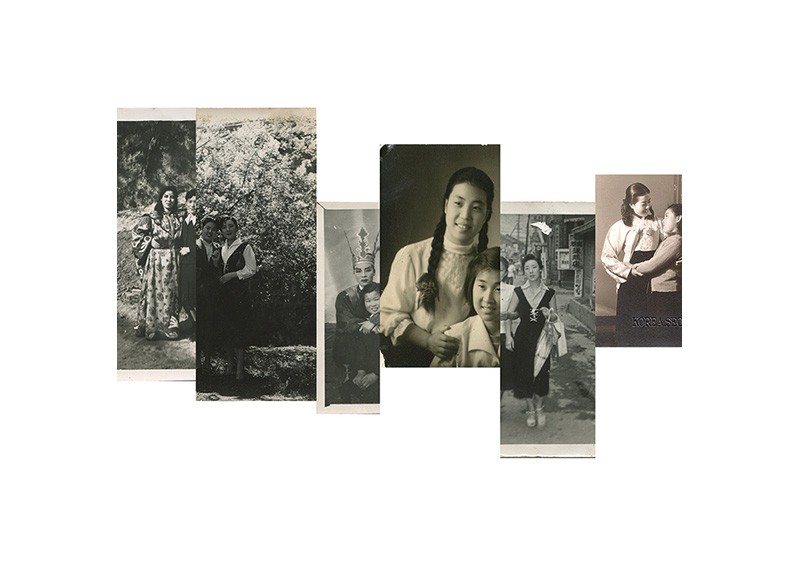
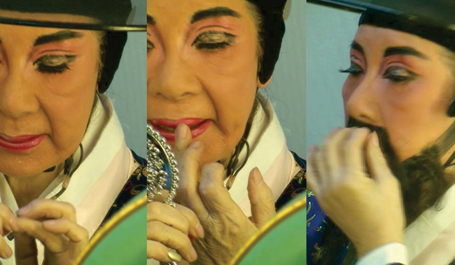
Indexing: The Yeoseong Gukgeuk Archive》(2017, NTU CCA
Singapore, Singapore), 《Foolish or Mannish》(2018, d/p, Seoul), 《Deferral Theatre》(2020, Kunstverein für die Rheinlande und Westfalen, Düsseldorf), 《To Die as a Fish》(2021, Arko Art Theatre,
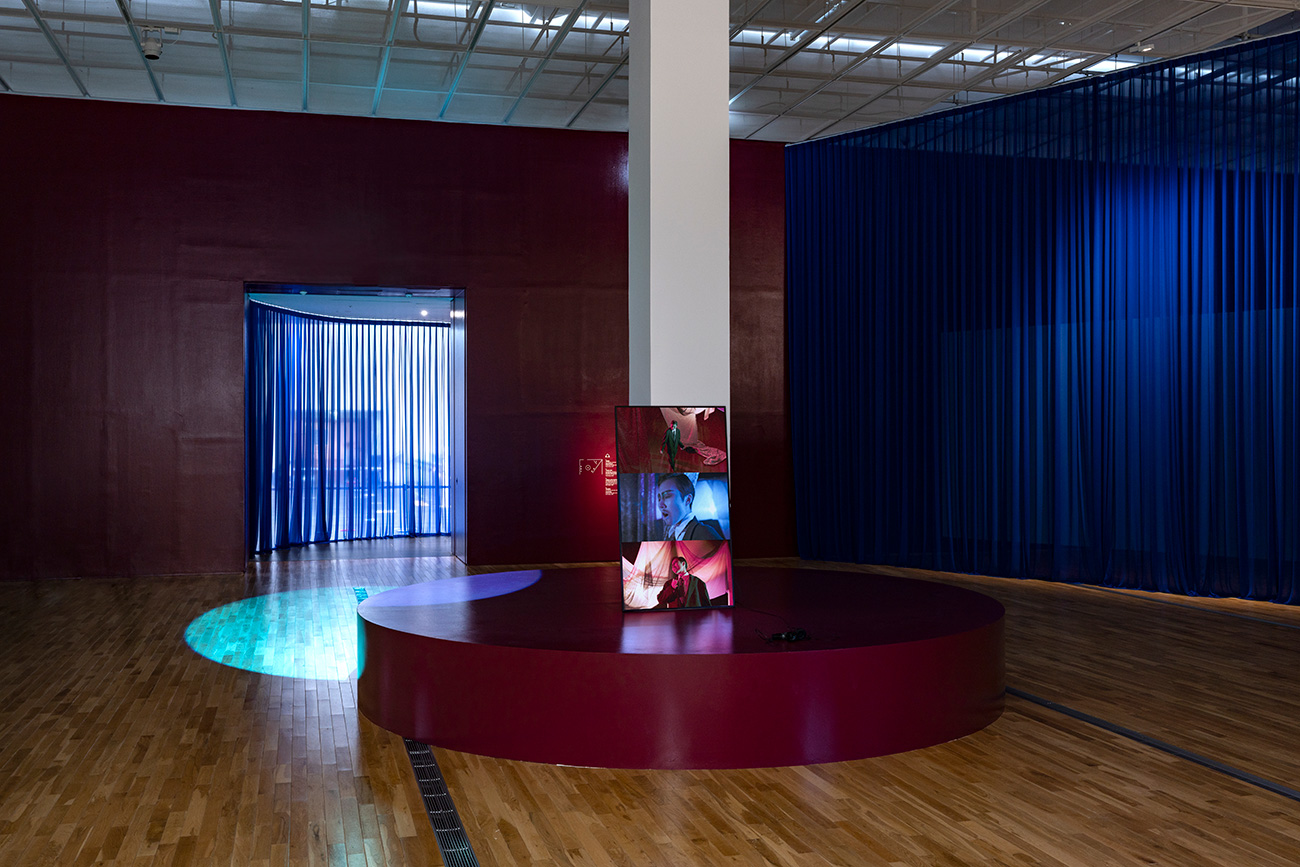
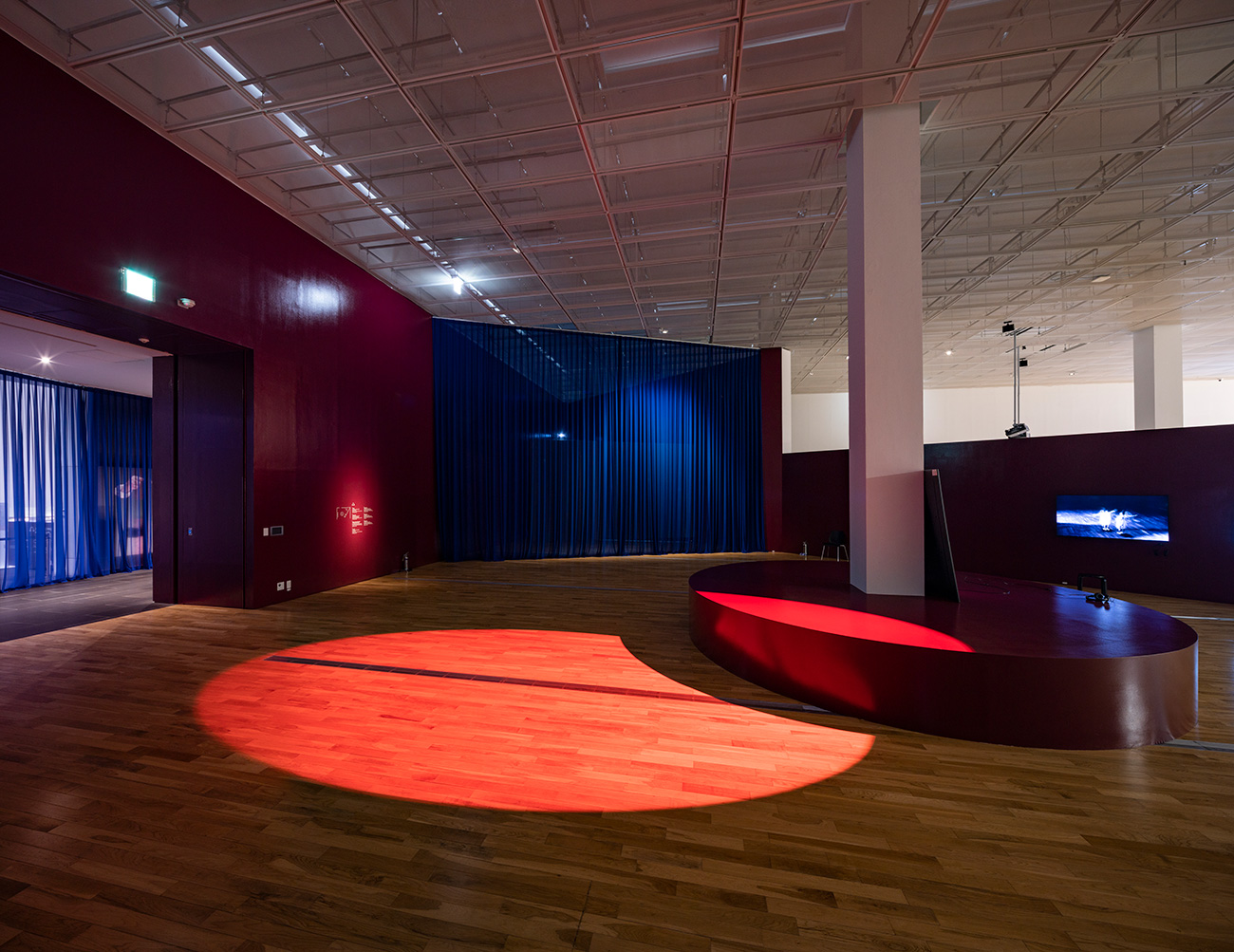
Seoul), 《The Yeoseong Gukgeuk Project: Hijack the
Gender!》(2023, Leonard & Bina Ellen Art Gallery,
Montreal), and 《To Die as a Fish, SPAF (Seoul
Performing Arts Festival)》(2023, Cesil Theatre, Seoul).
Group Exhibitions (Brief)
Notable
group exhibitions include 《kkk^^;》(2006, Ssamzie Space, Seoul), 《Network Plus: Memory》(2006, Alternative
Space Pool, Seoul), 《Neighborhood》(2007, New Museum of Contemporary Art, New York, USA), 《Perspective Strikes Back》(2009, Doosan
Gallery, Seoul), 《Up-And-Commers》(2012, Total Museum of Contemporary Art, Seoul), 《Happy Window》(2012, Art Center Nabi, Seoul),
《Unbound Archive》(2012, Arko
Art Center, Seoul), 《The Songs of Slant Rhyme》(2013, Kukje Gallery, Seoul), 《Hermes
Foundation Missulsang》(2013, Atelier Hermes, Seoul), 《The Future is Now》(2014, MAXXI, Rome, Italy;
2015, La Friche Belle de Mai, Marseille, France), 《FANTasia:
Asia Feminism》(2015, Seoul Museum of Art, Seoul), 《As the Moon Waxes and Wanes》(2016, National
Museum of Modern and Contemporary Art, Gwacheon), 《Polyphonies》(2016, Centre Pompidou, Paris), 《Body
Collective》(2019, AAA at Art Basel in Hong Kong, Hong
Kong), 《History has Failed Us, But No Matter》(2019, Korean Pavilion, La Biennale di Venezia, Venice), 《Human: 7 Questions》(2021, Leeum Museum of Art,
Seoul), 《Frequencies of Tradition》(2020-2022, Incheon Art Platform, Incheon), 《Our, Grandmother》(2022, Post Territory
Ujeongguk, Seoul), 《Watch and Chill 3.0: Streaming
Suspense》(2023, MMCA, Seoul), and 《The Shape of Time: Korean Art after 1989》(2023,
Philadelphia Museum of Art, Philadelphia, USA).
Awards (Selected)
Siren eun young jung has received the Hermes
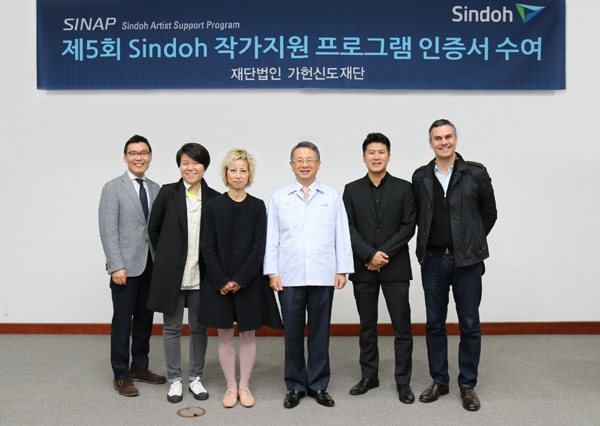
Foundation Art Award (2013), the Sindoh Art Prize (2015), and the Korea Artist
Prize (2018).
Collections (Selected)
Siren eun young jung’s works
are housed in the collections of major institutions, including National Museum
od Modern and Contemporay Art, Korea; Daegu Art Museum, Korea; Busan Museum of
Art, Korea; Seoul Museum of Art, Korea; Museum of contemporary art Busan, Korea;
KADIST, Sanfrancisco, US.