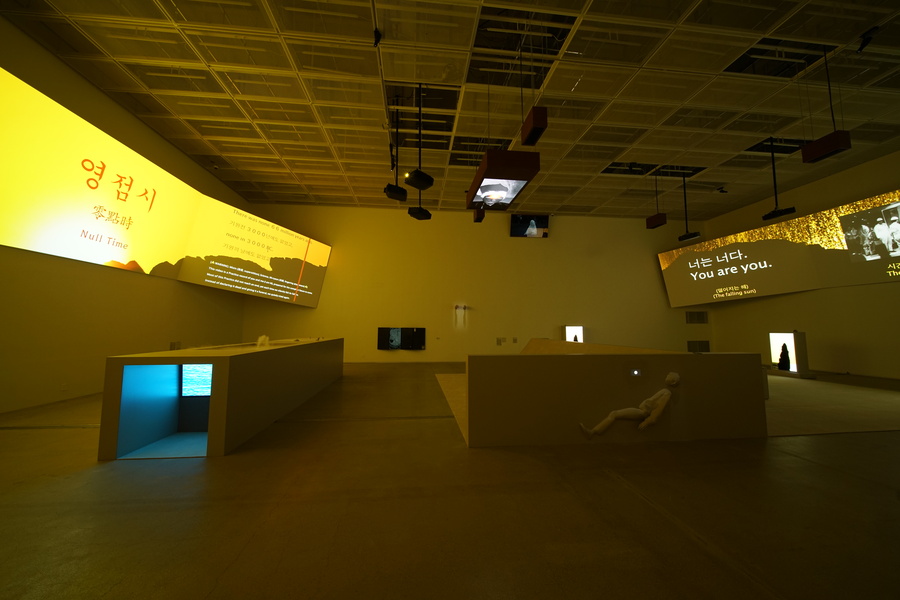
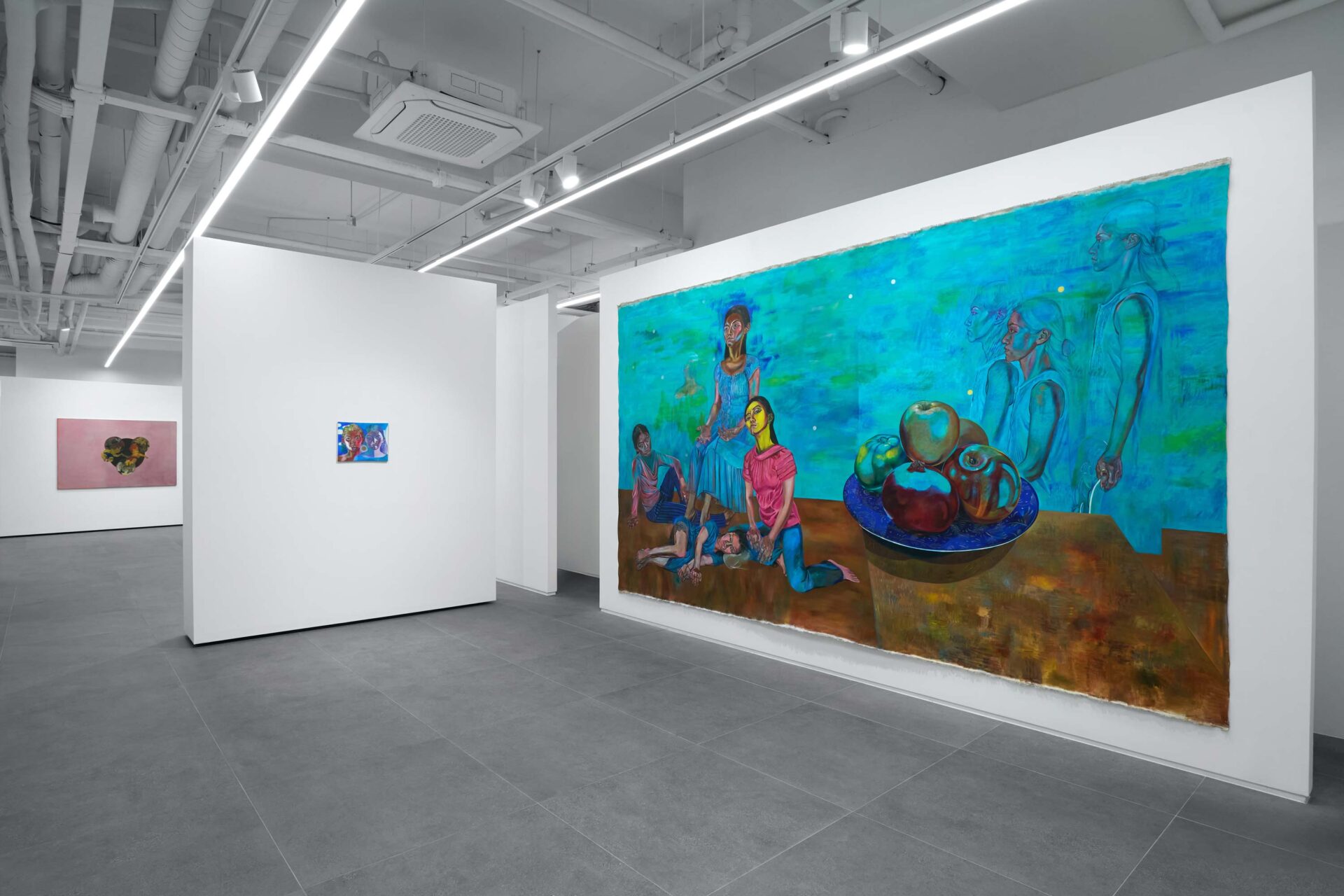
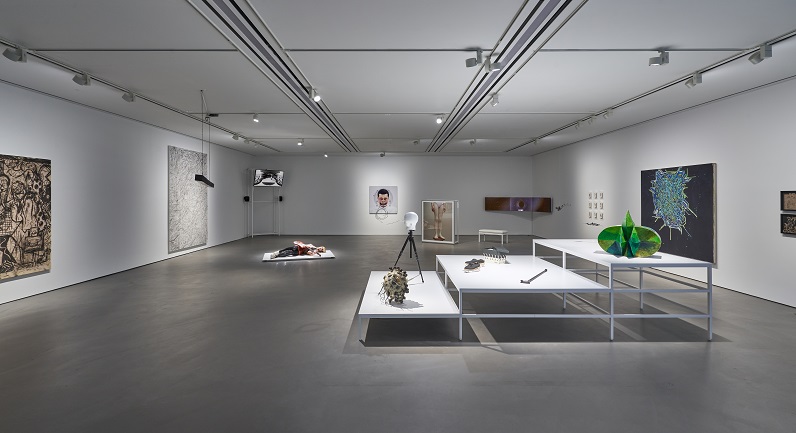
In the work of IM Youngzoo, faith
is not something deconstructed by technology, nor is technology fully
understood through faith. The former case is one in which faith ends up labeled
as superstition; the latter posits faith—often under the names of tradition or theology—as being a principle that explains all the events that occur on this
earth. Yet Im’s work does not create some kind of
chaotic state out of its combination of the premodern and modern, or of the
irrational and rational. It considers what happens when something emerges as
the object of belief, using sensory forms to interrogate the hidden dynamics
that clearly exist but are obscured by the dichotomies of theology and technology
or religion and science.
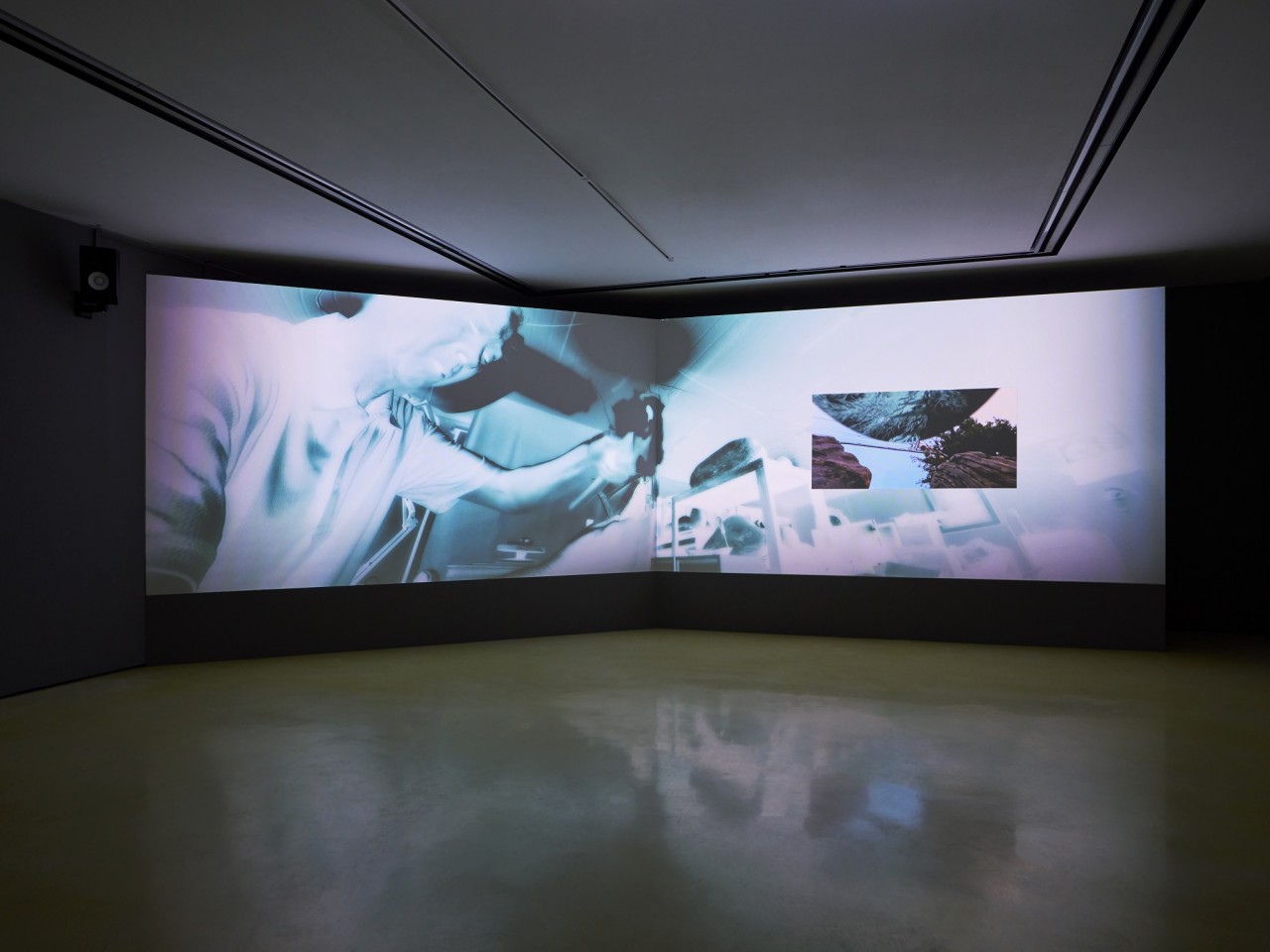
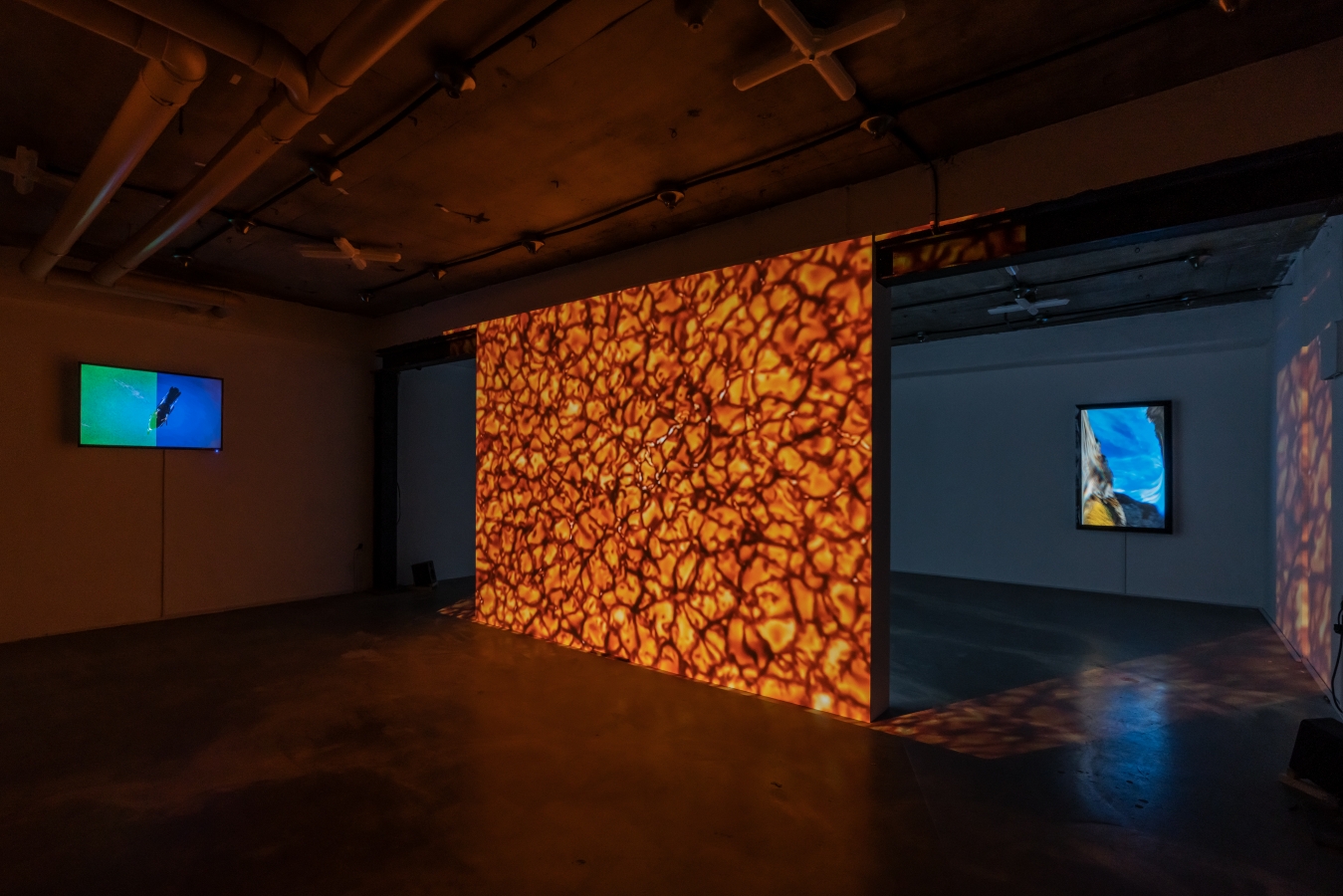
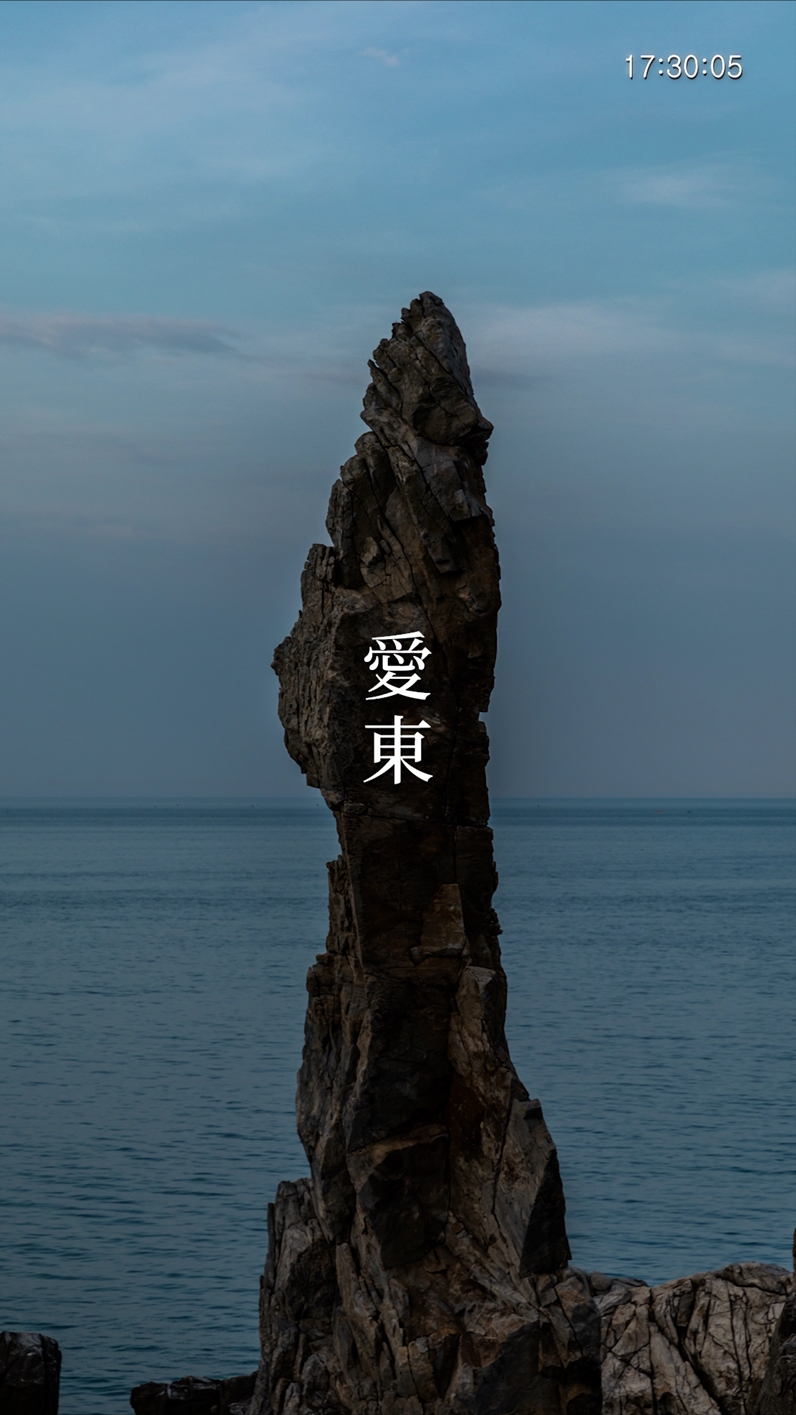
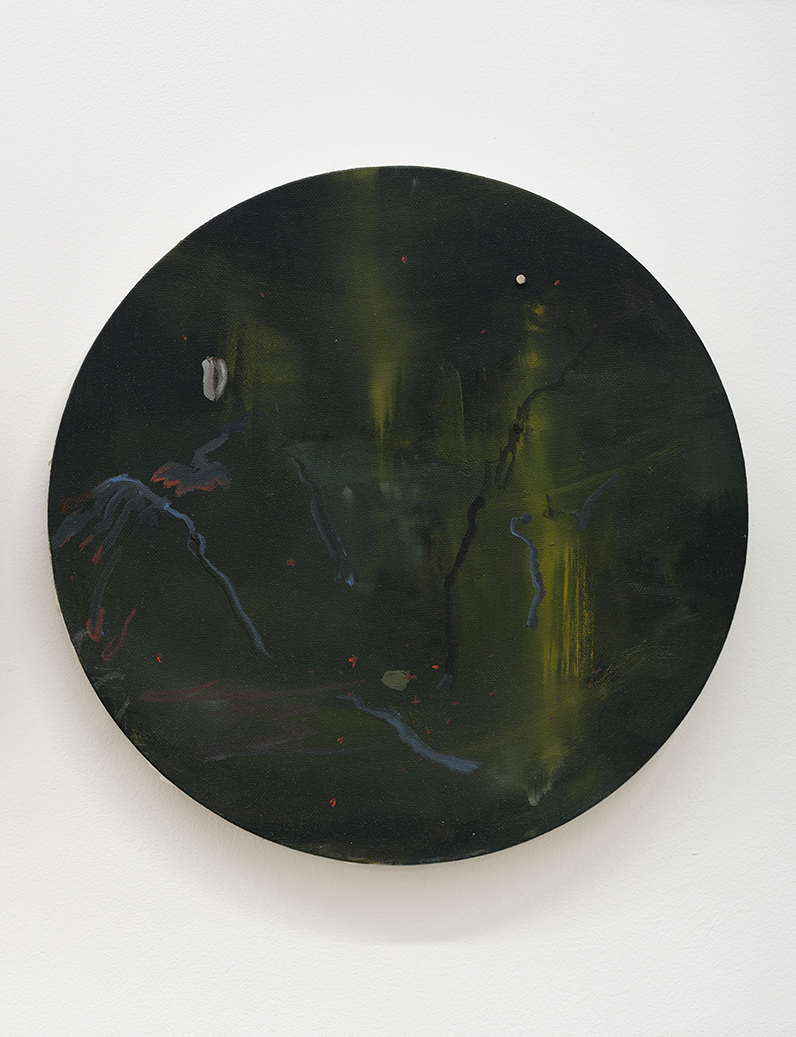
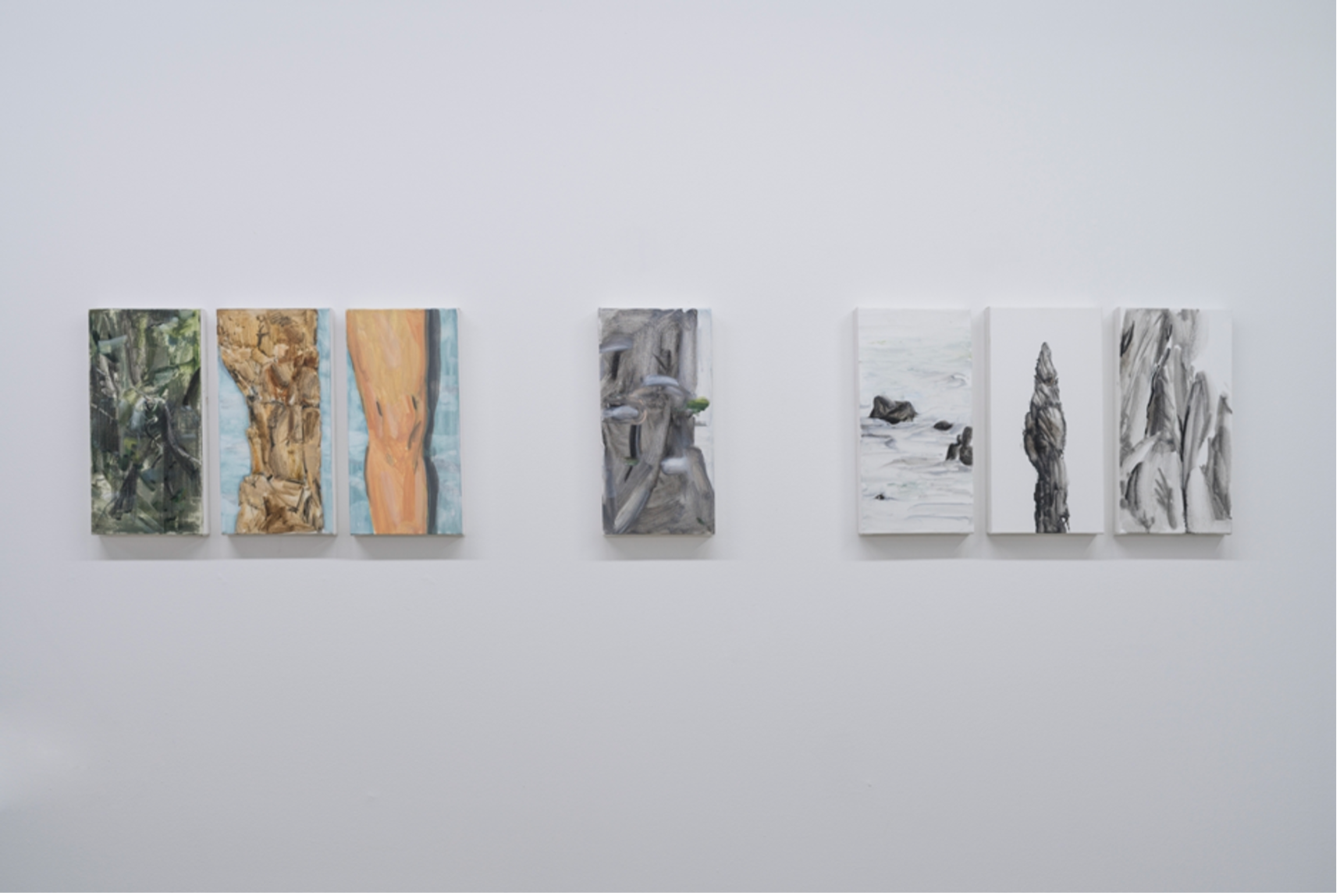
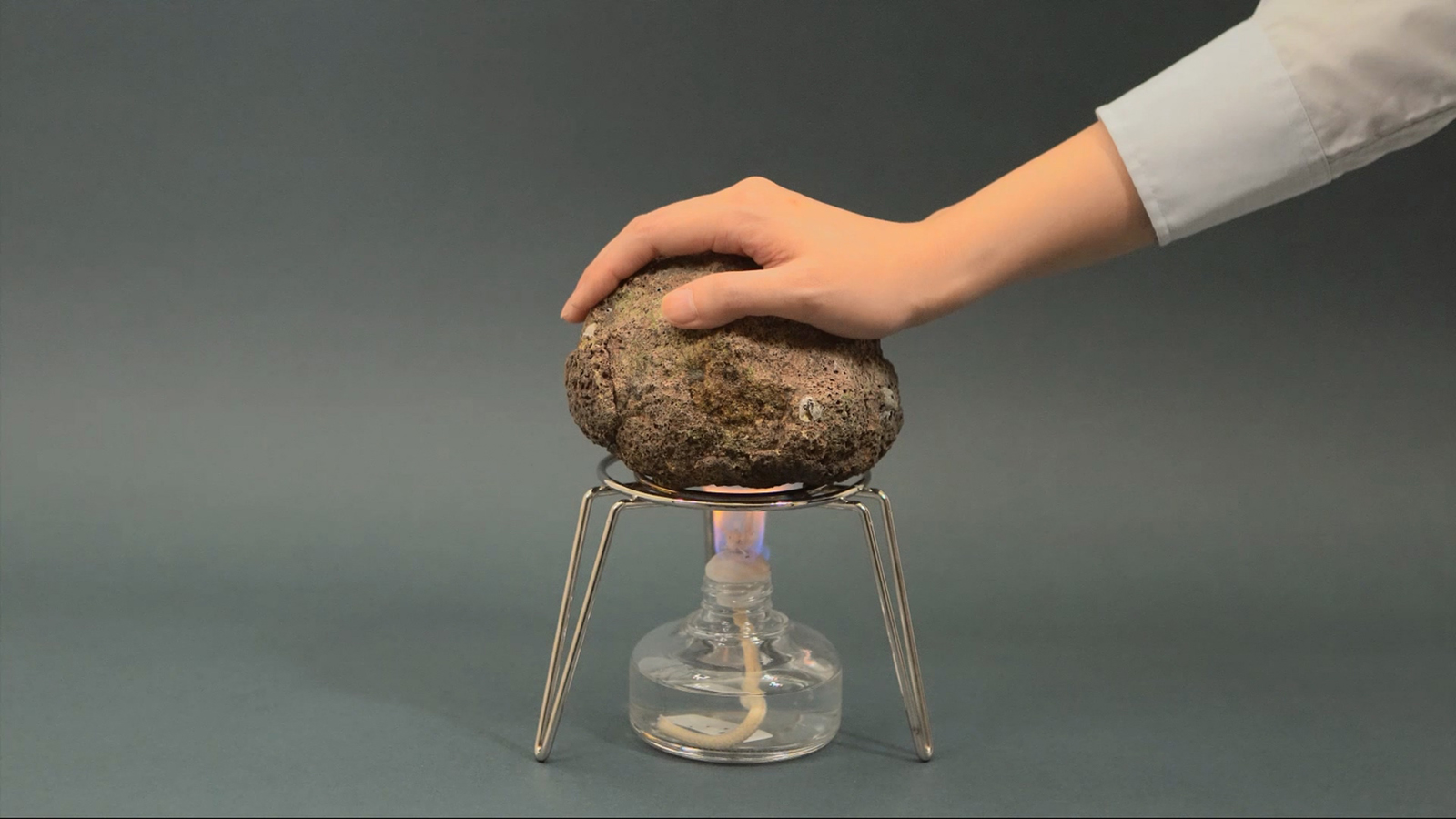
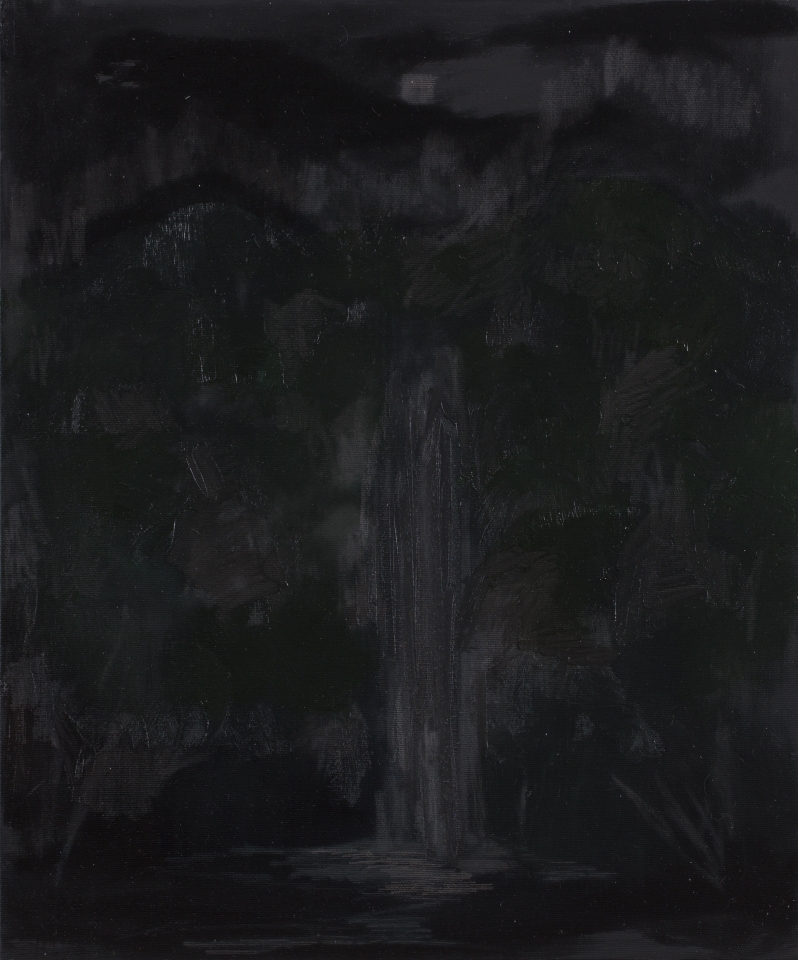
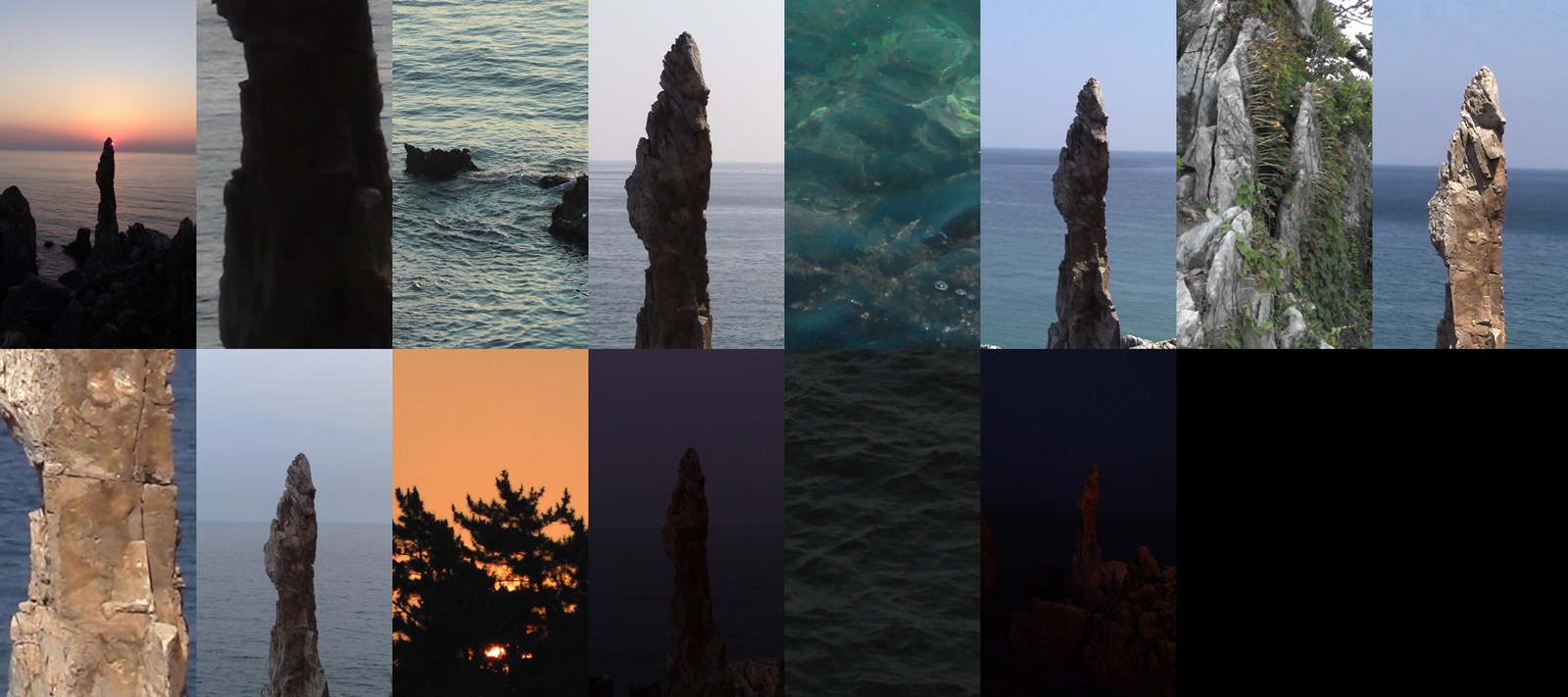
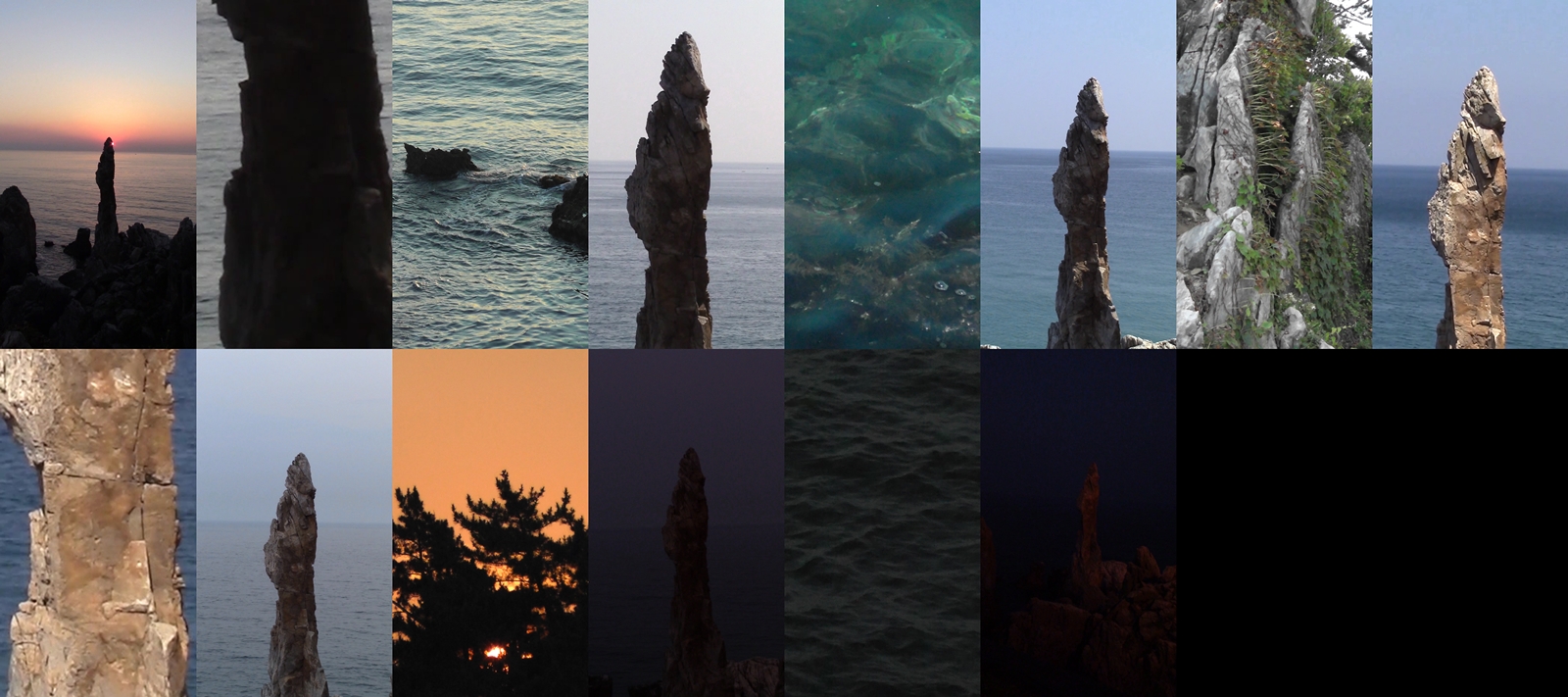
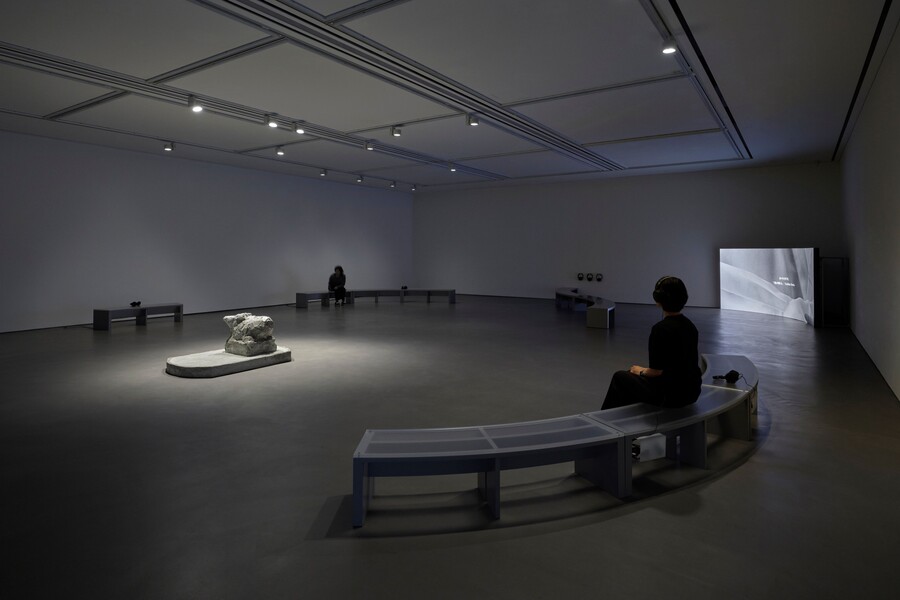
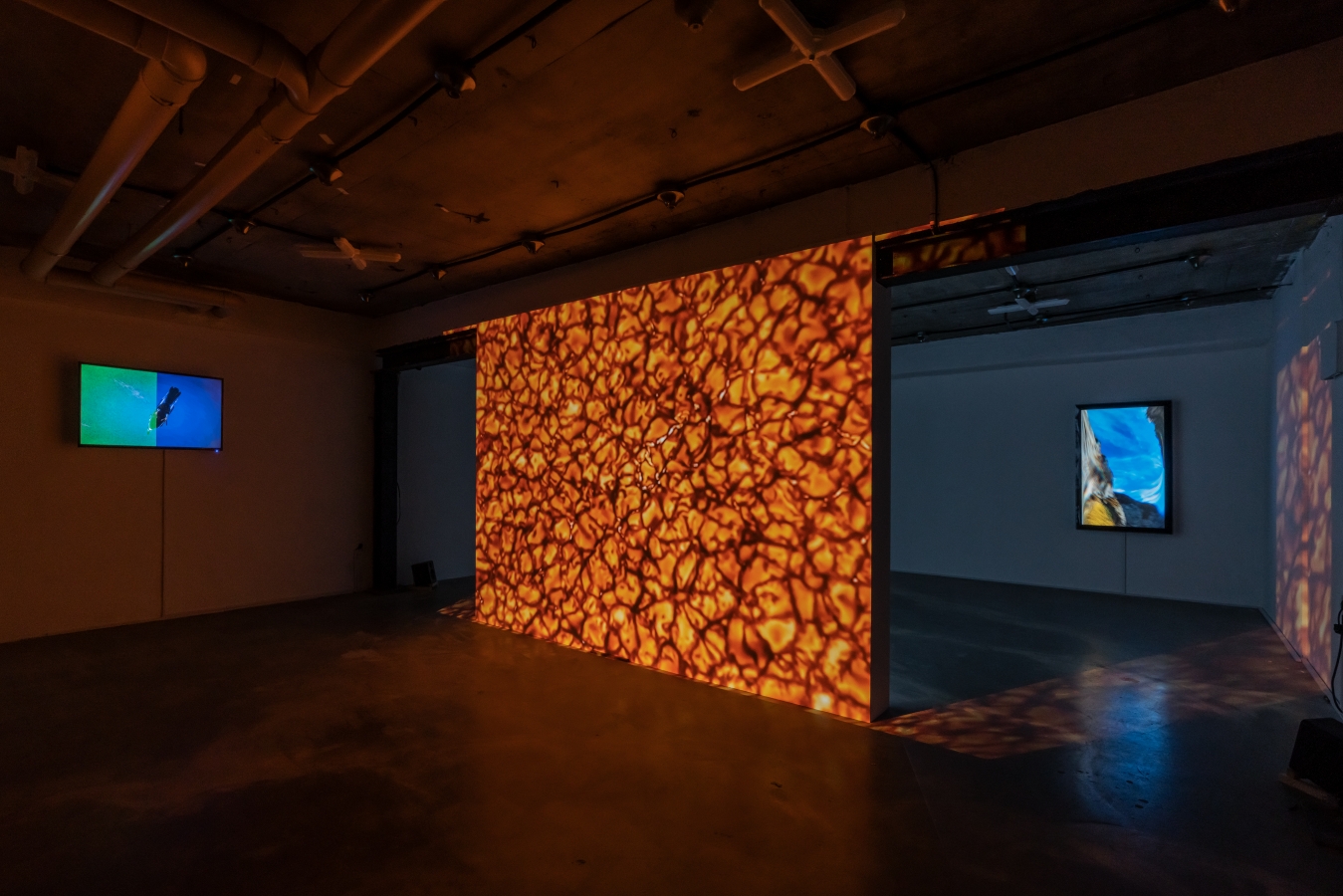
An example of this is Candlestick
Rock, an object that Im approaches through the various avenues of text, video,
and painting. The shadow of technology looms too large over its emergence as a
transcendent presence for it to be explained simply in terms of the worldview
of faith. (In Im’s work,
technology does not refer to the narrow definition of optical eyes or
electrical machinery, but refers to the sum total of devices that influence
human perceptions. Along the same lines, faith is not simply about religion,
but encompasses the full gamut of events in which subjects rely on a divine
dimension, from ordinary wishes to invisible beings.) When the artist first saw
the rock during a visit to the East Sea, she found it to be neither a “grand” rock nor one with a “positive energy.” It seemed awkward, somehow
resembling the artificial rocks found around apartment complexes. As she
observed people gathering nearby and capturing the rock in their camera lenses,
she found herself thinking of the eye—not the eye that
experiences the ineffable sublime while gazing upon a vast landscape, but a
different, desiring eye that observes objects in a covetous way.[1] The eye, what he calls “aesthetics” or “a
sense of beauty,” is inscribed upon the object’s image. In people’s fraught attempts to
capture photographs in which Candlestick Rock filled the center of the frame,
or so-called sun-spearing compositions in which the rising sun is positioned
precisely at the rock’s tip, Im sees not the eye of the
romantic observing a transcendent landscape, but the eye of the fetishist
observing a fetish.
In her artwork, the desiring eye
is associated with the mechanical eye rather than with hidden subjective
structures such as the unconscious. Tracing the narrative process through which
one part of an odd landscape of sprawling sea and curiously shaped rocks came
to be assigned its own standalone name from the mid-1990s, the artist spied the
optical eye that singles out an object in the landscape for a close-up view.
This is not a matter of spotting the analogy between the social event
of the scope of a named location narrowing over time—from Neungpadae (landscape) to Chuam (rock formation) to Candlestick
Rock (a single rock)—and
the technological event of adjusting the distance between the lens
and its object. In Im’s words, it is about machinery “piloting the human brain and engendering an aesthetic change,” as the social event of naming Candlestick Rock emerged from the
optical medium of narrowing the scope from landscape to rock.[2]
As an object of belief,
Candlestick Rock emerges within a sensory space where a network of various
technologies has been opened wide. Optical devices designed for the precise
observation and recreation of objects narrow the range of view from landscape to
object, which then assign both a name and a transcendent status. Rather than
observing the unfathomable depths of the sea and remarking on its beauty,
tourists see the rock, or the moments when the rock and sun just meet (more
correctly, the moments at which such compositions are captured in the camera
lens), and it is then that they sigh in admiration and click the shutter
button. Here, the technological object is also a theological object. People
make wishes; shamans hold rites nearby. It is an ironic situation in which an
object of belief arises out of the technology we use to cast out theology in
the name of progress and rationality. If Im’s work positions the object of faith to actually emerge out of the
technology that we believe to be crowding out the transcendent world, that
technology conversely draws on longstanding beliefs to affirm its own reason
for being. For instance, the artist spies a desire for phantoms in the most
recent forms of technology, such as cryptocurrency or virtual reality. If technology’s direction forward today aims to bring technology closer to the
phantom, then that perspective seems to rest on an ancient theological
worldview—one of an escape from the real world.[3][ATOZ1] [JJ2] [번3]
Im traces the dynamics of events as these objects of faith emerge through
technology and as technology operates according to the worldview of faith.
What
viewers see in her work, however, is less an object or distanced gaze and more
a deep mire of reality where, as different epistemologies shape the individual
events layered onto the object, faith and technology become infinitely overlaid
until the artist (like the viewer) cannot discern which came first. It is a
reality that we cannot face without venturing into the deepest places where
modern ideologies might shatter, along with their distinctions of
technology/faith and science/theology. Im’s work is not about things that are separate from reality, presented
in the terms of concepts like fiction or speculation. She listens to the people
actually living here now, observes their gestures, and gathers images that
transfix them. The reality revealed through those sounds and images alone is
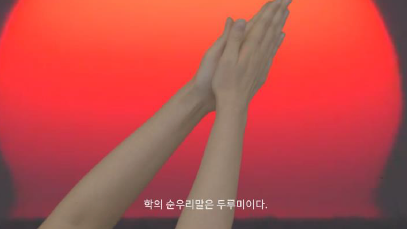
enough to make the artist herself hesitant. She juxtaposes a shaman’s prayer with the gestures of tourists adjusting and enlarging
images on their smartphones, yet what she asks is whether this landscape is “fully the influence of the machines we humans have created.”
When she proceeds to declare that
the strange-looking rock has “summoned
people,” becoming “a
protagonist unto itself, burned upon human minds,” it
reads as her own admission that she has ventured too deeply inside for her to
be able to speak of the causal relationship.[4]
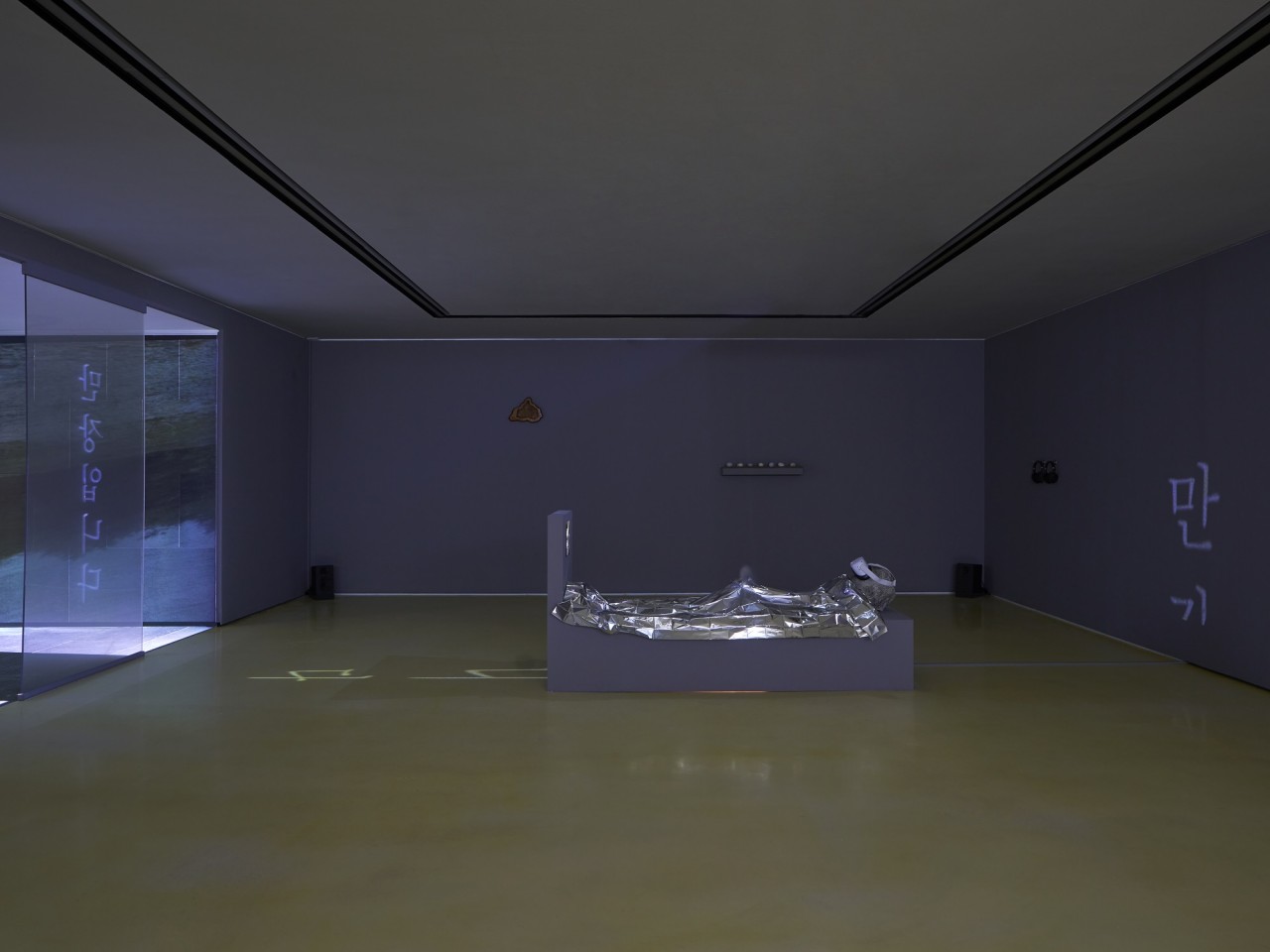
Im has shared various forms of
so-called sensory reports, not as investigations of how objects of faith are
constituted, but more as travelogues about realities that cannot be reached
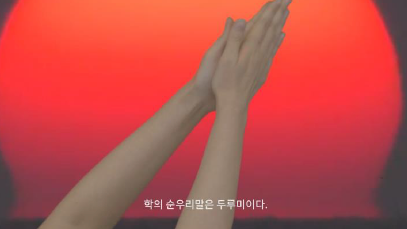
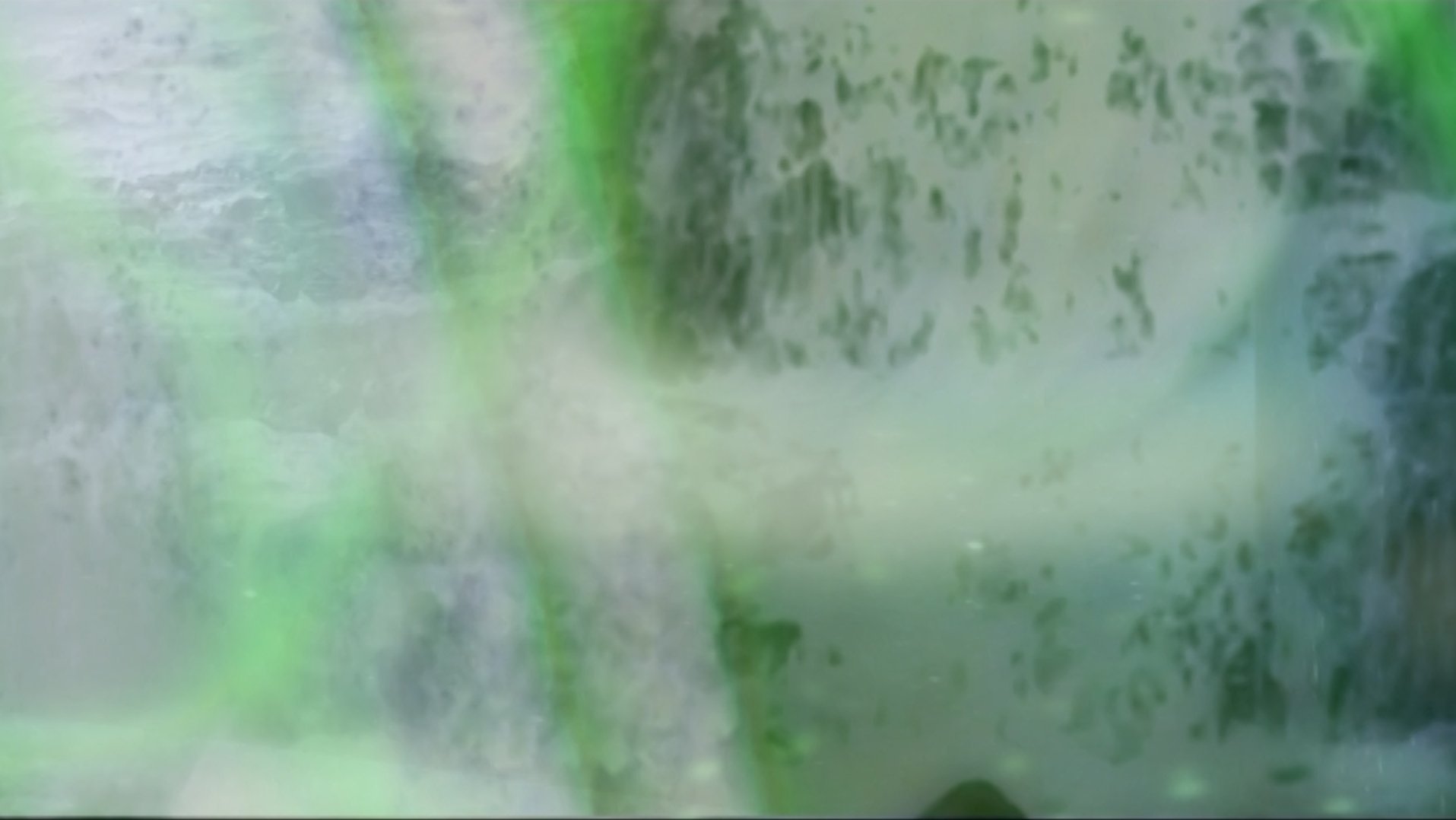
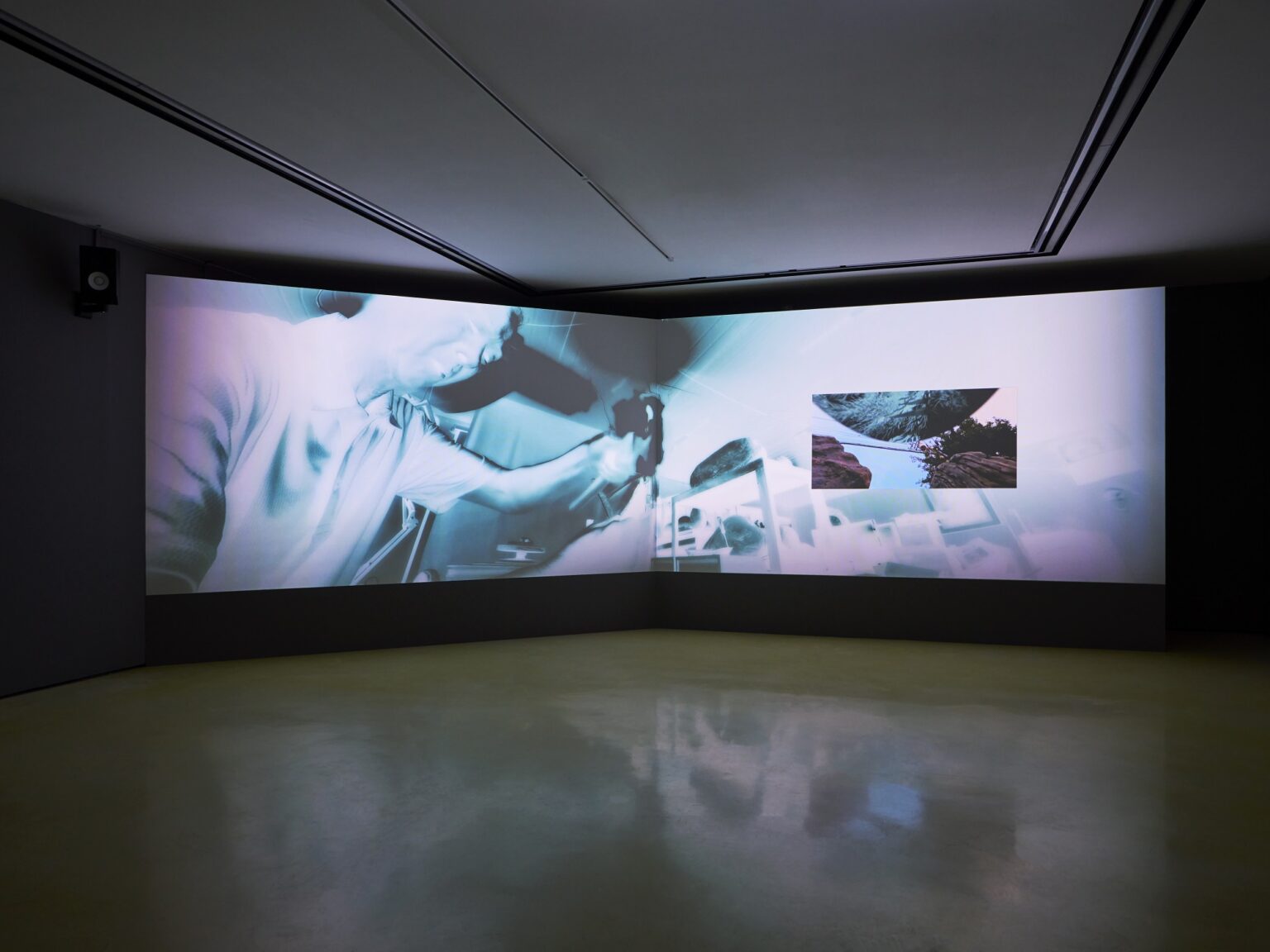
unless she herself travels within them. In her 2017 video work Aurora
Reflection, the appearance of the color green simultaneously as an
aura surrounding the object of Candlelight Rock, a green screen for image
composition, and a kind of natural aurora signifies the collapsed distinction
between a natural real-world object, a technological object, and a transcendent
object. When she inquires as to whether she is maintaining a distance from the
world of faith or lingering within it, she is posing a question that cannot be
answered when one considers the holes in the reality that she is attempting to
reach—or that she already exists inside. The following
is an excerpt of her text:
A square piece of paper is stuck
in the center of your forehead.
That’s your frontal lobe.
I want you to concentrate on that
square.
Now, with all your might, I want
you to replicate that square.
Push the copied square away from
your frontal lobe.
The more you push, the larger the
square grows.
Once it is far enough away from
you, I want you to lay that square out on the ground.
The sound of thunder makes a
hole.[5]
The hole at the end of this
excerpt is the “square piece of
paper” stuck in the “center of
the forehead” and copied “with
all one’s might,” pushed away,
and laid out on the floor. What creates the hole is not faith, but the square
piece of paper that we are able to copy and push. Yet that paper is stuck to
our frontal lobe without our knowing it. We consider things within a
rectangular frame, but if such an object is stuck to the center of our
forehead, is the paper belief, or is it just an object?
[1] IM Youngzoo, Odd Rock Force, O’NewWall, 2016, 17–18.
[2] Ibid., 26–29.
[3] IM Youngzoo, Human/I, Rasun Press, 126.
[4] IM Youngzoo, Odd Rock Force, 30.
[5] IM Youngzoo, Human/I , 97.