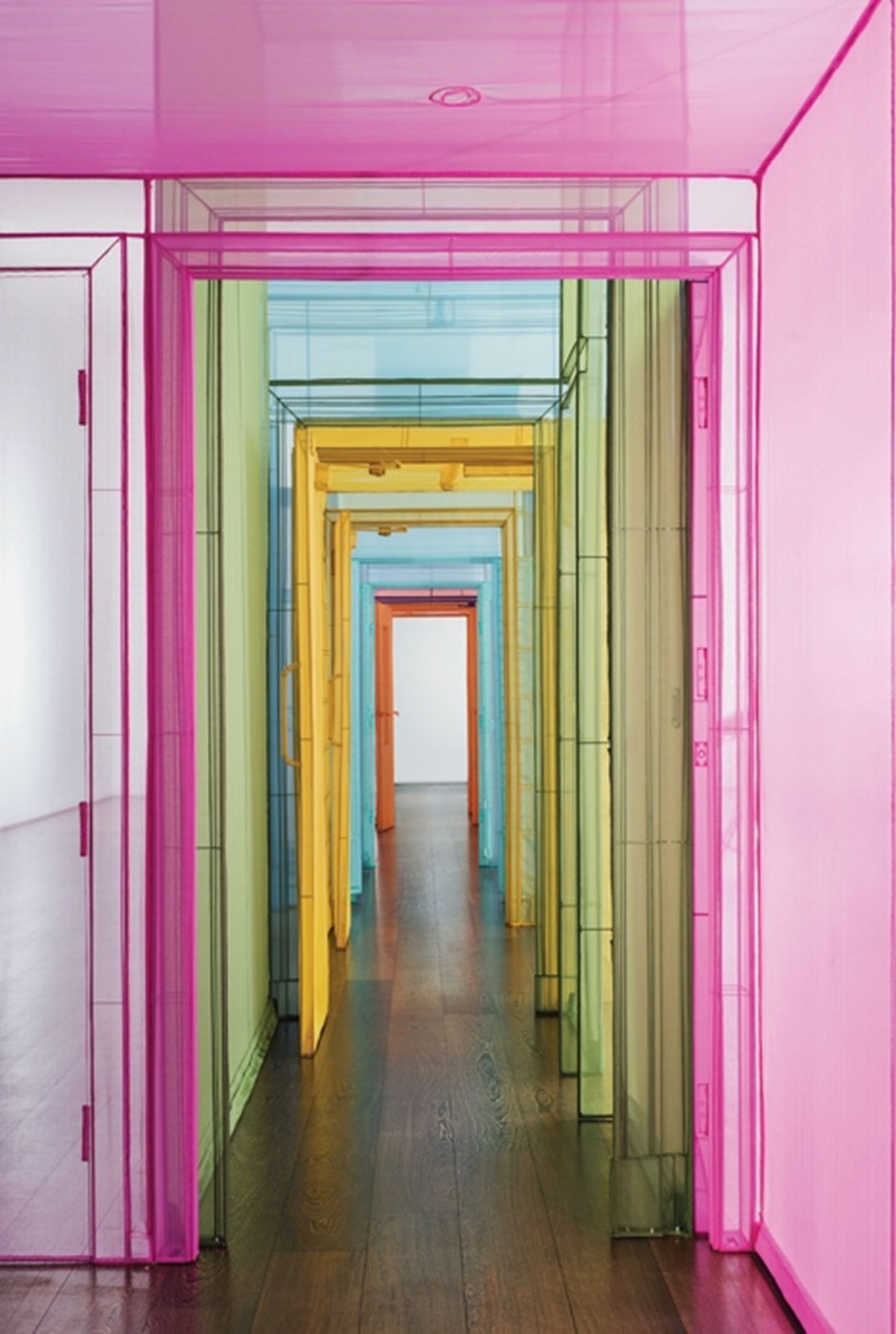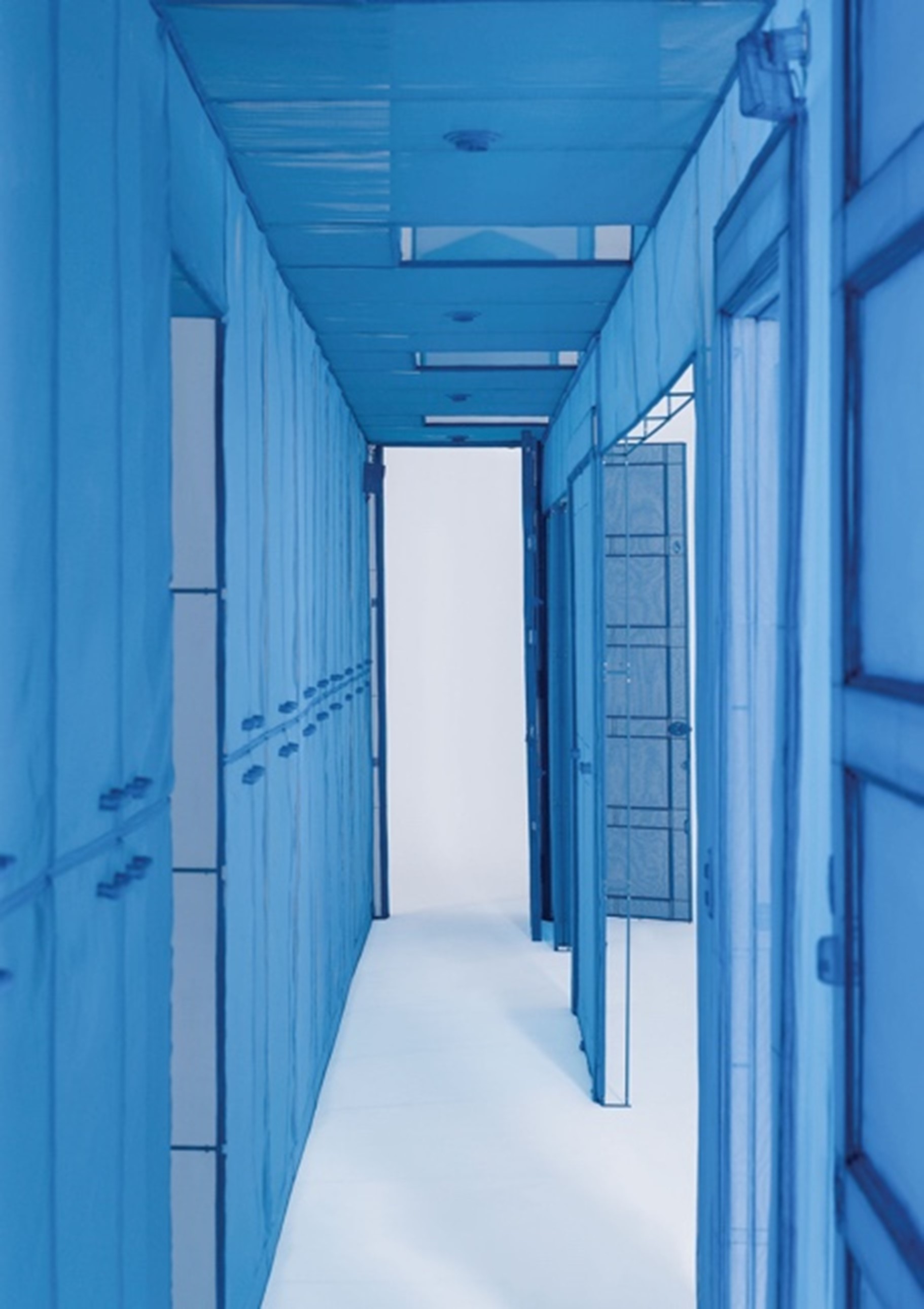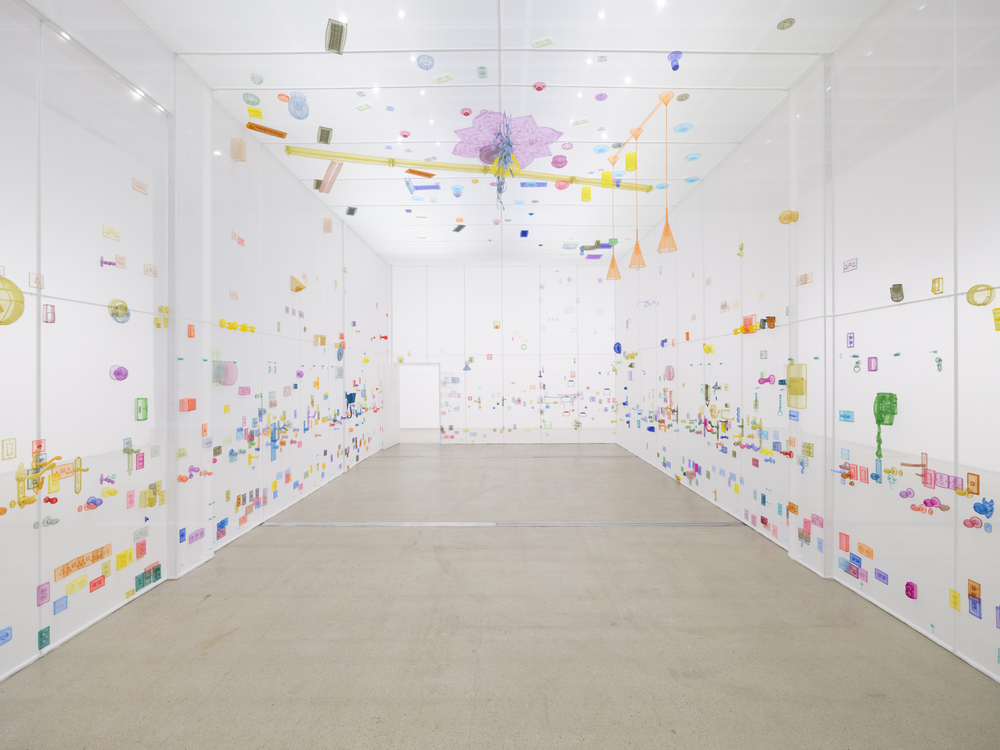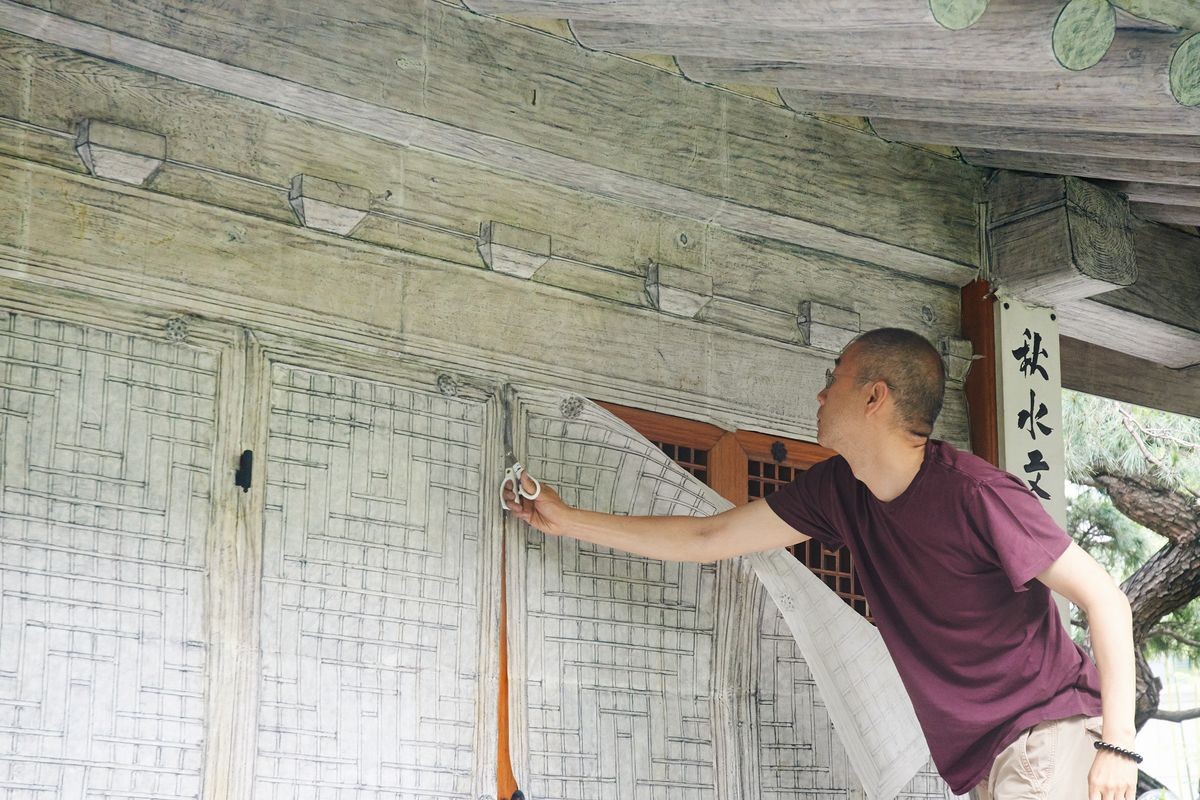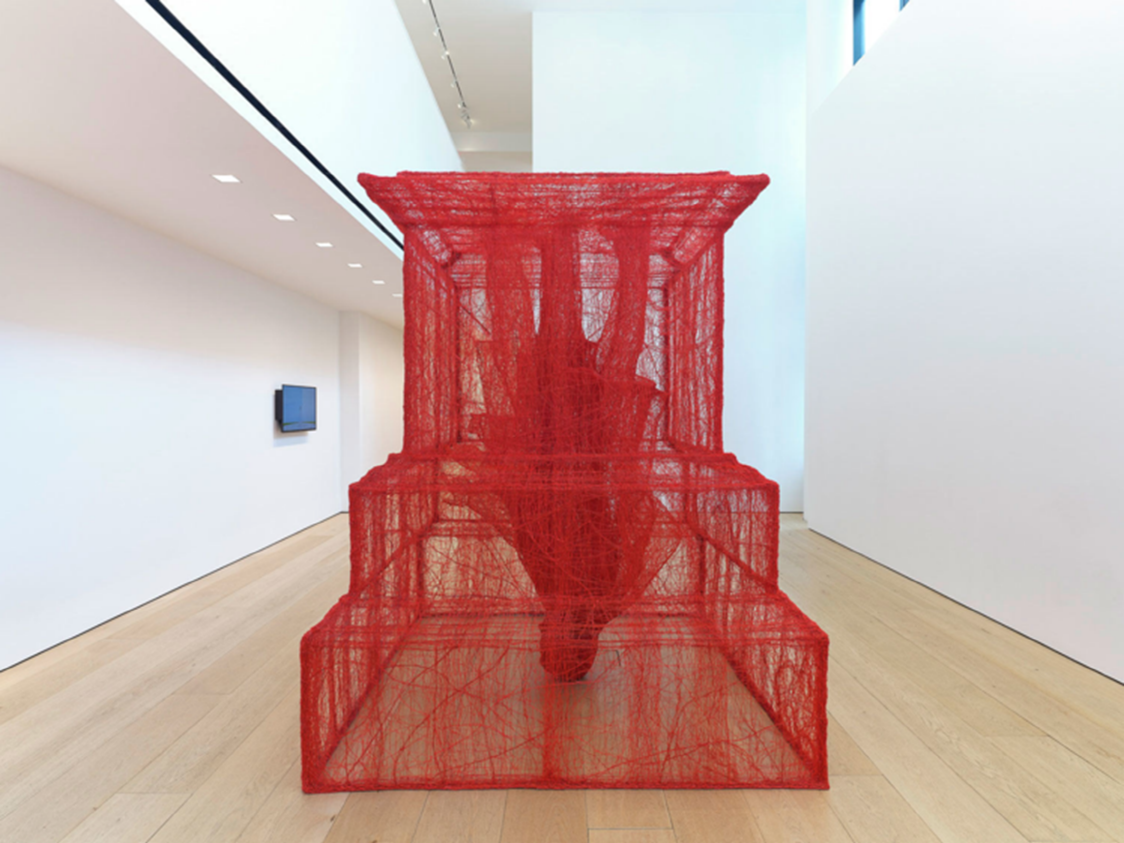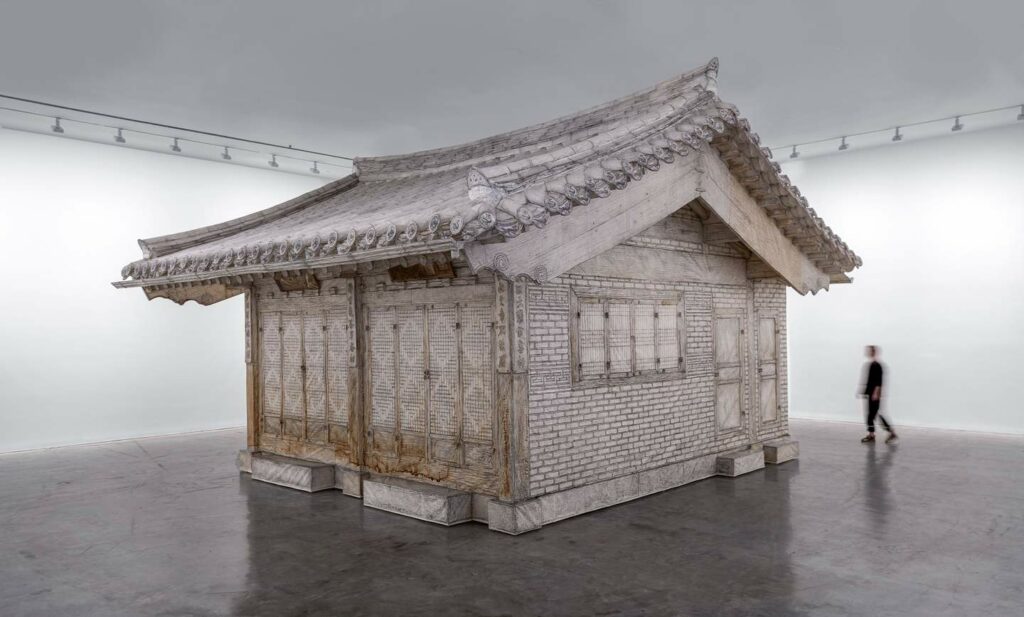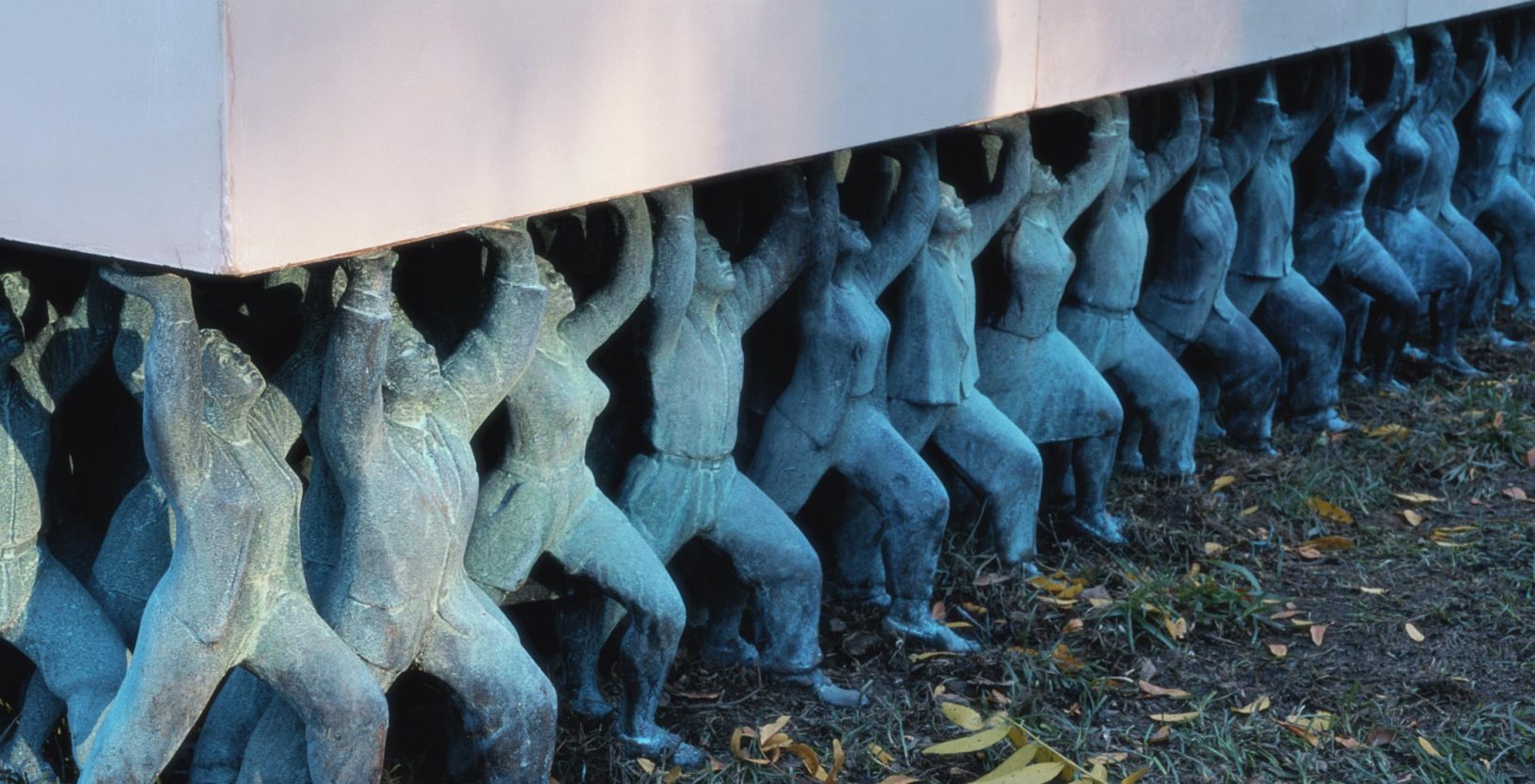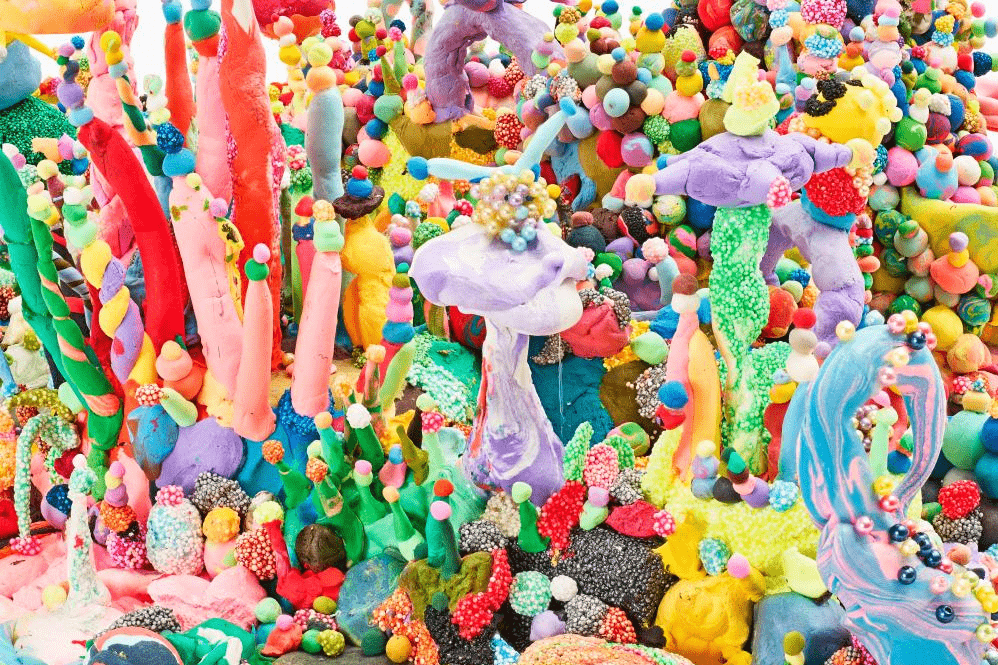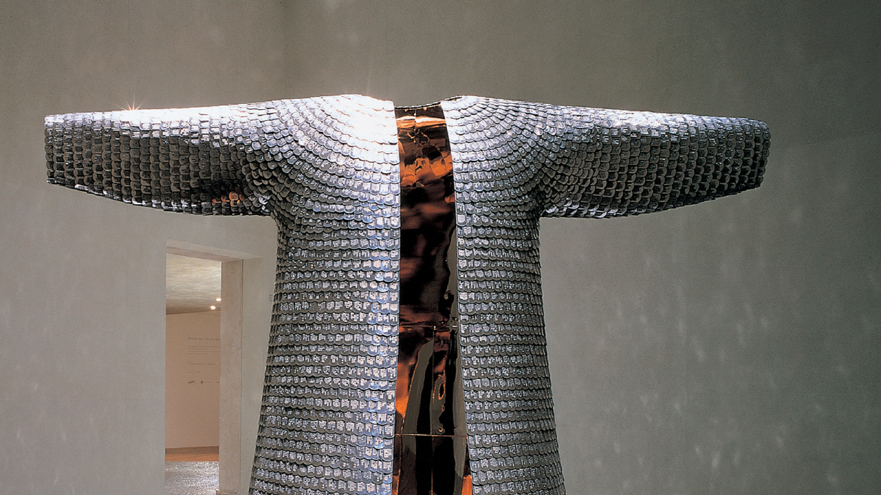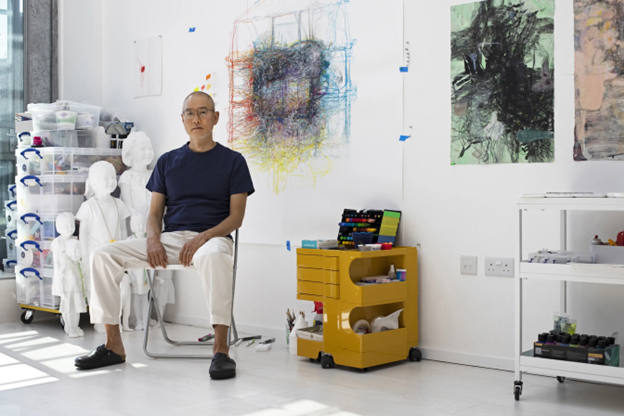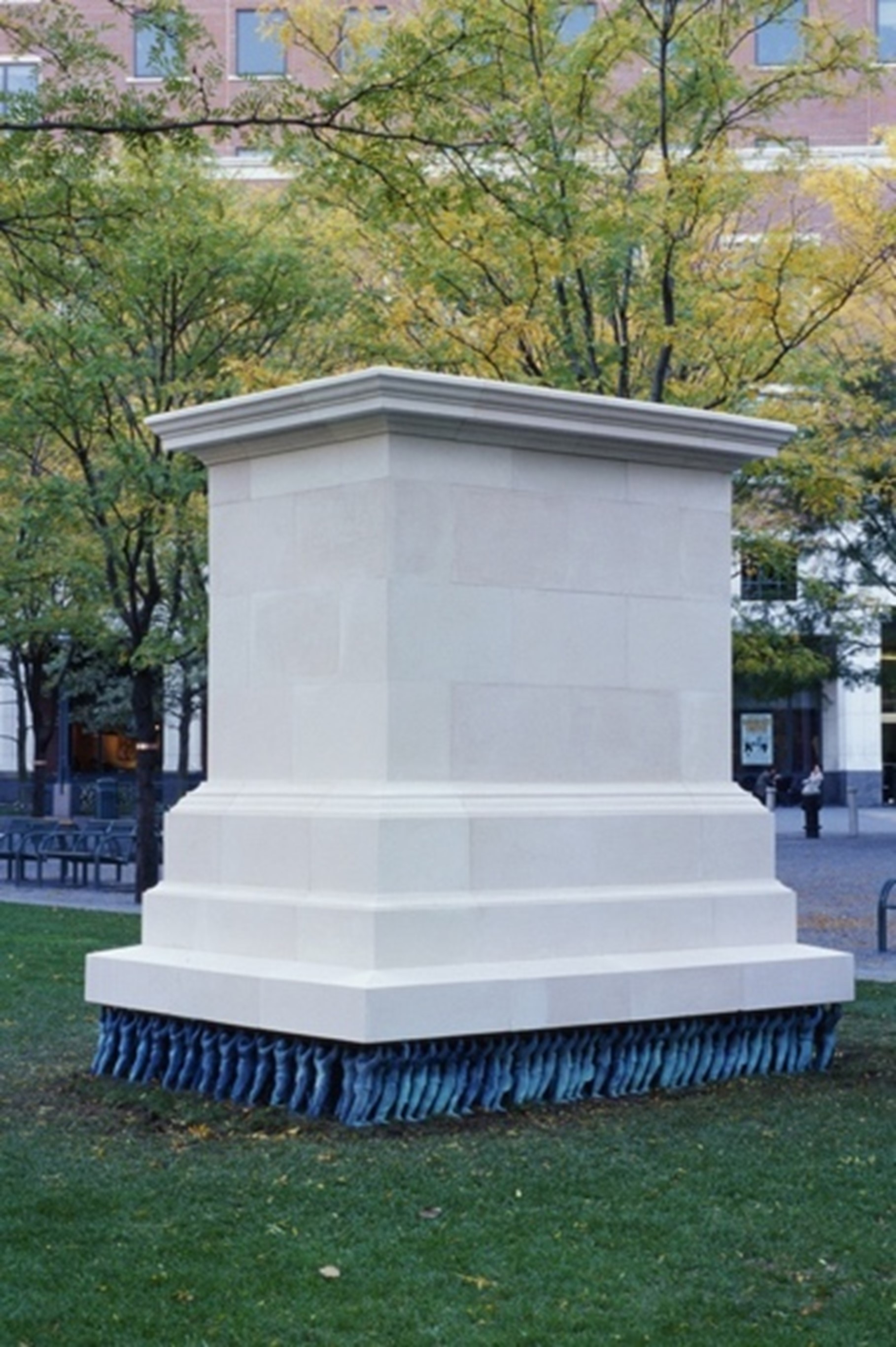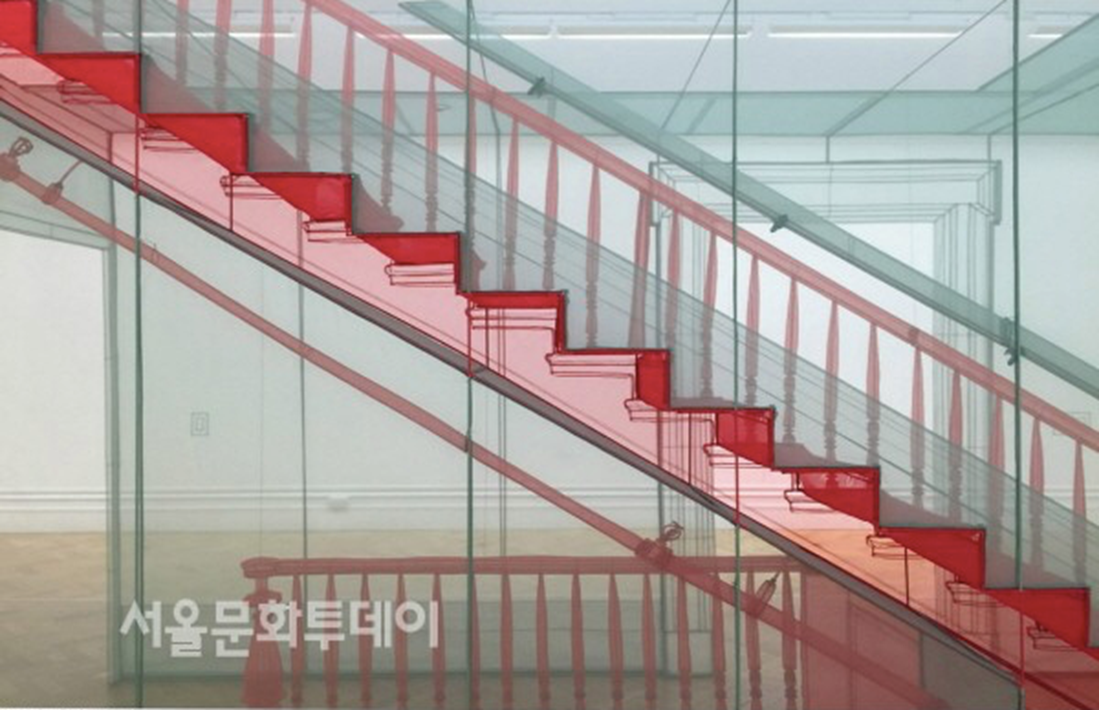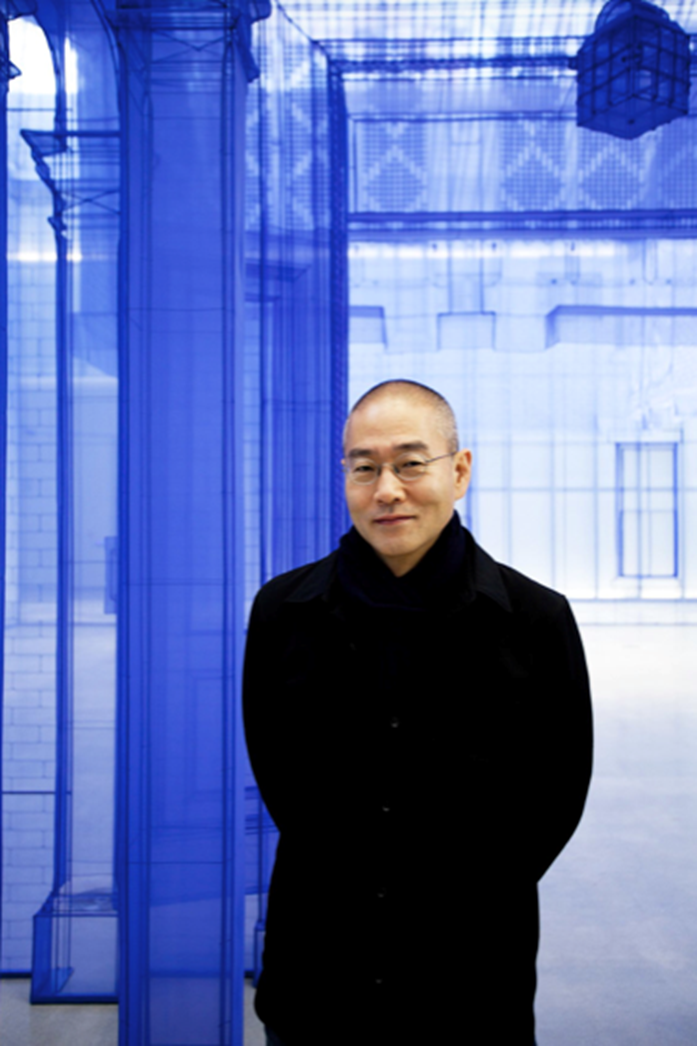

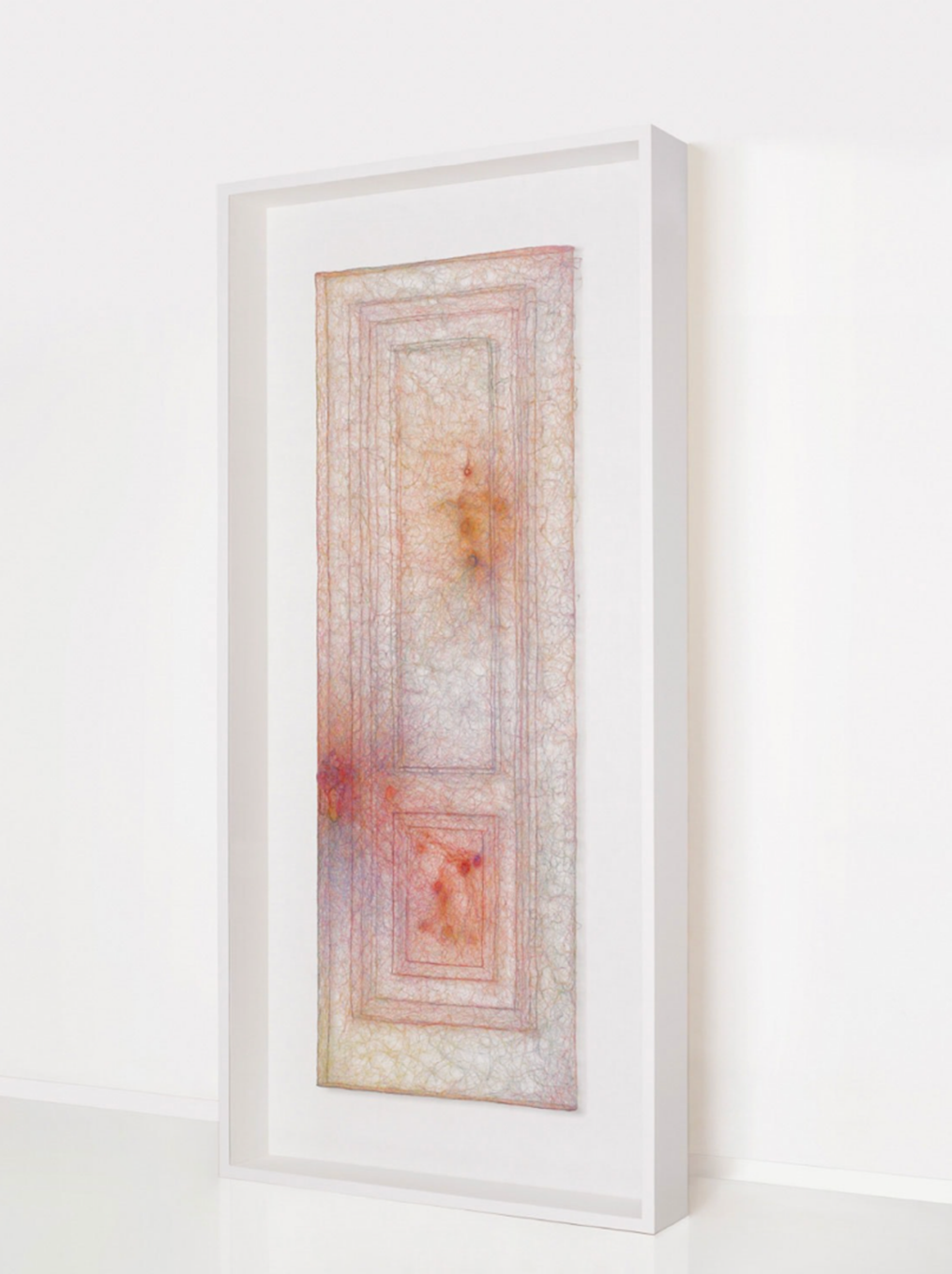
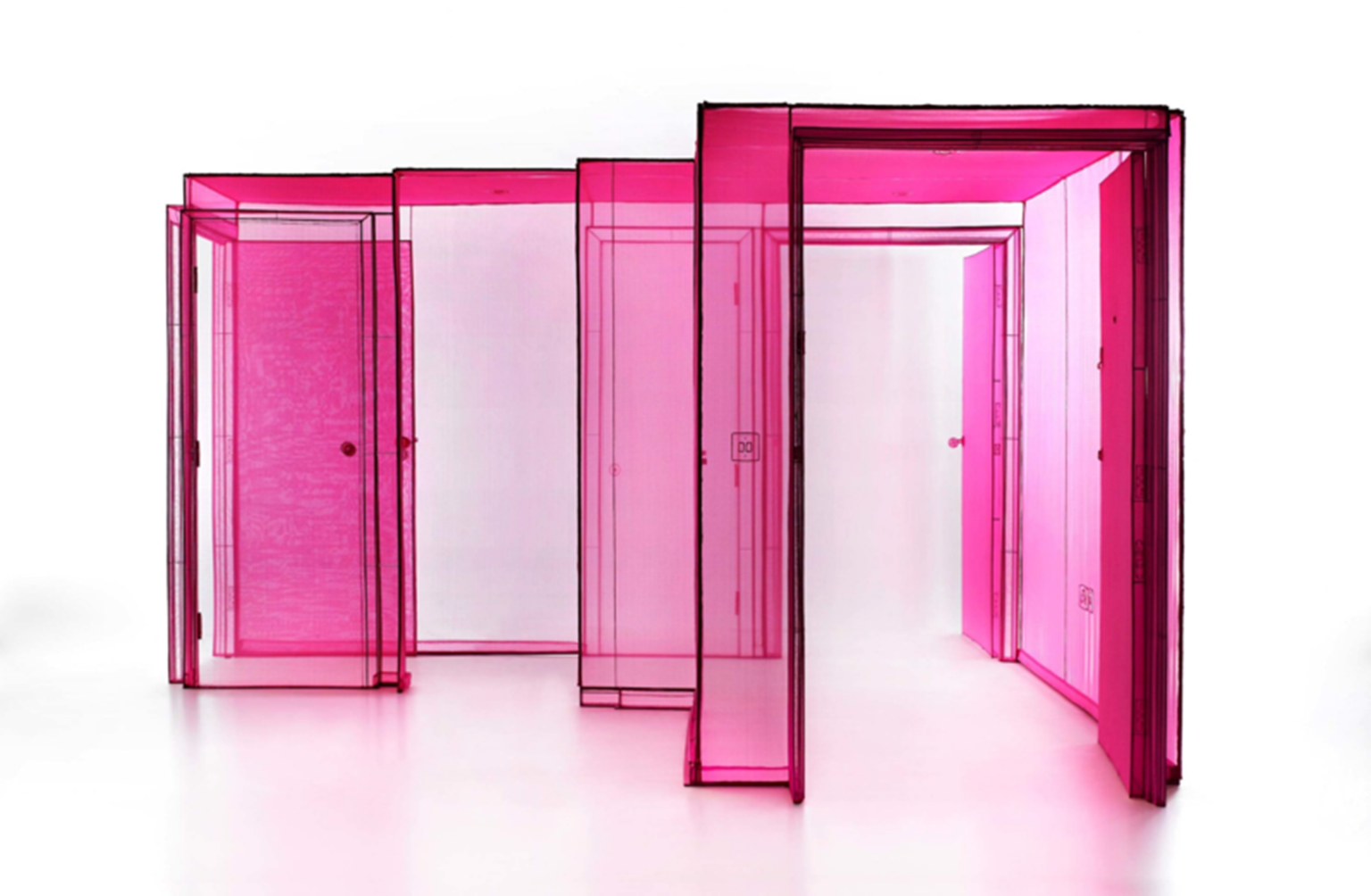
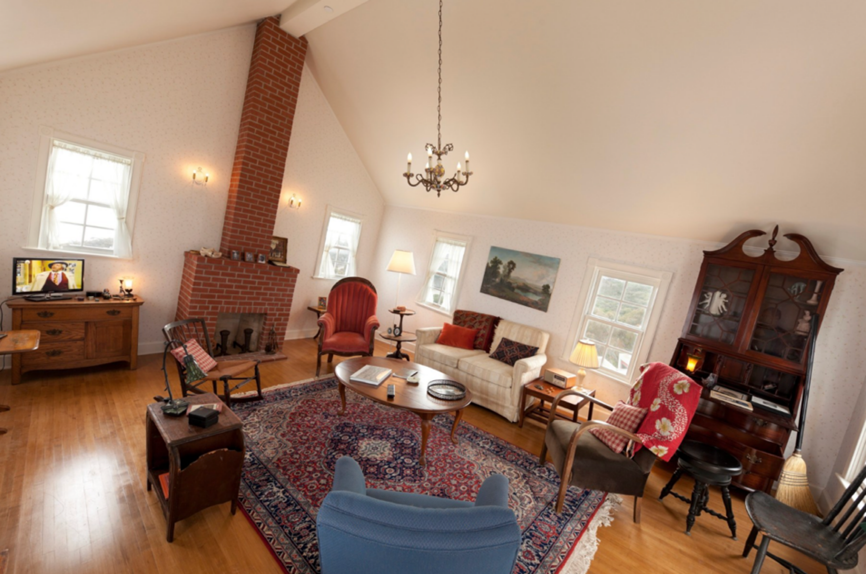
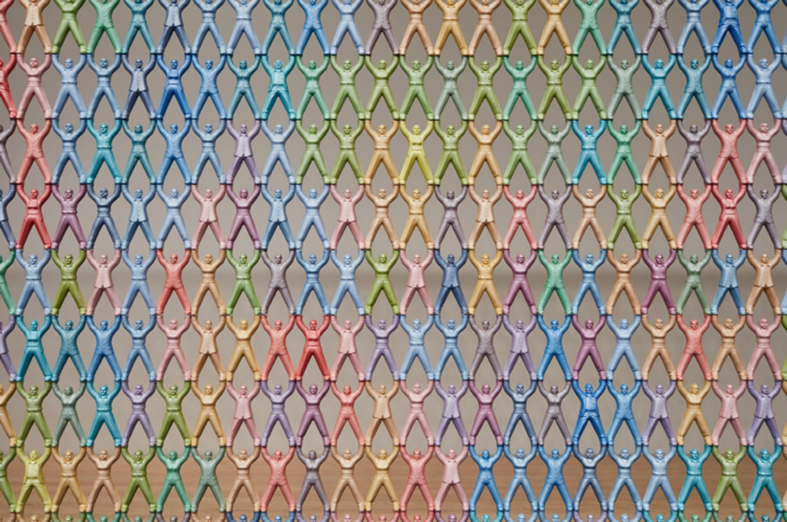
Do H Suh, Installation view, 《Passage/s》, 1 February – 18 March 2017 © Thierry Bal


From an Individual’s Home to a Shared Home: Personal Experience as the Foundation of Universal Art

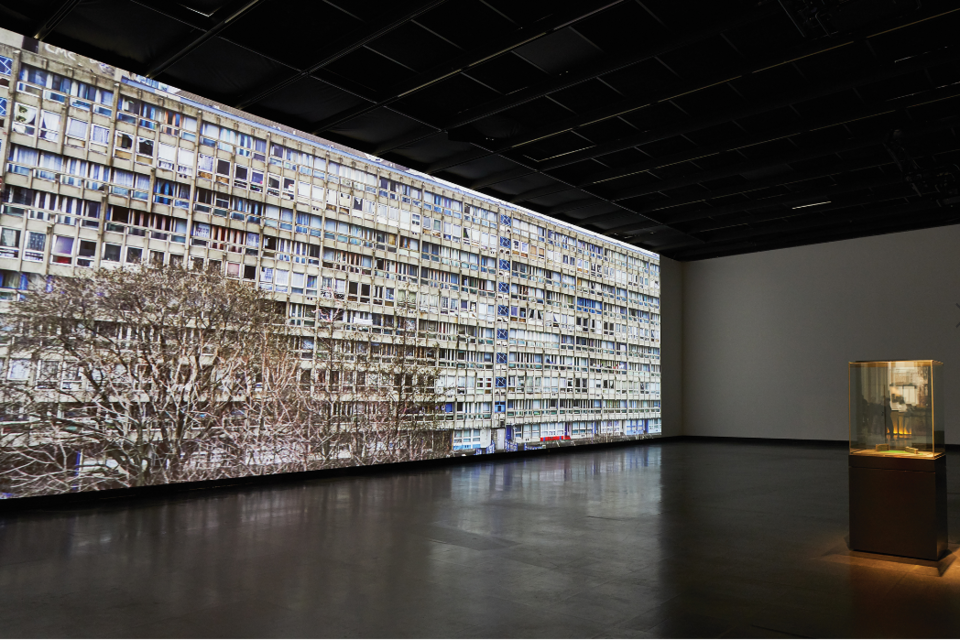
Robin Hood Gardens, 2018, Photo: Ed Reeve; © Do Ho Suh

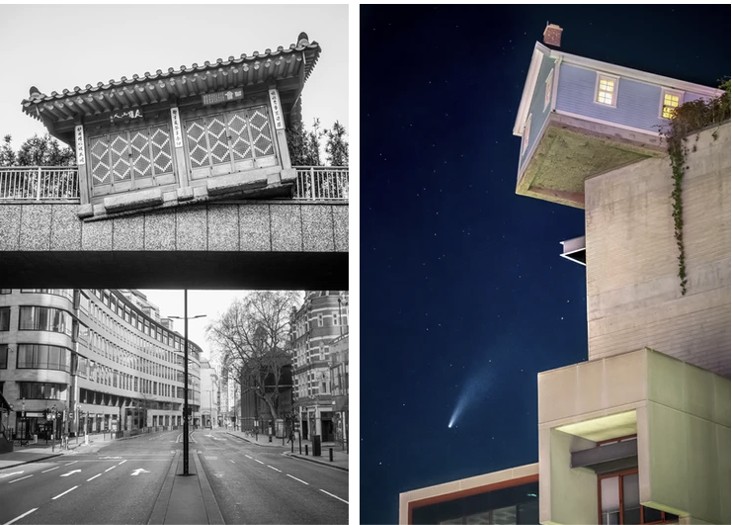
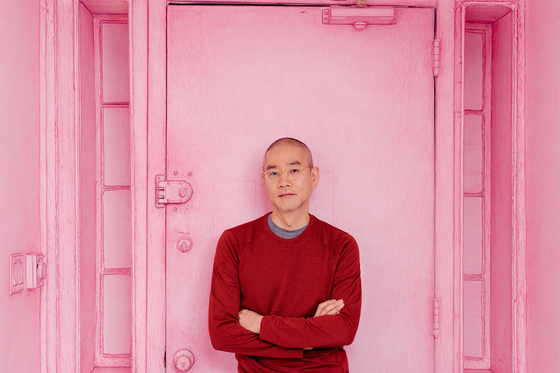
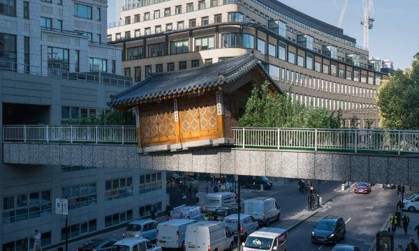
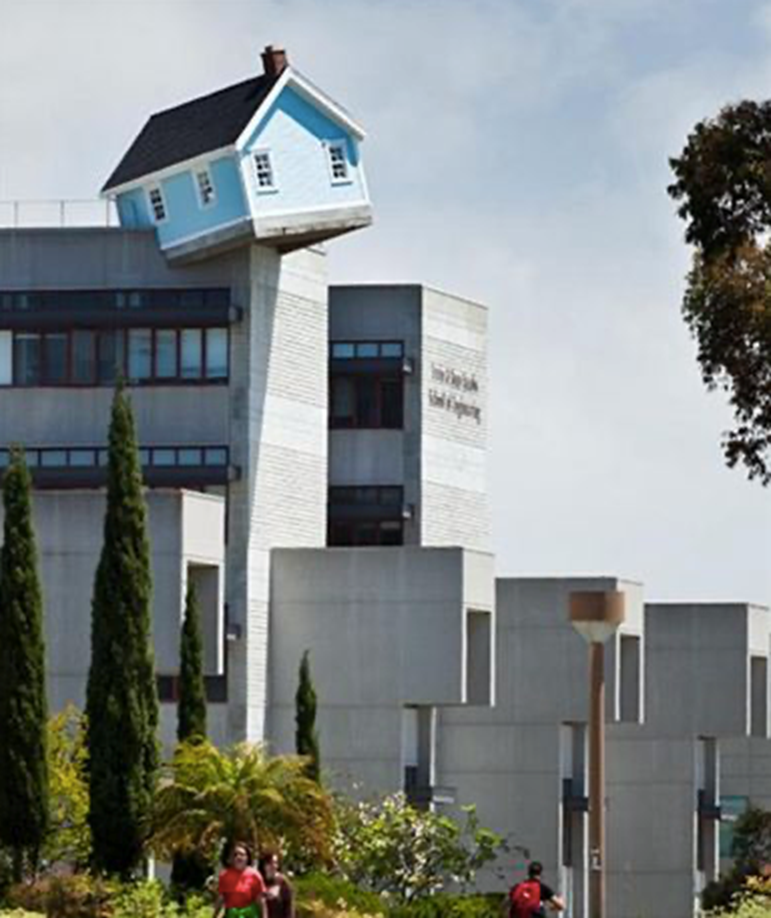
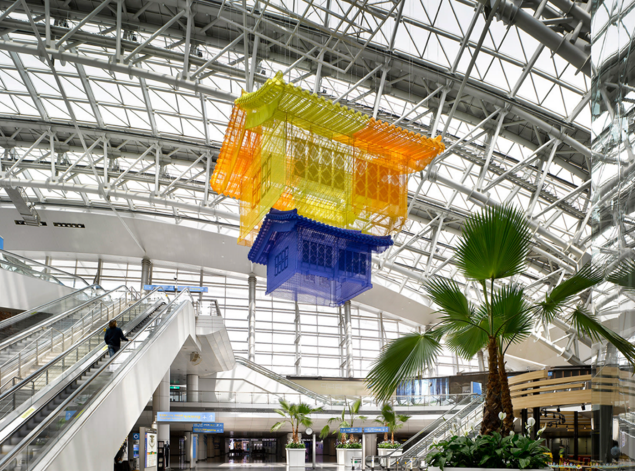
Do Ho Suh (b.1962) has continuously translated his spatial experiences across major cities such as Seoul, New York, and London into architectural installations. One of his recent works, 〈Bridging Home〉, was a public art project installed on Wormwood Street footbridge in London’s East End from September 2018 to August 2020. The work features a traditional Korean hanok, precariously perched on a footbridge in the middle of the London skyline, surrounded by a grove of bamboo. While this work shares similarities with his previous piece of the same title presented at the 2010 Liverpool Biennale, the London installation took a more daring approach. Unlike the Liverpool iteration, where the hanok appeared to be wedged between two buildings, the London version stood independently, allowing the public to engage more closely with it. The precarious positioning of the structure drew immediate attention, an engineering feat that Suh had previously explored in 〈Fallen Star〉(2012) at the University of California, San Diego (UCSD). Given that this was a public art installation in London—a city that Suh considers a second home—it held profound personal significance for him.

Suh’s house project, which began in the late 20th century, originates from his childhood memories of a hanok in Seongbuk-dong, Seoul. While his early works predominantly explored the individual’s role within a collective, his house projects deepened his inquiry into the relationship between subjectivity and space, particularly in the context of cultural memory and displacement. His early work 〈Seoul Home/L.A. Home〉(1999) reconstructed the structure of a traditional Korean hanok using translucent fabric, allowing viewers to experience cultural migration through space. 〈Perfect Home II〉(2003), an installation that reconstructed his New York studio, further explored the theme of cultural displacement. Similarly, 〈Home within Home within Home within Home within Home〉(2013), a large-scale installation at the National Museum of Modern and Contemporary Art (MMCA) in Seoul, superimposed his childhood home in Seoul and his home in the United States within a large ‘Seoul Box’ structure, visualizing the overlapping of lived spaces.

Over time, Suh’s concept of home evolved from his personal home to the home of the "other." A key example is 〈Fallen Star〉(2012), a tilted house installed atop a university building at UCSD, which transcended personal memory and became a universal and anonymous home—a space that any American could associate with their own concept of home. This shift is further evident in his recent video work, 〈Robin Hood Gardens: A Ruin in Reverse〉(2018), commissioned by the Victoria & Albert Museum (V&A). The work documents the demolition of the Brutalist housing estate Robin Hood Gardens in East London and explores the transformation of home from an individual space to a public domain.

Suh’s house projects resonate globally because they extend beyond personal narratives to embrace broader social and cultural contexts. The transformation of site-specific cultural memory into a universal experience lies at the heart of Suh’s artistic practice. His works offer a layered interpretation of home, not just as a physical structure but also as a metaphor for psychological and emotional space. The concept of a home that can be folded and transported like luggage reflects the fluid identity of modern individuals, emphasizing mobility and adaptability over permanence and stability. The translucent fabric houses he constructs blur the boundaries between interior and exterior, challenging the conventional East-West, individual-collective dichotomy.


Left : Bridging Home, London, 2018 © Do Ho Suh
Right : Fallen Star, 2012 © Do Ho Suh


Memory and Its Physical and Conceptual Manifestations

Space is directly linked to the body’s memory, and the house is where sensory experiences accumulate most profoundly. Suh’s two-decade-long exploration of home revolves around the idea of retrieving traces from spaces that are no longer accessible. His childhood home in Seoul, for instance, could only be reconstructed after he had left it, and his New York studio installation became possible only after he had relocated. The representation of space is always retrospective—it occurs when the subject is no longer physically present in that space. This paradox suggests that the memory of a place is contingent on its absence.

According to philosopher Henri Bergson, memory consists of voluntary recollections shaped by intellect and habits inscribed into the body through repeated actions. If the former resembles images in the mind, the latter is physically embedded in movement and behavior. However, true memory, as Bergson defines it, is neither purely intellectual nor reduced to bodily habits; rather, it retrieves past experiences and reactivates them in consciousness. Without the body, memory cannot enter the realm of awareness.

Suh’s house installations reenact memory’s mechanisms, operating both as a physical object and as an ephemeral, image-like recollection. His hand-sewn, translucent fabric houses—faithful, detailed reproductions of his past residences—are constructed through an intimate, meticulous stitching process. These works depict Suh’s studio in New York, his childhood home in Seoul, and various residences in New England and Berlin, encapsulating his memories in visual form. As such, the fabric serves as the ideal material to express the conceptual and psychological dimensions of memory: light, transparent, and flexible.

By using fabric, Suh materializes the intangible nature of memory. The soft, permeable, and mutable qualities of fabric align seamlessly with the fluidity and impermanence of memory itself. His choice of material also highlights the unique structural characteristics of hanok architecture, which encourages movement between indoor and outdoor spaces rather than rigid separation. This stands in contrast to Western architectural traditions, where solid walls demarcate interior and exterior spaces. The use of translucent fabric, reminiscent of traditional eunjosa (silver gauze) and gabsah (fine silk gauze), effectively preserves the essence of Korean architectural memory.

Suh’s house is always in transit, both geographically and conceptually. But if a home is constantly moving, can it still be called a home? This paradox is central to Suh’s exploration. He asserts that "a home is not fixed in one place but follows wherever I go, something that is always repeatable." Moreover, he challenges the very notion of a home that is unchanging and immovable, seeing this as an illusion.

Ultimately, for Suh, home is a repository of memory, a metaphysical rather than a physical space. He states, "Life is a long journey, and we merely pass through spaces without ever truly arriving." While this perspective may align with nomadic philosophy, it also resonates with Korean Taoist and Buddhist thought, which embraces impermanence and the cyclical nature of existence.

Suh’s vision, deeply rooted in Korean cultural consciousness, continues to evolve in unexpected directions. As he expands his exploration of space, memory, and movement, his future works are sure to provoke further contemplation on the fluidity of identity and the meaning of home in an increasingly transient world.

Do Ho Suh, 《Hub, 260-7 Sungbook-Dong, Sungbook-Ku, Seoul, Korea》, 2017, polyester fabric and stainless steel ©Do Ho Suh


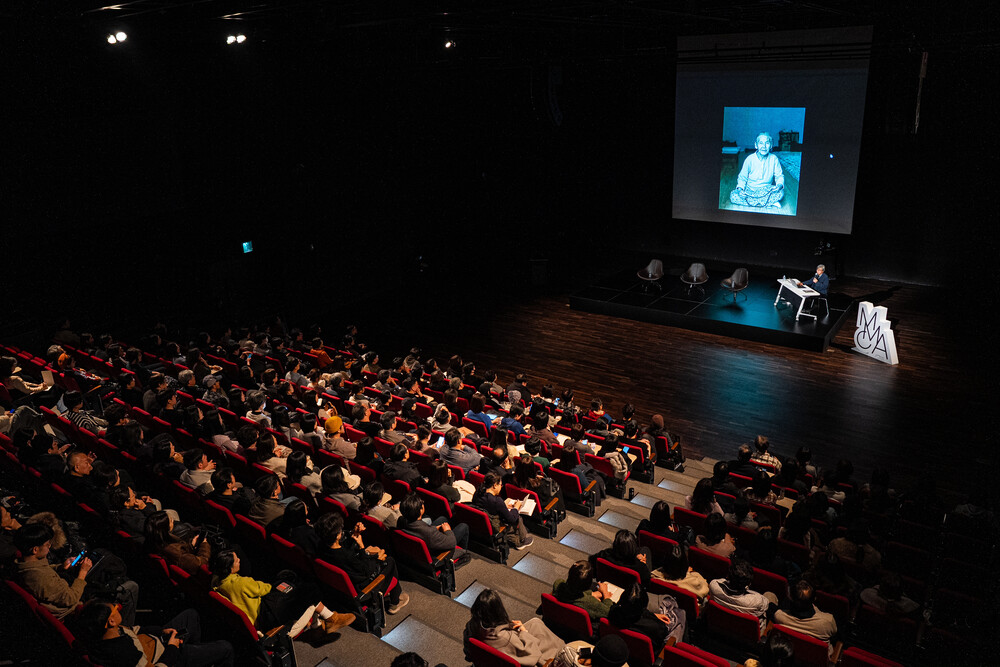
1. The house, precariously installed on the edge of the engineering building rooftop at the University of California, San Diego (UCSD), is Do Ho Suh’s first permanently installed site-specific work and belongs to the university’s Stuart Collection. This installation was collaboratively created based on the typical house style of New England, Rhode Island, where the artist lived during his studies. It stands as an extraordinary architectural achievement, realized through collaboration with engineering and technology experts. The house is cantilevered over the rooftop edge, maintaining a floor inclination of approximately five degrees. In August 2016, Do Ho Suh held a public discussion in CGV Yongsan, Seoul, where he screened a documentary film documenting the installation process and discussed the work in an interview format with the author.
 
2. Do Ho Suh’s 〈Seoul Home/L.A. Home〉(1999) was first exhibited at the Korean Cultural Center in Los Angeles and is now part of the permanent collection of the Los Angeles County Museum of Art (LACMA). While the work itself remains stationary, its title continues to evolve, as per the artist’s contract, by adding the names of each new exhibition location. Thus, the original 〈Seoul Home/L.A. Home〉 has expanded over time to include 〈Seoul/L.A. Home/Baltimore Home/London Home/Seattle Home〉, with the list growing whenever it is exhibited in a new city. Highly acclaimed, this work intricately reconstructs the artist’s childhood home in Seongbuk-dong, Seoul, using a translucent celadon-colored fabric traditionally used for Korean hanbok (eunjosa).
 
3. Inside the house, visitors find an interior remarkably similar to a typical American home, complete with family photographs and children's drawings contributed by collaborators. This setting intensifies the concept of "home" and evokes a sense of continuity across generations. However, the tilted floor disrupts the viewer’s sense of balance, creating a surreal experience. This uncanny spatiality evokes both the comfort of familiarity and the unease of instability, inducing a sense of ambivalence in visitors.
 
4. In 2017, as the Robin Hood Gardens, a Brutalist-style public housing estate in East London, was being demolished, the Victoria & Albert Museum (V&A) sought to preserve its architectural heritage. The museum laser-cut portions of three floors from the structure and invited Do Ho Suh to create a project documenting both the architectural elements and the lives of its former residents. The resulting video work was exhibited at the Venice Architecture Biennale (May 26–November 25, 2018) and later at the V&A Museum (September 7–October 13, 2019). Instead of filming in real time, Suh meticulously captured the space through time-lapse photography over 40 hours—a process that would have taken only two hours with a regular video camera. Through this approach, the artist sought to preserve the energy, history, lives, and memories embedded within this historic space.
 
5. Young-Paik Chun, "The Traveling Artist Subject and ‘Sense of Place’: A Theoretical Exploration for Korean Artists Engaged in Transcultural Work," The Korean Journal of Art History, Vol. 41 (2013), pp. 165–193.; Young-Baek Jeon, "Unforgettable Artist, Unforgettable Building [3] Do Ho Suh," Chosun Ilbo, January 22, 2008.
 
6. Martin Jay, Downcast Eyes: The Denigration of Vision in Twentieth-Century French Thought, trans. Young-Baek Jeon et al., Seoul: Seogwangsa, 2019, p. 264.
 
7. The artist himself explains why he chose translucent fabric to reveal the memory of a space: "Ultimately, fabric is a material that can address absence and emptiness—a material that is physically minimal."

References