







Solo Exhibitions (Brief)
Do Ho Suh began gaining international
recognition in the late 1990s, with solo exhibitions such as 《Do Ho Suh》(1999, Art Sonje Center, Seoul, Korea) and 《Seoul
Home/L.A.》(1999, Korean Cultural Center, Los Angeles,
USA). In the early 2000s, he further established his global presence through solo
exhibitions in major art institutions in New York and London, including 《Do Ho Suh》(2002, Serpentine Gallery, London,
UK) and 《Home in Home》(2012, Leeum,
Samsung Museum of Art, Seoul, Korea). These exhibitions contributed to
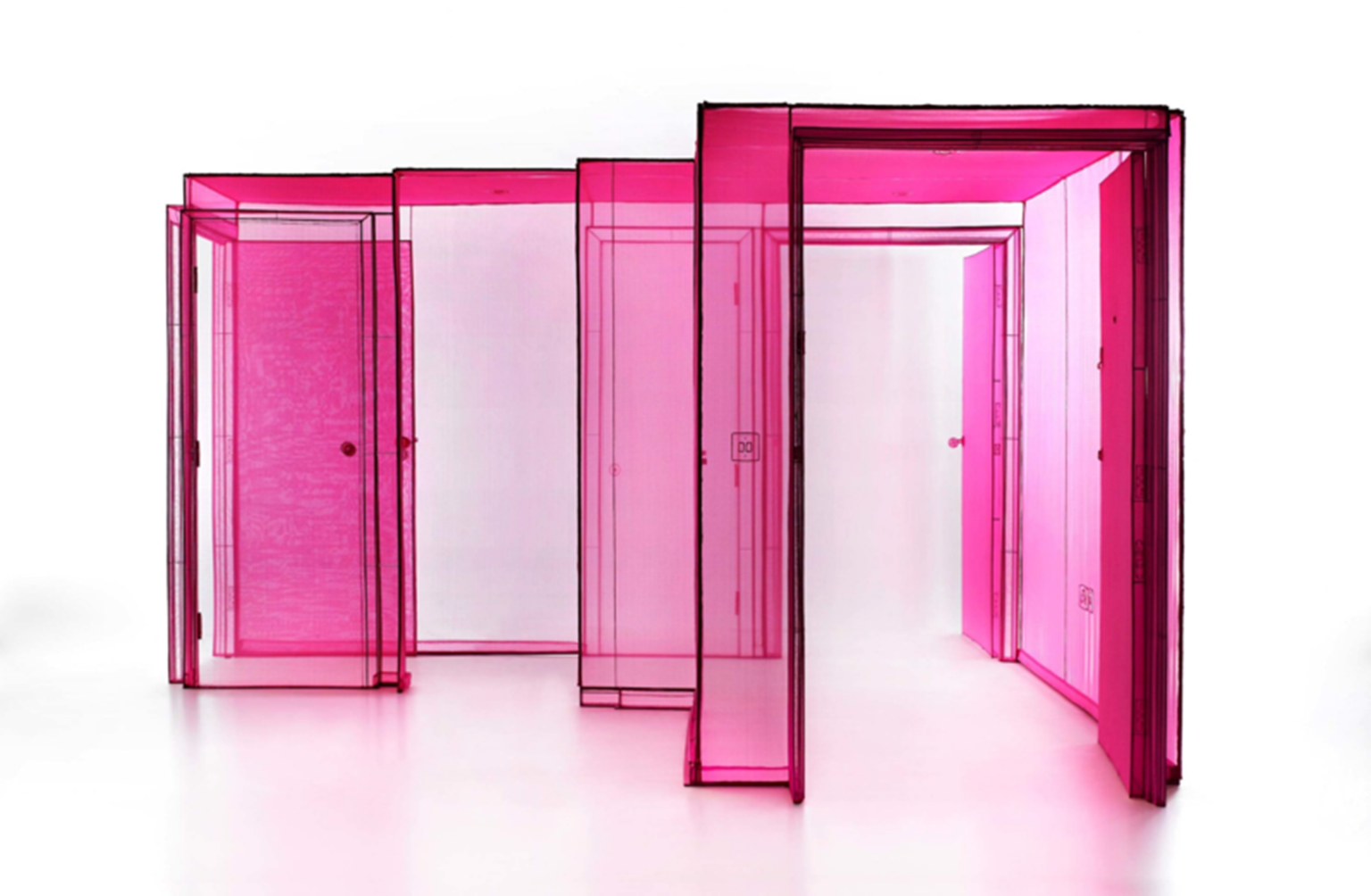
solidifying his artistic concept of “migratory architecture.”
In the 2010s, he expanded his exploration of
personal memory and architecture through exhibitions such as 《Do Ho Suh:
Passage/s》(2017, Bildmuseet, Umeå, Sweden) and 《Do Ho Suh: Almost Home》(2018, Smithsonian
American Art Museum, Washington, D.C., USA). Notably, 《Do
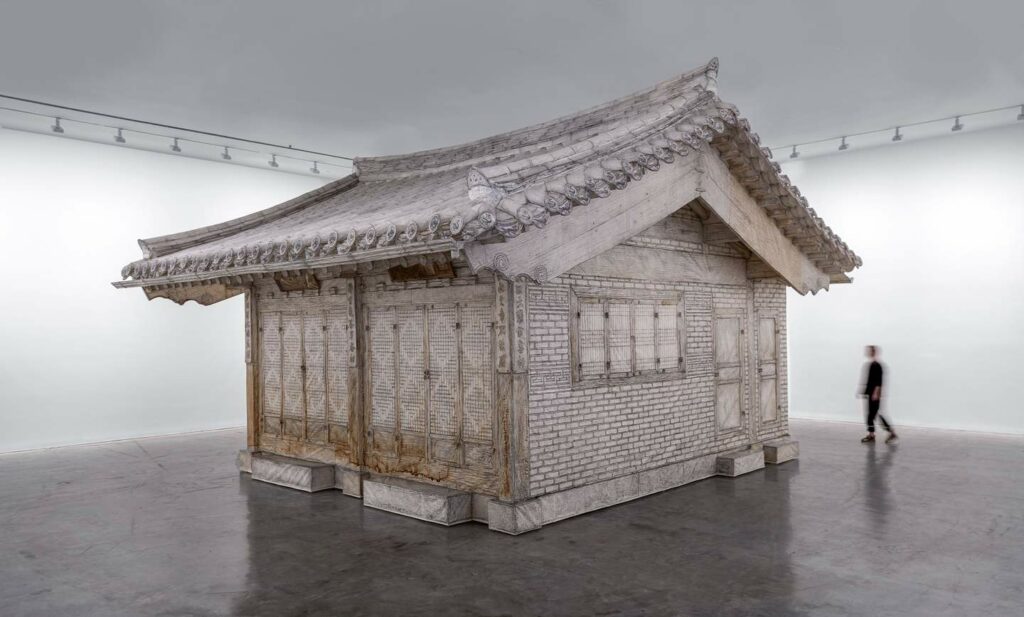
Ho Suh: 348 West 22nd Street》(2019, Los Angeles County
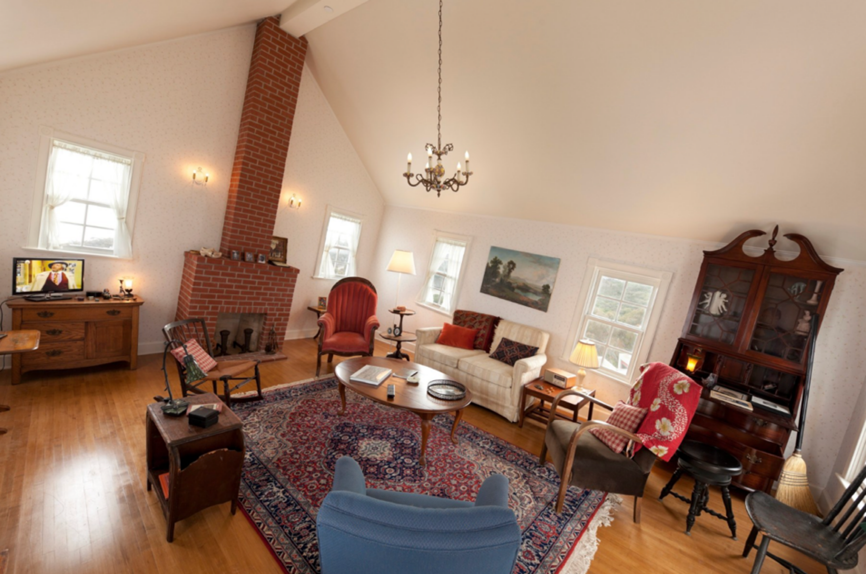
Museum of Art, Los Angeles, USA) presented a precise recreation of his New York
apartment, resonating widely with audiences.
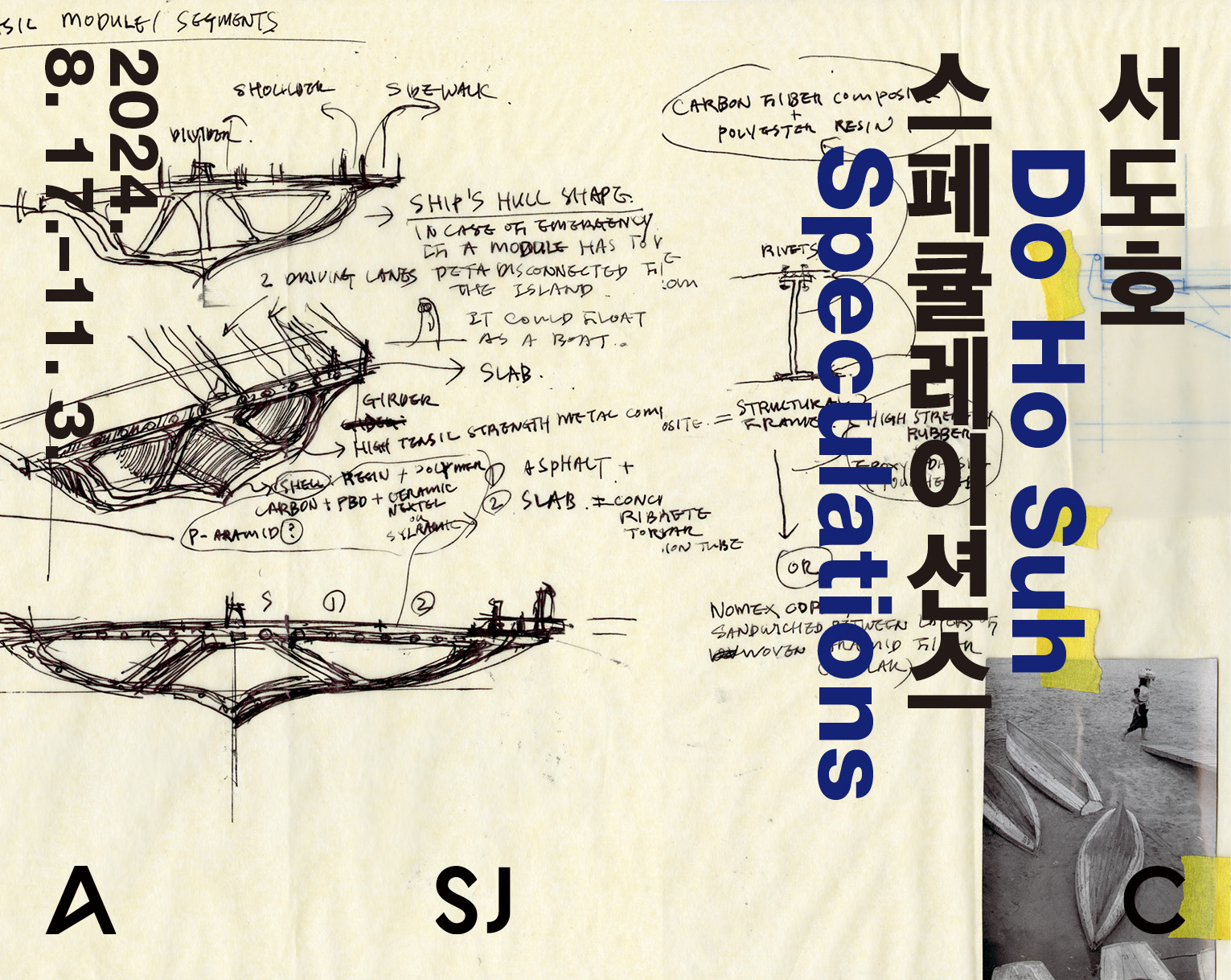
Recently, his solo exhibition 《Do Ho Suh:
Speculations》(2024, Art Sonje Center, Seoul, Korea)
continued his investigation into space and home, leading up to upcoming major
solo exhibitions at Tate Modern, London, UK (2025), further pushing the
discourse on architecture, personal memory, and displacement.
Group Exhibitions (Brief)
Do Ho Suh first
gained international attention with his participation in 《Venice Biennale Korean Pavilion》(2001,
Venice, Italy). His work was later introduced as a key figure in contemporary
Korean art in 《Your Bright Future》(2009, Los Angeles County Museum of Art, Los Angeles, USA; Museum of
Fine Arts, Houston, USA). In 《Lesson Zero》(2017, National Museum of Modern and Contemporary Art, Korea), he
reexamined the historical context of contemporary Korean art.
Throughout the
2010s, he continued to explore architecture, memory, and social issues in
exhibitions such as 《Robin Hood Gardens: A Ruin in
Reverse》(2018, Victoria and Albert Museum, London, UK)
and 《Catastrophe and Recovery》(2021,
National Museum of Modern and Contemporary Art, Korea). His works on migration
and identity were also featured in 《When Home Won’t Let
You Stay: Migration Through Contemporary Art》(2019-2021,
Museum of Fine Arts, Boston, USA; Minneapolis Institute of Art, Minneapolis,
USA; Cantor Arts Center, Stanford University, Stanford, USA), engaging in
global discussions on displacement.
More recently,
he has participated in major exhibitions such as 《Super Fusion: Chengdu Biennale 2021》(2021,
Chengdu Tianfu Art Park, Chengdu, China) and 《Kak》(2022, HITE Collection, Seoul, Korea), continuing his exploration of
the relationship between space and human existence in contemporary art.
Awards (Selected)
In 2017, he was awarded the Ho-Am Prize and in 2013, he received the Innovator of the Year Award in Art from The Wall Street Journal Magazine.
Collections (Selected)
His works are included in the collections of major public and private institutions worldwide, including The Museum of Modern Art(New York, USA), Whitney Museum of American Art(New York, USA), Solomon R. Guggenheim Museum(New York, USA), Los Angeles County Museum of Art(California, USA), Tate Modern(London, UK), Leeum, Samsung Museum of Art(Seoul, Korea), Art Sonje Center(Seoul, Korea), Mori Art Museum(Tokyo, Japan), and 21st Century Museum of Contemporary Art(Kanazawa, Japan), among others.