Keunmin Lee (b. 1982) has explored new possibilities in painting by translating the many layers of ambivalent emotions—anxiety and comfort, loss and recovery—into a visual language. Drawing on his own pathological experiences as a source for his practice, he creatively and subversively sublimates the sensations and emotions arising from illness.


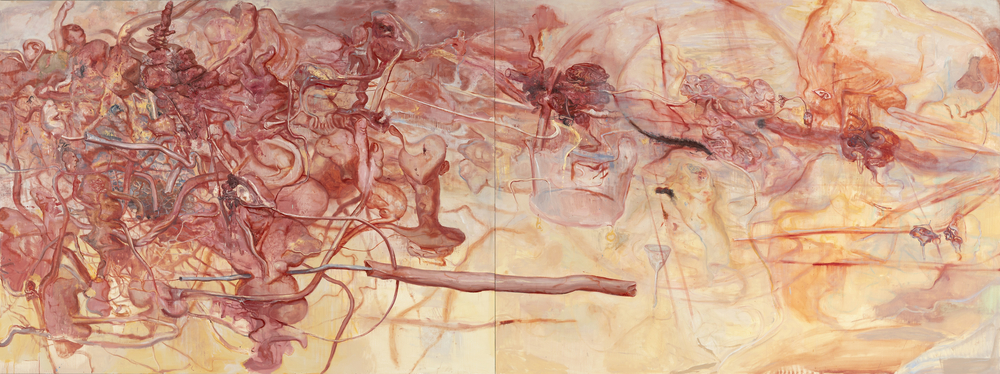
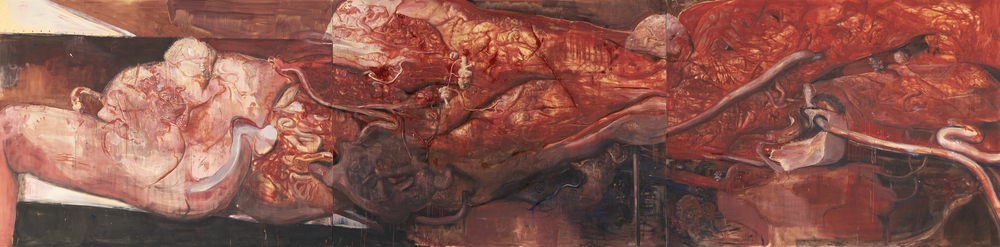
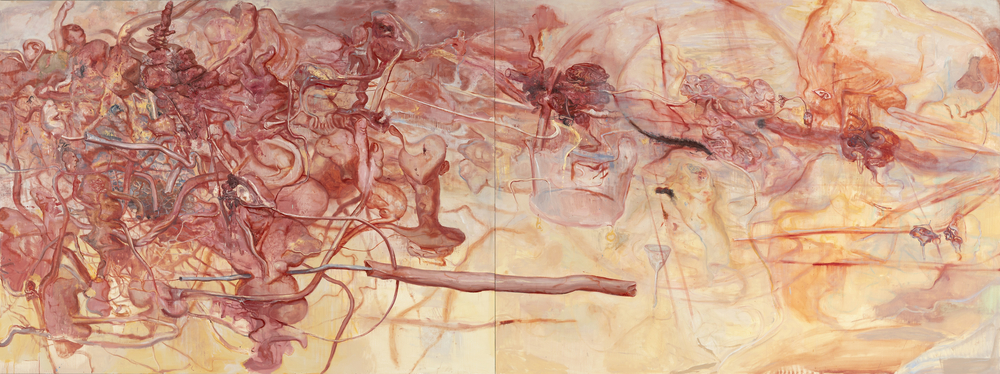
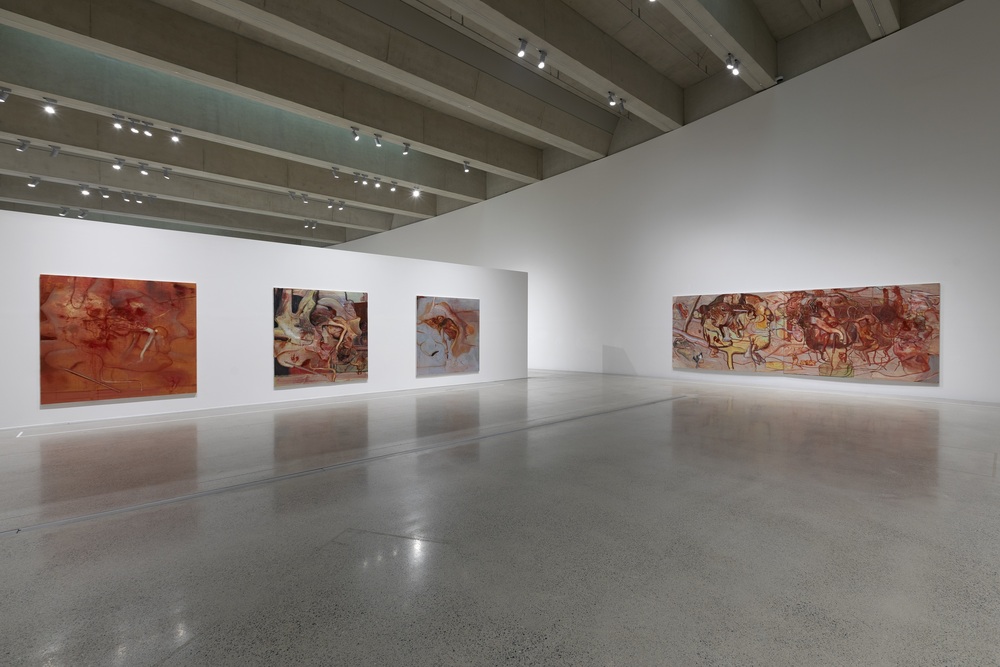
Keunmin Lee, Tangled Memories, 2021, Oil on canvas, 218.2 x 582 cm © PKM Gallery

Having experienced unexplained vomiting and symptoms of anorexia since childhood, Keunmin Lee was diagnosed with borderline personality disorder at a psychiatric clinic in 2001. He subsequently spent approximately two months in the hospital receiving treatment, during which he experienced hallucinations. These experiences later became a major subject of his paintings, marking the beginning of his artistic practice.
 
The hallucinations he experienced at the time took the form of scenes in which something resembling a human or another living creature appeared fragmented into muscles, flesh, skin, and internal organs, attached to the walls of an interior space, floating in midair, or leaning against something. Lee came to believe that if he brought these scenes onto the canvas, they would no longer be symptoms of an illness but could instead become a form of art.


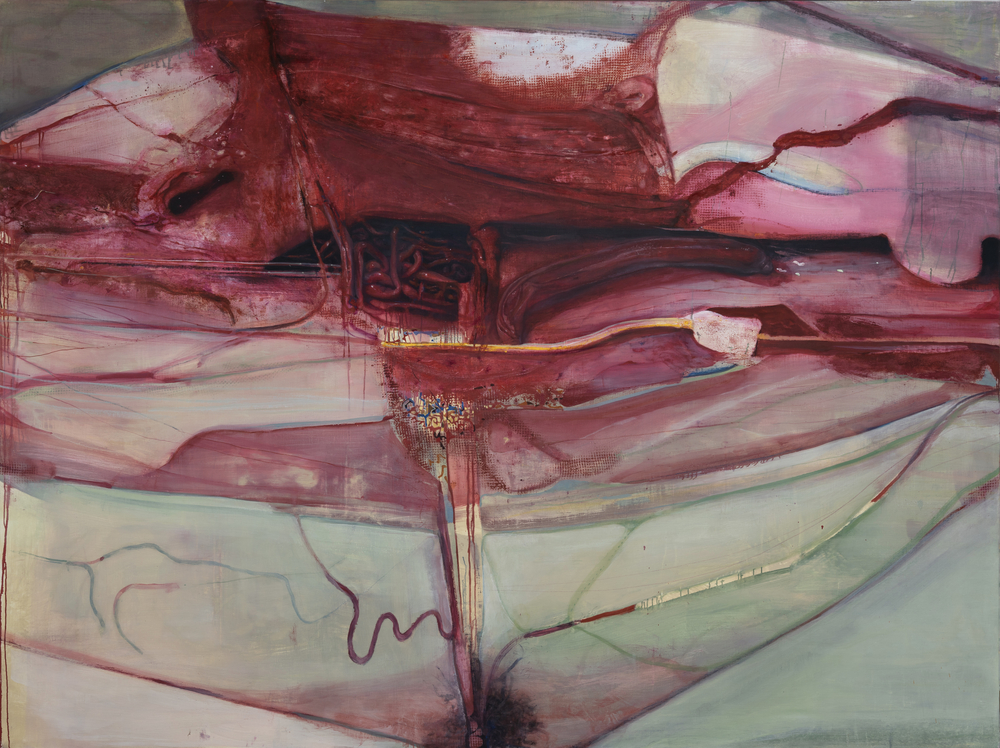
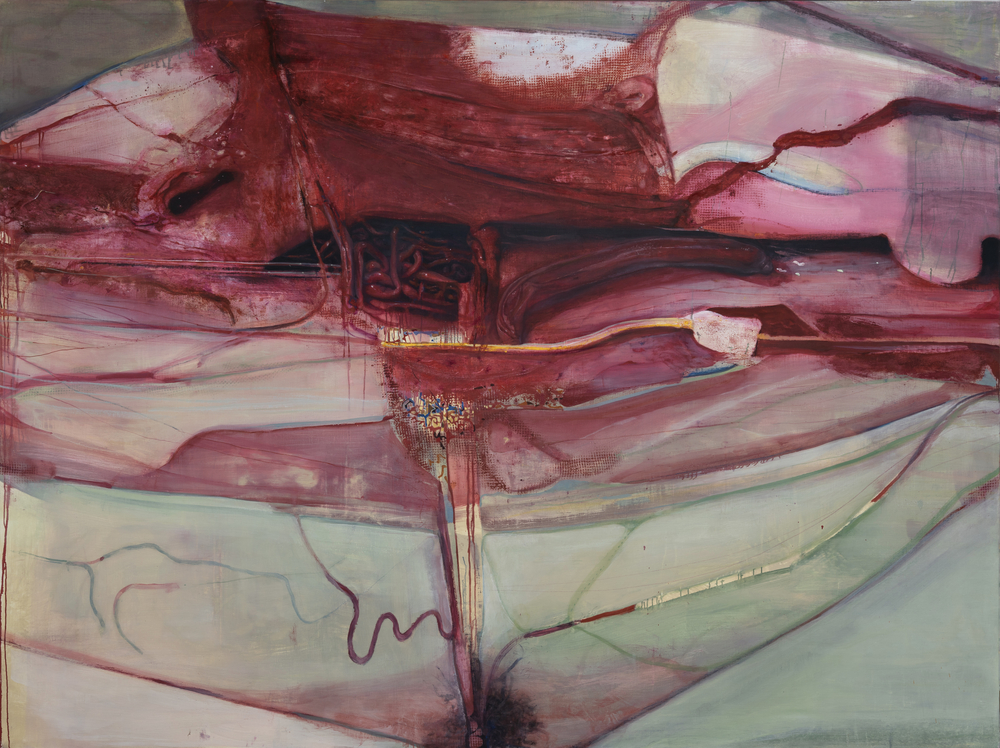
Keunmin Lee, Encounter in the Mountains, 2023, Oil on canvas, 194 x 259 cm © PKM Gallery

Lee also came to see the process of abstract conditions being assigned names and patients being documented through compulsory datafication—as an individual is standardized in their entirety and reduced to information for the functioning of social systems—as a condensed illustration of how society defines an individual.
 
In response, Keunmin Lee came to regard the very act of visualizing his pathological experiences through the language of art as a means of liberating hallucinations from their status as symptoms of illness. He further saw this act as a form of resistance to the systems through which society defines human beings.


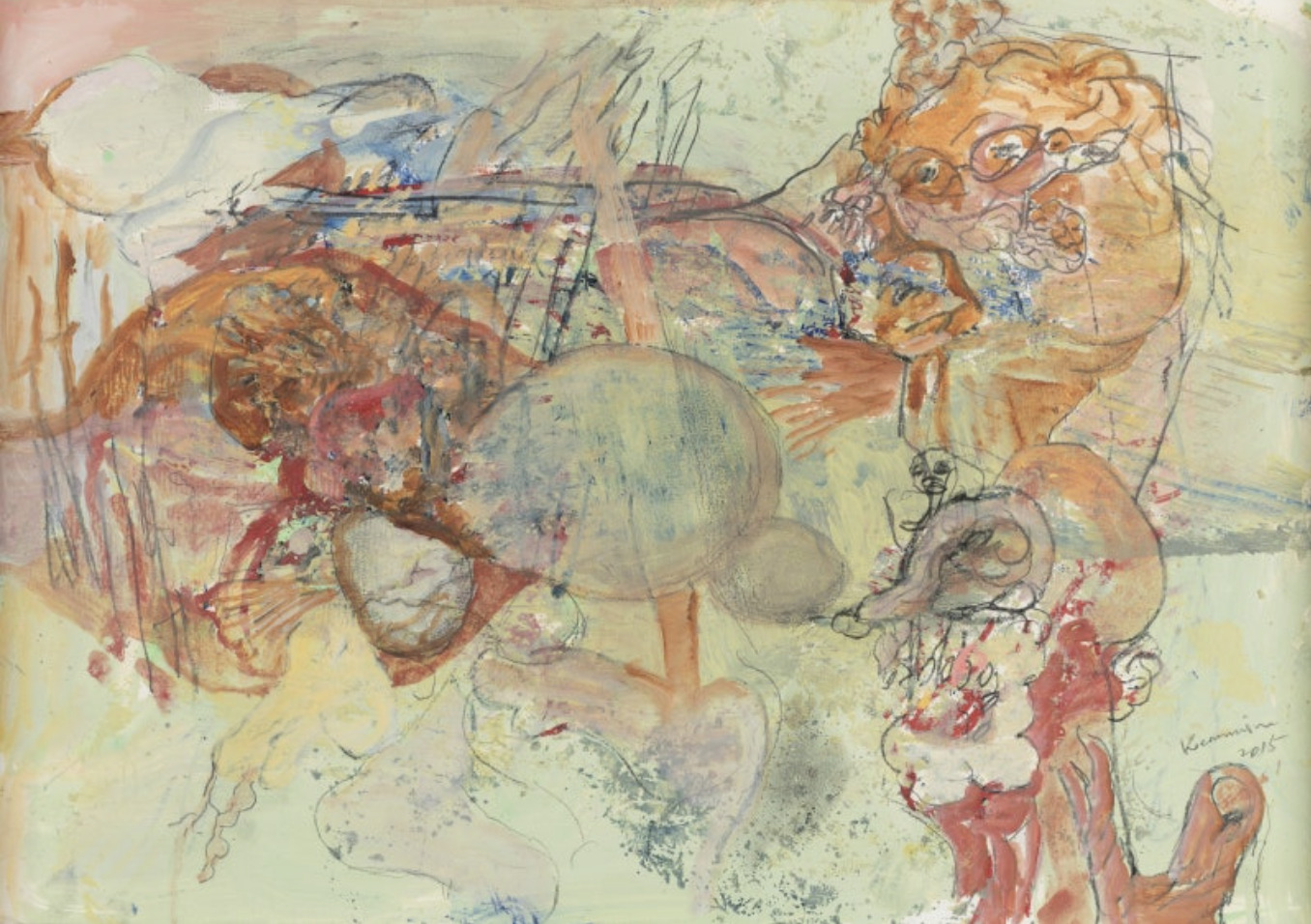
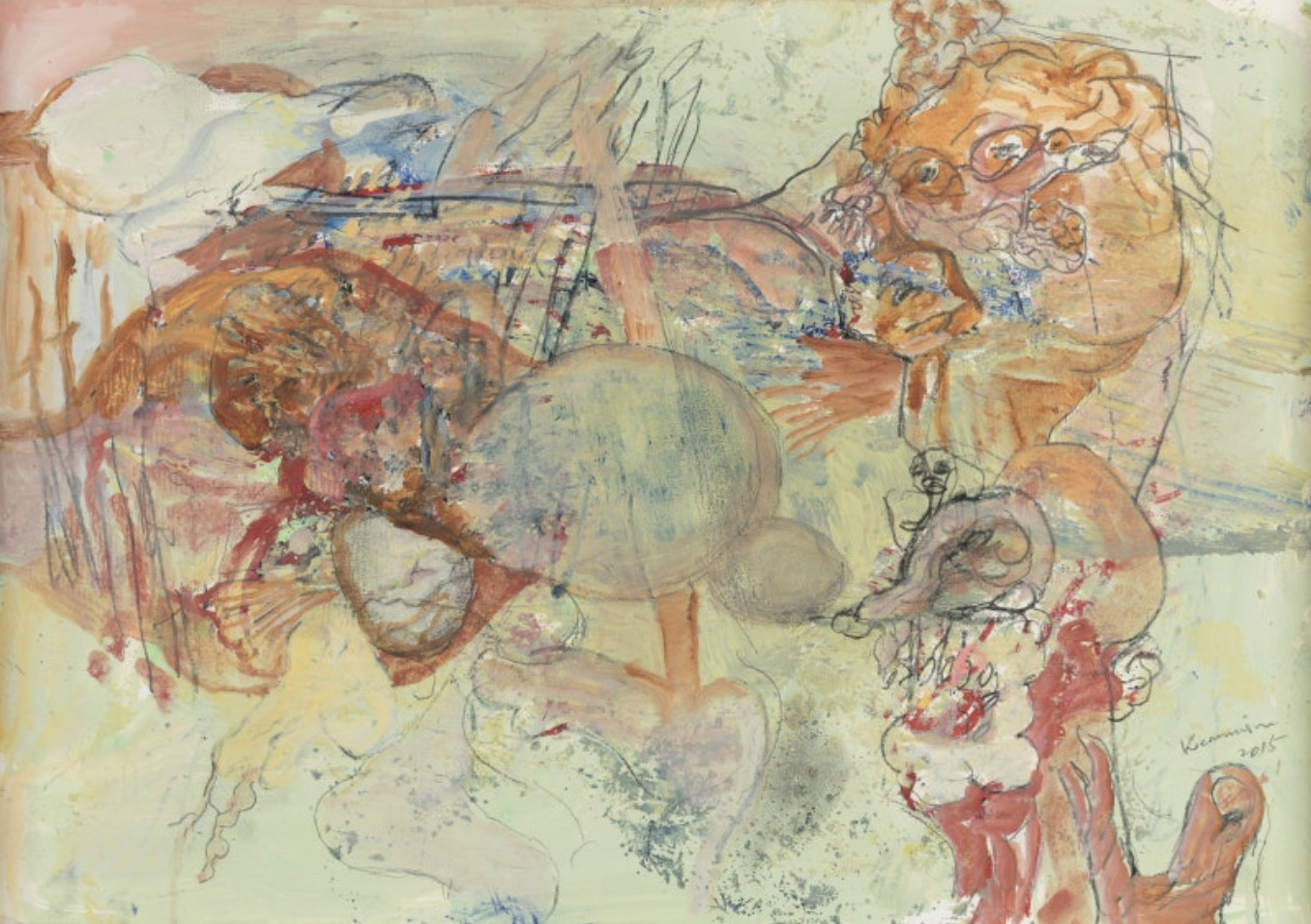
Keunmin Lee, Refining Hallucinations, 2015, Oil and graphite on paper, 29.5 x 42 cm © Keunmin Lee

Rather than turning away from painful experiences and memories, Lee takes them as the starting point of his practice, willingly bringing onto the canvas those who have been excluded by social systems for falling outside the boundaries of what is considered normal.
 
His paintings feature fragmented bodies and internal organs, alongside metaphorical and abstract forms whose meanings are not readily discernible. These forms are enlarged or reduced according to the artist’s psychological perspective, together composing an inner landscape.


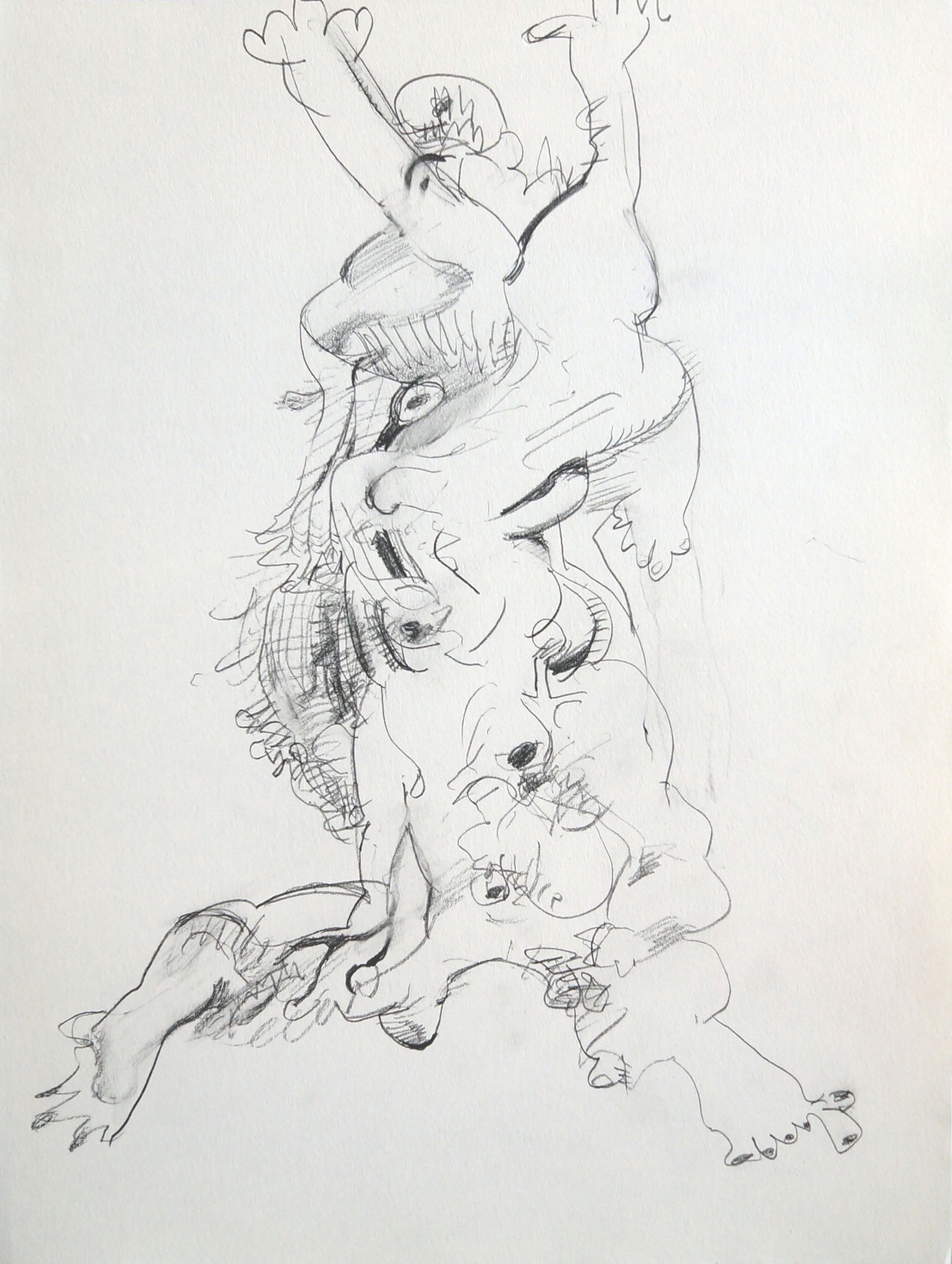
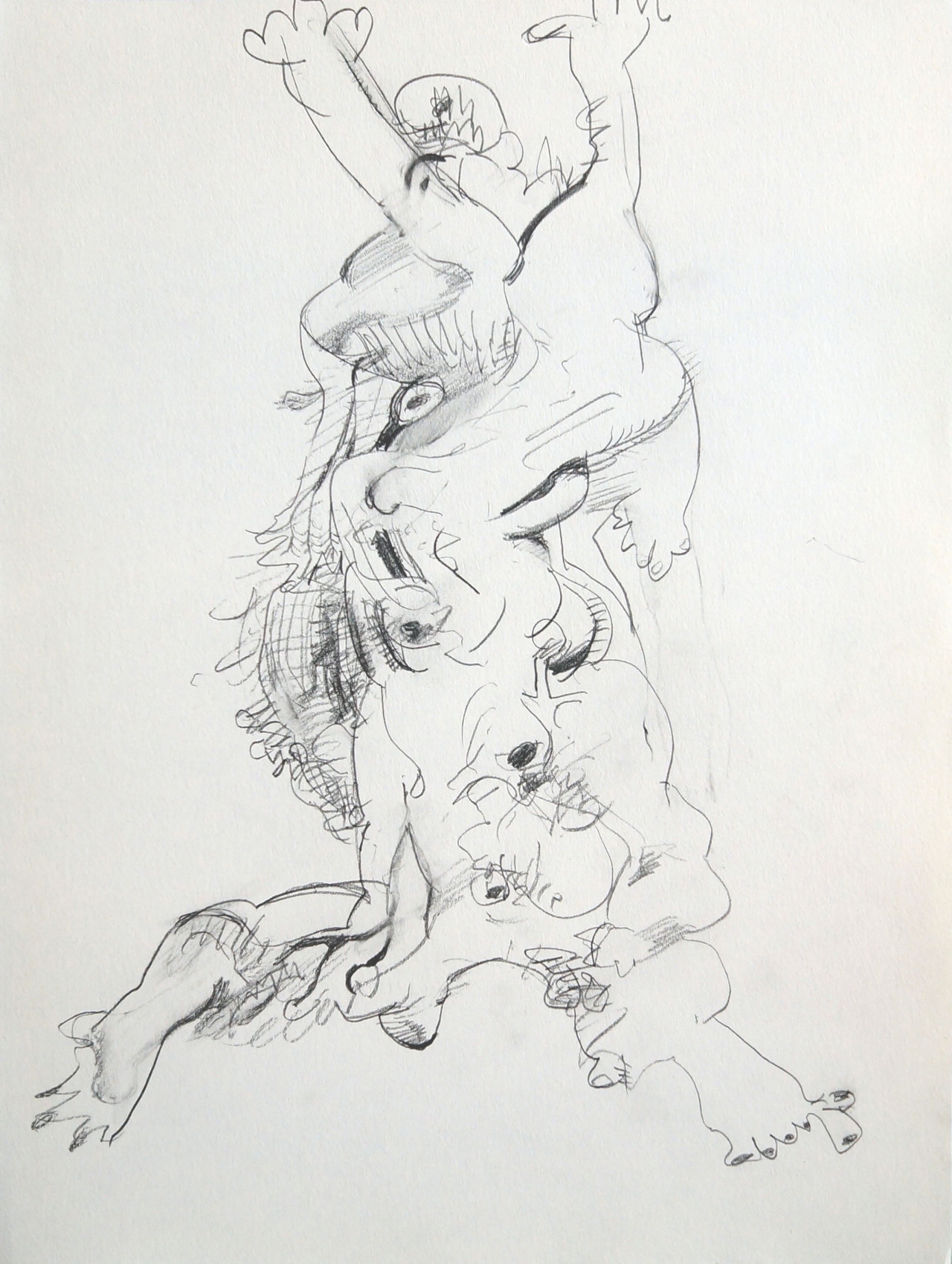
Keunmin Lee, The Portrait of Hallucination, 2007, Pencil on paper, 29.7 x 21 cm © Keunmin Lee

For example, in his 2013 solo exhibition 《The Portrait of Hallucination》, Lee explored through drawing his relationship with the uncanny beings he encountered in his hallucinations and imagination.
 
The strange creatures depicted in these works are figures he actually encountered during his hallucinations. Through the format of portraiture, they are transformed from hallucinatory images into beings that exist in reality.
 
By painting portraits of beings that have yet to be defined in the real world, Lee sought to grant them a sense of existence. He likens this process to a “will to heal”: an attempt to escape an abnormal and unreal world marked by pain and oppression, enter reality, and be reborn as a whole being.

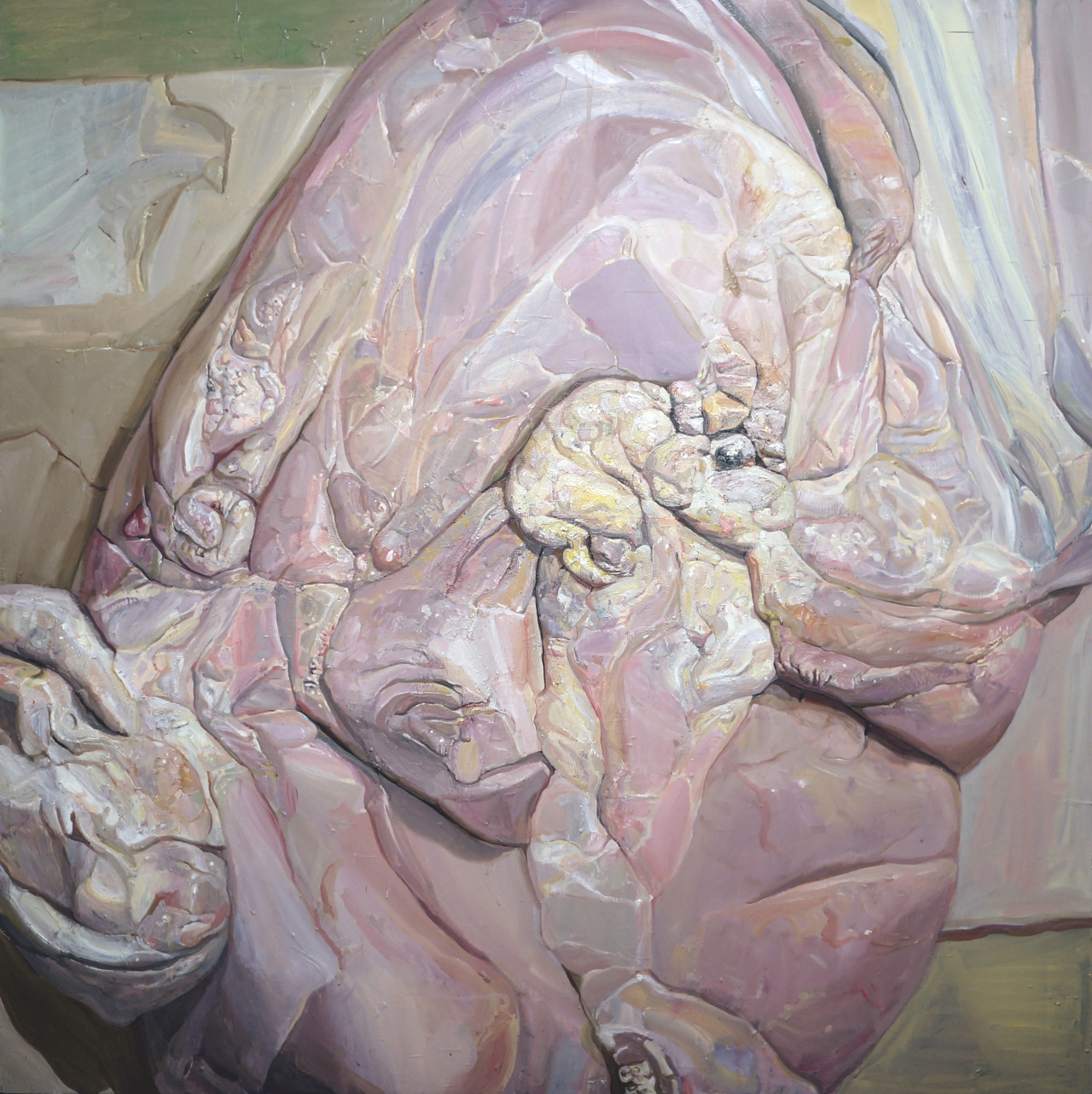
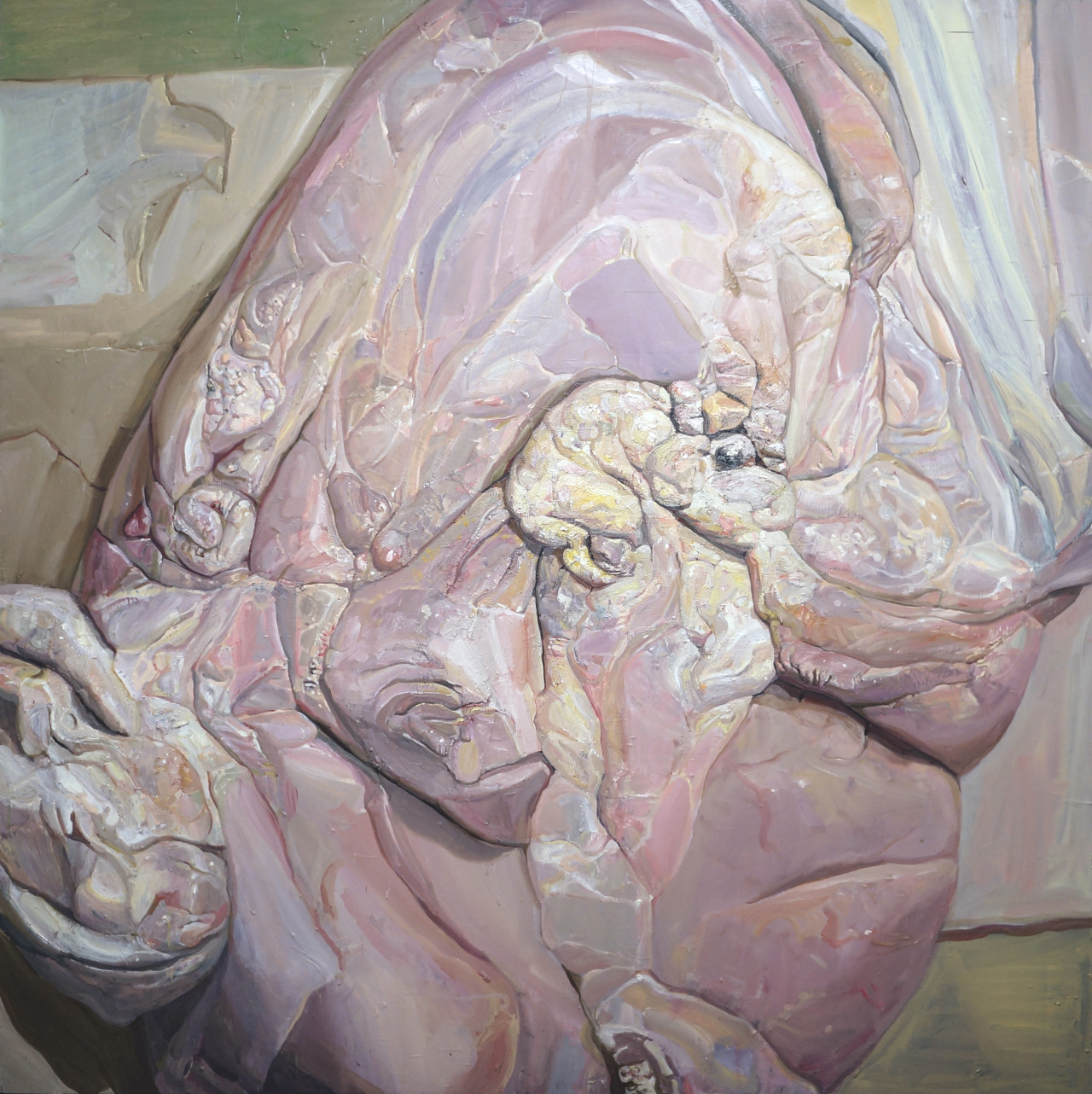
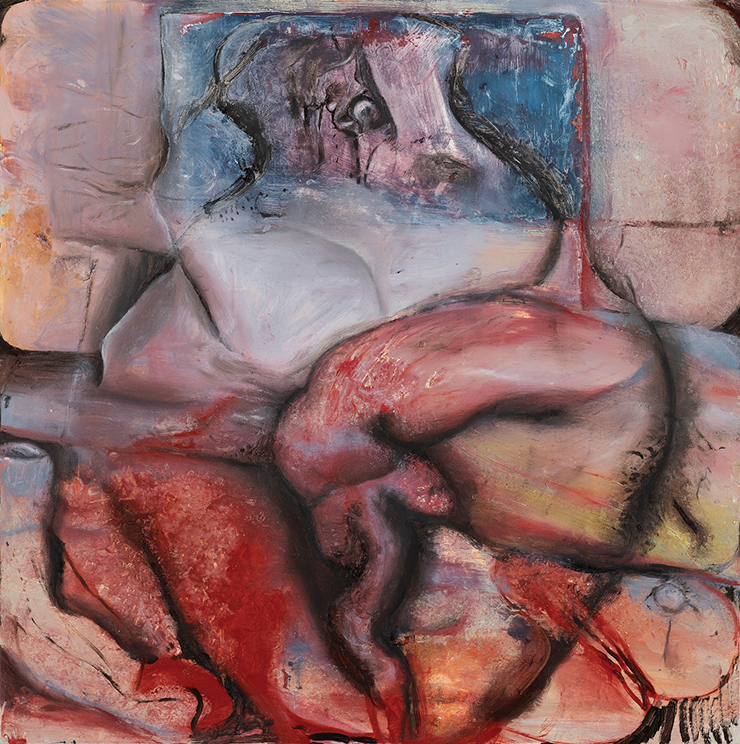
Keunmin Lee, The Portrait of Hallucination, 2013, Oil on canvas, 200 x 200 cm © Keunmin Lee

The portraits Lee creates capture the relationship between the artist himself, who exists in reality, and the creatures undergoing a process of reconstruction from unreal figures into beings of the real world. Within these portraits, an empty shell devoid of emotion coexists with an enduring sense of compassion for the creatures.
 
Through these portraits, in which conflicting emotions and relationships intersect, Lee reveals his perception of reality and constructs a distinctive painterly narrative.


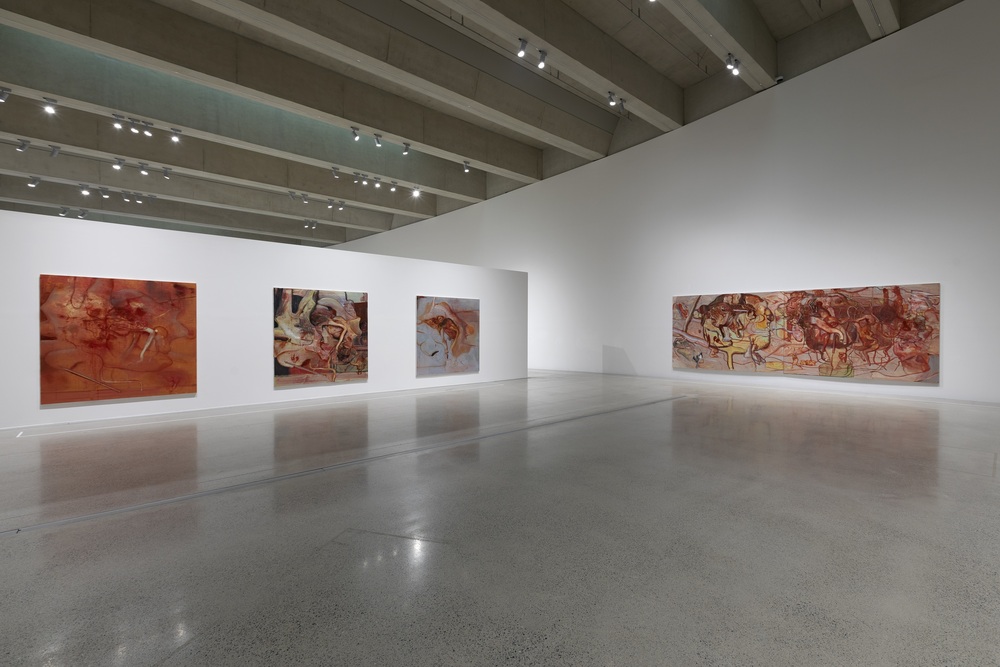
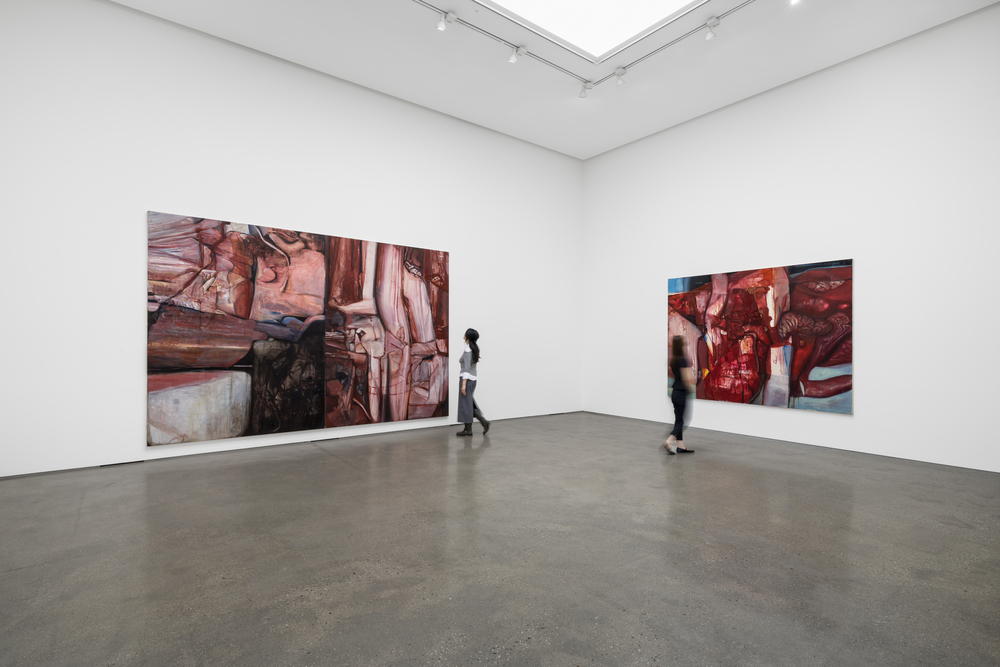
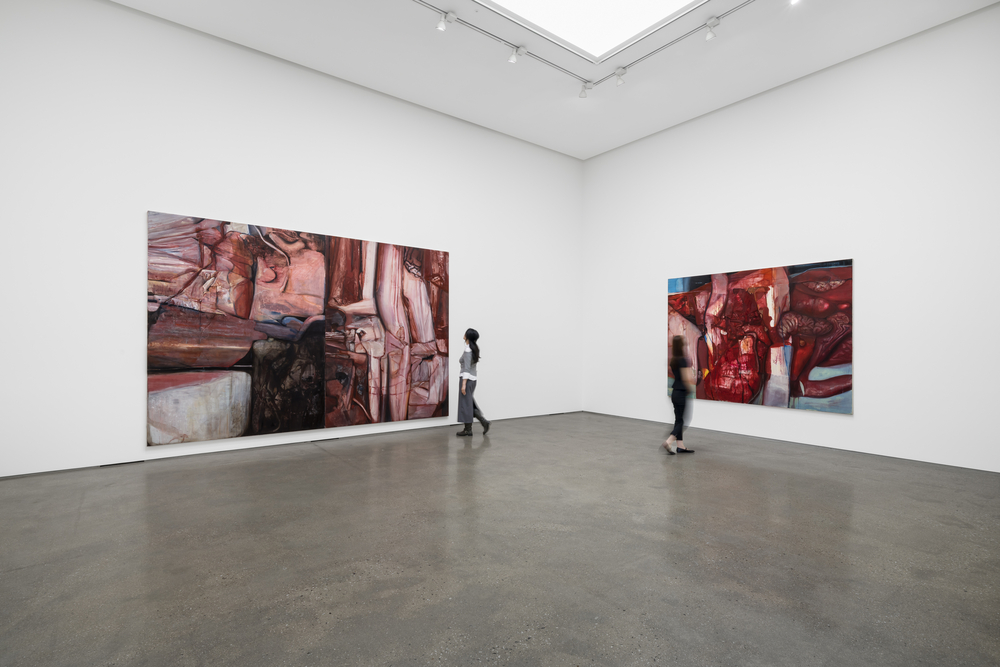
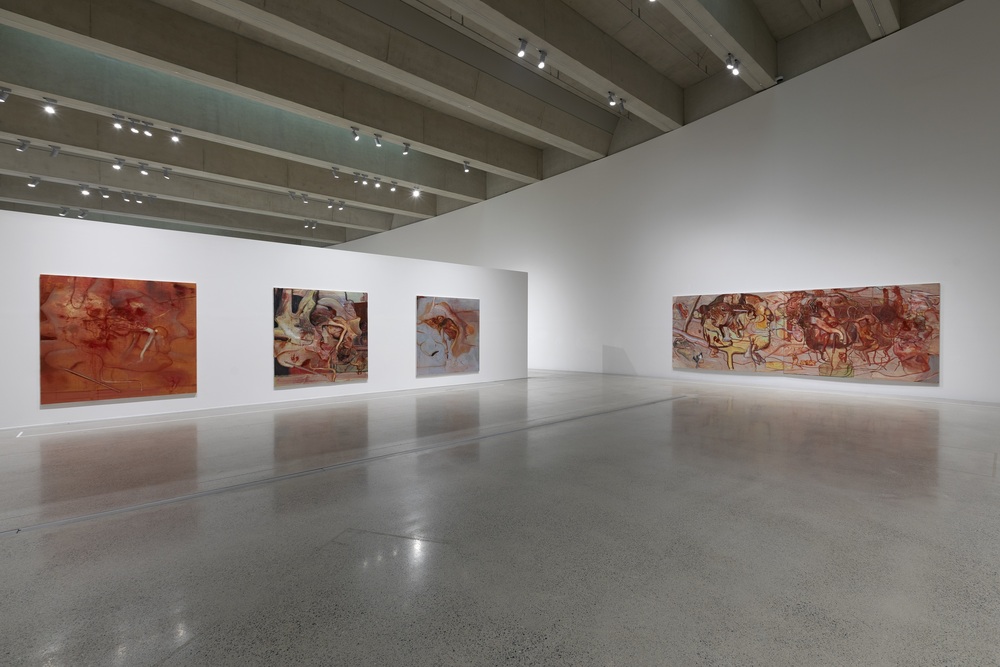
Installation view of 《And then none were sick》 (Space K, 2022) © Space K

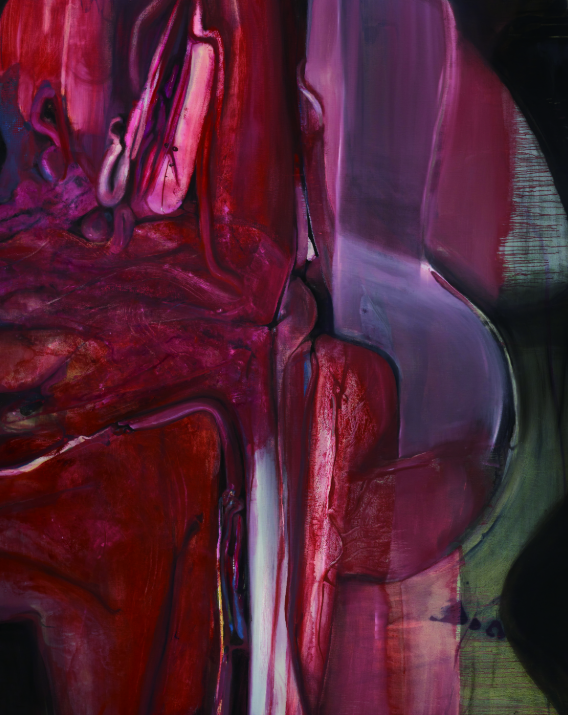
Furthermore, in his 2022 solo exhibition 《And then none were sick》 at Space K, Lee unfolded this inner landscape through large-scale paintings. Bathed in shades of red, the monumental canvases evoke the sensation of looking inside internal organs, creating an uncanny atmosphere while also inspiring a sense of the sublime.


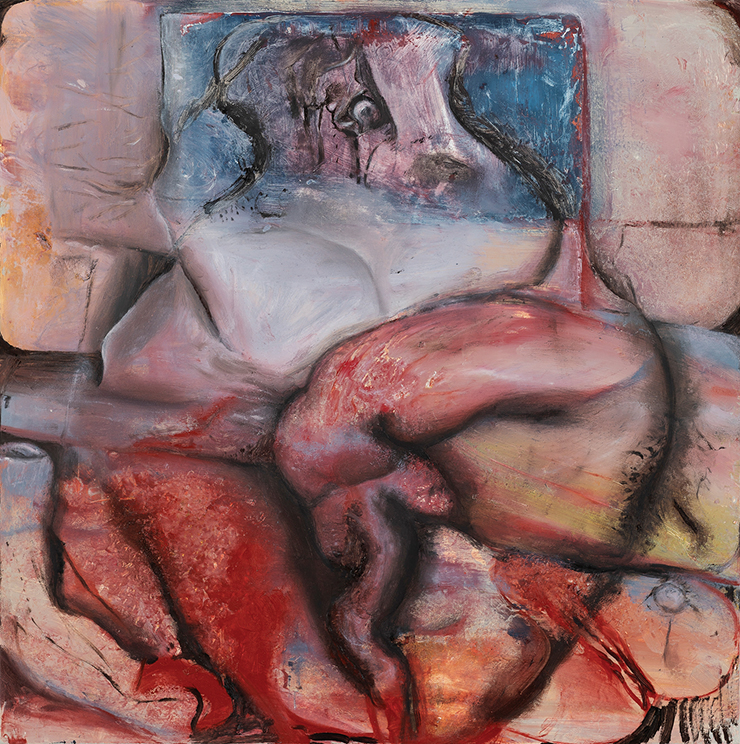
Keunmin Lee, Oral Communication, 2021, Oil on canvas, 227.3 x 181.8 cm © Keunmin Lee

Scenes in which fragmented body parts—blood and flesh, muscles, internal organs, and tissues—become entangled evoke sticky, slippery, and damp textures, even bringing to mind unpleasant odors. Going beyond visual stimulation to evoke tactile and olfactory sensations, Lee’s paintings faithfully reflect the sensory experiences of the hallucinations he actually underwent.
 
The artist has stated that, at the time, he experienced not only visual hallucinations in which strange forms appeared before his eyes, but also olfactory hallucinations involving a foul stench reminiscent of decomposing corpses. The scenes that give form to these experiences allow viewers to indirectly encounter the hallucinations he experienced.


Keunmin Lee, Heart and Penis, 2021, Oil on canvas, 45.5 x 45.5 cm © Keunmin Lee

Meanwhile, Heart and Penis (2021), depicting the intertwined forms of a heart and genitalia, draws on the artist’s own pathological experiences of being othered through diagnostic codes to resist the binary violence of distinctions between normal and abnormal, rational and irrational.
 
The blue tones emerging amid the red hues that dominate the canvas evoke bruised skin, conveying the texture of wounds inflicted by external violence. Through this imagery, the work transmits the sensations of those who experience pain to the viewer.


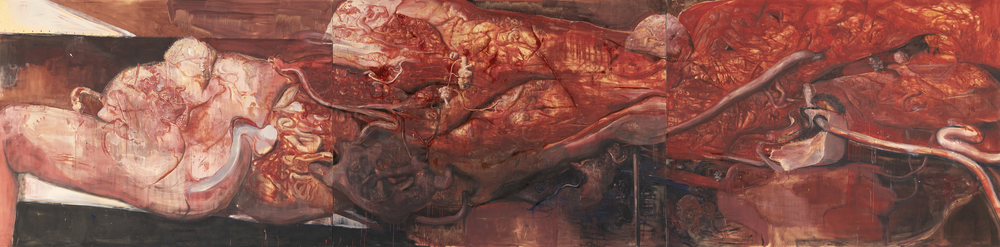
Keunmin Lee, Matter Cloud, 2021, Oil on canvas, 248.5 x 999 cm © Keunmin Lee

Meanwhile, Matter Cloud (2021), a large-scale triptych spanning 10 meters in width, draws an analogy between the brain and the word “matter,” which carries the dual meanings of a problem or concern and a physical substance. If the brain itself is a form of matter, then the memories, thoughts, and worries accumulated within it constitute the problems it contains.
 
In the painting, memories and wounds accumulate in layers within the brain, which sometimes bleeds or develops scabs. These accumulated elements build up like sediment, forming a vast “cloud” from which parasitic organisms emerge. The artist likens this phenomenon to bugs or errors in a computer program.
 
In this way, memories become distorted, delusions arise, and sometimes these processes lead to neurological disorders. Yet Lee notes that such unpredictable variables can also become driving forces behind artistic creation.
 
Matter Cloud thus presents an inner landscape in which memories and wounds accumulated in the brain become entangled with the problems they generate and the creative possibilities that emerge from them.


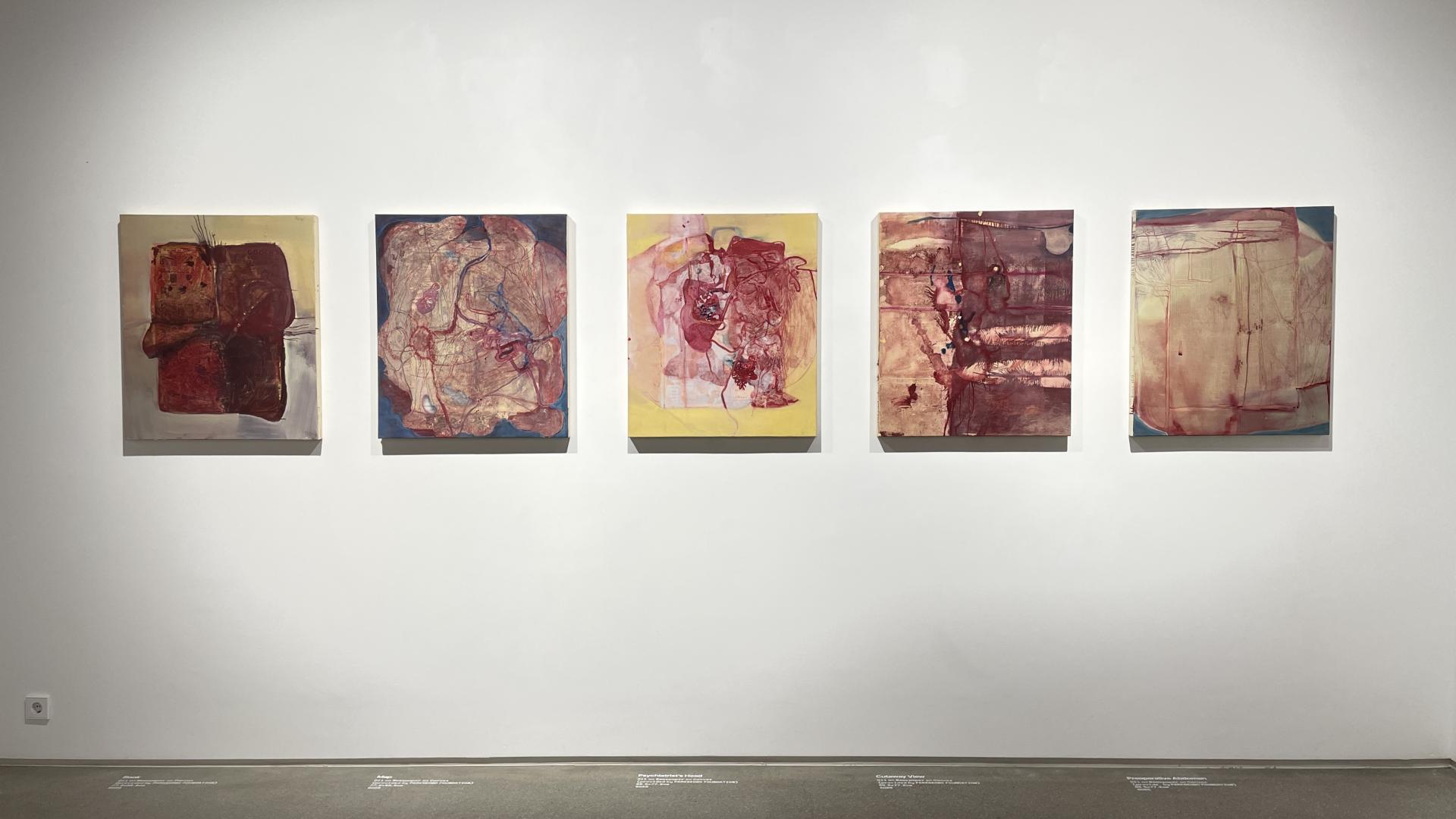
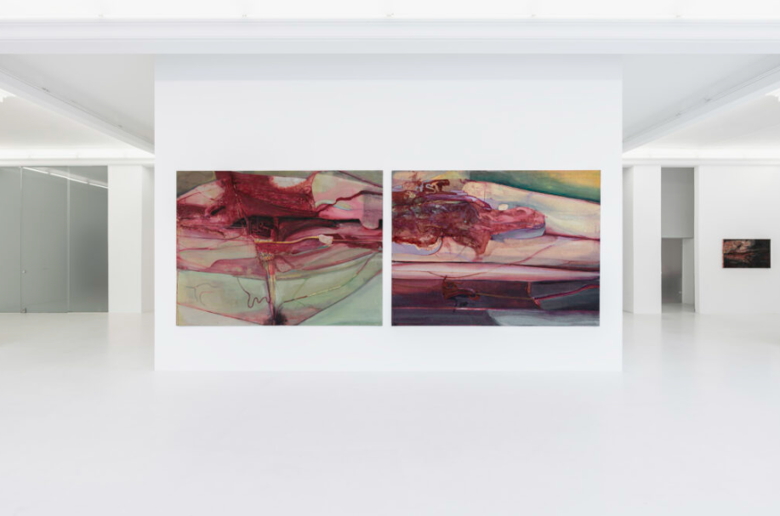
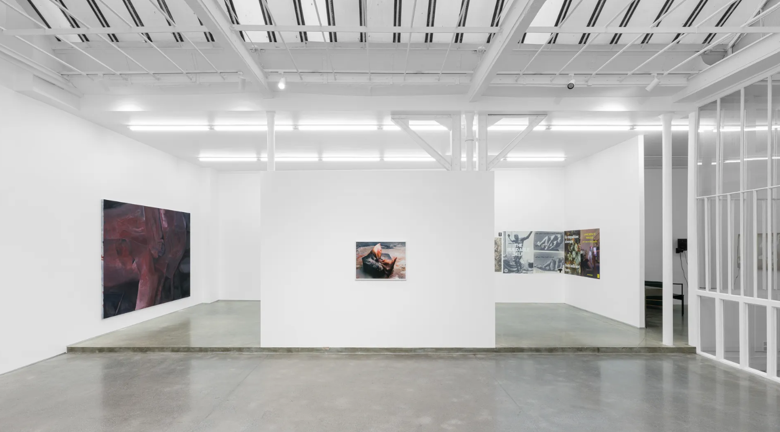
Installation view of 《Before It Becomes a Scene》 (PKM Gallery, 2026) © PKM Gallery

Furthermore, Keunmin Lee’s 2026 solo exhibition 《Before It Becomes a Scene》 at PKM Gallery vividly reveals the unvarnished human spectacle that emerges when the outermost layer is peeled away.
 
Here, the term “scene” refers to a situation shaped by intention, construction, or definition. Lee instead turns his attention to a state that exists prior to such framing—his visual and olfactory hallucinations before they were classified as symptoms of illness.
 
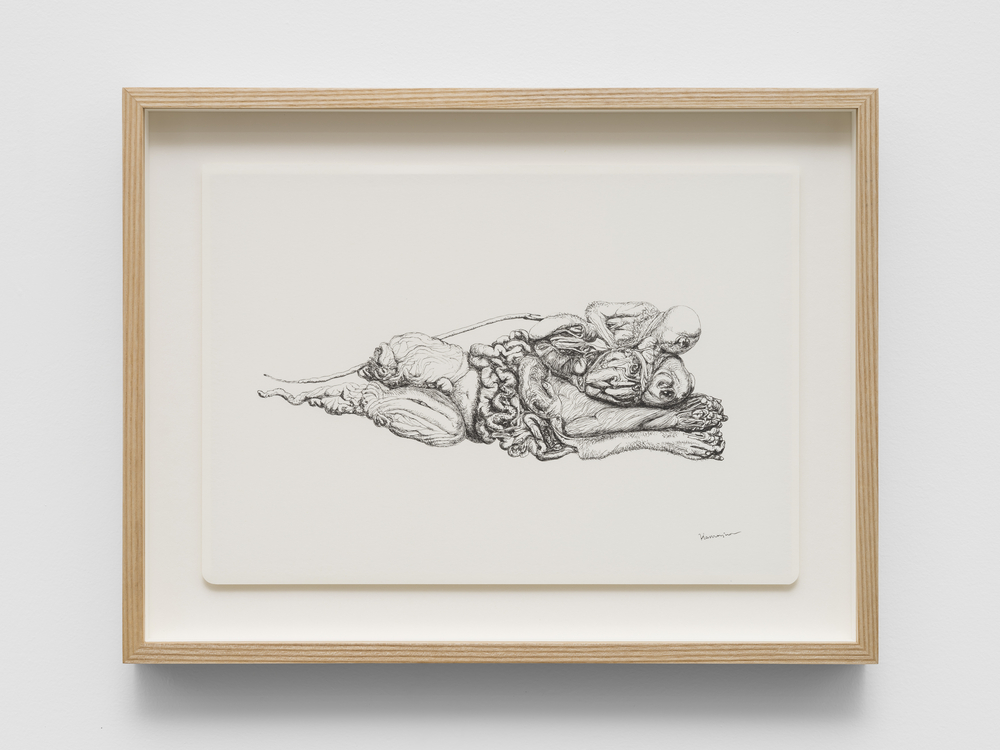
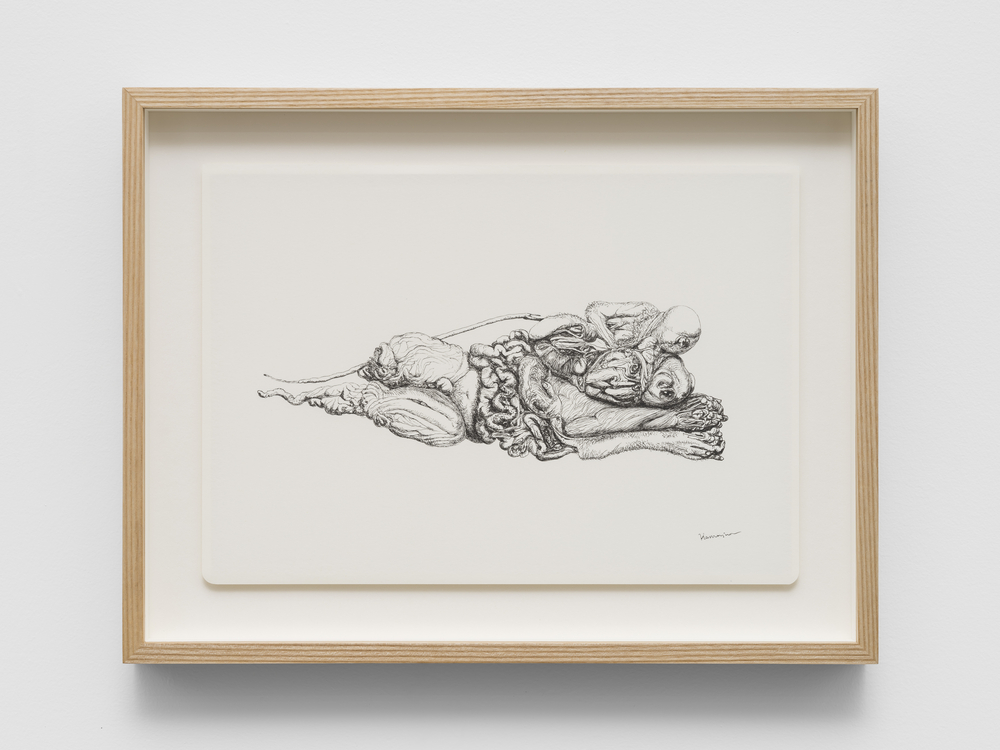
For instance, created through an automatism process, without preliminary sketches or predetermined plans, the ‘Refining Hallucinations’ drawing series traces primitive and unsettling beings pushed to the margins of society with fluid pen lines.


Keunmin Lee, Refining Hallucinations, 2026, Ink on paper, 20.7 x 29.6 cm © PKM Gallery

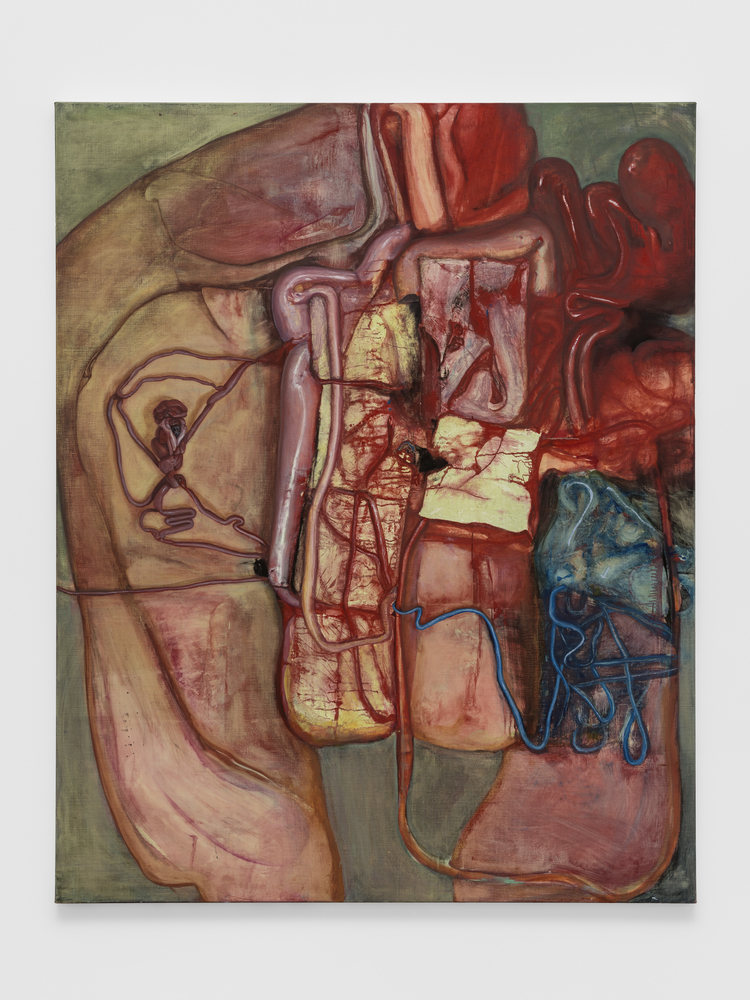
Muscles, organs, and blood-like traces in Lee’s paintings originate in personal experience, yet they also point to a condition shared by all—one that resists control regardless of the boundaries between self and other, or disability and non-disability. The warm, predominantly red palette reflects both the artist’s instinctive attraction to flesh and blood and a direct, unguarded metaphor for humanity and life itself.


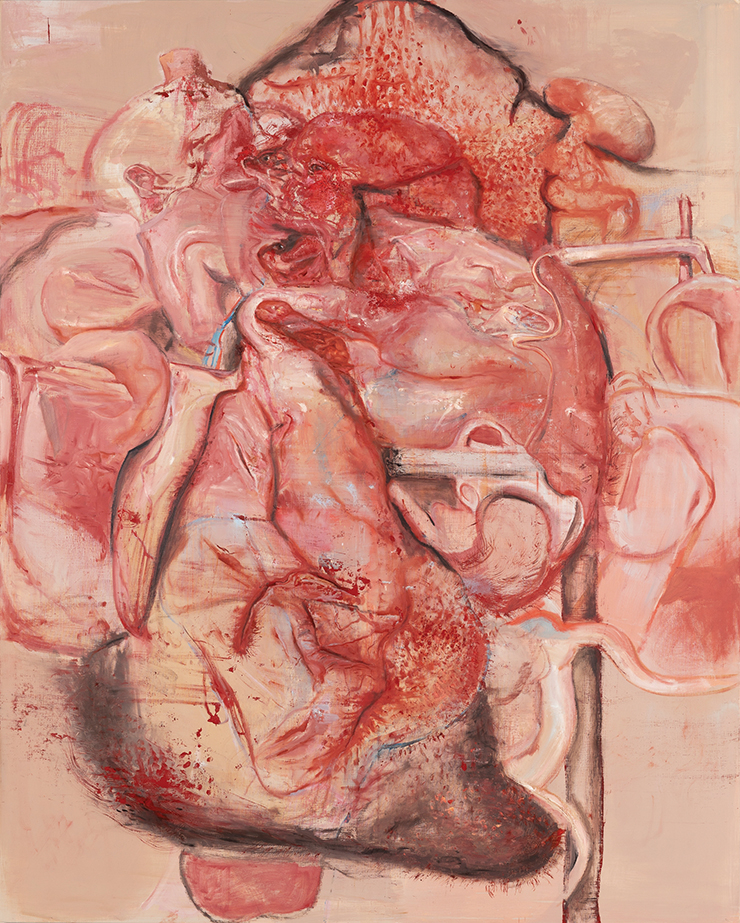
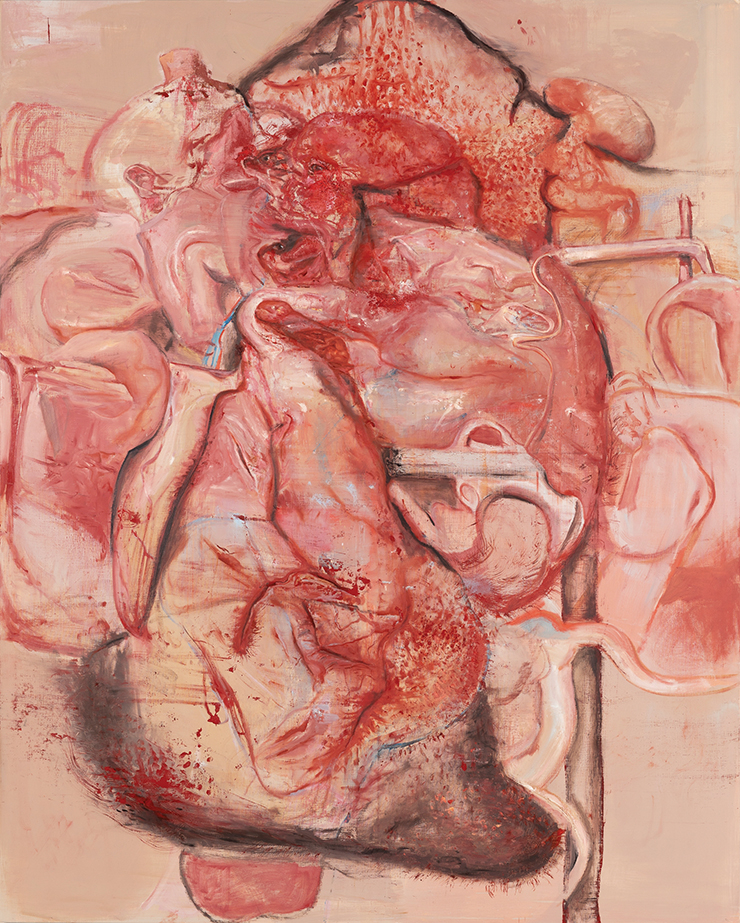
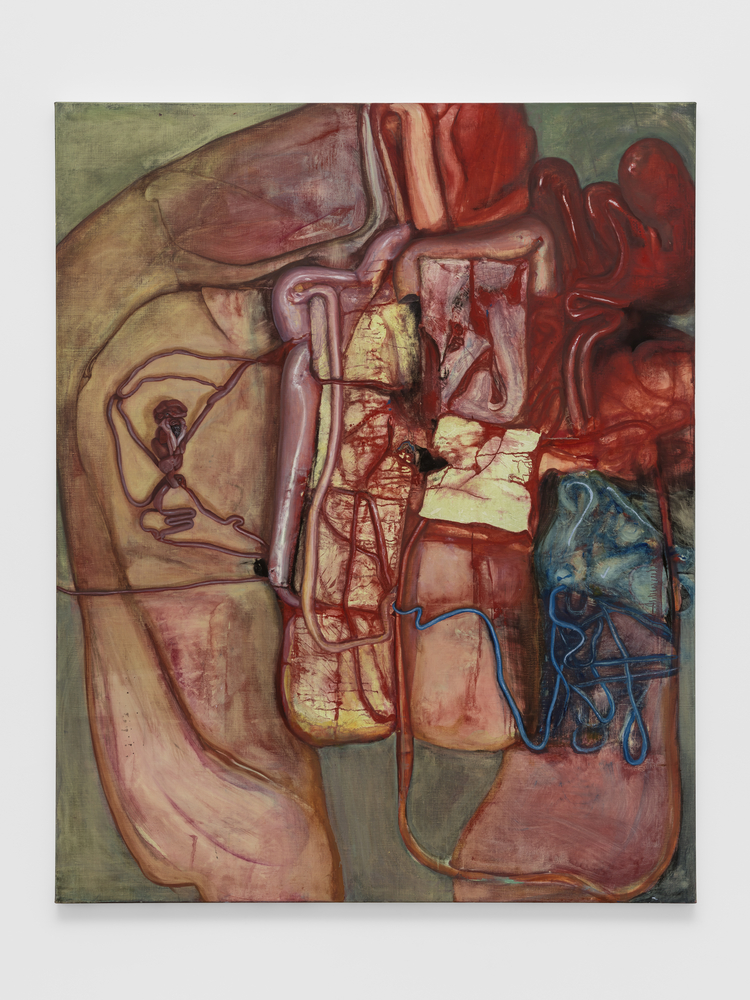
Keunmin Lee, Organic Plate, 2026, Oil and plastic wrap on canvas, 162 x 130 cm © PKM Gallery

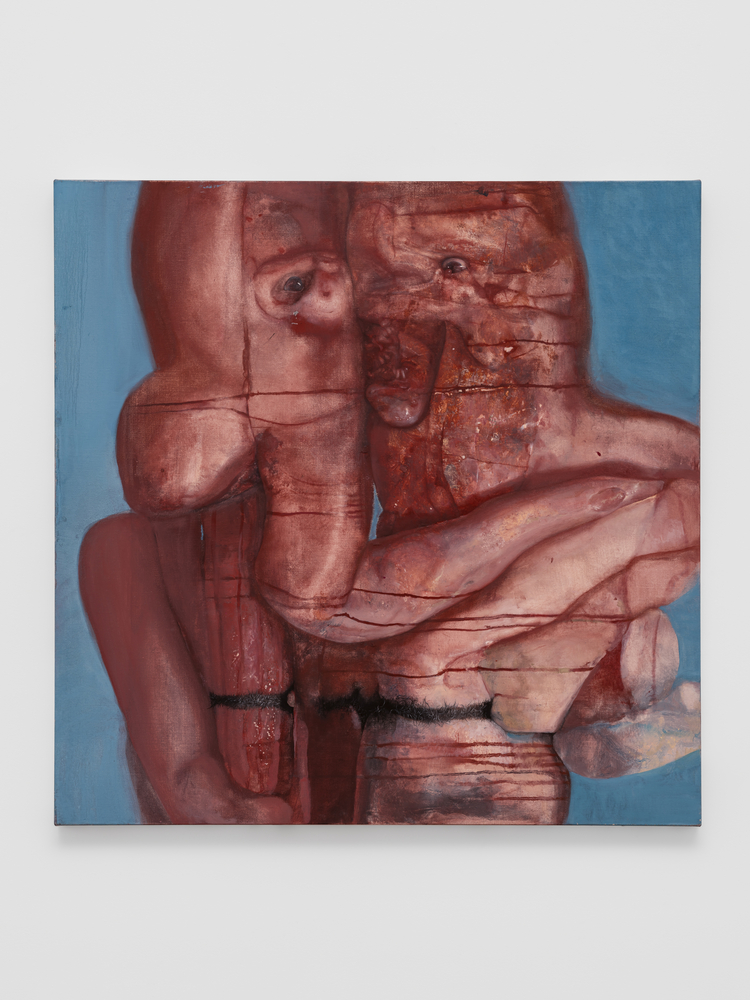
In this way, Keunmin Lee draws on the disassembled and fragmented images of the body witnessed in his hallucinations, but goes beyond their straightforward visual representation. Instead, he persistently revisits the abstract sensations and subtle emotions he experienced at the time, bringing them together into a single, organic image.
 
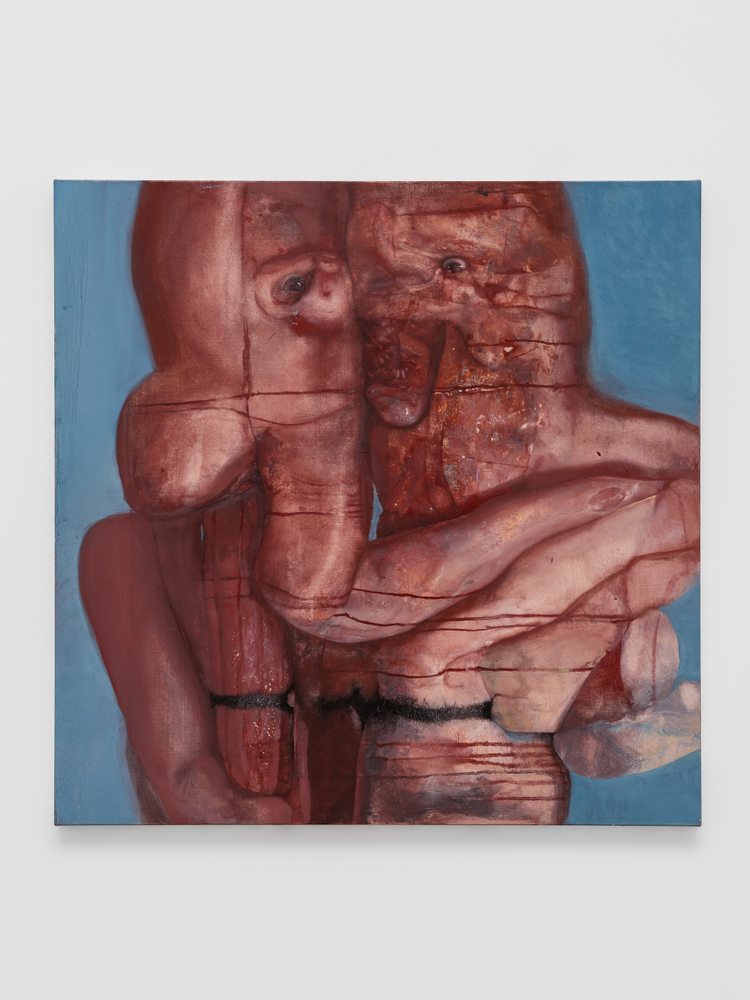
The resulting compositions are charged with an explosive energy as forms intertwine, collide, and erupt across the canvas. They embody the artist’s intimate psychological landscape while also expressing a desire to break free from the social norms and structures that have constrained him.


Keunmin Lee, Connected Body, 2026, Oil on canvas, 100 x 100 cm © PKM Gallery

These works go beyond mere self-pity, constituting an active practice of transforming illness and suffering into material for aesthetic and philosophical inquiry. Through the language of painting, Keunmin Lee creates a space for emotions that have gone unrecognized within existing social and linguistic systems, while visualizing psychological truths that cannot be fully apprehended through the logic of control and classification alone.

“In my work, ‘complete recovery,’ ‘overcoming,’ and ‘healing’ are not particularly important messages. Although I was defined as a sick person, I would like to interpret this as meaning that I was never ill, because, through that very condition, the artist reveals new possibilities.
 
If society diagnoses, standardizes, and packages things in order to leave as little empty space as possible, artists are the ones who look inside to see what is there and give it something new.
 
That is why painting does not remain an outdated medium but continues to hold possibilities. I want to use hallucination not simply as a symptom of illness, but as a metaphor for an artistic energy that resists diagnosis.” (Keunmin Lee, in an interview with Harper’s Bazaar)


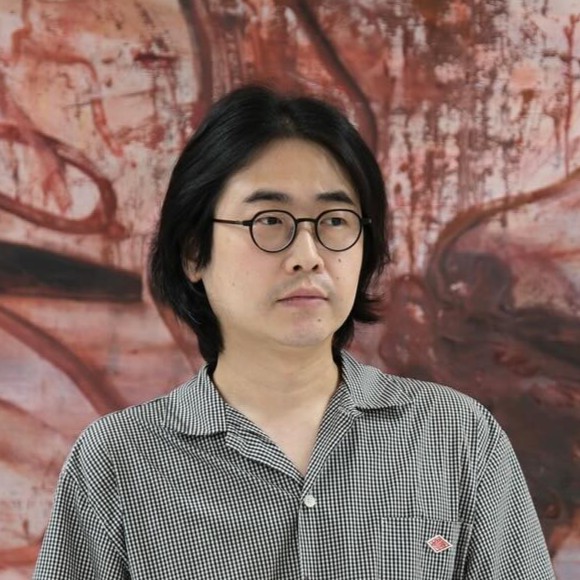
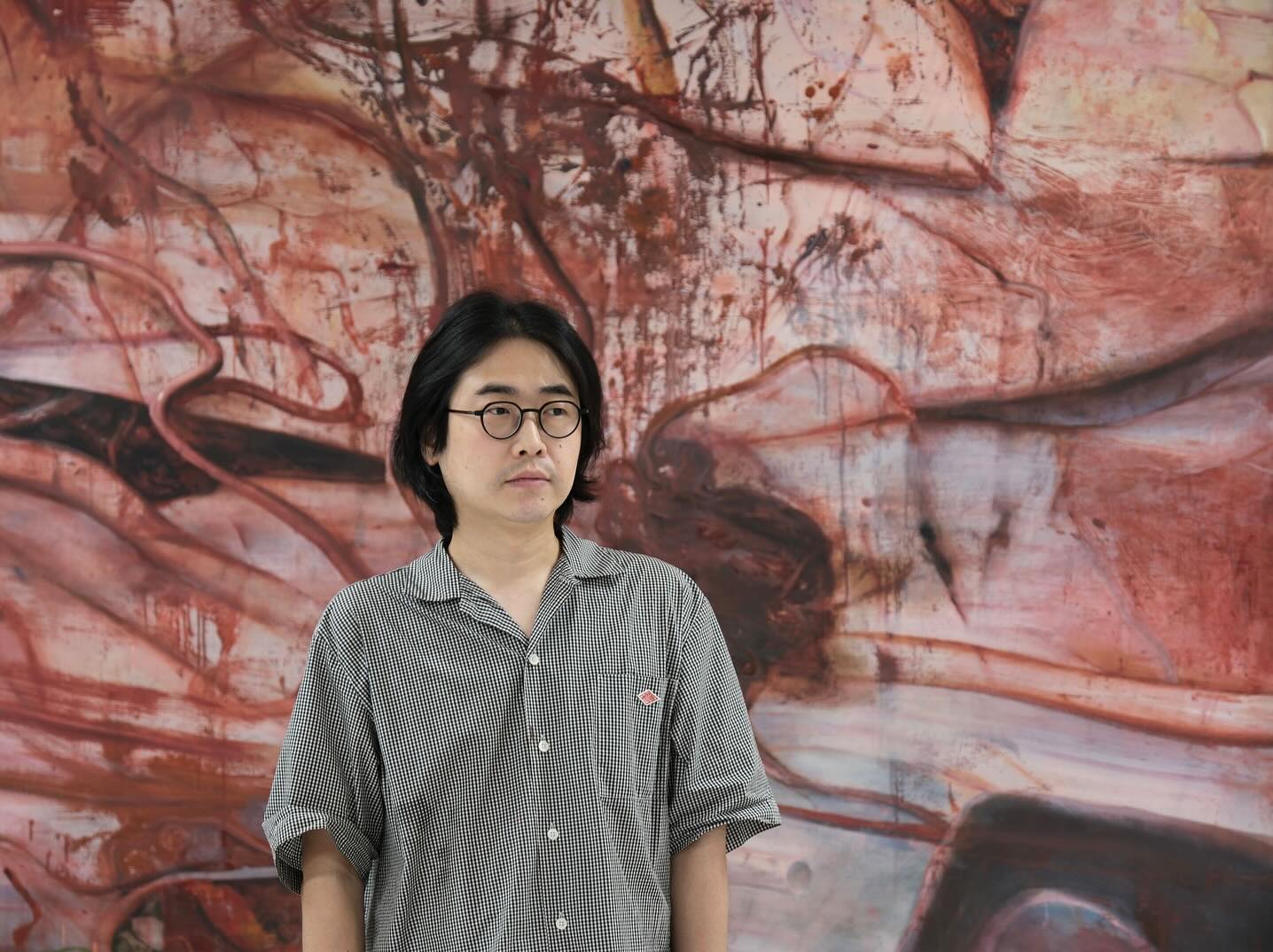
Artist Keunmin Lee © PKM Gallery

Keunmin Lee studied painting at Seoul National University. His recent solo exhibitions include 《Before It Becomes a Scene》 (PKM Gallery, Seoul, 2026), 《When Hallucination Is No Longer a Symptom》 (Galerie Derouillon, Paris, 2025), 《Awakening Boundaries》 (26SQM, PARKSEOBO FOUNDATION, Seoul, 2025), 《Realizing Boundaries》 (Peres Projects, Berlin, 2024), and 《And then none were sick》 (Space K, Seoul, 2022).
 
He has also participated in numerous group exhibitions, including 《Like a punch to the guts》 (Galerie Derouillon, Paris, 2026), 《iwillmedievalfutureyou2》 (Lilith Performance Studio, Malmö, Sweden, 2025), 《I Am Your Body: Chapter 2 – Flesh》 (Kunsthal Aarhus, Aarhus, Denmark, 2024), 《Embodied Depths》 (Nexx Asia, Taipei, 2023), and 《Recombinant》 (Lehmann Maupin, Seoul, 2022).
 
In 2016, Lee participated in the residency program at Pioneer Works in New York. His works are held in the collections of Space K, the PARKSEOBO FOUNDATION, and Colección SOLO in Spain, among others.

References