Jimok
Choi's practice begins with questions about what constitutes painting and who
determines its boundaries. Since his studies in Germany, he has been interested
not only in the physical frames surrounding paintings but also in the
conceptual frameworks that distinguish the inside from the outside of objects,
art from everyday life, and artists from viewers.
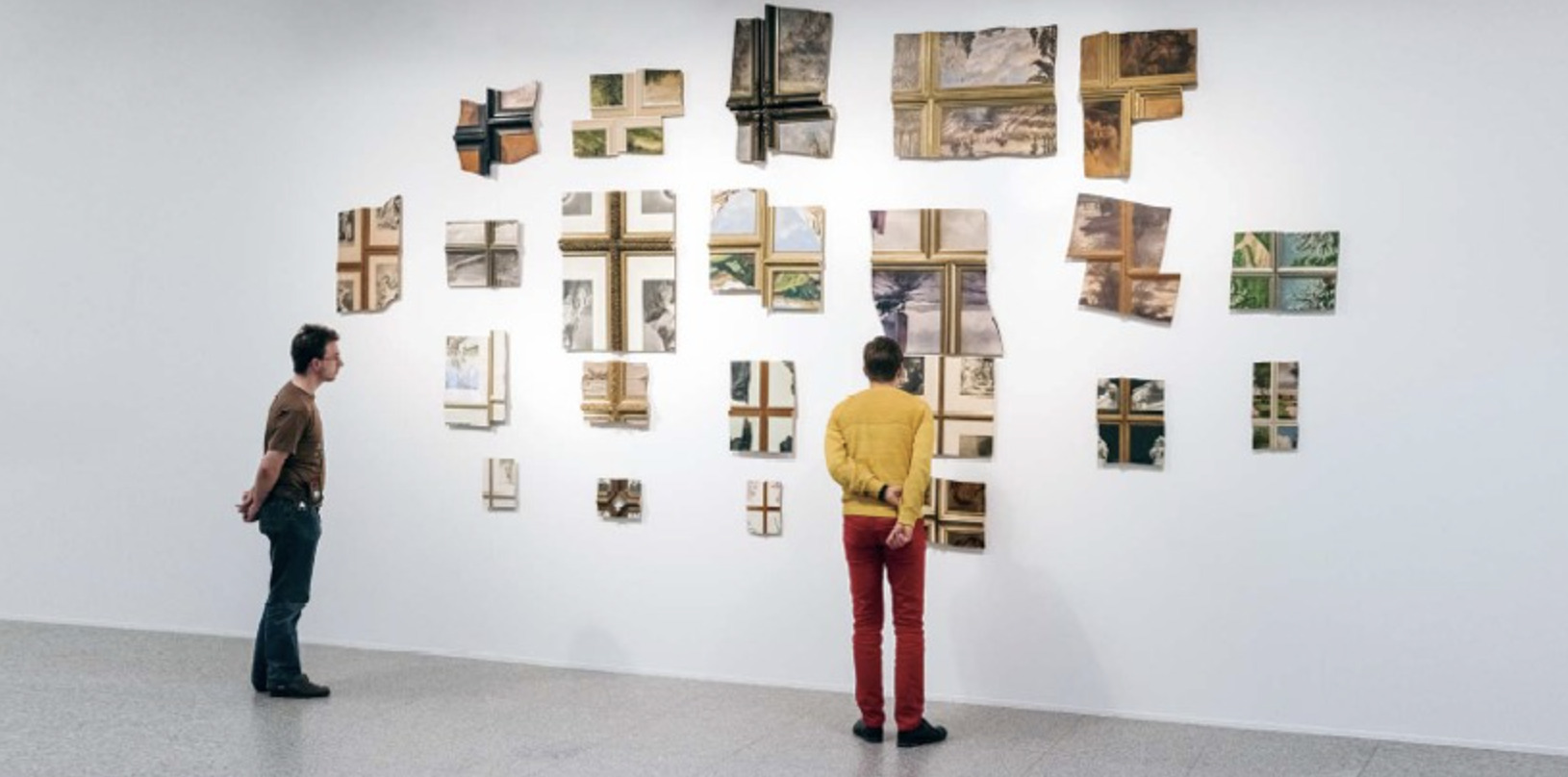
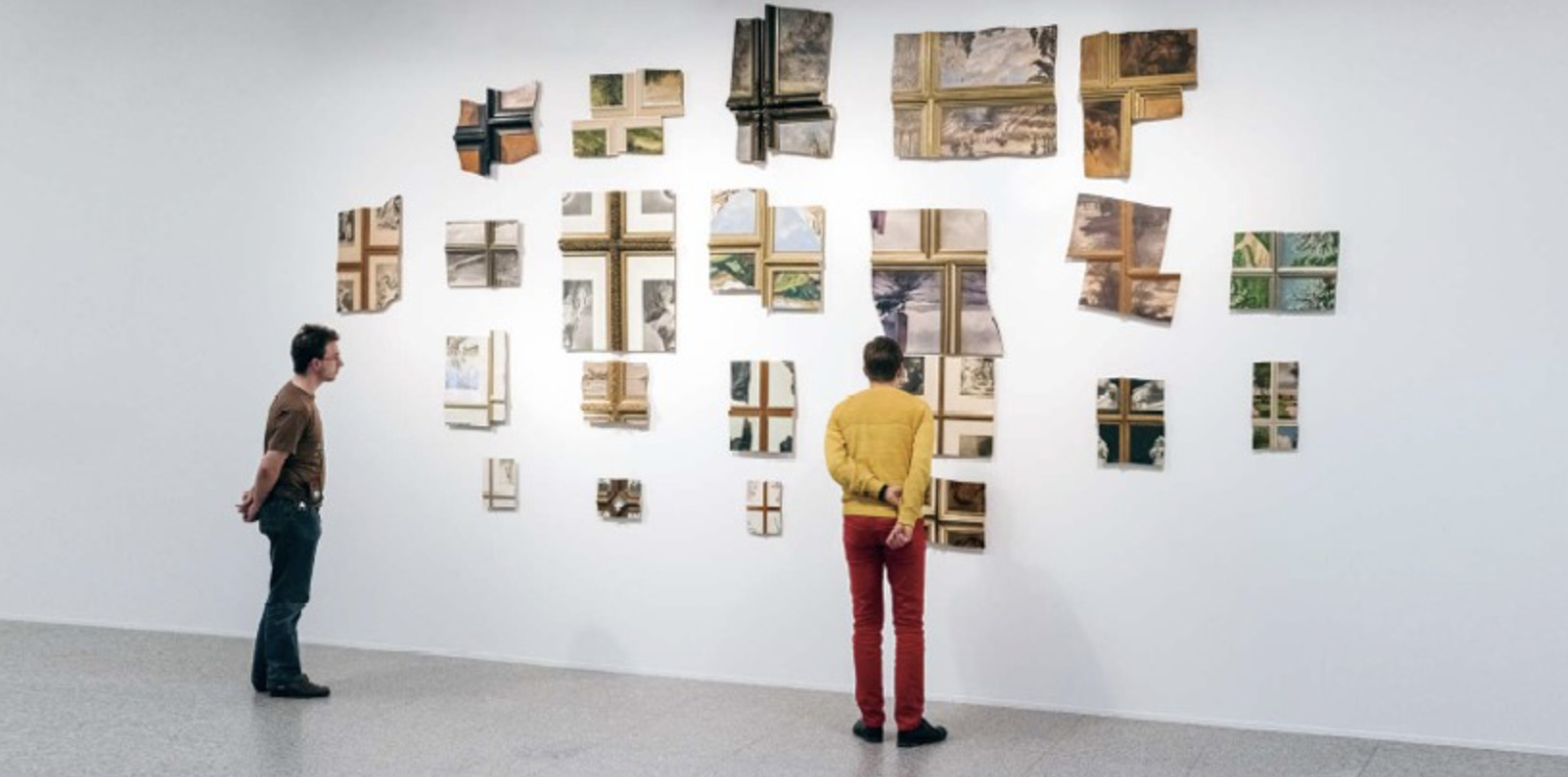
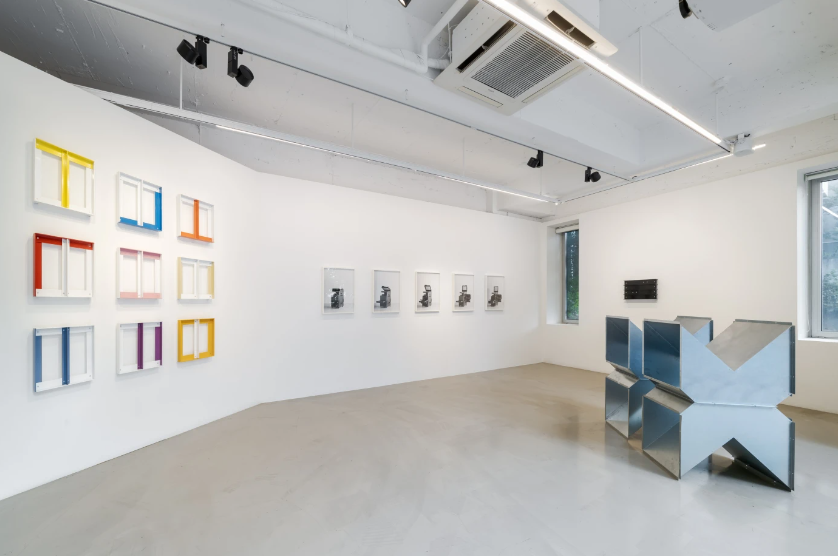
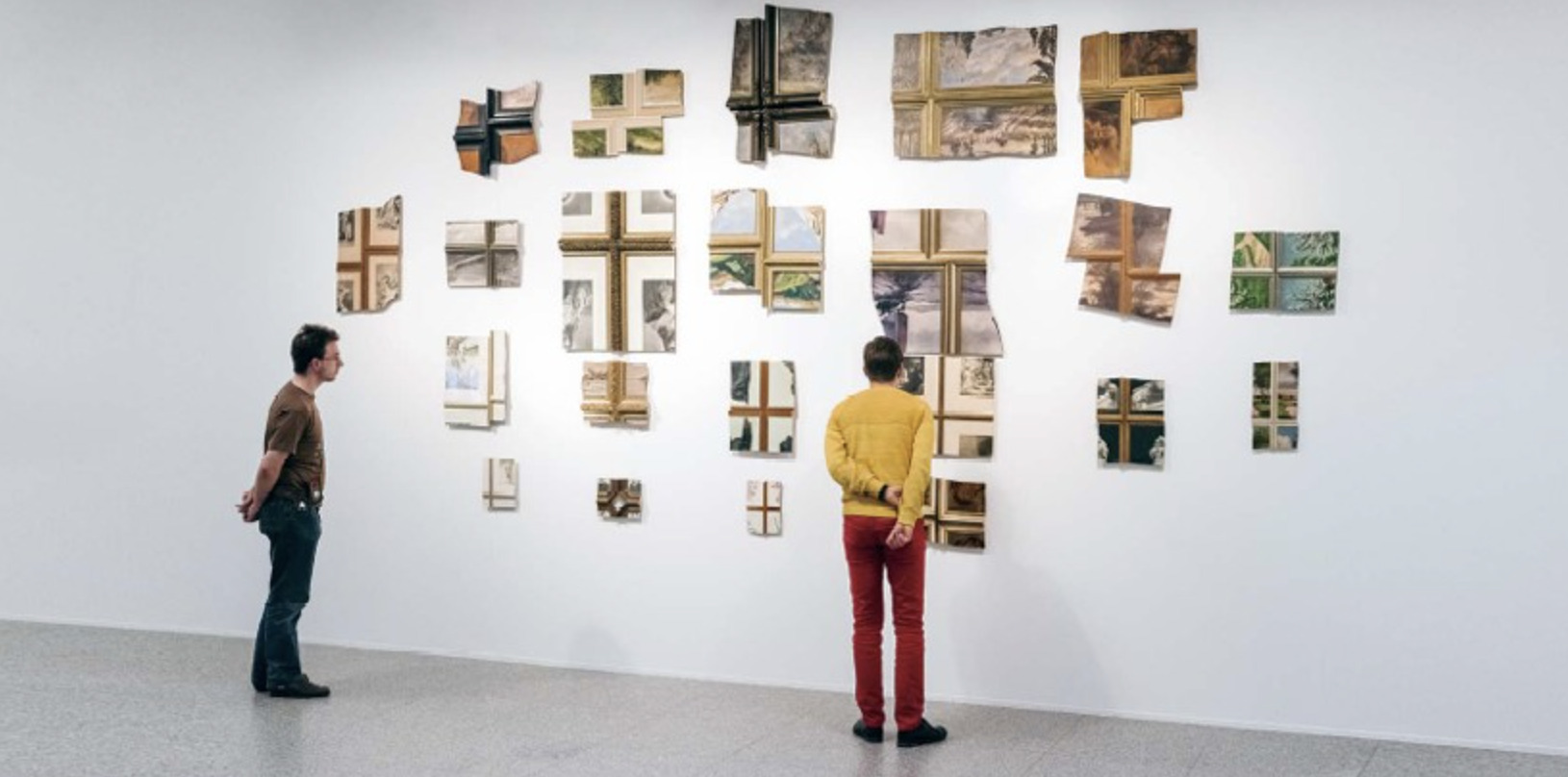
In Windows
Vista(2013), Choi cut through framed paintings, photographs, and
prints collected from flea markets, reversing and reassembling their interior
and exterior elements. As the frames that once defined the outer boundaries of
the works became internal structures, the boundaries that had defined the
objects were transformed into components of new images.
In Final
cut-Im Quadrat(2013), he repeatedly cut and reconnected square sheets
of paper, demonstrating how the disappearance of one boundary simultaneously
generates another. These experiments continued in his solo exhibitions 《Final Cut》(O’NewWall Ejuheon, Seoul, 2017)
and 《Painting》(Space CAN,
Seoul, 2019).
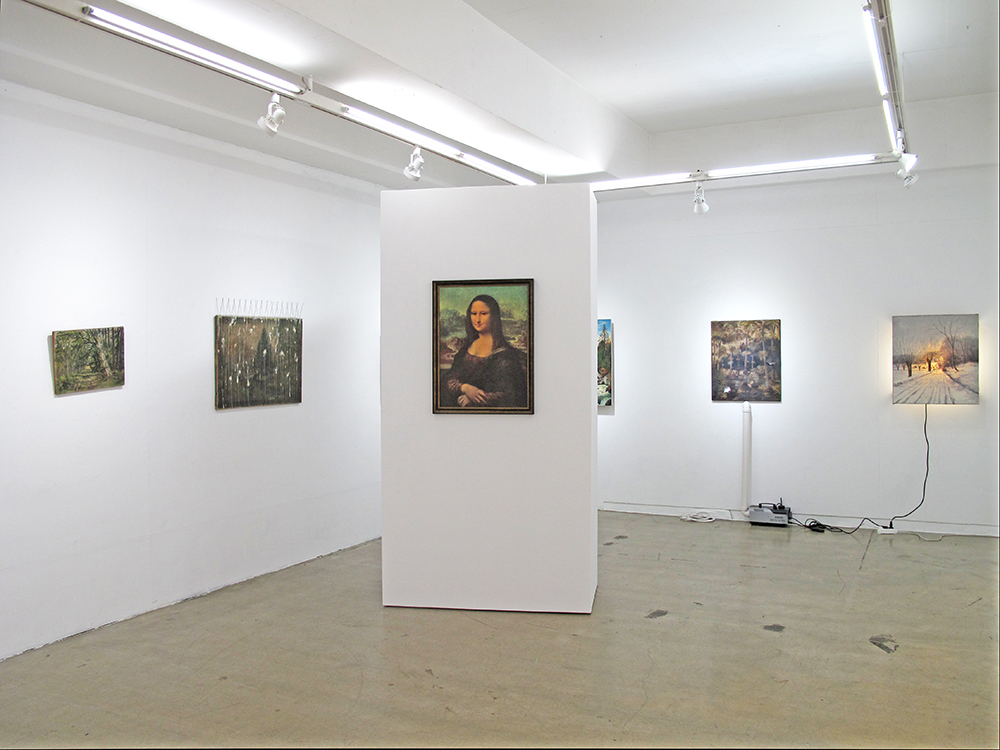
In 《Painting》, in
particular, he combined existing paintings with everyday objects and mechanical
devices, encouraging viewers to operate the works themselves. Through this
approach, he began to consider painting not as a finished image but as an
experience continually shaped through the processes of production, exhibition,
and viewing.
This
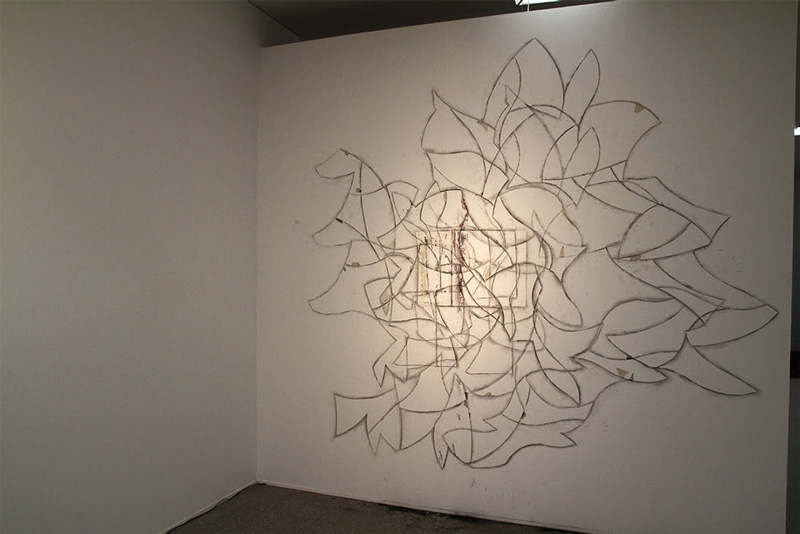
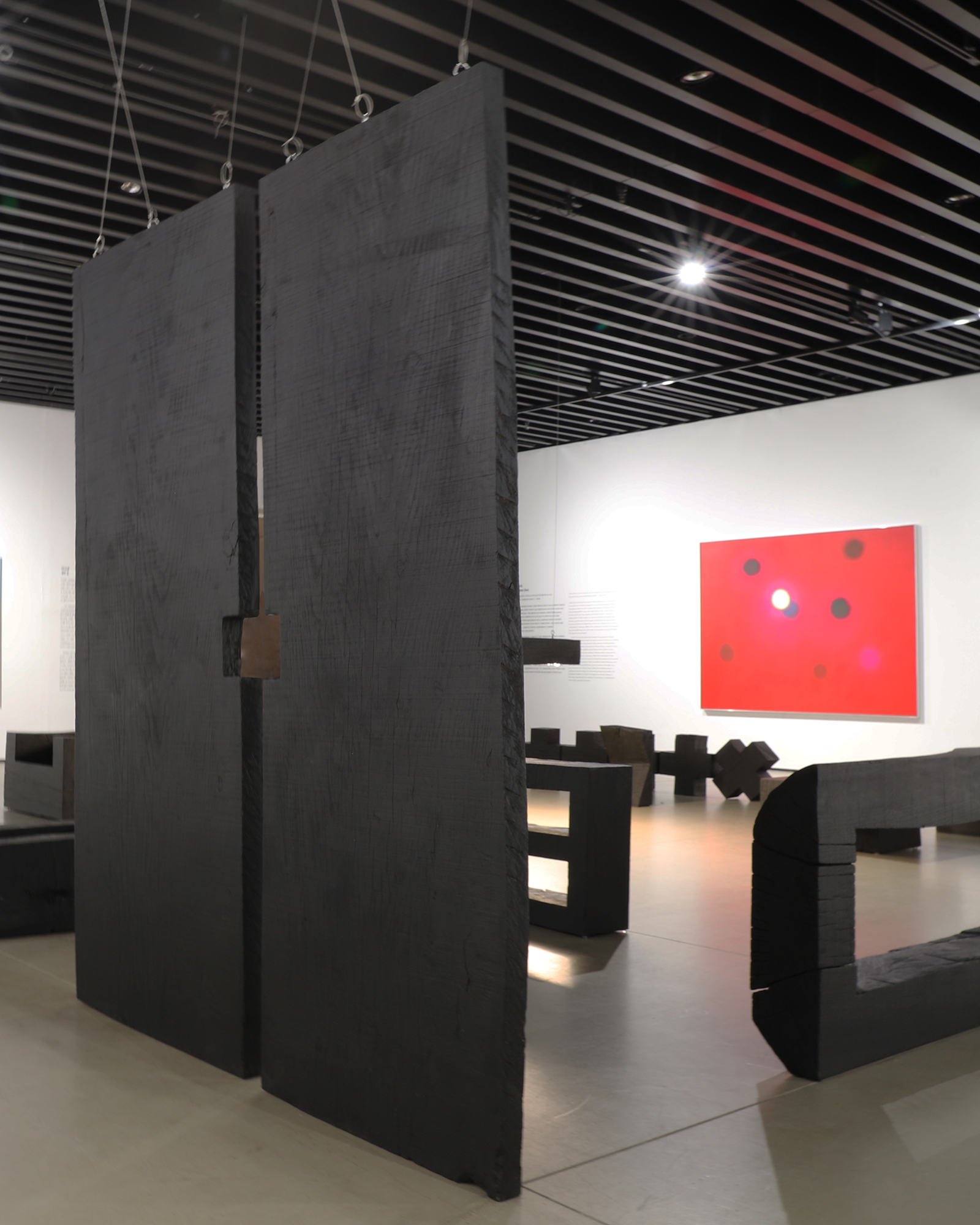
inquiry developed into a more structural investigation in 《Logic-Enter Outside》(Kim Chong Yung Museum,
Seoul, 2022). Through the simple acts of cutting and intersecting sheets of
paper, Choi created geometric structures that reversed the relationship between
looking outward from within and looking inward from outside.
Here, the frame no
longer functions as a boundary that confines an object but becomes a passage
connecting different perspectives. Choi subsequently directed this interest
toward human vision and the interior of the body. In fact, his exploration of
the relationship between the eye and perception began as early as 2007, during
his initial studies in Germany, when he observed various visual phenomena,
including binocular vision, changes in focus, optical illusions, and
afterimages.
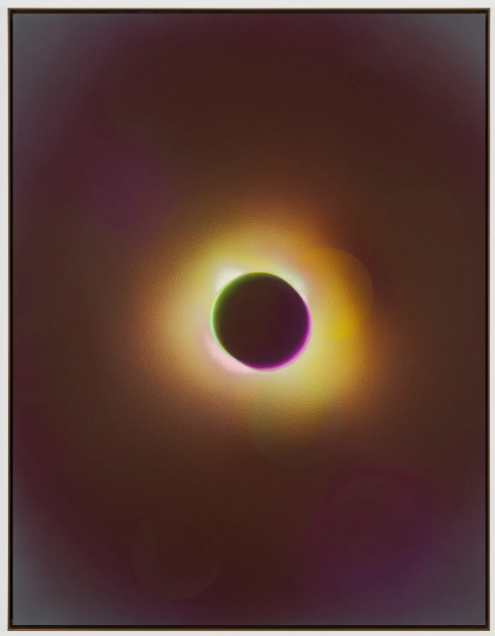
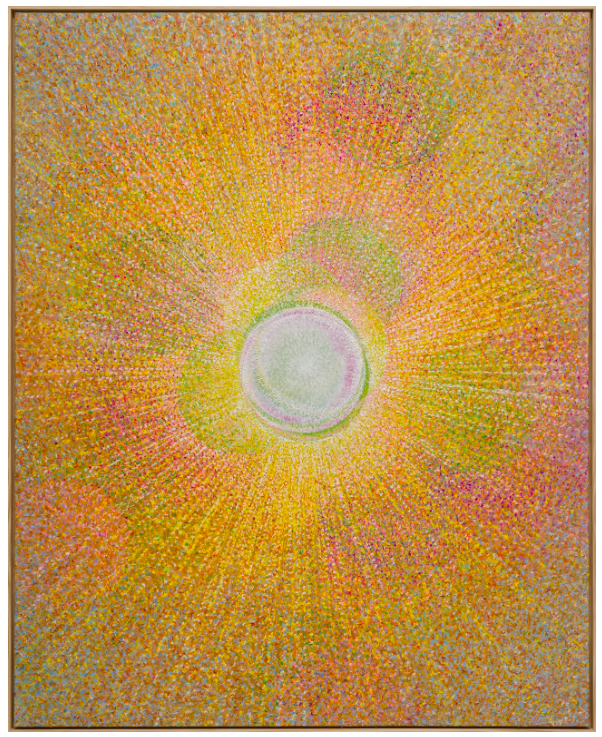
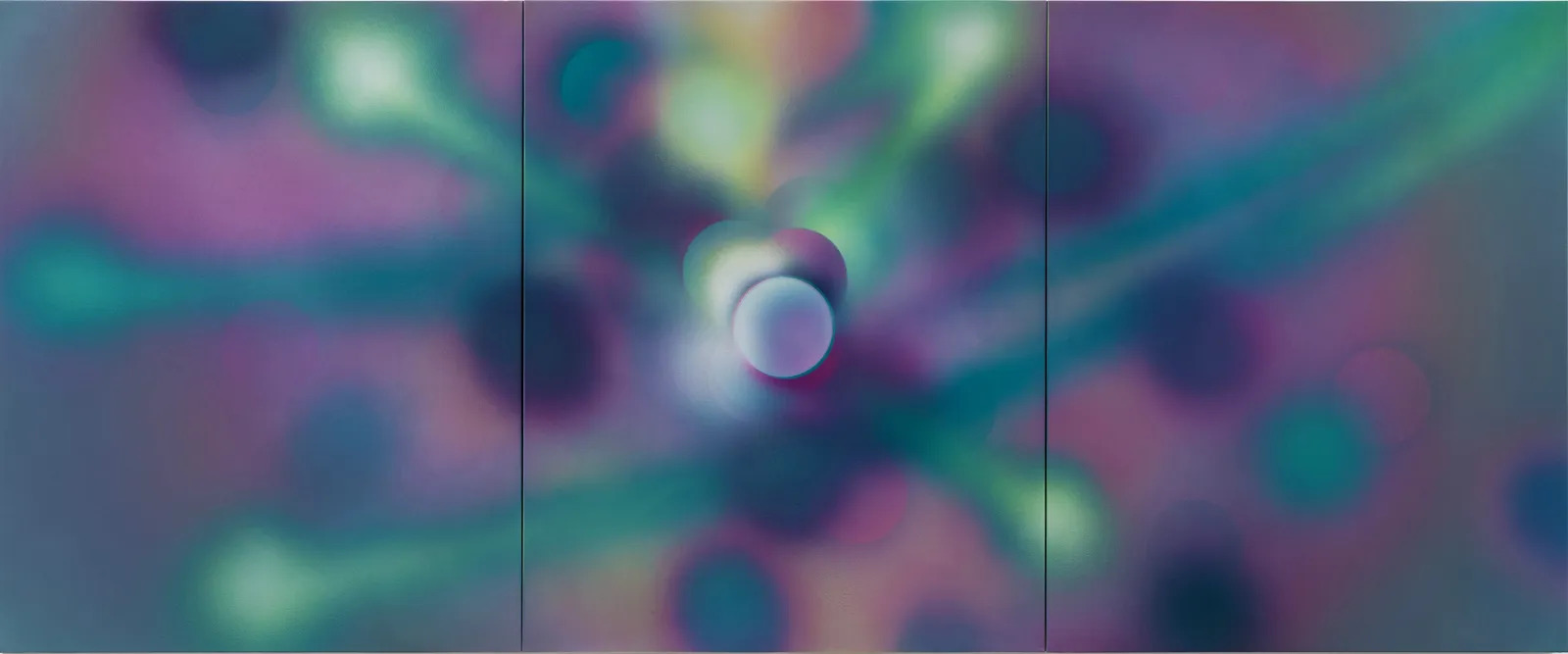
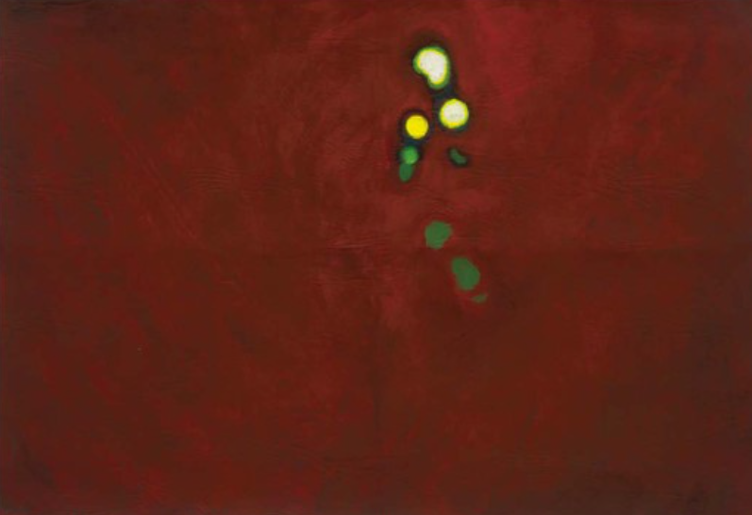
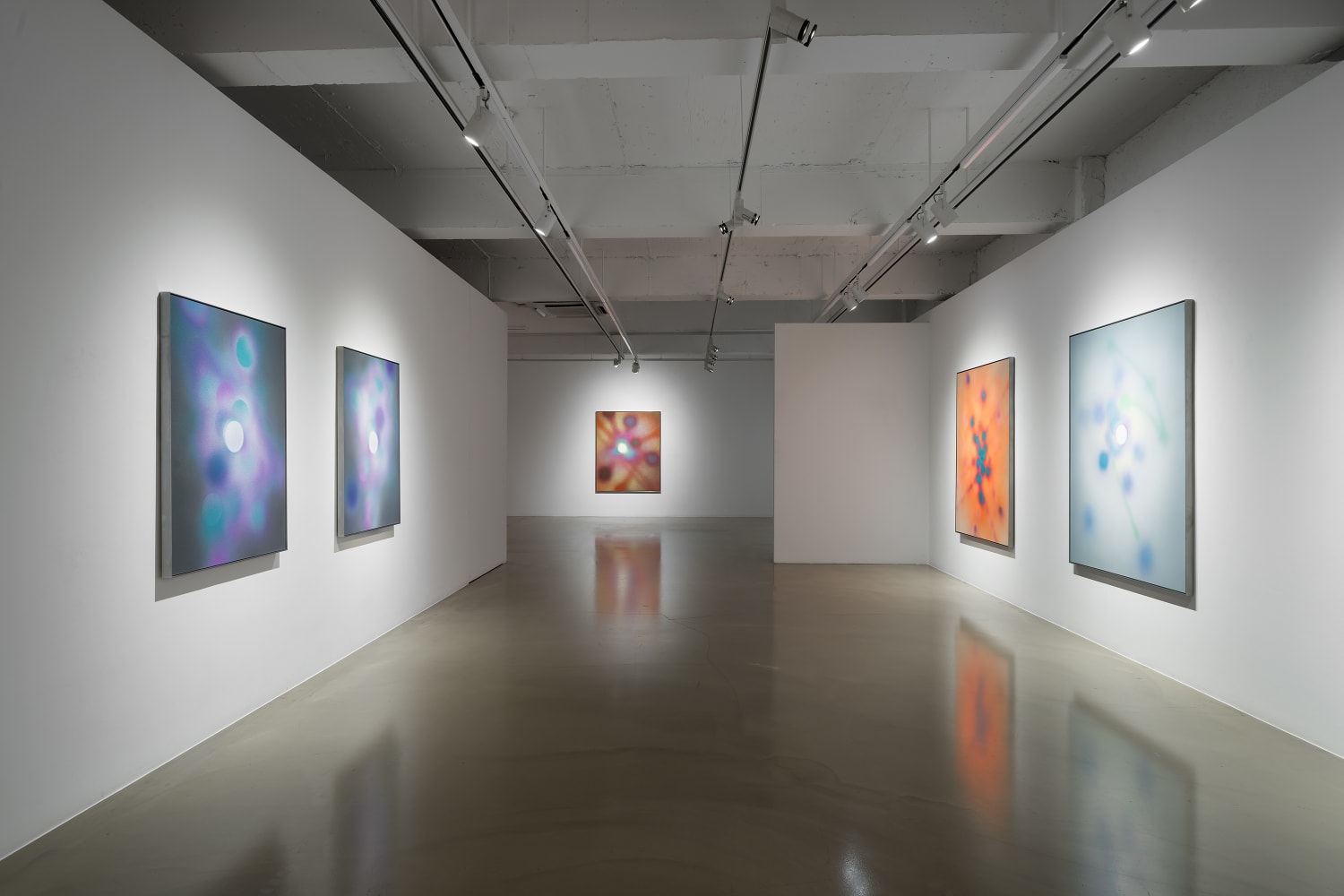
This interest took shape as a sustained painting practice in 《The Light of Absence》(Chapter II, Seoul,
2023). Focusing on the afterimages that appear when one closes one's eyes after
exposure to light, Choi shifted from representing objects in front of the eye
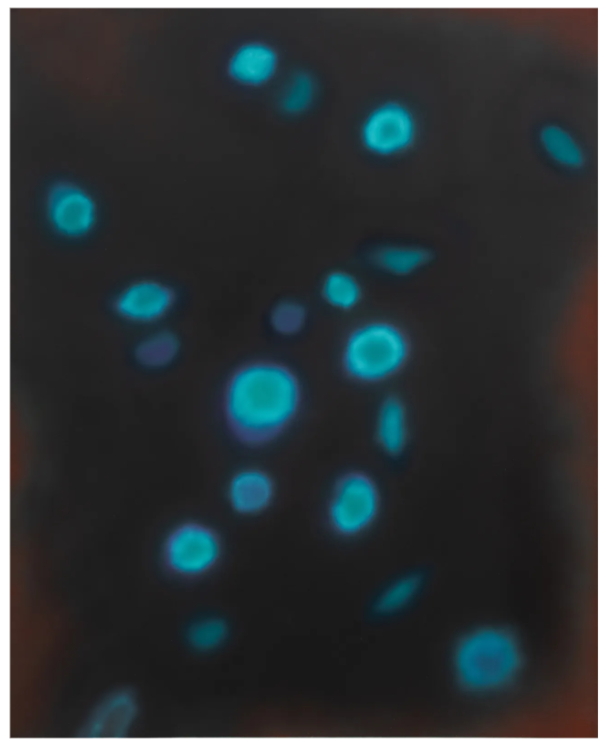
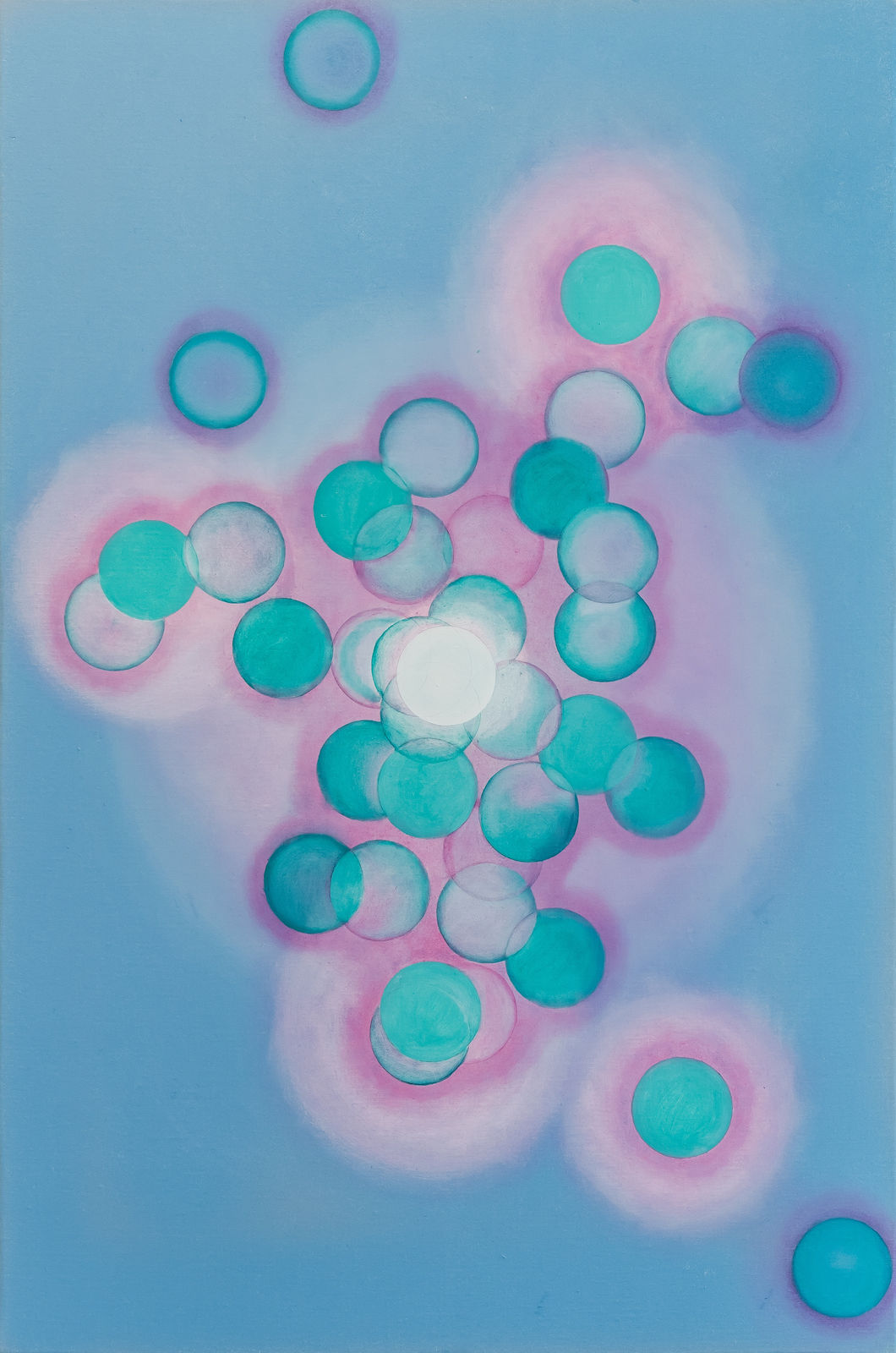
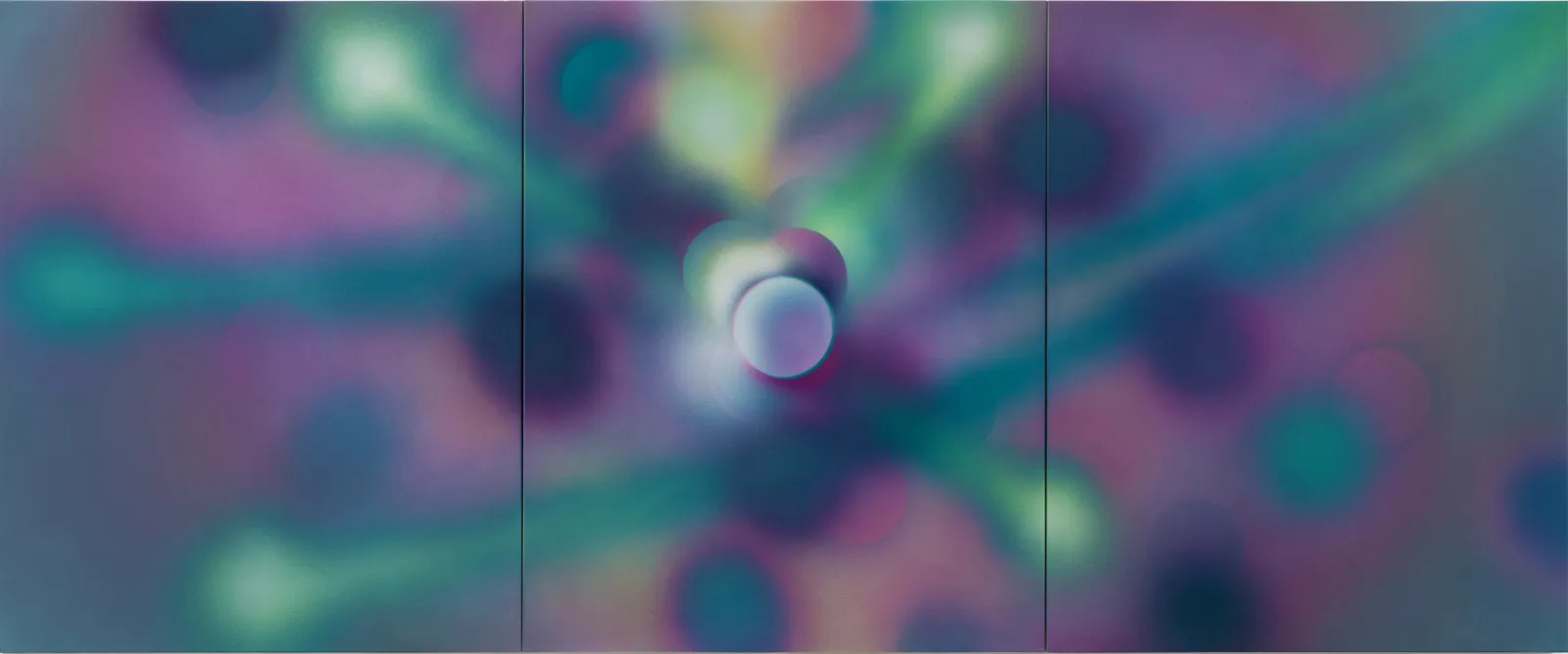
to depicting images generated by the visual organ itself. Works such as
Two Suns(2022) and The Light of
Absence(2023) explore the colors and forms that remain and change on
the retina after light has disappeared, revealing that seeing is an interaction
between the external world and the body.
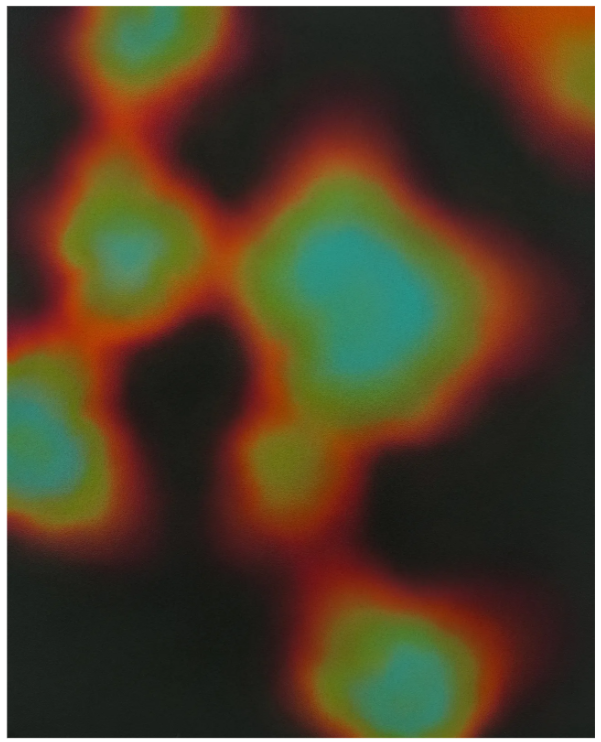
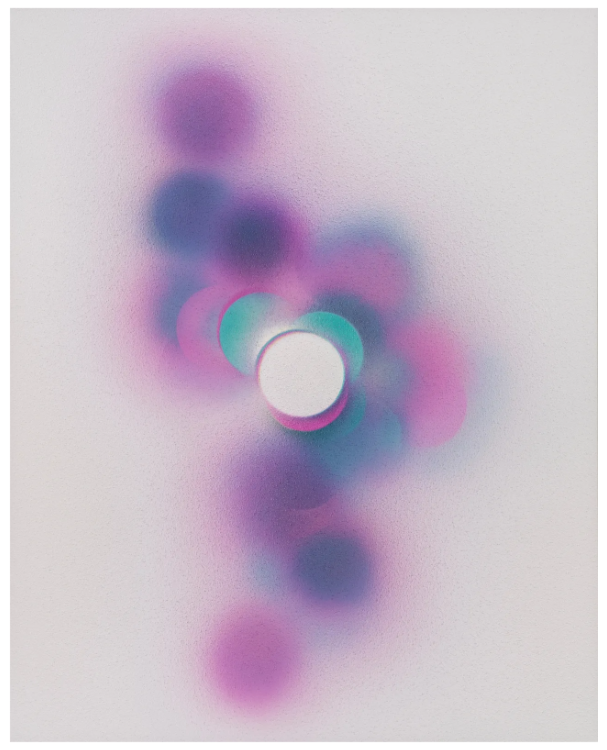
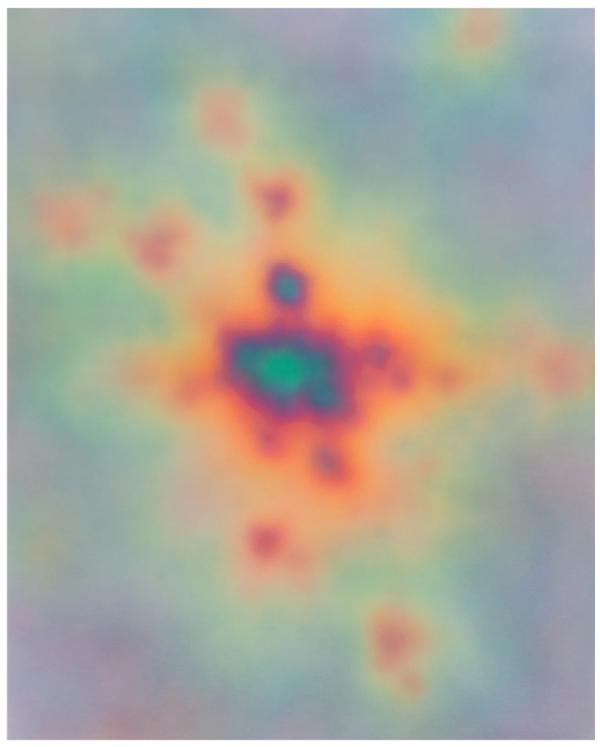
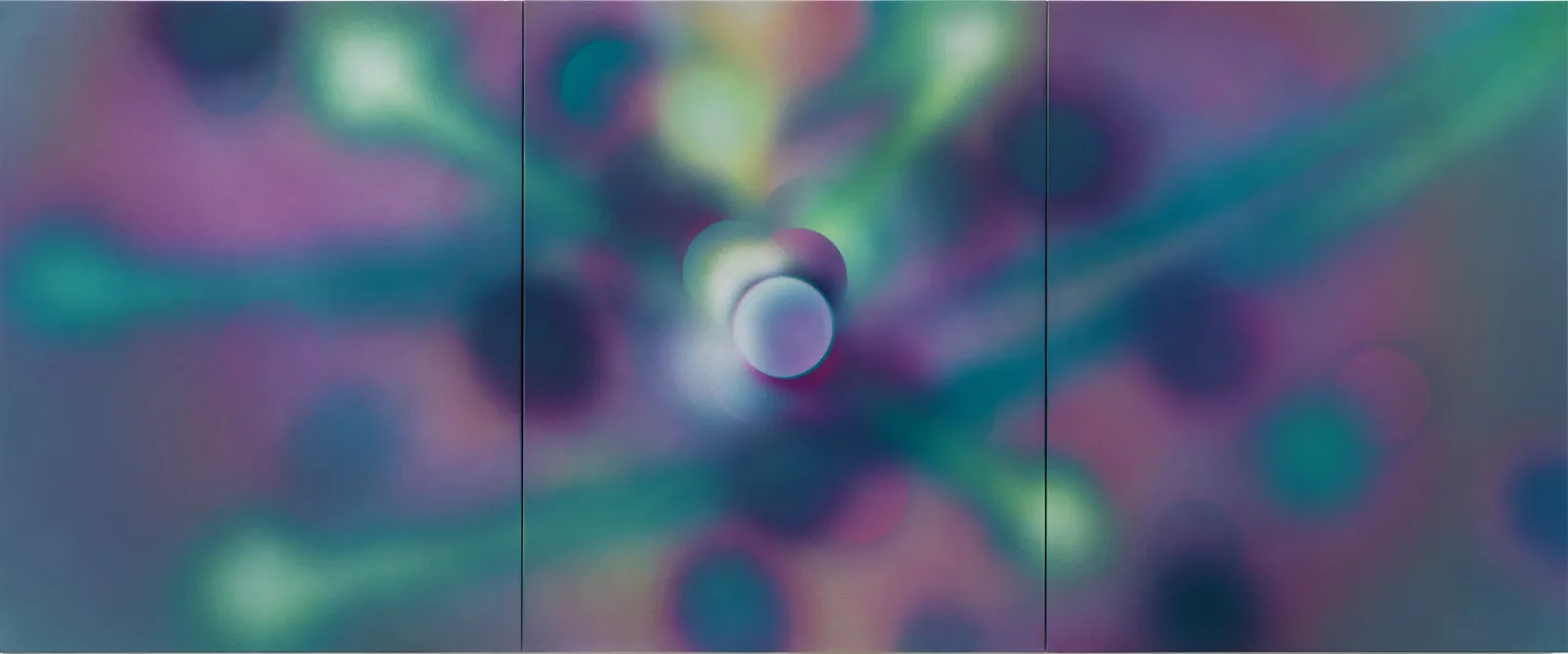
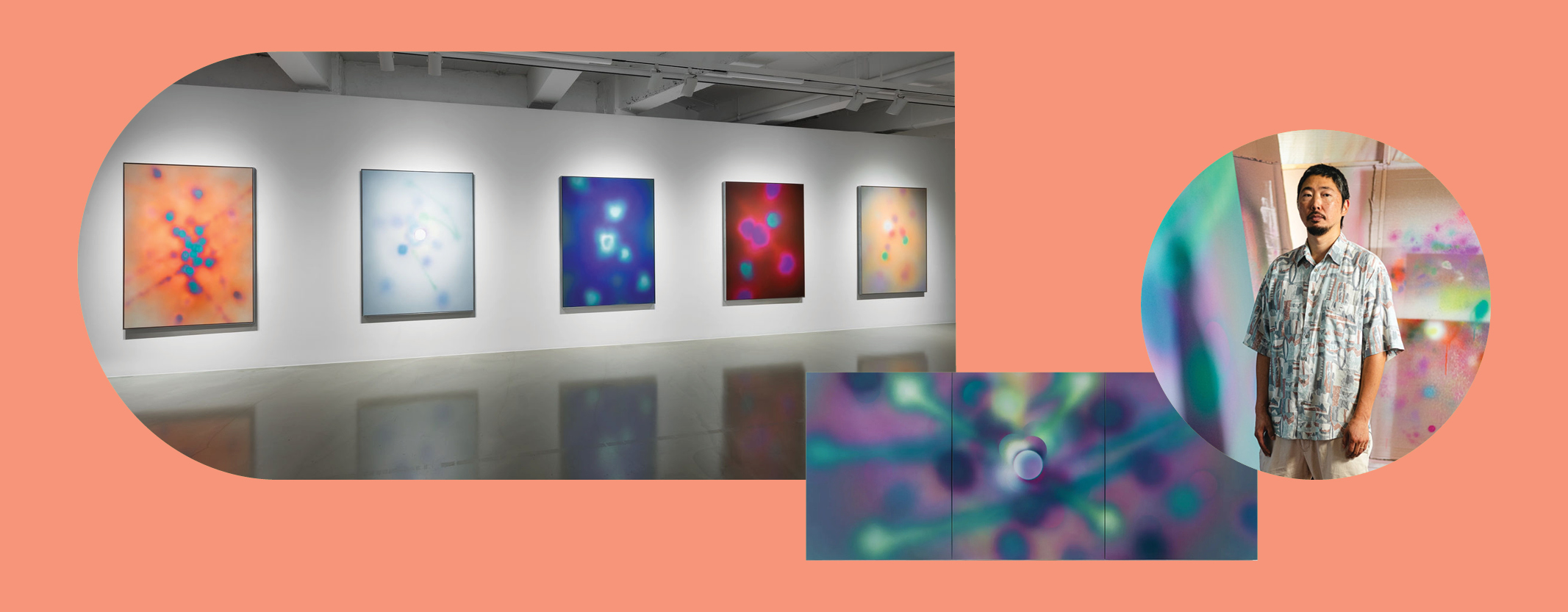
This
investigation became more fully articulated through what Choi calls
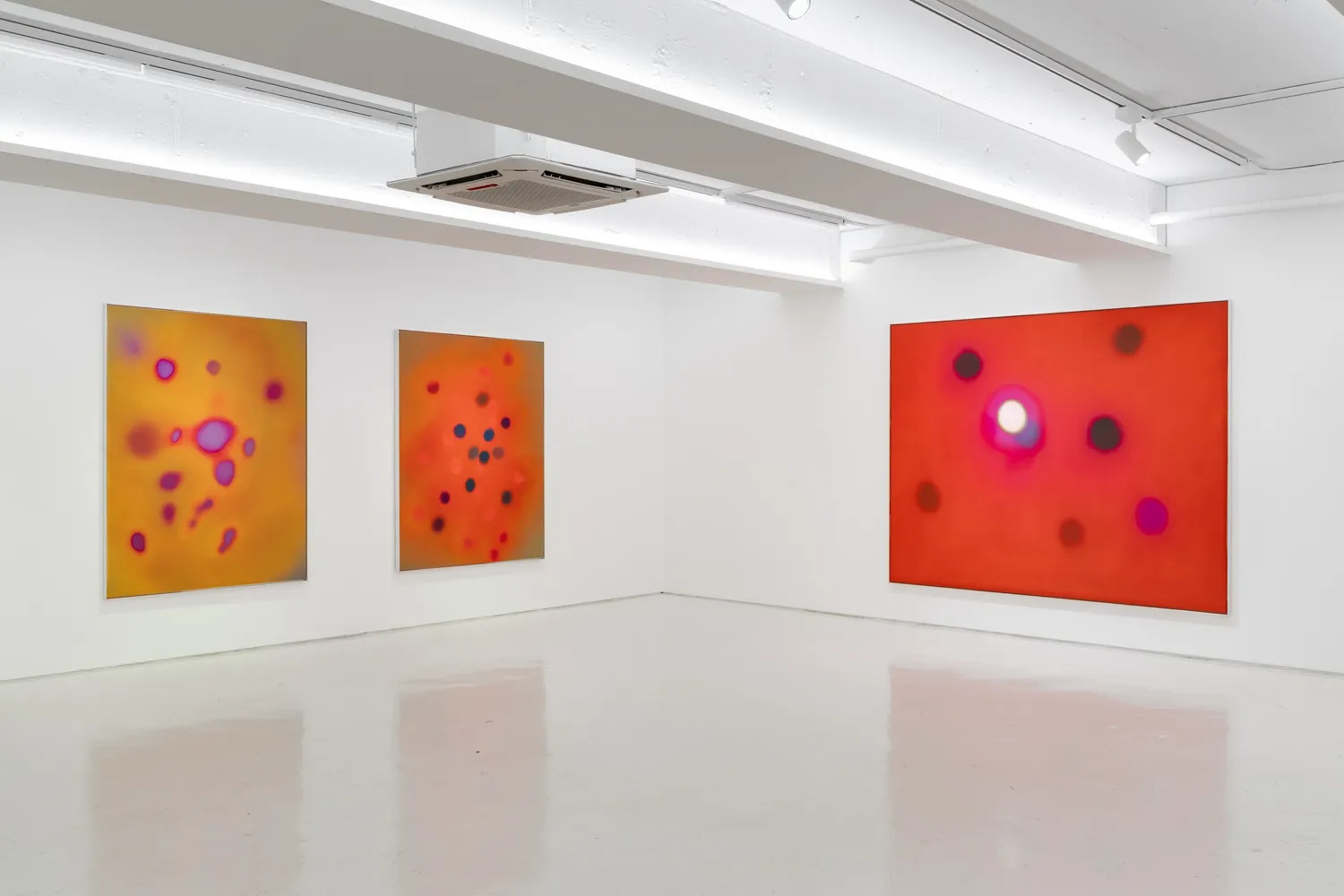
"Perceptual Painting" in 《A Hundred Suns》(Gallery Baton, Seoul, 2025).
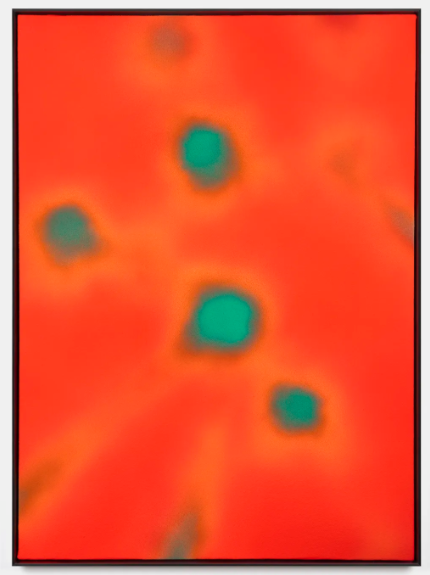
For Choi, afterimages are both bodily responses to light and subjective images
that continually change according to memory and sensation. The ‘Afterimage’
series, including The Eye(2025), translates colors and forms
generated within the eye, rather than visible landscapes in the external world,
into painting.
At the same time, the intense colors and contrasts between
complementary hues induce new afterimages on the retinas of viewers
encountering the works. The audience-participatory performance Your
Retina Is My Canvas(2025) demonstrates this idea more directly. As
viewers experience the visual phenomena originally perceived by the artist
through their own eyes and bodies, painting becomes a work completed through
the addition of the viewer's perception to the image created by the artist.
His
early experiments in dismantling physical frames have thus expanded into a
reconsideration of the act of seeing and the role of the perceiving subject.