Jimok Choi (b. 1981) has questioned the conventional definitions and forms of painting, proposing new interpretations of its underlying structure and alternative directions for painting as a visual art medium. Redefining painting as “the sum of sensory experiences,” he has explored ways to break through and expand its conceptual boundaries.


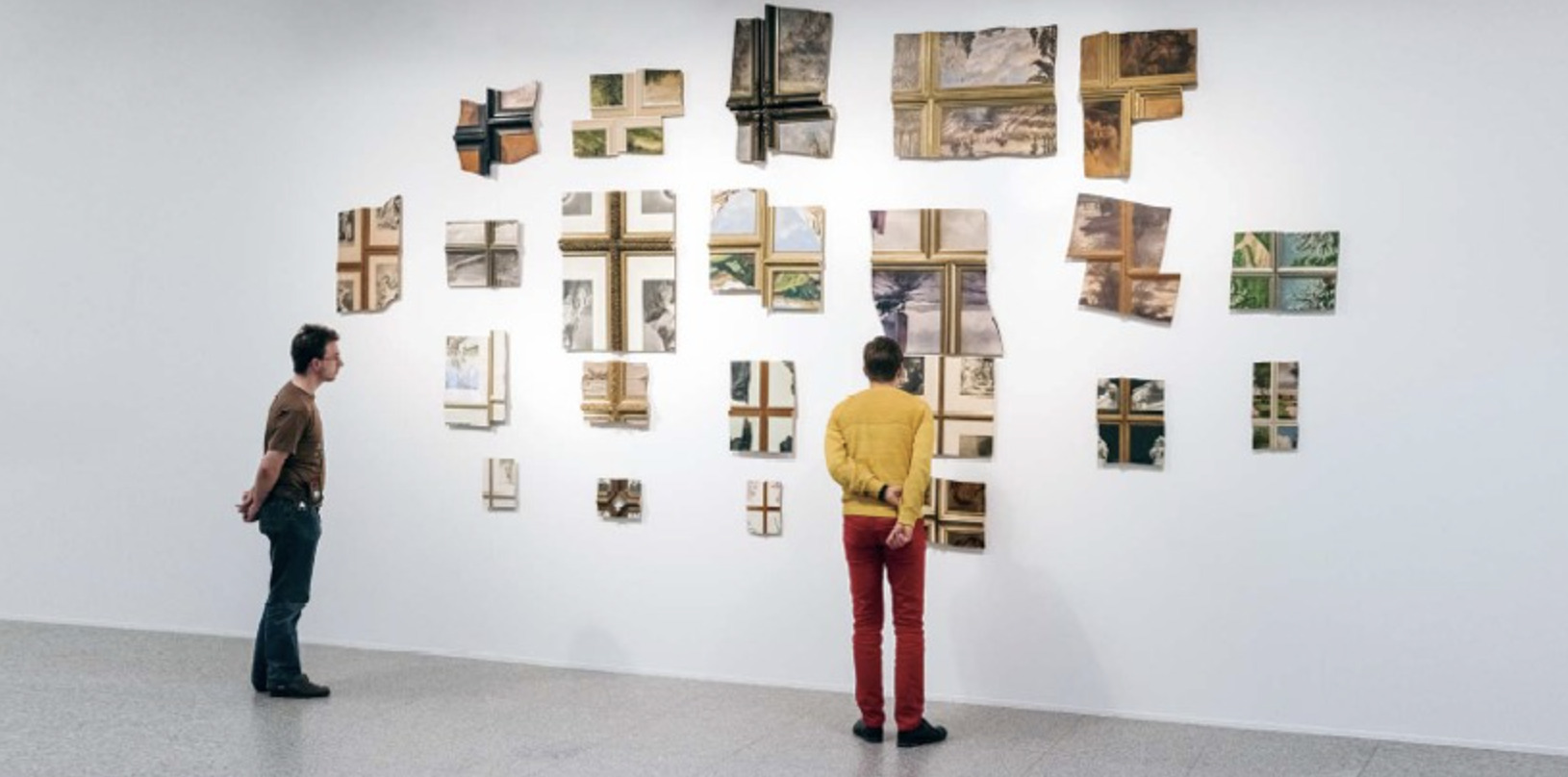
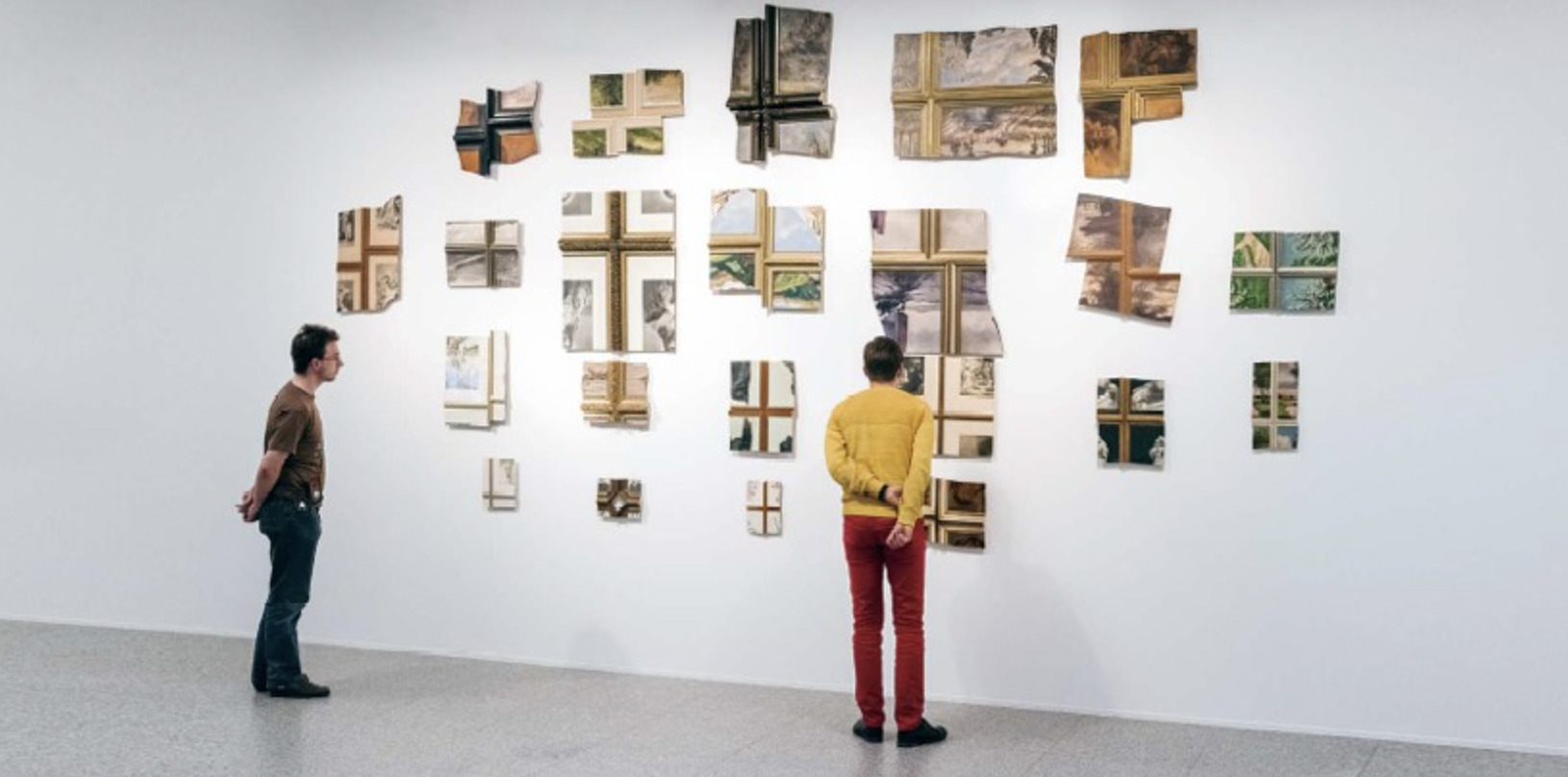
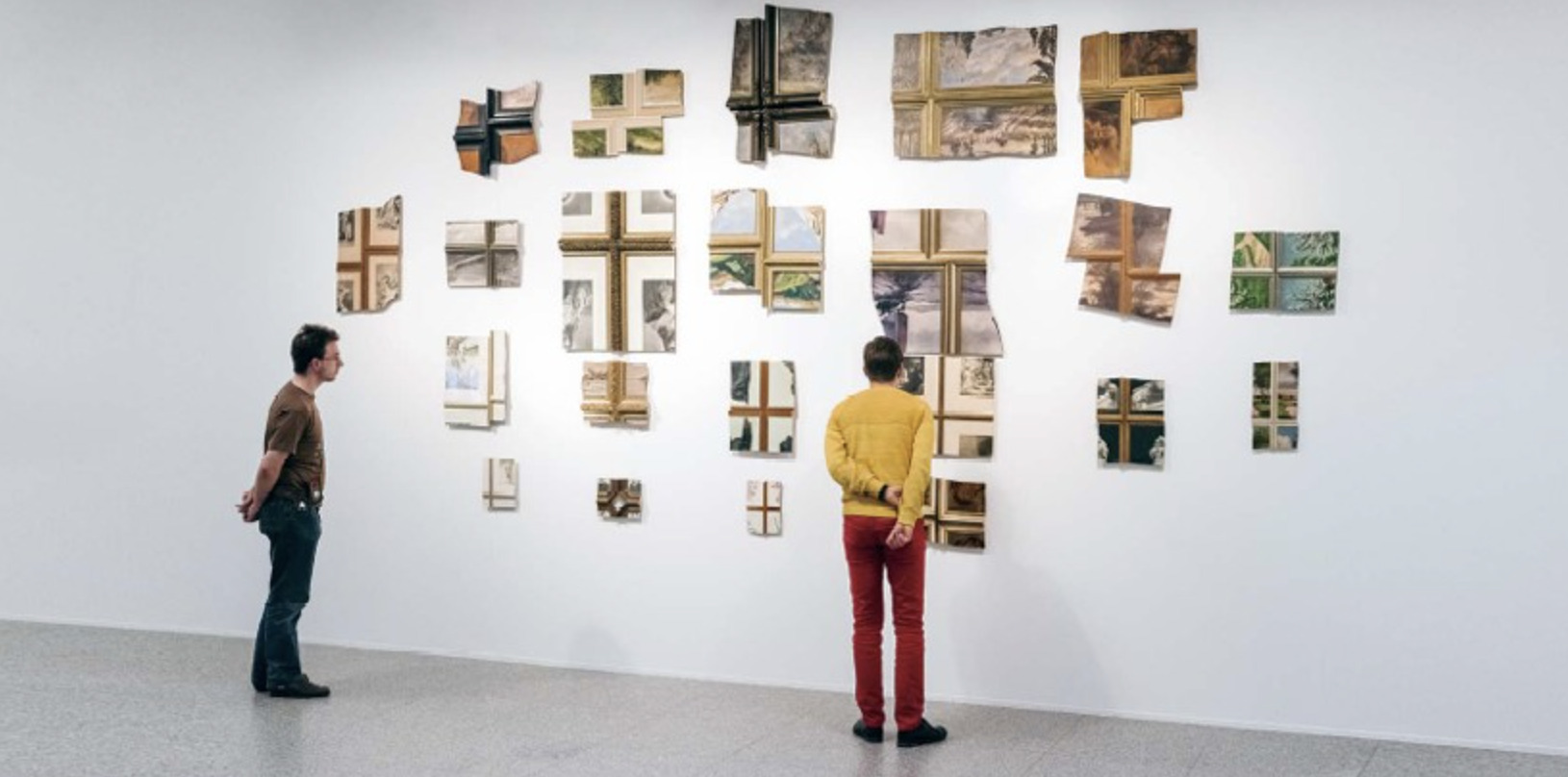
Jimok Choi, Windows Vista, 2013, Paintings, photographs, prints, and frames (22 pieces), 320 x 620 cm, Dimensions variable © Jimok Choi

During his studies in Germany, Jimok Choi developed a distinctive artistic language by deconstructing and reconstructing the inner and outer structures of everyday objects imbued with cultural symbols and signs.
 
In particular, he focused on the “frame” as both a physical and conceptual boundary, creating works that resist and dismantle the norms and structures imposed by the external world before reassembling them in new ways.


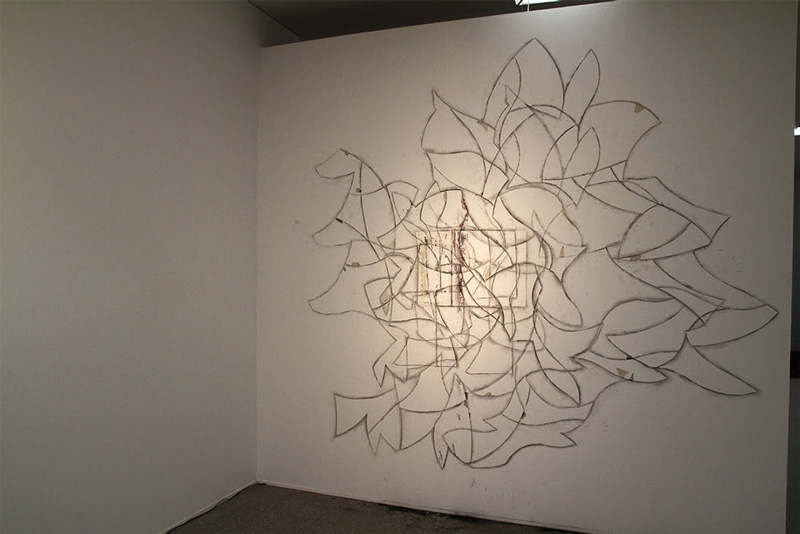
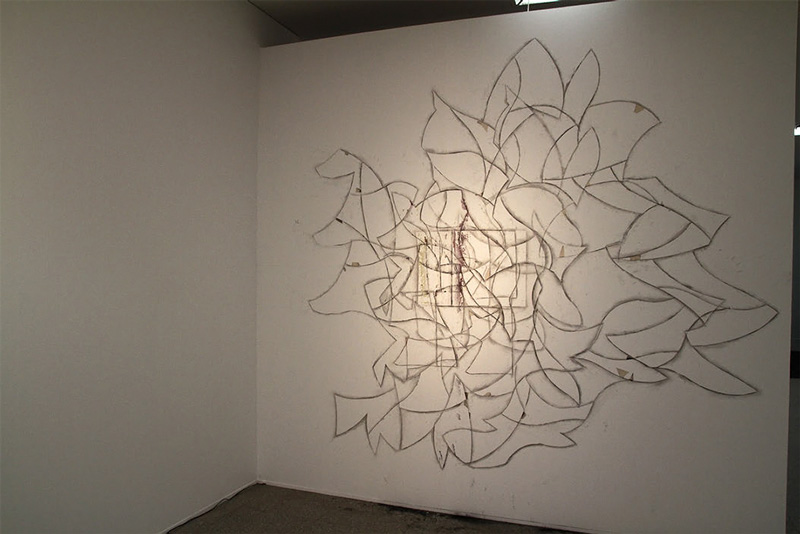
Jimok Choi, Final cut-Im Quadrat, 2013, Drawing performance, wall painting, 340 x 340 cm © Jimok Choi

For instance, Windows Vista (2013) consists of paintings, prints, and photographs purchased at flea markets, which Choi cut together with their frames, then reversed and reassembled. Through this process, the frames that once defined the outer boundaries of the works are transformed into cross-shaped structures within the pictorial space.
 
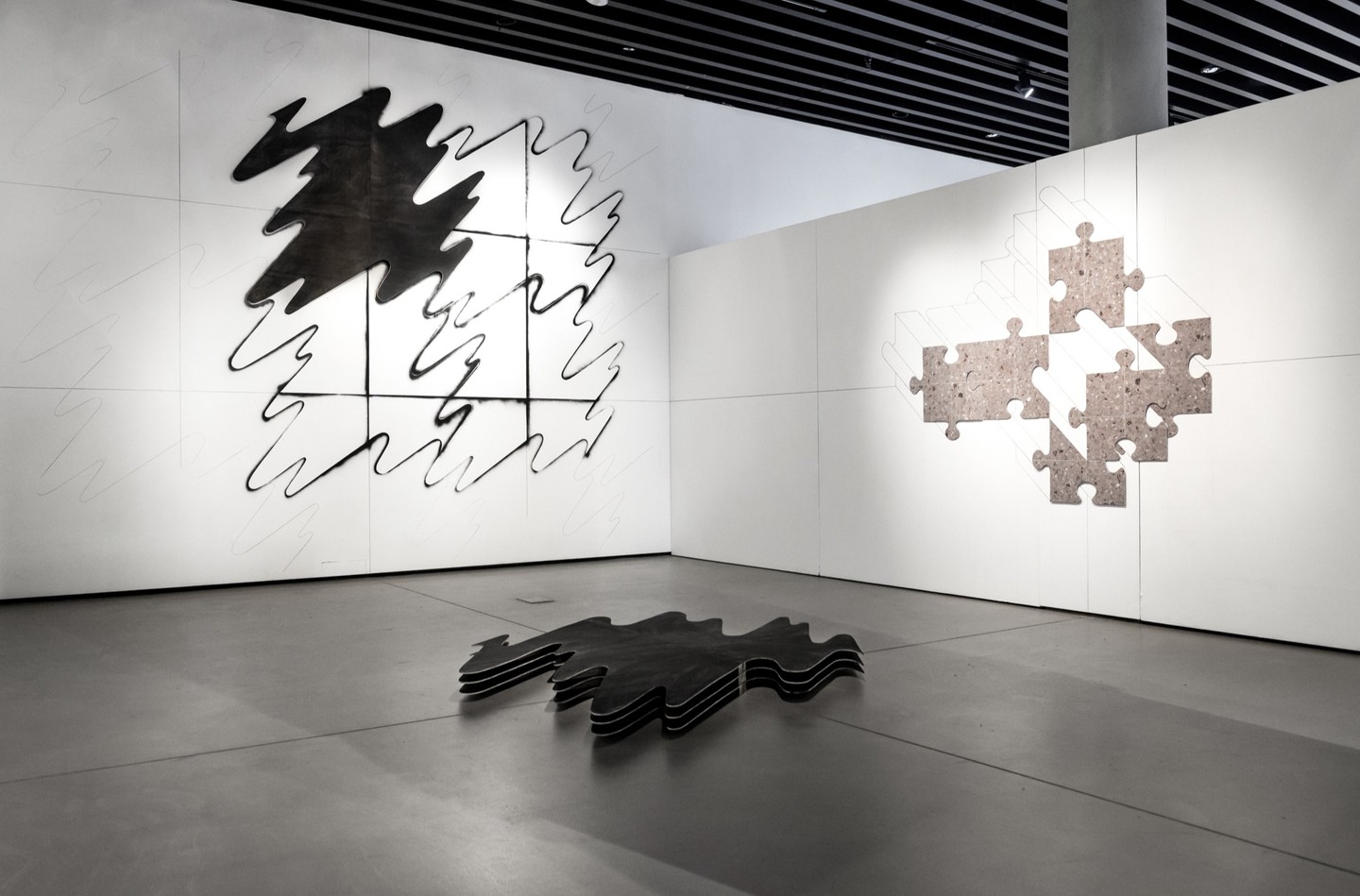
Meanwhile, Final cut-Im Quadrat (2013) repeatedly cuts a two-dimensional plane into irregular shapes, continuously expanding its boundaries.
 
Through the act of cutting, Choi’s early works questioned the frames that define visual order. Rather than regarding the cut edges of objects as endpoints or sites of rupture, he presents them as starting points for new ways of thinking and possibilities.


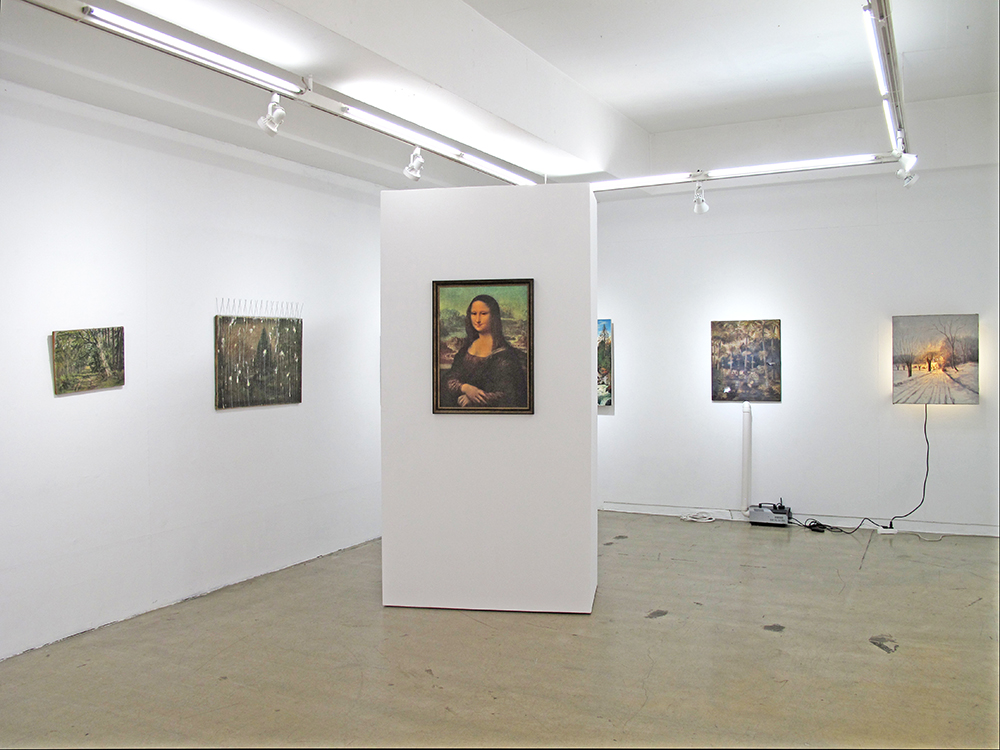
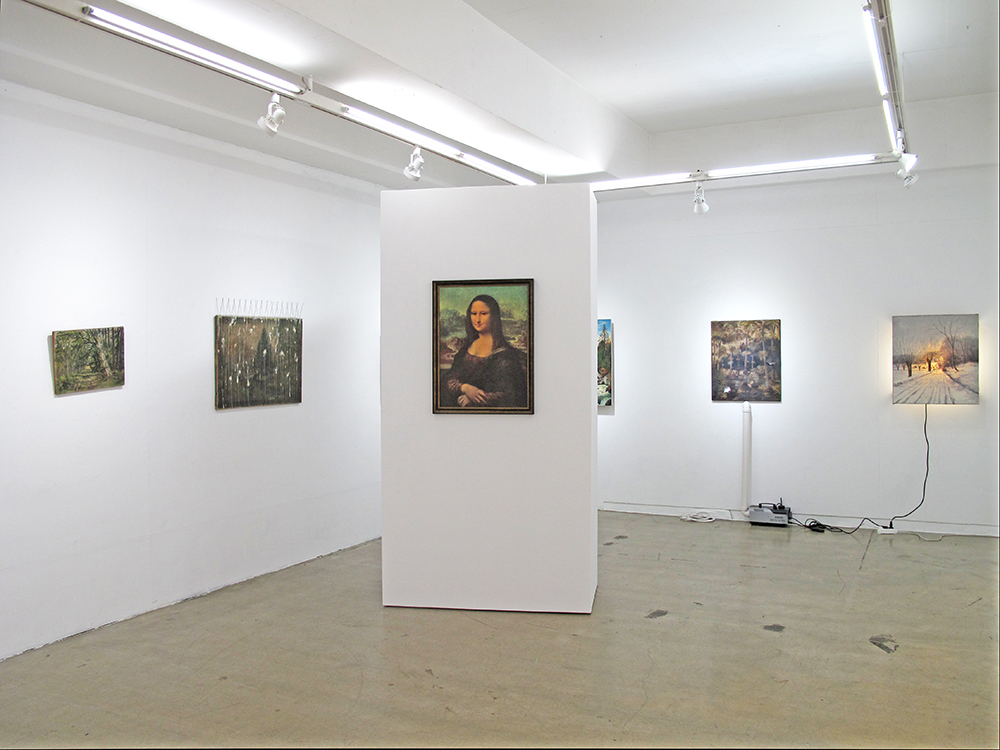
Installation view of 《Painting》 (CAN Foundation, 2019) © CAN Foundation

Meanwhile, Choi’s 2019 solo exhibition 《Painting》 at CAN Foundation brought together his ideas and reflections on painting as a medium and genre. The exhibition featured a range of works, including hybrid paintings, painting-based sculptures, and painting installations, made using artworks that he had either created himself or collected.
 
These works developed from ideas and preliminary sketches conceived between 2008 and 2011, which explored the “external elements of painting.”
 
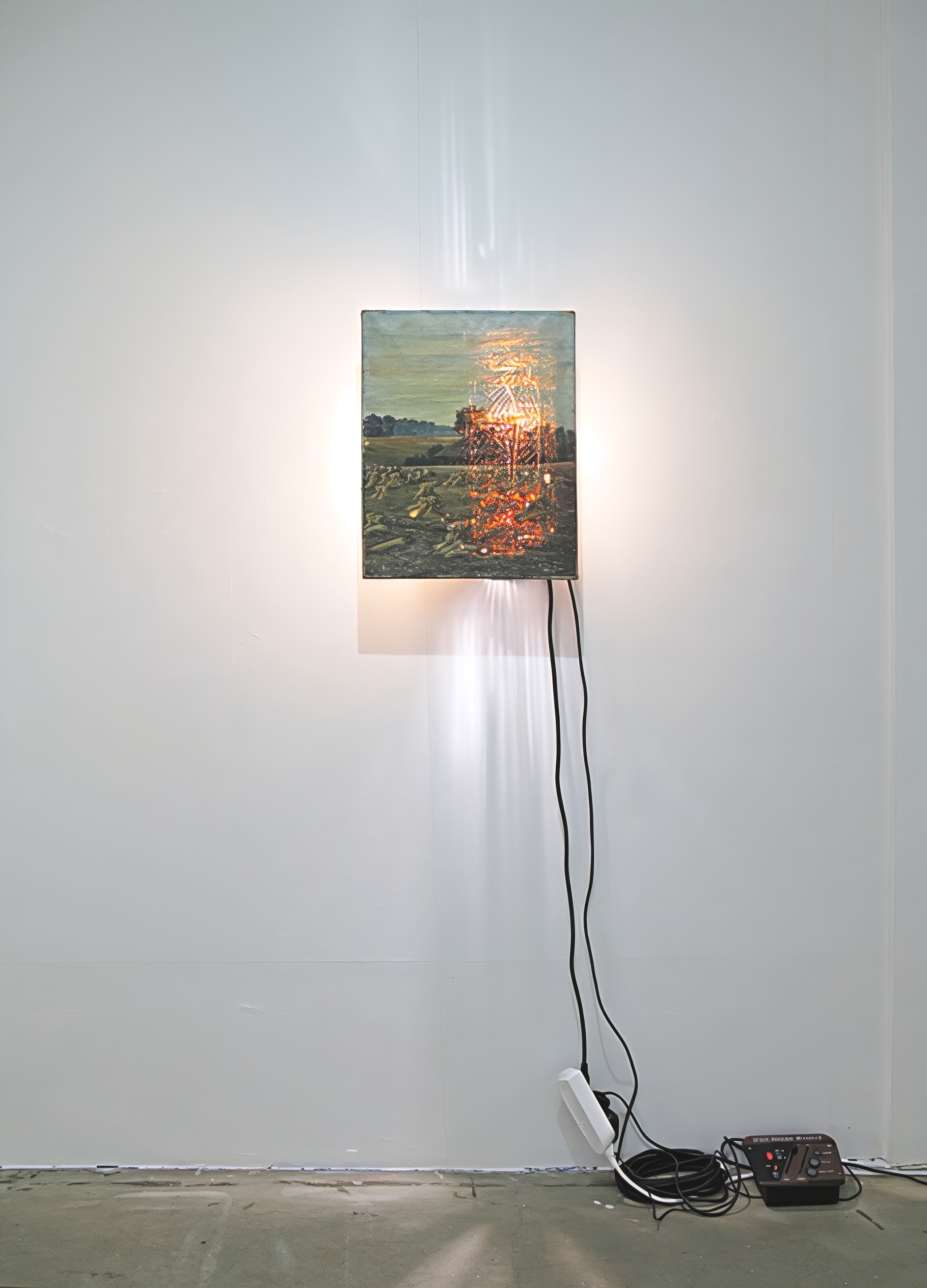
They can be broadly divided into two categories. The first comprises painting-installations that combine old paintings purchased at flea markets or on eBay with everyday objects such as lighting fixtures and furniture.


Installation view of 《Painting》 (CAN Foundation, 2019) © CAN Foundation

For instance, Choi incorporated a massage machine into a painting, creating the illusion of a moving landscape whenever the machine was activated. Viewers could not only look at the painting but also lean against the canvas and receive an actual massage.
 
By eliciting multisensory experiences that extend beyond vision, Choi sought to expand conventional modes of engaging with and experiencing painting.
 
The second category comprises works that explore painting as a genre and medium in its own right. Reinterpreting dictionary definitions and conventional notions of painting, such as “a painter’s idle thoughts,” “a picture made by applying colors to a surface,” and “a two-dimensional image,” Choi sought to discover new possibilities for the medium.


Installation view of 《Painting》 (CAN Foundation, 2019) © CAN Foundation

Through these two approaches—using painting both as a material for making art and as an object of inquiry—Choi incorporated not only the process of creating a work but also its encounter with the audience in the exhibition space as integral parts of his practice.
 
This was an attempt to move beyond the conventional mode of communication in which artists present completed works for viewers to passively observe.
 
《Painting》 created a space for direct, one-on-one engagement between artworks and viewers, encouraging active appreciation and reflection. By physically touching and activating the works and experiencing them through their senses, viewers became more than mere spectators, instead taking on an integral role in the work itself.


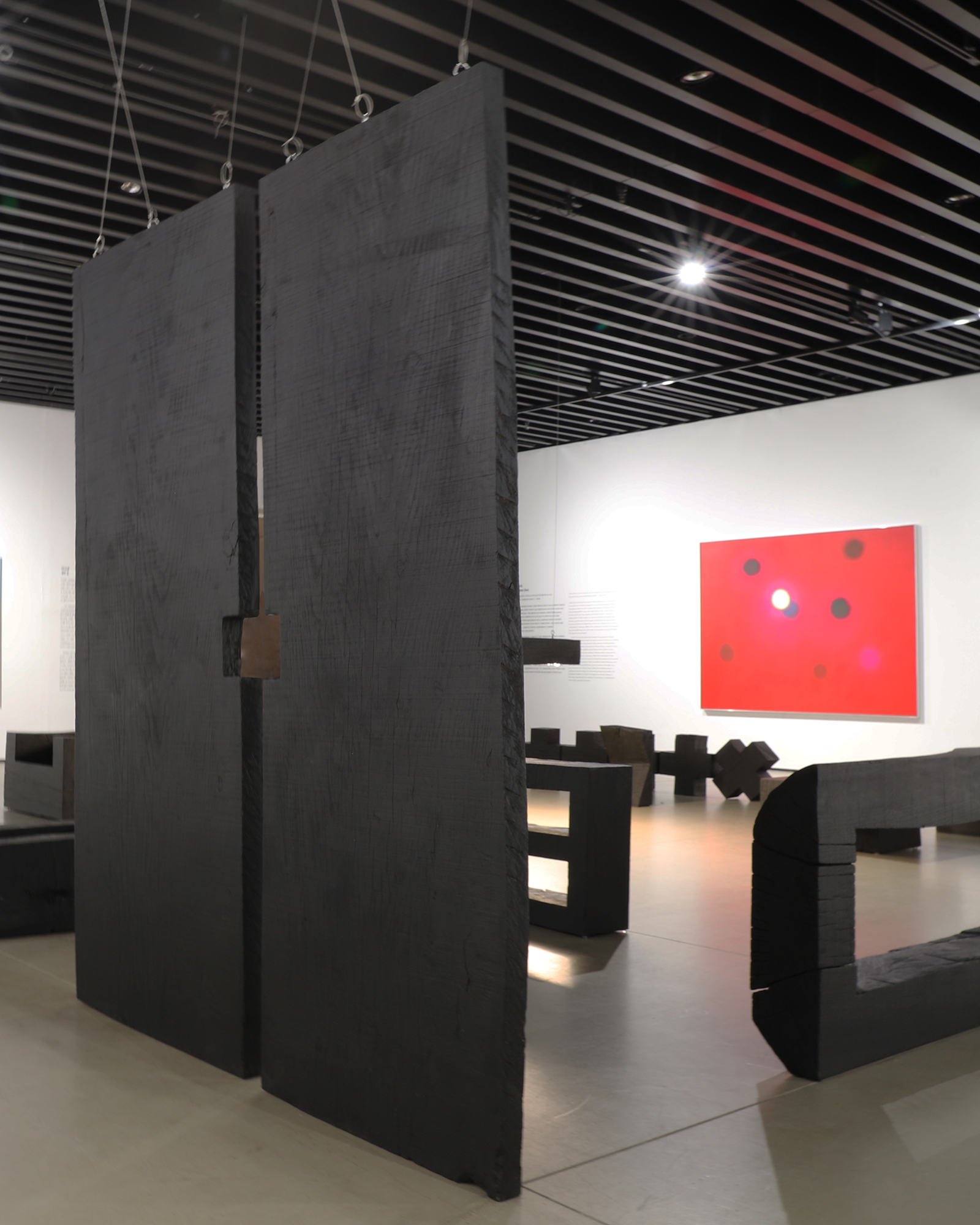
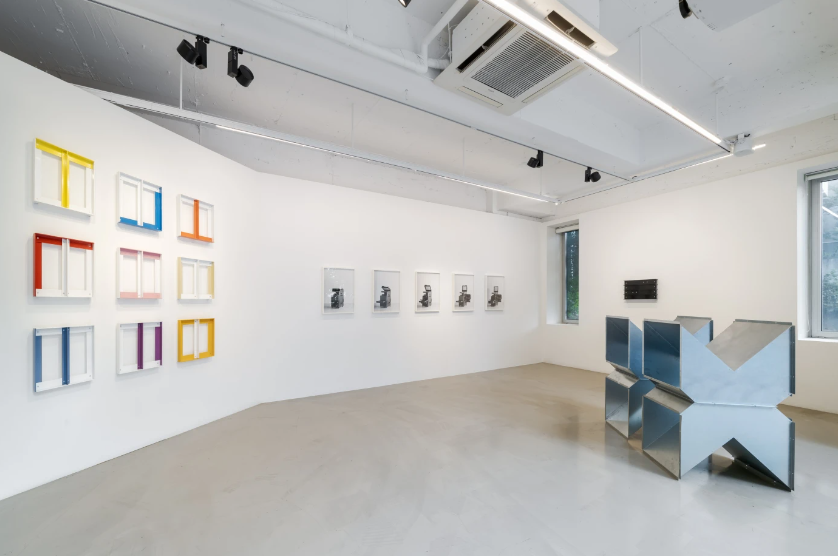
Installation view of 《Logic-Enter Outside》 (Kim Chong Yung Museum, 2022) © Jimok Choi

Choi has continued to challenge conventional notions of art and experiment with expanding its boundaries through a diverse range of media, including installation, objects, and performance.
 
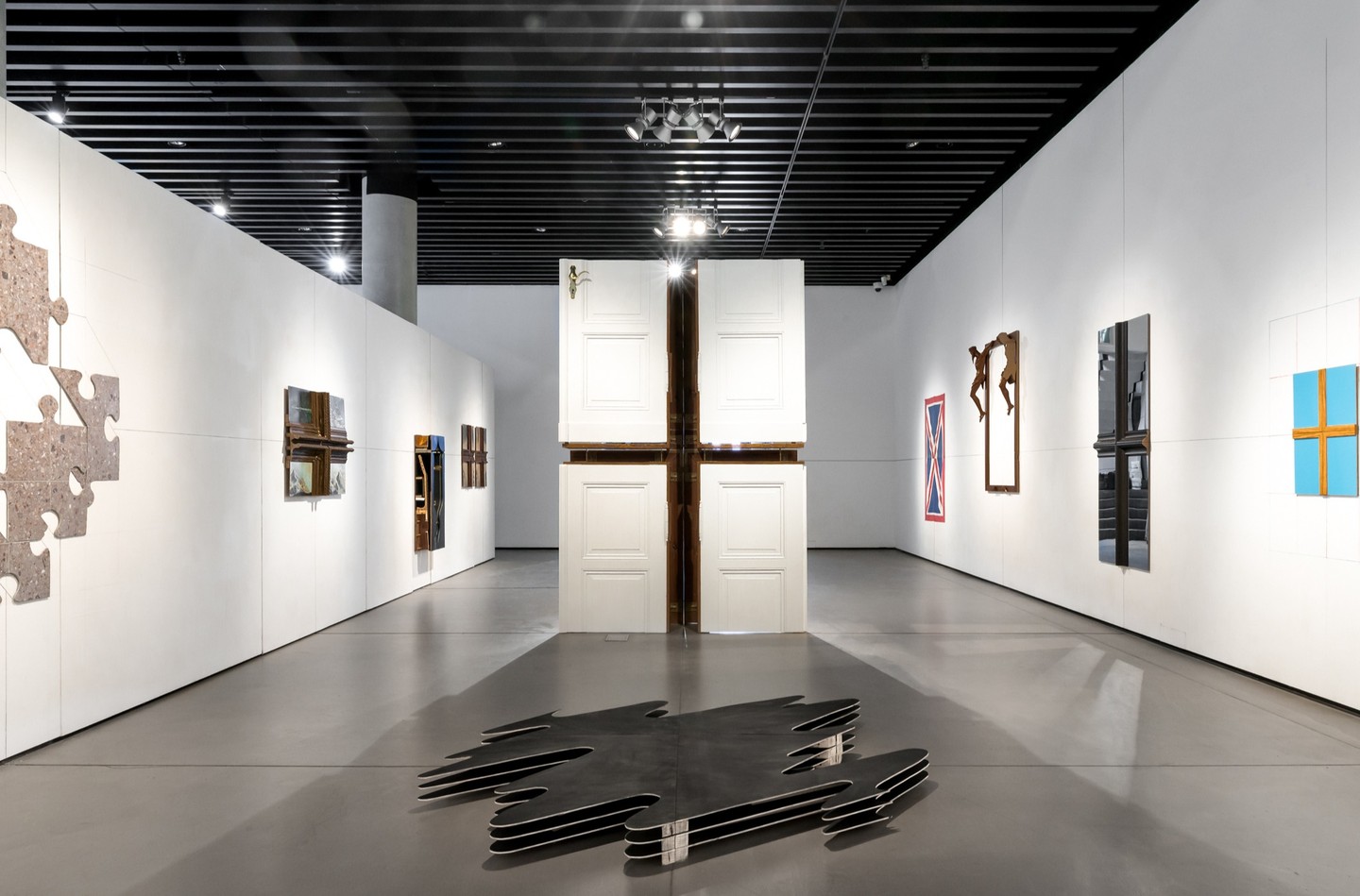
His 2022 solo exhibition 《Logic-Enter Outside》 at Kim Chong Yung Museum visualized his approach to the concept of the “frame” through experiments that dismantle existing structures and generate new ones based on geometric principles.
 
The works began with a simple process of cutting and intersecting A4 sheets of paper. Depending on the direction and shape of each cut, new boundaries and surfaces emerge, giving rise to new frames even as the original ones are broken apart.
 
Through this geometric structure, which can be endlessly repeated and expanded along the traces of each cut, Choi explores possibilities that extend beyond the frame as a fixed formal structure.


Installation view of 《Logic-Enter Outside》 (Kim Chong Yung Museum, 2022) © Jimok Choi

In this process, the inverted image retains the same rectangular form as the original while shifting the direction of the gaze from the inside to the outside. What was once looked into becomes something to look out from, and the frame no longer functions as a form that defines or confines something, but as a content that expands new perspectives and experiences.
 
Through a wall installation combining square-shaped objects and drawings, Choi recorded and diagrammed the traces of cutting, making visible the underlying geometric principles that would otherwise remain unseen.
 
He also spatially articulated the relationships and structures between the frames by connecting the individual works through Knocking, positioned at the center of the exhibition space, and the lines drawn on the floor.
 
By reinterpreting the frame as both a boundary that separates the inside from the outside and a passage that connects the two, this work encourages viewers to reconsider objects that have become abstracted and fixed in meaning. It also suggests the possibility of expanding the scope of perception through each individual's unique experiences and perspectives.


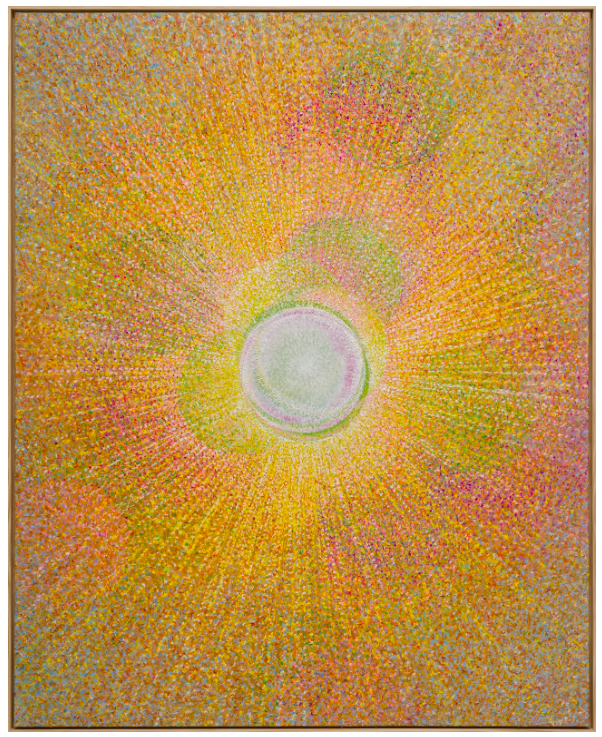
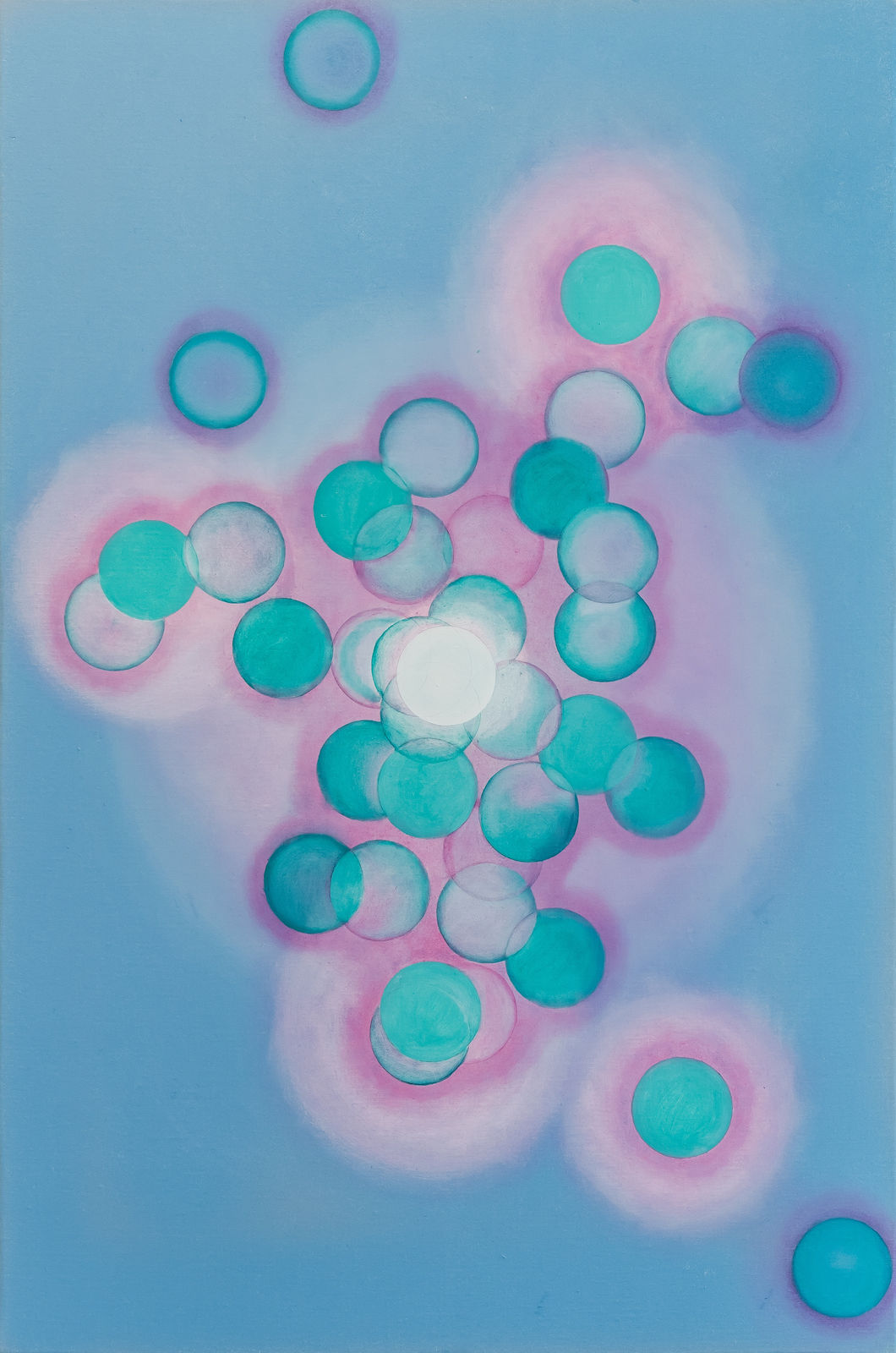
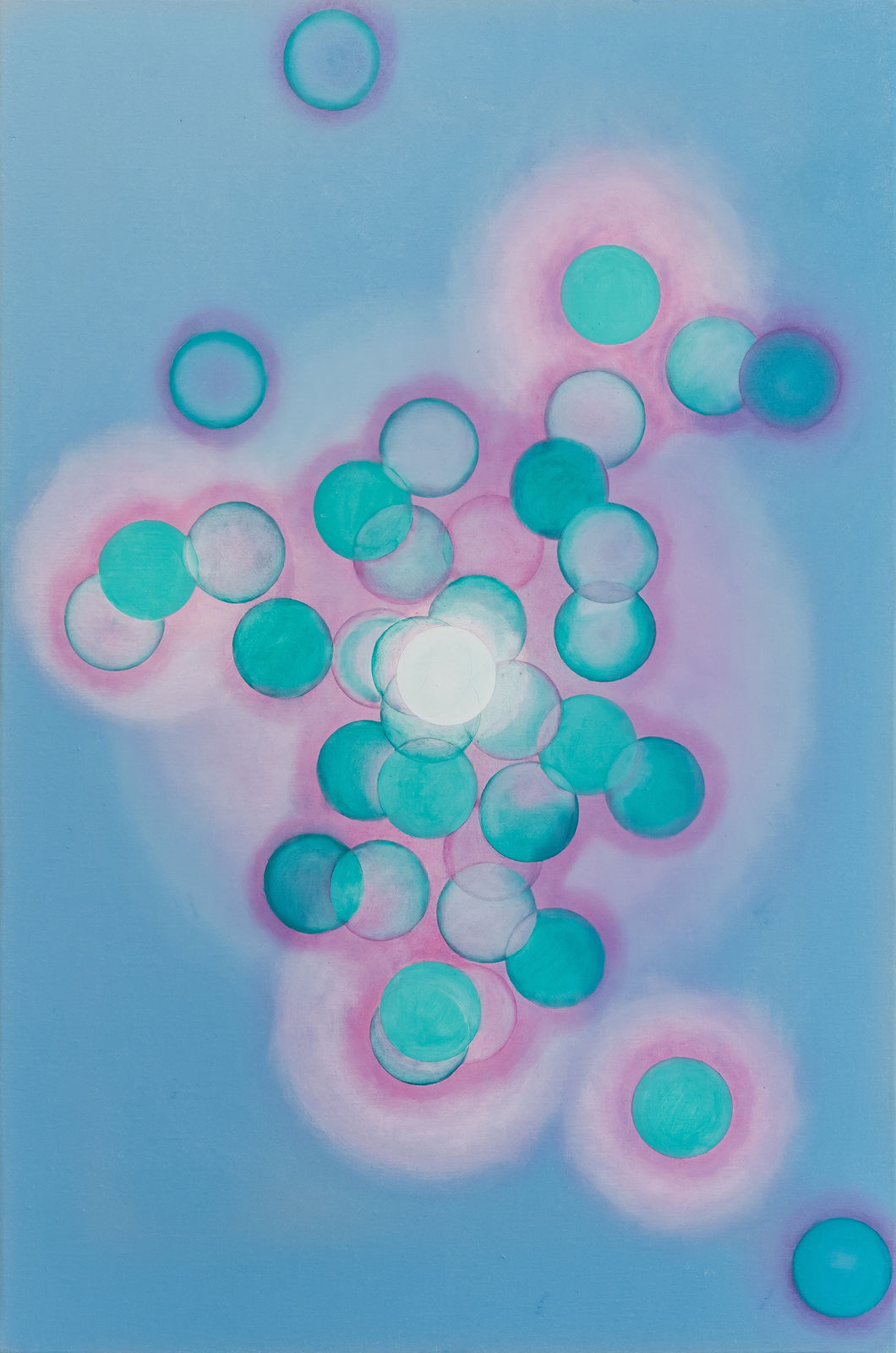
Jimok Choi, Two Suns, 2022, Oil on canvas, 91 x 60.5 cm © Jimok Choi

In his subsequent works, Jimok Choi turns his attention to the act of seeing itself, exploring the possibilities of art through the sensory experiences and corporeality unique to human beings. He believes that as advanced technologies continue to evolve, human senses and physicality can become not only distinctive possibilities but also powerful assets of art.
 
From this perspective, Choi focuses on the phenomenon of afterimages—a physiological response of the retina that cannot be fully reproduced through photography or AI technology. By bringing this aspect of the human perceptual system into the realm of painting, he has developed a body of work that explores the world of “Perceptual Painting.”


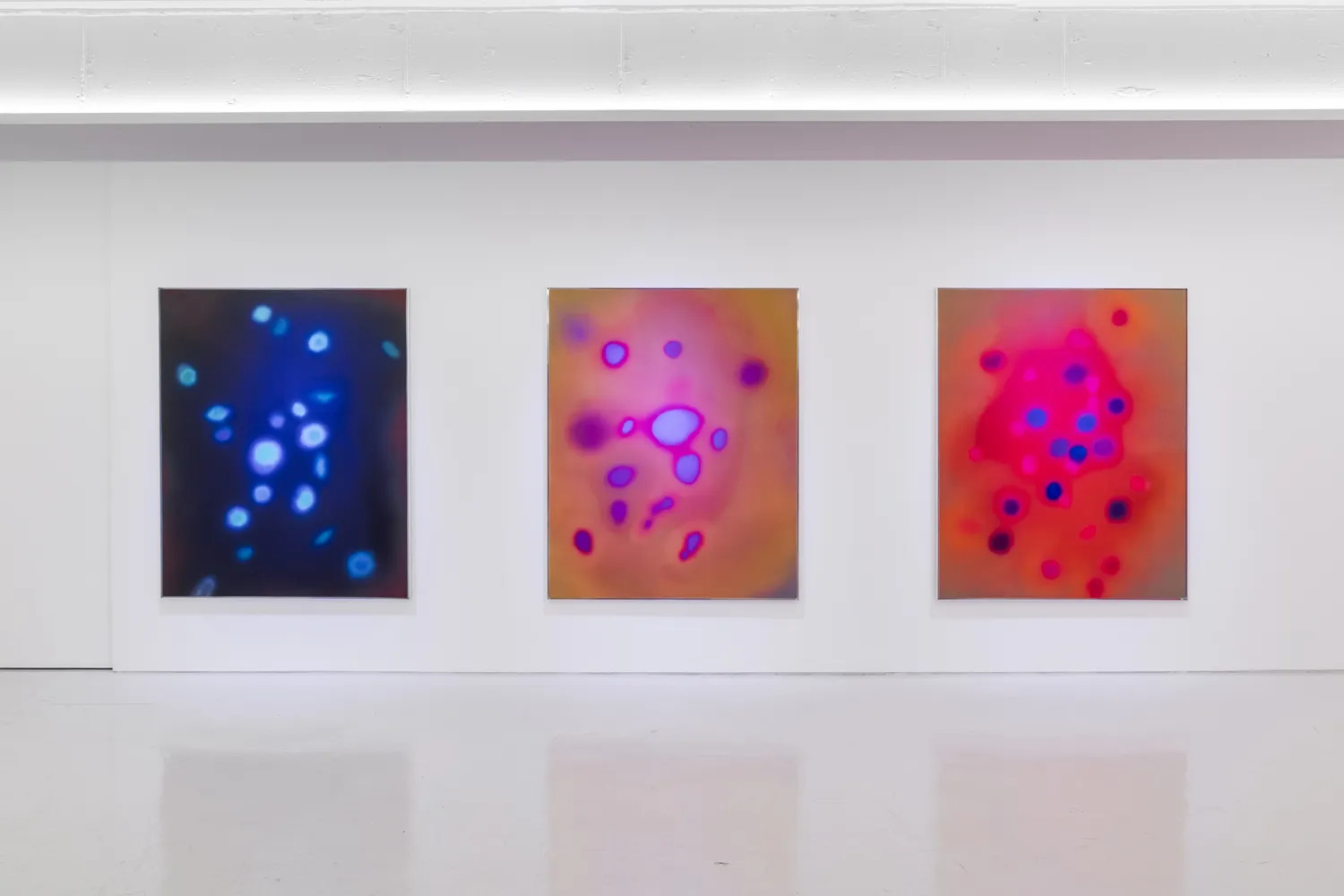
Installation view of 《The Light of Absence》 (Chapter II, 2023) © Chapter II

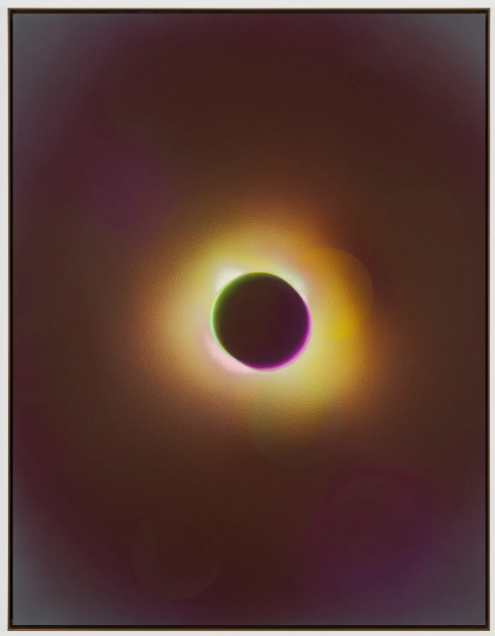
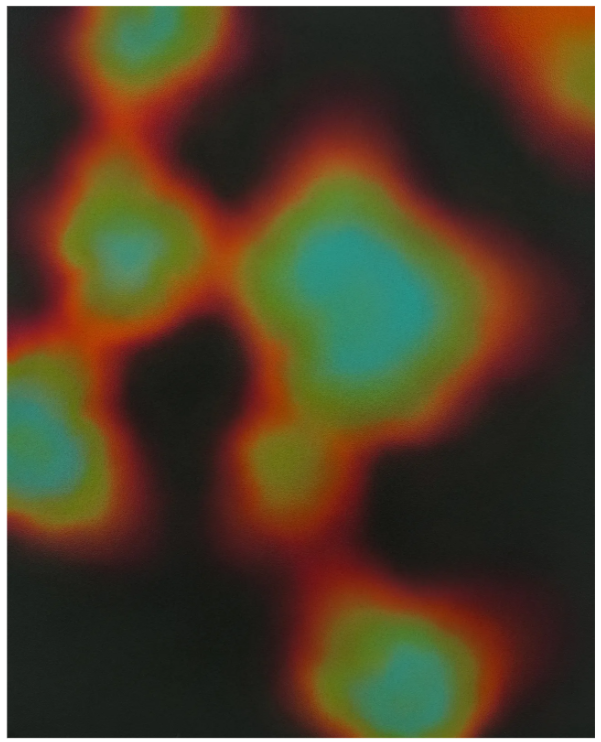
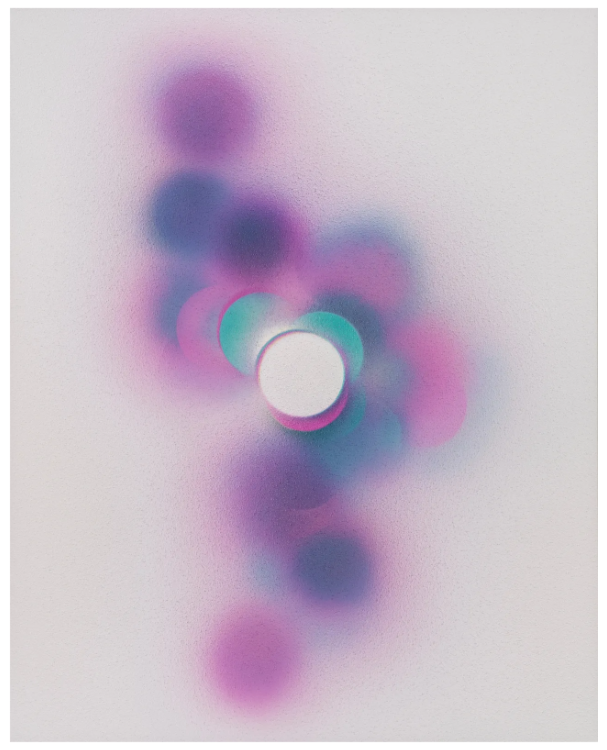
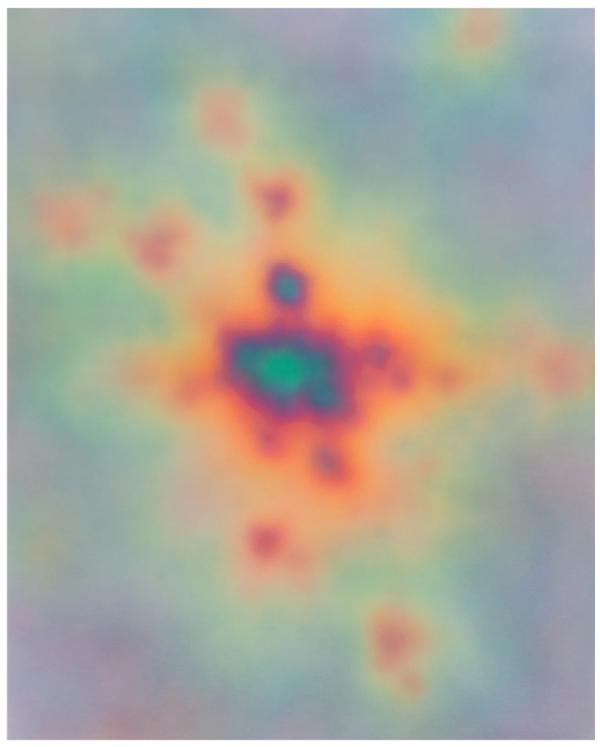
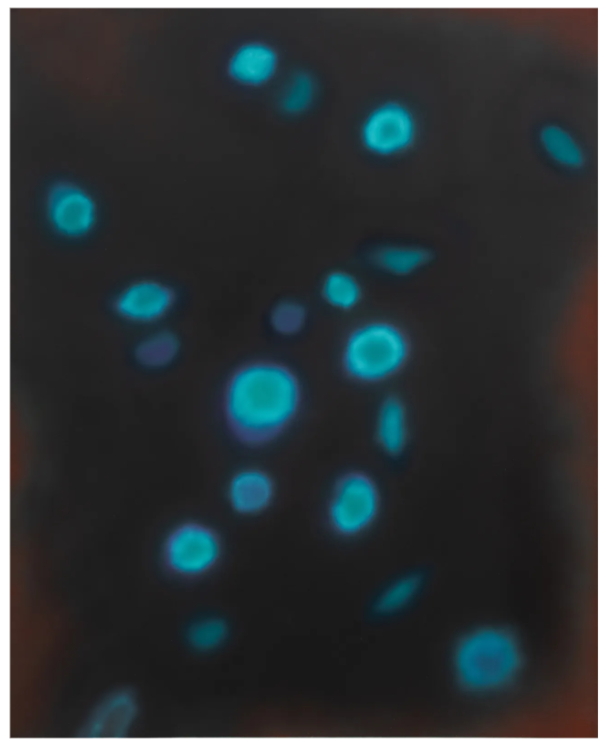
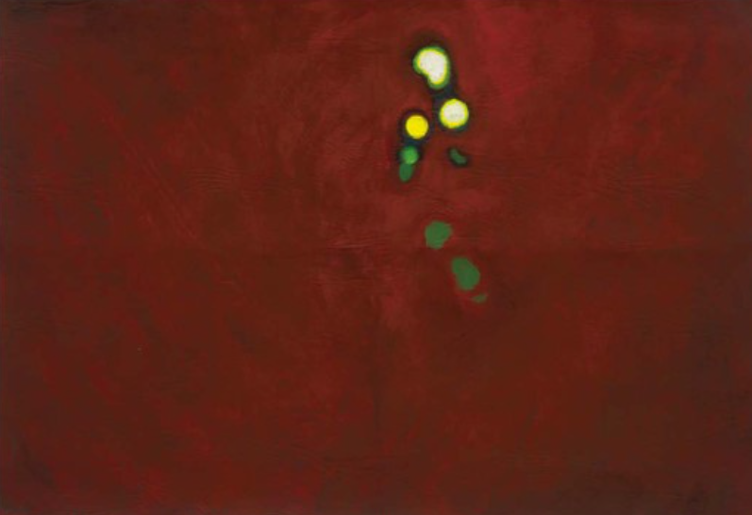
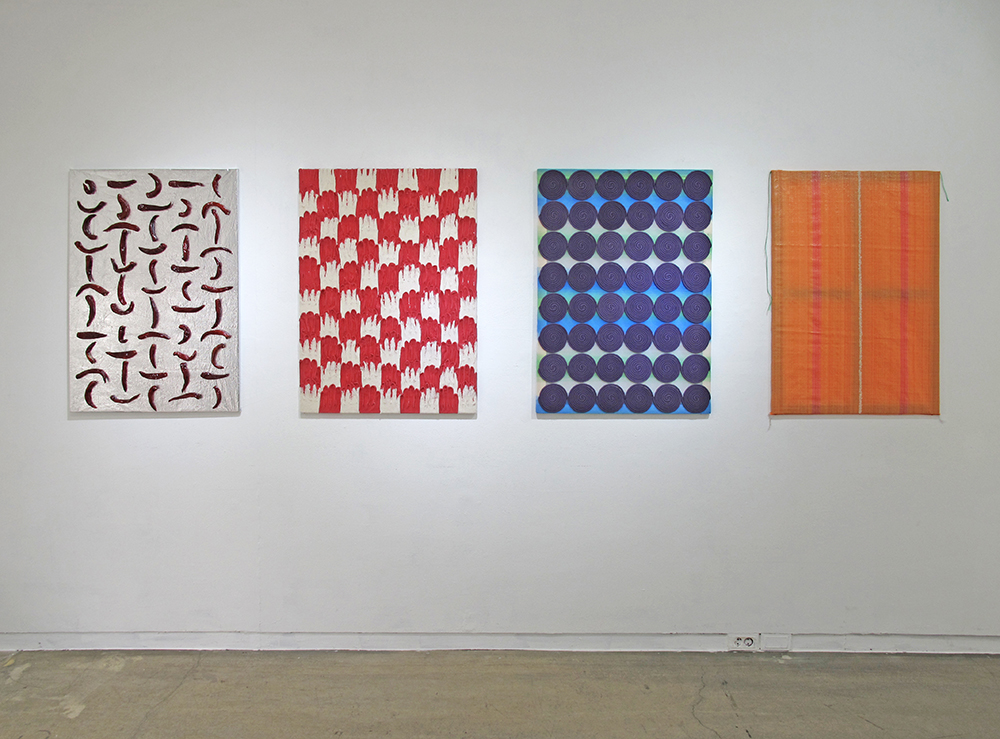
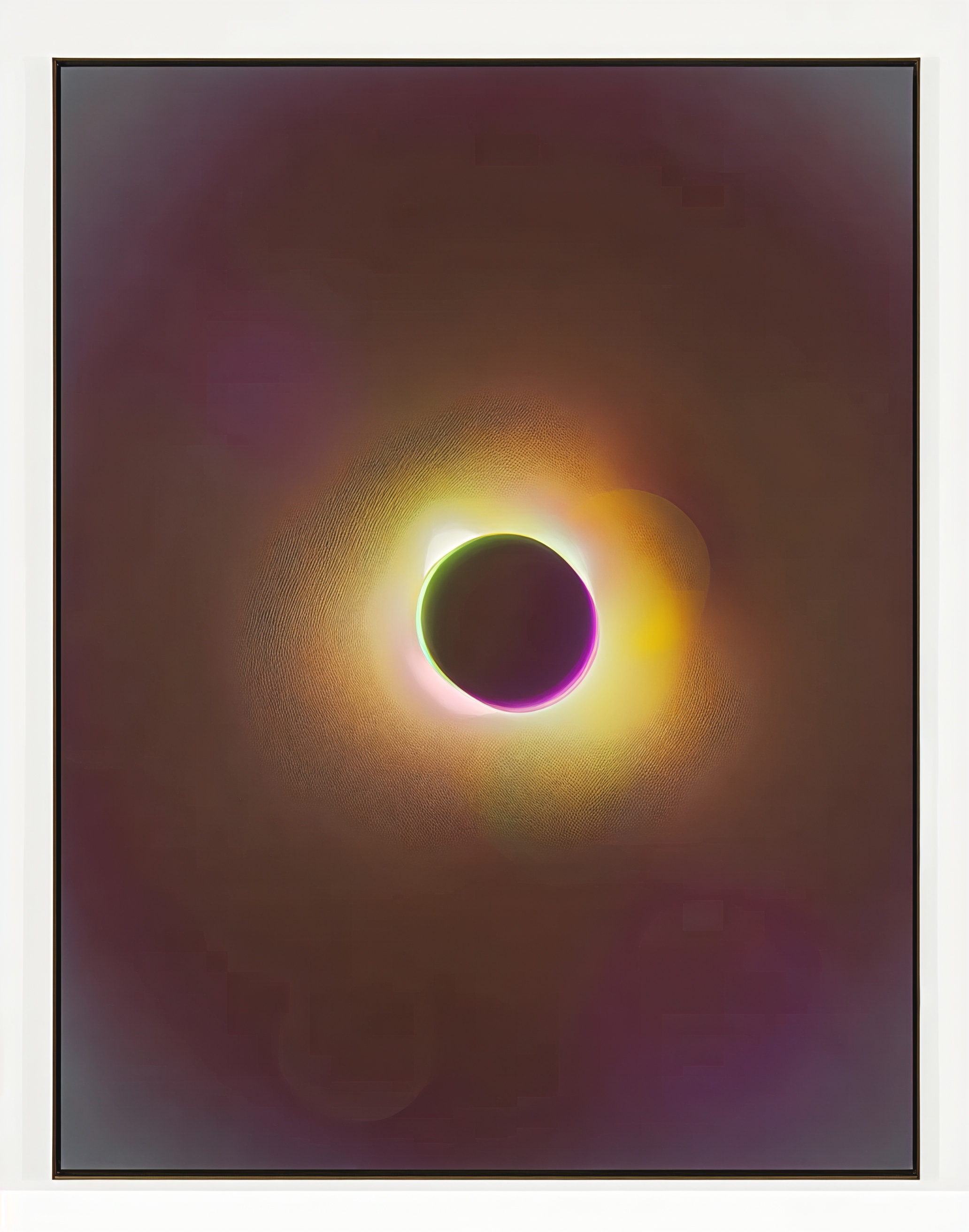
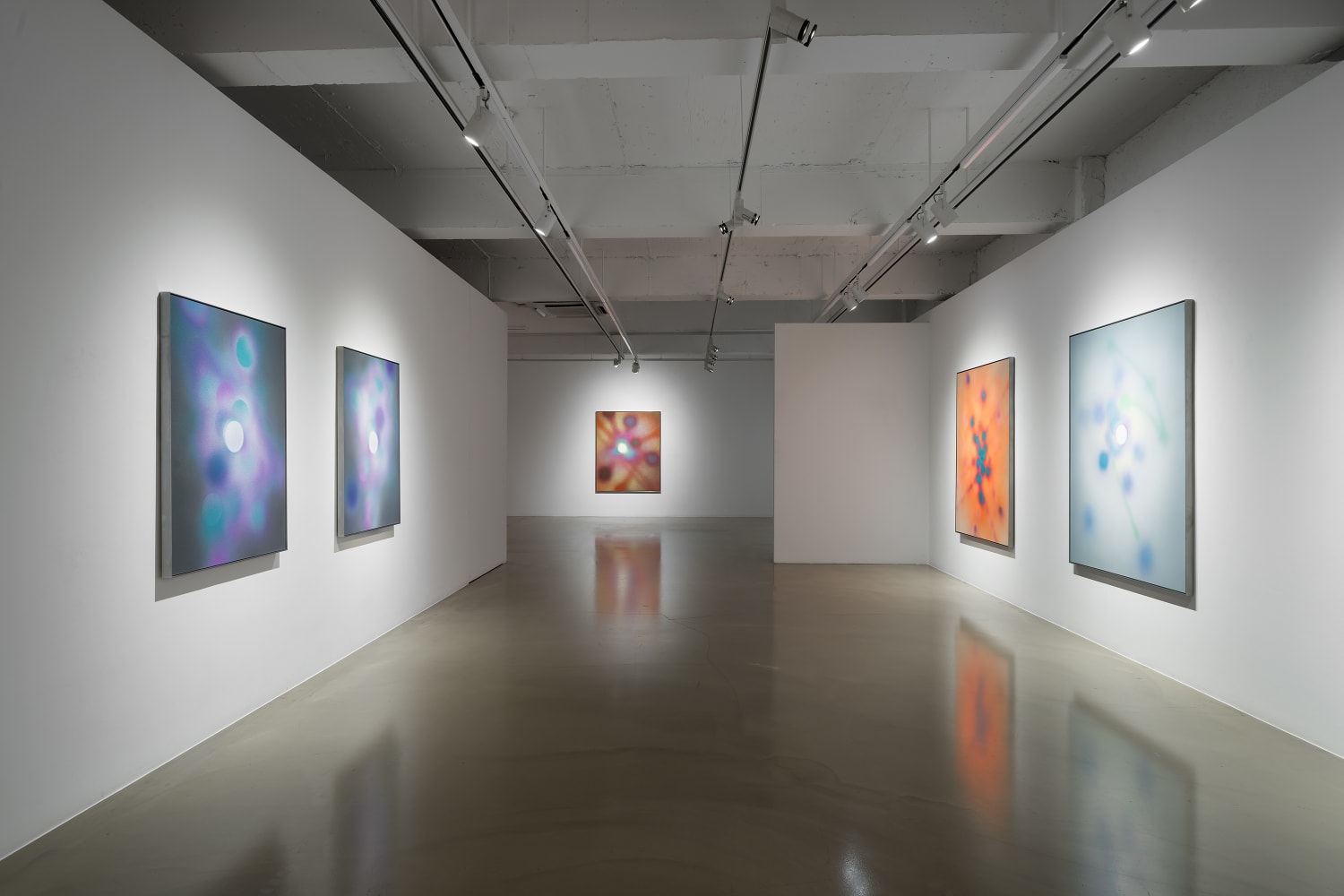
Developed from this exploration, the ‘Afterimage’ series records on canvas the artist’s subjective perception of light afterimages and his embodied experience of intense colors.
 
To capture the afterimages that linger in his vision after looking at the sun, Choi wears welding sunglasses and uses his own retina and optic nerve as a kind of projector, transferring the forms that appear before his eyes onto the canvas.


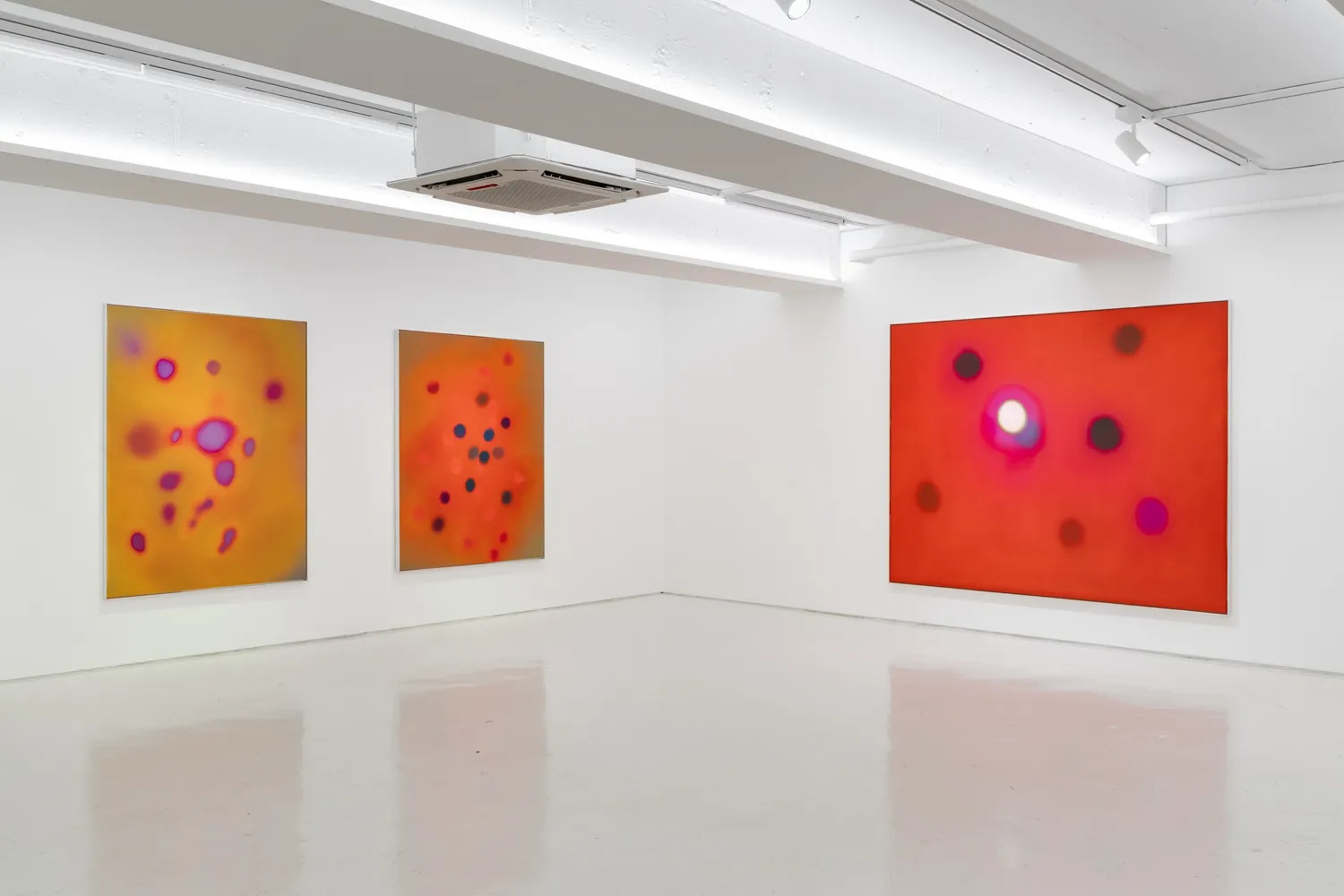
Installation view of 《The Light of Absence》 (Chapter II, 2023) © Chapter II

His paintings thus serve as a pictorial archive of the visual responses produced by the retina when exposed to the sun—in other words, complementary afterimages. After gazing at the sun and closing his eyes, an illusion of complementary colors, entirely different from the original light, emerges, gradually fades, and eventually disappears.
 
As the artist puts it, “Ultimately, I paint the world inside my eyes.” What he captures are visual illusions that emerge in random and unpredictable forms in the wake of vanishing light. He translates these immaterial sensory experiences into the material form of pigment, recording them on canvas.


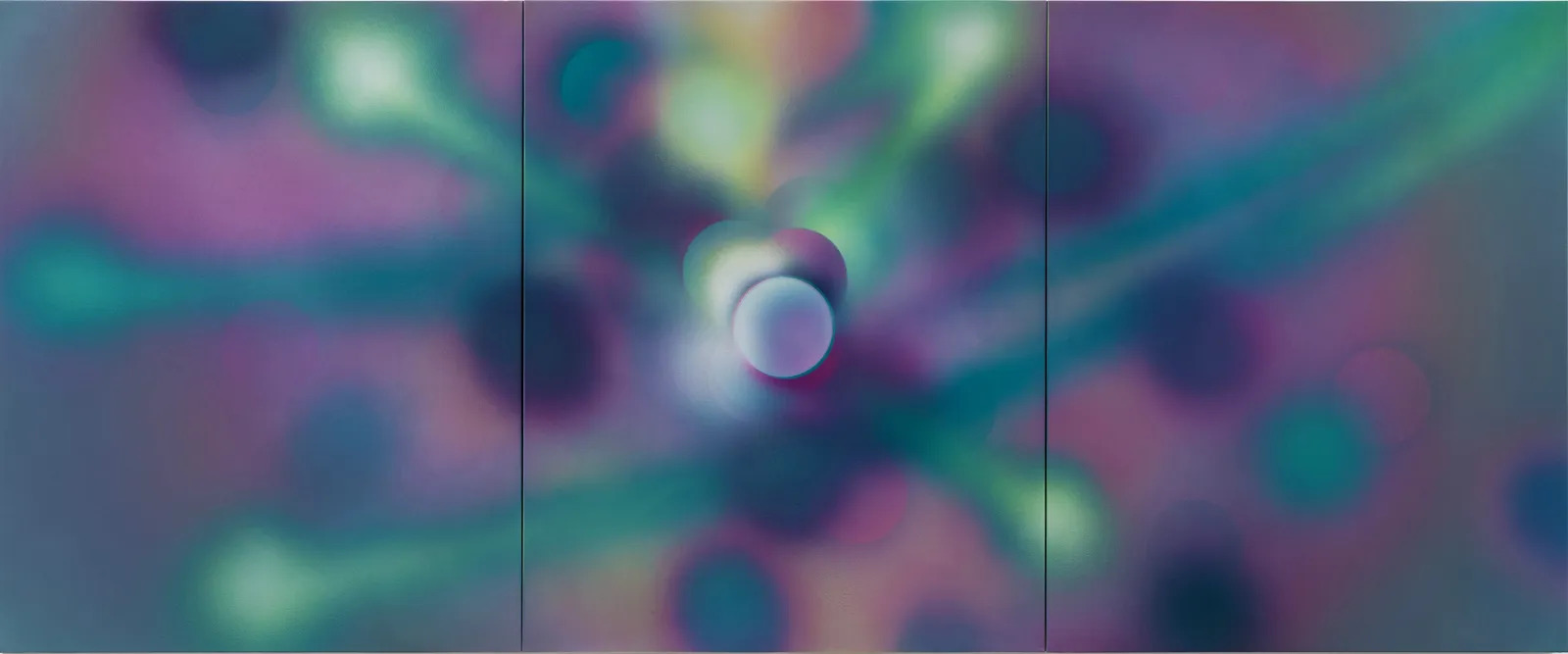
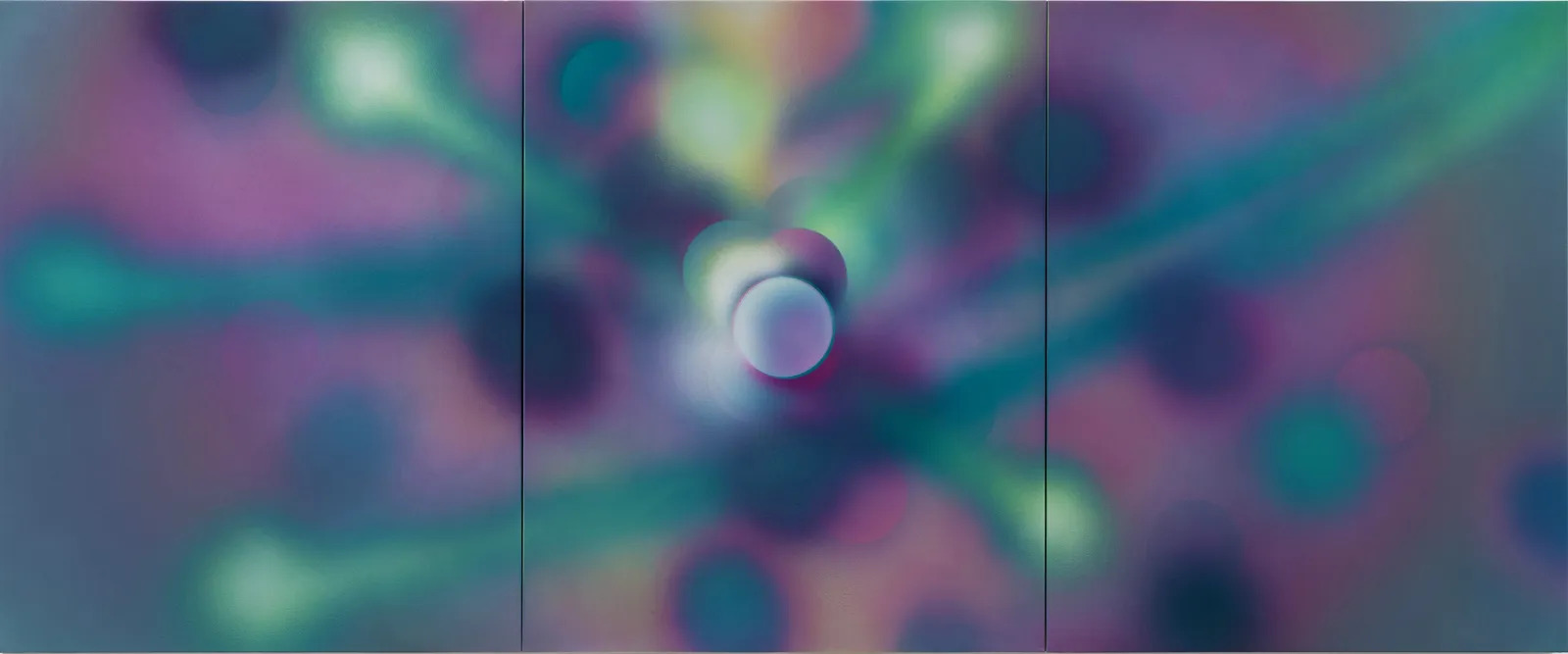
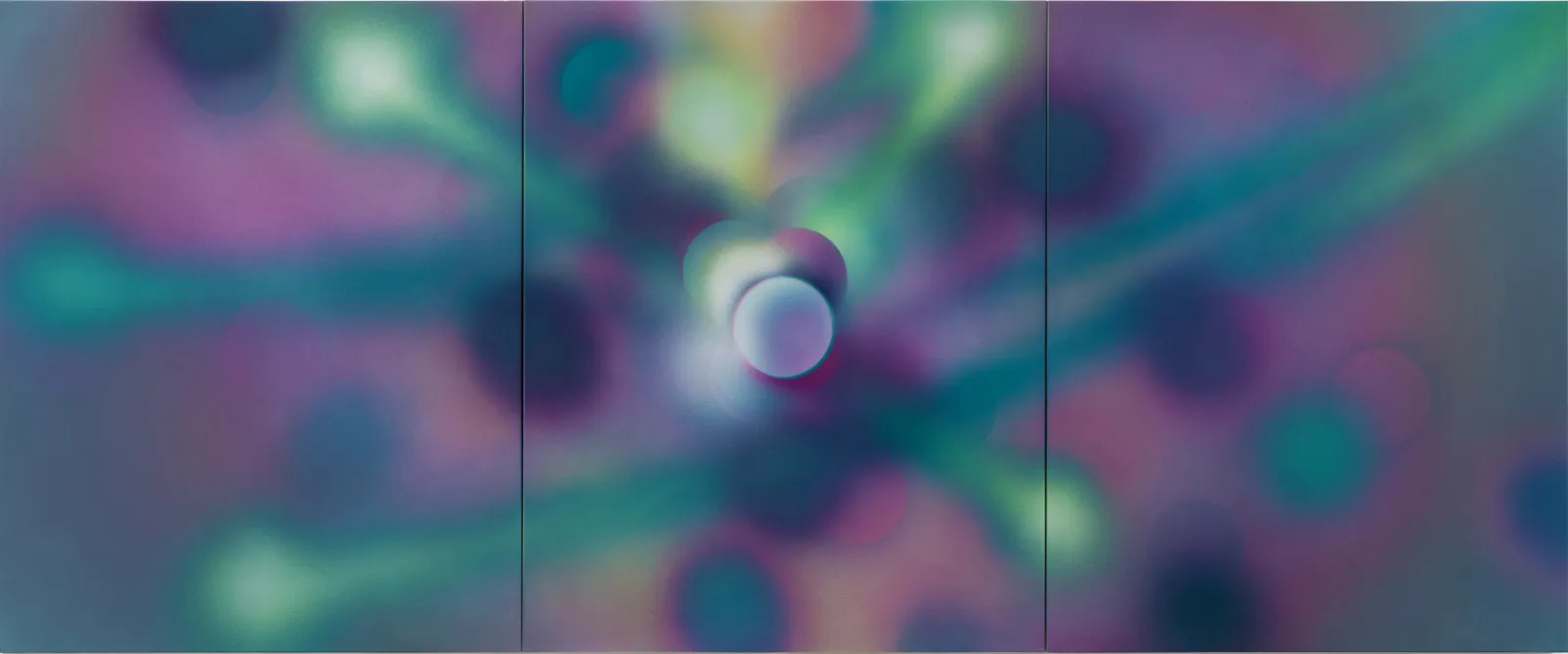
Jimok Choi, The Eye, 2025, Oil on canvas, Each 162.2 x 130.3 cm (3 pieces) © Jimok Choi

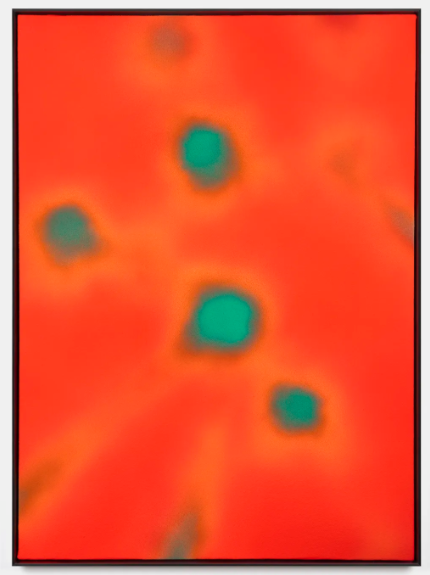
The dual nature of light as both a particle and a wave is also closely connected to Choi’s working methods on a technical level. To address the challenge of translating the illusion of light into the material form of paint, he employs an airbrush.
 
When depicting afterimages through sensory perception, the airbrush is particularly effective in conveying their immaterial presence through seamless layers of overlapping color and floating masses of pigment.
 
Choi renders dominant afterimages as thick, flowing forms, while images that are gradually fading are represented through the sparse dispersion of color particles. In this way, he simulates the way images “appear and disappear” on the retina.
 
In contrast, where he uses a brush, he deliberately establishes and fixes the boundaries of the image through physical contact with the canvas. This approach also relates to the phenomenon in which overlapping light waves produce distinct interference patterns.


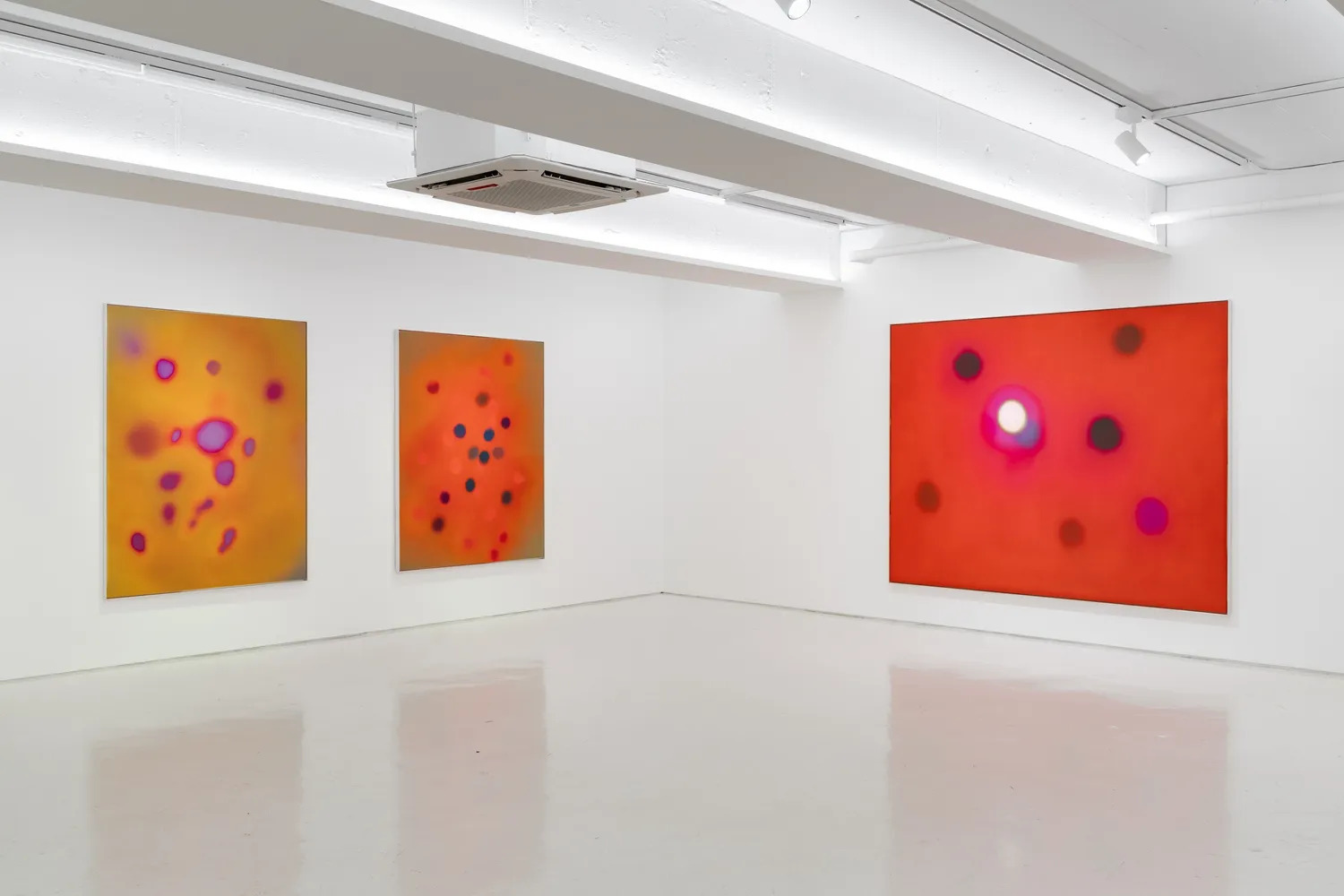
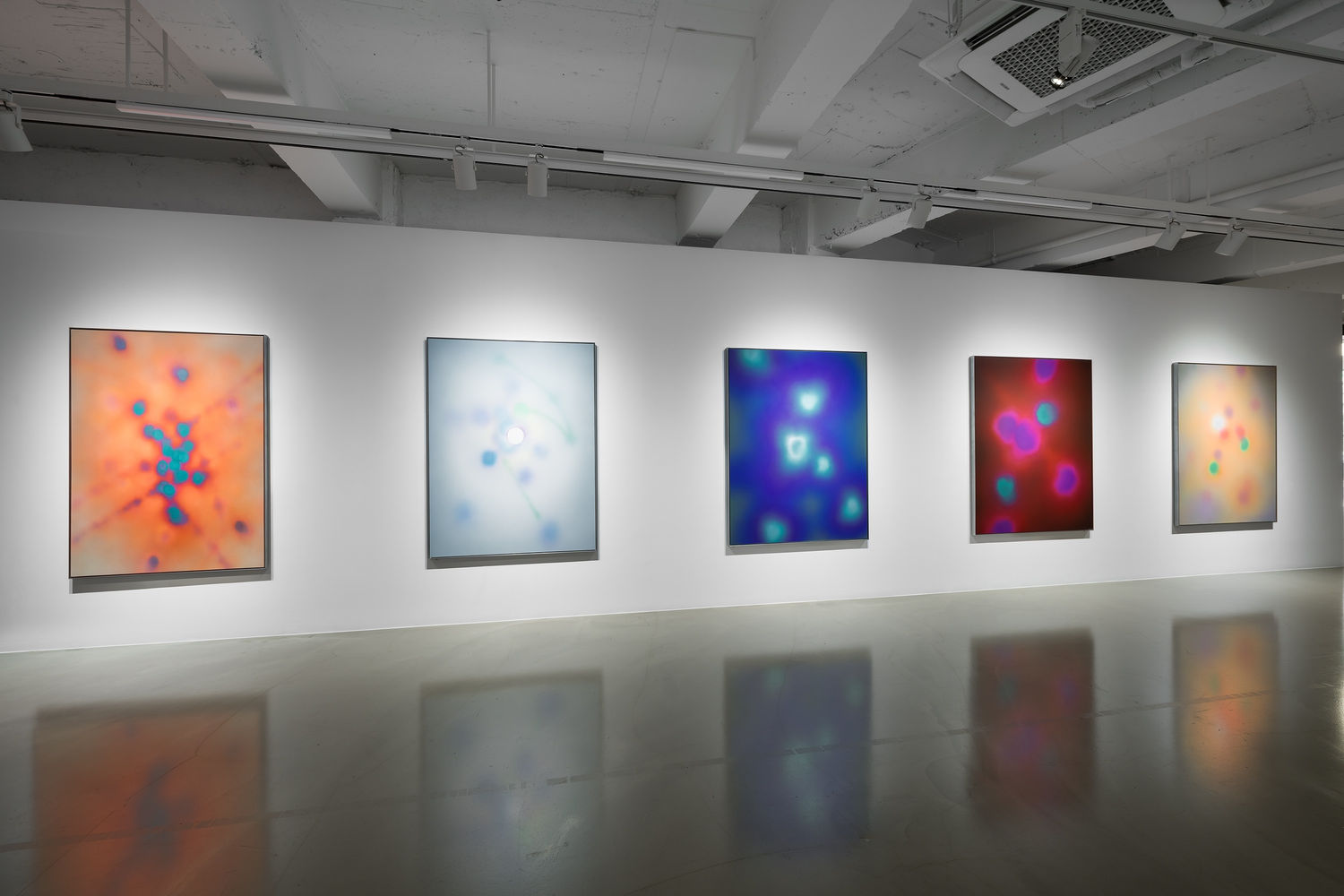
Installation view of 《A Hundred Suns》 (Gallery Baton, 2025) © Gallery Baton

Through their intense saturation and contrasting complementary colors, these paintings also induce optical illusions and afterimages on the viewer’s retina. As viewers look at the colors depicted in the works, they simultaneously experience new colors generated by their own visual systems.
 
In this way, the paintings, which originate in the artist’s embodied experience, encounter each viewer’s individual perceptual processes to create new layers of sensory experience.


Jimok Choi, Blind Landscape, 2026, Acrylic on canvas, 130.3 x 97 cm © Jimok Choi

Through his ongoing experiments to rethink the “frame” of painting as a traditional visual art medium and expand its boundaries, Jimok Choi has explored the possibilities of “Perceptual Painting” as a space where sensation, memory, and experience intersect.
 
By capturing fleeting experiences and discontinuous processes of perception that cannot be fully replicated by advanced technologies such as artificial intelligence, his paintings reveal the enduring necessity and significance of painting as a distinct medium, even in an age of increasingly sophisticated technology.

”Today, with the advent of artificial intelligence, painting seems to stand on the precipice of another transformative moment. The age of machines has given me, as an organic being, the opportunity to once again wield the brush.
 
The afterimage of light captured on canvas serves as a record of fleeting visual effects, moment by moment, and implies the joint creative and destructive providence of nature and the body.” (Jimok Choi, Artist’s Note)


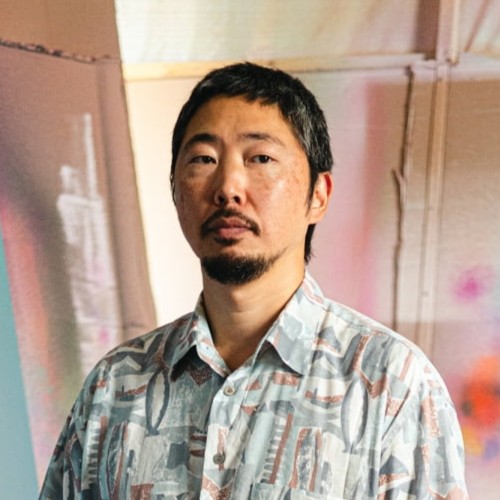
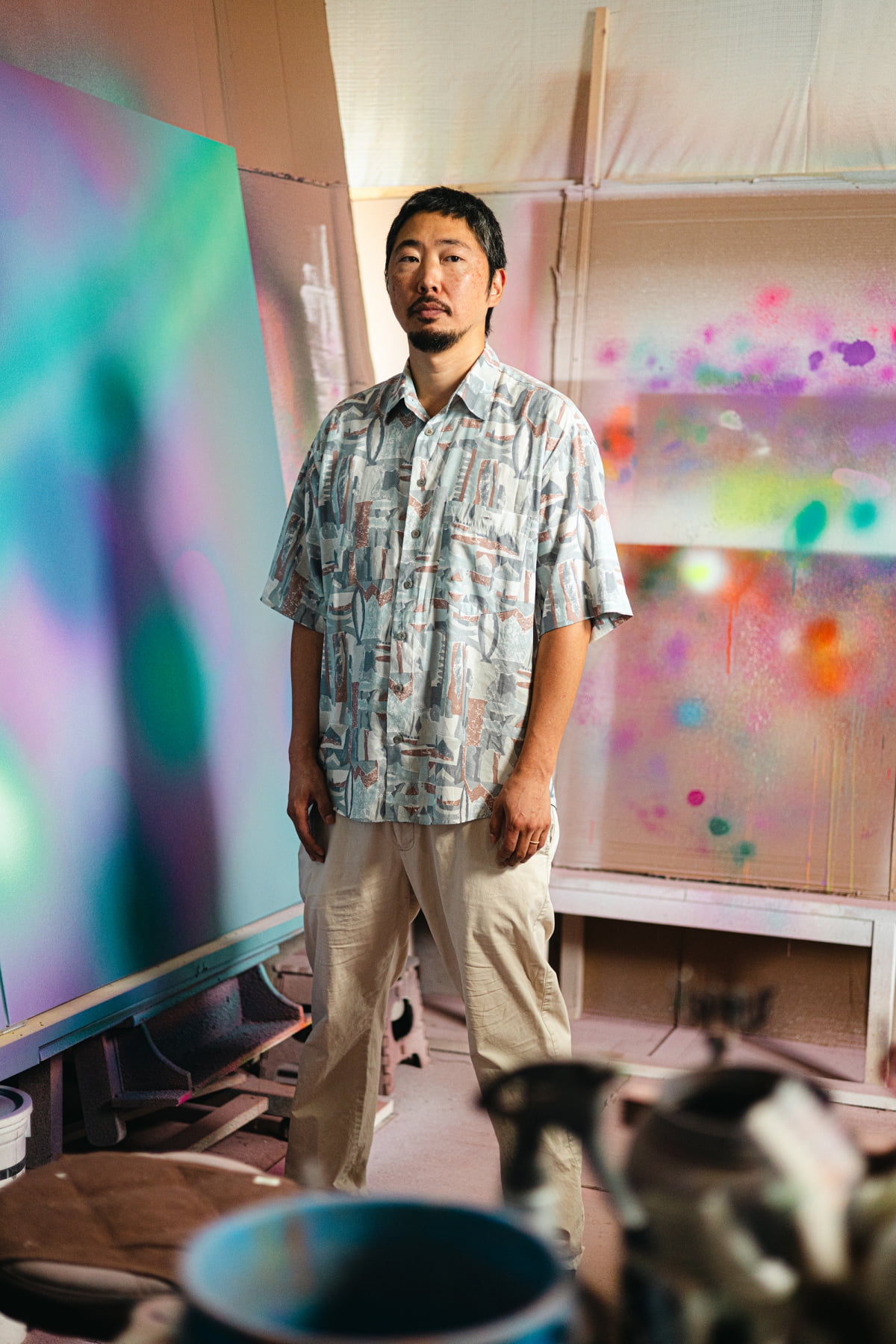
Artist Jimok Choi © Gallery Baton

Jimok Choi received a BA in Painting from Suwon University and an MFA in Fine Art from the Muthesius Kunsthochschule. His major solo exhibitions include 《A Hundred Suns》 (Gallery Baton, Seoul, 2025), 《The Light of Absence》 (Chapter II, Seoul, 2023), 《Logic-Enter Outside》 (Kim Chong Yung Museum, Seoul, 2022), and 《OPEN》 (Kang Contemporary, Berlin, 2020).
 
He has also participated in numerous group exhibitions, including 《Whispers Toward the Outside》 (Daegu Art Museum, Daegu, 2026), 《Against Ornament, Against the Object》 (Gallery Baton, Seoul, 2026), 《25th Ha Jungwoong Young Artist Invitaion Exhibition: LIGHT 2025》 (GGwangju Museum of Art, Ha Jungwoong Museum, Gwangju, 2025), 《Vanishing, Emerging》 (Gyeonggi Museum of Modern Art, Ansan, 2024), 《Metamorphosis》 (Kim Chong Yung Museum, Seoul, 2024), 《Brilliant Cut》 (Gallery Baton, Seoul, 2023), and 《Half Opened Door》 (Chapter II, Seoul, 2022).
 
Choi has participated in residency programs at Chapter II Residency (2022) and Künstlerhaus in Germany (2014). His works are held in the collections of Chapter II, Incheon Bank Art, KD Collection in Hong Kong, and UOVO in the United States.

References