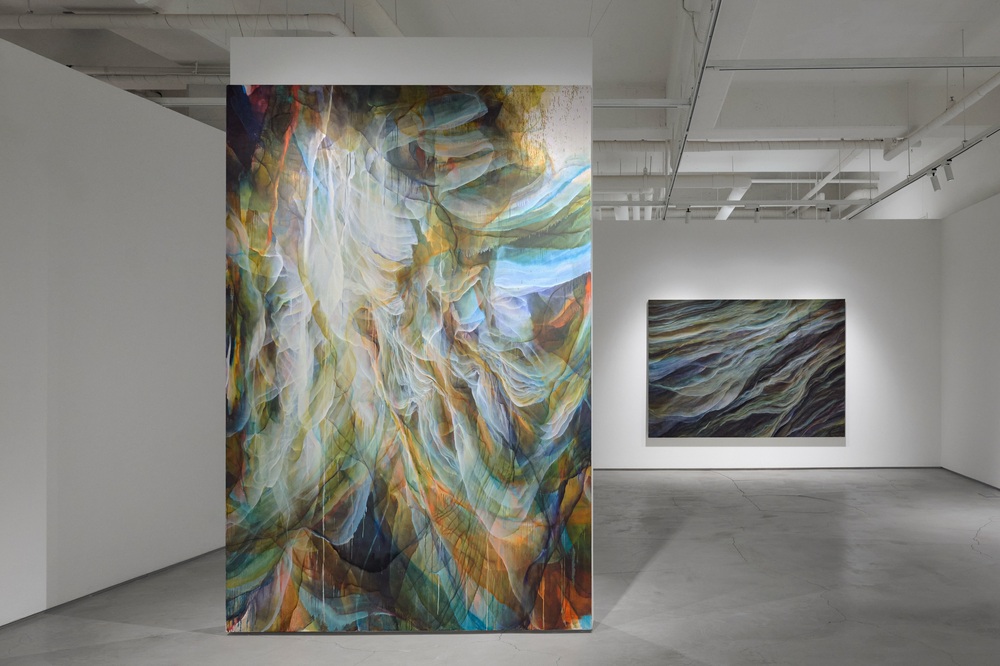
Choi Yoonhee (b. 1986) builds up layers of paint through the repeated accumulation of amorphous stains and fine lines, capturing within them the passage of time and the flow of sensory experience.
 
In her paintings, lines and planes function not to define fixed forms but to create movements that intertwine and flow into one another. The picture plane thus expands into an intimate space where emotions, memories, and bodily movements intersect.


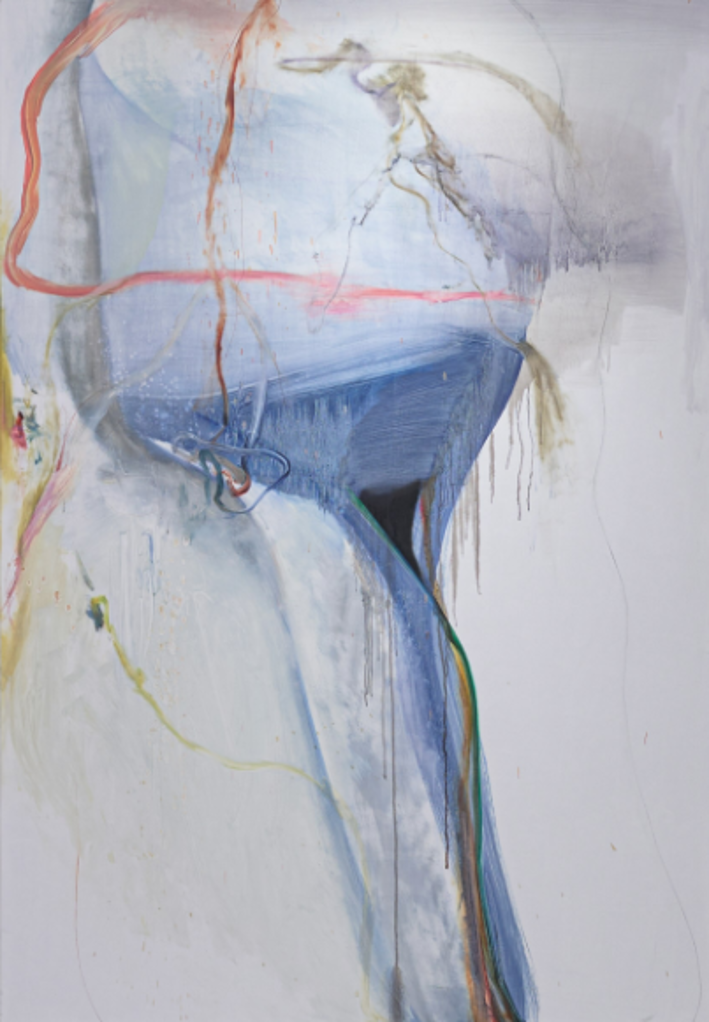
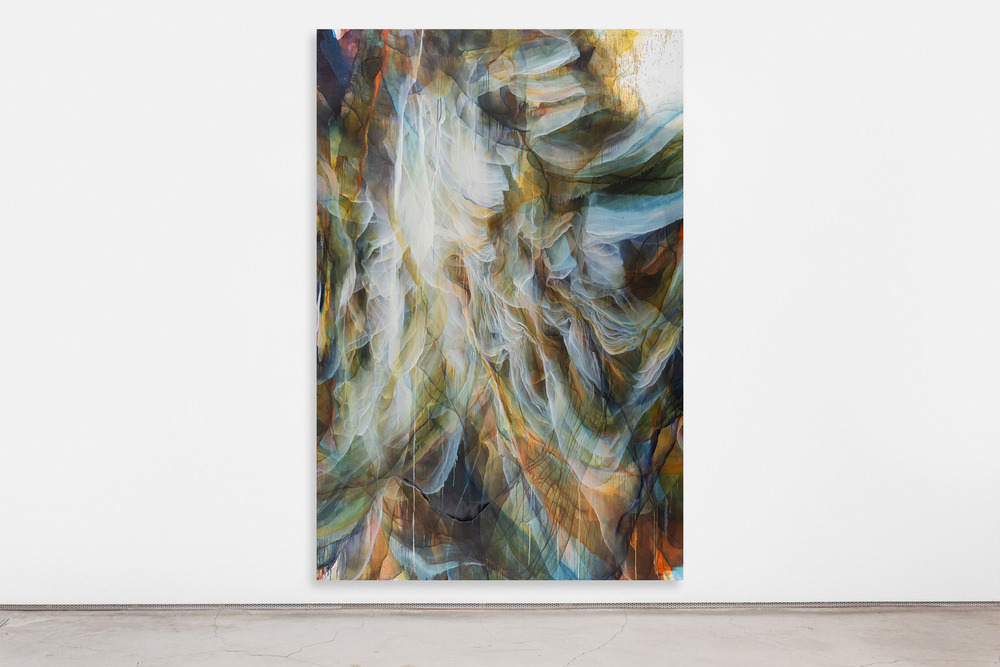
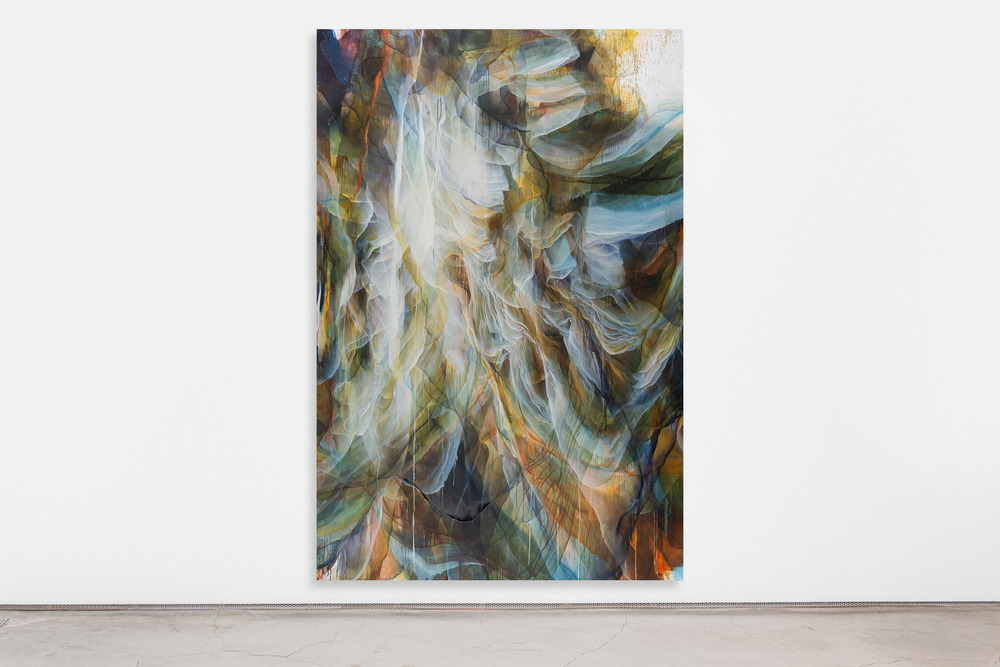
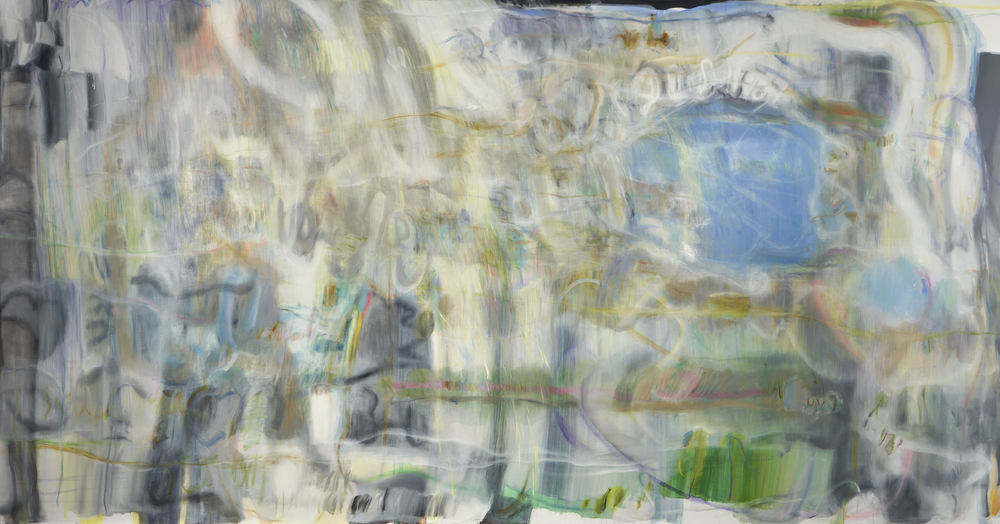
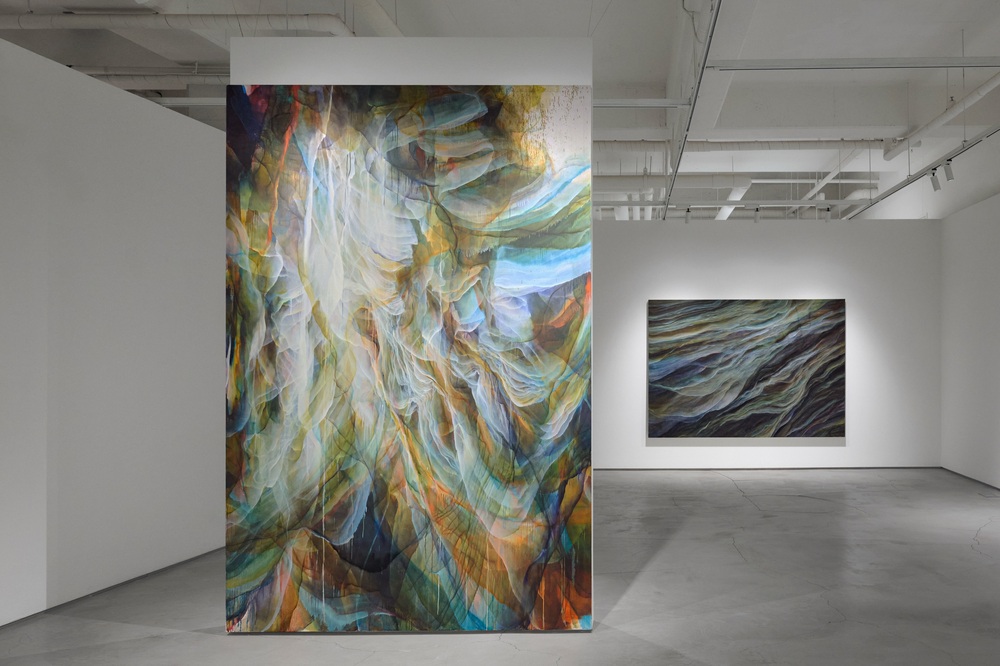
Choi Yoonhee, The Place of Knots #2, 2026, Oil on canvas, 300 x 200 cm © G Gallery

Choi Yoonhee repeatedly applies thin layers of paint to the canvas and rubs them by hand, allowing the pigment to seep into its surface. Through this process, she minimizes the material presence of paint while accumulating subtle traces of time and sensory experience.
 
The picture plane thus becomes a space that captures how external stimuli permeate and transform within the self, while also serving as a site where sensory impressions linger.
 
For Choi, a painting is both a body that speaks for her and a mirror through which she confronts herself. She describes her work as a “surviving bodily organ” or a “landscape of the body in which a voice remains,” metaphors for the invisible time embodied and accumulated within the painting.
 
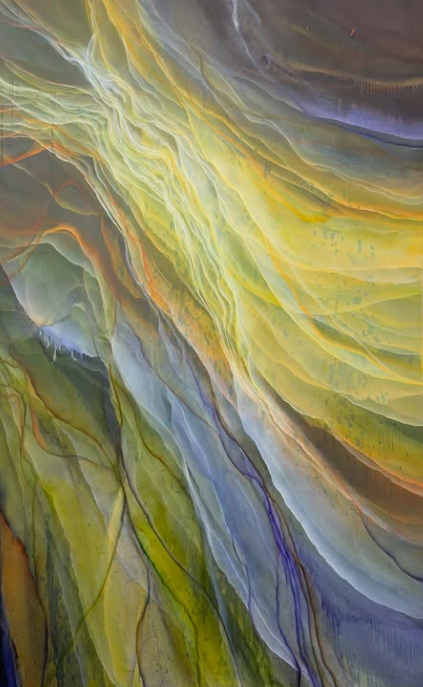
Through the repeated acts of applying, rubbing, and absorbing paint into the canvas, its thin layers build up like translucent yet solid geological strata, or take shape like curtains formed by multiple layers of soft fabric. Meanwhile, the processes of rubbing and polishing compress the surface into a smooth, flat plane.


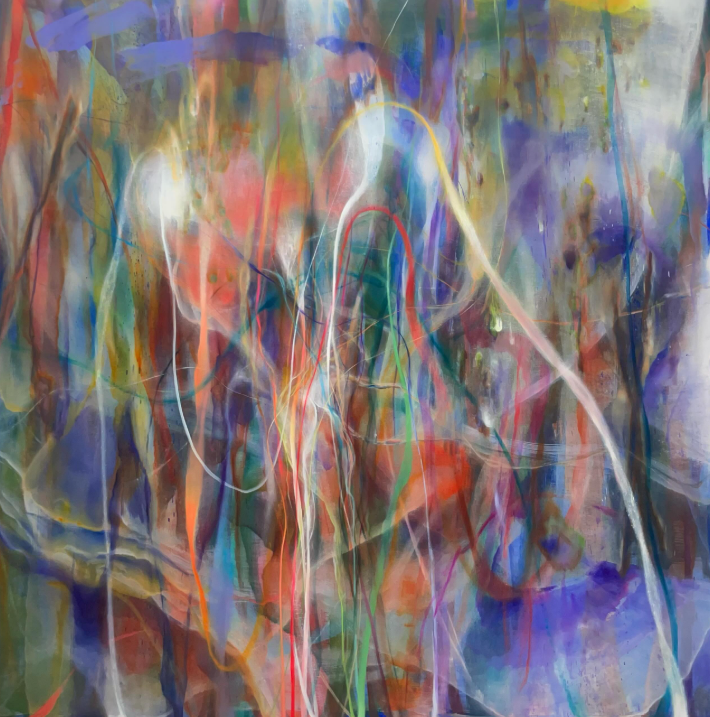
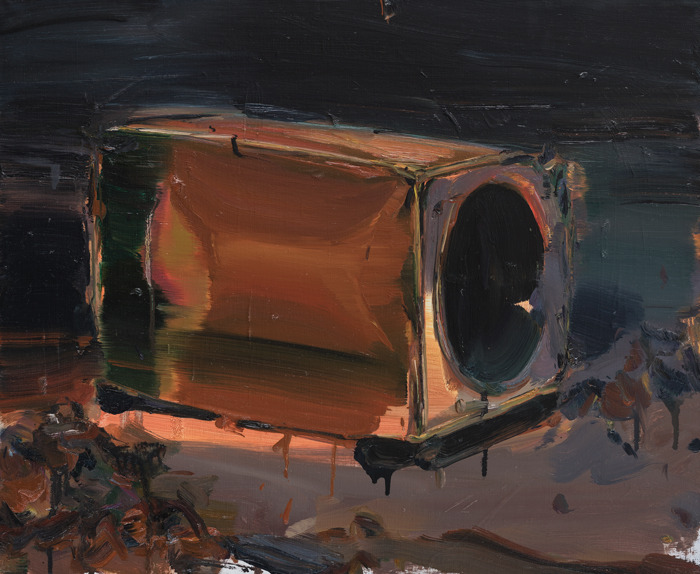
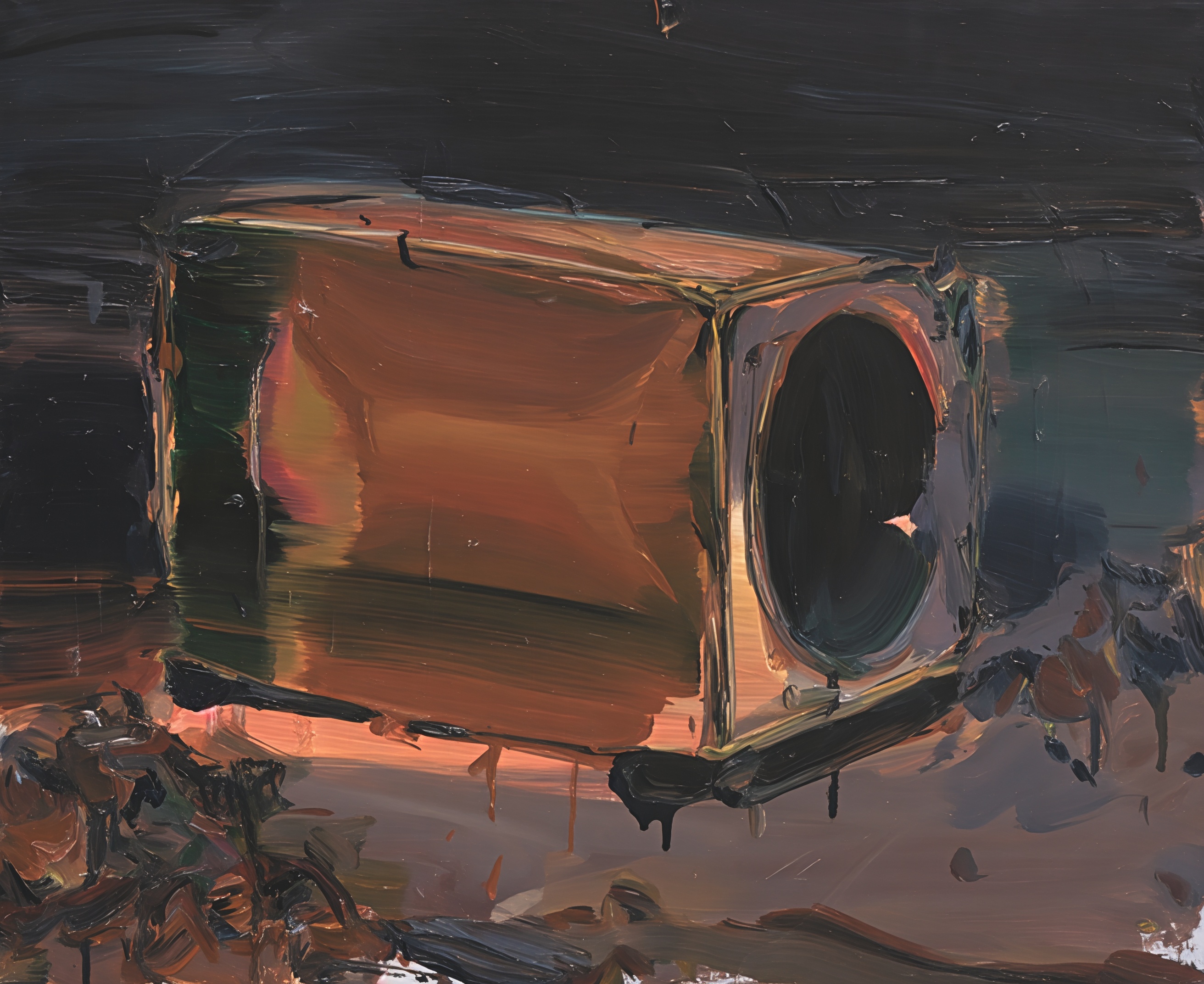
Choi Yoonhee, Last Night, 2018, Oil on canvas, 60.6 x 50 cm © Choi Yoonhee

This repetitive process originated in the artist’s attempt to translate into painting images temporarily imprinted on her body. In her early work, Choi explored ways of transferring sensory impressions onto the picture plane through the body, which she regarded as an opaque black box.
 
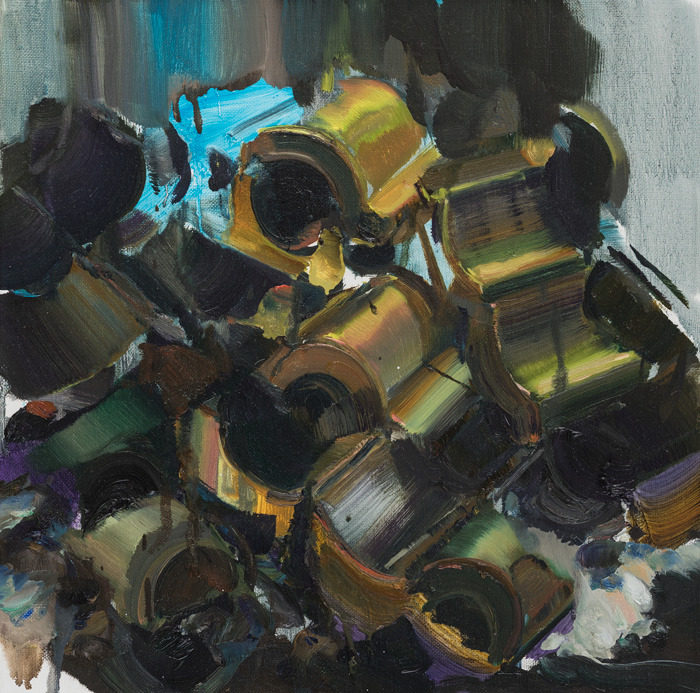
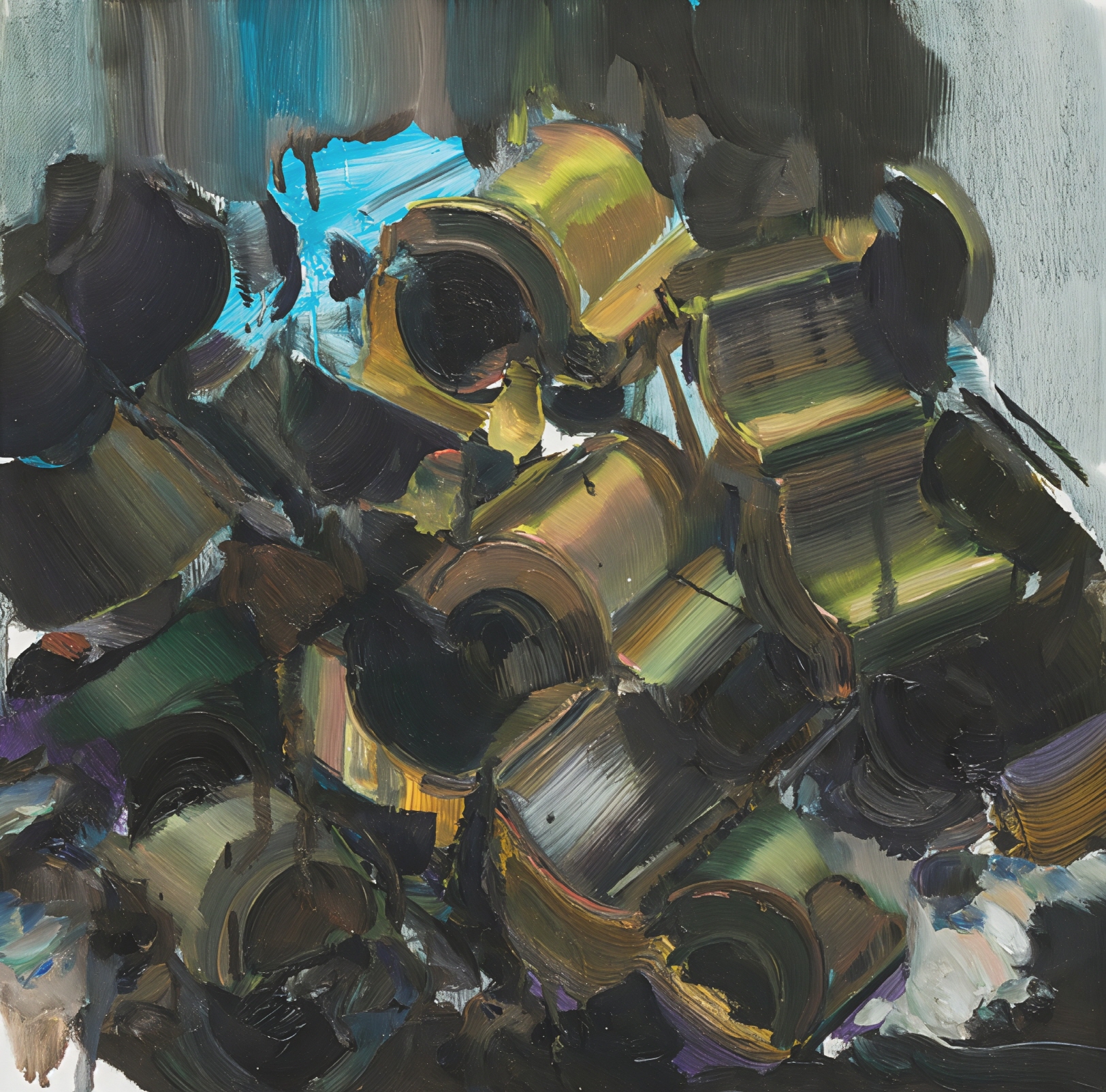
This approach is most directly evident in a series of small paintings made with light applications of oil paint on A4-sized paper boards. Beginning in 2012, Choi started capturing fleeting scenes that passed before her eyes and quickly rendering them within one to two hours, much like developing images taken with a film camera.


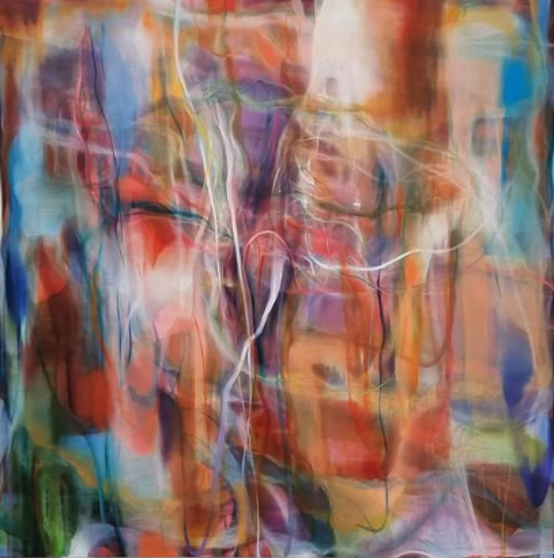
Choi Yoonhee, Edge, 2018, Oil on canvas, 45 x 45 cm © Choi Yoonhee

This process involved not only selecting and recording subjects from the artist’s field of vision that seemed worth depicting, but also experimenting with different ways of representing them. The titles of the works generally identified their subjects in concise terms, referring not only to the names of objects but also to particular moments, conditions, textures, and atmospheres.
 
Most of the subjects depicted are things commonly encountered along the street, such as road guardrails, sound barriers, traffic signs, roadside trees, utility poles, construction-site fences, railings, fences, rooftops, and retaining walls.
 
Rather than standing out as particularly striking objects, these everyday elements repeatedly enter one’s field of vision almost unnoticed. Choi captures the moments when they suddenly register in her mind with an unfamiliar impression, sometimes returning to the same subject and painting it repeatedly.
 
Through this practice, Choi explores the visual world surrounding her while also using painting as a means of examining and recalibrating herself—a process of preserving sensory impressions as fleeting memories and translating them into images.


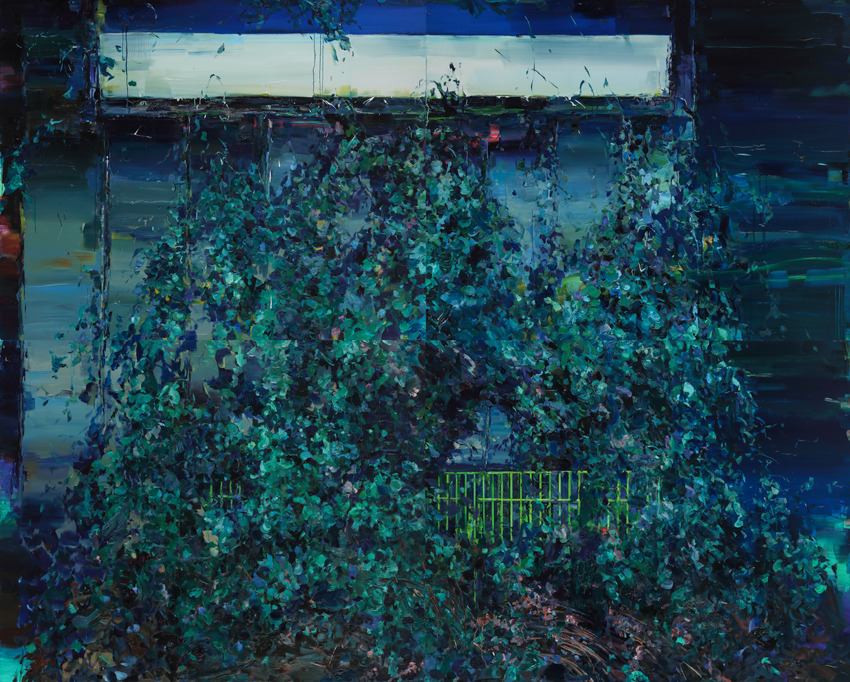
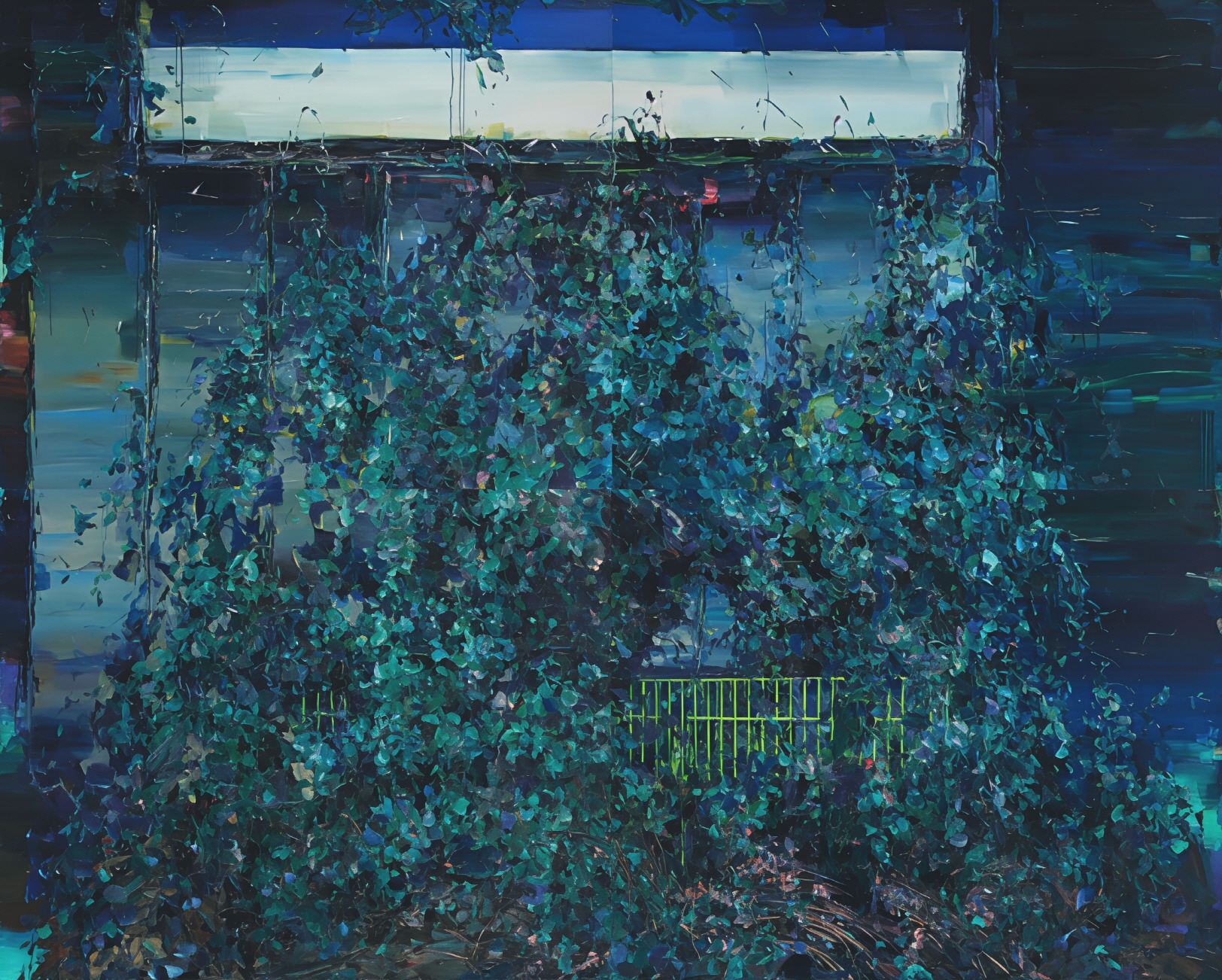
Choi Yoonhee, The Moments of Night, 2017, Oil on canvas, 260.6 x 324.4 cm © Choi Yoonhee

Meanwhile, Choi’s large-scale canvas paintings developed through the selection and reconfiguration of images and modes of expression first explored in her smaller works.
 
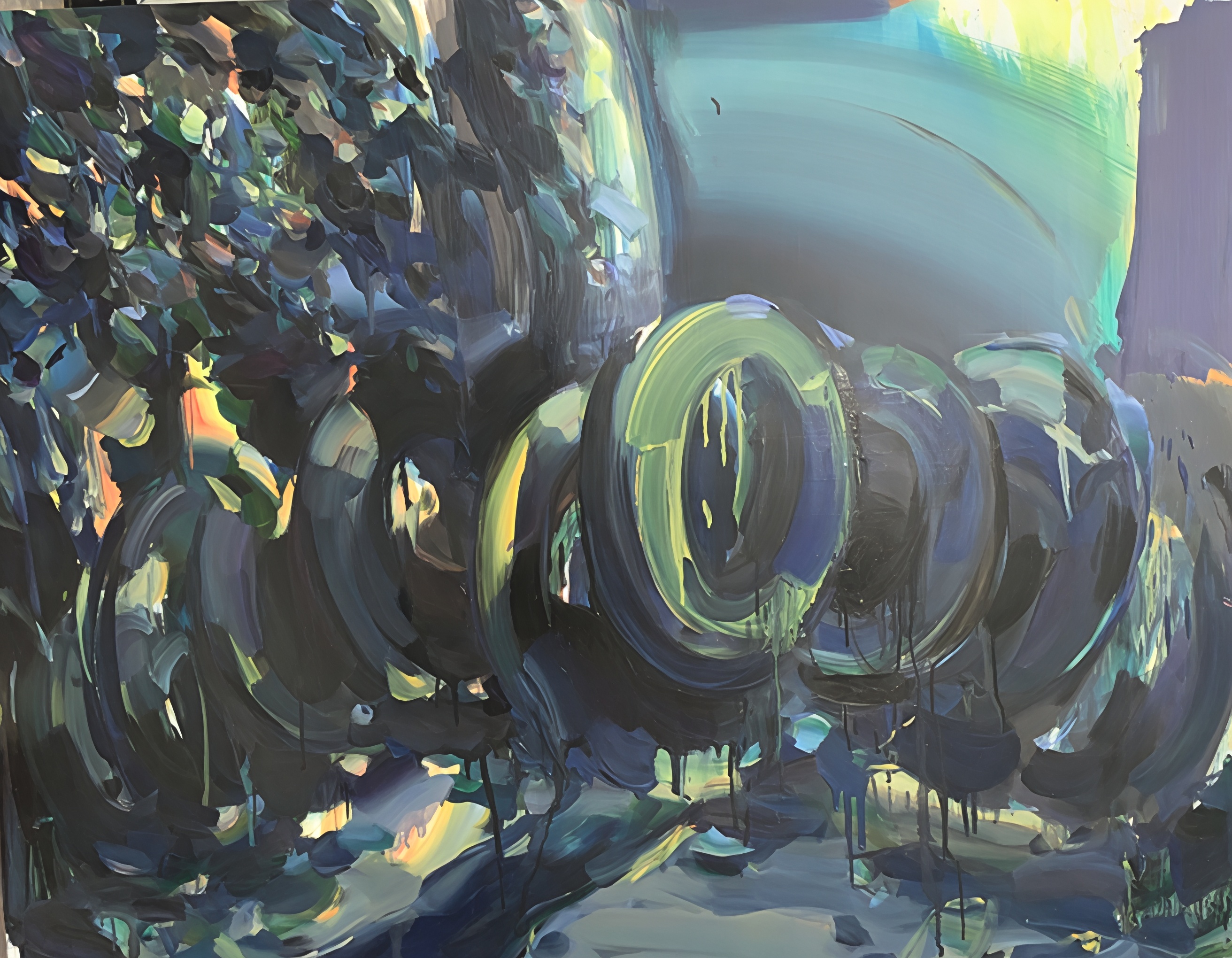
Often depicting landscapes shrouded in darkness or overgrown with dense vegetation, these paintings feature plants in striking forms. They stand upright like human figures, sway as if dancing, or move in torrents and surges, creating a range of dynamic movements.
 
The plants grow in urban and suburban environments that have been either cultivated or left untended according to human needs. They appear as living beings that adapt to their surroundings and gradually overtake the spaces around them.
 
Their slow movement as they occupy spaces abandoned by humans reshapes the viewer’s sense of time, while the paintings themselves sometimes resemble history paintings depicting a post-human world.


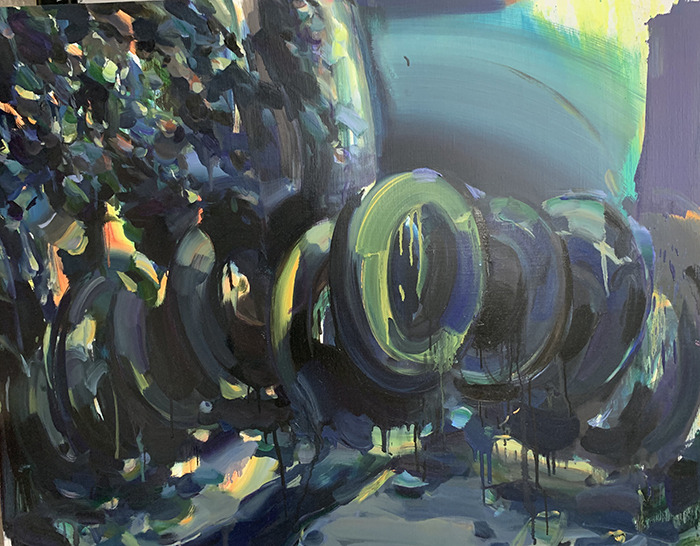
Choi Yoonhee, The Time of Waiting, 2018, Oil on canvas, 91 x 116.5 cm © Choi Yoonhee

From 2018 onward, however, Choi gradually began to pare back the depiction of plants in her paintings. In her solo exhibition 《Counting the Lights》 (2018), objects functioned less as subjects to be represented through their distinct forms or colors than as optical elements that reflect and refract light, interacting with the picture plane through the artist’s body.
 
The resulting images evoke sculptural rather than photographic spaces. Repeated, fragmented, and layered geometric forms move beyond abstract, static spaces that can be reduced to perspectival drawing. Instead, the picture plane expands into a phenomenological space shaped by the movement of light and dust as they surround the artist’s body.


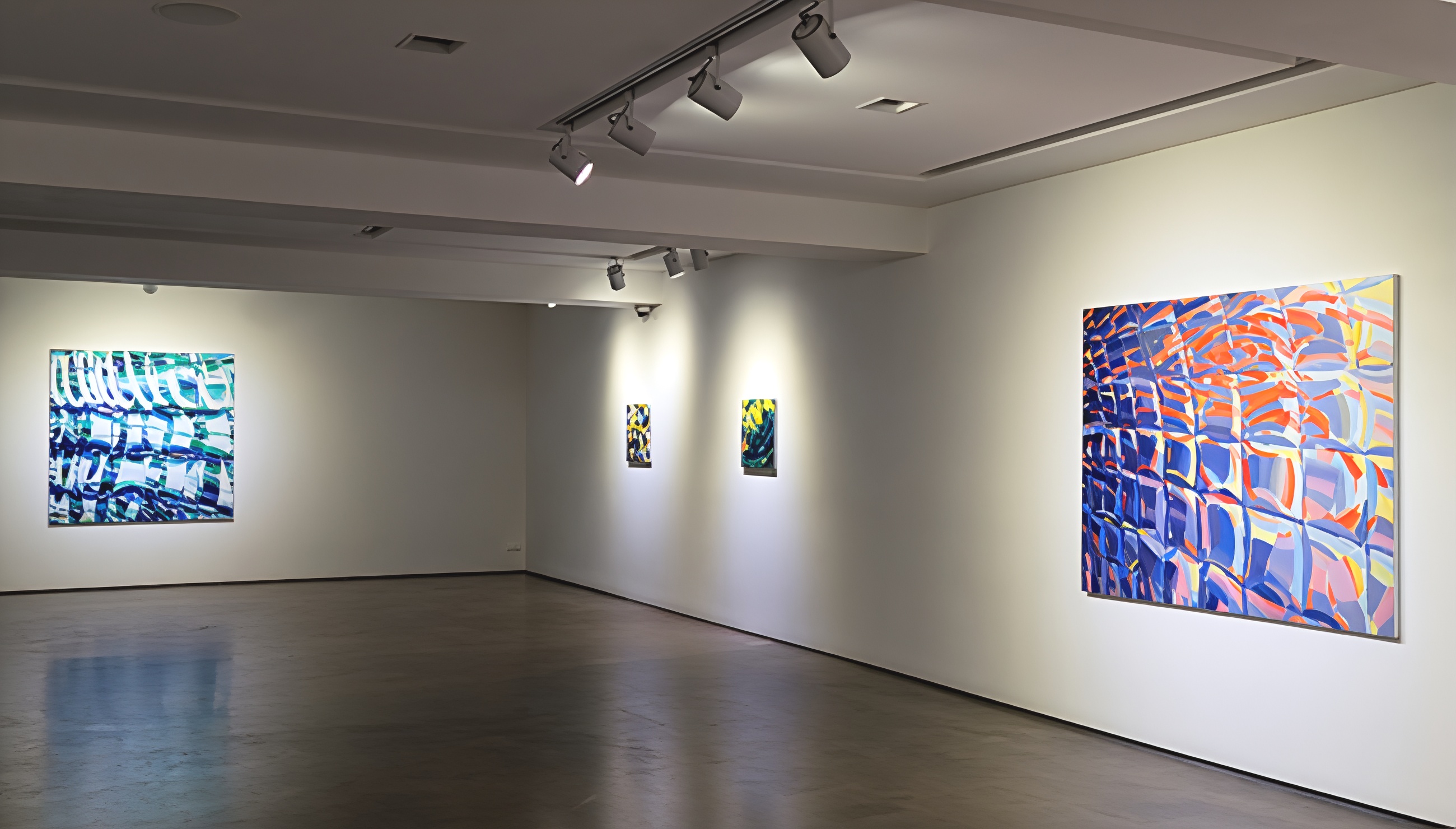
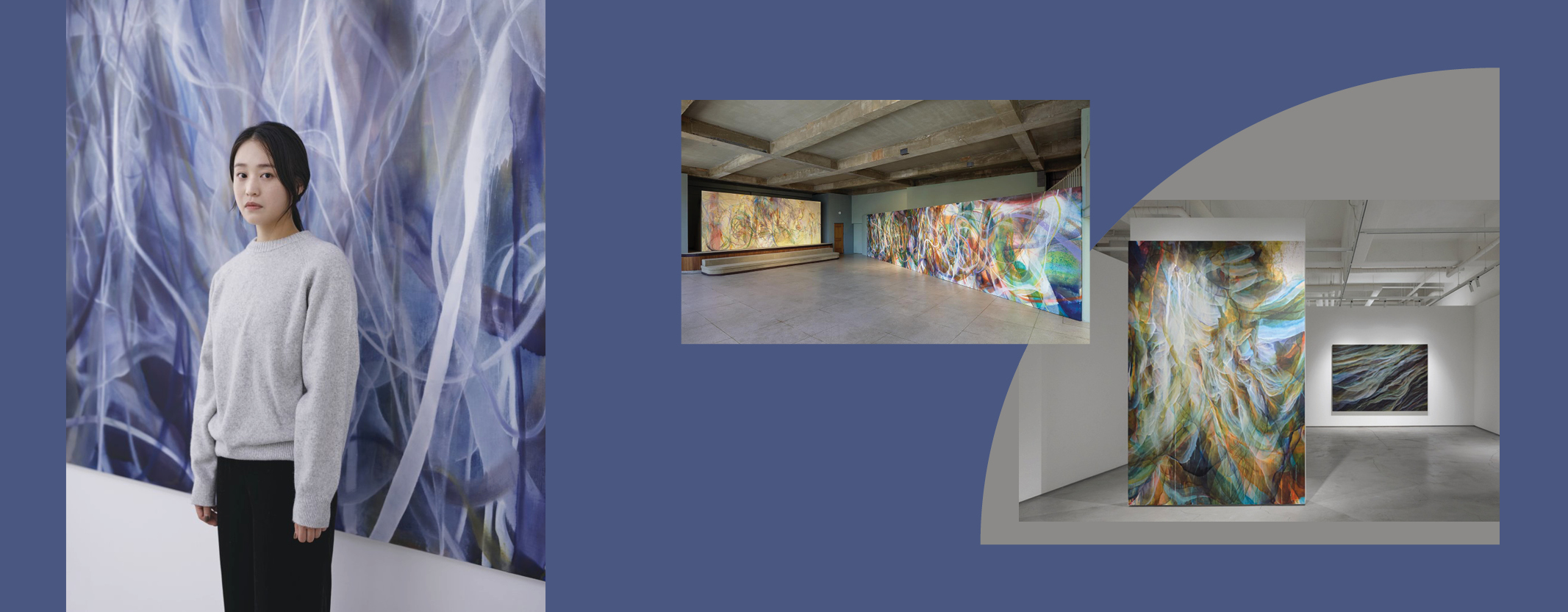
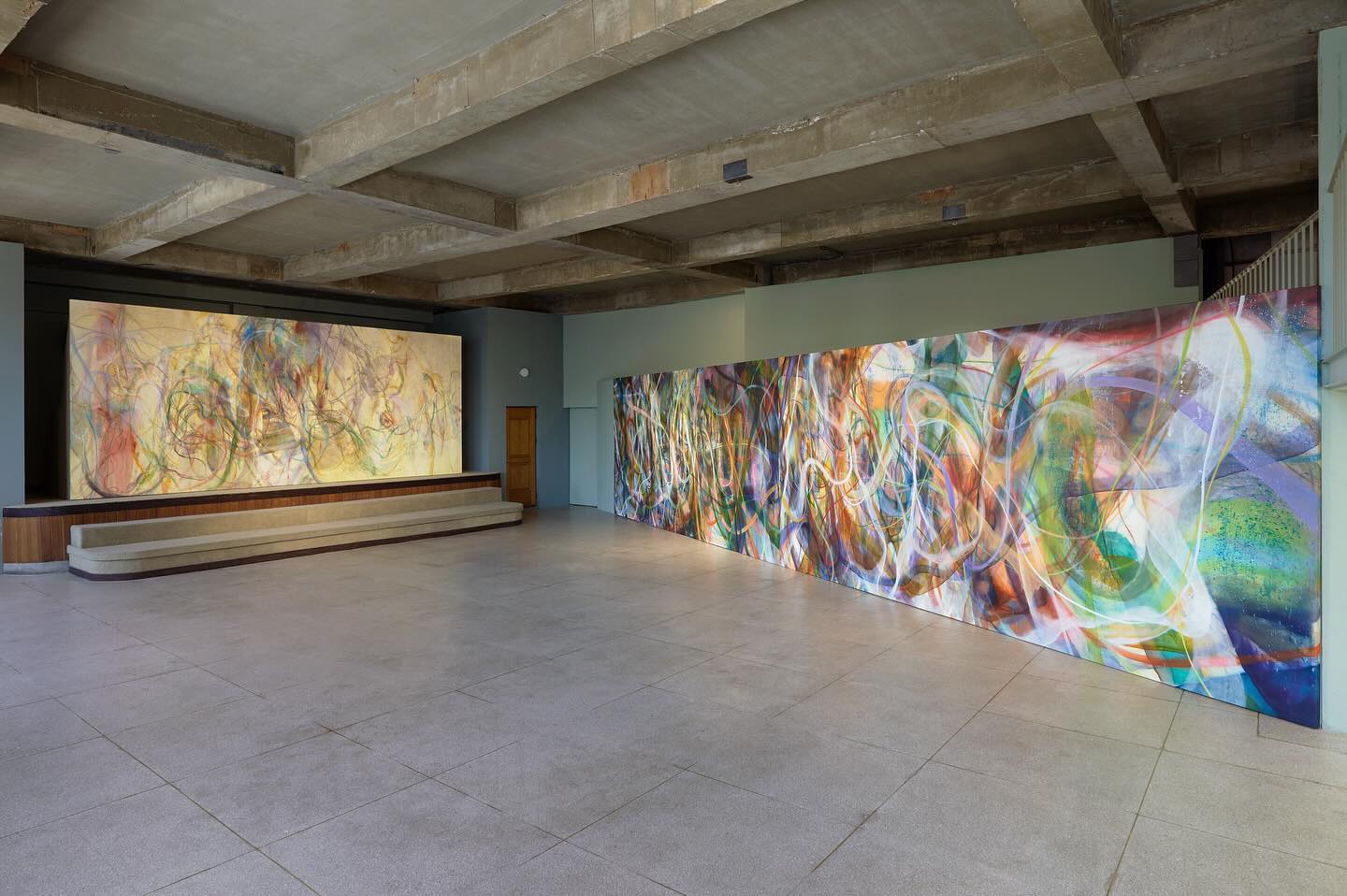
Installation view of 《Recording Pattern》 (OCI Museum of Art, 2019) © OCI Museum of Art

This approach reached its culmination in Choi’s 2019 solo exhibition 《Recording Pattern》. The seemingly abstract paintings in the exhibition originated from a grid-patterned fence she happened to see through the car window on her way home one day.
 
Almost invisible against the surrounding landscape in broad daylight, the fence transforms into a translucent veil of fragmented light entangled in the darkness of night. Light from passing cars, nearby buildings, and evenly spaced streetlamps passes through the fence, breaking apart and recombining in unpredictable ways.
 
Choi sought to capture in painting the movement and sensory qualities of light produced at these moments, when order and disorder intersect. To this end, she repeatedly recorded fleeting scenes that momentarily filled her field of vision, moving between small paper boards and large canvases, while using medium-sized canvases to analyze the recurring patterns within them.


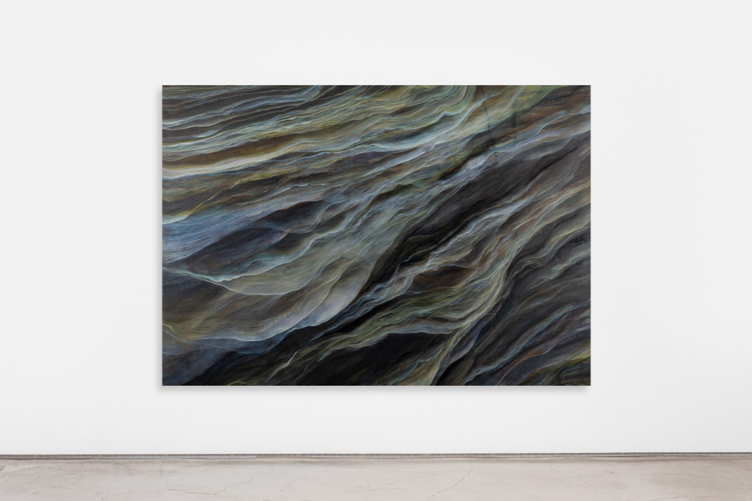
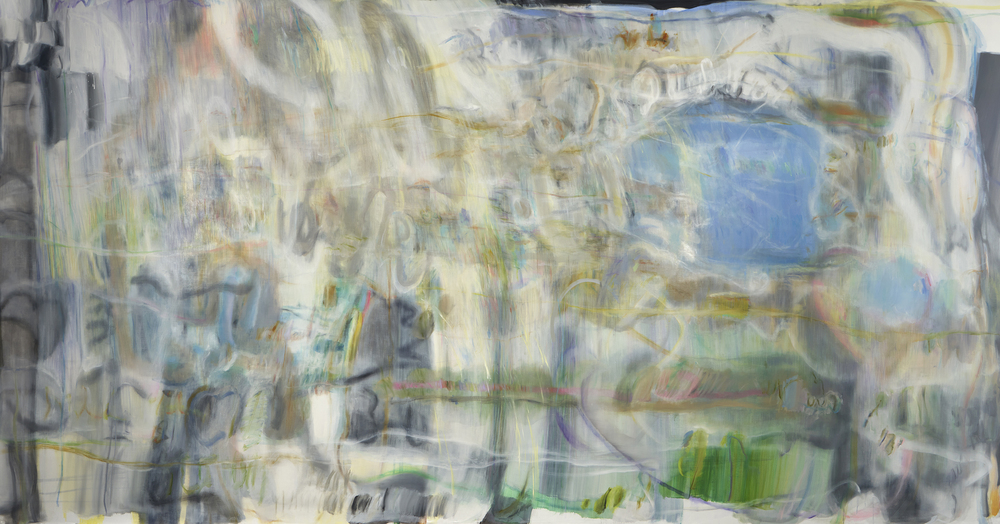
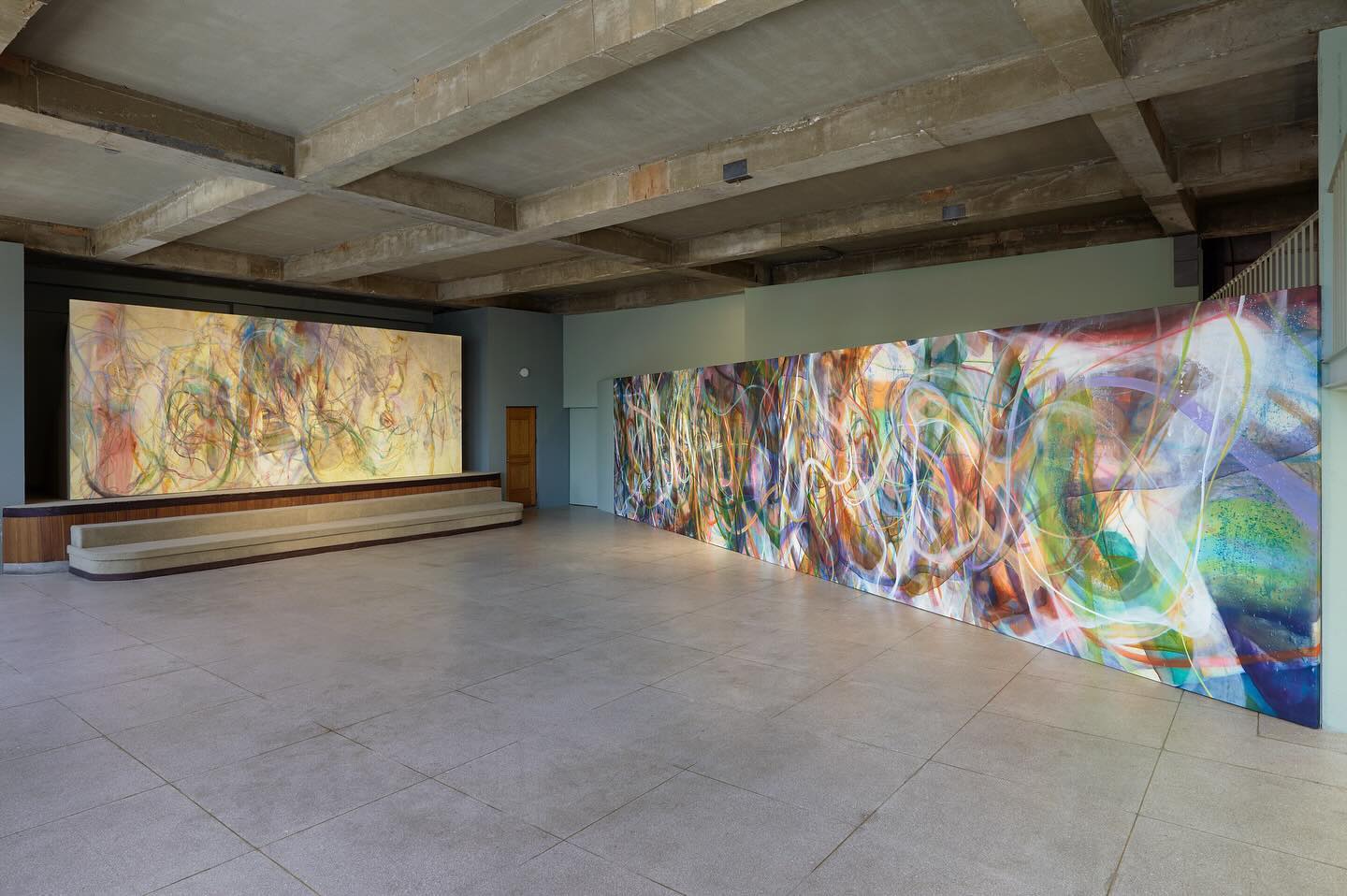
Choi Yoonhee, The Land of Before (course 2), 2021, Oil on canvas, 225 x 445 cm © Choi Yoonhee

While her earlier works sought to translate the “synesthetic afterimage” of a particular scene into painting, Choi’s 2021 solo exhibition 《Far from the Start》 turned toward the “place of time” embedded within herself.
 
Unlike her previous practice of rapidly transforming figurative images perceived through sight into abstract forms, the works in this exhibition reinterpreted landscapes through bodily sensations, reconstructing them as traces of time.
 
As Choi translated her perception of the world into painting, she sought to capture the temporal distance between memories of the past embodied in her body and the present moment of painting. In this way, she gradually accumulated and superimposed the trajectories of linear time upon the canvas surface.


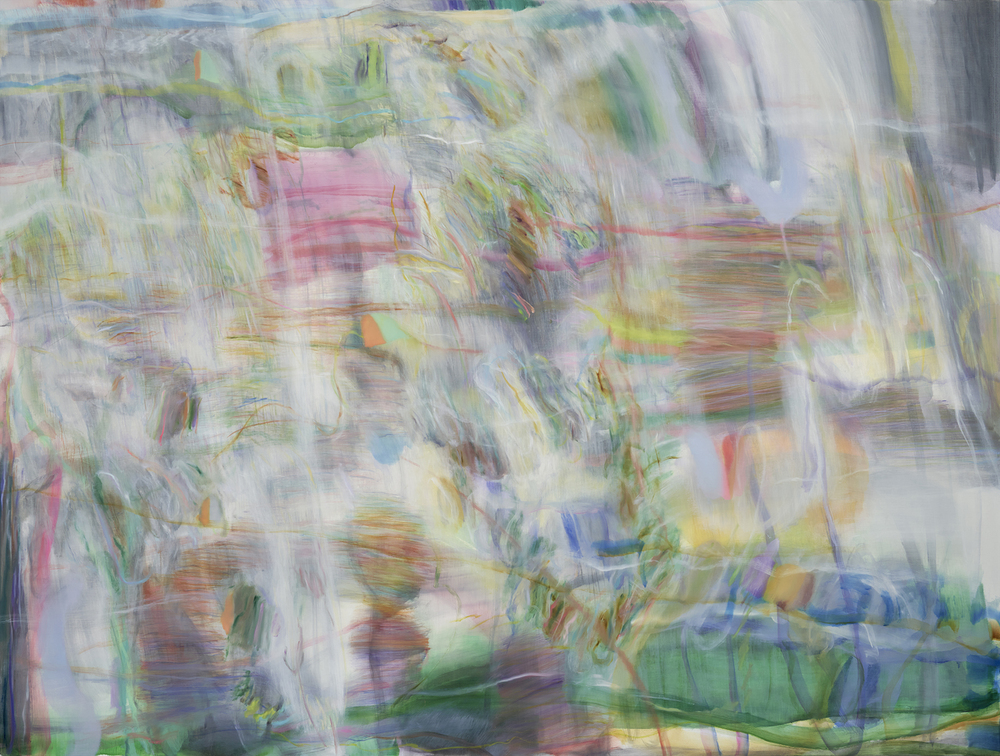
Choi Yoonhee, The Land of Before (course 2), 2021, Oil on canvas, 193.9  x 259.1 cm © Choi Yoonhee

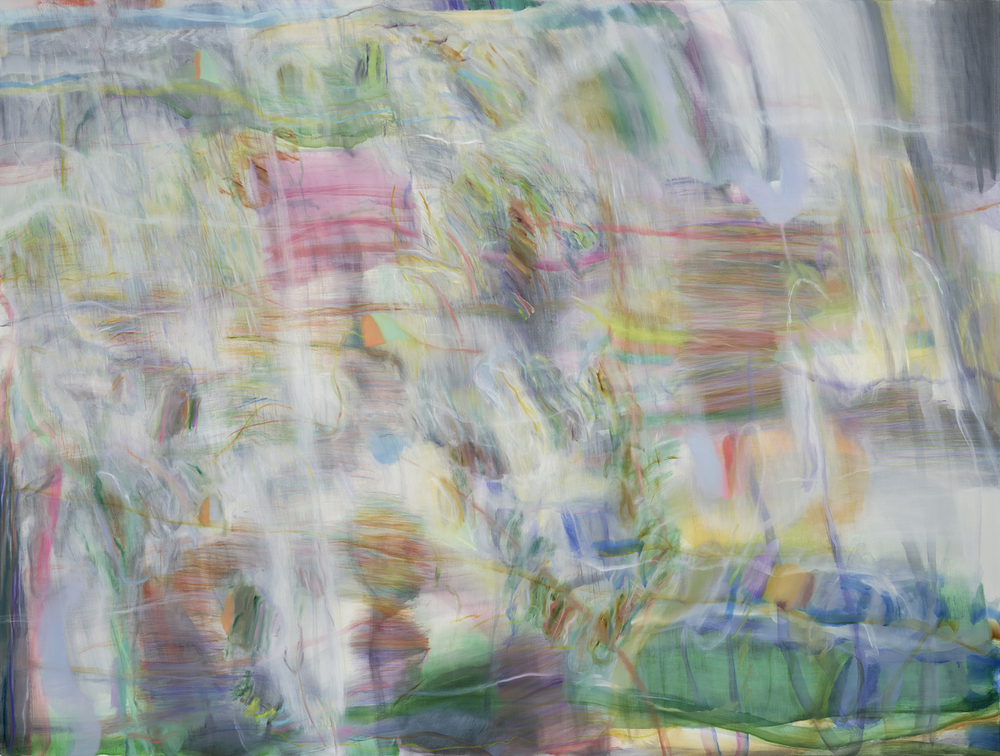
The paintings that emerged from this process are characterized by ambiguous forms built up through multiple layers of fine, translucent paint. The images appear veiled in a hazy mist on the verge of disappearing, inviting viewers to imagine the colors and forms concealed beneath the surface.
 
Choi created these effects by layering fine lines of color across the canvas, rubbing the surface by hand to leave blurred marks, and applying brushstrokes that suggest movement in various directions.
 
Wary of allowing the immediacy of her painting process to place too much emphasis on the material qualities of paint, she instead encouraged thin layers of oil paint to seep into the canvas fabric, gradually reducing the saturation of the colors.


Installation view of 《Far from the Start》 (Project Space Sarubia, 2021) © Choi Yoonhee

For example, The Land of Before (course 1) (2021) is a painting inspired by the artist’s imagination of an old wall, depicting the faint traces left by passing wind. Meanwhile, a mural painted directly on the exhibition space wall uses contrasts of black and white to convey the duality of light and darkness.
 
Similarly, Breath (1) (2021) and Breath (3) (2021), which depict the temperature difference between the air inside and outside an exhaled breath, create contrasting scenes that cannot merge with one another.


Installation view of 《Far from the Start》 (Project Space Sarubia, 2021) © Choi Yoonhee

Choi likens her paintings to “shadows without color or mass,” remarking that “if memories were to linger somewhere, they would leave behind a landscape like this.” To sense the traces and weight of time accumulated in her paintings, viewers must spend time quietly observing the various elements that inhabit each work.
 
Yet no definite form emerges from beyond the mist that veils the painted surface. Instead, viewing her work becomes an act of sensing the faint traces she has left behind and following them back toward their earliest impressions.


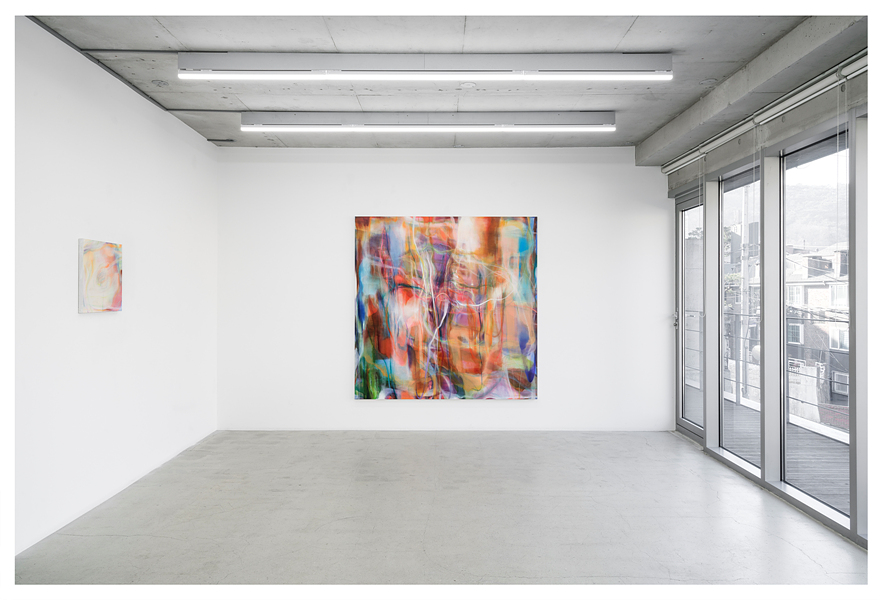
Installation view of 《Mute》 (A-Lounge Contemporary, 2023) © A-Lounge Contemporary

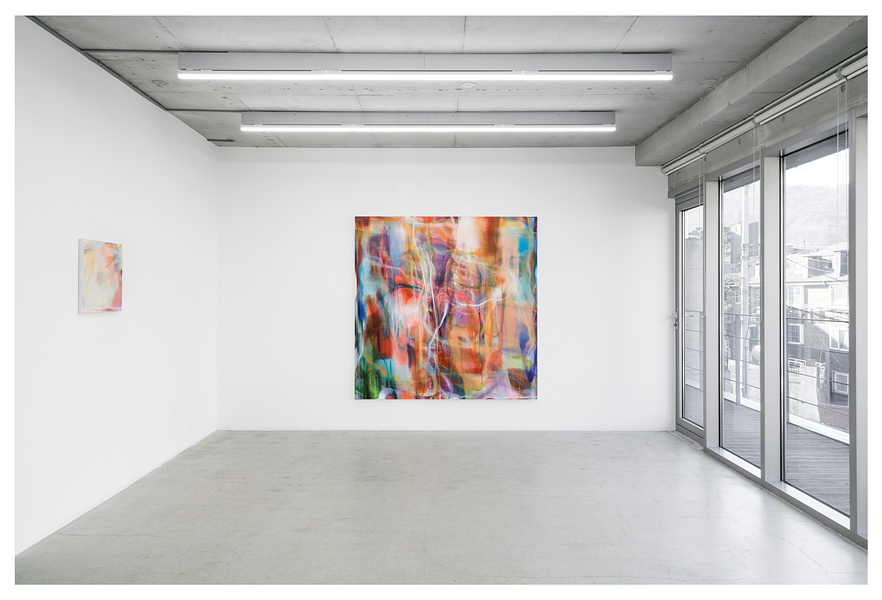
Choi’s practice of translating inner impressions into painting took a further step forward in her 2023 solo exhibition 《Mute》. As her focus shifted from the external world to her inner self, the forceful brushstrokes seen in her earlier works evolved into softer yet dynamic combinations of colors, lines, and planes.
 
At the heart of this new approach is the act of rubbing paint on the canvas by hand, through which Choi seeks to process and heal emotional wounds associated with the past. The paintings presented in the exhibition feature a range of colors, including red and blue, that are soft yet striking in their presence. Through this physical process, these colors acquire a greater sense of depth and weight.
 
In addition to rubbing the surface by hand, Choi uses white veils to represent lines resembling the nerves inside the body or threads of emotion, along with layers of feeling. Words arranged discreetly along the sides of the paintings also offer clues to the artist’s emotional landscape.


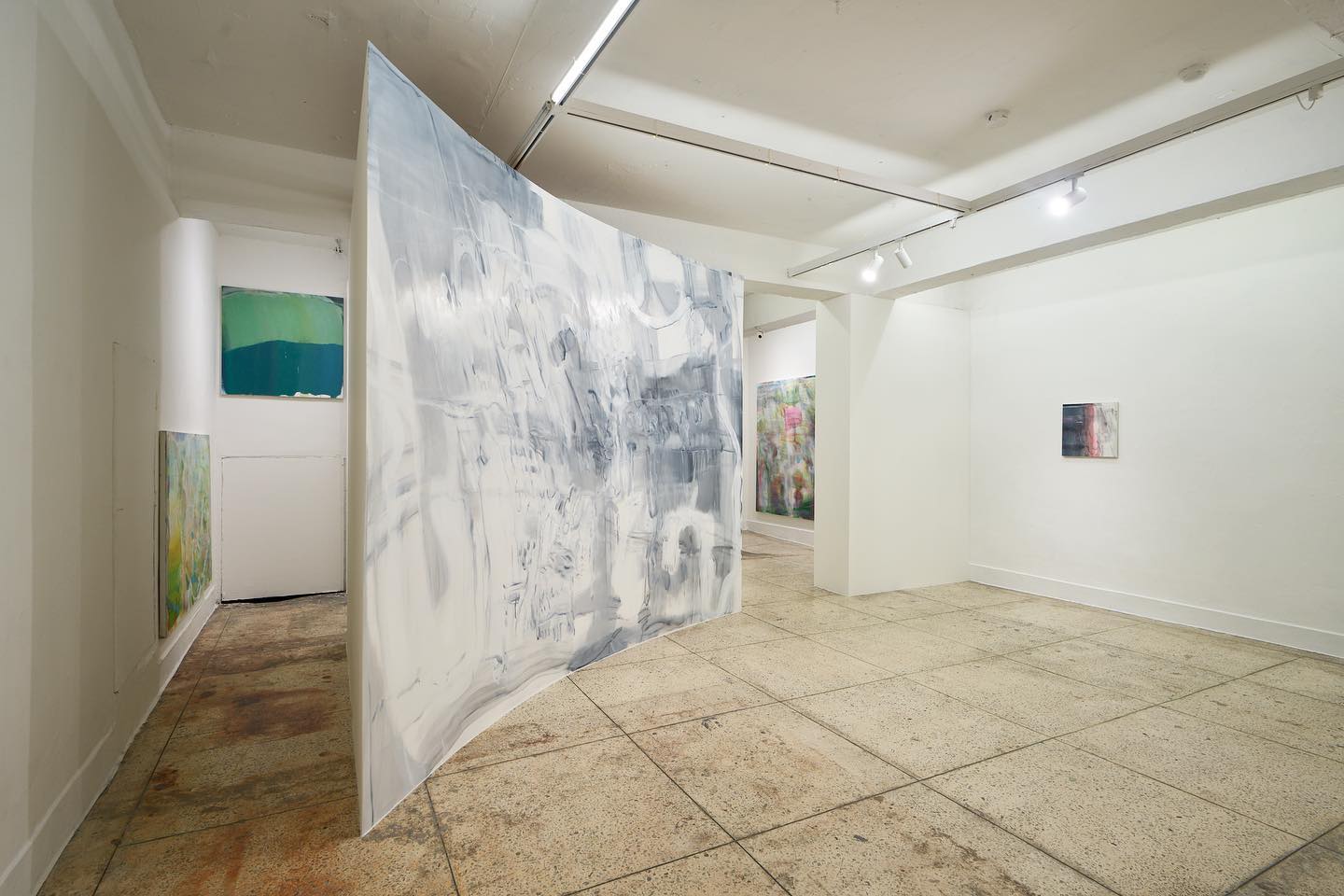
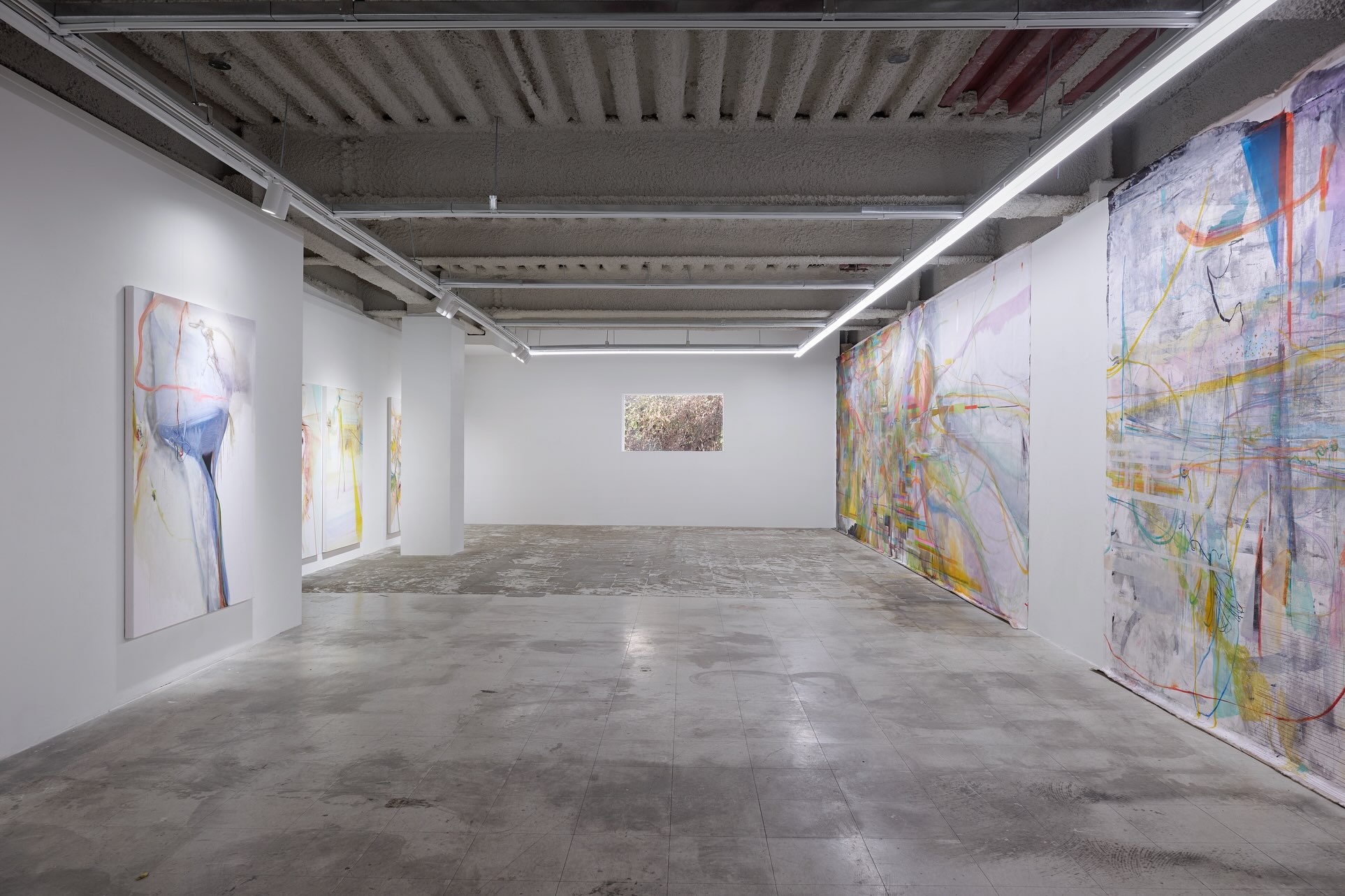
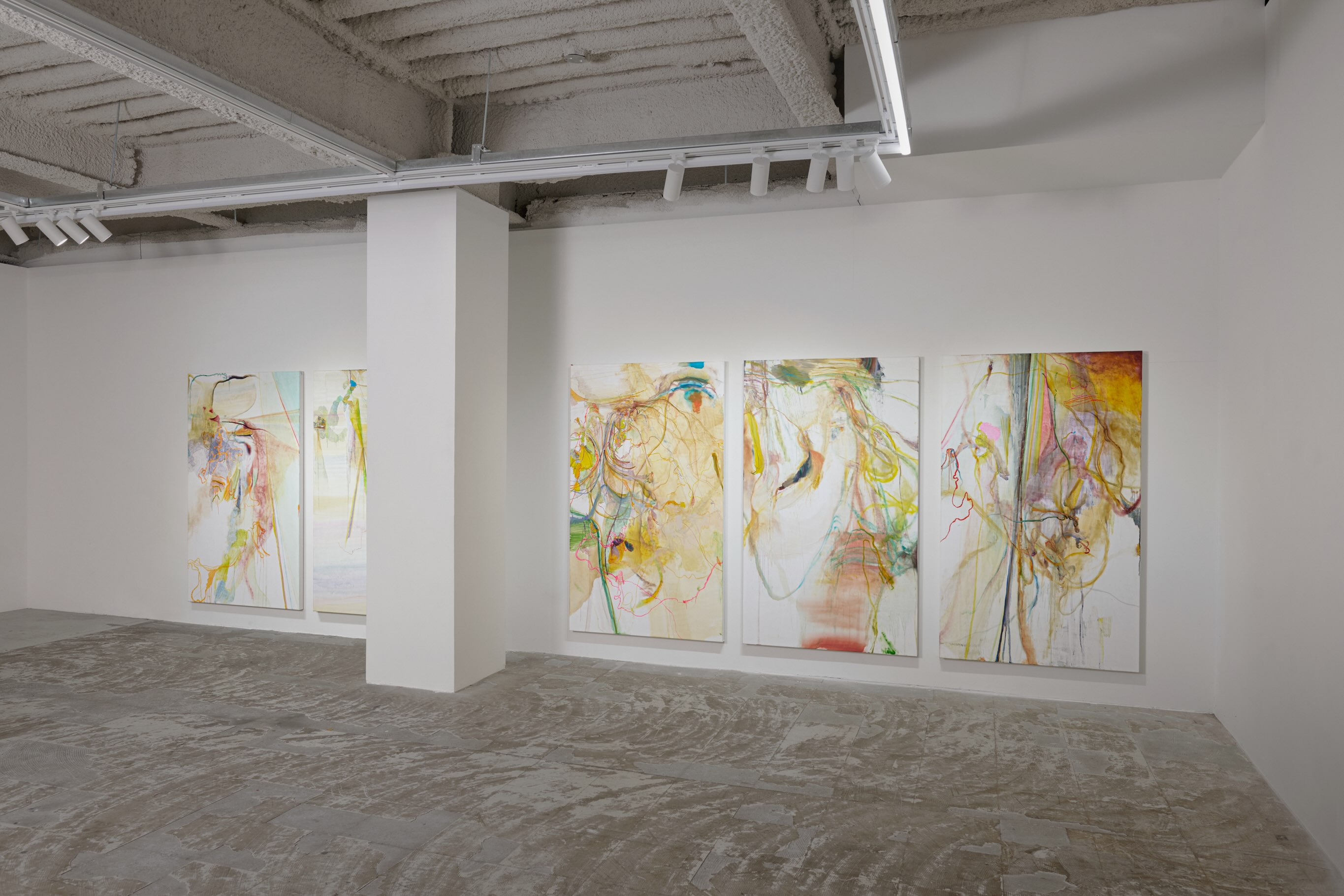
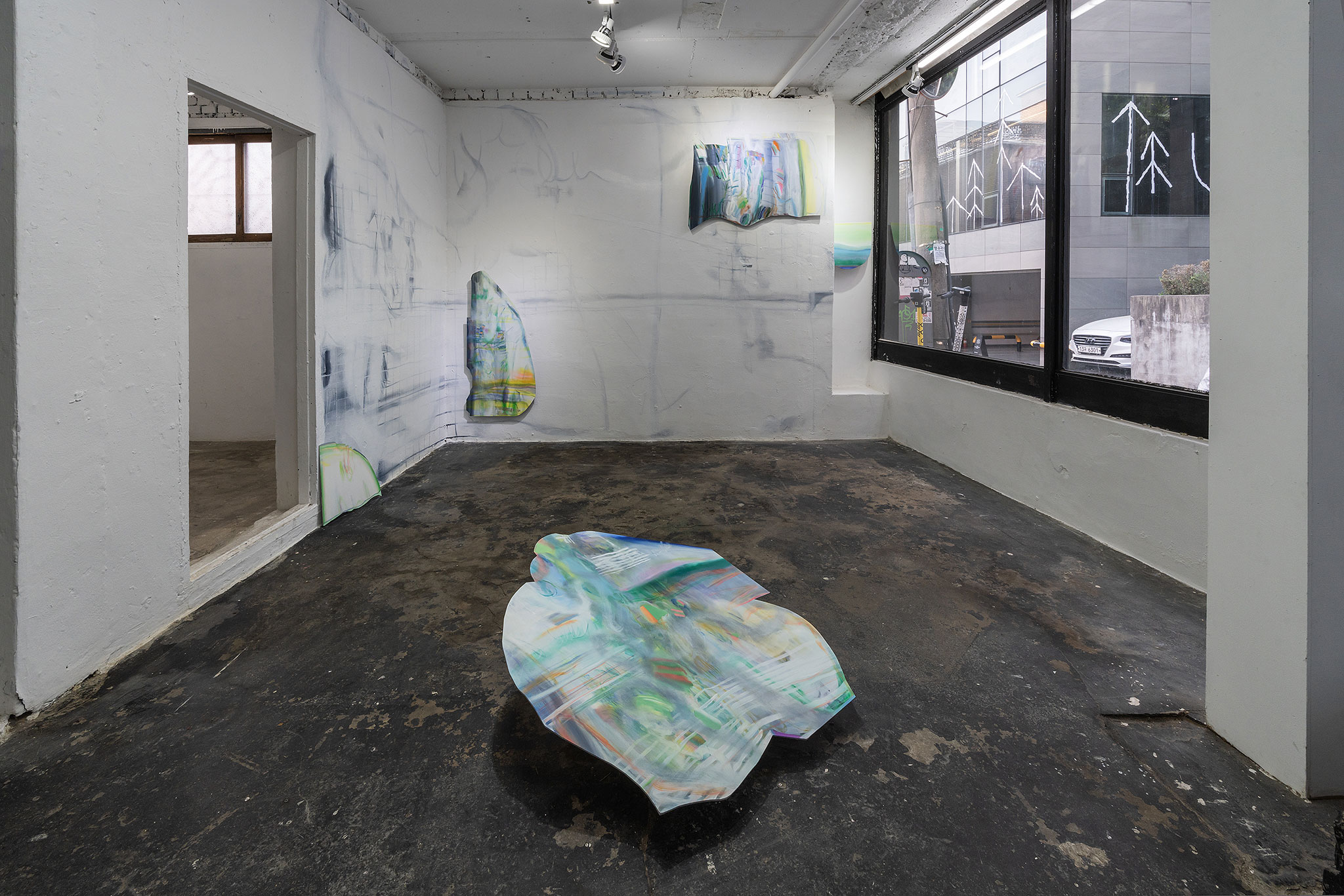
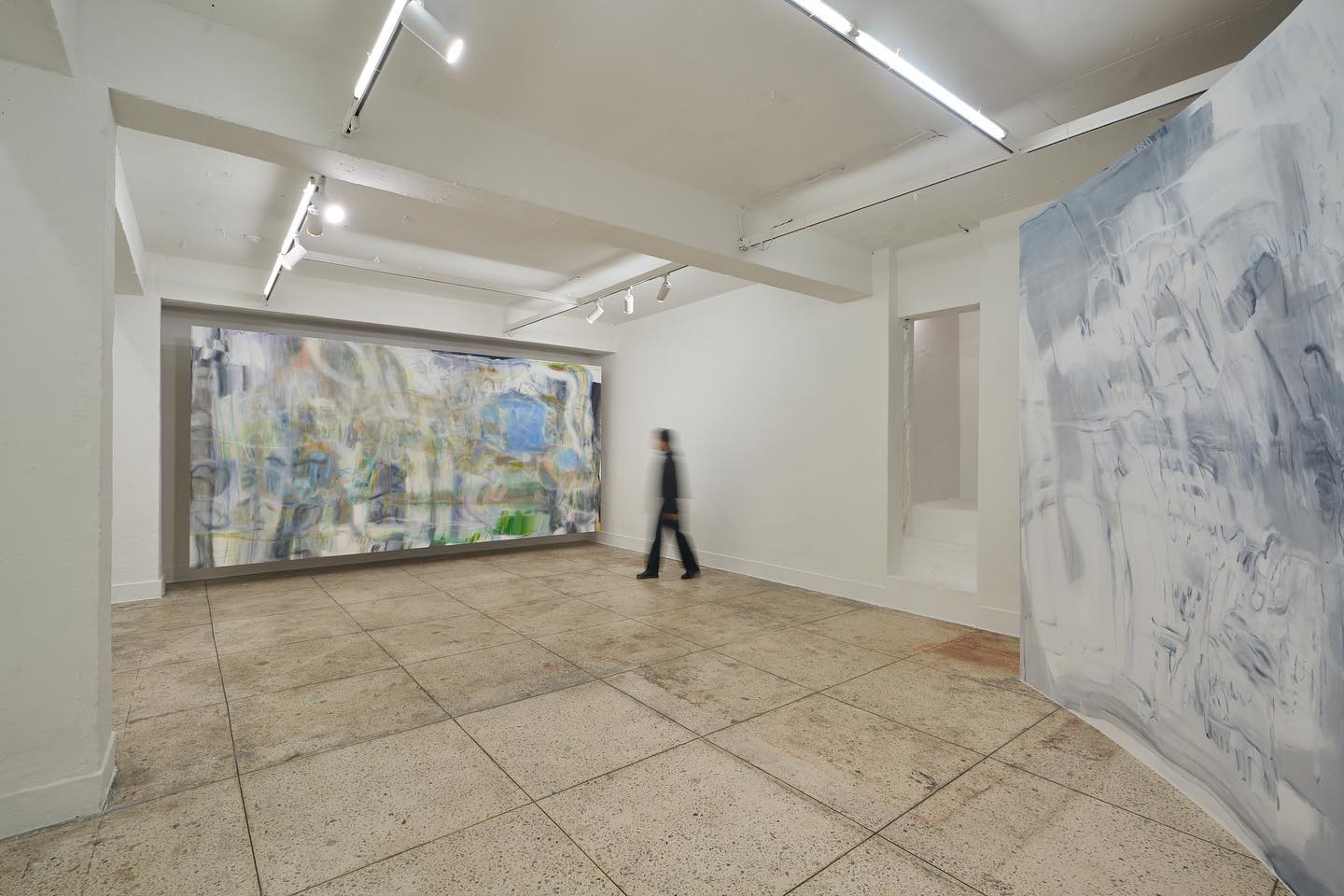
Installation view of 《Presences Adrift》 (G Gallery, 2026) © G Gallery

Images that evoke the interior of the body, resembling blood vessels, gradually expand into multiple layers of planes, blurring the boundary between the body’s interior and exterior. They extend deeper into the picture plane, creating spaces in which the inside and outside become interconnected.
 
Whereas her earlier works traced her sensory experiences and their lingering impressions, seeking to capture their overall contours, her 2026 solo exhibition 《Presences Adrift》 presents the boundary between interior and exterior in a more tangible way.
 
While her previous paintings sought to convey an overall sense of spaces whose scale remained indeterminate, the works in this exhibition focus on specific parts of those spaces, bringing them into close view or drawing the viewer’s attention to a particular point.


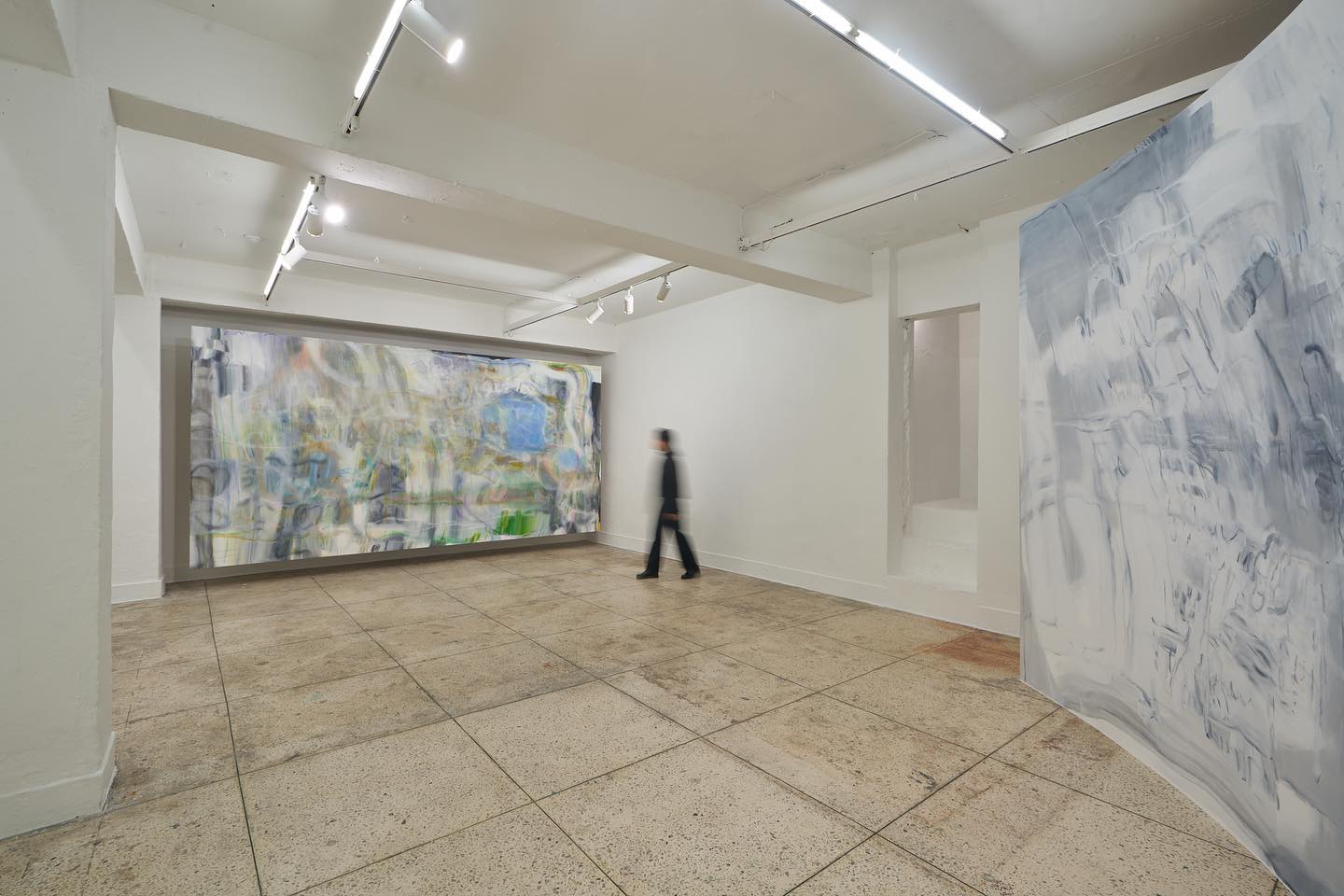
Installation view of 《Presences Adrift》 (PCO, 2026) © Choi Yoonhee

The works in the exhibition unfold from watercolor drawings on paper, following a progression in which the processes of formation and dissolution become increasingly clear and pronounced.
 
The holes and fine lines formed as watercolor pigment disperses and gathers in water, along with the faint, membrane-like planes created by its spreading, become fundamental elements of Choi Yoonhee’s paintings. Like elemental particles, they serve as portals through which the paintings extend into other spaces.
 
The holes and traces of pigment found in the watercolors are carried over onto canvas, where they spread into thin lines made with oil paint diluted with medium, and into planes formed through repeated acts of rubbing and allowing the paint to seep into the canvas.


Installation view of 《Presences Adrift》 (PCO, 2026) © Choi Yoonhee

In this way, the painting becomes both a surface through which viewers encounter the artist’s world and a passageway into it. The small black holes that appear in Choi’s watercolor drawings sometimes expand across the entire canvas, transforming the picture plane itself into a single hole. It is at once a passage through which one can enter and a dead-end space whose limits remain unknown.
 
The works unfold without being bound by gravity or a fixed sense of direction, leaving open the possibility for viewers to enter the image from any side. The landscapes surrounding these holes thus emerge as spaces open in all directions, where emptiness and fullness coexist and no single form is fixed.


Installation view of 《Tuning In》 (TINC, 2024) © Choi Yoonhee

Choi Yoonhee’s painting has thus evolved from capturing sensory impressions of the external world into a practice of tracing the contours of her own inner world. The artist continually follows the subjective and indistinct terrain of her inner self, embodying through her body the traces of memories and sensations that emerge, transform, and fade in the process, and reconstructing them on the canvas as a new world.
 
The picture plane, shaped through the artist’s inner world and body, becomes another passageway through which viewers can look inward. Rather than seeking to understand their inner selves objectively through the works, viewers immerse themselves in landscapes of softly unfolding lines and colors, experiencing an inward passage of time akin to meditation.

“My recent works turn toward the depths of my emotions. They emerge from a period of focusing on the long-buried feelings that have shaped me. Fragments of emotions forgotten over time suddenly resurface one day.
 
Feelings that were once heavy, sad, or painful may seem to have left no trace of their wounds, yet they have continued to exist somewhere in my body. Through the process of painting, I tentatively search for and trace those places.” (Choi Yoonhee, Artist’s Note)


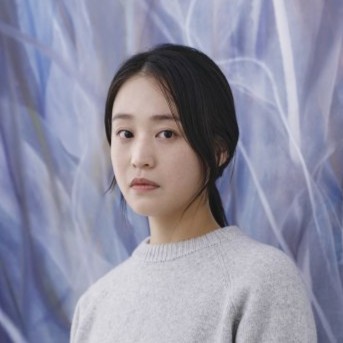
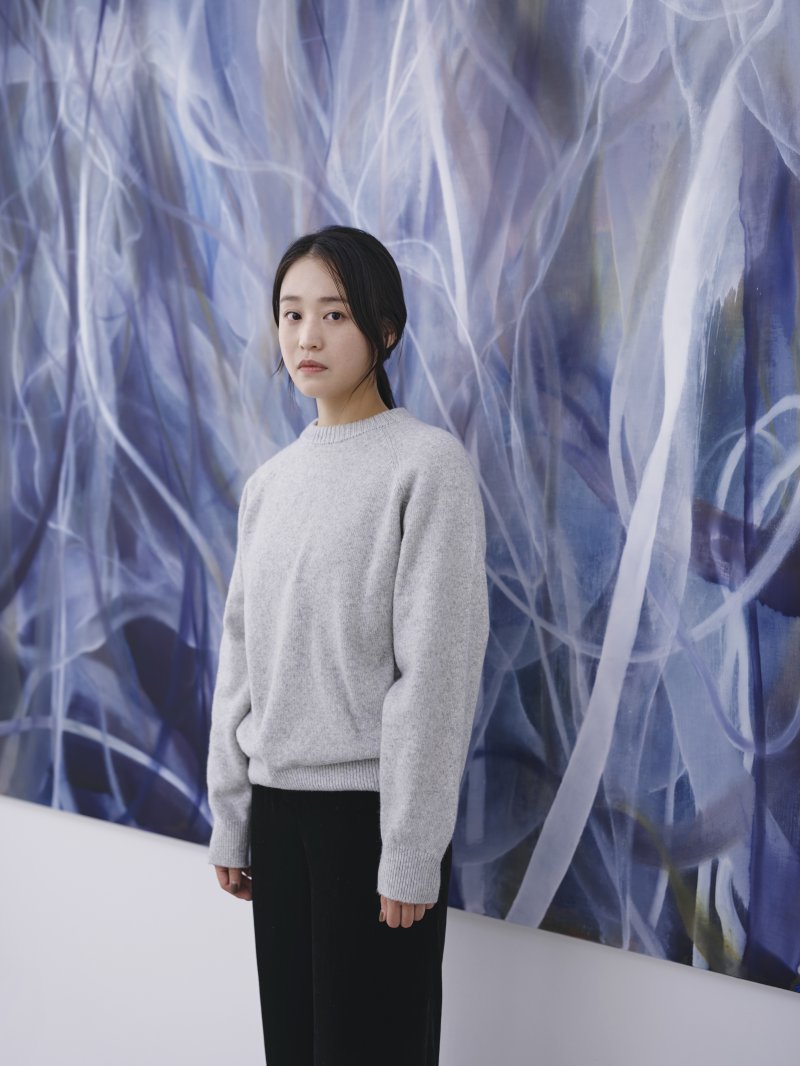
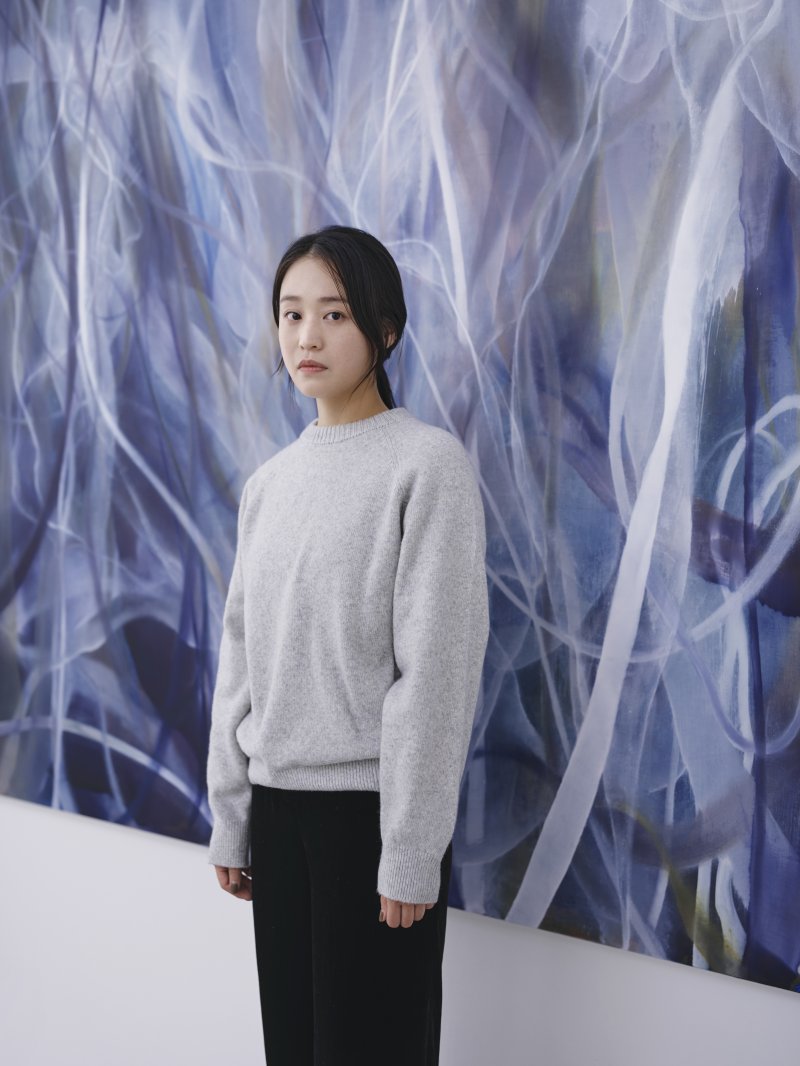
Artist Choi Yoonhee © G Gallery

Choi Yoonhee graduated from Gachon University with a degree in Painting and obtained a Master's in Visual Art from the Korea National University of Arts. Her major solo exhibitions include 《Presences Adrift》 (G Gallery; PCO, Seoul, 2026), 《Tuning In》 (TINC, Seoul, 2024), 《Mute》 (A-Lounge Contemporary, Seoul, 2023), and 《Far from the Start》 (Project Space Sarubia, Seoul, 2021).
 
She has also participated in numerous group exhibitions, including 《Dialogue: Unread》 (Hwigyumjae, Seoul, 2025), 《UNBOXING PROJECT: Message》 (König Telegraphenamt, Berlin, 2025), 《Artificial Tears》 (Museumhead, Seoul, 2024), 《Stand Alone》 (Gallery SP, Seoul, 2024), 《Acquainted with the Night》 (Frieze No.9 Cork Street, London, 2023), 《Unseen》 (Daejeon Museum of Art, Daejeon, 2023), and 《The 9th Amado Annualnale》 (Amado Art Space, Seoul, 2022).
 
In 2026, Choi received the 2nd Keimyung University Geukjae Painting Award. Her works are held in the collections of DOOSAN Art Center, Gyeonggi Museum of Modern Art, and OCI Museum of Art, among others.

References