Shinseungback Kimyonghun employs a wide range of media, including photography, video, installation, interactive objects, and performance, with computer vision and artificial intelligence algorithms at the core of their practice. The duo selects widely available technologies, modifies them, or combines them with custom software to transform phenomena arising from technological processes into artistic expressions.
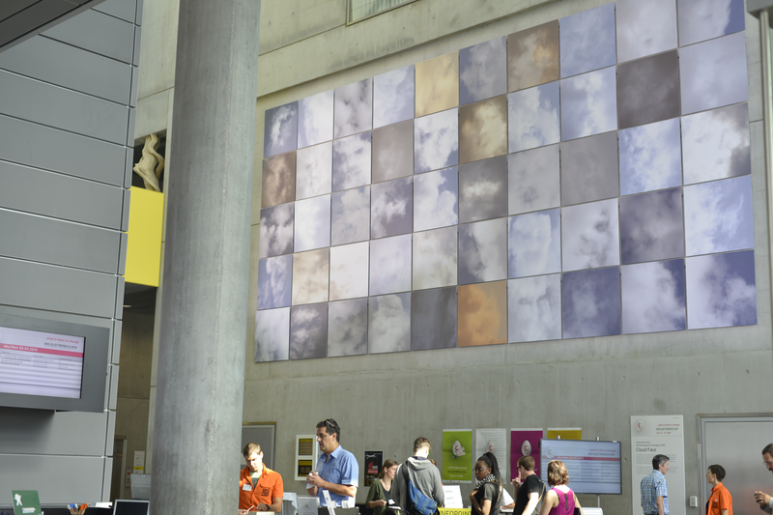
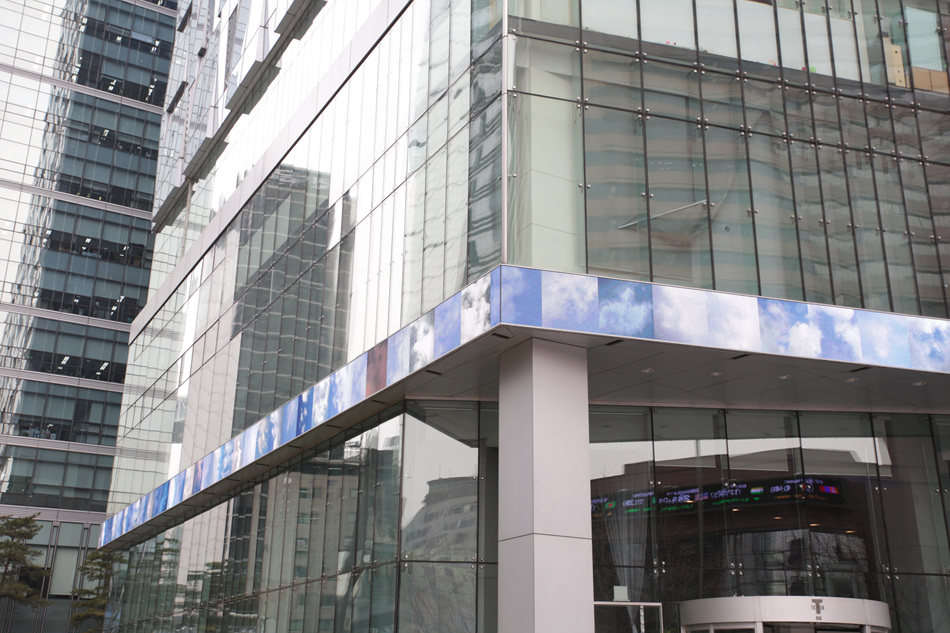
Their early work Cloud Face (2012) presents photographs of face-like forms identified in clouds by a face detection algorithm, while Cat or Human (2013) juxtaposes the results of algorithms that confuse human and feline faces. In these works, the selection and arrangement of images serve as essential compositional elements that reveal the processes underlying artificial intelligence's judgments.
The collection, classification, and transformation of data also constitute key methods in their artistic practice. A Million Seasons (2013) transforms one million photographs collected for each season into individual pixels representing their average colors, creating images of the four seasons composed of vast quantities of visual data. The 'Portrait' series (2013) generates distinctive portraits of films by averaging faces detected throughout their individual frames.
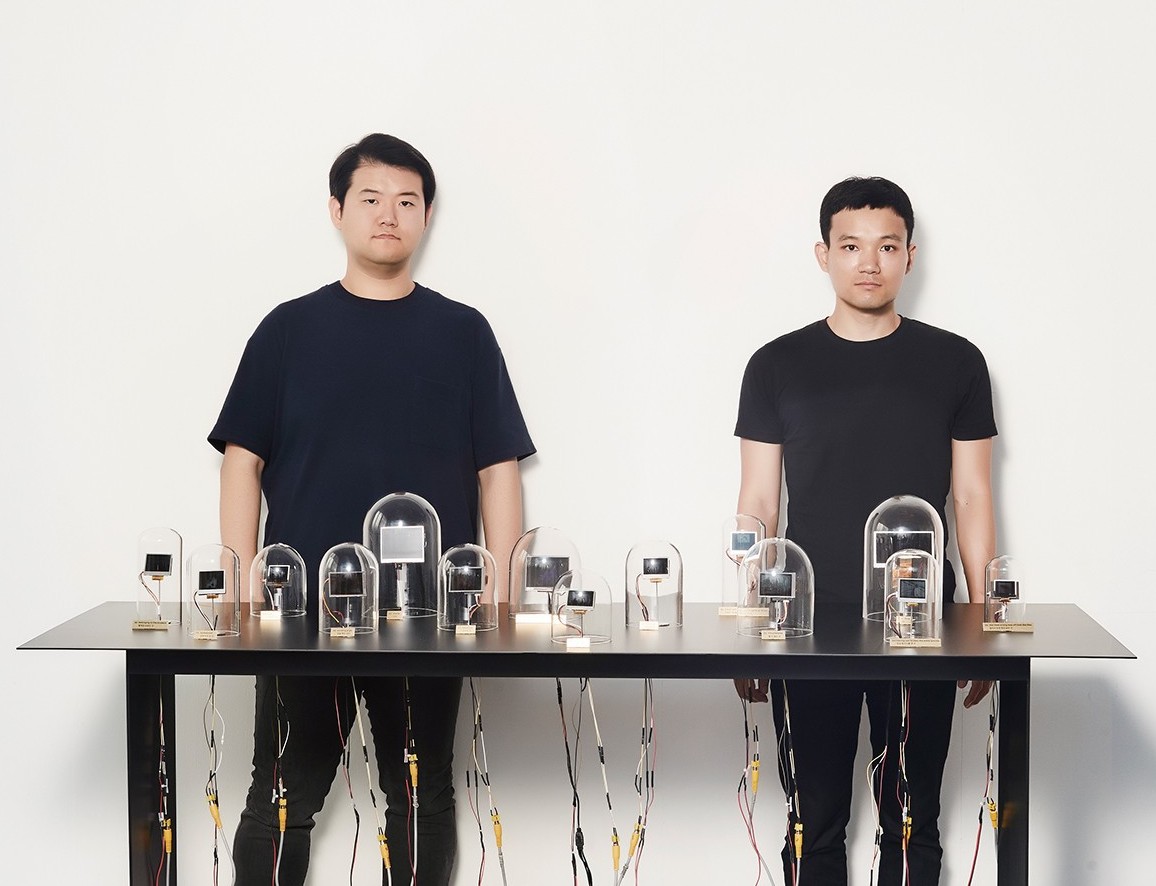
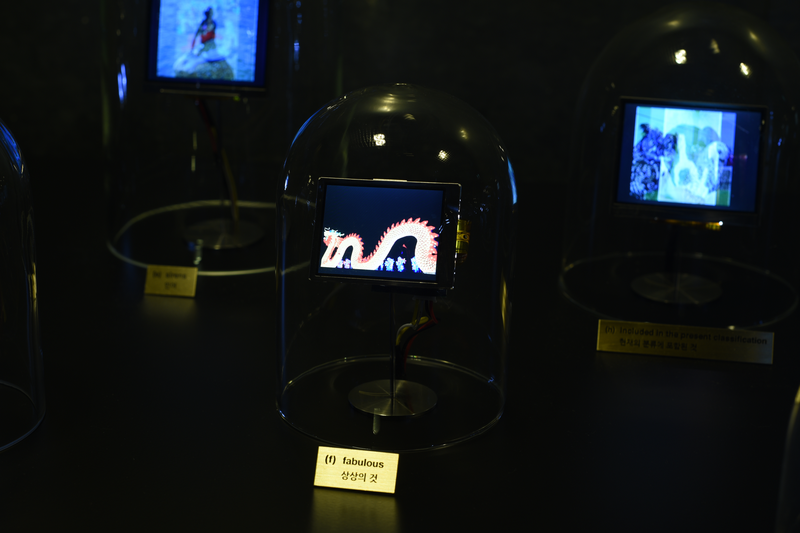
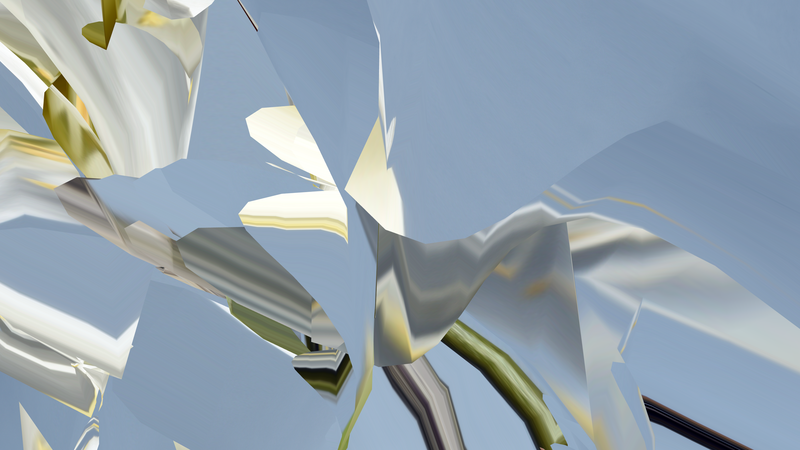
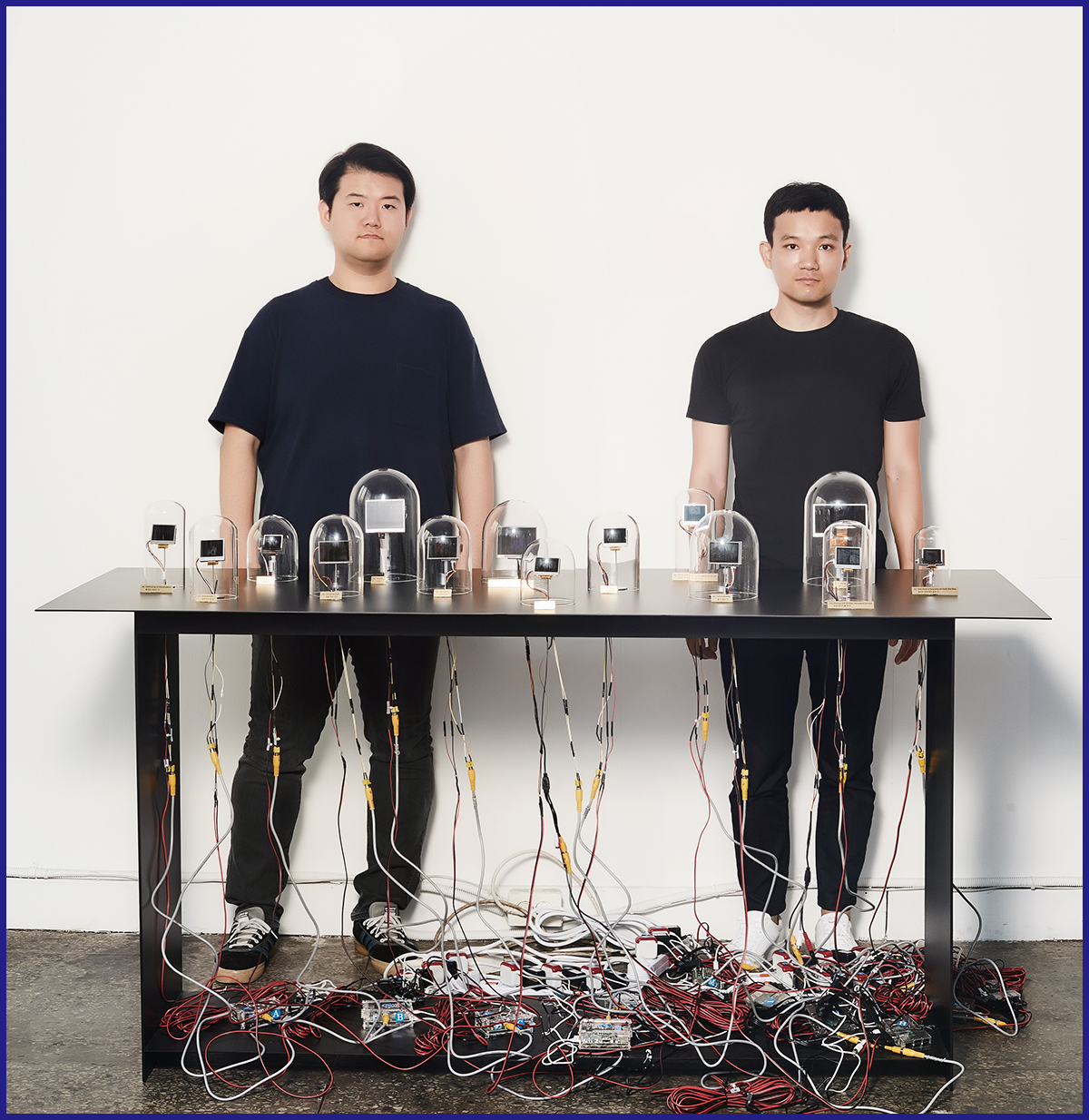
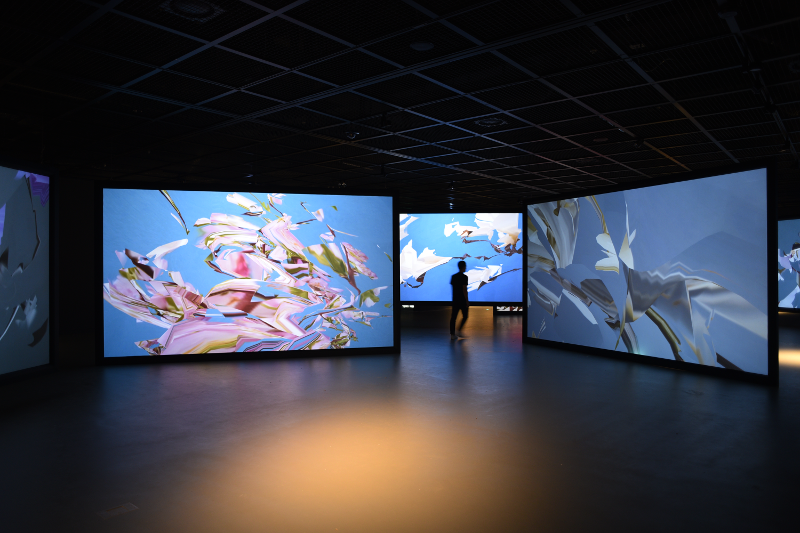
Animal Classifier (2016) displays the results of AI-based animal image classification across fourteen monitors, while Flower (2016–2017) distorts and abstracts images within the limits of what artificial intelligence can still recognize as flowers. Through processes of collection, averaging, classification, and transformation, computational operations determine the visual composition of their works, revealing how data can take the form of new images.
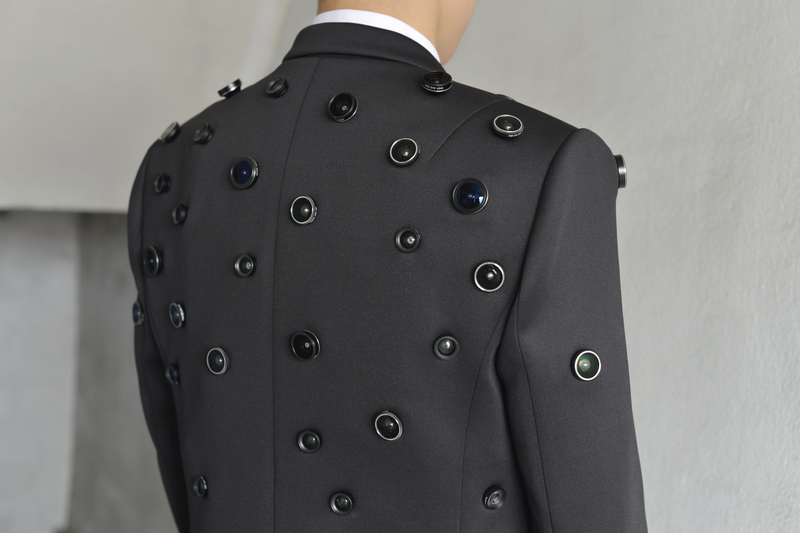
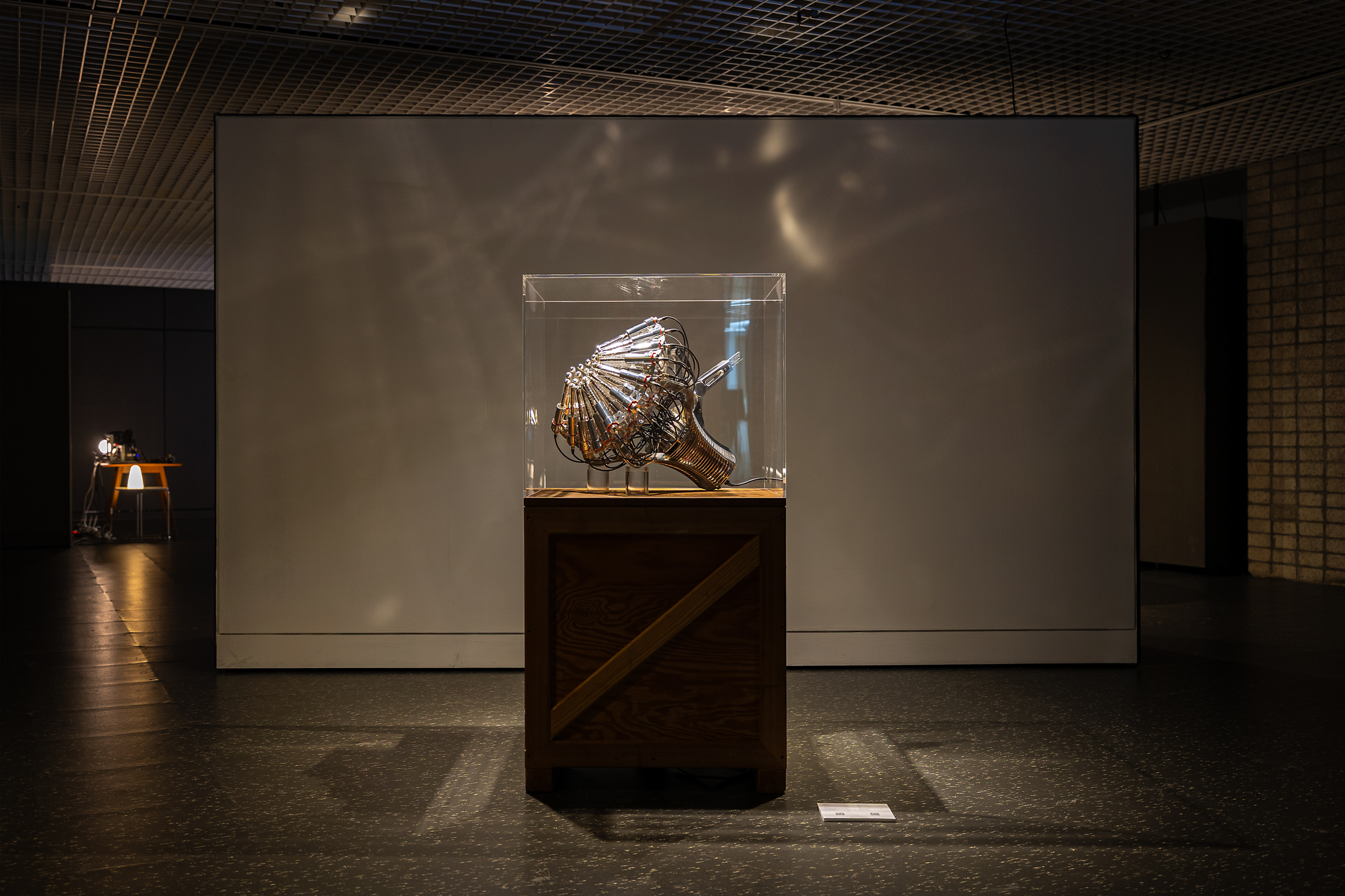
Shinseungback Kimyonghun also creates installations that combine digital technologies with physical devices, engaging viewers' bodies and senses directly. Nonfacial Mirror (2013) responds to viewers by turning away whenever it detects a face, while Aposematic Jacket (2014) incorporates multiple cameras into a wearable garment that can be exhibited as an object or activated through performance.
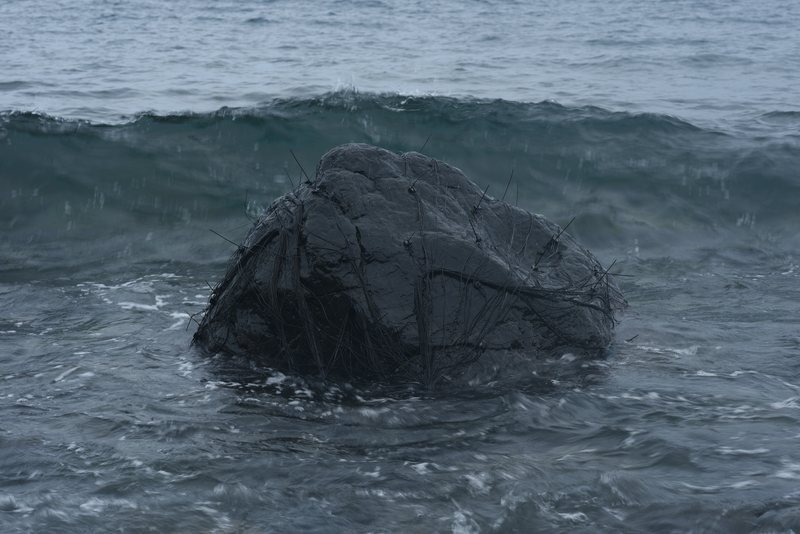
Stone (2017) collects data from sensors installed on a rock along the coast of Ulleungdo Island and transmits the signals to a structure inside the exhibition space, allowing visitors to physically experience the impact of waves. In Mind (2019), emotional data analyzed from visitors' faces is translated into the movement of the sea and the sounds of waves.
Through these works, information from digital systems is translated into movement, sound, and tactile experiences, rendering interactions between technology and humans perceptible through the senses.
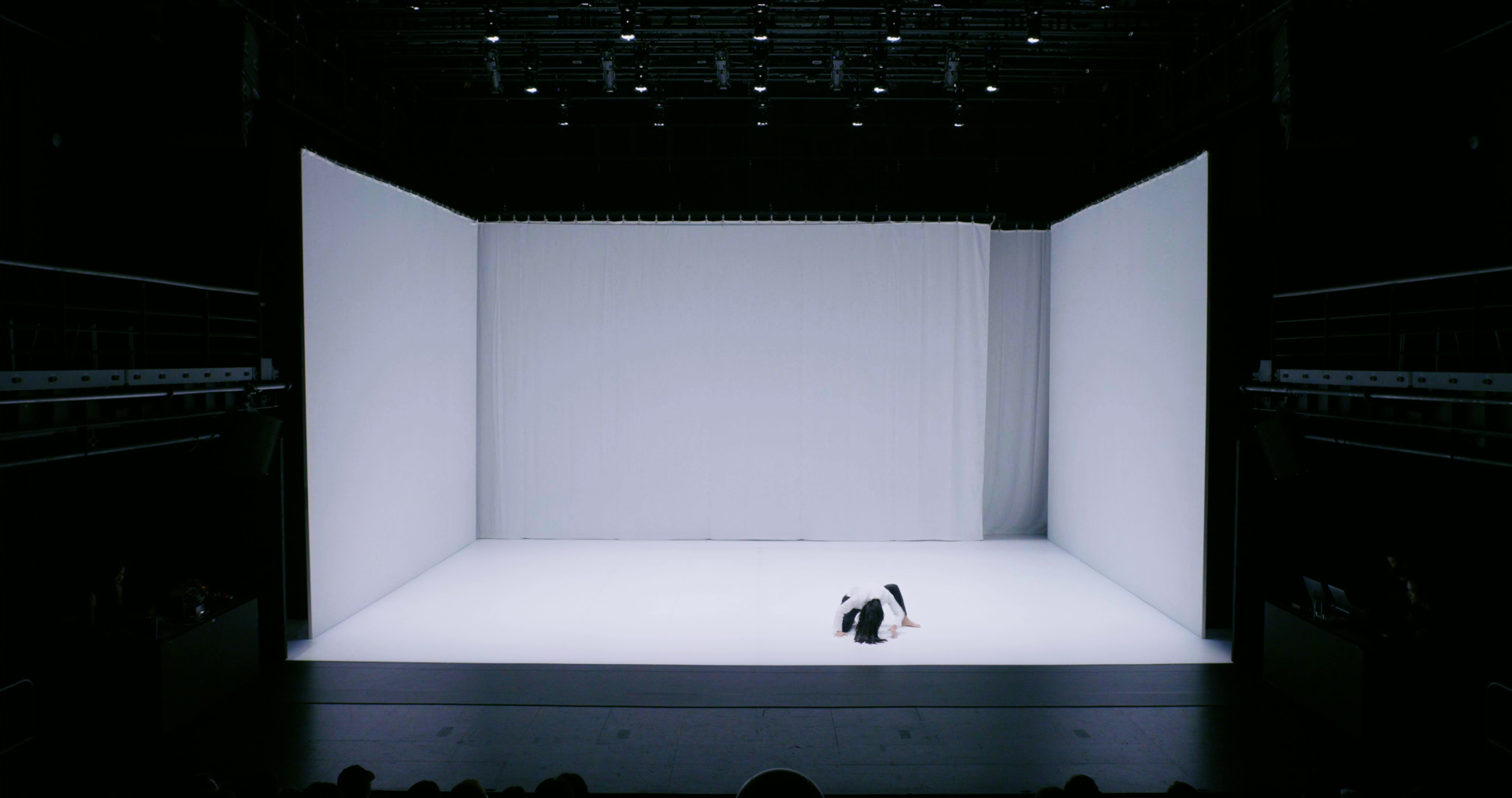
More recently, the duo has expanded its modes of expression by integrating AI analysis directly into creative processes and collaborating with artists from other disciplines. Nonfacial Portrait (2018–ongoing) invites participating painters to create portraits while monitoring the responses of face detection algorithms, while Nondance Dance (2022) incorporates AI judgments of dancers' movements into the performance through sound and lighting, influencing its progression.
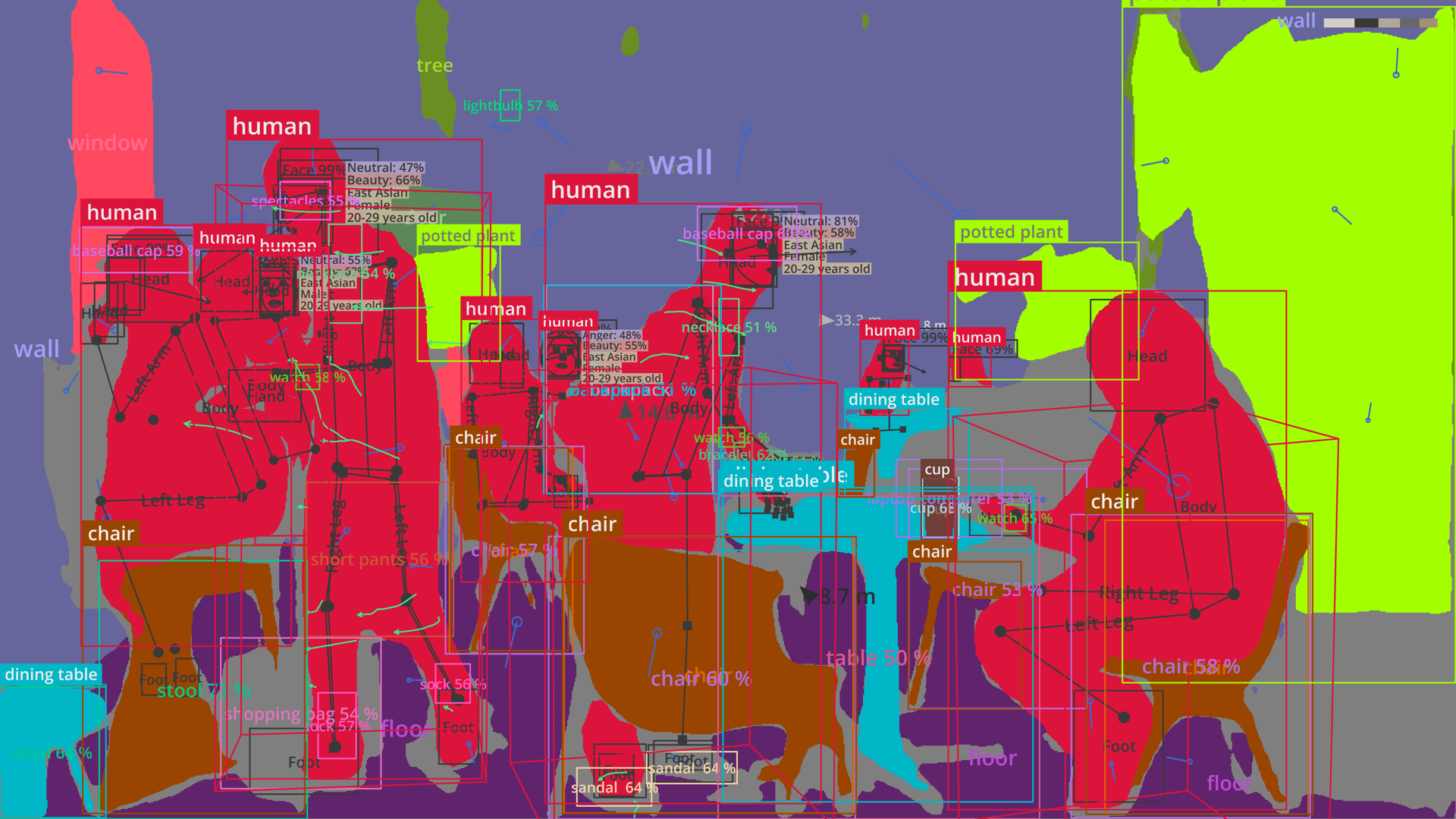
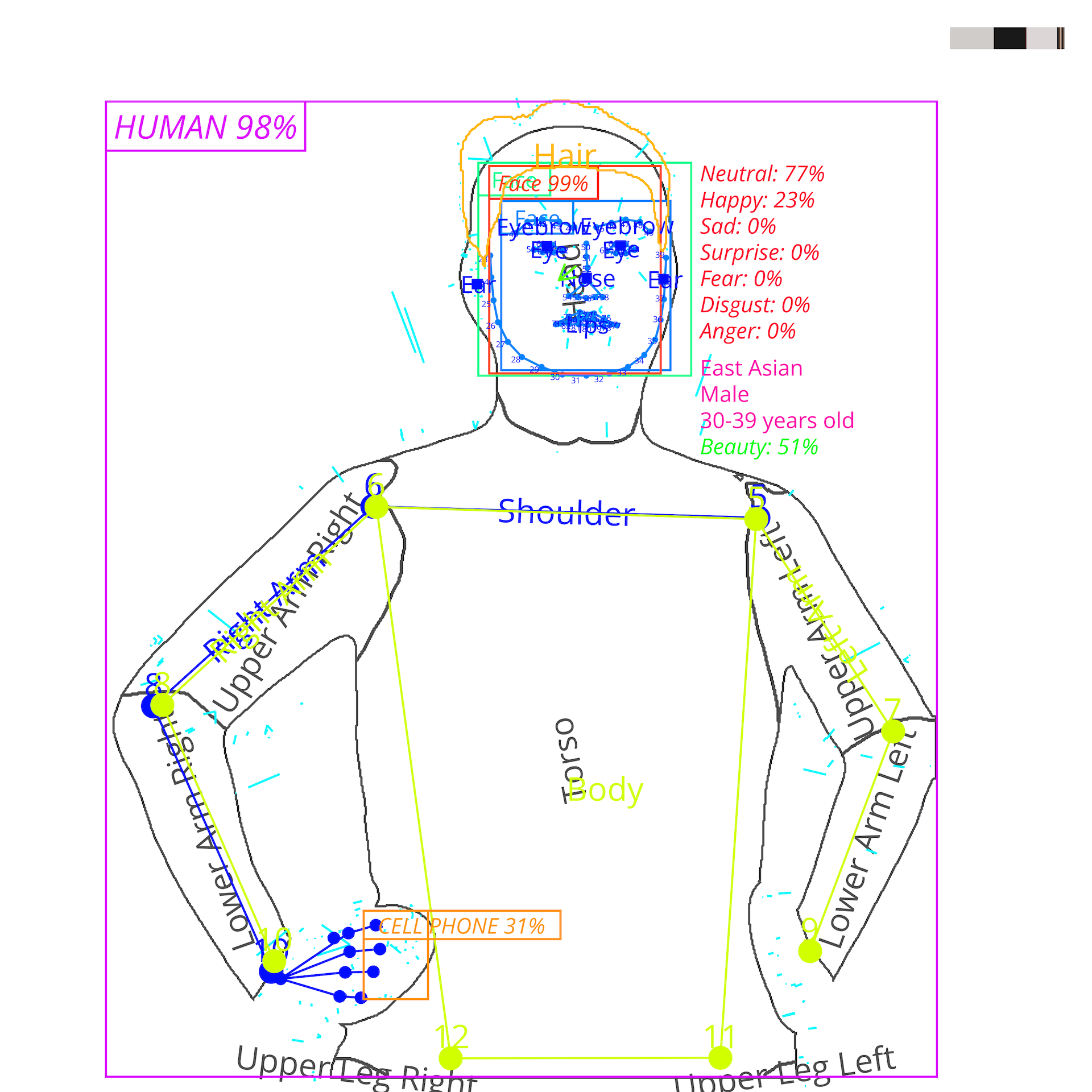
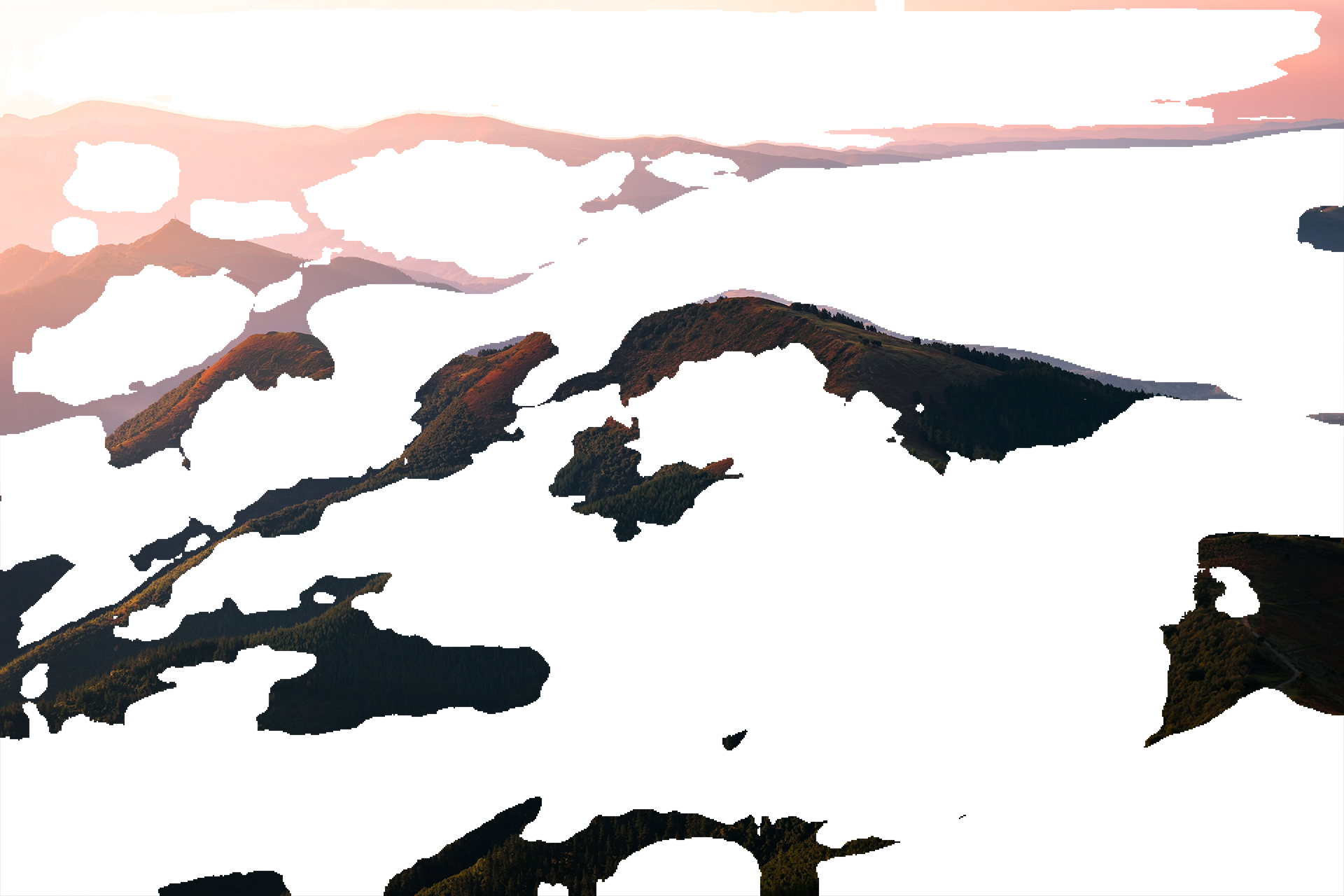
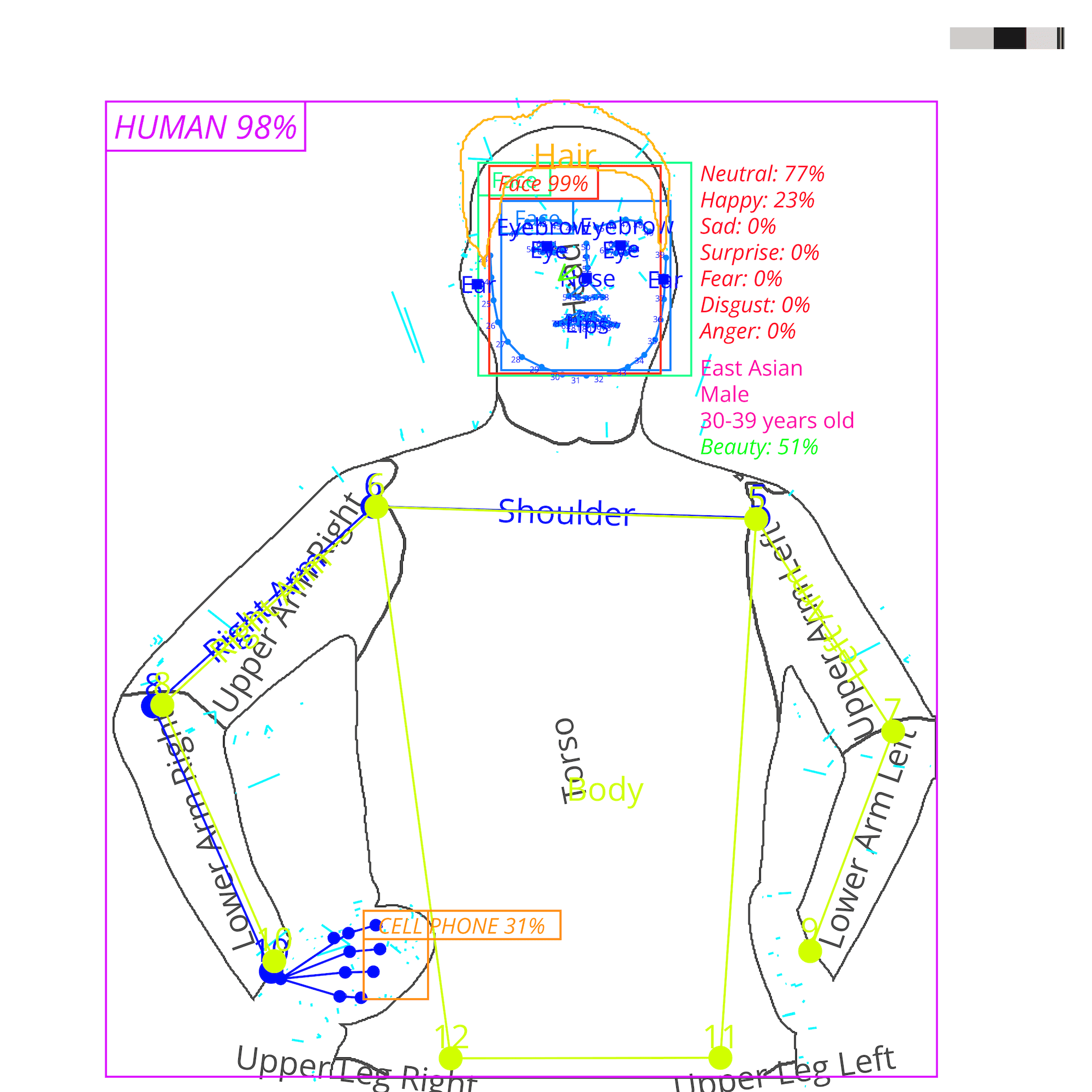
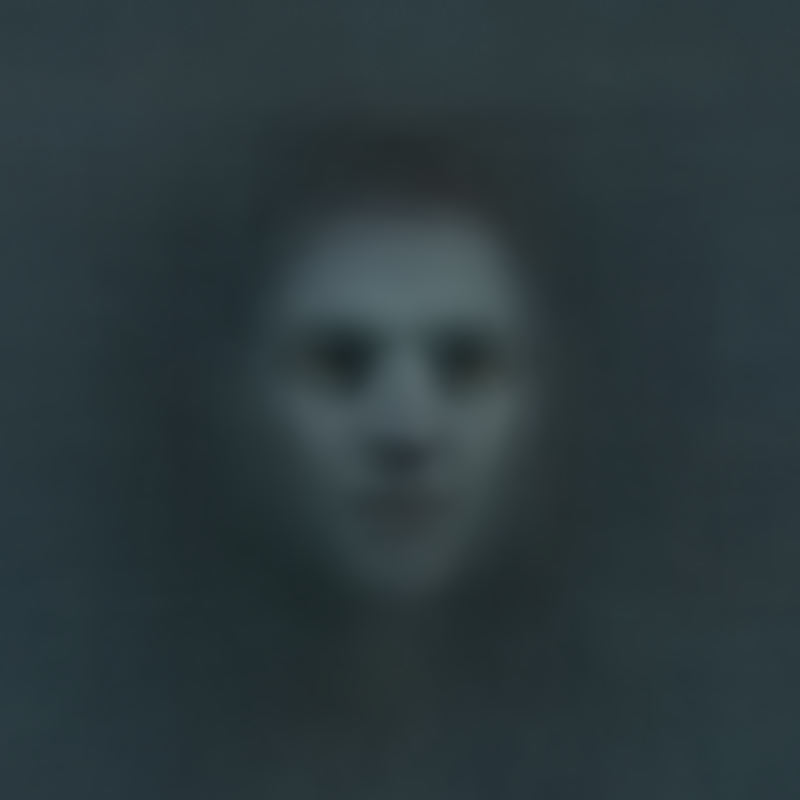
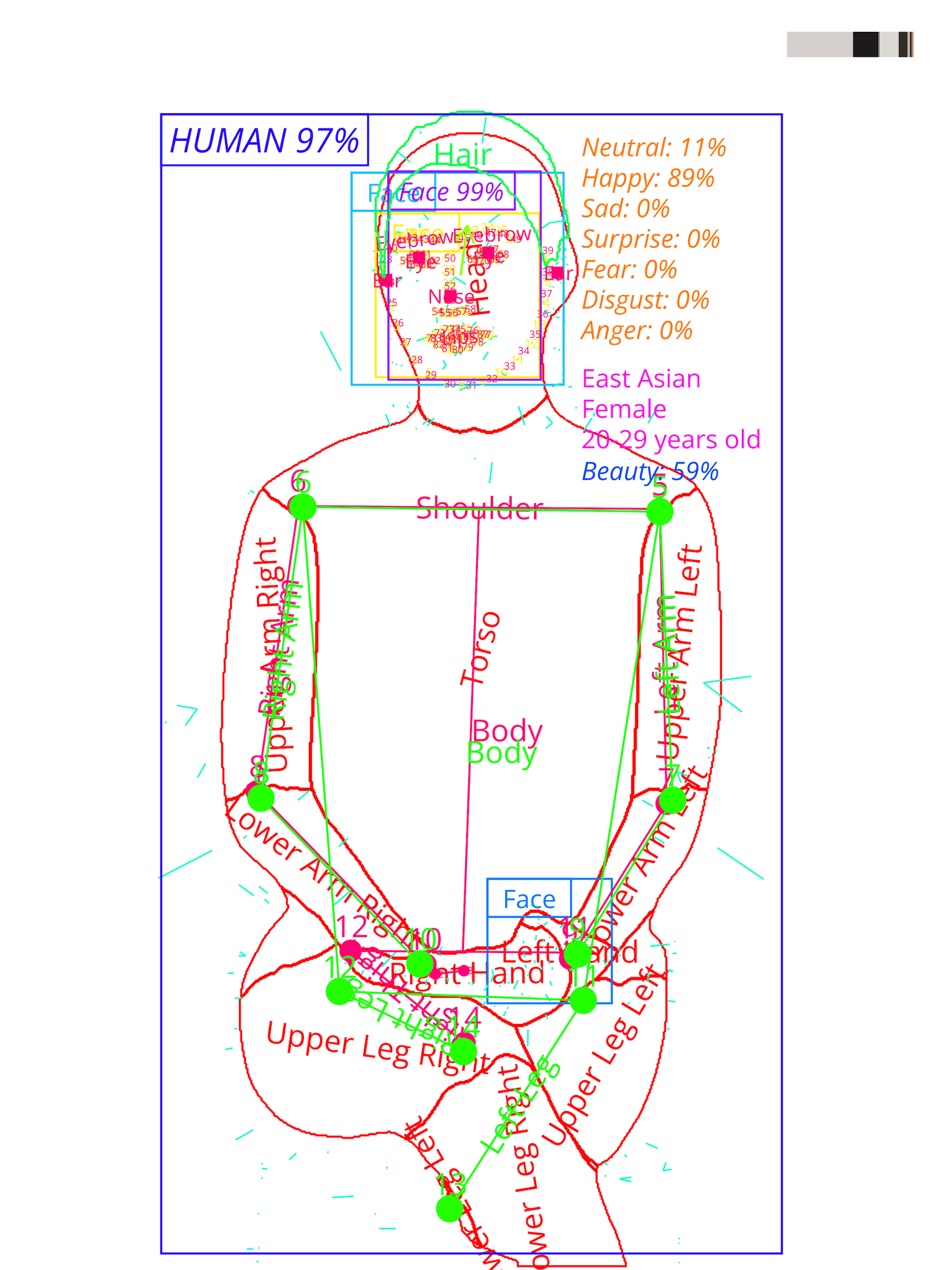
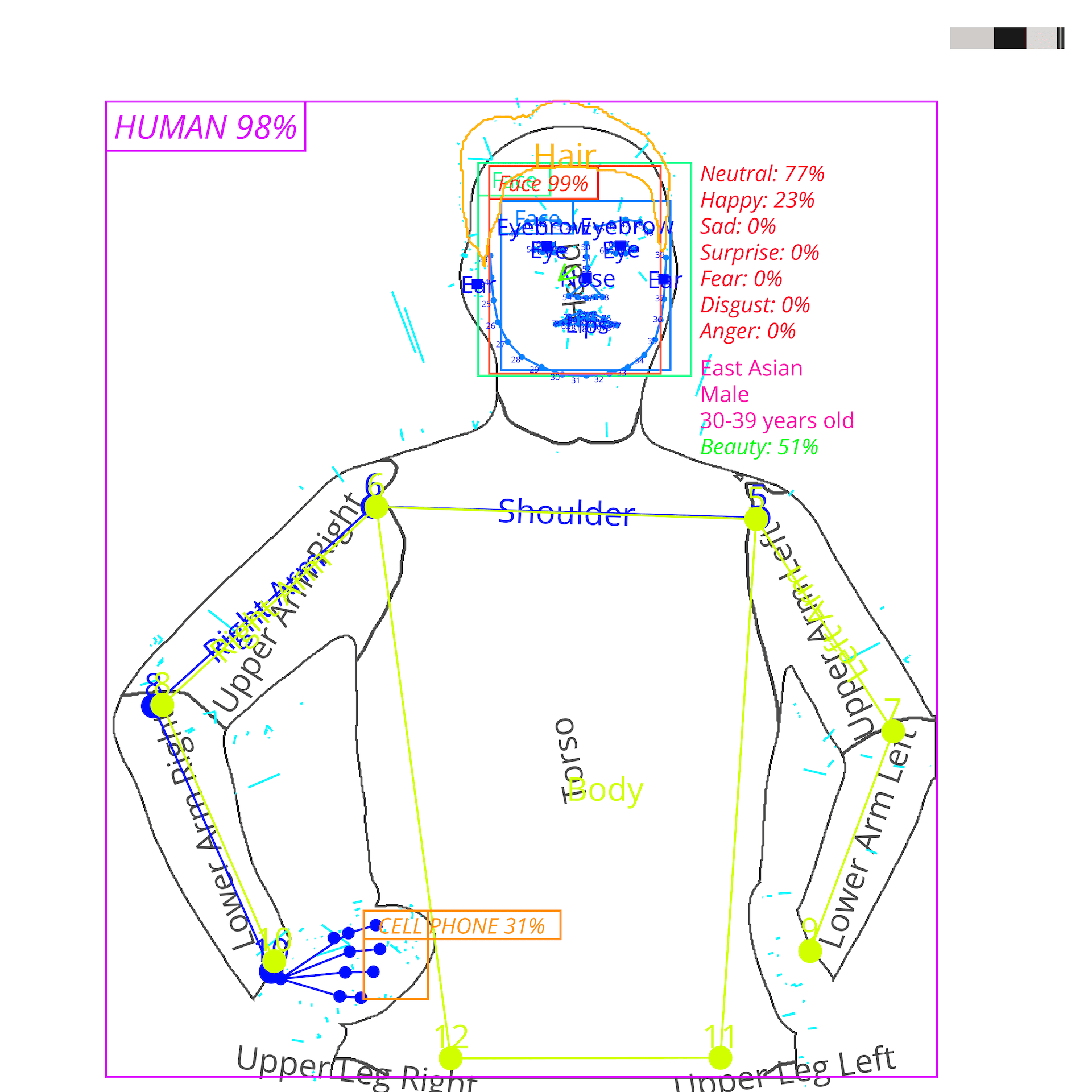
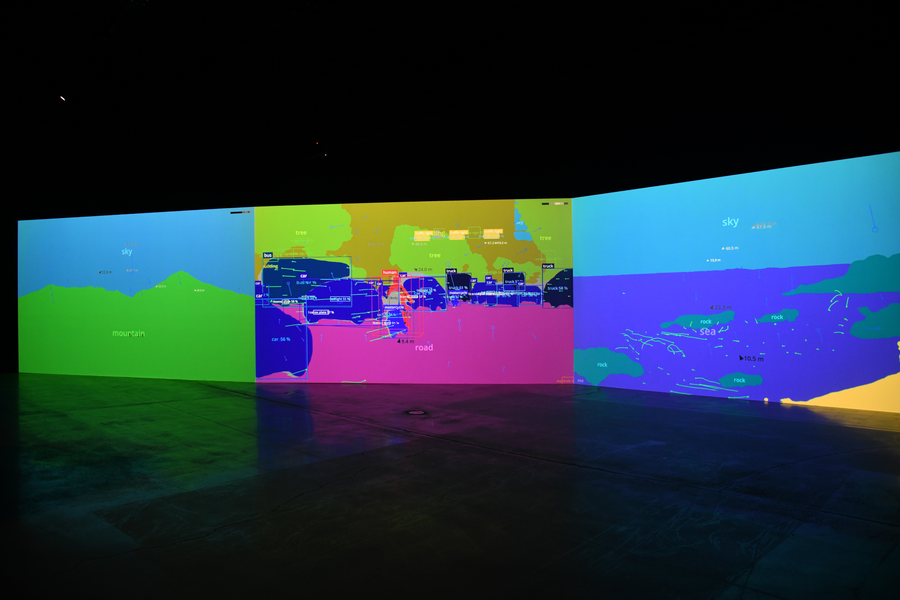
Analytic Portrait (2024) constructs portrait images by integrating the results of fourteen computer vision algorithms analyzing human subjects, while the 'Analytic Scape' series (2025) reconstructs data extracted from urban and natural landscapes into visual elements such as outlines, colors, and symbols.
By organically combining image production, real-time computation, and physical performance, their practice has developed forms that allow audiences to directly observe and experience technological processes and their outcomes.