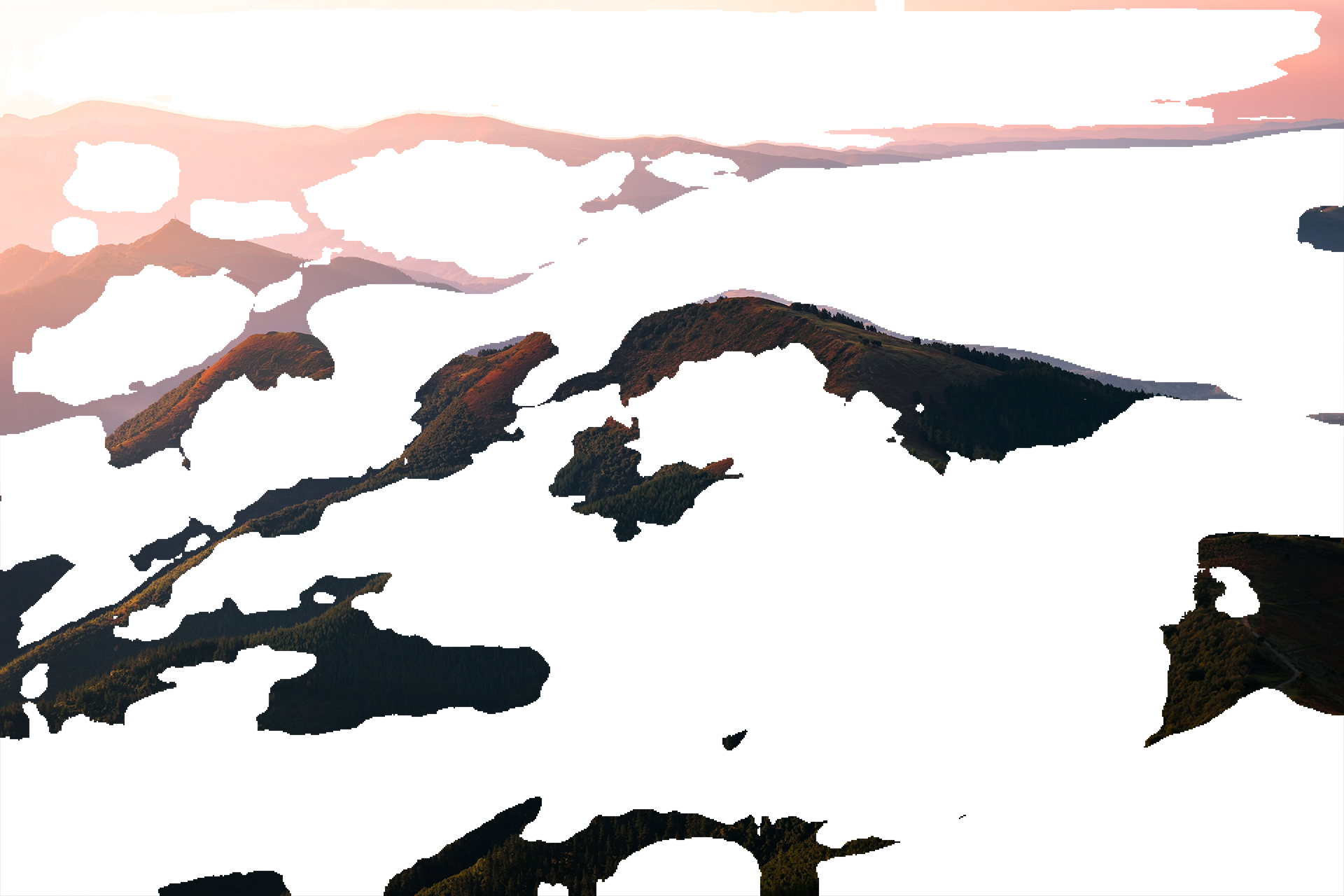
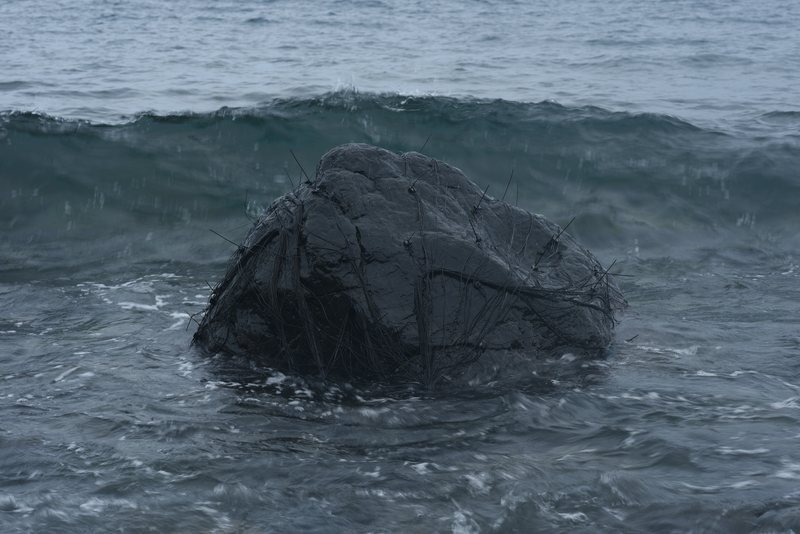
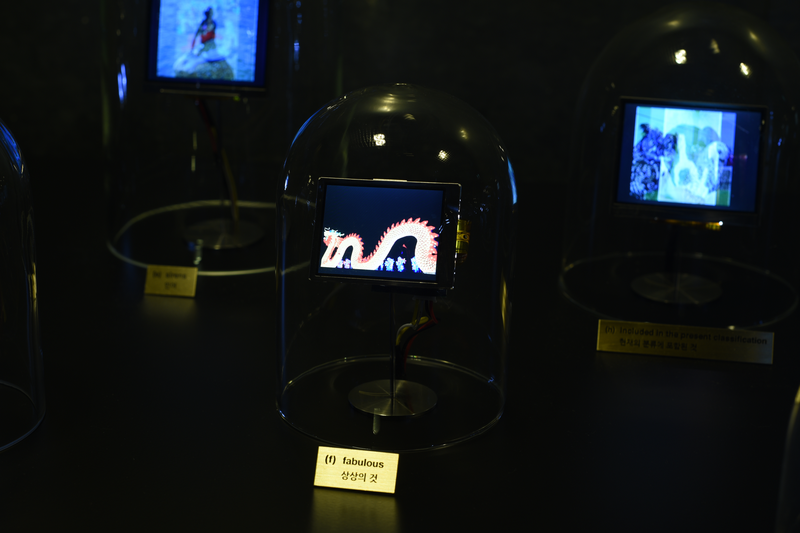
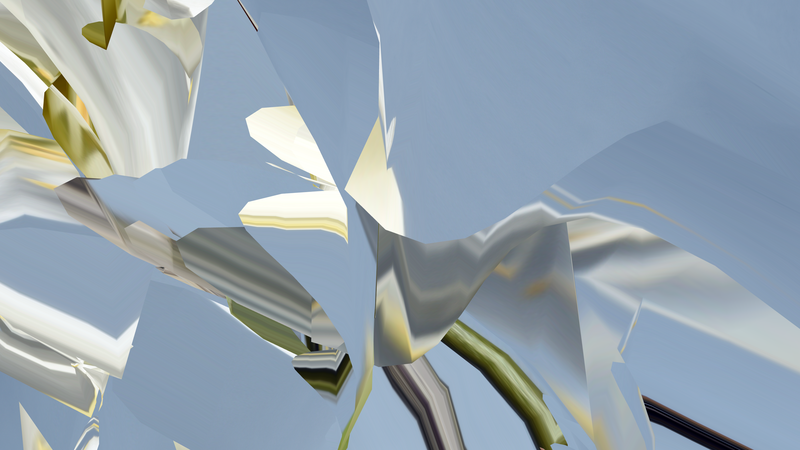
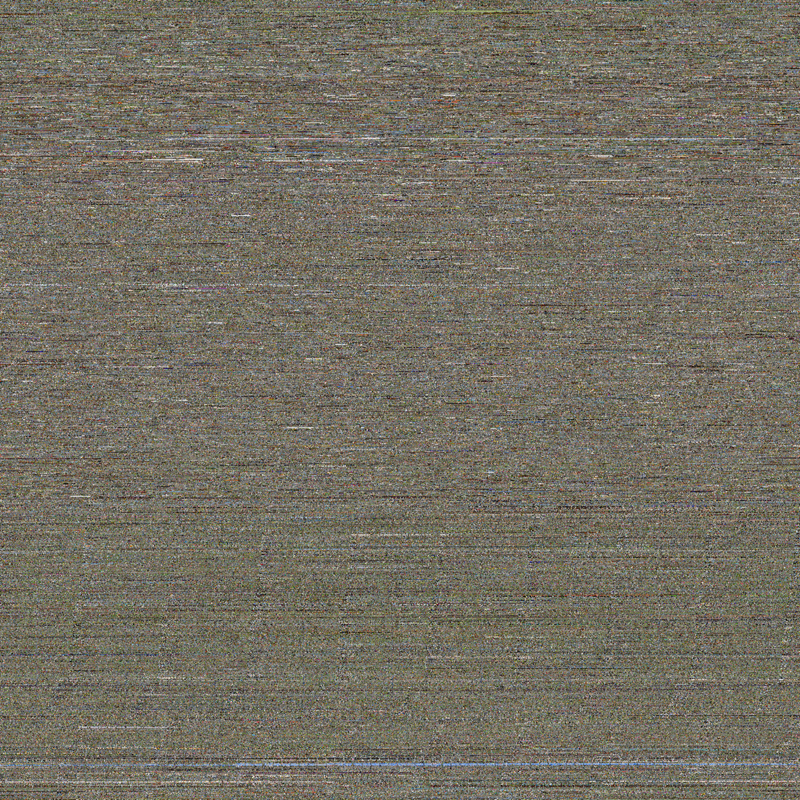
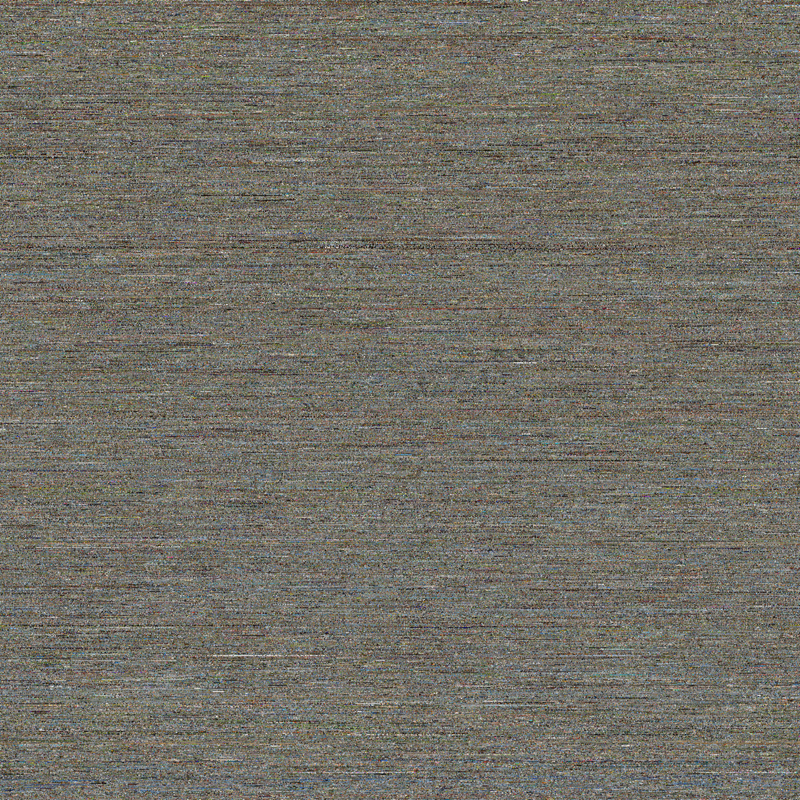
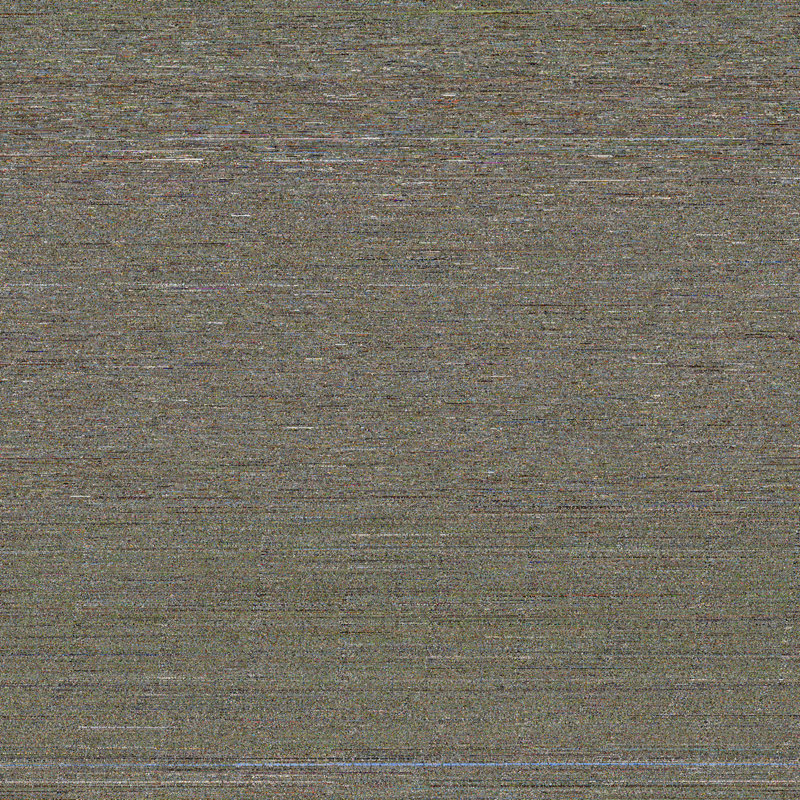
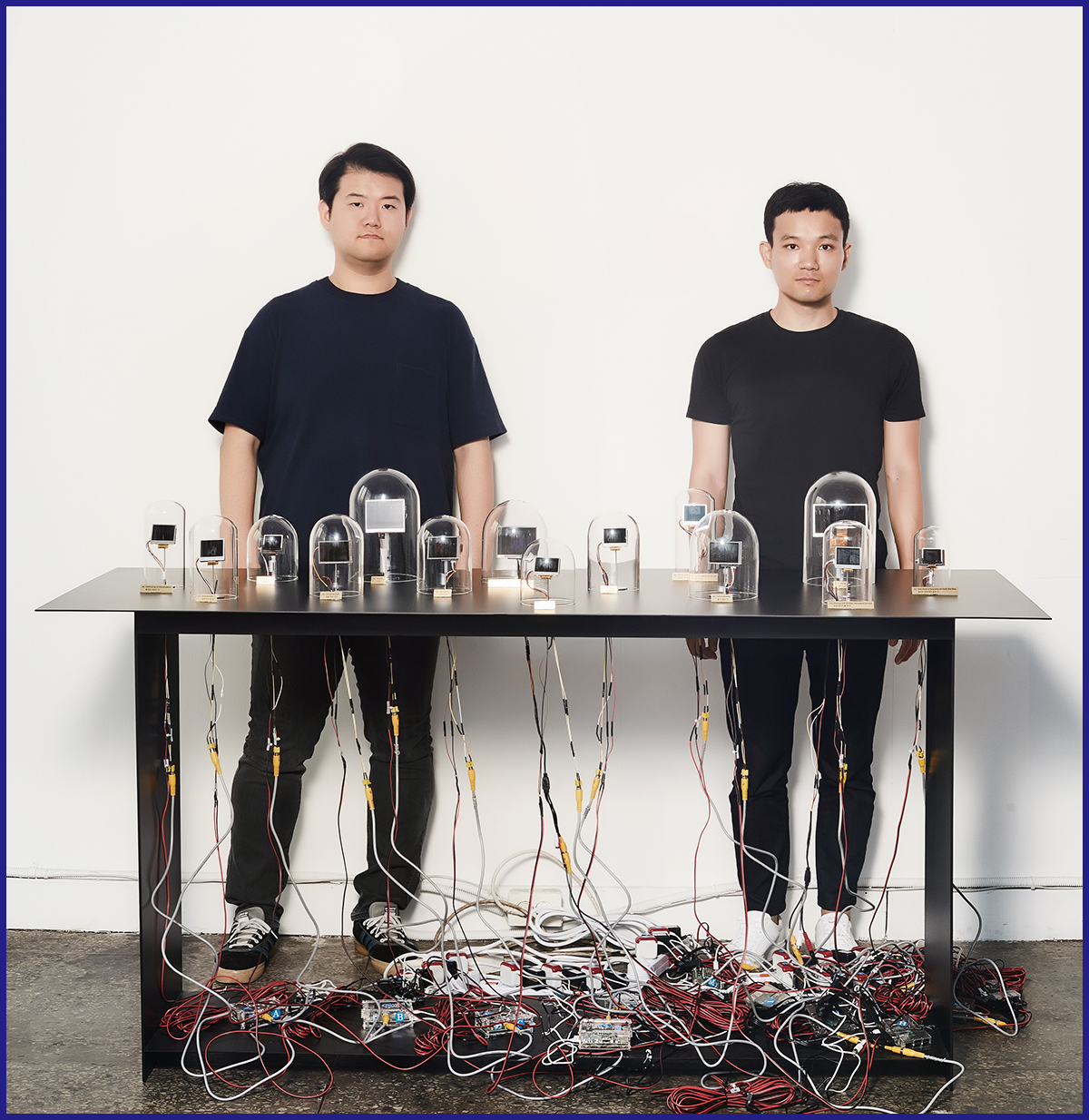
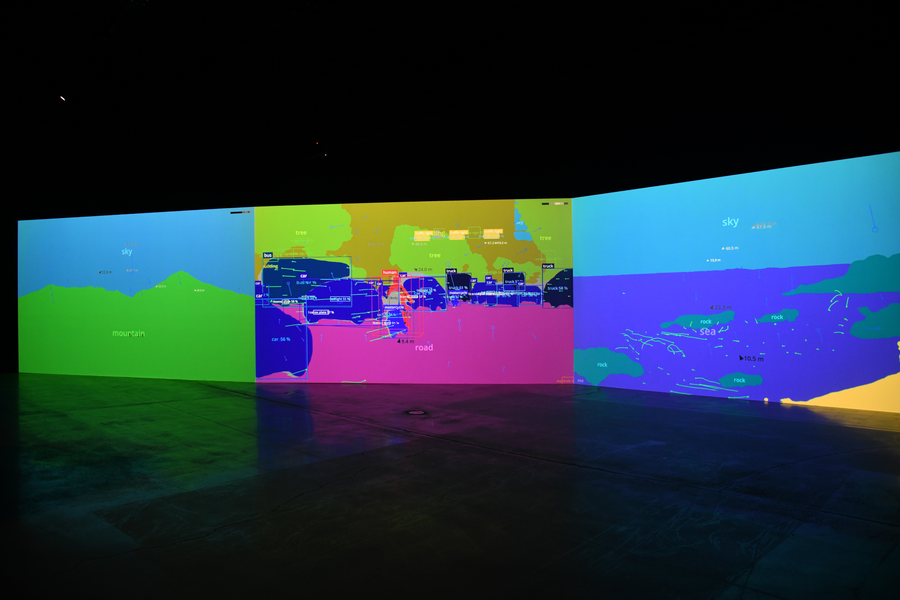
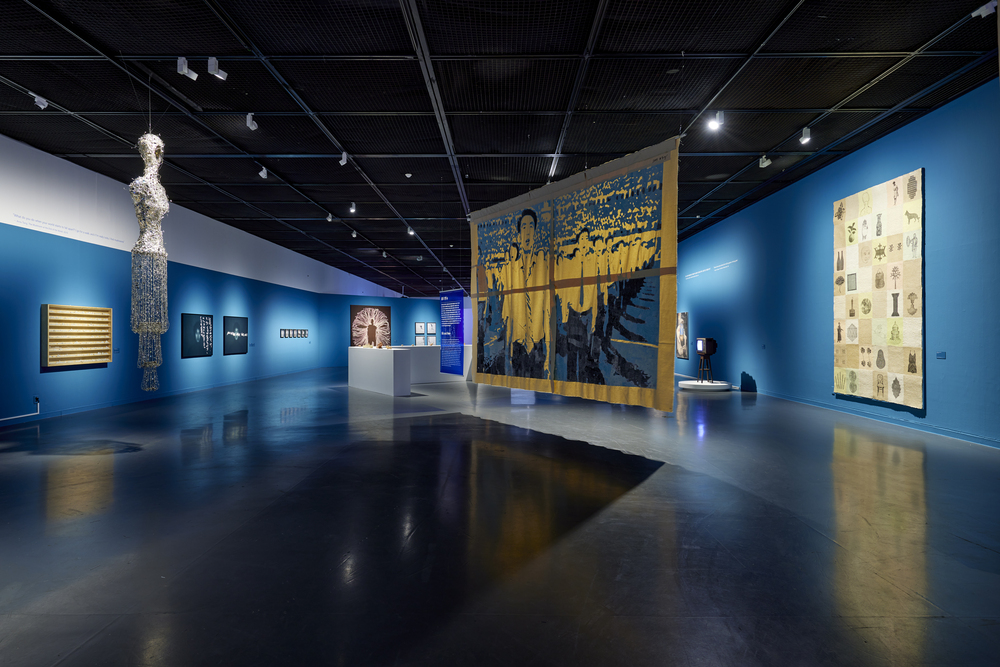
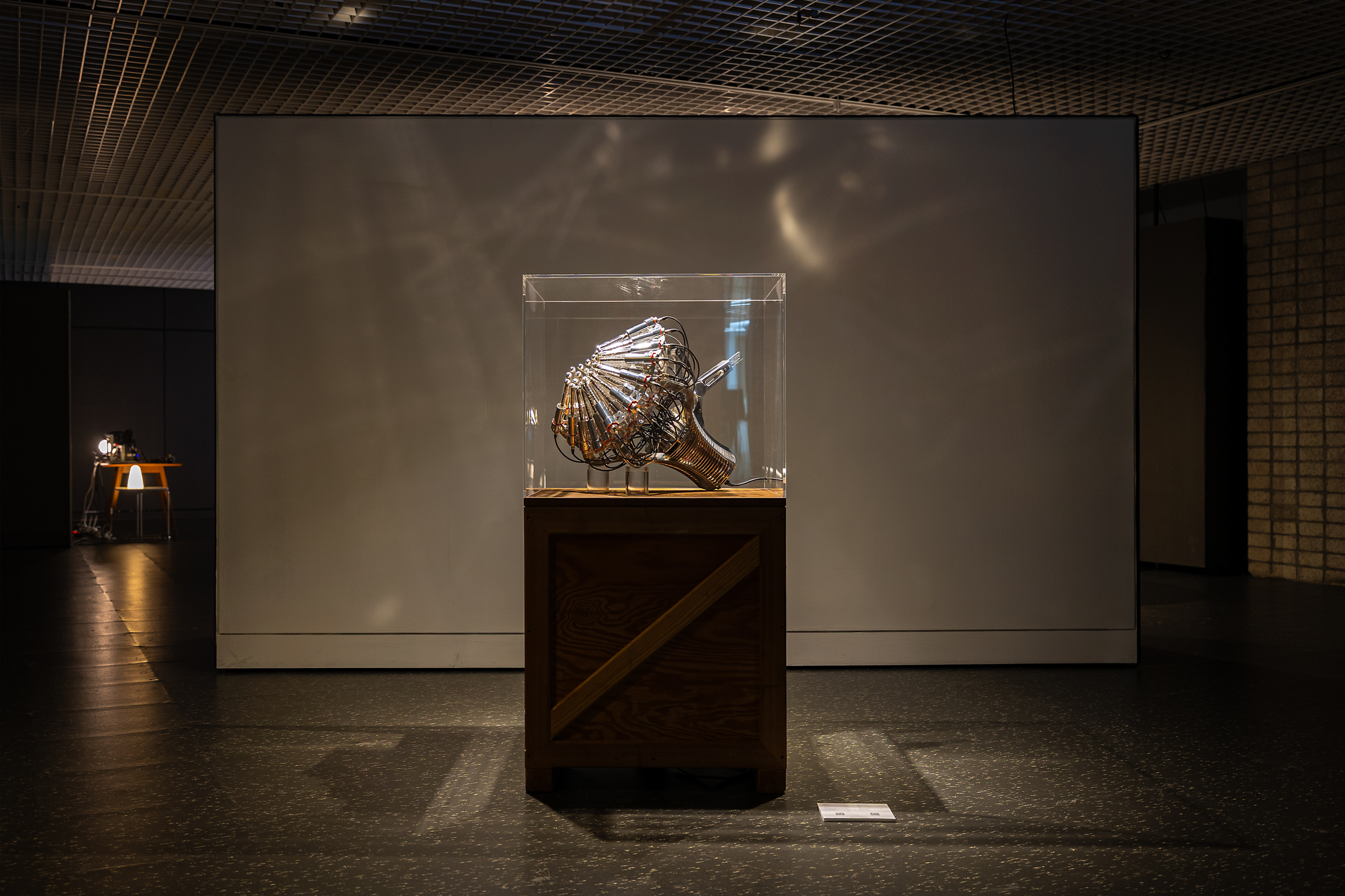
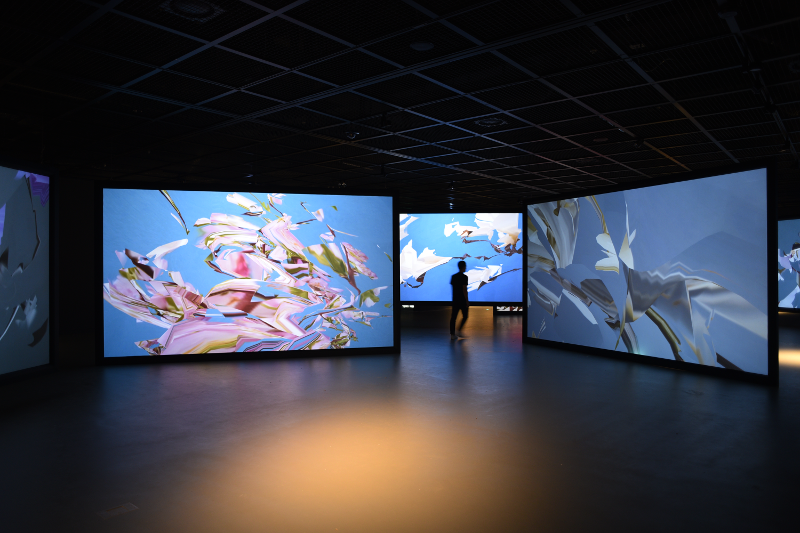
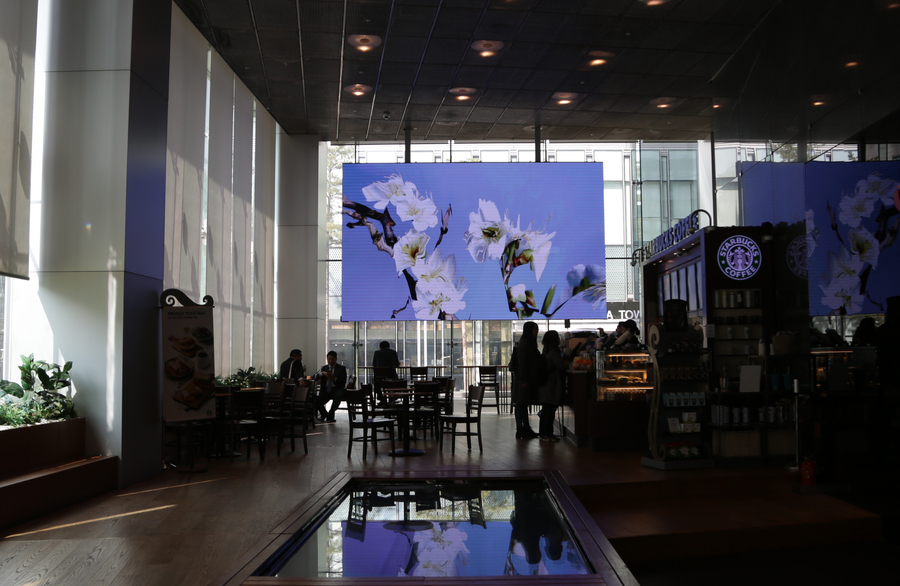
Gathering images tagged with the names of individual seasons to construct four seasons, each composed of a million images, encapsulates the significance of data 'accumulation' and 'collection' that makes computer vision and artificial intelligence possible.
But what does it truly mean to collect data in the age of big data?
Collection as a Prerequisite for Classification: The Impossible Desire of the 'Archive' and Jacques Derrida
In his book Archive Fever: A Freudian Impression (Mal d'Archive: Une Impression Freudienne), Jacques Derrida moves beyond the conventional understanding of the archive as merely a 'physical space where selected documents are stored according to a particular system,' assigning it a new significance.
The archive is more than a static space; it possesses creative potential. According to Derrida, the archive is something that resembles the structure of human thought. As the subtitle, "A Freudian Impression," suggests, Derrida's approach to the archive is profoundly psychoanalytic.
Just as psychoanalysis examines the structure of the mind and human conscious and unconscious memory, the archive, when approached from a psychoanalytic perspective, acquires a distinctive significance as a repository of memory. One might even say that the archive is inherently psychoanalytic, just as psychoanalysis itself could be described as an archival science from the outset.
– Why the Fever?
Why, then, does the archive suffer from a fever? Because it sets itself the impossible task of perfectly preserving, protecting, and reproducing the past. Despite its endless attempts to achieve perfect memory, the archive inevitably fails, again and again. Thus, the archival impulse is better understood through the meanings of the French word 'mal': an impulse associated with "evil, misfortune, suffering, disaster, difficulty, trouble, and obstruction."
In this sense, the archive suffers from the fever of the death drive, perpetually harboring within itself an "impossible archaeology of nostalgia" and a "painful desire to return to an authentic and singular origin."
– The Shared Dream of the Archive and the Database
Today's massive databases have already far surpassed traditional archives in scale. Yet despite the overwhelming difference in volume, archives and databases share a common dream: the dream of total integration. As an extension of the archive, the database continues to collect, accumulate, systematize, and transmit information.
As Wolfgang Ernst observes, "The 'Internet' is still essentially an archive and a library. The HTML Internet generates web 'pages' and 'documents,' as though the paper format were still the default."
In this way, the database continues to suggest humanity's relentless pursuit of 'a universally interconnected world.' In its aspiration for global connectivity and utopian integration, the internet, like the archive, offers a partial yet seemingly comprehensive illusion of totality. At the same time, it creates the illusion of a shared history, or what the philosopher Achille Mbembe calls an "era of common ownership."
– The Database That Does Not Suffer from Archive Fever
Unlike the traditional archive, however, the database is an automated system capable of operating smoothly without human intervention or control. In the past, decisions about what to include in an archive were primarily determined by two factors: space and cost. As E. J. Leahy and C. A. Cameron observed, the goal of records management had always been "fewer and better" records. In the age of big data, however, concerns about space, cost, and efficiency have become relatively easy to resolve, eliminating the practical need to selectively discard documents.
Data has become a matter of 'the more, the better.' With the assistance of artificial intelligence, it has become possible to analyze more data, faster and more accurately, with greater efficiency. Consequently, the era of 'selection' and 'concentration' has begun to fade.
Regardless of platform, location, or subject, countless events occurring simultaneously across the planet can now be recorded easily and permanently. As a result, rather than a linear progression from past to present to future, what remains is an infinite present and simultaneity. As Wolfgang Ernst perceptively observes, "With the use of digital archives, there is no longer any delay between memory and the present.
Rather, the technological option of immediate feedback allows all present data to be transformed into archival entries, and vice versa." The unimaginably rapid speed of data transformation means that fragments of data, divided millions of times over, can no longer be understood as parts of a meaningful whole.
What remains is the endless repetition and accumulation of an overwhelming, fragmented, and instantaneous present, leaving no room for the emergence or deferral of meaning.
A Portrait of Funes the Memory Prodigy: The Paradoxical Meaninglessness of the Massive Database
In this way, the digital database, an apparatus of infinite memory, has seemingly fulfilled the archive's longstanding dream. Paradoxically, however, it also reveals how the vast accumulation of noise and meaningless information makes it increasingly difficult to generate coherent meaning, memories, and ideas. The database thus comes to suffer from a new kind of fever, caused by its own 'illiteracy': its inability to comprehend the contents of its collection.
To accumulate without ever deleting, only to lose meaning in the process. For sentences to become noise. Countless details hum and vibrate incessantly, yet never come together to form a coherent whole. Spring no longer conveys the fragrance of spring, nor does summer communicate its heat and temperature. Could the images that constitute ‘A Million Seasons’ ultimately be portraits of Funes, the man who remembered everything in Jorge Luis Borges's short story Funes the Memorious?
"We, at a glance, perceive three glasses on a table; Funes could perceive every grape, every stem, and every tendril on a grapevine. He knew the shapes of the clouds in the southern sky at dawn on April 20, 1882, and could compare them in his memory with the streaks on the leather binding of a book he had seen only once, or with the spray raised by an oar in the Río Negro on the eve of the Battle of Quebracho.
These memories were not simple, for every visual image was associated with muscular sensations, thermal sensations, and so on. He could reconstruct all his dreams and everything he had seen while half asleep. Two or three times he had reconstructed an entire day, without the slightest hesitation, although each reconstruction took him an entire day.
He told me, 'I alone have more memories than all men may have had since the world began.' He also said, 'My dreams are like your waking hours.' And, toward dawn, he remarked, 'My memory is like a garbage heap.' A circle drawn on a blackboard, a right triangle, a rhombus—these are shapes that we can perceive perfectly.
The same was true for Ireneo when he looked at the tangled mane of a foal, a small herd of cattle on a hillside, the flickering flames and countless ashes of a fire, or the endlessly changing face of a dead man during a long night at a wake. I do not know how many stars he saw in the sky."
Although Funes possesses a superhuman memory that many might envy, he is, in fact, a being condemned to perpetual suffering. By remembering every detail, he becomes incapable of ordinary thought.
As a "solitary and lucid spectator of a multiform world which was instantaneously and almost intolerably precise," Funes inhabits a world in which only details and immediately perceptible particulars exist. Consequently, he cannot engage in the act of thinking, which requires "forgetting differences," "generalizing," and "abstracting."
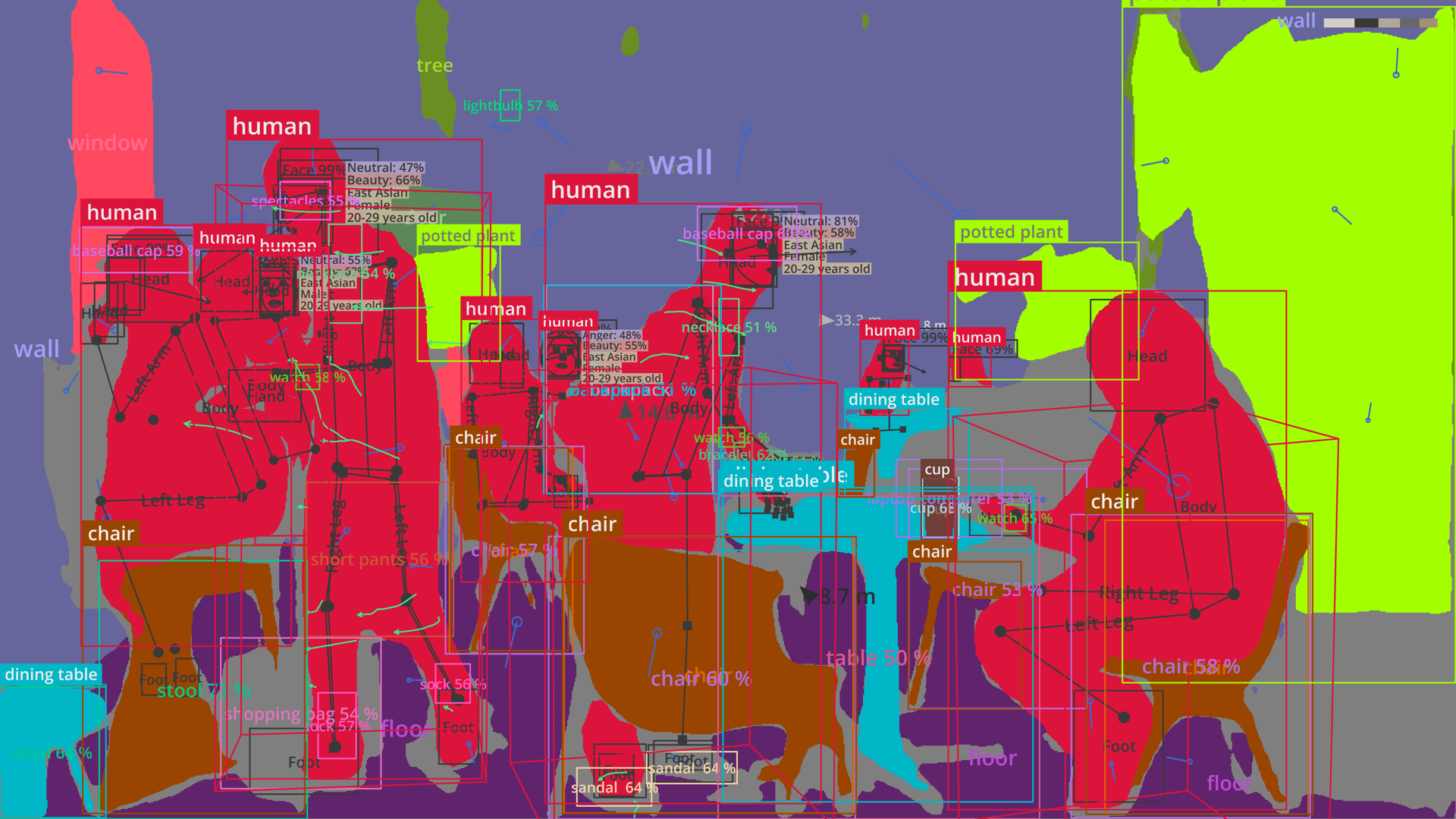
Like Funes, the chaotic images presented in ‘A Million Seasons’ express the overwhelming sensation of information accumulating moment by moment. They may also be understood as visual representations of the psychological state we experience when we can no longer establish meaningful connections, achieve coherent understanding, or form a clear picture of reality.
Alongside the decline of memory, "bold ideas have all but disappeared." In his article "The Elusive Big Idea," journalist Neal Gabler observed:
"It may seem counterintuitive that human beings are thinking less at precisely the moment when they can know more than they have ever known before." Yet "the displacement of significant information by trivial information, and of ideas by information, has become an established fact. Everyone is talking about information, particularly personal information. Where are you going? What are you doing? Whom are you meeting? These have become the important questions of our time."
Despite the increase in data collection, critical reflection is diminishing. As an unprecedented, nonhuman memory apparatus capable of preserving traces of memory indefinitely, the massive database has readily solved the problem of human memory. Indeed, it has solved that problem so thoroughly that critical intellectual activities such as memorization, analysis, and the generation of ideas are increasingly being pushed to the margins.
Thus, ‘A Million Seasons’ presents none of the familiar images of the seasons as we have known them.
And yet, some may still find possibilities within these images.
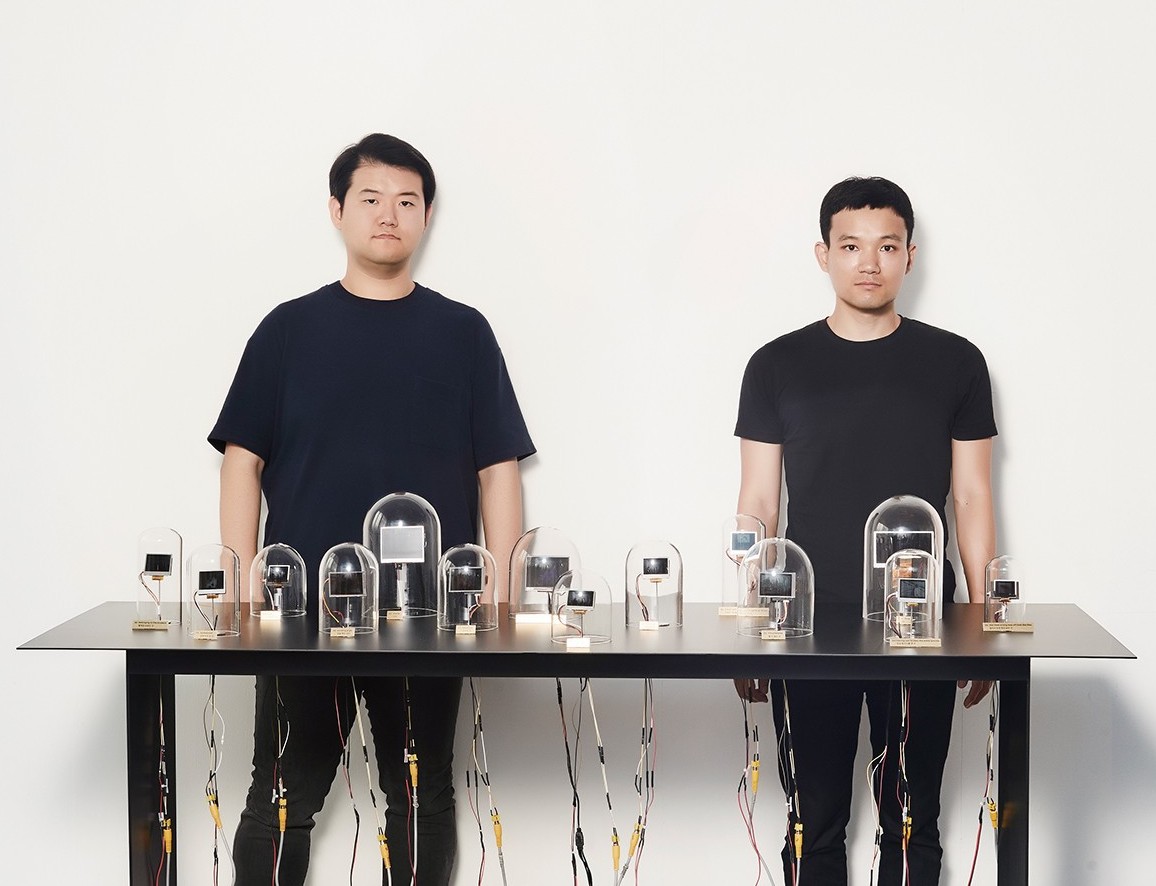
"I imagine a scene in which machines, humans, and nature coexist."
In keeping with Shin–Kim's words, perhaps the seasons unfolding beyond their window reveal themselves as an unfamiliar landscape filled with unknown possibilities.
As a landscape in which the three most important constituents of today's world—'machines, humans, and nature'—coexist, A Million Seasons becomes a new form of landscape painting for the age of big data. It condenses anxieties, hopes, expectations, and concerns about new climates and new seasons into an endlessly chaotic image.
Like desert soil holding seeds as it awaits the rain, it lies dormant, full of potential.
When the warmth of spring sunlight returns to the earth, will flowers bloom from the dry ground? And if they do, what kinds of flowers will emerge? Questions directed toward our future, which will arrive in its own time, swarm and vibrate beneath the surface.