Artificial intelligence is advancing almost daily, yet few artists have ventured into combining media art with AI. Shinseungback Kimyonghun, however, has been doing just that for years. Their work even raises questions about human imperfection revealed through 'classification,' a key concept in artificial intelligence research. What they are creating is something entirely new.


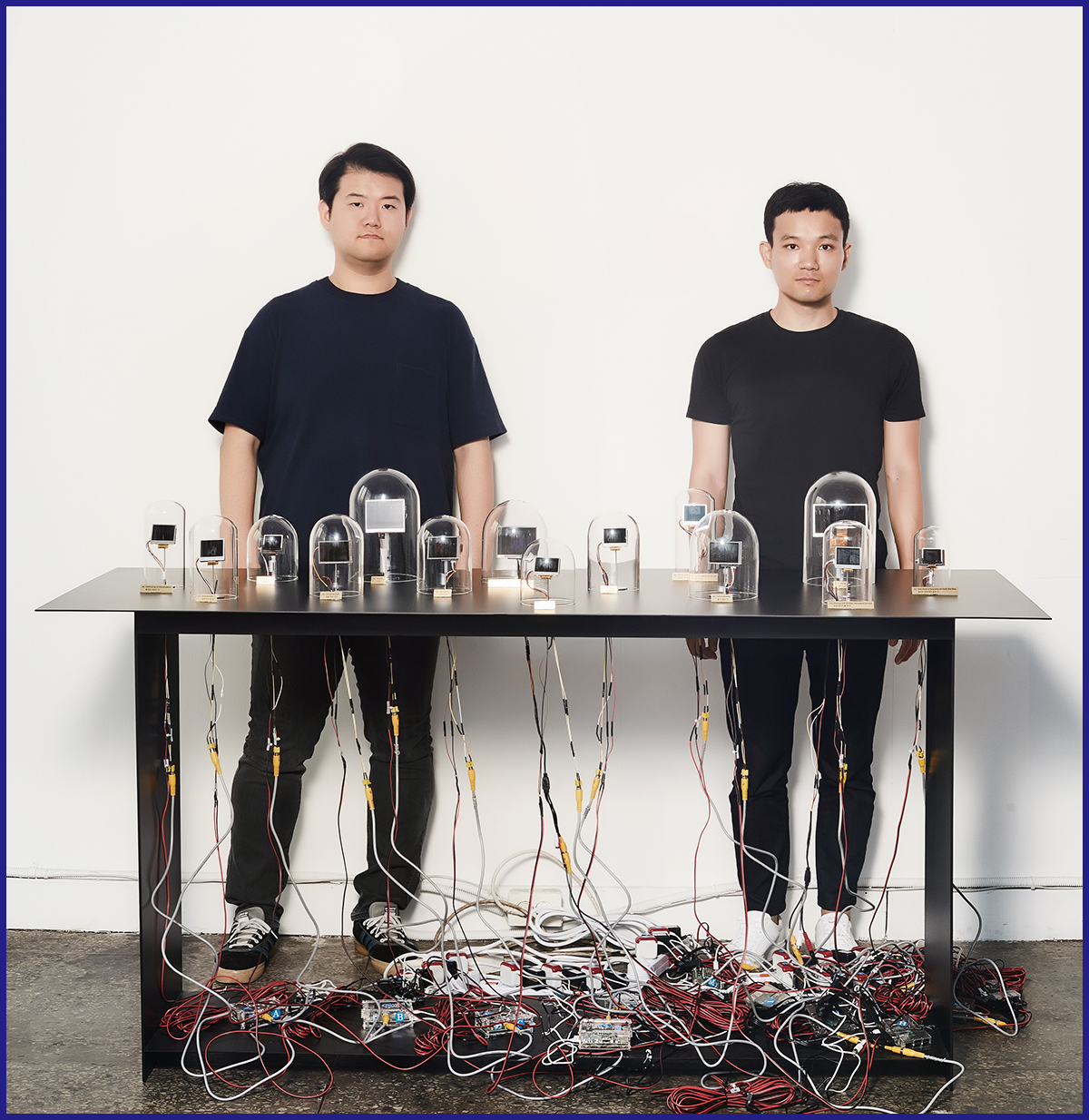
Shinseungback Kimyonghun © Shinseungback Kimyonghun

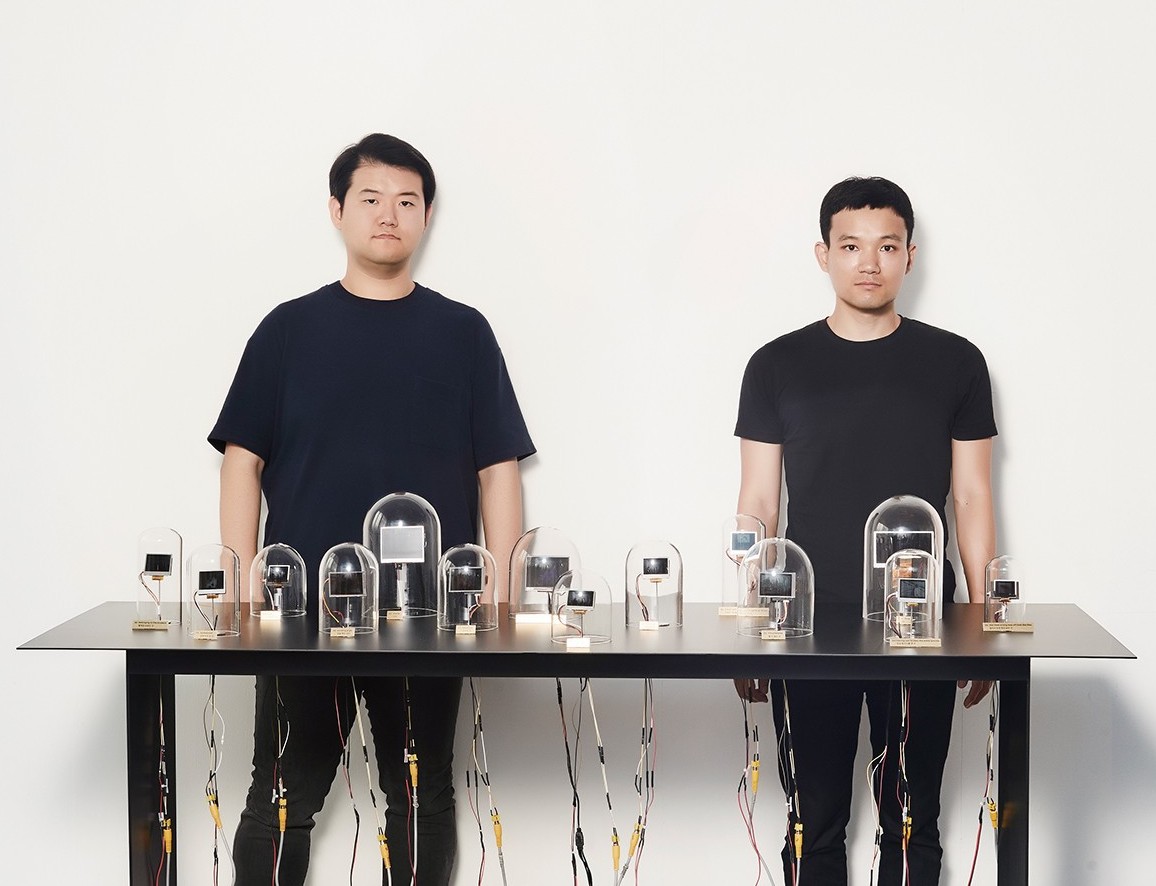
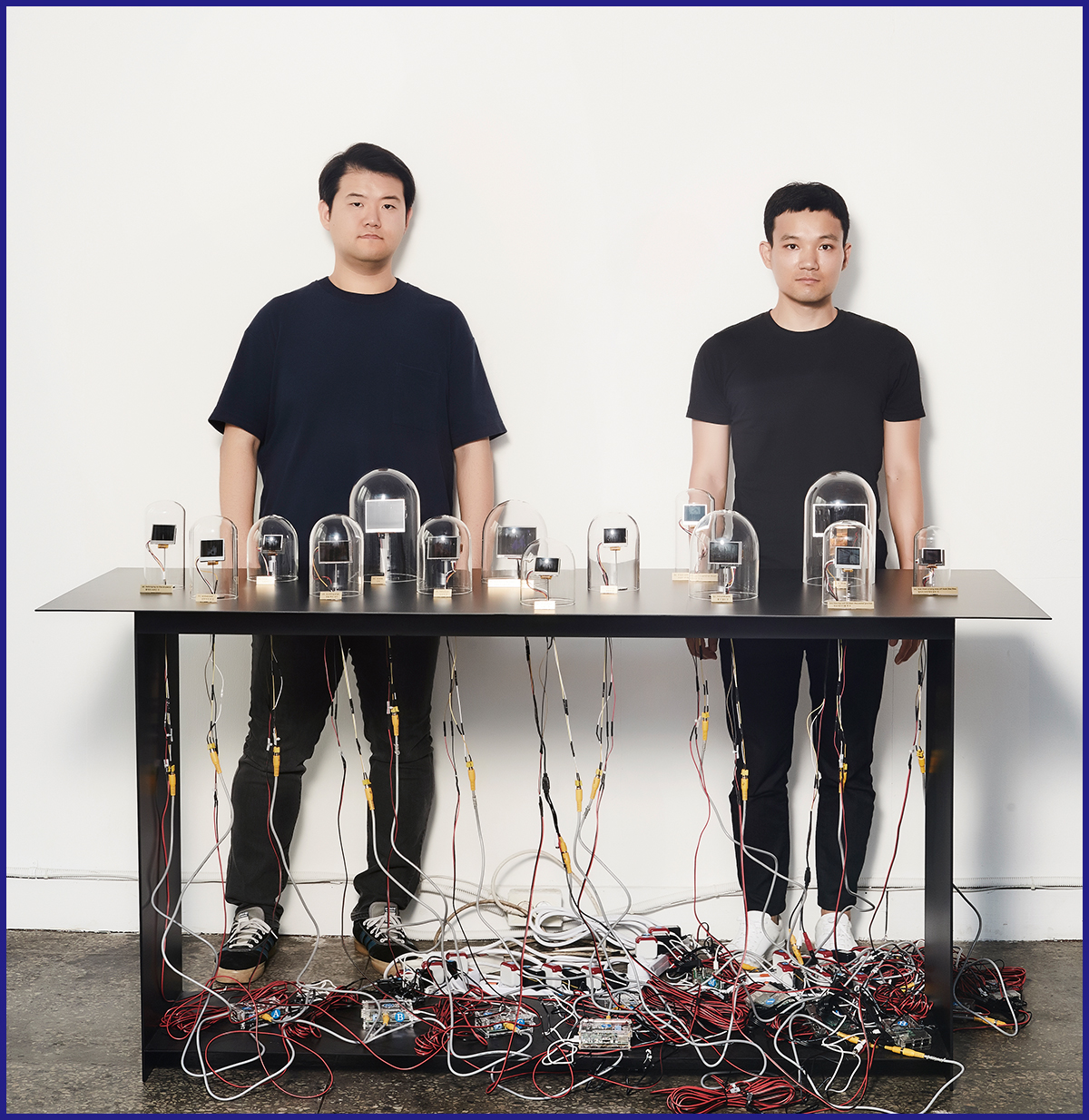
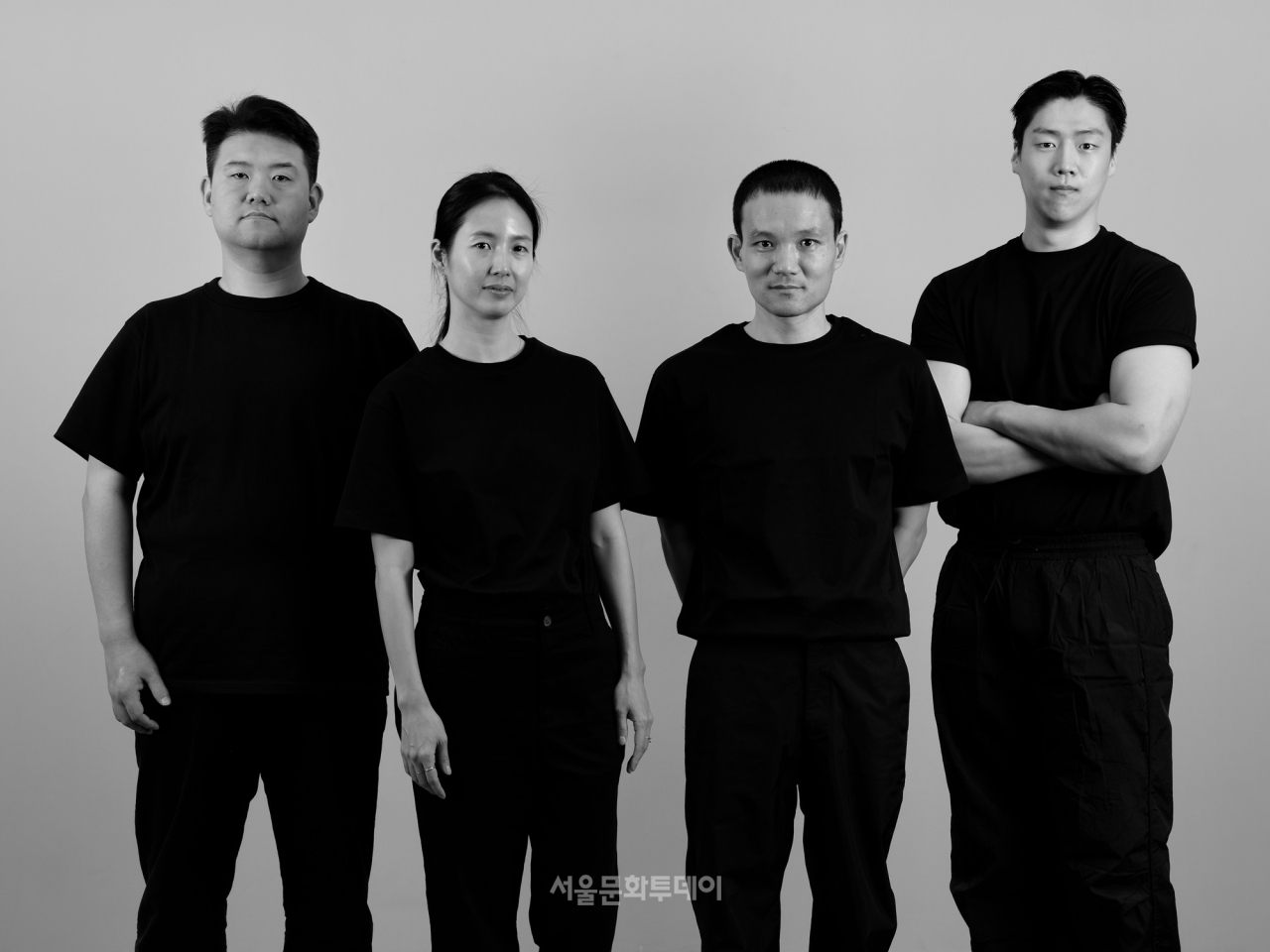
Shinseungback Kimyonghun is a Seoul-based artist duo. Shinseungback, who studied computer science, and Kimyonghun, who studied visual arts, met in graduate school, formed a collective, and have continued working together ever since. Through their collaboration, they explore the impact of technology on human life, with a particular focus on artificial intelligence in recent years.

Their works have been exhibited at the National Museum of Modern and Contemporary Art, Korea, ZKM | Center for Art and Media Karlsruhe and Museum Angewandte Kunst in Germany, Ars Electronica in Austria, and the Utah Museum of Contemporary Art in the United States, as well as in France, the Netherlands, the Czech Republic, Croatia, Australia, Canada, and China.


You work under the name 'Shinseungback Kimyonghun' without a separate group name. Is there a particular reason for this?

Kimyonghun (hereafter Kim) / That is our group name. We even put considerable thought into the order of our names. Above all, we wanted to emphasize that we work together as a duo.

How did you two first meet?

Kim / After studying visual arts at the University of Sydney, I entered the Graduate School of Culture Technology at KAIST in 2010. At the time, I was interested in how digital technology was transforming photography as a medium. I met Shinseungback there, as we shared the same laboratory, and we decided to form a group in 2012 to create something together. Since my background was in art, I needed technical assistance.

Shinseungback (hereafter Shin) / After graduating from Yonsei University with a degree in computer science, I worked as a technical consultant at Samsung Electronics before entering graduate school. I had studied computer graphics for a long time, so I continued creating images using computer graphics in graduate school.

That's when I became friends with Kimyonghun, who had studied photography, and we began discussing the possibility of experimenting with the combination of technology and art.


Kimyonghun had an artistic background, while Shinseungback was an engineer. How did you decide to make art the primary medium of your collaboration?

Kim / Since I had studied art, it was a natural choice for me. As for Shinseungback, he was interested in art as a means of implementing technology.


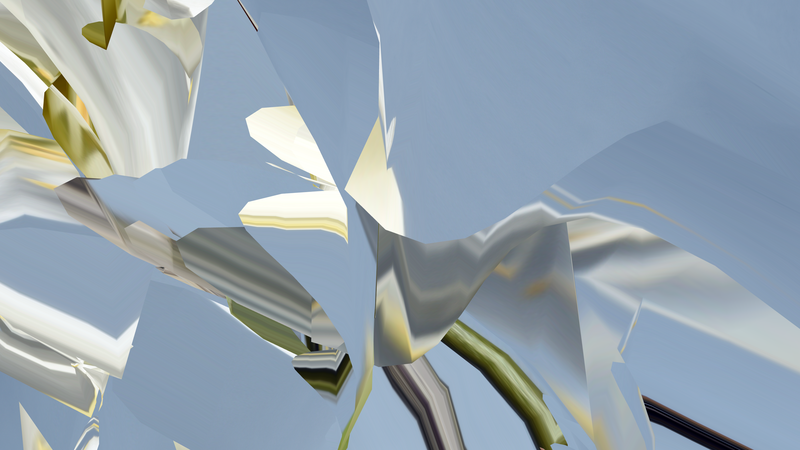
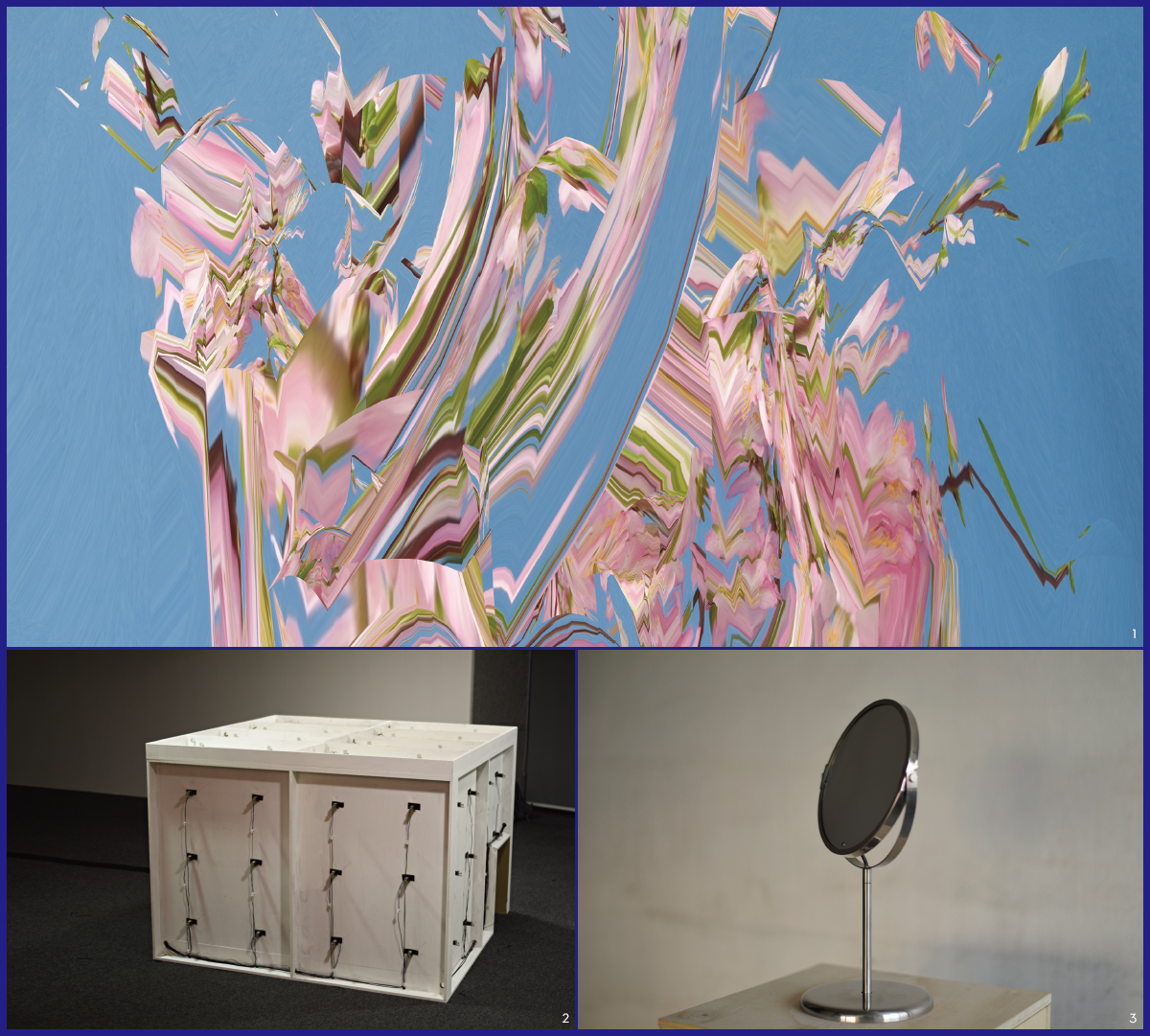
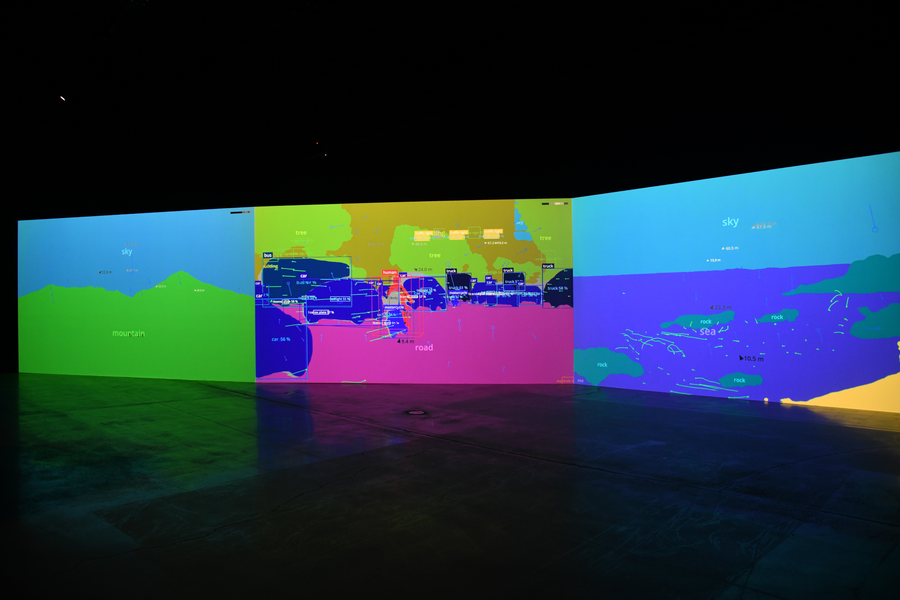
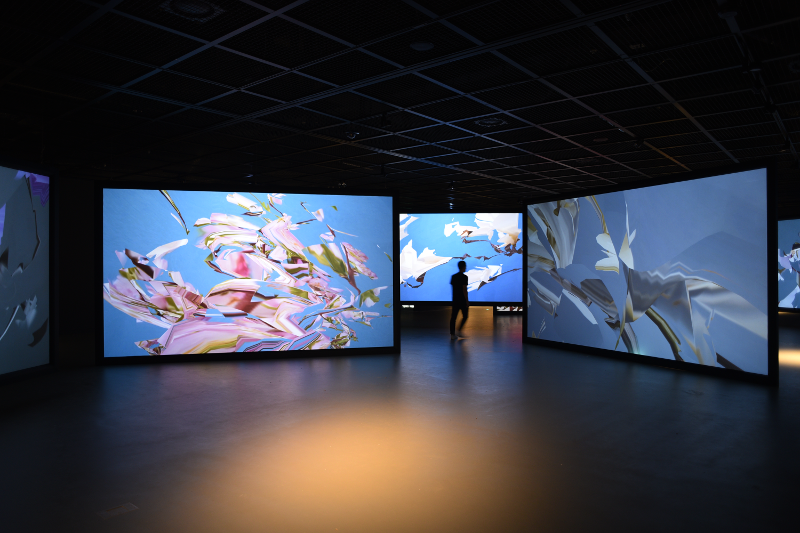
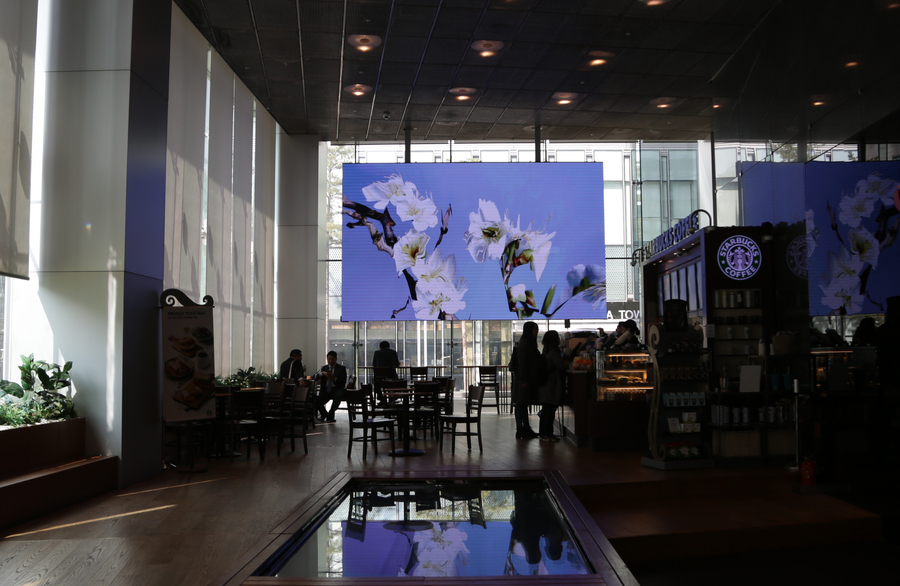
1. Shinseungback Kimyonghun, Flower, 2016–2017, Object recognition algorithm, custom software, screen, projector, computer, Dimensions variable © Shinseungback Kimyonghun
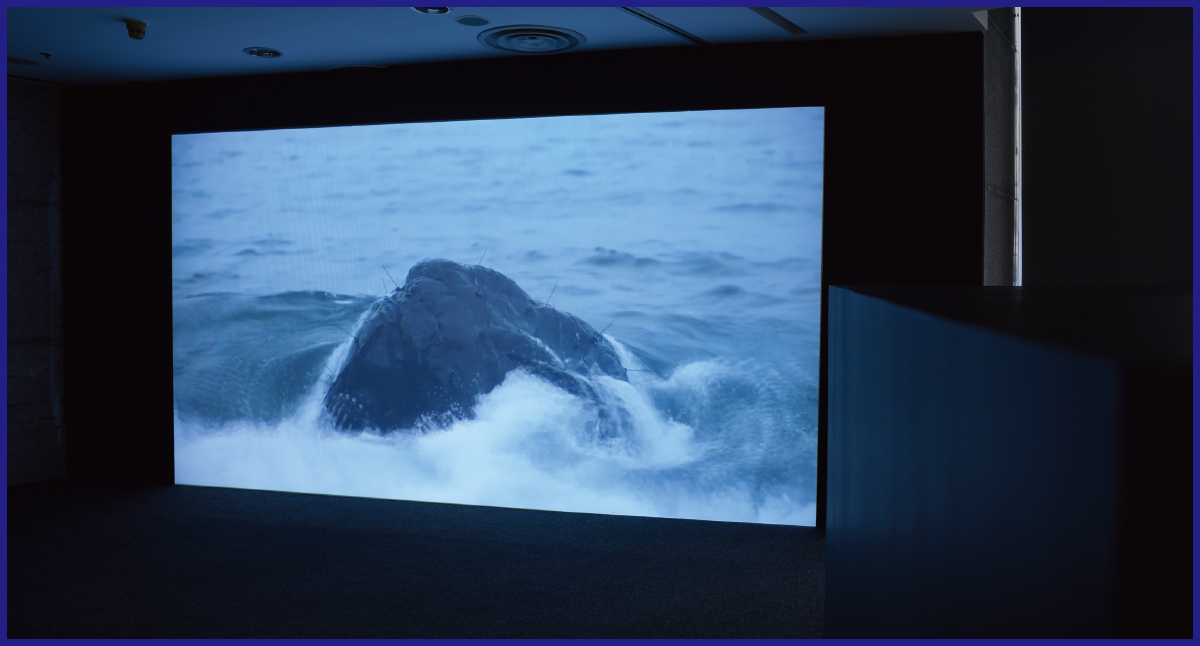
2. Shinseungback Kimyonghun, Stone, 2017, 64 water sensors, 64 solenoids, wooden panels, Arduino, computer, custom software, speakers, screen, projector, Dimensions variable © Shinseungback Kimyonghun
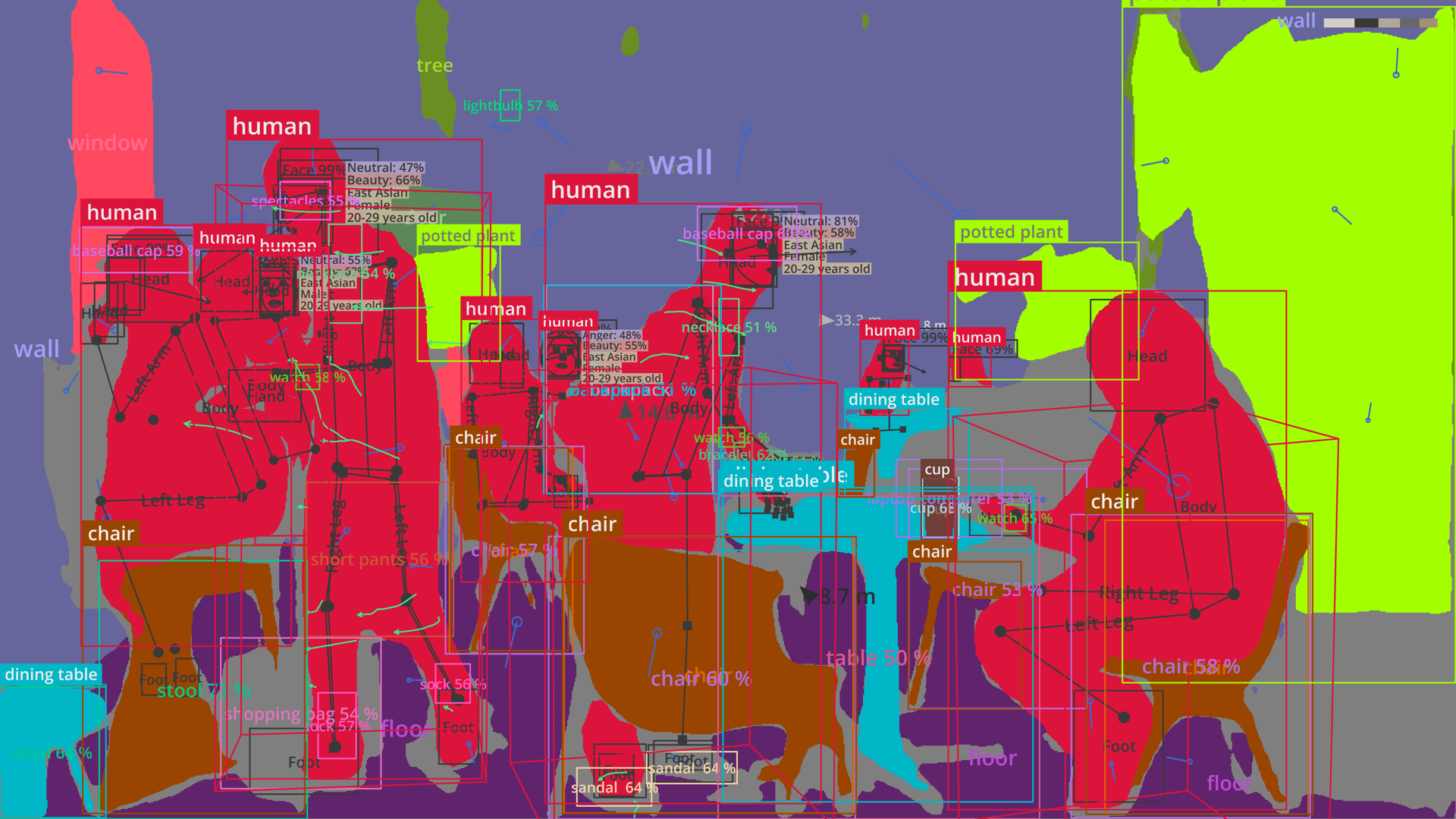
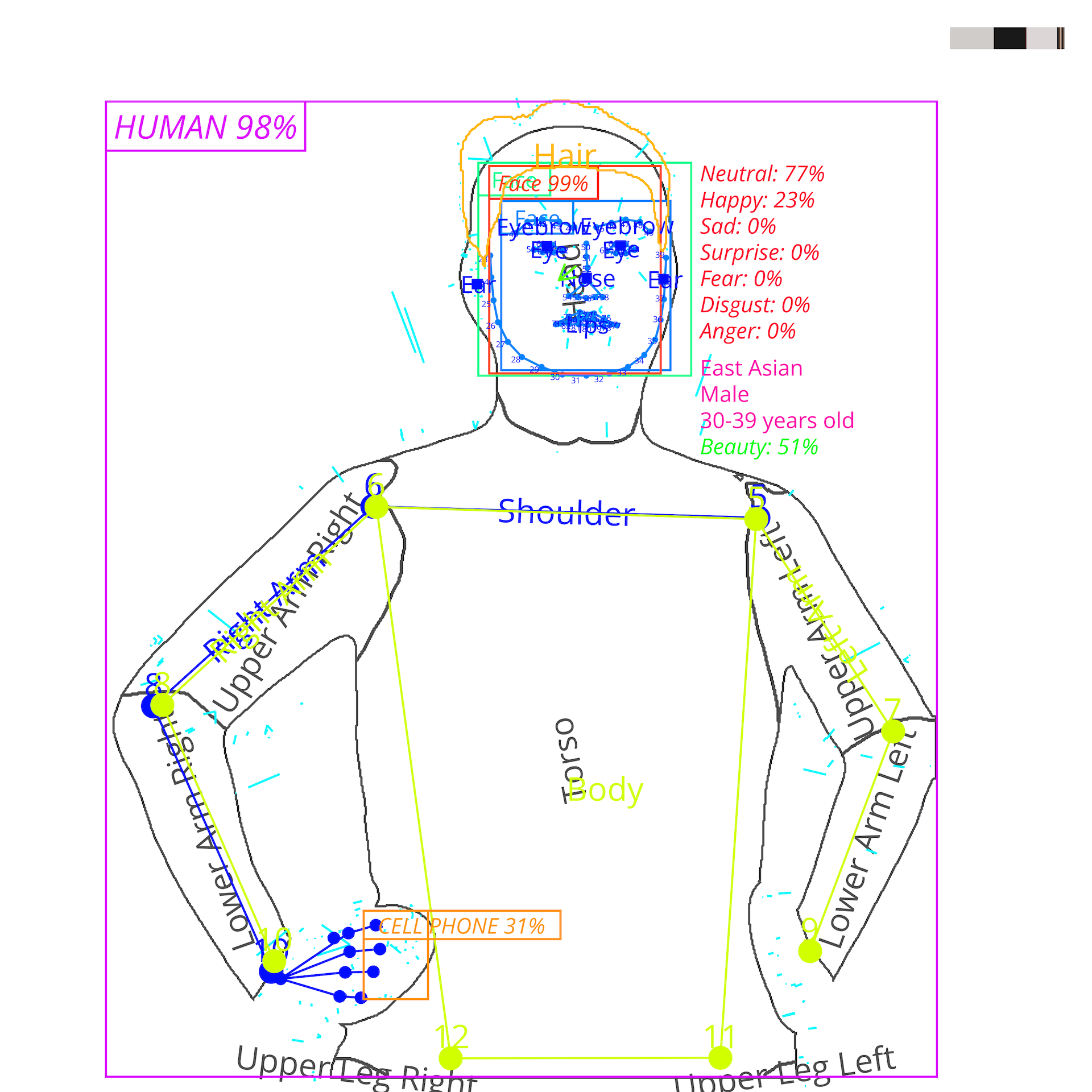
3. Shinseungback Kimyonghun, Nonfacial Portrait, 2018–ongoing, Face detection software, camera, computer, monitor, canvas, smartphone, table, wooden panel, Dimensions variable © Shinseungback Kimyonghun

Could you introduce your first work, Cloud Face (2012)?

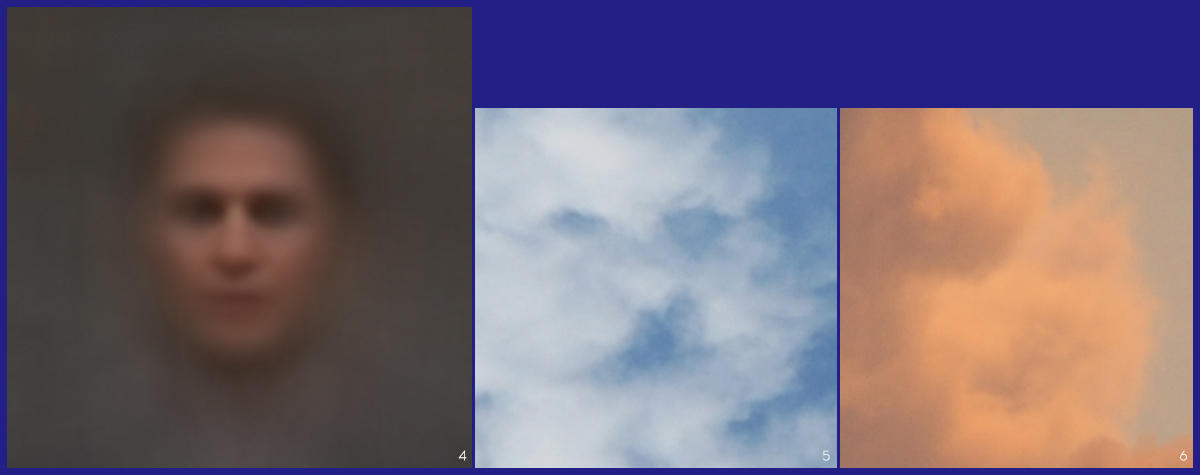
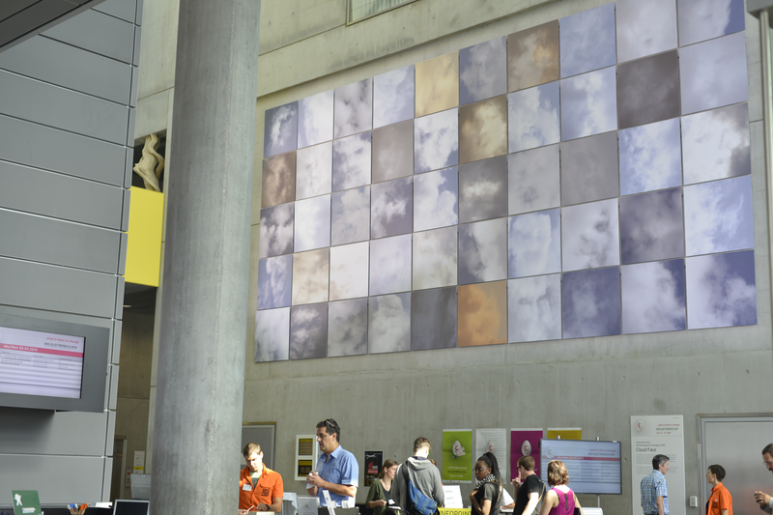
Kim / We're very interested in how technology affects humans and society. That's why we primarily use computer vision, a form of artificial intelligence technology, in our work. Cloud Face is based on an AI face detection algorithm.

Simply put, it captures instances in which artificial intelligence recognizes clouds as human faces. Just as humans discover shapes resembling cars, airplanes, or human faces in constantly changing clouds, artificial intelligence sees them too. But these are actually errors made by AI. We began our artistic practice by making use of these errors.


These days, as more artists work with artificial intelligence, most research focuses on how to reduce such errors. What led you to make 'errors' the foundation of your work?
Shin / We didn't want to regard technology merely as a 'tool.' We wanted to examine the technology itself. That's what led us to explore errors. An error can be seen as a problem, but it can also reveal something about the relationship between technology and the humans who created it. No matter how well an AI system functions, isn't it ultimately built upon the knowledge of imperfect human beings? It's this human imperfection that interests us.


Did you also develop the AI algorithm used in Cloud Face yourselves?

Shin / Face detection algorithms are common technologies that are already publicly available. Anyone can download and use them from the internet. When you try to photograph clouds with an iPhone camera and it mistakenly identifies a cloud as a face, that's similar to the technology we use. We take existing, widely used algorithms and modify them slightly to suit our work.


Since Shinseungback is an engineer, why don't you develop your own algorithms?

Shin / If we created our own algorithm and then discussed its errors, it would be difficult to determine whether those errors were caused by something we had introduced or were inherent in the algorithm itself. By using algorithms that are already widely available, however, we can more clearly demonstrate the fundamental problems within them. In fact, these are errors that no other group has pointed out.


4. Shinseungback Kimyonghun, Avatar, Portrait, 2013, Face detection algorithm, custom software, pigment inkjet print, Dimensions variable © Shinseungback Kimyonghun
5, 6. Shinseungback Kimyonghun, Cloud Face, 2012, Camera, face detection algorithm, custom software, pigment print, Dimensions variable © Shinseungback Kimyonghun

Now that you've explained it, I can see your point. Even companies that develop AI rarely discuss its errors openly. Why do you think that is?

Kim / Because there isn't really an answer. The classification systems used in artificial intelligence represent the most advanced technology humans have developed. In fact, more than 90% of the AI systems we know today are technically 'classifiers.' Object recognition is one example, but even AI translation and AlphaGo fundamentally operate through classification.

However, if we begin questioning this technology that humans have created, we might find ourselves unable to move forward with anything. That doesn't mean the technology is without problems, though, which is precisely why we want to examine it.


I'm also curious about another work, Animal Classifier (2016). Classification is right there in the title. Is this work also based on the concept of classification?

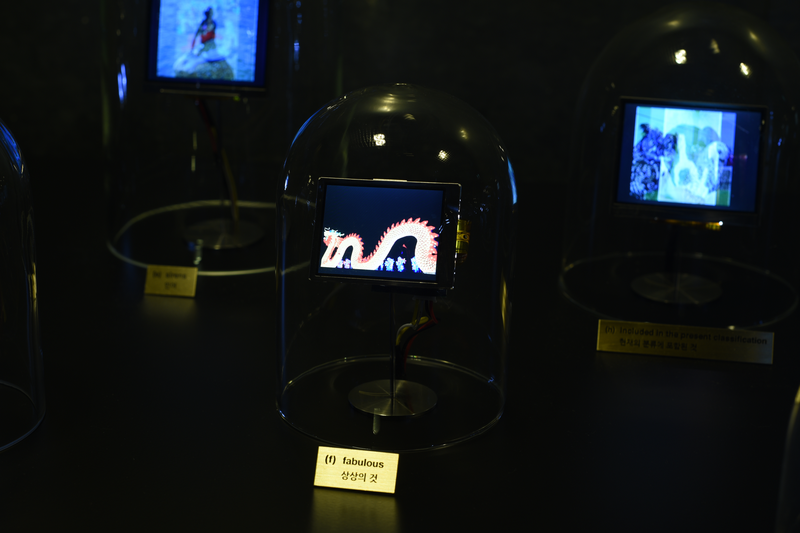
Shin / Animal Classifier is based on the fourteen unusual categories of animals supposedly listed in 'a certain Chinese encyclopedia,' as described in Jorge Luis Borges's The Analytical Language of John Wilkins (El idioma analítico de John Wilkins). These include categories such as 'those belonging to the Emperor,' 'embalmed ones,' and 'fabulous ones.'

Using these categories, an AI algorithm embedded in the work autonomously classifies approximately 100,000 animal images from the photo-sharing platform Flickr and displays them across fourteen monitors. The work relates to Borges's assertion that "there is no classification of the universe that is not arbitrary." It also addresses the ambiguity of human perception and the fundamental challenges that artificial intelligence technology must overcome.


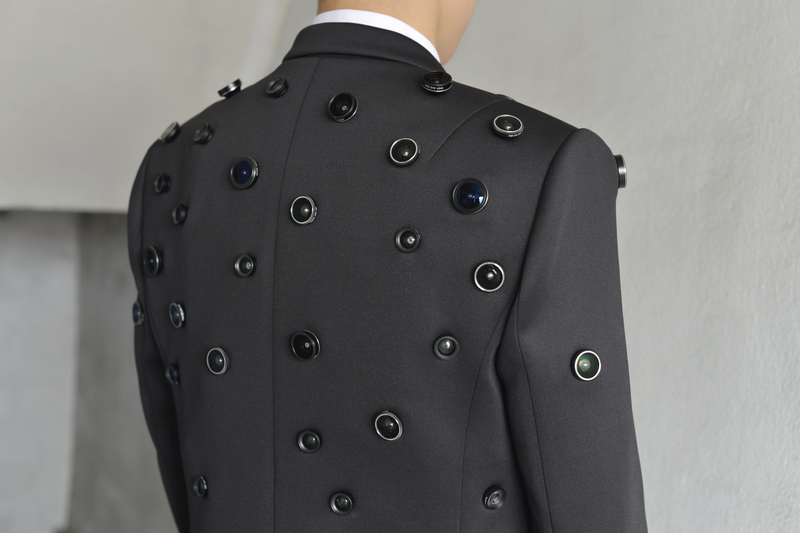
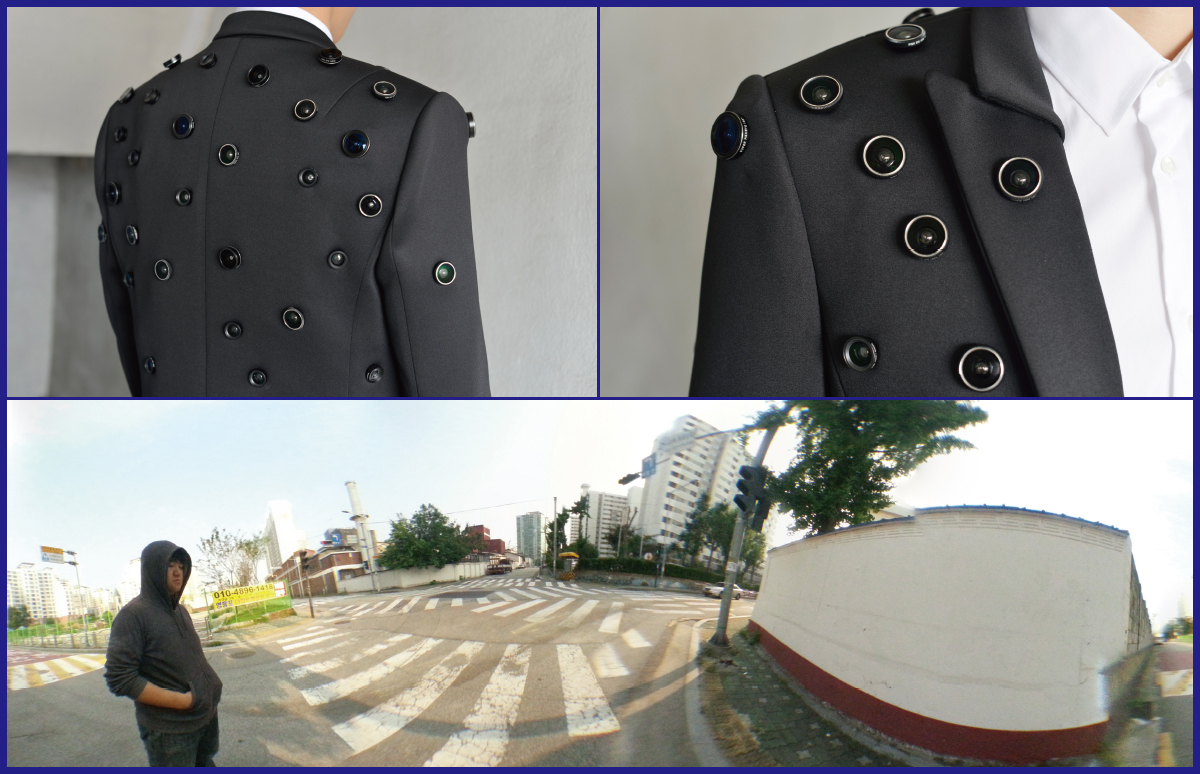
Shinseungback Kimyonghun, Aposematic Jacket, 2014, Custom software, lens, Raspberry Pi, camera, Wi-Fi module, battery pack, fabric, 15 x 60 x 70 cm © Shinseungback Kimyonghun

Aposematic Jacket (2014), a jacket covered with dozens of cameras, seems to take a somewhat different approach.

Kim / Aposematic Jacket is a wearable jacket fitted with dozens of button-sized cameras. When the wearer feels threatened, they can press a button on the jacket, activating the cameras to capture a 360-degree view of their surroundings and transmit the images to a predetermined website.

We were thinking about a world in which cameras are everywhere and the kind of morality their presence imposes, since people tend to behave more carefully when they know they're being filmed.


How do you exhibit a work like that?

Shin / Sometimes we simply hang it on a coat rack in the exhibition space, while at other times a model wears it for a performance. At exhibitions in Vienna, Austria, and Karlsruhe, Germany, models wore the jacket and performed with it.


Shinseungback Kimyonghun, Stone, 2017, 64 water sensors, 64 solenoids, wooden panels, Arduino, computer, custom software, speakers, screen, projector, Dimensions variable © Shinseungback Kimyonghun

I'd also like to hear about your new work, Stone, which I understand is currently on view at the Goethe-Institut Shanghai.

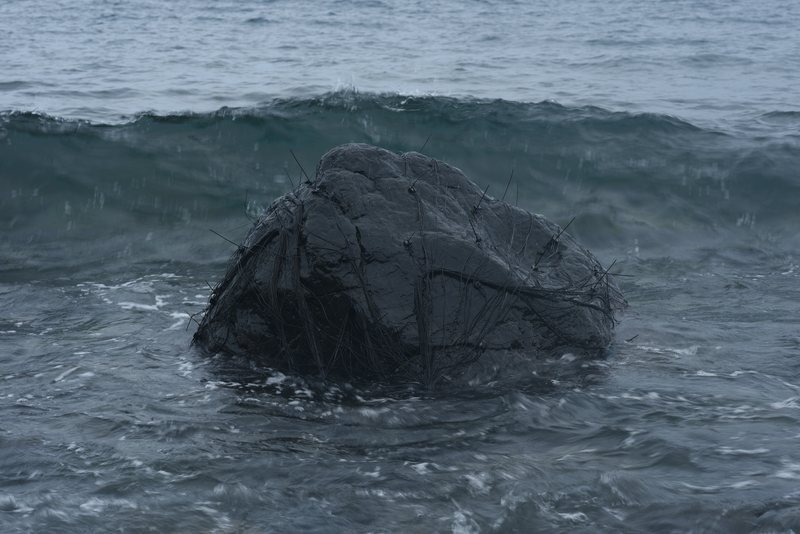
Shin / Stone is a work that allows visitors to experience the force and sound of waves striking a seaside rock within an exhibition space. We installed 64 water sensors closely together on the surface of a rock along the coast of Ulleungdo Island.

When waves strike the rock, the sensors transmit signals to a separate relief structure, a visitor-accessible installation modeled on the rock's actual size. Inside this structure, visitors can experience the sensation of waves as though they were the rock itself. The work explores the theme of posthumanism.


Unlike your other works, this one seems to have a somewhat warmer quality. It doesn't focus on human imperfection or technological errors.

Shin / That's right. We focused on how technology might transform human beings.


Listening to you, I get the impression that you've exhibited far more frequently overseas than in Korea. Why do you think you're relatively less well known domestically?

Kim / Whenever we release a new work, international online platforms are usually the first to introduce it. Perhaps that's why more than 70% of our exhibitions have taken place overseas for quite some time.


Which institution or event has shown the greatest interest in your work so far?

Kim / We've received considerable attention from Ars Electronica, the world's largest media art festival, held annually in Linz, Austria. In 2014, we were invited as featured artists, in a program somewhat similar to an 'Artist of the Year' presentation.

While even renowned media artists typically present only three or four works in that section, we were able to showcase around ten of ours. Since then, more international institutions and curators, including those at ZKM in Germany, have become familiar with our work.


What are your plans for the second half of this year?

Kim / After our exhibition at the Goethe-Institut in Shanghai concludes this summer, we'll present our work in Berlin. In December, we're also scheduled to exhibit at Art Sonje Center and the Goethe-Institut in Seoul.

References