Artist Kim Joon is opening a new horizon in contemporary sound art. His practice goes beyond the mere collection and playback of sound; it can be understood as a philosophical attempt to reinterpret the relationship between nature and the human. What stands out in his work is a methodology that captures the sounds of nature with precision and transforms them into place-bound records—linking them to human experience and restoring their sense of site.

Working through residencies, the artist spends extended periods exploring each location and recording its sounds. Unlike a temporary visitor, he can register the distinctive sonic shifts that occur moment by moment within a single place. Waves never sound the same from day to day, and mountain soundscapes change with the seasons. Because he records the time, seasonality, and tactile sense of place embedded in sound, the recorded audio alone can conjure a vivid image of the site. When encountering Kim Joon’s work, audiences often report a sensation of being physically present there.
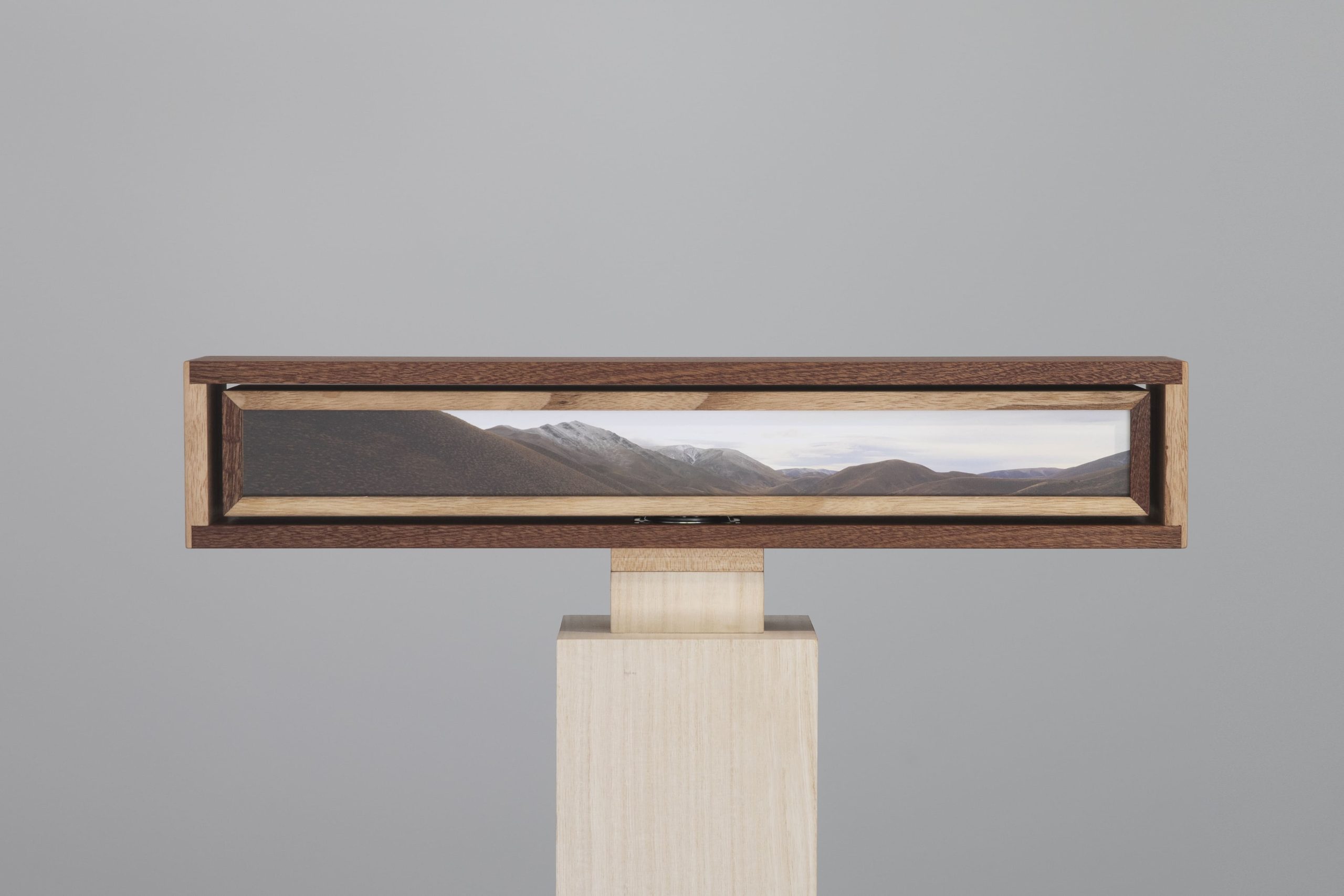
Although the waves of New Zealand, Australia, and Korea’s East Sea differ clearly, the artist places less emphasis on strict geographical distinctions than on the manifold resonances of the greater natural world—inviting each listener to interpret what they hear through their own experiences and emotions.

Critical responses to Kim Joon have described him as an artist for whom “what we can do is measure—not to adjust, rage, or propose unrealistic alternatives, but to measure accurately” (Lee Youngjun, Art: Don’t Create, Measure, kimjoon.de); as an artist who enables “an experience in which what could not be seen becomes visible, and what could not be heard becomes audible” (Lim Taehun, The Discovery of the Soundscape, kimjoon.de); and as an artist who brings audiences not the sound someone “makes,” but the sound that “arises” from a specific place (Kim Namsi, Sounds That Arise, Sounds That Are Heard, Sounds That Are Made Heard, kimjoon.de).

Taken together, these views point to a shared claim: Kim Joon does not try to fabricate sound or turn it into an instrument—he simply brings it, for a moment, close to the audience’s ear.


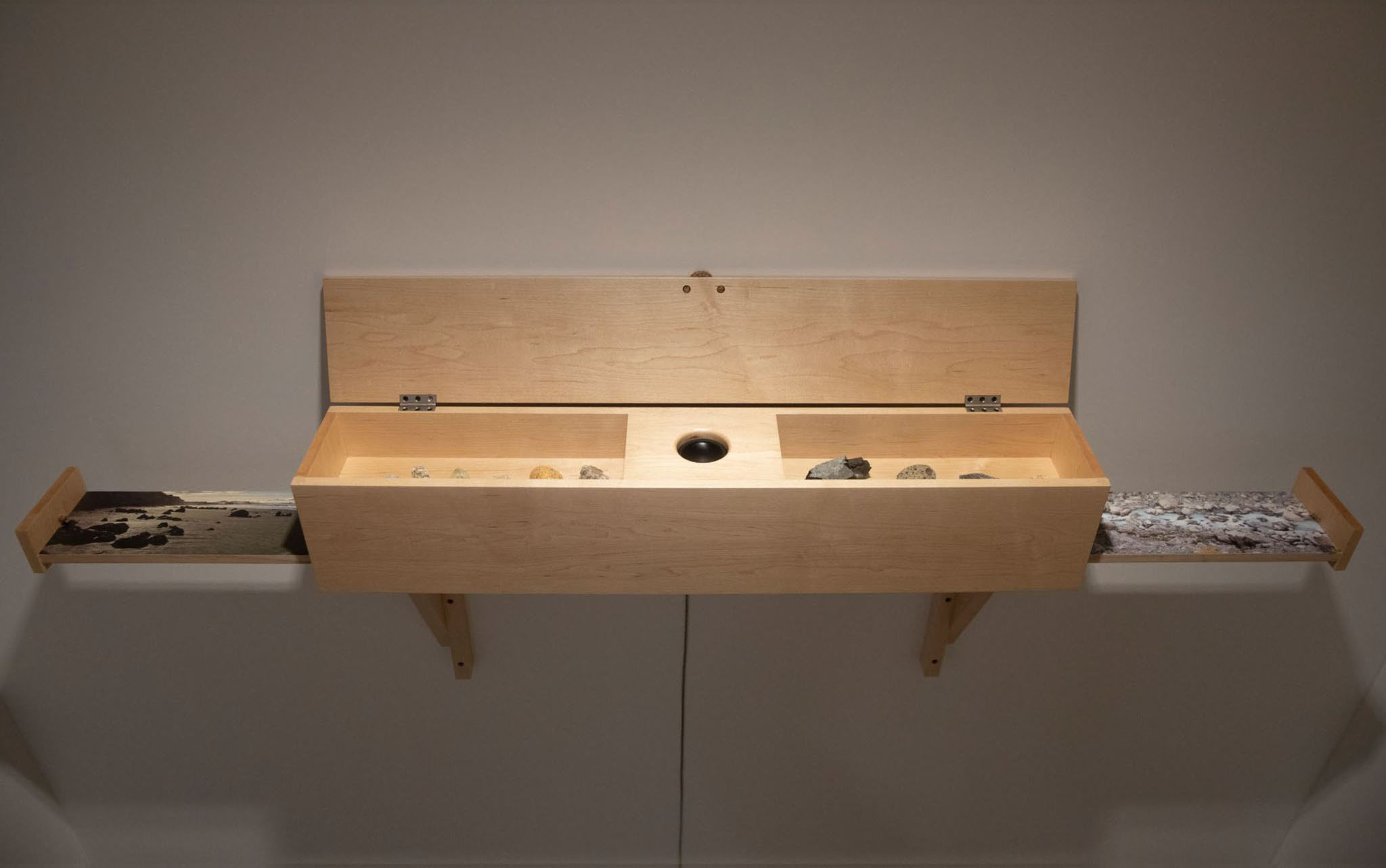
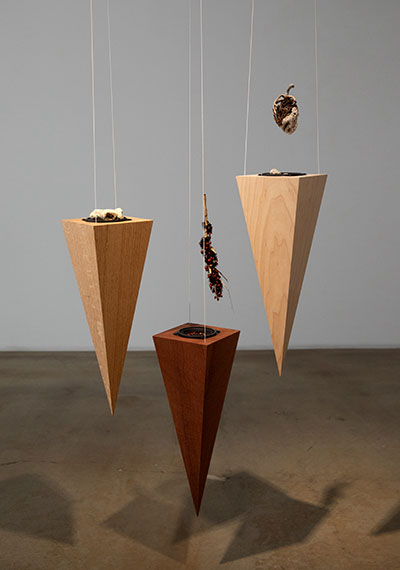
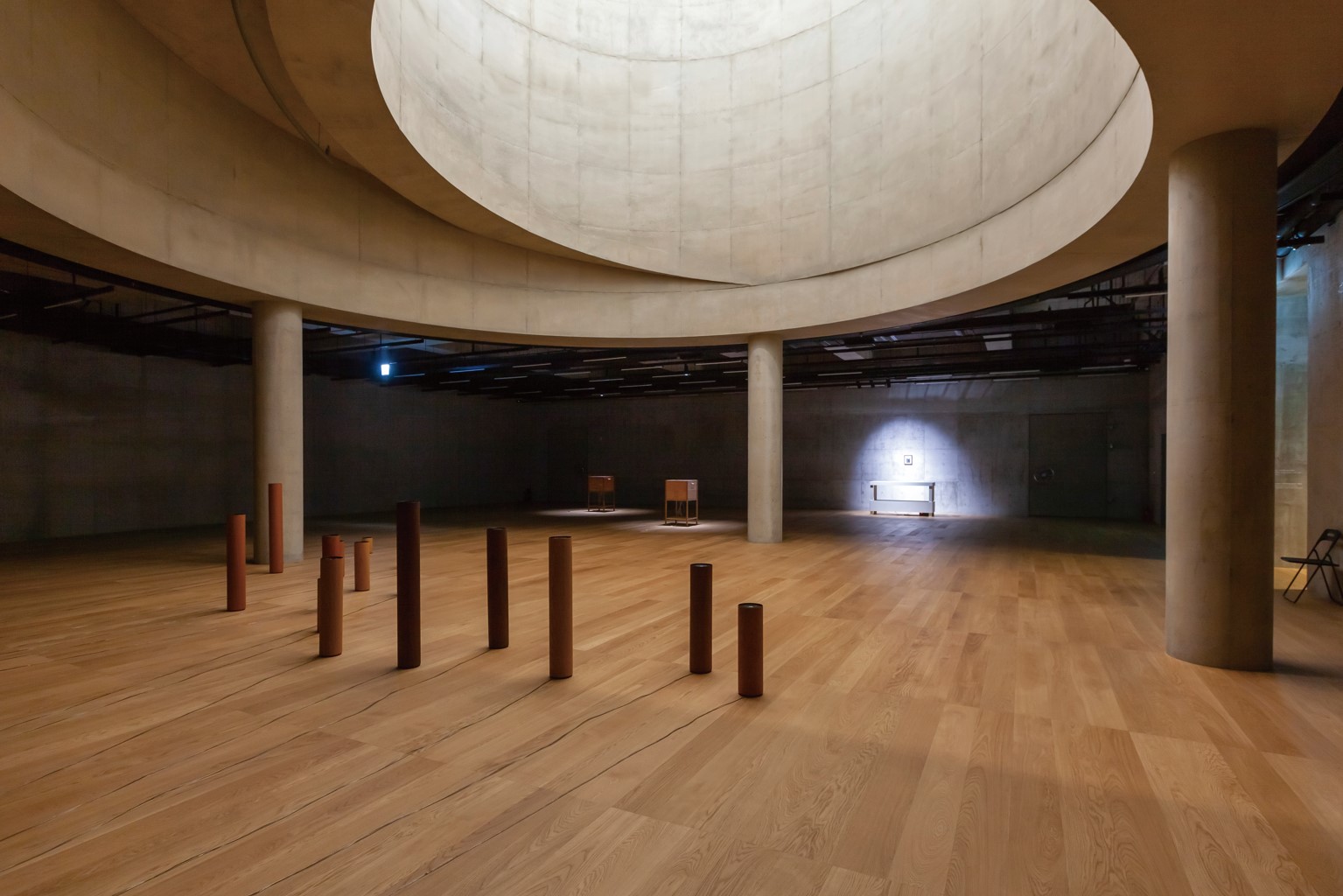
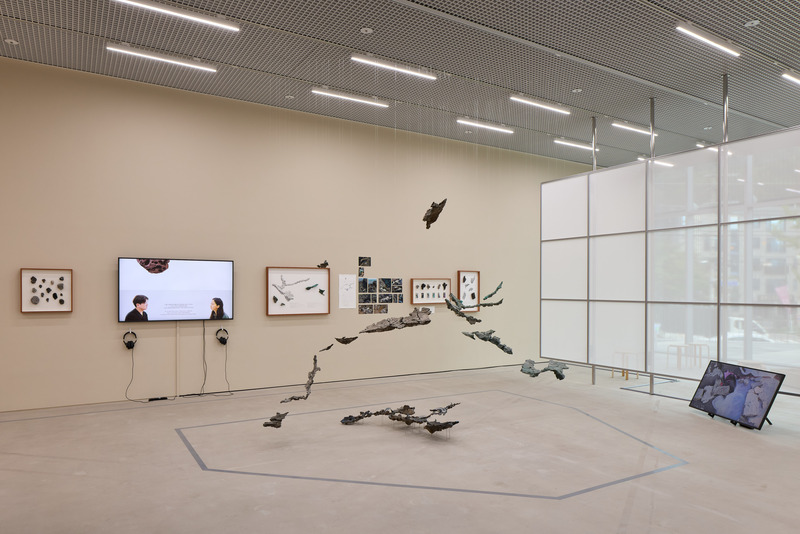
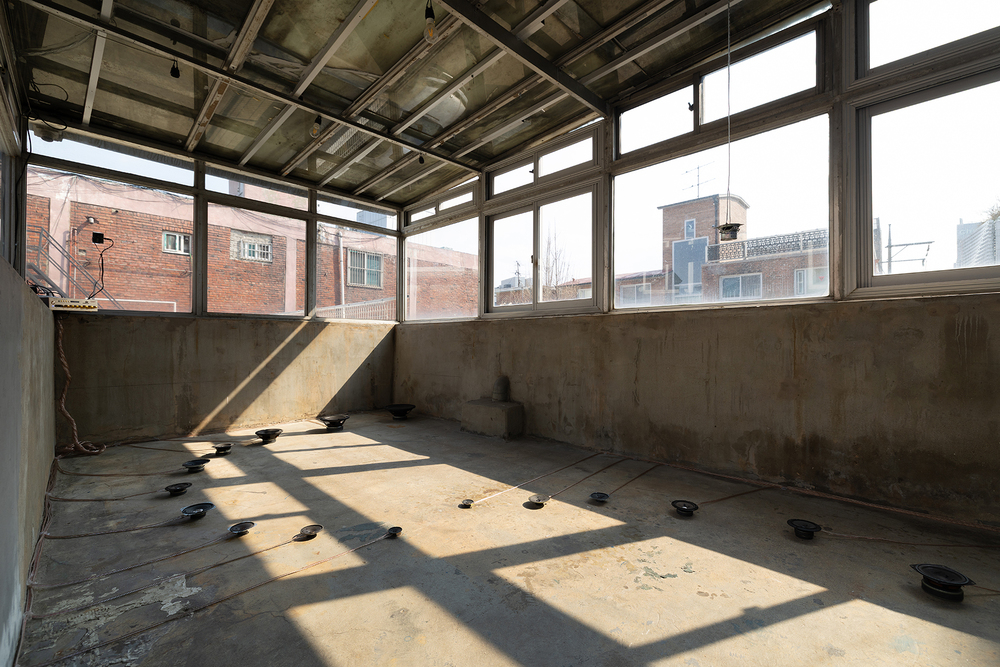
Kim Joon, Deep Earth, 2024, Mixed media (wood, speakers, amplifier, dried plants, collected rocks, 3-channel sound), Dimensions variable © Kim Joon

His working process is meticulous and systematic. The first step is the direct capture of natural sound—an act that carries meaning beyond recording itself. As he delicately gathers the sounds of water, wind, and animal calls in Pyeongchang, he also collects frequencies that exceed everyday human listening. The work resembles an aural microscopy—peering into a micro-world.

The collected material then undergoes technical transformation. What is crucial here is that Kim Joon preserves the essential character of the sound while reconstructing it into new forms capable of activating human sensation. This is where his approach diverges from Luigi Russolo—often cited as a foundational figure of today’s sound art—who sought to organize the noises of the city into a “noise orchestra” (1913).

Russolo regarded urban noise as dissonance and wanted to discipline it into an instrument. Kim Joon, by contrast, does not aim to control; with a seemingly indifferent placement—simply setting the sound down—he naturalizes the stage. Rather than performing the environment, he environmentalizes performance. As a result, the listener finds themselves placed—sonically—inside a location.


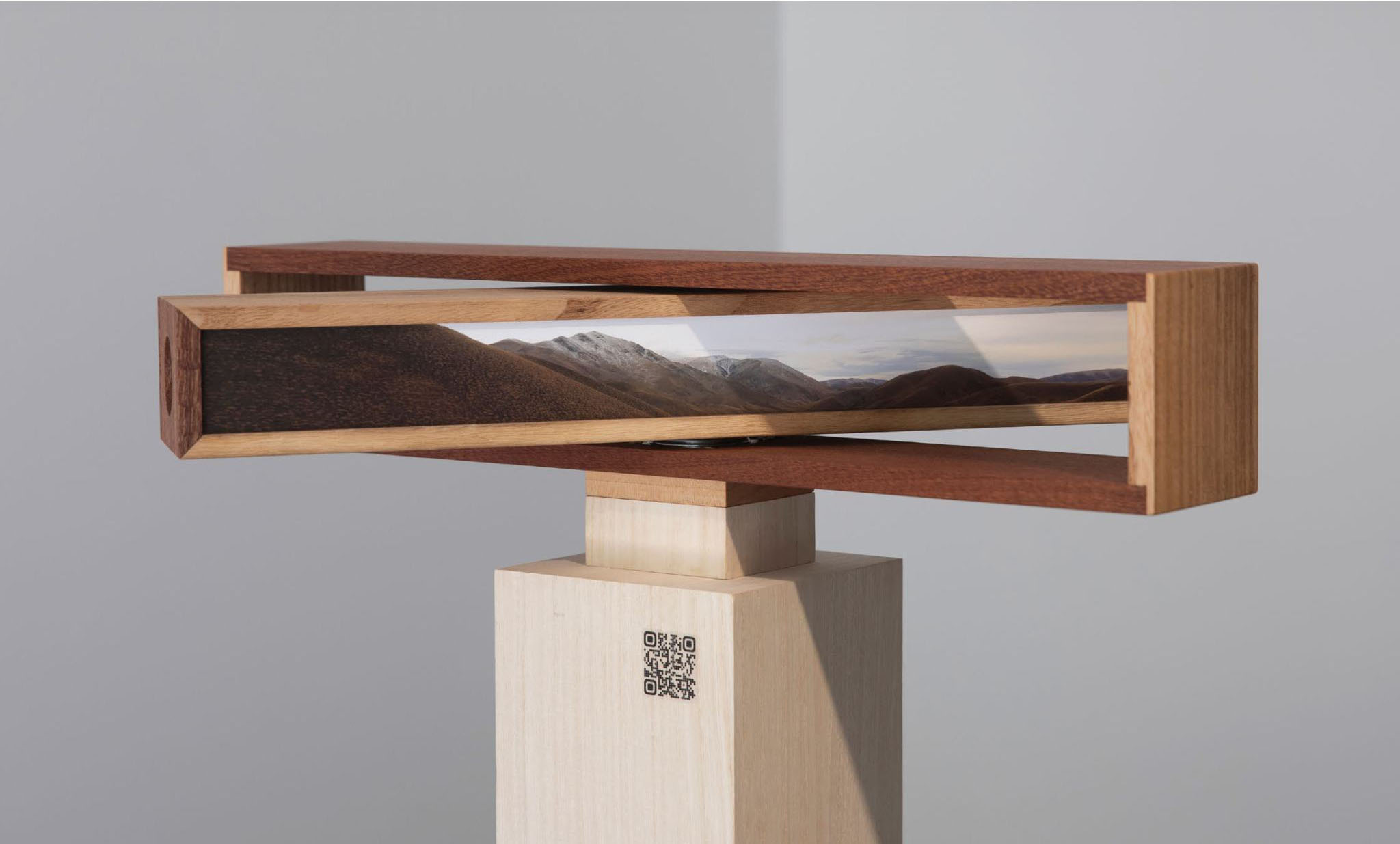
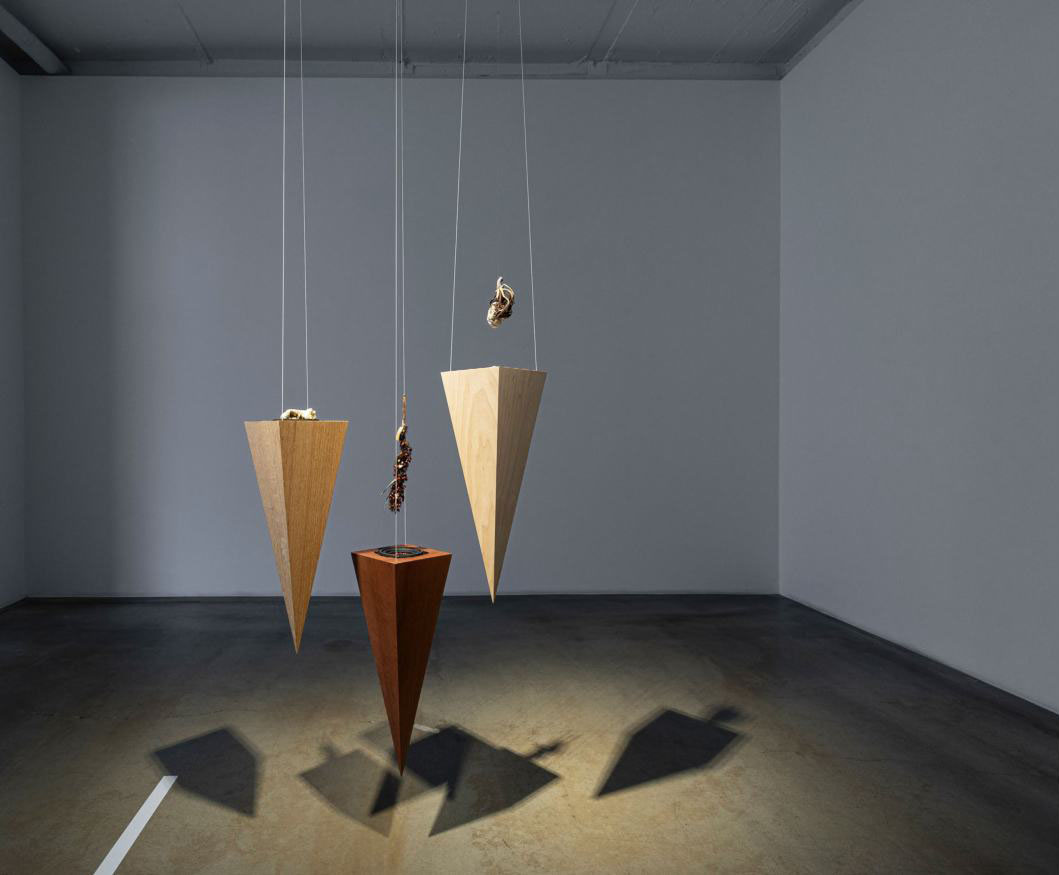
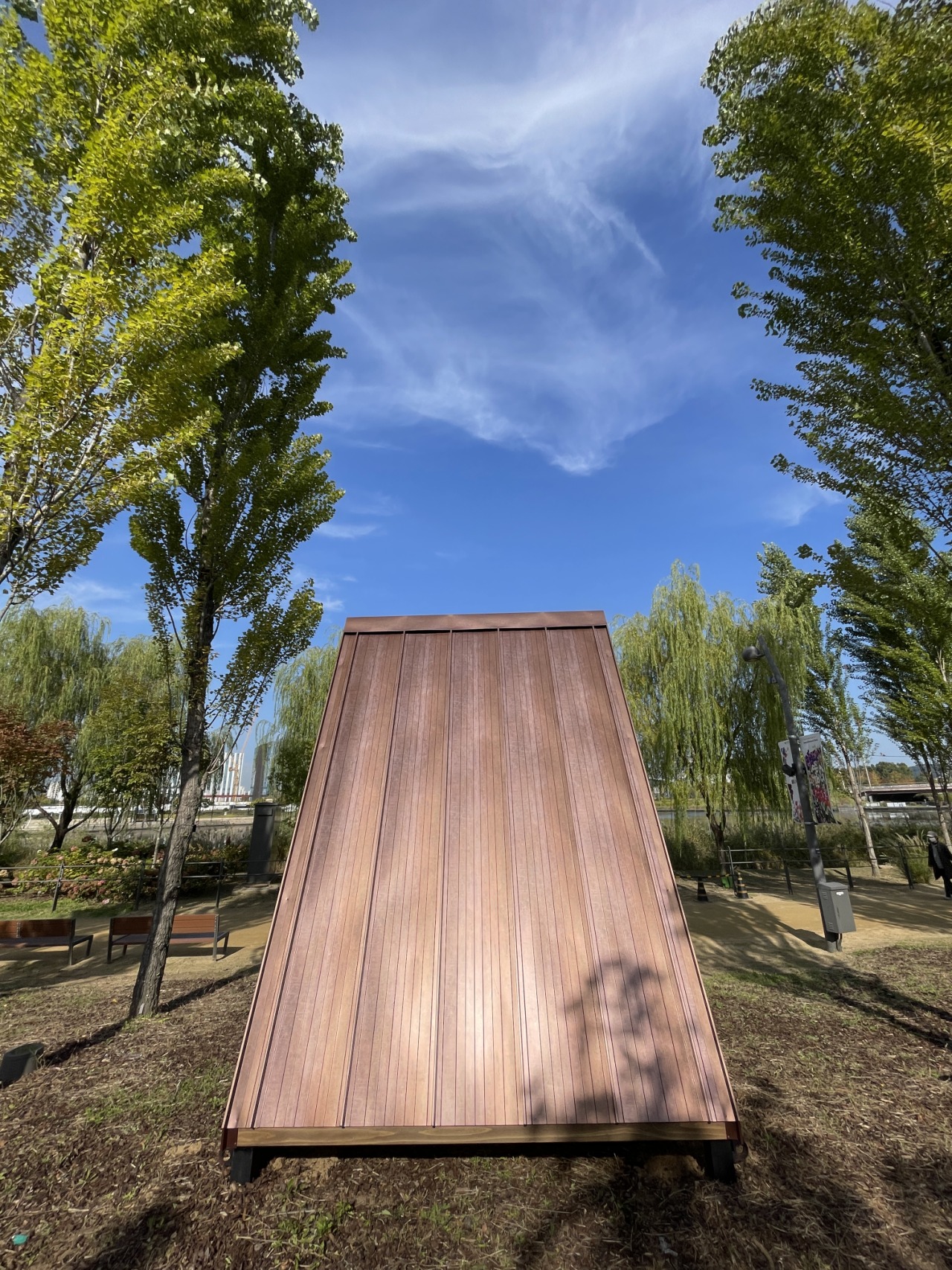
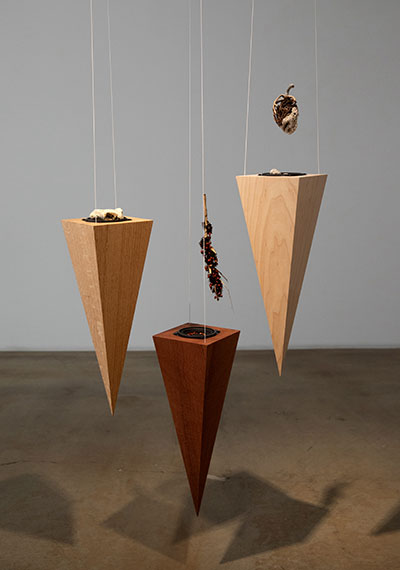
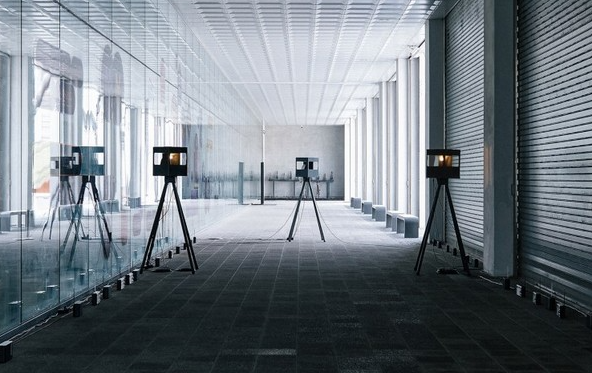
Kim Joon, Tempest, 2022, Mixed media (wood, 3-channel highly directional speakers, EMF sound conversion device), Dimensions variable © Kim Joon

The “Future Music: Classic Lab Convergence Residency Showcase 《Uo-o, Uk-o (郁烏), Baek-o (白烏)》” (Platform-L, 2024.12.13), created in collaboration with professional instrumentalists, is a case in which this artistic vision is fully realized. The meeting of natural sound and classical instruments is not a simple juxtaposition, but an integrated auditory experience.

Kim Joon’s “nature orchestra”—composed of raindrops striking the ground, water pooling in puddles, and leaves being brushed—functions as a core element of the performance. His work produces a total experience transmitted through the entire space, not merely through audible sound. From the moment one enters the venue, the natural sounds already infused into the room create the sensation of being transported into the landscapes of Pyeongchang.


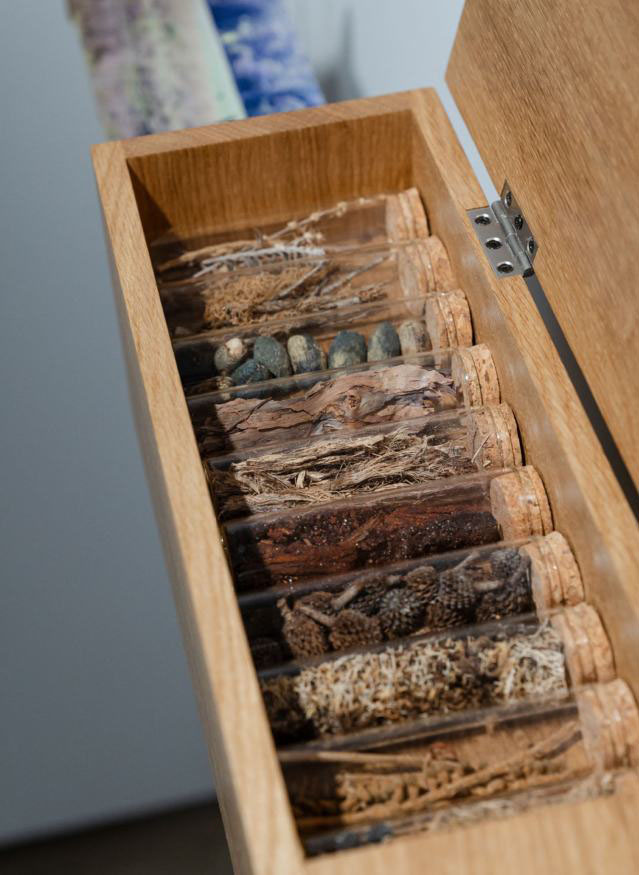
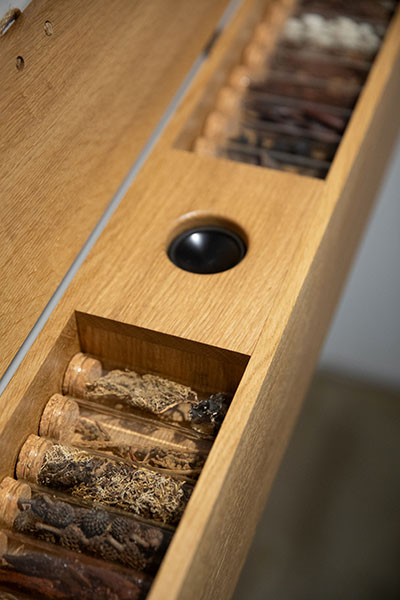
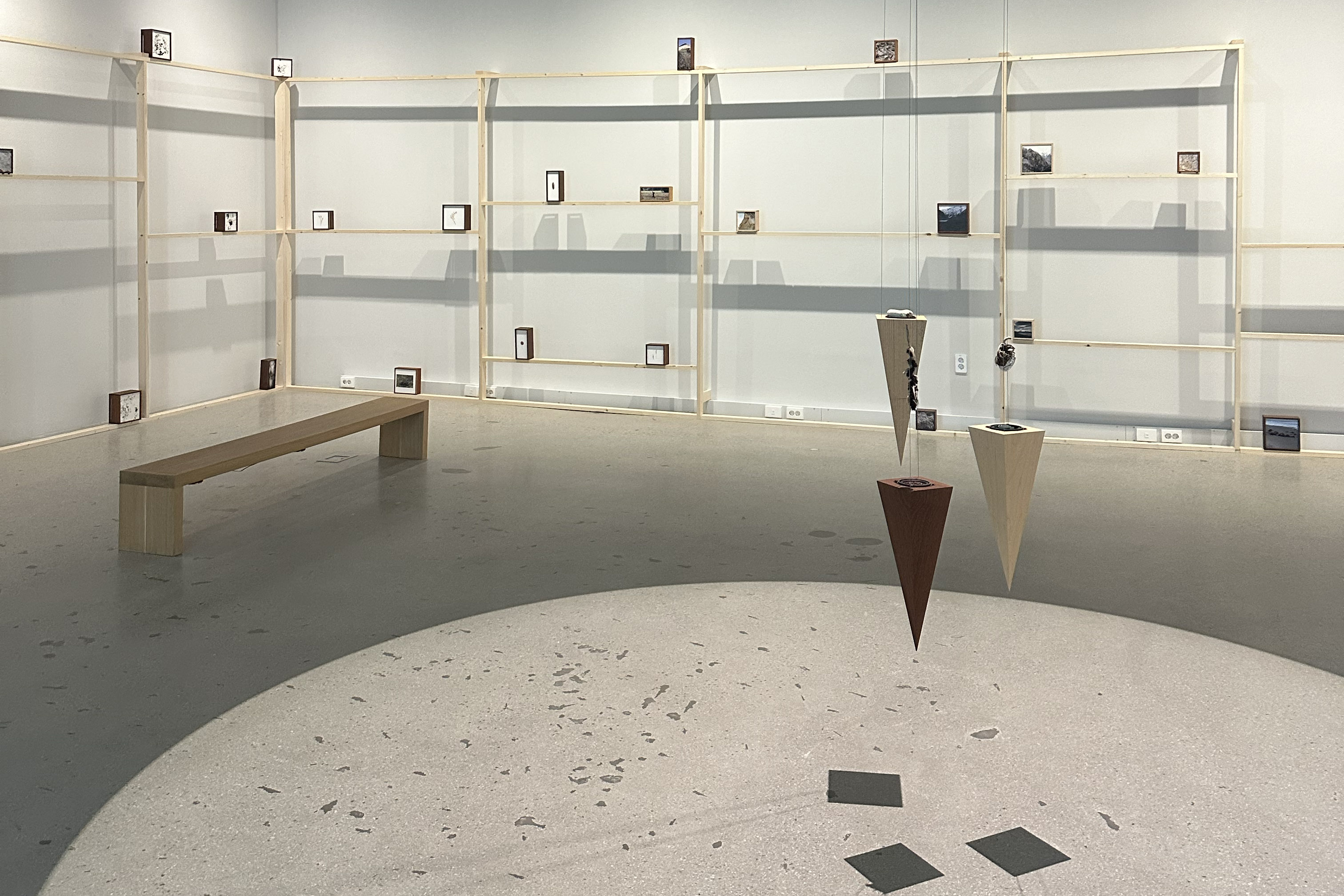
Kim Joon, Bush Plants, 2024, Mixed media (wood, speakers, amplifier, images, collected plants, glass cubes, multi-channel sound), Dimensions variable © Kim Joon

In this process, the artist seeks a delicate balance: employing advanced technology without damaging the nature of what is recorded. This can be read as an attempt to reconnect nature and the human—two domains that modern life has increasingly separated.

The work becomes a medium that recalls a mode of communion we had forgotten, and offers a significant example of how contemporary art can reinterpret the relationships among nature, technology, and the human—especially in a moment when ecological crisis and technological acceleration are urgent concerns.

One distinctive aspect of his soundscape staging in 《Uo-o, Uk-o, Baek-o》 is that although the sounds were digitally transformed, his mode of installing and conducting them in the venue was strikingly analog. He avoided immaterial interfaces such as laptops or digital amps; instead, he “conducted” the scene by quietly inserting and removing an SD card containing the sound files at particular moments.

The gesture may appear inefficient, yet it carries a ritual-like quality. Historically, many sound art performances have used the physical act of connection itself as a core performative element.


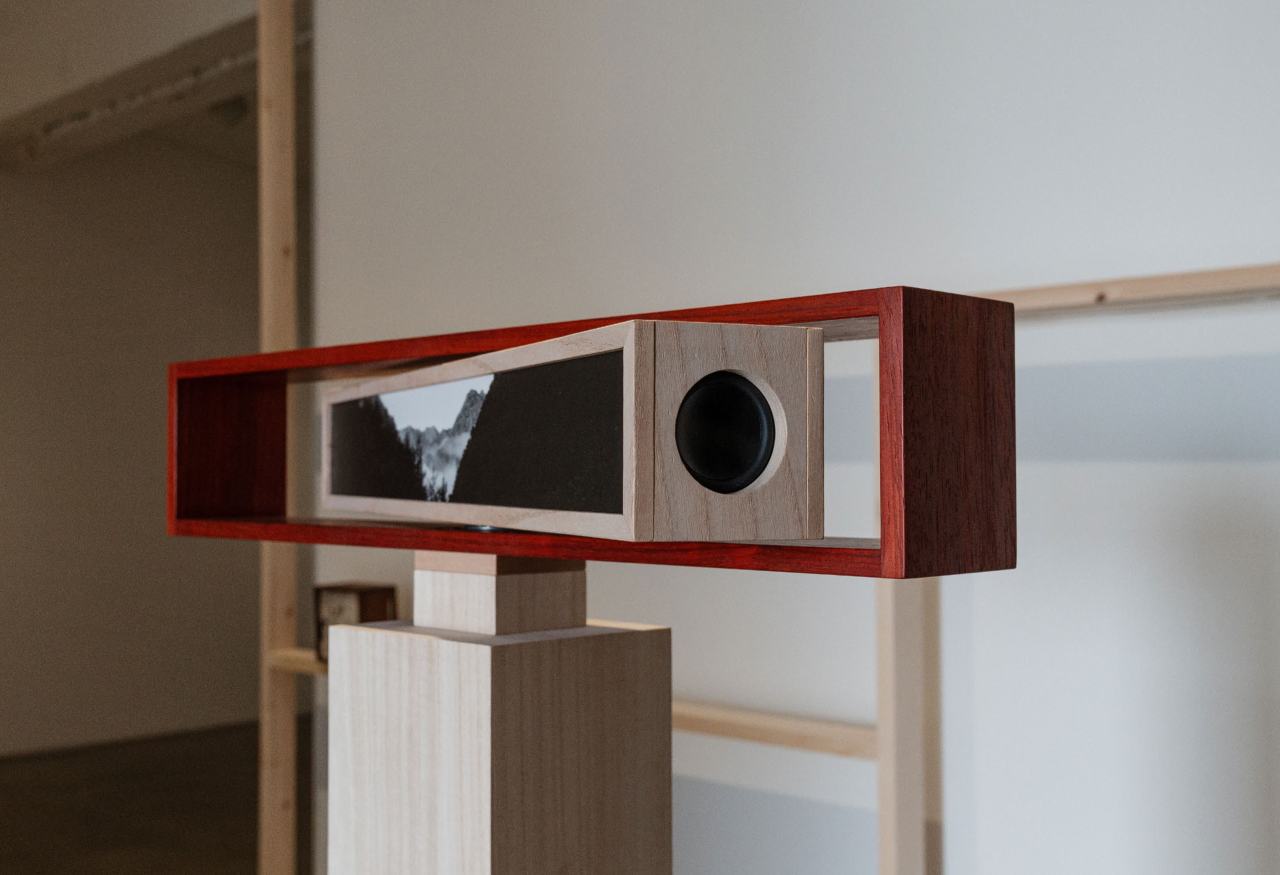
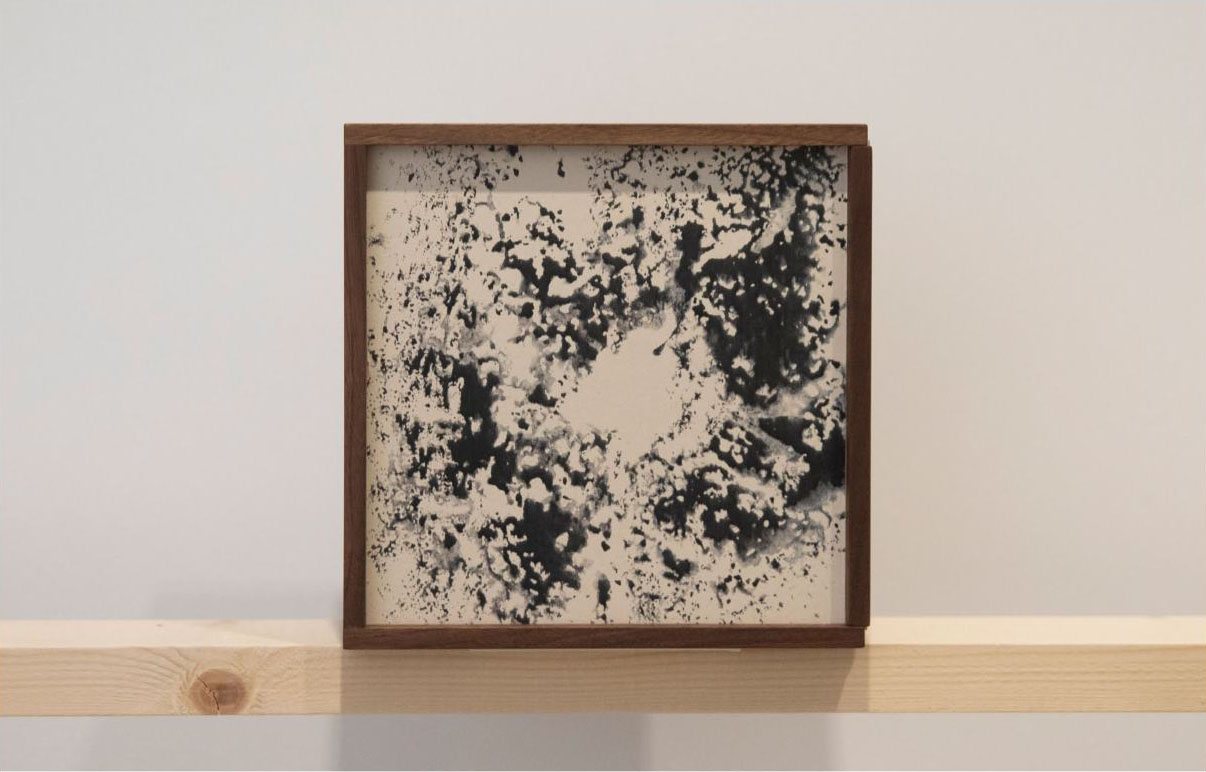
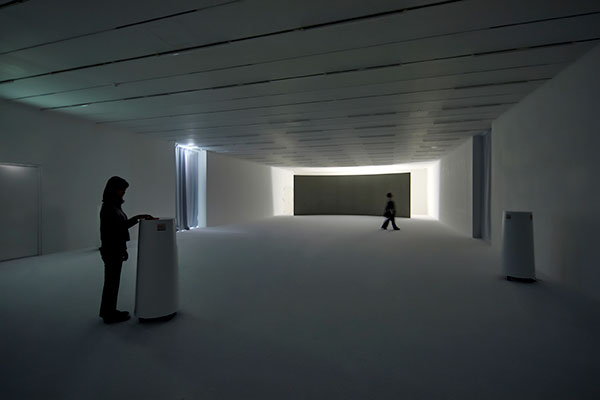
Kim Joon, Field Notes: Memories of Mountain, 2022, 8-channel sound, wood, acrylic, amplifier, speaker, photograph, 73 x 73 x 165 cm © Kim Joon

In 1963, Nam June Paik’s Random Access enabled audiences to move a magnetic tape head across fragments of audio tape affixed to a wall—so that spectators themselves created sound by connecting tape and playback device. The act of rubbing the head against tape actively produced a relationship between sound information and the human body, making the viewer not merely a receiver but a participant in the production of information.

The human attempt at contact becomes the medium. Similarly, in Karlheinz Stockhausen’s Mikrophonie (1964–65), performers connected and manipulated microphones and filters in real time to fuse electronic sound and instrumental tone; the performance of operating the interface was central. Here, rubbing a microphone against objects turns the mic from a medium of reception into a medium of production—making listening itself a form of performance, and the human player a constitutive part of the sounding event.

In sound art, the act of “plugging in” is never purely technical; it bears symbolic weight. In Kim Joon’s practice, the physical act of inserting a cable or SD card signifies the creation of a new circuit and flow between entities—an emblem of connection, communication, and activation. At the moment the SD card enters the player, the sounds of nature enter the performance space.

Unlike the effortless click of a mouse, the quiet two-handed act of placing the card into a device produces a sense of reverence for the exchange. It is the moment when the space around the audience approaches as a living, breathing presence—capable of affect. The natural sounds he foregrounds, together with the material elements that surround them, make possible the expression: “the place is crying.”


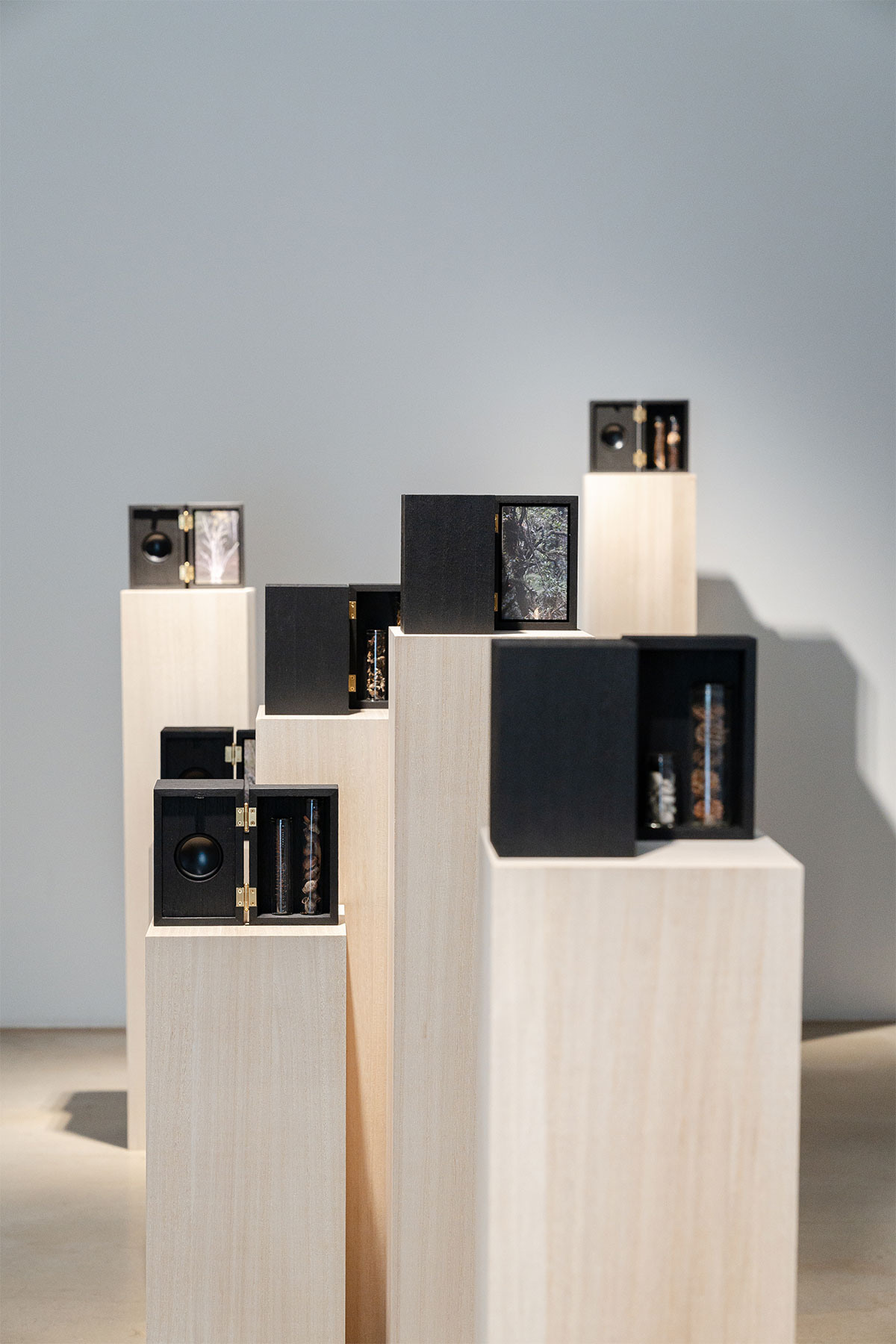
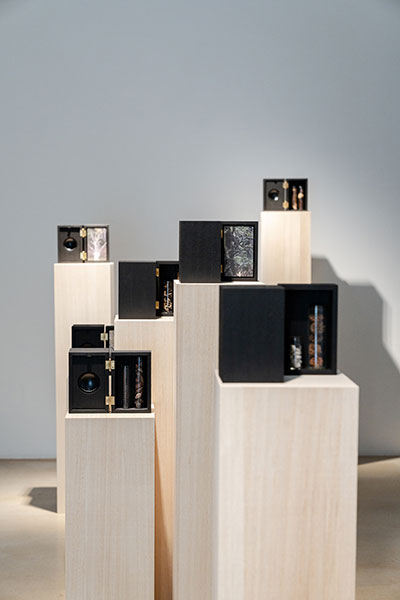
Kim Joon, COMMENSAL, 2024, Mixed media (wood, speakers, amplifier, images, 10-channel sound, 10 sound boxes, each 13.2 x 9 x 14 cm), Dimensions variable © Kim Joon

In a recent collaborative exhibition, 《Revivable flower》 (Art Archive Read More, 2025.02.25–04.05), Kim Joon—working with director Cha Seungyeon—again emphasizes that sound can function not merely as acoustic representation but as a method of storing memory and emotion entangled with place. His work expands beyond listening into a total experience of seeing, feeling, and even “smelling.”

It becomes a way of encountering nature indirectly within the city, and a way for fragments of place-memory to reverberate. In the catalogue, the artist describes at length the ecological characteristics of the birch trees near his home in Gangwon Province.

As he depicts a landscape where white bark and yellow autumn leaves coexist, he expands what we might sense within it: the rustle of leaves in wind, the subtle scent of moisture dissolved in air, and the temporal trace created by their convergence. The sensory richness of nature plays a central role in the sound-archive practice he seeks to build.

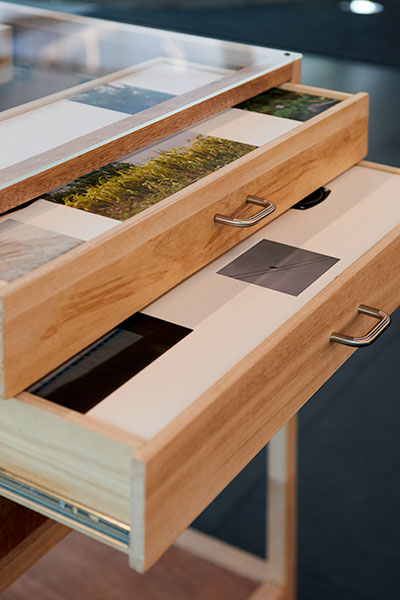
For instance, in the work Flow Noise, the speaker functions not as an audio device but as an entity that holds a site’s resonance. The warm grain of birch bodies placed throughout the gallery approaches sculpturally, while the sounds stored within them become a medium through which one traces the past. Sound cannot be touched, yet Kim Joon continues to embody the emotions of place by devising methods to store and record it physically.


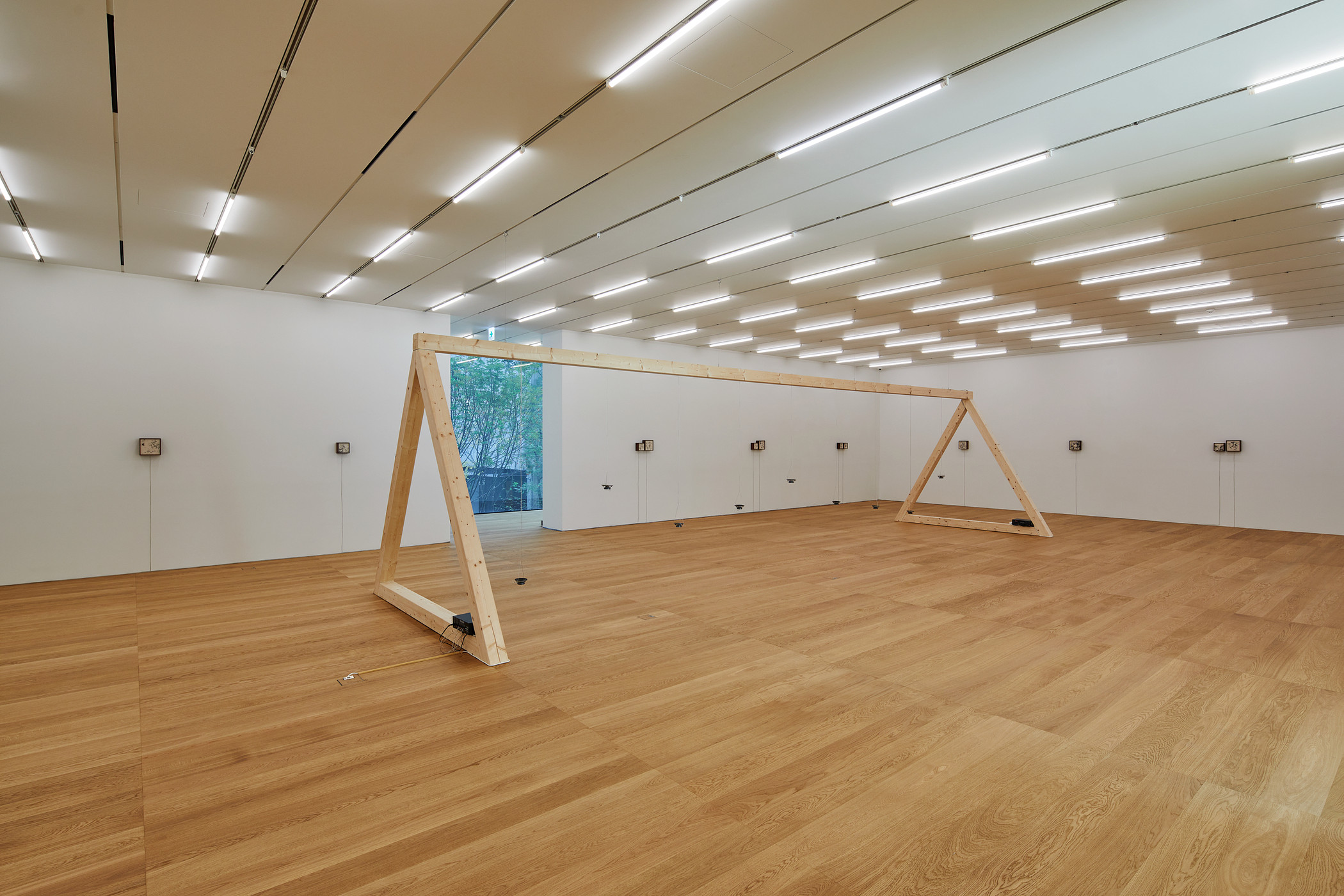
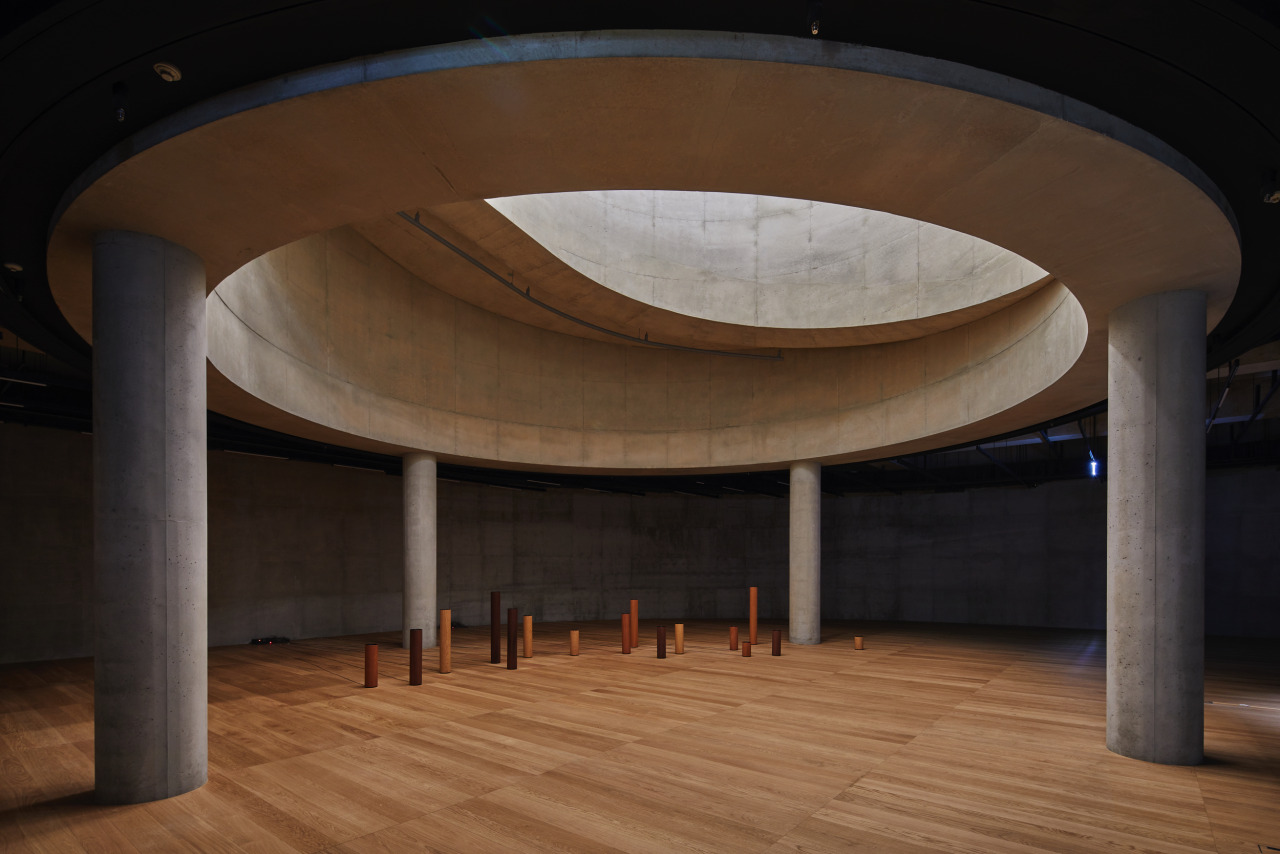
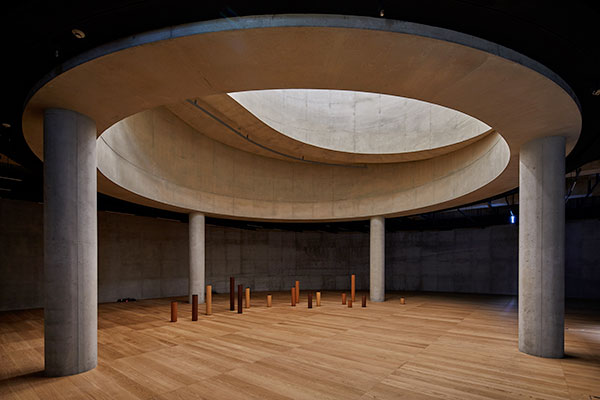
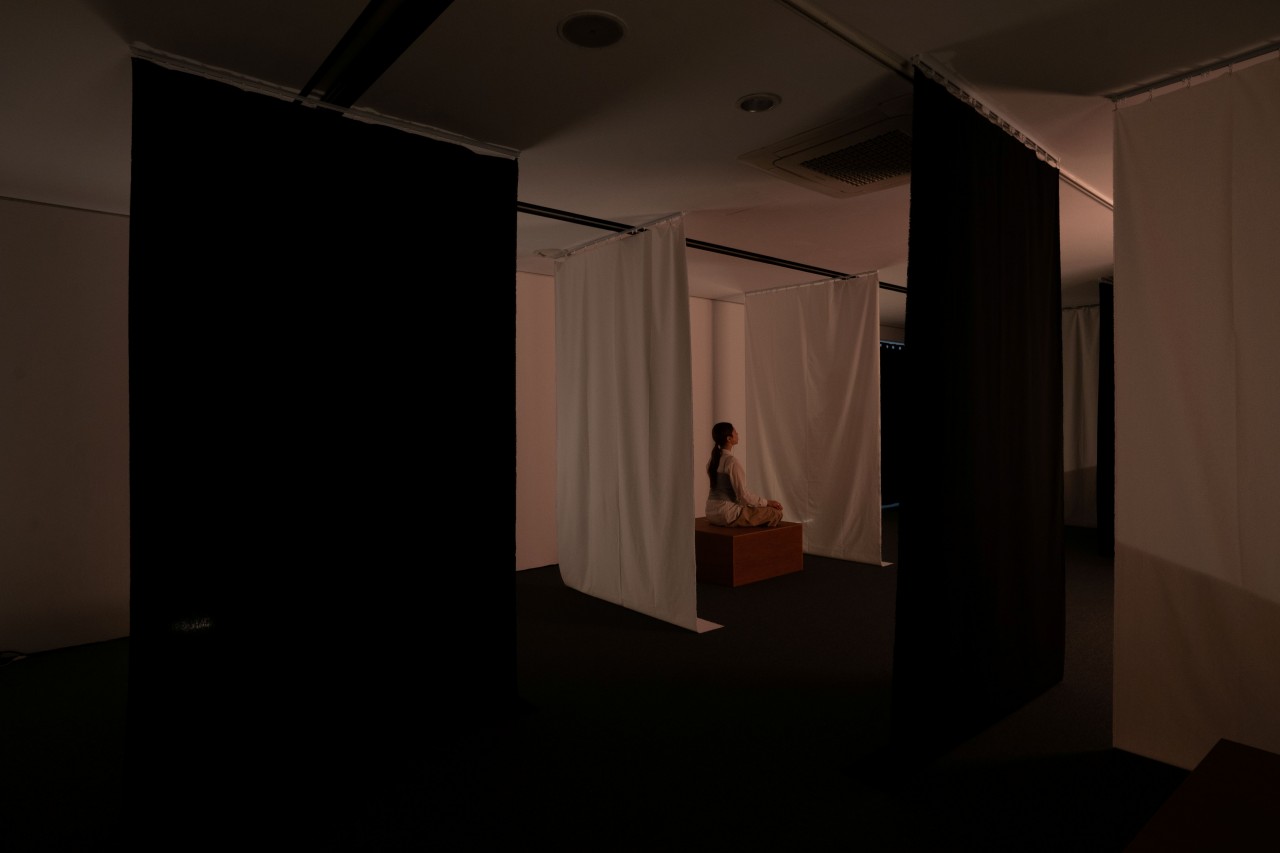
Kim Joon, Passed Times, Remaining Space, 2022, Mixed media (wood, speakers, amplifier, multi-channel sound), Dimensions variable © Kim Joon

Although his work is grounded in specific sites, what matters is that it cannot be reduced to mere spatial coordinates; instead, it is varied through layers of time. His process of summoning memories of childhood in Jeollanam-do ultimately shows how sound exceeds the auditory and becomes a bridge between time and memory. Kim Joon’s sound-archive practice is an artistic attempt to capture the resonance of place.

The natural sounds we pass by are not simple background noise: they are traces of time held within a site, and expressions of feeling. That “the place is crying” is not only a metaphor—it means that the memories and histories a place has contained are revived through sound. Kim Joon’s work is the process of enabling us to hear that voice, and an artistic practice that brings us face to face once more with the emotions of spaces we have forgotten.

References