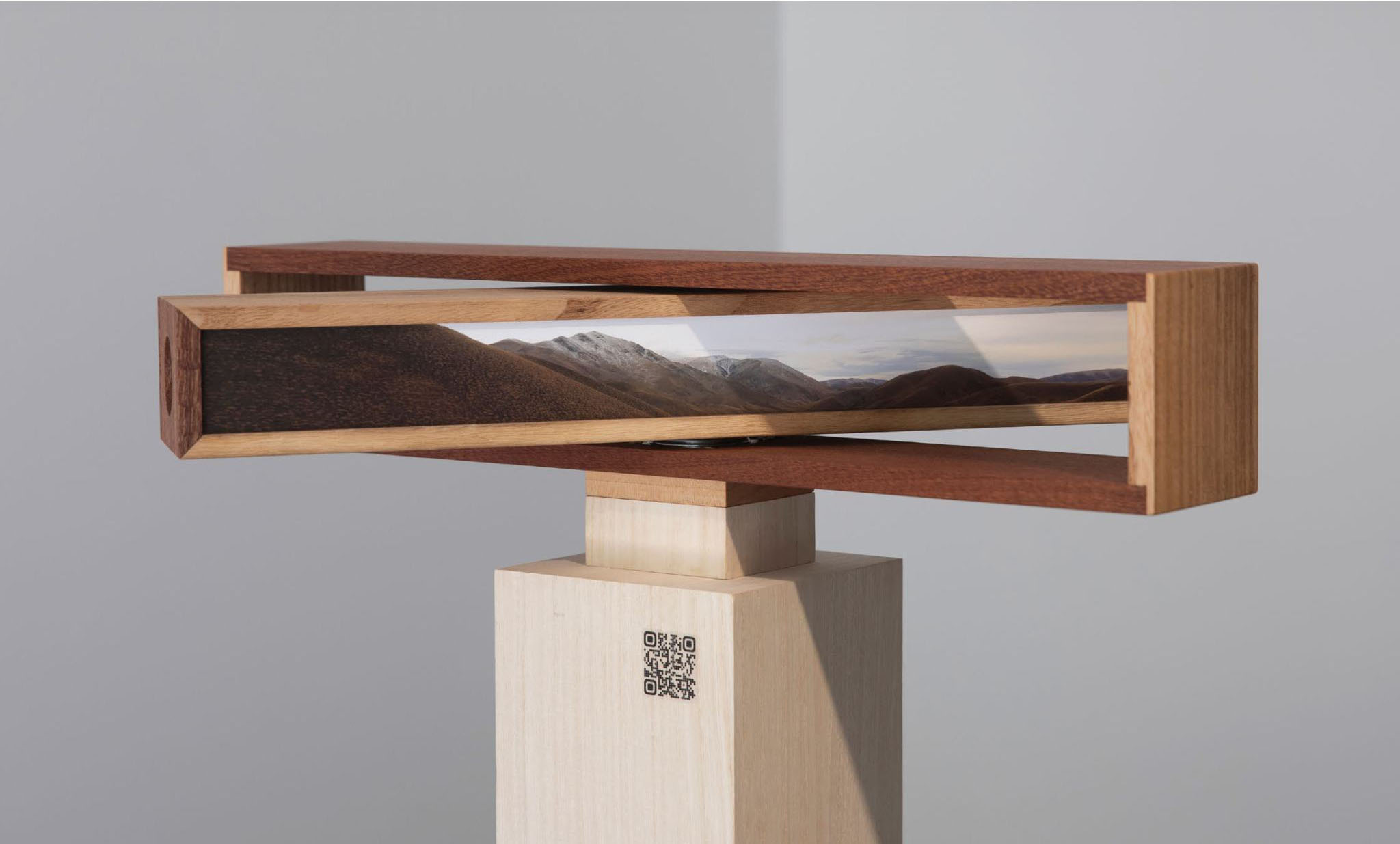
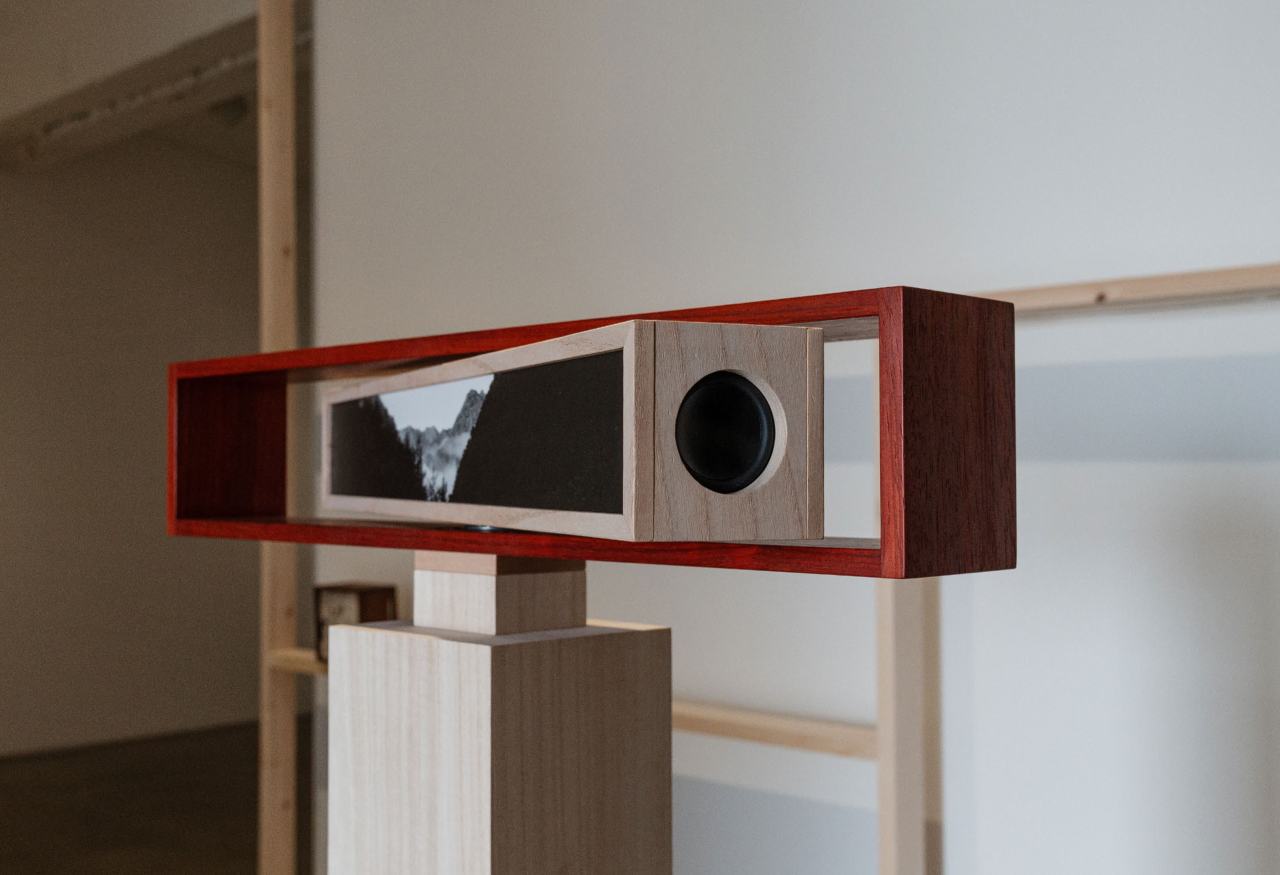
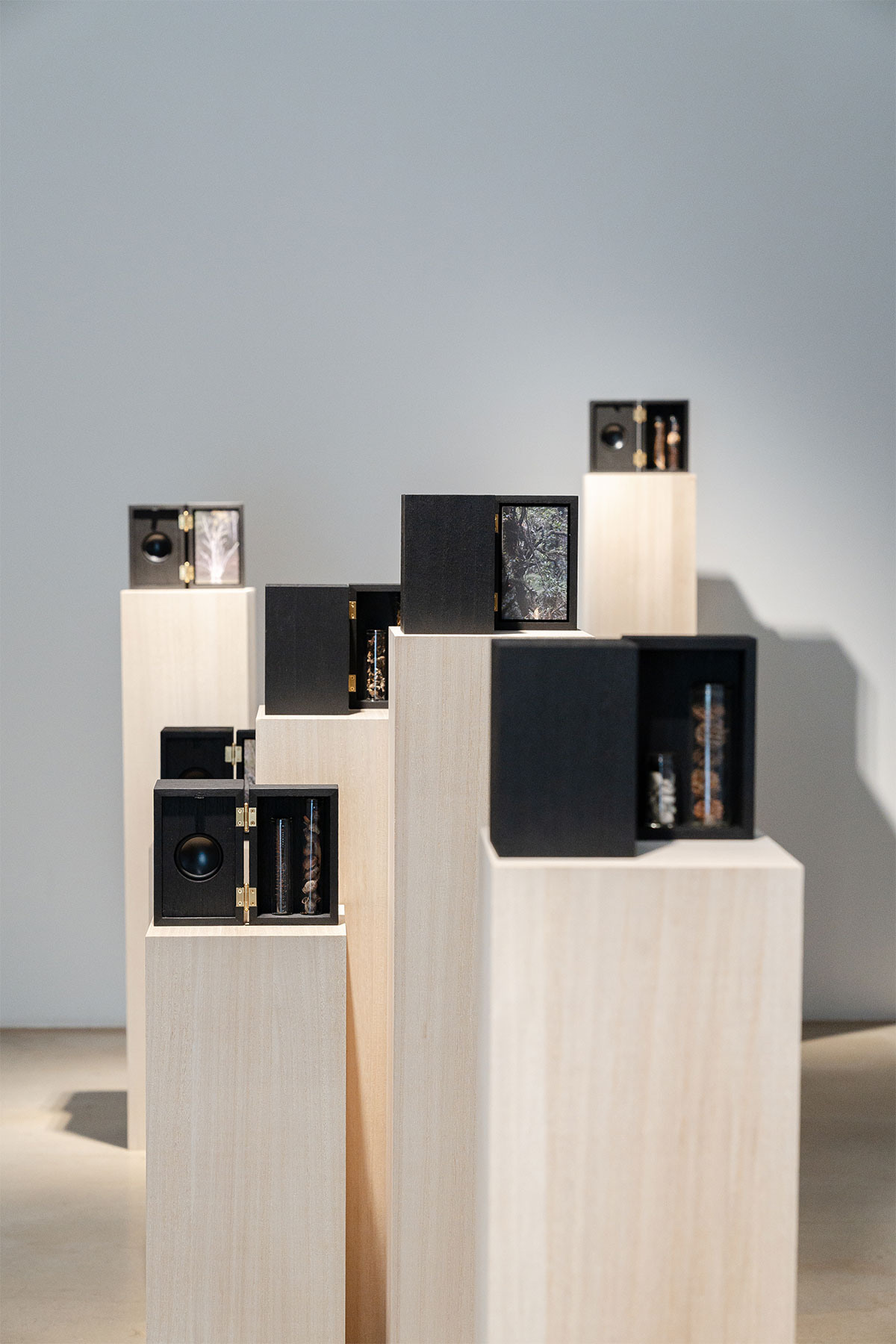
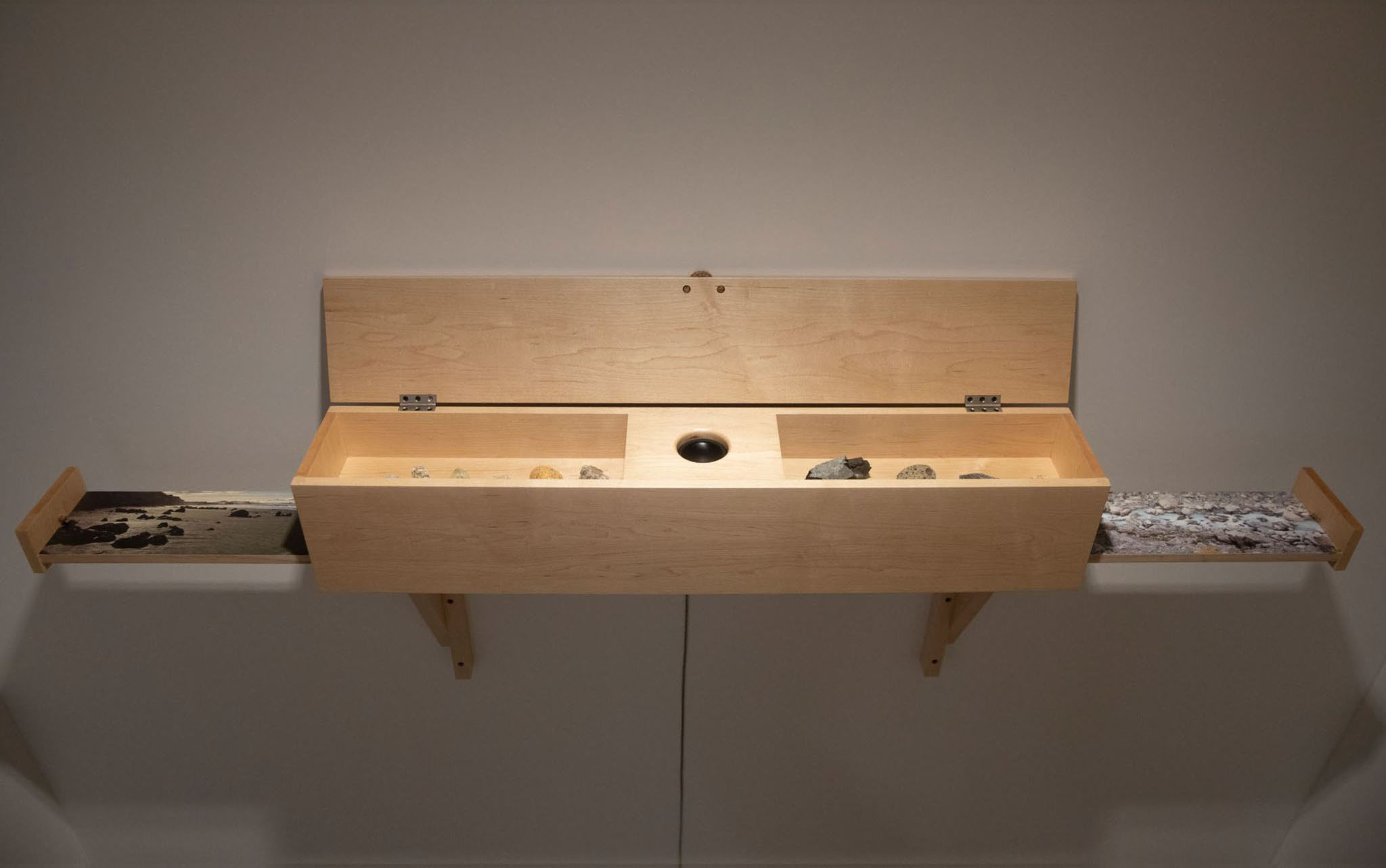
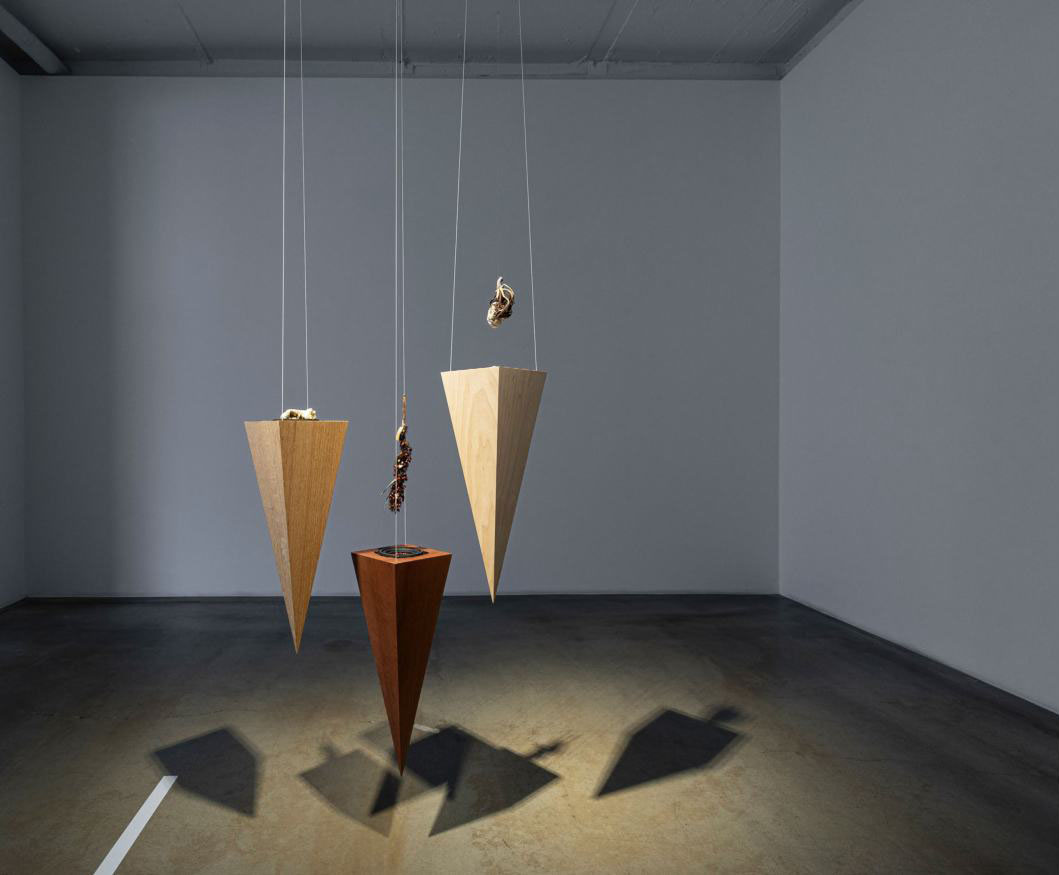
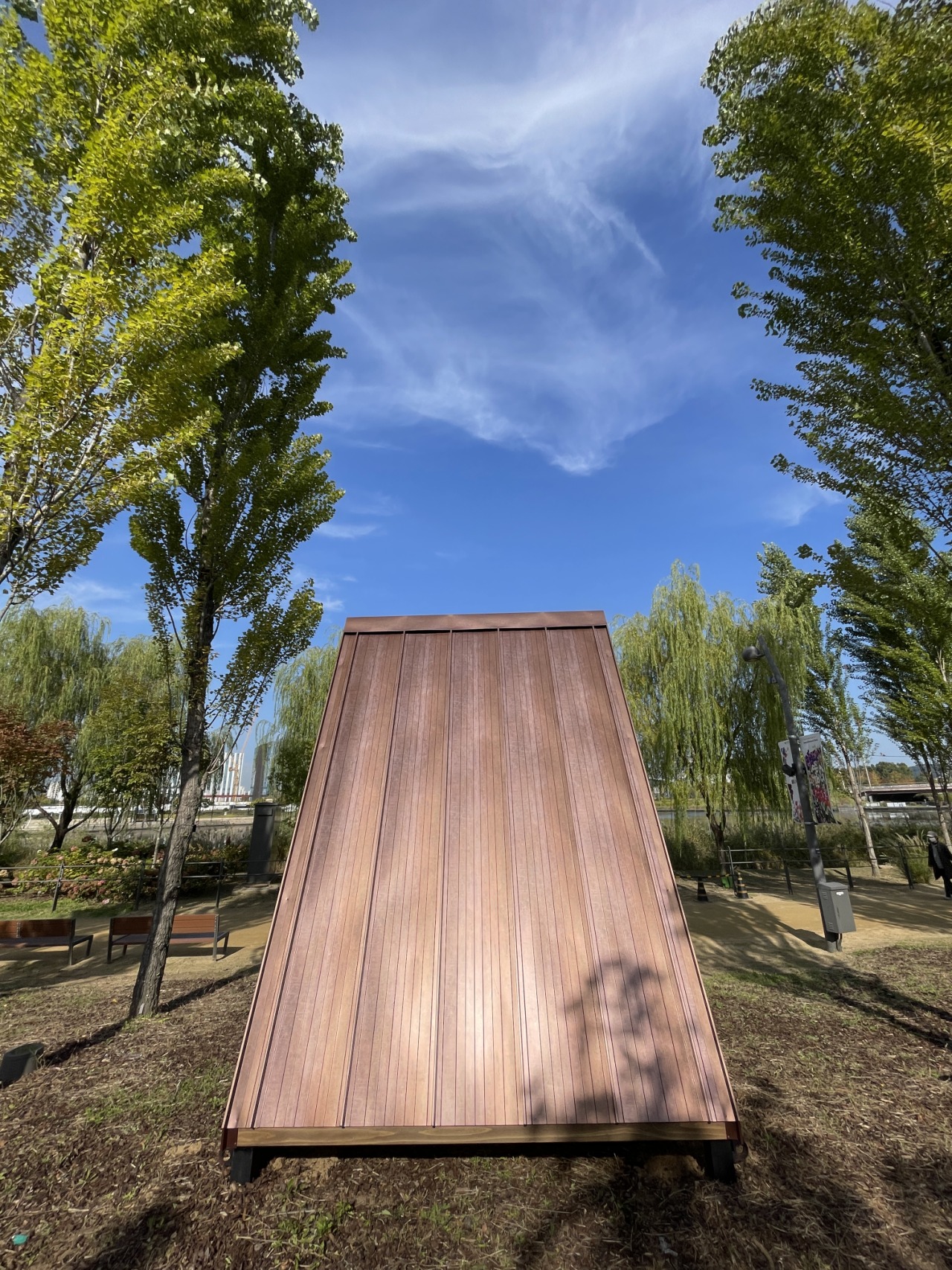
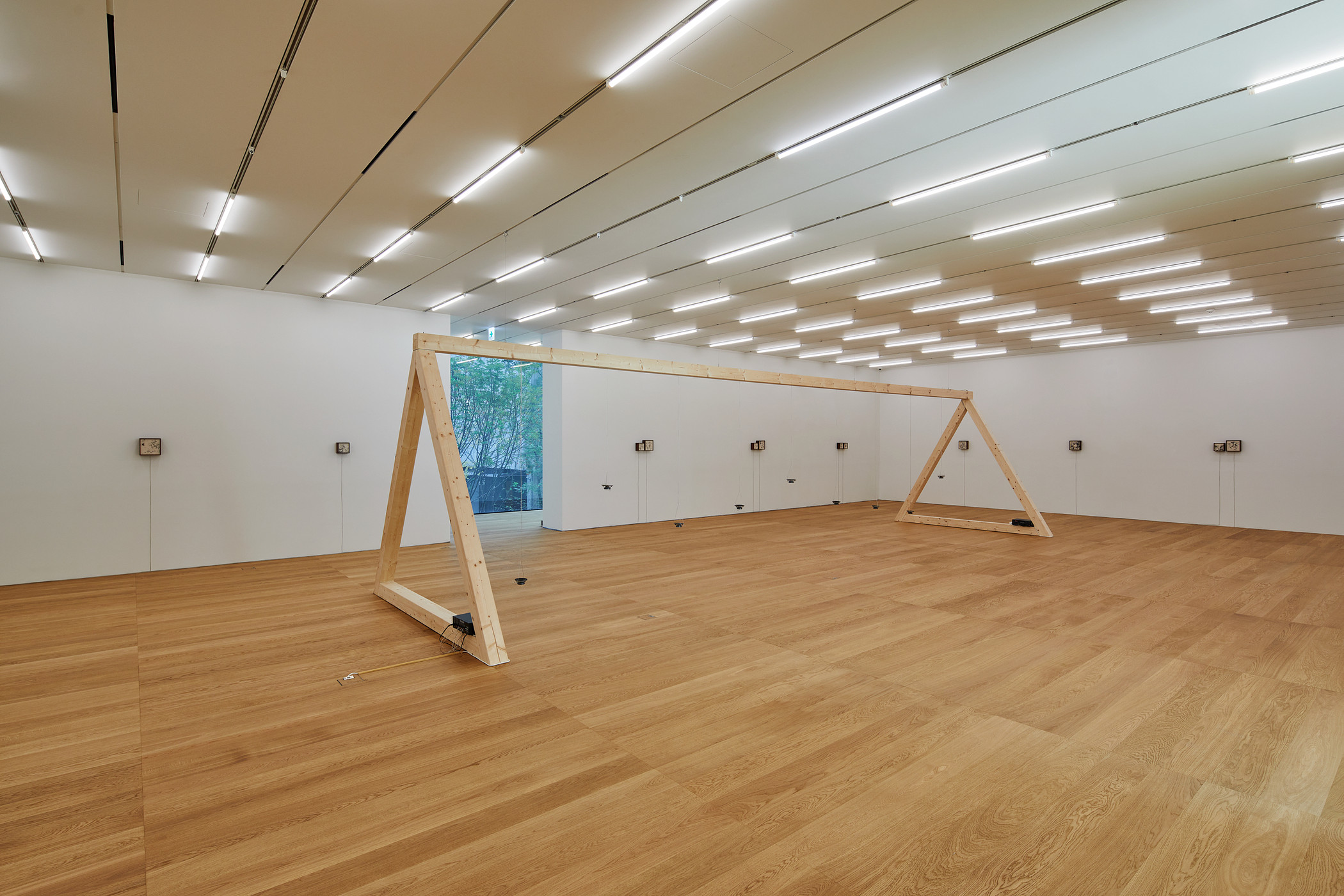
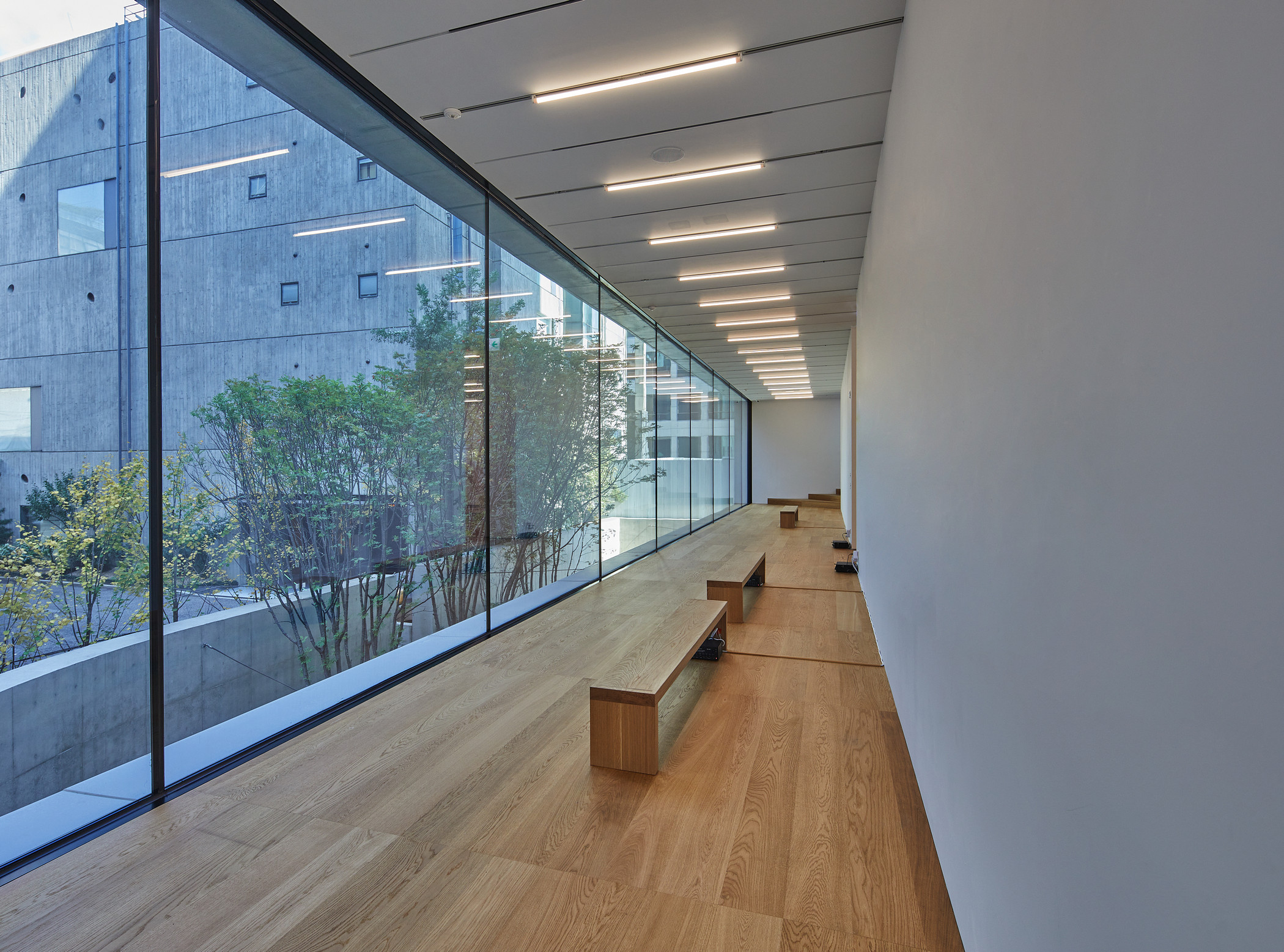
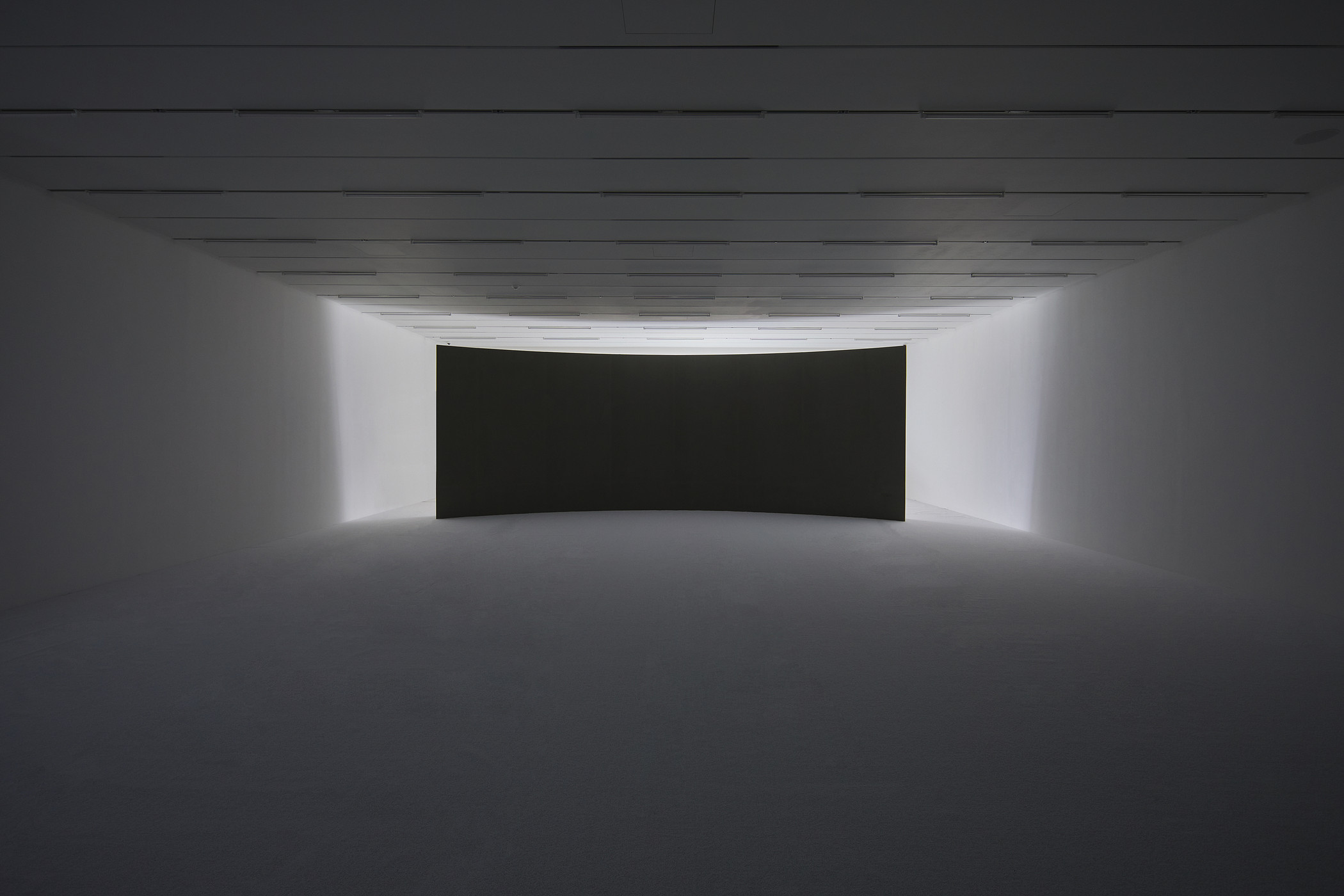
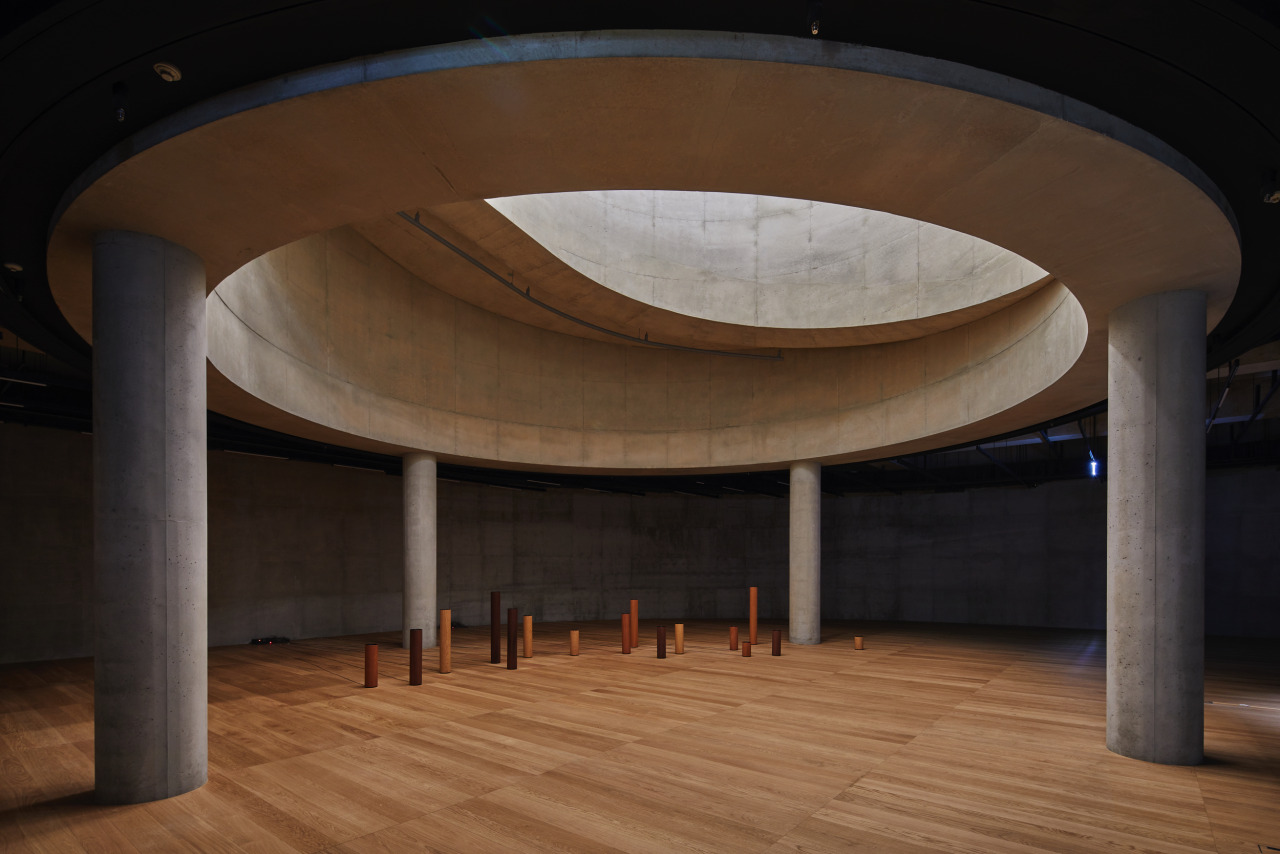
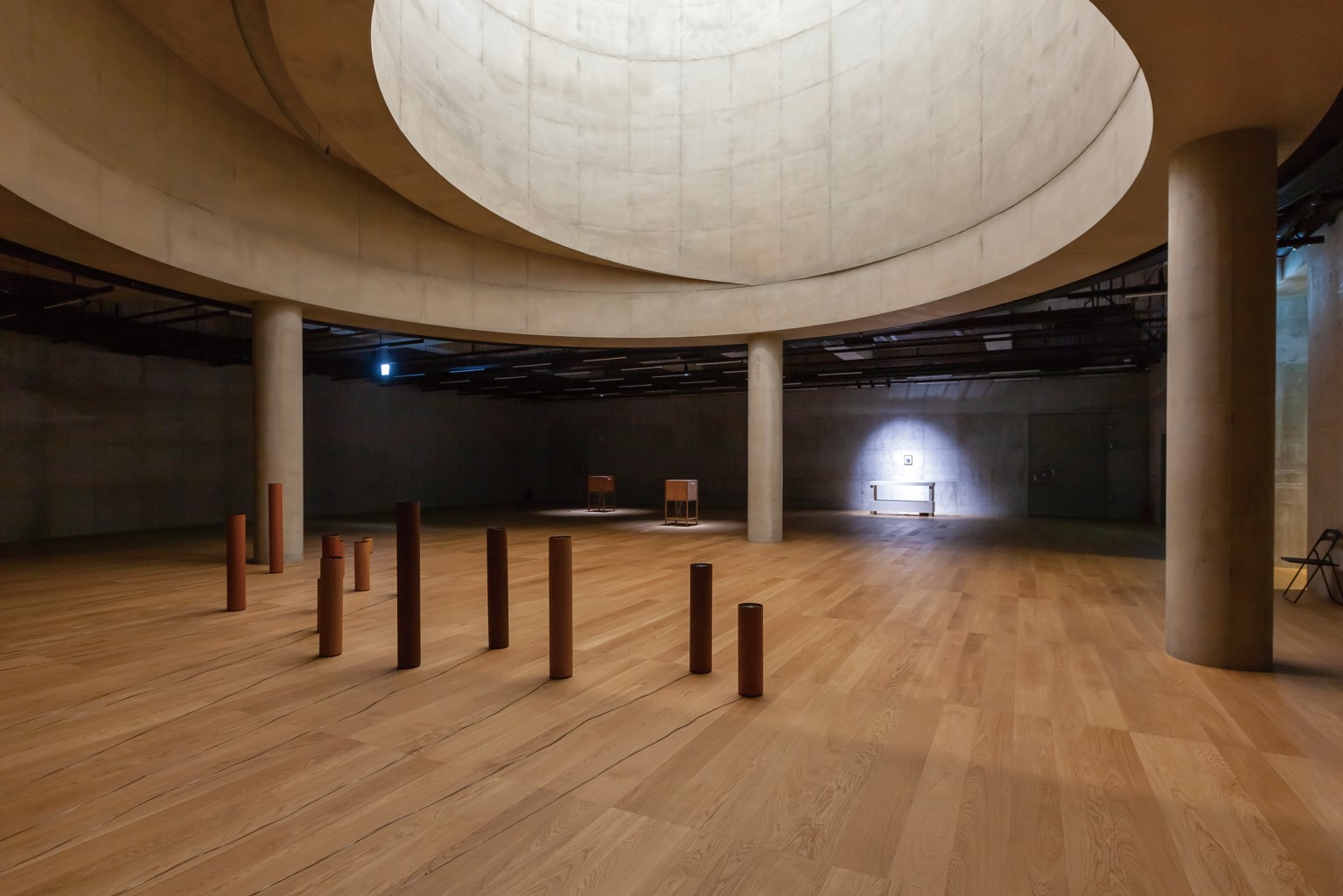
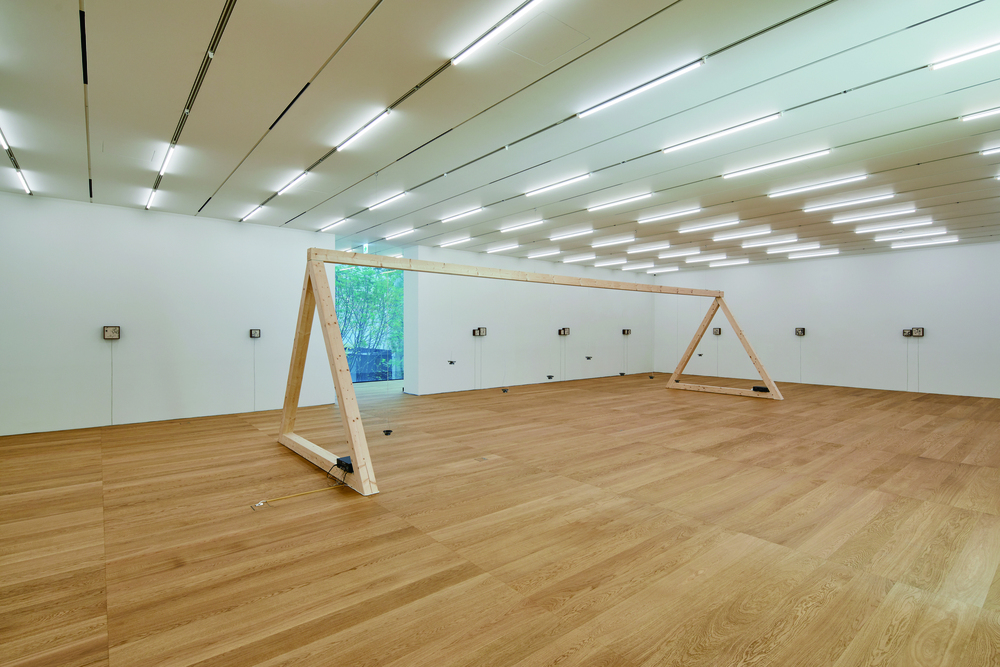
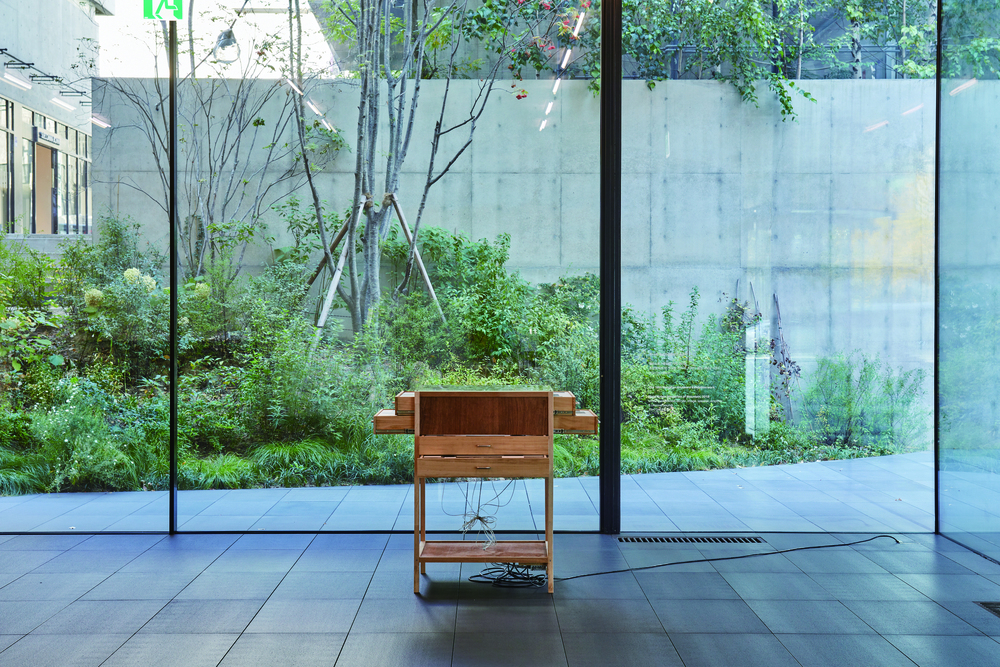
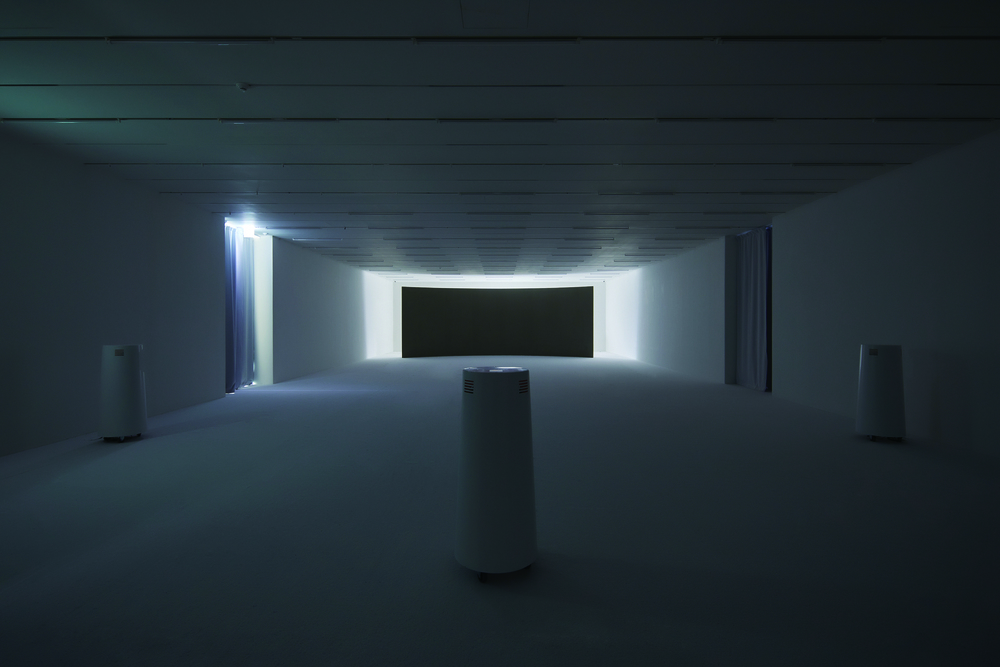
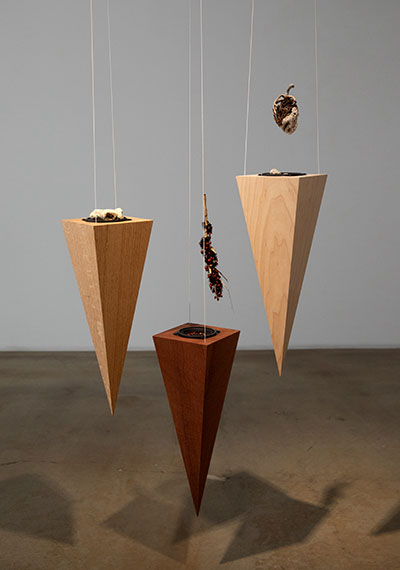
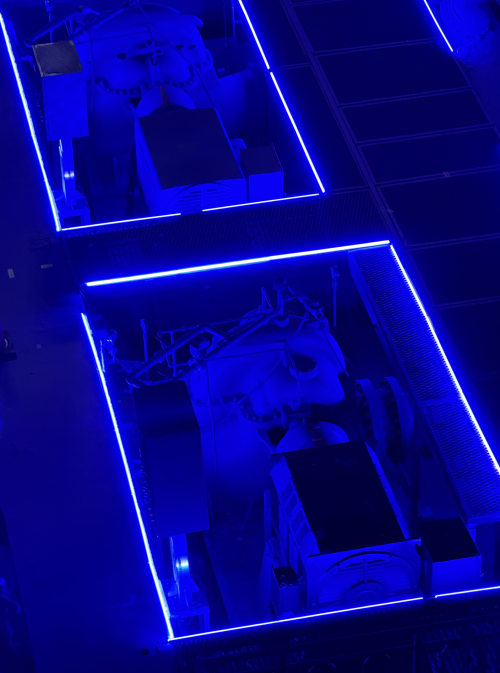
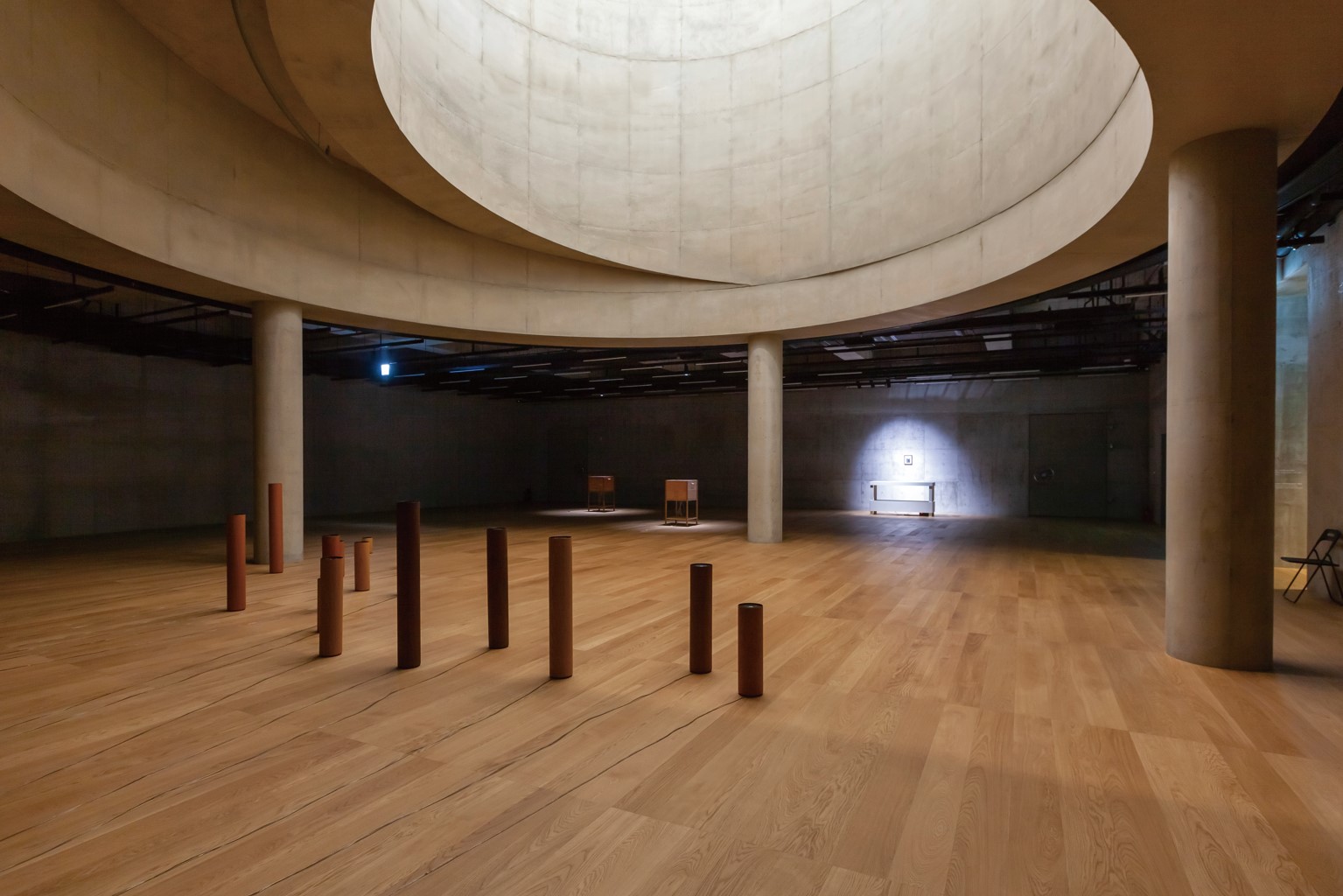
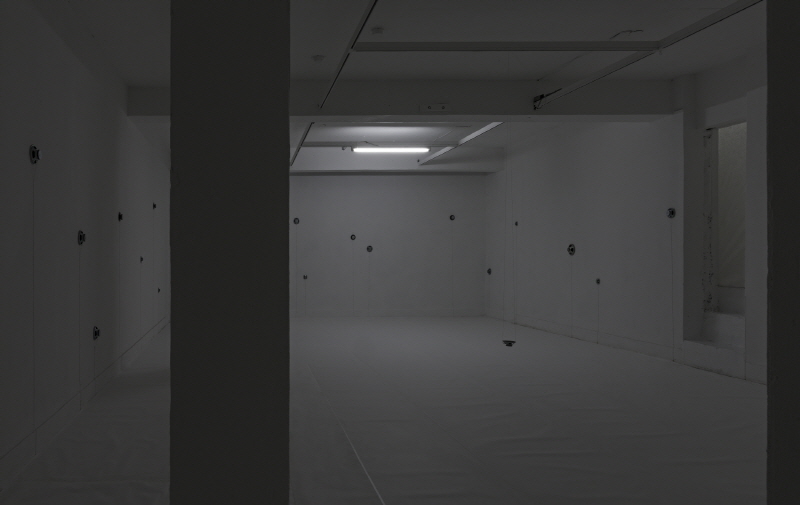
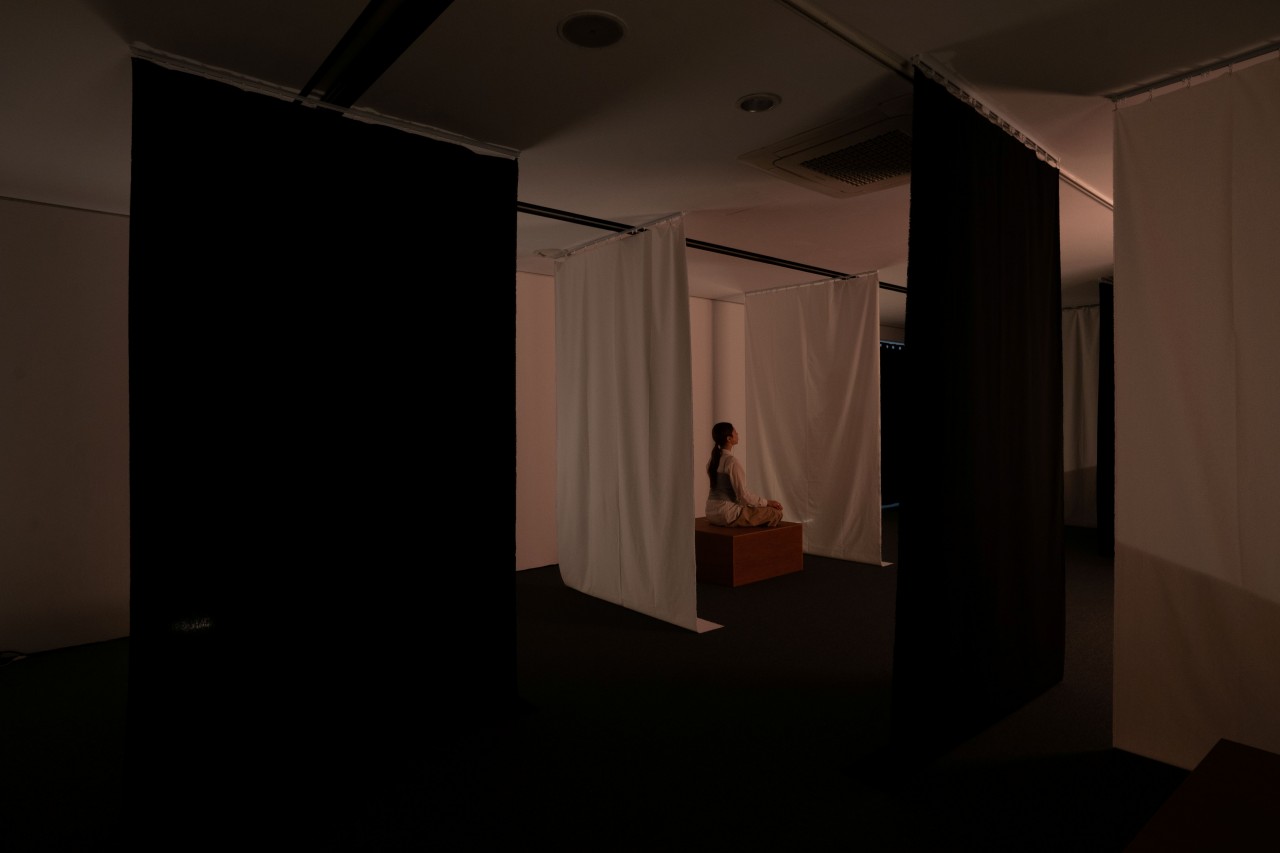
Installation view of 《Tempest》 © SONGEUN

In 2012, shortly before graduating from Berlin University of the Arts, Kim Joon created Feedback Field, a work that exposed the hidden presence of electromagnetic waves detected in public spaces. Following German reunification, many facilities formerly used for military purposes in Berlin were being transformed into public spaces.
Tempelhof Airport had also been closed and subsequently reopened as a public park in 2010. Kim visited the park, frequented by people of all ages, carrying an electromagnetic wave detector he had built himself, and discovered a suspicious signal. The signal repeated at ten-second intervals and originated from an old radar tower situated on one side of the park, which appeared to be no longer in use.
Although radar is widely employed in fields ranging from meteorology to military operations, its potential effects on the environment and human health have consistently raised concerns. "It was a place where children were rollerblading and mothers were strolling with their babies in strollers. (...) Because it is neither audible nor visible, people remain unaware."

But could it be harmful? Should we not at least know what is happening around us? Kim converted the electromagnetic waves he had collected into audible sounds and made them available online. He also placed a QR code linking to the recordings at the site, allowing passersby to listen to the signals themselves.

This work subsequently developed into 《Tempest》 (2013, 2015). Upon hearing the title, some readers, like myself, may be reminded of Shakespeare's final play, The Tempest. However, the term "TEMPEST" as used by Kim refers to technologies that exploit leaked electromagnetic emissions to intercept information, as well as technologies designed to prevent such eavesdropping.

Indeed, considering the implications of this technology, one might experience a sense of unease comparable to the turmoil endured by the characters in Shakespeare's The Tempest, whose title refers to a violent storm. The 2015 version of Tempest featured a small drawer-like box accompanied by headphones.

When visitors placed their mobile phones or other electronic devices inside the box, the electromagnetic waves emitted by these devices were converted into sounds that could be heard through the headphones. Christina Kubisch (b. 1948), a pioneering figure among the first generation of German sound artists, is also renowned for her sound art employing electromagnetic fields.

In 1981, Kubisch presented her first sound installation based on the principle of electromagnetic induction, respiro del mare (The Breath of the Sea), in Sicily, Italy. She arranged electrical wires in labyrinthine patterns on a wall and provided visitors with small, specially designed cubes containing speakers. By moving these cubes around the wires, visitors could hear prerecorded sounds of the sea and the artist's breathing. Moving through the labyrinth of wires, they could manipulate the cubes to combine and arrange the sounds according to their own preferences.

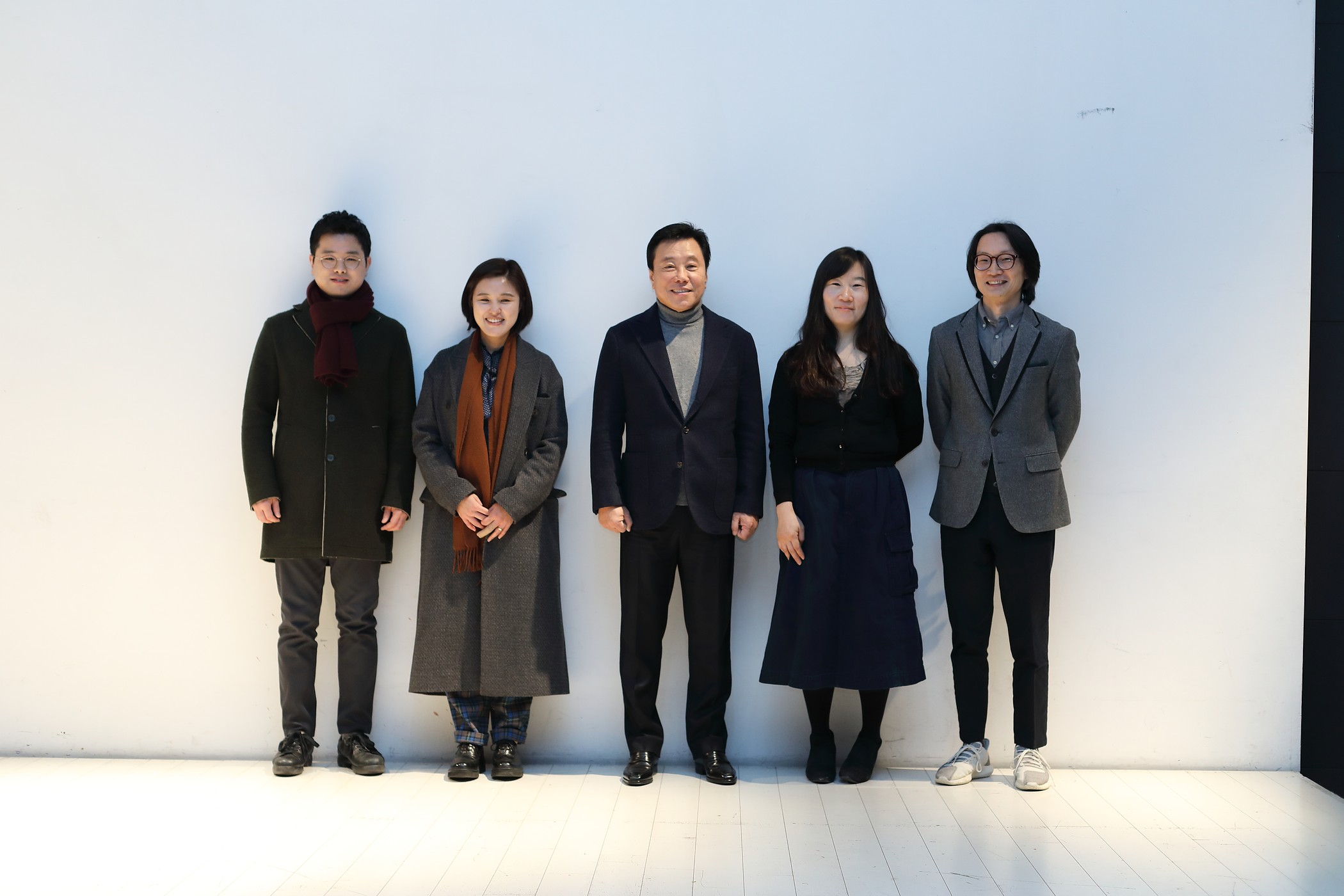
Kim Joon also gave the same title to a new work presented at his recent solo exhibition 《Tempest》 (October 25–December 3, 2022, SONGEUN). The 2022 version of Tempest detects electromagnetic waves generated not only by electronic devices in visitors' pockets but also by the gallery's Wi-Fi networks, elevators, and various other devices, converting these signals into sounds transmitted through three highly directional speakers.

Highly directional speakers generate sound using ultrasound, which operates at frequencies beyond the range of human hearing, and transmit it only toward specific directions or areas, much like spotlights, preventing the sound from spreading into the surrounding space. As a result, visitors can hear the electromagnetic waves present within the exhibition space only when standing at particular locations.

Meanwhile, a massive sound mirror positioned opposite the highly directional speakers reflects the sounds they emit, creating a sense of sensory disorientation. The structure references the concrete sound mirrors developed by the British military during World War I to detect approaching enemy forces and provide early warnings.

Before the development of radar systems, sound mirrors were used to detect the engine noises of enemy aircraft and alert military personnel, allowing them to prepare for potential attacks. Kim brings this sound mirror, once employed to warn of the imminent threat of enemy intrusion, into the exhibition space.

Compared to the 2015 version of Tempest, which simply enabled visitors to hear the electromagnetic emissions produced by mobile phones or digital watches, the 2022 work represents more than an expansion in physical scale. It articulates growing concerns about the increasing presence of electromagnetic waves in everyday life through a more powerful visual expression.


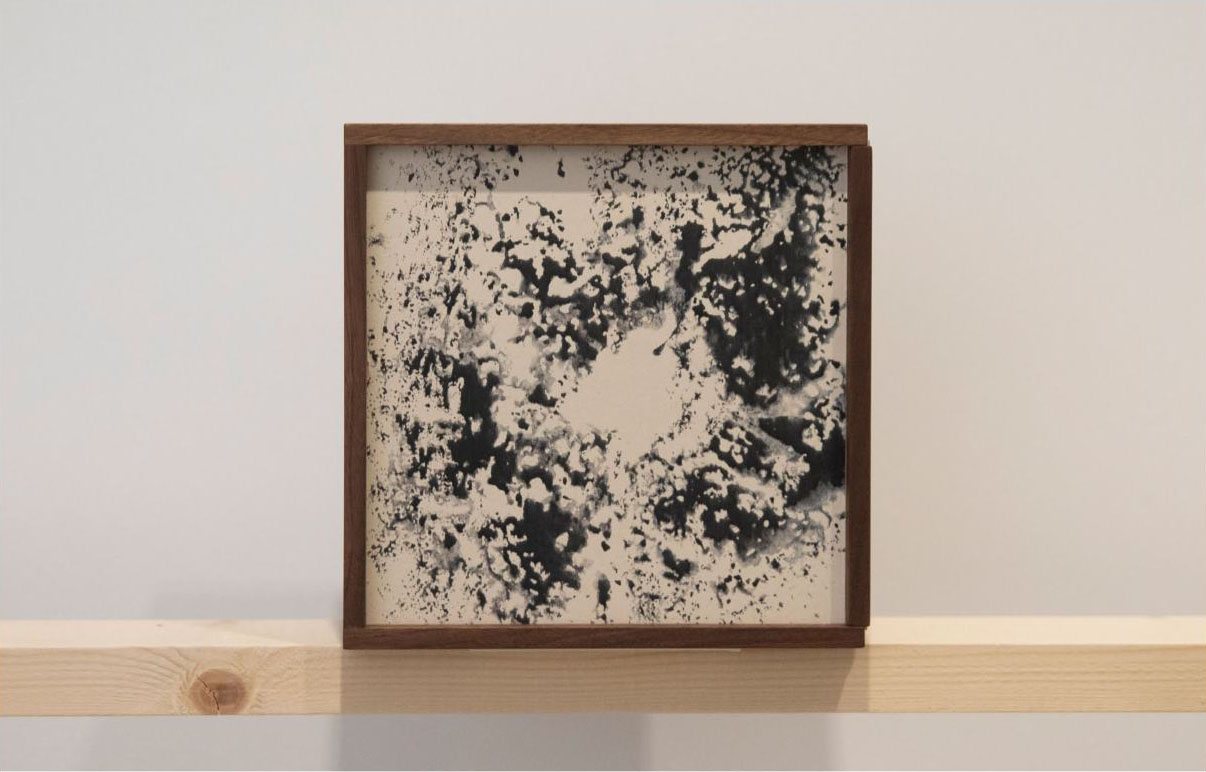
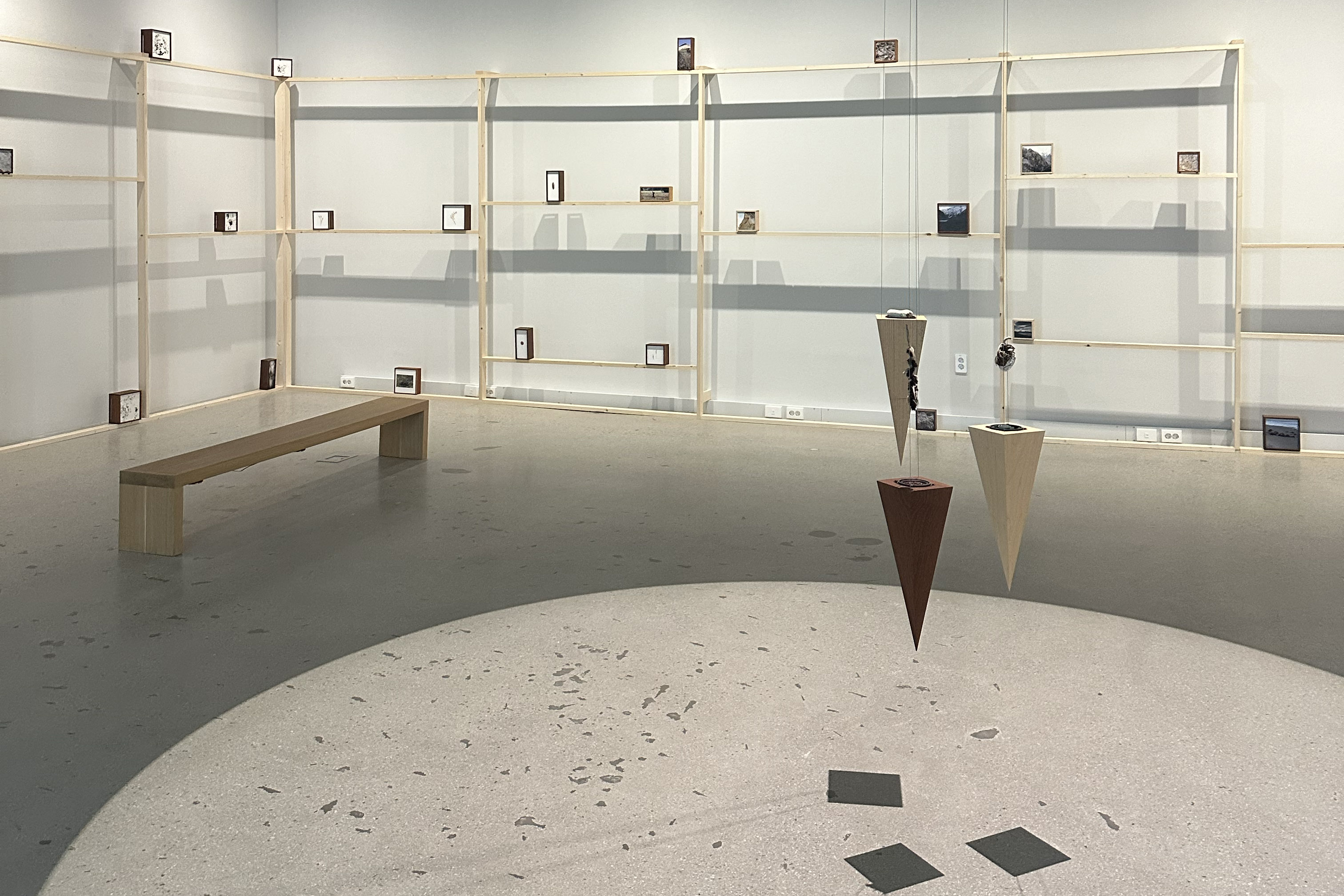
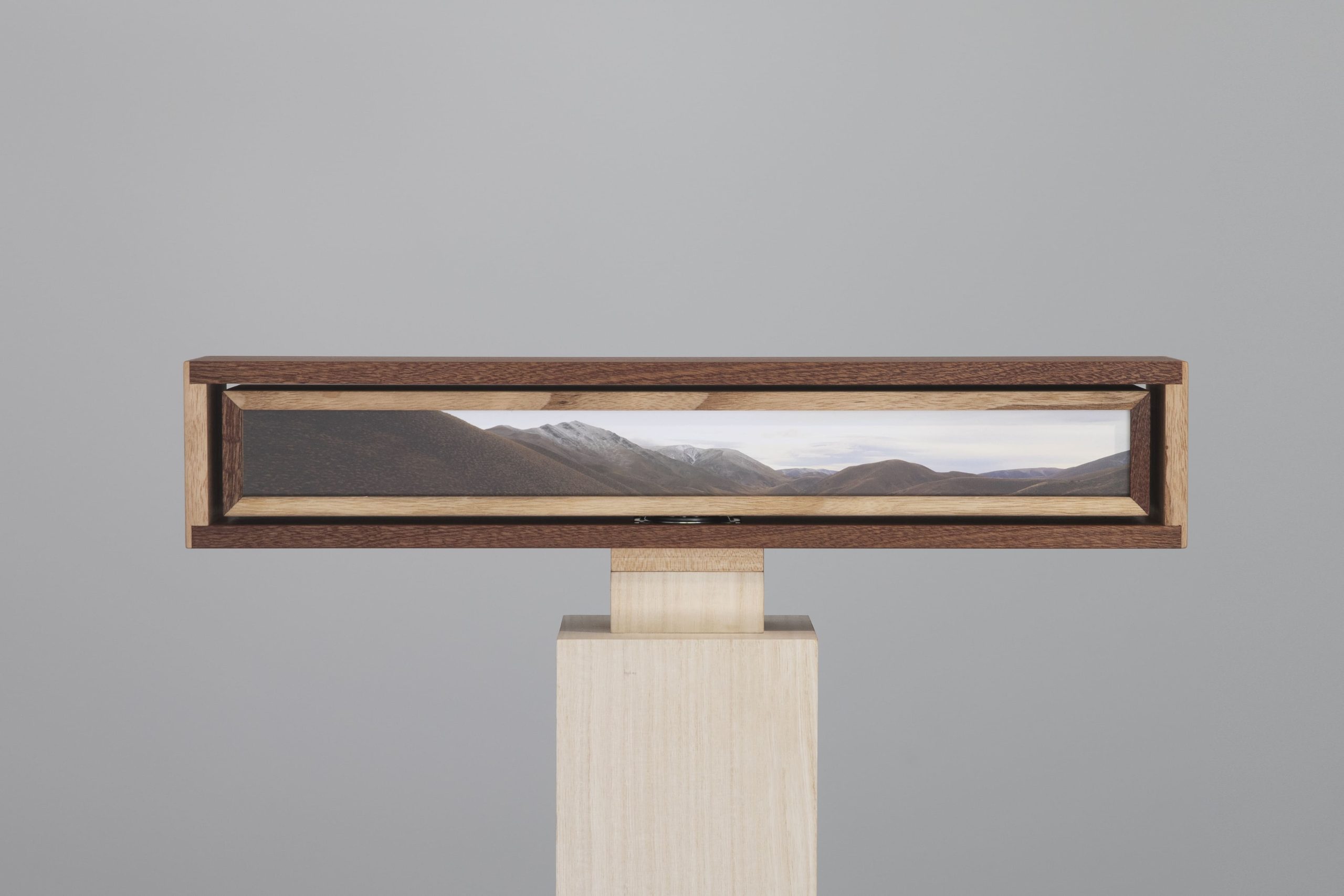
Kim Joon, Pendulate Pieces, 2022, Wood, rubbed image, collected stone, speaker, amplifier, multi-channel sound, Dimensions variable © Kim Joon

Since 2003, Kubisch has continued her Electrical Walks project, replacing the small cubes with specially developed headphones that allow participants to explore larger areas—specific districts within cities—while listening to electromagnetic fields. Through this project, she has also established an extensive sound archive of electromagnetic emissions from cities around the world.

Kubisch has described her artistic practice as a form of "research into society," expressing concerns about the increasing presence of electromagnetic fields. Nevertheless, her work places greater emphasis on the "aesthetics" of electromagnetic fields. Kubisch employs electromagnetic induction as "a means of amplifying musical sounds." For her, the electrical currents flowing through wires and cables are themselves "musical."

By contrast, Kim Joon is more concerned with critically examining the relationships between the acoustic ecology of specific locations and their historical, political, social, and environmental contexts. This distinction becomes evident in his description of himself as an artist whose practice is grounded in the "soundscape."

The term "soundscape," combining "landscape" and "sound," was first introduced by the Canadian composer and educator R. Murray Schafer (1933–2021). A soundscape encompasses all the sounds and sonic environments that surround us, including those produced by nature, humans, animals, and machines. In his influential book The Soundscape: Our Sonic Environment and the Tuning of the World, which examines the history of sound in human civilization, Schafer explains how sonic environments reflect the present conditions of a society and anticipate its future.

Above all, his argument that we can create better environments simply by listening attentively to our surroundings is particularly compelling. He emphasizes the need to "collect sounds that are in danger of disappearing, investigate the effects of new sounds before they are indiscriminately introduced, study the rich symbolic meanings of sounds for human beings, and examine patterns of human behavior in different sonic environments" for the sake of the future.

The field dedicated to such investigations is known as acoustic ecology, and Kim Joon's works can be better understood within this framework. "You can only hear when you listen." Kim likewise emphasizes the importance of "listening carefully." As an artist, he continually considers "how to make existing sounds audible," exploring the significance of sounds that exist but remain unheard and raising questions about their presence.


Kim Joon, Field Notes: Memories of Mountain, 2022, 8-channel sound, wood, acrylic, amplifier, speaker, photograph, 73 x 73 x 165 cm © Kim Joon

At 《Sound of Community》, held at ARKO Art Center in 2015, Kim Joon began presenting his collected sounds through wooden structures resembling chests of drawers. This approach emerged from the artist's observation that visitors accustomed to visually oriented art tended to examine the unfamiliar speakers from different angles rather than concentrating on the sounds themselves.

The speakers, the devices responsible for reproducing the sounds, were therefore concealed. Opening one drawer might reveal the sounds of a thermal power station or subway in London, while another might release the sounds of mountains and rivers in the Jeolla region, where the artist spent his childhood.

Other drawers might contain sounds recorded during geological expeditions in New Zealand and Australia. The simple act of opening and closing drawers creates the intriguing sensation of moving between entirely different worlds. By allowing visitors to select and combine sounds according to their preferences, the installation also offers opportunities to experiment with what Kubisch calls "creative listening."

In his recent solo exhibition, Kim Joon presented a new work, Pendulate pieces (2022), in which he rearranged these previously vertical sound boxes horizontally and mounted them on the wall like framed pictures. The work brings together sounds and images collected during geological explorations, primarily around the geoparks of Gangwon-do, where the artist resides, including rock formations such as stromatolites that suggest traces of ancient life.

As visitors slowly walk along the expansive gallery wall, listening to the sounds emanating from the boxes installed at regular intervals, might they not experience, however briefly, something resembling the soundwalks the artist himself undertook while collecting and recording these sounds? At the center of the gallery, speakers hang and sway from a wooden structure resembling a swing. Sound, after all, is inherently in motion.


Kim Joon, Tempest, 2022, Wood, 3-channel highly directional speakers, EMF sound conversion device, Dimensions variable © Kim Joon

Those of us who live in cities have "lost the ability to hear (and see) sounds from afar." We have also become unable to hear even the sounds closest to us. Technologies continue to advance, from white noise that masks distracting sounds to noise-canceling devices that eliminate unwanted ambient noise. Following Schafer's thinking, such technologies move in precisely the opposite direction from the creation of a better soundscape.

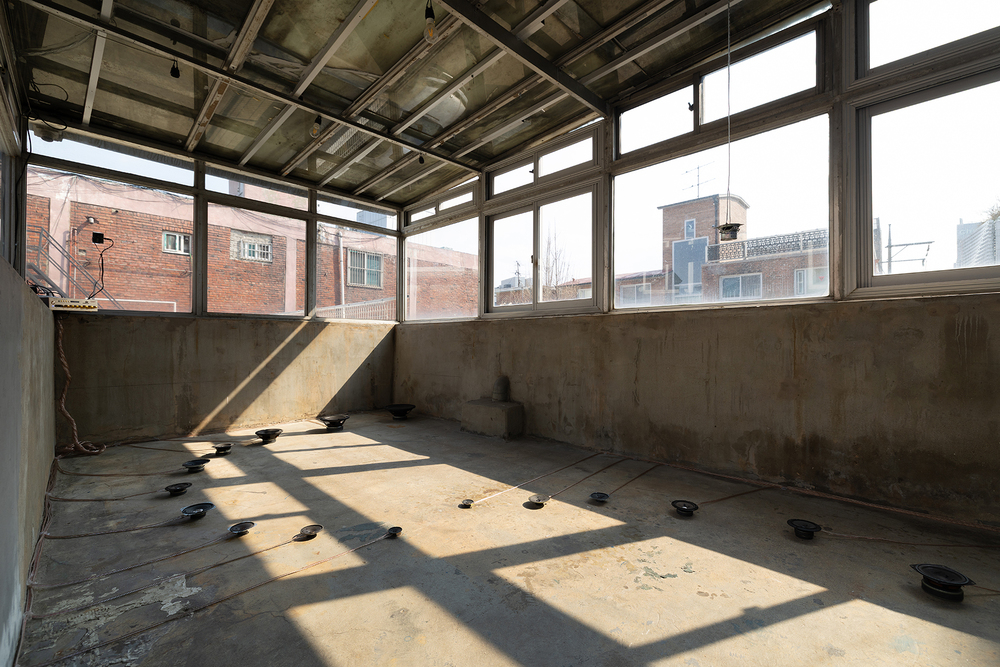
Empty City (2018) was an unusual work installed at Sewoon Plaza near Cheonggyecheon, accessible only in the early hours of the morning. The artist recorded the everyday noises of the Sewoon Plaza area and played them back during its quietest hours. Between 3 and 4 a.m., visitors who had registered in advance entered a transparent cube installed in the middle of the plaza and listened to recordings of daytime noise through speakers mounted on the ceiling.

What had once been "mere" noise was magically reborn—reproduced—as art that people deliberately sought out and listened to attentively, within a temporary space created by the artist during a fleeting moment of stillness approaching an acoustic vacuum.

In Passed times, remaining space (2022), the artist shares the soundscape that could be heard from his home in Pyeongchang, Gangwon-do. Sixteen wooden pillars emit piano melodies performed by the artist's wife in response to the sounds heard at sunrise and sunset. I once saw a video of the artist's home surrounded by forest.

I find myself wondering whether the pillars of varying heights might represent the trees surrounding his house. Perhaps because of the work's title, a passage from Rebecca Solnit's book The Faraway Nearby, which I read last year, keeps coming to mind.

"The things that shape our lives are so faint and unpredictable. And so we come into being only by the narrowest of margins."

References