Kim Joon's artistic practice begins with site-specific field research and sound collection, followed by processes of documentation, conversion, editing, and spatial reconstruction. Using various recording devices, including microphones and electromagnetic field detectors, he collects mechanical noises and electromagnetic signals from urban environments alongside subtle vibrations from nature, transforming them into multichannel sound installations.
Throughout this process, sound functions both as a source of information about the environmental and historical conditions of a place and as material for sculptural composition. His methodology, which he describes as the "visualization of hearing," translates invisible sonic phenomena into spatial and physical forms, allowing visitors to experience the direction, distance, and vibration of sound through their bodies. The integration of technical sound collection with sculptural experimentation is a defining characteristic of Kim's practice.
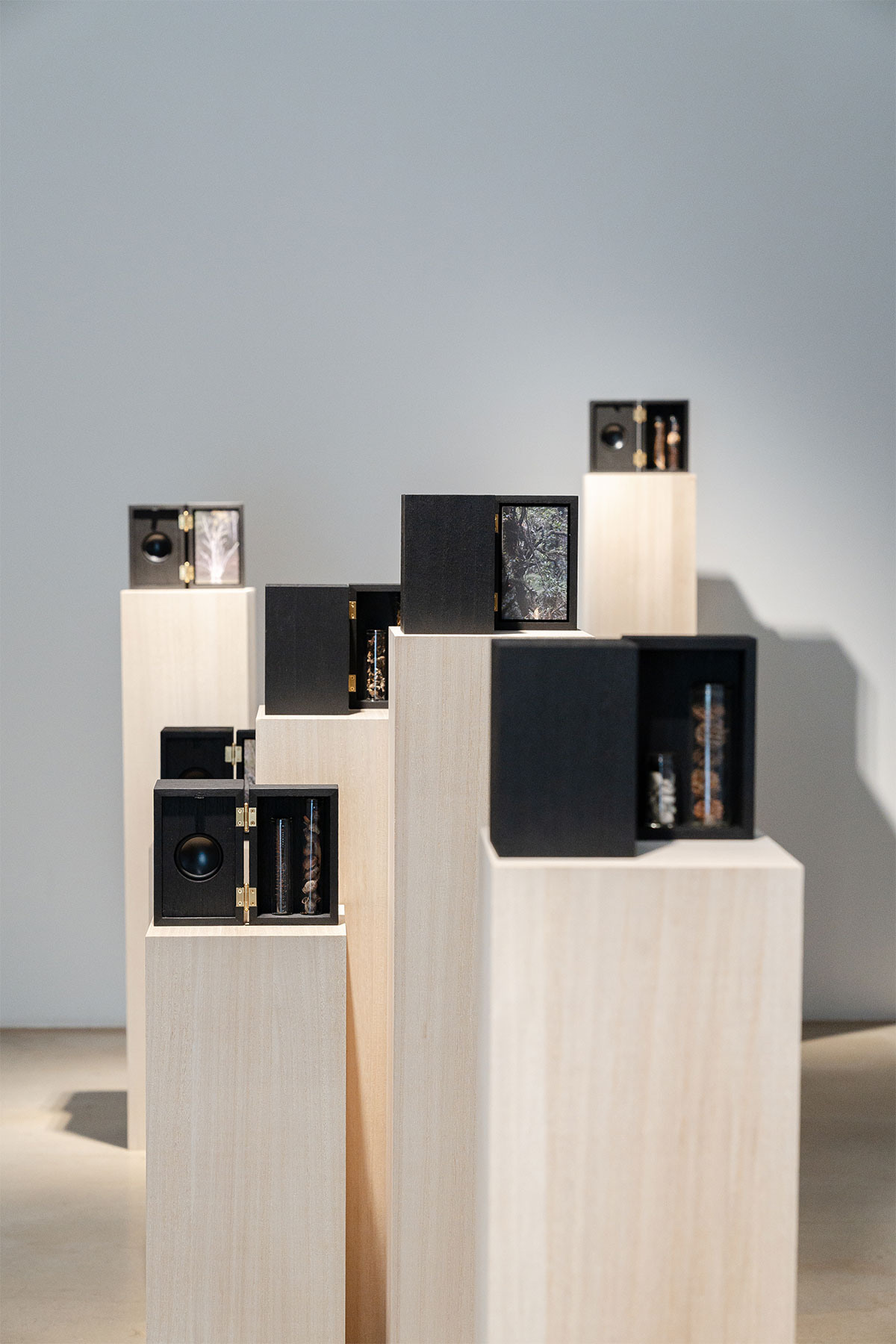
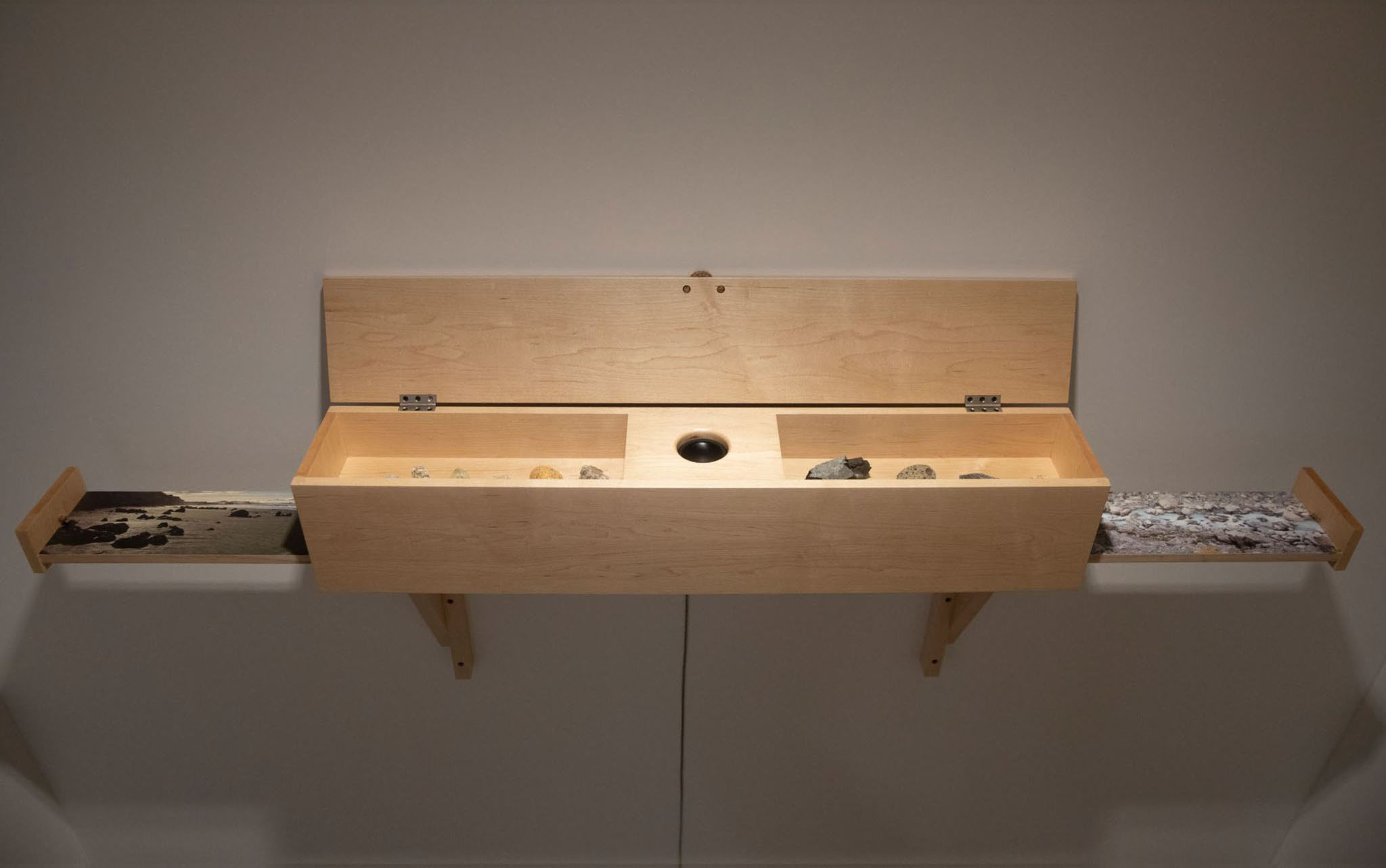
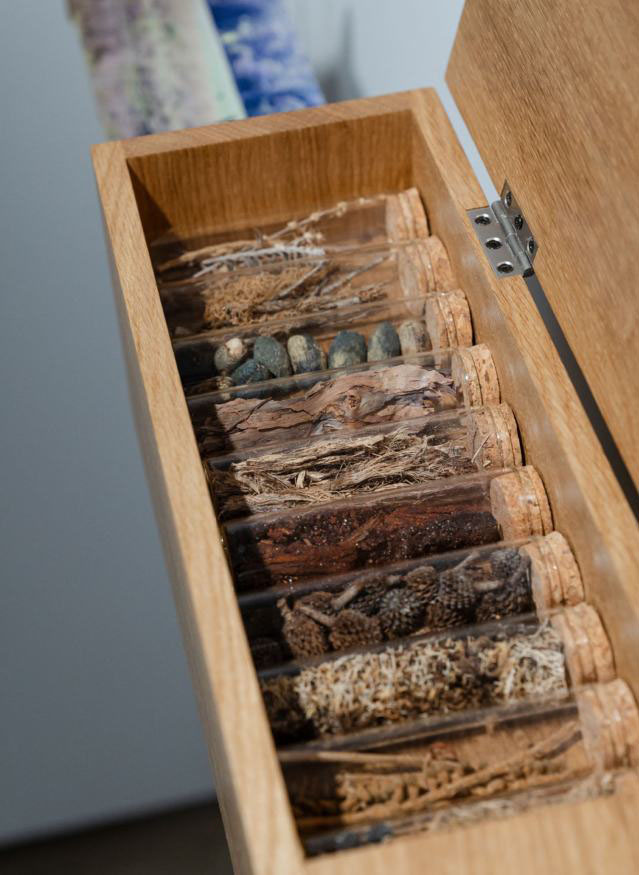
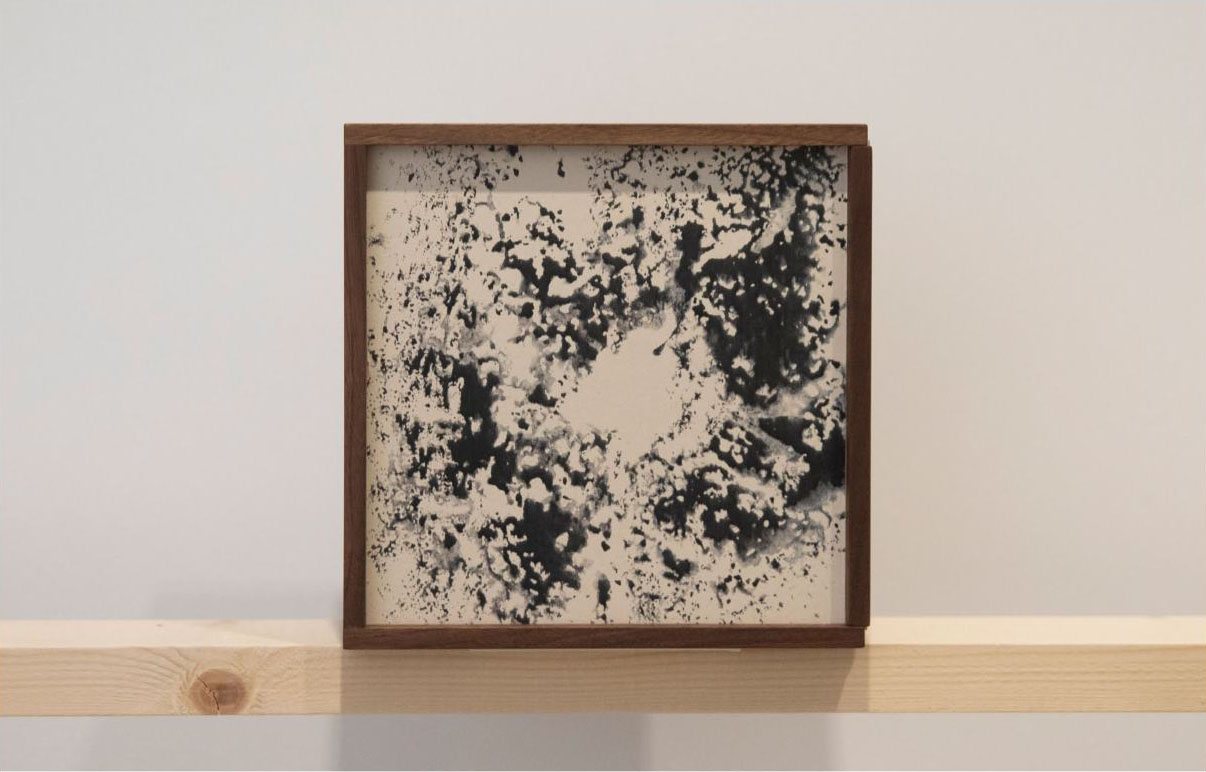
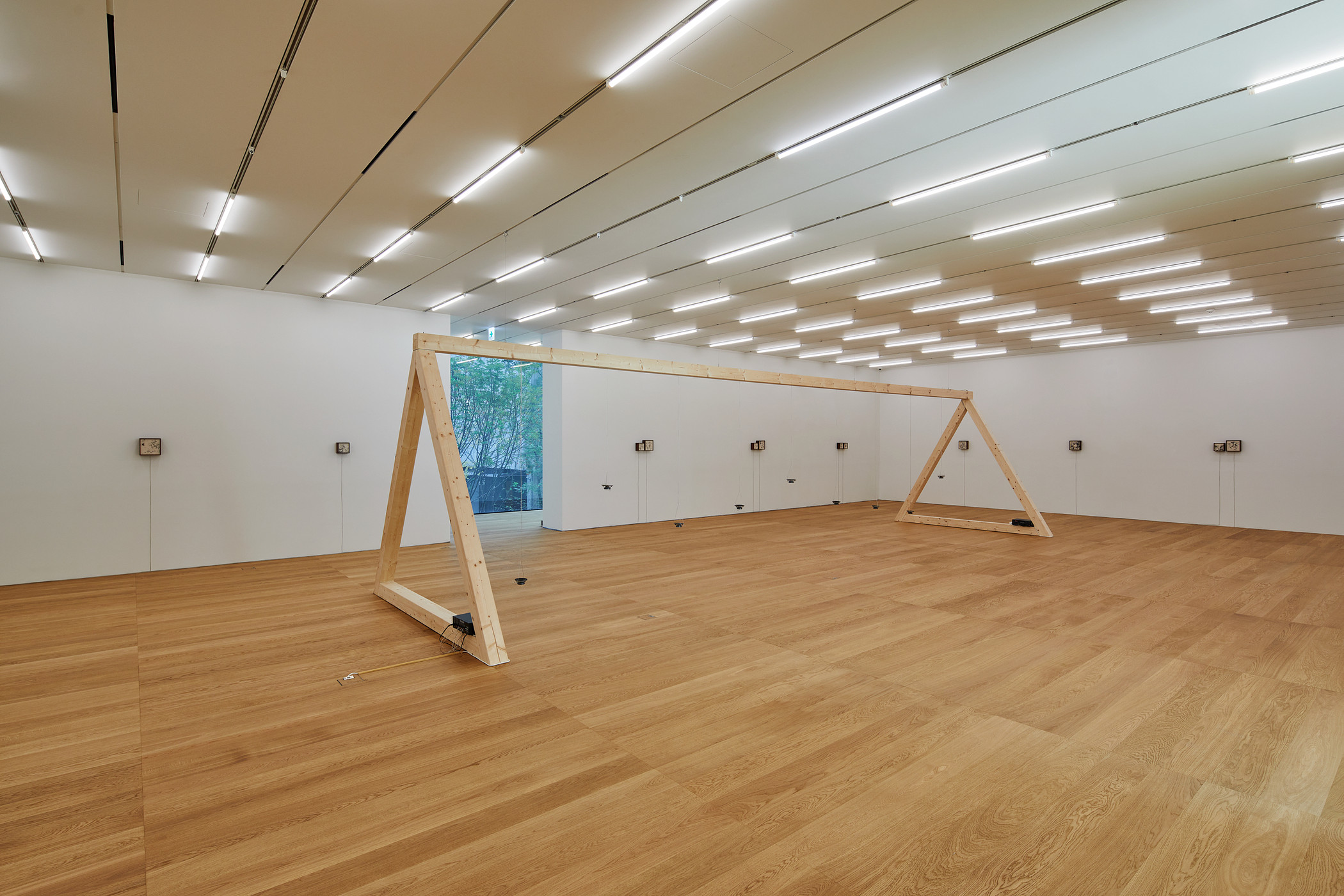
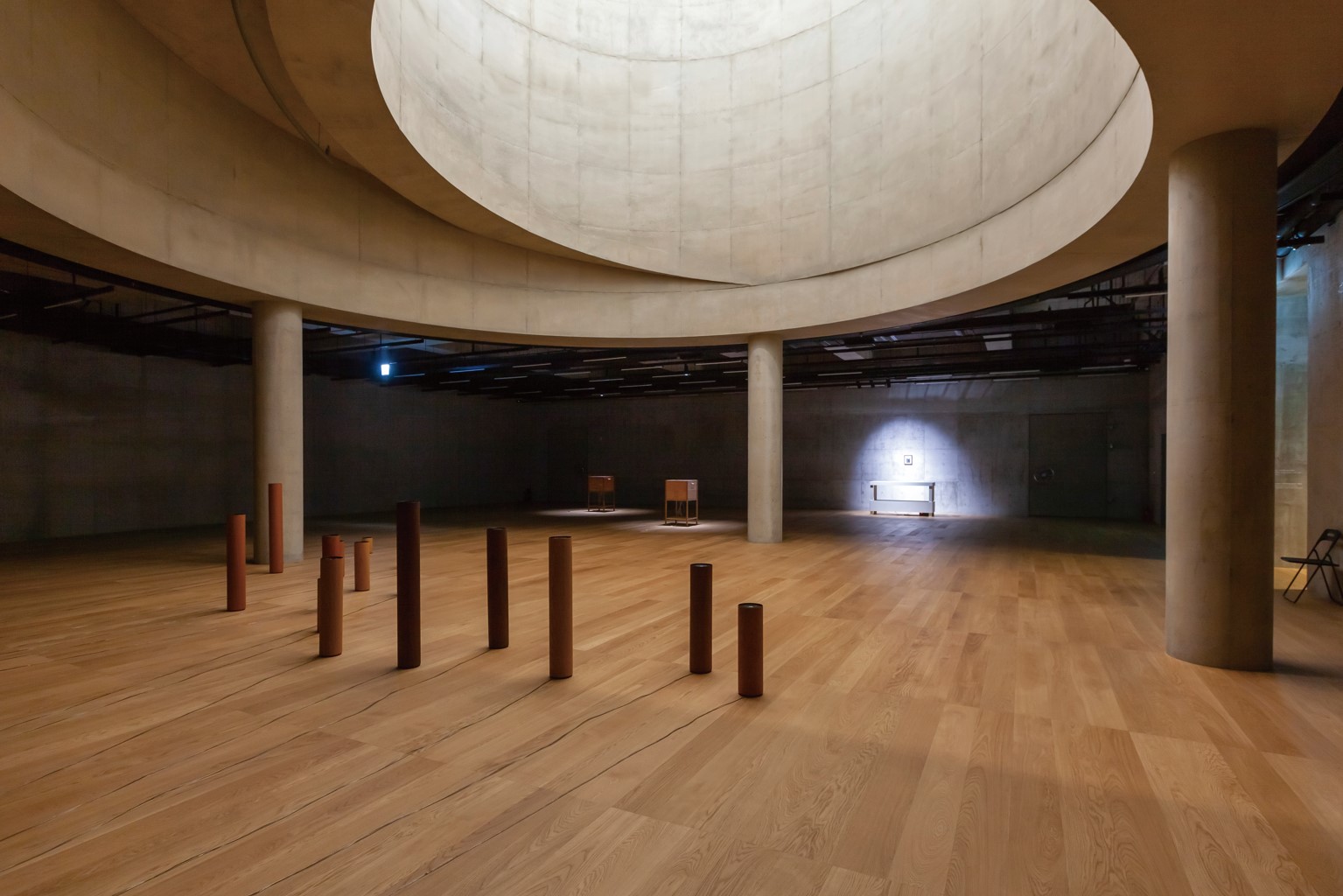
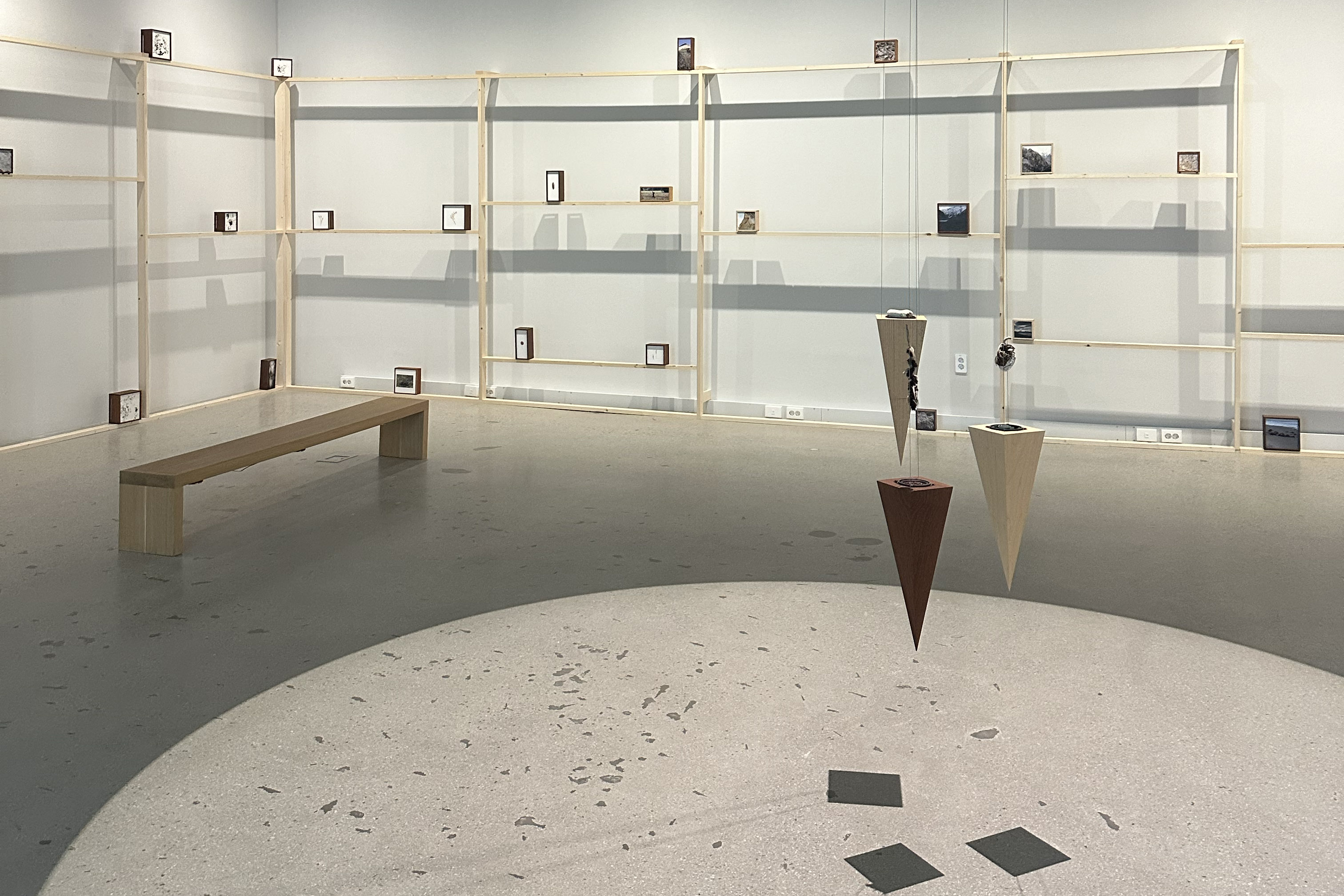
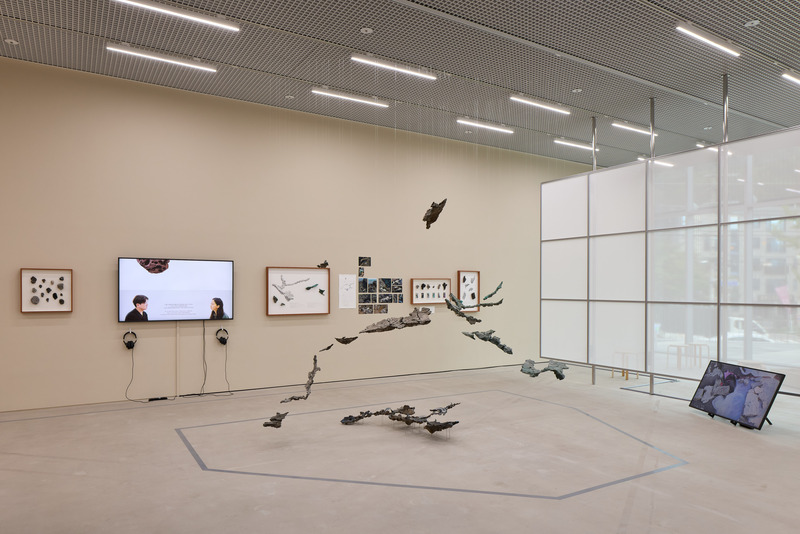
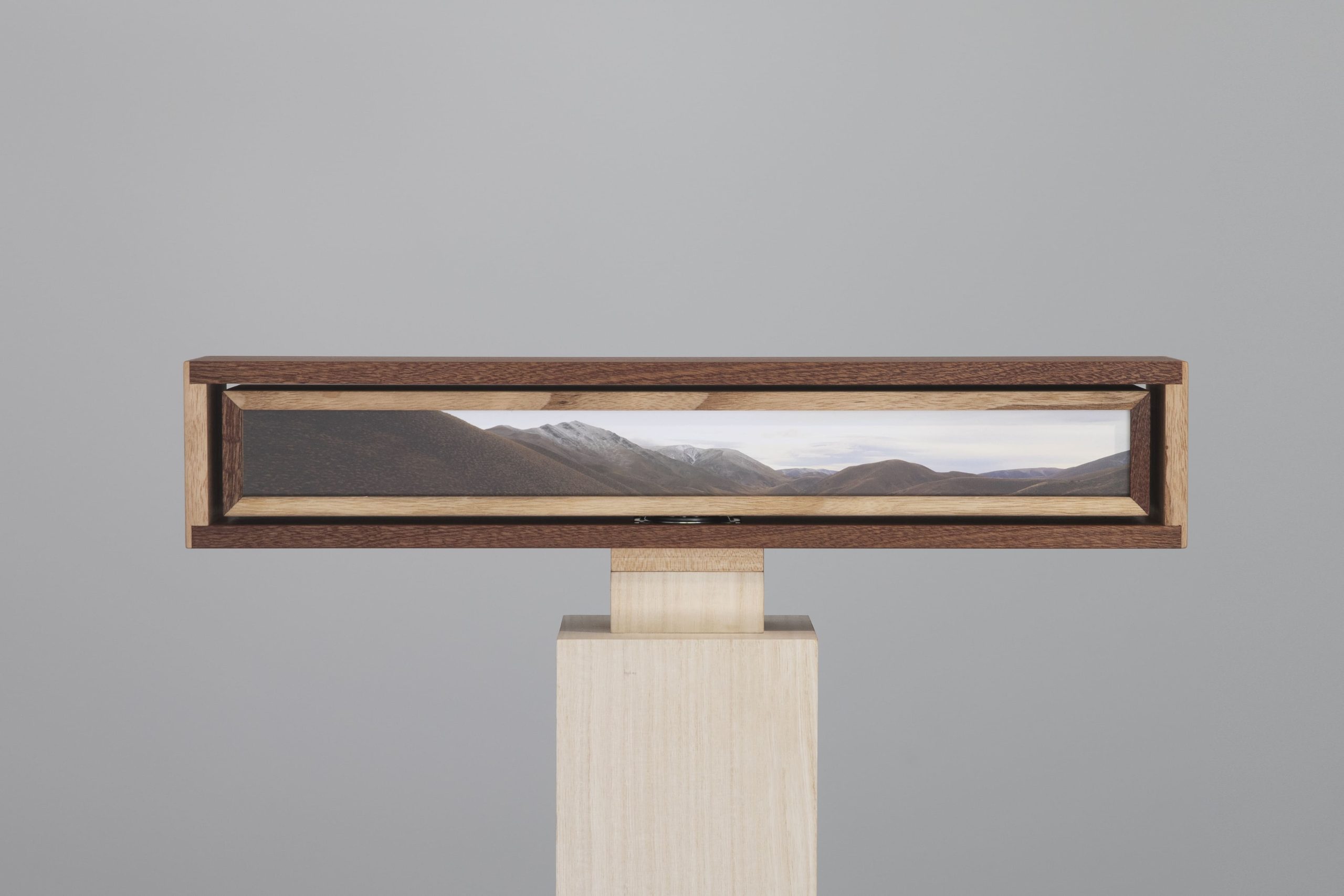
A distinctive formal feature of Kim's installations is the use of wooden archival furniture and sound boxes. He incorporates speakers and audio equipment into familiar structures such as drawers, display stands, and boxes, combining recorded sounds with photographs, geological specimens, and rubbings of rock surfaces.
Hardened Pieces (2017) brings together rubbings, collected stones, and sound to translate geological research into sensory experience, while Passed Times, Remaining Space (2022) reconstructs records accumulated through years of fieldwork into archival furniture.
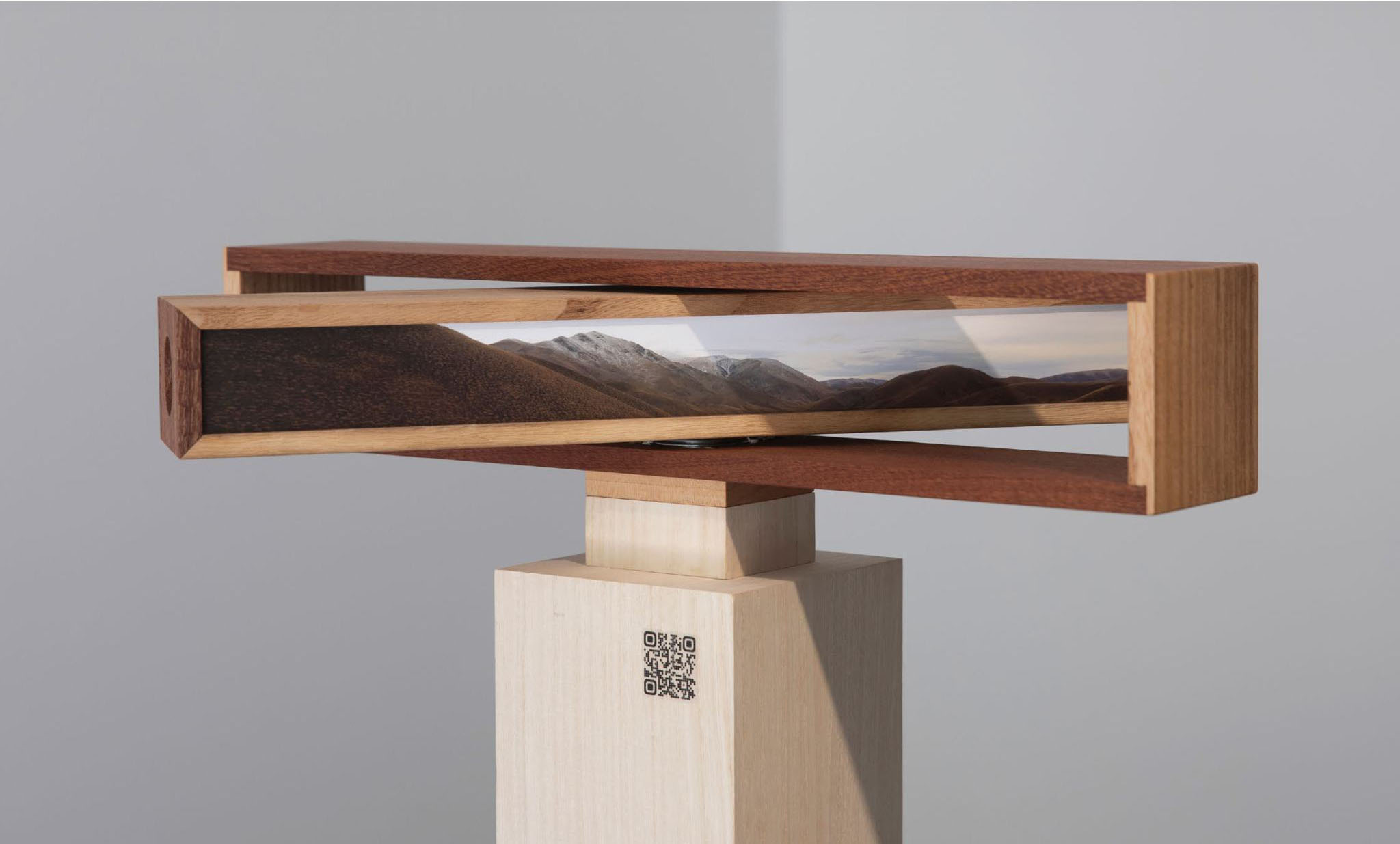
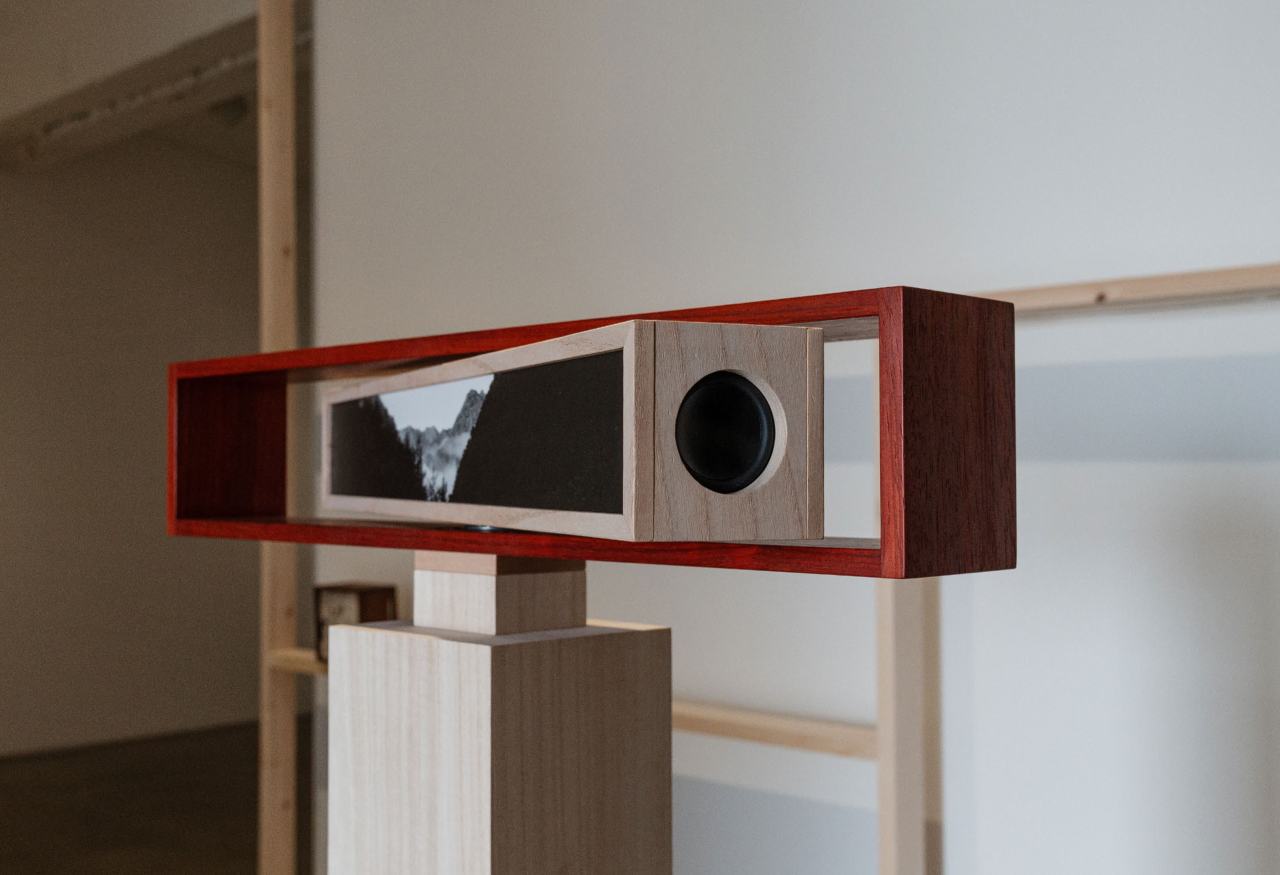
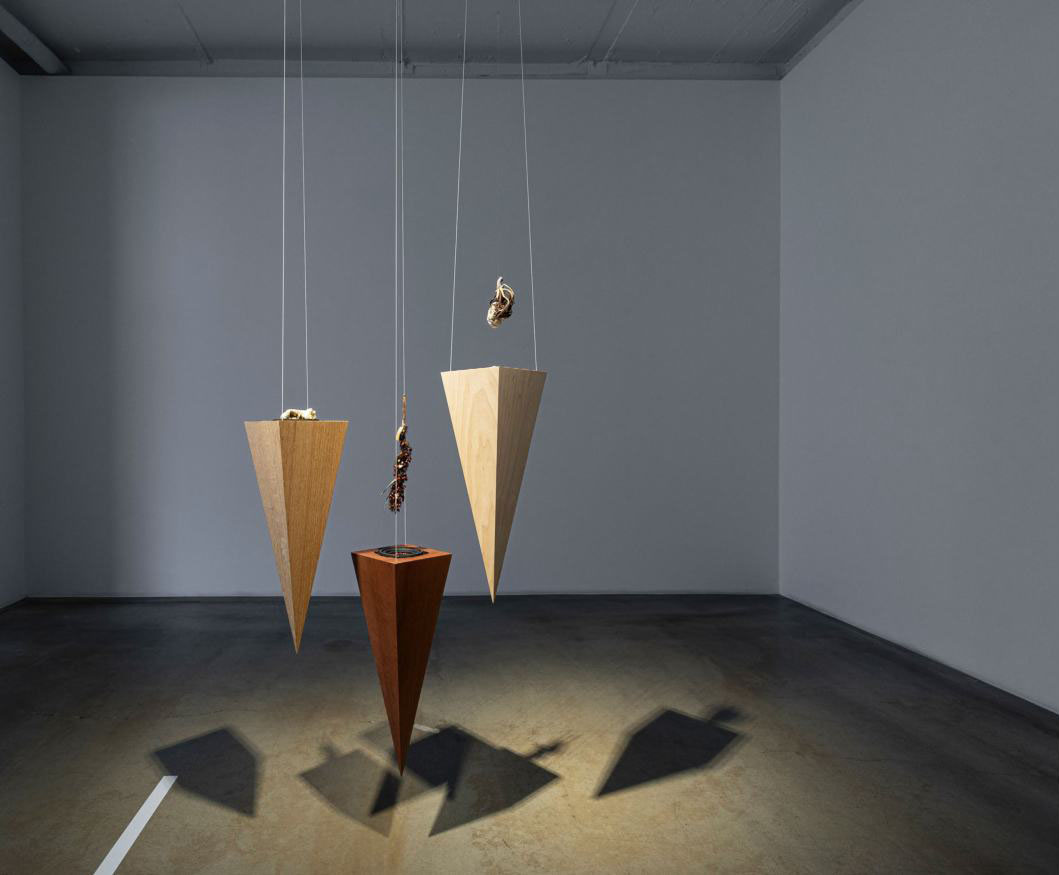
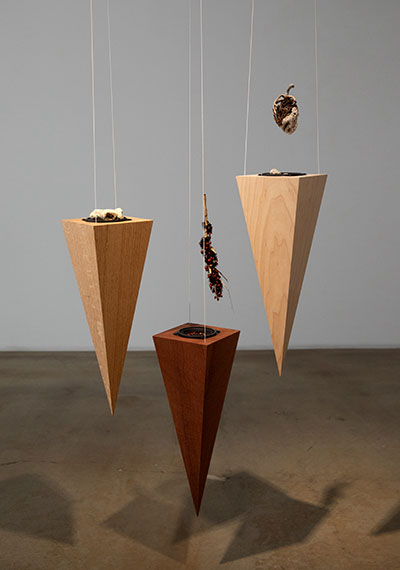
In Pendulate Pieces (2022), sound boxes arranged along the walls and moving structures allow recorded sounds to resonate with physical movement. Through these works, the archive takes on a three-dimensional form that visitors can directly approach and explore, establishing a close relationship between the preservation of information and its sensory experience.
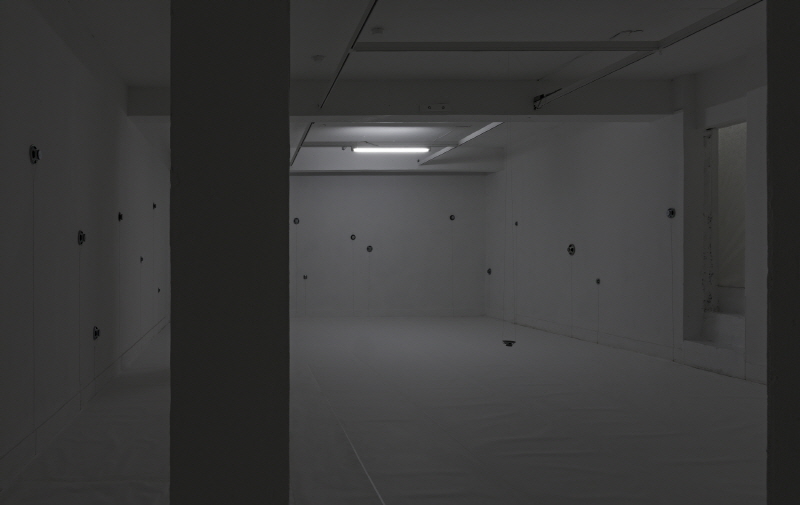
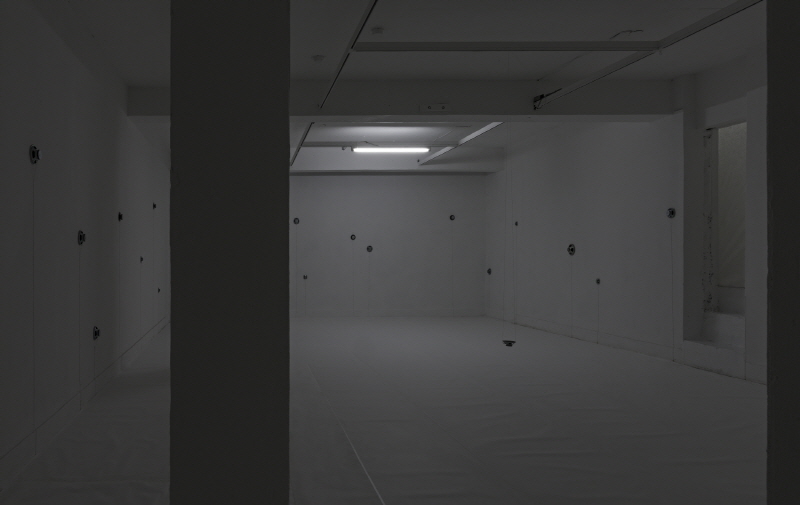
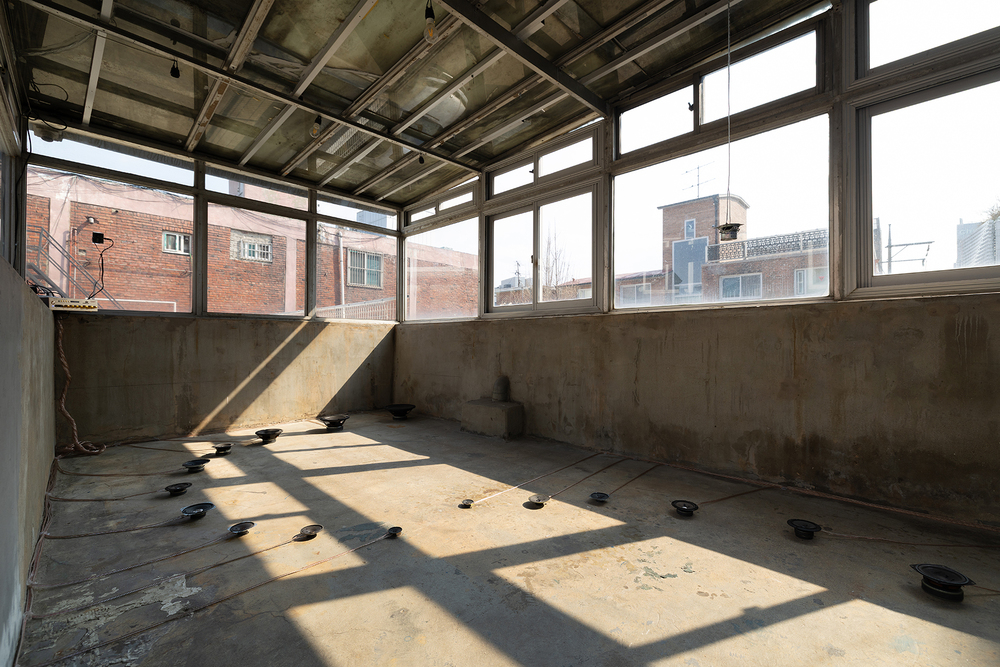
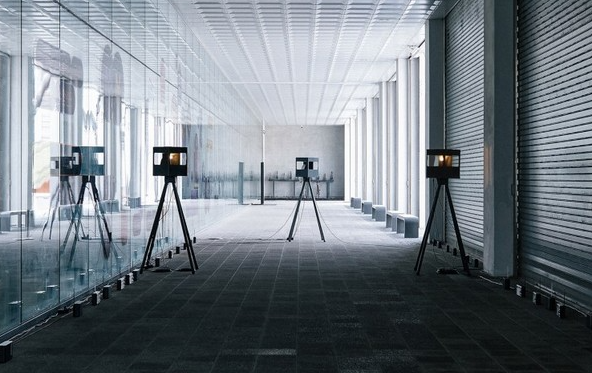
Site-specific installations that actively engage with the acoustic conditions of exhibition spaces constitute another important aspect of Kim's practice. Another Time, Another Order (2016) spatially rearranged sounds collected in Euljiro into a 25-channel installation, allowing visitors to experience different sonic relationships as they moved through the exhibition.
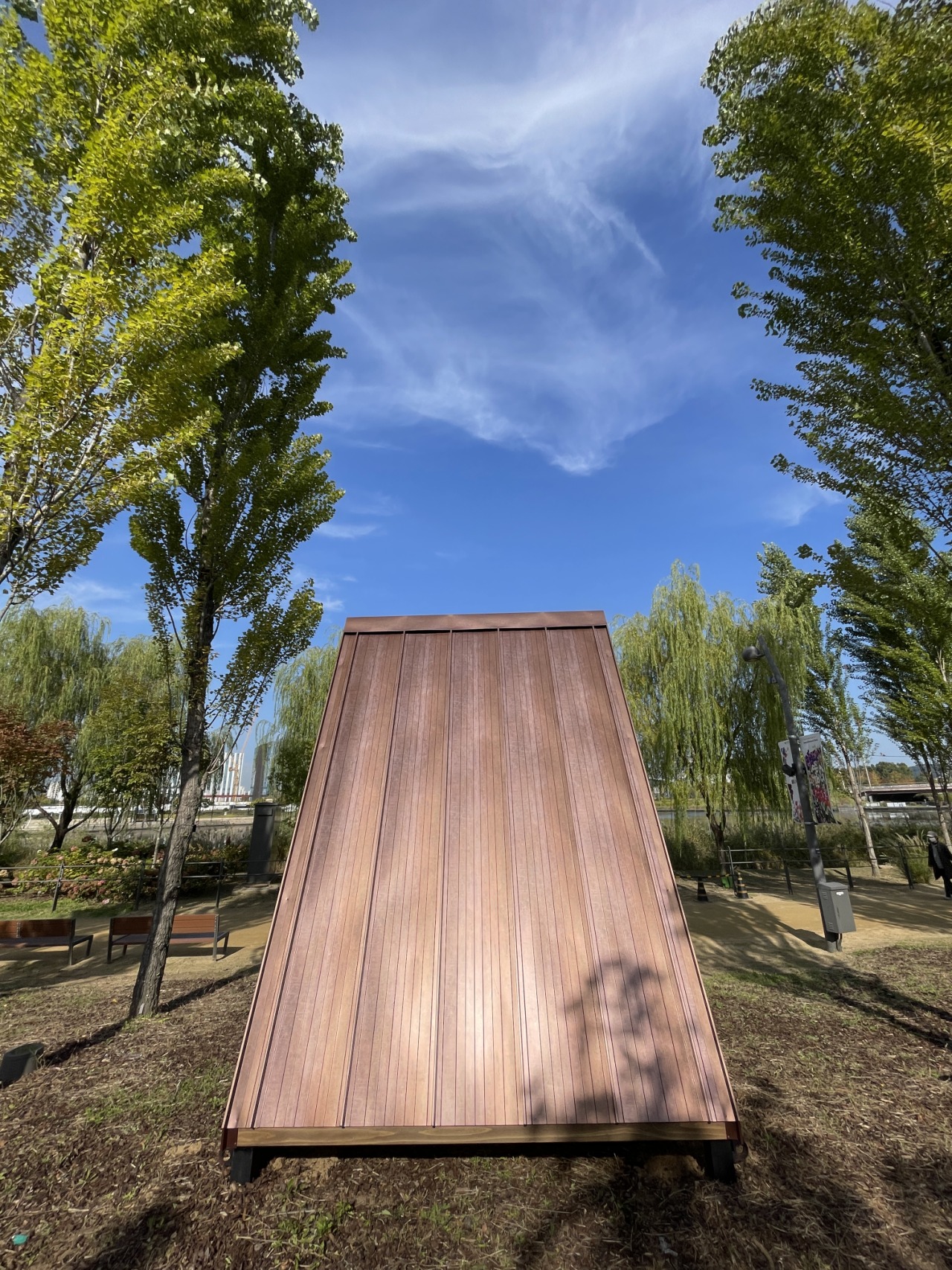
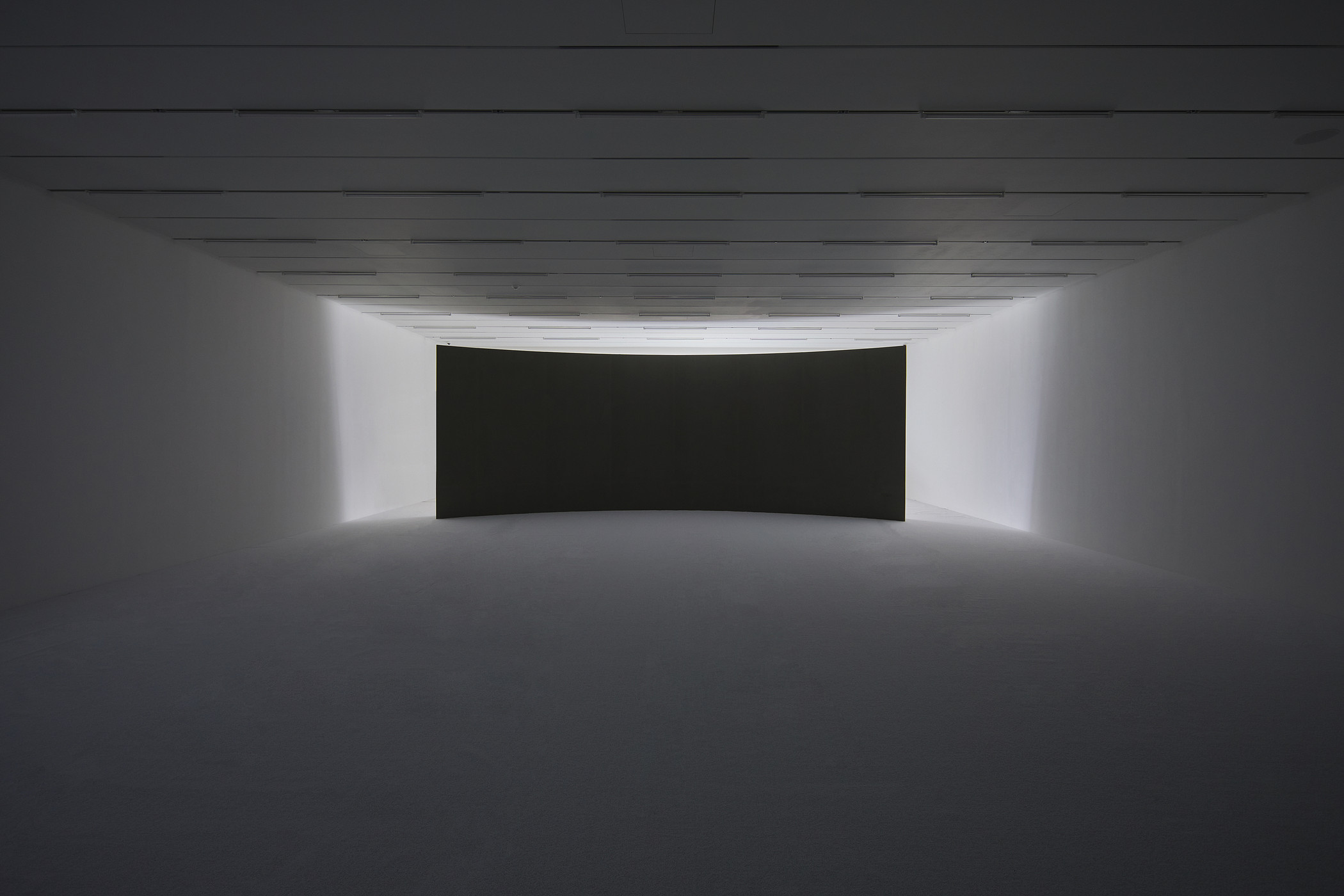
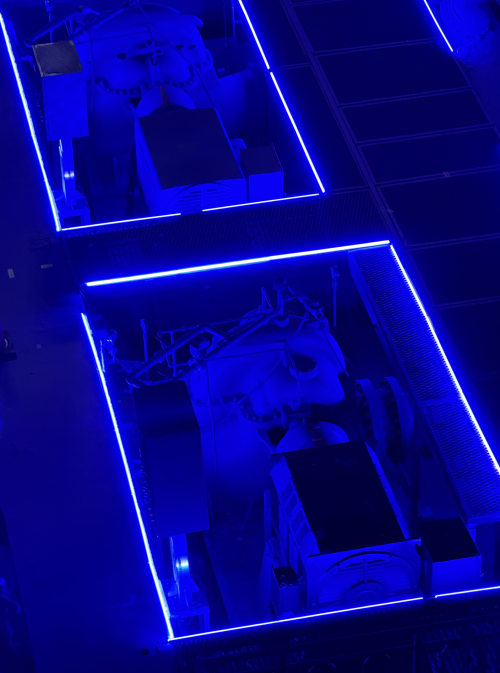
In Empty City (2018), recordings of daytime urban noise were played inside a transparent structure installed in a public square during the early morning hours, demonstrating how the same sounds can be perceived differently depending on time and environment. Tempest (2022) combined electromagnetic signal conversion devices, highly directional speakers, and a large sound mirror to create an auditory experience that changed according to the listener's position.
By engaging with the physical properties of sound and the architectural conditions of each space, Kim incorporates visitors' movements and modes of listening into the composition of his works.
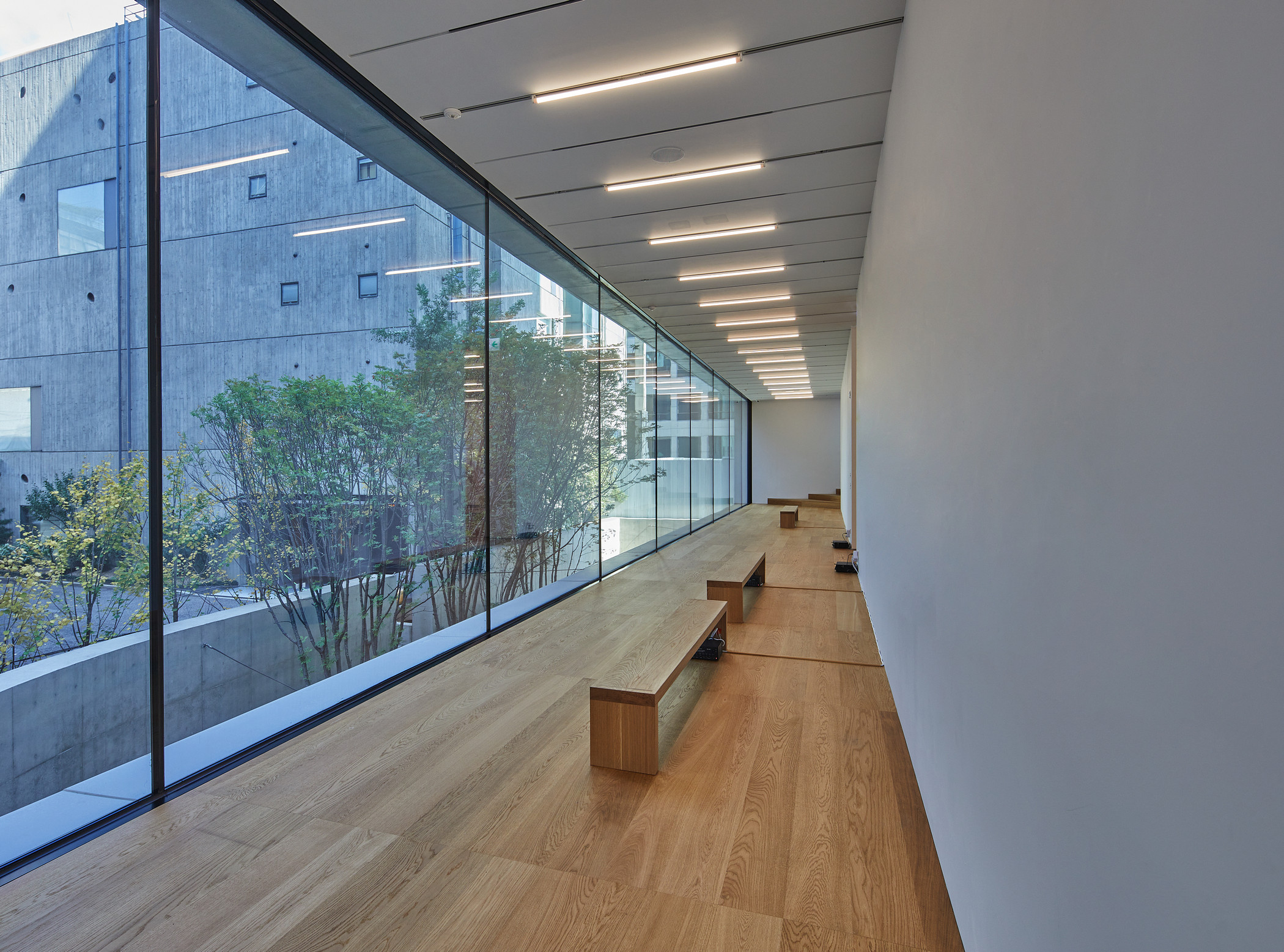
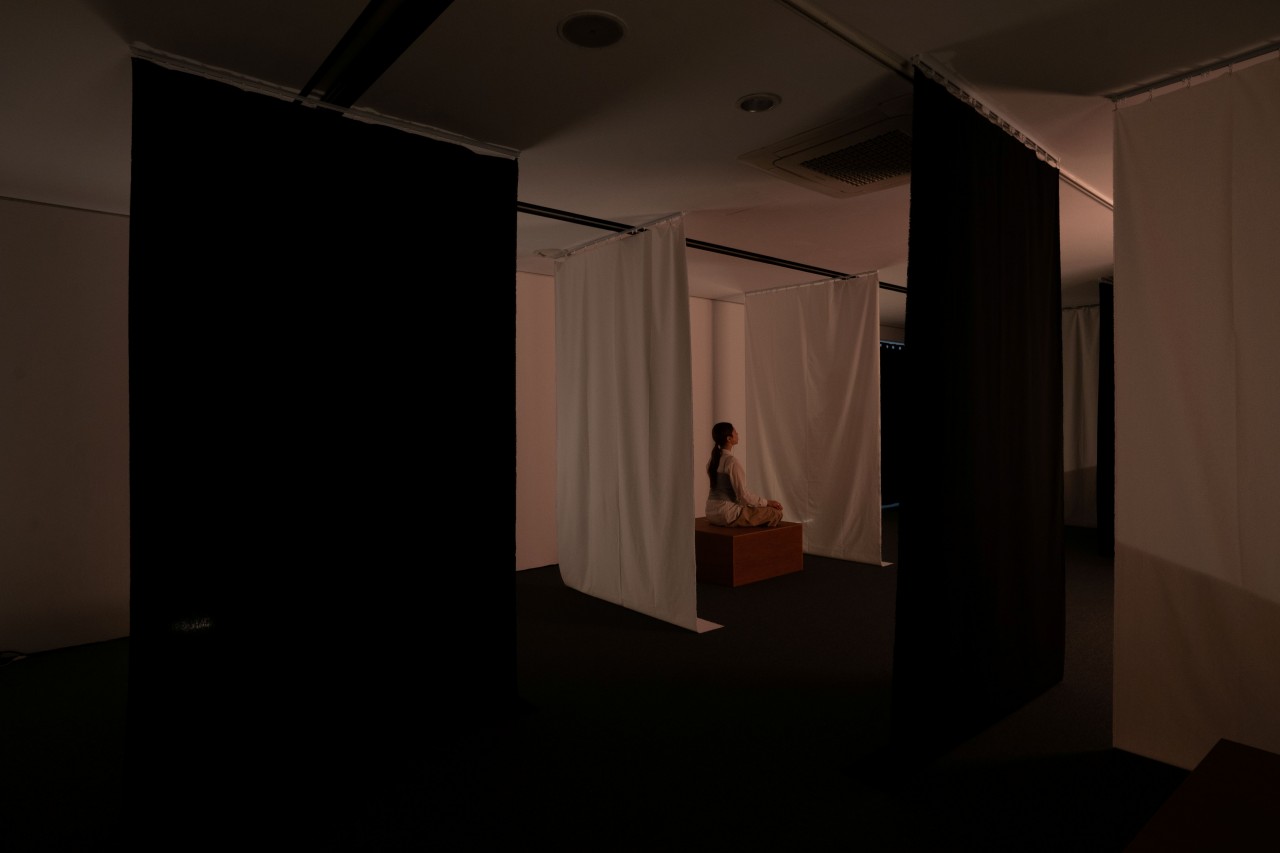
In his recent practice, Kim has further diversified his multisensory installations and forms of audience participation, connecting auditory, visual, and tactile experiences. In 《Reservoir of Senses》 (2024), sound benches, archival boxes, and pendulum structures encouraged visitors to engage with sound by sitting, opening drawers, and manipulating objects.
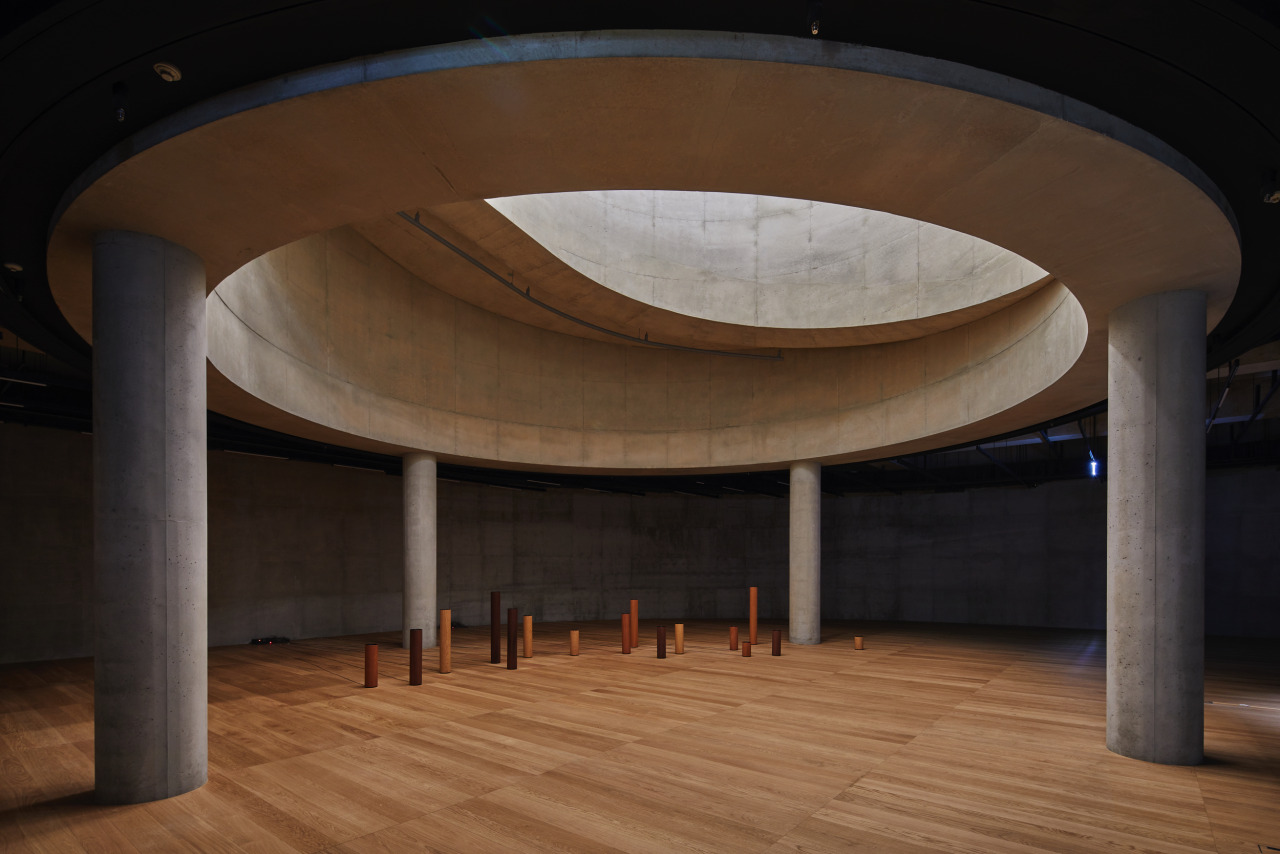
In 《ECO LOG: A Sonic Diary of Nature》 (2025), Flow Noise and Recess Stool invited visitors to physically experience the sounds and vibrations of the wind, while Deep Earth gave sculptural form to invisible movements above and beneath the Earth's surface through a triangular sound structure. Combining wood, rocks, plants, and audio equipment, these installations demonstrate Kim's distinctive sculptural language, in which natural materials coexist with technological media.
As visitors move between works, listen attentively, and interact with physical structures, they develop individual auditory experiences shaped by their own sensations and memories.