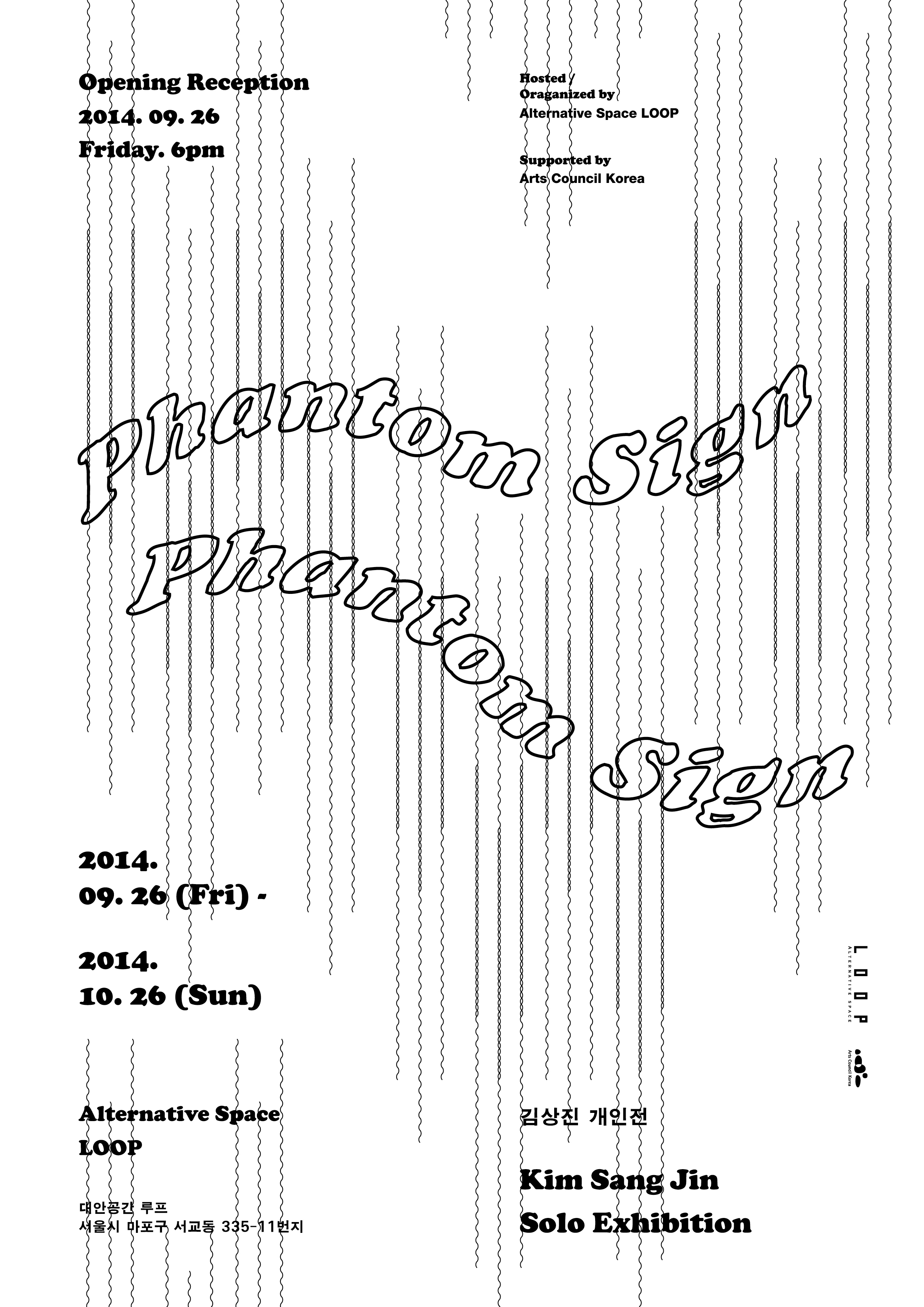
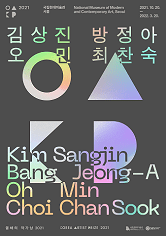
Poster image of 《Phantom Sign》 © Alternative Space LOOP

Cognition of a subject is extremely biased and subjective depending on the individuality of the subject, such as his or her ability or propensity. Even what we believe to understand and know works within a very limited frame of rules and order that are randomly categorized and assigned through our limited ability, thus our cognition fundamentally contains erroneous nature.

However, outside this frame, for the facts that cannot be reached by our comprehension, we overlook them more easily. This is especially true if the cognitive system is variable depending on the order and discourse formed in particular era through particular method. 

Kim Sang Jin's work starts from having doubt about the cognitive attitude and system of firmly believing in something. Things that are constantly present in the basis of his work are error and limit appearing in man-made order, norms, and massive system, along with the lost and concealed presence/confirmation of fact brought by the instability of human's cognitive system/method, and the contradictions/absurdities resulted from the gap among perception, cognition, and existence of the reality as we know it.

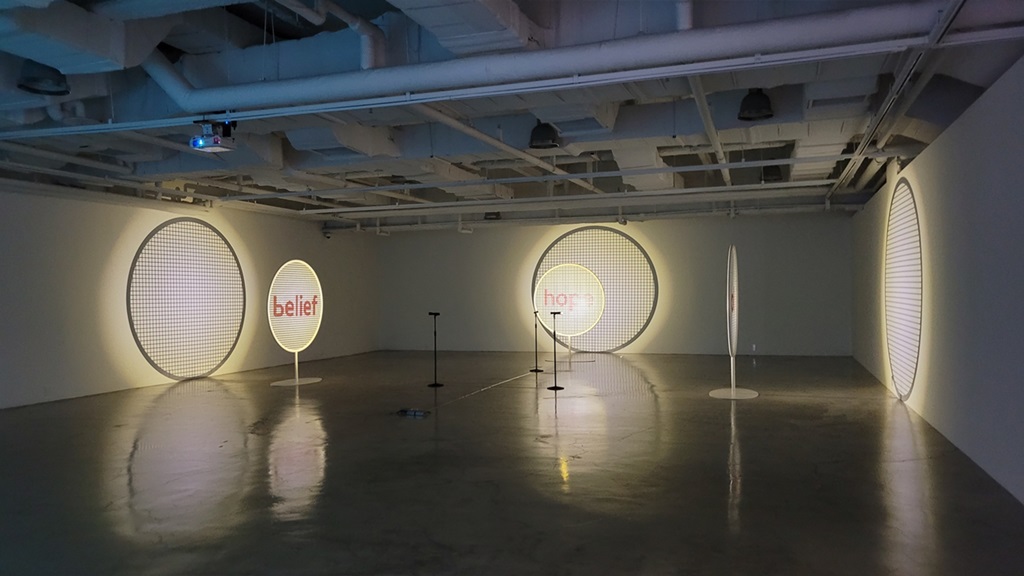
Since our cognition is inherently imperfect, it is impossible to fully capture and understand the subject. Although it could be possible for some sign system to resemble the subject as much as possible, it cannot correspond one-to-one perfectly with the subject. Dog Sounds (2010) aims to find the gaps and contradictions coming from the process of perceiving the subject and utilizes with the wit 'arbitrariness of linguistic symbol' spoken in what has become the classic, linguistic theory of Ferdinand De Saussure (1857~1913).

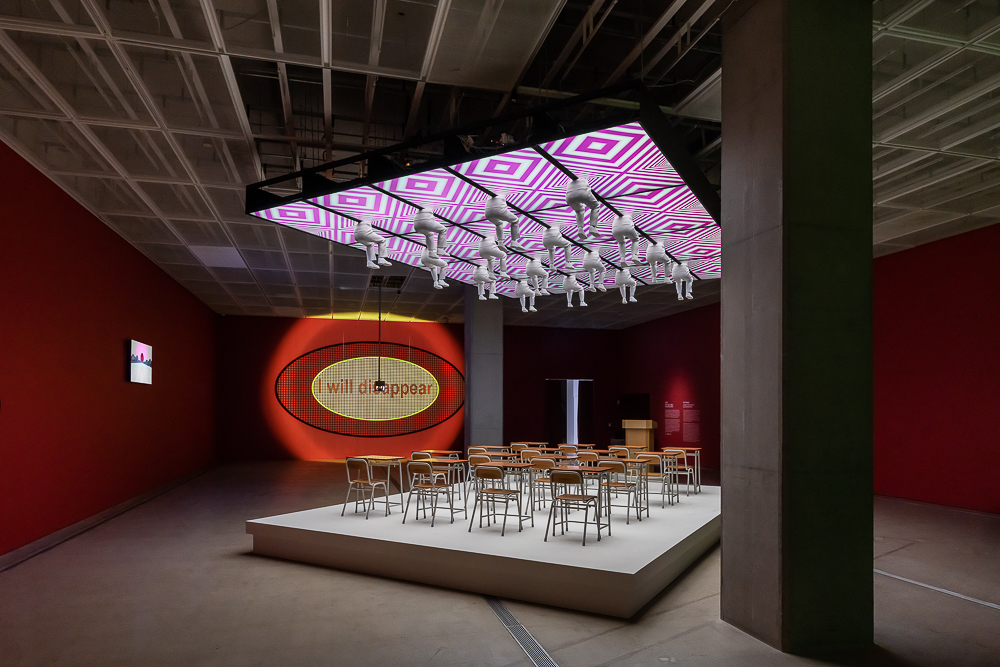
 The difference and repulsion coming from the onomatopoeia of foreign language in which anyone would have experienced at least once cannot have any inevitability to combine signifiant and signifie, while only an arbitrary relationship will become the case that compressively tells the establishment. Simultaneously playing the extracted onomatopoeia sounds of 48 barking dogs from 40 languages including 'mung mung', 'bow wow', this work attempts to combine the signifiers of each language as if anticipating for the coming of the language before the Tower of Babel.

However, the result becomes a mystery. The disparate signifiers of each language clash with each other, become completely disconnected with the signified, and finally degenerate into ambiguous sound after floating meaninglessly. In other words, since the boundaries of actual barking of numerous dogs or unspecified noise become unclear, it loses its function as a signifier (onomatopoeia) and is inverted to the sound before the previous relationship setting of signified-signifier.

As the sound (signifier) and the concept cannot build an inevitable structure, the presence of undeniable gap between them confirms the lack of sign system in reality that surrounds us.


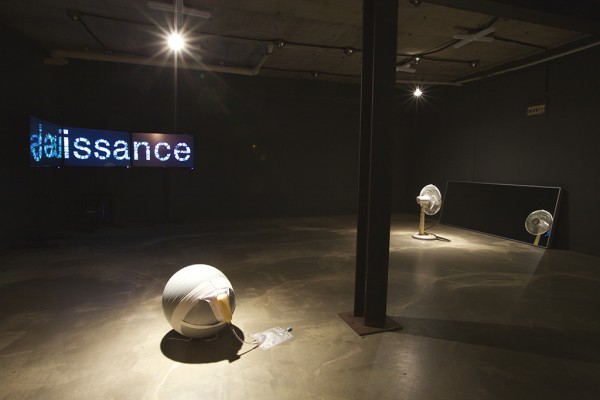
Installation view of 《Phantom Sign》 © Alternative Space LOOP

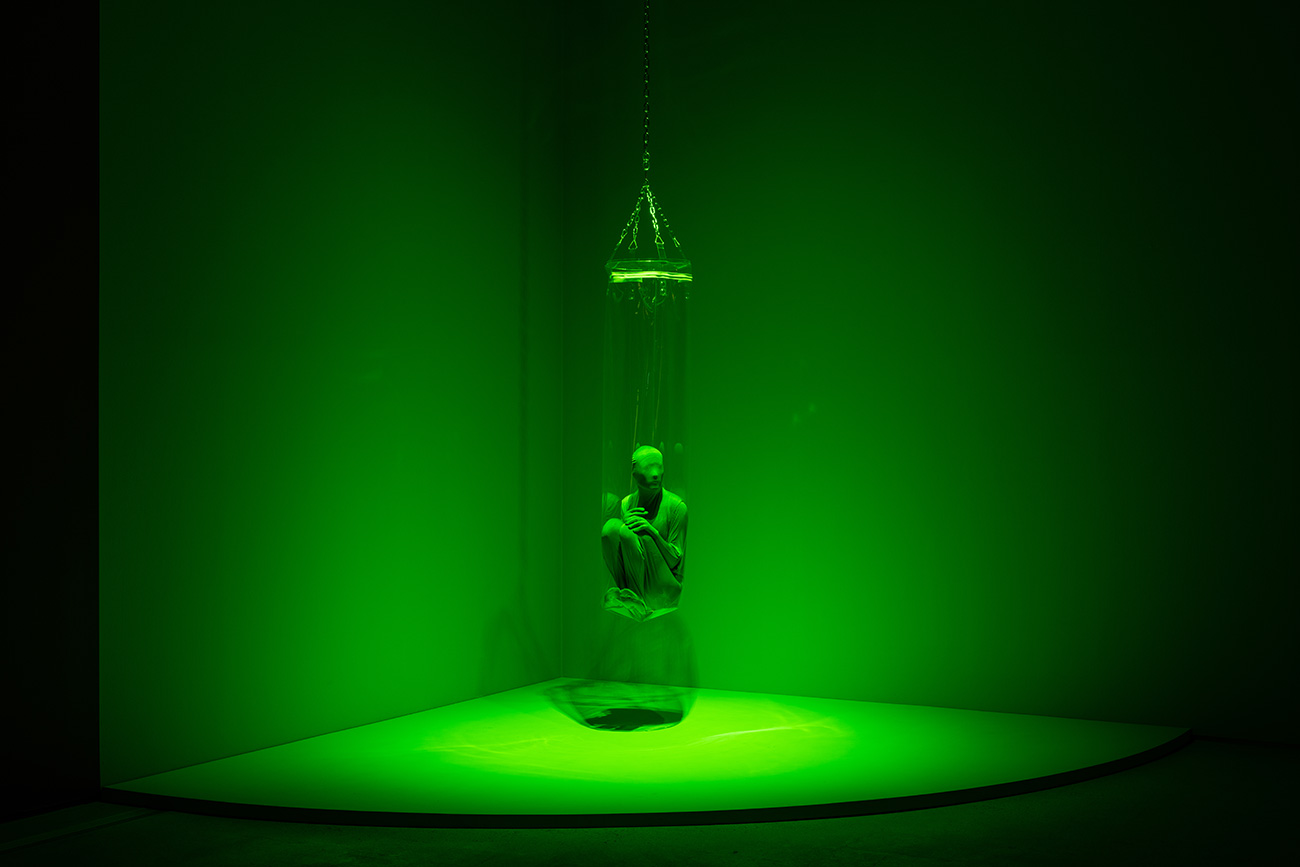
In the digital technology era, surrounded by the overflowing information and a giant virtual network densely woven within it, we are faced with the epistemic uncertainty of another dimension that is adhered to the hidden side with its endless possibilities. Being eaten up by the media, such as TV, Internet, and smart phone, modern people live in the world where spectacles, in which everything becomes incidents and issues, are rampant as Jean Baudrillard (1929~2007) has diagnosed.

For them, simulation, in which spectacle and sign are strengthened through replication and manipulation, and the hyper reality produced by it are not unfamiliar anymore. Prior to Baudrillard, a media theorist Gunther Anders (1902~1992) in The World as Phantom and as Matrix has called this properties of media (TV), phantom, which is a third dimension that does not belong to anywhere like presence/absence or fact/fiction.

The system woven by this phantom is matrix. In this deceptive virtual reality, phantom replaces the reality in the form of imitation and replication. The advancement of cloning technology by contemporary digital technology more thoroughly gets rid of the gap between the copy and the original.

On account of the self-replication of 'the replica without the original,' perhaps we are addicted to and living by conforming to the 'phantom of feeling', in which the fake that is more realistic than the original is guaranteed a status and the division between reality/imagination, existence/fiction has no meaning any more.

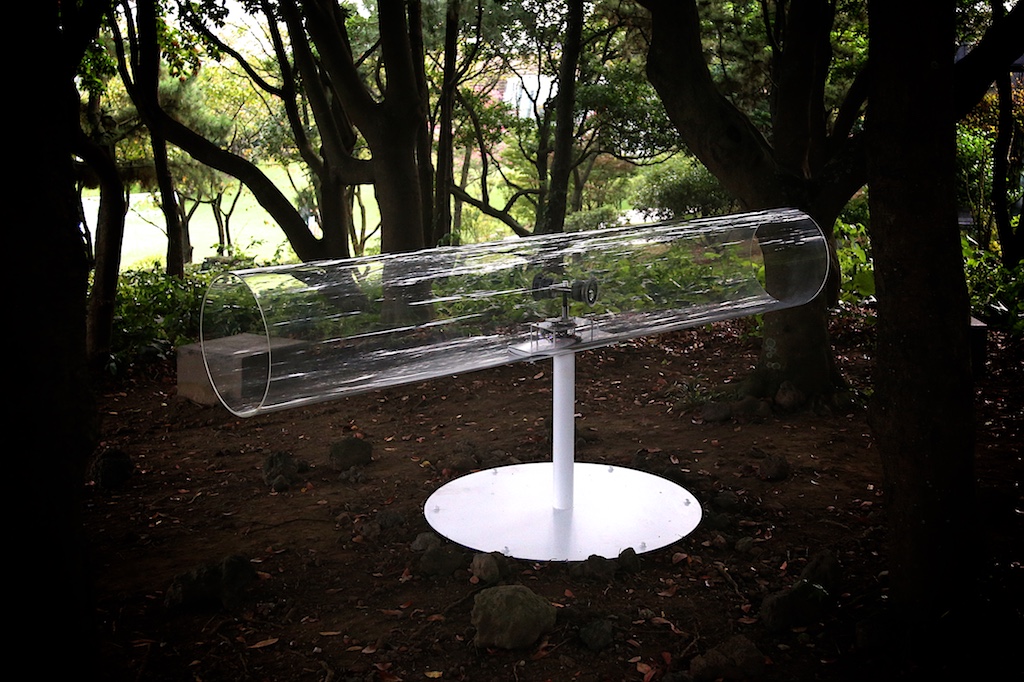
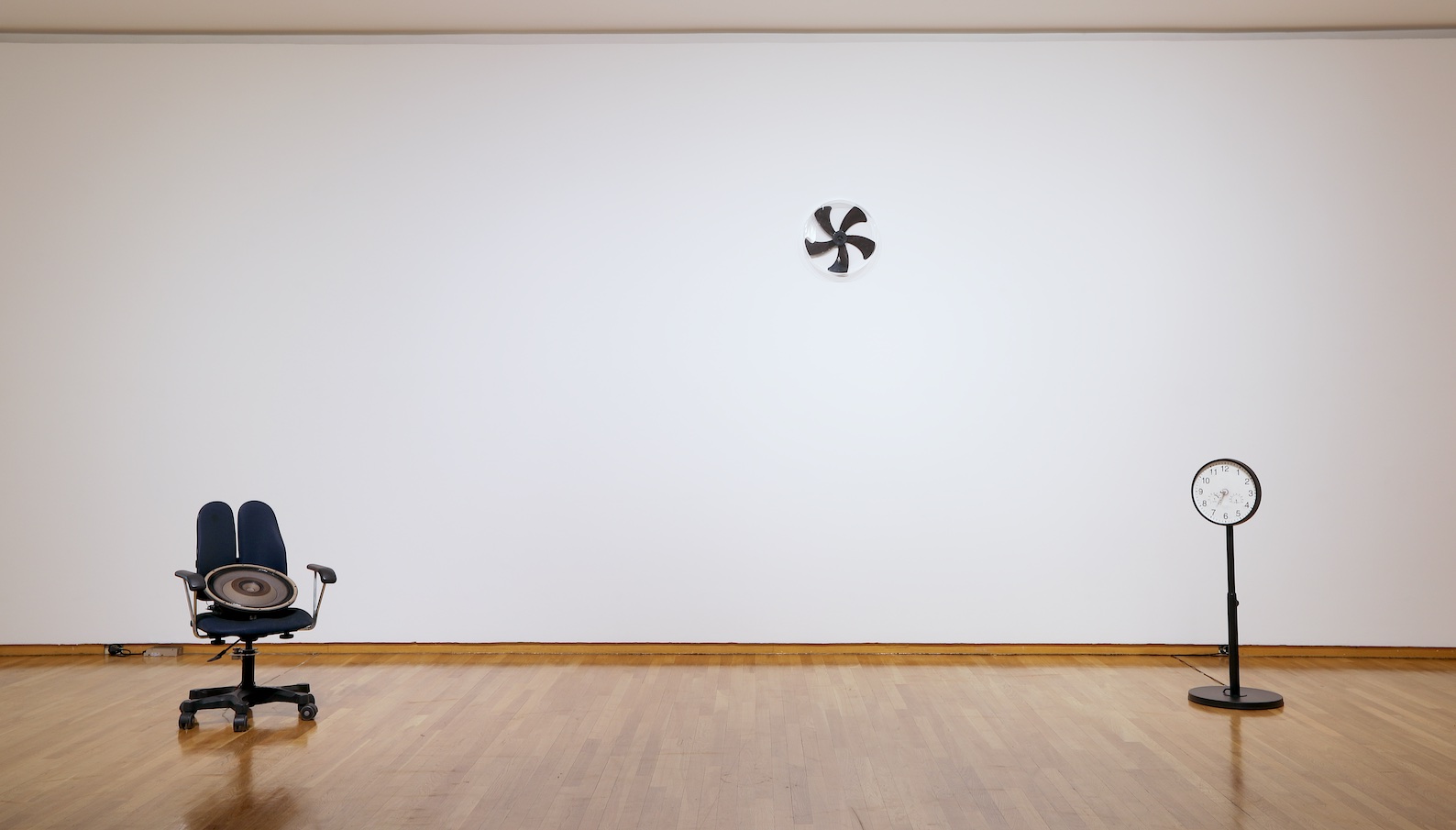
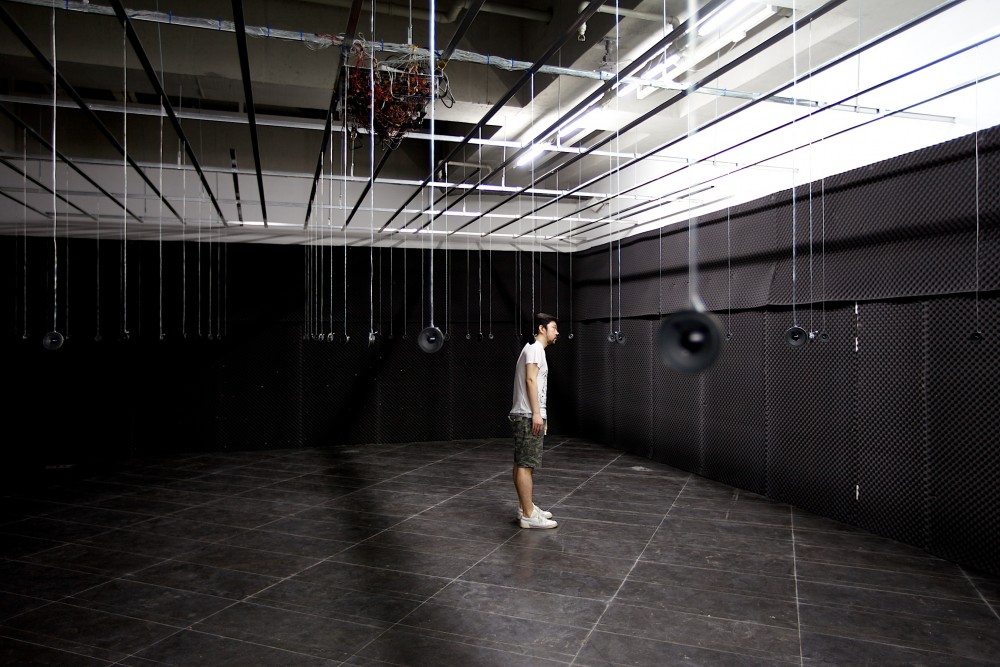
In Sound Sculpture_Phantom Sign (2014), presented for the first time in this exhibition, Kim Sang Jin deals with the epistemological problem of existence from this 'phantom of feeling' through the mechanism of auditory reproduction. The artist places 84 recorders and speakers at 1 meter grid spacing, and the sound recorded in each position is simultaneously played back at the same location.

The recorded theatrical scene possesses a performative character to explore and experiment with the process of auditory mechanism but does not resemble staged direction that requires audience participation. Today, approximately 130 years since the invention of phonograph by Edison, the auditory reproduction technology (sound technology) has advanced rapidly, combined with the popularity of 3D stereoscopic displays, a 3D stereophonic sound system like multi-channel surround system, such as Dolby 7.1 channel and 9.1 channel, has been developed and reached to commercialization.

In order to reproduce a more realistic 'Actual Feeling Sound', this system artificially creates sound field, reproduces virtual sound, and realizes it within the appointed system, thus it still places the audience 'passively and two-dimensionally'. At this moment, sound only becomes another inevitable industrial product within the standardized mass production system that cannot be and does not need to be optimized to each person.

Despite the advancement of technology, this system cannot escape from the early 'perspective representation of sound', and it provides the audience with auditory simulacre in a unilateral and standardized way. Another name for perspective representation, perspective with vanishing point is invented for idealistically depicting the shape of the objects in the Renaissance.

As a 'way to set the viewpoint', it is a perceptual mode that has systemized the relationship between the subject and the line of vision. Getting away with saying that it is a very scientific method, this system forces to perceive in a specific way within the auditory system as it is the case for the vision, and it makes to decide the listener's behavior, judgment, and thinking within it.

On one occasion, Theodor W. Adorno (1903~1969) criticized that a record album degenerates the listening skills, since it does not communicate the real music and fixes the listener's manners of perception to specific patterns. Hence, special arrangement, which forces one to perceive in a determined manner, becomes a system that operates power.


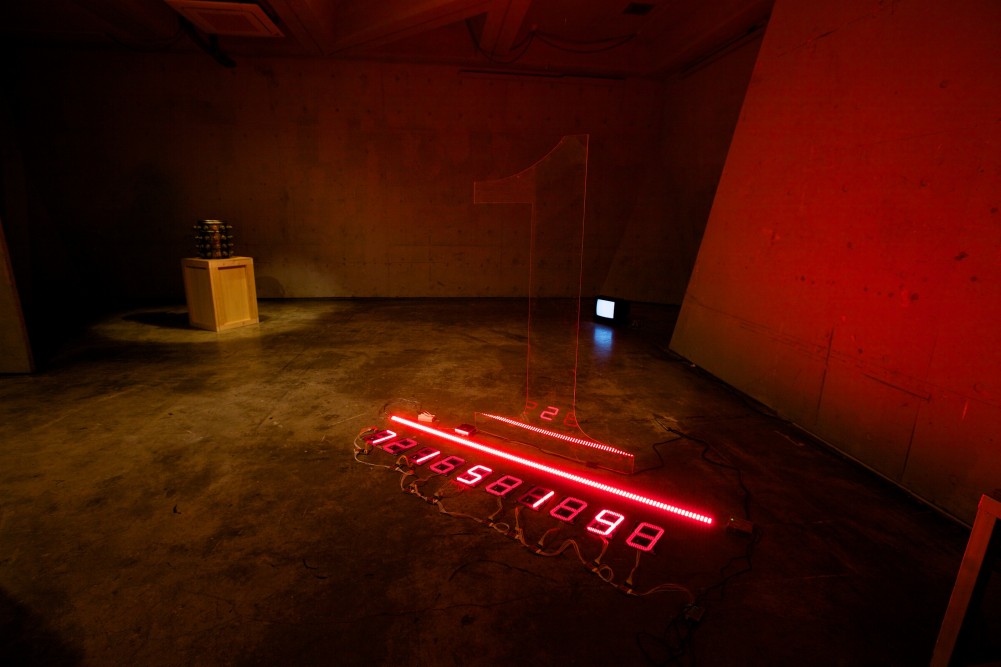
Installation view of 《Phantom Sign》 © Alternative Space LOOP

Seeking diversification of documentation and reproduction, Sound Sculpture_Phantom Sign (2014) challenges the myth of perspectival representation, which assumes that a subject can be clearly and ideally captured through a centralized system characterized by symmetry, balance, and stability. The listener is released from the normative and regulatory position imposed by the existing sound system, free to move among the speakers and select sounds independently.

Rather than being perceived as originating from a single point, sound is dispersed across multiple sources, filling the space in layers. As multiple listeners encounter different sounds from different positions among the numerous speakers, the single position designated by the existing system as the sole source of accurate information loses its exclusive and privileged status. Each sound point offers its own information, recorded in that particular location.

At the same time, the work invites us to question whether our senses have been conditioned to accept the limitations imposed by Actual Feeling Sound Technology, or whether the system itself has abandoned the real sounds concealed beneath the supposedly "illusory" sounds, which may be more authentic than the reality presented to us.

As the artist explains, "I want to show that there are other various existing facts when a new fact arises, and I wanted to give equal opportunity to the other sounds that could not be documented and reproduced while they existed in the same place as the sound provided by the informant." The artist further states, "Instead of bringing to the audience the sound they want to obtain, I would like each one to choose the reproduced sounds on their own."

This approach recalls Slavoj Zizek (1949-) and his call to step back from the seemingly peaceful yet controlled reality of The Matrix and reconsider our assumptions about the real, much as Neo does when he takes the red pill. Kim appears to seek to strip away this constructed reality and suggest a way out of its carefully arranged illusion.

By drawing attention to realities that exist alongside us but remain "ignored and excluded" by what Zizek calls the "Big Other" - the law, ideology, and, by extension, global capitalism - the artist points toward what lies beyond the reality presented to us.

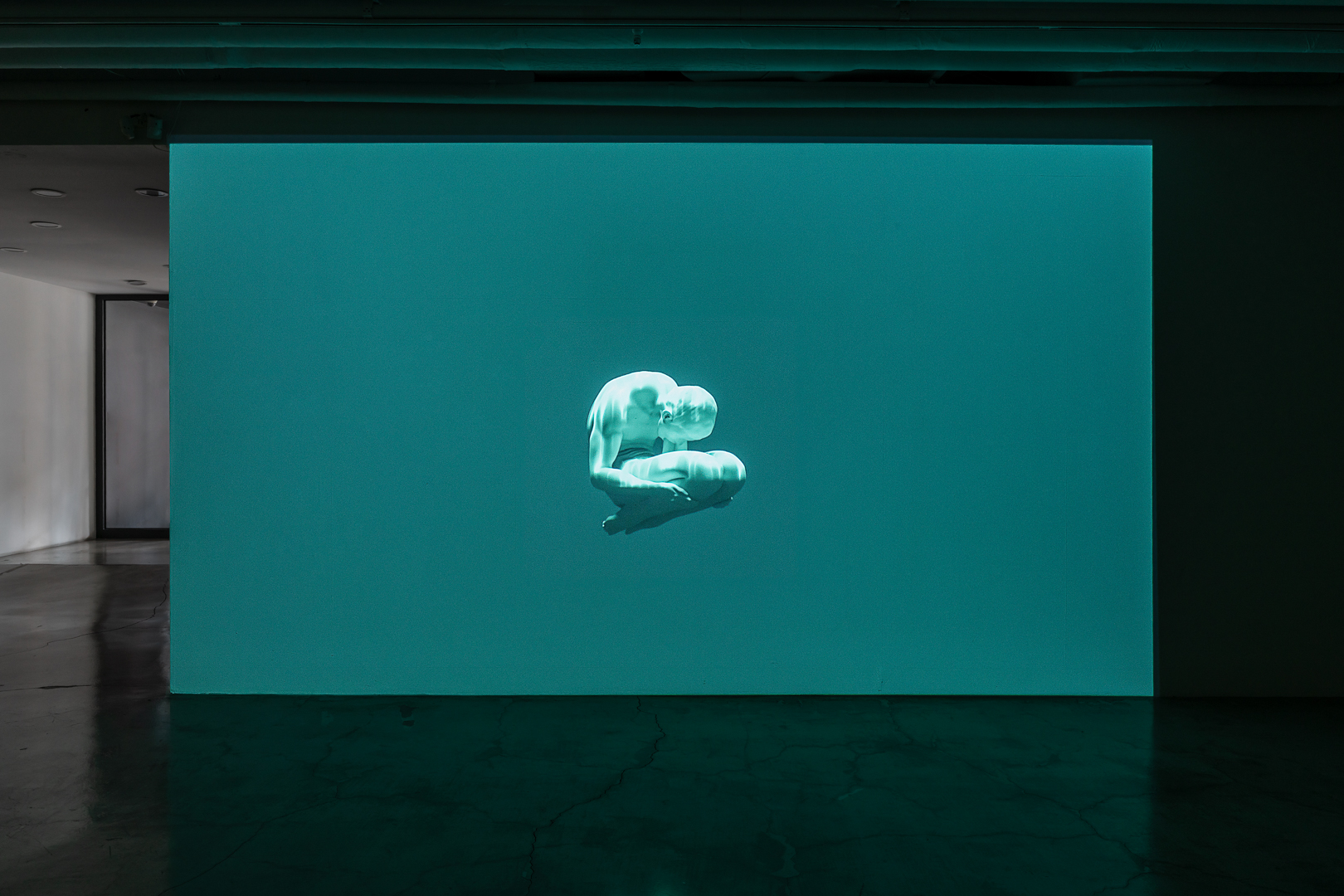
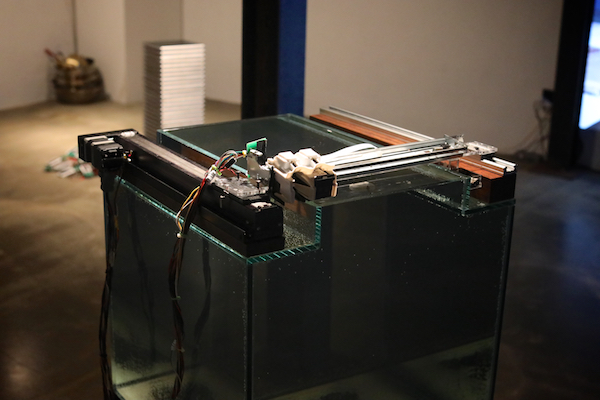
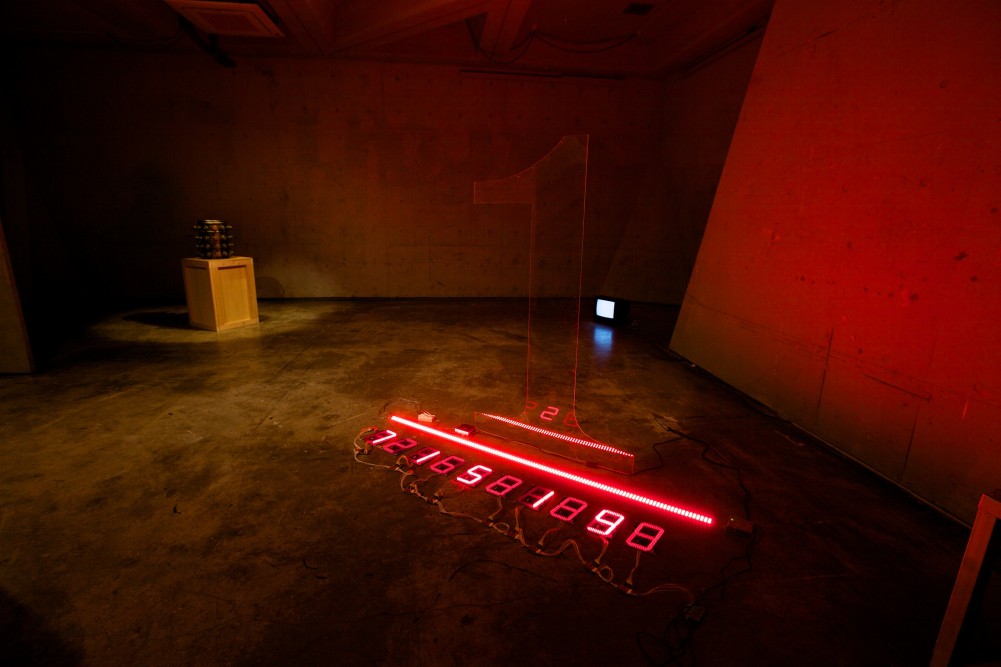
In An Approximate Value (2014), meanwhile, Kim attempts to reveal an unvarnished reality by peeling away the layers of a deceptive world sustained through fiction, onto which human ambition, capitalism, and anthropocentrism are projected. From the beginning of the Common Era until the nineteenth century, the world's population grew from approximately 200 million to one billion.

By 2014, it had reached 7.2 billion. Since the Industrial Revolution, the global population has more than tripled in just over a century, while ecological destruction, including the extinction of species, has accelerated at an alarming rate. It is estimated that three species are becoming extinct every hour.

As Stephen Jay Gould (1941-2002) explains in Time's Arrow, Time's Cycle, if the Earth's 4.5-billion-year history were compressed into a single 24-hour day, humans would appear only in the final minute and seventeen seconds. The contrast between humanity's relatively recent emergence and its disproportionate impact on the planet presents a profound paradox.

Underlying this situation are not only empirical advances in science, such as developments in medicine, public sanitation, and food production, but also the values of humanism. Modern Western humanism, characterized by a process of "demythification," established a longstanding convention of dominating, controlling, and exploiting nature. This worldview continues to serve as the basis for humanity's claim to authority over the natural world.

By placing human beings at the highest possible position, it diminishes the value of all other forms of existence. On this basis, humans justify treating the Earth's entire ecosystem as a resource for their own desires, including not only animals and plants, but also minerals, air, and water. Even the preservation of ecosystems is framed in terms of managing resources and maintaining "gene carriers," thereby disguising the anthropocentric values underlying such efforts.

The distortion of human dignity by human desire is particularly evident in the protection of endangered species. While animals with high economic or practical value, such as those used in trafficking, rental, or tourism, including Roland gorillas, of which only around 1,000 are estimated to remain, giant pandas, and whales, are treated as lives worthy of exceptional care, how many other species disappear forever amid widespread indifference?

The protection of animals and ecosystems, often advocated under the guise of benevolence, can thus become a cold and hypocritical virtue: one that operates according to the logic of economic resources, scarcity, and anthropocentrism, ultimately serving human desires behind the scenes.

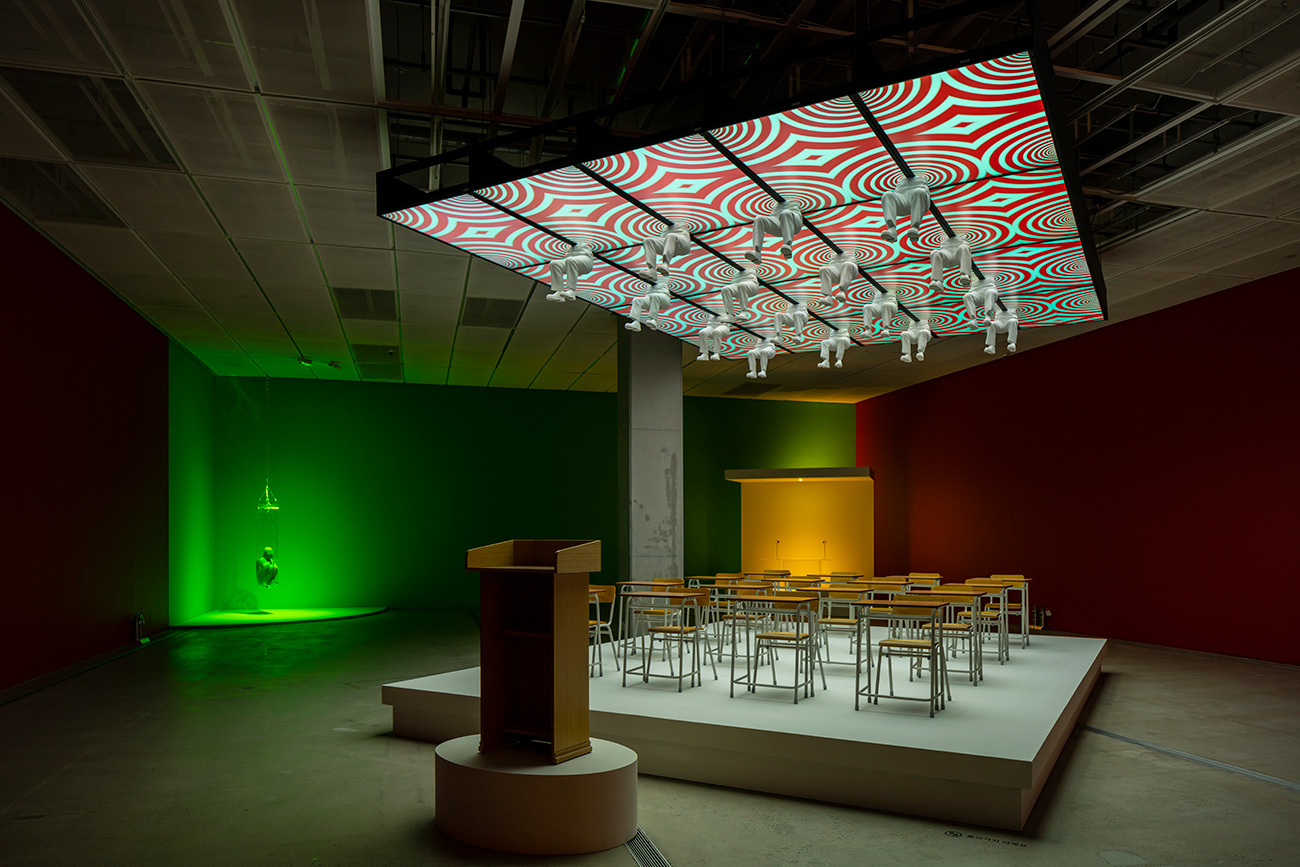
In this work, Kim quantifies the arithmetic value of human life using a method commonly employed to assess value through the logic of scarcity. With a global population of 7.2 billion, the numerical value assigned to a single human being is one seven-billion-two-hundred-millionth. By comparison, the value of a single Roland gorilla, based on an estimated population of 1,000, is 720 million times greater.

Since the "dignified human," occupying the highest position in the ecosystem, is presumed to be beyond such evaluation, this comparison is economically and intuitively absurd, even insulting. Through this deliberately extreme calculation, Kim metaphorically exposes the inflation of resources, manifested in resource depletion and food crises brought about by mass production and uncontrolled development, and the simultaneous devaluation of individual human beings as economic commodities.

When the devaluation of human life, evident in surplus labor, layoffs caused by corporate restructuring, unemployment, unequal income distribution, and widening wealth gaps, is attributed to structural problems or individual shortcomings, humanity becomes entangled in a contradiction of its own making.

The very values it has asserted as absolute, "human rights" and "human dignity," invoked to justify its supremacy over other species, are rendered meaningless by the systems it has created. If the traumatic reality that exists plainly before us must be concealed in order to preserve a beautifully packaged yet hypocritical version of reality, then whose interests does this humanitarianism ultimately serve?


References