Seungwon
Yang’s practice begins with a question: do the images and landscapes we take
for granted truly represent reality as it is? Questioning the belief that
photography objectively records the world, Yang has explored how boundaries
between reality and imitation, fact and fiction, are formed and transformed.
These concerns emerged from the urban environment and social changes he
encountered after moving from Icheon, Gyeonggi Province, to Seoul.
In his early
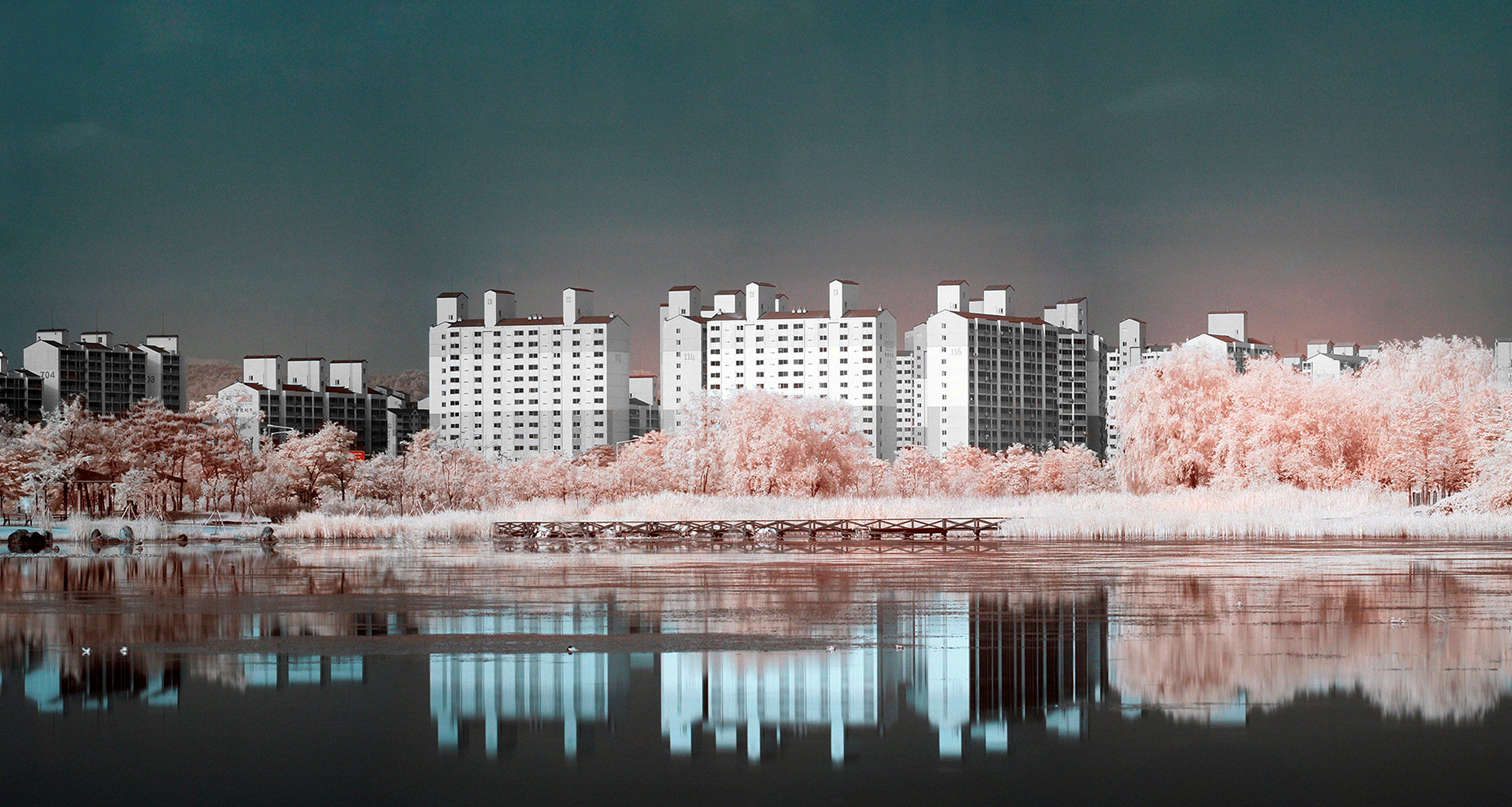
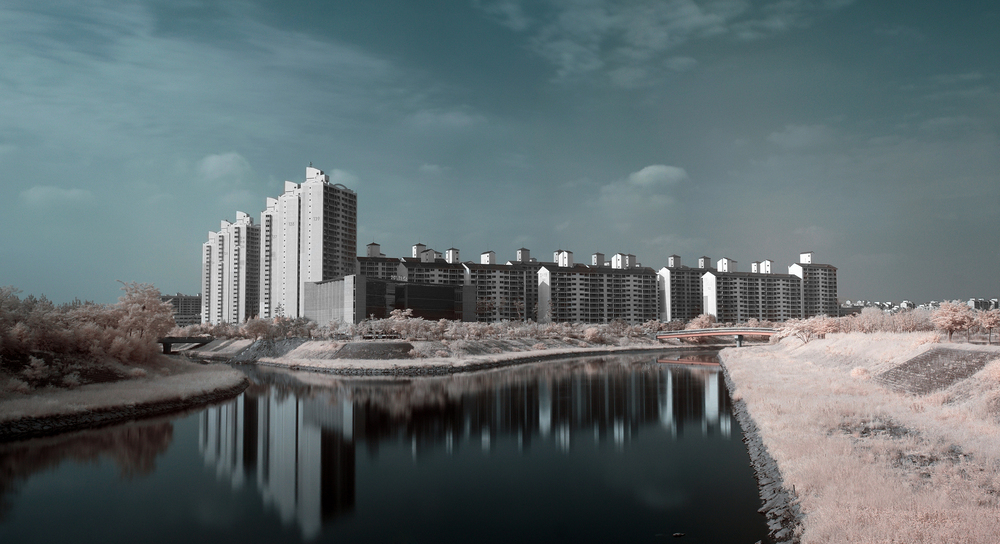
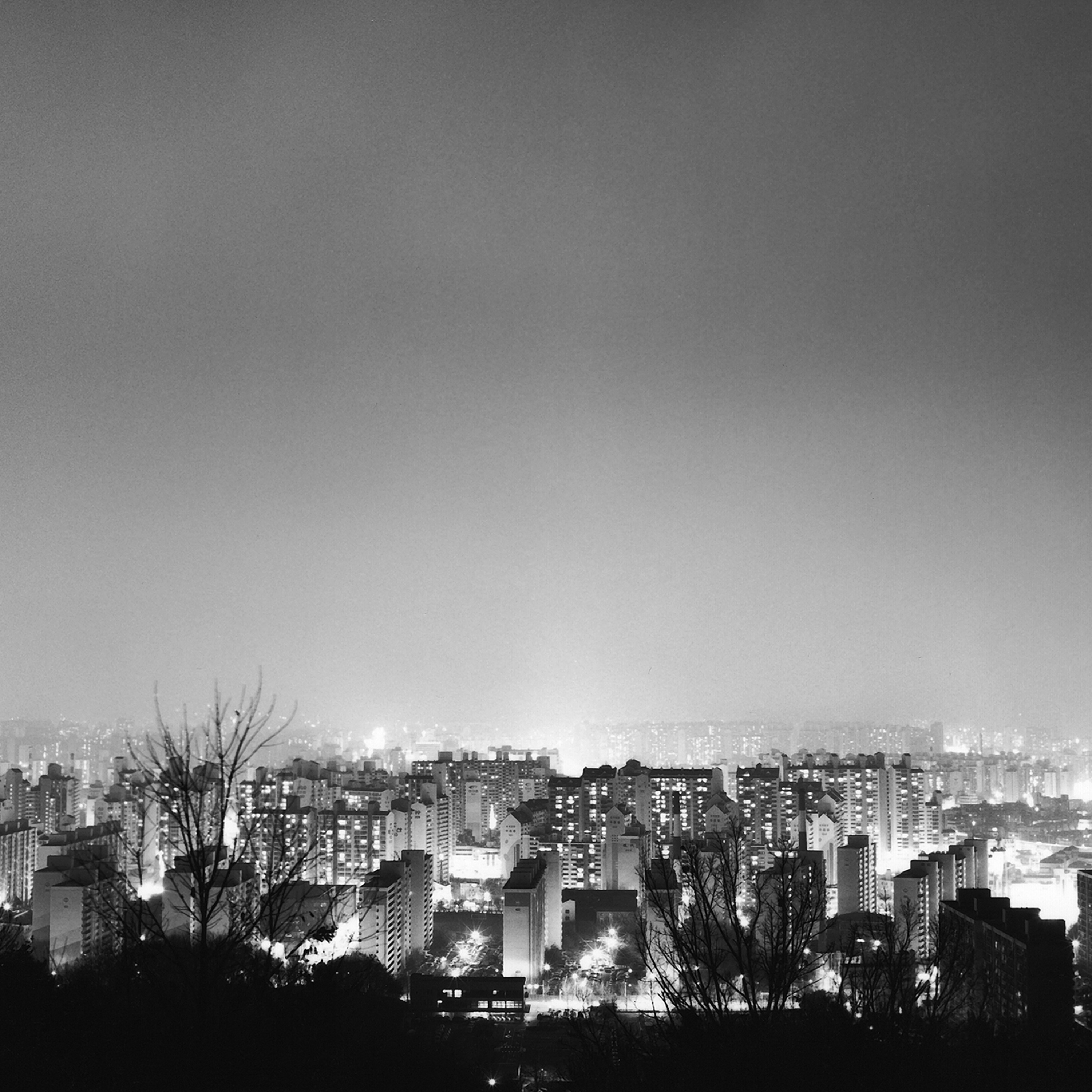
‘Real and Figure’ (2009–2010) series, he photographed apartment buildings and
their surrounding natural environments using an infrared camera, revealing
differences in how artificial and natural materials respond to light. Observing
how residential spaces had become objects of speculation and wealth accumulation,
he focused on the discrepancy between the original functions of objects and the
values assigned to them by society.
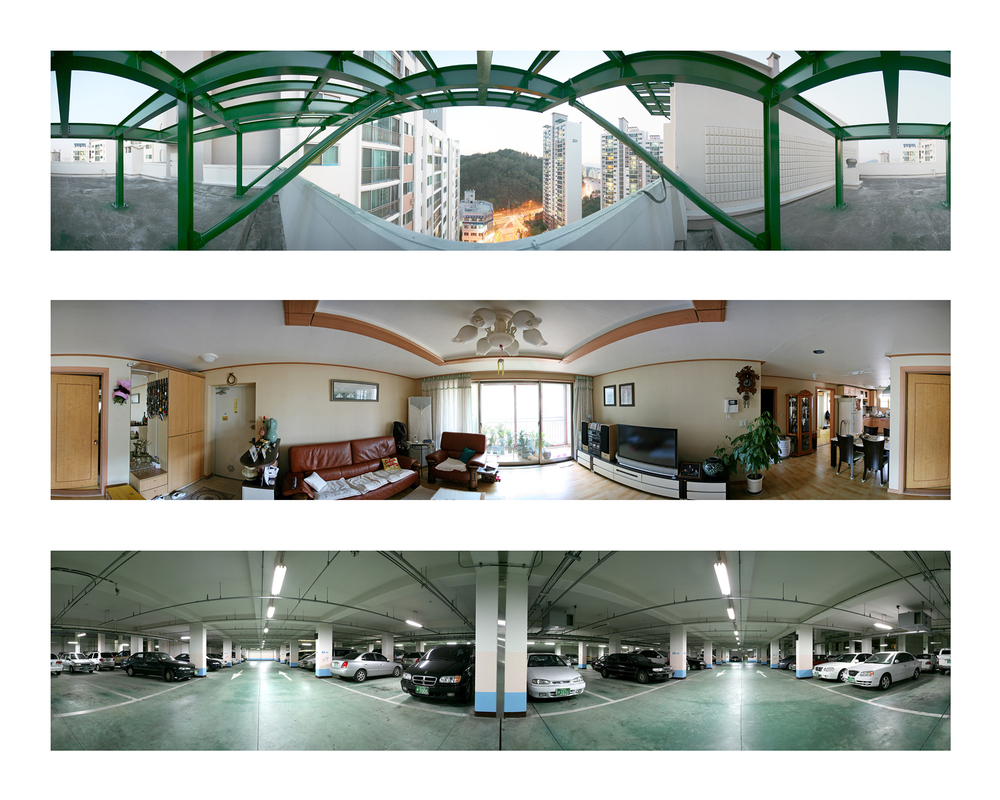
Works such as Real and Figure
#002 (2010) and A.S. APT (2009) present familiar
urban landscapes in unfamiliar ways, questioning how we understand places. From
this early period, Yang was concerned not simply with distinguishing the real
from the fake, but with examining how social perceptions and experiences
determine what is accepted as real.
These
interests developed into a more direct experimentation with the relationship
between reality and imitation through his first solo exhibition, 《Hide-And-Seek》(Studio 148, Seoul, 2017). In
Hashtag (2017), Yang analyzed the characteristics of places
repeatedly represented and consumed on social media and recreated them in
physical space, producing landscapes that appear familiar yet strangely
artificial. Klein’s Bottle (2017) draws on a mathematical
structure in which the distinction between inside and outside becomes
ambiguous, challenging fixed perceptions of spatial boundaries.
In his
subsequent exhibition 《Ctrl+c, Ctrl+v》(SONGEUN Art Cube, Seoul, 2018), Yang moved beyond spaces he had
staged himself to examine how artificially constructed places already existing
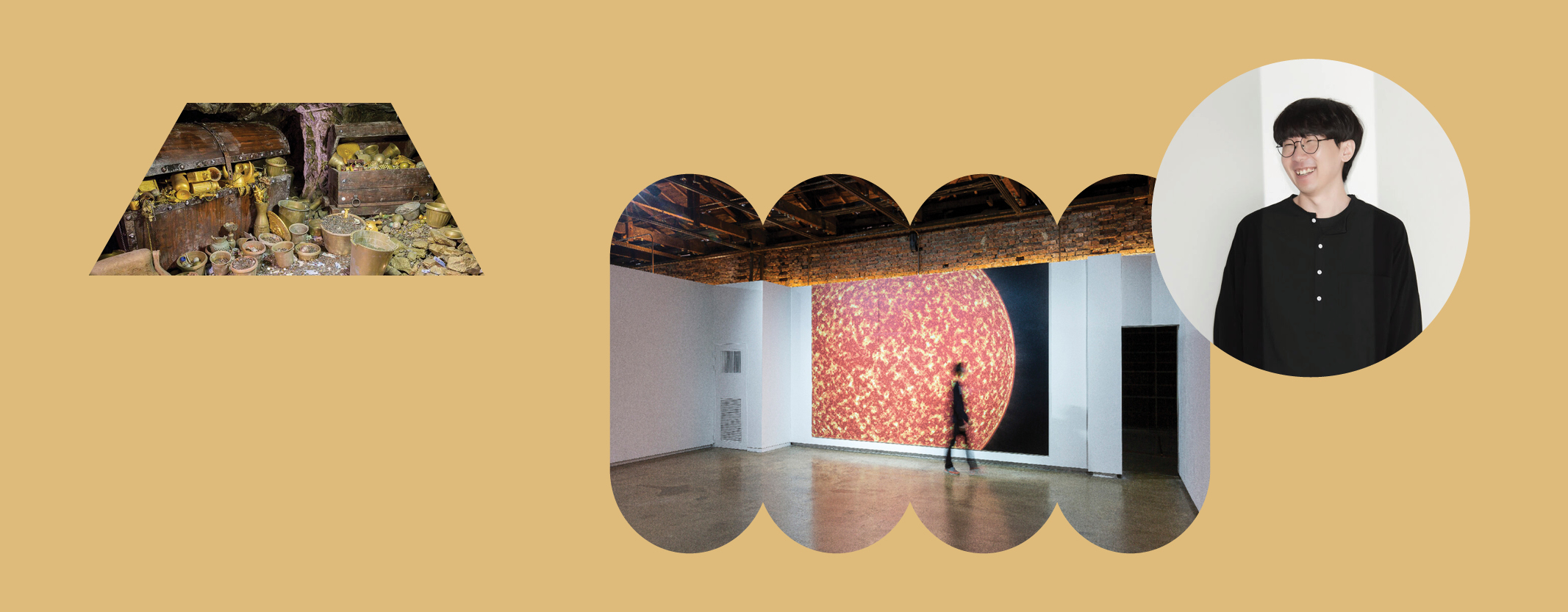
in the real world come to be accepted as authentic. The ‘Gold-Dig’ (2018)
series captures the coexistence of actual rocks and imitation rocks made of
Styrofoam at a former mine converted into a tourist attraction.
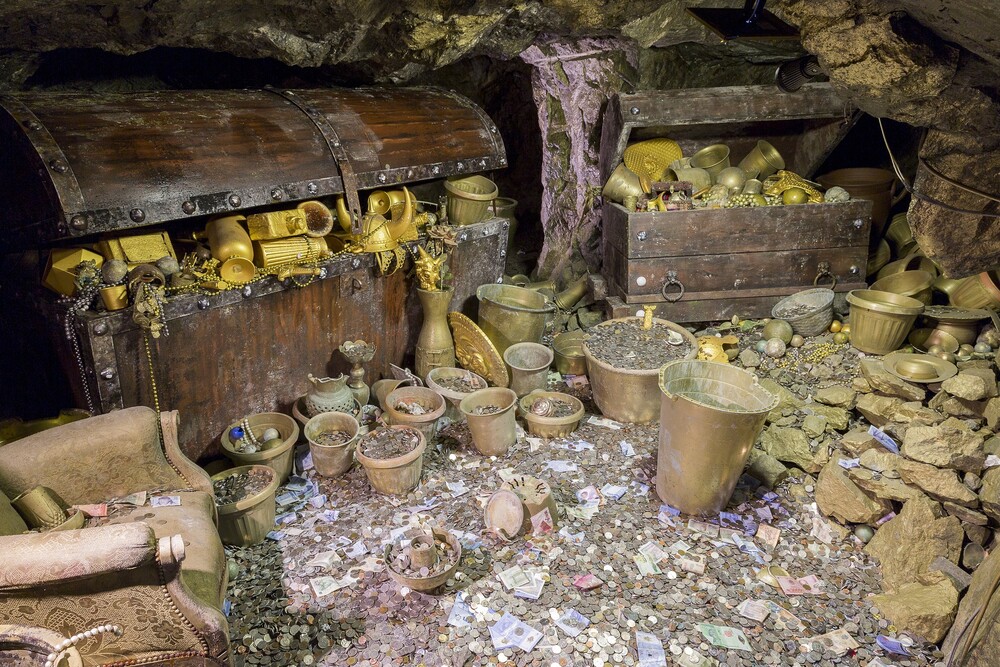
Repository (2018) focuses on visitors throwing money and
making wishes in a space filled with artificial gold bars and decorative
objects. Similarly, the ‘Rashomon’ (2018) series explores how replicas acquire
a new sense of reality through people's beliefs and experiences, particularly
through the act of praying before imitation Buddhist statues. During this
period, Yang’s interests expanded beyond the authenticity of images to examine
how human behavior and social contexts transform the meanings of objects and
places.
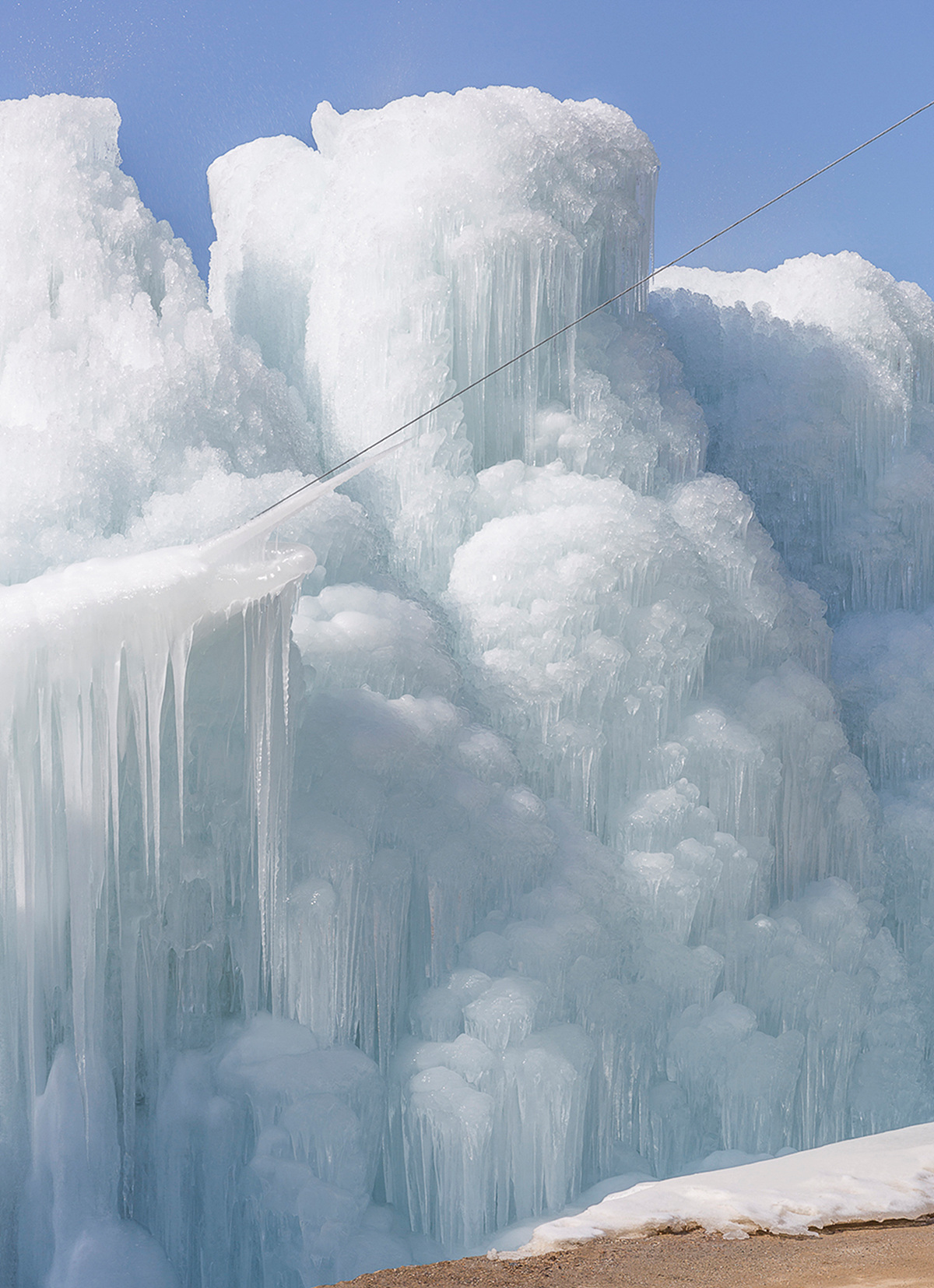
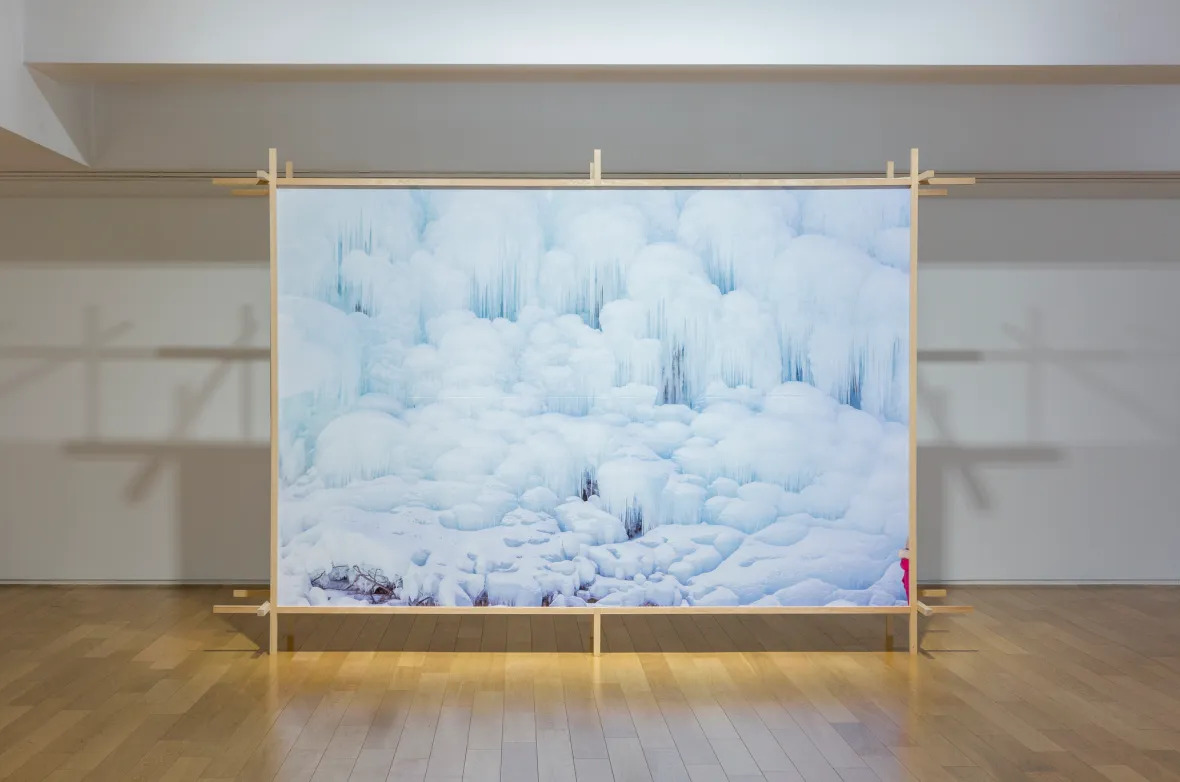
In 《Covered Moment》(HITE Collection, Seoul,
2019), Yang reveals the artificiality and violence concealed beneath beautiful
natural landscapes created by humans. The trees photographed at an ice fountain
festival on Chilgap Mountain appear to belong to an enchanting natural
environment, but they are actually the result of water being sprayed onto trees
and frozen.
Through these landscapes, Yang questions how visual beauty can
obscure our judgment of the processes through which such scenes are created. In
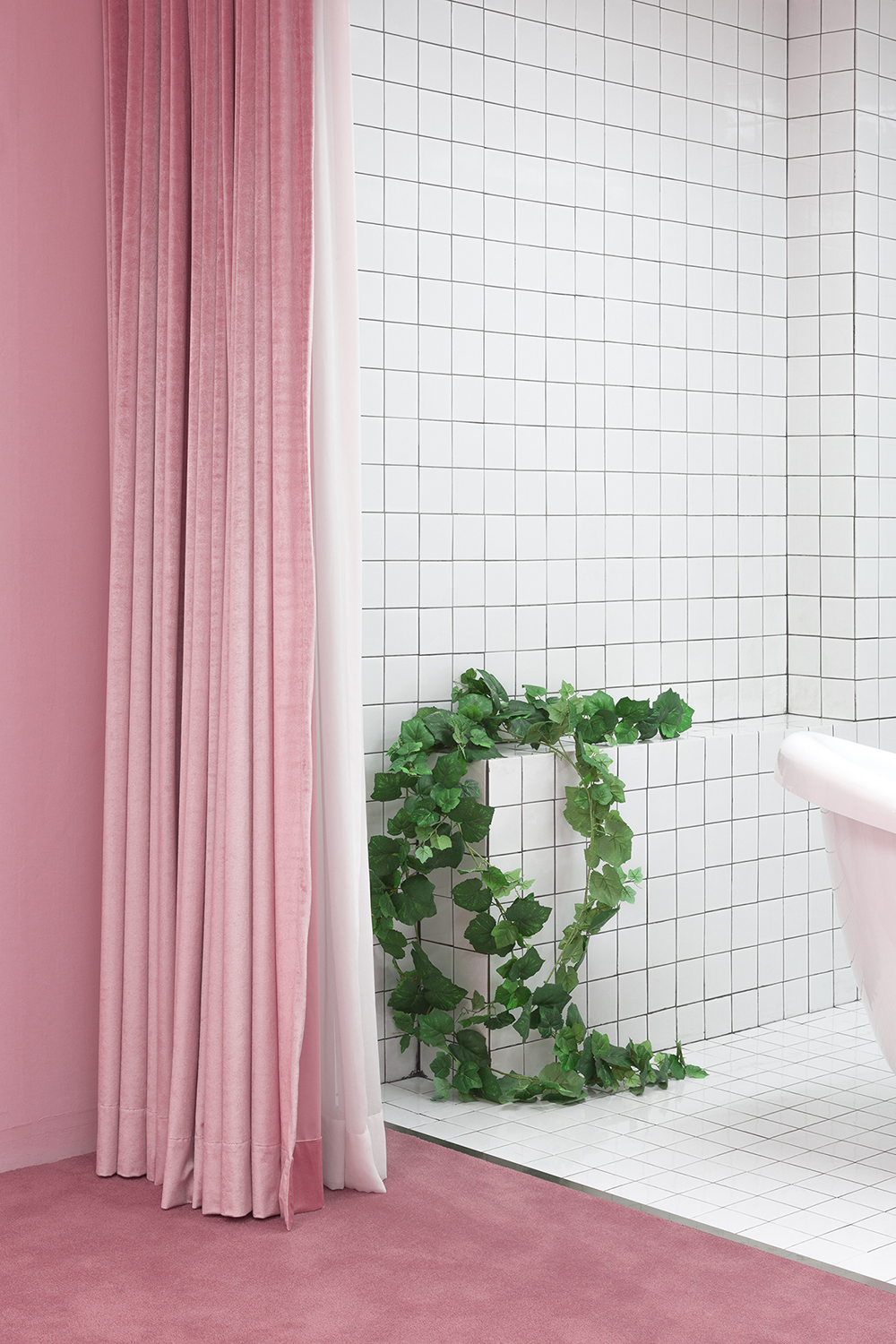
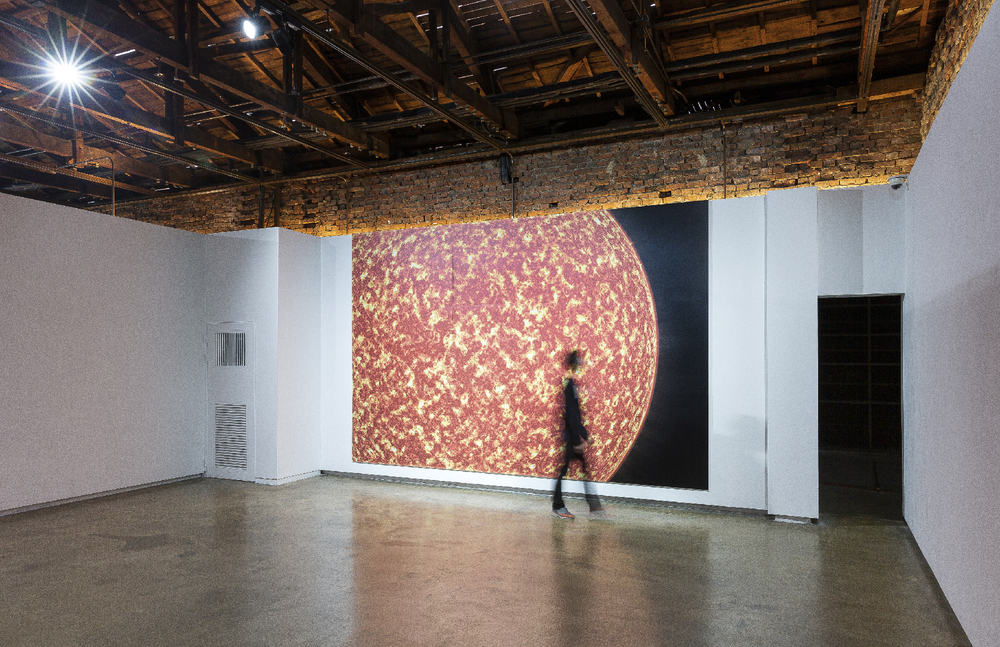
《Glimpse》(SeMA Storage, Seoul,
2021), he moves beyond photographing real landscapes in unfamiliar ways and
begins producing “pseudo-images” that transform actual objects to evoke things
that do not exist within the photographed scene.
By associating the rough,
rounded surface of a bath bomb with the sun and translating this association
into an image, he reveals how we believe we can recognize things we have never
directly experienced by relying on existing knowledge and visual information.
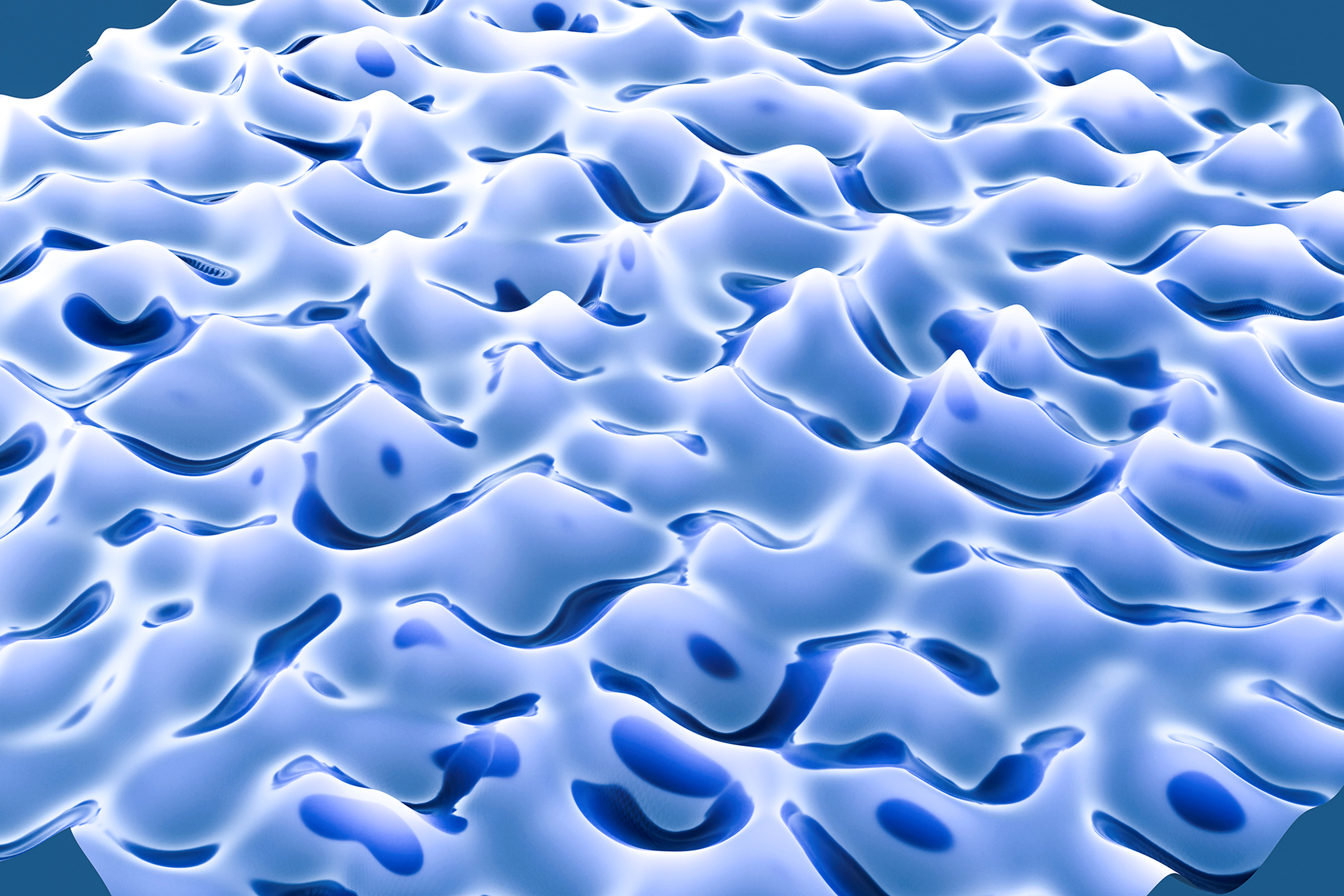
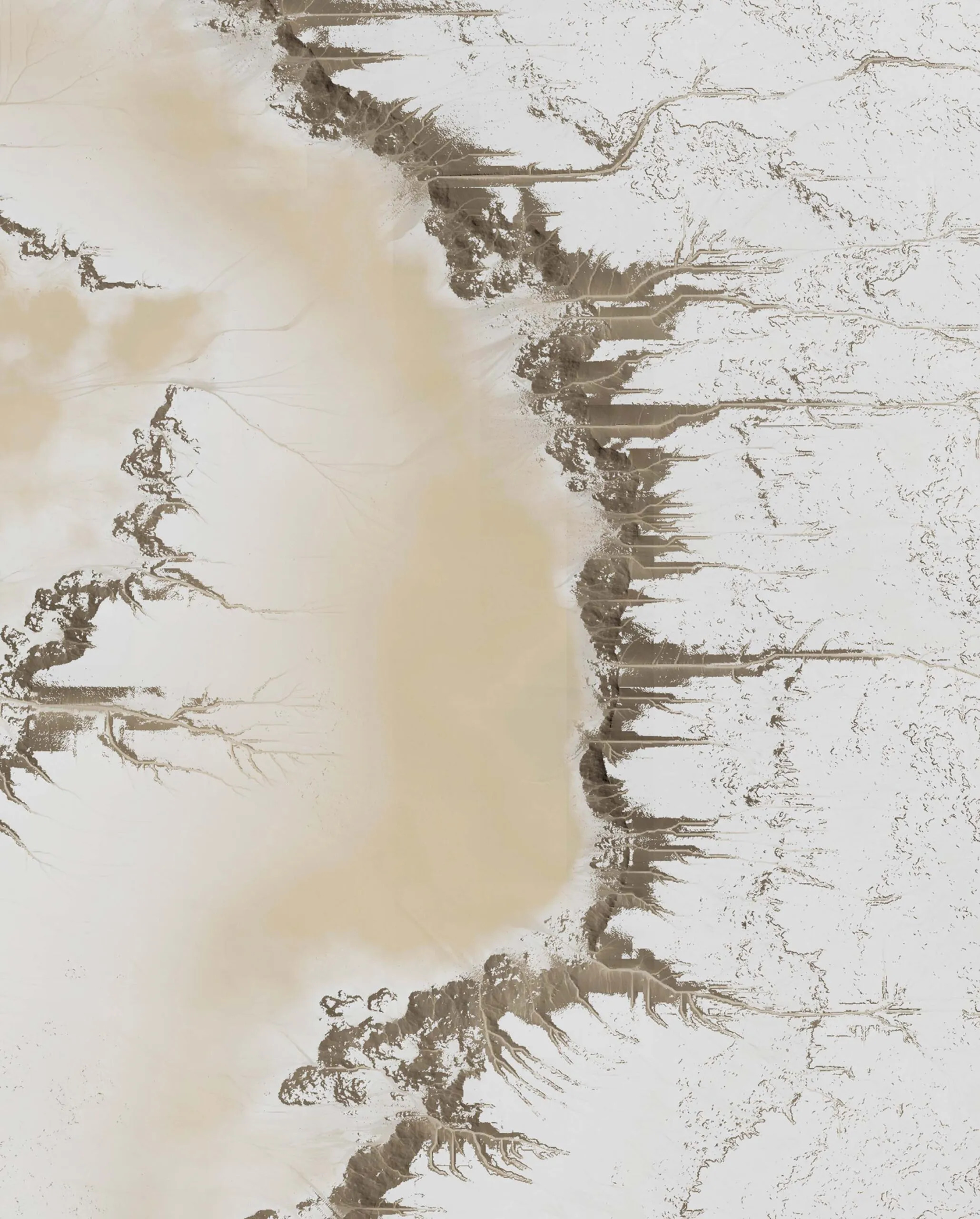
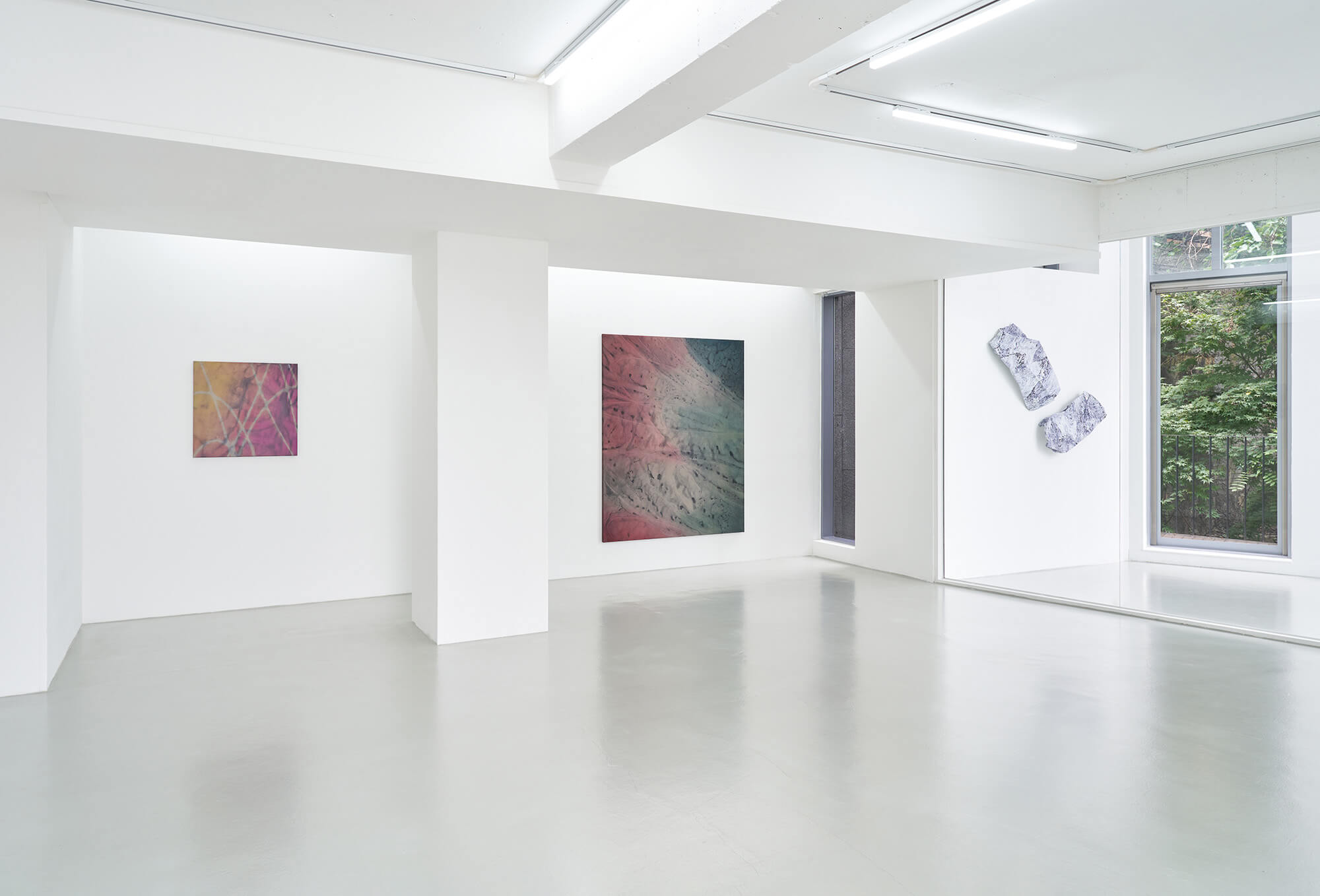
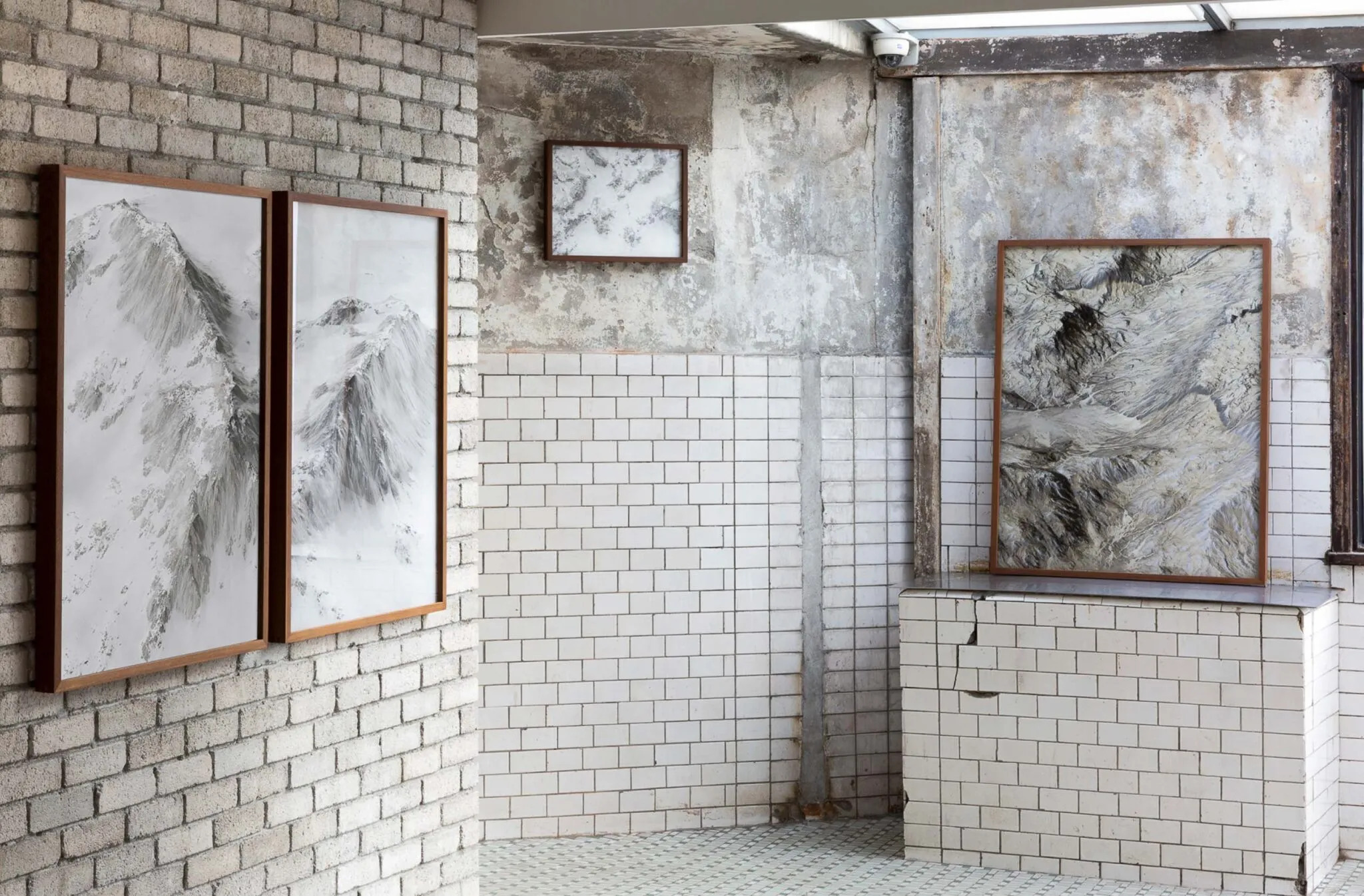
These concerns become more fully developed in 《Overwrite》(N/A, Seoul, 2022). Yang applies photographic textures of actual
natural and material surfaces to virtual terrains created through 3D modeling,
producing landscapes that do not exist but seem strangely familiar.
In works
such as Overwrite #13 (2022), viewers' sense of familiarity
derives less from direct experience than from images and memories accumulated
through mass media. In this way, Yang’s practice has evolved from imitating
reality toward examining the very foundations upon which we determine what is
real.
More
recently, Yang has expanded these questions of perception into investigations
of personal memory, sensory experience, and the material transformation of
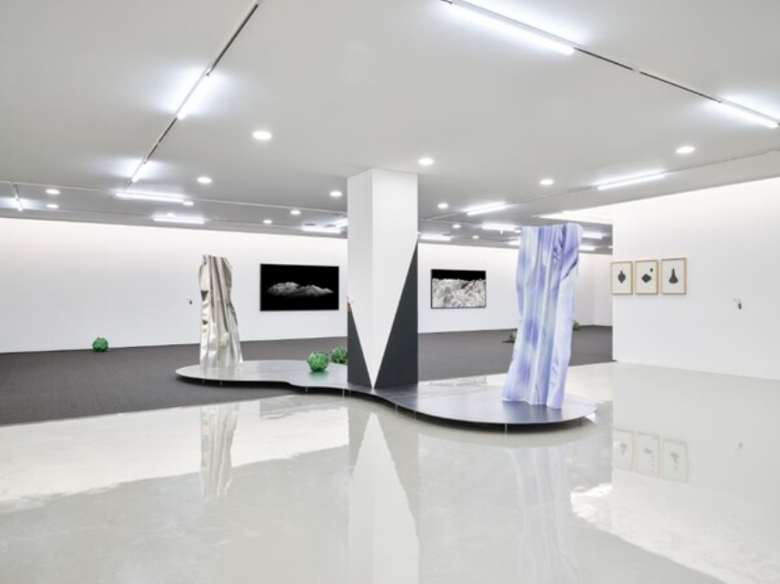
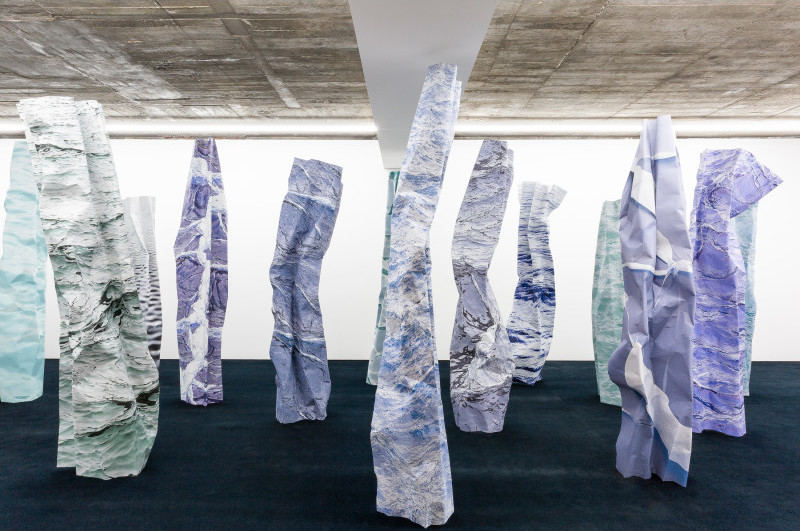
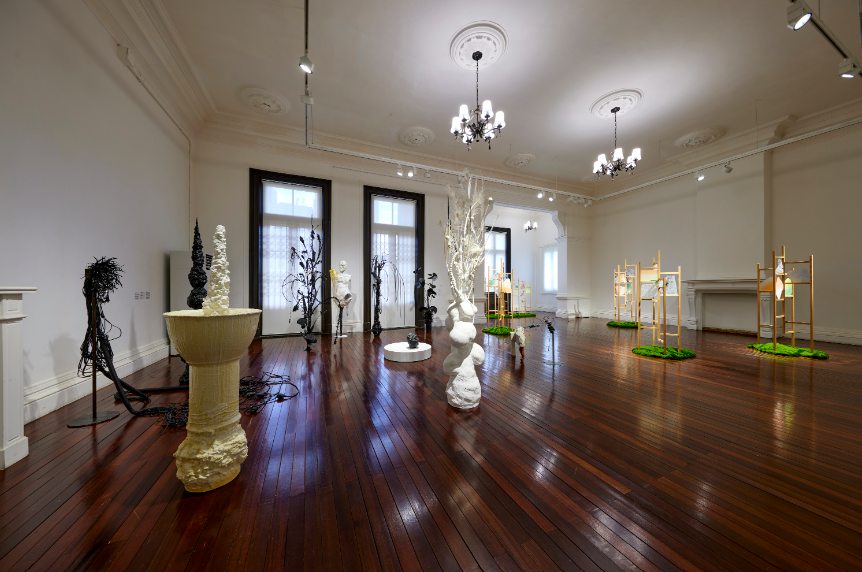
images. In 《The Hanging Gardens of
Babylon》(Nam-Seoul Museum of Art, Seoul, 2023), he
revisited the relationship between nature and artificiality through the garden
as a symbolic representation of nature, while continuing to experiment with
separating photographic images from their flat surfaces and presenting them in
sculptural forms.
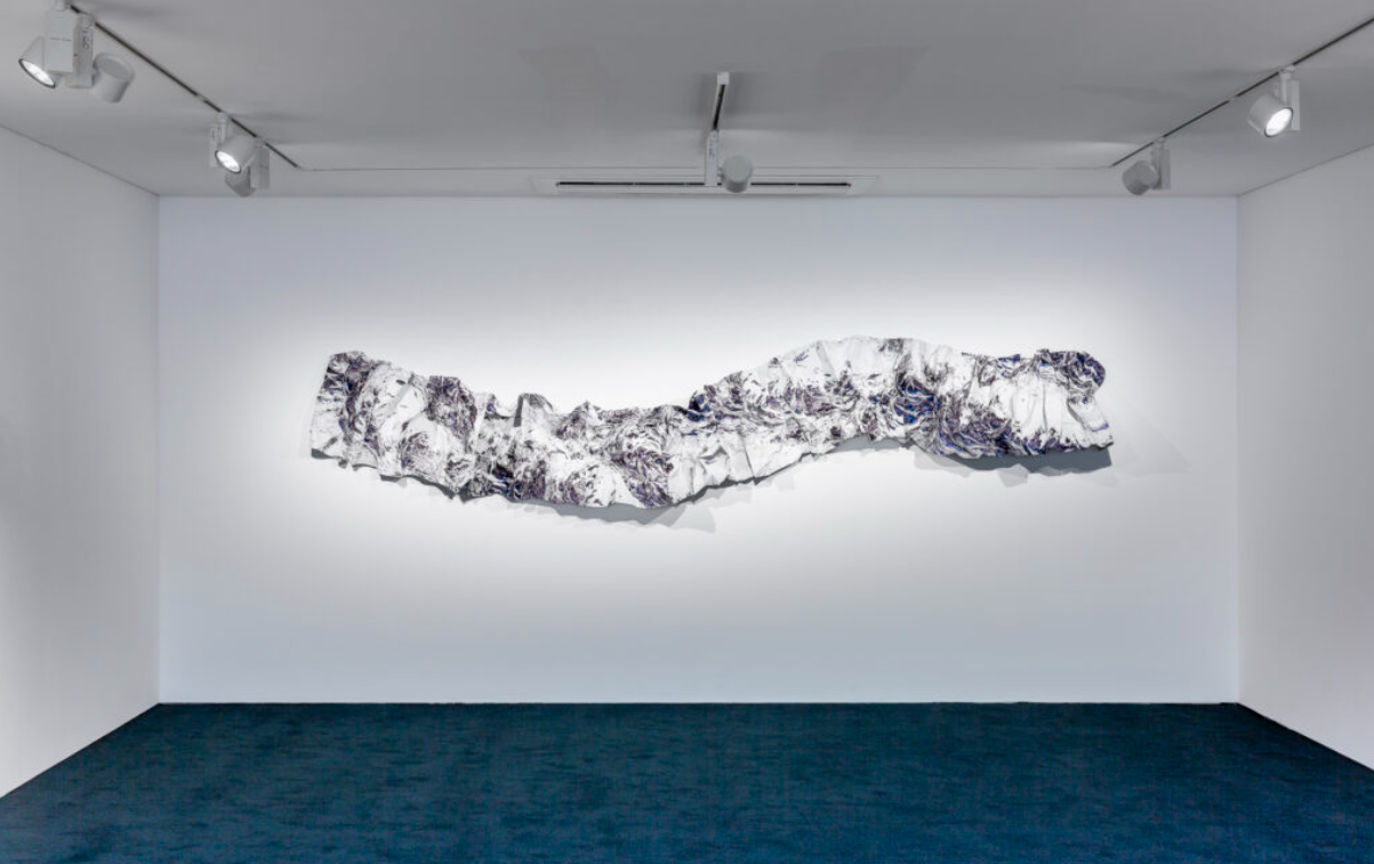
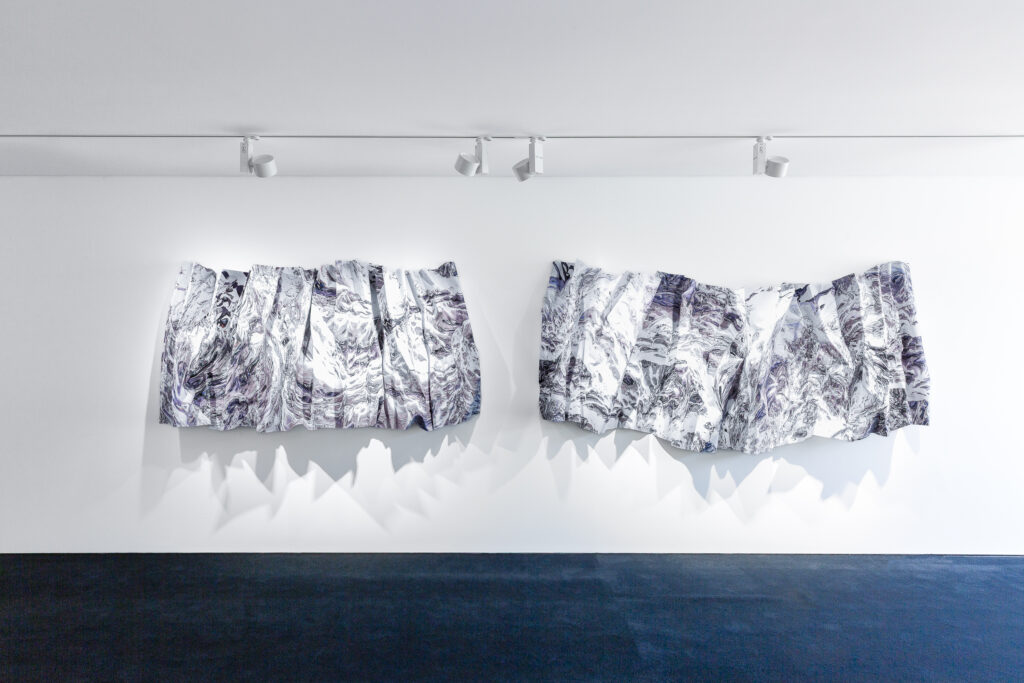
The ‘Fragments of Perception’ (2023–) series also reflects
his interest in the relationship between fragmented images and memory. This
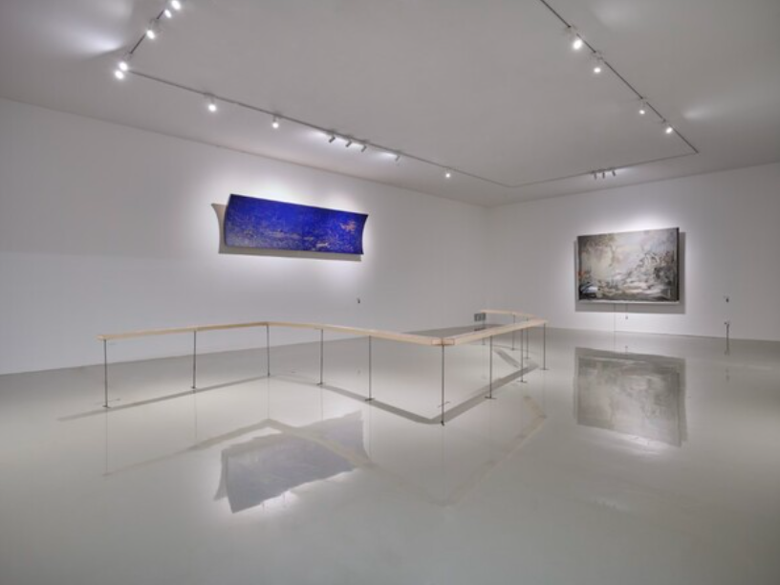
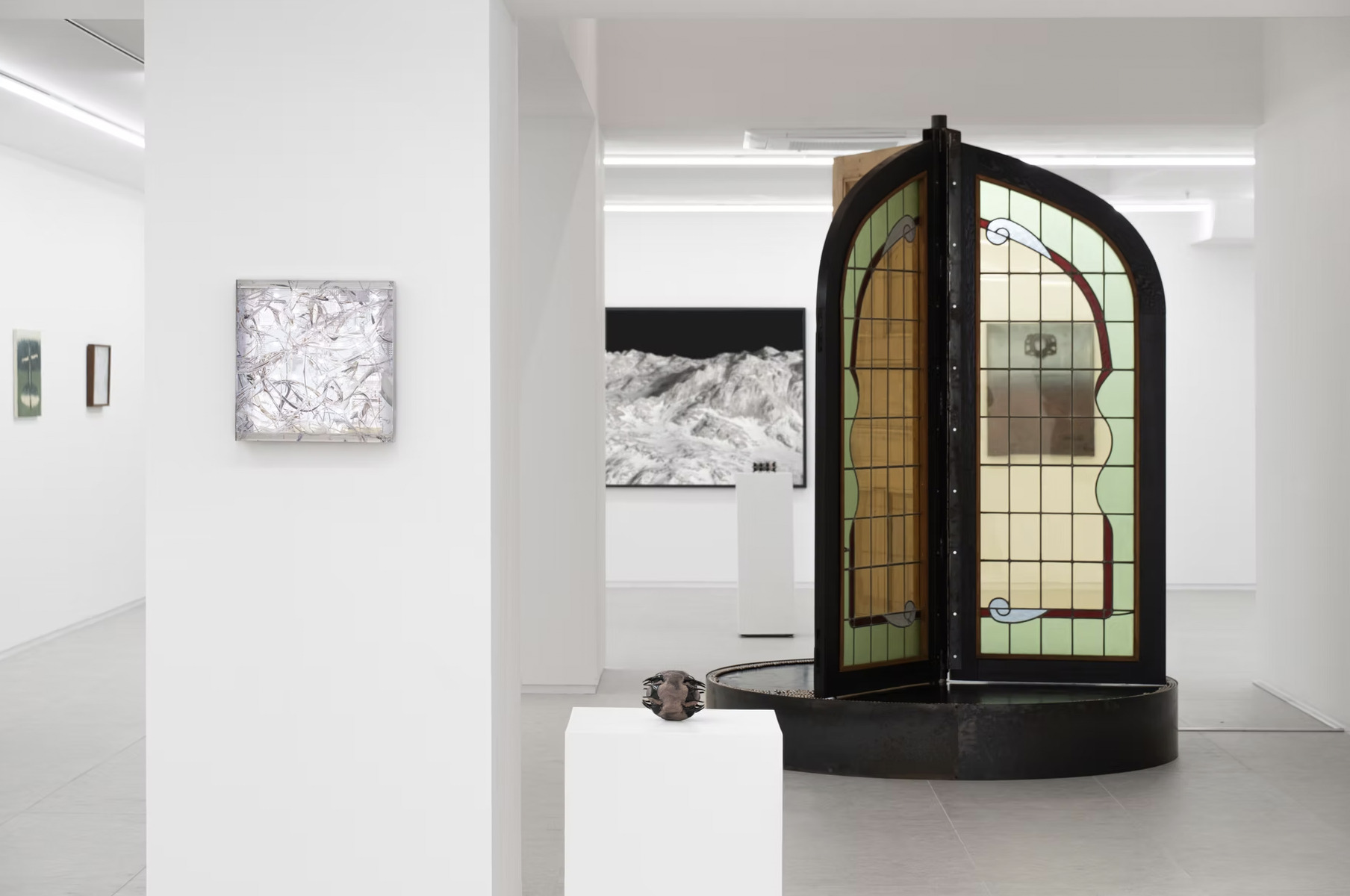
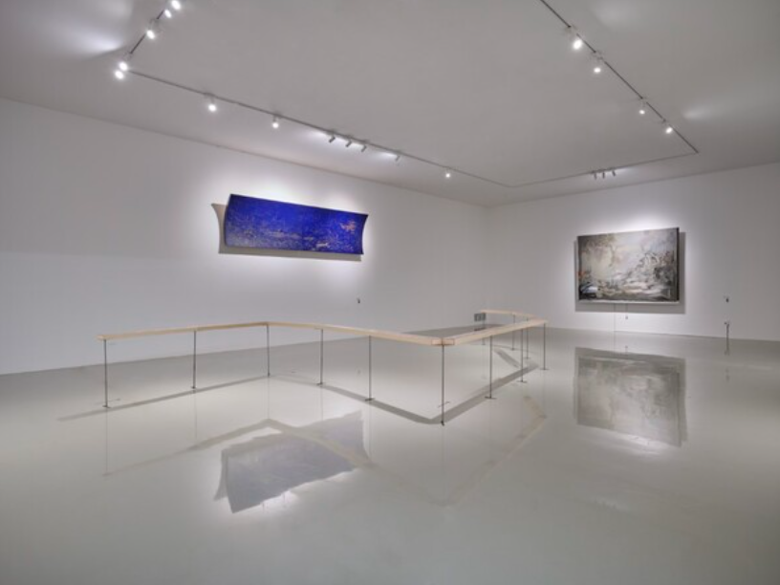
development becomes more pronounced in 《Suspended
Boundaries》(Museum Hanmi, Seoul, 2025). Drawing on the
phenomenological concept of “epoché,” or the suspension of judgment, Yang
invites viewers to temporarily set aside their habitual distinctions between
reality and unreality and observe the changing states of images themselves.
In
particular, he uses water, which flows, comes to rest, and changes form
according to its environment, as a metaphor for the properties of memory. While
his earlier works prompted viewers to question whether an image was real or
fictional, his recent practice emphasizes that neither memory nor images exist
in a fixed state, but continually change in response to external conditions.
This development represents a natural extension of his early investigations
into the boundaries between reality and imitation toward an exploration of how
personal experiences and memories are formed.