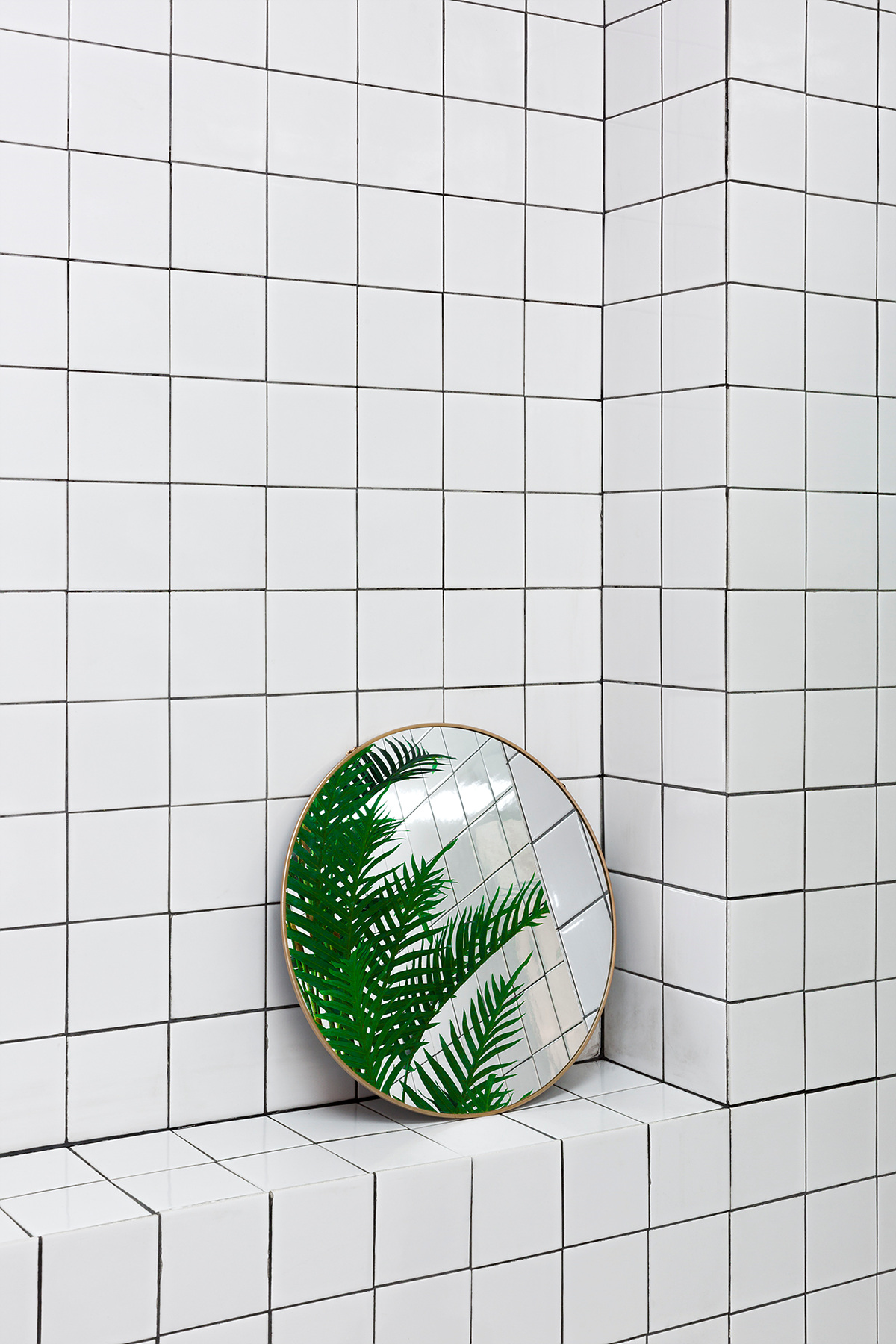
Seungwon Yang (b. 1984) creates pseudo-images using digital imagery to blur the boundaries between fact and fabrication, exploring epistemology and the expanded possibilities of the photographic medium.
 
His practice examines how individuals perceive contemporary situations and landscapes while capturing aspects of society that remain unseen within images. In doing so, he challenges established structures of perception that are often taken for granted.


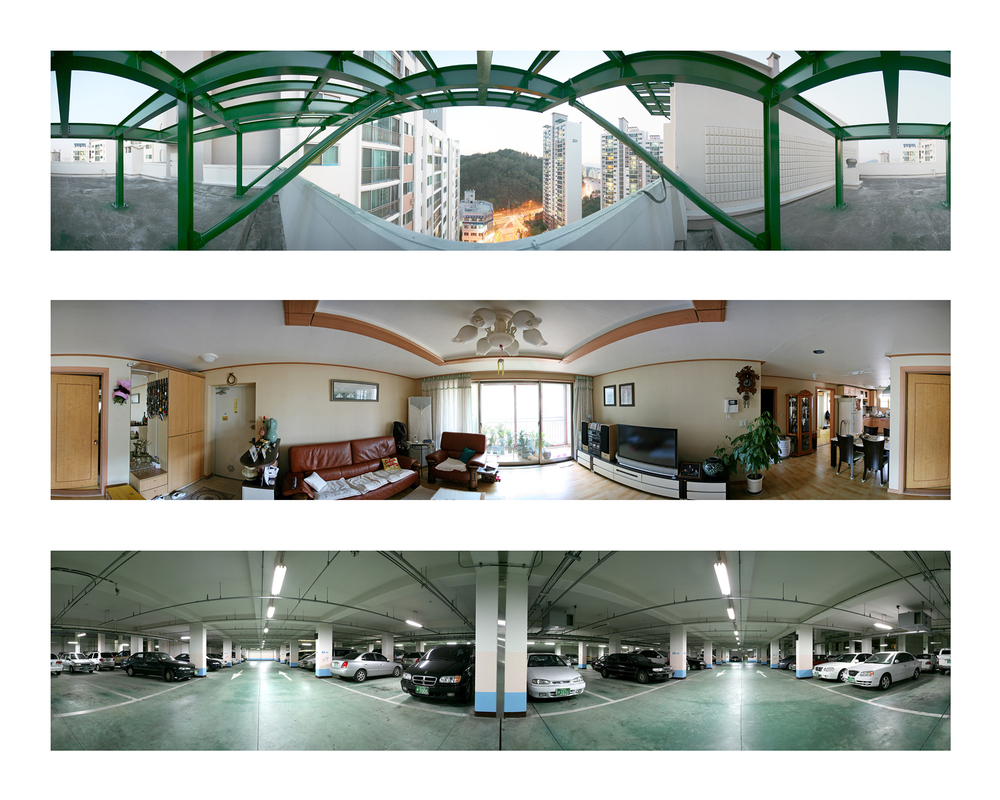
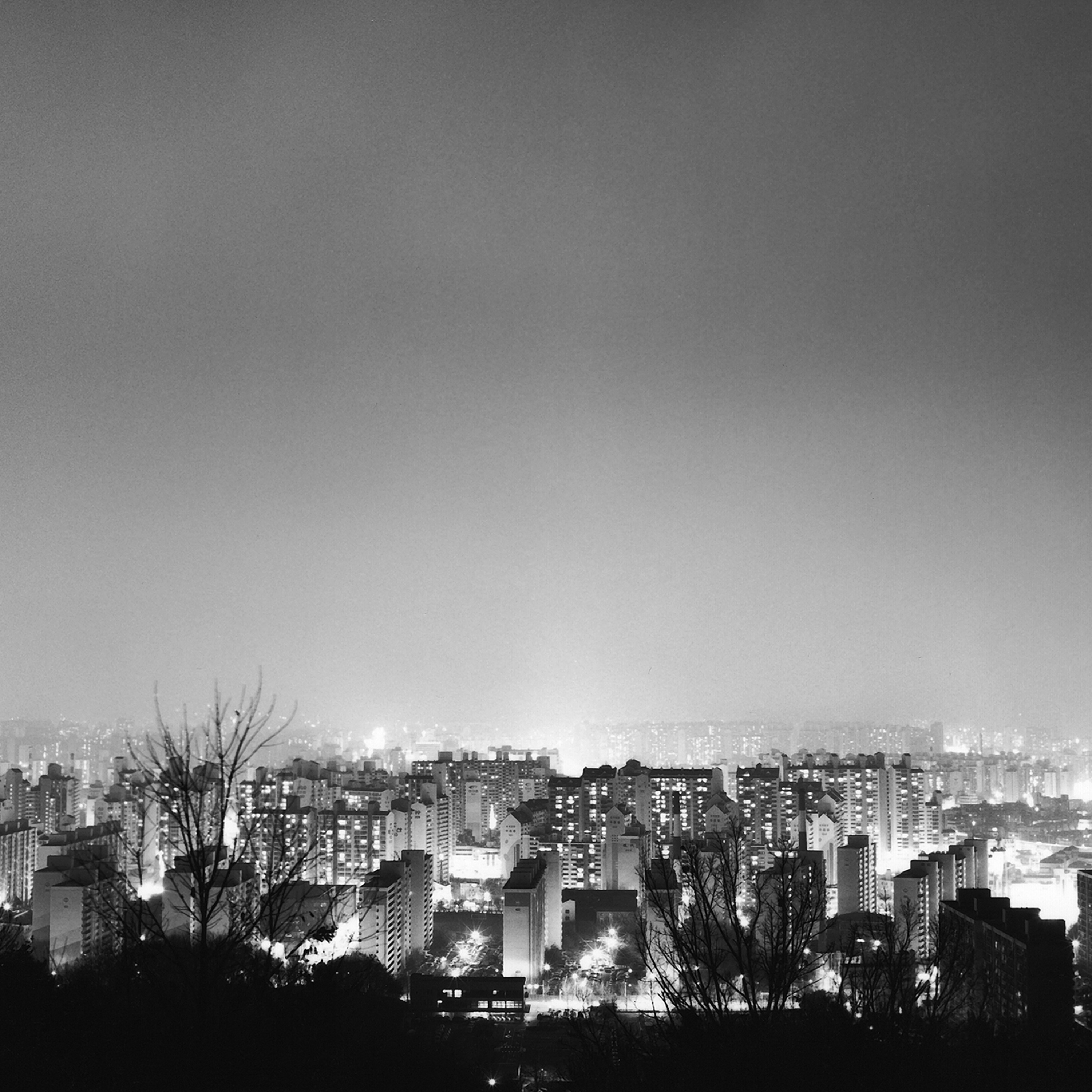
Seungwon Yang, A.S. APT, 2009, C-print, 72 x 90 cm © Seungwon Yang

Seungwon Yang’s practice begins with the idea of treating personal and social experiences—including the diverse perspectives and disagreements that emerge through conversations with others, as well as the ways in which people observe and experience various contemporary phenomena—as data accumulated in the form of “memory.” He then recombines and visualizes these fragments.
 
In his early works, Yang focused on phenomena in a rapidly changing society in which things had lost their inherent essence and identities had become increasingly ambiguous. Questioning whether a reality that has lost its origins can still be called “real,” he has continued to create photographic and installation works that move fluidly across the boundary between reality and imitation.


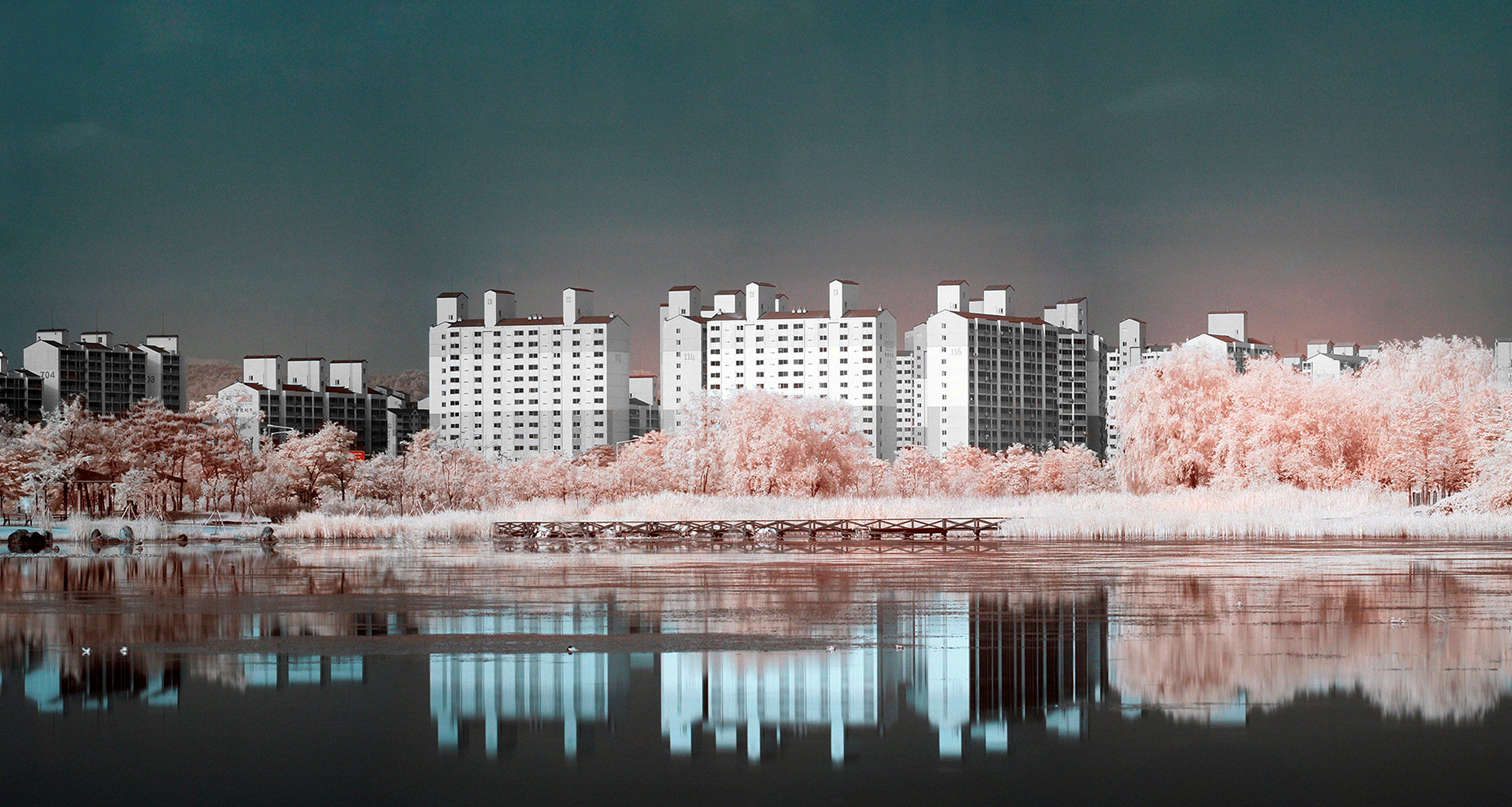
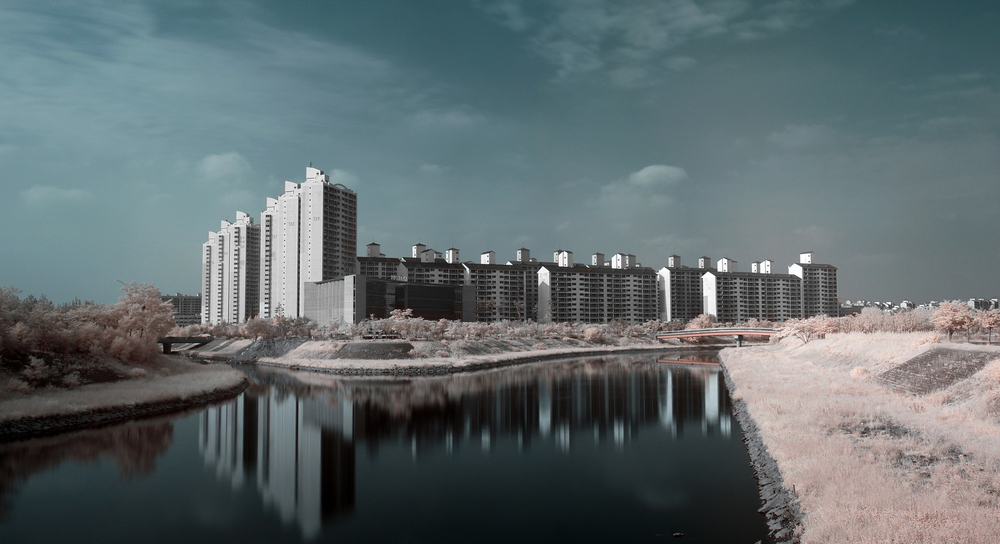
Seungwon Yang, Real and Figure #002, 2010, Archival pigment print, 80 x 150 cm © Seungwon Yang

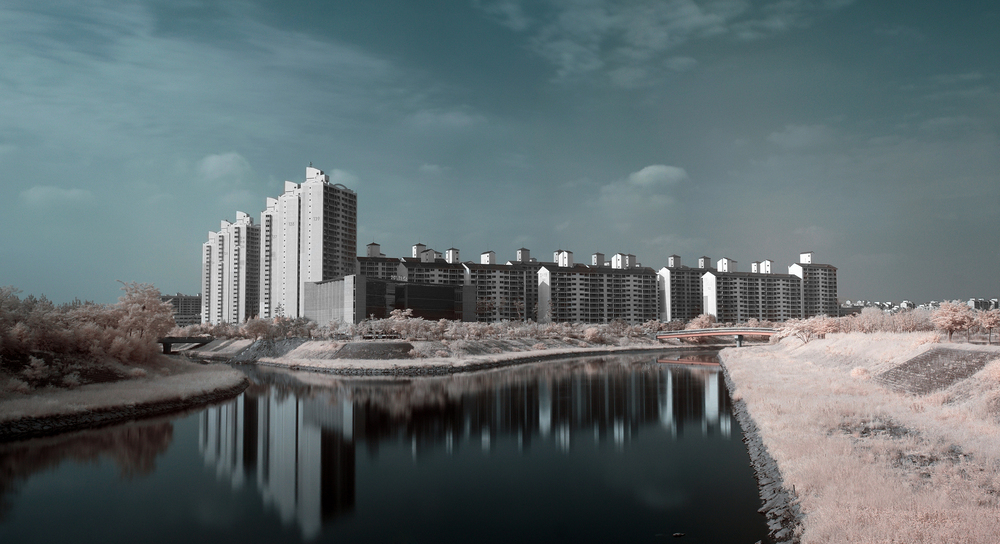
Yang began to seriously explore the topic of essence when he first moved to Seoul at the age of 19 and experienced a huge culture shock in the mega city. ‘Real and Figure’ (2010) series use infrared camera to reveal the materiality of apartments, keenly inquiring into the essence of a living space.
 
When coming head to head with the materialistic, consumerism-driven modern society where apartments have lost their intrinsic purpose of dwelling and deteriorated into objects of speculation, Yang analyzes and reinterprets it using a dichotomy-based visual language.


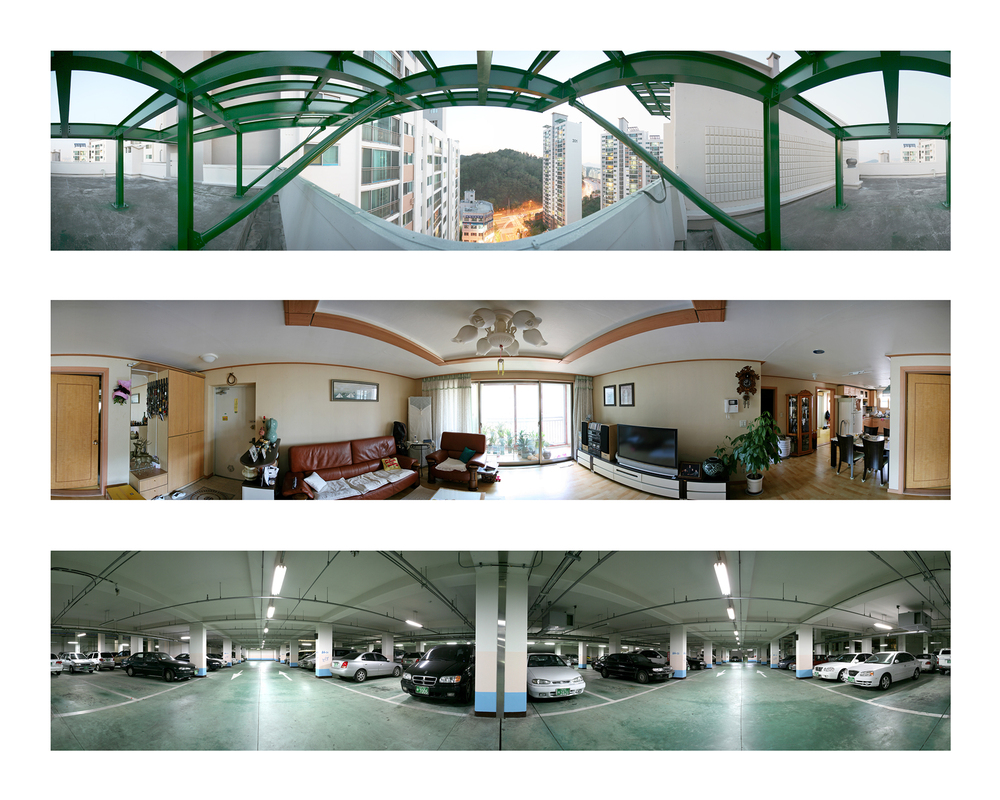
Seungwon Yang, Hashtag, 2017, Archival pigment print, 180 x 120 cm © Seungwon Yang

In his first solo exhibition 《Hide-And-Seek》 (Studio 148, 2017), Yang, working on spaces, turns an imitated space into a genuine one and a fictional space into a real one. His work Hashtag (2011), implicitly depicting the characteristics of spaces most often searched on SNS, presents a paradox of unfamiliarity based on reality that is fabricated within familiar objects.
 
Moreover, Klein’s Bottle (2017) inspired by the equation of Felix Klein, a German mathematician who created the Mobius strip in four dimensions, builds a fictional space whose internal-external boundaries remain vague, lacking substantial meaning.


Installation view of 《Ctrl+c, Ctrl+v》 (SONGEUN Art Cube, 2018) © SONGEUN Art and Cultural Foundation

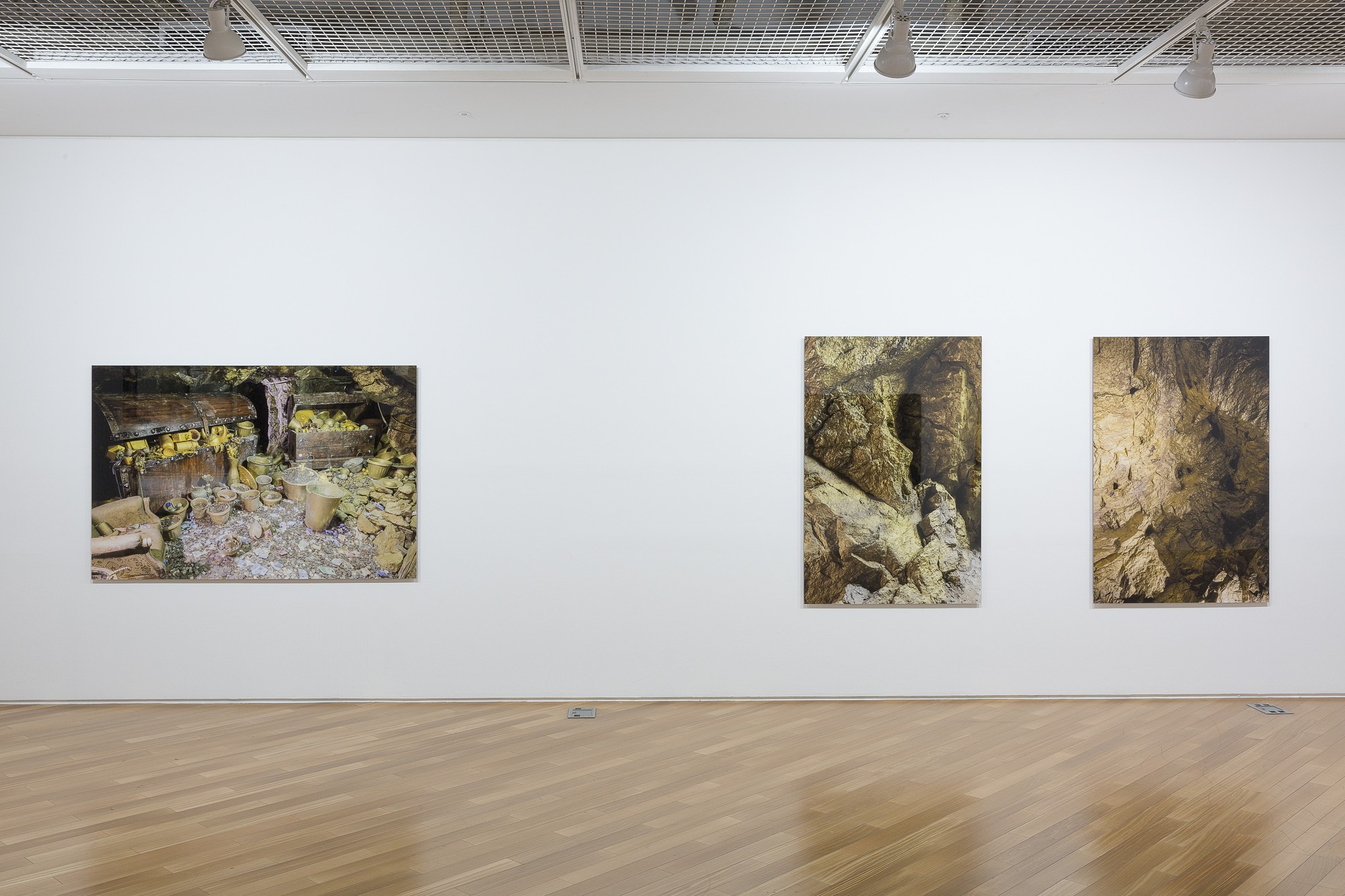
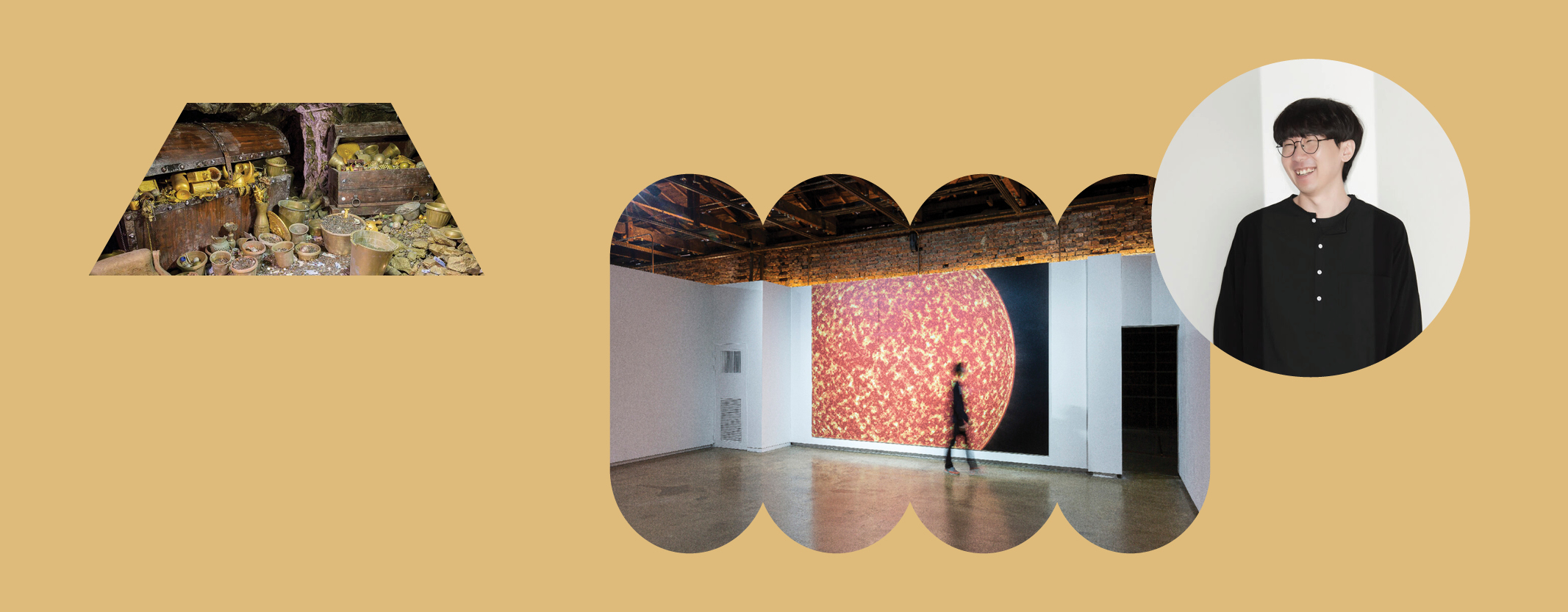
Meanwhile, in his solo exhibition 《Ctrl+c, Ctrl+v》, held at SONGEUN Art Cube in 2018, Yang departed from his earlier approach by removing direct artistic intervention and instead capturing the hidden aspects of artificially constructed spaces designed solely for consumption, including mines, theme parks, and caves.
 
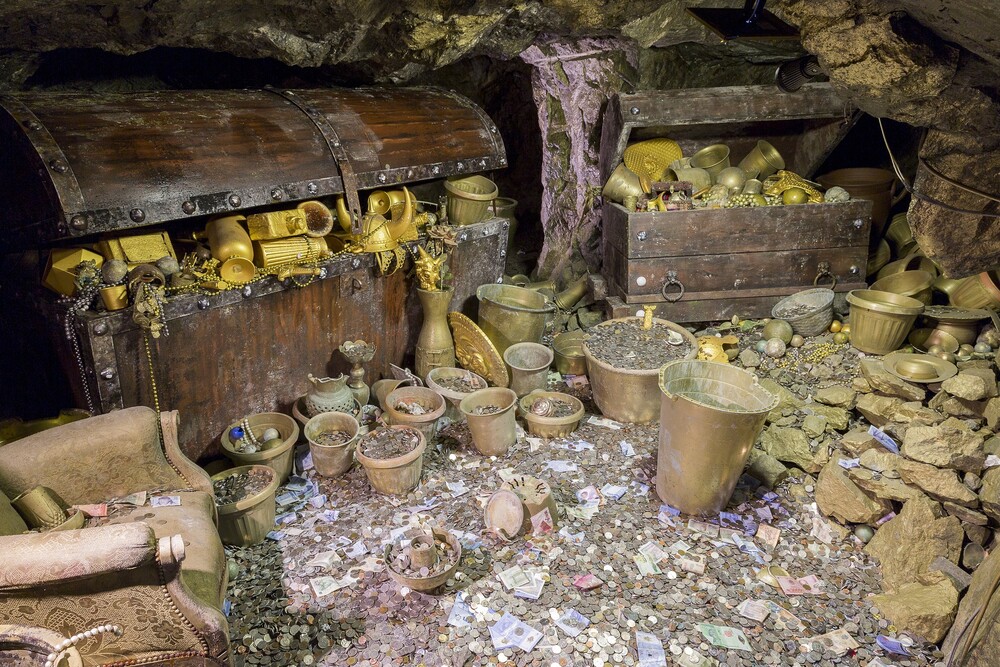
‘Gold-Dig’ (2018), a photographic series, captures the scenes of an artificial nature found in a theme park which used to be an old gold mine. This place lies in between the ambiguous boundaries of imitated rocks, made of Styrofoam, and the genuine rocks which the real gold was mined, but plated with artificial gold color to give an exaggerated feel. It is obscure whether the place itself is fake or genuine.
 
The artist, building on the fact that this made-up space is perceived as a real gold-mining space as theme park visitors make consumption, describes the process of a fiction turning into reality.


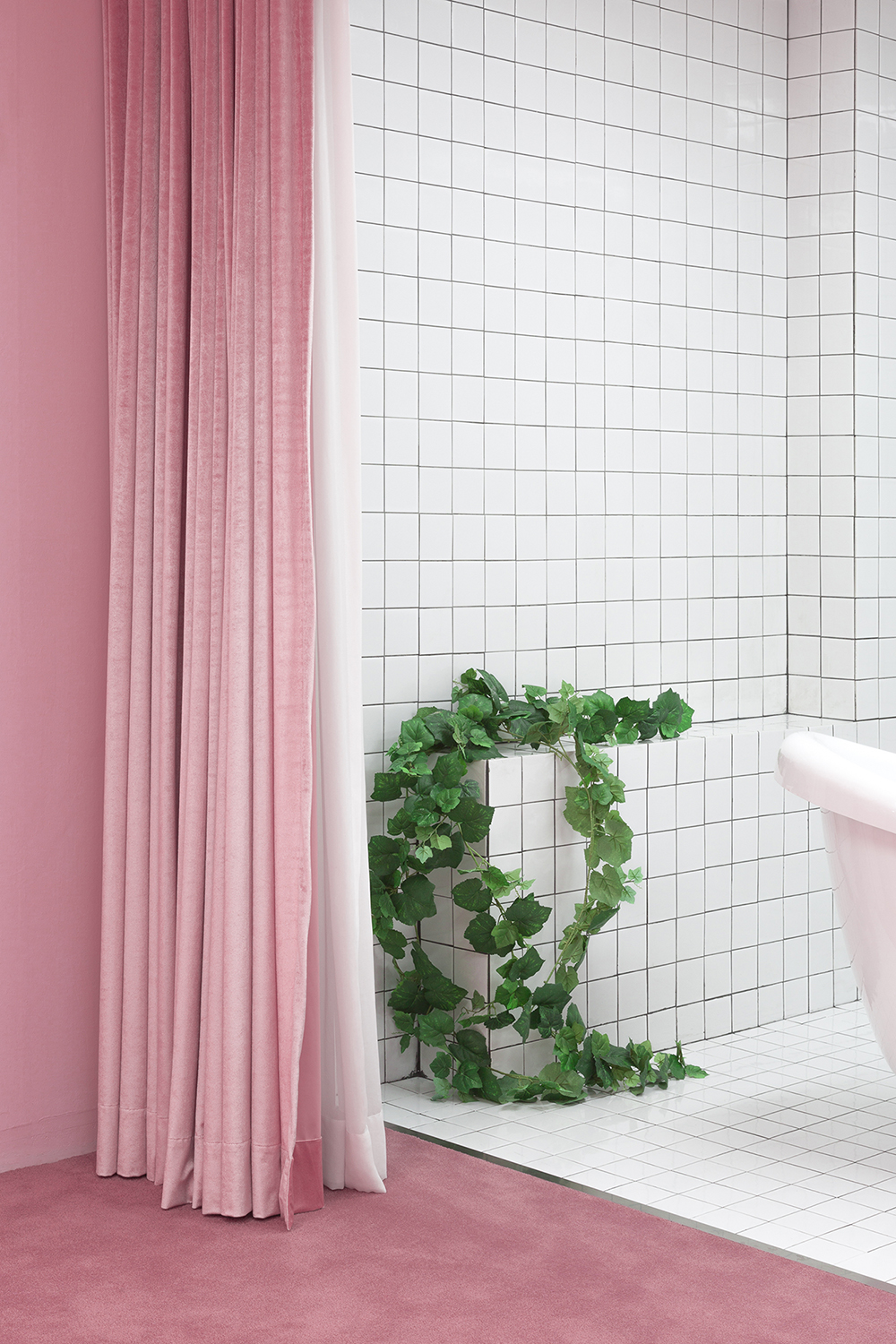
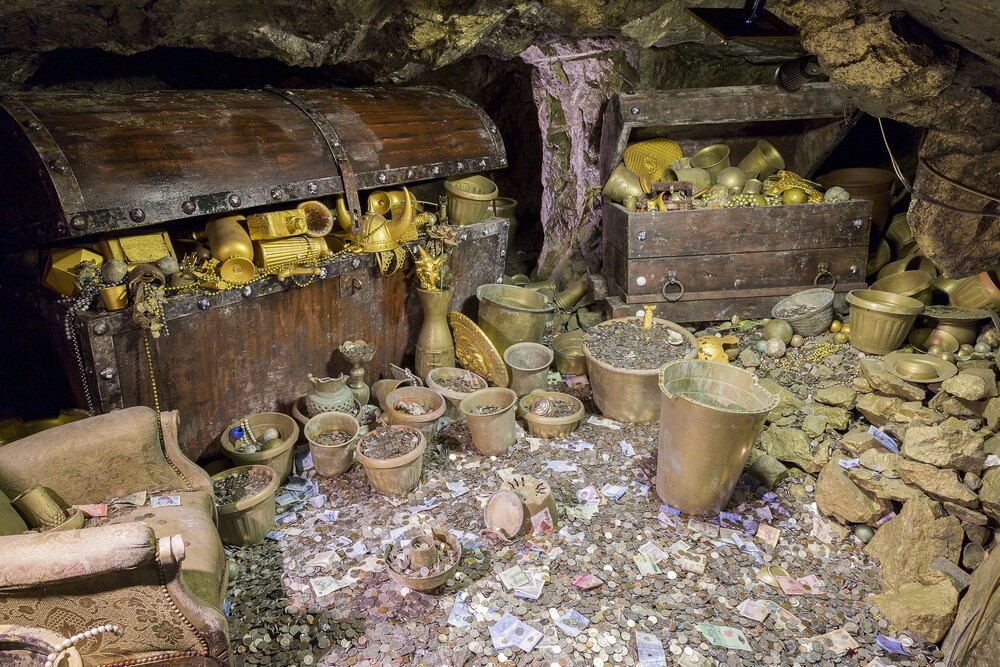
Seungwon Yang, Repository, 2018, Archival pigment print, 120 x 180 cm © SONGEUN Art and Cultural Foundation

Meanwhile, Repository (2018) demonstrates the kind of impact that a distorted perception would have on people’s attitude. Repository is a place for storing grains but also a space of greed and lust, of accumulating wealth. Interestingly, in our folk religion, gotgan or repository in Korean also mean a shaman ritual in foreseeing the future.
 
Alike, as part of the theme park, this is the place, embracing both the gold bar symbolizing wealth and bunch of jars, where people are throwing coins making a wish as if they already know the double meaning behind “gotgan”.
 
A place once filled with shoddy gold bars, thanks to the acts of people throwing money, has transcended its original meaning to be newly born into a real space for a miraculous rite making wishes come true.


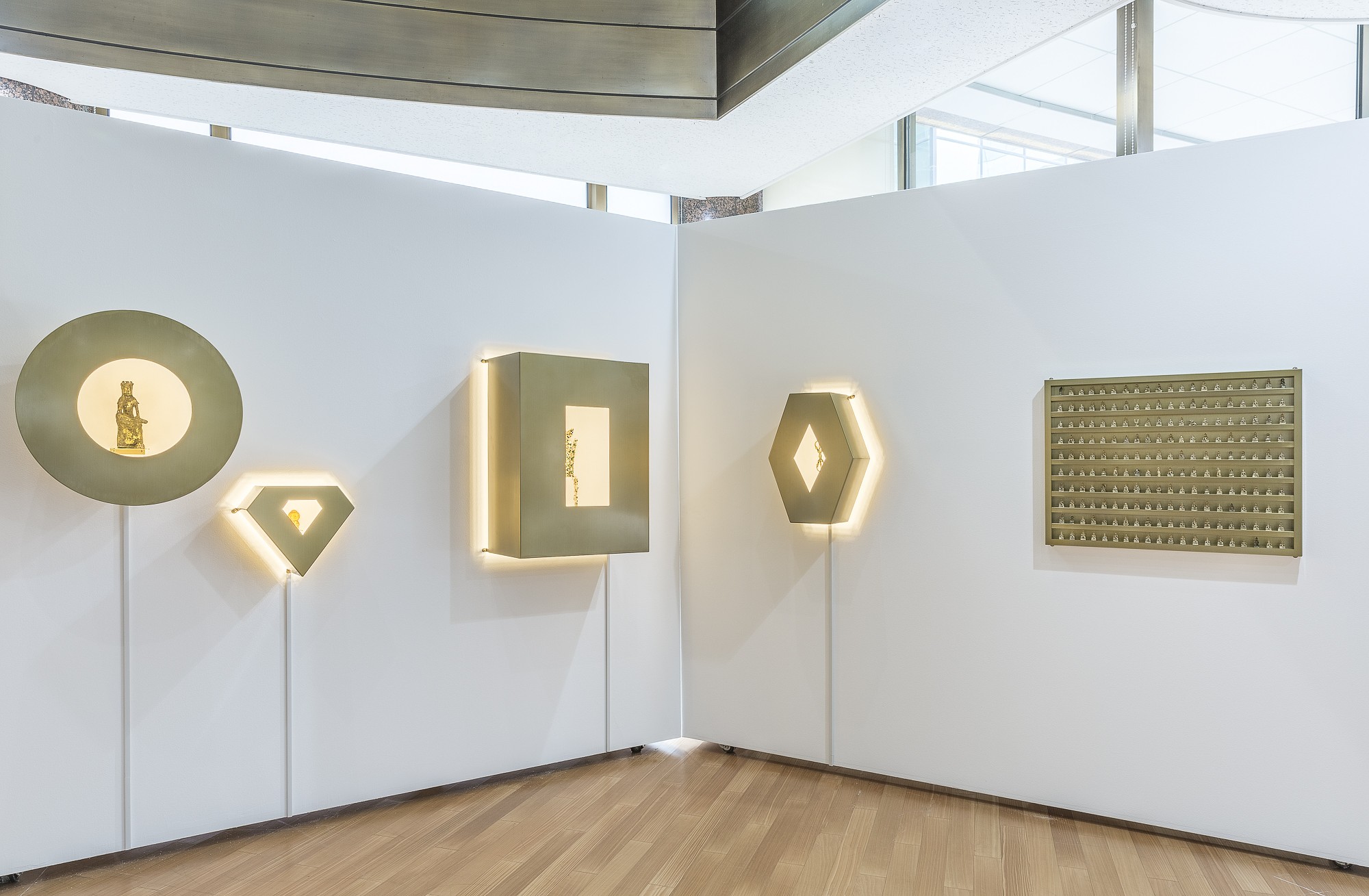
Installation view of 《Ctrl+c, Ctrl+v》 (SONGEUN Art Cube, 2018) © SONGEUN Art and Cultural Foundation

‘Rashomon’ (2018) series, in which various forms of imitation Buddhist statues—including a faux Pensive Bodhisattva statue that the artist’s mother once prayed to—are reproduced in bronze, offers a more direct exploration of the relationship between imitation and perception.
 
Comprising 2,000 Buddhist statues, the work takes on new meaning through the prayers of those who offer their hopes and wishes. Through the attitudes and beliefs people bring to these imitations, the statues shed their identity as replicas and take their place in the exhibition space as another form of “reality.”
 
Through these works, Yang raises questions about the objective and neutral truth in light of the current times where the boundaries between what is real and fictional and what is real and fake have become ambiguous.
 
He discloses that the roots of a social phenomenon that we failed to understand in our everyday environment are ultimately derived from the absence of essence and continues to make what is real to co-exist with fiction, keep on challenging the legitimacy of what is genuine.


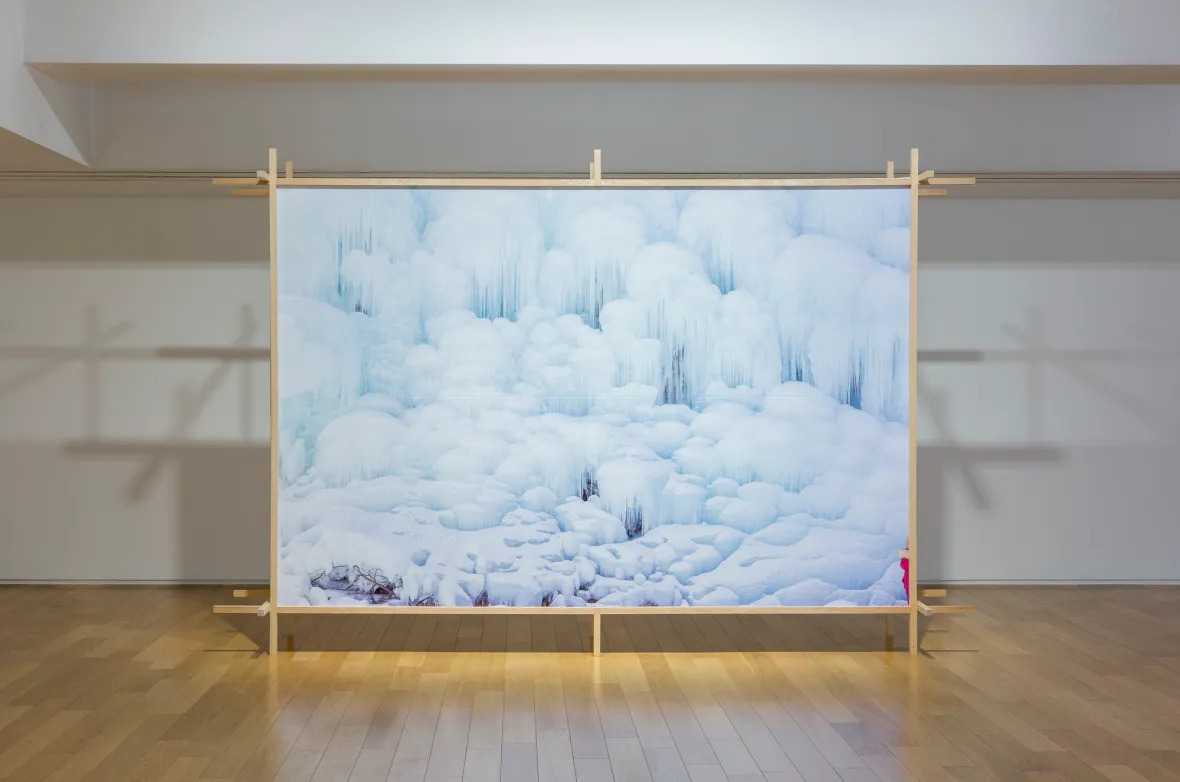
Installation view of 《Covered Moment》 (HITE Collection, 2019) © Seungwon Yang

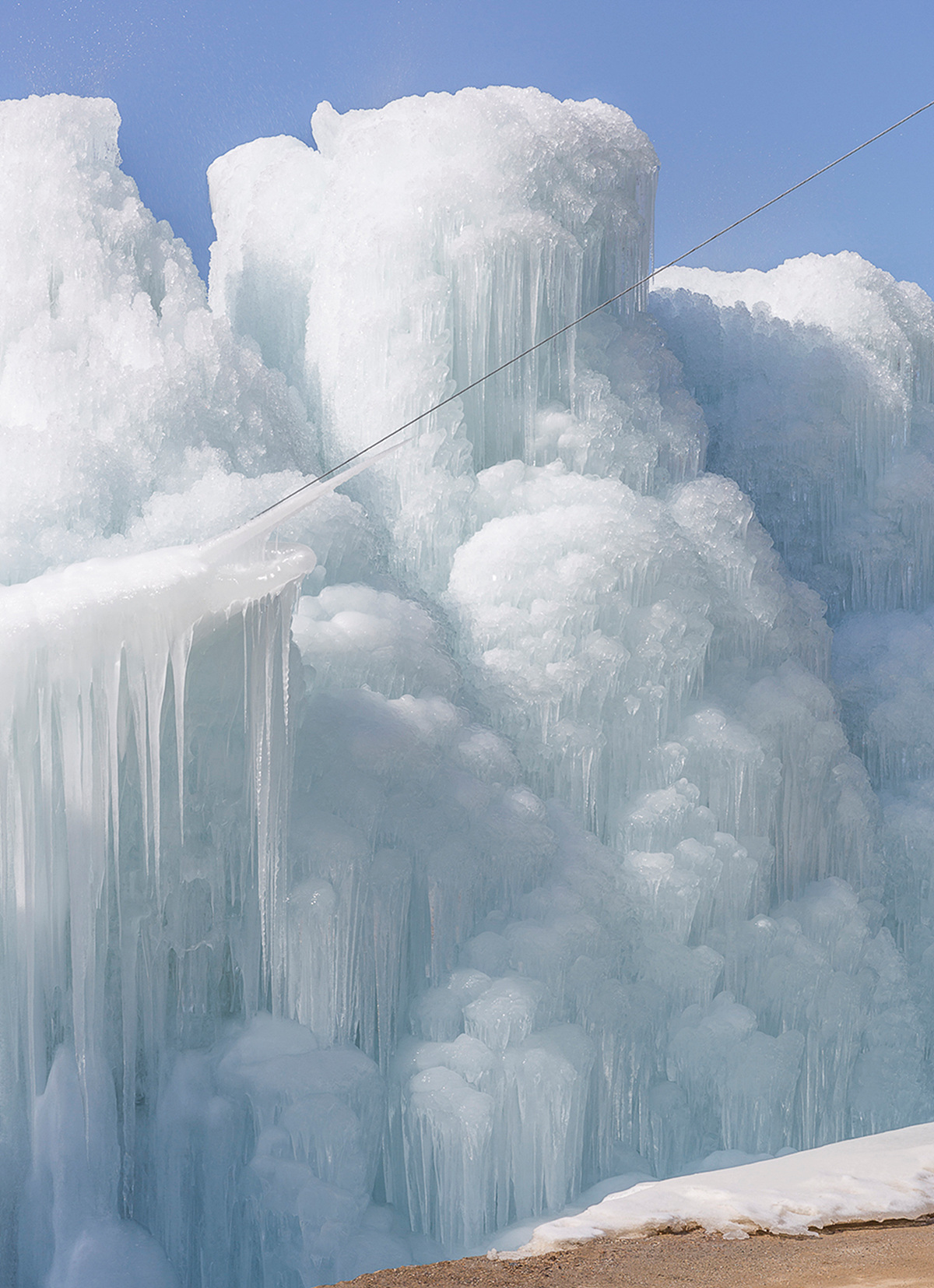
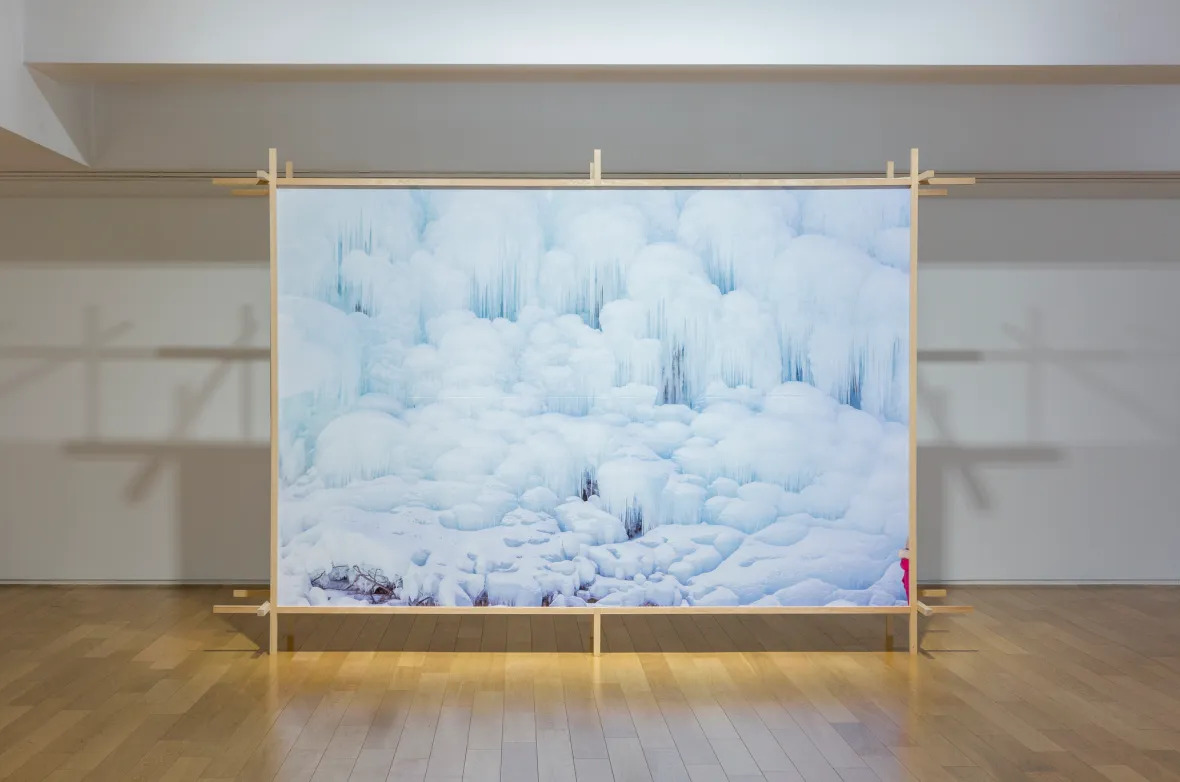
Furthermore, in his solo exhibition 《Covered Moment》, held at HITE Collection in 2019, Yang captures the violence concealed beneath the spectacular images of natural landscapes artificially created by humans. His photographs depict ice-covered trees of an almost surreal beauty.
 
Yang photographed these scenes during a visit to an ice fountain festival held in a regional town located in a valley along Chilgap Mountain. The seemingly beautiful landscape was created by spraying water onto trees and allowing it to freeze.
 
On the site that became a seasonal touristic attraction thanks to the local government’s promotion, the visitors get amazed by the visual spectacle and easily overlook the violence that humans employ to the nature.
 
Yang’s photography that entirely depicts the moment astonishes even the viewers who never visited the festival site through its clarity and visual spectacle. However, as soon as one recognizes that these spectacles are results of artificial mimicry of nature by humans and the violence behind the act, the images turn grimly.


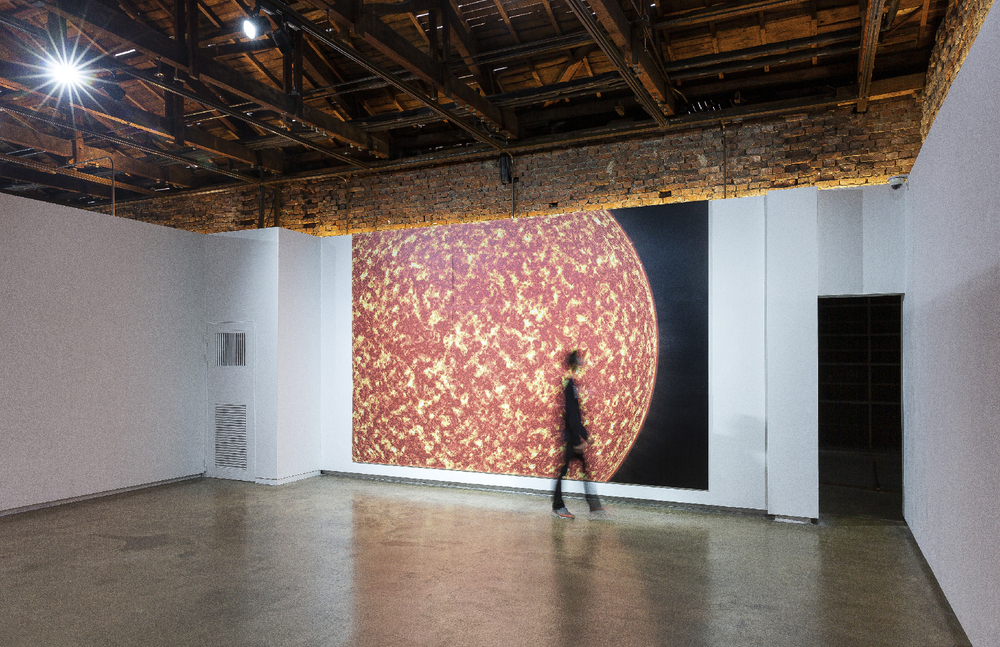
Installation view of 《Glimpse》 (SeMA Storage, 2021) © Seungwon Yang

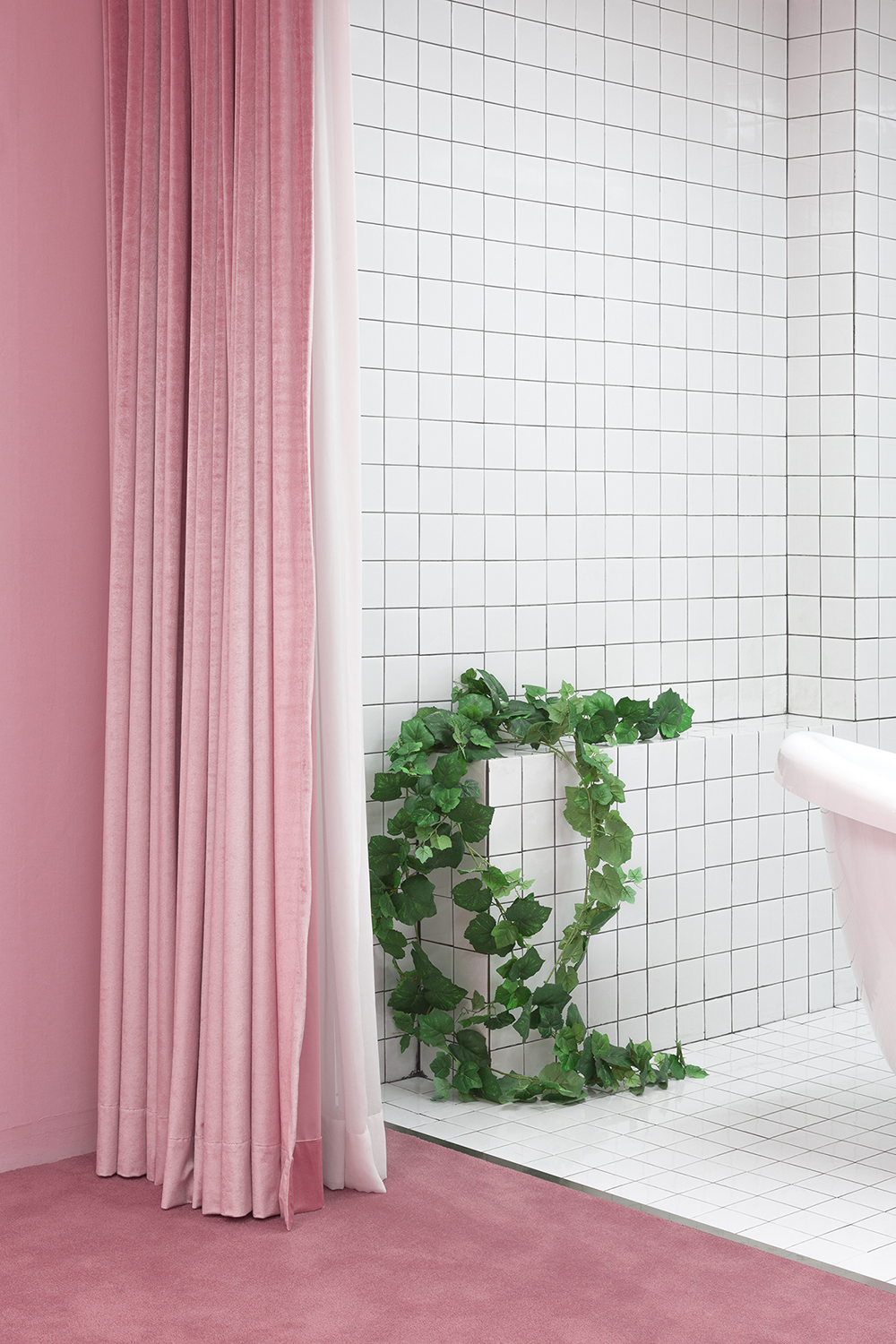
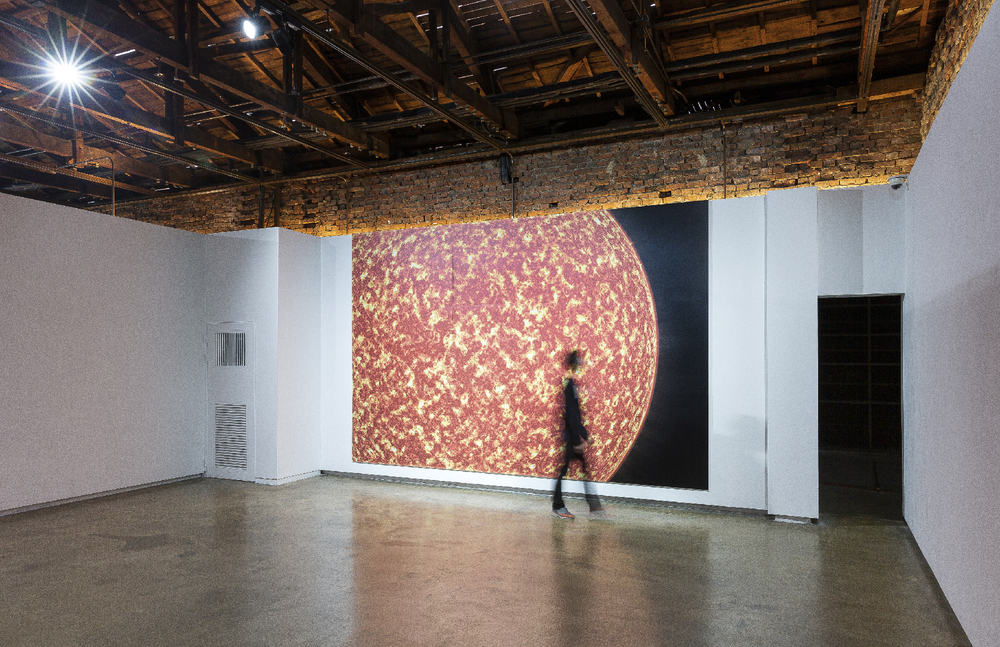
Meanwhile, in his 2021 solo exhibition 《Glimpse》, Yang presented “pseudo-images” that blur the boundary between reality and imitation. The series originated from his association of a round bath bomb with a rough surface with the image of the sun.
 
By transforming the bath bomb into a three-dimensional object and photographing it, he created images that traverse the boundary between two and three dimensions, disrupting conventional perceptions of objects.
 
Although the digital images he artificially records and manipulates are fictional, they evoke tangible entities by drawing on the knowledge and information we have accumulated.


Installation view of 《Glimpse》 (SeMA Storage, 2021) © Seungwon Yang

Moving beyond a documentary approach to recording facts, the series explores the expanded possibilities of images while questioning photography’s traditional functions of documentation and representation, as well as the reliability of the information embedded in images.
 
Through this practice, Yang challenges established ways of viewing and interpreting photographs, proposing new forms of visual experience.


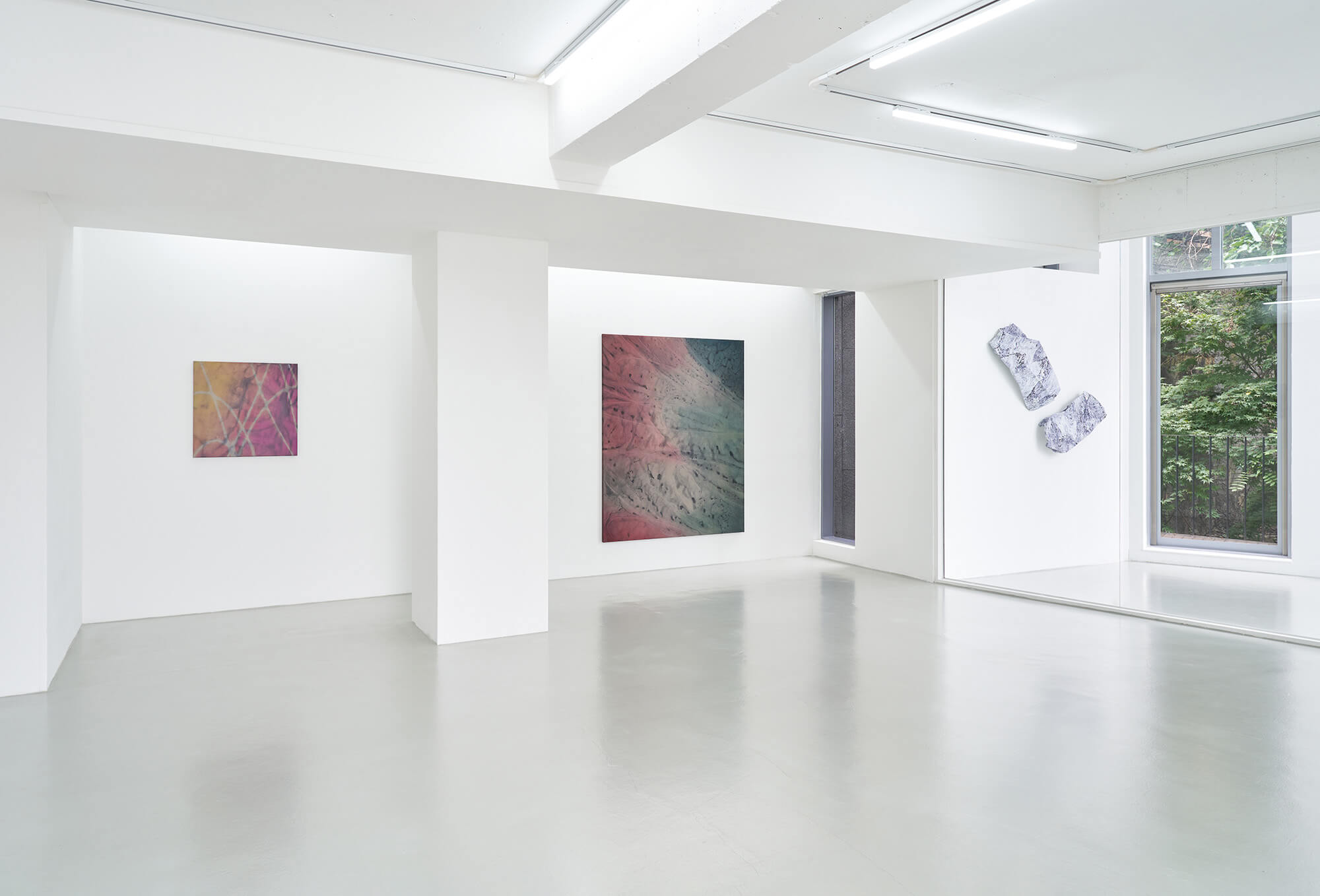
Installation view of 《Overwrite》 (N/A, 2022) © Seungwon Yang

Throughout his practice, Yang has photographed artificially constructed natural landscapes and dramatically staged scenes that are difficult to imagine in everyday life, capturing them through his distinctive photographic approach.
 
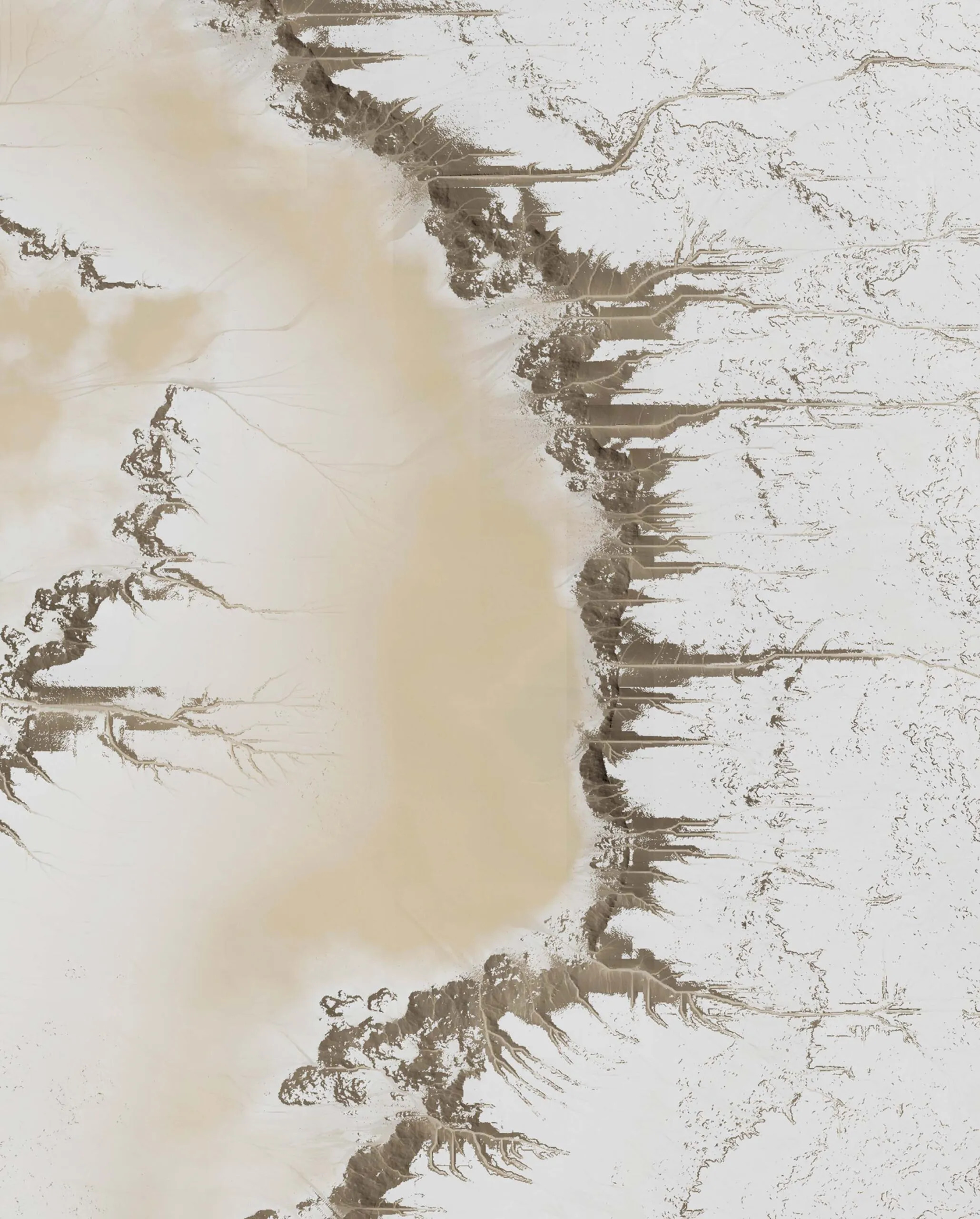
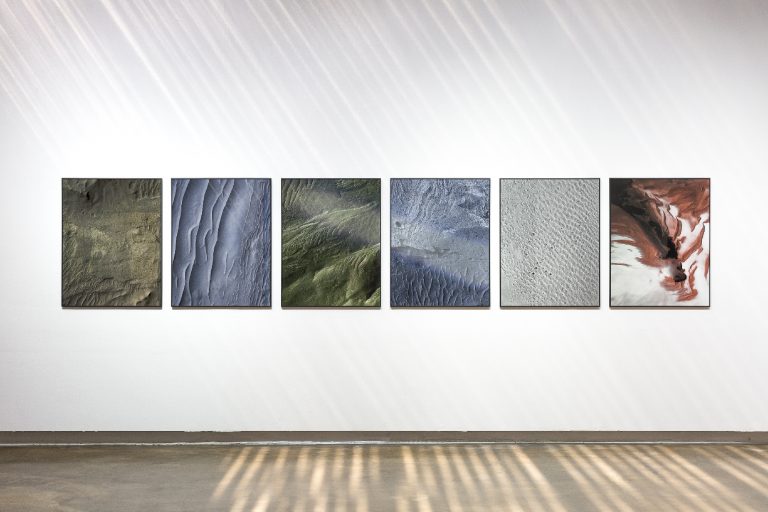
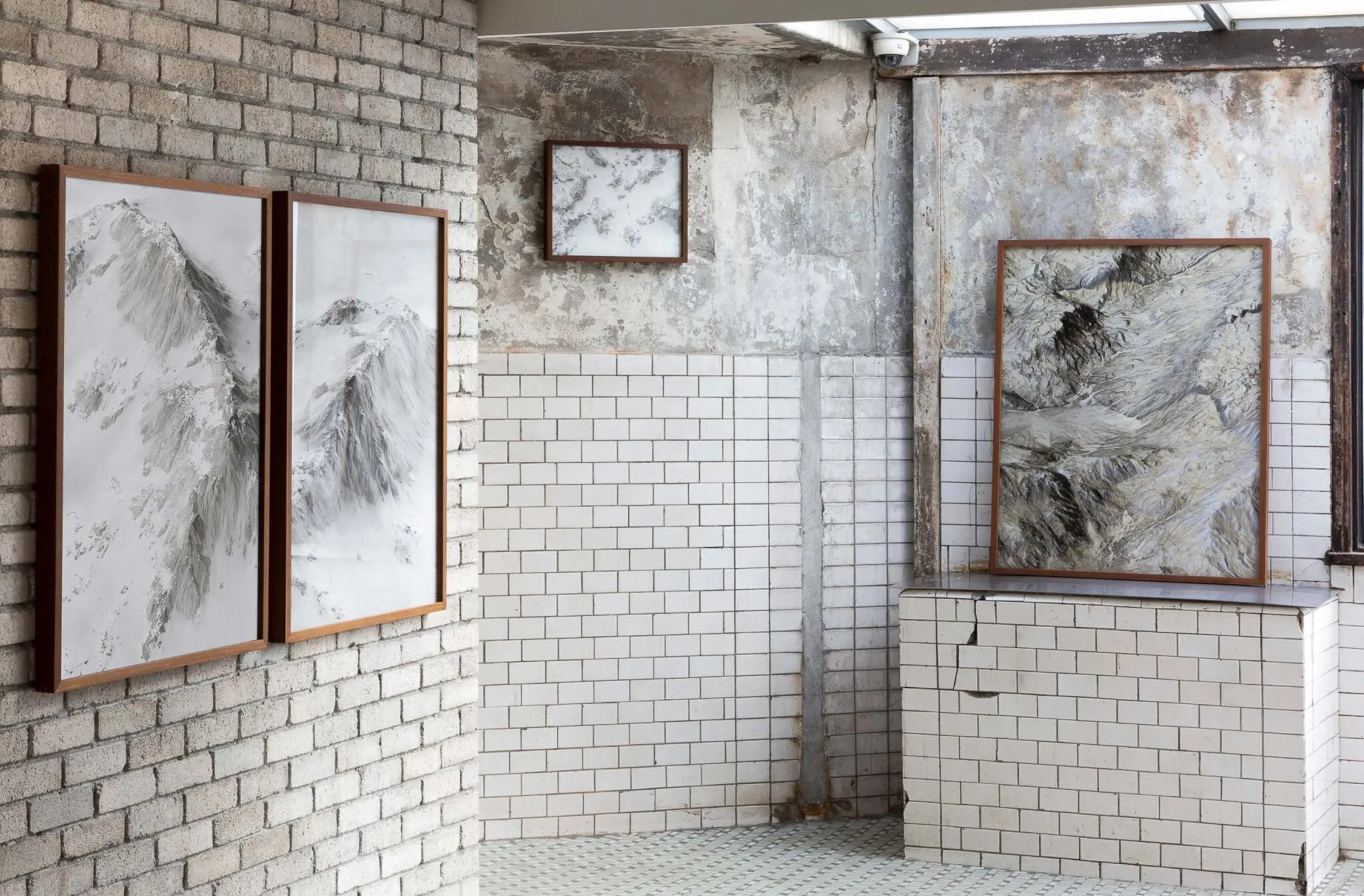
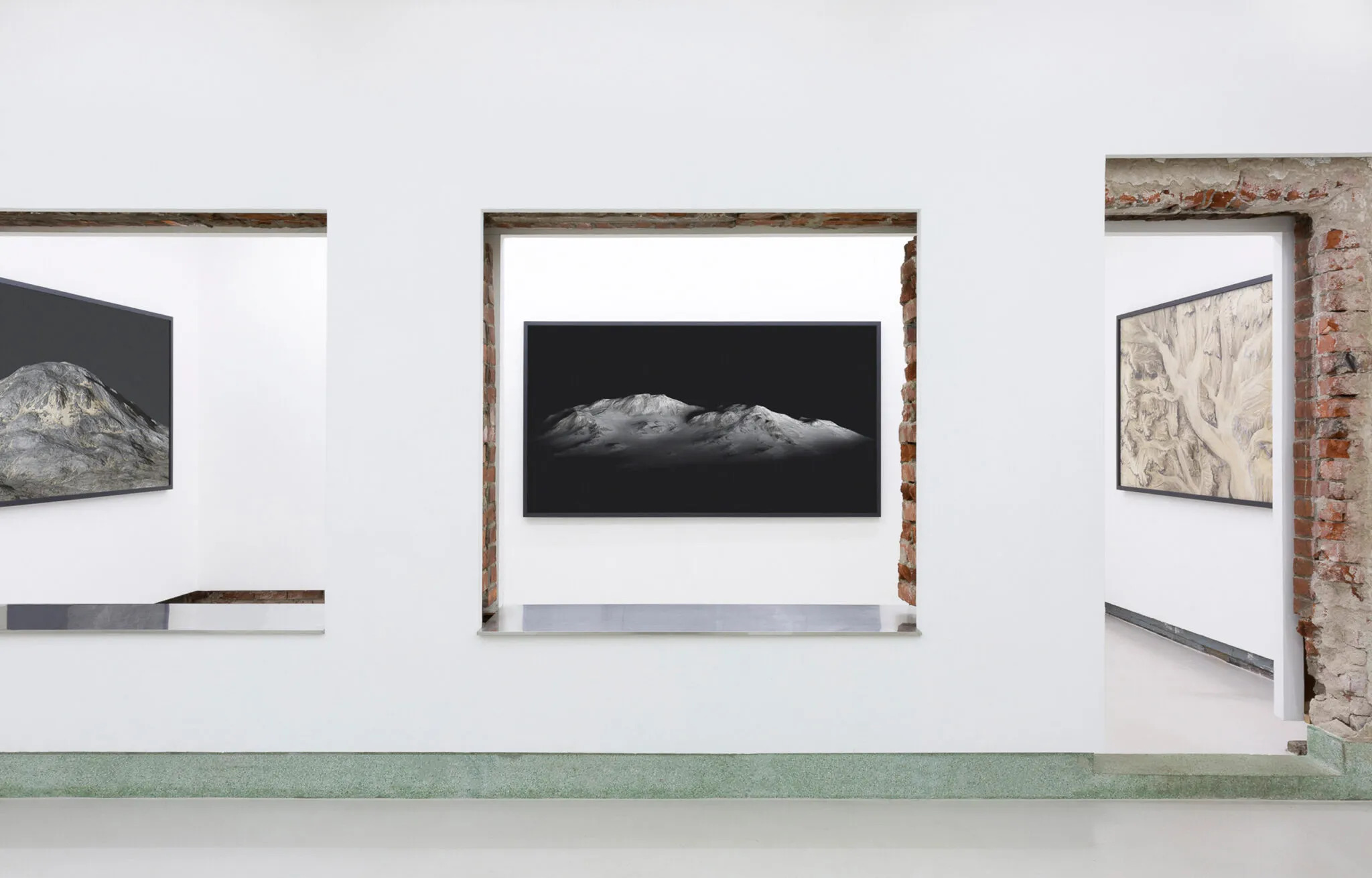
His 2022 solo exhibition 《Overwrite》 continues this line of inquiry. For the exhibition, Yang photographed places that are largely beyond human reach, including the surface of the universe, glaciers, vast tidal flats, and rocky mountains.
 
Although viewers would rarely have the opportunity to encounter these landscapes in person, the images may nonetheless feel familiar, as expansive vistas of this kind are frequently encountered through mass media.


Installation view of 《Overwrite》 (N/A, 2022) © Seungwon Yang

Scenes in mass media that rely on spectacular backdrops are often characterized by rapid movement or crowded compositions, making it difficult to fully appreciate nature itself. In contrast, Yang captures the intricate details of these landscapes in still images.
 
He also photographs most of his subjects from an elevated, bird’s-eye perspective rather than at eye level, allowing viewers to take in the landscapes at a glance from a detached vantage point. In some works, he employs a 16:9 aspect ratio, considerably wider than the standard 3:2 photographic format, to emphasize the vastness and expansiveness of nature.


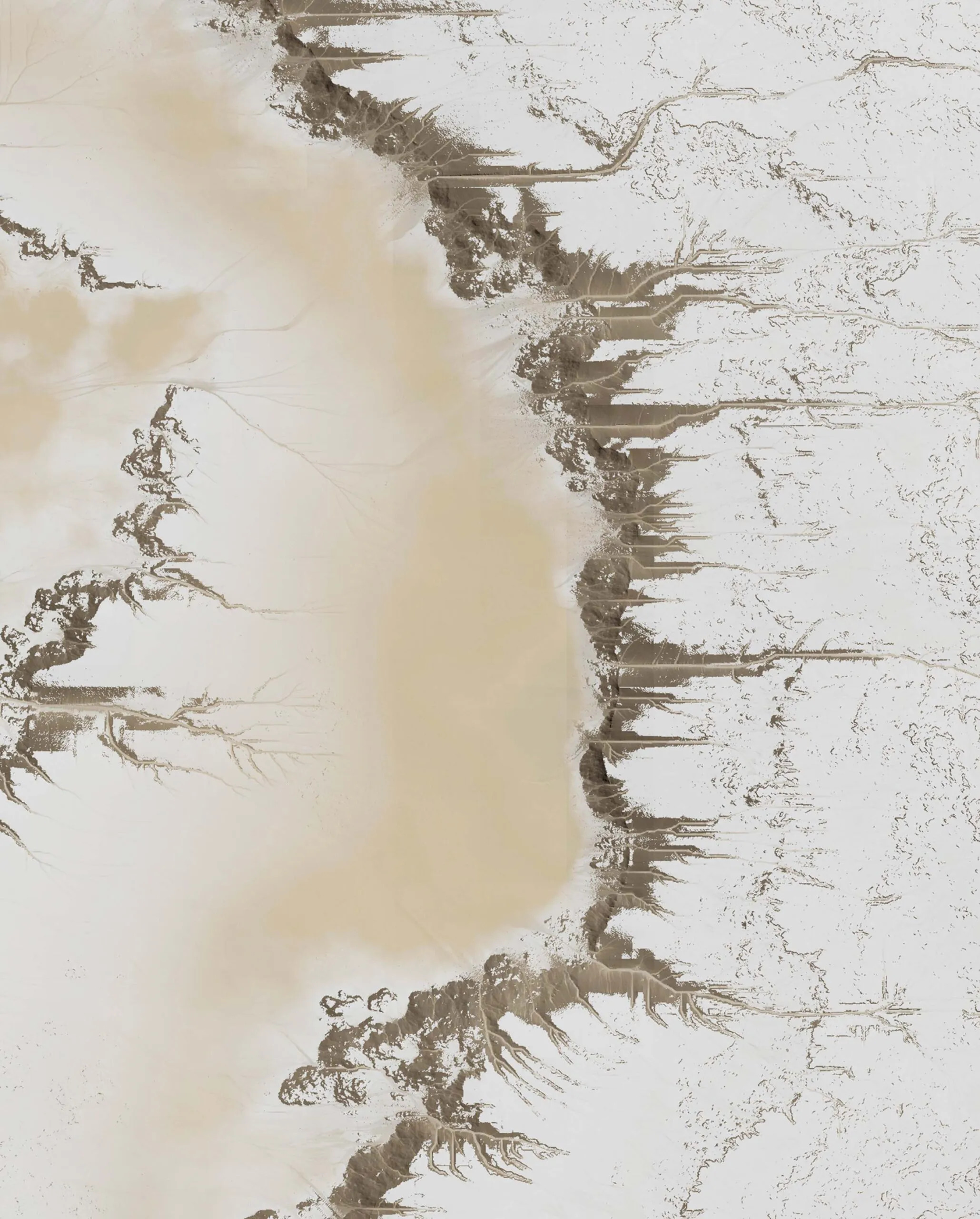
Seungwon Yang, Overwrite #13, 2022, Archival pigment print, 100 x 80 cm © Seungwon Yang

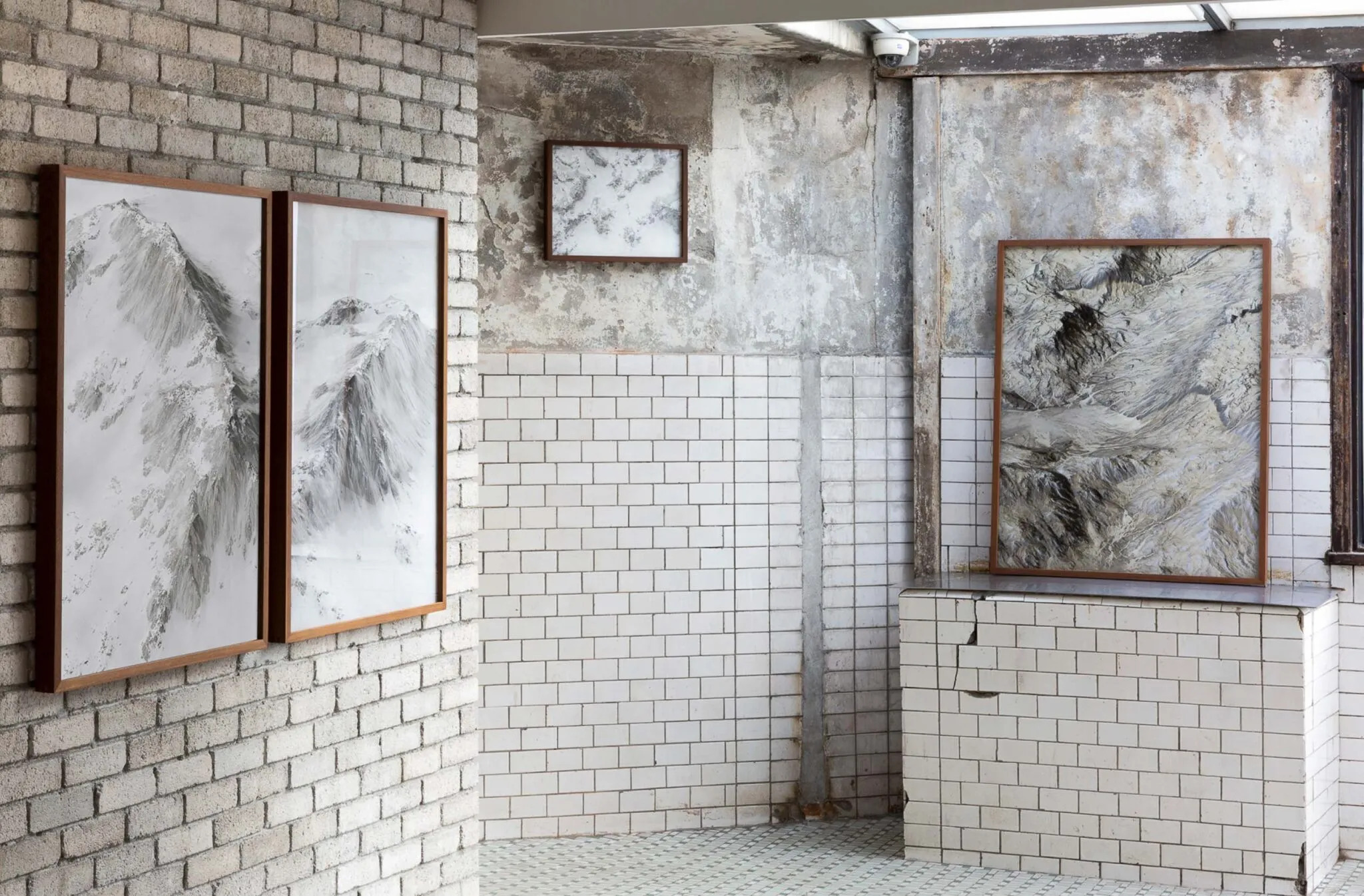
However, these photographs, which appear to depict the vast surfaces of nature with smooth precision, actually portray virtual spaces that do not exist in reality, constructed by the artist using 3D modeling software.
 
Yang overlays these digitally rendered fictional forms with photographs of various surfaces, including soil, earth, and cement, like layers of skin, creating manipulated images of landscapes that have no real-world counterparts.
 
Through these “pseudo-images,” in which photographs are overwritten, Yang questions the nature of photography as a medium presumed to record objects as they are, as well as the viewer’s tendency to accept photographic images without question. In doing so, he seeks to disrupt the relationship between the photographic image and the observer.
 
The images in his works may appear familiar, as though they depict landscapes seen somewhere before. Yet embedded within them are countless clues that reveal they are not photographs documenting reality.
 
Sharp, straight lines and textures of light and form that appear to have been repeatedly copied and pasted are among the many signs of manipulation that prompt viewers to question what they see.


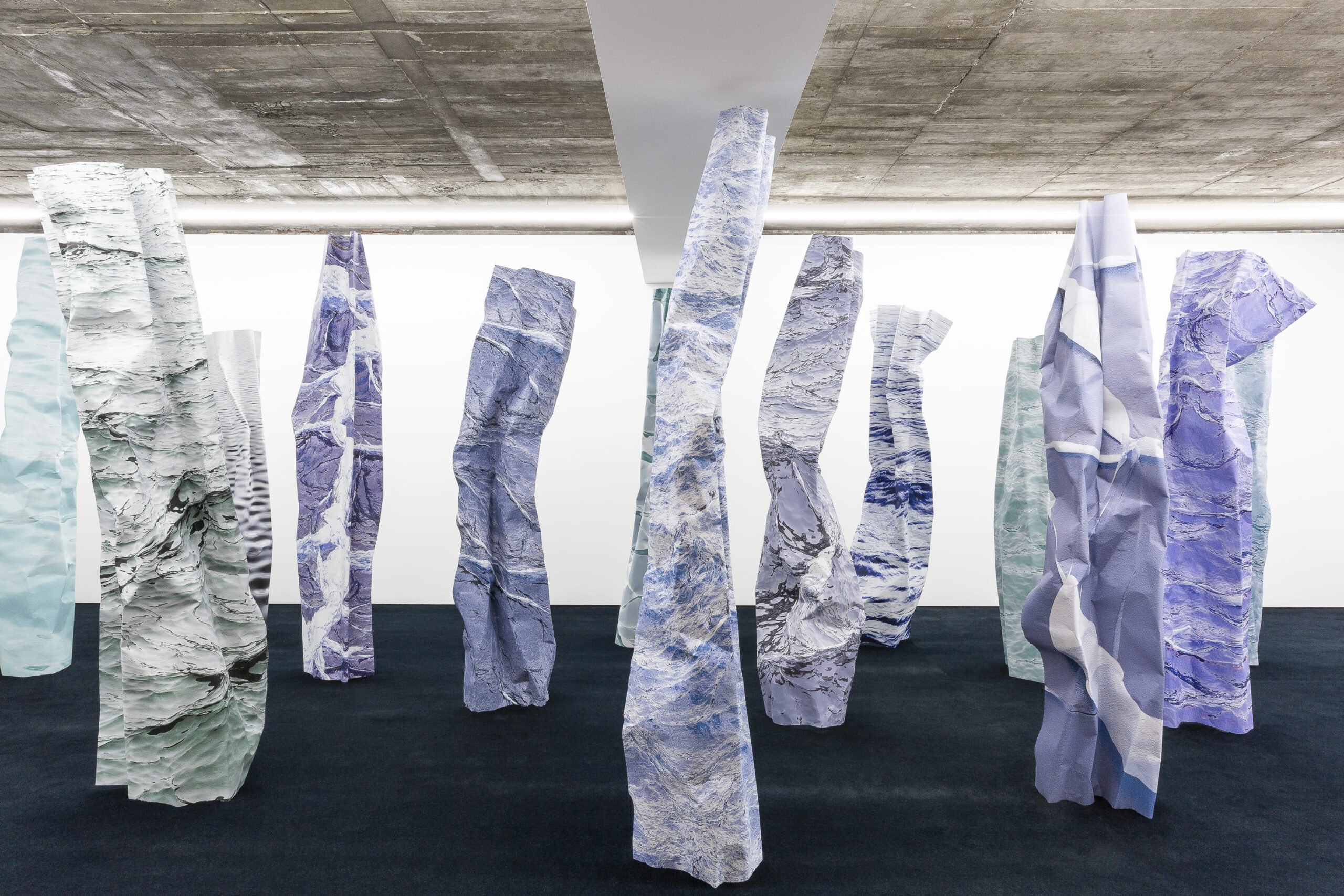
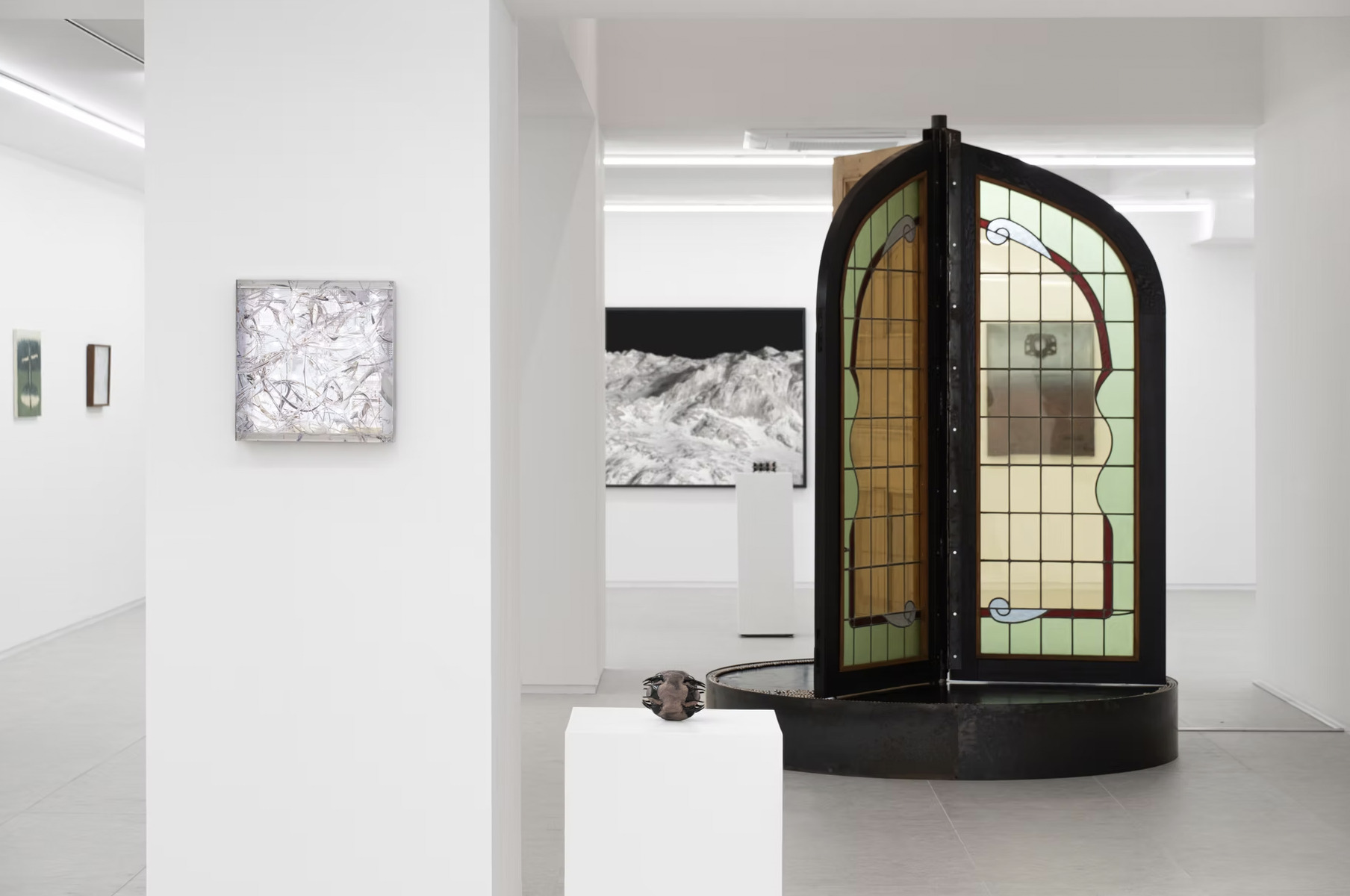
Installation view of 《Suspended Boundaries》 (Museum Hanmi, 2025) © Seungwon Yang

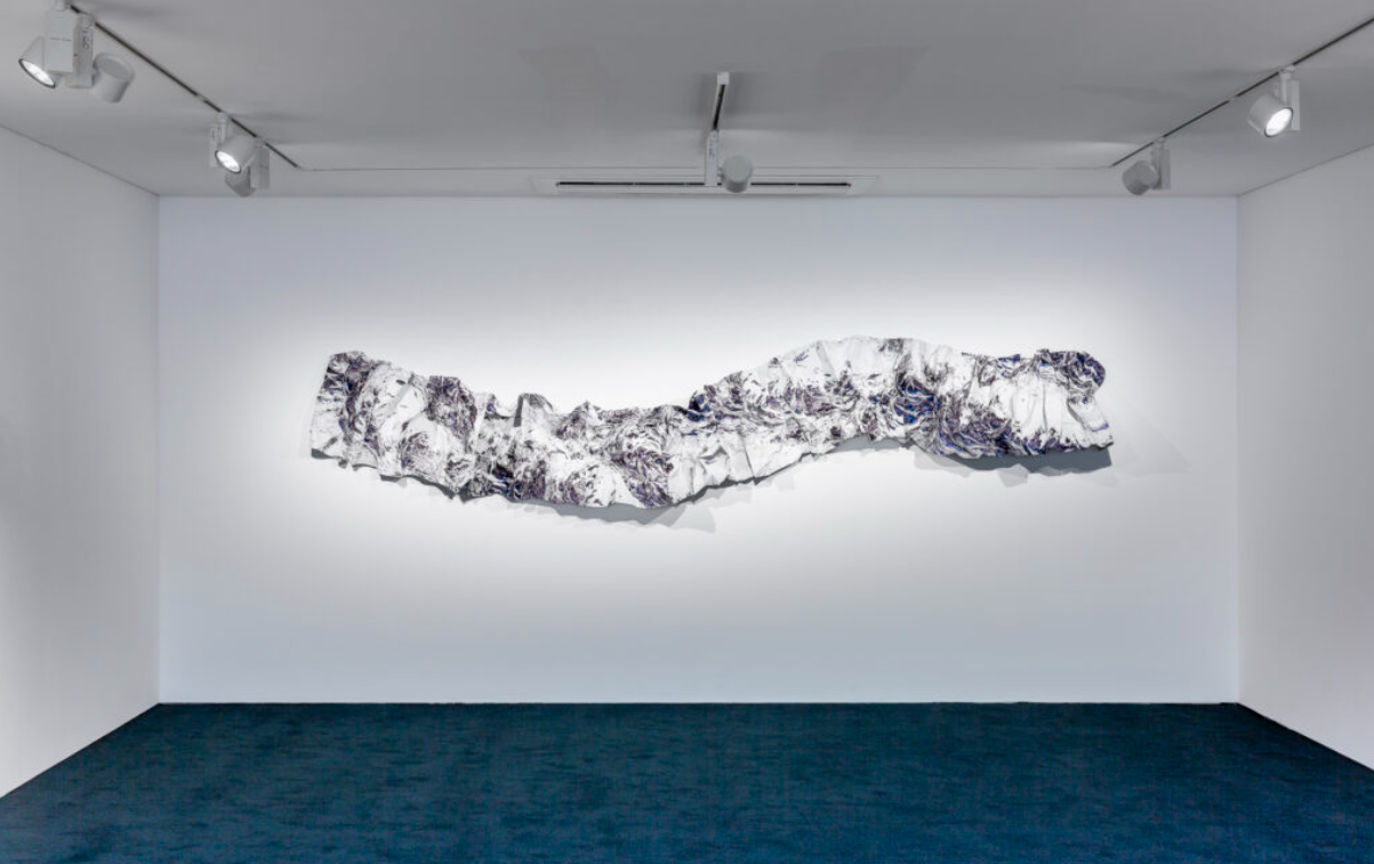
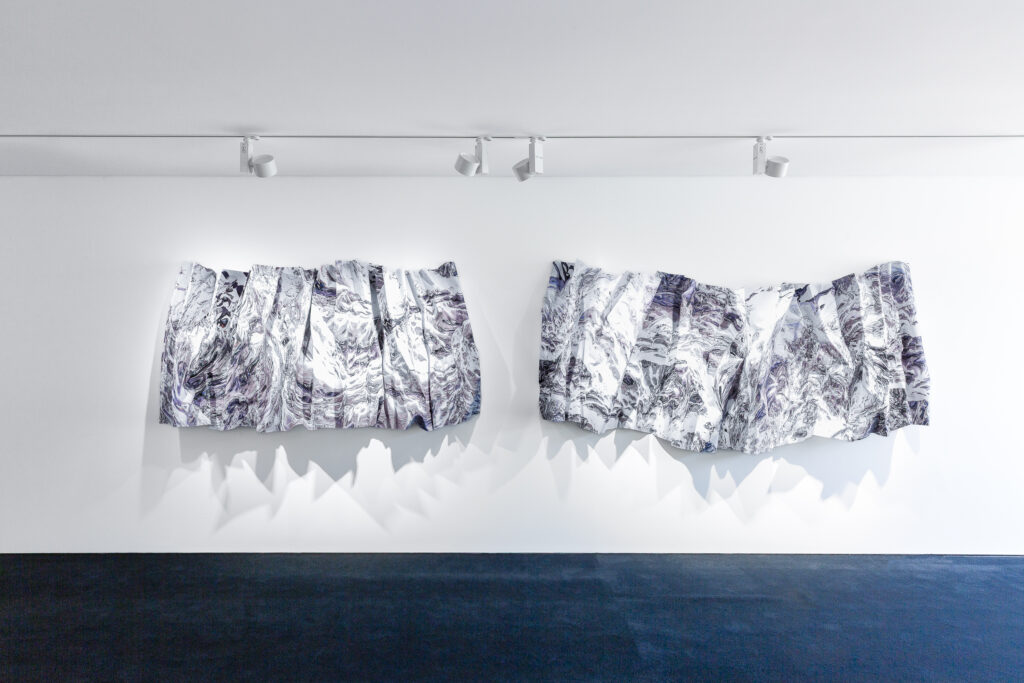
Furthermore, through his 2025 solo exhibition 《Suspended Boundaries》 at Museum Hanmi, Yang sought to create an exhibition in which visitors could sensorially experience the fluidity and mutability of photography as a medium, moving beyond the illusion of its fixity and objectivity.
 
The Korean title of this exhibition, literally translated as ‘Boundaries of Epoché,’ is derived from the phenomenological concept of ‘epoché’, which refers to the suspension of judgment in order to perceive an object as it is.
 
For Yang, ‘boundaries’ are not fixed lines, but fluid states that flow between the real and unreal, the moments before and after change. The artist invites viewers to pause their assumptions about photography and images, and to engage more intimately with what is presented before them.


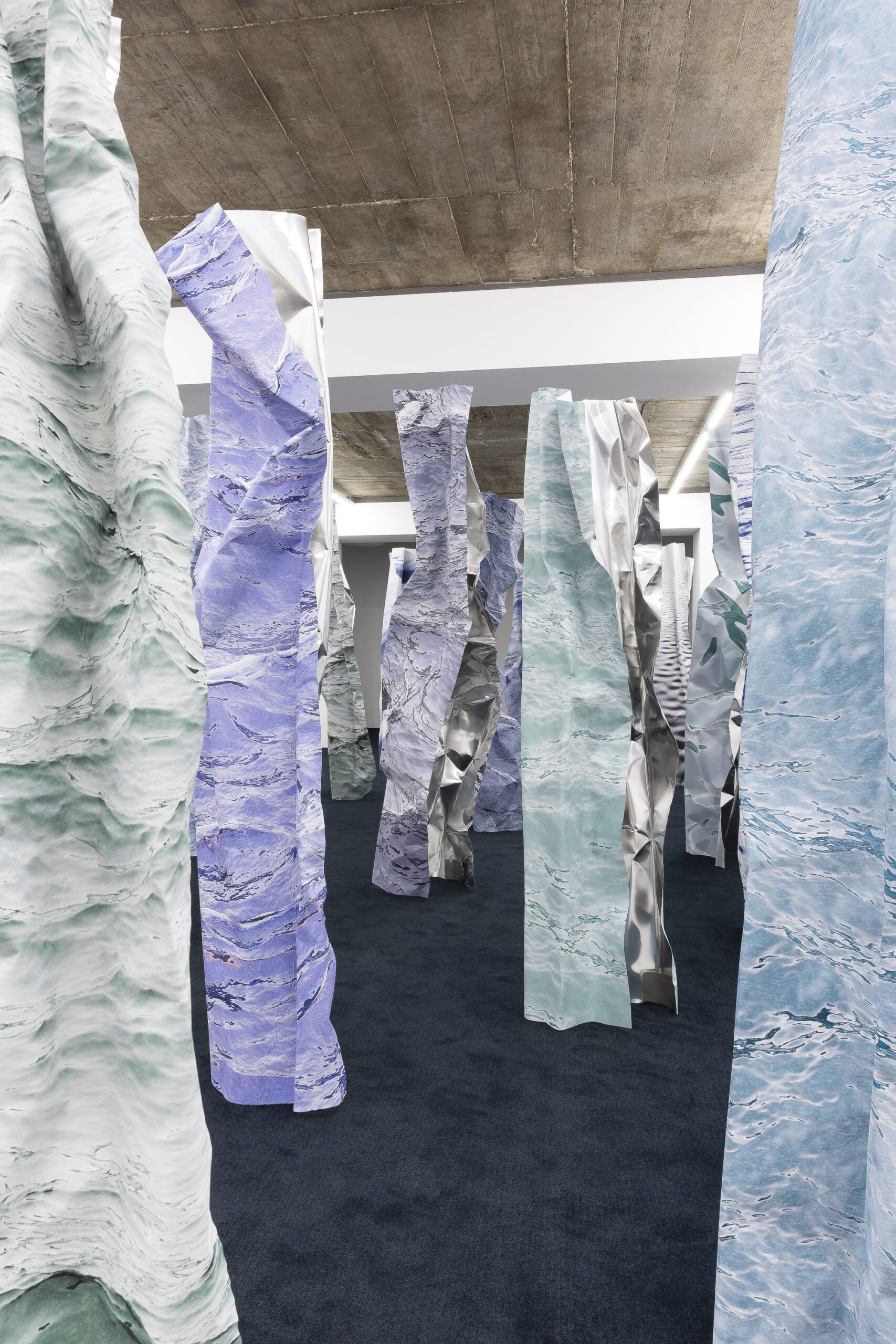
Installation view of 《Suspended Boundaries》 (Museum Hanmi, 2025) © Seungwon Yang

This notion of boundaries is closely connected to personal memory, which forms the foundation of his photographic practice. Like images, memory is continuously reshaped—enduring, altered, or even forgotten through social experience and environmental conditions.
 
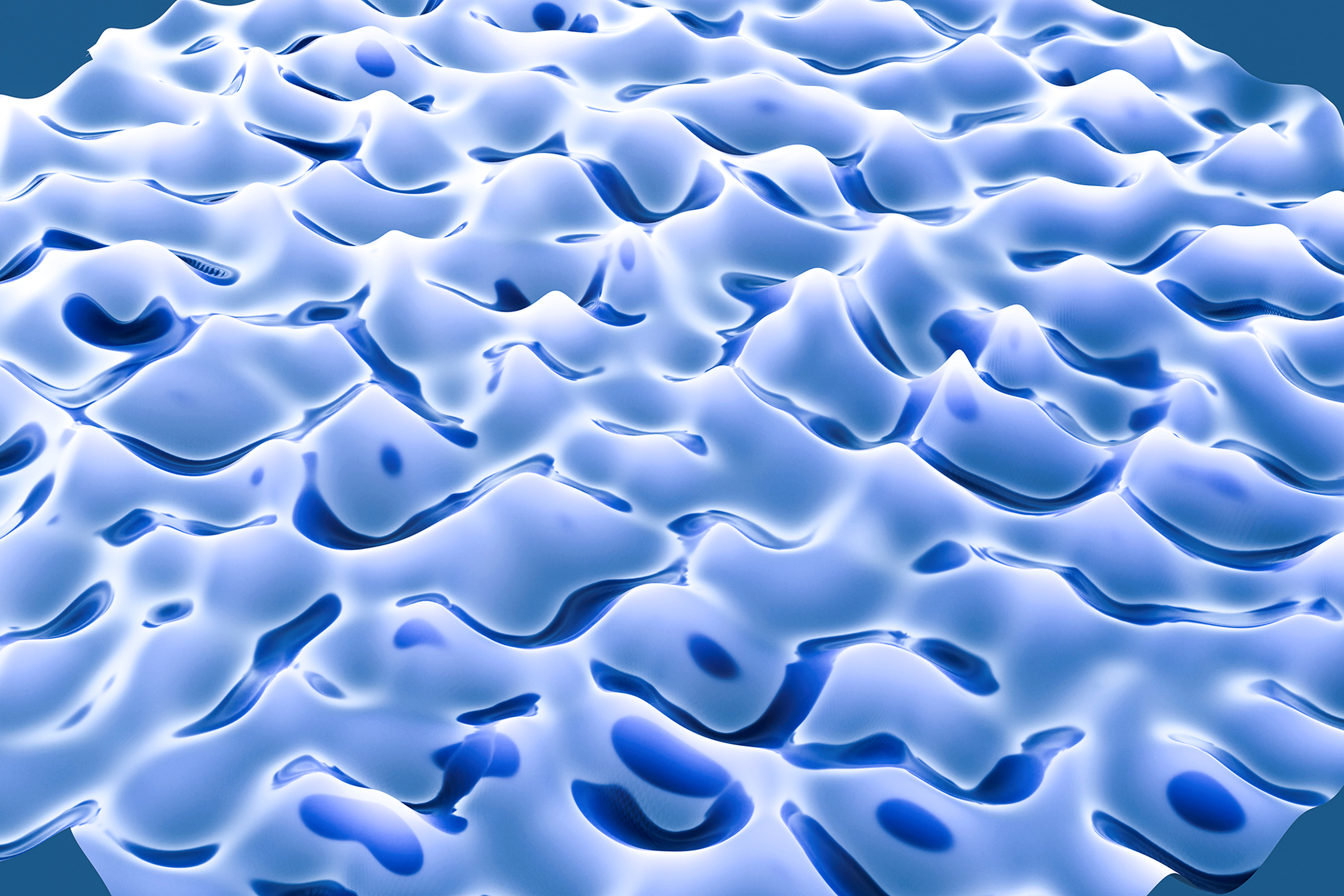
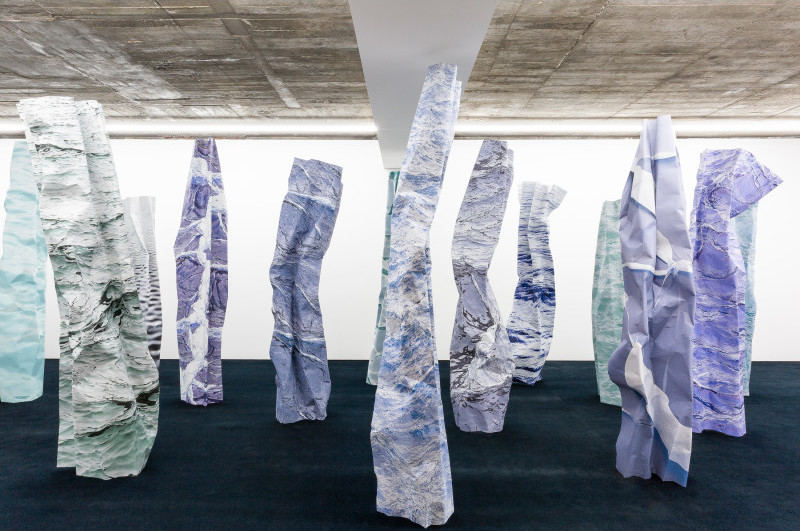
Yang visualizes this sense of fluidity through water as a motif—a substance whose state shifts in response to its environment. Flowing, containing, and pausing, water becomes a metaphor for the mechanisms of memory and image—perpetually forming and recombining.
 
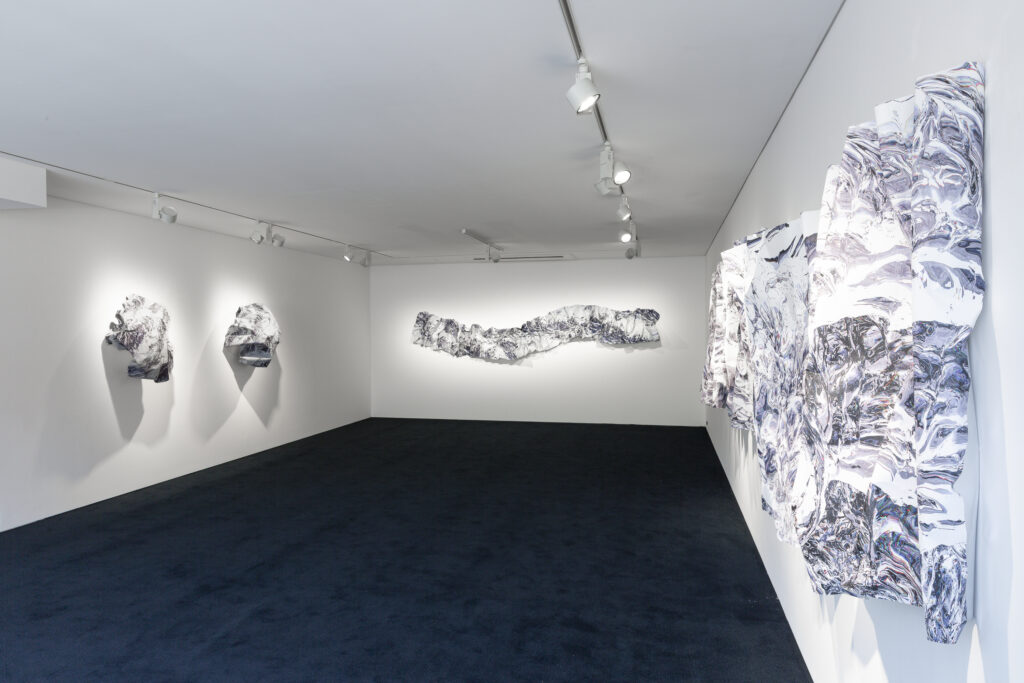
In the exhibition, Yang presented photographic installations in which images of water are printed onto aluminum panels, then physically crumpled by hand and transformed into sculptural objects. The exhibition invited viewers to drift among the sculptural images and surrounding space, engaging bodily with the fluid and mutable nature of memory and image.


Installation view of 《Suspended Boundaries》 (Museum Hanmi, 2025) © Seungwon Yang

In this way, Seungwon Yang has explored the transformative possibilities of images through various methods, including compositing, rendering, and three-dimensional modeling, using photography and digital imagery.
 
Moving beyond the flat and lightweight material qualities of photography, his work continually traverses the boundaries between reality and the virtual, fact and fiction, raising the question of what we are actually seeing in an age saturated with images.

“What influences the very beginning of all my work is my experience and memory. I work to re-visualize memories formed through past experiences, along with the feelings and emotions I experience in the present.” (Seungwon Yang, interview with S Magazine)


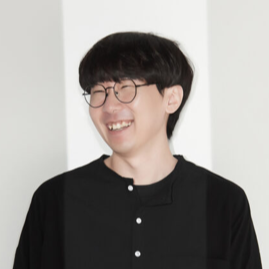
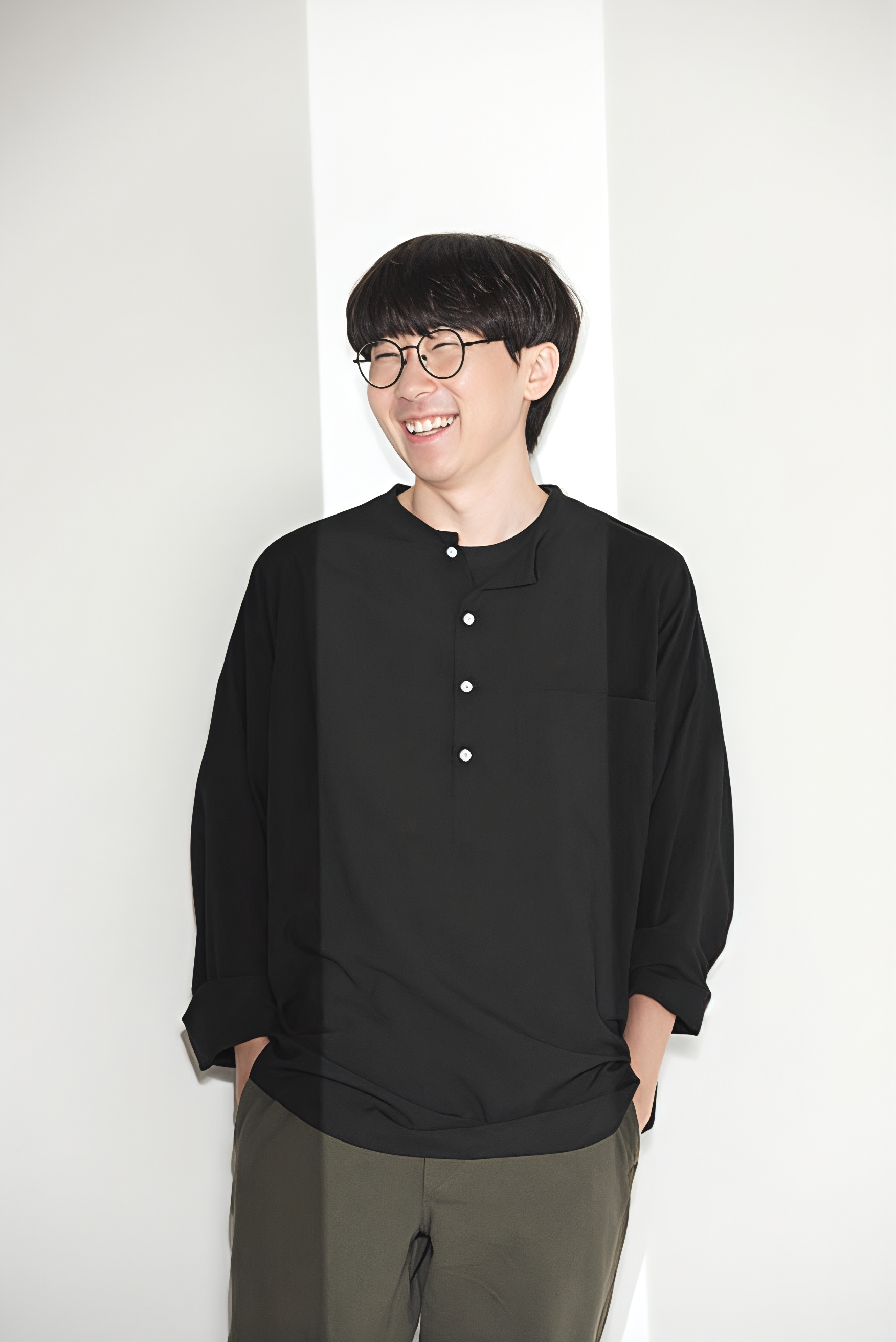
Artist Seungwon Yang © Museum Hanmi

Seungwon Yang graduated from the Department of Photography at Seoul Institute of the Arts and received his master’s degree from Chelsea College of Arts, University of the Arts London. His major solo exhibitions include 《Suspended Boundaries》 (Museum Hanmi, Seoul, 2025), 《Overwrite》 (N/A, Seoul, 2022), 《Glimpse》 (SeMA Storage, Seoul, 2021), and 《Covered Moment》 (HITE Collection, Seoul, 2019).
 
He has also participated in numerous group exhibitions, including 《The Collapse Manual》 (AOD Museum, Seoul, 2026), 《Shadow Index》 (Pipe Gallery, Seoul, 2025), 《The Observers Are Observed》 (Cheongju Museum of Art, Cheongju, 2024), 《The Hanging Gardens of Babylon》 (Nam-Seoul Museum of Art, Seoul, 2023), 《A Glimpse of Our Time》 (Kumho Museum of Art, Seoul, 2023), 《Another Letter to Nature》 (Culture Station Seoul 284, Seoul, 2023), and 《Summer Love》 (SONGEUN, Seoul, 2019).
 
Yang has been selected for artist residency programs at the SeMA Nanji Residency (2024), MMCA Residency Goyang (2023), Seoul Art Space Geumcheon (2022), and ACC Asiaplex Studio (2021). His works are held in the collections of the Gyeonggi Cultural Foundation, Seoul Museum of Art, and MMCA Art Bank.

References