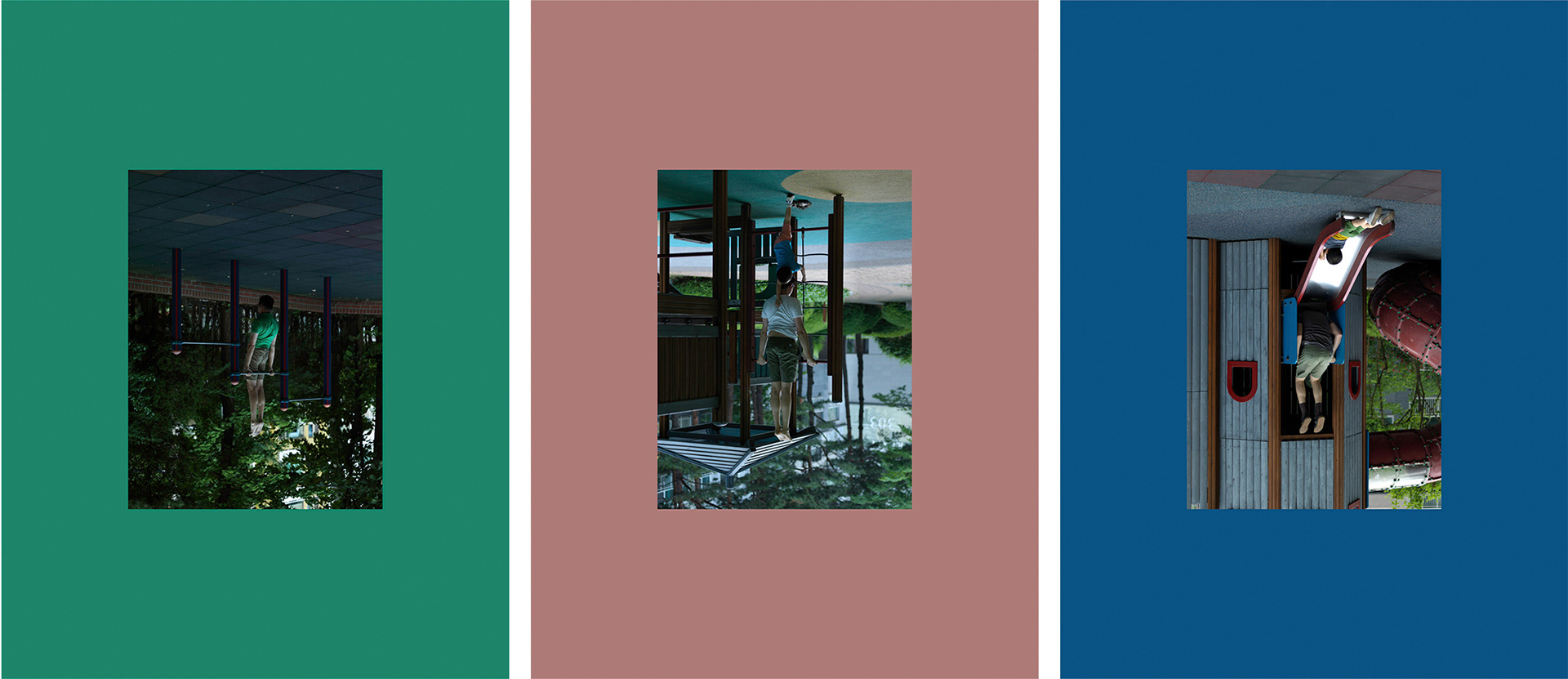
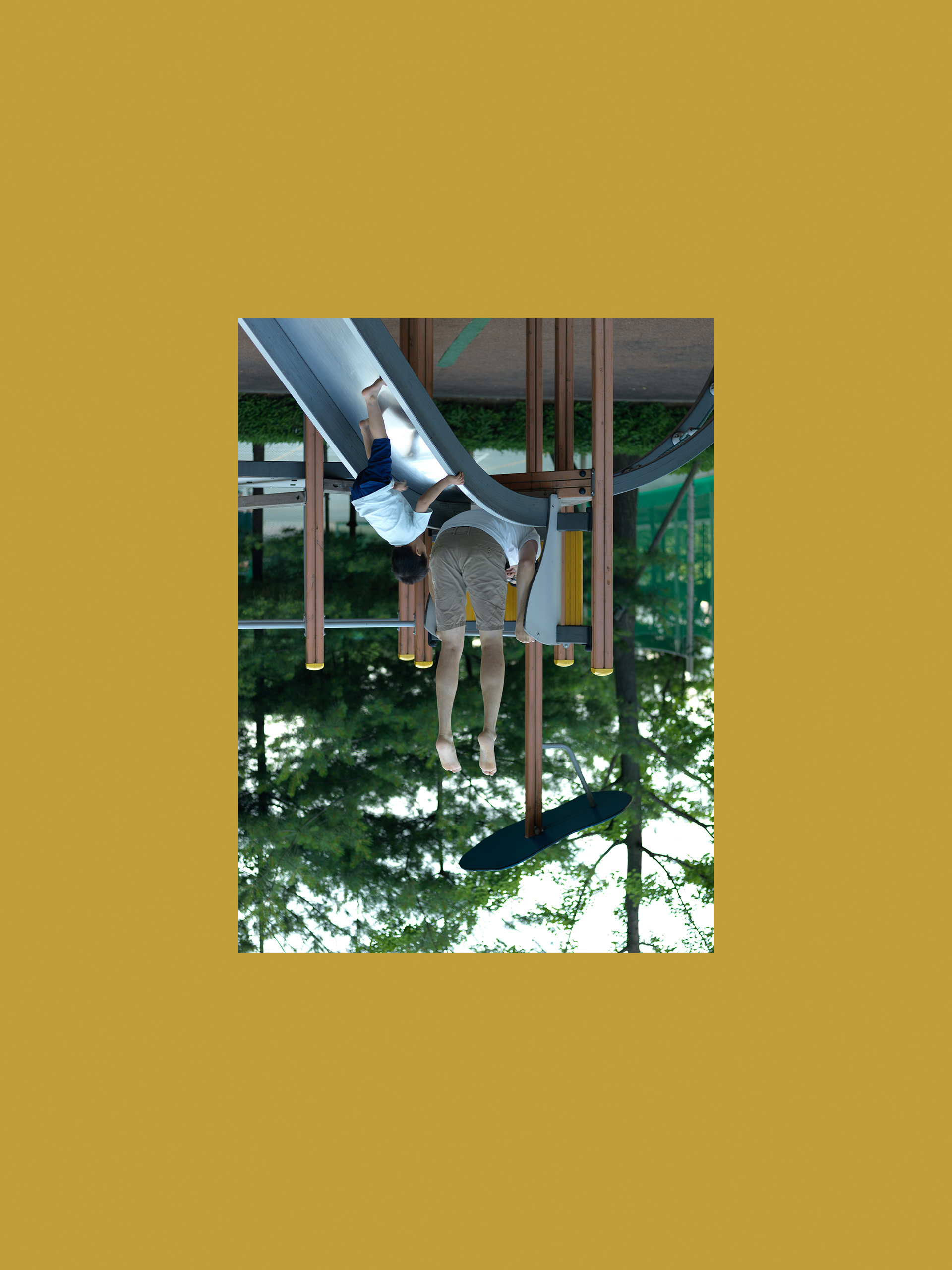
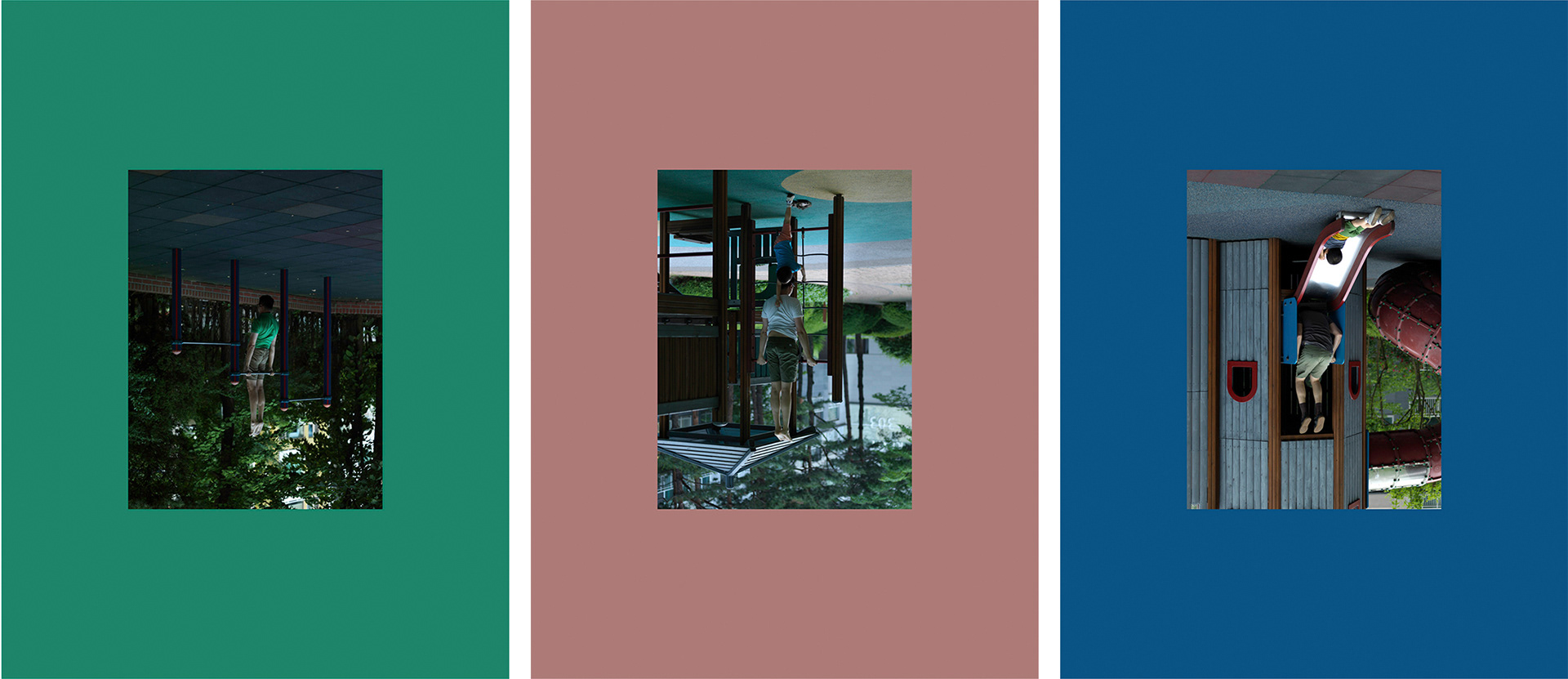
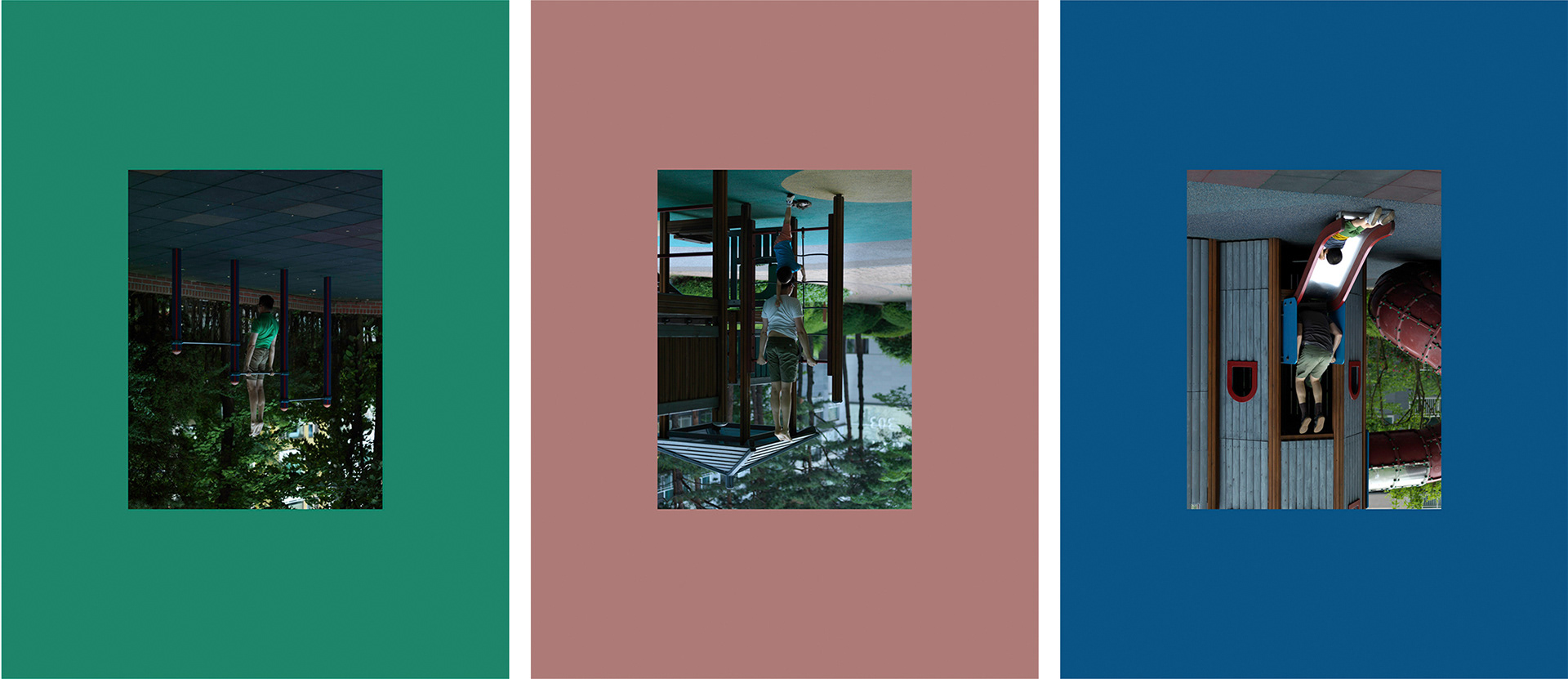
The latest work by photographer Jinkyun Ahn, Hanged Man, includes a photograph denoting a man suspended in mid-air. In this photograph, his head points up and feet down; it looks as though he has been hanged. But, on closer inspection, the man is seemingly defying gravity, holding a stiff posture while hanging off some recreational equipment in a playground.
The fact that it is an inverted image of a man who is hanging upside down makes it look peculiar, as he is neither upside down nor standing up. In the process of acting out a series of postures that allude to methods of execution, the artist himself insists on becoming both the subject in front of the camera and the photographer behind it. What are his intentions?
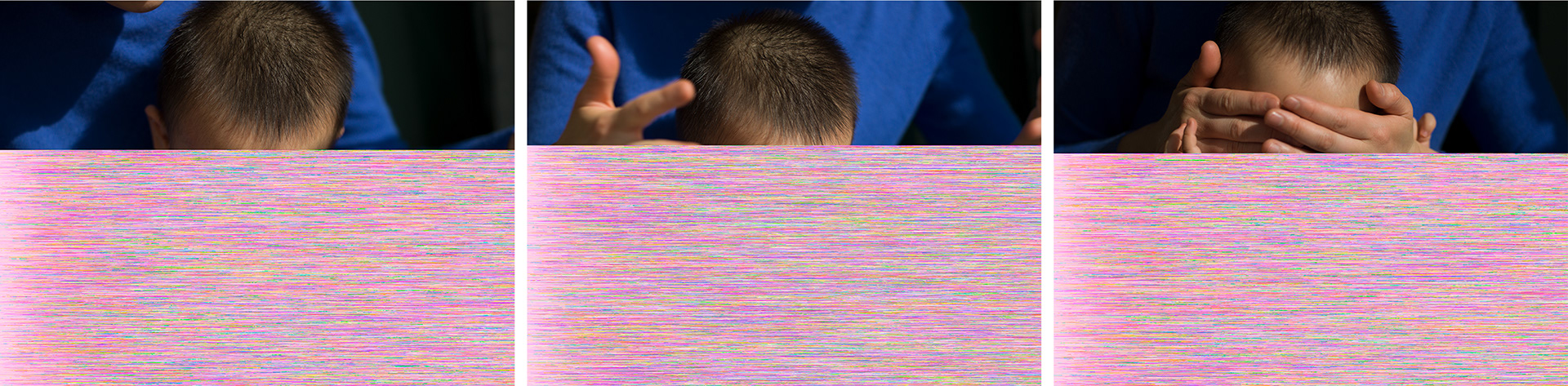
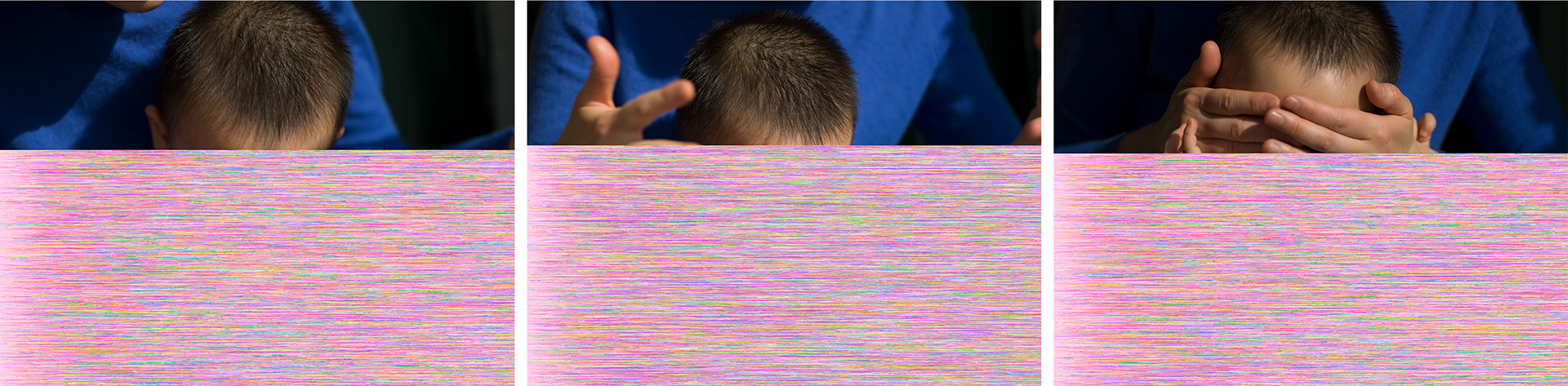
The photographs were taken across 10 different playgrounds from Ahn’s local neighborhood and were produced with his family. For example, his wife photographed him as he posed in position. During the shoot, his son burst into the scene and attempted to initiate a conversation with the artist, since his behavior seemed strange in the context of their local playground.
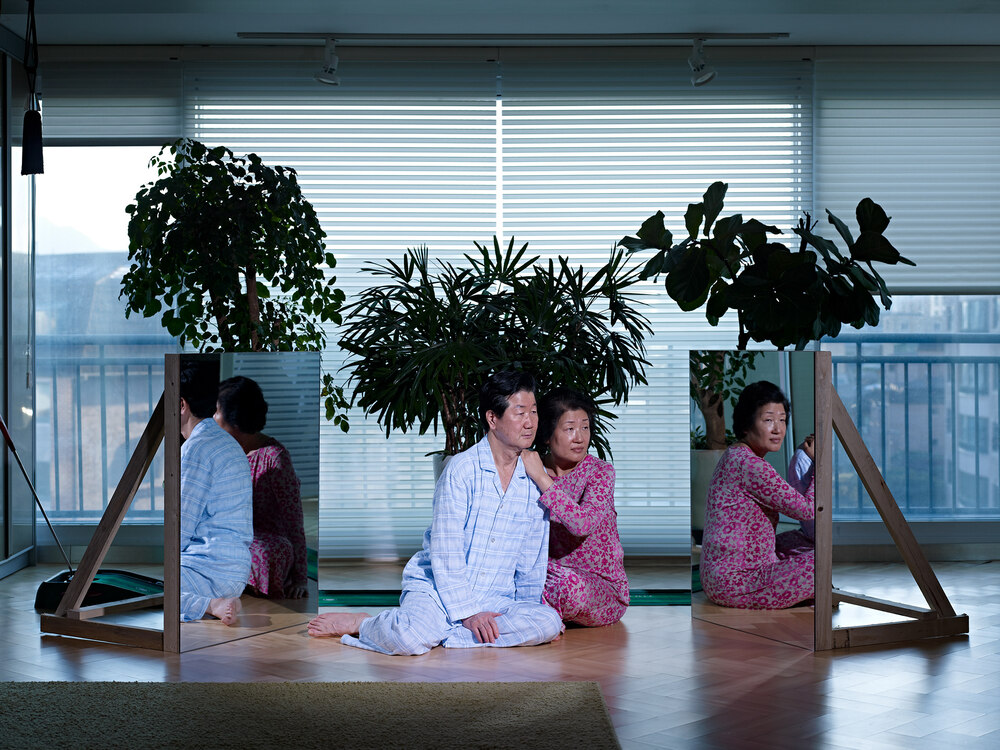
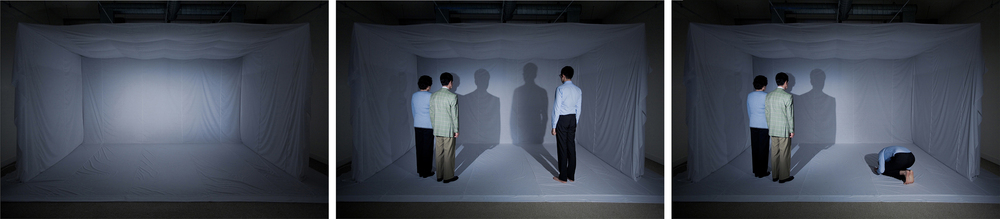
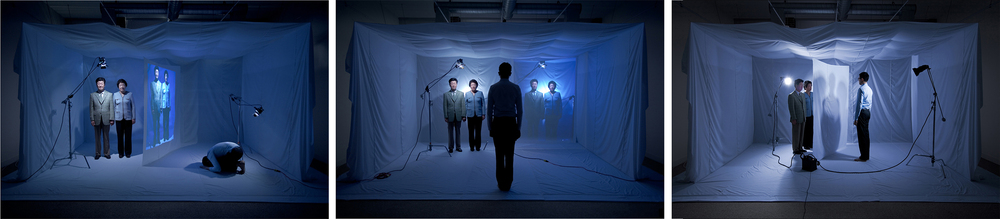
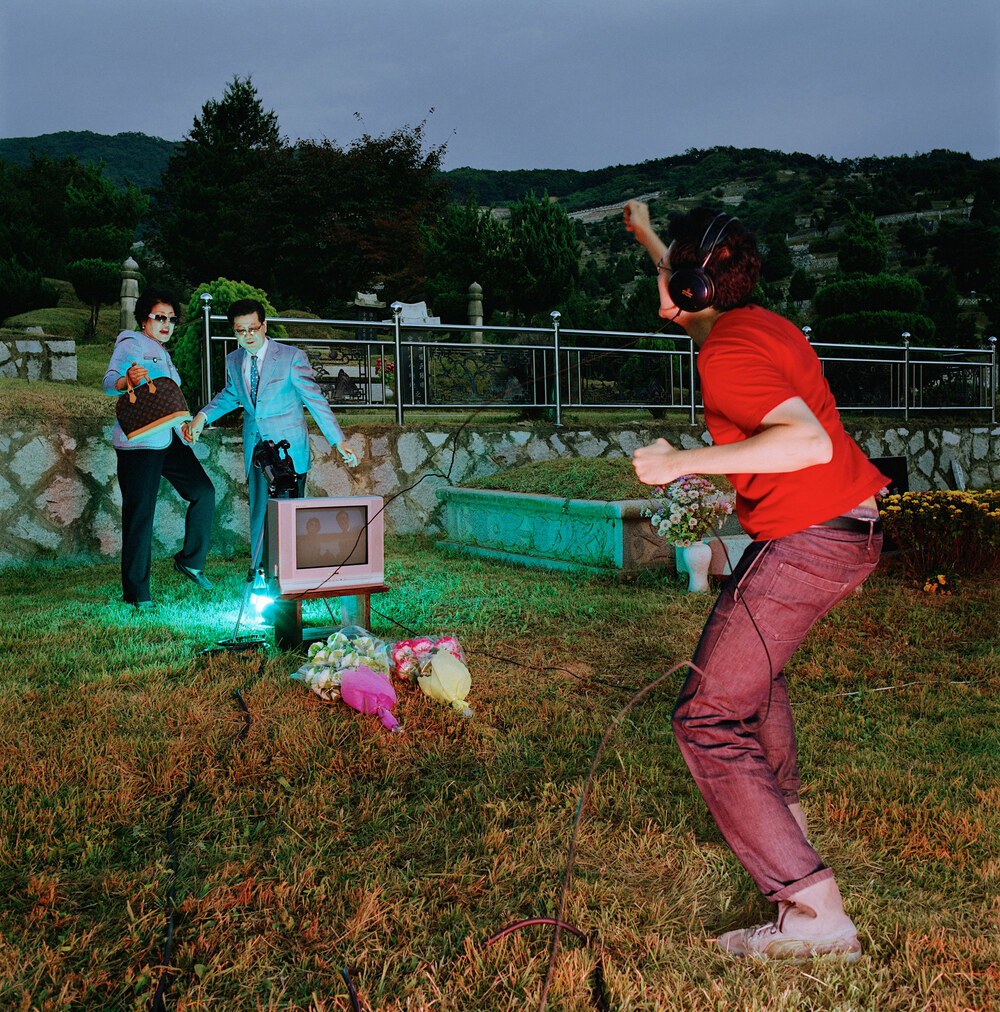
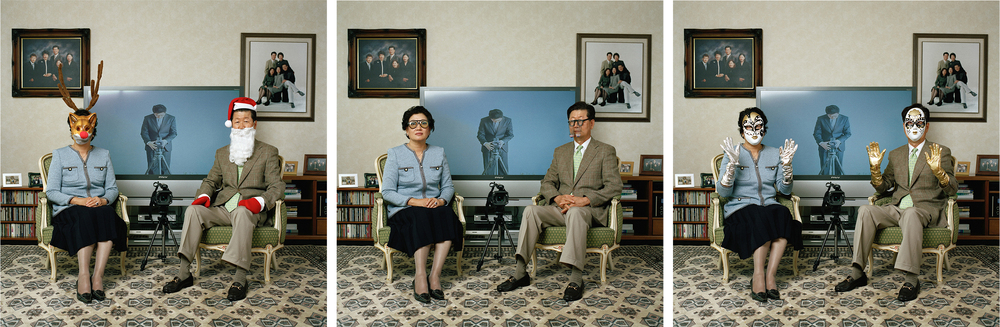
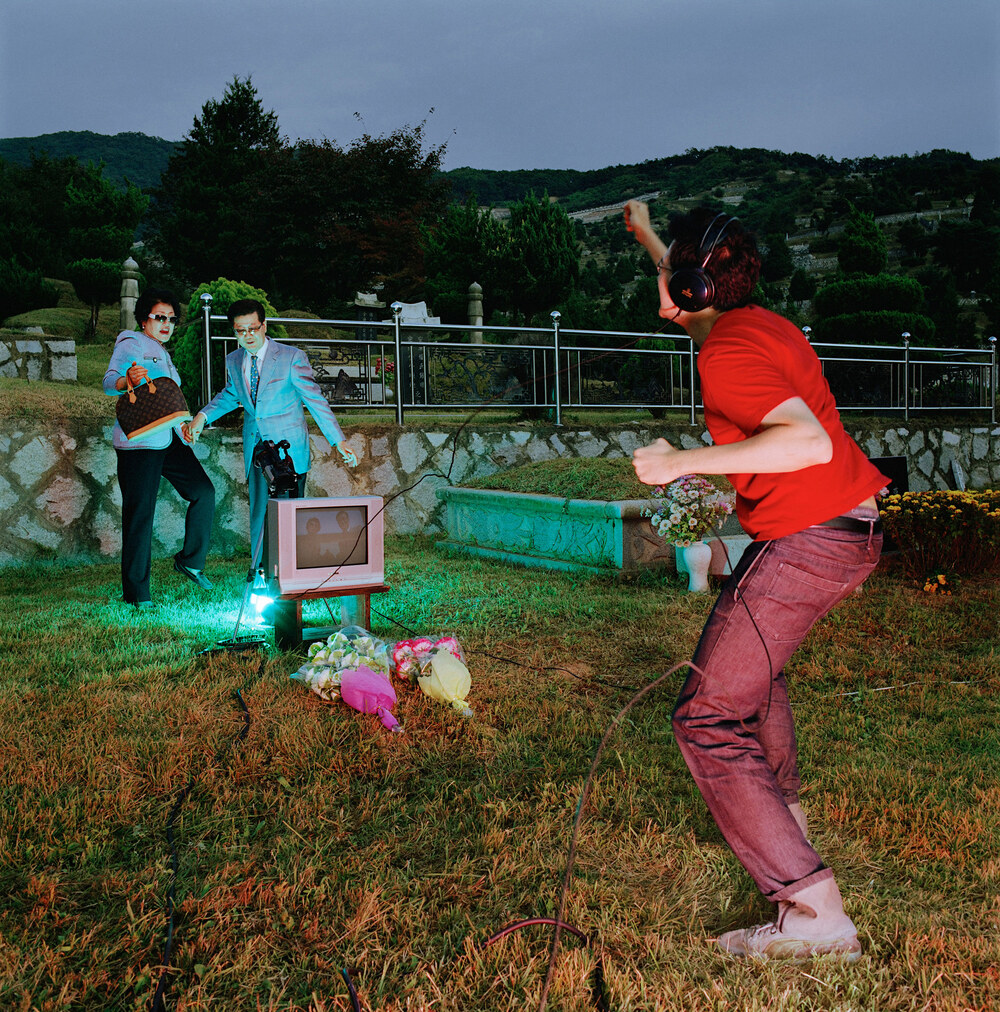
As a matter of fact, Ahn’s family have always been part of his photography. More recently, his wife and child have been placed in the frame; whereas before the main participants in Ahn’s work were his parents. Furthermore, in the majority of his works, the artist puts himself right in the center of his family. The location of the photographs revolves around the vicinity of his family’s life, from the living room, via the local playground, to his parents’ eventual grave sites.
Ahn’s focus on the relationship he has with his family reflects the conflicted thoughts and feeling he has towards the family unit, as both a source of comfort and pressure. His work reveals one of the difficulties at the heart of his life: on the one hand, he is extremely hostile towards patriarchal culture, which he experienced growing up (through the teachings and traditions passed down by his father) and, on the other, his self-criticism for becoming a father.
In the ‘Hanged Man’ series, the artist both criticizes his fatherly authority and parodies it himself. He lugs his sizeable body and tries to use recreational equipment in a playground to perform a handstand. However, rather than succeeding, he ends up looking ridiculous during his photograph.
Through the reversal of the scene in post-production, it seems as though the artist has been metaphorically “hanged”. In the vein of the usual tradition of ‘staged photography’, in which the artist himself is featured in the shoot to take a specific action or pose, what makes Ahn’s work stand out is the consistency of his theme and his sense of humor, which, in turn, lightens it.
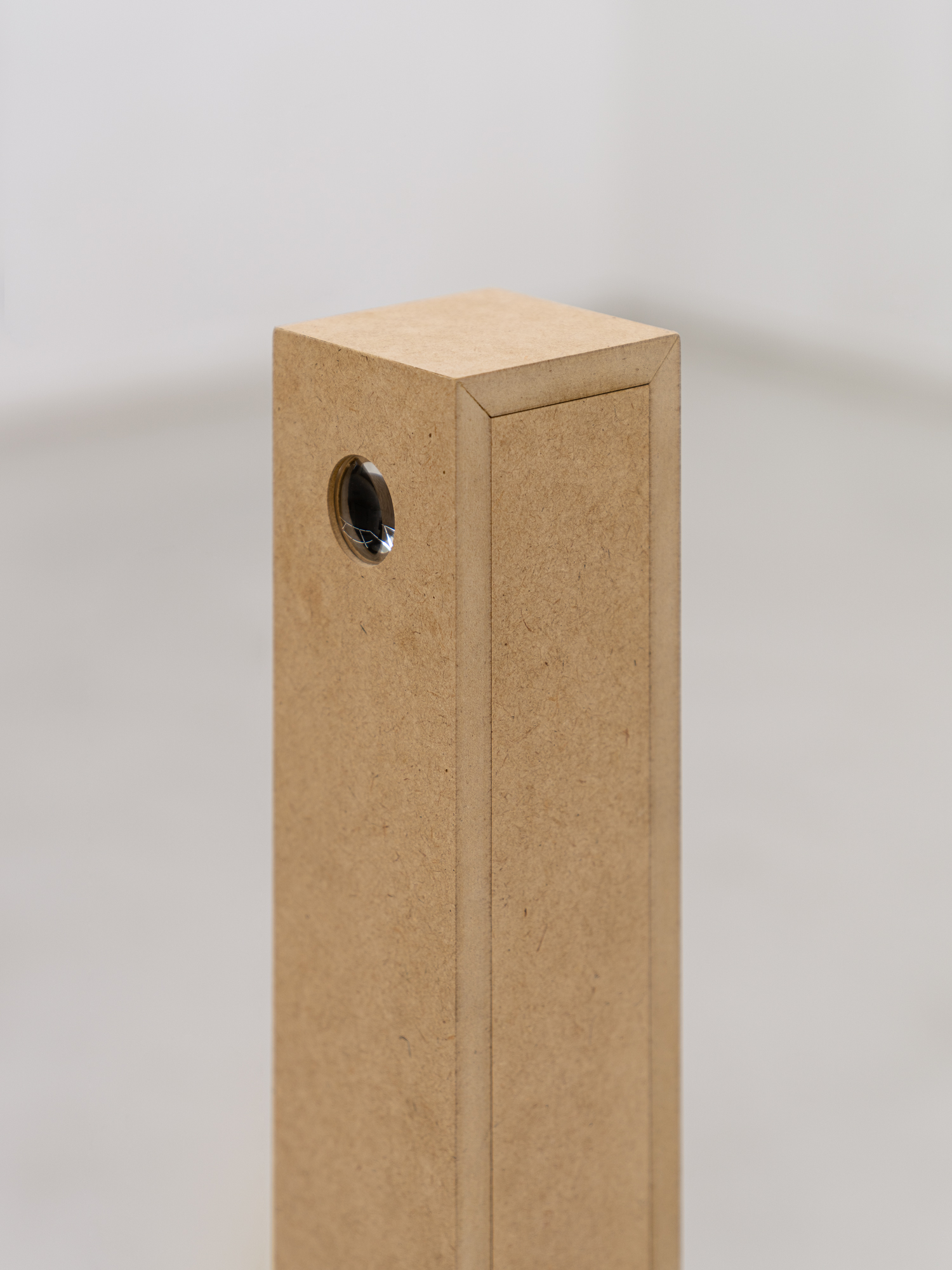
In addition, one of the most important elements in Ahn’s photographs is that he uses photography to comment on photography. The act of inverting the photograph in Hanged Man reminds us of the basic principles of the camera and photography. A camera is structured to allow light through a small hole (lenses) to illuminate an image on the opposite wall of the dark room (camera obscura) and, due to the property of light that travels in a straight line, the illumination is a reversed image, in which left and right and up and down are inverted.
As such, we could describe the photograph as an imprinted and fixed positive of the camera’s reversed negative. In Hanged Man, the artist goes through the trouble of reversing the image of himself hanging upside down, in order to bring chaos onto the screen and, in doing so, make the audience realize that the image which appears in the camera is the original reversed image and what the audience is seeing in the picture is the actual image captured by the camera.
It is also intended to parody patriarchal authority and to simultaneously nullify the absolute power of the camera’s gaze. Going a step further, rather than merely becoming the subject by transferring the power of the photographer as a principal agent to capture a subject from behind the camera to another, he reverses the completed scene to create an unforeseen and inadvertent scene.
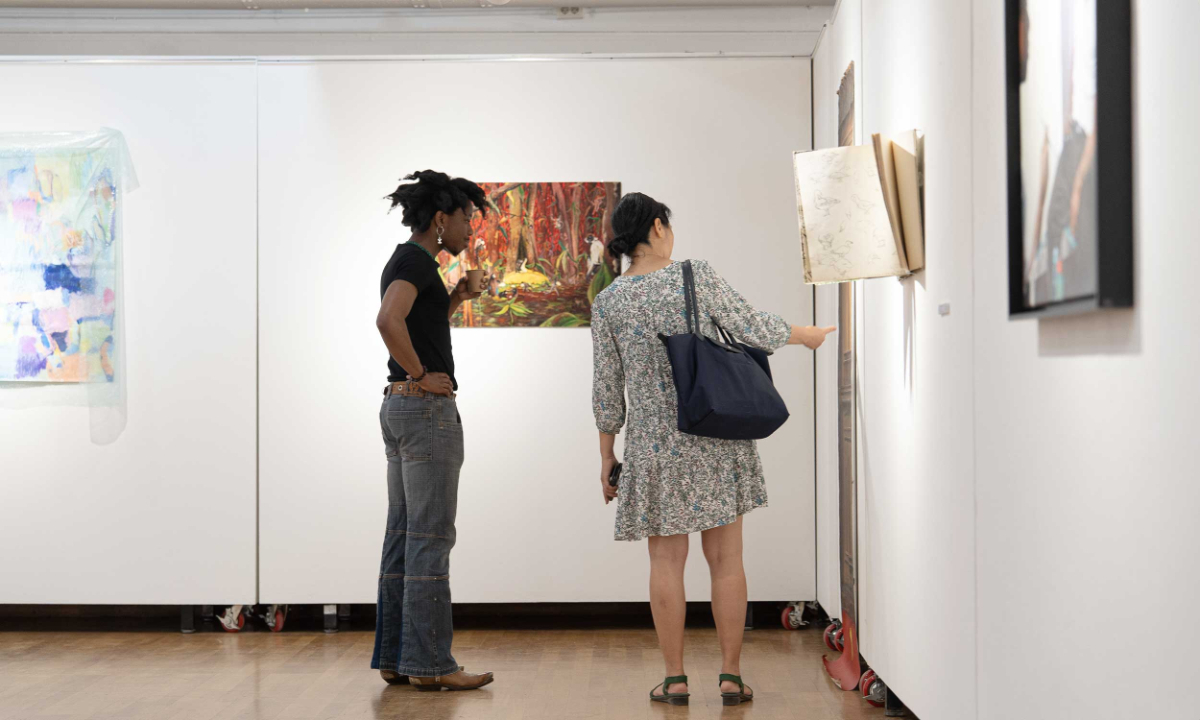
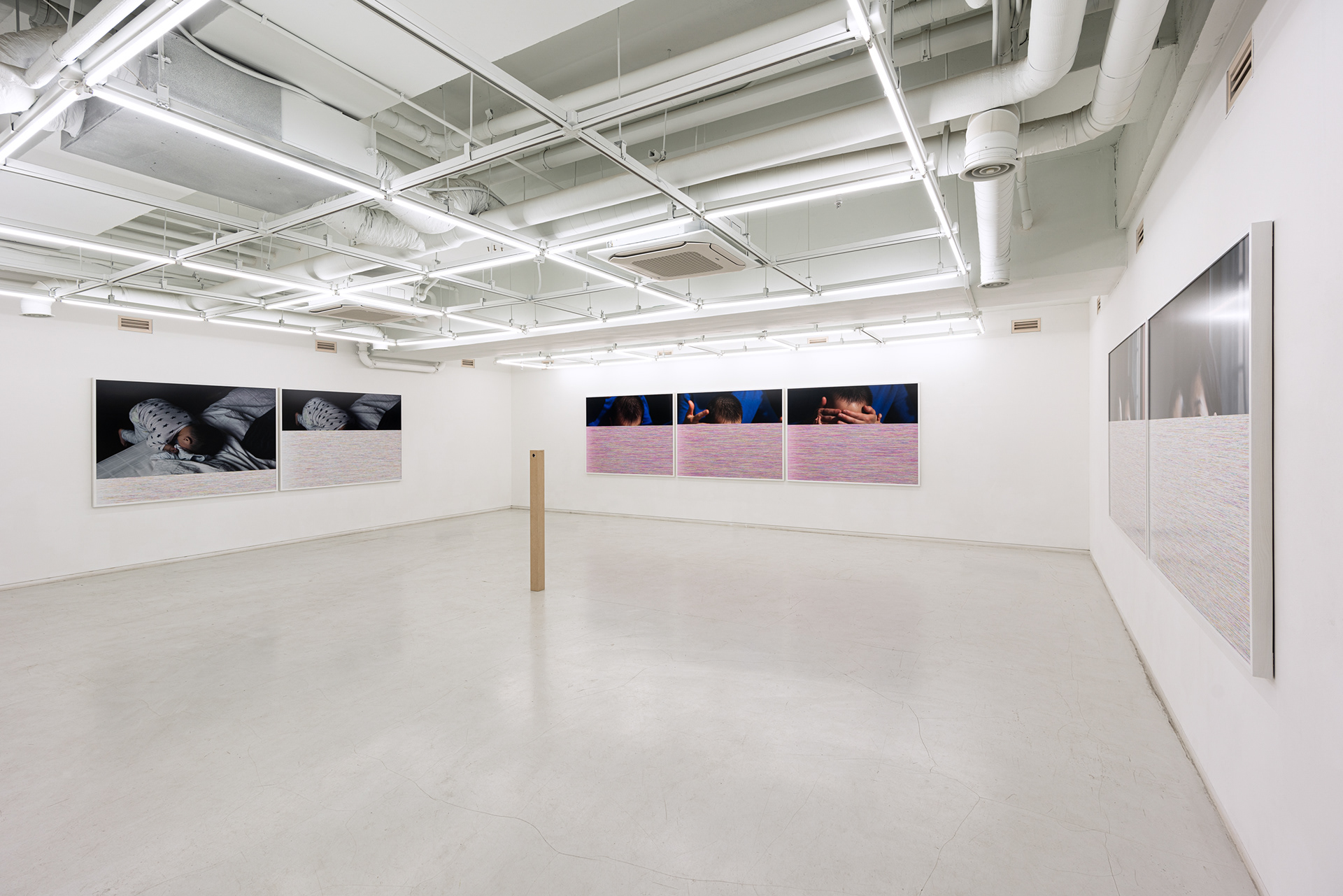
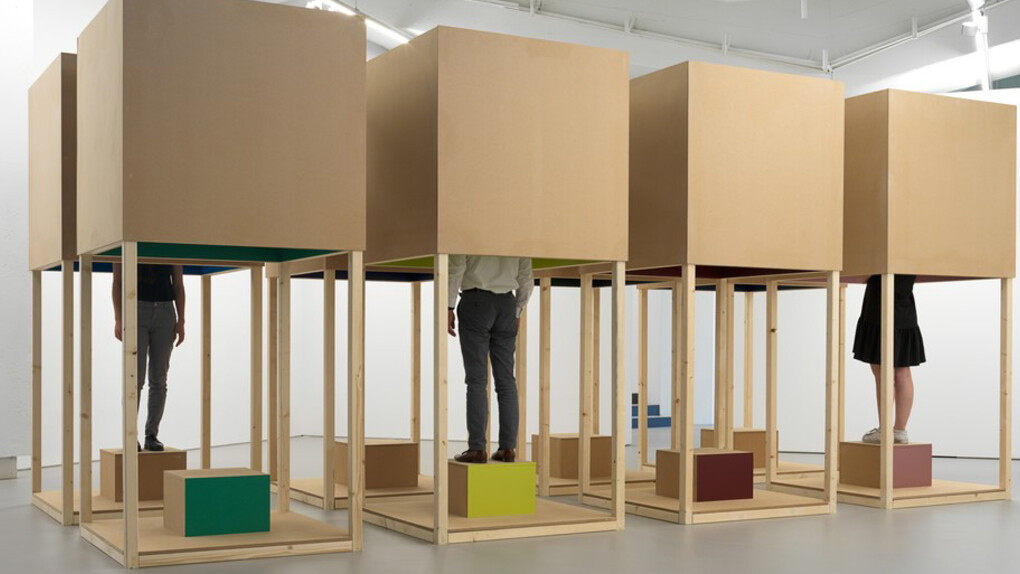
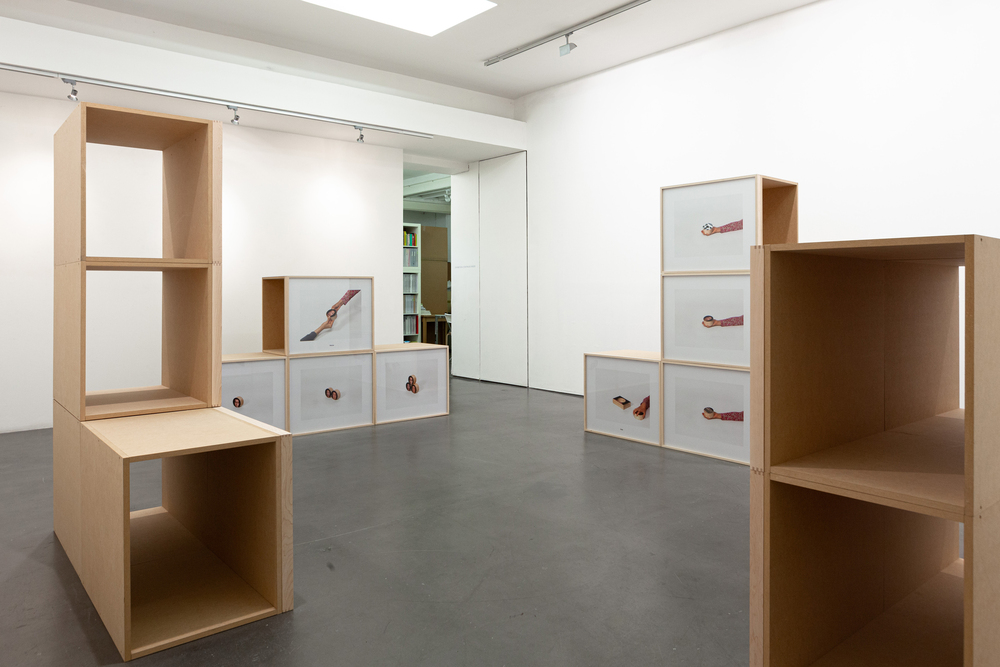
This whole process is meticulously planned by the artist. And this meticulousness extends to how the photographs are displayed. Beyond the form and content discussed earlier, the intention of the artist is evident in the effective presentation of the images and in the display method he employs. Ahn decides to exhibit the photographs, which were themselves taken in a local playground, in a playground.
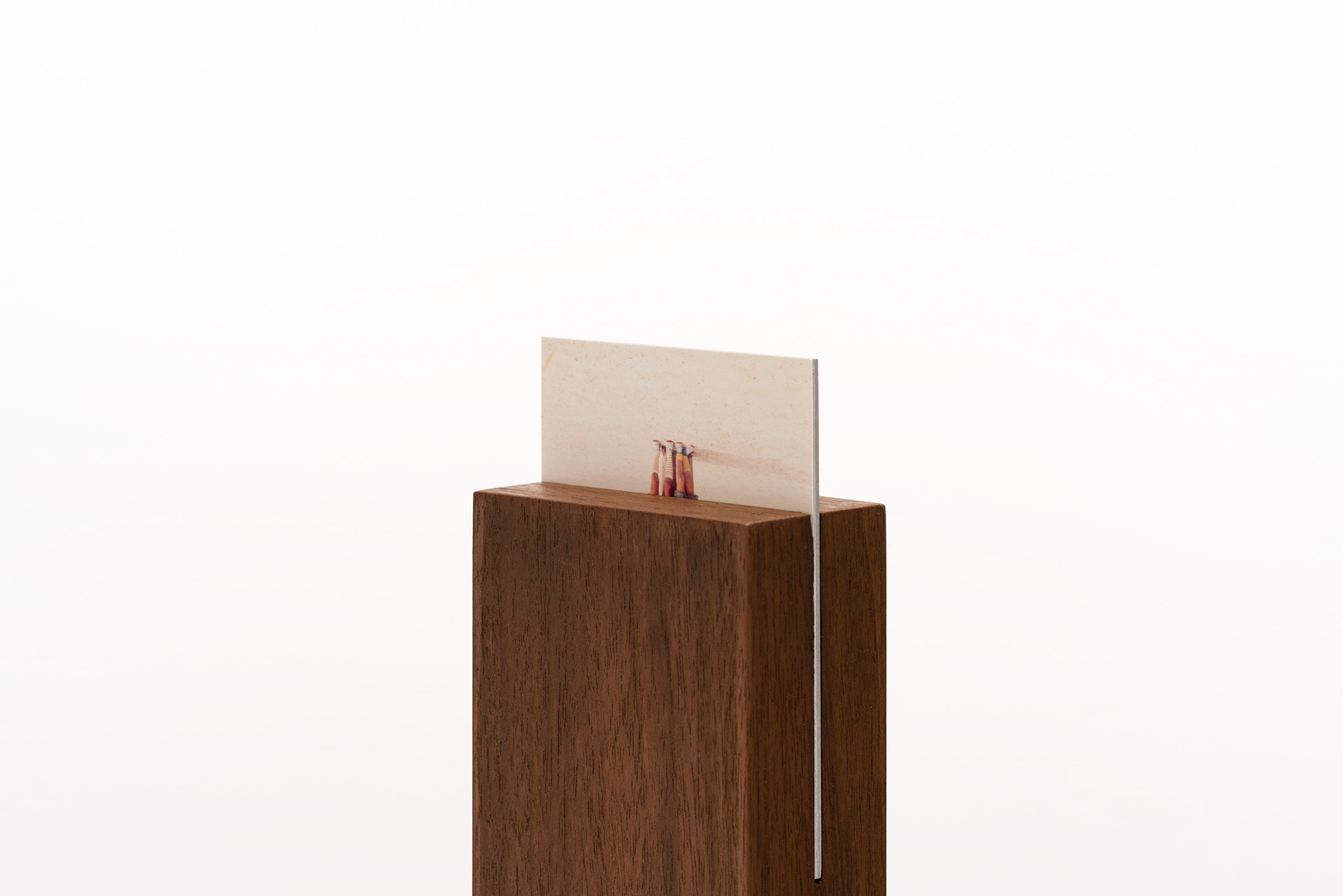
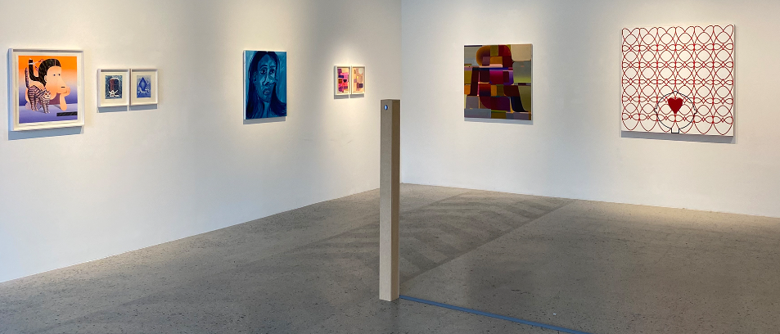
In order to view the photographs that are hung on an exhibition wall built by the artist, the audience must enter into the space of the playground, which is only open for a limited number of hours on weekends, and climb up its devices. Not only that, each of the photographs installed on the exhibition wall contains an unusual framing structure within the image.
He does this instead of using the more typical framing method of wrapping the mount around the edge of the image with white paper, putting the glass at the front, and retrofitting the frame’s mold to emphasize the photographic image. During the post-production process on his computer, the artist has used particular colors that were extracted from each of the images – from clothing or playground apparatus, for example – to frame the image and serve as its mount.
As a result, the audience, encountering the photographs after having struggled to come into the exhibition space, encounters a further barrier: the main content of the images is dominated by the color border, which they must negotiate before considering the image. However, the arranged color of the mount, rather than obstructing the viewing, in fact increases the enjoyment of the experience.
Eventually, the viewer is able to examine and alternate between the color of the mount and several elements in the photograph, in a playful way. As described, the artist has not only thoroughly planned the location, material, theme and characteristics of the photographs but also the presentation method of the image and exhibition venue, threading them together into a single inquiry.
Consequently, through its light and humorous form and its new method of presentation, the rather heavy subject and content of the Hanged Man is presented as more than simple photography. Most seriously, yet most jubilantly.