Ahn’s
practice begins with staged photography, but he has consistently treated not
only the photographed image but also the camera’s operating principles, the
production process, and the space in which photographs are displayed as
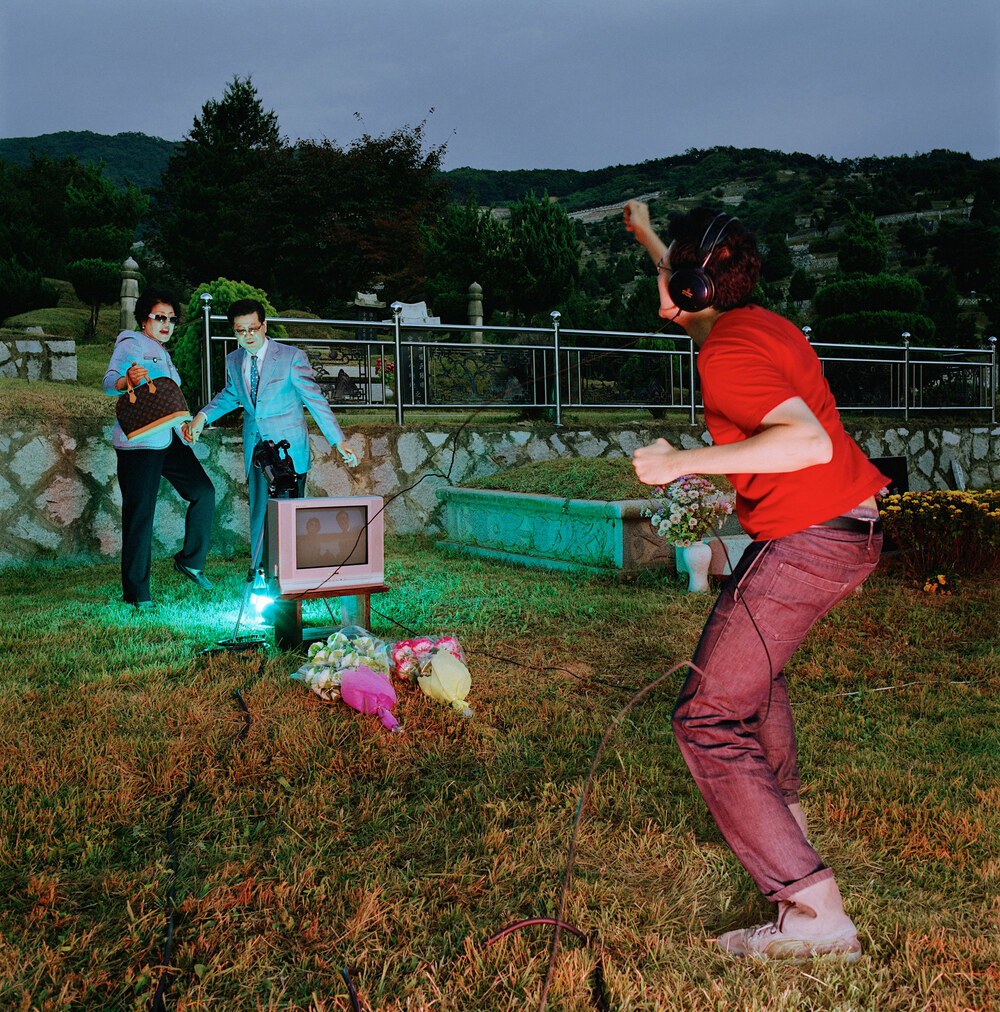
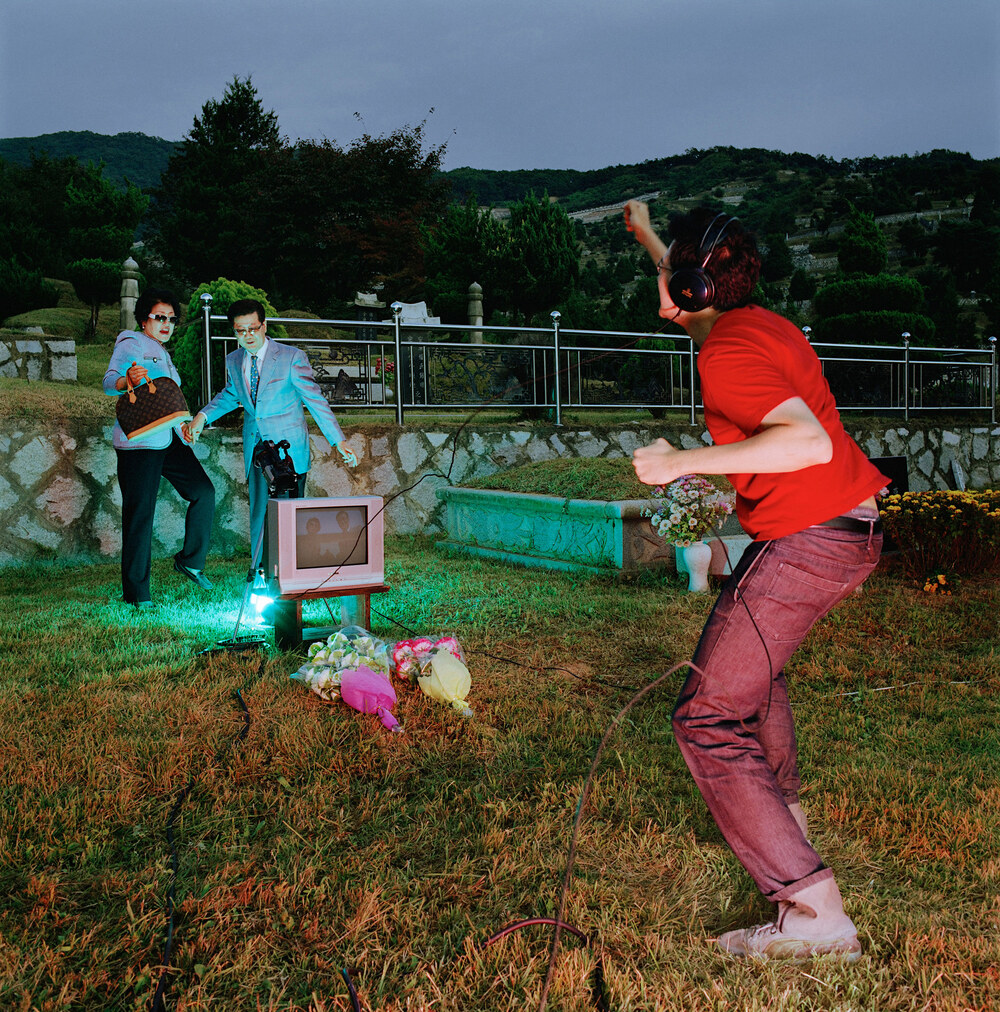
integral components of his work. In Dance Dance Dance #2
(2006), his parents pose in front of the camera while Ahn dances as he watches
a monitor, leaving photographic equipment and electrical cables visible within
the frame.
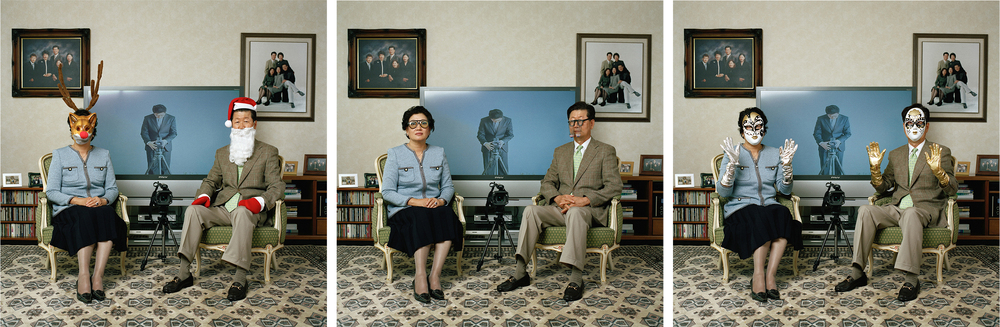
In ‘Masquerade’, the masks worn by his parents appear alongside a
television monitor and camera, exposing the structures through which
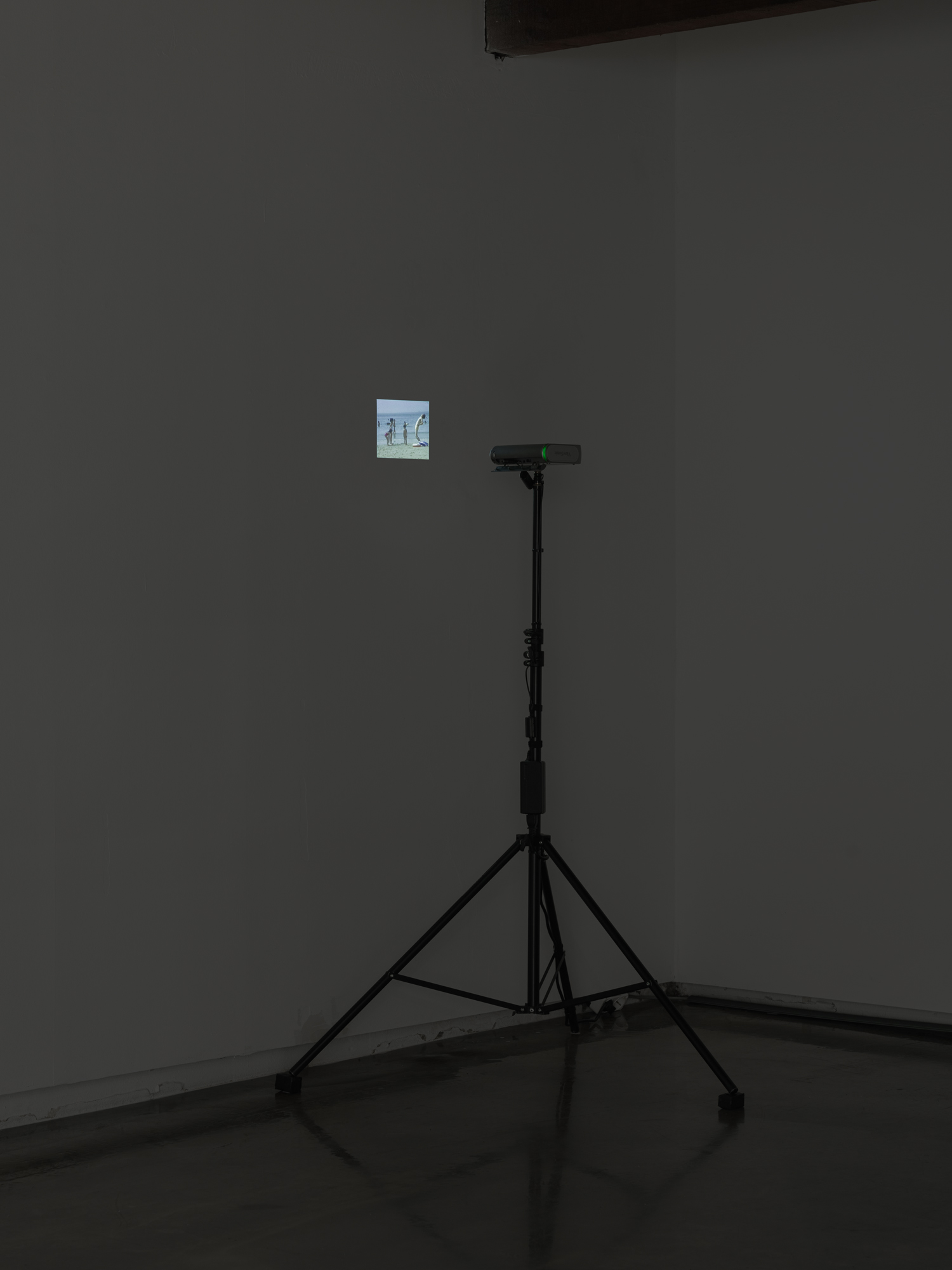
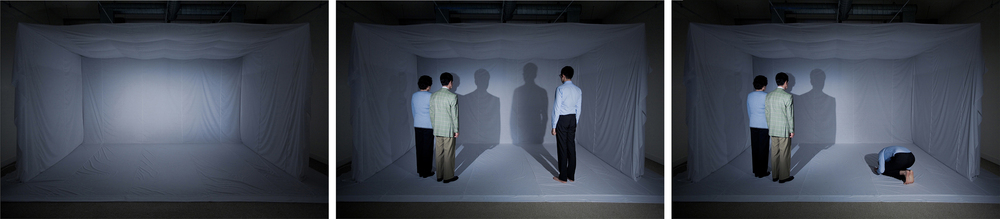
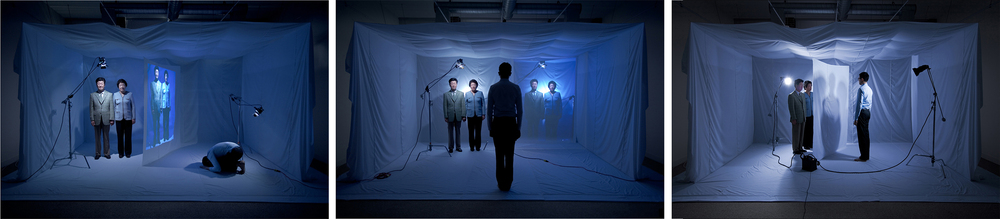
photographs are produced. This approach becomes more complex in ‘Encave’. Ahn
constructs a stage using white fabric and employs shadows and digital
projections to present actual figures alongside their projected images.
In Encave
#1, #2, #3 (2010) and Encave #13, #15, #14 (2010),
figures, equipment, and surrounding space coexist within a single scene,
blurring the distinctions between photographer and subject, reality and
illusion. Photography thus becomes both the final image of a staged scene and a
medium that encourages viewers to examine the apparatus responsible for
creating it.
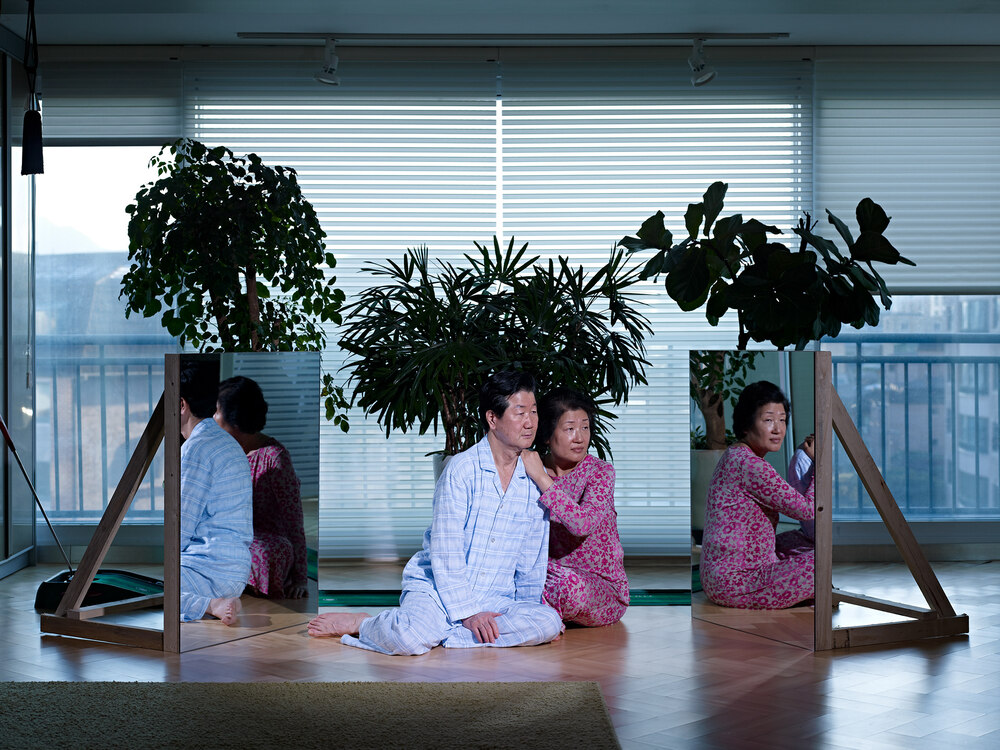
In ‘Villa
of the Mysteries’, Ahn expands the spatial possibilities of photographic images
by dividing and reflecting the human body and face, or combining photographs
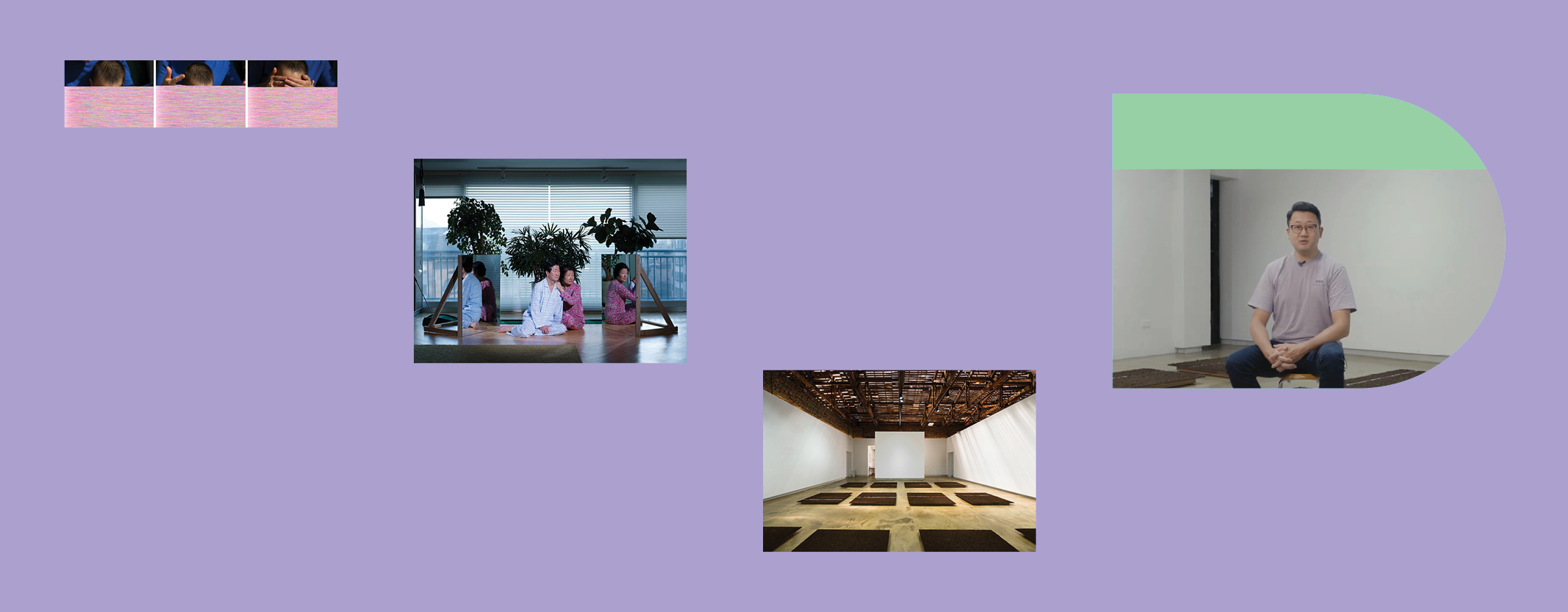
with physical structures. Works such as Gazing #2 (2012),
where is dad (2012), and where is mom
(2012) employ mirrors, digital projections, aluminum, and three-dimensional
structures to repeat images of his parents or position them within physical
space. Through these methods, his parents’ faces become not only photographic
records of their appearances but also sites where memories have accumulated
over time.
This formal exploration develops into the combination of still-life
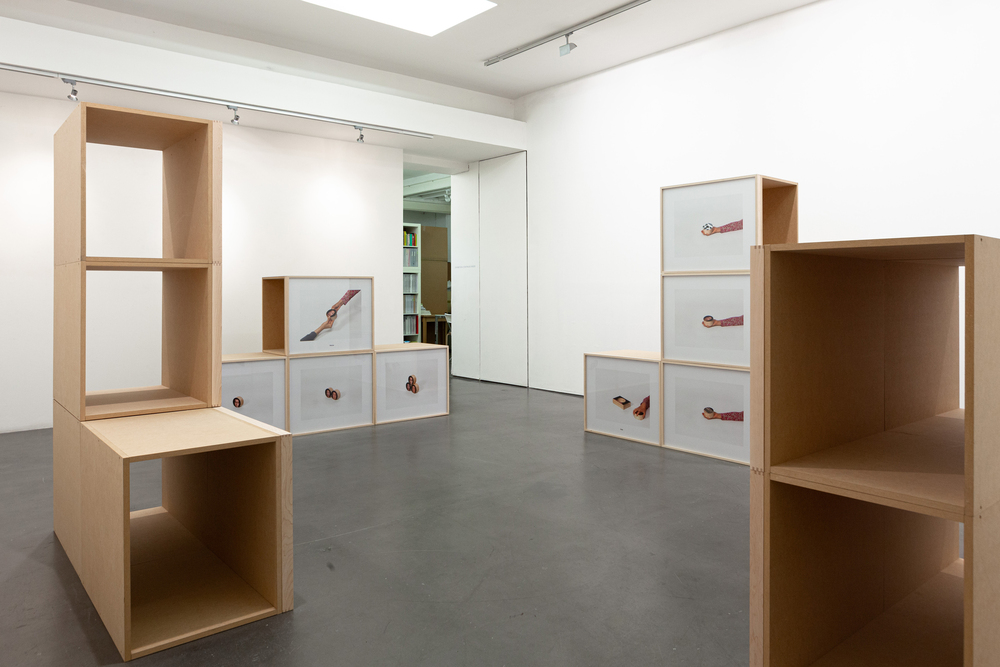
photography and objects in 《Three Faces,
Two Places, One Device》. Conspiracy
(2014) superimposes images of the living room and burial plot onto his parents’
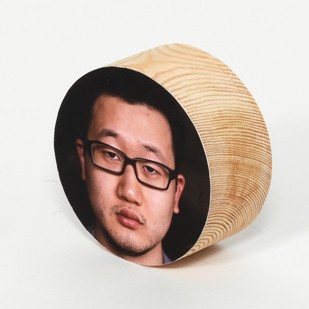
faces, while Button (2014) and Cord
(2014) visualize connections between generations through actions such as making
holes in wooden objects bearing photographs of faces and places or joining
hands through them.
By translating complex familial relationships into small
objects and gestures reminiscent of children’s toys, Ahn introduces a playful
sensibility into the weighty concerns of his earlier works.
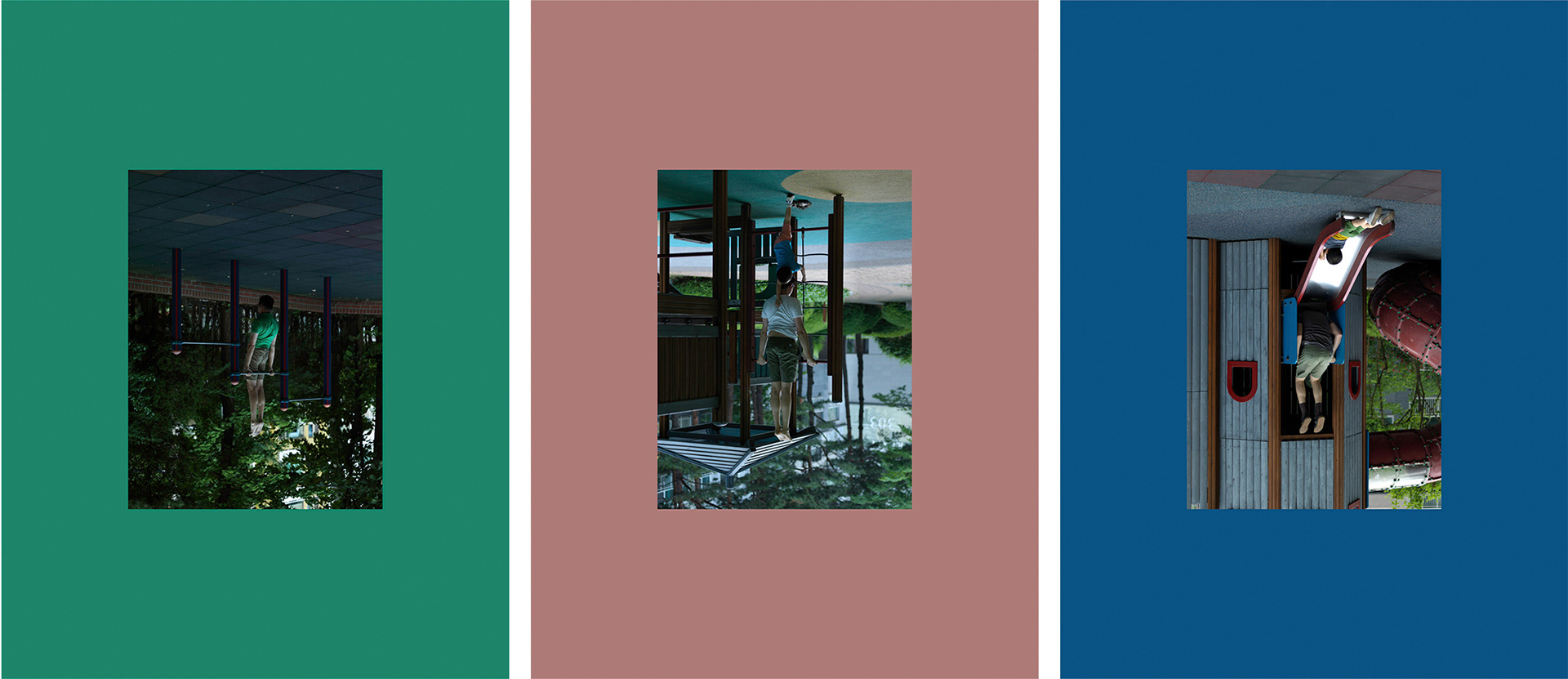
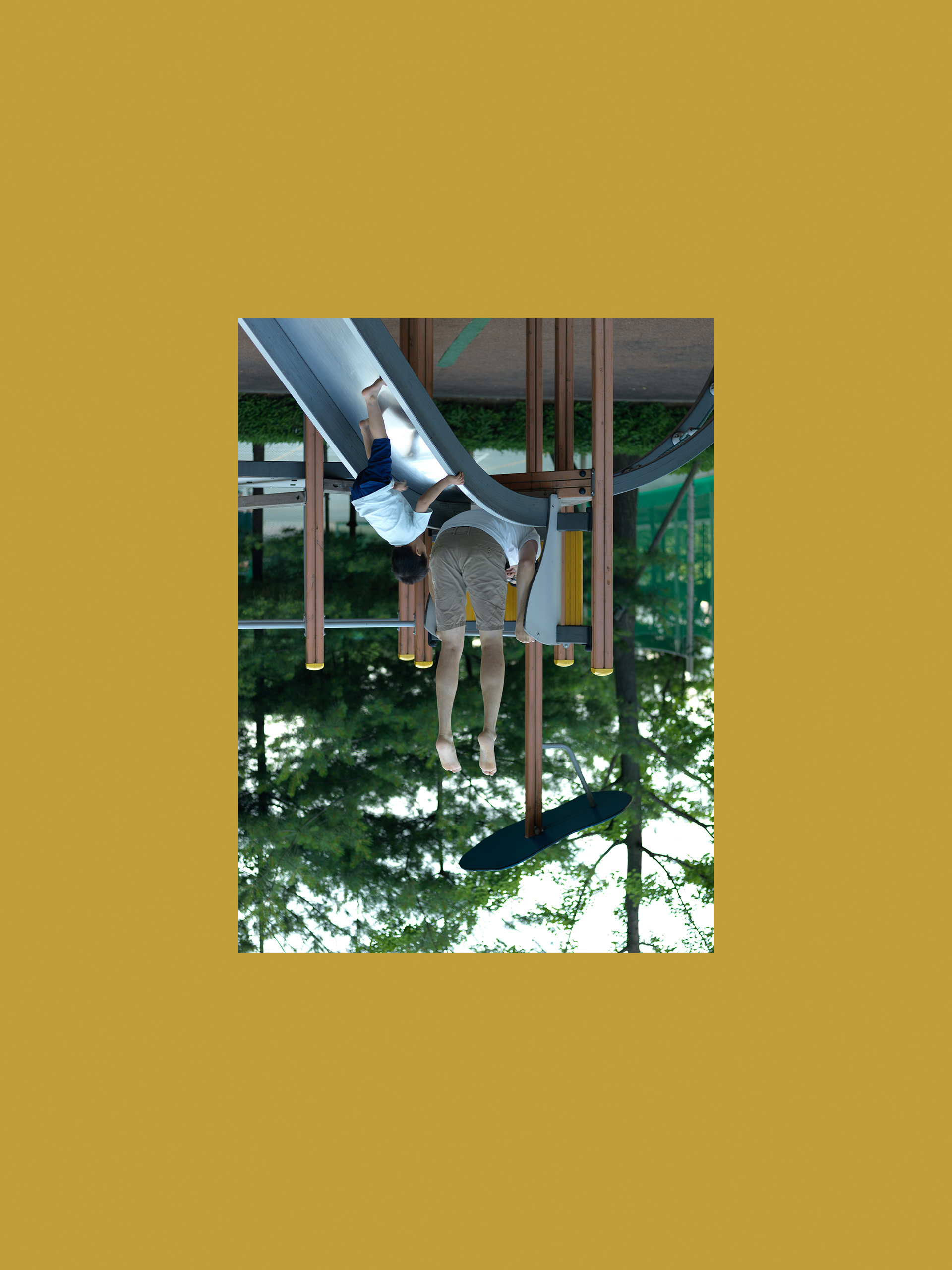
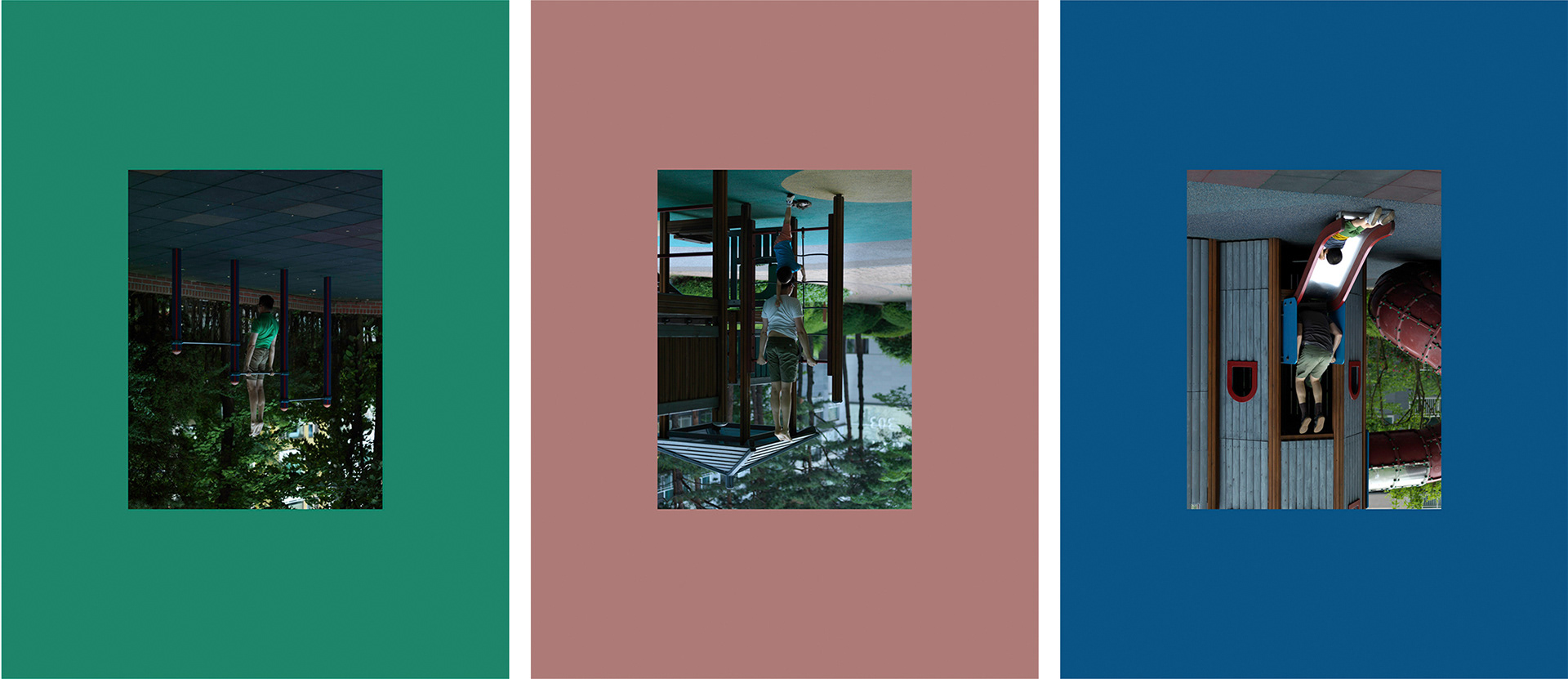
In ‘Hanged
Man’, Ahn extends his staging beyond the photographic process to encompass the
viewer’s experience of the artwork. He asks his wife to take the photographs
while he performs handstands or hangs from playground equipment. He then
inverts the images again, revealing the optical principle by which images are
formed upside down inside a camera and disrupting the viewer’s familiar sense
of photographic orientation.
In Hanged Man #1, #4, #5 (2016)
and Hanged Man #11 (2016), these physical actions
simultaneously caricature patriarchal authority and overturn the established
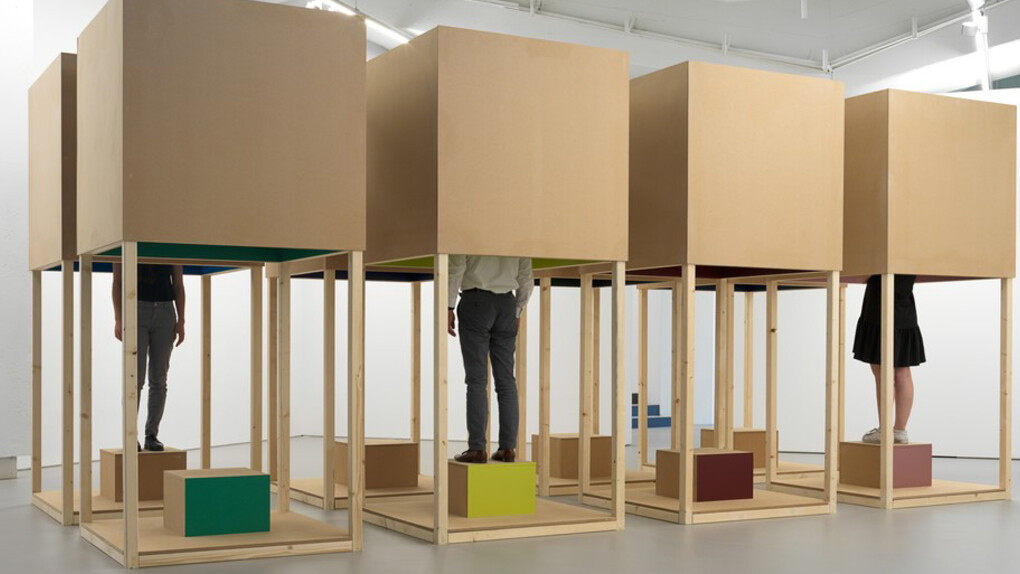
order of photographic representation. For 《Hanged Man》(Seoul Kindergarten, Seoul,
2016), Ahn installed temporary walls at a playground, requiring visitors to
climb onto playground equipment to view the photographs.
In the subsequent solo
exhibition of the same title at Efremidis Gallery in Berlin (2019), visitors
likewise had to enter wooden structures and step onto platforms to see the
images. In contrast to this deliberate staging, mechanical errors generate new
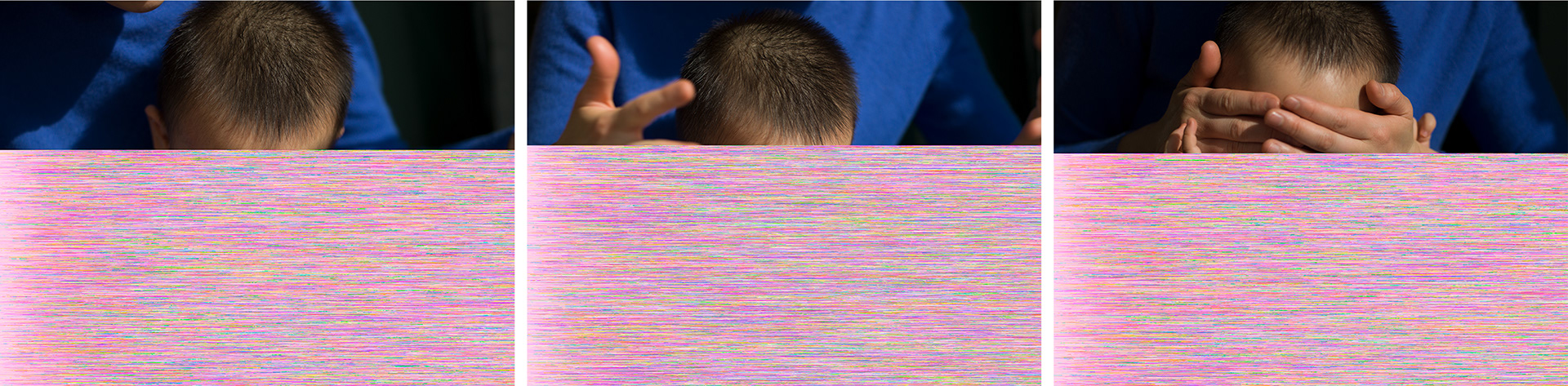
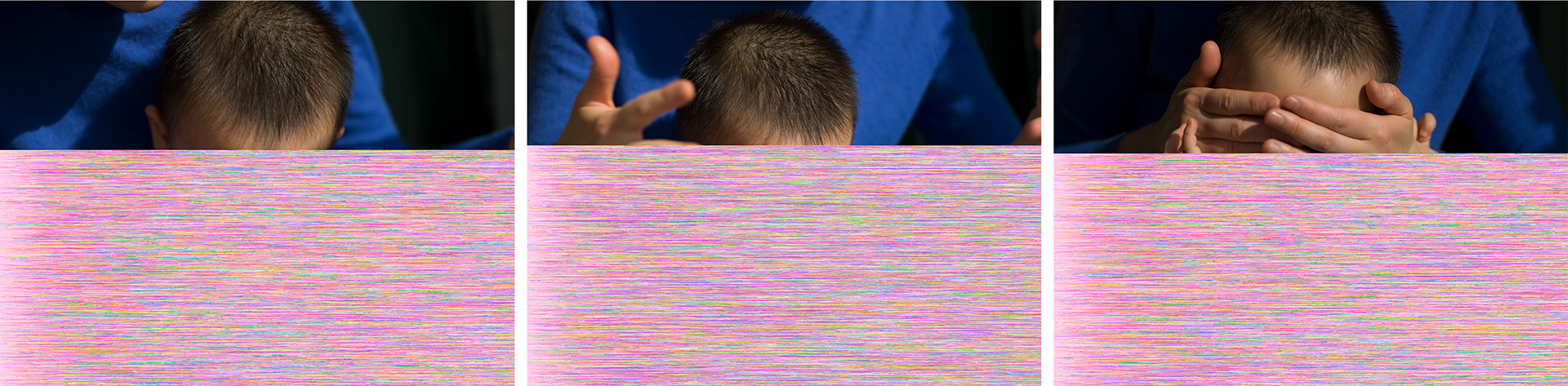
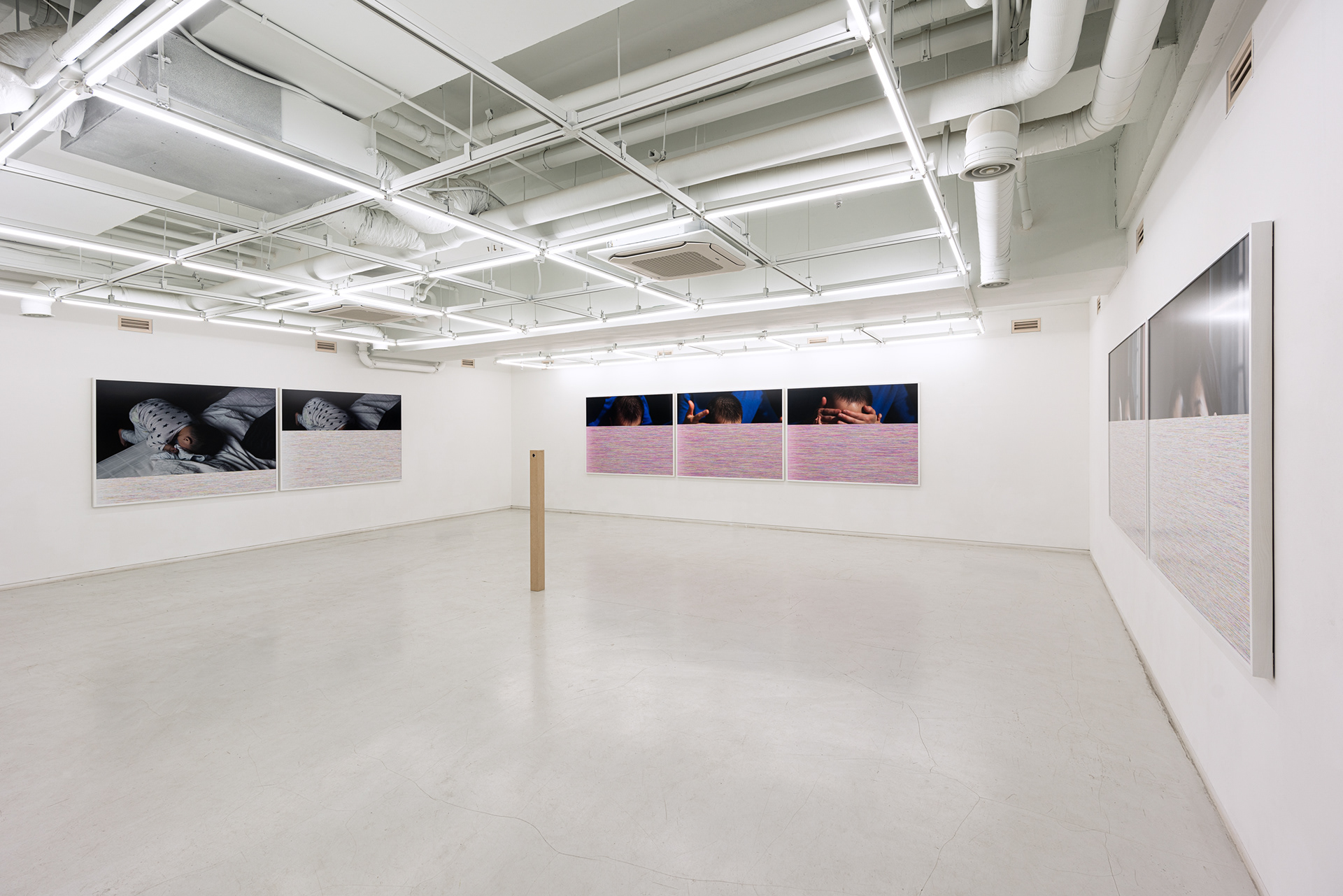
forms in 《Slice》. By printing
partially fragmented photographs such as 20150208 #7 (2018)
without attempting to restore them, Ahn incorporates digital data corruption
itself into the formal structure of his work.
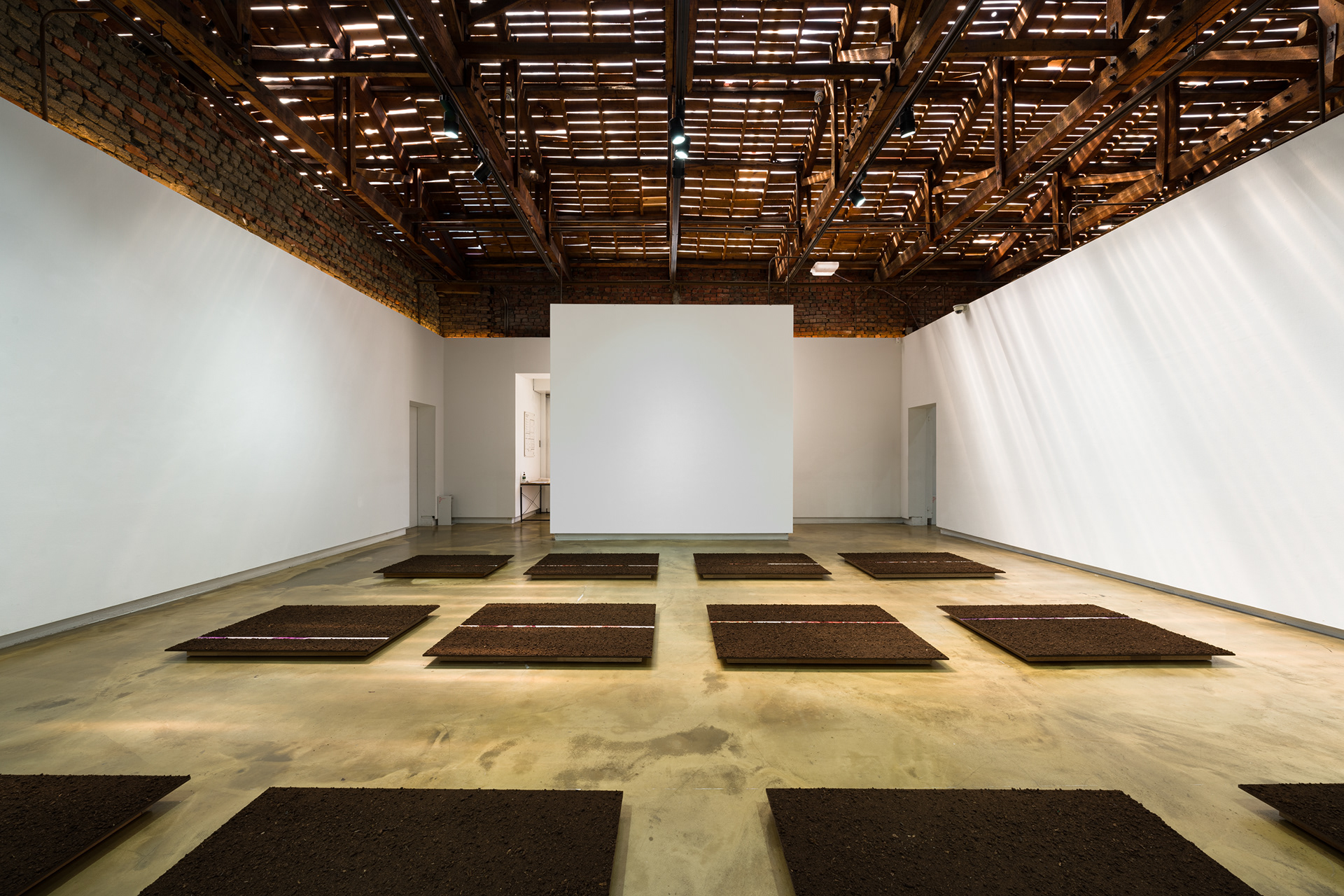
In 《Permanent Vacation》, the physical
concealment and cutting of photographs become central methods of production.
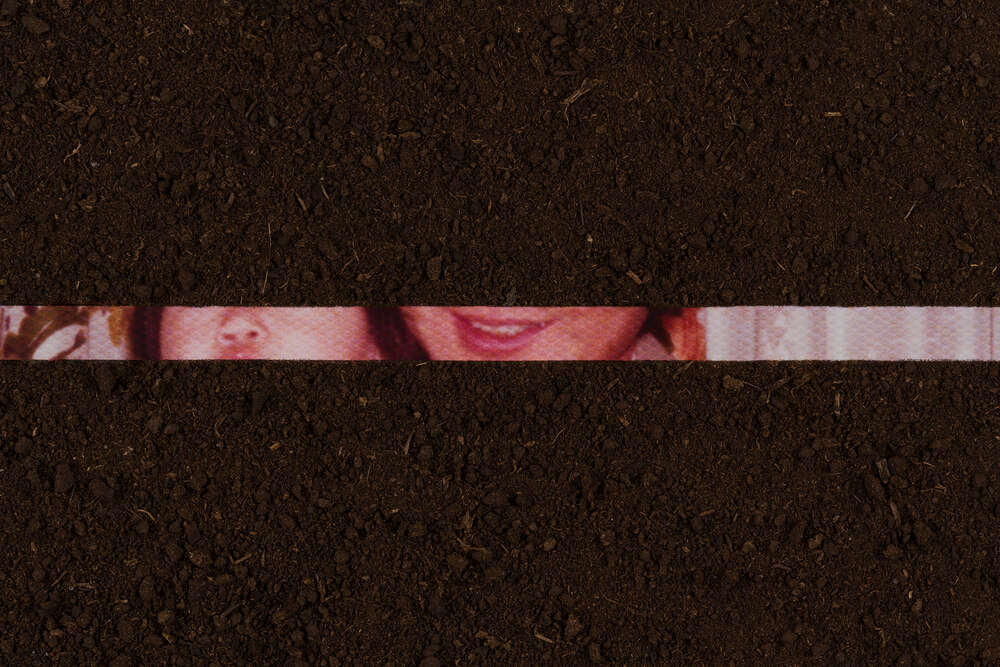
Permanent Smiles #1 (2022) covers a family photograph with
soil, leaving only a narrow area around the mouth visible and rendering the
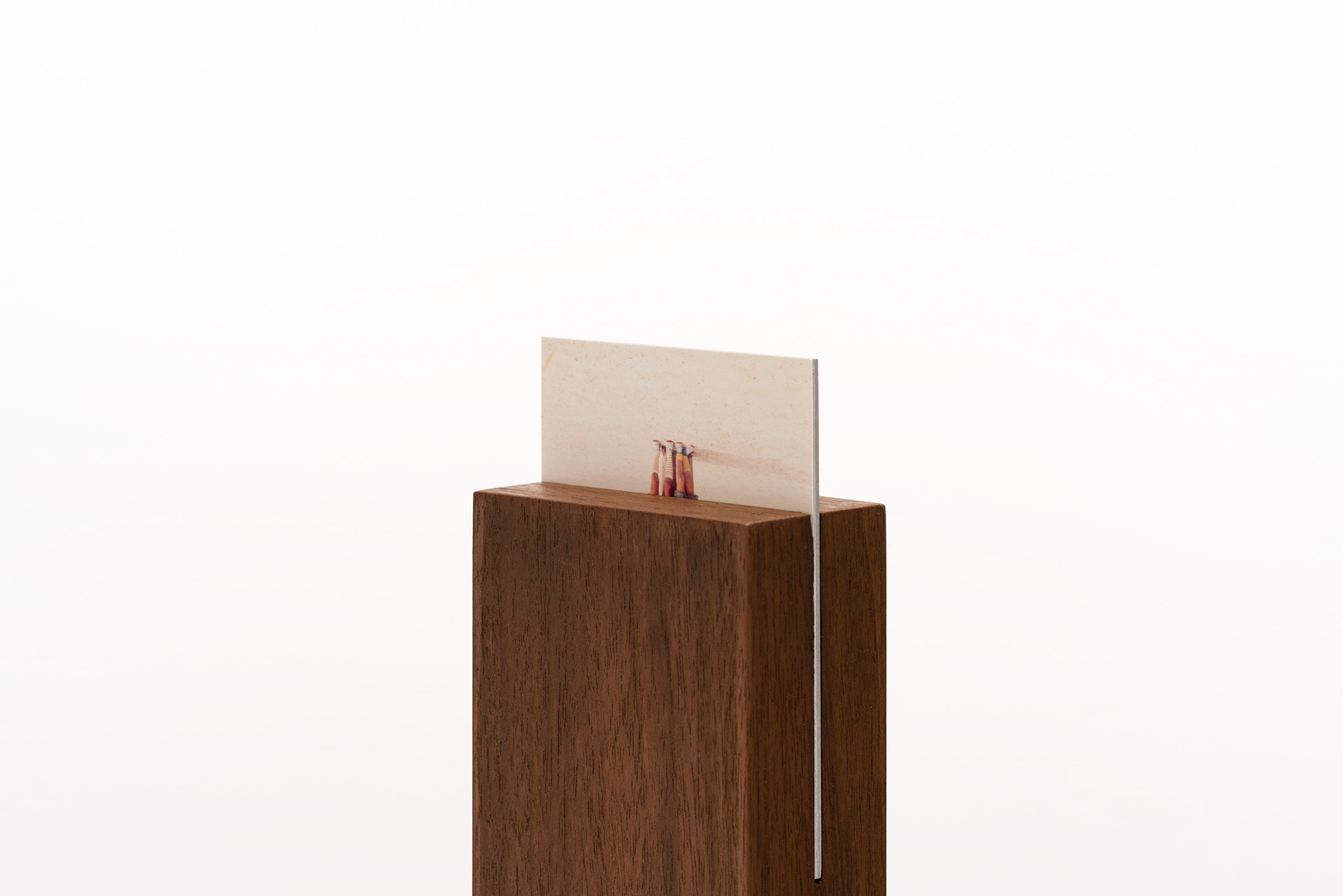
meaning of the smile ambiguous. Permanent Legs #5 (2022)
features an inverted photograph of a person standing at attention, mounted on a
thin aluminum plate and sharply inserted into a wooden panel to create the
illusion of a severed body.
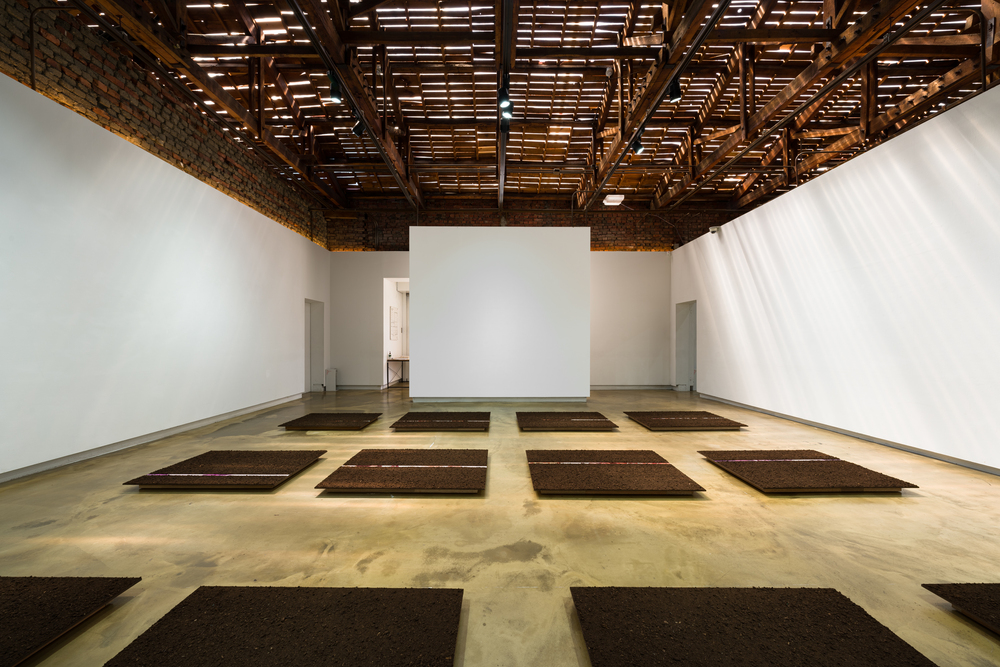
Within the exhibition, these works are arranged in
forms reminiscent of gravestones and burial sites, connecting the stillness of
photographic images with the presence of death. By contrast,
Untitled (2022), presented in the same exhibition, and the
subsequently developed ‘This’ (2022–) series suggest a different direction. Ahn
photographs subjects encountered in everyday life, incorporates LED lighting
that cuts across the images, and stacks multiple photographs vertically so that
the lines of light form a continuous sequence.
Whereas earlier acts of cutting
removed parts of images and suggested a break with the past, the light in these
works divides the photographic surface while evoking possibilities beyond it.
Although Ahn retains the formal language of fragmentation and division
developed in his previous works, his subjects and interests begin to shift from
the family’s past toward the experiences of everyday life in the present.