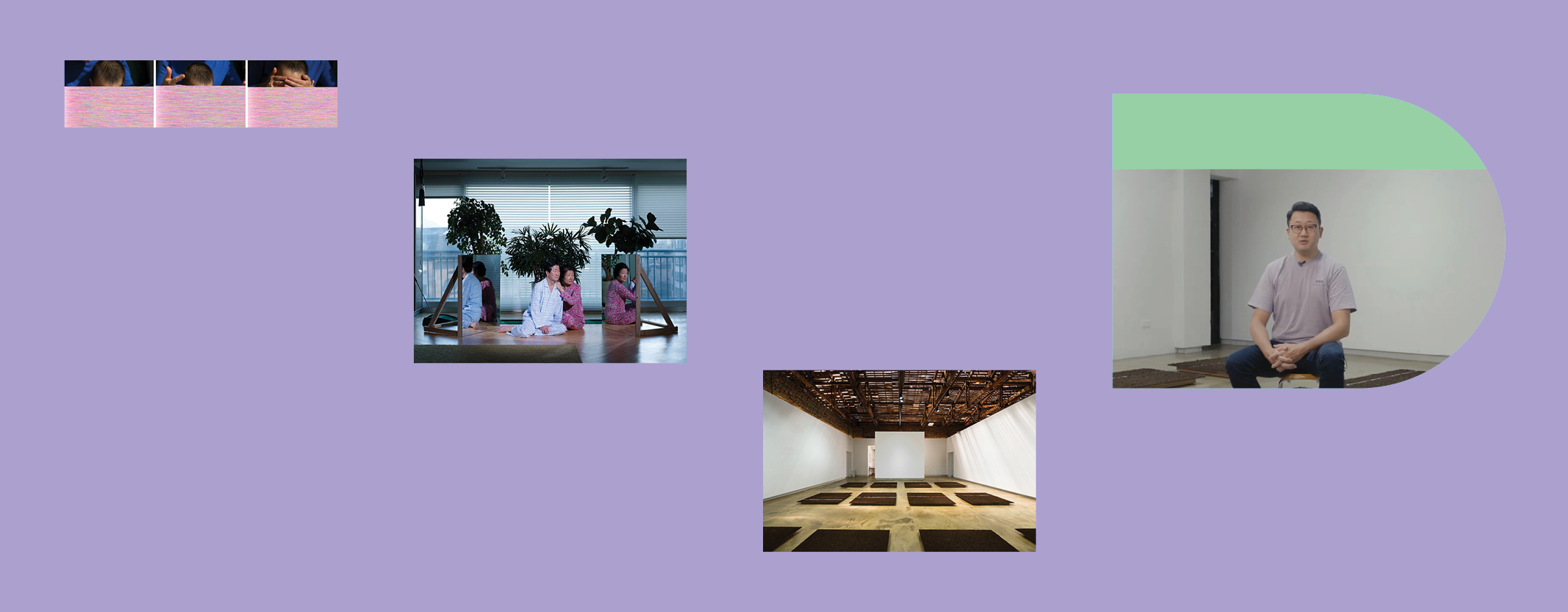
Jinkyun Ahn (b. 1983) has developed a range of experimental works through an exploration of reproducibility as an intrinsic property of the photographic medium. The artist draws a metaphorical parallel between photography’s reproducibility and the resemblance between parents and children.


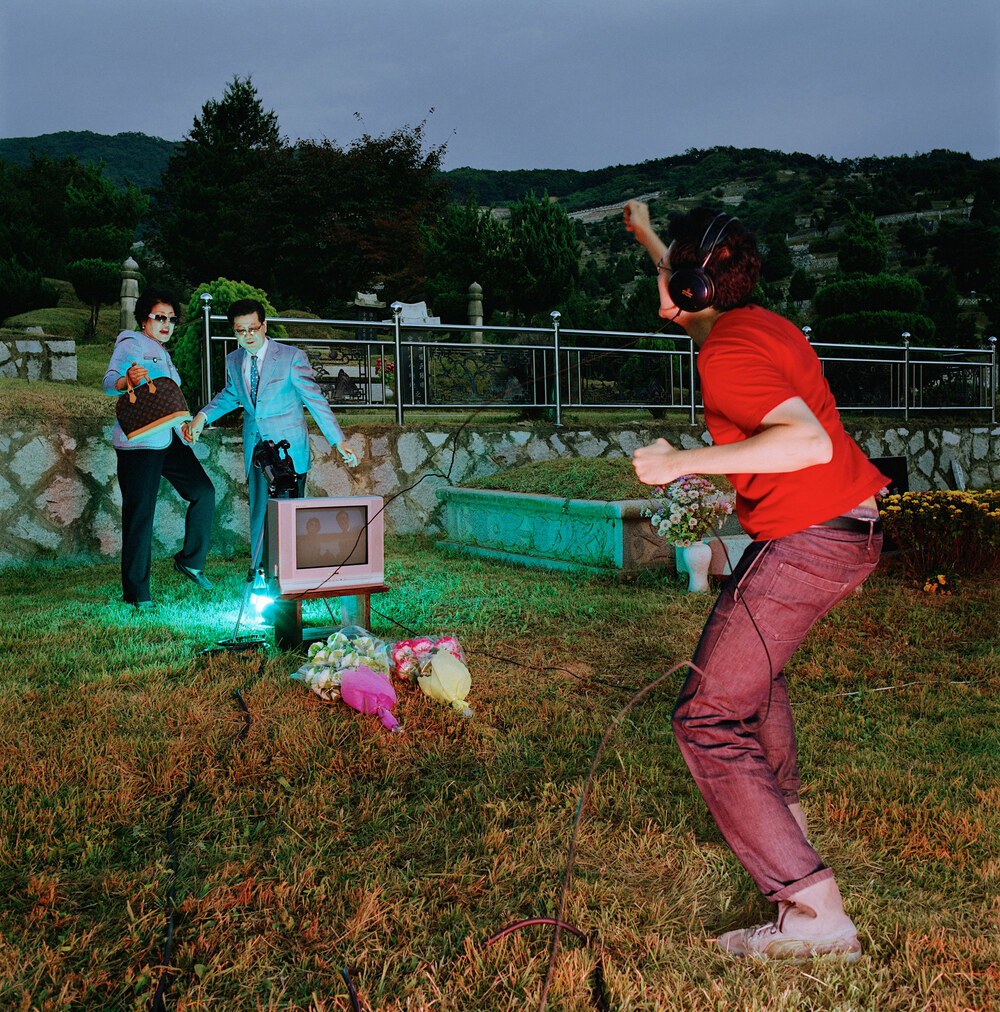
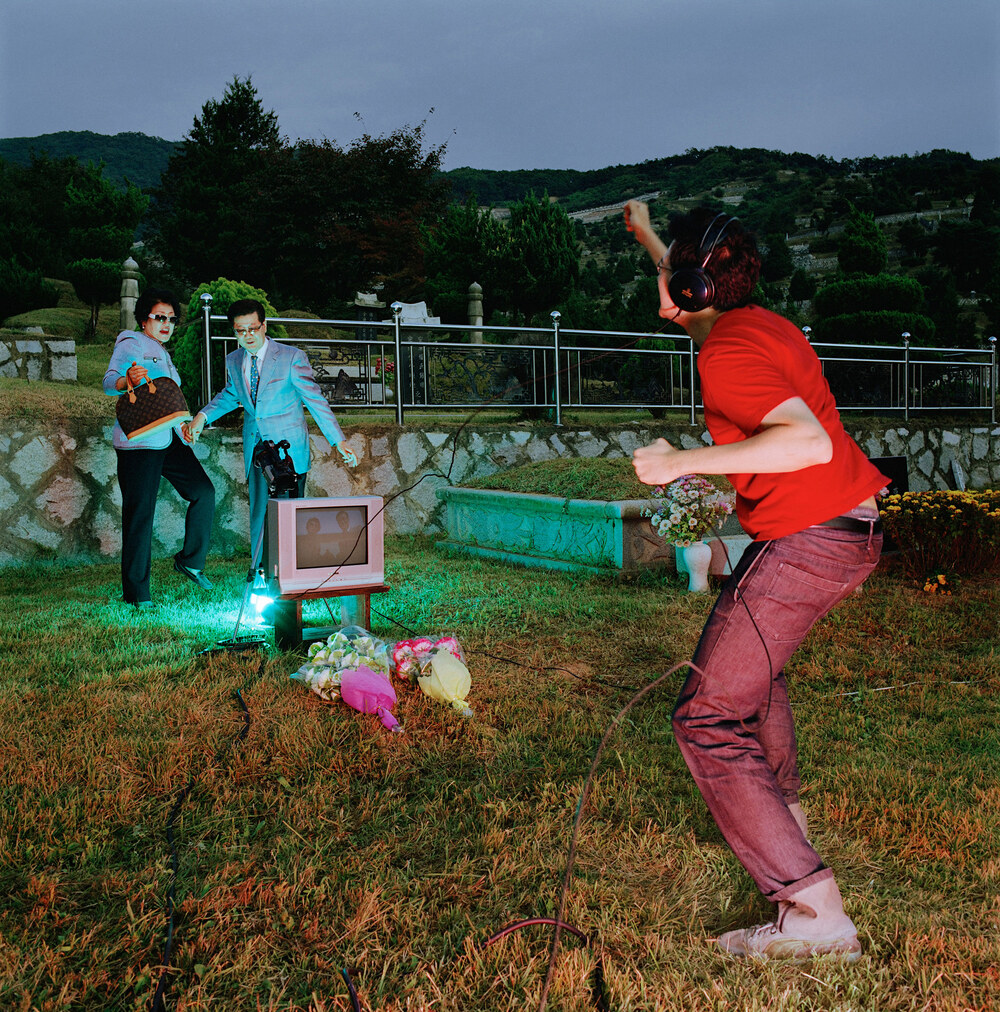
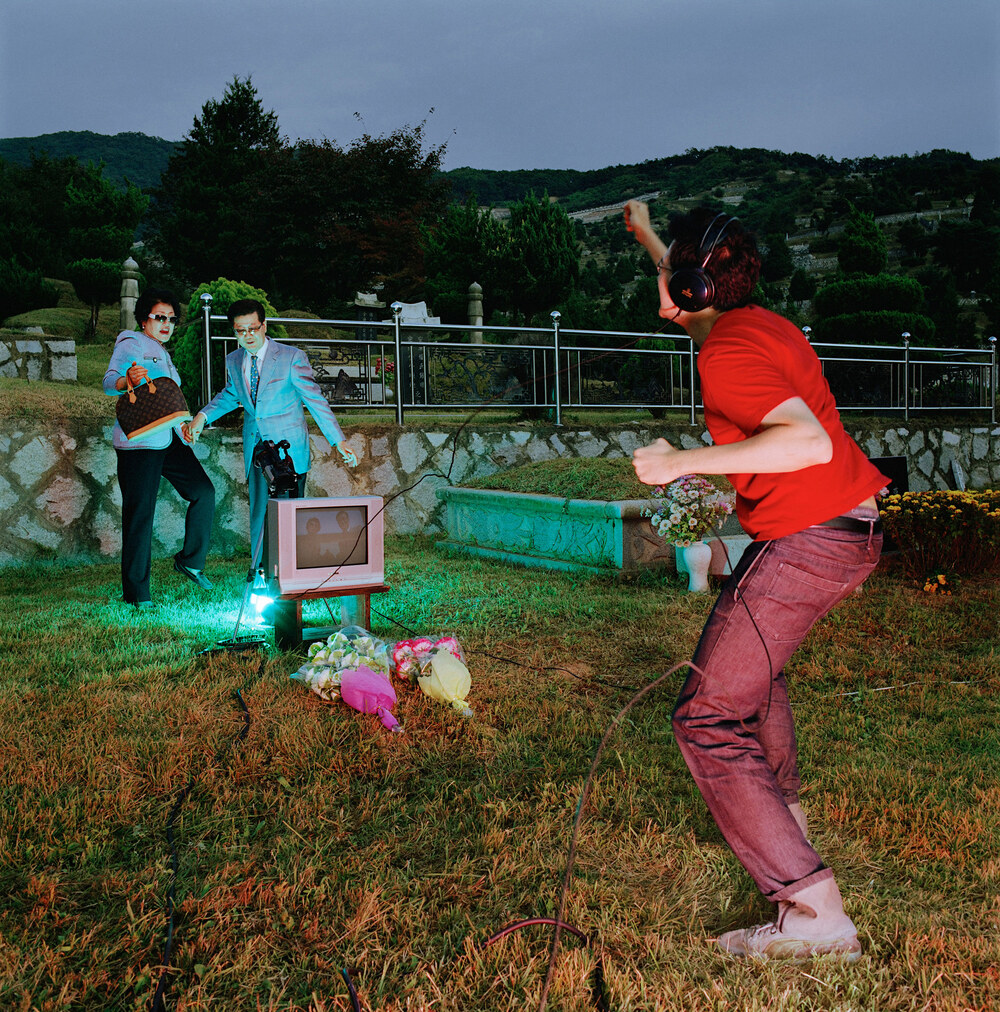
Jinkyun Ahn, Dance Dance Dance #2, 2006, Digital C-print, 50.8 x 50.8 cm © Jinkyun Ahn

Jinkyun Ahn reveals the paradoxical intersection of life’s finitude and the continuity of generations through the echo-like structure of photography, metaphorically expressing his fundamental preoccupation with and anxiety about the inevitability of death through family imagery.
 
For example, in his early photographic series ‘Dance Dance Dance’ (2006), Ahn depicts himself and his parents dancing together on an empty plot of land where his parents are to be buried after their deaths. The artist explains, “The empty grave becomes a stage, and the act of dancing transforms into a raw, visceral expression of defiance against the absoluteness of death.”
 
The work explores both the vulnerability and resilience of human existence in confronting the inevitable fate of death. It raises questions about how we can resist loss through the sheer physical power of the body, and what we, as finite beings, can discover within the transience of life.


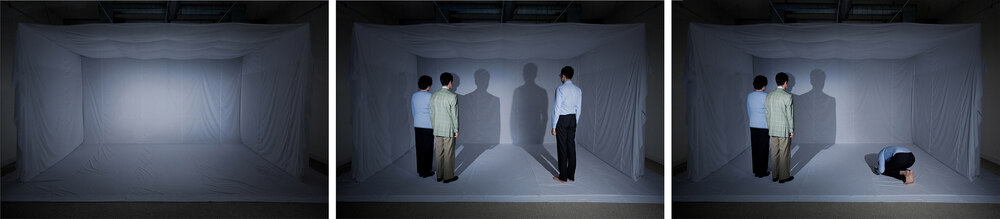
Jinkyun Ahn, Encave #1, #2, #3, 2010, Digital C-print, 101.6 x 151.4 cm (x3) © Jinkyun Ahn

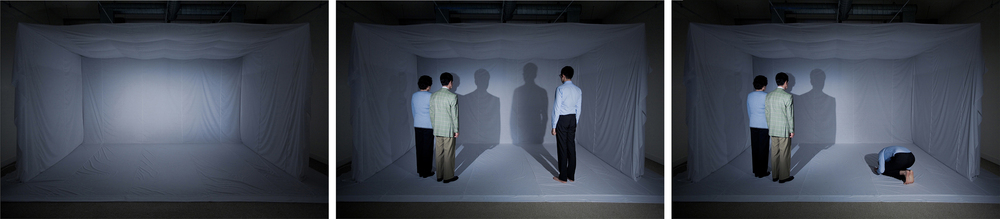
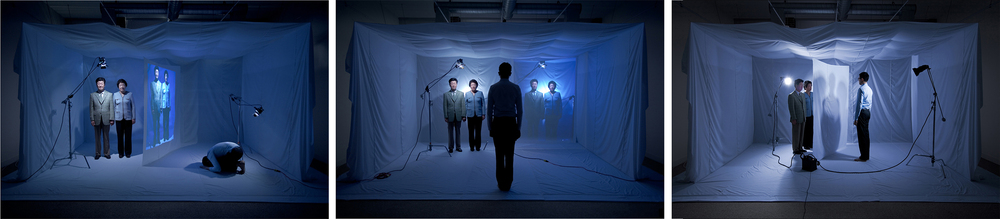
Furthermore, in his 2010 photographic series ‘Encave,’ Jinkyun Ahn uses staged photography to explore parental death, family relationships, and the reproducibility of the photographic medium. Imagining himself in a future moment when he must confront his parents’ deaths, the artist reflects on the inevitability of death and the constraints inherent in familial relationships.
 
Photography appears to visually convey actual events through images printed on its surface, yet it is essentially a two-dimensional material that imitates images through chemical or electronic means.
 
Ahn applies this paradox to his own experience of standing before the vacant plot near his parents’ graves, exploring the parallels between the reproductive properties of photography and human relationships.


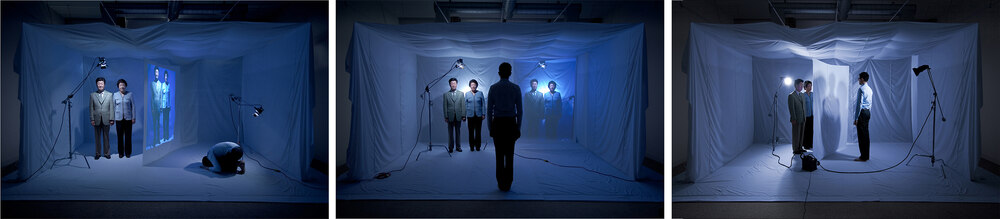
Jinkyun Ahn, Encave #13, #15, #14, 2010, Digital C-print, 101.6 x 151.4 cm (x3) © Jinkyun Ahn

To create this work, Ahn suspends white fabric in an empty interior space to construct an imaginary cave, transforming it into a stage where he and his parents perform the roles of family members through shadows and digital projections.
 
By documenting the entire process photographically, he incorporates the photographic equipment and surrounding space into the frame, exposing the overall structure of the photographic setup and making the process of image-making itself the subject of the work.
 
Through this work, Ahn questions whether the relationship between parents and children is also a form of imitation governed by culture, social conventions, and heredity. Just as photography mechanically reproduces optical reality, the artist invokes and symbolically reenacts the parent-child relationship through ‘jeol,’ the Confucian ritual of bowing. In doing so, he explores the inherent nature of imitation shared by photography and human relationships.


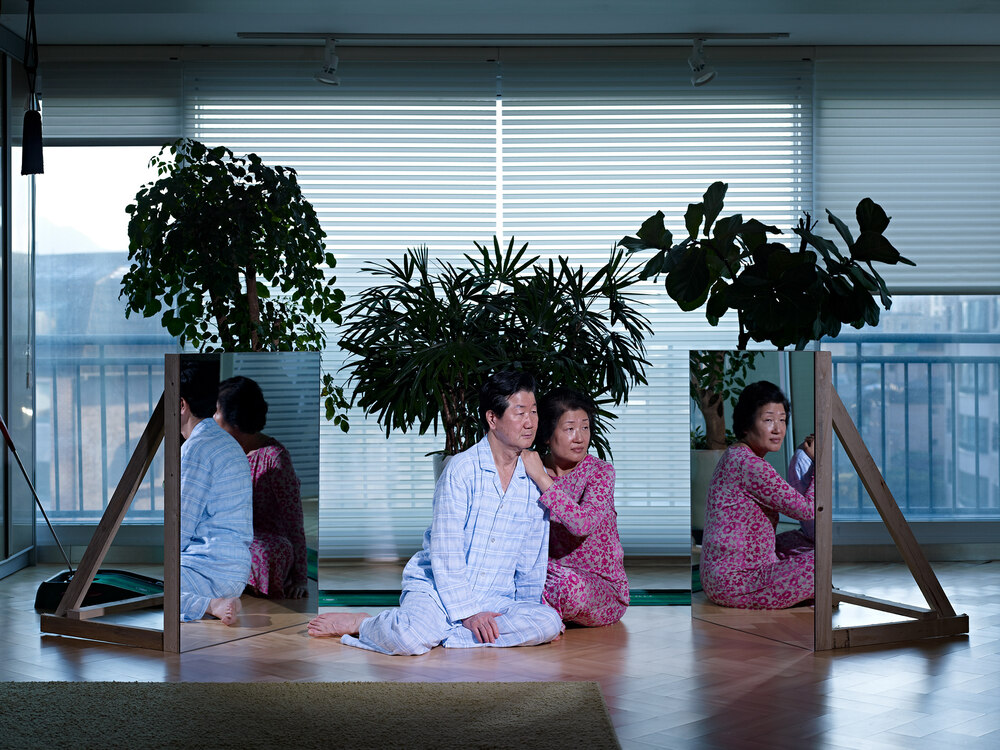
Jinkyun Ahn, Gazing #2, 2012, Digital C-print, 114.3 x 152.4 cm © Jinkyun Ahn

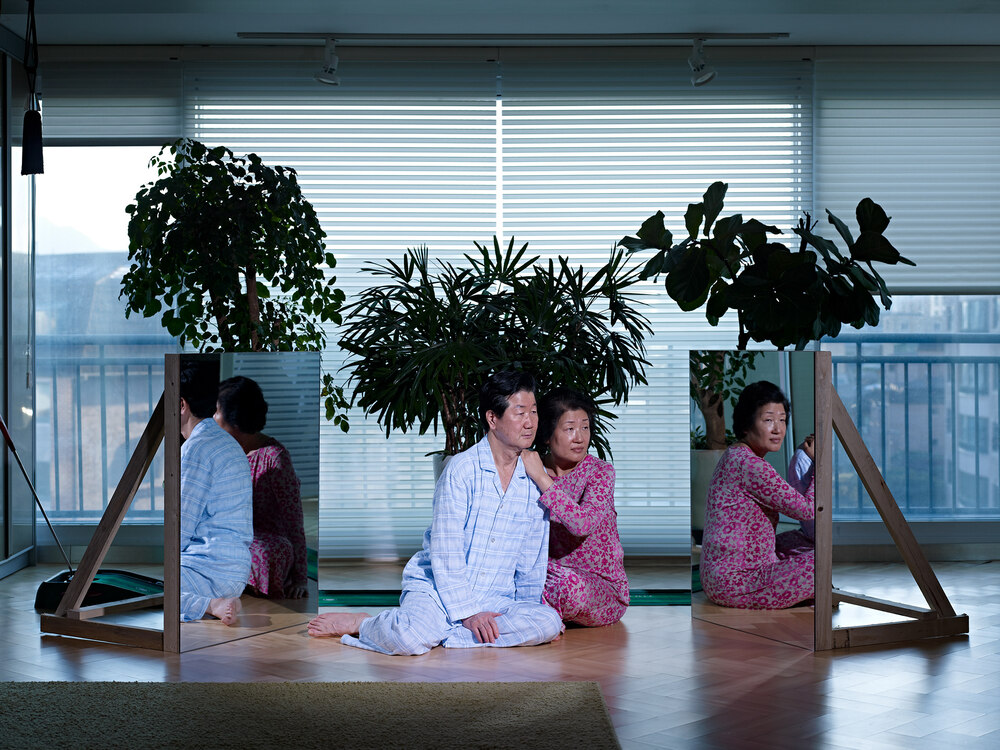
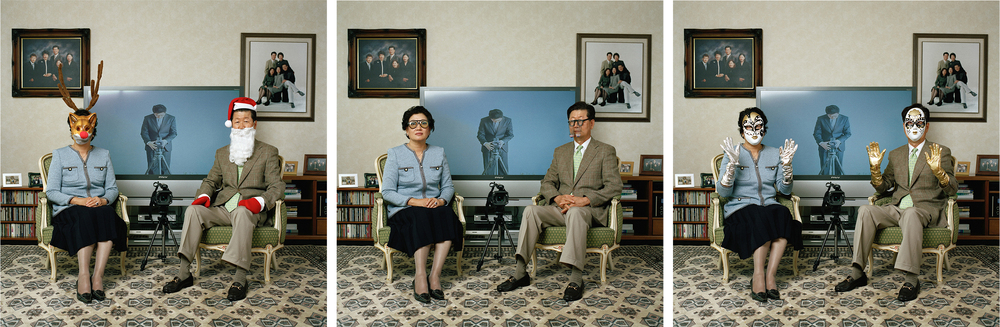
Meanwhile, in his 2012 photographic series ‘Villa of the Mysteries’, Ahn juxtaposes images of death with spaces of everyday life, blurring the distinction between life and death.
 
In this work, he transposes the structure of death inherent in an empty burial plot into the living room, where his parents’ lives unfold, and reconstructs it within that space. By placing these two opposing sites side by side, images of death are reiterated within a space of life.
 
Through photography, his parents’ images are reflected, repeated, multiplied, and helplessly confined and isolated within the medium’s inescapable rectangular frame. Ahn explains that these properties of photography allow him to transcend “the threshold placed on me by my own sight in order to touch upon the imageless substance that lies behind the boundaries of my vision.”


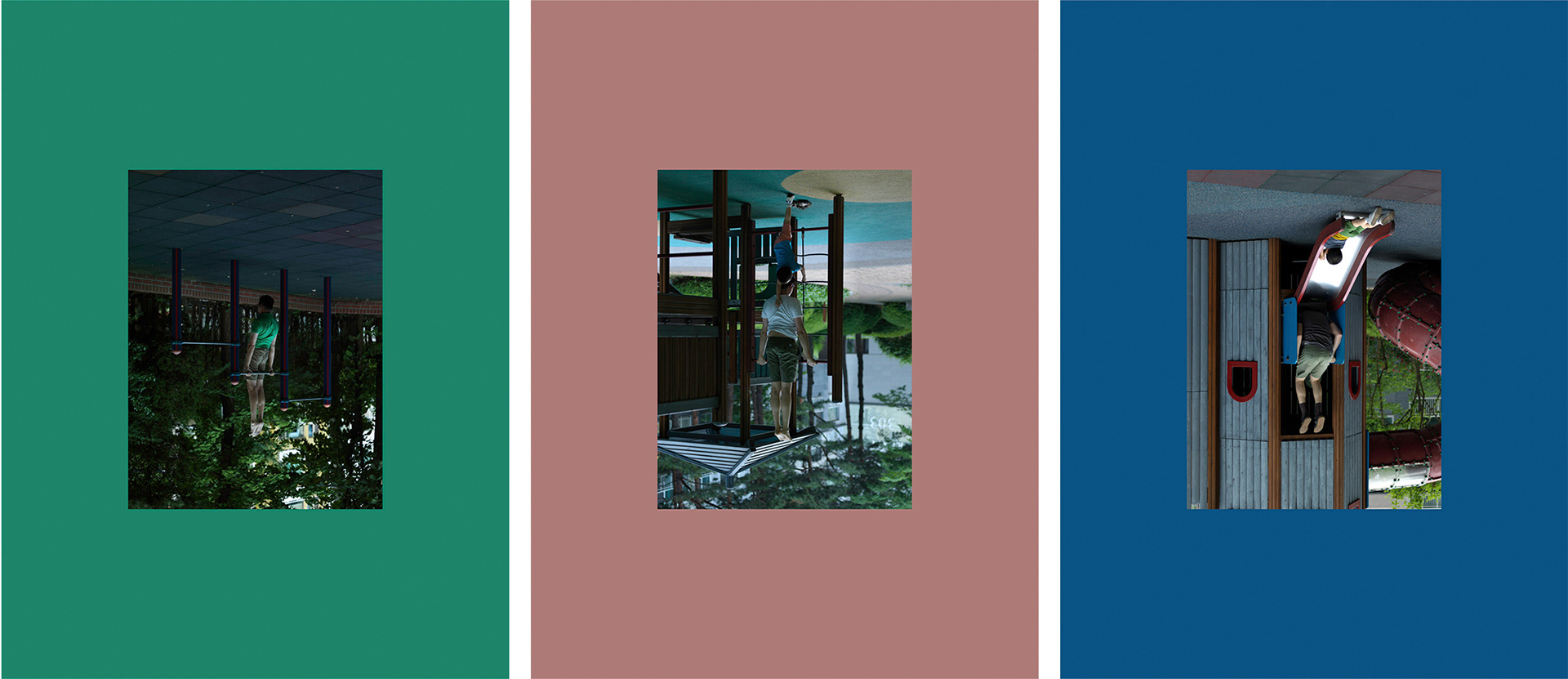
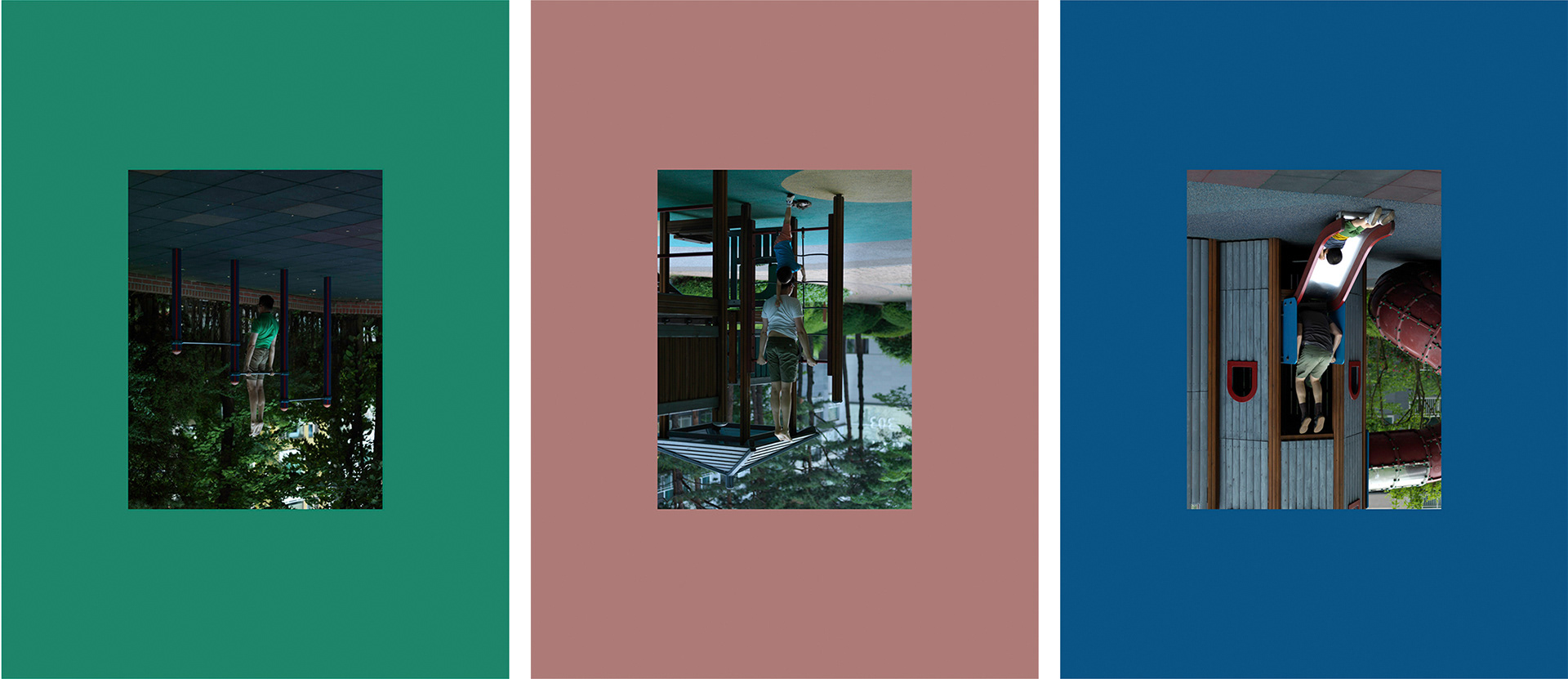
Jinkyun Ahn, Hanged Man #1, #4, #5, 2016, Digital C-print, each 79.2 x 59.4 cm © Jinkyun Ahn

The artist’s focus on his relationship with his family reflects his ambivalent understanding of family as both a place of refuge and a source of psychological burden.
 
This duality reveals the contradictions and paradoxes inherent in life, as his resentment toward the patriarchy and Confucian culture he experienced through his father intersects with the self-deprecating awareness that emerged after he became a father himself.
 
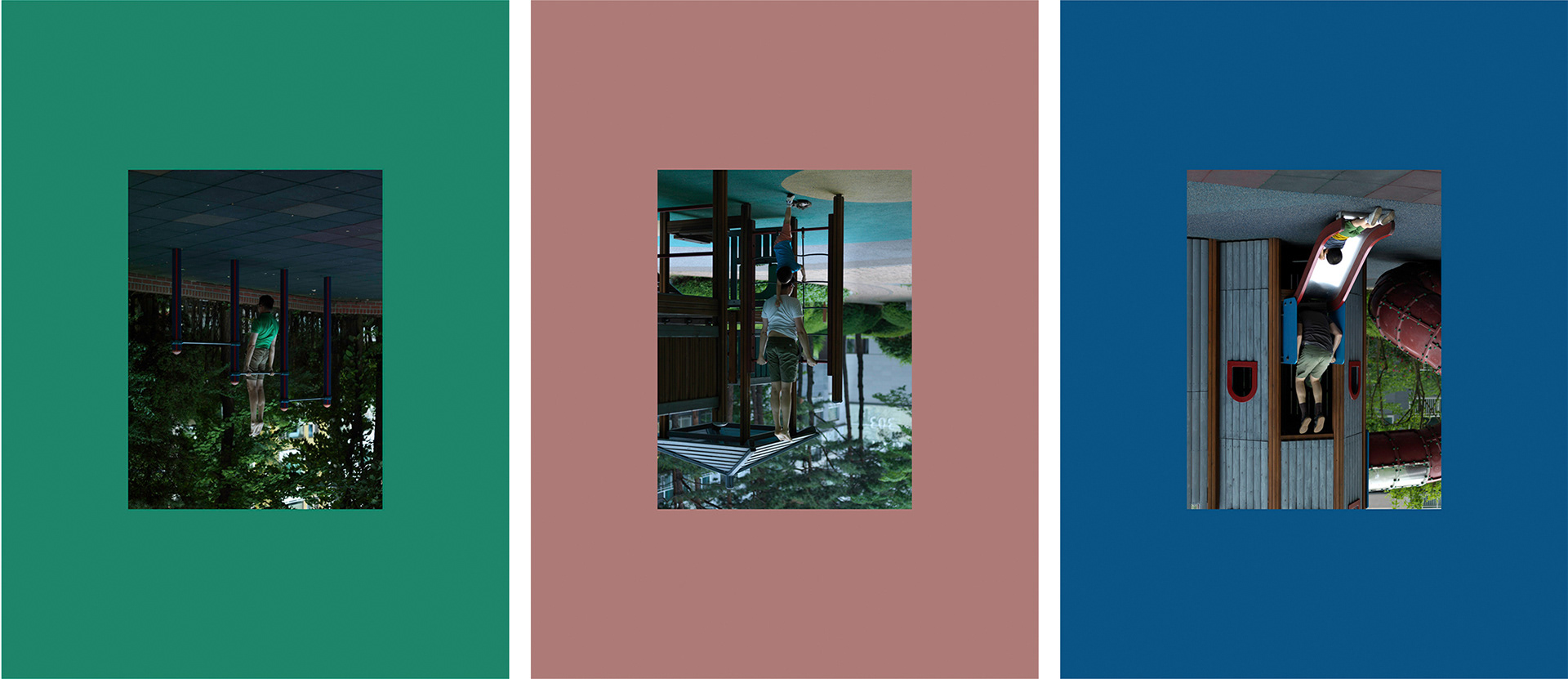
Based on this thought, in his 2016 series ‘Hanged Man’, Ahn sought to relinquish paternal authority, make a caricature of himself, and dismantle the entrenched order between parents and children.
 
The photographs were taken at ten playgrounds in apartment complexes near the artist’s home, with his wife and son participating in the process. Ahn posed with his body upside down and asked his wife to press the shutter.
 
Meanwhile, his son, intruding into the frame, approached his father, who had entered the child’s domain—the playground—and was behaving strangely.


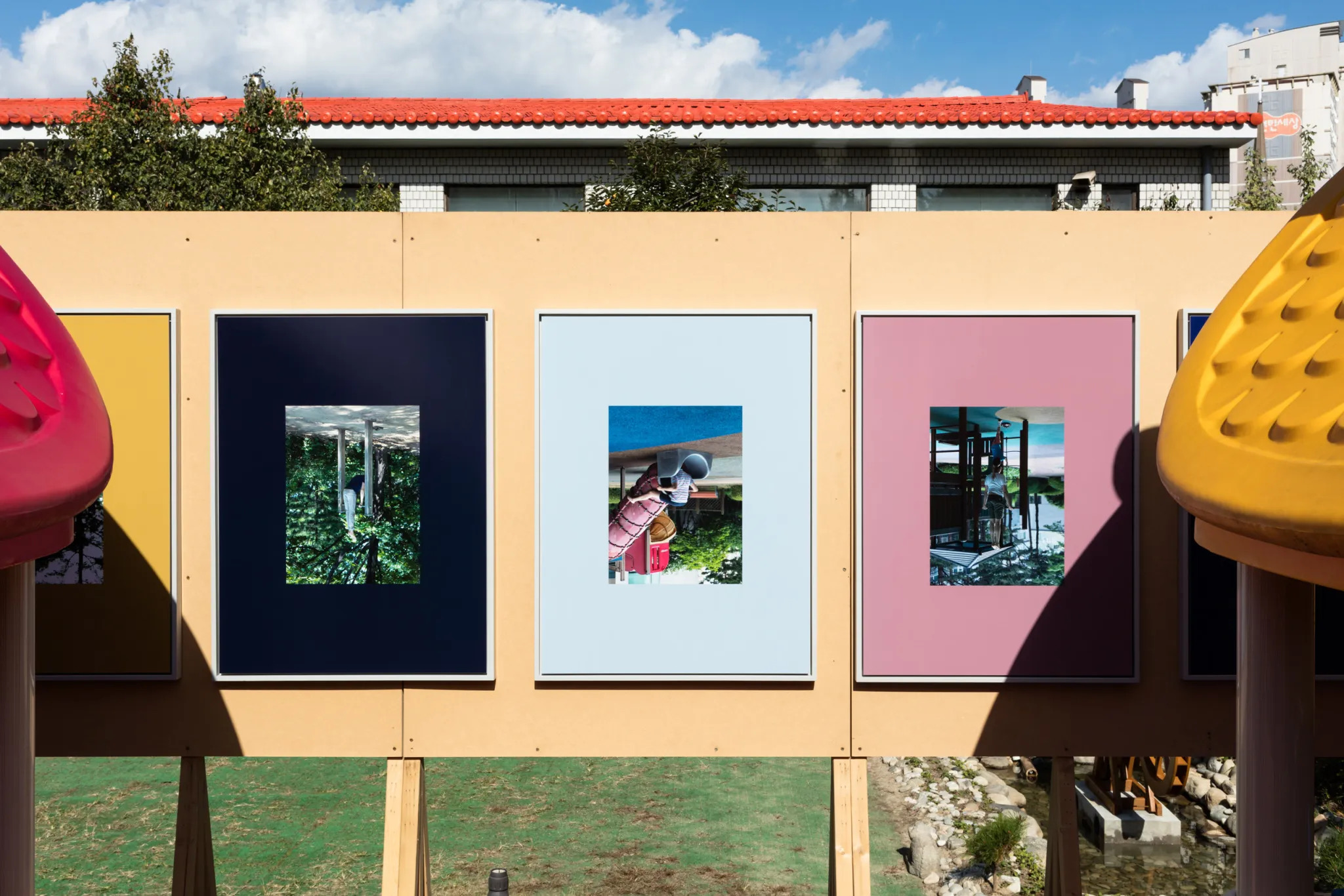
Installation view of 《Hanged Man》 (Seoul Kindergarten, 2016) © Jinkyun Ahn

After supporting himself on the playground equipment to maintain a precarious handstand, Ahn’s figure is flipped once again during post-production, making him appear to imitate a body hanging by the neck. Through this “photographic suicide attempt,” the artist seeks to symbolically eliminate the “father” as the archetype of patriarchy.
 
Meanwhile, Ahn’s act of turning the photograph upside down recalls the fundamental operating principle of the photographic medium. A camera is based on the principle of the camera obscura, in which light entering through a small aperture—the lens—projects an image onto the opposite interior surface.
 
Because light travels in straight lines, the resulting image appears inverted, with its top and bottom as well as left and right reversed. The photographs we see are the final result of reversing the negative image formed inside the camera once more and fixing it as a positive image.


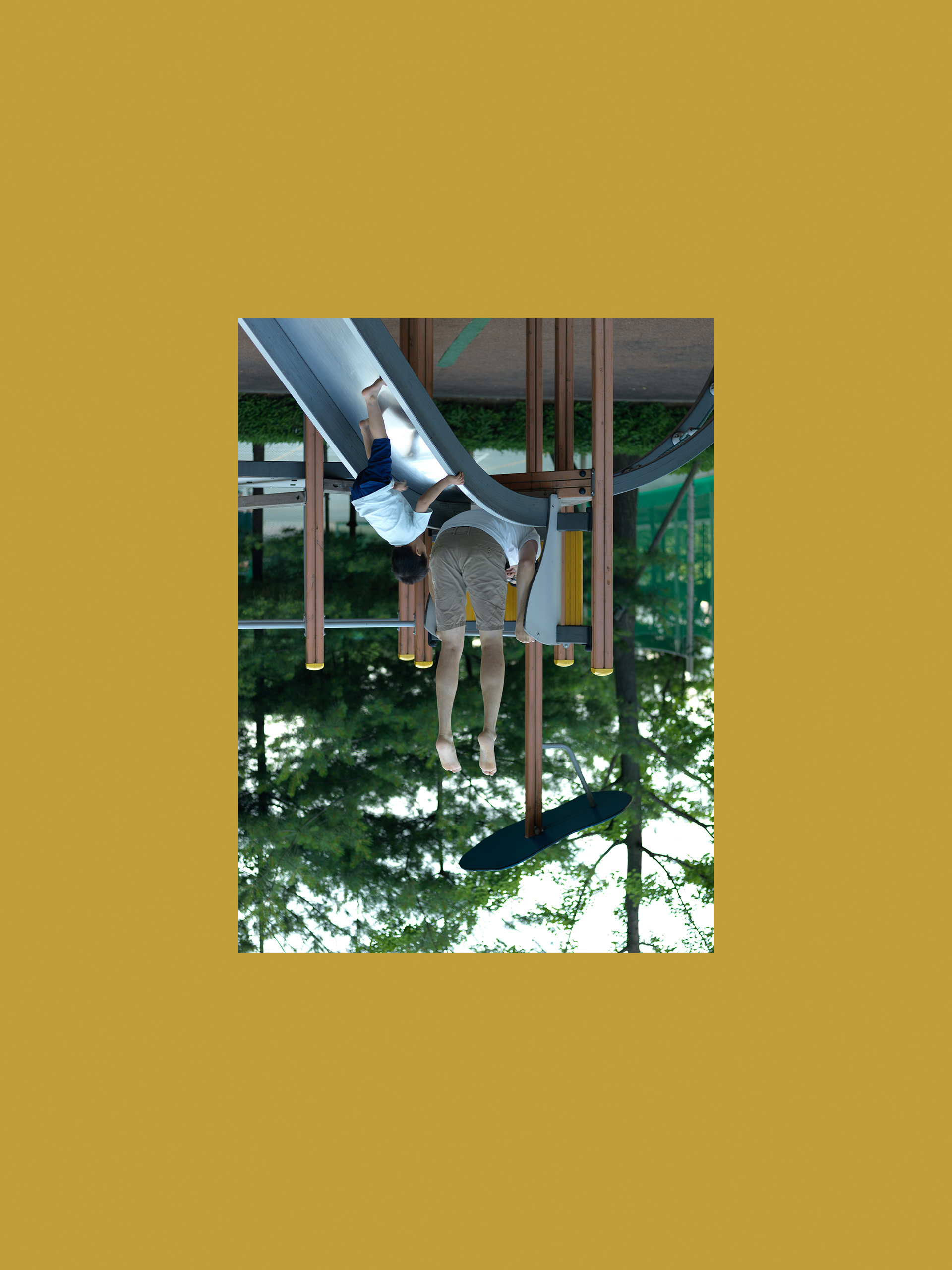
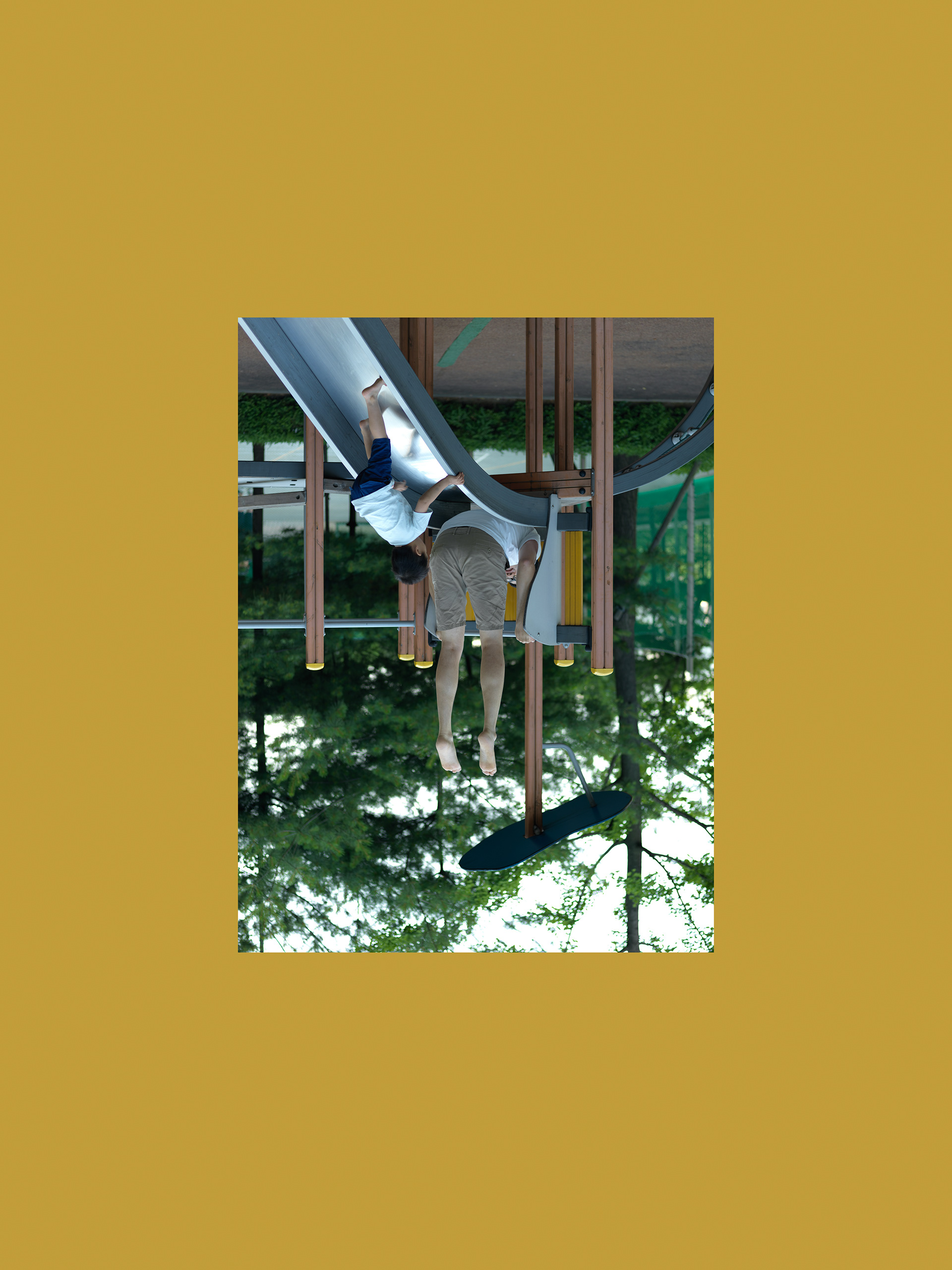
Jinkyun Ahn, Hanged Man #11, 2016, Digital C-print, 79.2 x 59.4 cm © Jinkyun Ahn

In ‘Hanged Man,’ Ahn disrupts the established order of images by photographing his upside-down body after flipping it once again, prompting viewers to reconsider the principles of photographic representation.
 
At the same time, by using his inverted body to ridicule paternal authority, he dismantles the camera’s absolute gaze, which positions the photographer as the subject who captures and controls the object.
 
Furthermore, by deliberately overturning an otherwise complete scene to produce an unexpected, contingent image, Ahn subverts the hierarchy and power dynamics between the photographer and the subject.


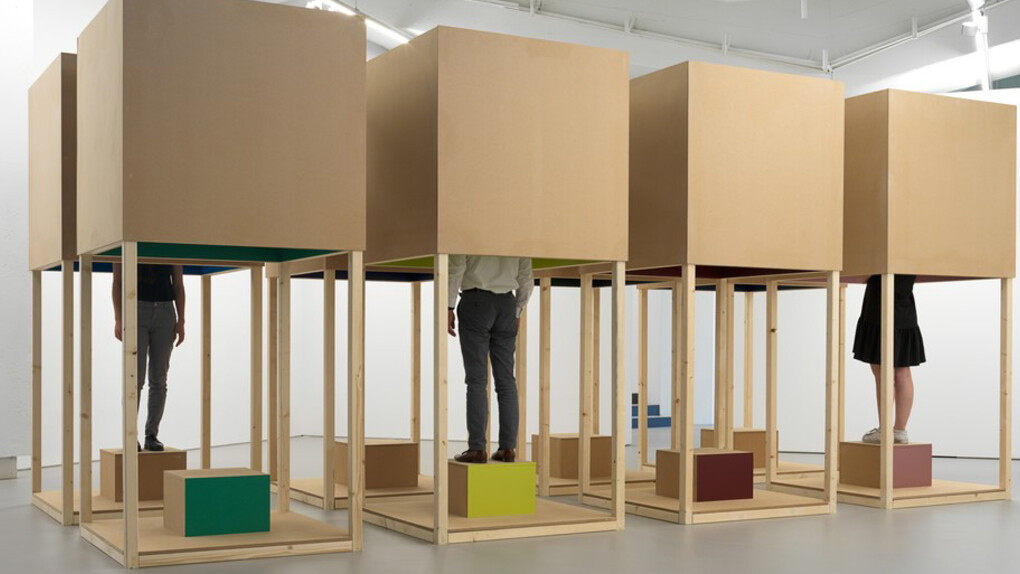
Installation view of 《Slice》 (Artspace Boan 2, 2019) © Jinkyun Ahn

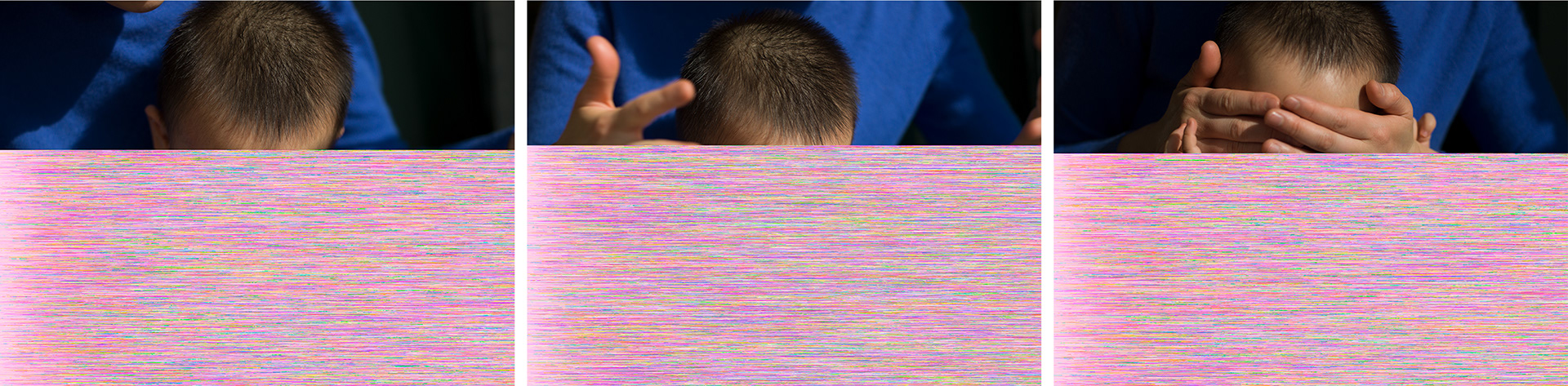
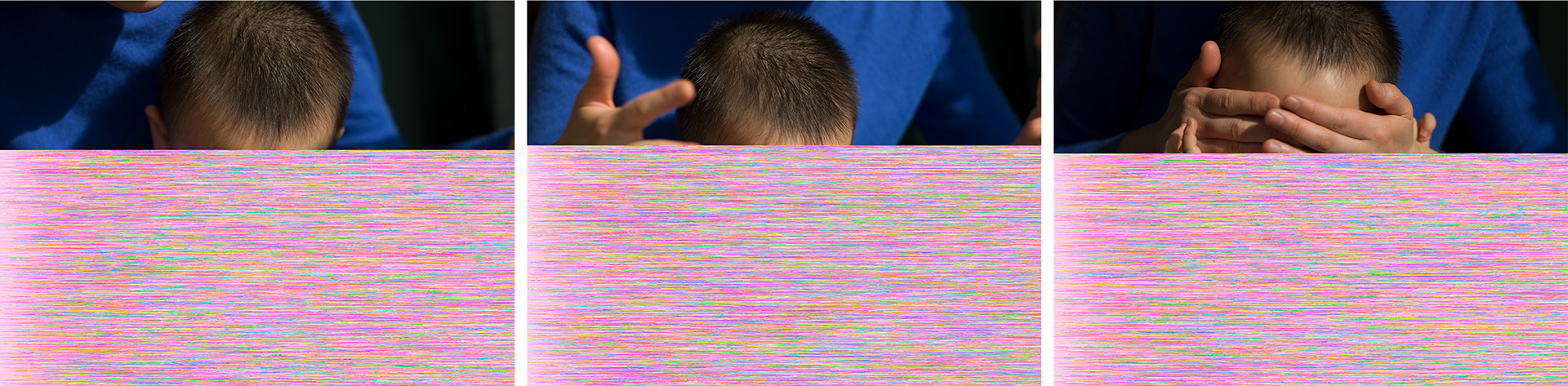
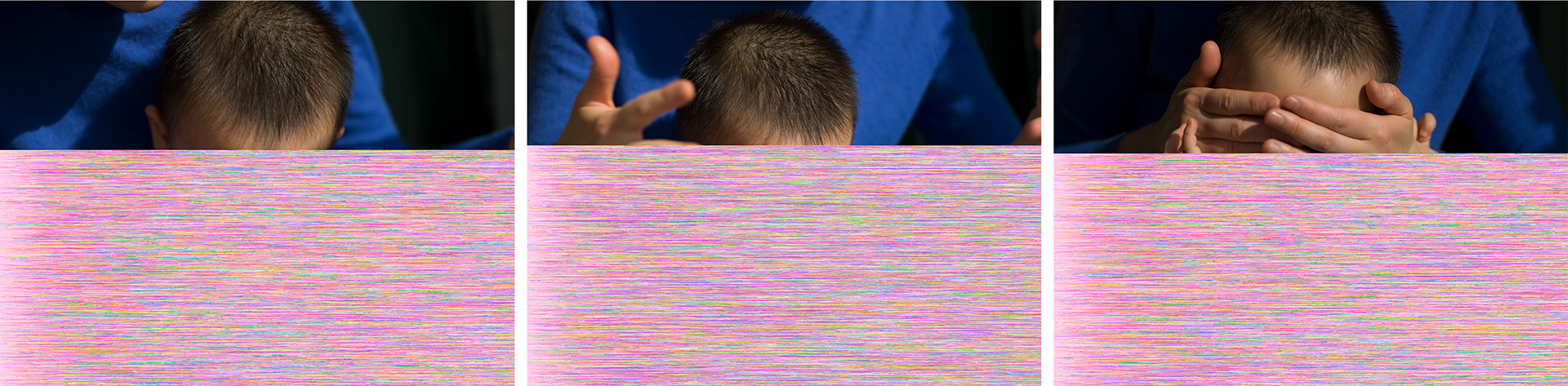
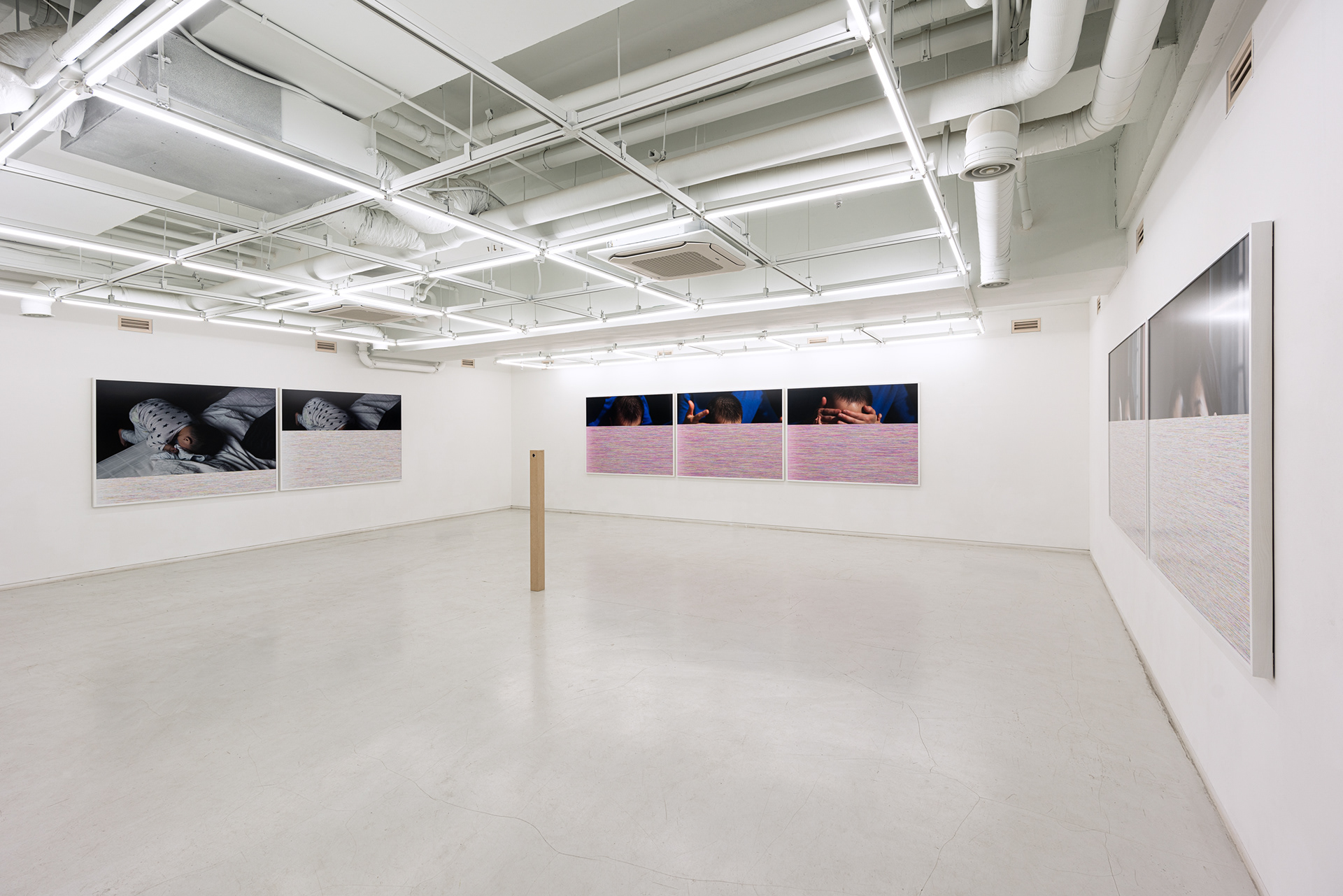
In his 2019 solo exhibition 《Slice》 at Artspace Boan, Ahn uses data corruption caused by technical errors to sever the relationship between images and their subjects, which had been bound together through resemblance.
 
The works in the exhibition consist of family photographs depicting ordinary moments of everyday life that have sustained unexplained data corruption and are printed as they are, without any subsequent correction or retouching.


Jinkyun Ahn, 20150208 #7, 2018, Digital C-print, 142.5 x 190 cm (x3) © Jinkyun Ahn

Through this unexpected damage, Ahn experiences the severing of a place and passageway that once connected the past to the present.
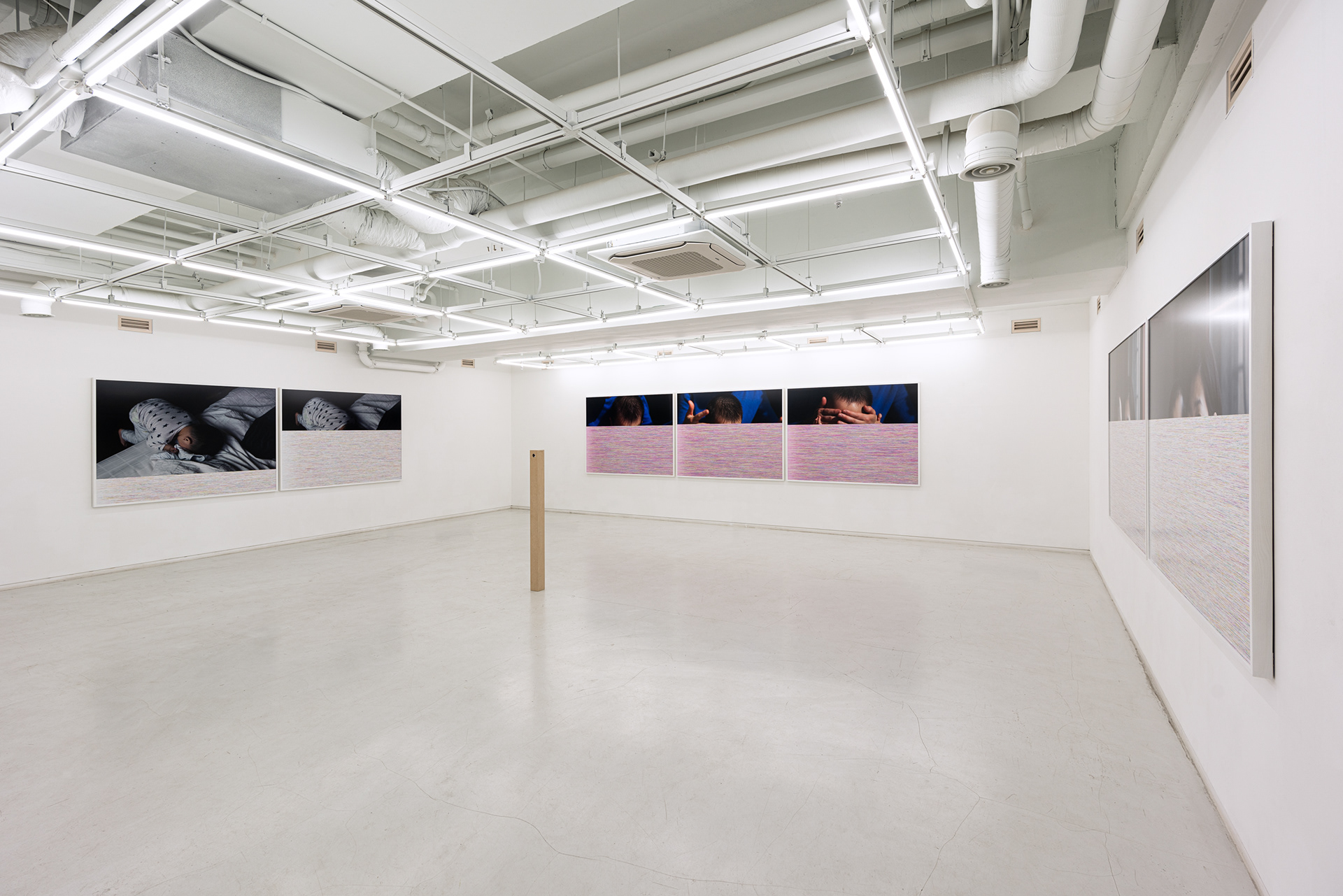
 
At the same time, just as fixed images of the past seem to collapse along with the system of originals that sustained them, he discovers the possibility of liberating himself, his wife, and his son from relationships bound by their resemblance to one another, allowing each to exist in their own right.
 
This moment of rupture and disconnection is precisely what the exhibition title 《Slice》 signifies. By deliberately presenting images that have been unintentionally damaged, Ahn exposes the dynamics of subversion and deconstruction, as well as the relationship between original and reproduction. In doing so, he reconsiders photography’s role as a medium for preserving memory and reexamines the relationship between an image and its subject.

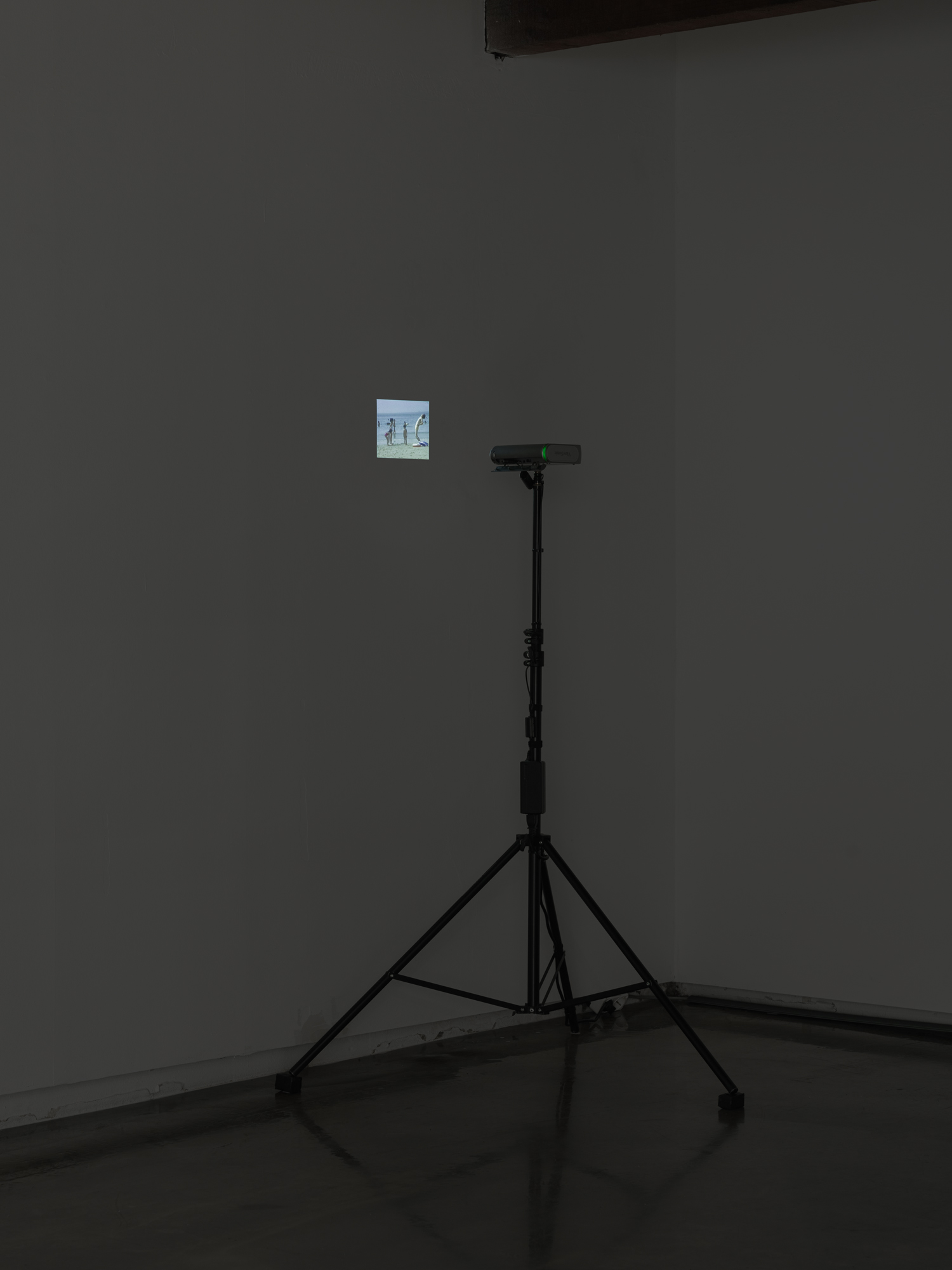
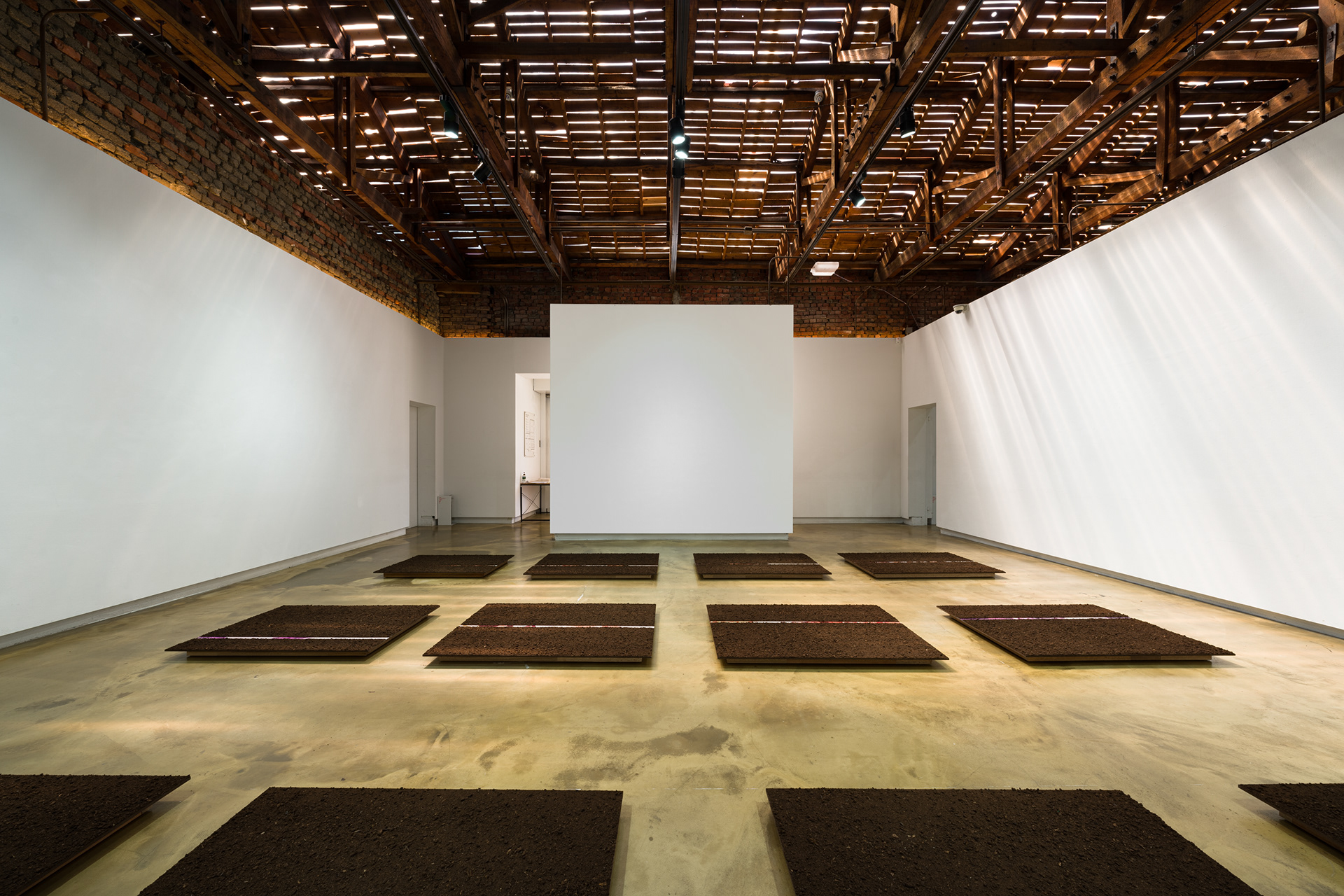
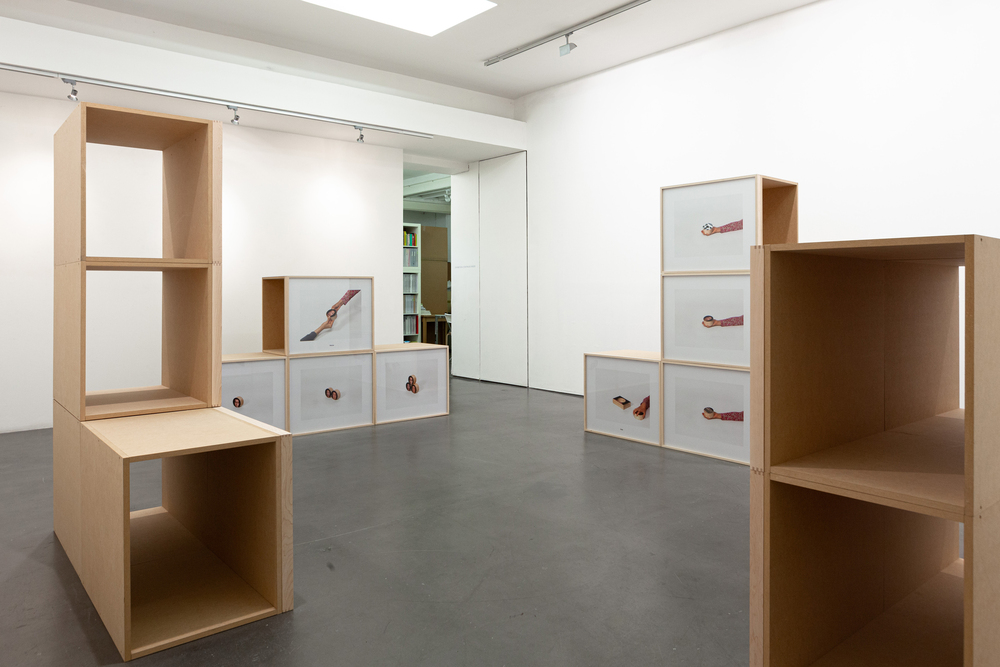
Installation view of 《Permanent Vacation》 (SeMA Storage, 2022) © Jinkyun Ahn

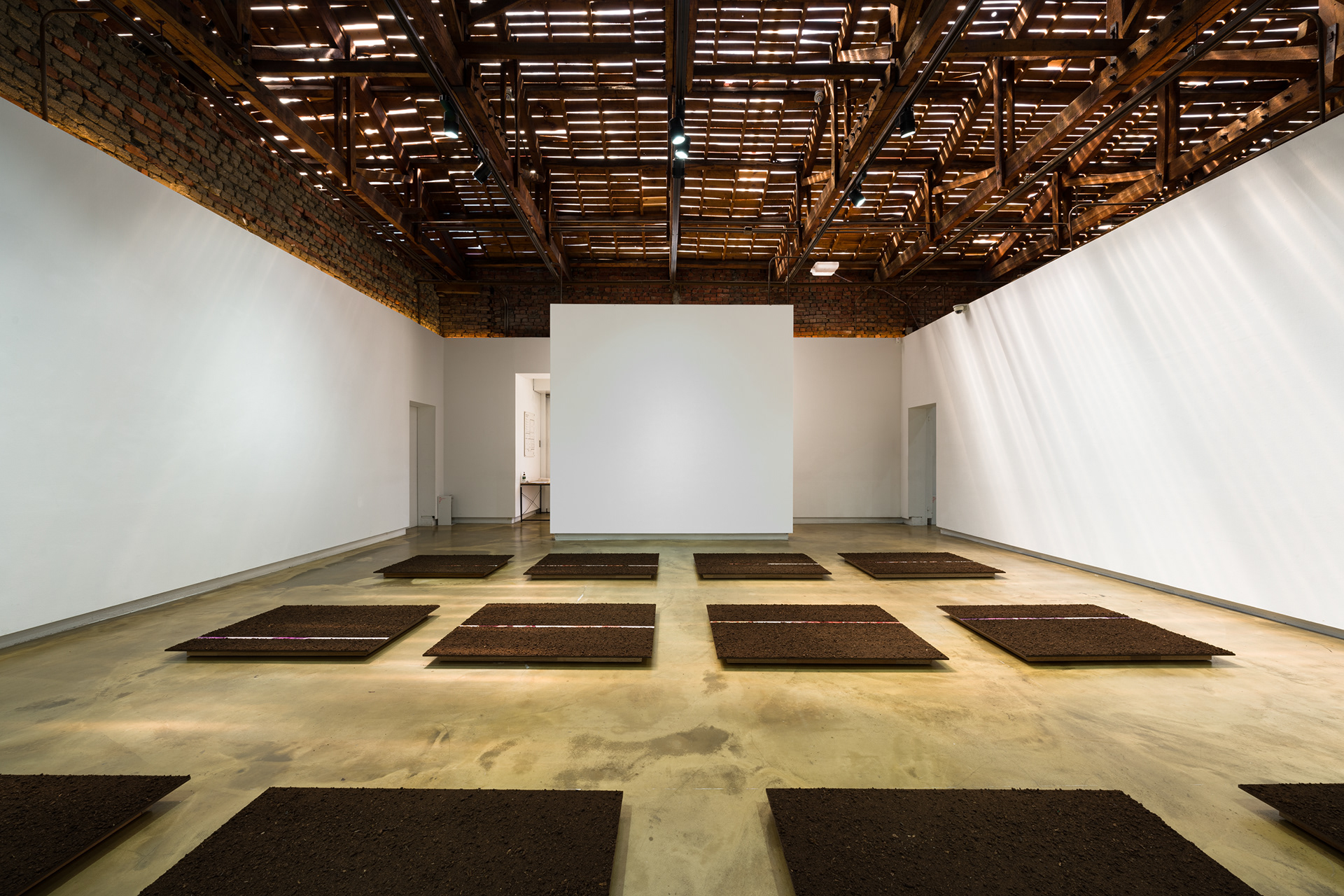
While 《Slice》 emerged from accidental damage, in his 2022 solo exhibition 《Permanent Vacation》 at SeMA Storage, Ahn explores a process of confronting and parting with dark memories buried beneath the unconscious through deliberate acts of destruction.
 
The exhibition begins with the idea that memory is the product of selection and editing. Much like a family album that selectively collects only happy moments, our unconscious selectively excludes negative experiences from the past in order to protect our present consciousness.
 
《Permanent Vacation》 is a deliberate attempt to awaken repressed memories sedimented in the unconscious. Contrary to photography’s conventional function of reproducing the visible, this project attempts to access the invisible realm of the unconscious by purposefully concealing parts of the image.


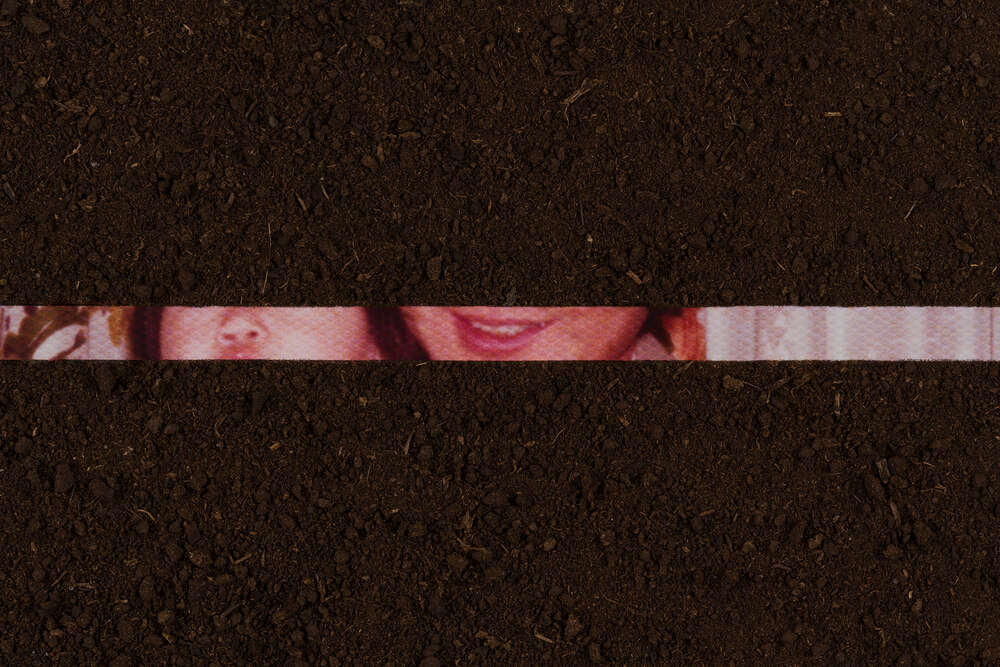
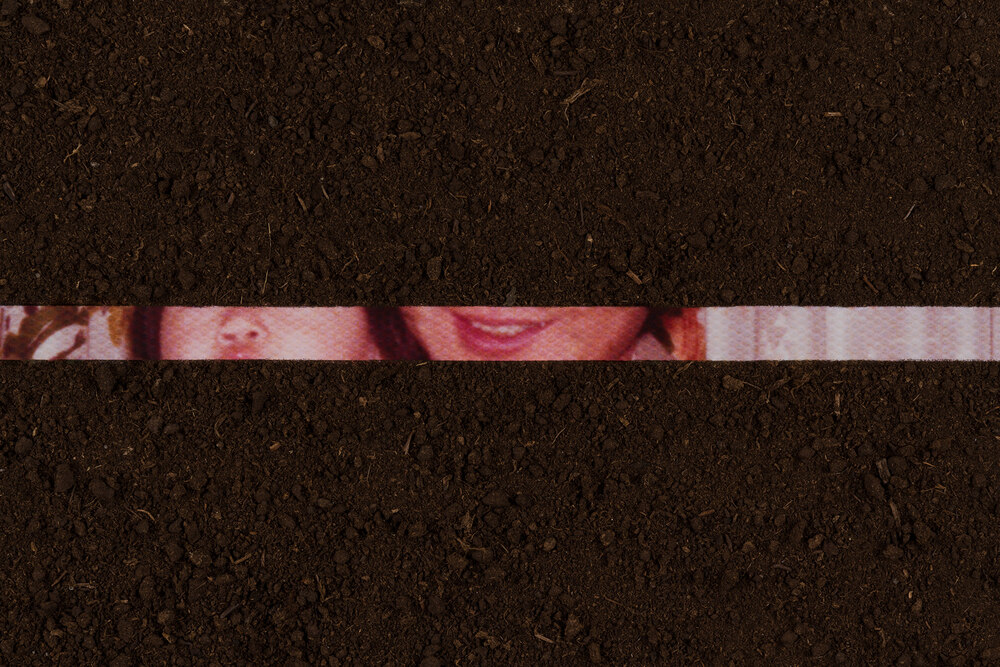
Jinkyun Ahn, Permanent Smiles #1, 2022, Digital C-print, soil, MDF, 80 x 115 cm © Jinkyun Ahn

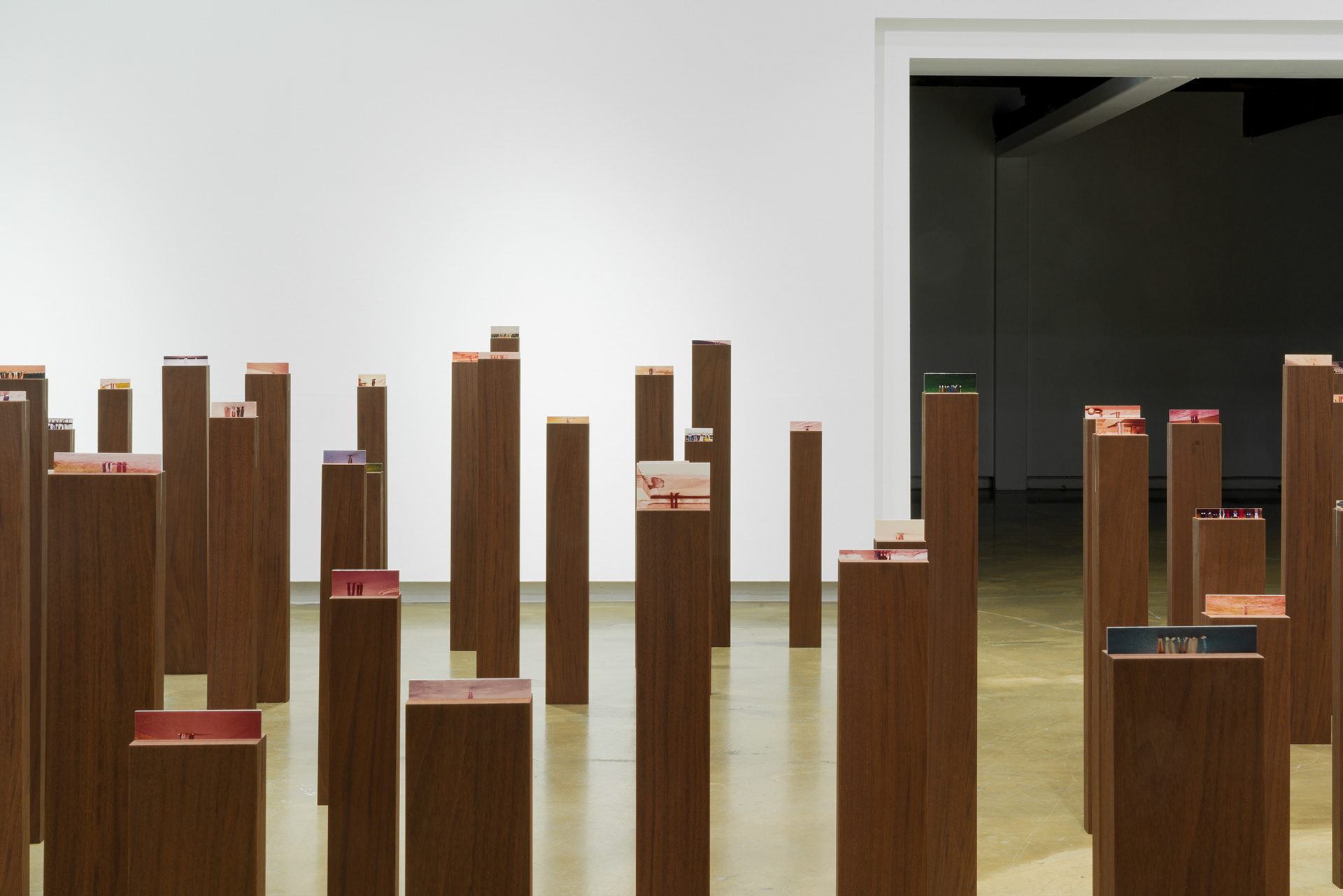
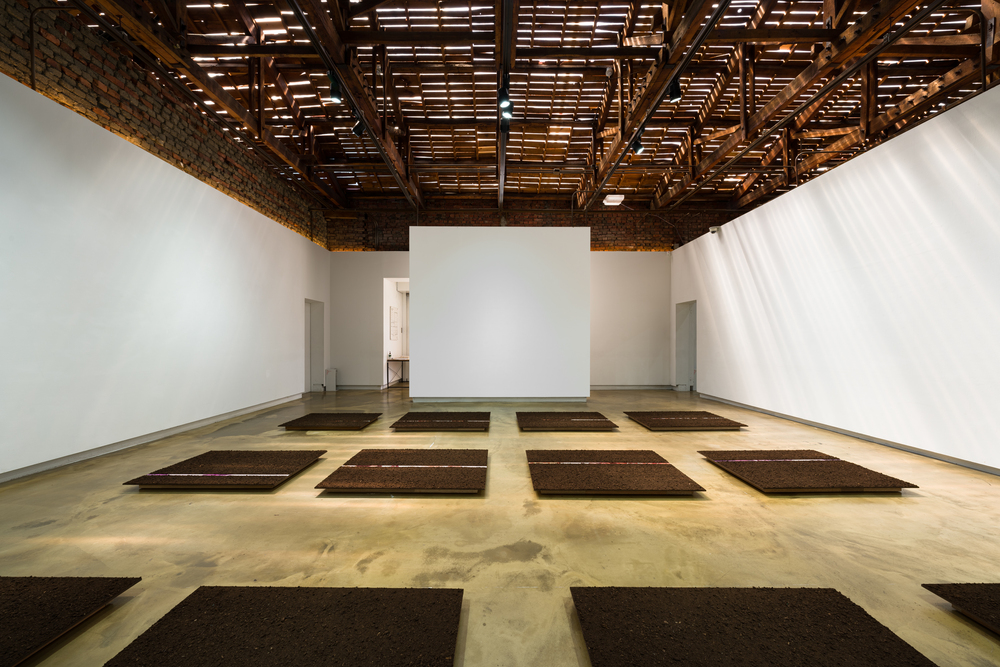
Permanent Vacation consists of two parts: ‘Permanent Smiles’ (2022) and ‘Permanent Legs’ (2022). In ‘Permanent Smiles,’ stereotypical smiles commonly found in family albums are isolated by leaving only a narrow horizontal slit across the original photograph.
 
This slit runs from left to right along the center of the mouth, while the rest of the image is covered with soil. Detached from their original subjects and contexts, these anonymous smiles become ambiguous, leaving it unclear whether they convey a friendly smile or a contemptuous sneer.


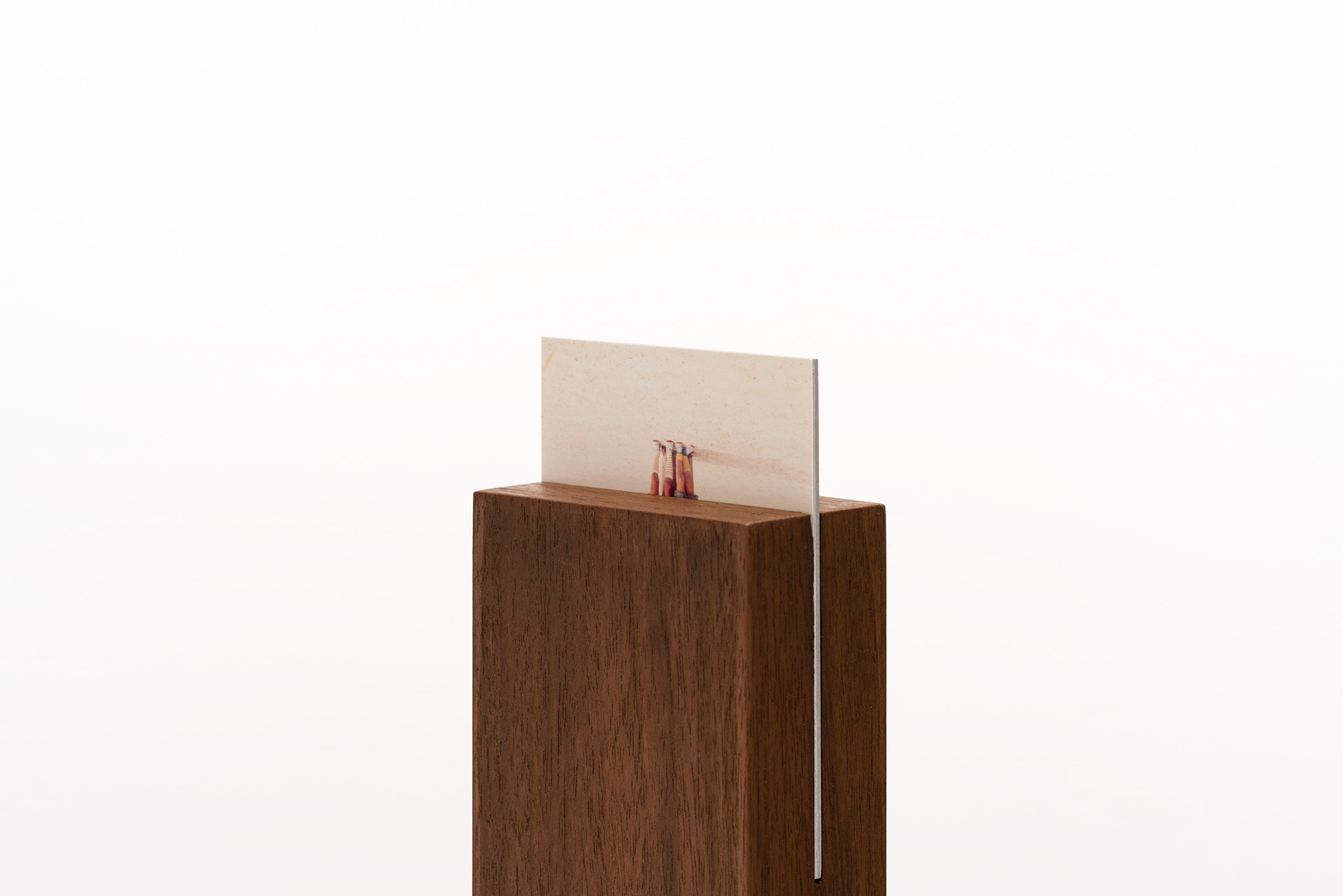
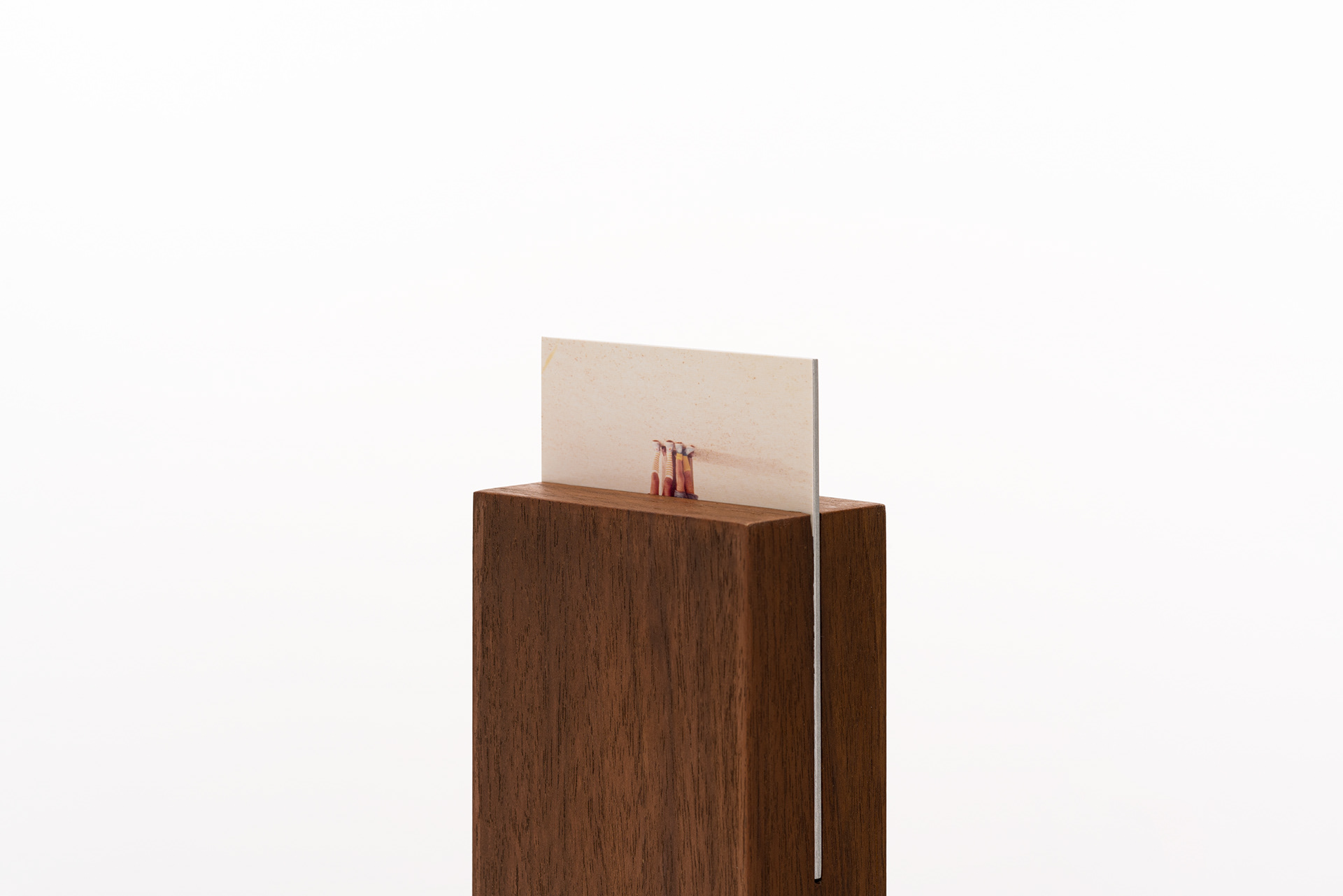
Jinkyun Ahn, Permanent Legs #5, 2022, Digital C-print, Aluminum, Walnut veneer, 80 x 7.8 x 4 cm © Jinkyun Ahn

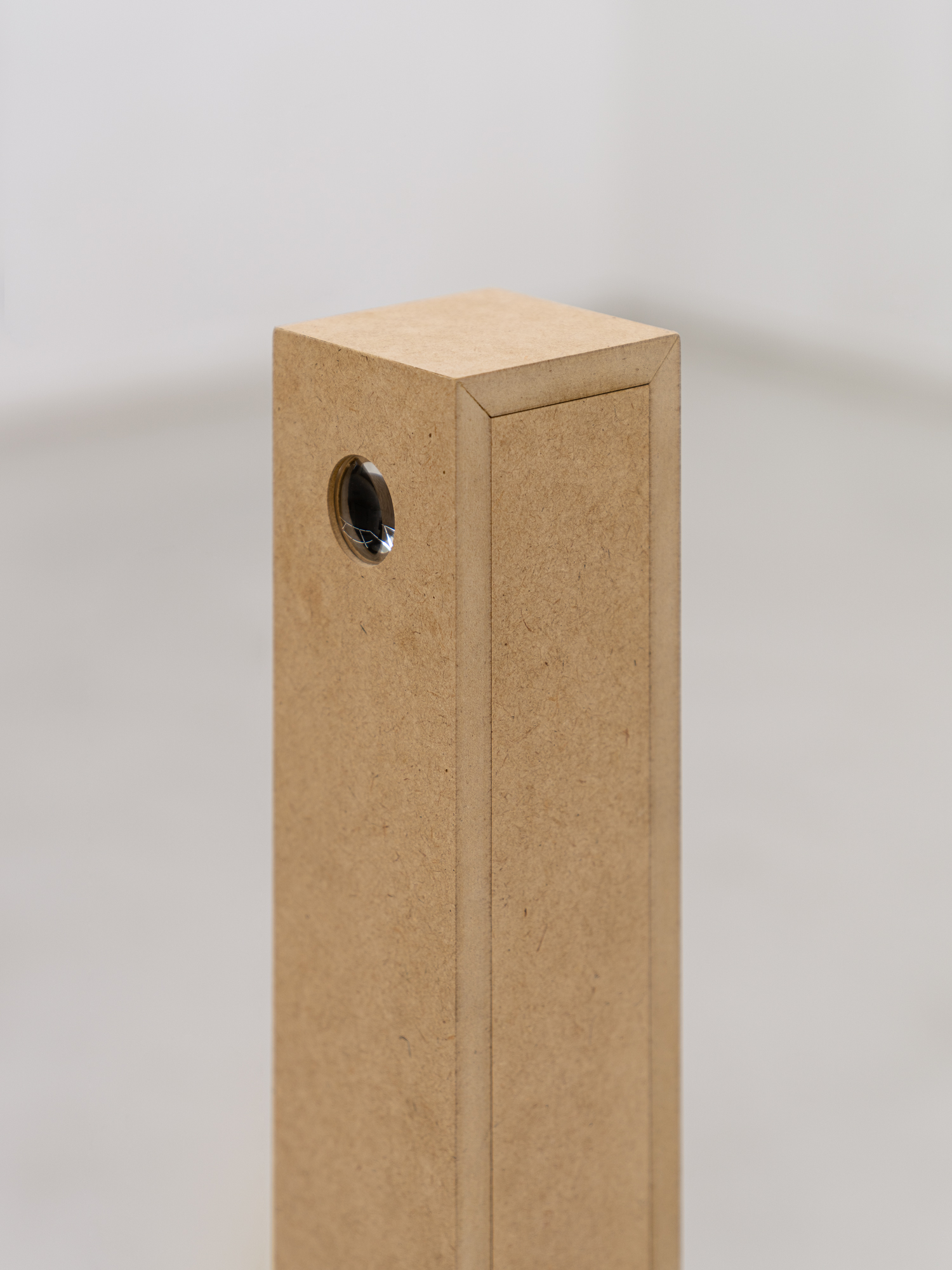
Meanwhile, in ‘Permanent Legs,’ family photographs in the ‘stand at attention’ pose are inverted and mounted on aluminum plates, then carefully inserted into meticulously cut wooden panels. Aligned along the starting point of the legs, the composition creates the illusion that the legs have been sharply severed and turned upside down.
 
The function of the family album is to sustain memory and preserve the vitality of the past. However, the act of cutting family photographs severs that vitality and turns them into “dead photographs.” Stripped of its context, the image loses its original function of sustaining memory and reaches the end of its life as a family photograph, departing on a “permanent vacation.”


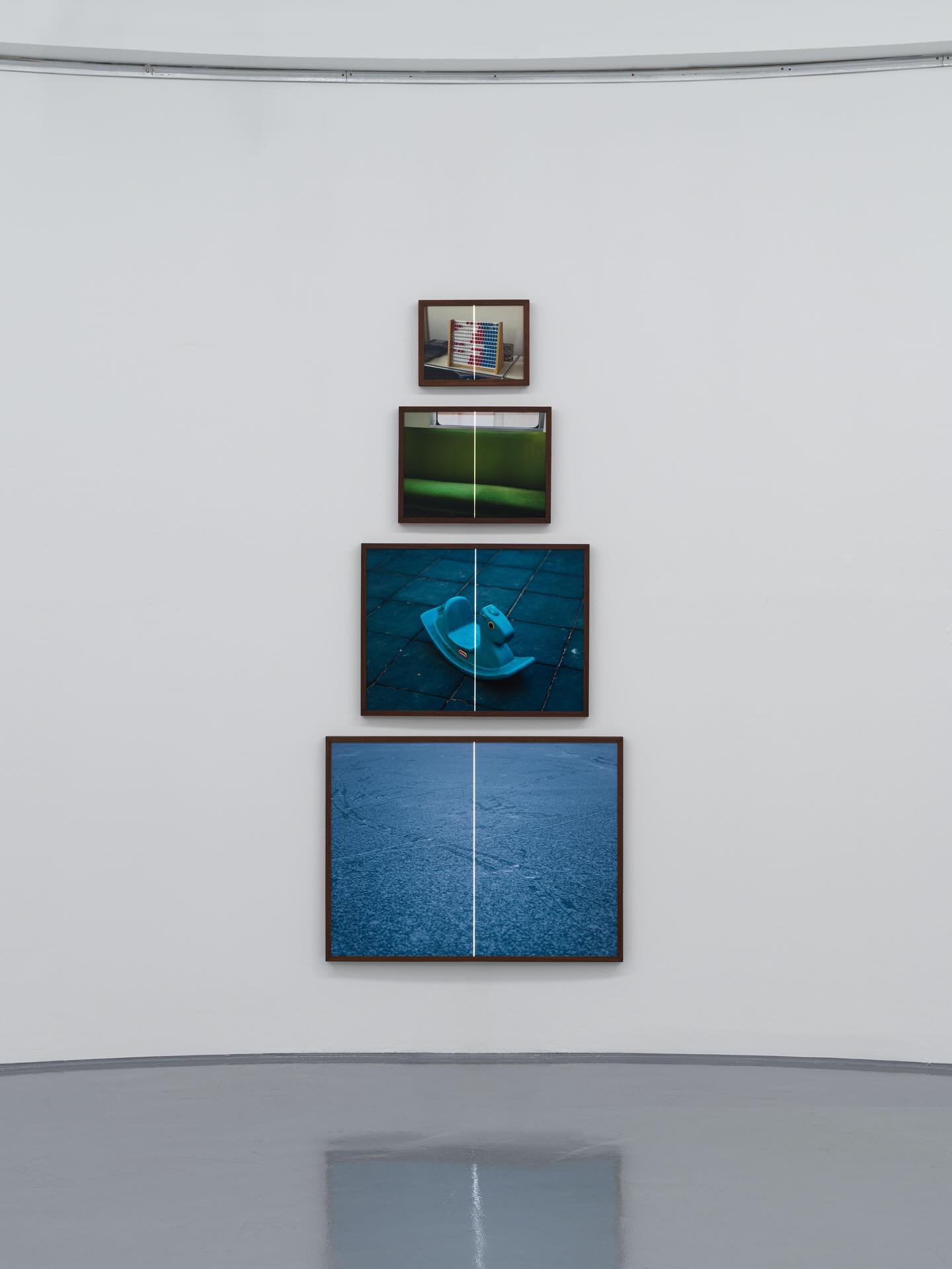
Jinkyun Ahn, ‘This’ Series, 2022, Digital C-print, LED strip light, wood frame, 26.25 x 35 cm, 37.5 x 50 cm, 56.25 x 75 cm, 75 x 100 cm © Jinkyun Ahn

In another photographic series, ‘This’ (2022–), Ahn uses LED strip lighting to create a vertical line of light running through the center of each photograph. The images capture a range of subjects that have caught the artist’s attention in the course of his everyday life.
 
Like scattered afterimages drifting through his mind and being drawn one by one into the camera by a quiet light, the photographs are installed in a vertical stack resembling a tower.
 
Following the sharp beam of light that runs vertically through the photographic tower, viewers move their gaze up and down, connecting fragments of everyday life that would otherwise remain scattered into a single continuous flow.


Installation view of 《Permanent Vacation》 (SeMA Storage, 2022) © Jinkyun Ahn

In this way, Jinkyun Ahn draws parallels between the familial bonds formed through resemblance and the inherent properties of the photographic medium, developing a range of experimental photographic practices.
 
He stages scenes in which he becomes the subject of his own photographs, investigates the operating principles of the medium, and experiments with installation formats that depart from traditional photographic conventions.
 
Through these experiments, Ahn’s photographic practice unsettles the seemingly rigid order of relationships founded on resemblance and questions values and notions commonly regarded as natural and absolute.

"Photography is only valid for invalidation. That structure of invalidity is what I’m trying to show through my photographs. The instant I stand up from the position of the prisoner (in Plato’s cave), all the visual things I had trusted in before are invalidated.
 
Similarly, as soon as I turn the things I see before me into shadows—as soon as I use this light-capturing camera to make you perceive those things as shadows—I’m able to invalidate them." (Jinkyun Ahn, from conversations with curator Sung woo Kim (2022))


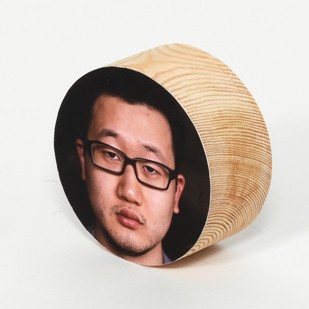
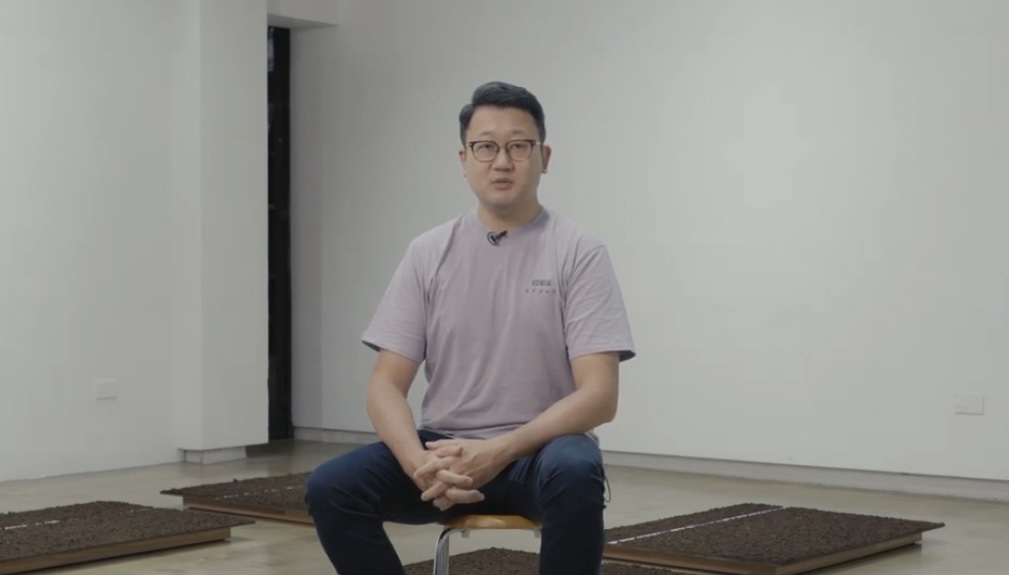
Artist Jinkyun Ahn © Seoul Museum of Art

Jinkyun Ahn studied photography and video at the Rhode Island School of Design in the United States and earned an MA in Photography from the Royal College of Art in the United Kingdom. His major solo exhibitions include 《Permanent Vacation》 (SeMA Storage, Seoul, 2022), 《Slice》 (Artspace Boan 2, Seoul, 2019), and 《Hanged Man》 (Efremidis Gallery, Berlin, 2019).
 
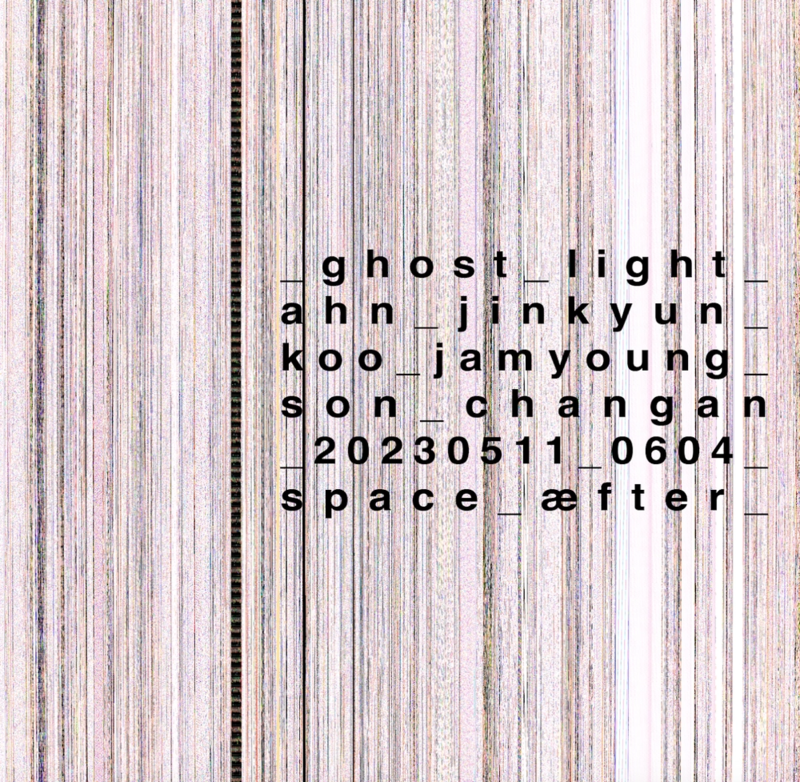
Ahn has also participated in numerous group exhibitions, including 《etcetera》 (SeMA Nanji Residency, Seoul, 2024), 《Ghost Light》 (Space Æfter, Seoul, 2023), 《NANJI ACCESS with PACK: Mbps》 (Seoul Museum of Art, Seoul, 2022), 《River of Inspiration》 (Gana Art SOUNDS, Seoul, 2020), 《The Art of Fighting》 (SeMA Nanji Residency, Seoul, 2018), and 《Intro》 (MMCA, Seoul, 2015).
 
Ahn was an artist-in-residence at the SeMA Nanji Residency (2023) and the MMCA Residency Goyang (2015). In 2013, he was selected for ‘Foam Magazine #36/Talent’.

References