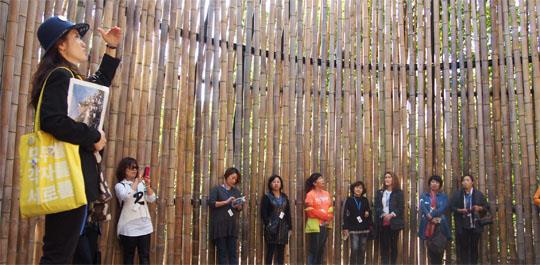
◆ Bringing Public Art into Everyday Life = Launched in 2005 as South Korea's first project of its kind, APAP has presented 140 artworks throughout Anyang over the past 11 years, primarily in and around Anyang Art Park.
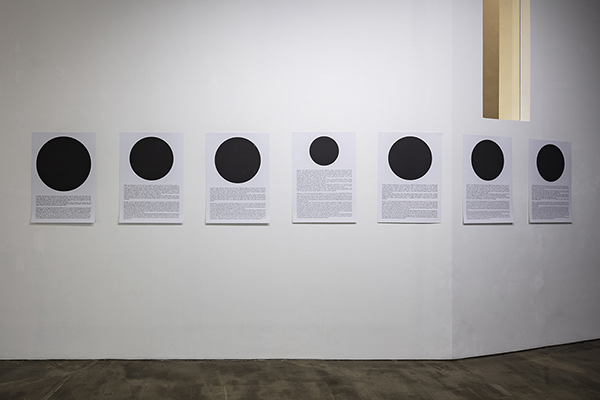
APAP is a project that draws inspiration from Anyang's geography, culture, and history, presenting a wide range of public artworks, including paintings, sculptures, and architectural structures, across the city and transforming the city itself into a gallery.
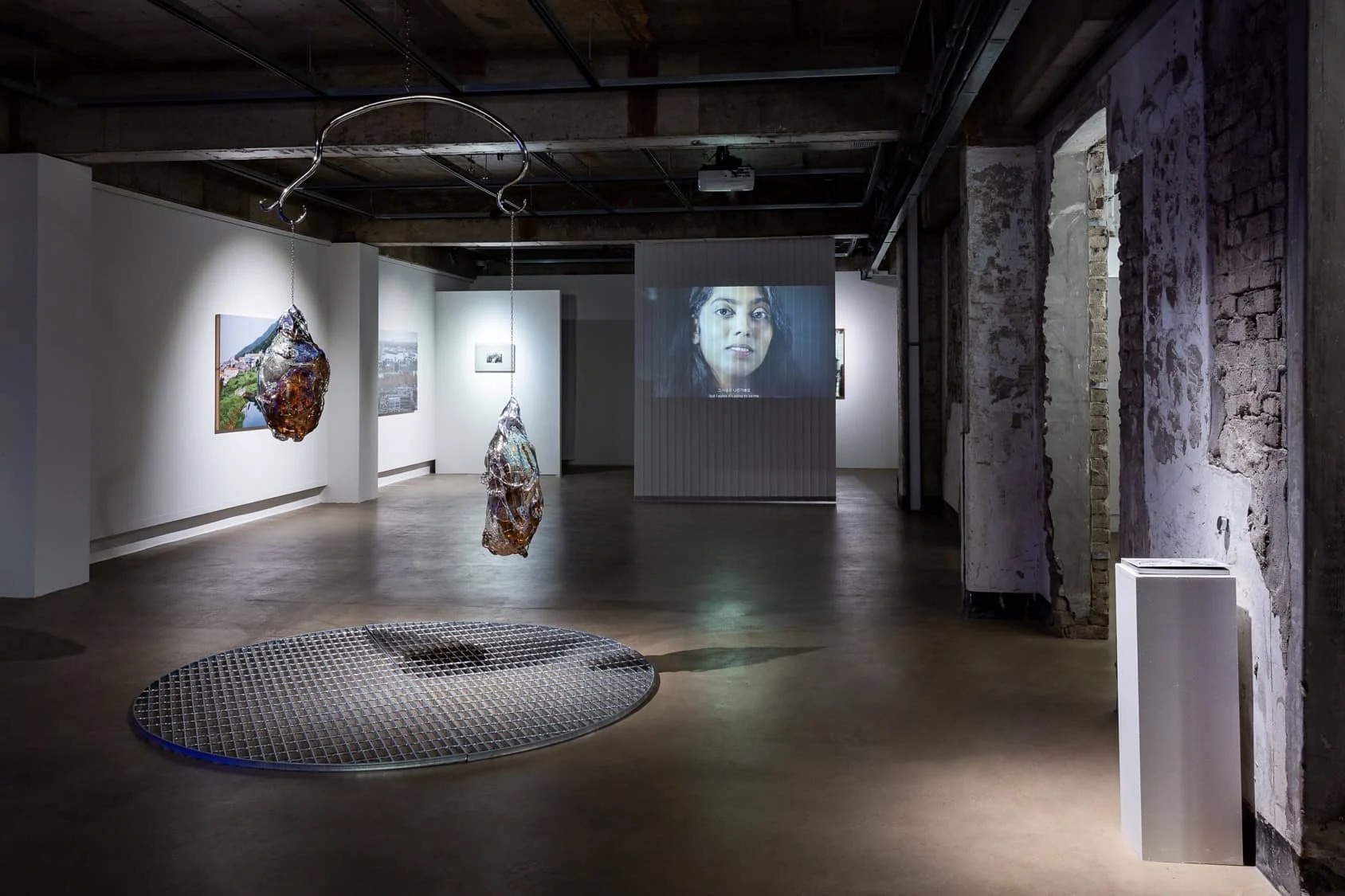
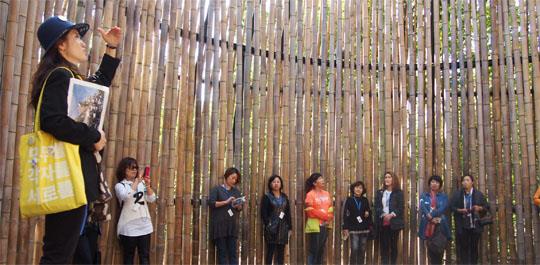
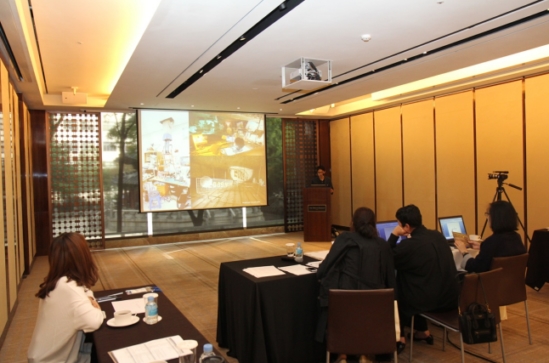
From October 15 to December 15, 24 teams of artists from Korea and abroad will present various forms of public art over two months at Anyang Art Park, Pyeongchon, and other locations. This year, ahead of the opening, APAP has organized a variety of programs that allow citizens to participate directly as artists, from artwork production to workshops and performances.
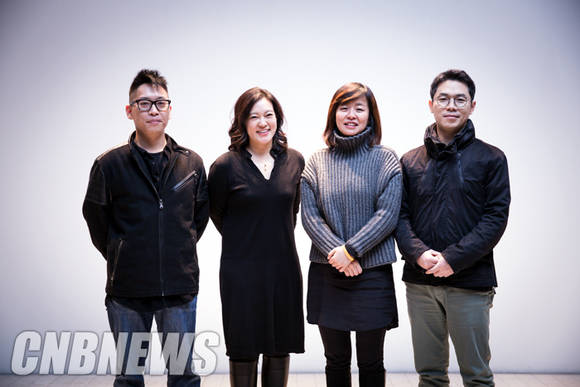
Jung Jae-wal, CEO of the Anyang Foundation for Culture and Arts, stated, "Compared to previous editions, we have significantly expanded citizen participation programs, focusing on narrowing the gap between public art and the public."
Argentine artist Adrián Villar Rojas is conducting an open call to actively incorporate citizens' opinions into his project, which involves installing approximately 80 to 100 intricately designed, dome-shaped bird nests made of clay throughout Anyang.
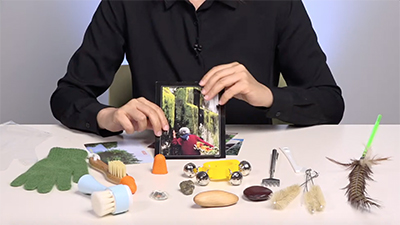
House of Natural Fiber, a collective that has organized interdisciplinary workshops combining art and science in the United States, Europe, and elsewhere, is preparing “Anyang Public Lab”, a series of workshops involving local citizens.
In collaboration with professionals from diverse fields, including designers, artists, scientists, and musicians from Korea and abroad, the collective plans to hold approximately 30 public workshops throughout November and present the results in the form of digital videos and interactive media.
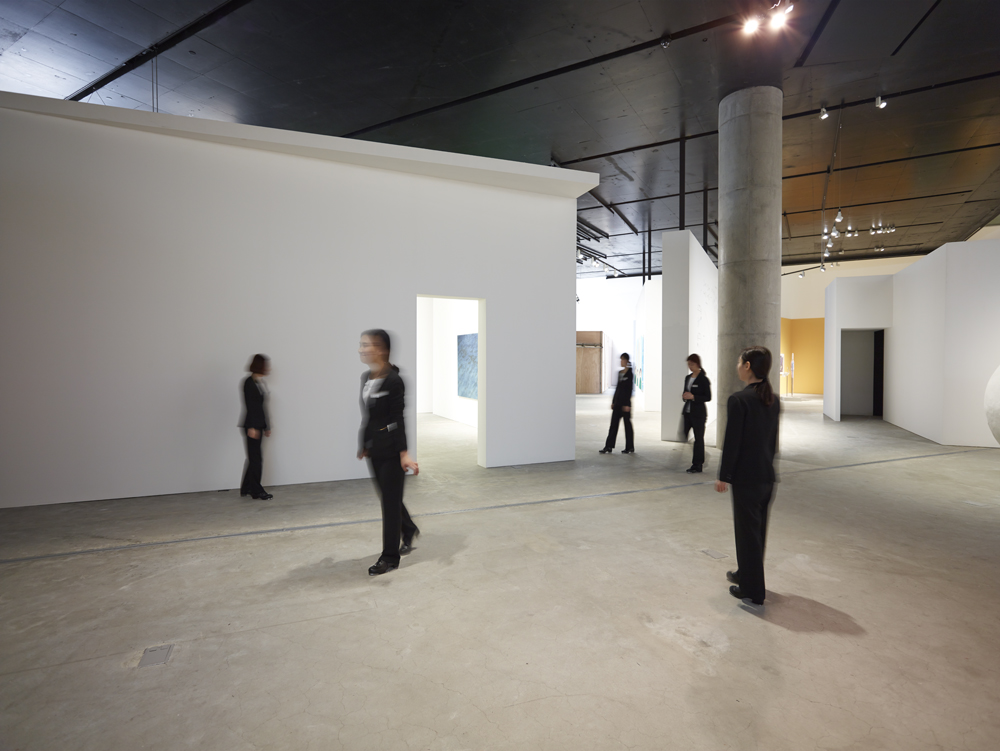
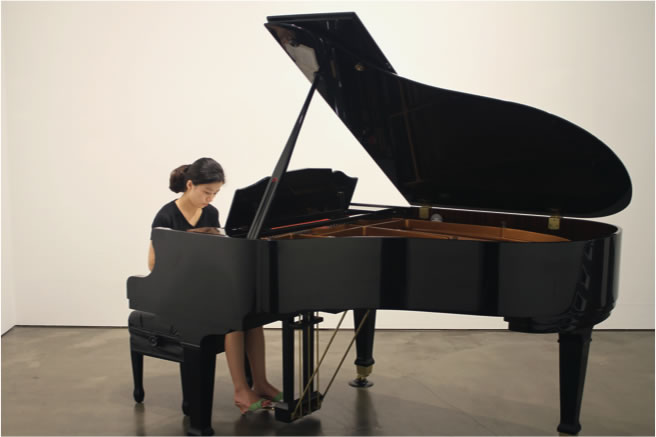
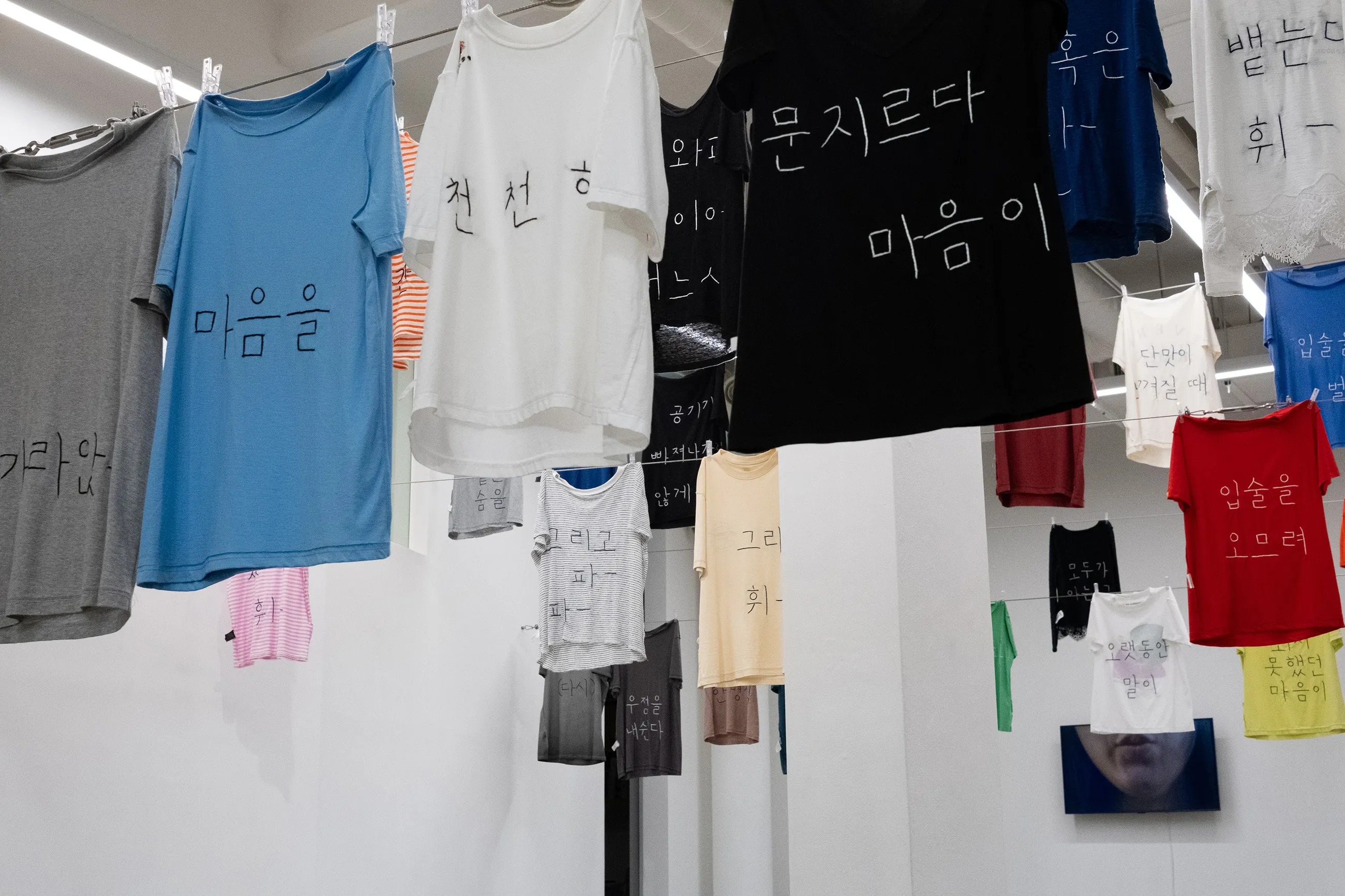
American fashion designer Christina Kim will create uniforms as artworks based on site visits and interviews with docents from Anyang. Korean artist Bona Park will collaborate with students studying contemporary popular music to stage instrumental performances, which will then be developed into video works and screened at various locations throughout the city.
Another project will involve local artists installing artworks suited to individual shops within Anyang Art Park, transforming them into exhibition spaces.
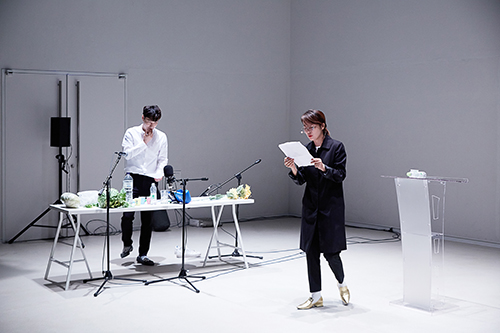
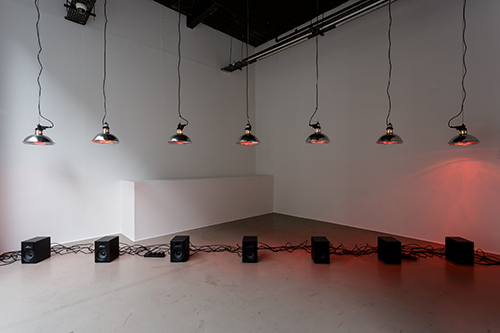
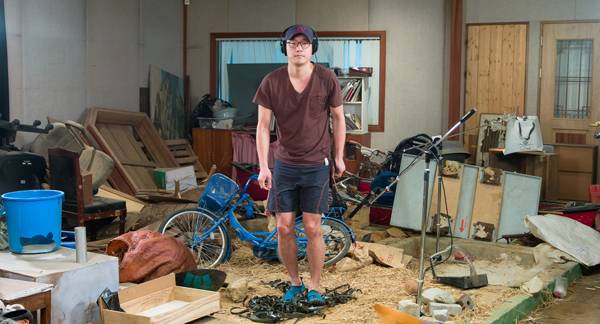
◆ Public Art Breaks Down Genre Boundaries = In this way, APAP 5 presents public art that combines diverse genres through citizen participation. Moving beyond its previous focus on painting, sculpture, and installation, the project brings together artists working in new fields, including film, fashion, sound, and performance.
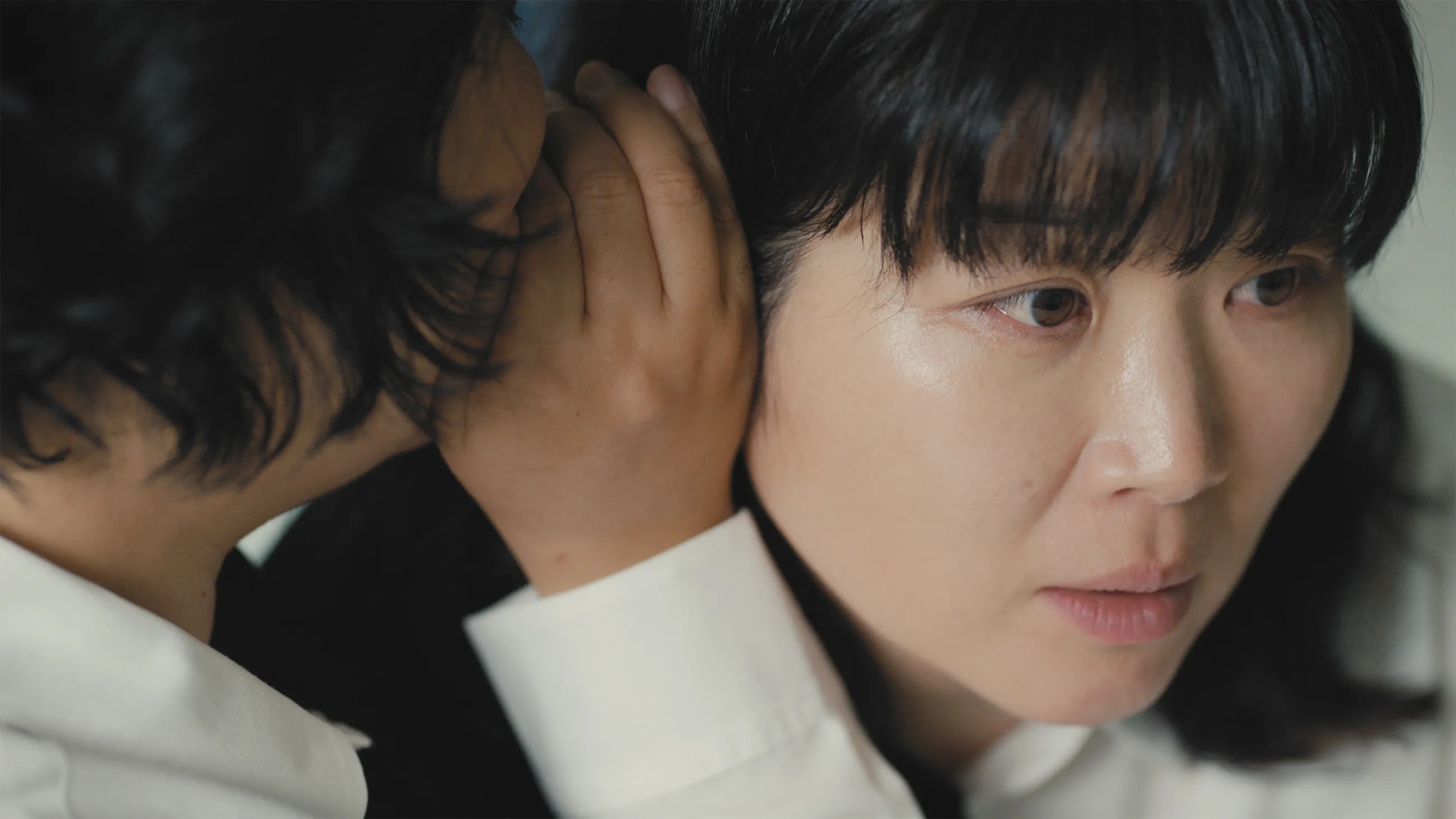
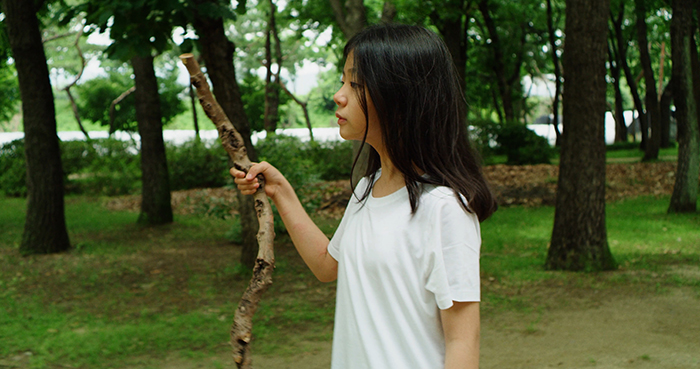
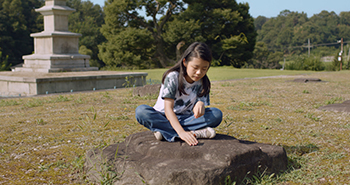
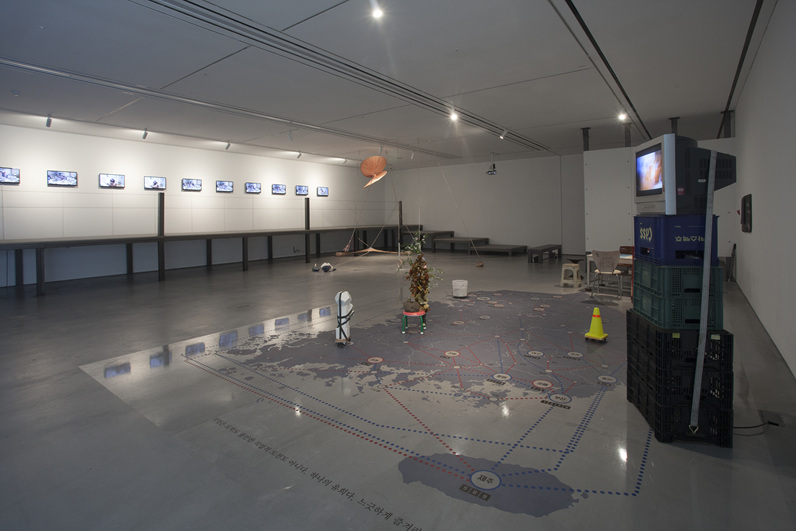
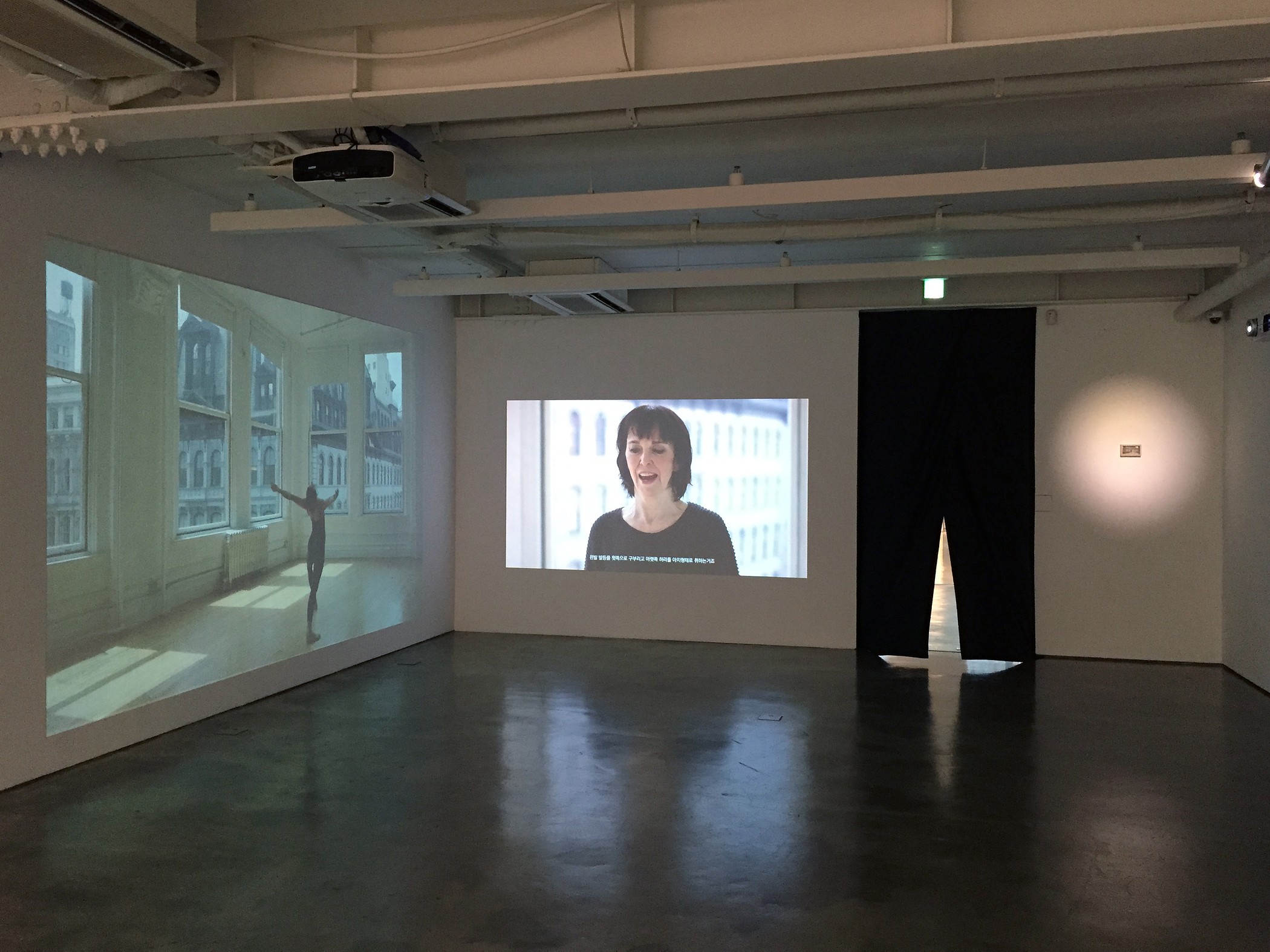
Director Im Heung-soon, who received the Silver Lion at the Venice Biennale for his film Factory Complex, and director Park Chan-kyong, known for his documentary Manshin: Ten Thousand Spirits, will present works combining interviews with citizens, workshops with North Korean women, performances, and fiction.
In addition, virtual reality (VR) technology will be incorporated into tours and educational programs featuring works presented at APAP, offering visitors opportunities to experience art beyond the limitations of time and space. Eungie Joo, artistic director of APAP 5, stated, "I believe APAP has a responsibility to address the challenges facing public art in Korea and propose directions for its future development."
She added, "This year, we have prepared a comprehensive presentation of APAP's achievements over the past 11 years, with the aim of establishing it as one of Korea's three major art festivals alongside the Gwangju and Busan Biennales."