Bona Park works across various media, including text, performance, video, installation, and publications, flexibly adapting her approach to the specific locations and situations in which her works are presented. She frequently constructs situations in which the meaning of a work emerges through viewers' responses to conditions established by the artist.
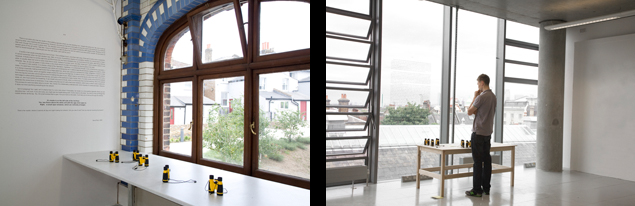
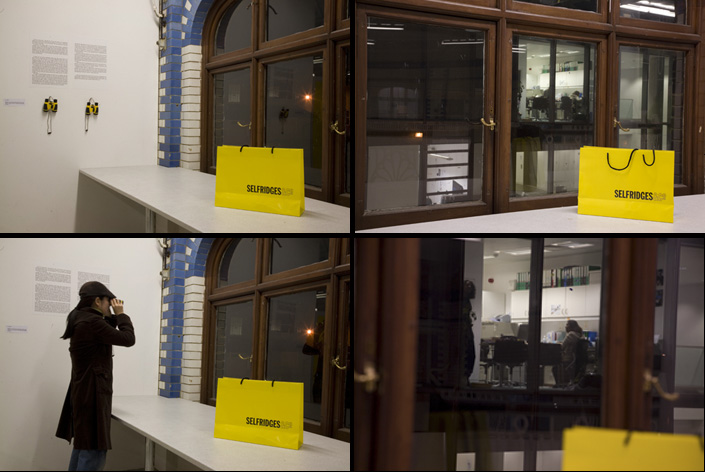
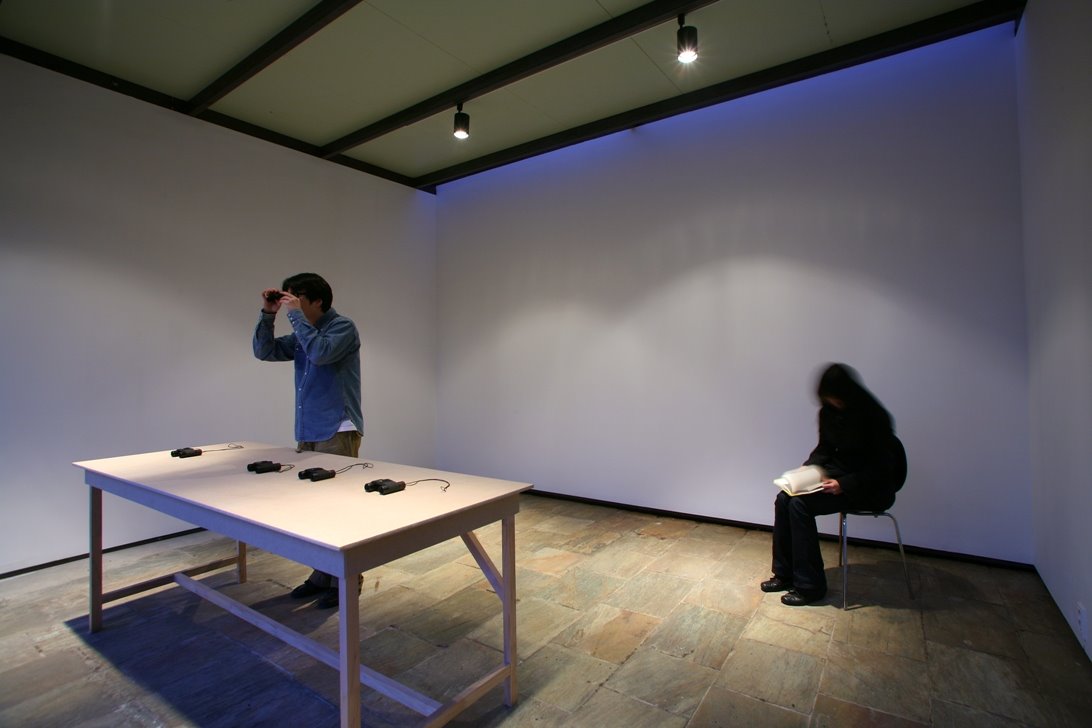
Her early 'X' series, including X (2007), XX (2008), and X2 (2009), exemplifies this approach. Combining fictional narratives of her own writing with windows and binoculars, Park encourages viewers to observe the surroundings beyond the exhibition space. As they follow the instructions embedded in the text, viewers encounter unexpected situations and come to recognize their own acts of observation as part of the artwork. In this way, Park assigns new functions to familiar objects, incorporating viewers' actions and interpretations into the structure of her work.
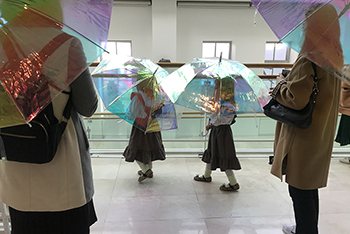
Park's performances are characterized by their incorporation of individuals' actual professions and everyday activities. She invites professional musicians, museum invigilators, technicians, and other workers to participate, proposing specific roles or conditions for them to perform. In The Box in a Plastic Bag (La boîte-en-sac plastique) (2010), exhibition participants were asked to carry plastic bags containing groceries purchased according to their individual eating habits.
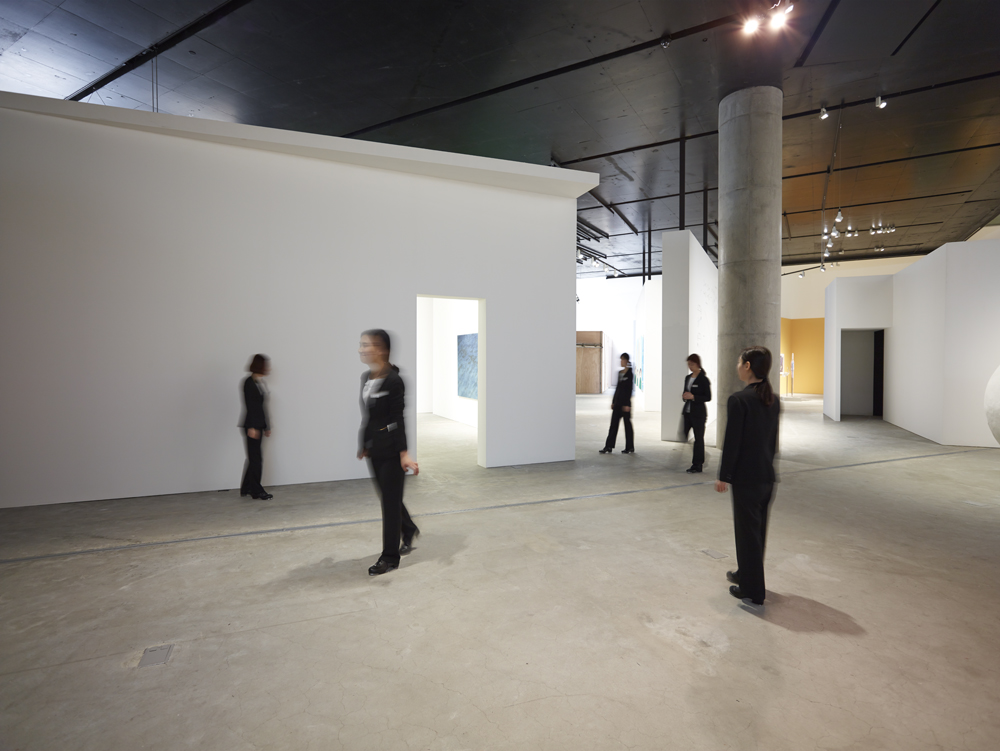
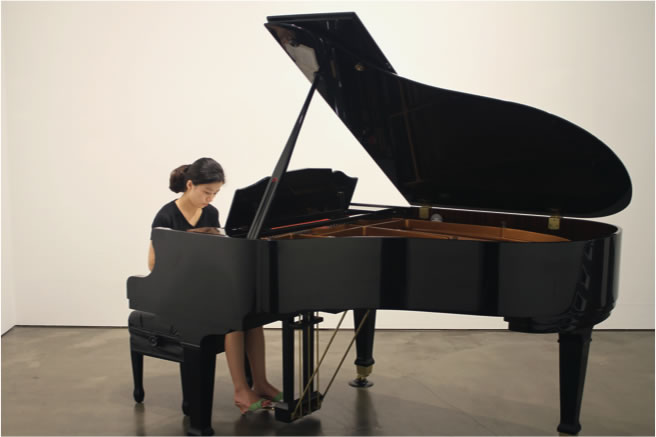
In 2'33'' (2013), a pianist remained in the exhibition space, intermittently performing a composition by Beethoven. In I Tell What You Believe 1 (2014), museum invigilators were instructed to walk through the galleries wearing tap-dancing shoes. Although these works begin with conditions established by the artist, they generate unforeseen outcomes through the participants' actual behavior and working environments. Park actively embraces the discrepancies between planning and execution, treating the unfolding process of performance as an essential part of the work itself.
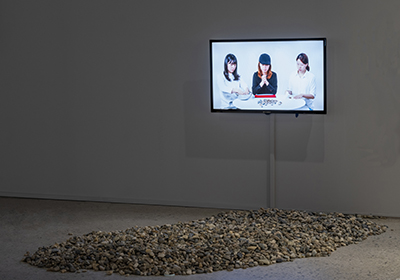
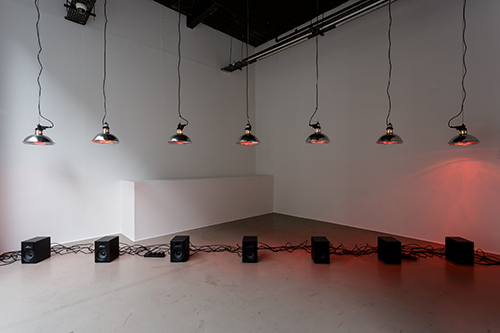
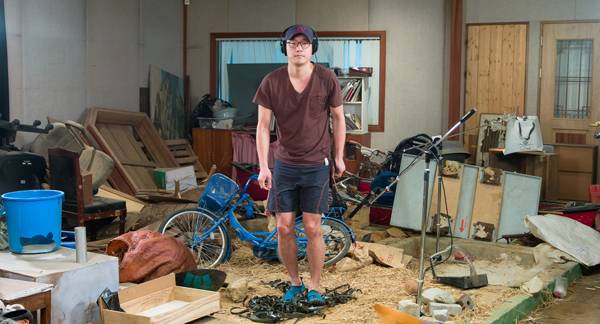
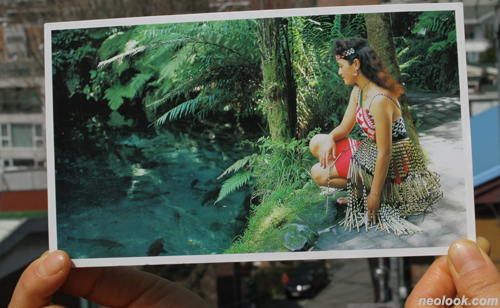
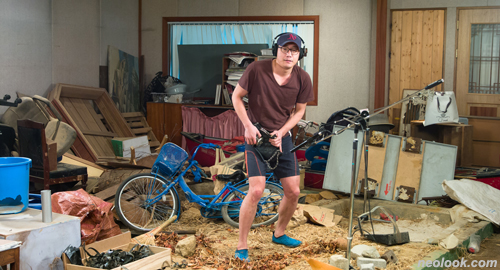
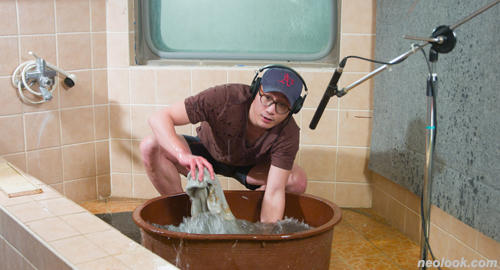
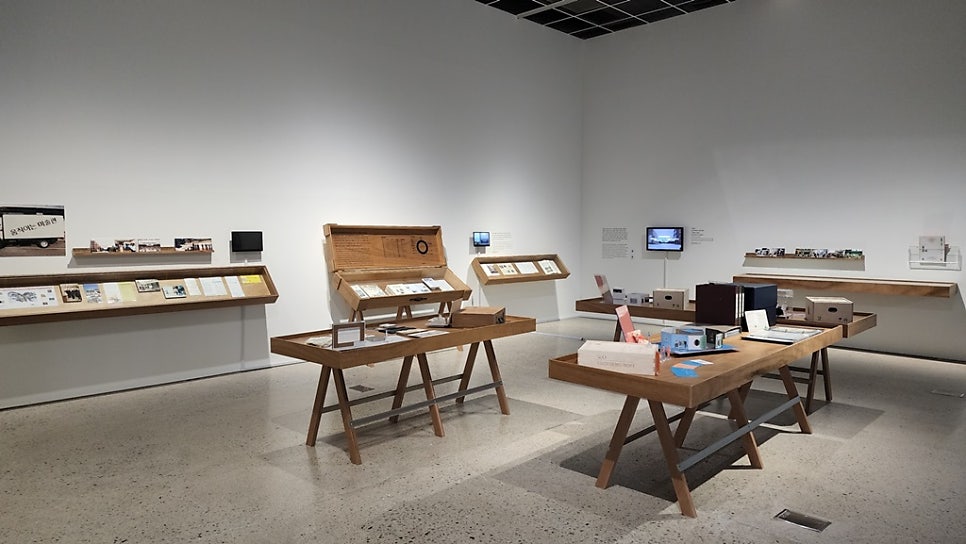
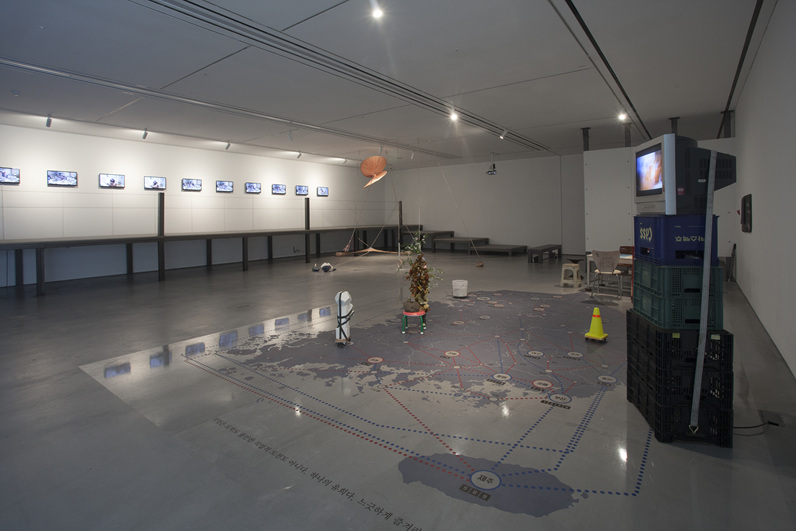
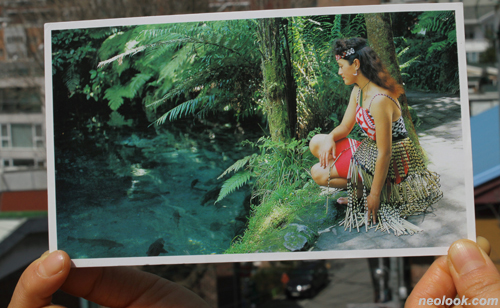
In her video and installation works, Park frequently reconstructs familiar methods of producing images and sounds or reveals the processes of documentation and reproduction. In 《Kotakina Blue》 (2015), she invented a fictional holiday destination and presented Kotakina Blue 1, a ten-channel video documenting the work of a Foley artist producing cinematic sound effects, alongside Kotakina Blue 2, which involved the act of photocopying tourist postcards.
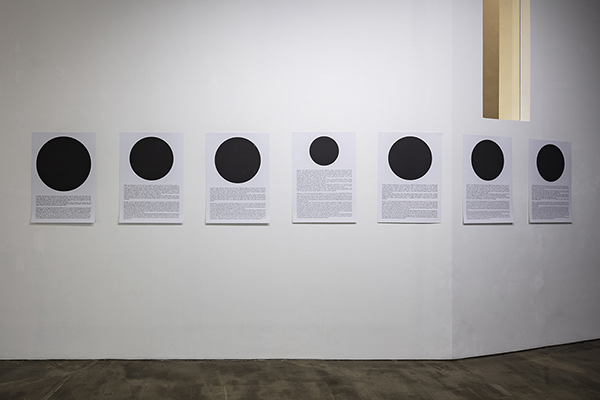
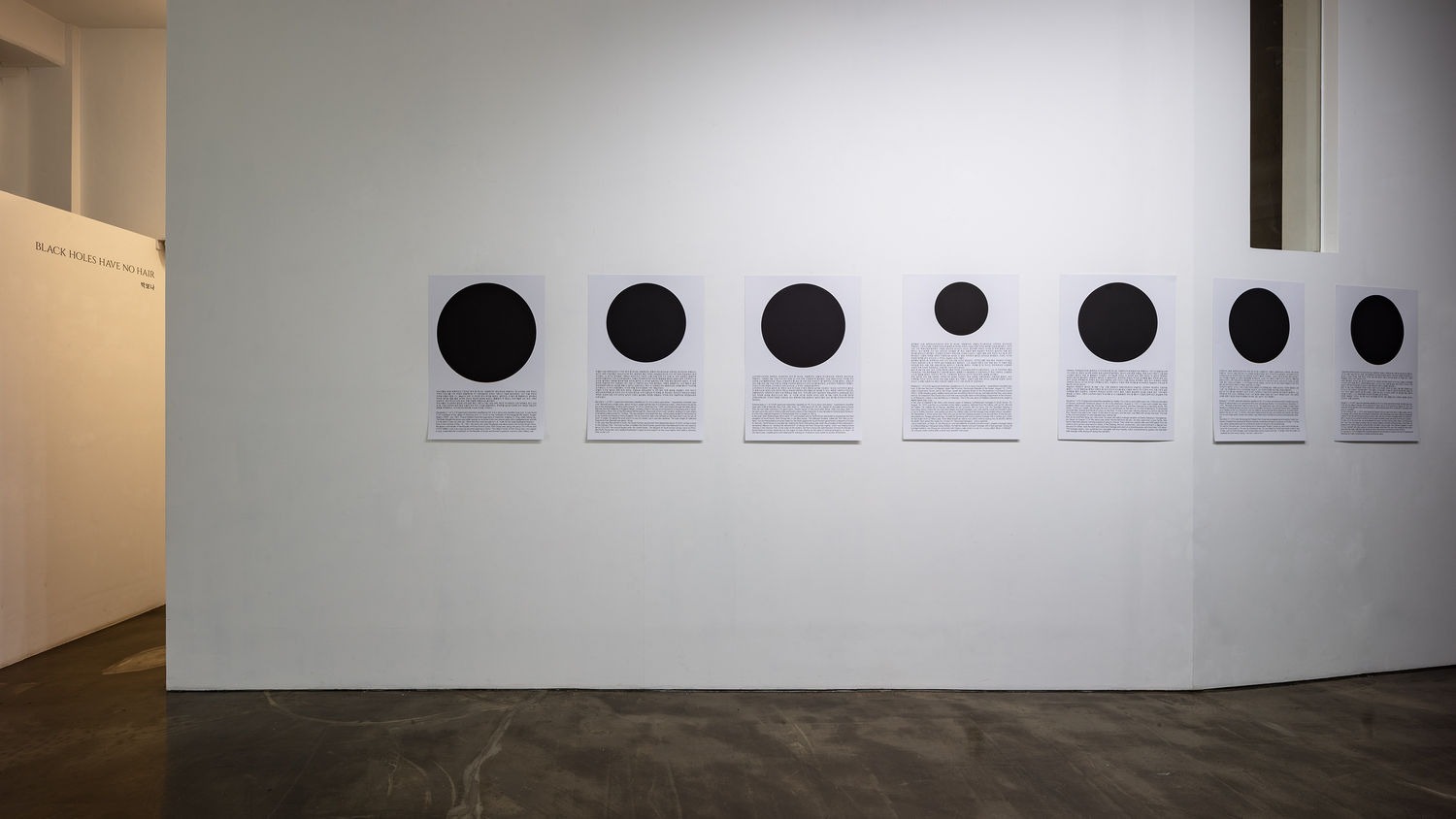
These works allow viewers to experience finished images and sounds while becoming aware of the artificial processes through which they are produced. In Black Square (2013), Park produced posters containing accounts of extinct animals and made them available for visitors to take away. In Black Hole 1 (2019), she presented posters connecting meteorite falls with historical events in Korea.
By bringing together printed materials, moving images, sounds, and everyday objects, Park incorporates the processes of collecting and communicating information, as well as those of reproduction and representation, into her artistic practice.
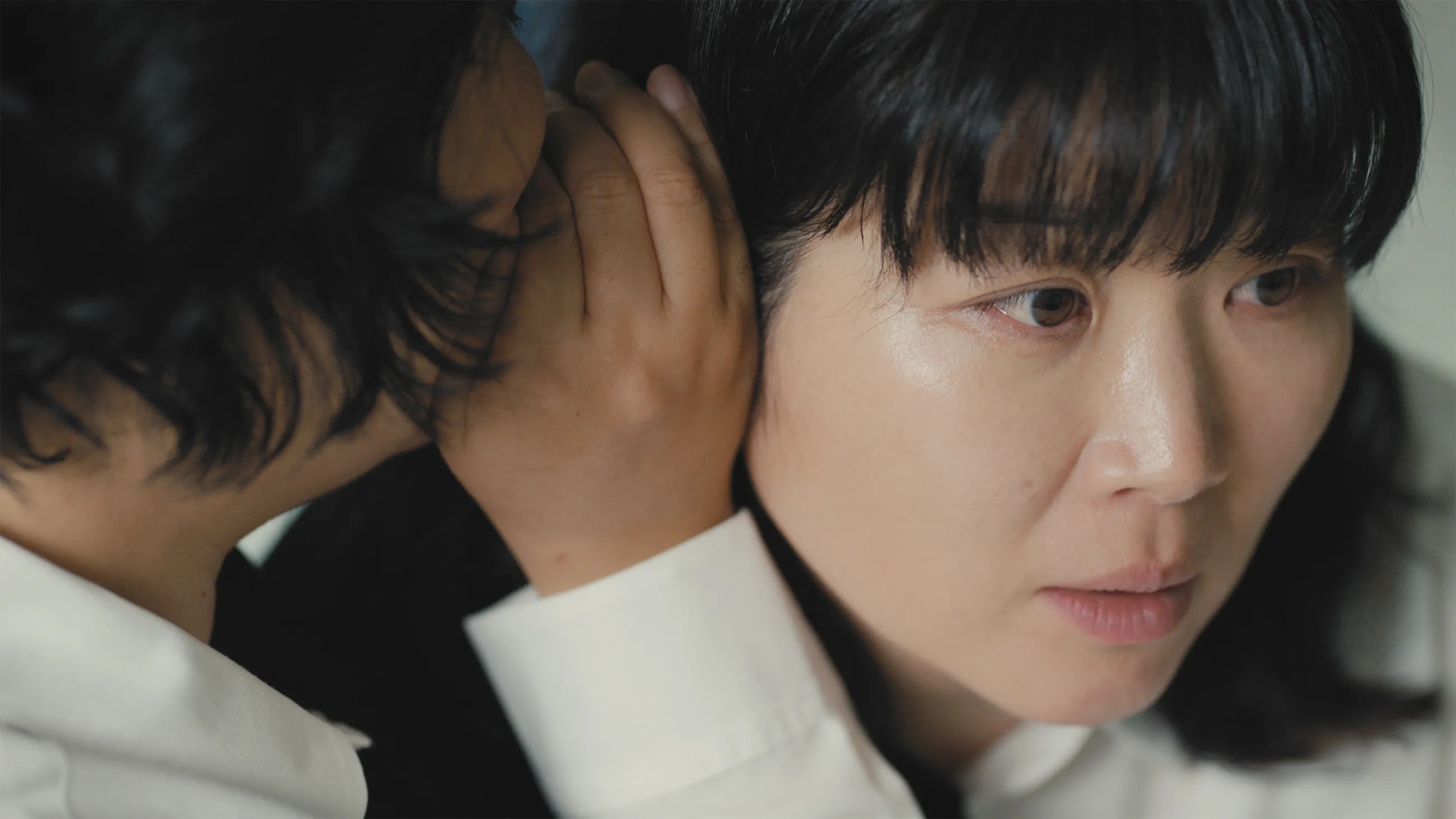
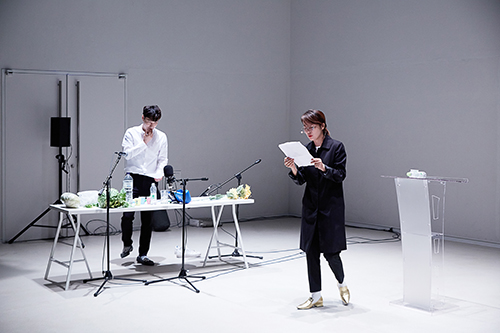
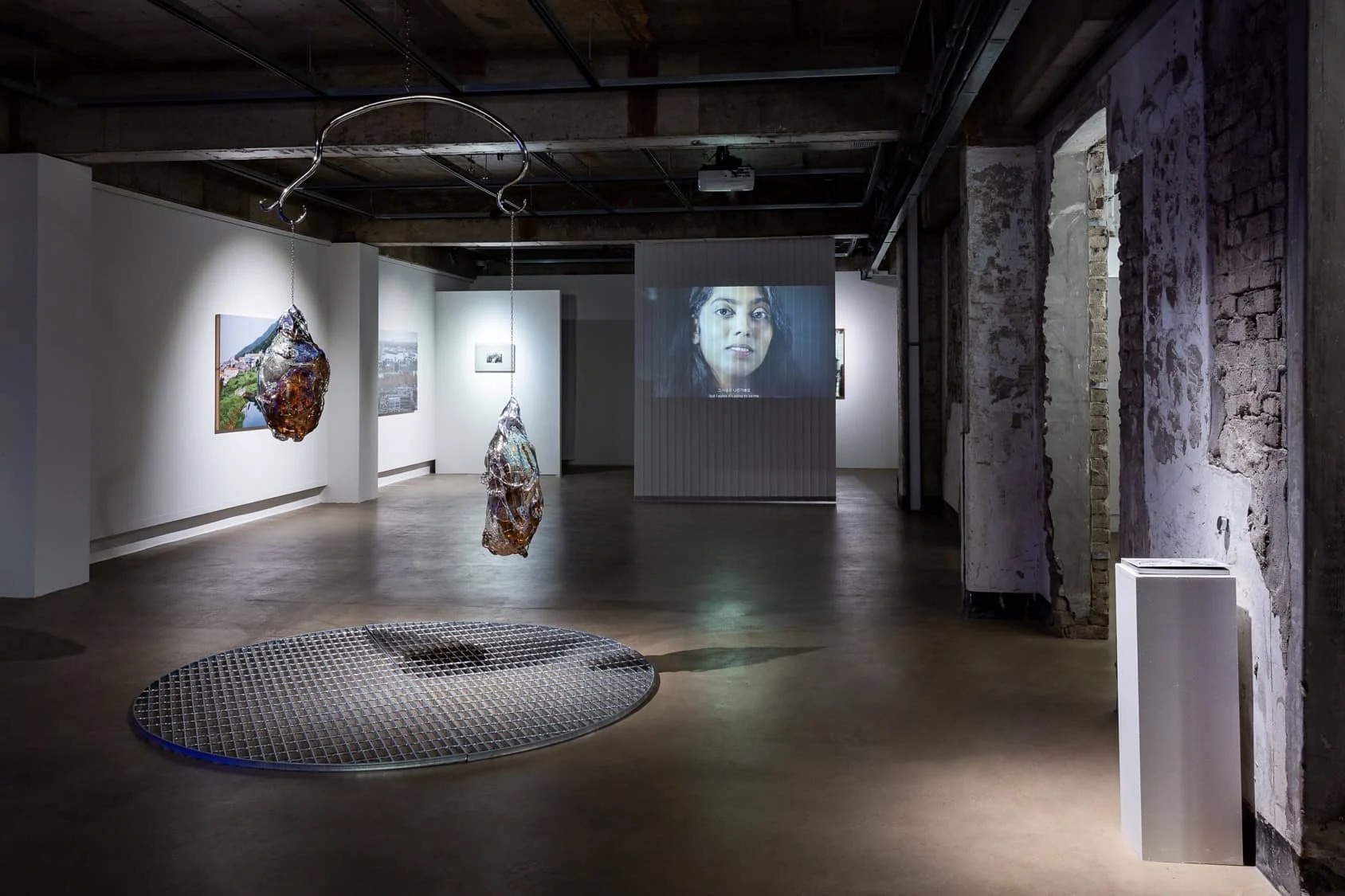
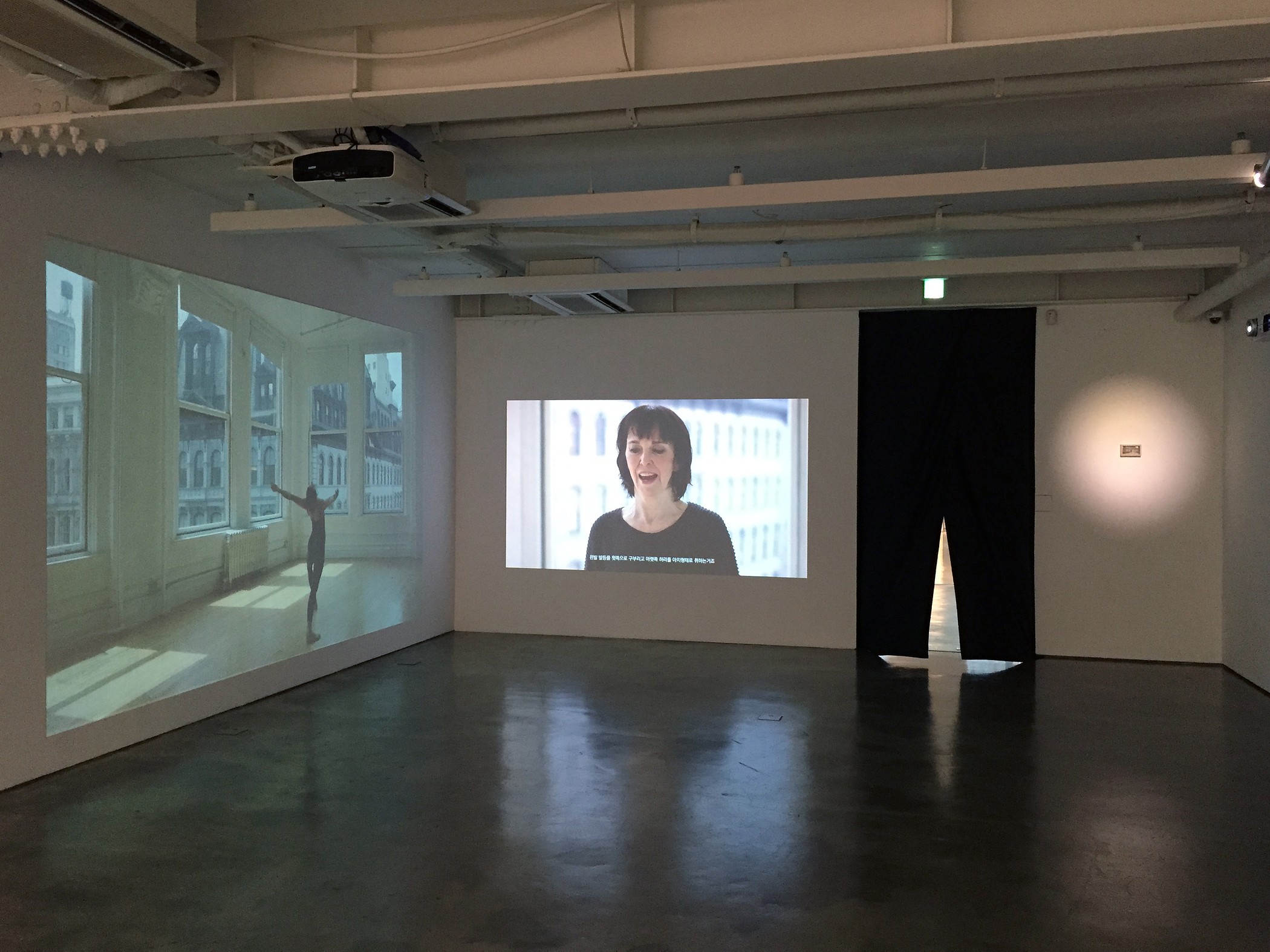
In her more recent works, Park increasingly translates personal expressions, such as voices, breathing, and letters, into performances and moving images. Presented in 《Whistlers》 (2024), Whistlers (2023) is a video documenting twelve women passing whistles from one person to another through shared breath, while Phwee Phwee Fweet Fweet (2024) features two actors reading six letters written to friends.
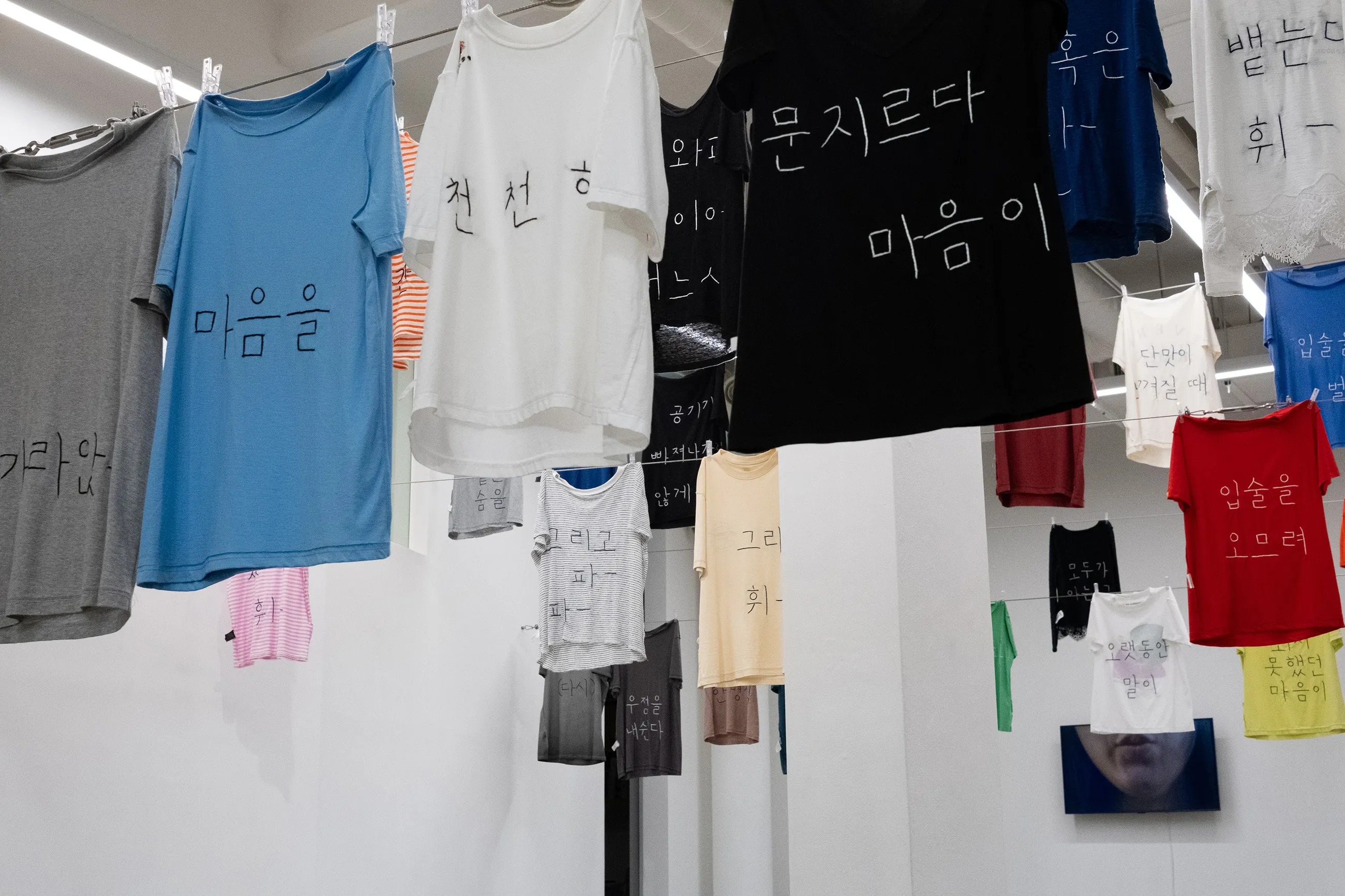
In How to Whistle (2024), the sentiments exchanged through whistling are transformed into a poem embroidered onto T-shirts donated by the artist's acquaintances. Park employs speech, sound, bodily movement, and personal records as materials through which emotions and memories circulate among individuals.
The voices and gestures of those involved in the creative process become essential elements in determining the form of these works. Rather than adhering to a fixed medium, Park combines different modes of expression according to the specific conditions of each project, carefully constructing the ways in which viewers encounter and experience her work.