The
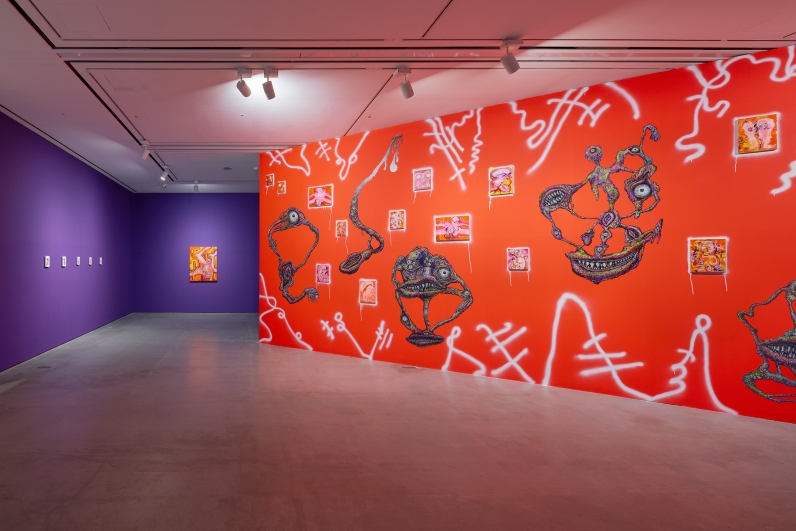
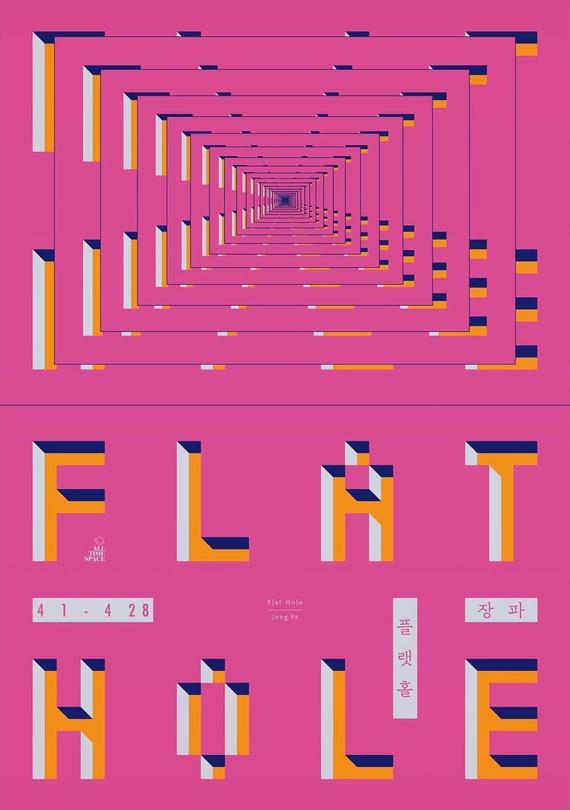
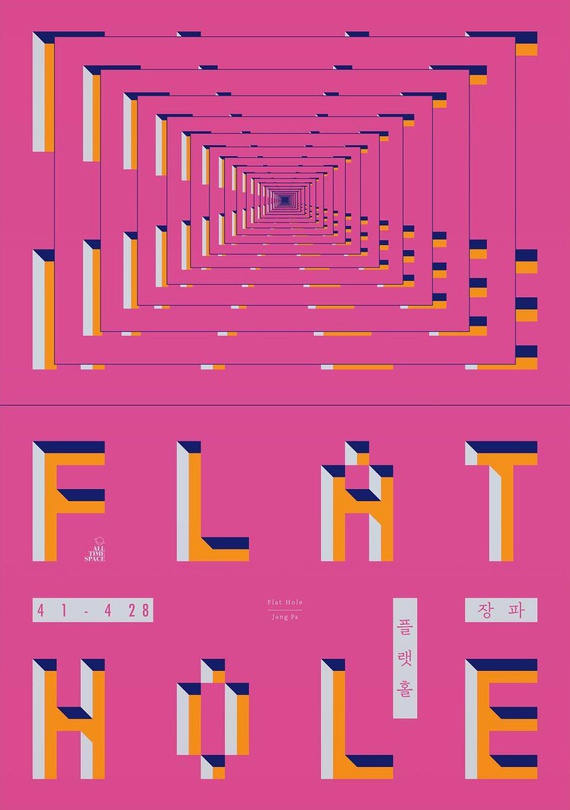
project 《Flat Hole》, consisting of both an exhibition and a book of the same title, is
part of Jang Pa’s long-term exploration of an alternative "minor art
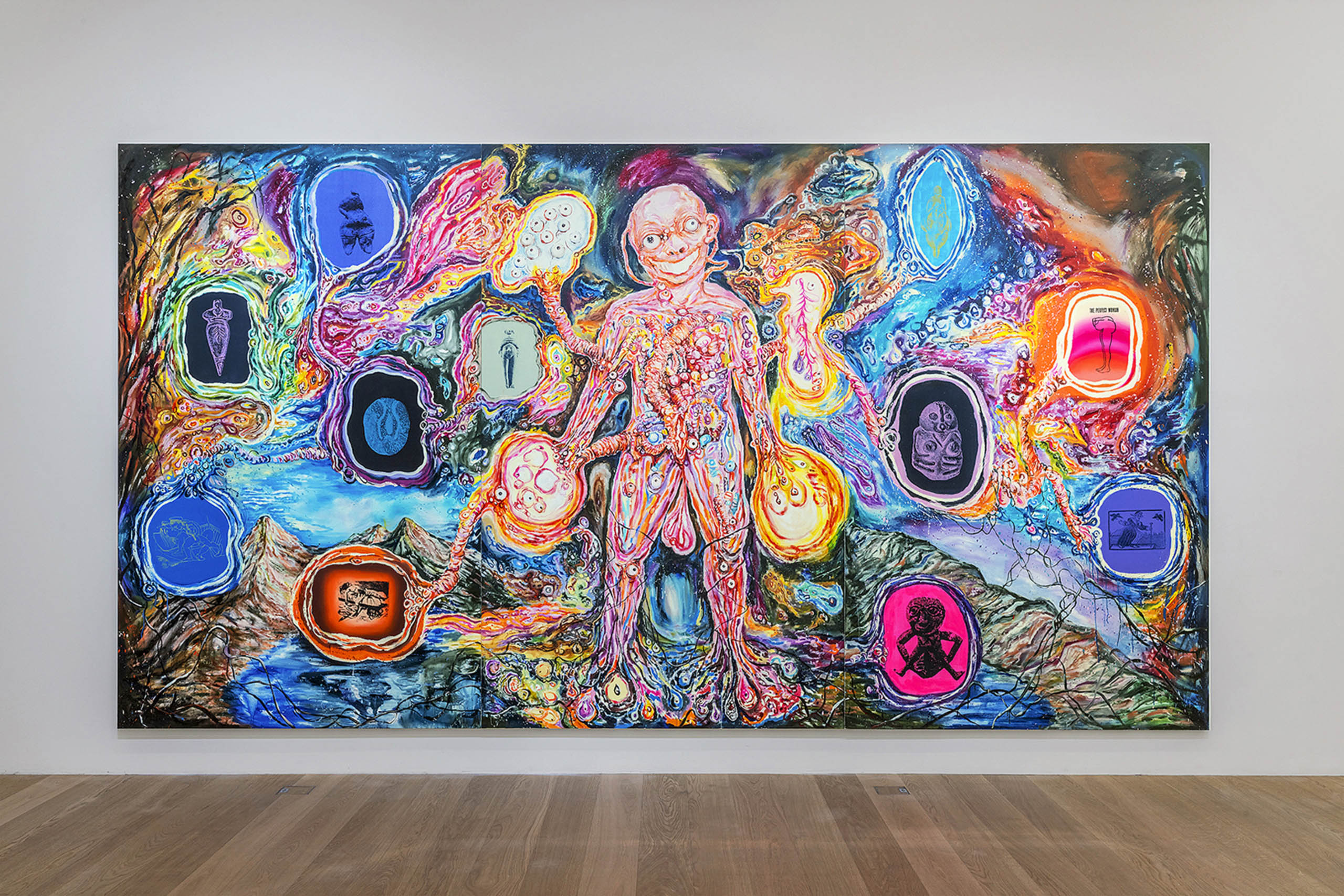
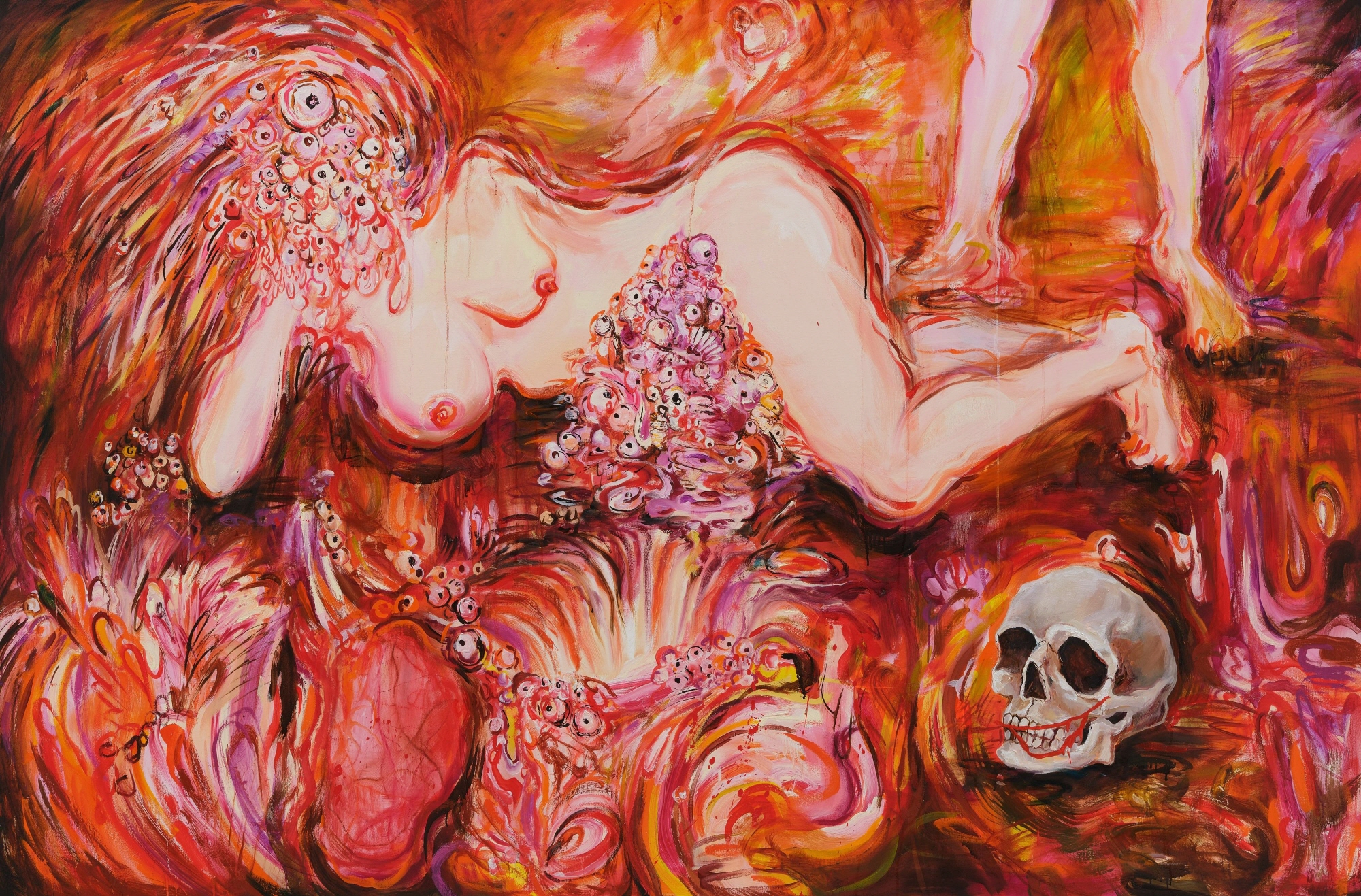
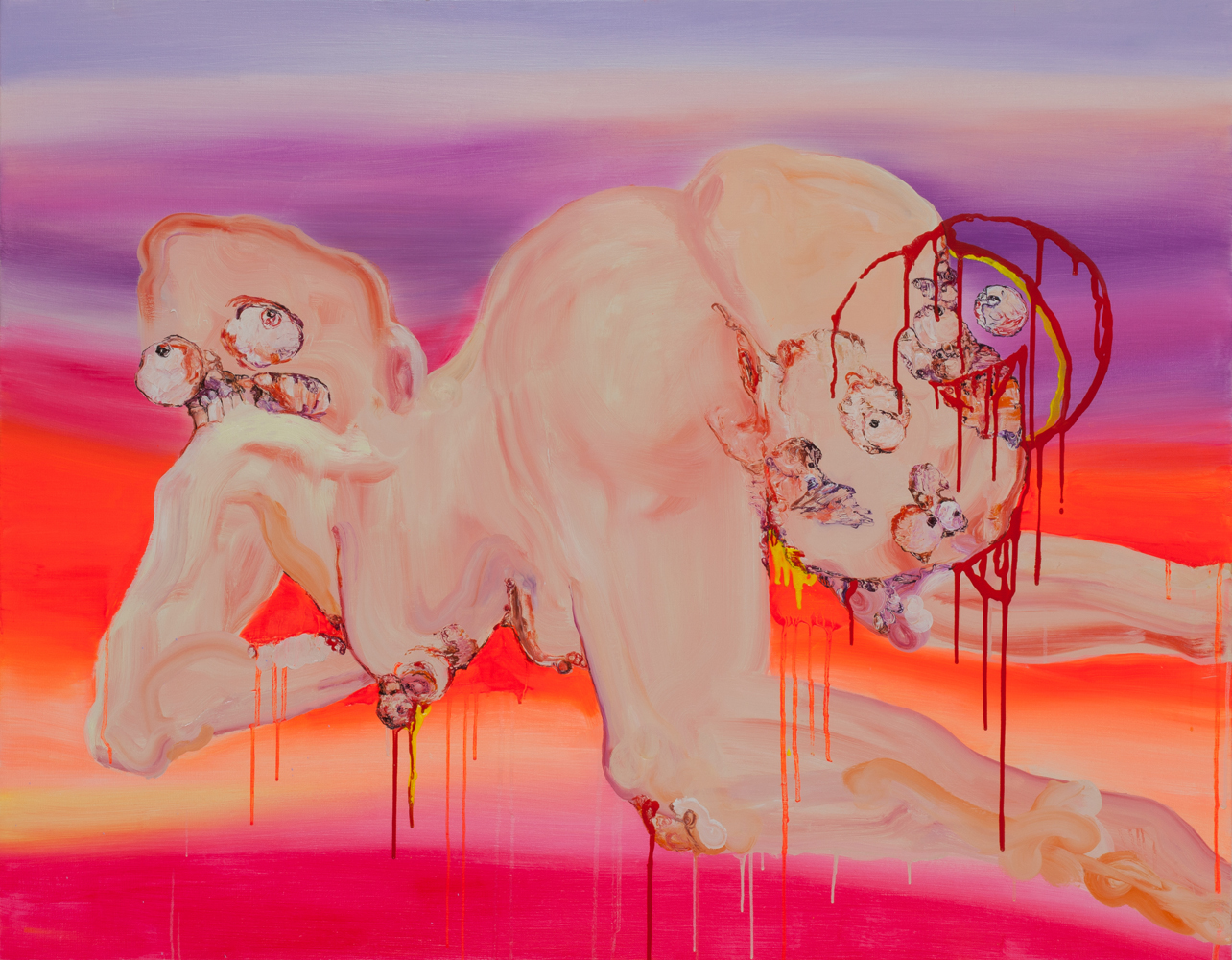
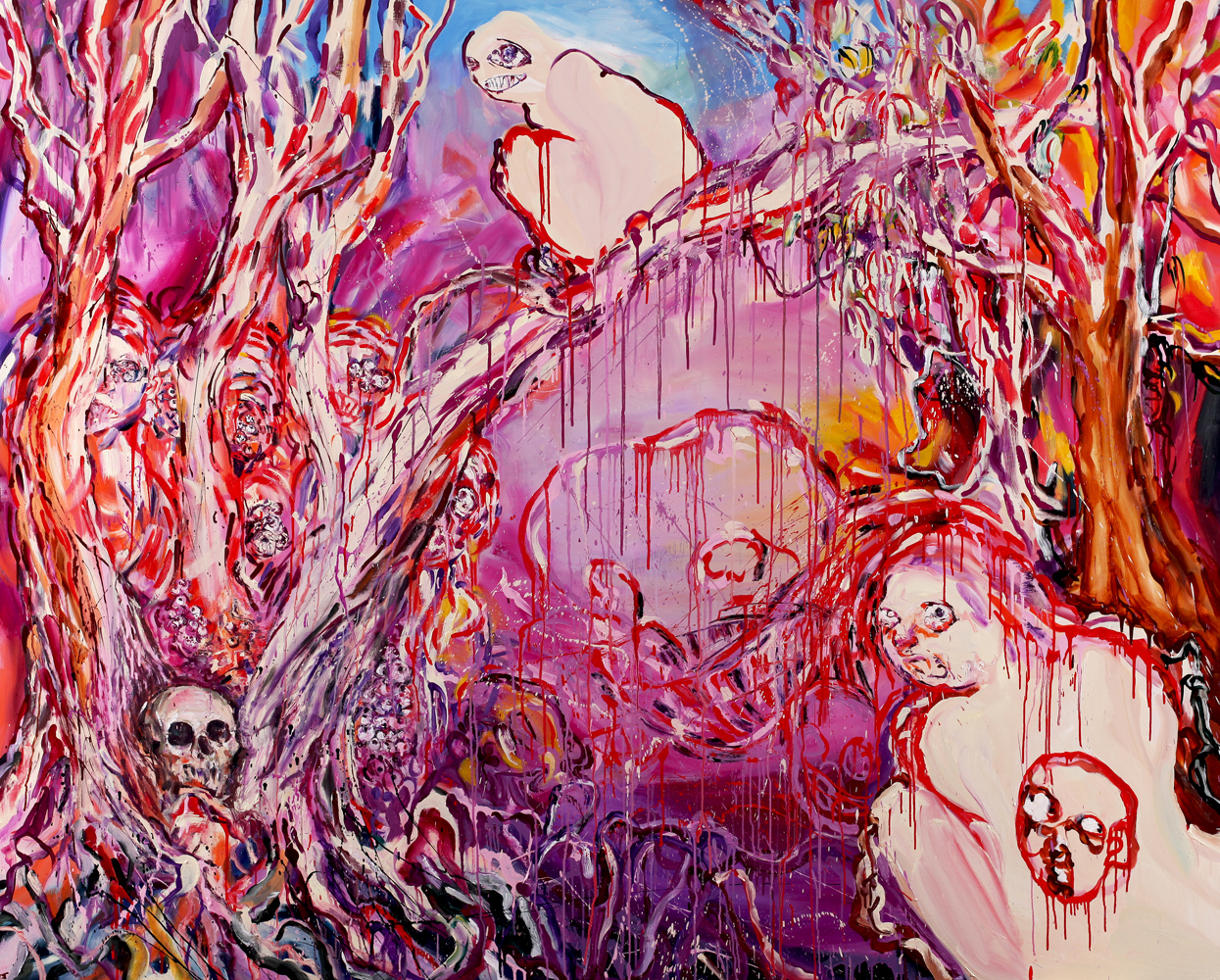
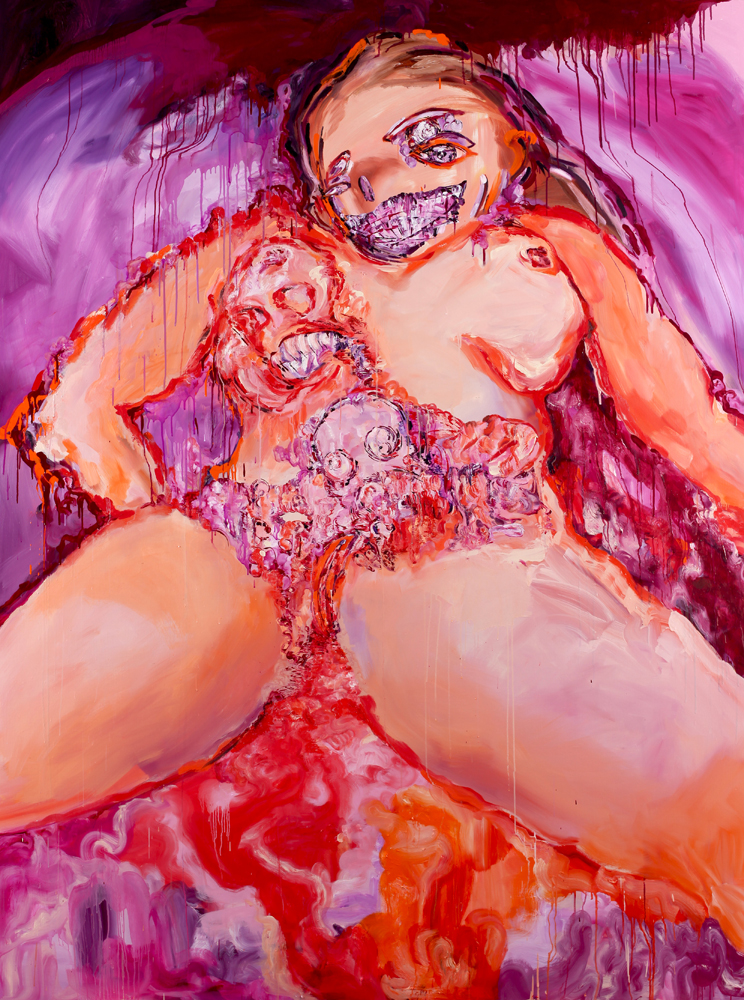
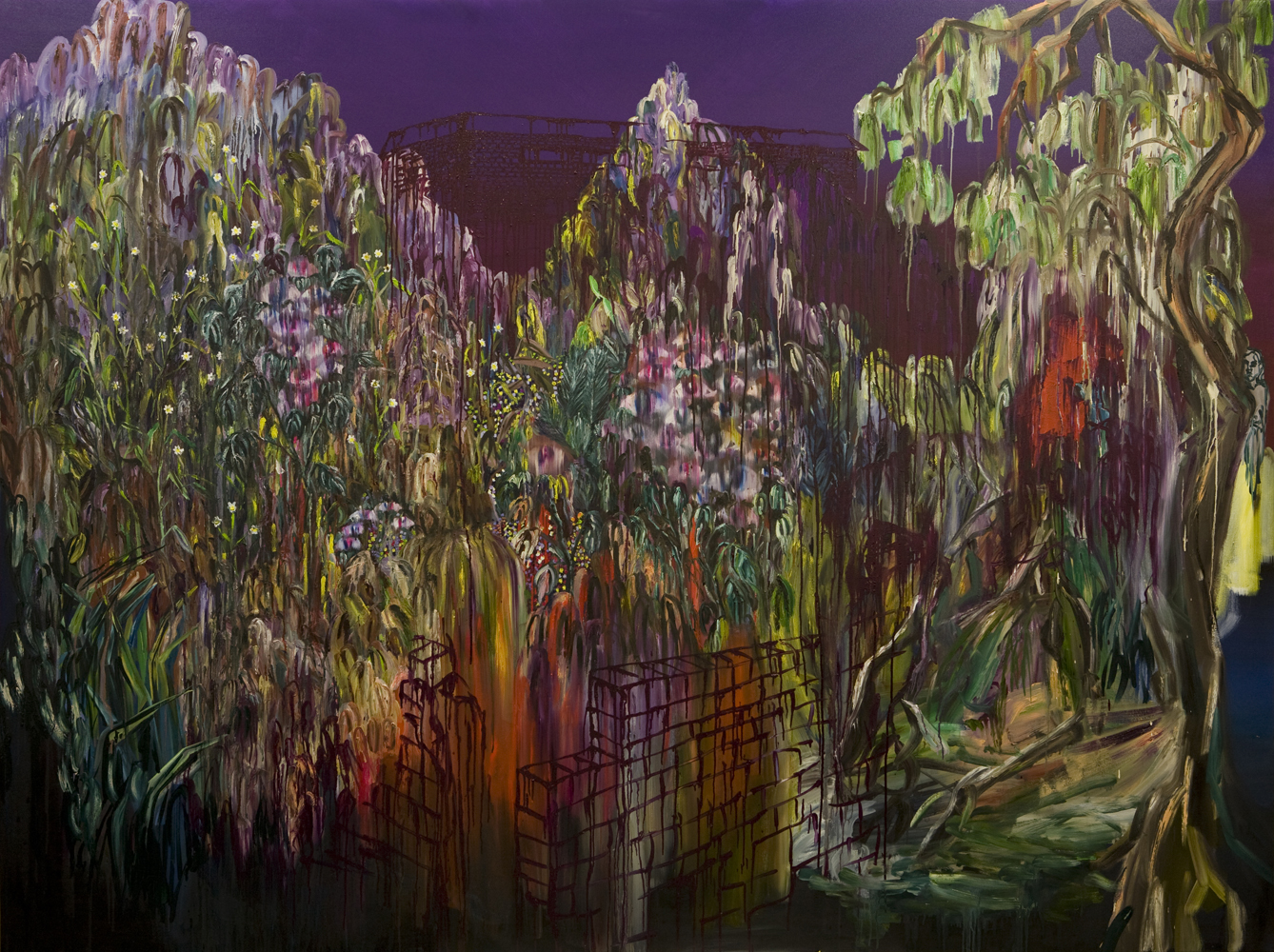
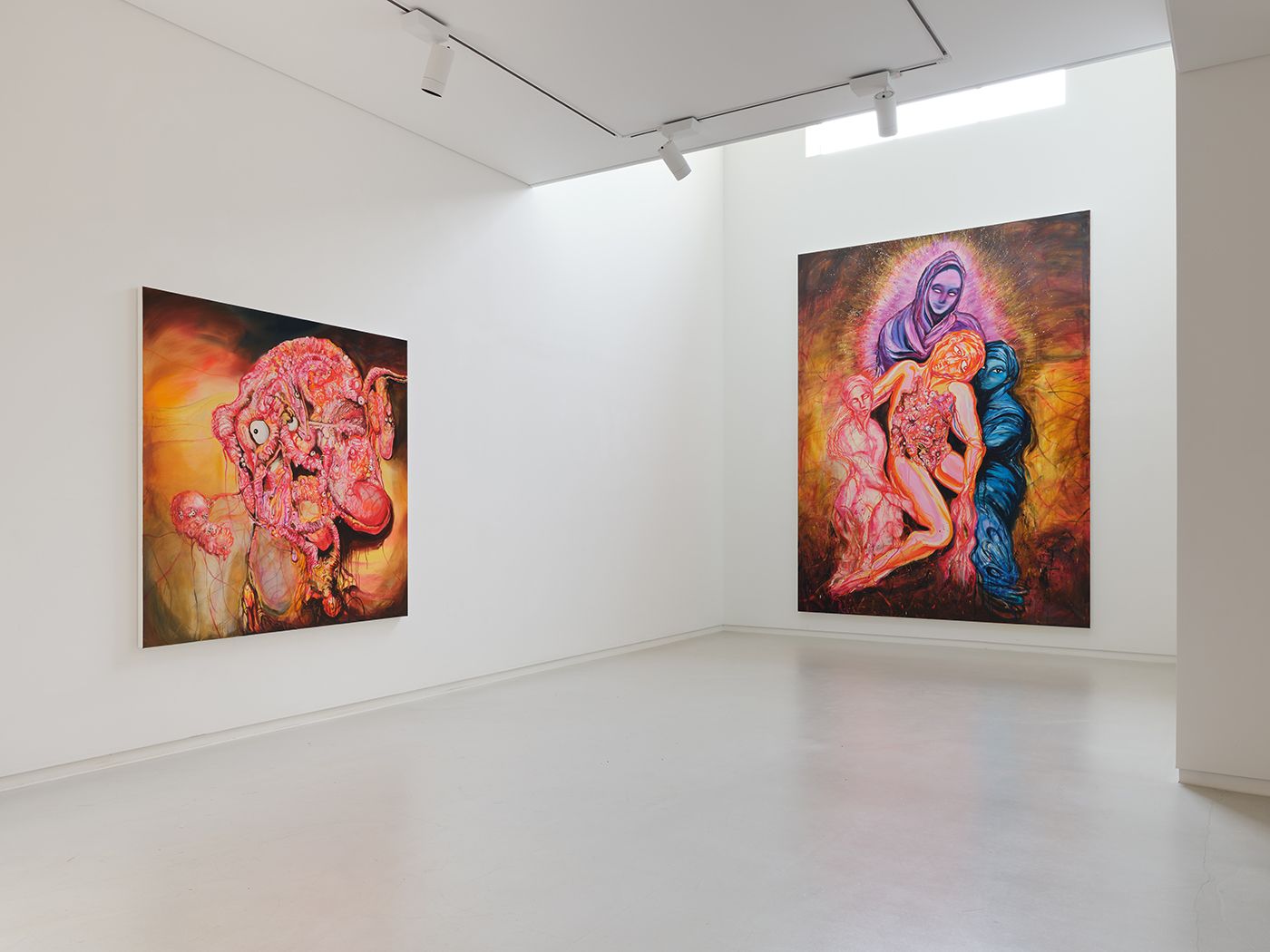
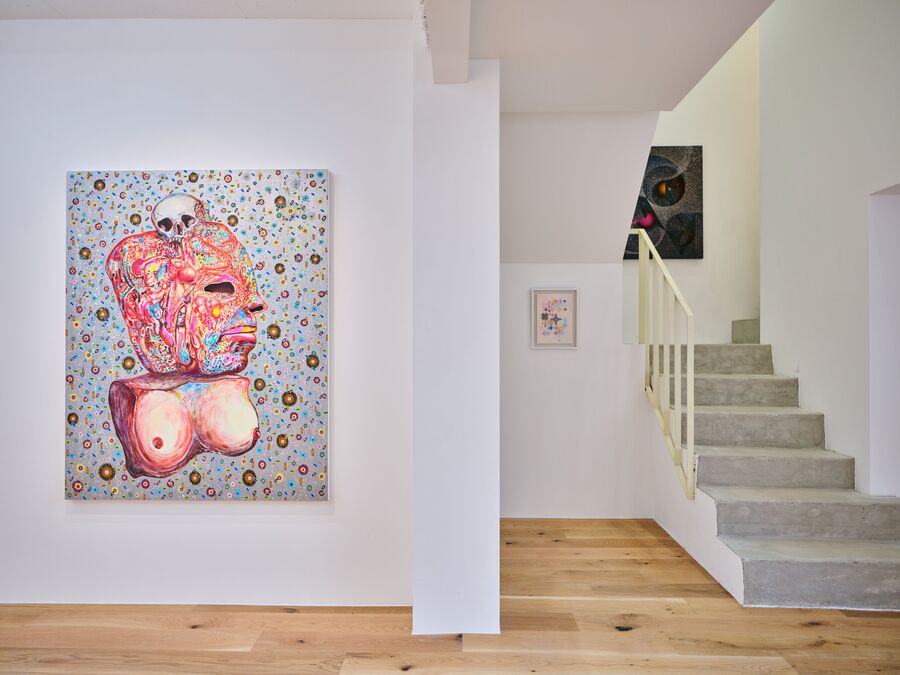
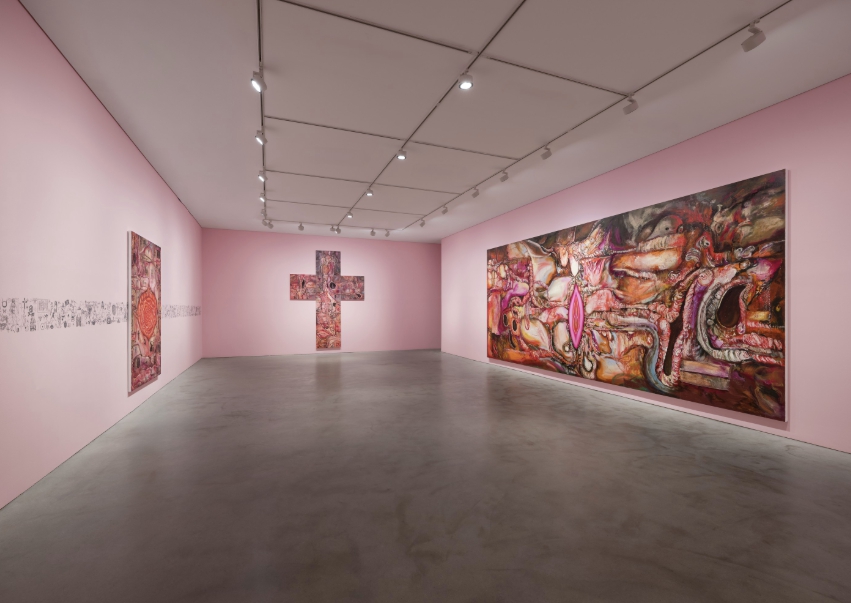
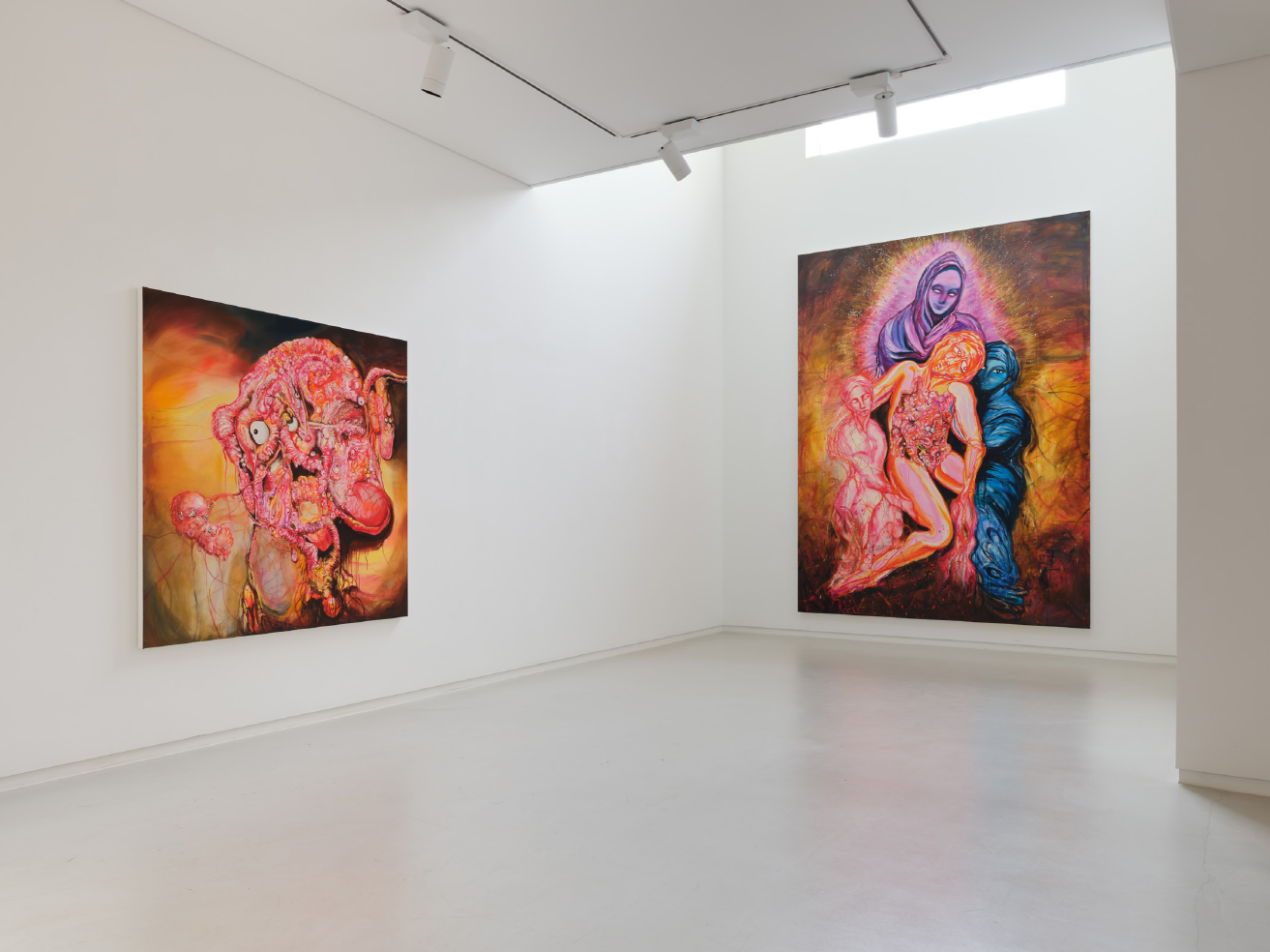
history" within art history. In this project, Jang Pa presents works
created through a process of collecting, drawing on, and layering silkscreen
over various images of female representation. The archive includes feminist and
self-representational works by women artists, misogynistic depictions by male
artists, legendary and mythological female monsters, and religious iconography.
These images do not share a single unified theme or perspective beyond the fact
that they all depict or reference women. Jang Pa reinterprets and
recontextualizes these collected images from her own artistic perspective, distancing
her work from the conventional male-centered narratives of art history and
visual culture.
The
production of images relies not only on the painter’s intuition but also
reflects the socio-cultural conditions of its time. For instance, biblical and
mythological figures such as Judith and Salome were reimagined as threatening
femmes fatales in the late 19th century, a transformation closely tied to the
rise of the women’s liberation movement in Western society. Similarly, the
binary categorization of women as either sexual objects for men’s pleasure or
as caregivers and mothers can be traced to historical ideological structures.
While these archived images serve as both positive and negative responses to
their respective historical contexts, Jang Pa’s drawings reconstruct and engage
with them as a contemporary observer, expanding the possibilities for
interpretation. By assuming the perspective of an artist, her work does not
impose explicit narratives that can be articulated in words but instead
presents an intuitive flow of thought through the arrangement of images and the
act of drawing.
Due to
their diversity, the images in 《Flat Hole》 evoke complex and ambivalent
emotions, occasionally placing the viewer in a state of interpretative
uncertainty. The exhibition’s title, which combines the contradictory notions
of depth (hole) and flatness (flat), hints at Jang Pa’s critical stance on conventional
ways of seeing. By questioning the habit of reading images through
pre-established perspectives, she aims to broaden the scope
of ‘contemporary visuality’ by constructing a genealogy of female representation.
In doing so, her work simultaneously acknowledges both the objectifying gaze
directed at women and the critical perspectives that challenge such
representations. The viewer is thus encouraged not only to engage with the
contemporary visual language but also to reflect on how today’s perspectives
have been historically shaped.
Accompanying
the exhibition, the book Flat Hole includes 18
drawings showcased in the show, along with a series of short texts. These
texts, written by Jang Pa as the first viewer of the images she assembled, are
designed not to limit interpretation but to expand it. They incorporate free
associations based on keywords, contextual information about the archive’s
imagery, and both critical and affirmative perspectives. Seeing is an act
shaped by the accumulation of knowledge and images one has internalized over
time. As such, each viewer’s interpretation of 《Flat Hole》 will differ. The book itself
becomes another layer of information and imagery, potentially altering the way
its readers perceive other visuals in the future. How this shift in perception
unfolds for each individual remains an open question.