Working
primarily with photography, Jung Jungho has gradually expanded his practice to
incorporate video, field research, archival materials, interviews, and
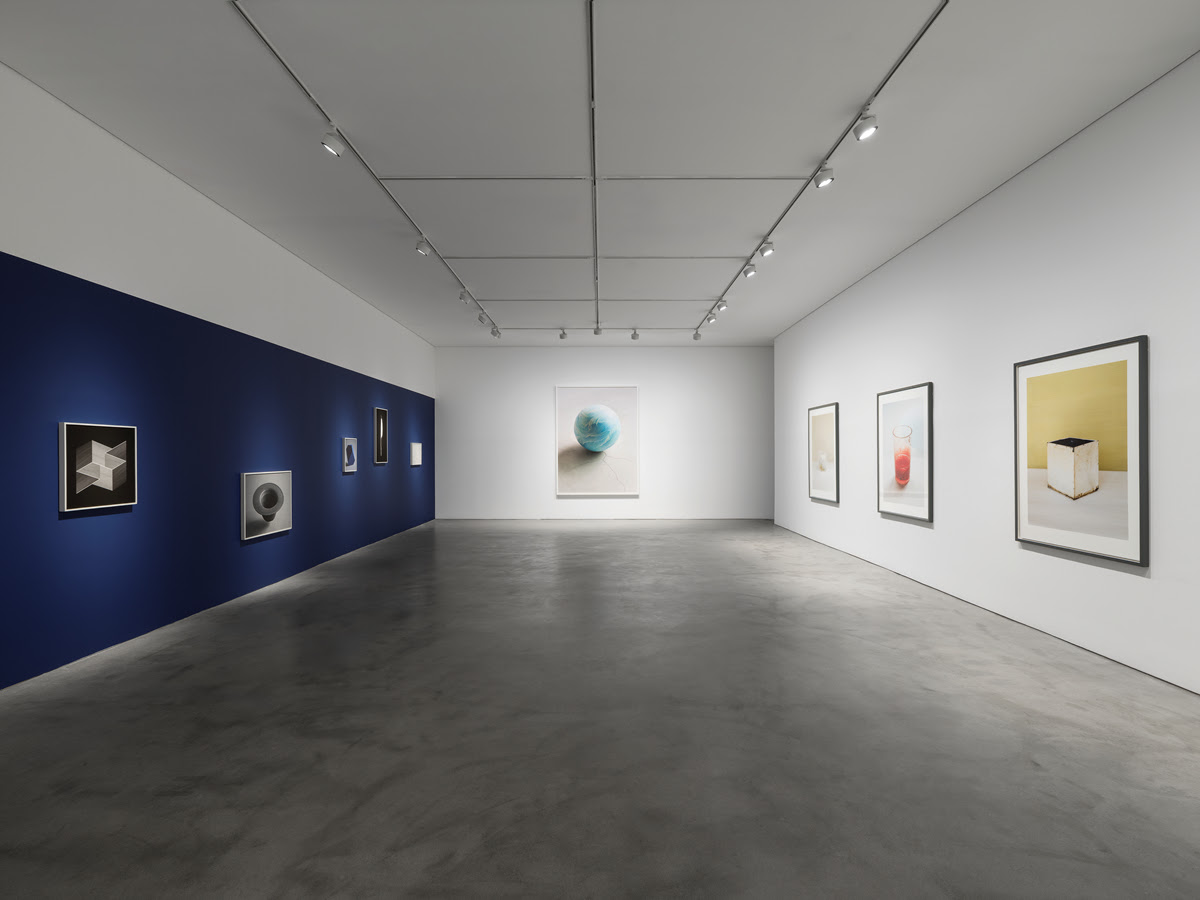
object-based installations. In early works such as Tension in Black
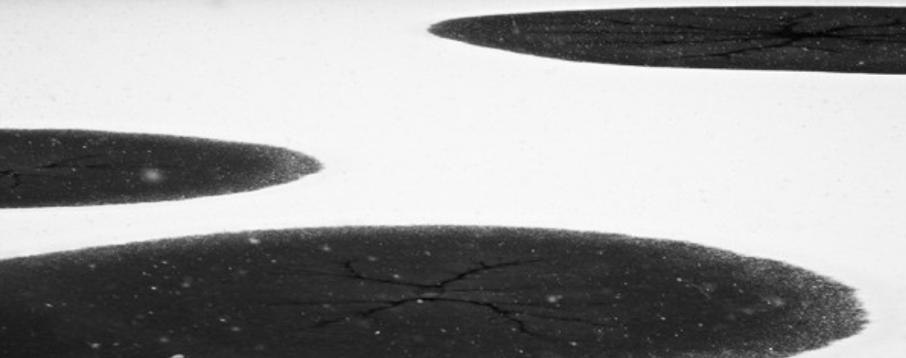
VI, The Utterance of White,
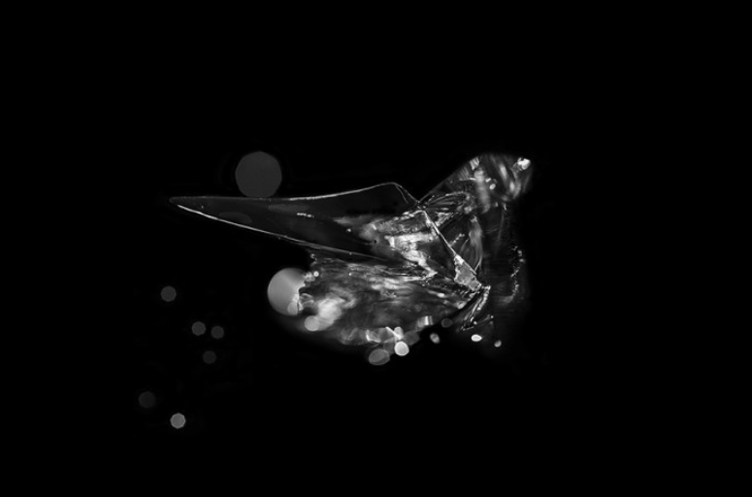
Grain, and Junction, he used close-ups
and extreme high- and low-angle photography to create abstract compositions
from the forms of nature and everyday objects.
Rather than explaining his
subjects as they appeared, he emphasized the relationships between composition,
light, and texture, allowing each photograph to achieve its own formal
completeness. This approach continued in his subsequent works addressing urban
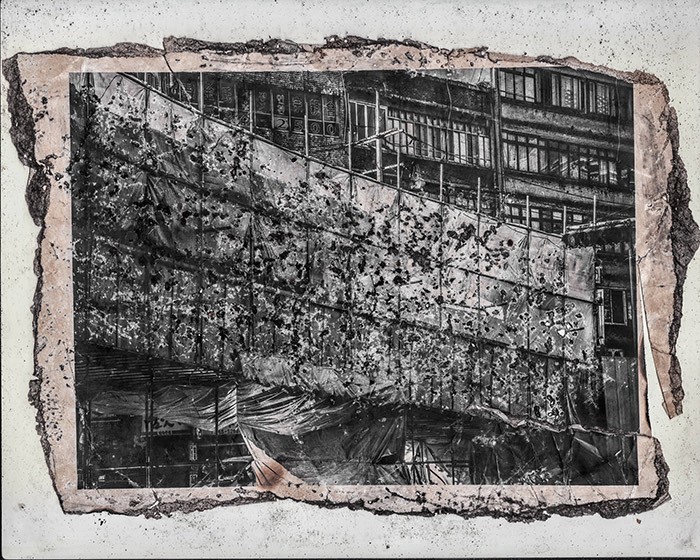
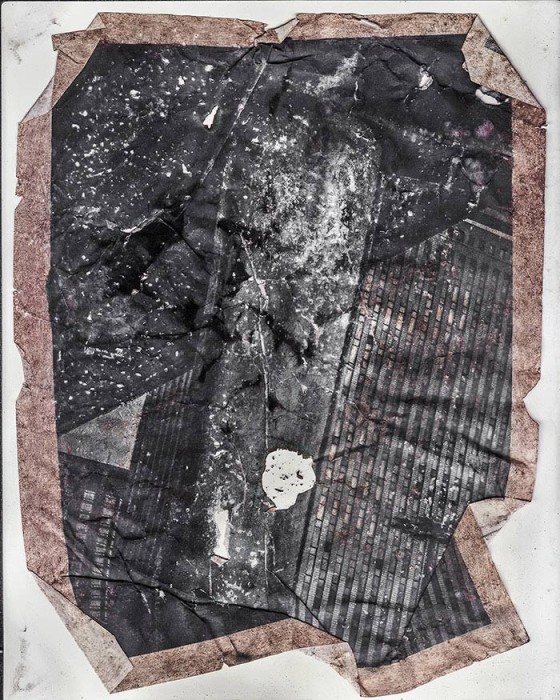
spaces. In the ‘ArchiType 7017’ series, Jung photographed the demolition and
redevelopment of the Seoul Station Overpass, printed the images on paper, and
buried them underground for a period of time.
He then scanned and reprinted the
photographs after they had become crumpled, torn, and discolored by soil and
dust, transforming contemporary scenes into images resembling artifacts from
the past. In works such as ArchiType 7017 #21_37°33'25.7"N
126°58'08.1"E(2016) and ArchiType 7017 #2_37°33'24.3"N
126°58'18.9"E(2016), photographs become more than documentary
records, functioning as physical objects marked by the passage of time.
By
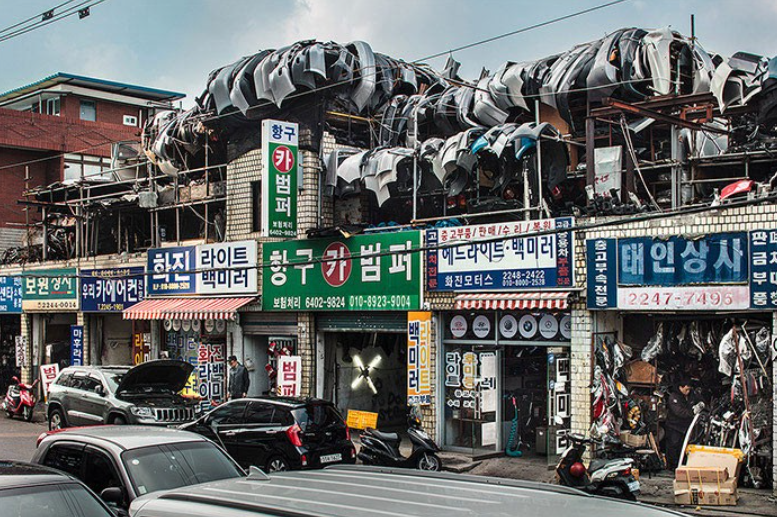
contrast, in 《Archive: Machine, Car and
City》(Ryugaheon, 2019), he adopted a more restrained
documentary approach, minimizing dramatic staging and photographing his
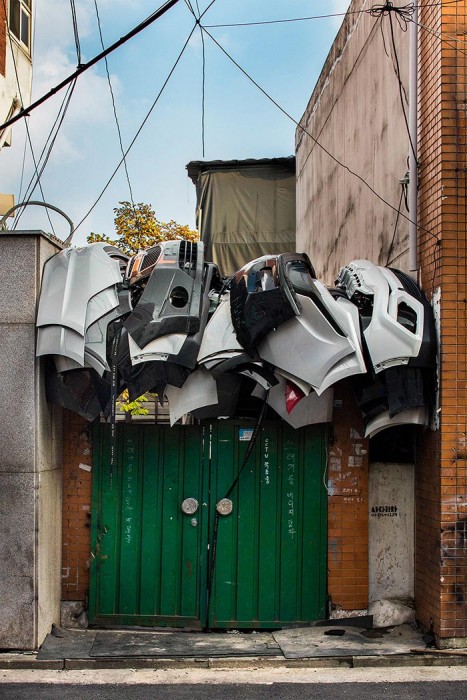
subjects from frontal perspectives. Works such as Archive Machine, Car
and City 4078(2018) and Archive Machine, Car and City
4131(2019) depict oil-stained automobile parts, repair shops,
building interiors, and street scenes. Rather than dramatizing the industrial
environment, Jung accumulated detailed images of everyday objects and working
spaces to construct an overall impression of the place.
Jung
subsequently began adapting his photographic methods to the characteristics of
his subjects and the conditions of each site. In works such as
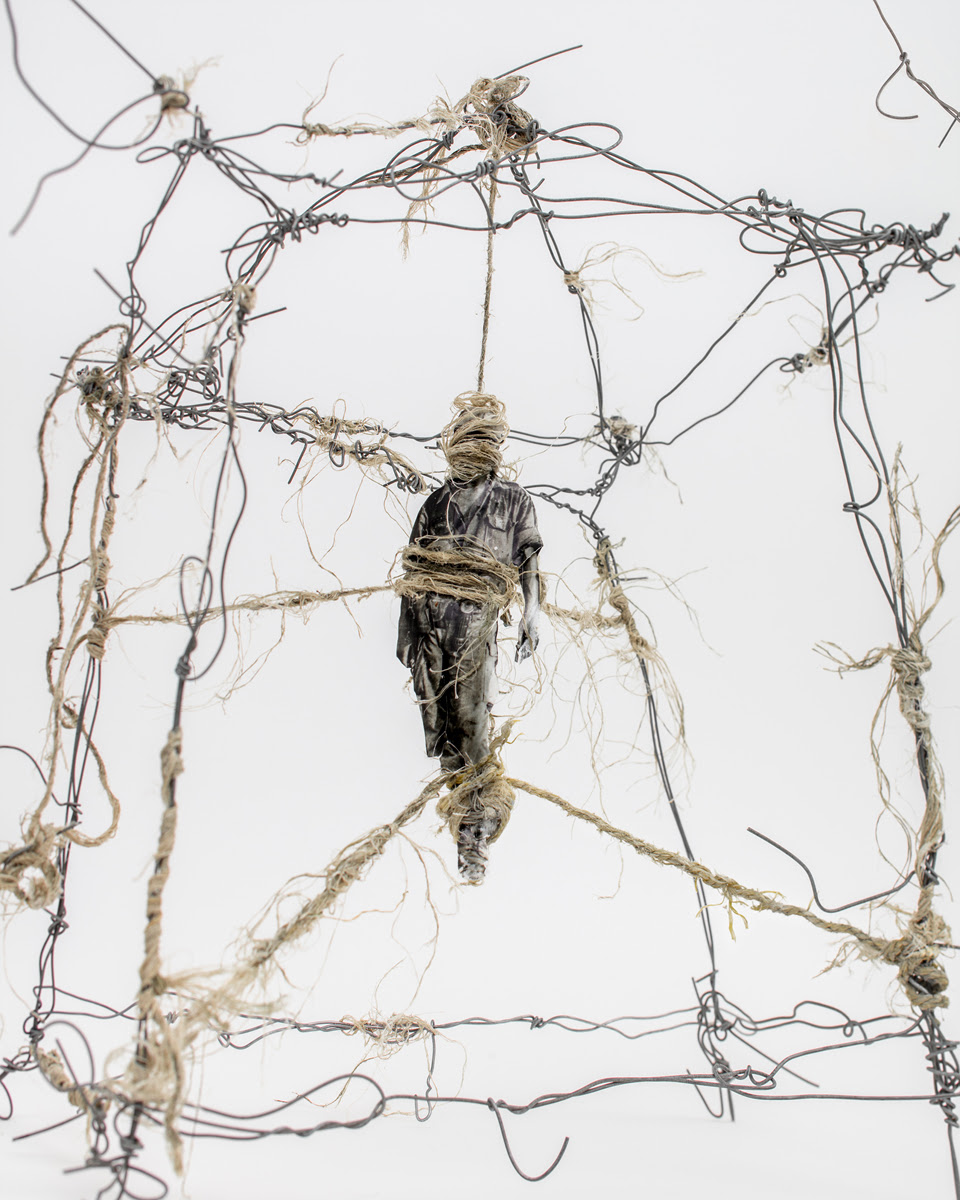
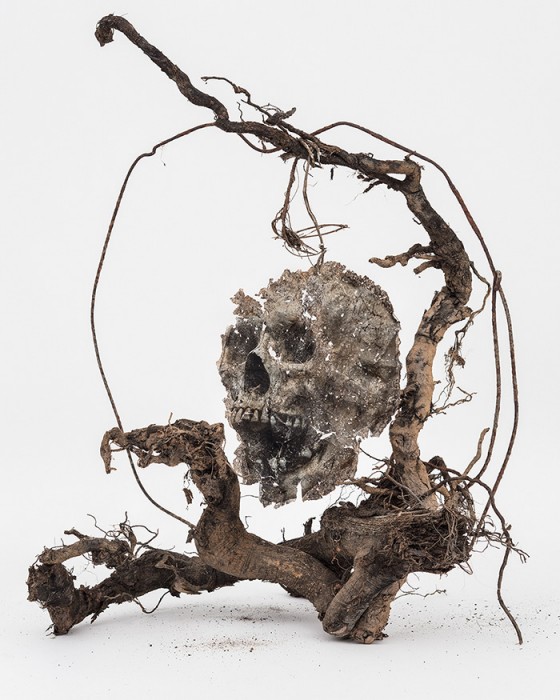
Mirror(2018) and Doom(2018) from the
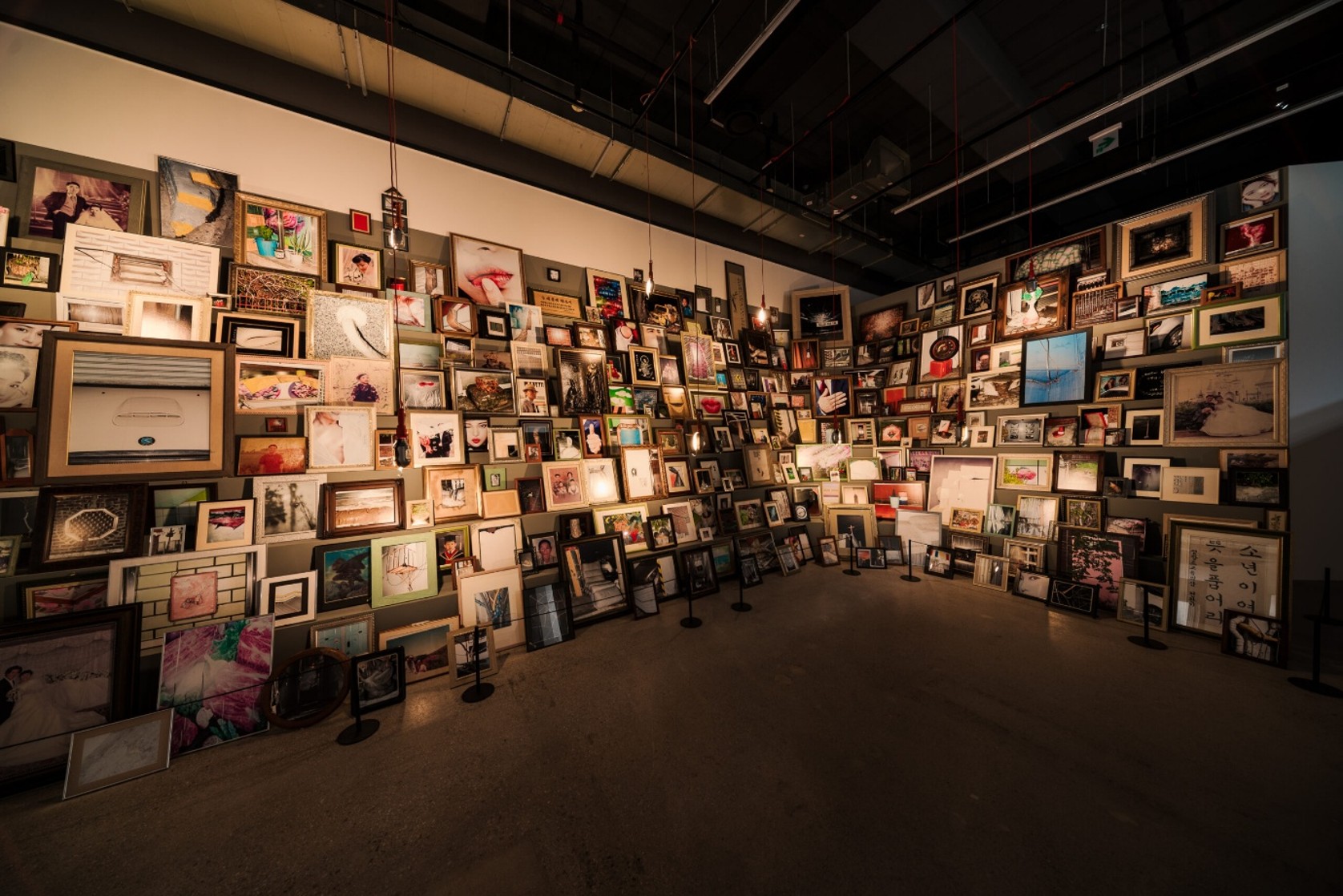
‘Coincidence’ series, he collected and rearranged materials including shell
casings, wire, rope, archival documents, and family photographs before
photographing them. Faced with insufficient historical records and restricted
access to certain locations, these collected objects became clues through which
he could imagine and reconstruct a forgotten individual's life.
In
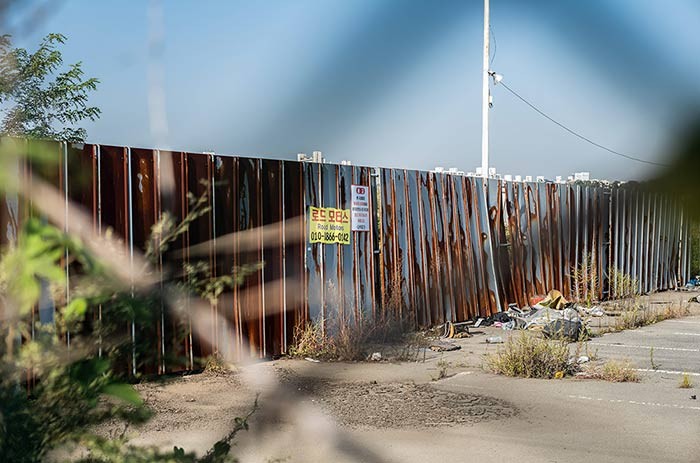
Arabesque, unlike his earlier work in Janganpyeong, Jung
photographed the narrow streets of the automobile export complex while moving
through them on a bicycle. Motion blur, imperfect focus, and tilted
compositions were preserved without additional correction. These formal
qualities reflect the physical circumstances and observational distance of an
outsider who could not fully examine the site at close range.
Meanwhile,
‘Finding Seongam Song’ combined
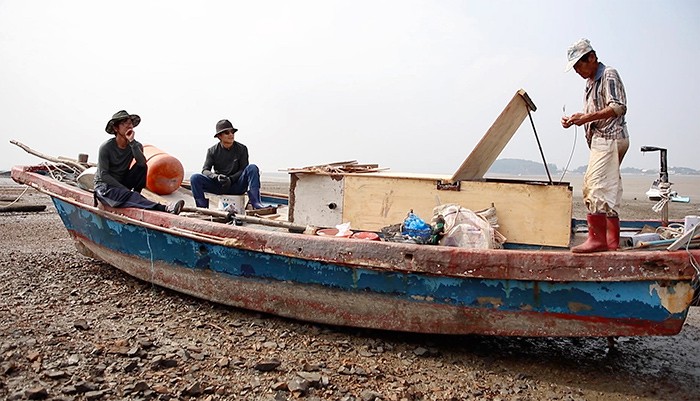
interviews with residents, field recordings, and video documentation. The
single-channel video Finding Seongam Song(2020) documents
the collaborative process of creating a new work song based on residents'
accounts, incorporating voices, sounds, and local histories that photography
alone could not fully convey. His practice thus expanded from emphasizing the
formal completeness of individual photographs to incorporating processes of
research, movement, collection, and personal encounters into the work itself.
This
development becomes even more apparent in his recent works addressing local
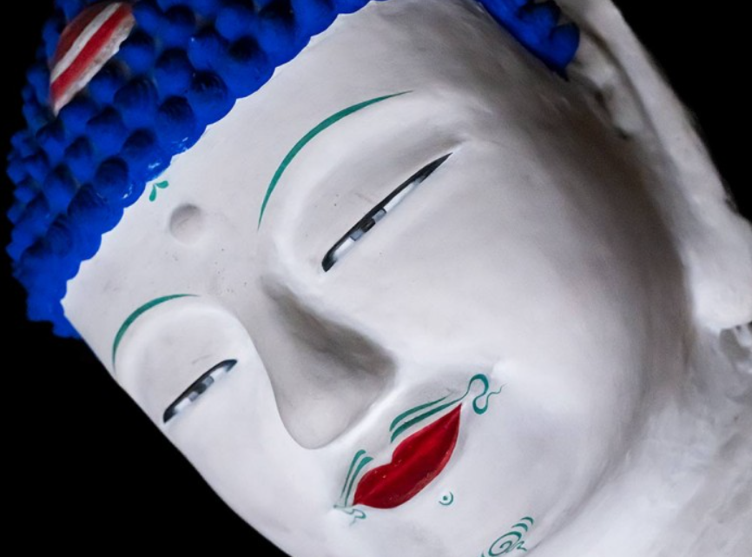
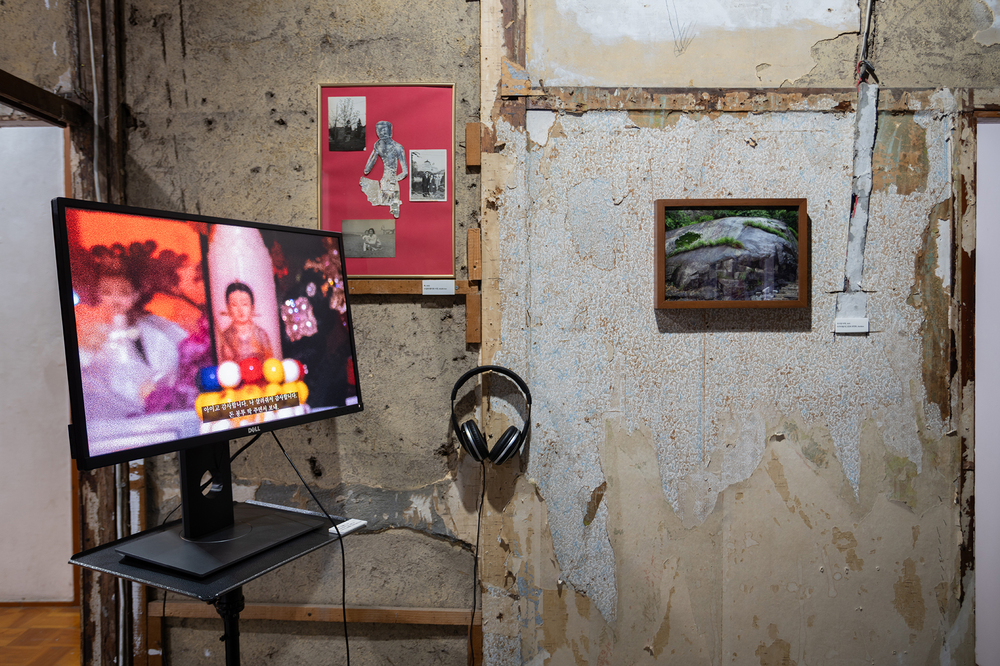
folklore and religious beliefs. In 《Buddha and Magohalmi》(Cheongju Art Studio,
2022), Jung investigated historical documents and place names, gathered stories
through encounters with local historians, shamans, and residents, and
reconstructed his findings through photography, video, and object-based
installations.
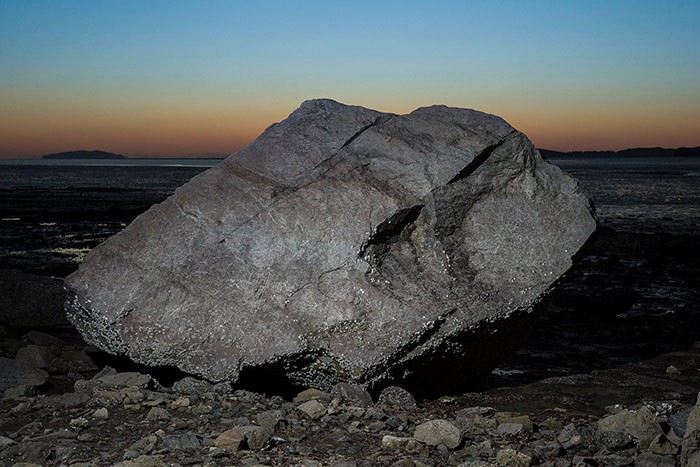
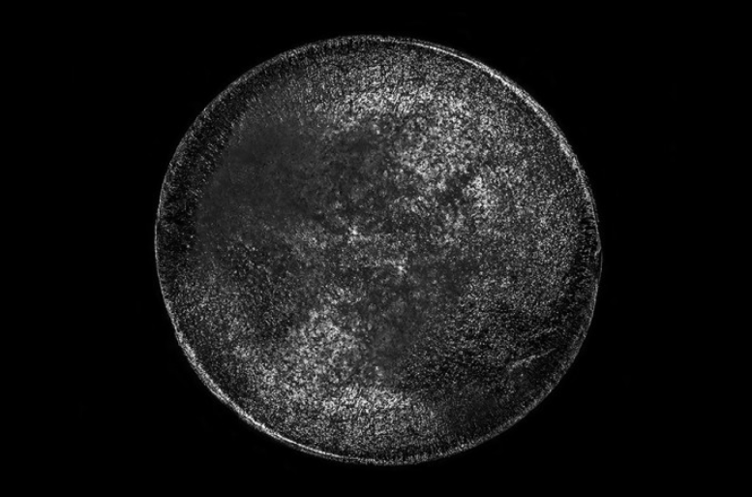
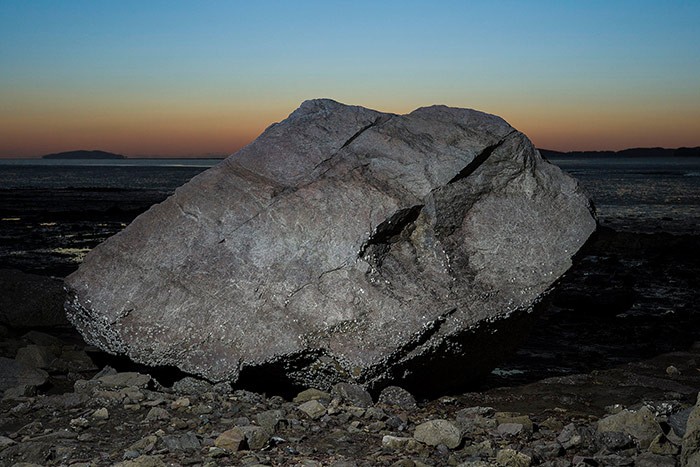
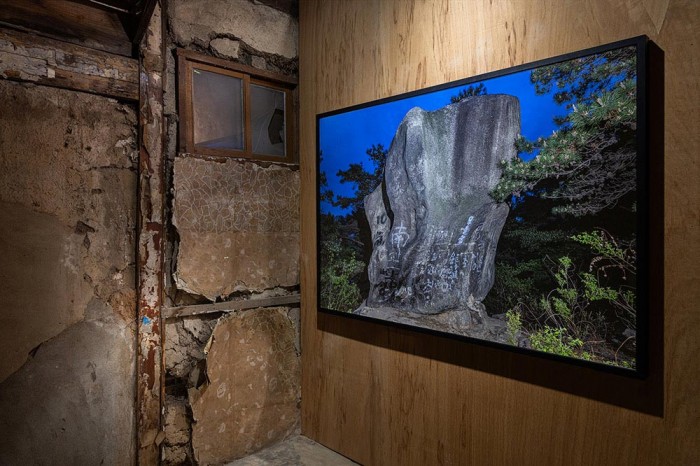
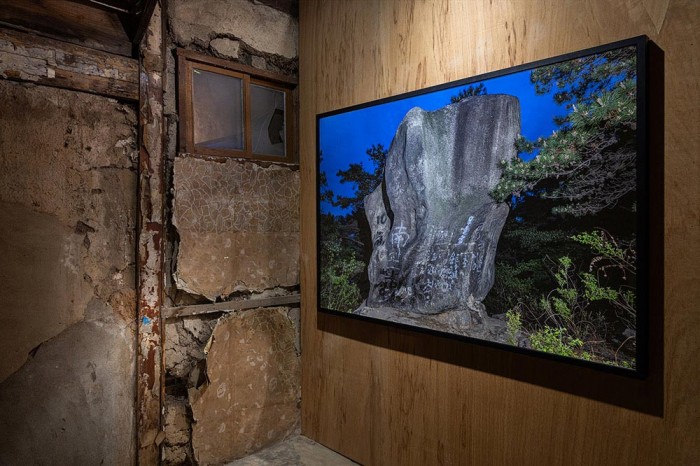
In Mago's Dust(2021), he captured the
physical forms of rocks and natural objects with clarity while encouraging
viewers to consider the stories and memories that may have accumulated on their
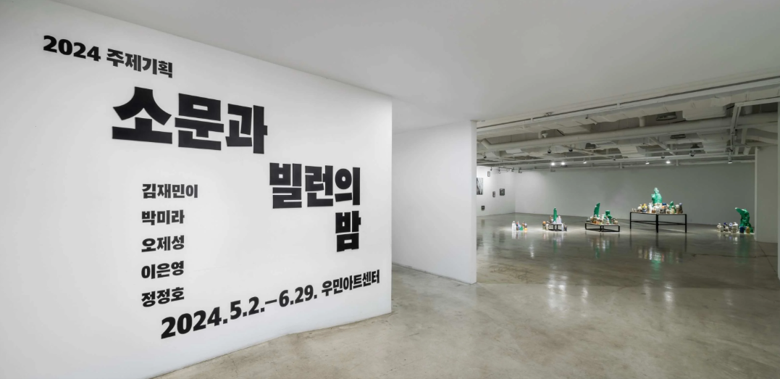
surfaces over time. In 《Rumors and Villains Night》, he explored sites associated with dragon legends in Cheongju,
examining the relationships between orally transmitted stories and actual
places and objects through works such as Dragon Rock,
The Secret of Guryongsan, Hole, and
Pollack Head.
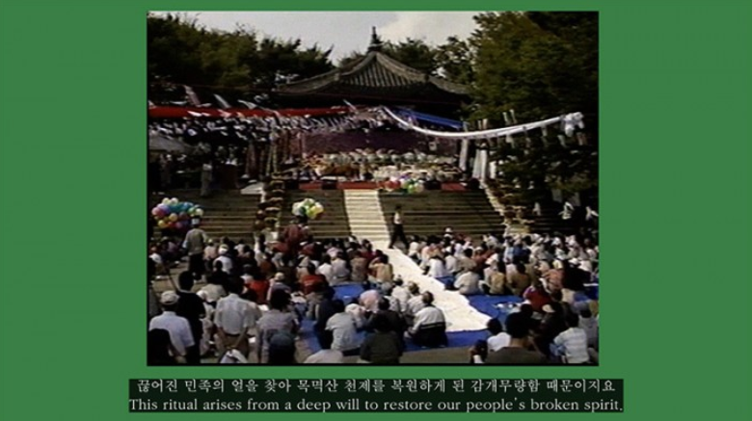
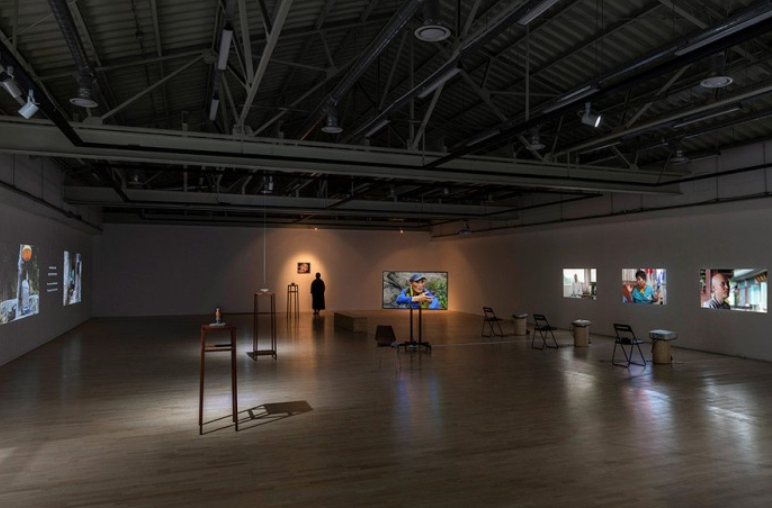
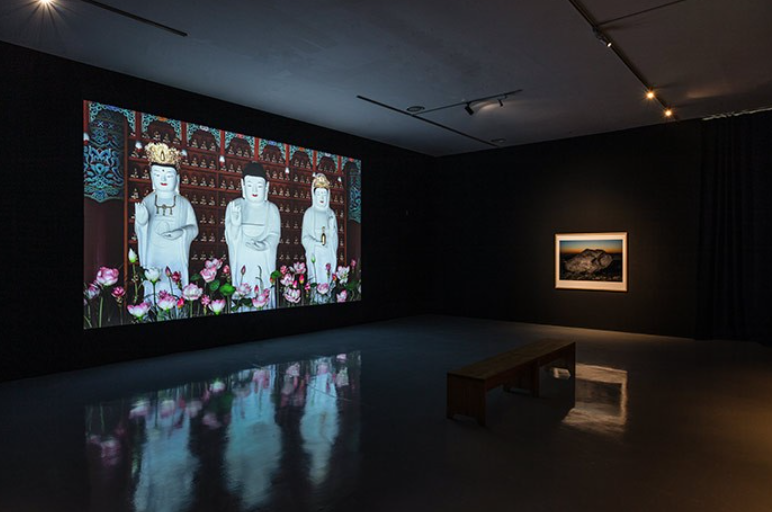
Subsequently, Topography of
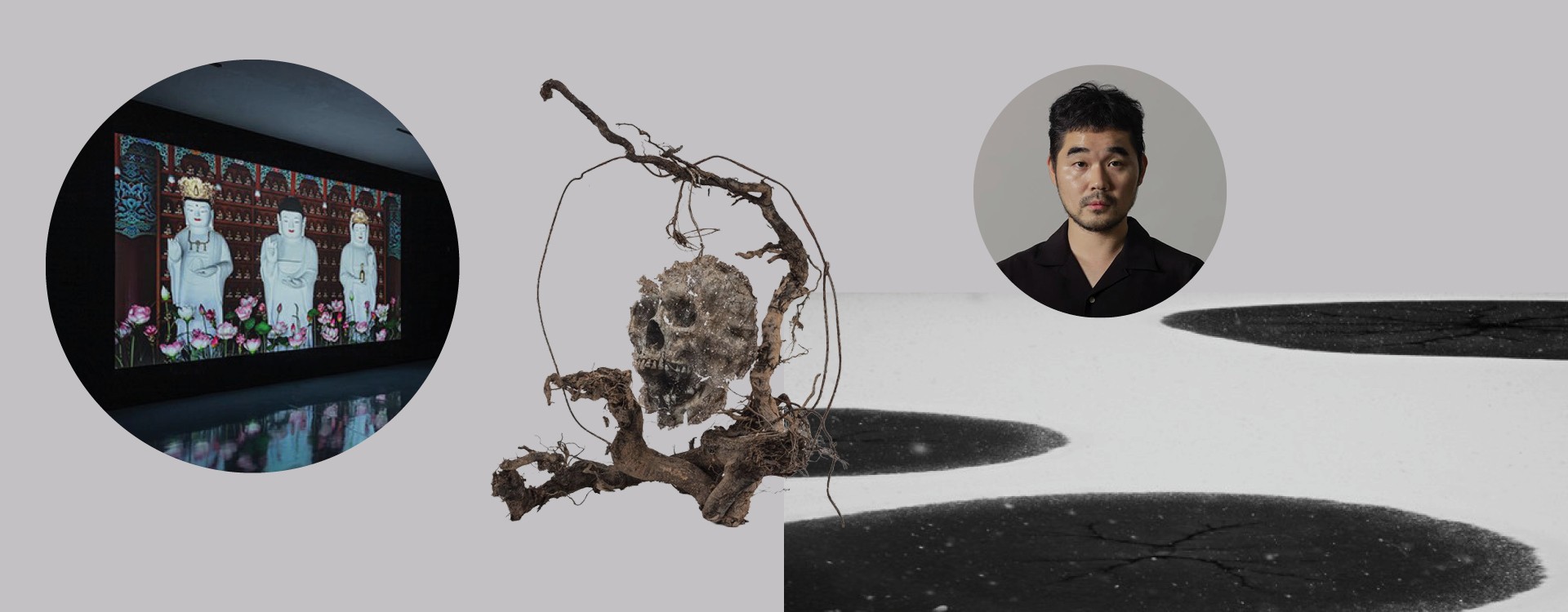
Beliefs(2024), presented in the exhibition of the same title, is a
three-channel video combining landscapes filmed during his exploration of
Inwangsan and Hoamsan with interviews involving shamans, Buddhist monks, and
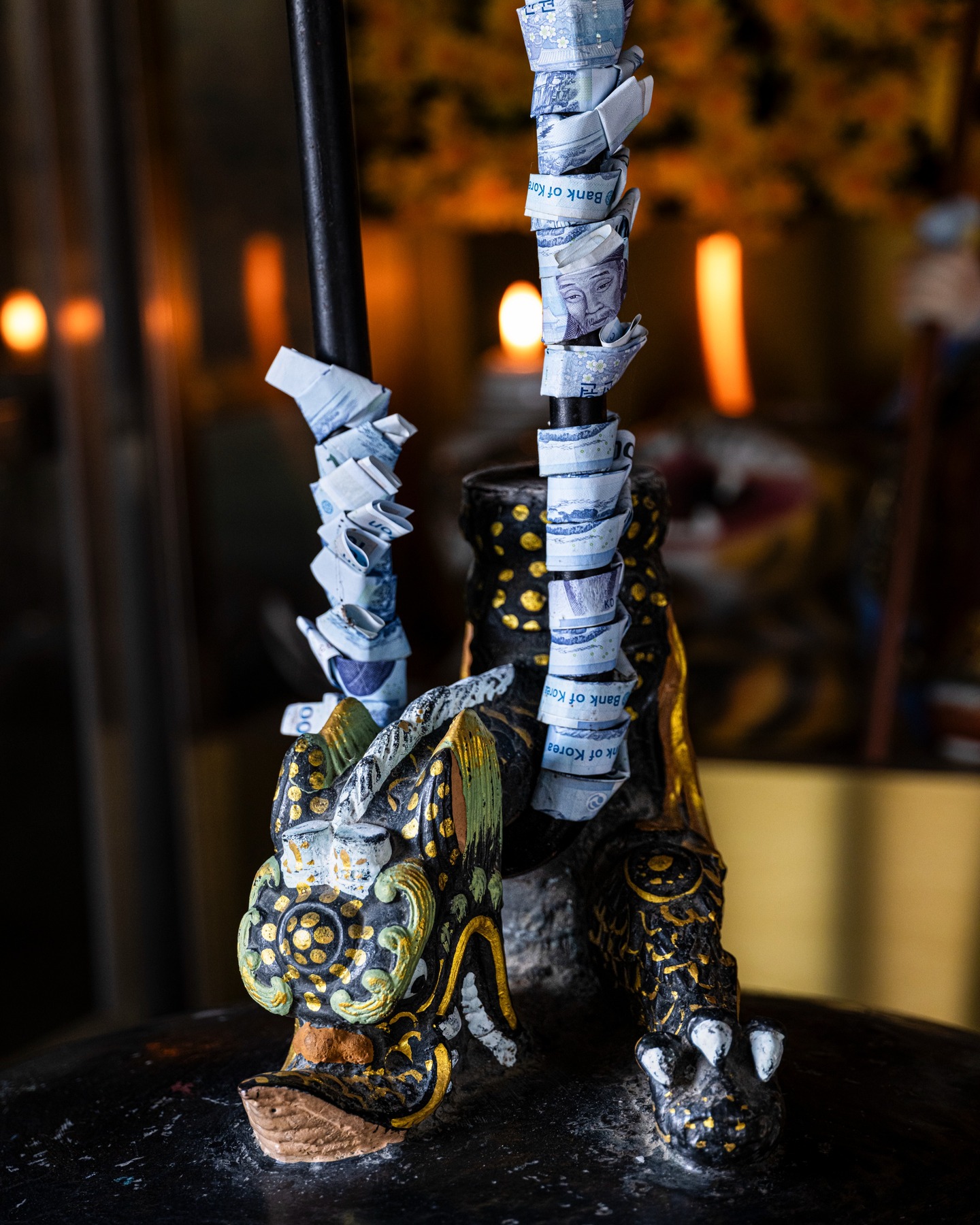
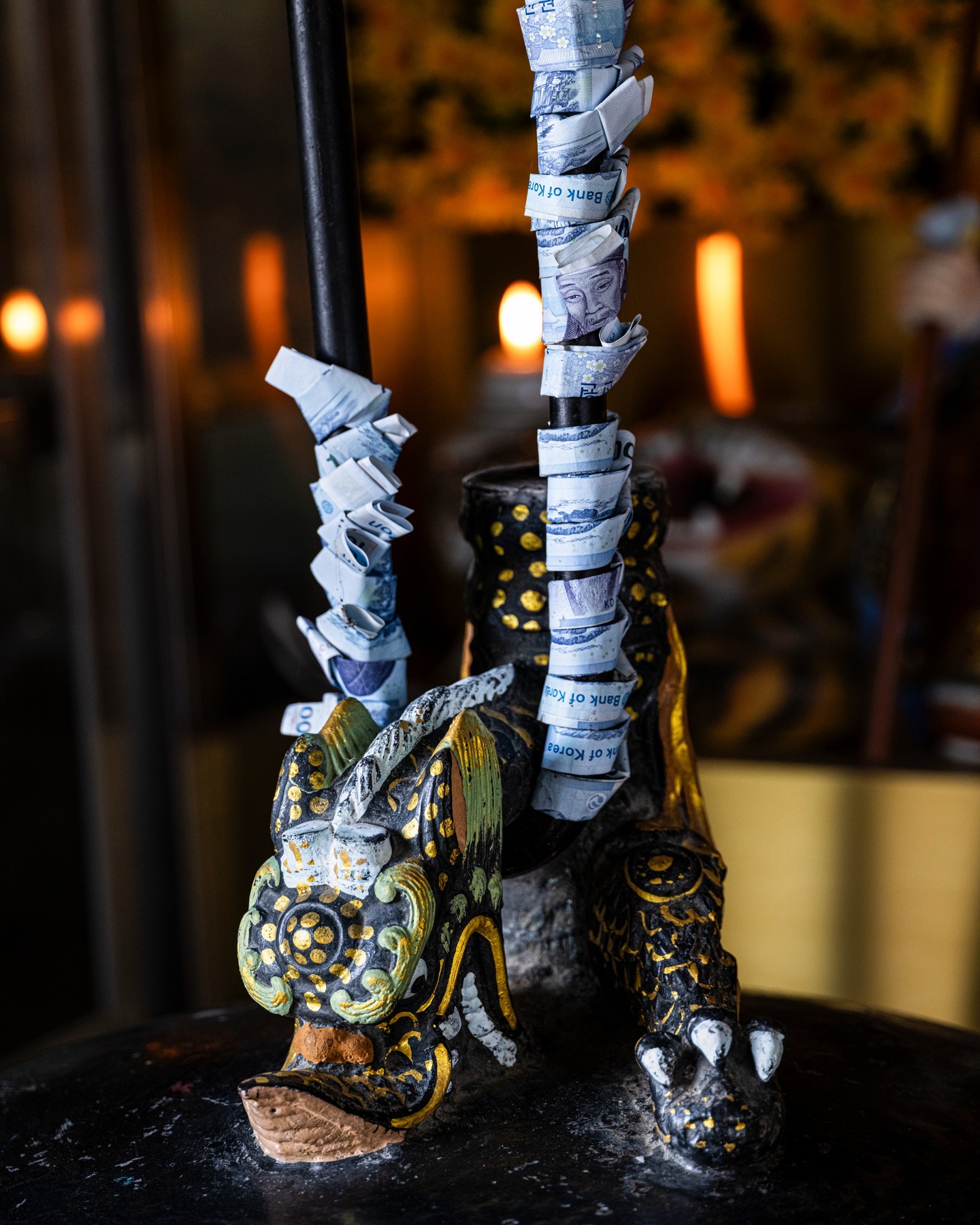
well guardians. In 《Sacred Site》, he photographed places and objects associated with religious
beliefs and legends through works such as Chilseonggak
Shrine(2025) and Dragon's Antler(2025), addressing
the history of Guksadang Shrine and contemporary religious practices.
In these
recent works, photography continues to reveal the physical presence of specific
locations while connecting with video, oral accounts, and historical documents
to provide multiple perspectives on a place. Each image functions as an
independent scene while interacting with other records to construct narratives
between visible landscapes and invisible beliefs.