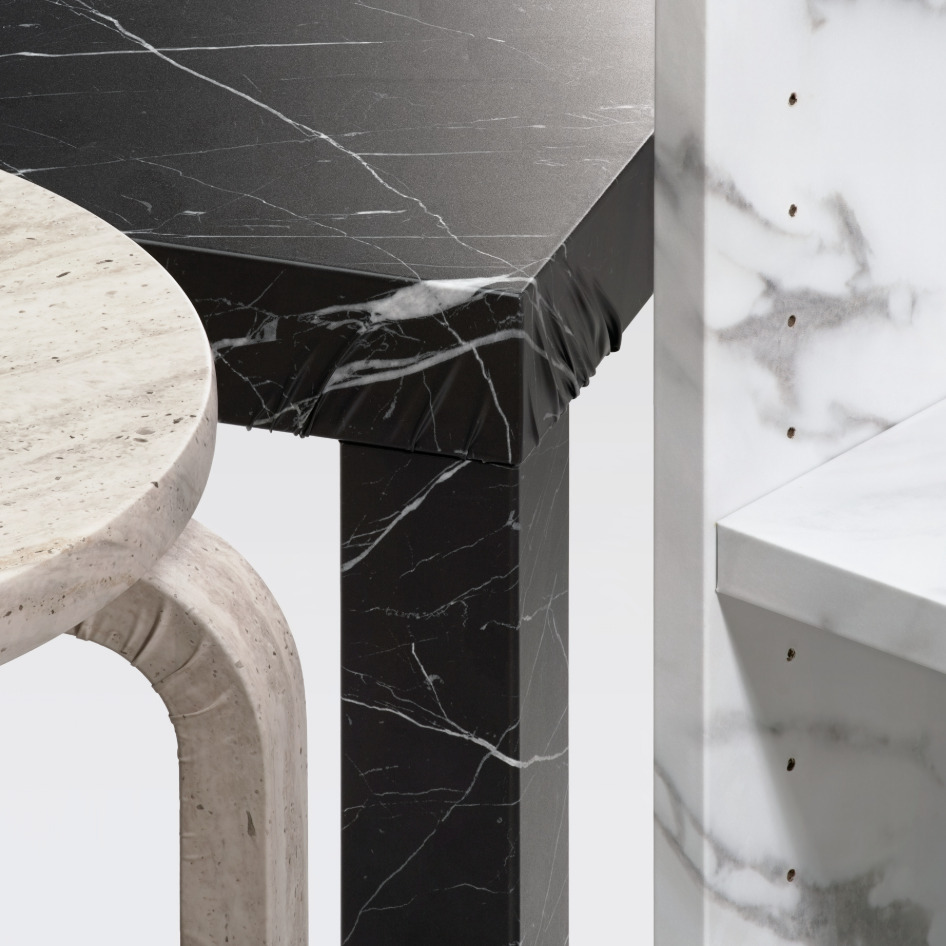
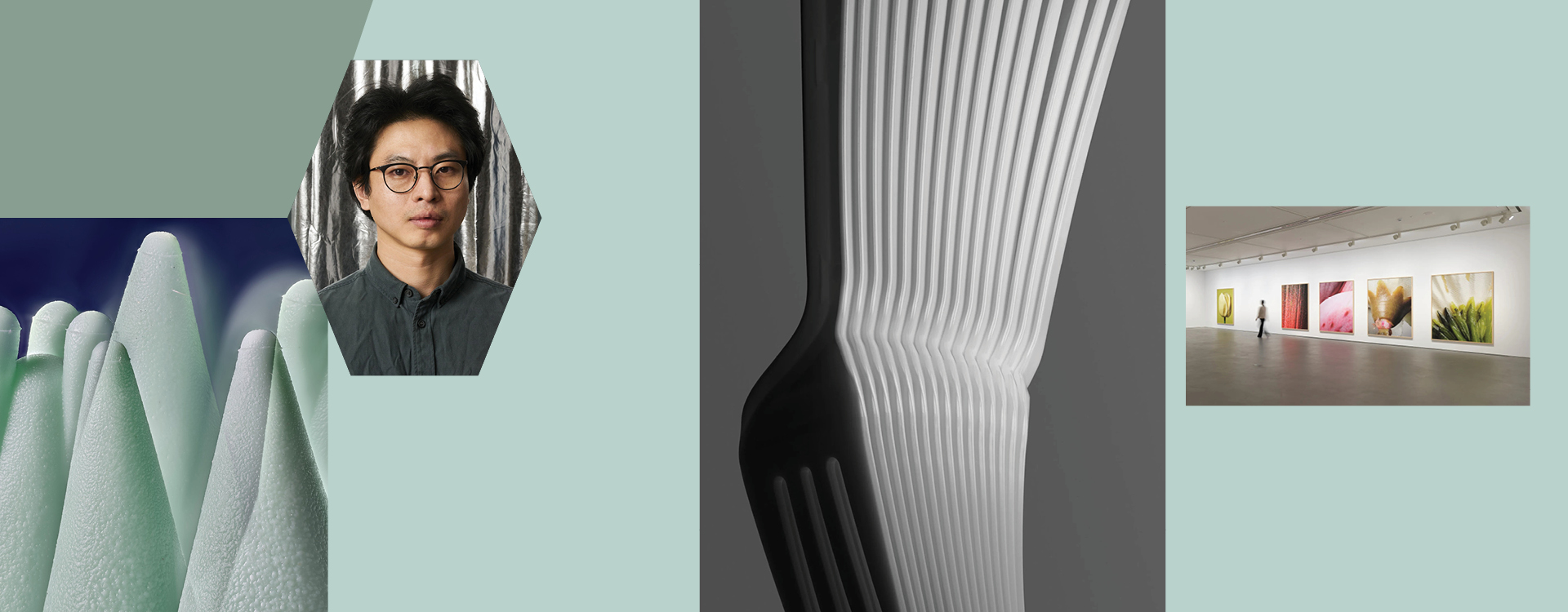
A central
technique in Kyoungtae Kim's practice is focus stacking, a method of combining
multiple photographs to overcome the focal limitations of a camera lens. The
artist gradually approaches an object or shifts the focal plane while capturing
numerous images, then extracts the sharpest areas from each photograph and
combines them into a single composition. As a result, both near and distant
parts of the subject appear evenly focused, reducing the differences in
perspective and depth typically found in photographs.
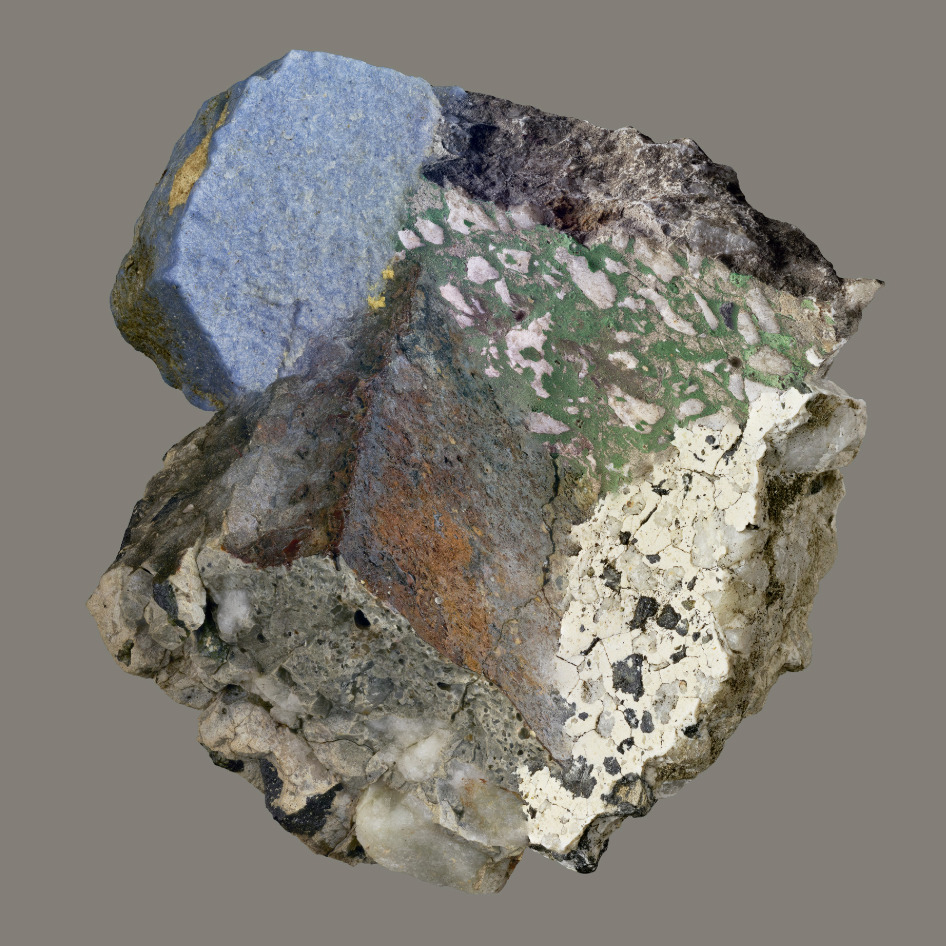
In ‘On the Rocks’ and
Reference Points 1(2018), he employed this technique to
reveal the surfaces of objects in meticulous detail, creating an experience in
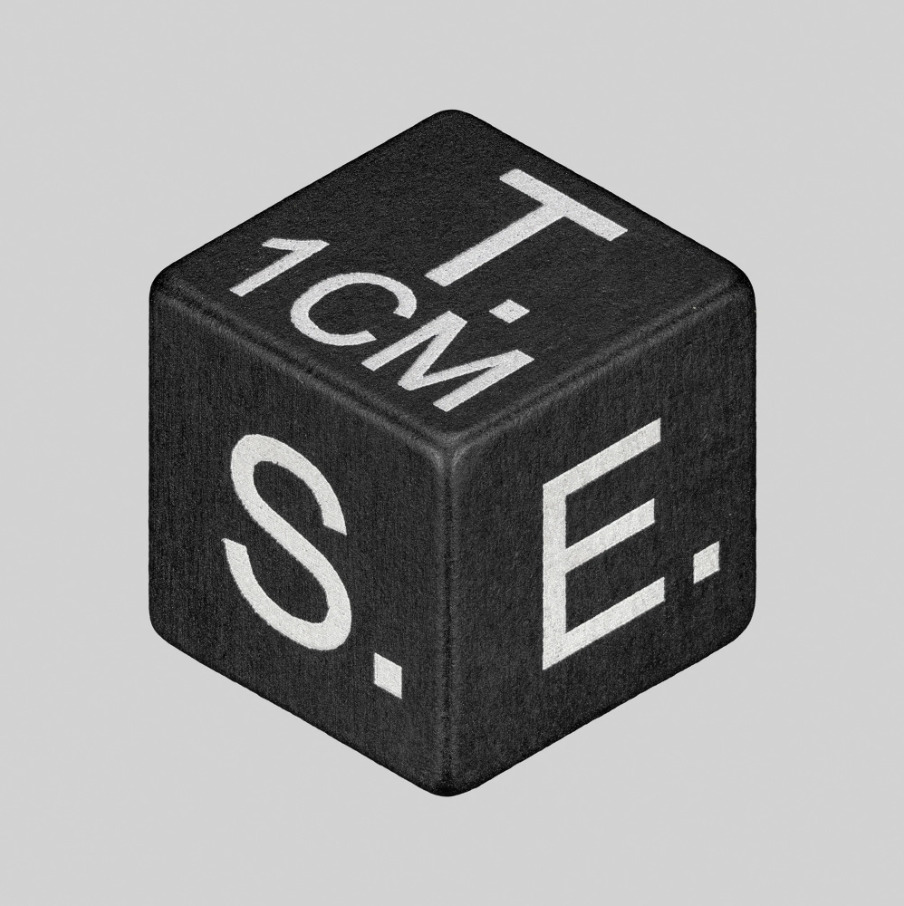
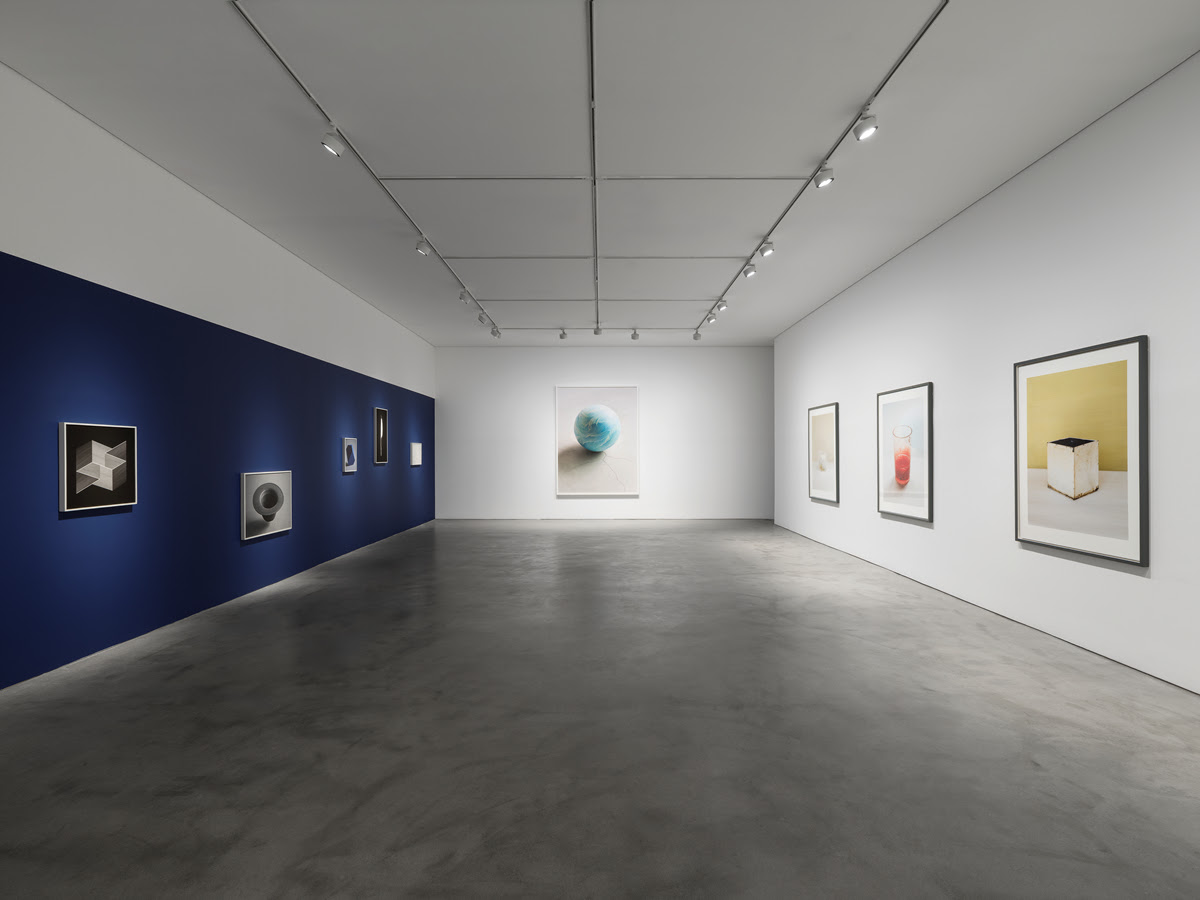
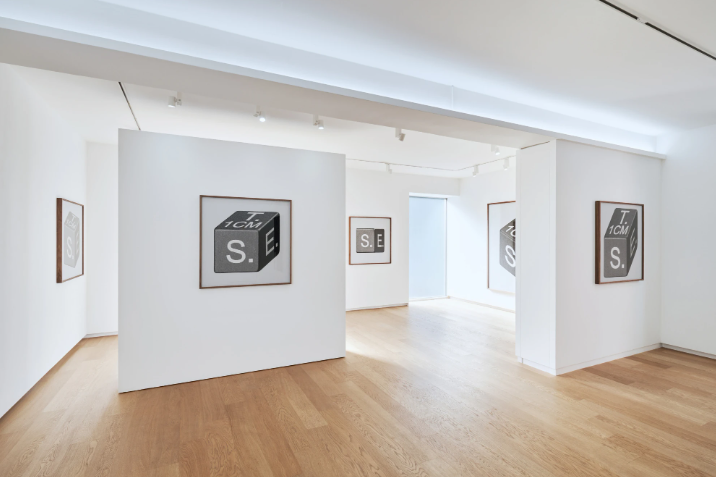
which visual and tactile sensations seem to intersect. Scale Cube
1F(2019) and Scale Cube 1P(2019), presented in 《Dropping to the Surface》, magnified small
cubes originally designed as measurement references to an unrealistic scale,
producing images reminiscent of axonometric projection used in architectural
drawings.
In Scale Cube 1F, in particular, the three visible
faces of the cube are arranged with equal angles and brightness, making the
three-dimensional object resemble a flat geometric figure or drawing. Through
adjustments to photographic techniques, print sizes, and framing, Kim
simultaneously reveals photography's documentary character and its abstract
formal qualities.
Kim
subsequently made more active use of the material properties and structures of
his subjects, expanding the visual effects generated through photographic
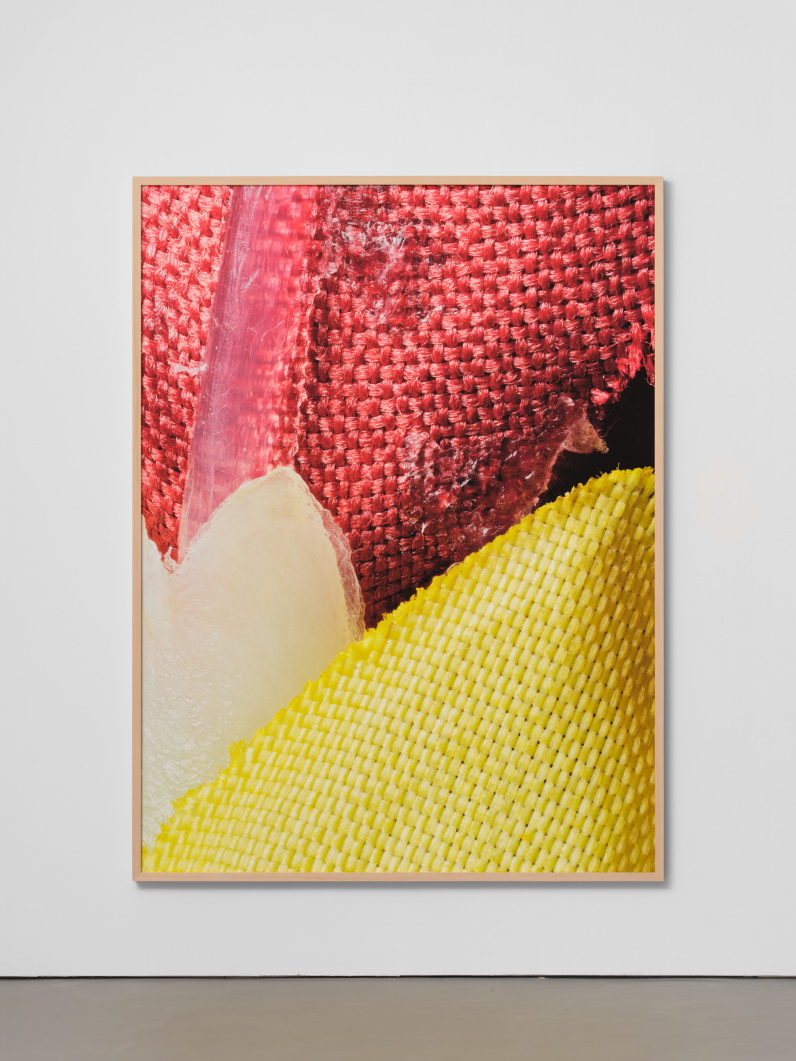
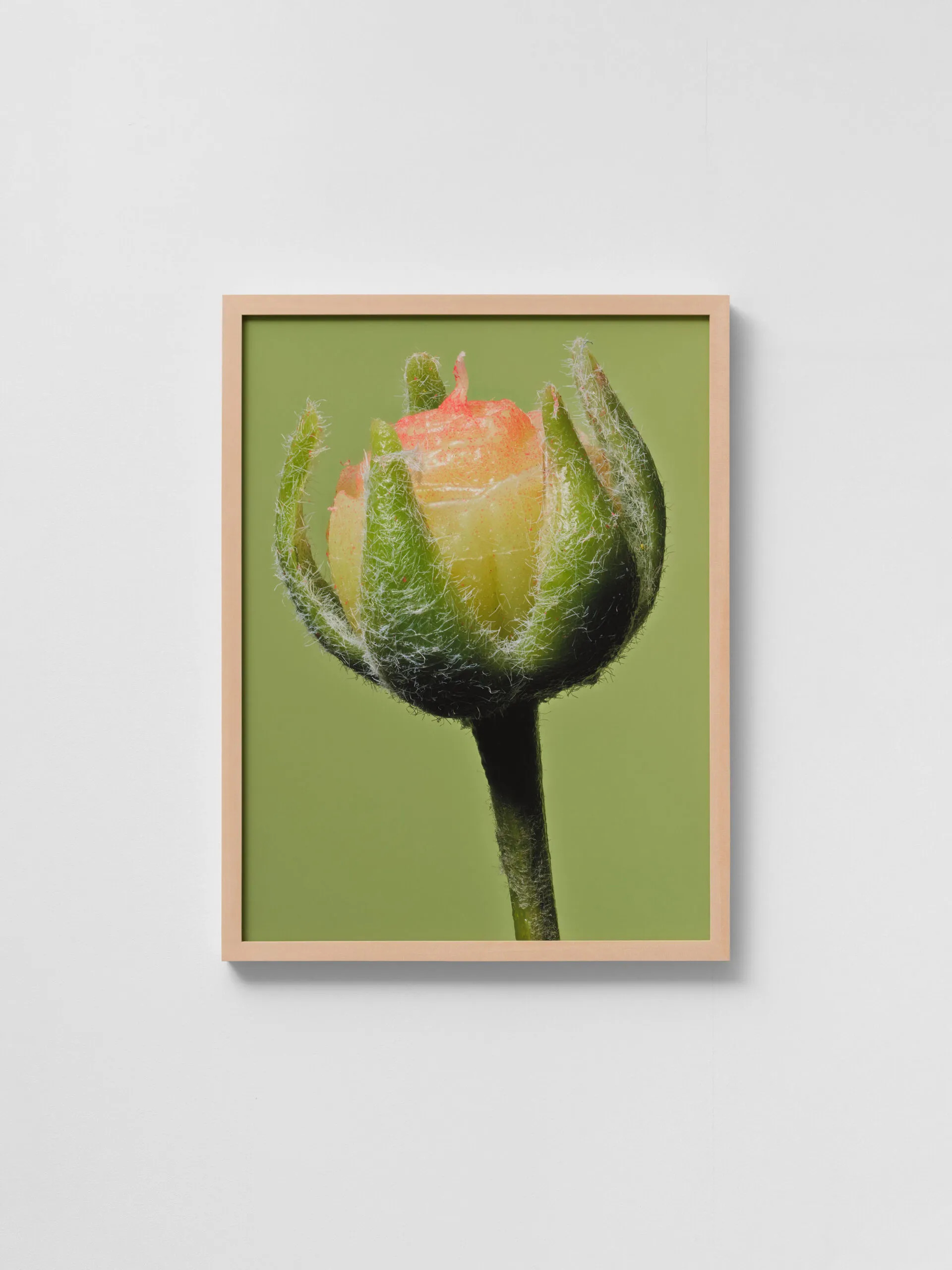
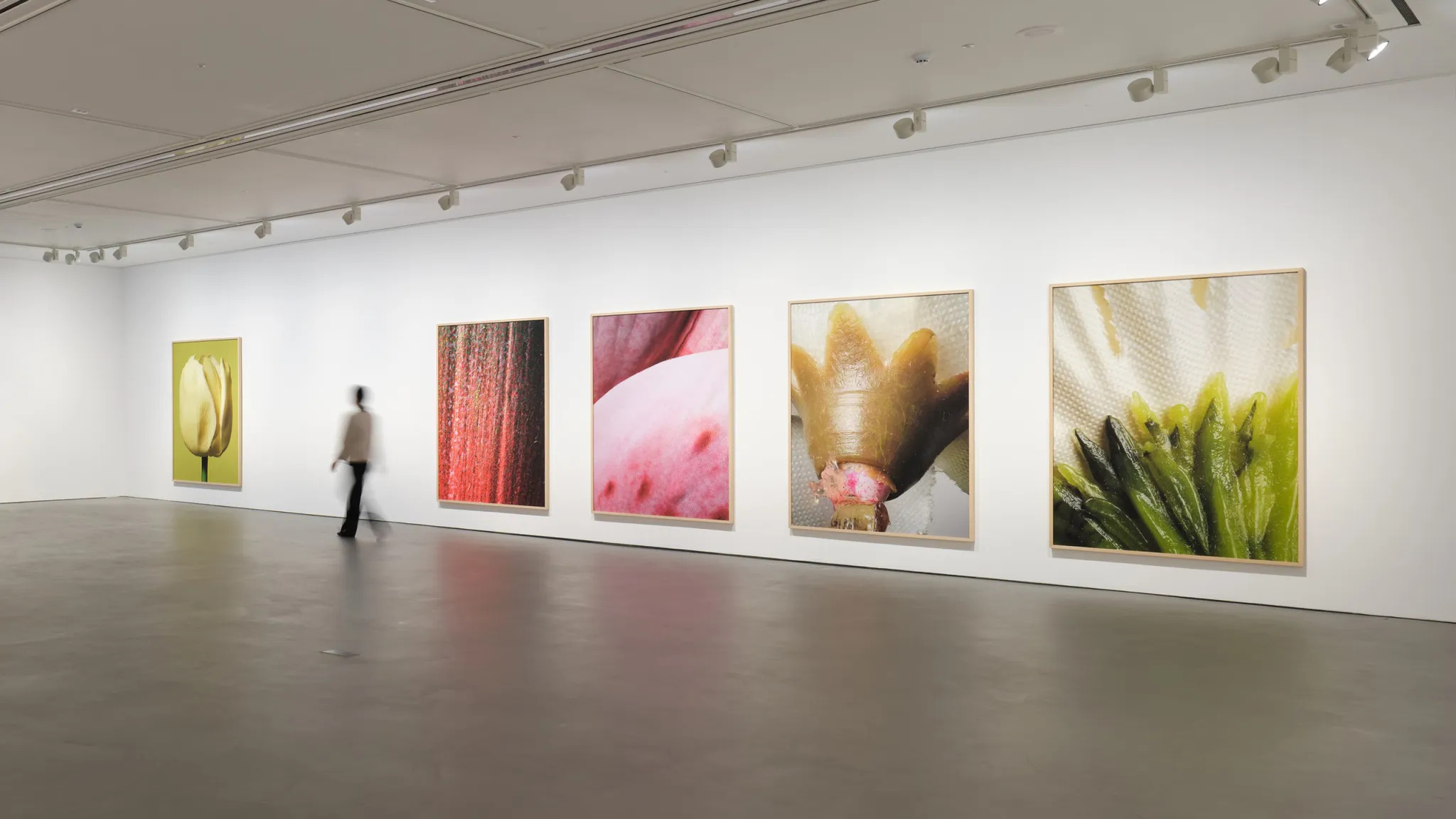
compositing. Works such as Bumping Surfaces - Amaryllis
C(2021), Bumping Surfaces - Ranunculus A(2021),
and Bumping Surfaces Lily C(2021), presented in 《Bumping Surfaces》, are large-scale
photographic prints created from close-up images of artificial flowers.
Their
surfaces clearly reveal the woven fibers of fabric petals, irregular traces of
dye, and joints between synthetic materials. Rather than removing or retouching
these details, Kim leaves them intact, allowing viewers to discover unfamiliar
aspects of objects through close observation of their surfaces.
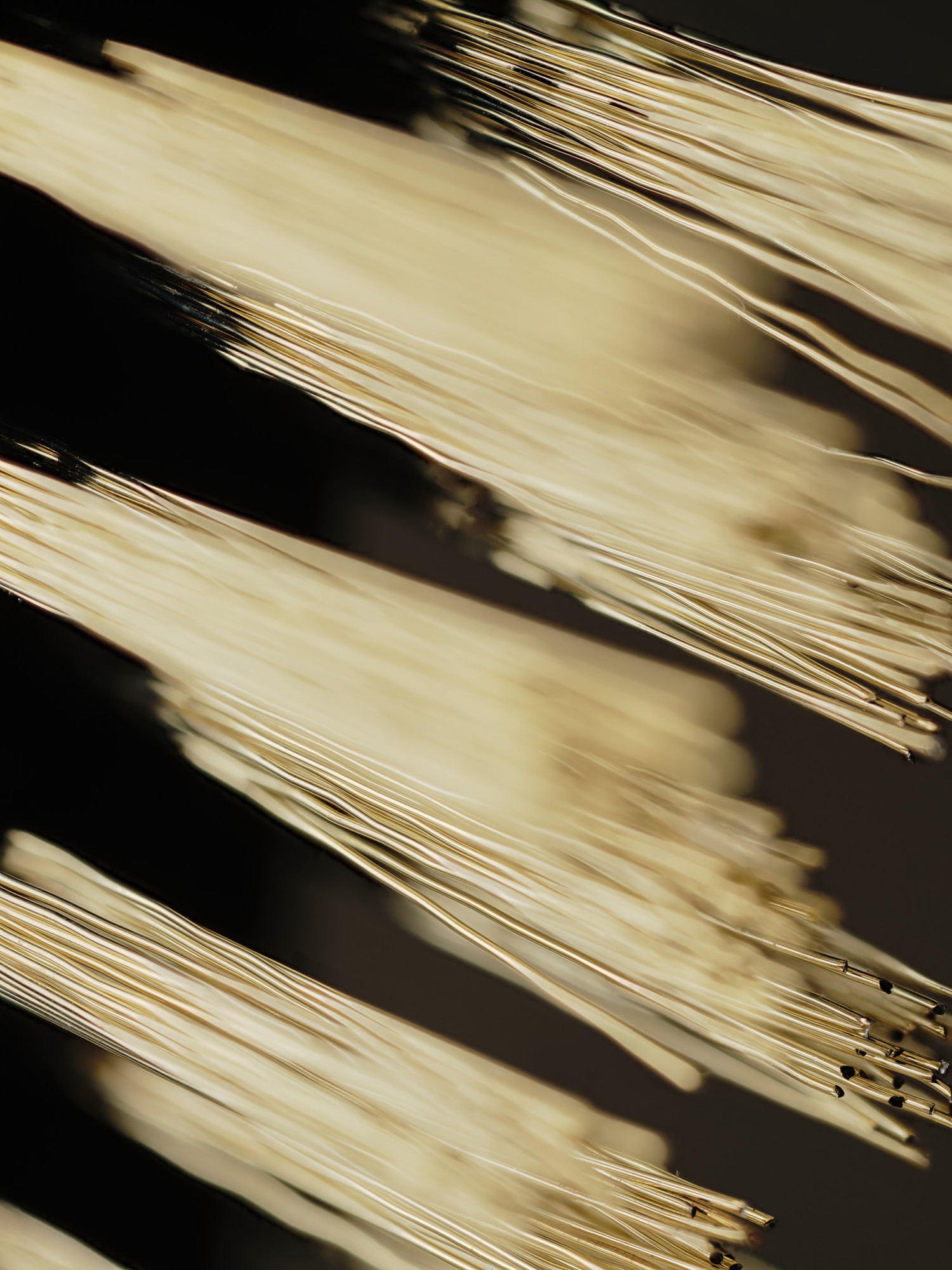
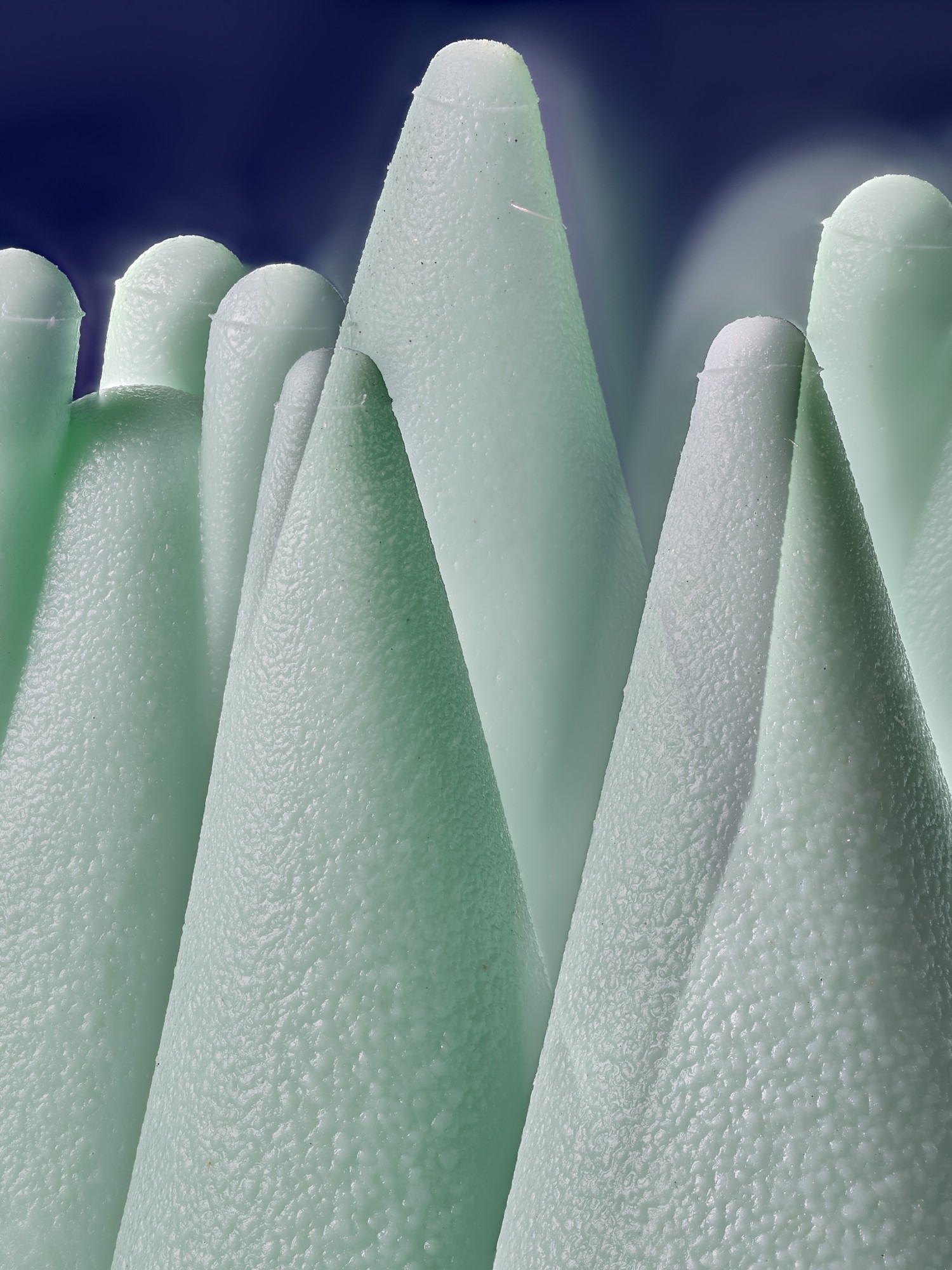
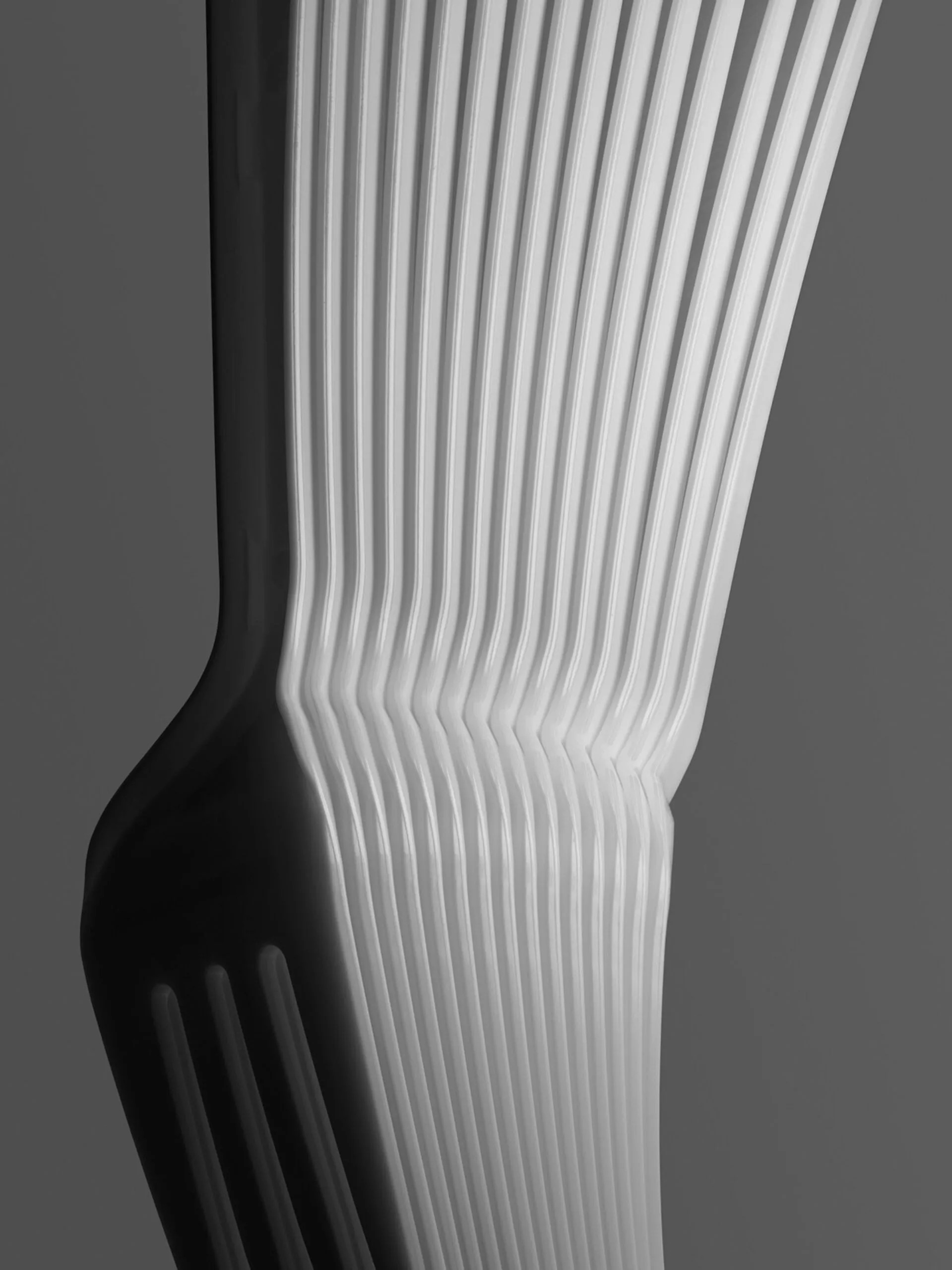
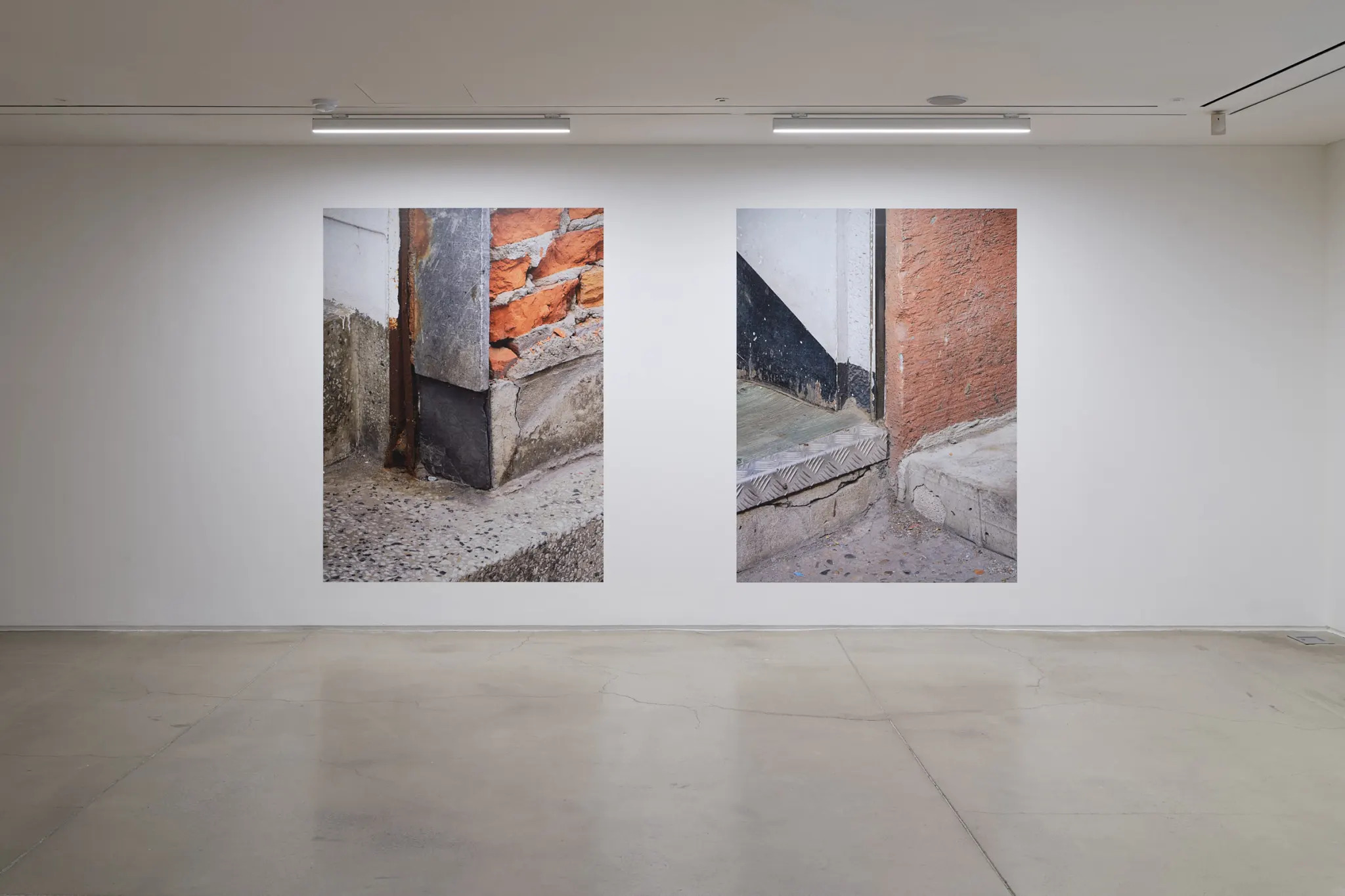
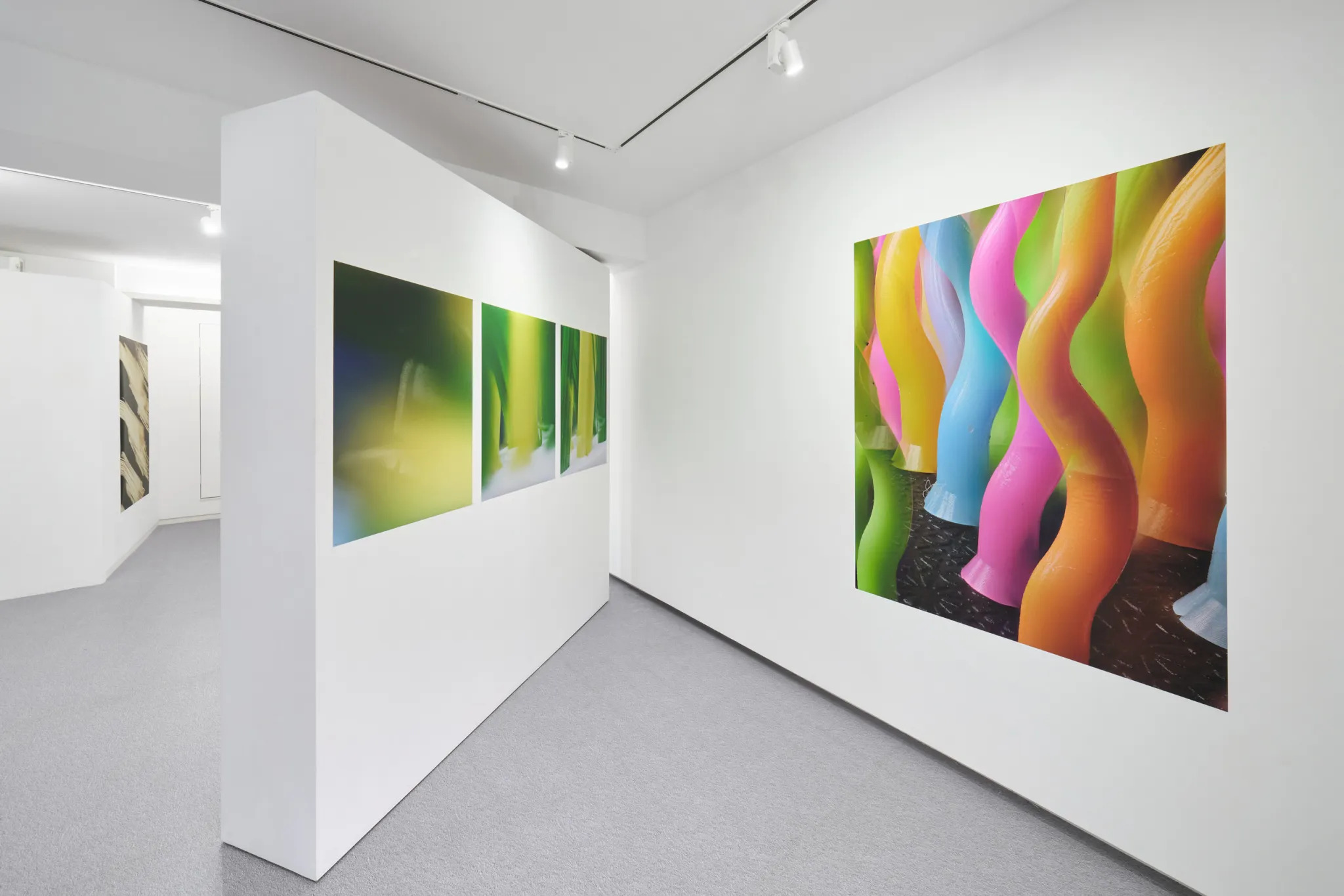
In 《Linear Scan》, he adopted a different
approach to the principles of focus stacking by selecting objects with
repeatedly intersecting thin structures, such as toothbrushes and small
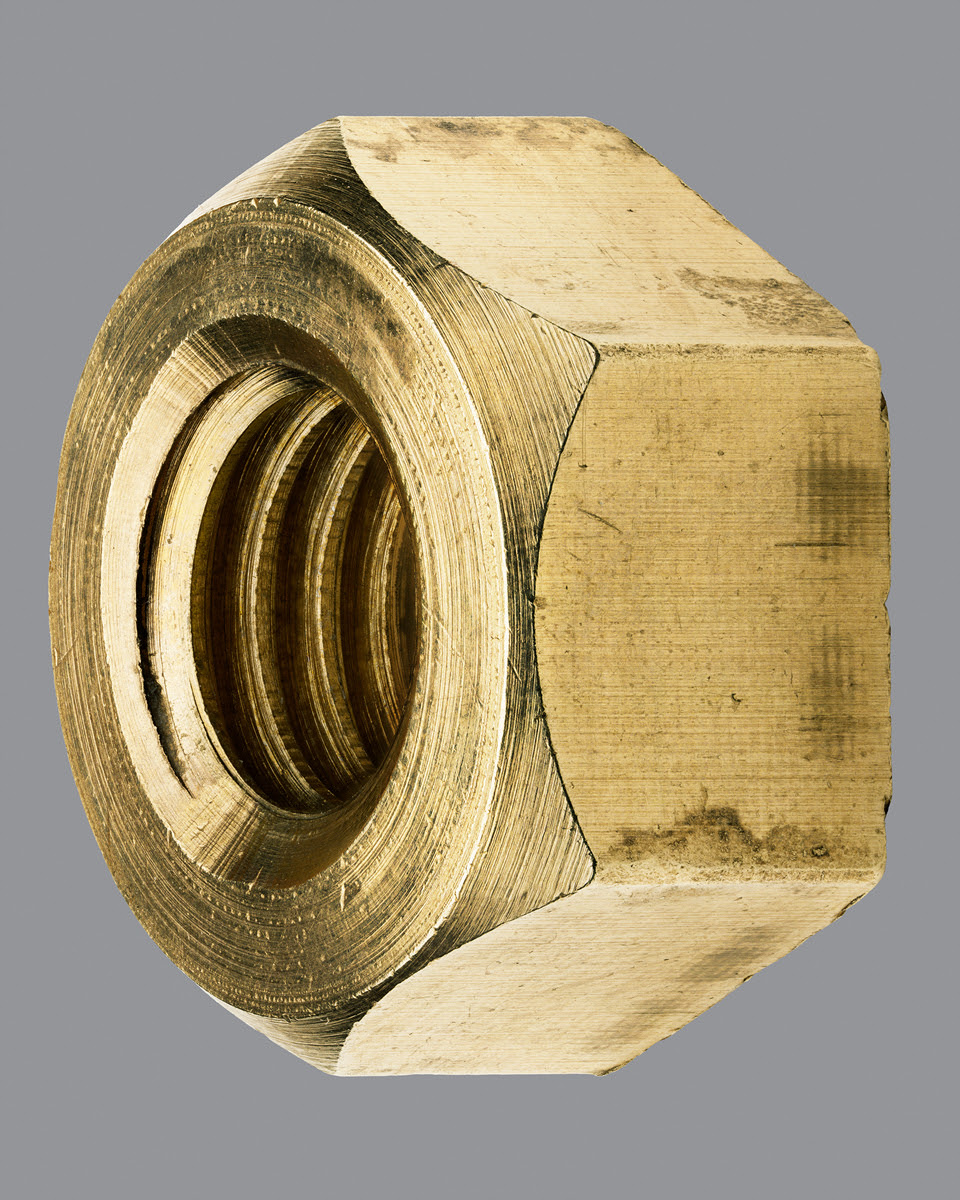
brushes. In works including Brass Wire 1B(2022),
Crossing Surfaces SB2a(2022), and Crossing Surfaces
RB1a(2022), changes in shooting distance reveal previously concealed
sections or produce overlapping forms from different focal planes.
Kim
presented these images either individually or in pairs, allowing viewers to
compare the movement of the gaze and focal point. Works such as Serial
Compositions PF3(2022) and Serial Compositions PS2(2022)
similarly continue his approach of repeatedly observing and reconstructing the
structures of objects within a single frame. In this process, photographic
compositing becomes more than a tool for increasing sharpness; it serves as a
means of expressing how human vision perceives an object as a unified whole.
More
recently, Kim has moved beyond photographing the surfaces of static objects to
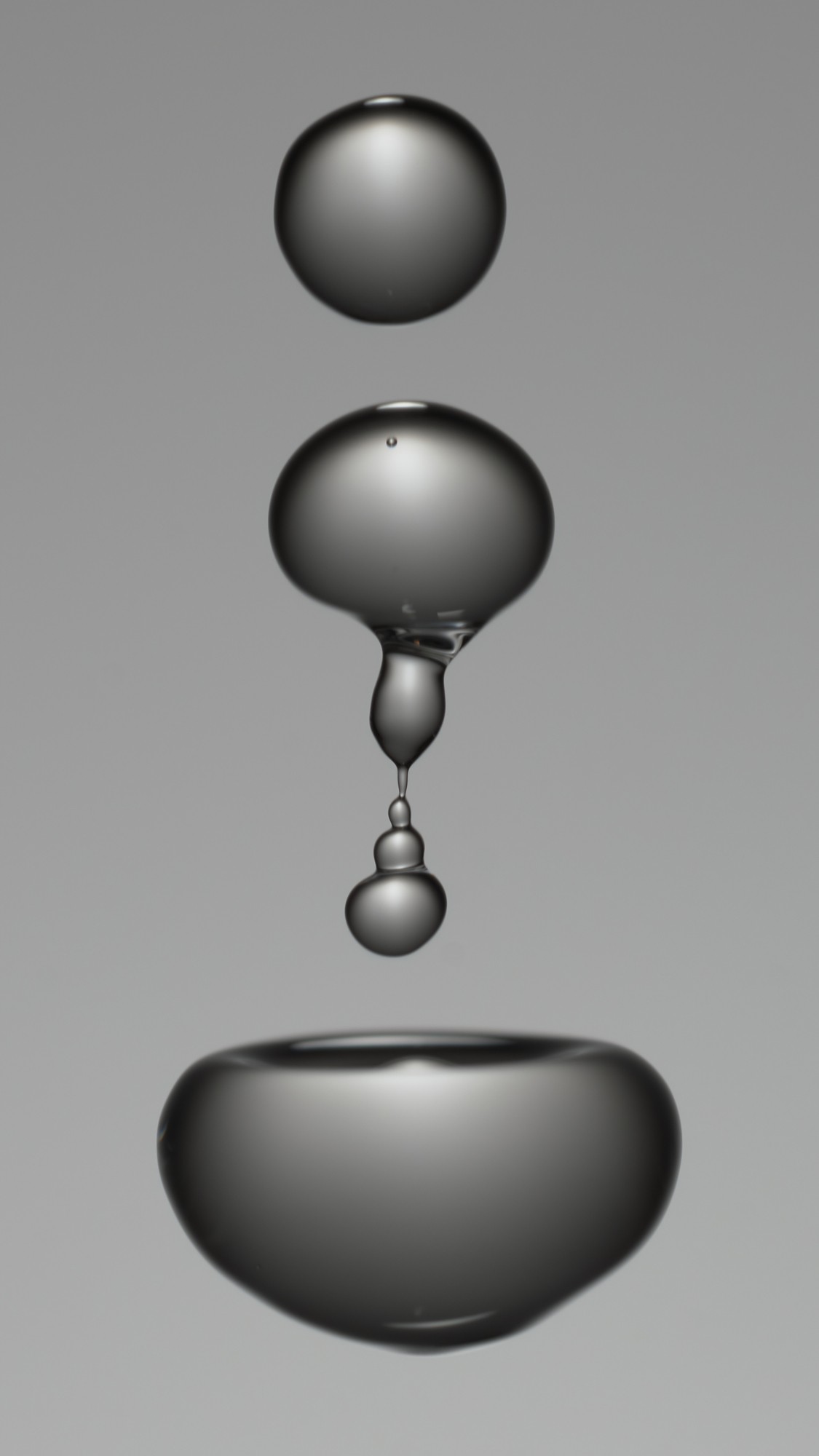
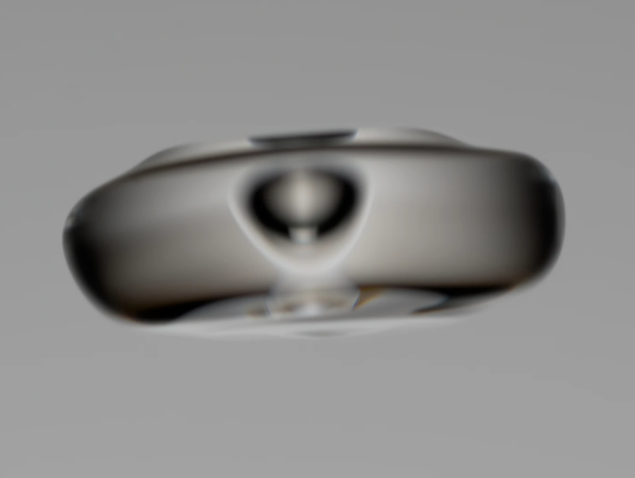
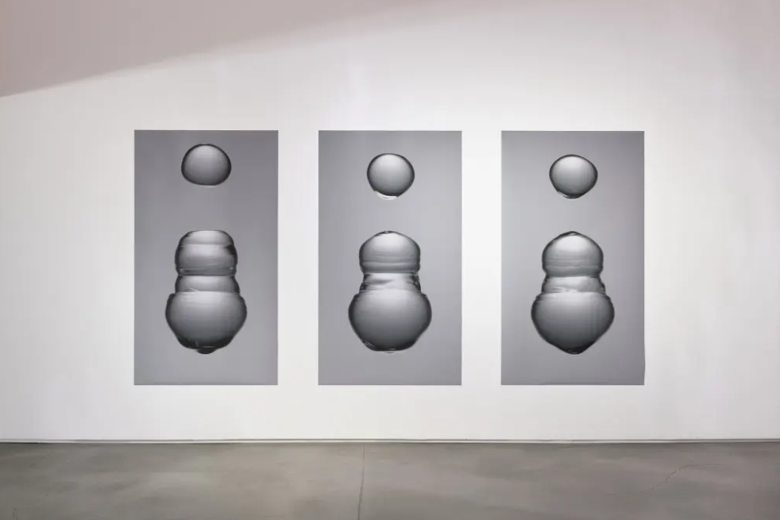
experiment with capturing fleeting physical phenomena. In Figure O
137(2024), from the ‘Figure O’ series, he freezes the moment of a
falling water droplet, making the fluid substance appear almost like a
sculpture.
To achieve this, he employed devices that regulate the volume and
intervals of falling droplets, along with speedlights that emit flashes lasting
only a few ten-thousandths of a second. Water droplets continuously change
shape under the influence of air resistance, gravity, and surface tension, and
photography captures these transformations at temporal scales invisible to the
naked eye.
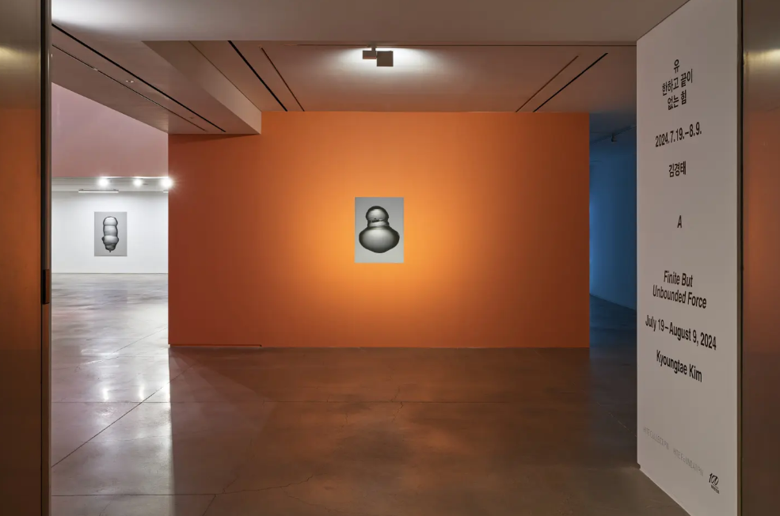
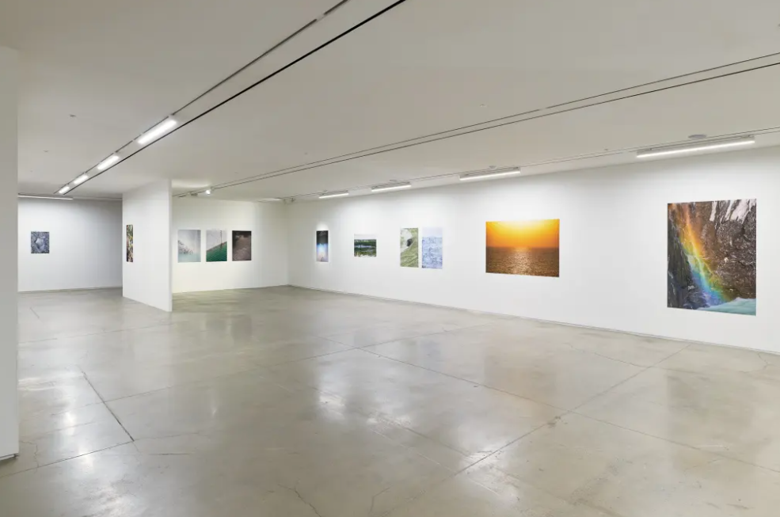
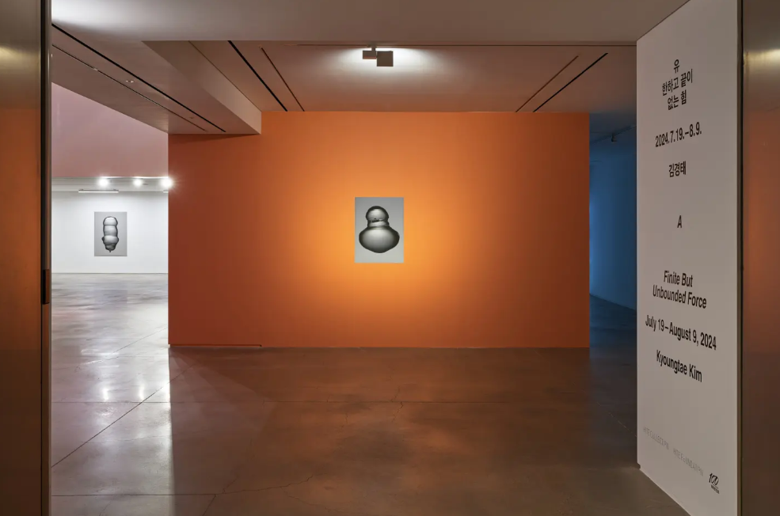
In 《A Finite But Unbounded
Force》, Kim presented images of water at various
scales, including minute droplets, clouds, rainbows, water surfaces, glaciers,
fountains, and dams. Although these works remain connected to his earlier
practice through meticulous observation and the deliberate design of
photographic conditions, his subjects and technical approaches have expanded
from reconstructing the forms of stationary objects to capturing moments of
continuously changing matter.
Scenes in which a tiny water droplet appears as a
monumental sculptural form or an expansive landscape is rendered as a single
flattened image once again challenge our conventional perceptions of scale,
distance, and time.