Working
primarily with photography, Seulki Ki has combined performance, objects, video,
and installation to shape the relationship between spaces inside and outside
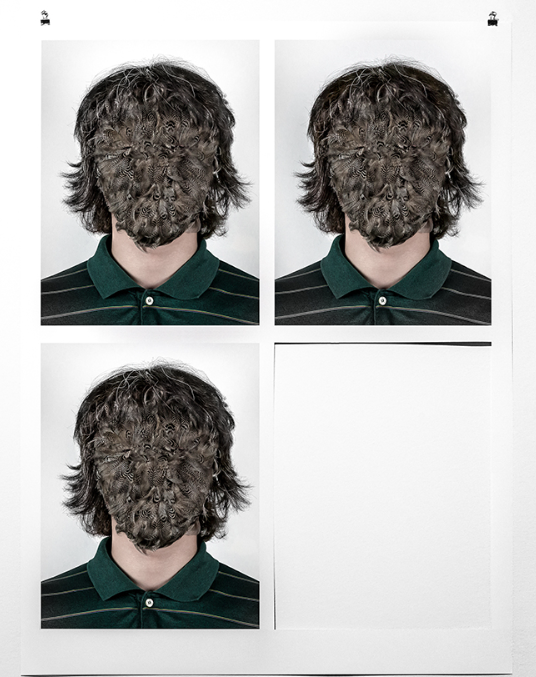
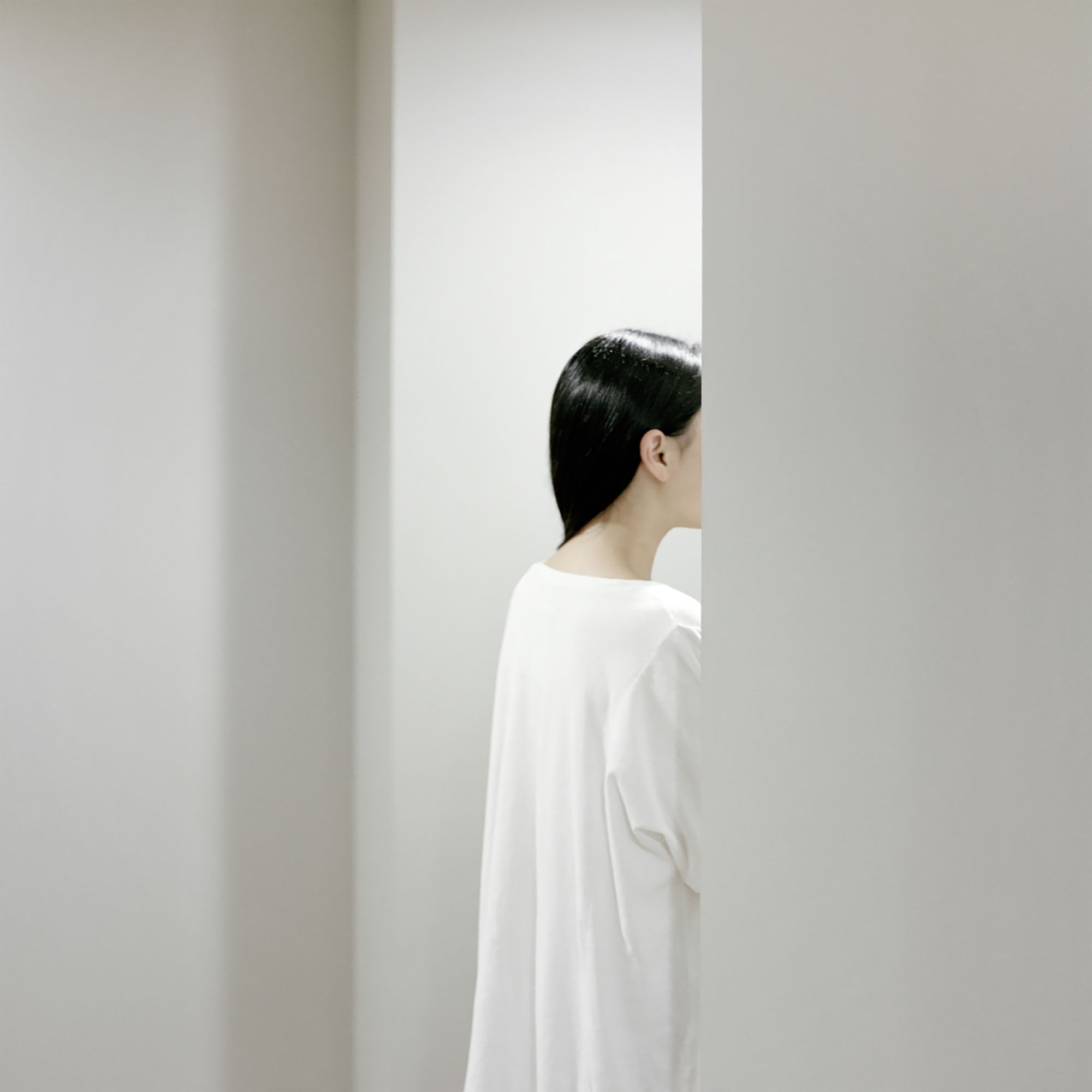
the photographic frame and the viewer's perception. In her early ‘Unfamiliar
Corner’ series, she positioned fragments of her own body at spatial boundaries,
connecting visible and invisible areas.
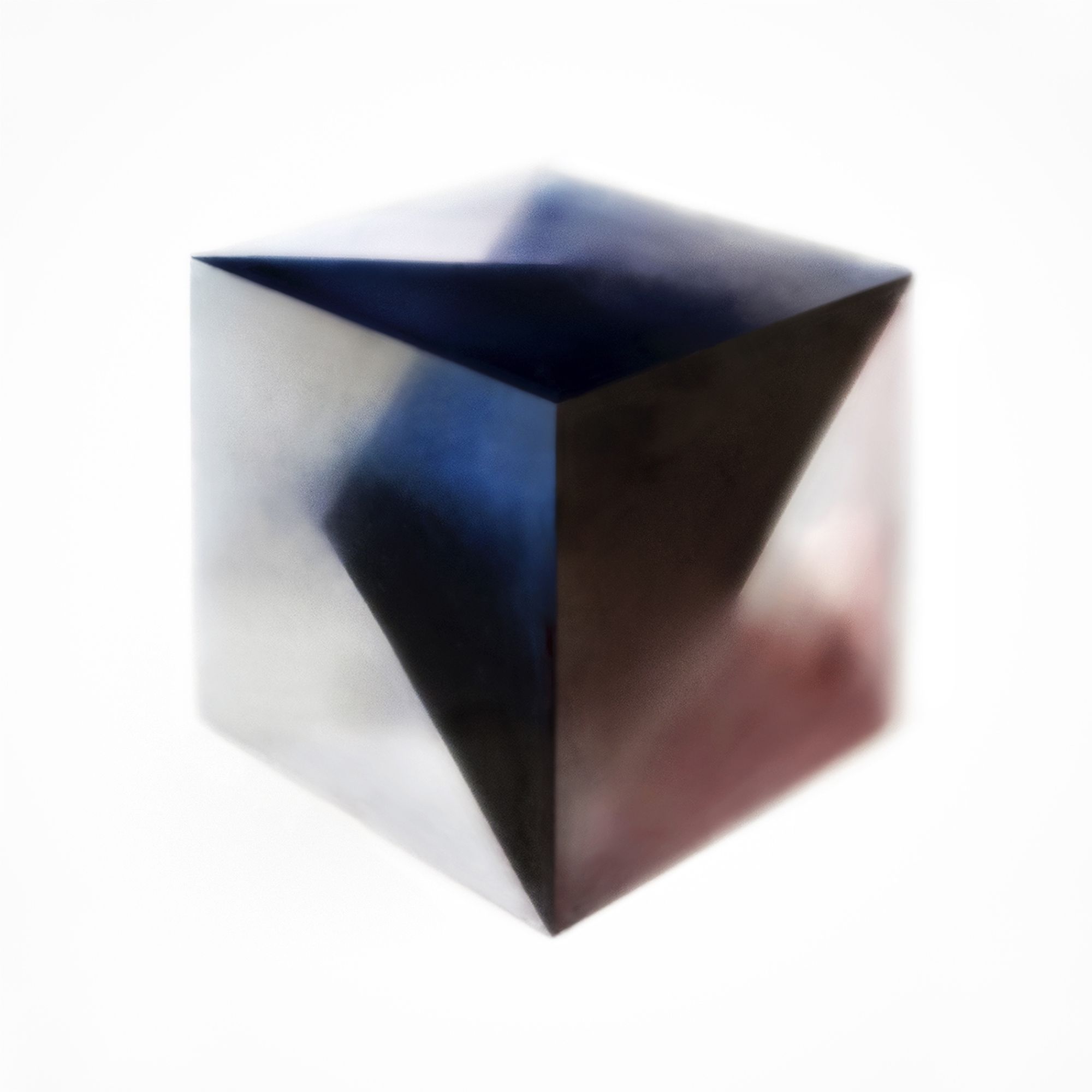
In ‘Crystal Lake’, she combined colored
planes and patterns, using light reflection and transparency to create optical
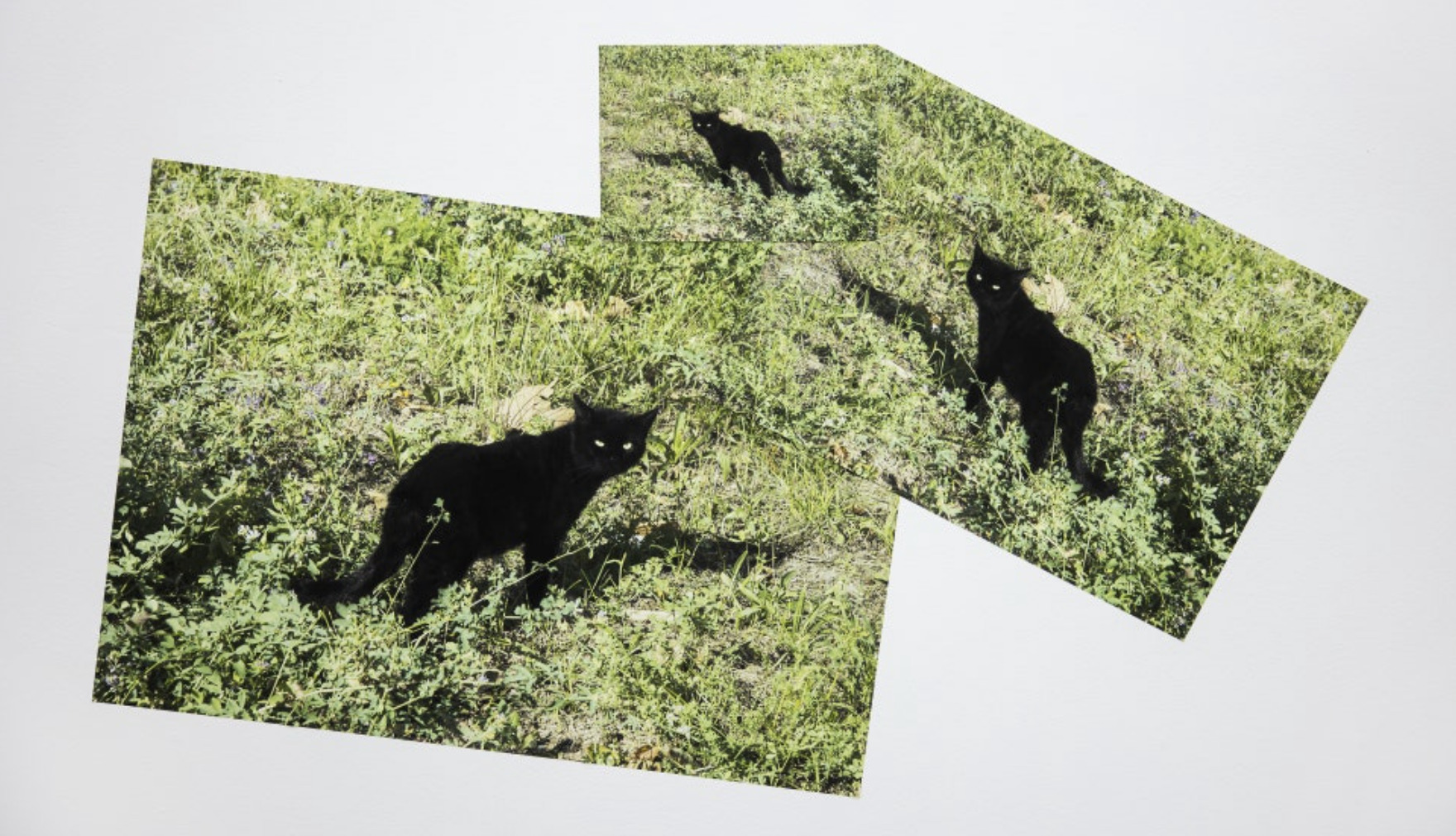
illusions in which flat images appear three-dimensional. In the ‘Imputed Scenery’
series, she inserted flat animal silhouettes of her own making into actual
landscapes and deliberately blurred the focus, staging scenes in which
fictional subjects appear to exist in reality.
Meanwhile, the ‘haze’ series
transformed photographs of flowing water into abstract images through
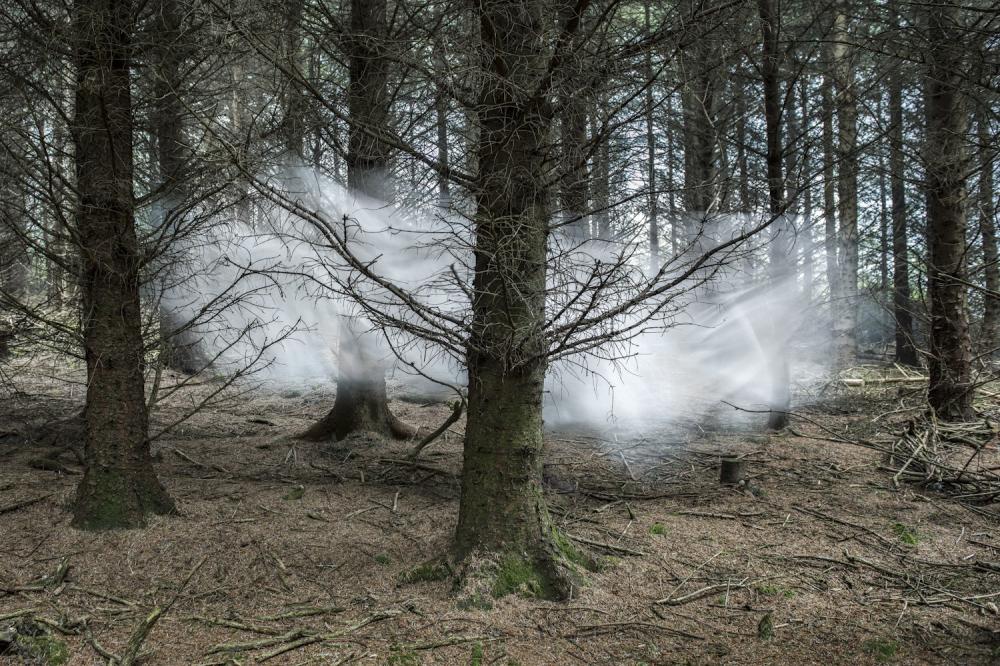
interventions in the black-and-white printing process. In ‘Post Tenebras Lux’,
she moved fabric suspended from tree branches and recorded its traces through
long exposures, producing forms resembling fog or vapor.
In works such as ‘the
ongoing moments’ and ‘the Boundary’, she also presented the processes through
which images were completed in the form of slide videos or archival displays,
treating not only the photographic results but also their production processes
as integral parts of the work.
From 2017
onward, the exhibition space itself became an increasingly important means of
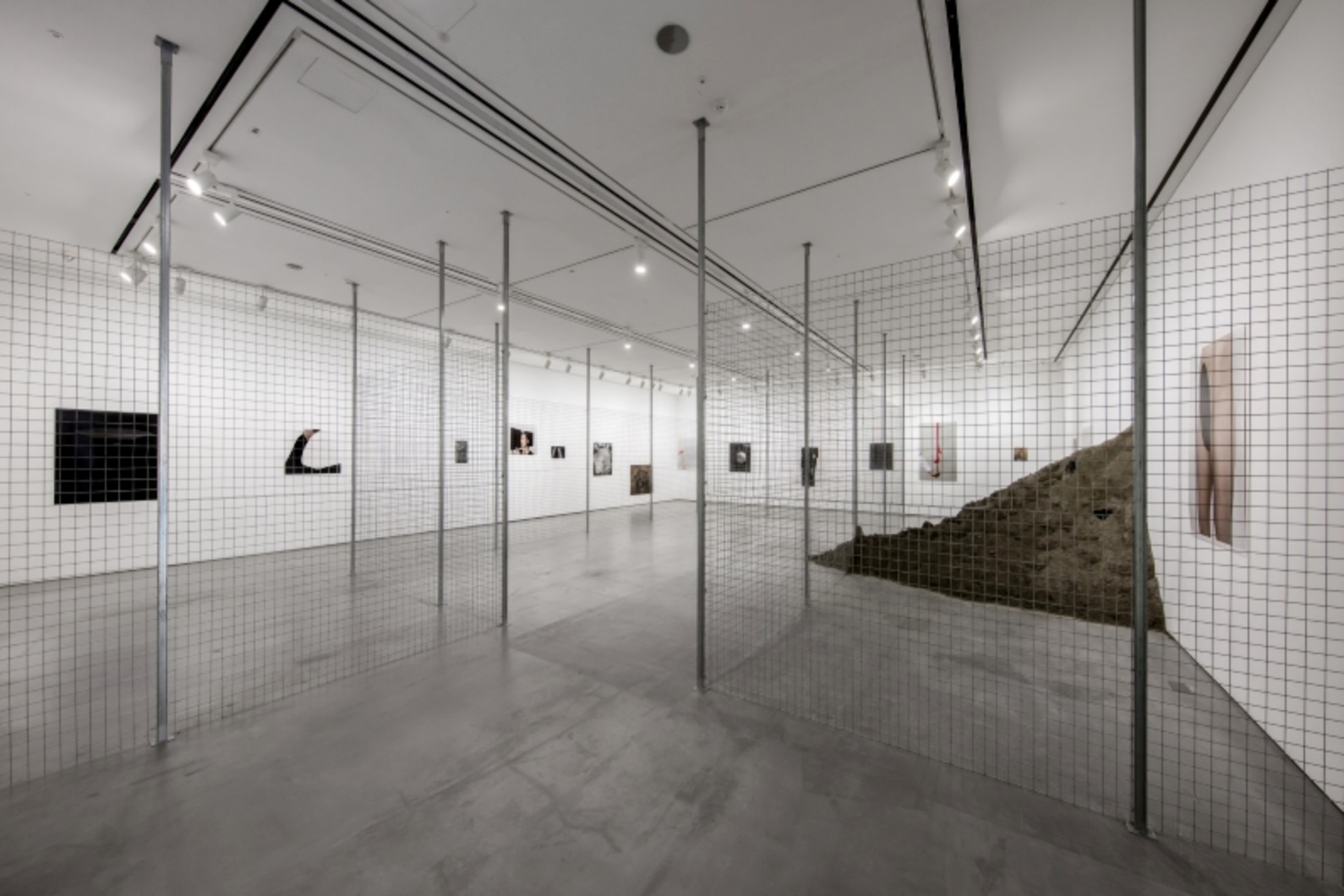
expression alongside her methods of photographic staging. In 《Sub/Ob-Ject》, Ki installed wire fencing at a
distance from the walls, preventing viewers from approaching the photographs
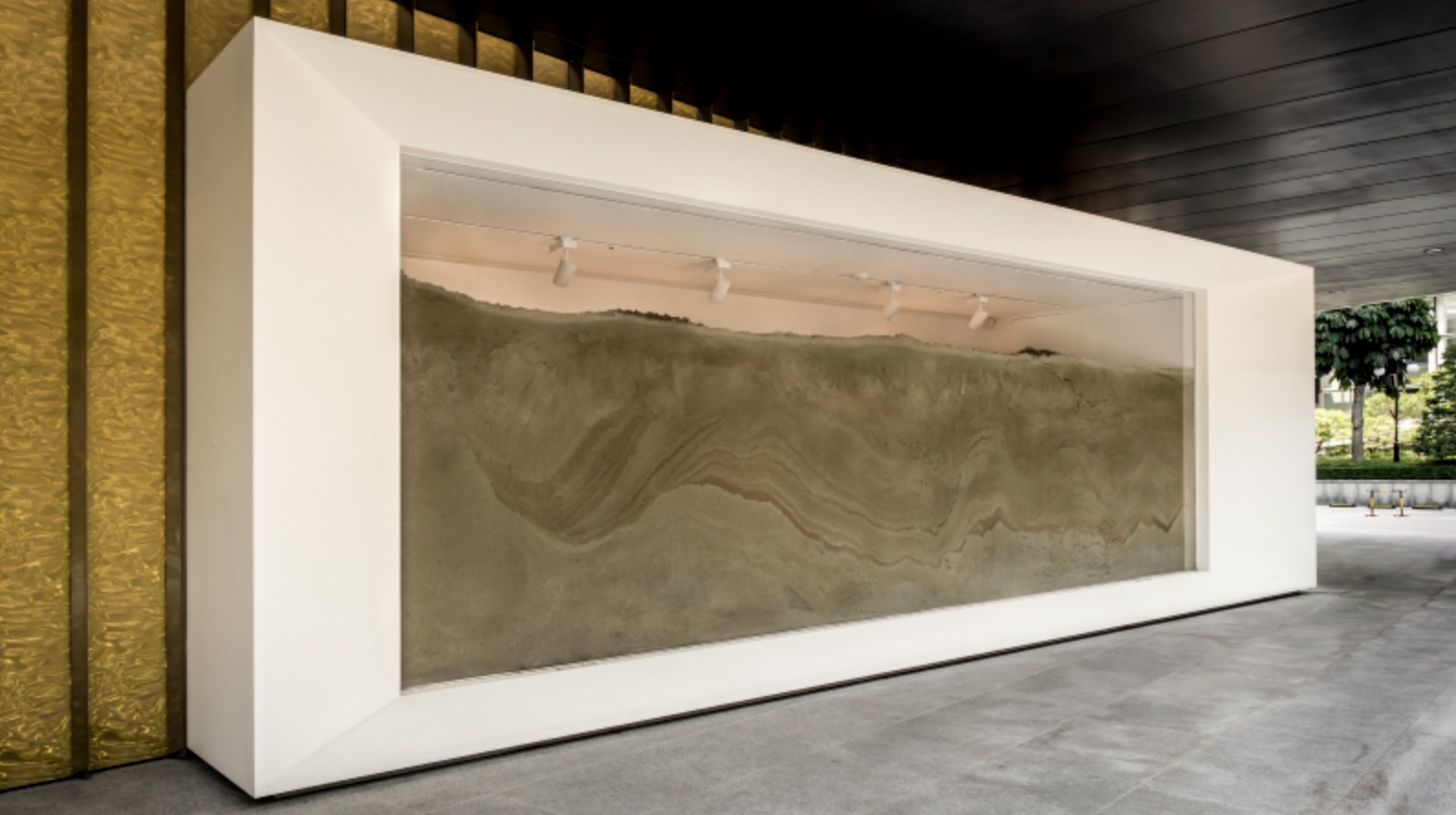
closely. In In the Sand(2017), she used sand as an
installation material to give physical form to emotions latent in the
unconscious.
By imposing physical restrictions on the act of viewing
photographs, these arrangements allowed audiences to directly experience the
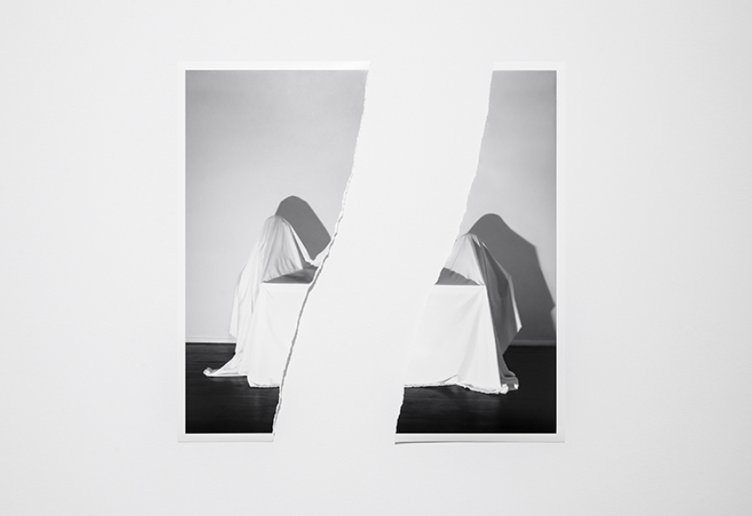
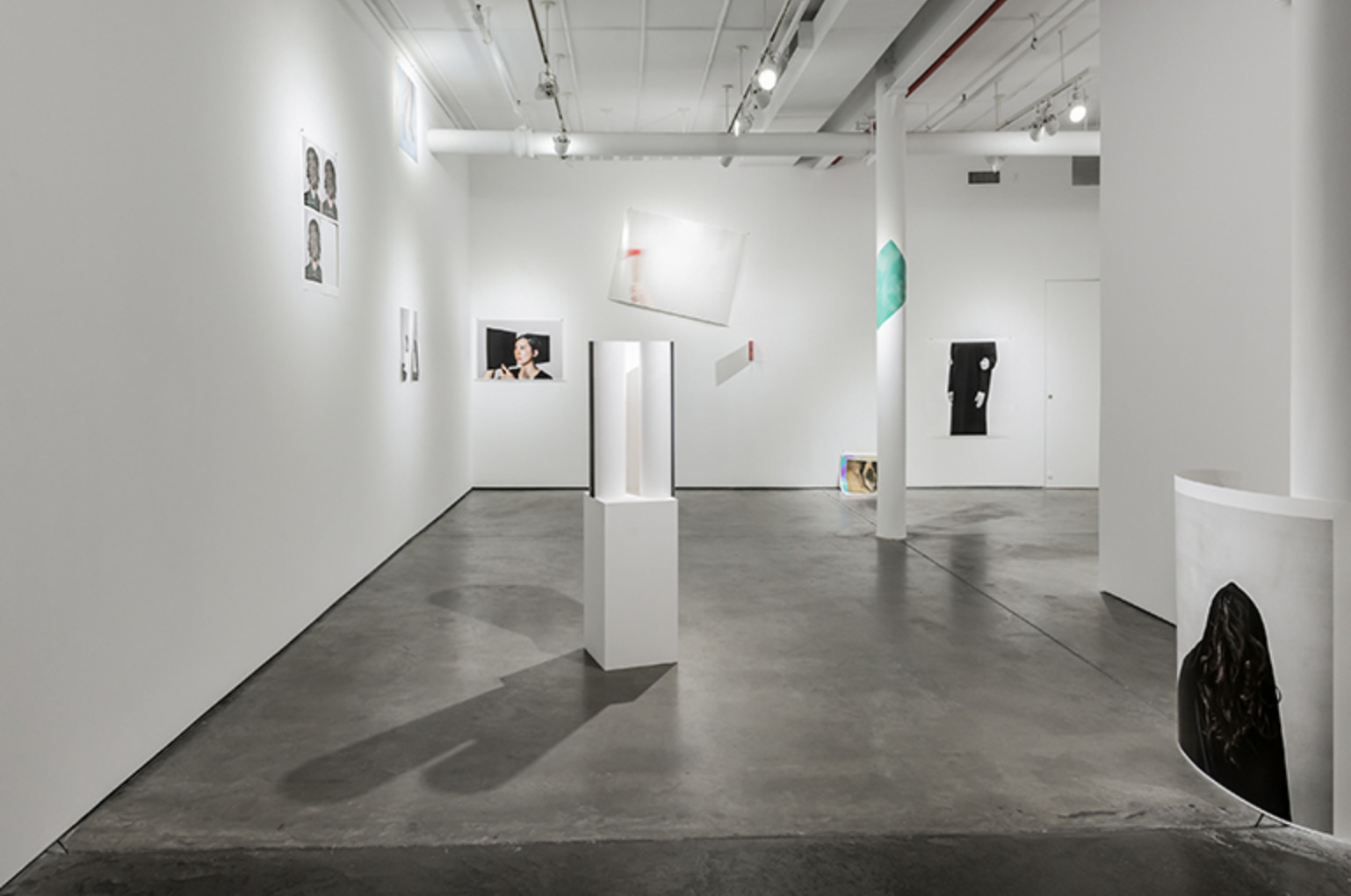
psychological distance and discomfort central to the works. In 《Theater Near Me》, Ki borrowed the theatrical
technique of tableau vivant, arranging the gestures of models into frozen
scenes.
The photographic frame became a stage, the models functioned as actors,
and viewers were invited to imagine narratives beyond the frame through
fragmentary scenes. In this way, she expanded the process through which images
acquire meaning into the entire exhibition space by incorporating the viewer's
movement, distance, and gaze into photographic production and staging.
Her
experiments with digital images and the materiality of photography became more
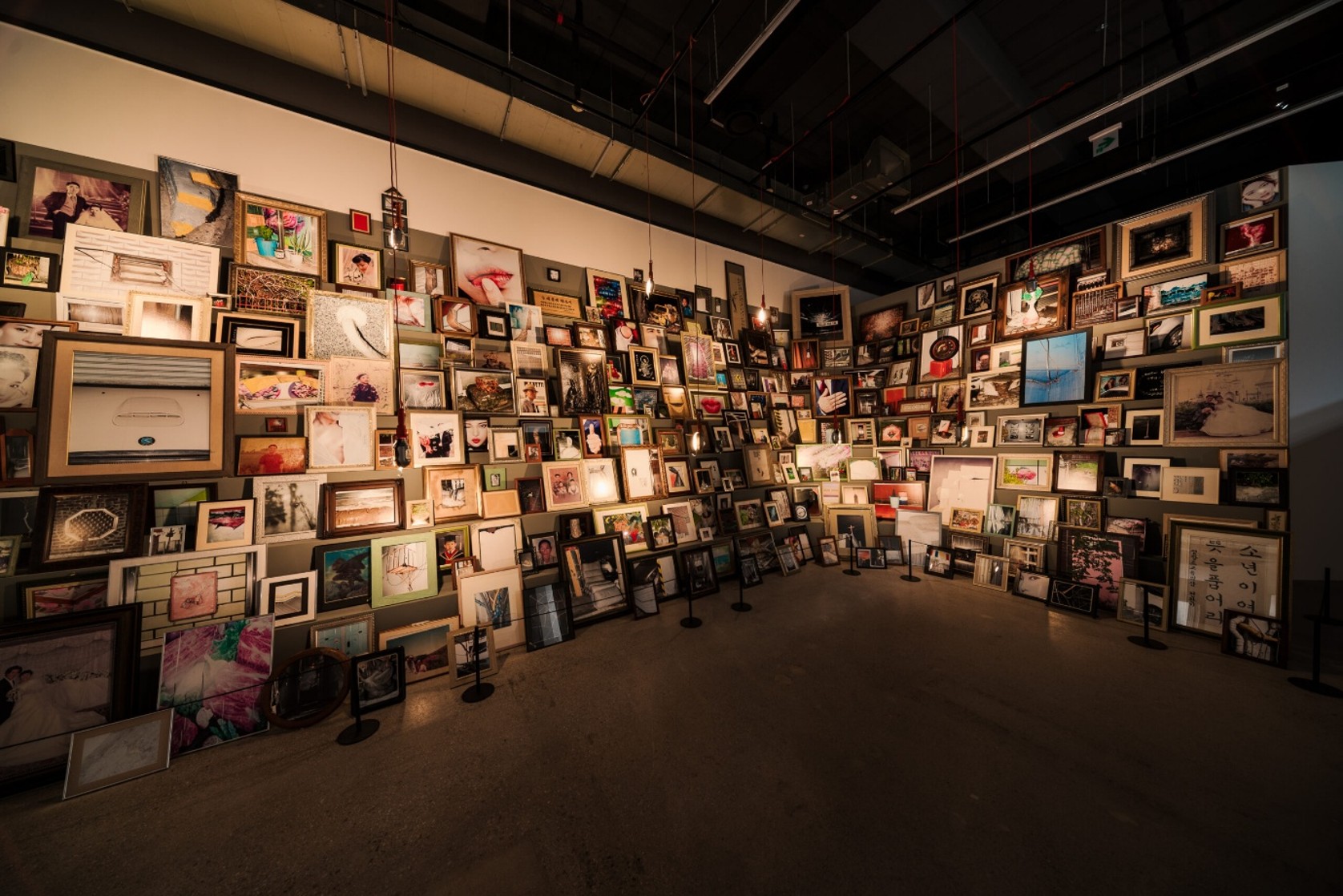
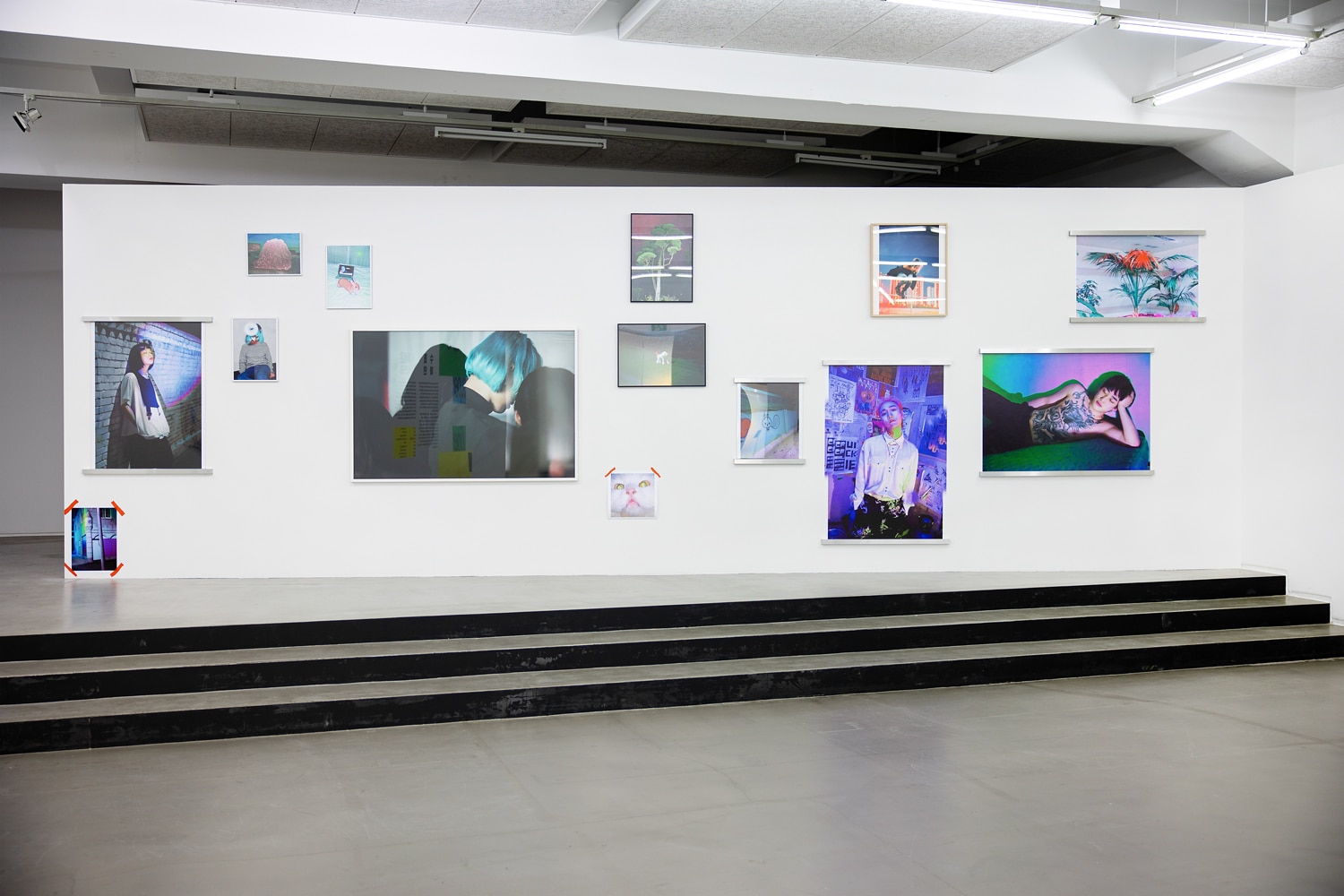
concrete during the 2020s. In Photos, Library, All Photos, Select
Items, Edit, Done(2021), Ki selected and rearranged photographs
stored chronologically on her mobile phone to create a collage, which she then
translated into a spatial installation drawing on the characteristics of
disposable printed materials such as advertising leaflets and posters.
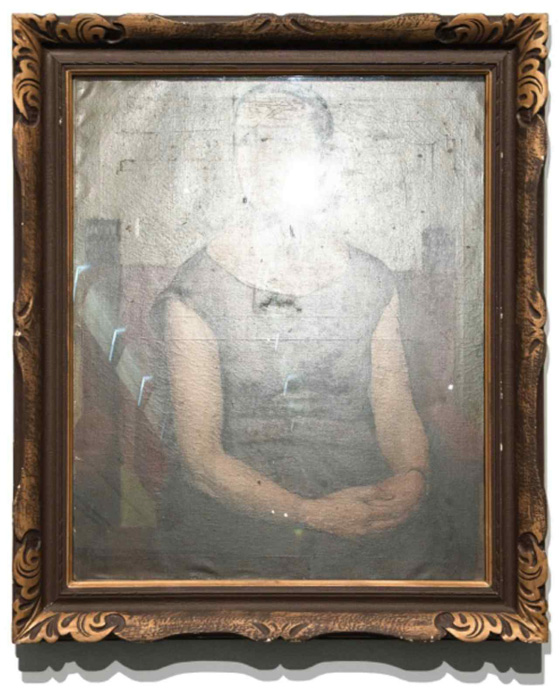
Photographs such as Untitled(2023) and Untitled
(Detail)(2023), presented in 《Portrait, Still Life, Landscape》, took
modern Korean figurative paintings as their subjects while incorporating not
only the paintings themselves but also their surrounding frames, lighting,
shadows, reflected figures, and exhibition spaces into a single image.
Through
this approach, she created an effect in which different layers of reality
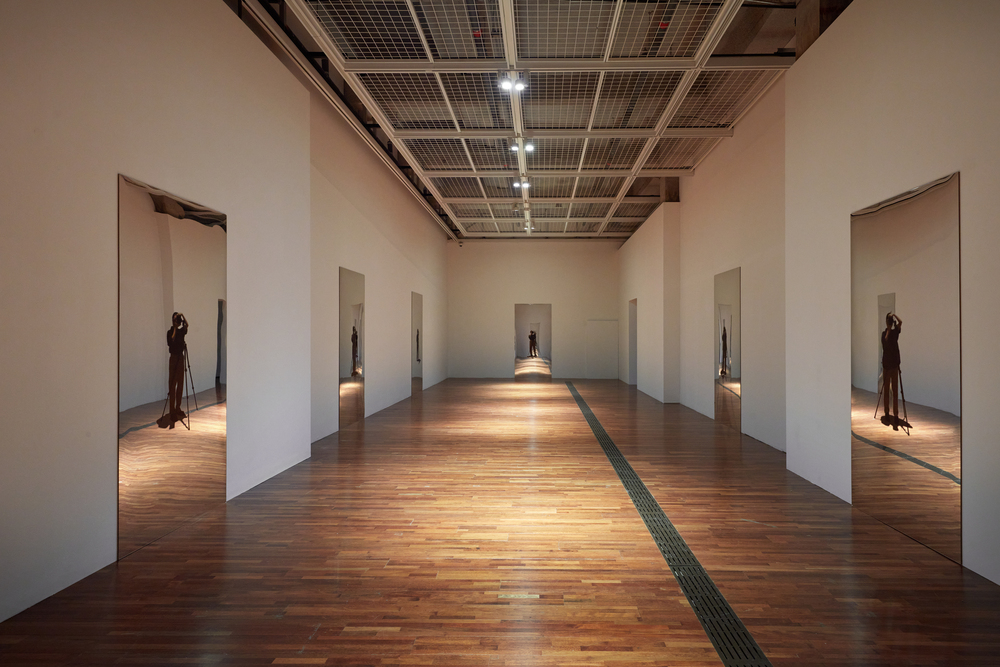
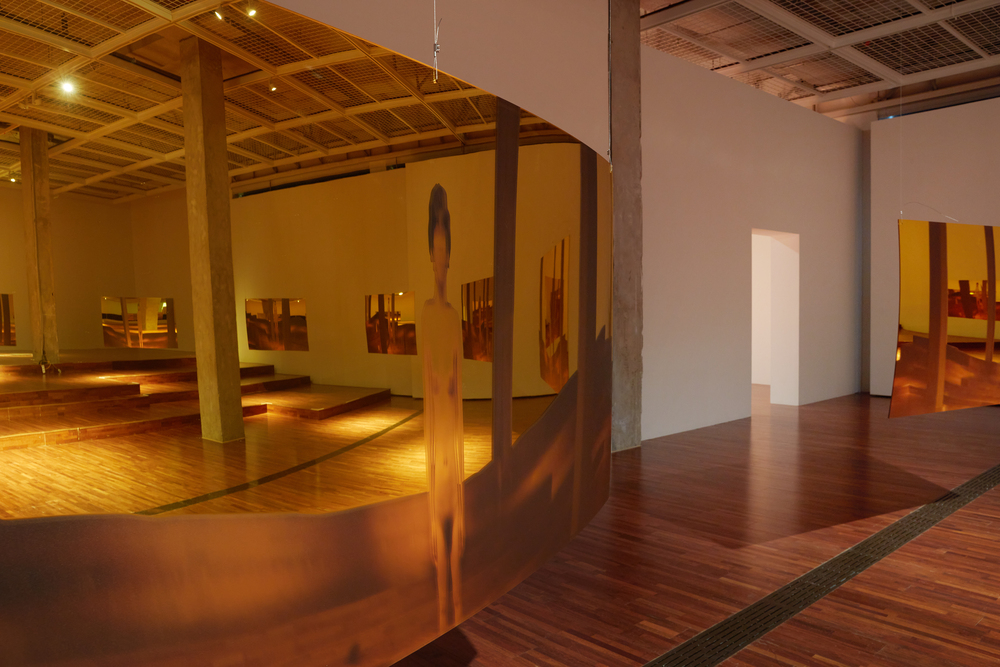
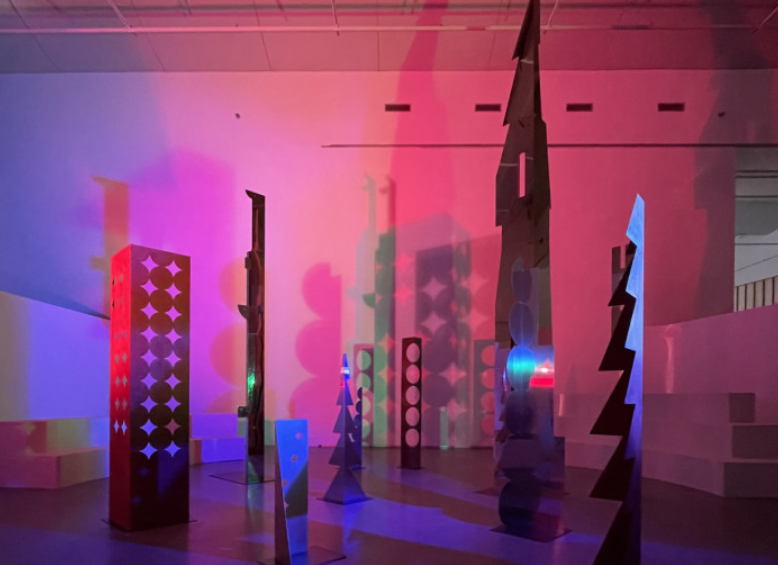
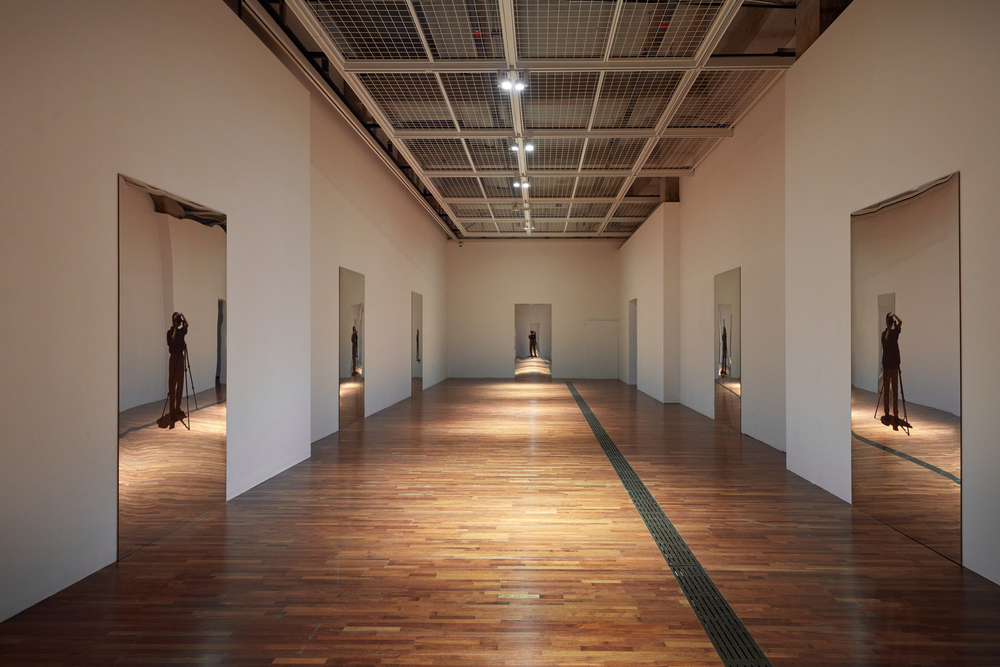
overlap within a flat photograph. In 《Geist in the
Exhibition》, she combined photography and mirrors to
superimpose photographed images onto spaces reflected in real time, allowing
the works to be experienced differently depending on the viewer's position and
movement.
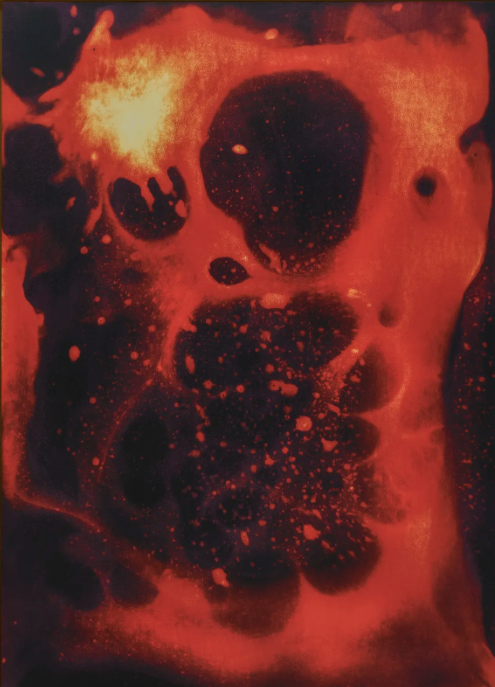
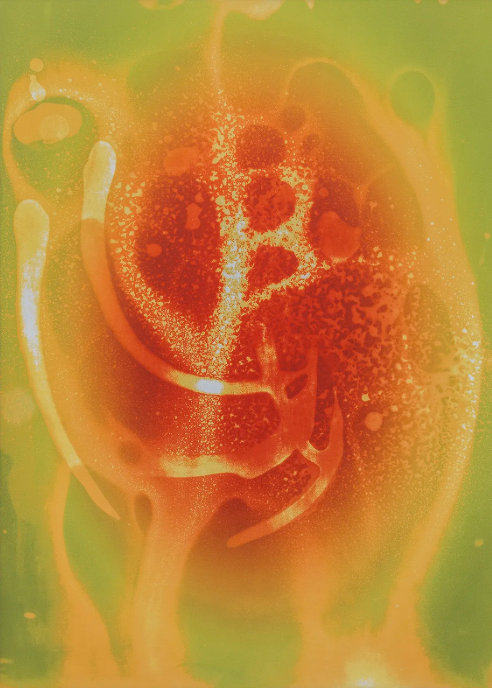
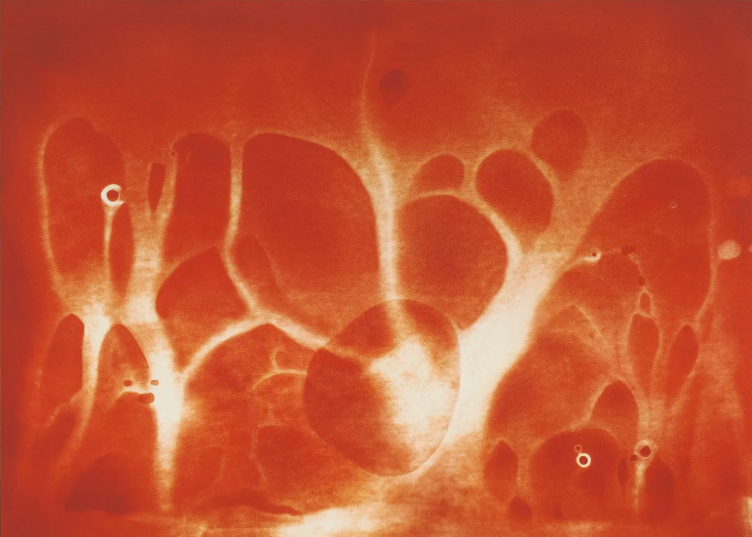
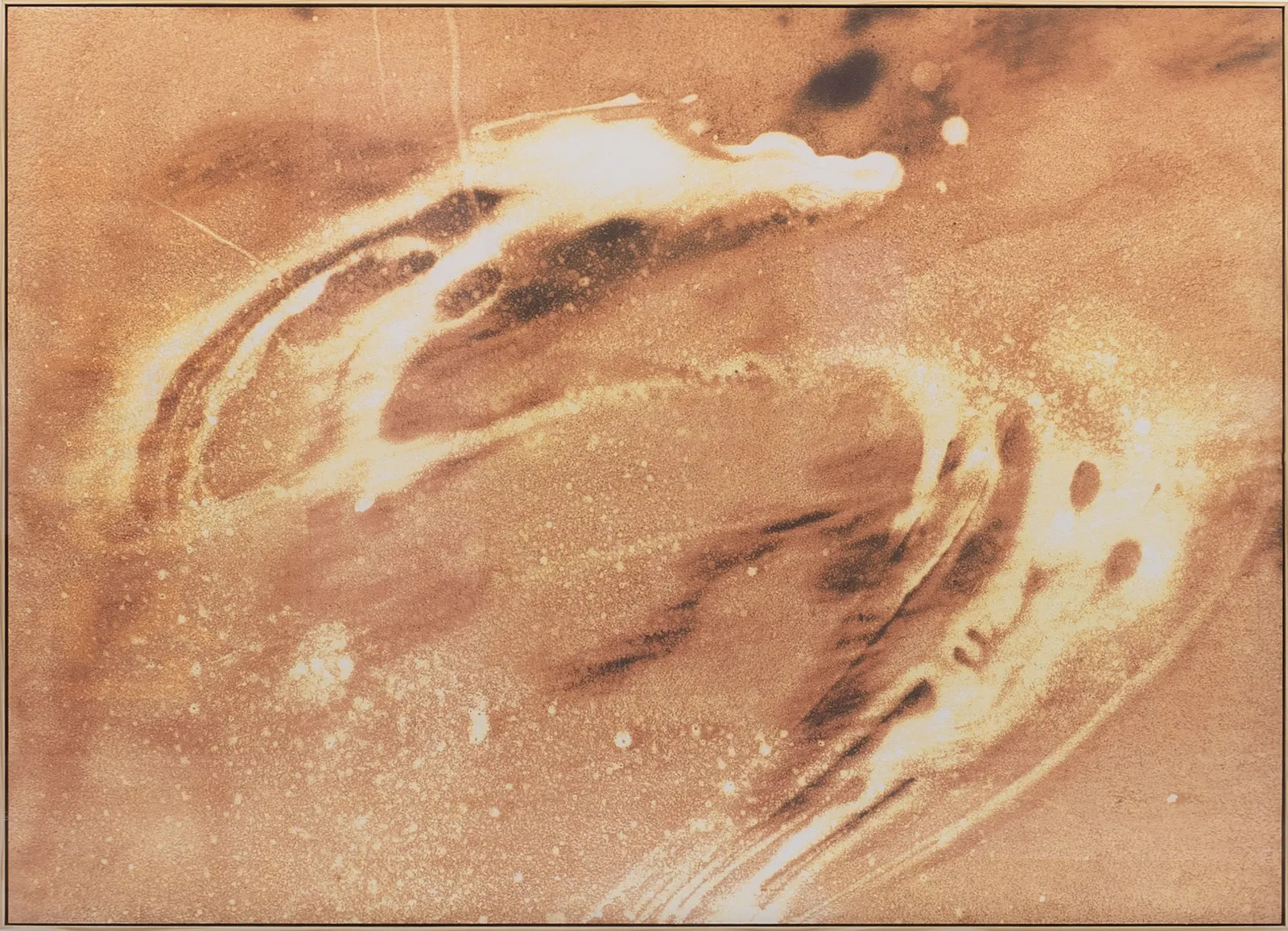
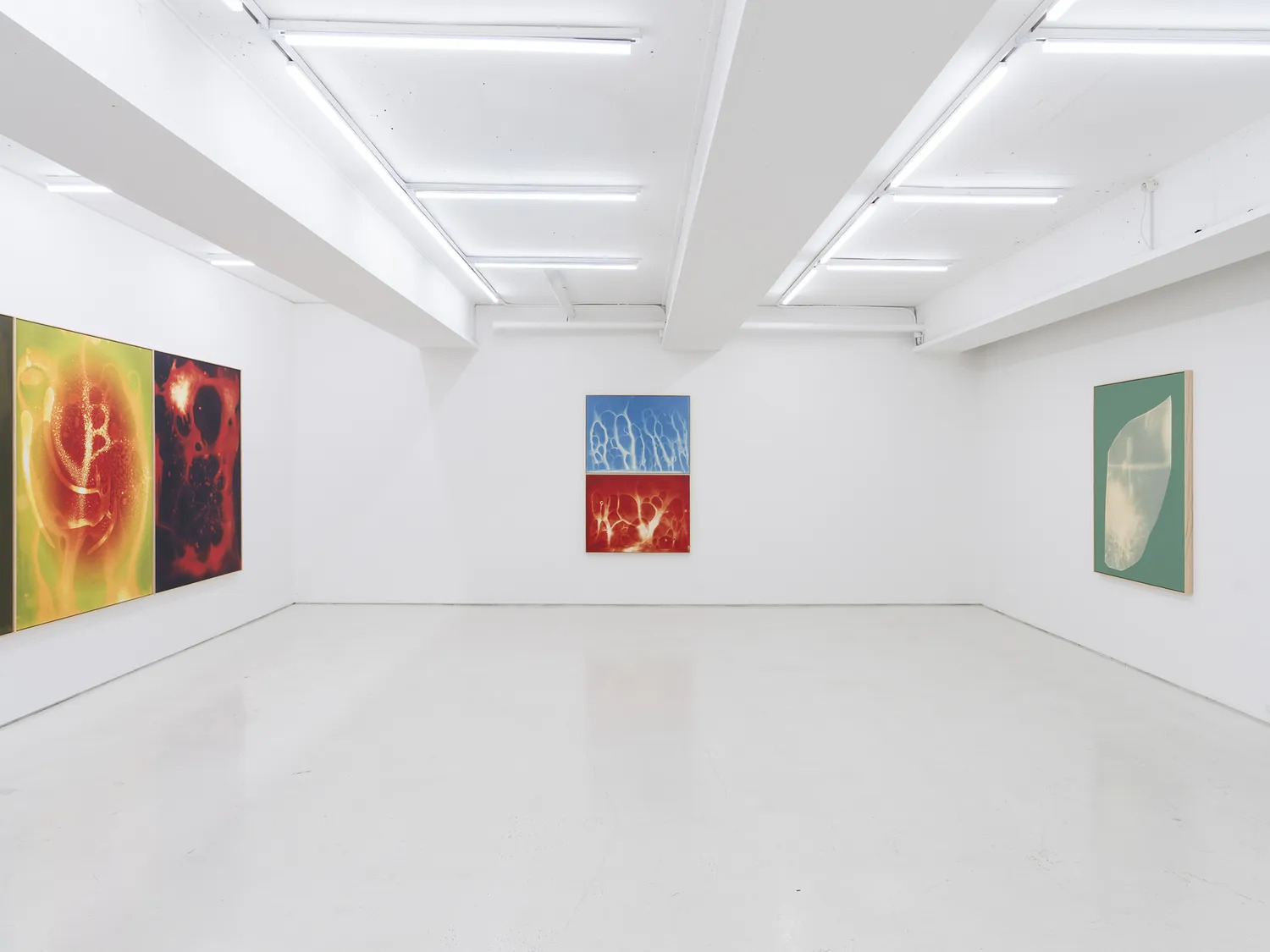
Her recent ‘Liquid Light’ (2026) series marks another shift through
the production of photographic images without a camera. Works such as Liquid
Light E.2(2026) are created by printing color charts onto
photographic paper and then controlling the concentration and reactions of
bleach and ink-removing agents to generate forms. The traces left as chemicals
flow across the surface and remove colors become the content of the image,
transforming photography from a record of external subjects into a process that
reveals material reactions and the artist's intervention.