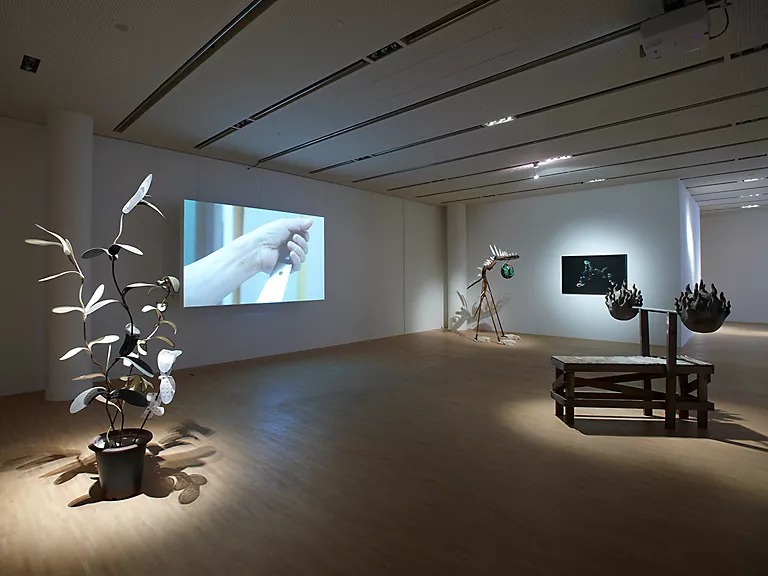
Even the most casually posed question prompts the members of the artist collective Part-time Suite to put their heads together. Only after discussing it and finding common ground do they offer a response. We met with the collective, whose members first came together over shared circumstances and have maintained their bond for a decade.


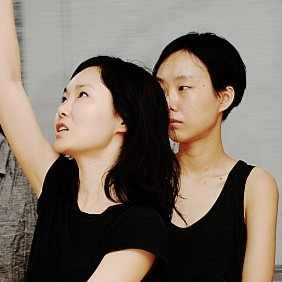
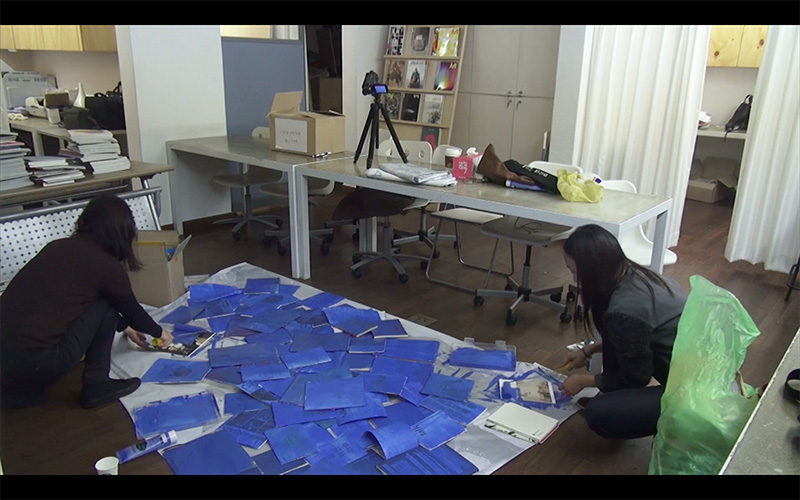
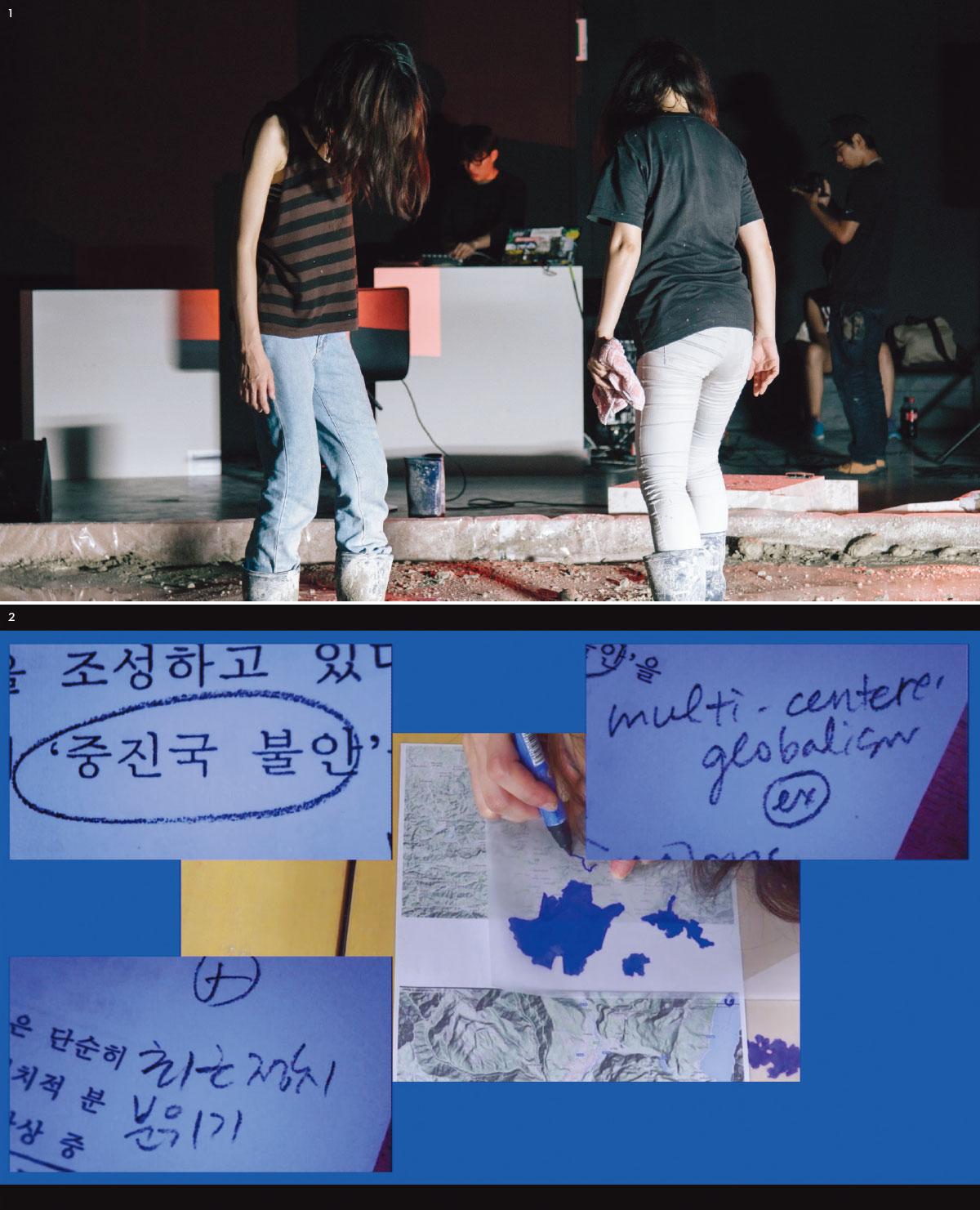
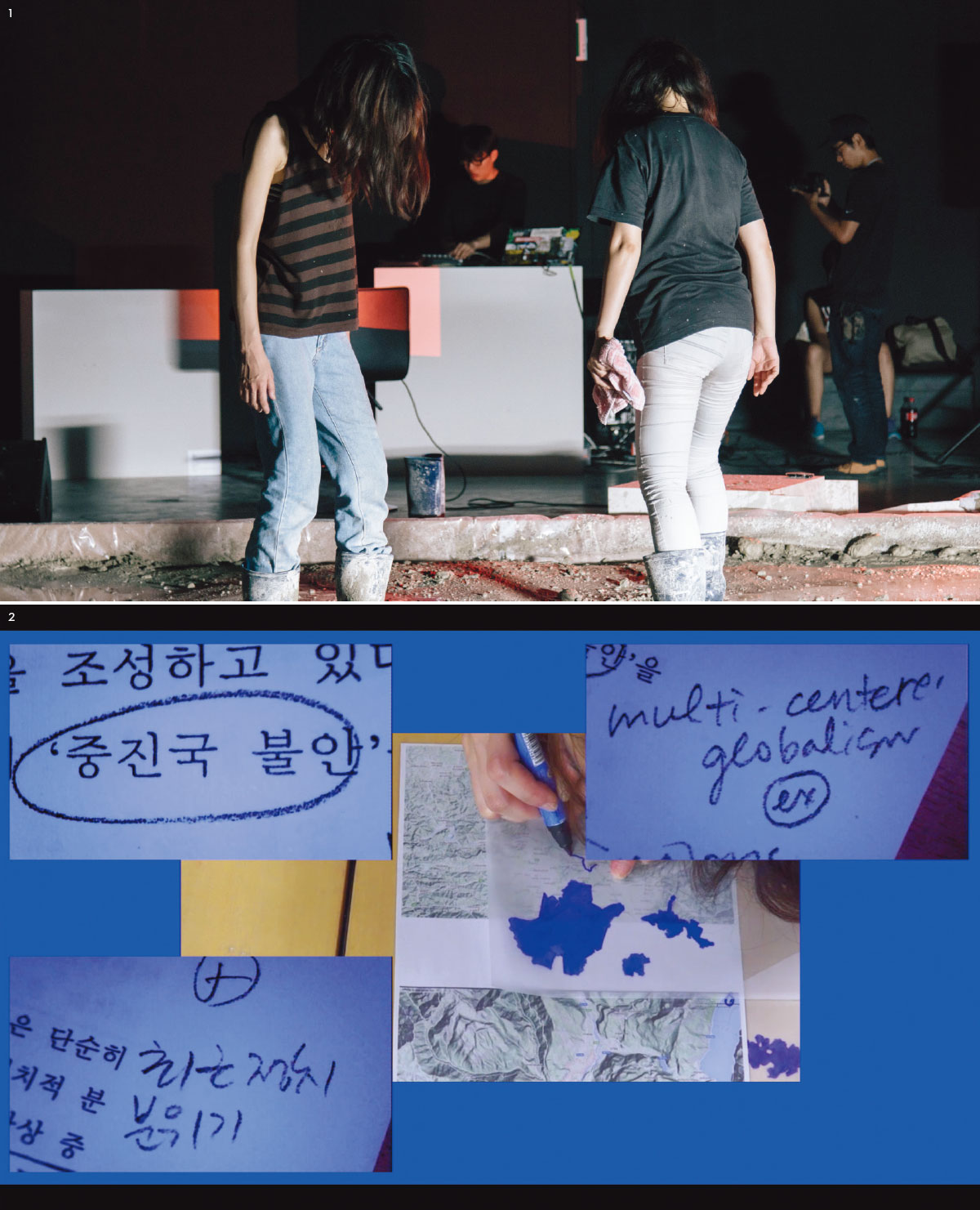
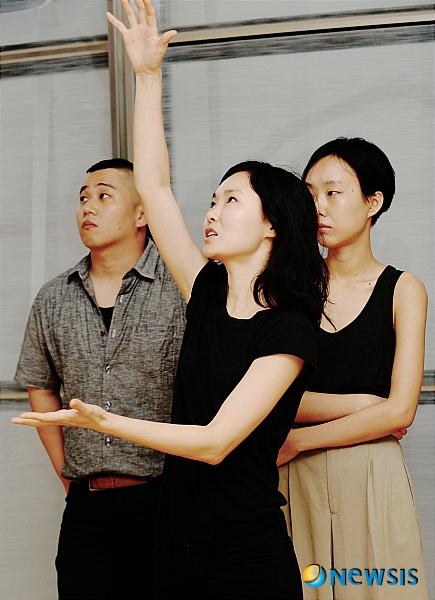
1. Part-time Suite, an artist collective consisting of Jaeyoung Park and Miyeon Lee  © Part-time Suite
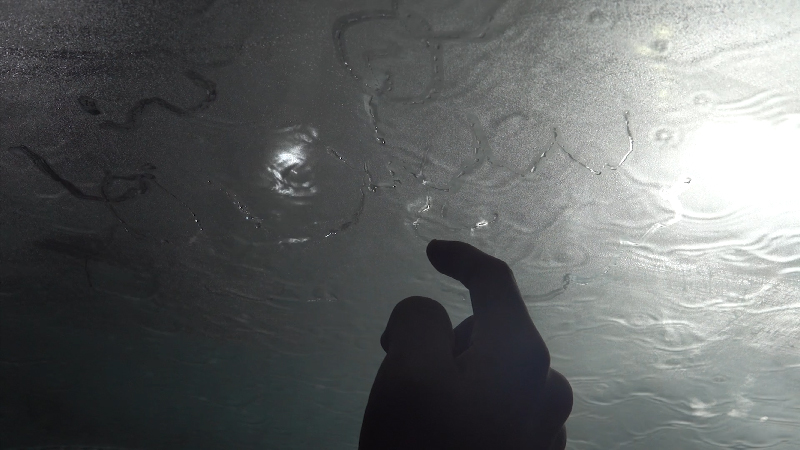
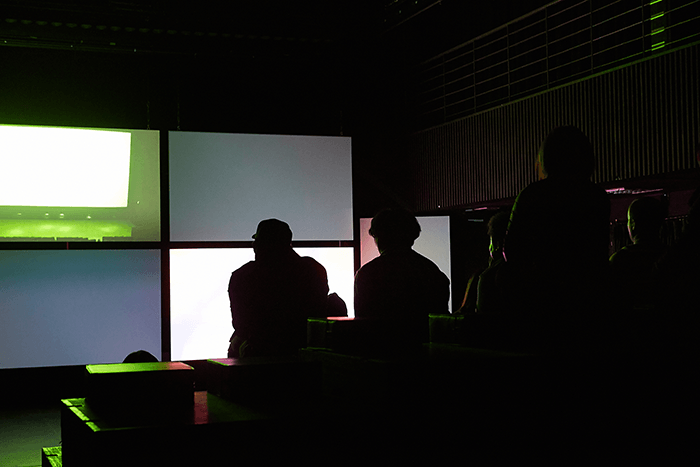
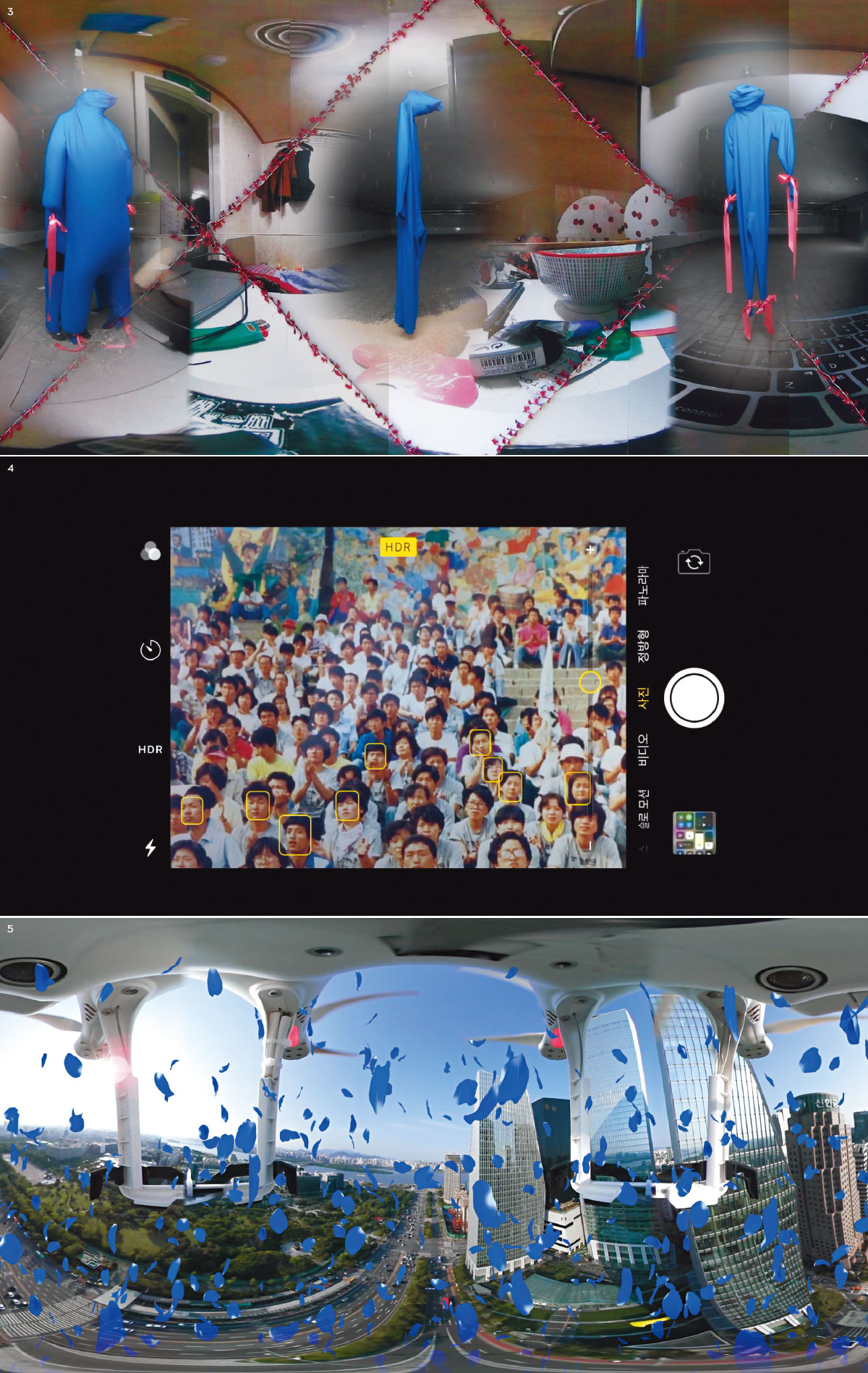
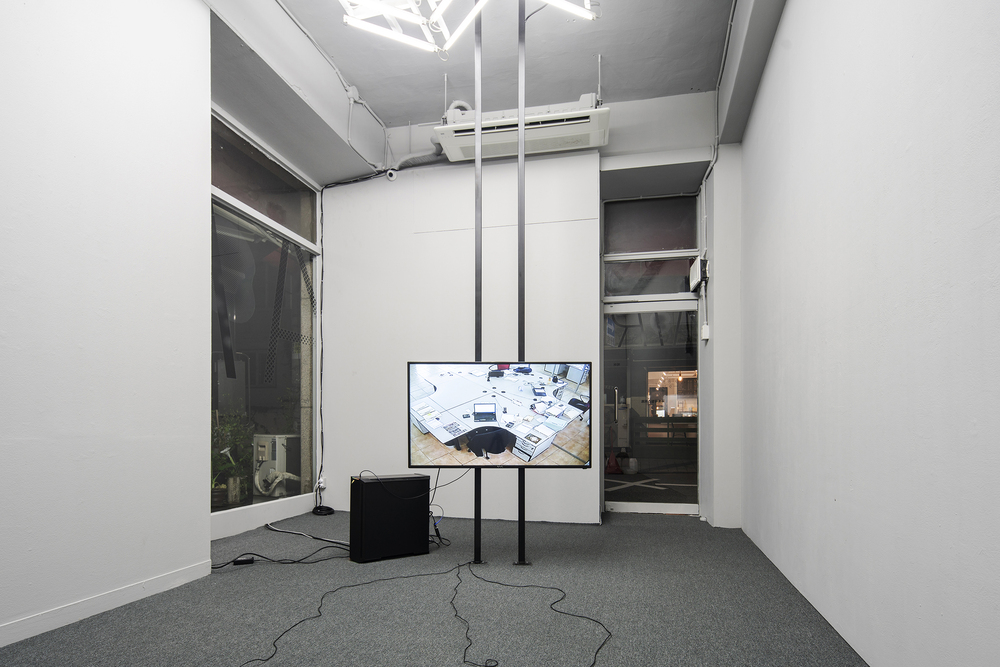
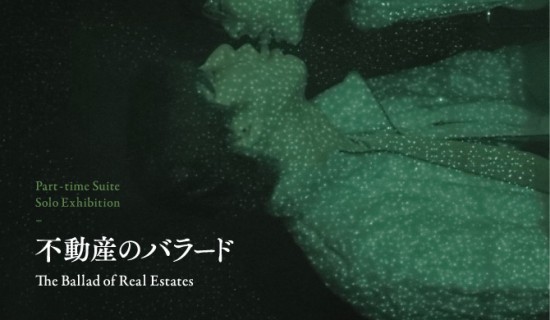
2. Part-time Suite, One Opening (video still), 2015, HD video, sound, 30 min 10 sec © Part-time Suite

Part-time Suite

Part-time Suite is an artist collective founded in 2009 through critical discussions of the social conditions its members shared. The collective has drawn on the social phenomena, constraints, and circumstances surrounding its members, transforming them into artistic material.

Working across performance, video, and installation, Part-time Suite explores the modest yet meaningful power of art amid the various forces that dominate everyday life today. The collective has participated in exhibitions and programs at Art Sonje Center, Nam June Paik Art Center, and the Seoul Mediacity Biennale, among others. Its current members are Jaeyoung Park and Miyeon Lee.


How was Part-time Suite formed as a collective?

The circumstances that brought us together were spontaneous and straightforward. We were people who had just graduated from university and entered the art world and society, only to find the field narrow and passive. We shared our frustrations and gradually developed a sense of solidarity. Then someone suggested, "Why don't we find a place and put on an exhibition ourselves?"

That's how Part-time Suite was formed. It was a small but bold act of protest against the difficult circumstances we were facing at the time. Putting together an independent exhibition wasn't something we could do alone, and conventional exhibitions emphasizing the distinct identity of each individual artist weren't what we wanted either. So we chose to work in solidarity. After all, working together gives you the courage to turn seemingly reckless plans into reality.


Your name is unusual. The pairing of "part-time," associated with precarious employment and temporary labor, and "suite," the most luxurious type of hotel room, feels unexpected.

We created this shared name to embody all the concerns and processes we've just described. The collective Part-time Suite is not simply a gathering of individuals; it also represents the "ensemble and dissonance" that emerge through our interactions with one another.


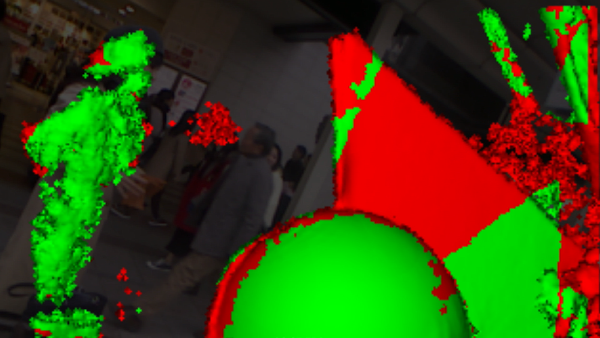
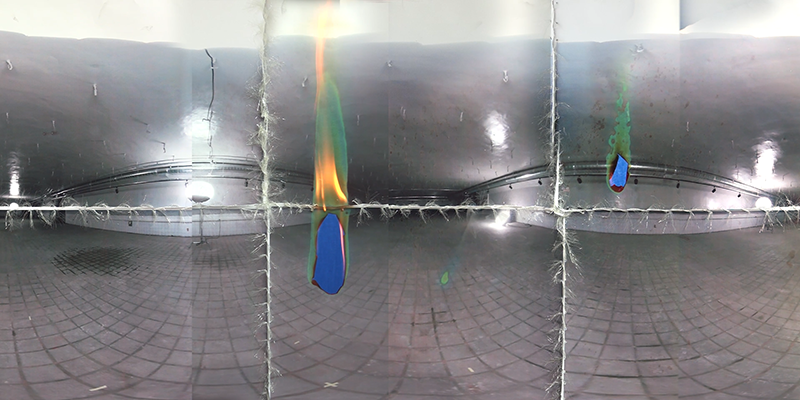
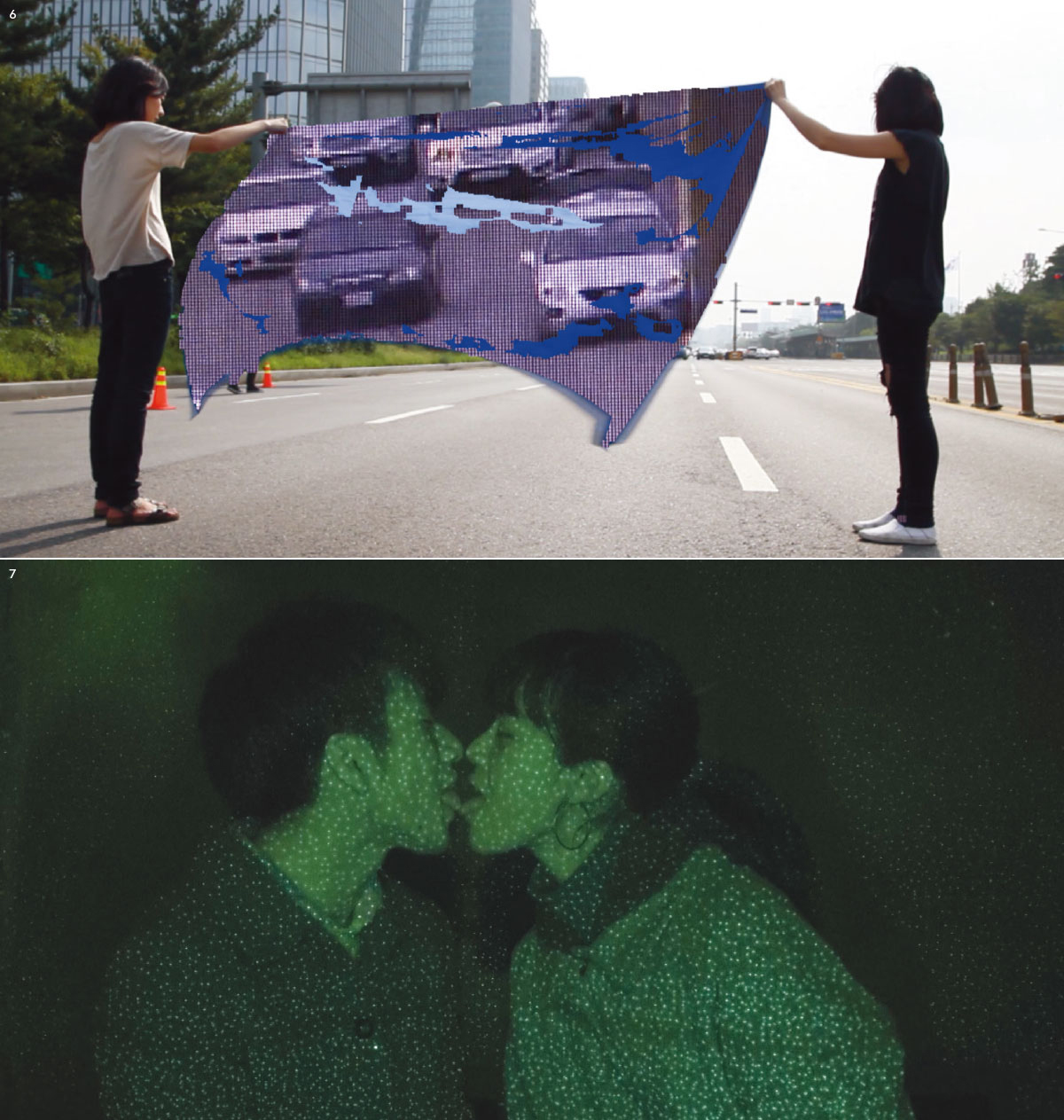
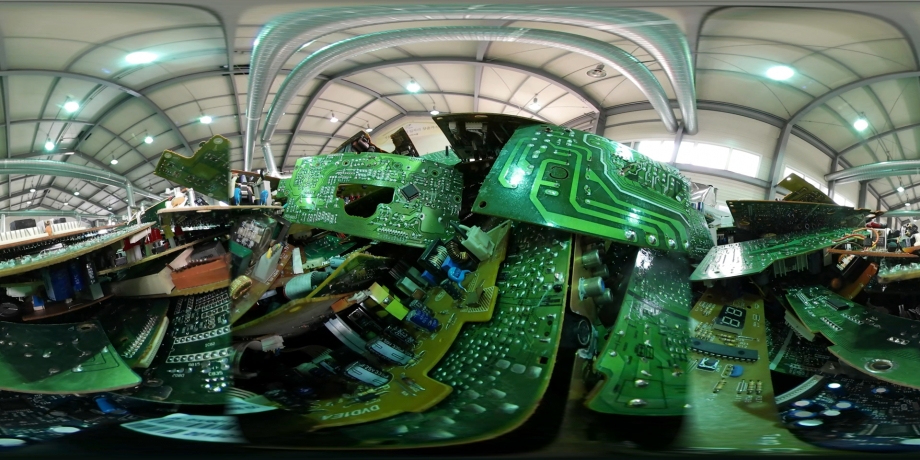
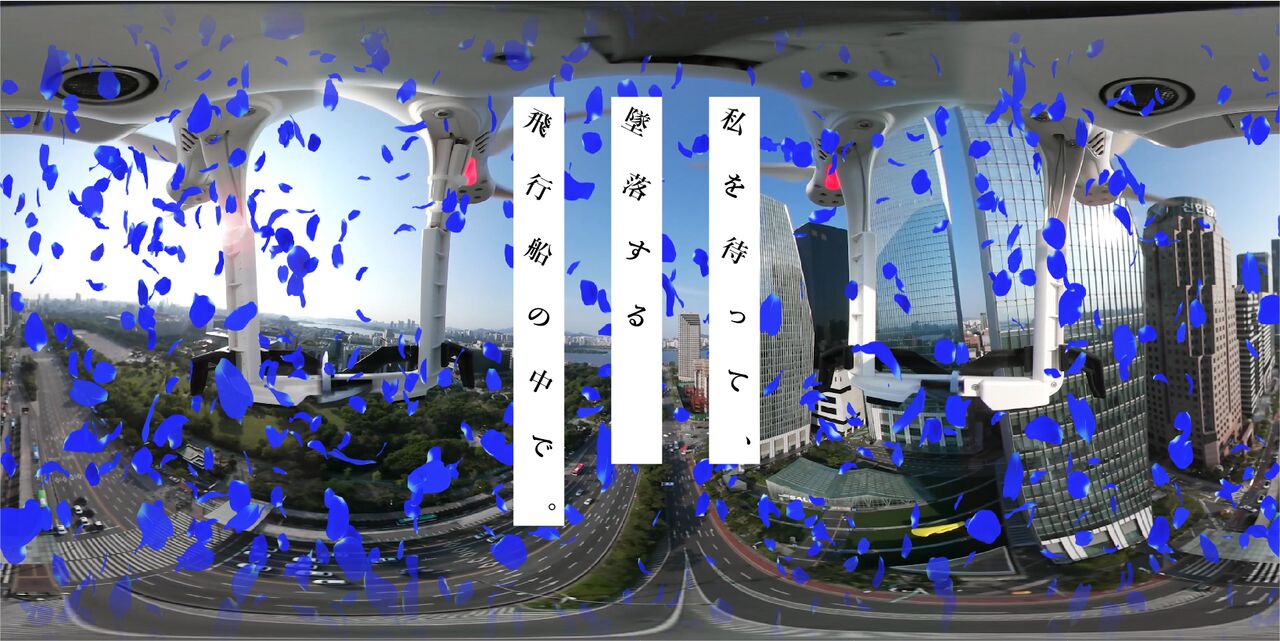
3. Part-time Suite, Wait for Me in a Crashing Airship (video still), 2016, 360° VR video, sound, 16 min 45 sec © Part-time Suite
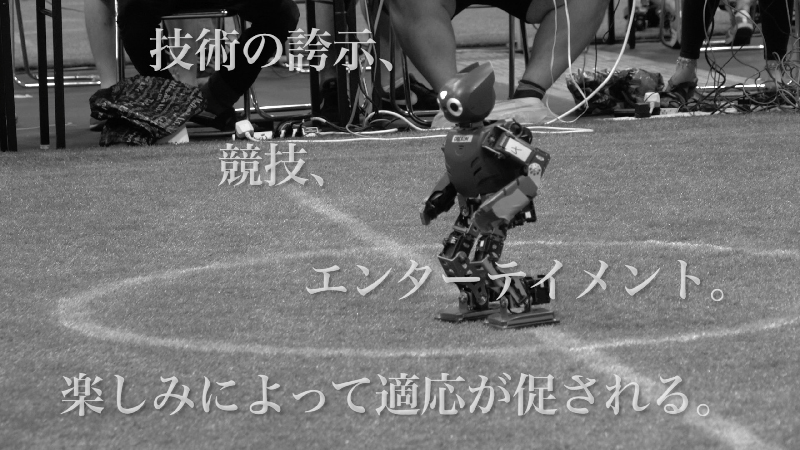
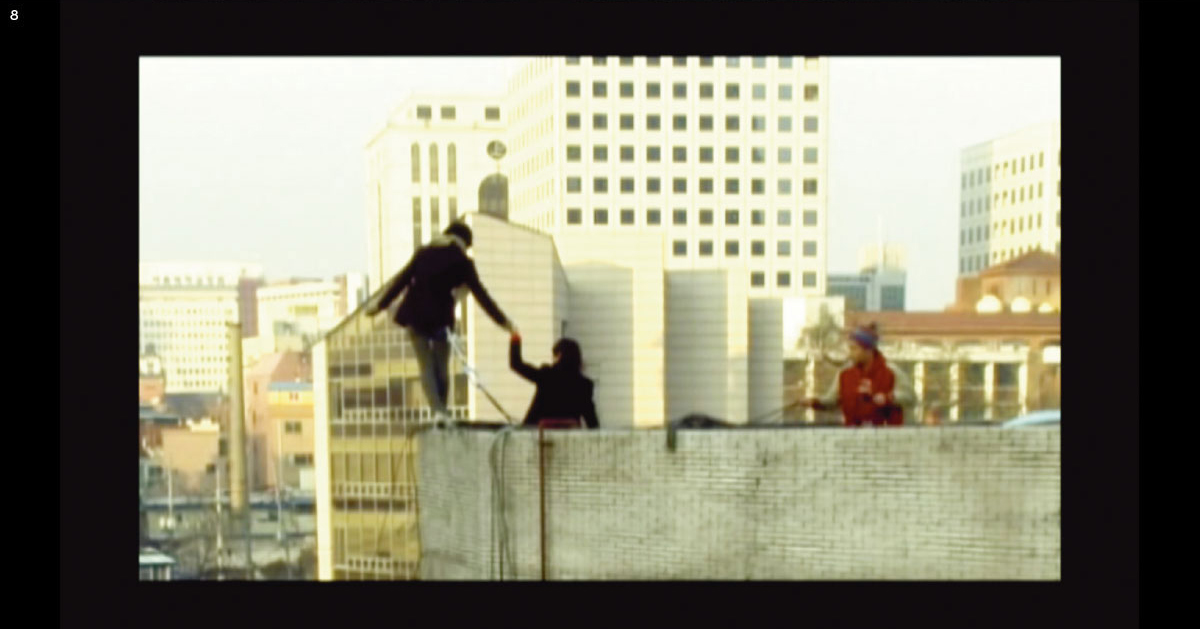
4. Part-time Suite, People, the Next People (video still), 2017, HD video, sound, 25 min 14 sec © Part-time Suite
5. Part-time Suite, Wait for Me in a Crashing Airship (video still), 2016, 360° VR video, sound, 16 min 45 sec © Part-time Suite

When you first began working together in 2009, artist collectives were not as widespread as they are today. Moreover, the art world already had various forms of artist groups, such as artistic circles, small groups, and associations. Why did you choose to identify yourselves as a collective?

We embraced the idea of a collective as a "loosely organized group," rather than a rigid structure governed by rules that, if broken, might lead to its dissolution. One important aspect of how we understand the collective is that "two or more people" constitute the minimum number required to legally hold an assembly or demonstration. In this sense, we consider Part-time Suite a form of "public" with social implications.

We also don't believe there are clear-cut definitions distinguishing terms such as artistic circles and small groups. The nature of these groups has never been fixed; it can expand, transform, or even become distorted over time. Of course, examining when each of these concepts emerged would be meaningful. We find it interesting that several artist collectives, including Part-time Suite, emerged around 2009.


Does Part-time Suite have a particular way of working? I'm curious whether there is a division of roles among the members.

Perhaps because we work together rather than individually, we're often asked about how we divide responsibilities. Art still operates within a strong convention in which individual artists make all the decisions, and the artist's responsibility for and authority over their work are considered important. We're no different, except that the two of us share that authority and responsibility equally.

Fundamentally, every stage of our process requires continuous discussion and involvement from both members, so distinguishing between our roles is meaningless.


Then what happens when you disagree during these discussions?

Friction is a natural part of any conversation. That's precisely why communication skills are necessary. We could describe this process as finding a "balance" within the collective, but it might be easier to understand if you think of the natural process of reaching a shared understanding as something that becomes reflected in Part-time Suite's work.

In other words, the "efficiencies" and "deficiencies" that arise when multiple people set a work in motion or bring it to a halt become the very flesh and blood of the work itself.


Part-time Suite has continued to develop its practice in response to the social conditions it encounters. Your early works focused on site-specificity and the occupation of space, from Under Interior in the basement of a building in Ahyeon-dong and off-off-stage on a vacant lot in Gwanghwamun to Loop the Loop on a rooftop. More recently, however, the scope of your practice seems to have expanded. How do you decide which social phenomena to address in your work?

Like anyone else, artists create work based on their experiences. We simply address whatever feels most "urgent" within those experiences. To begin with, the physical spaces, places, and environments that appeared in our early works were presented as "constructed realities" shaped and arranged by political and economic forces.

These spaces influence the bodies, emotions, experiences, and senses of the people who inhabit them, while remaining environments that can change at any moment. Through our work, we have sought to intervene critically in these spaces, asking how we might reorganize and expand the present together with others.

To do so, we have approached the values, legacies, spaces, and visions or outlines of new technologies produced by our time with a skeptical eye. At the same time, we have considered the signs of both the future and the past that shape the present to be equally important. I think the scope of our practice has gradually expanded because we continue to address whatever forces most strongly shape and confront us in the lives we lead.



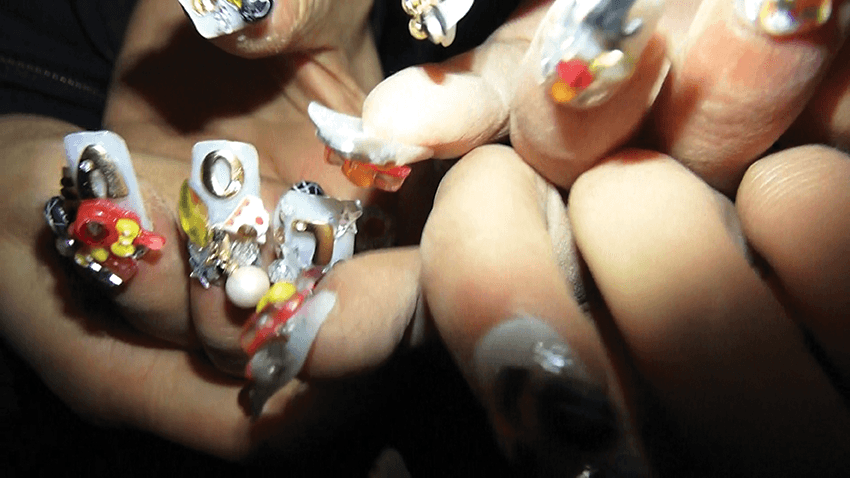
6. Part-time Suite, Car Video (video still), 2012, Two-channel HD video, sound, 11 min 2 sec © Part-time Suite
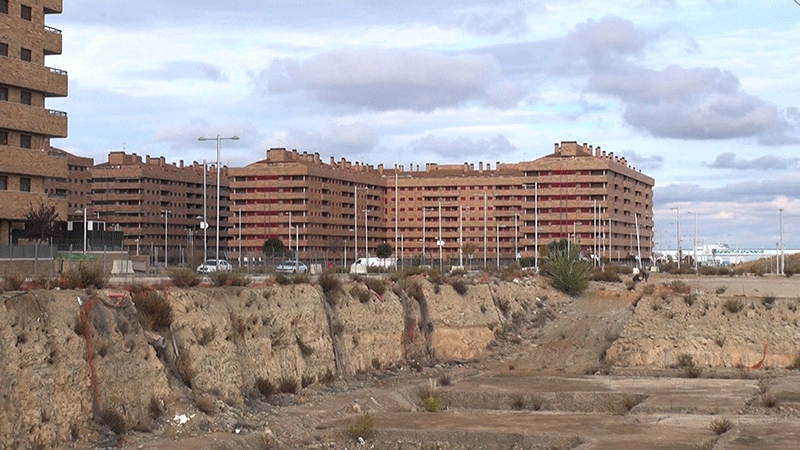
7. Part-time Suite, Toloveruin (video still), 2017, HD video, sound, 11 min 30 sec © Part-time Suite

Last year, you presented People, the Next People at the Seoul Mediacity Biennale, examining the archive of Minjung Art from a contemporary art perspective. Since it is one of your recent works, could you tell us more about it?

The work combines the question, "Can the internet and digital media, which have become both cultural tools and conditions of everyday life, serve as driving forces for resistance and social change among a new generation?" with Minjung Art, an artistic movement and form of resistance culture that emerged in South Korea during the 1980s.

It explores the relationship between "power, people, and images" in both the 1980s, when the politics of representation played a crucial role, and the present day. The video devotes roughly equal attention to university squares and streets that once served as major sites of Minjung Art and the democratization movement, underground tunnels housing fiber-optic cables that form the infrastructure of today's internet culture, and clips from the personal broadcasts of an elementary school student YouTuber.

Each generation depicted in the video uses the cultural tools most familiar and accessible to them within their given technological, social, and political environments to play, learn, and develop a range of emotions. In fact, there is an enormous temporal gap of nearly 30 to 40 years between the two generations featured in the work. Nevertheless, we wanted to consider both the similarities and differences between them. We hoped to share the question of whether the internet might become a tool for bringing about new political and cultural transformations.


From People, the Next People to Wait for Me in a Crashing Airship, which explores the sense of helplessness experienced by contemporary individuals within the media environment, Part-time Suite's work has responded sensitively to social phenomena. This seems to make extensive research an essential part of your practice.

All artists conduct research, not just us. What we consider important in that process is not how much or how thoroughly we investigate, but knowing "where to stop." Incorporating the research process into an artwork as a kind of quasi-academic practice doesn't appeal to us. Nor are we particularly interested in an approach that requires artists to immerse themselves in the sites of every social incident or event.

For example, works dealing with archives, such as One Opening and People, the Next People, engage with marginalized materials without attempting to definitively establish their meanings. Instead, we try to approach them as open texts. What has always interested us is the fact that knowledge, regardless of time or place, carries traces of the movements associated with it and possibilities inherent within it.


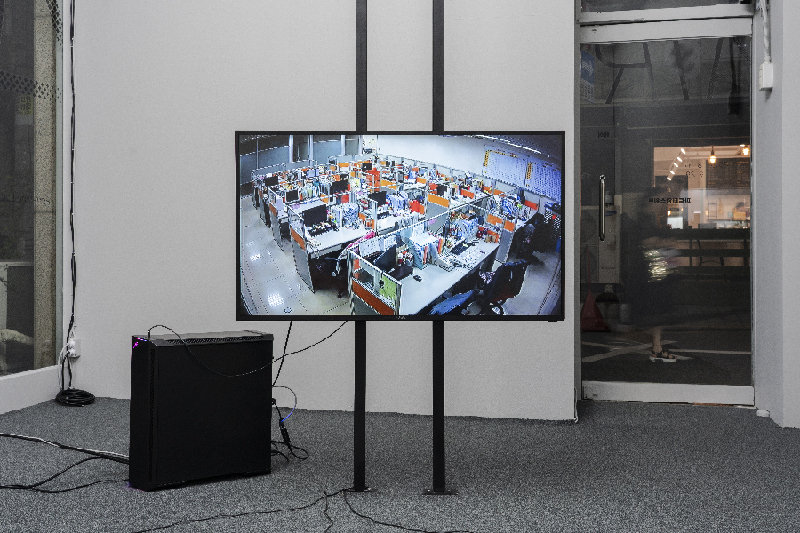
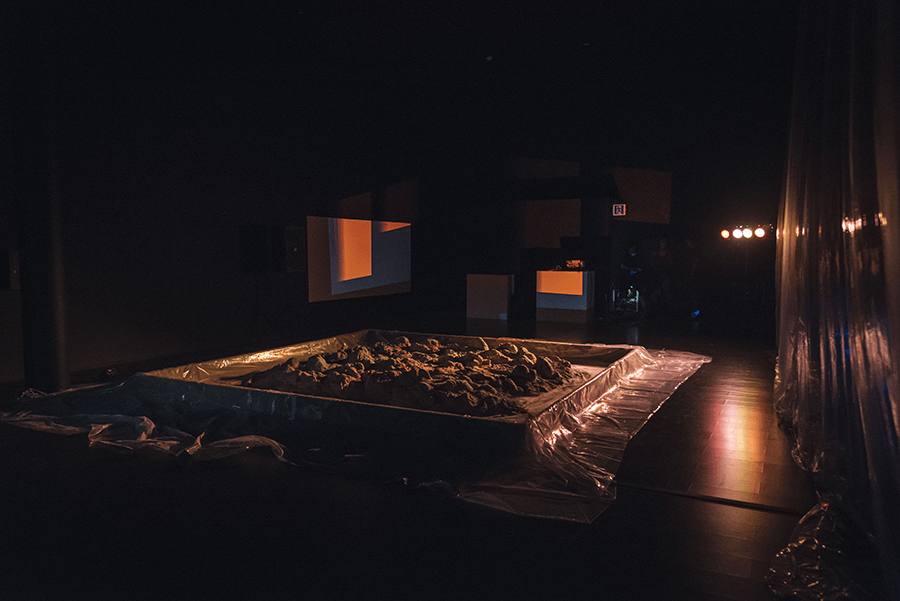
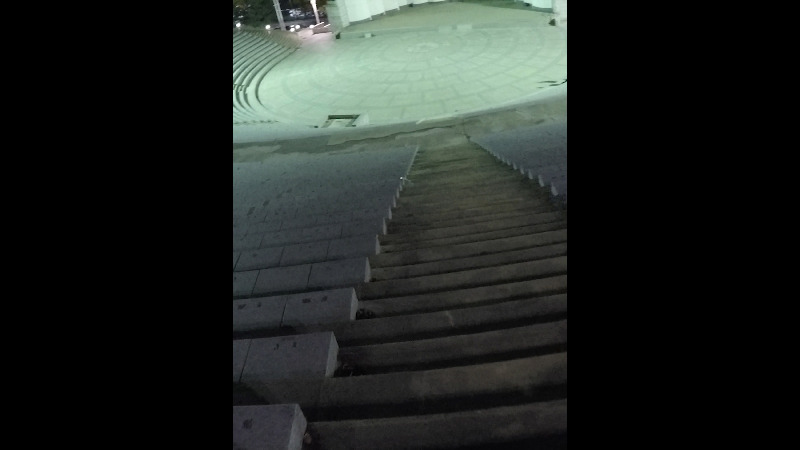
8. Part-time Suite, Loop the Loop, 2009, Video documentation of a performance © Part-time Suite

It's already been ten years since Part-time Suite was founded. If the desire to explore new exhibition systems brought you together in 2009, what is it that holds Part-time Suite together now, a decade later?
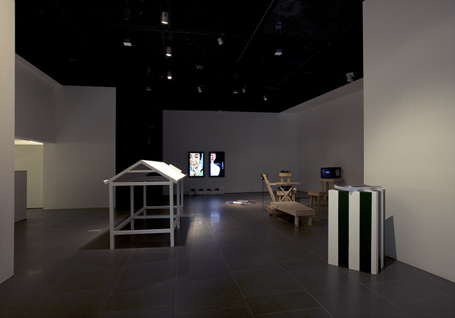
From the very beginning, we have always been conscious of and explored the relationship between our individual lives and our artistic identity as Part-time Suite. This relationship has become both a means of understanding the art scene and society and a mechanism that sustains Part-time Suite.

These days, many young artists are forming collectives in pursuit of self-sustainability. Since Part-time Suite came together under similar circumstances, we'd love to hear some practical advice from your experience. What would you say to them?

An uncertain future is a concern shared not only by young artists but by most people living today. Although we are by no means optimists, we believe that feelings of uncertainty and incompleteness can themselves become a source of potential. Just as communities often grow stronger through conflict and instability, collectives can take on diverse forms through such tensions and transformations.

Unfortunately, however, neither Korean society nor the art scene seems willing to wait for self-sustaining practices to fully take root, even as they encourage them. In an era when advice has become unnecessary, when adventure seems impossible, and, above all, when forming relationships with others has become increasingly difficult, we want to emphasize how precious it is to experience making something "together," in whatever form that may take.


You're constantly developing projects and participating in exhibitions, to the point where "working without a break" seems an apt description. Are you already planning your next project?

Except for the two years when we went on a self-imposed strike, we have produced new work every year since our formation in 2009. This year will be no different. We plan to create new work and hold exhibitions. We are also researching new self-initiated projects for Part-time Suite, just as we previously organized 《Drop By Then: Pieces of the Scenery》 and 《XXX - Multi-screen Synchronized Music Video》. We also hope that someday we will have the opportunity to present an overview of Part-time Suite's work to date in a suitable space.

References