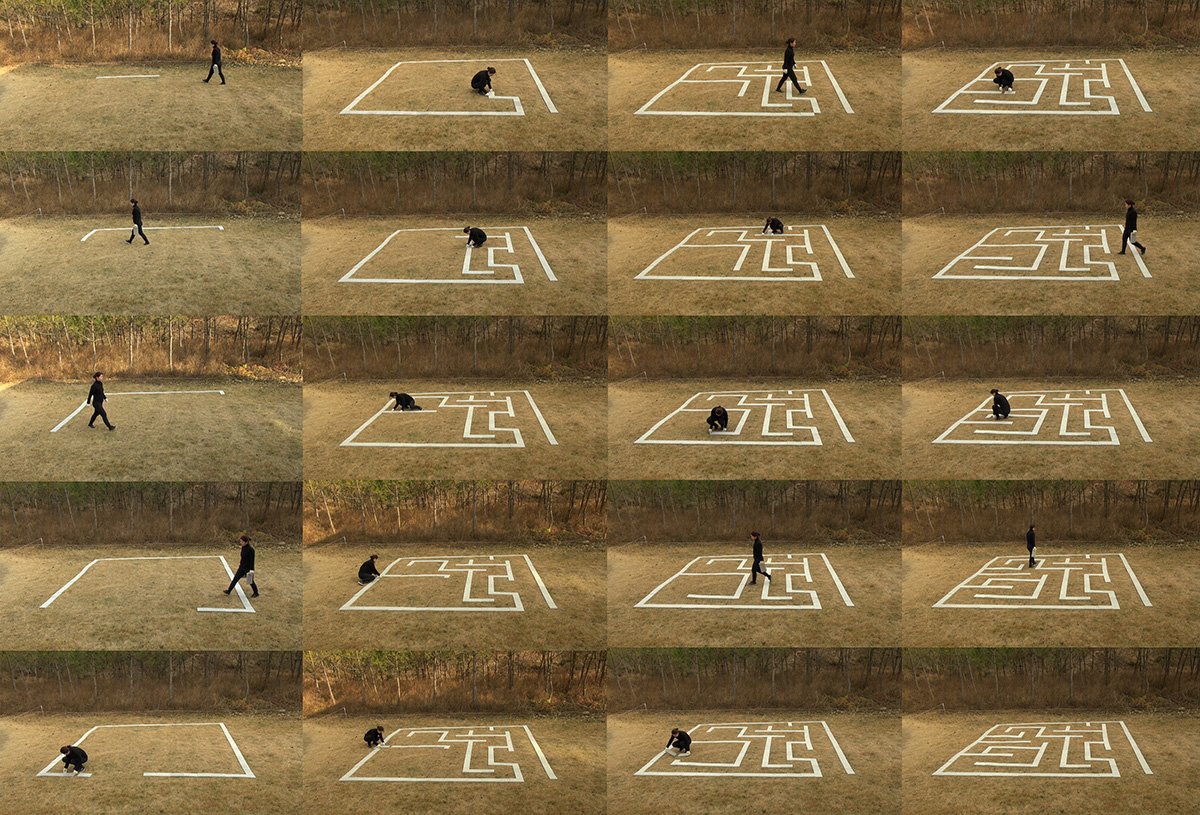
Jaeyeon Chung does not confine herself to a particular medium or visual language, instead exploring forms appropriate to the subjects and situations she encounters. Her early works primarily involved introducing everyday objects or actions into public spaces to create subtle shifts within familiar environments.
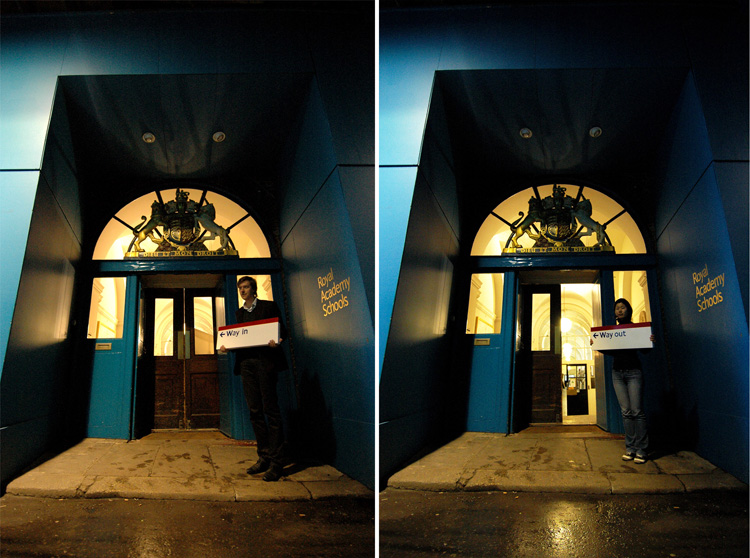
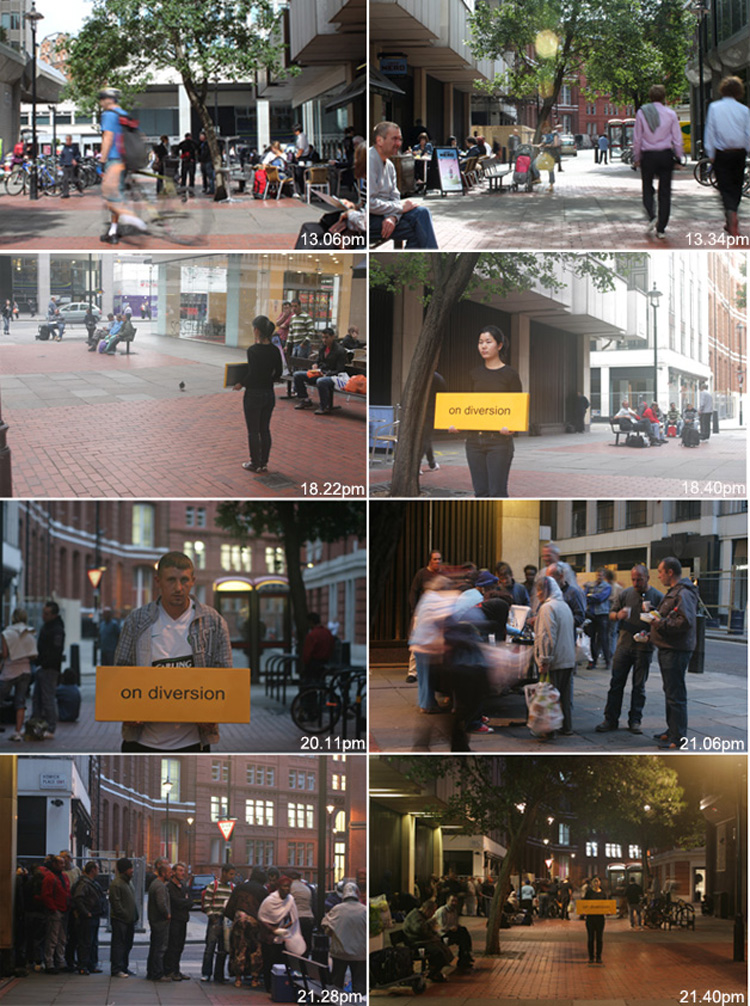
In Howick Place (2010), she performed the simple act of standing in a London street holding a traffic sign, revealing how perceptions of the same place change according to the time of day and its users. In Dialogue (2014), she installed a table with adjustable lighting to explore relationships between individuals sharing a space.
Rather than presenting self-contained sculptural objects, Chung constructs situations whose meanings emerge through audience participation and response. Her early practice is characterized by minimal interventions that disrupt established spatial orders and incorporate unexpected reactions into the work itself.
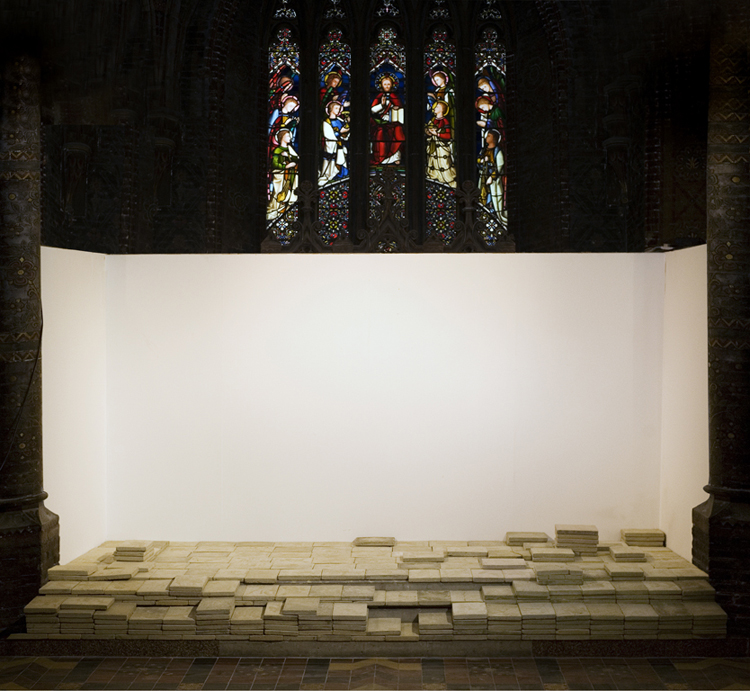
Chung's interventions in space also take shape through repetitive bodily actions and the rearrangement of objects. In 7/24 (2011), she produced and stacked cement blocks daily as a way of adapting to an unfamiliar residency environment. The repetition of this simple labor became both a process of accumulating time and a performative practice through which the individual established a relationship with the surrounding space.
In St. Saviour’s Emergency Private Shelter (2012), she repurposed the same cement blocks to construct an imaginary private shelter, accompanied by a promotional video that reimagined the site's history and function.
In these works, ordinary materials function less through their inherent sculptural qualities than through the meanings they acquire in different spatial and contextual arrangements. By altering the functions of objects or introducing subtle disruptions into existing environments, Chung encourages viewers to reconsider the familiar purposes and structures of a place.
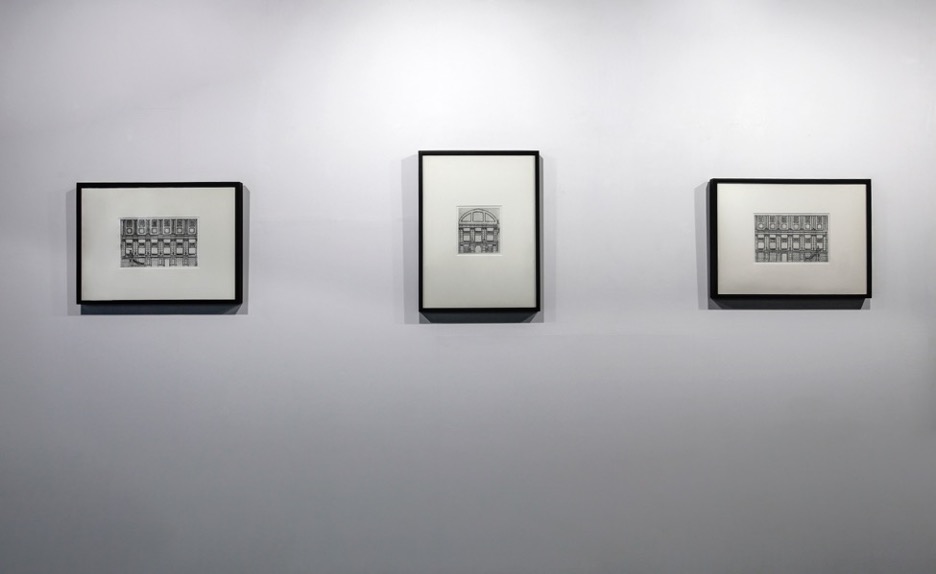
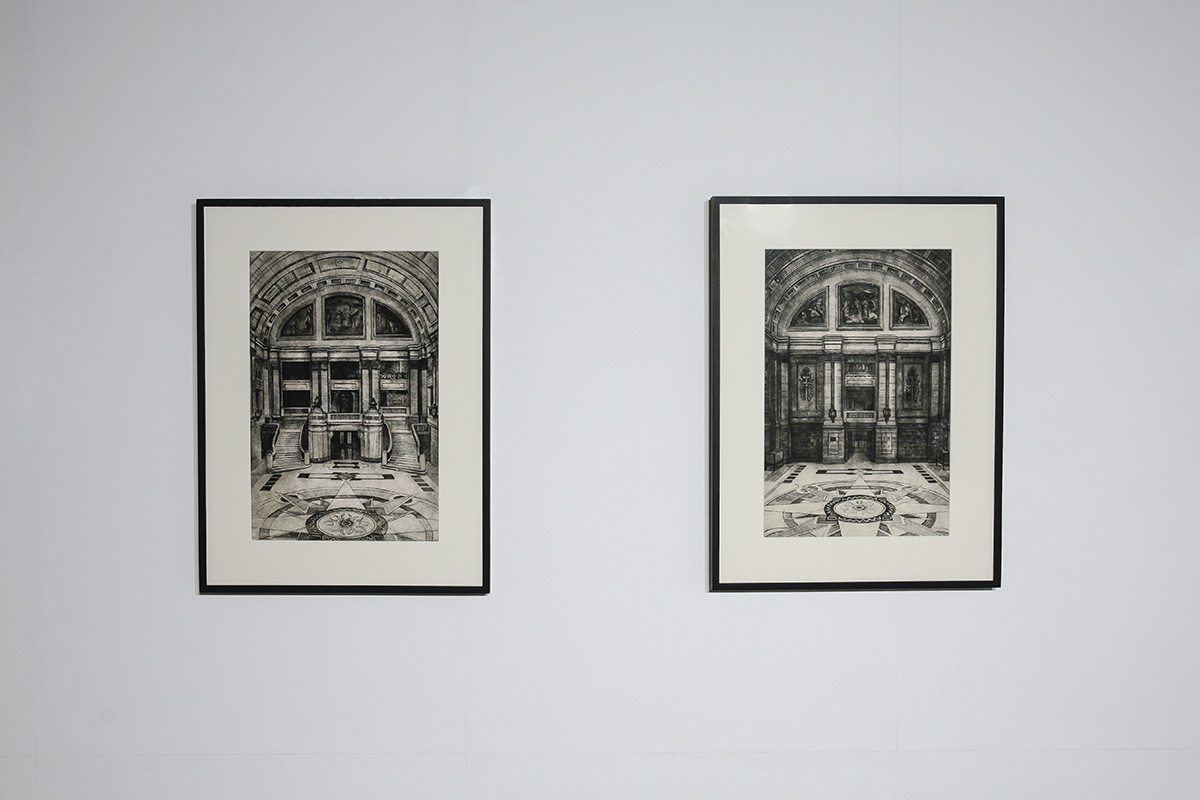
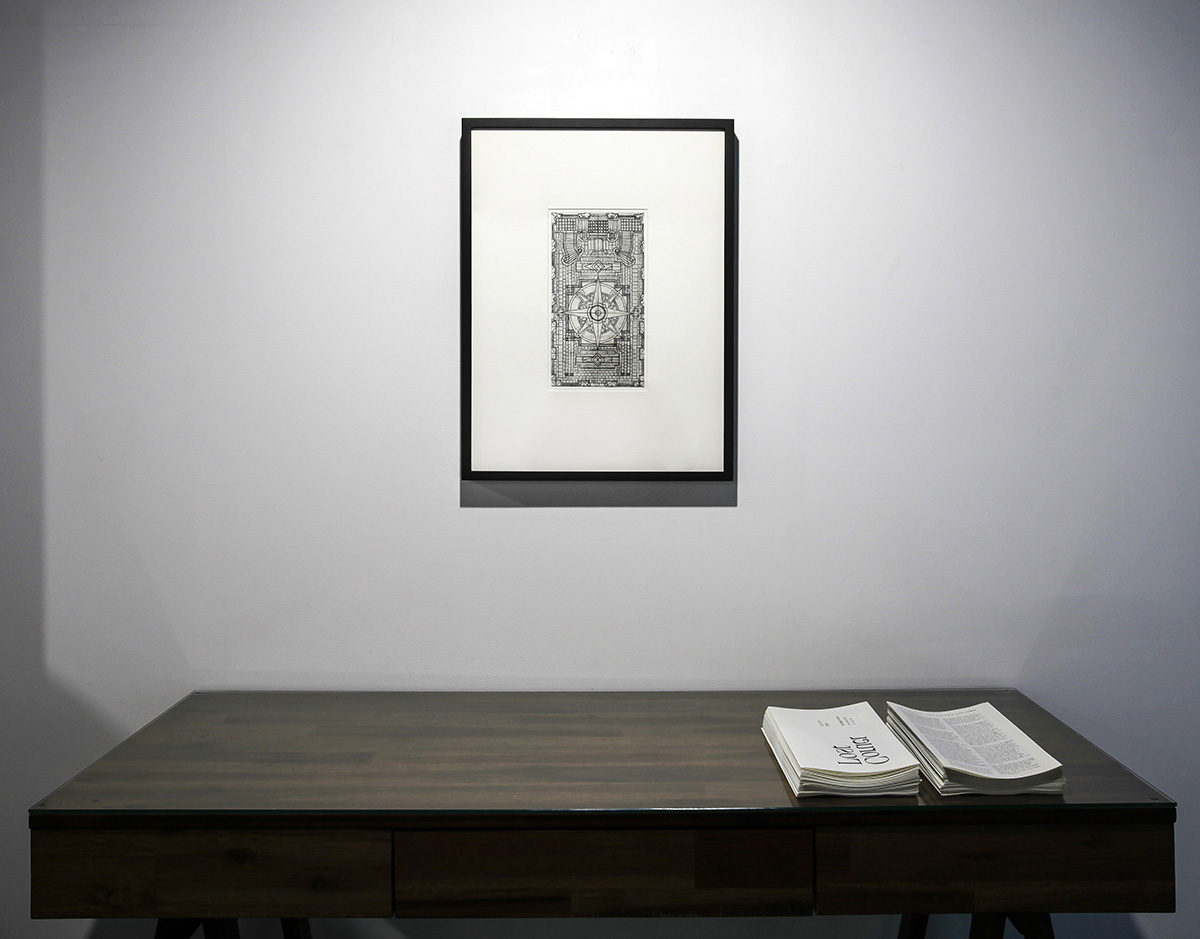
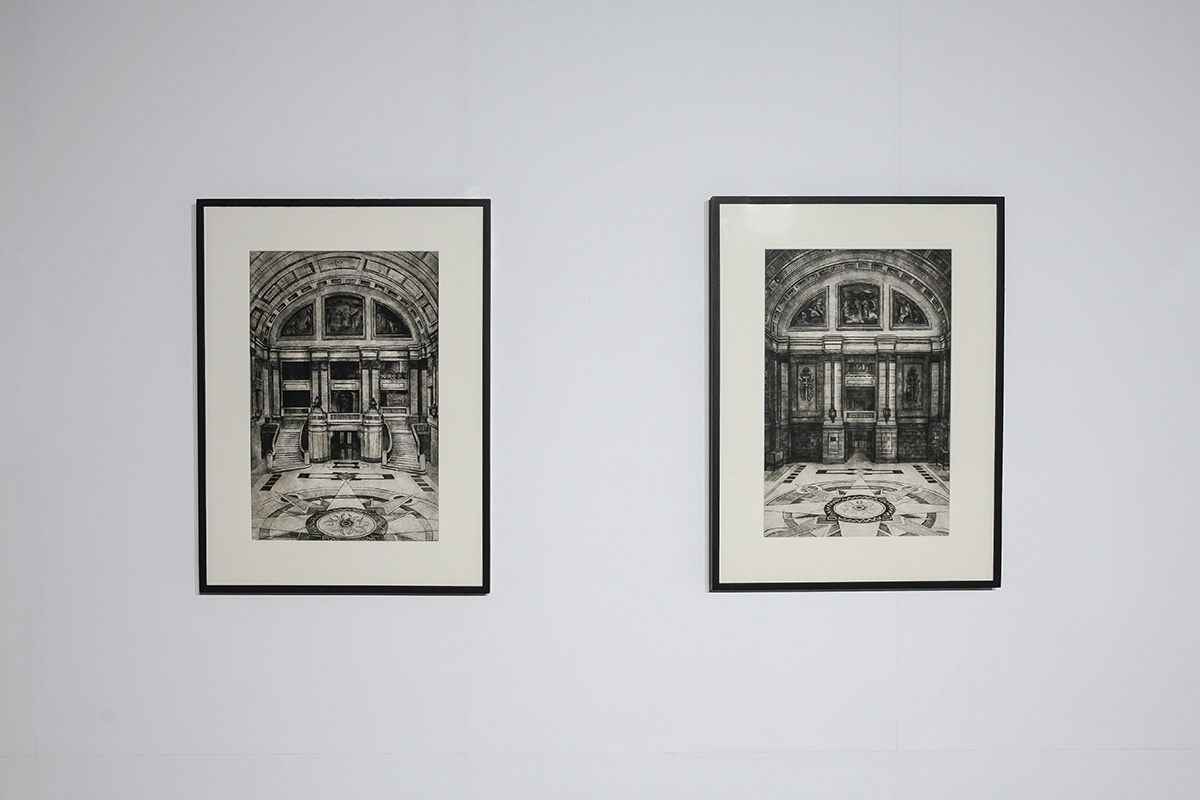
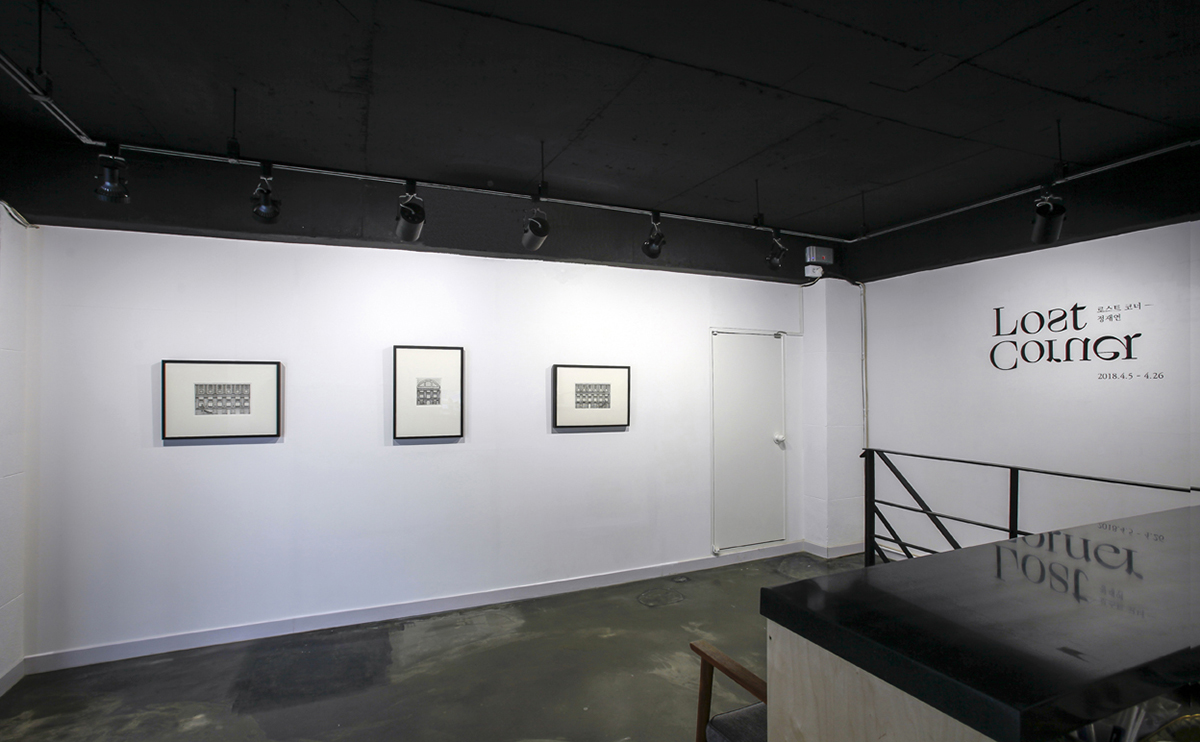
Since 2016, Chung has expanded her approach from temporary interventions in physical spaces toward long-term research-based projects combining printmaking, video, installation, and archival materials. In Retrace (2017), she reconstructed architecture from memory through etching, juxtaposing architectural imagery with records of books she had previously borrowed to trace the formation of her personal aesthetic sensibilities.
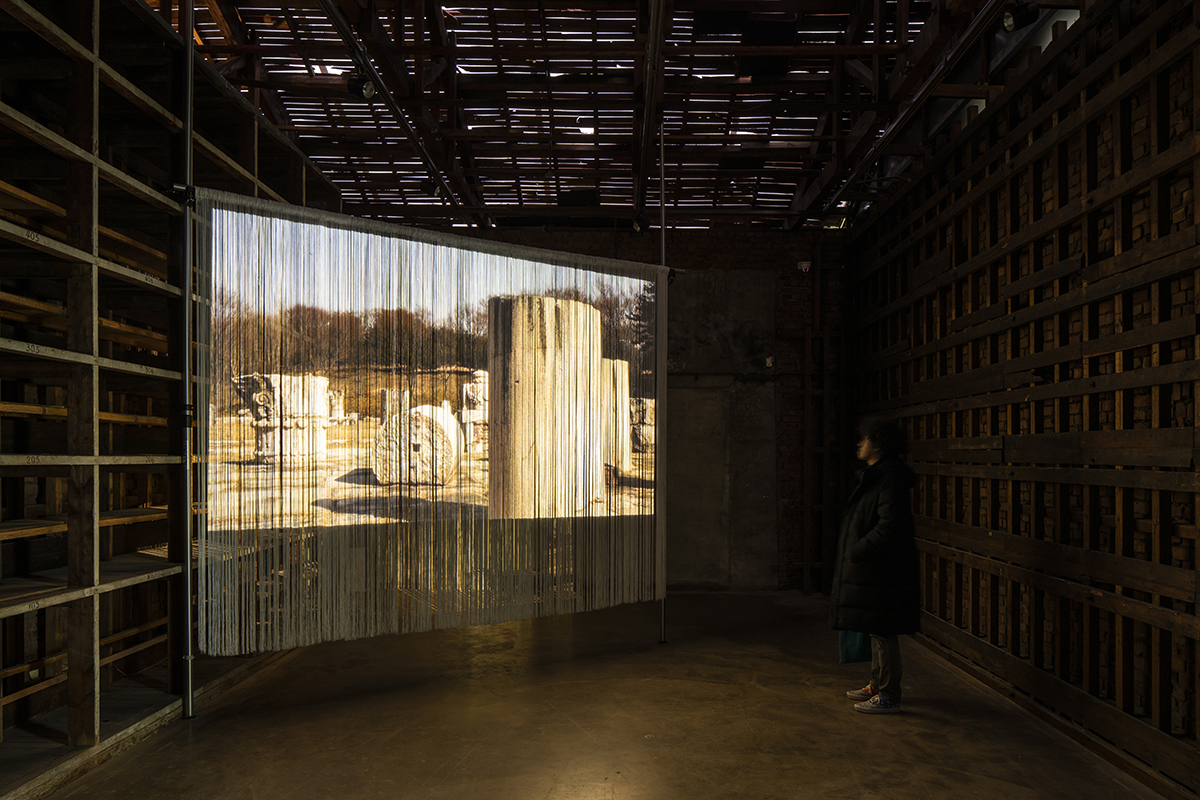
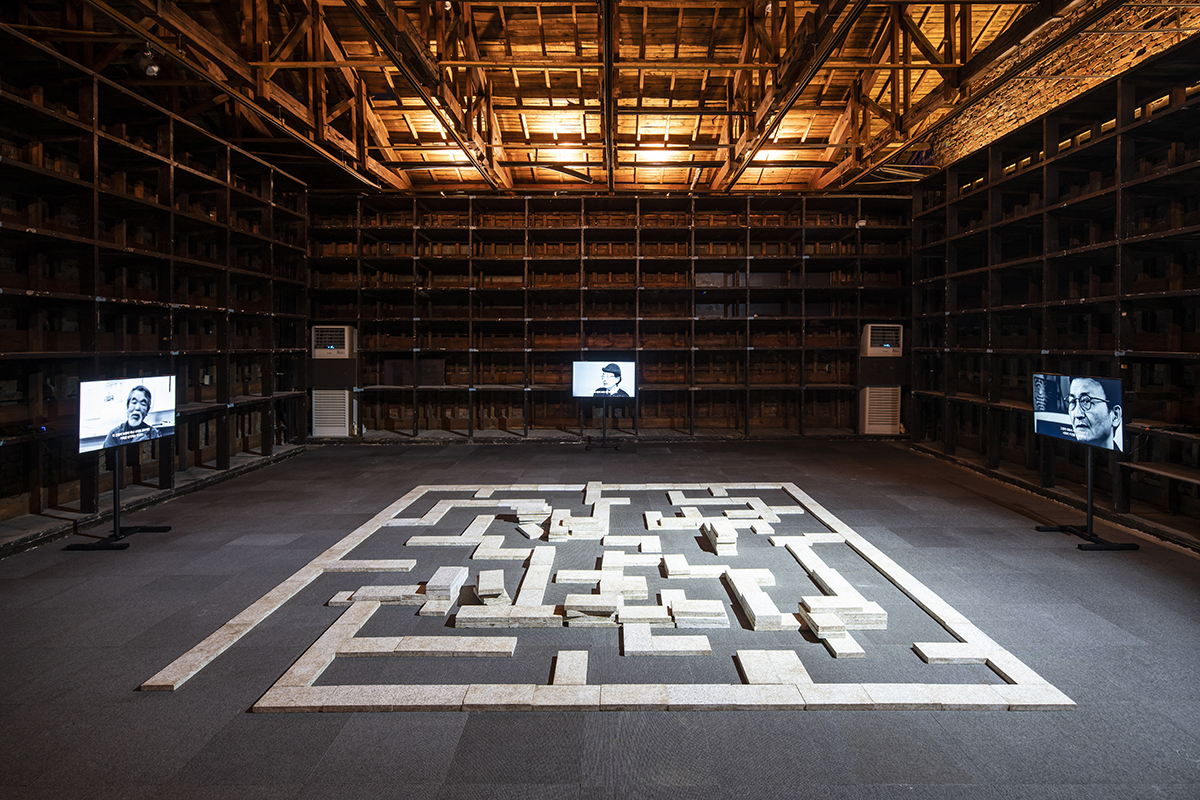
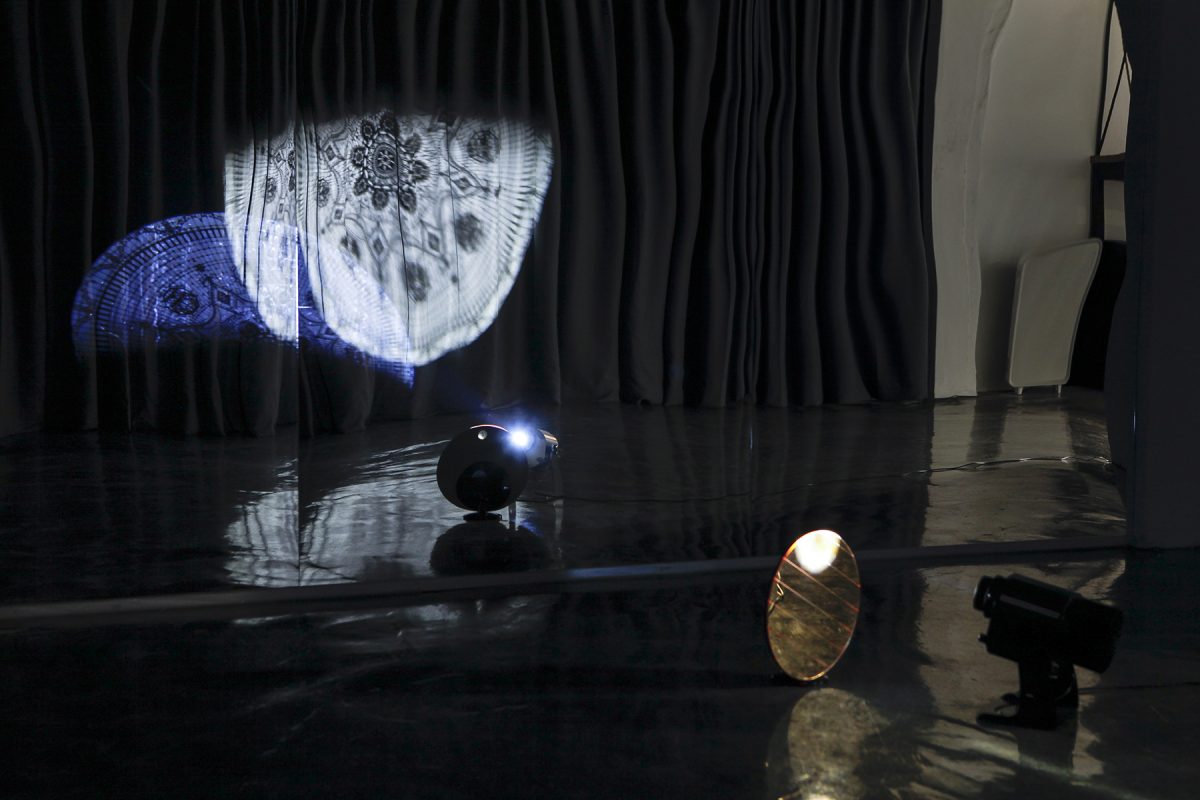
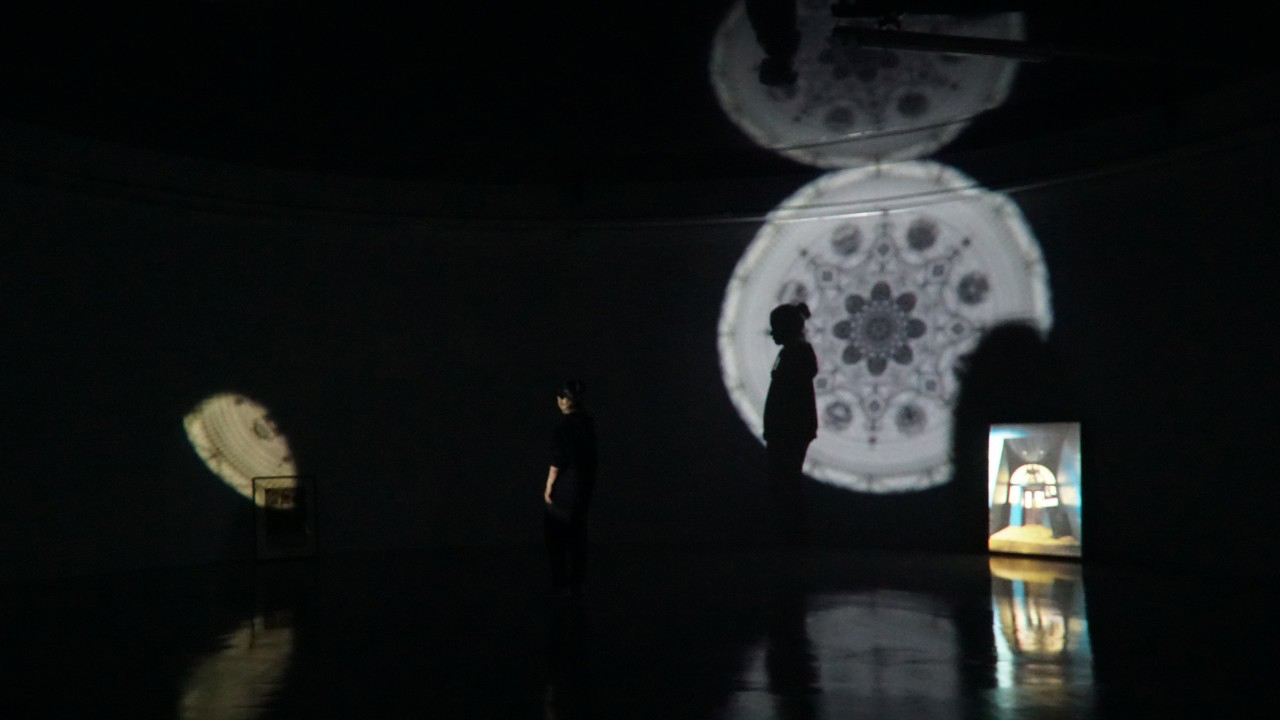
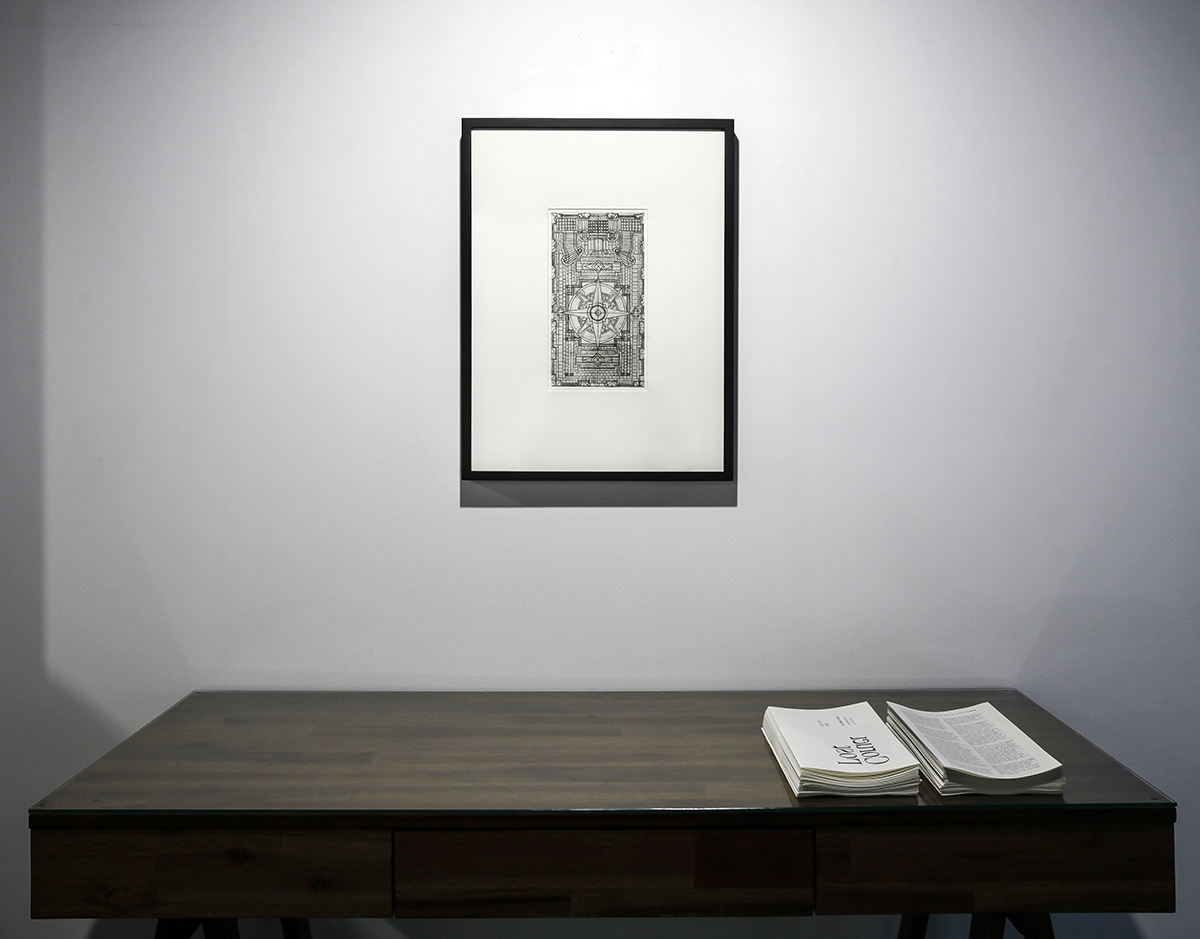
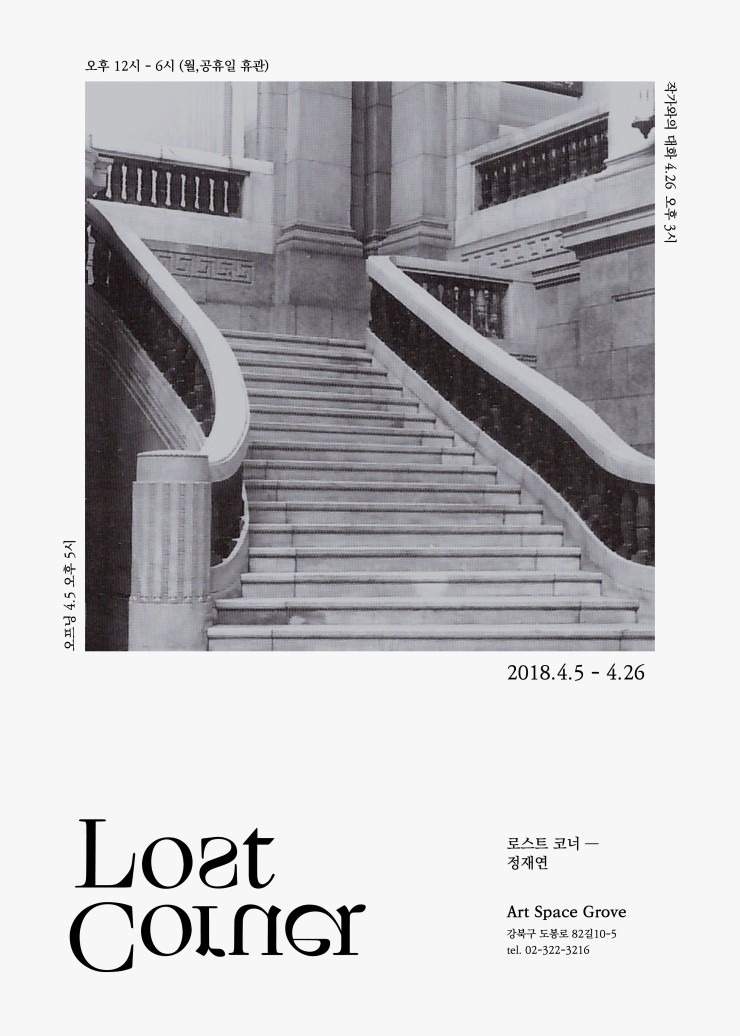
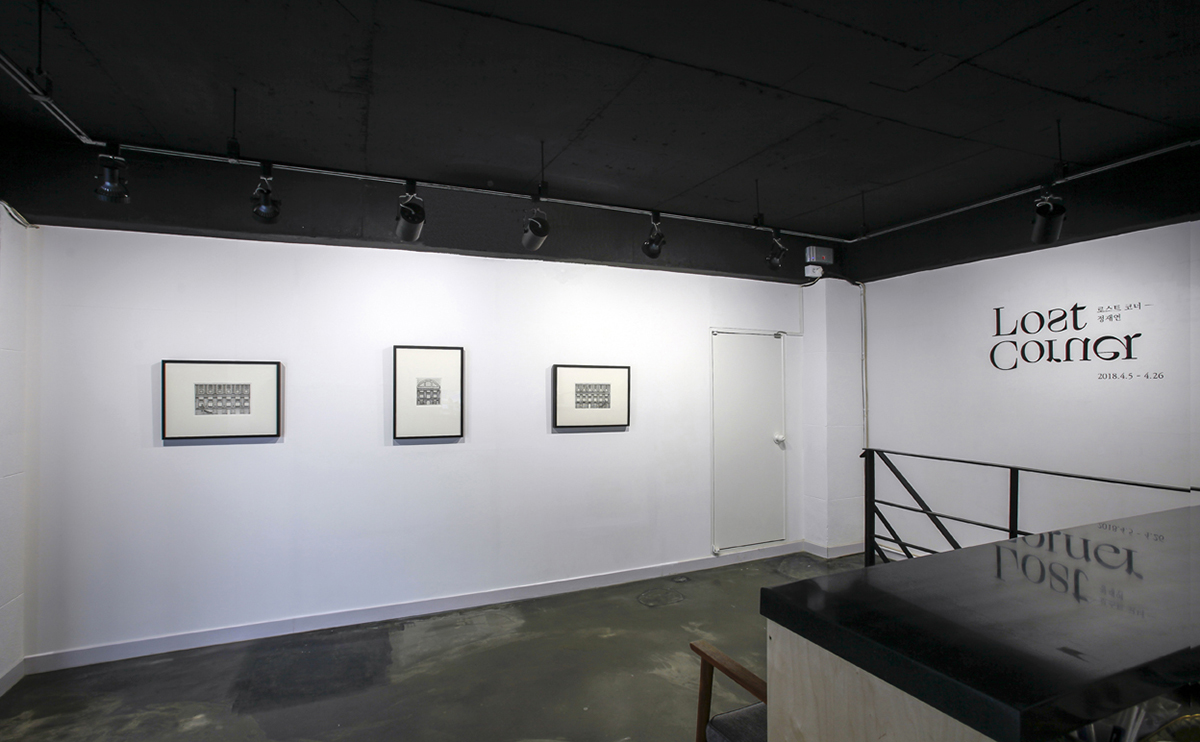
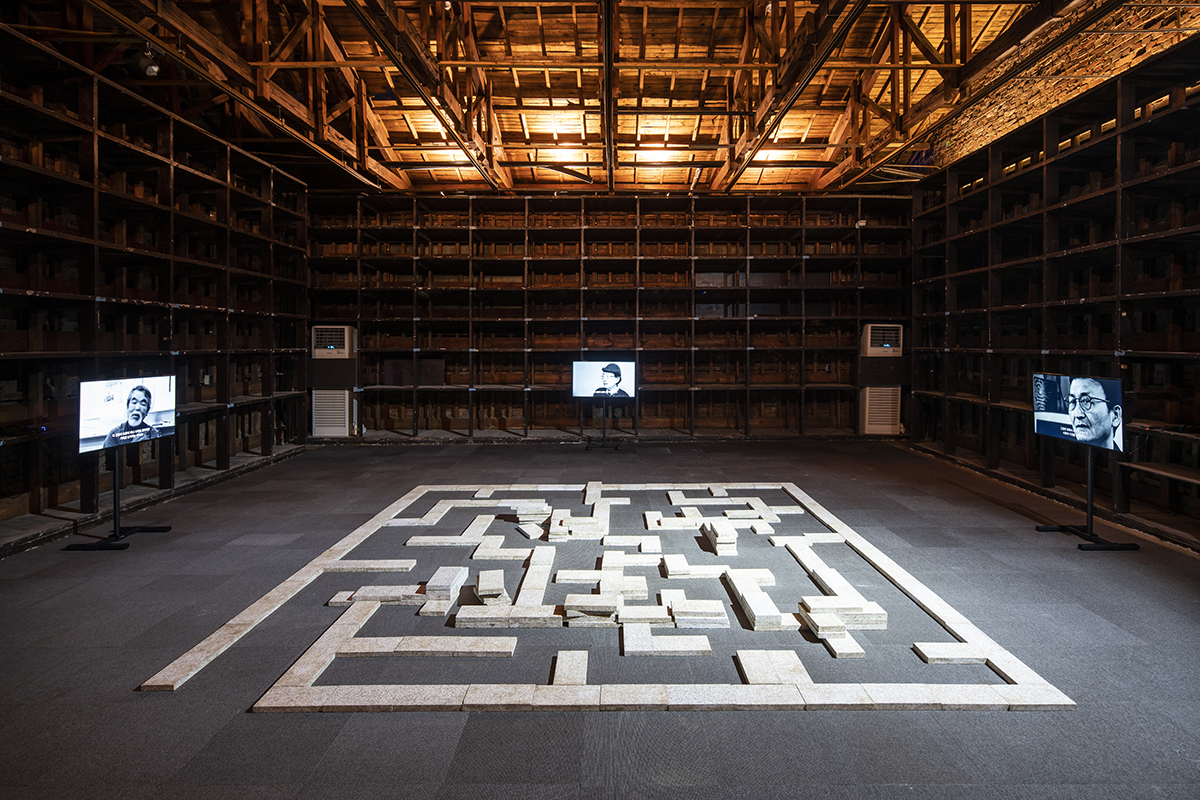
Her subsequent exhibitions 《Lost Corner》 (2018) and 《Lost Corner_Memory Archive》 (2019) employed etching, video projection, interviews, and historical documents to visualize divergent memories surrounding a demolished building. In particular, the three-channel video installation Memory Archive (2019) interweaves different voices and records, revealing the multiple layers of history that resist a unified narrative.
During this period, juxtaposition gradually replaced the wit and situational reversals of her earlier works as a central expressive strategy, inviting viewers to interpret the discrepancies and gaps between different materials and images.
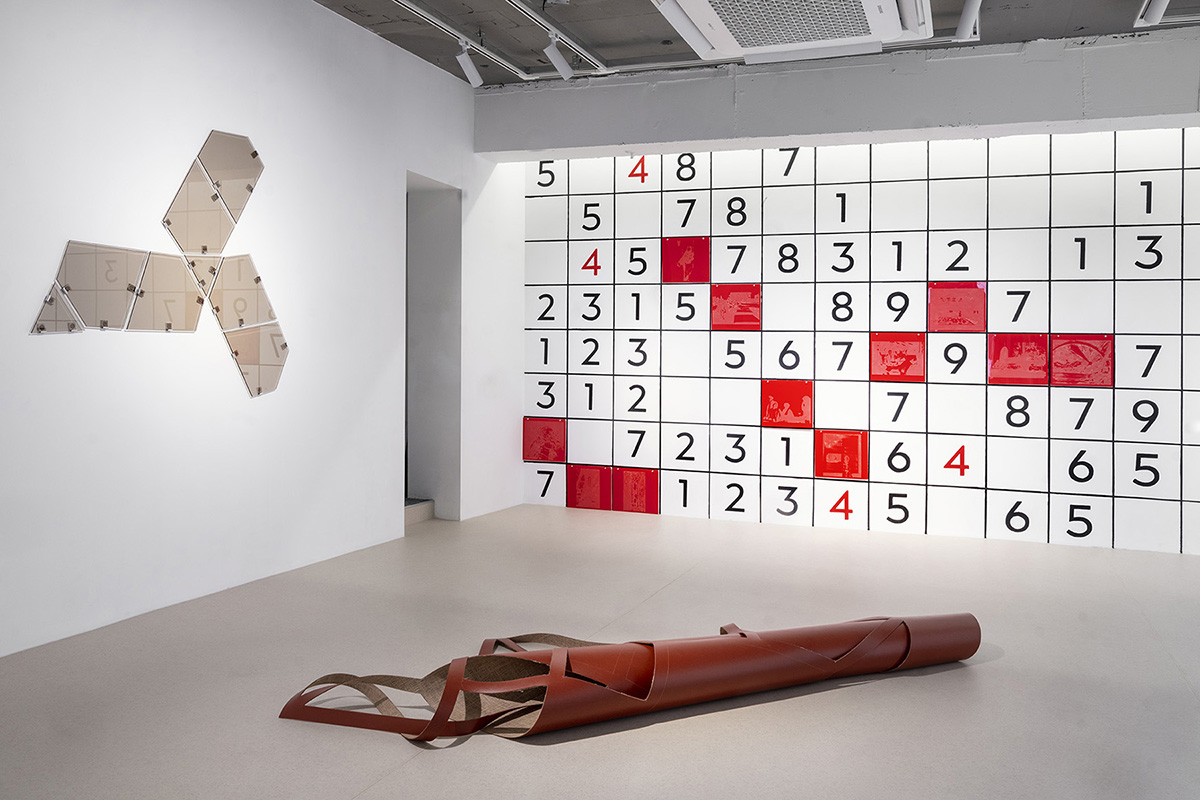
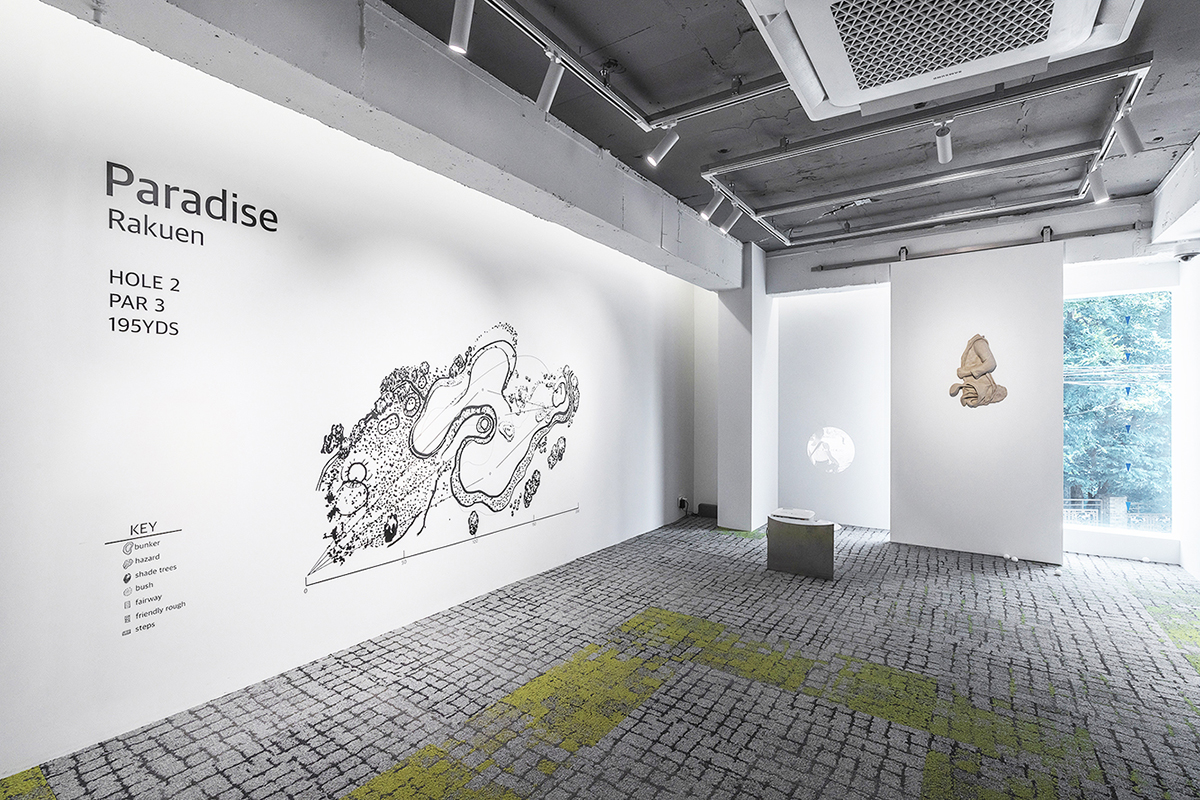
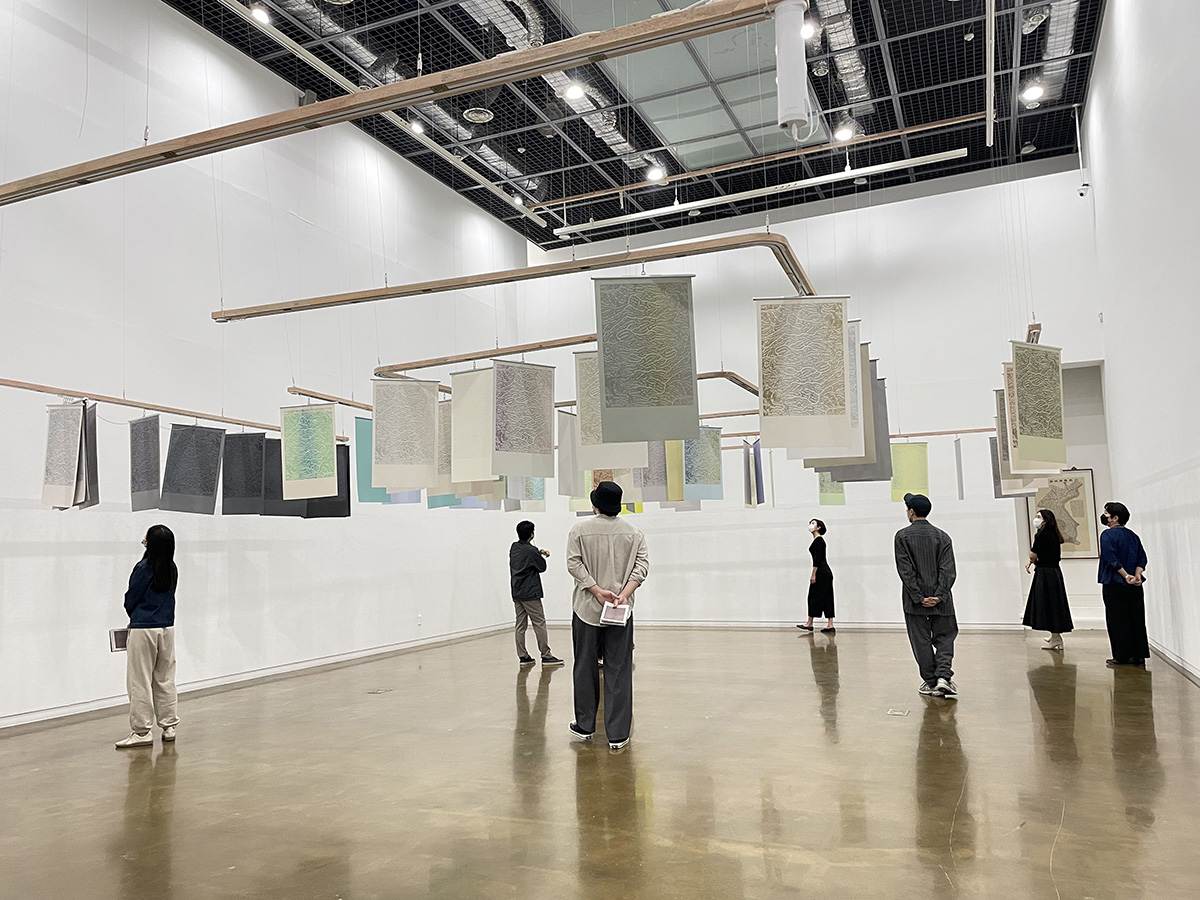
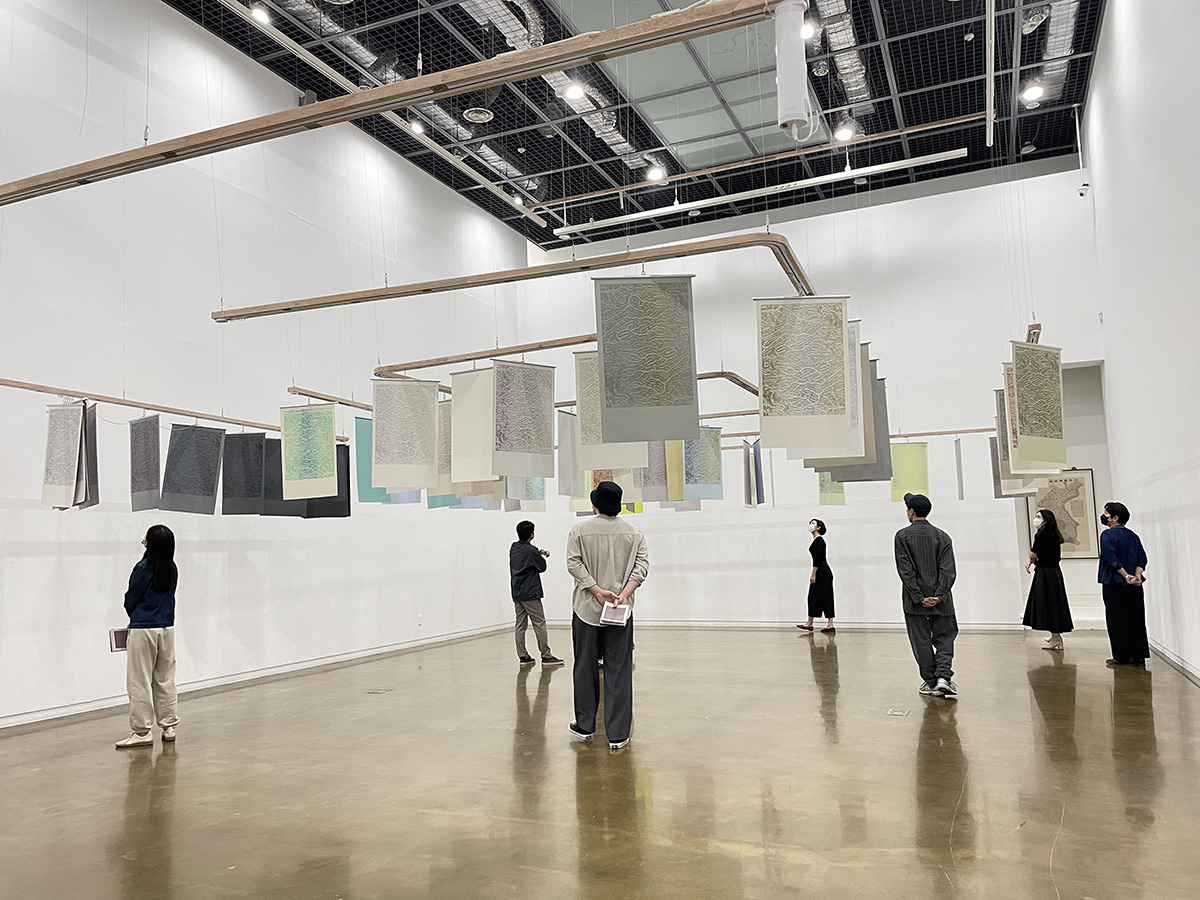
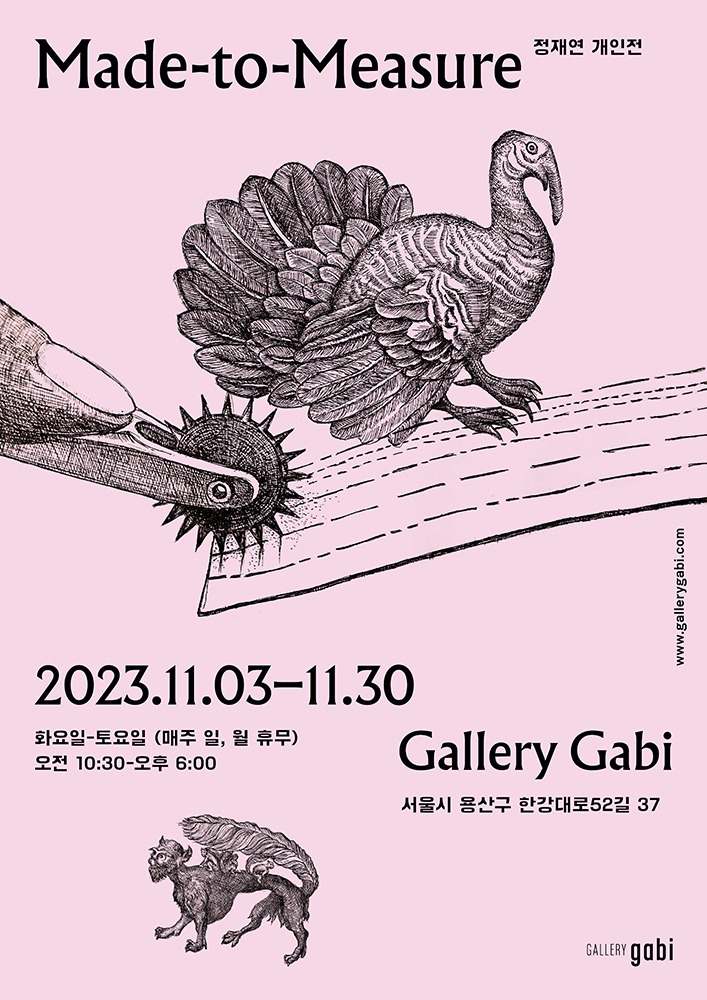
In her more recent practice, Chung continues to expand her expressive range by exploring the material qualities of printmaking alongside the possibilities of new media. K-93 (2022) is an installation combining 90 letterpress prints on paper with a motorized rail, motor, and wood, introducing mechanical elements into the process of reexamining historical records. In her solo exhibition 《Made-to-Measure》 (2023), she dismantled and reconstructed maps to transform established standards and boundaries into new visual configurations.
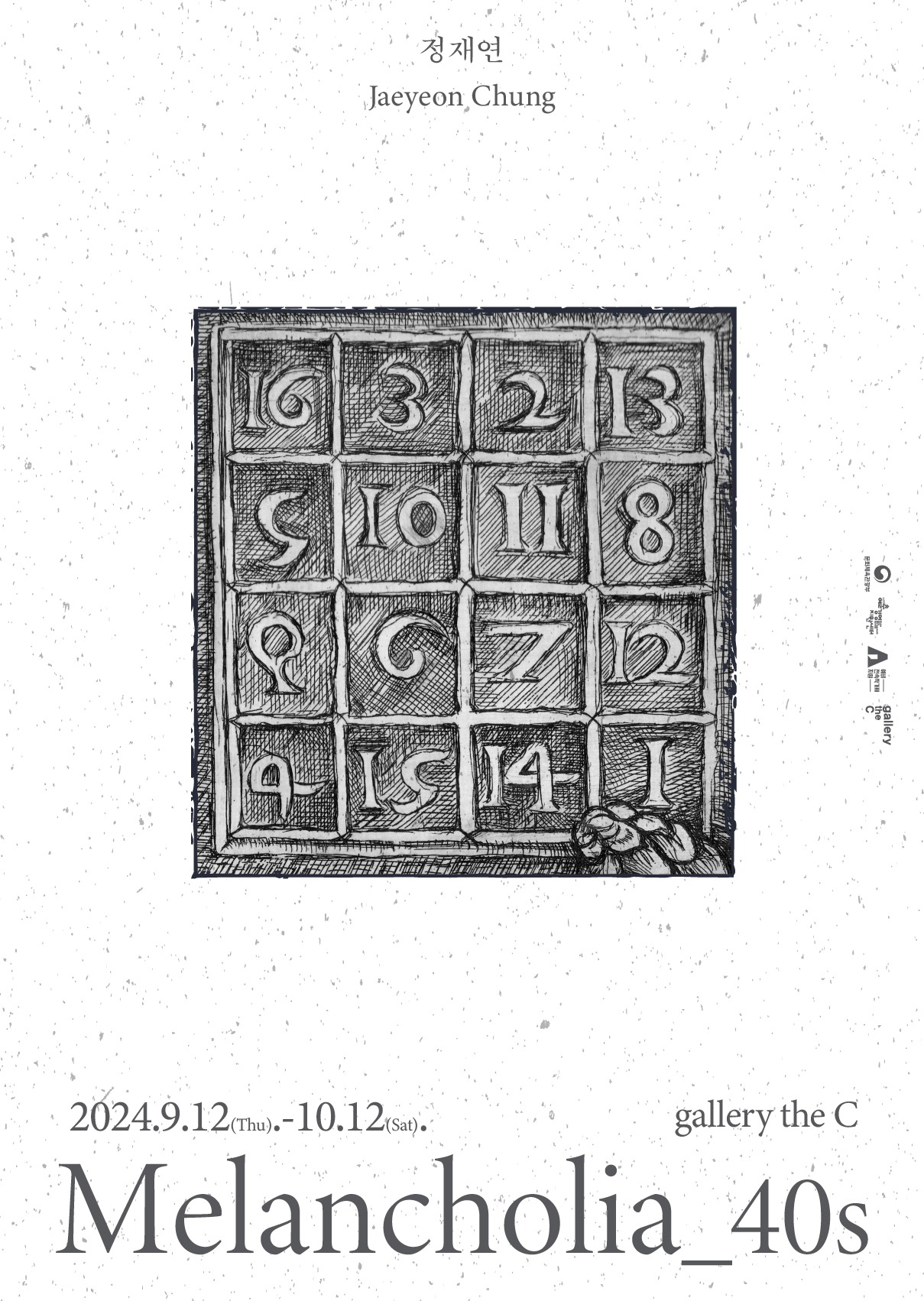
In 《Melancholia_40s》 (2024), she drew inspiration from Albrecht Dürer's engraving and presented eight new works across printmaking, objects, and installation. Across these projects, Chung continually acquires and applies new techniques and materials, organically connecting research, production, performance, and documentation. In her practice, media are not predetermined means of expression but experimental tools selected and transformed in response to the subjects of her inquiry.