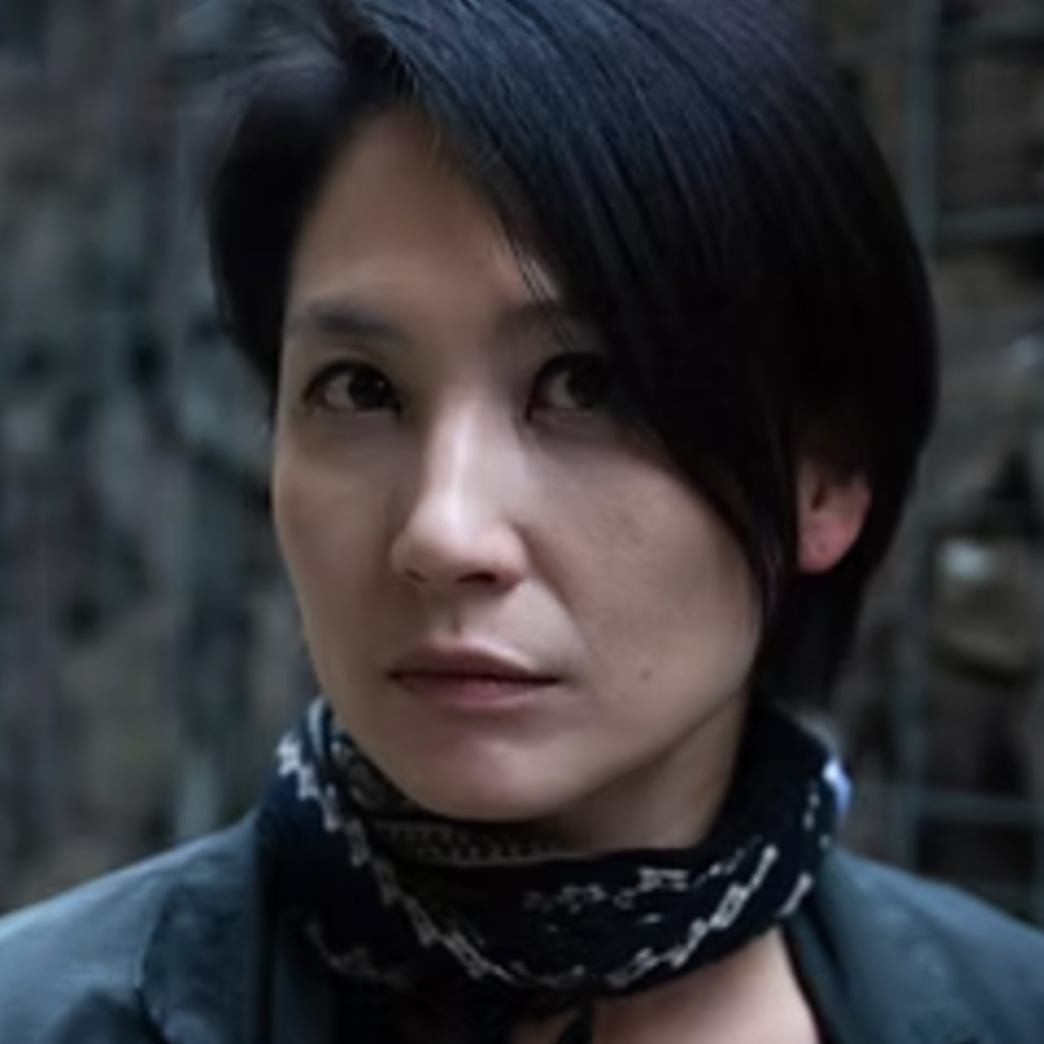
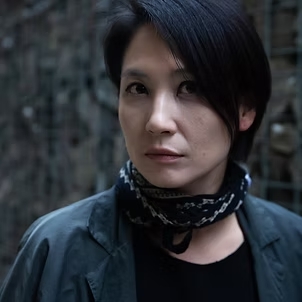
Toward the end of her twenties, Yuri An left behind what had been familiar to her and began to write. She had learned how to speak and write from her grandmother, and shared with her the beginnings of nearly everything.
Her grandmother had always wanted to go somewhere but had never been able to leave, and An grew up carrying her words and desires. In this sense, perhaps leaving was inevitable for the artist. And wherever she went, her grandmother’s words followed.
In the artist’s book Writing on the Edge(2011), which An describes as a record of movement and minute tremors, conflict and reconciliation, as well as her first vocabulary book, we can glimpse the beginning of a journey in which she continually follows the footprints of words that came before her.
After gathering a chapter of her life and releasing into the world sentences resembling a form of confession, An soon left to study in Amsterdam, the Netherlands. A life as a foreigner often begins with setting aside one’s own language, and Yuri An was no exception. In unfamiliar spaces and times, words that naturally became blurred within her collided with another language.
Through this experience—common to many yet particular to each individual—she became interested in two different forms of existence: past and present, homeland and foreign land, mother tongue and foreign language, as well as the phenomena produced through their collision. From there, she continued to work with text and moving image.
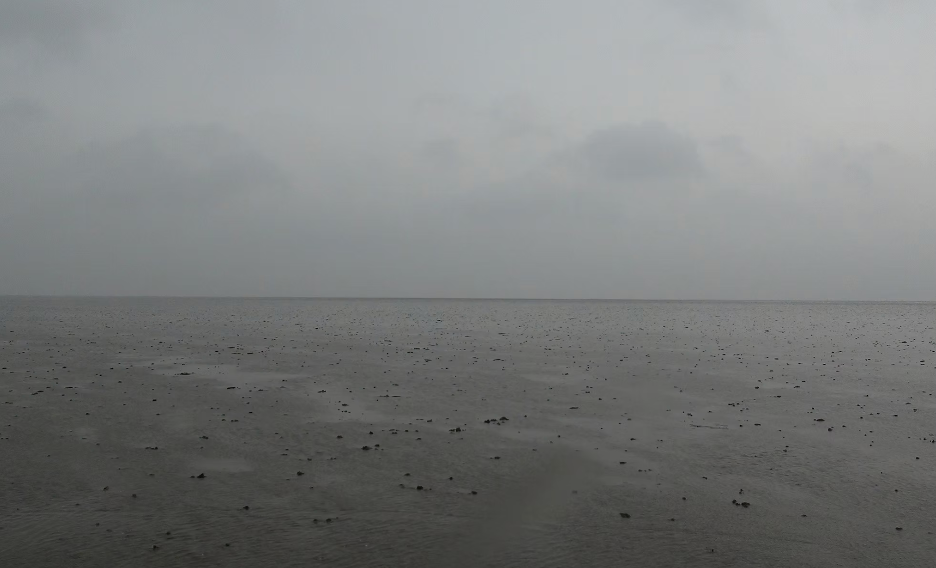
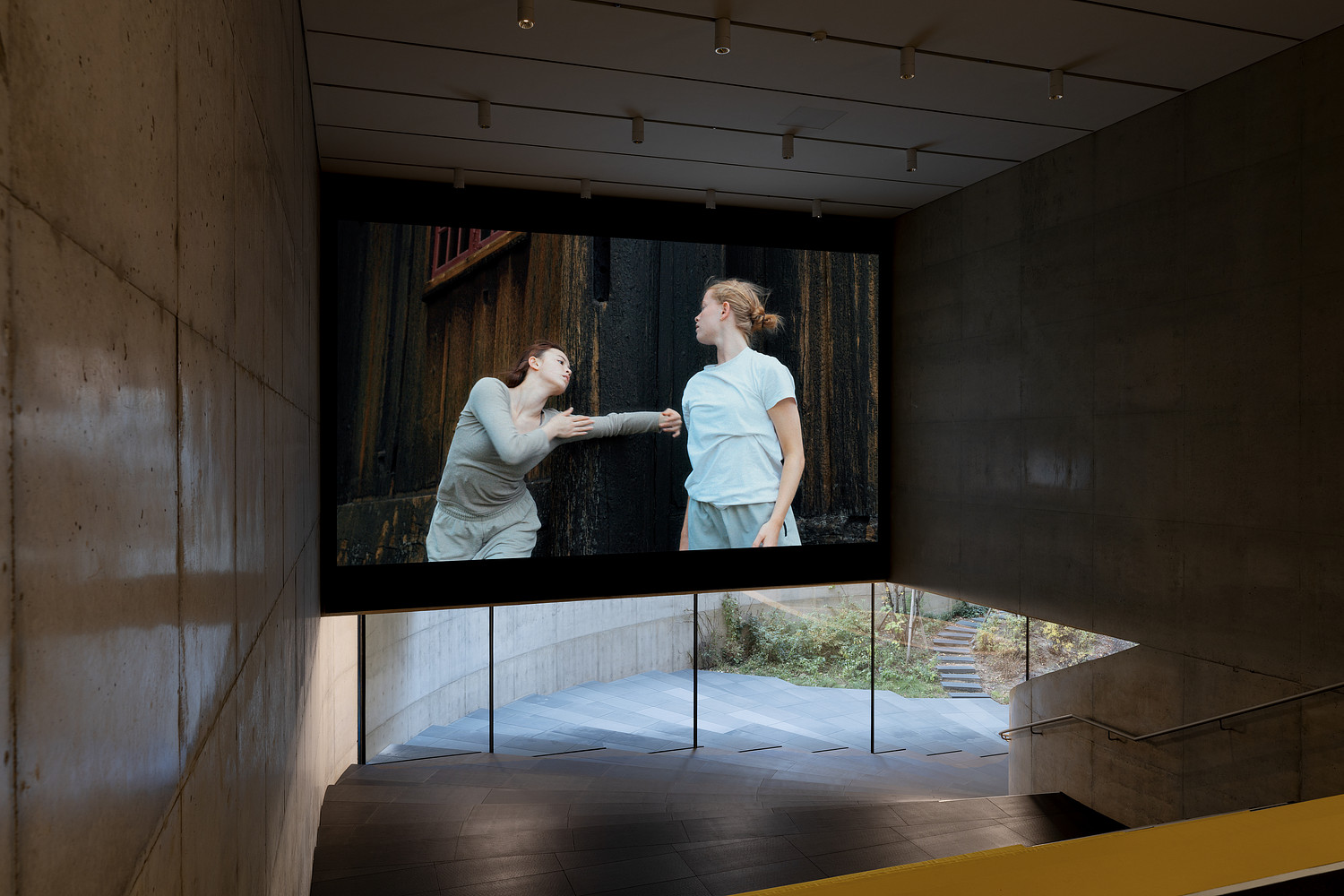
Floating Land Drifting Heart: From Texel To Jeju is a work that fully embodies this journey. It was produced on Texel, an island in the North Sea of the Netherlands. On this unfamiliar island, An recalled Jeju, the last place she had visited before moving to Amsterdam. Texel is where Hendrick Hamel, the protagonist of the famous Hamel’s Journal and a Description of the Kingdom of Korea, began his voyage, and thus serves as the “first page” of a story from some four centuries ago.
Through the story of Hamel preserved on Texel, An discovers and empathizes with him across time as a fellow foreigner: he departed from the very place where she now stood, Texel, and eventually washed ashore at Jeju, the place from which she herself had departed. The artist then sends a letter toward Jeju, the place she had left behind.
In the summer of 2014, after completing her studies, An returned to Korea, leaving behind the stories of a foreign country. As she prepared to return home, the entire country was engulfed in a grief that seemed capable of sinking it, following the Sewol Ferry disaster. Coincidentally, An had already planned to travel to Jindo and Jeju to continue a project related to Floating Land Drifting Heart. She began thinking of words and people who had not yet returned, and cautiously made her way toward the wounded sea, the islands, and the stories left there.
Islands surrounded by the sea each preserve stories of their own. In Jindo, Jeollanam-do, a legend tells of Ppong Halmeoni, whose desperate wish to reunite with her separated family moved the Dragon King to open a path through the sea.
Even today, every year in the second lunar month, a sea road opens, allowing people to cross freely between the mainland and the island. Farther out at sea, in Jeju, rituals and gut ceremonies for Yeongdeung Halmeoni take place around the same time. Songs for those who have left and those who remain flow out toward the sea, consoling words that have yet to return.
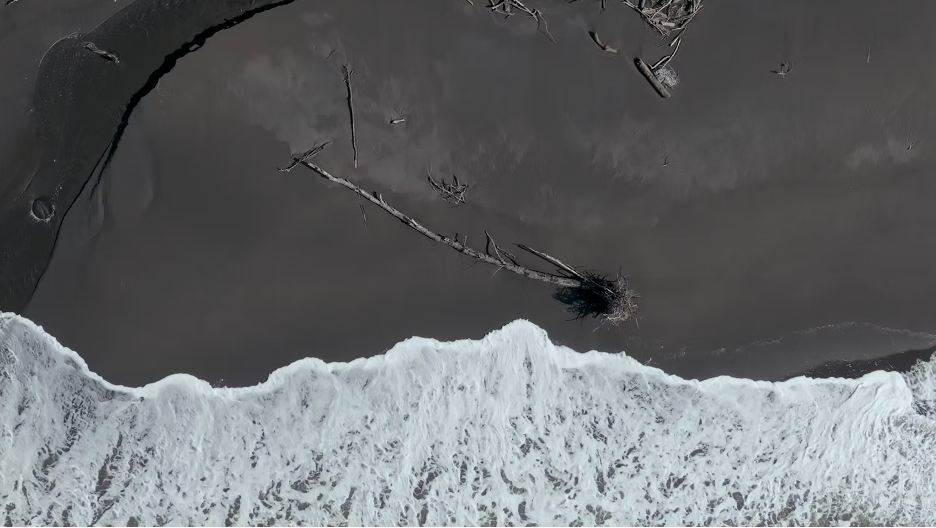
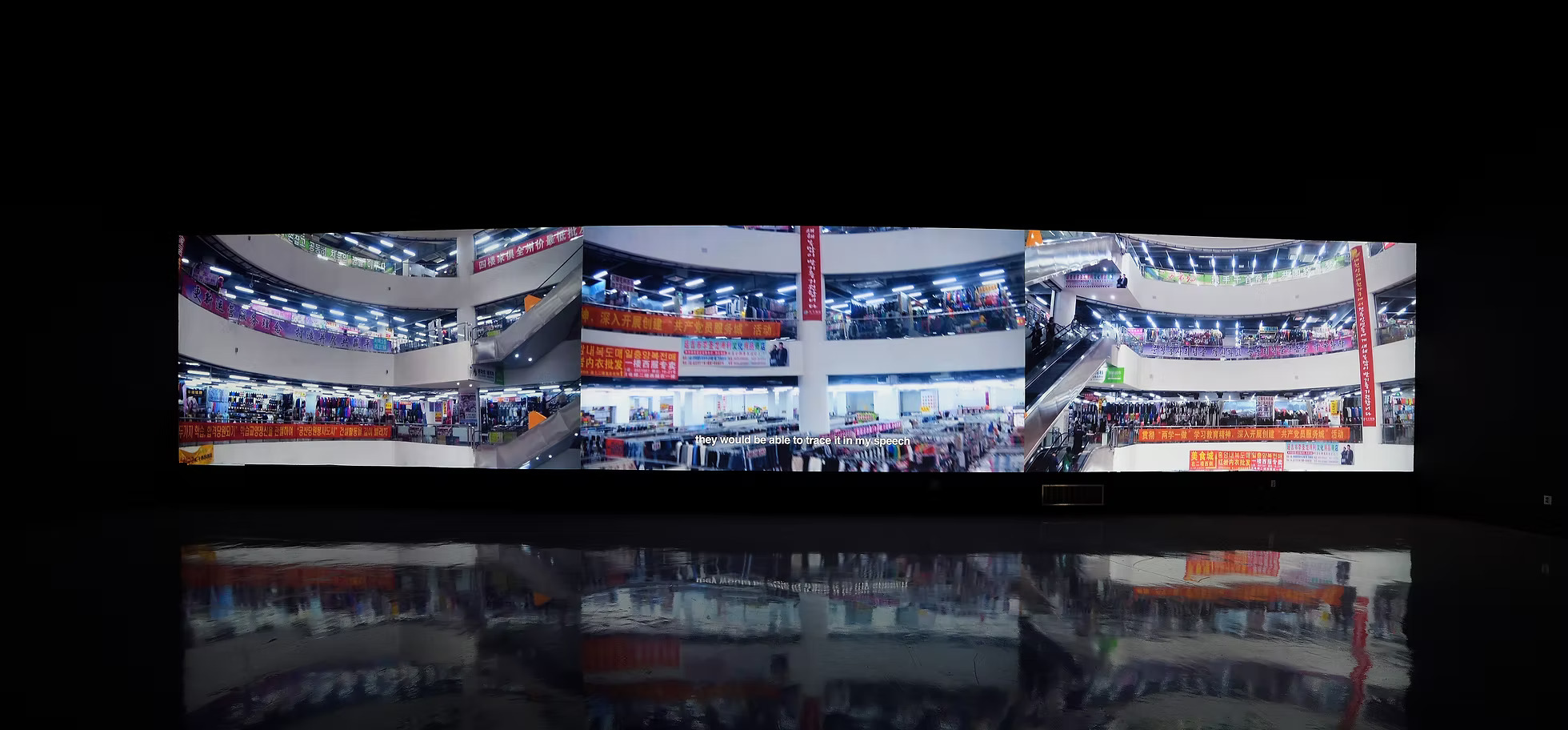
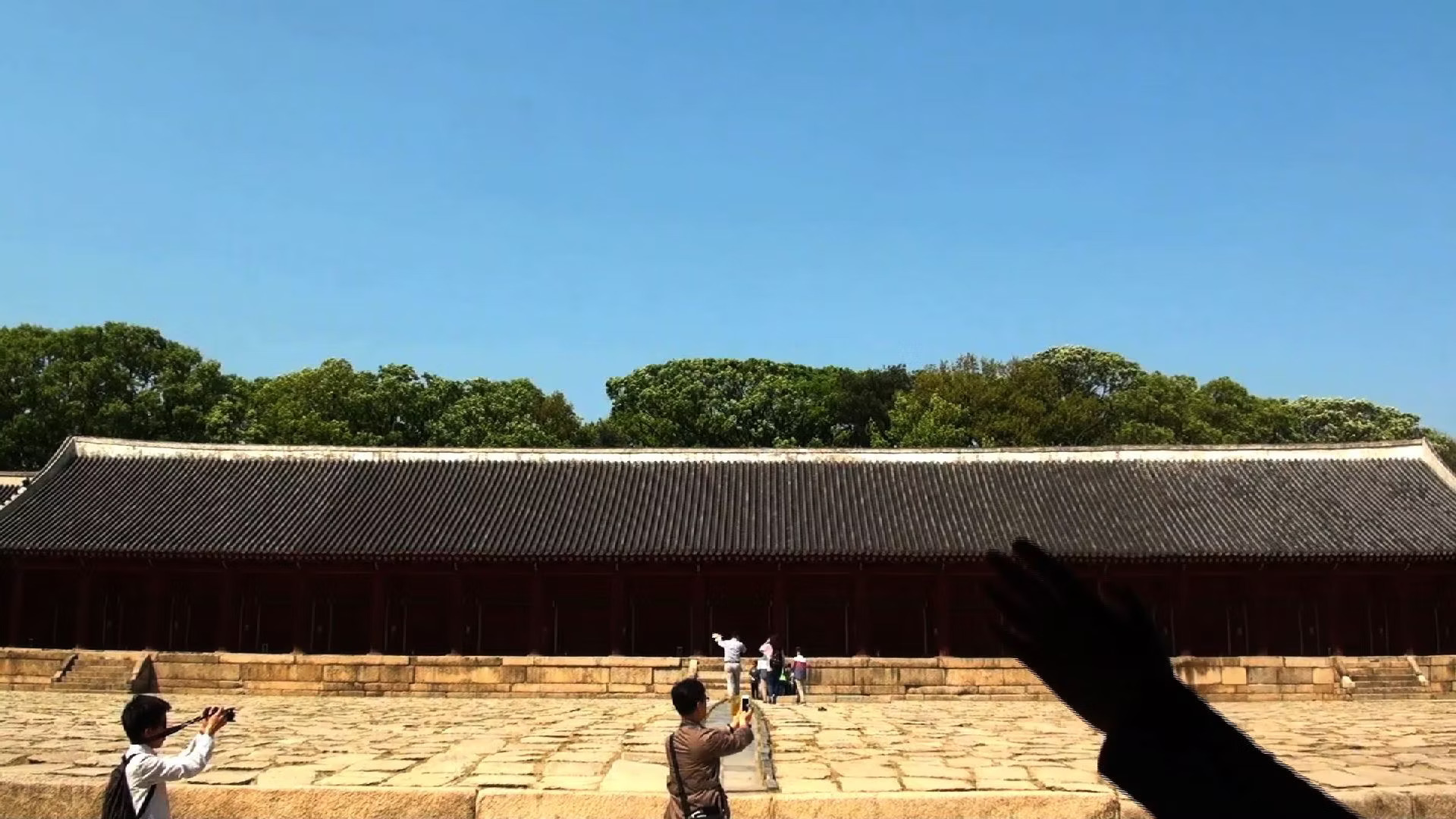
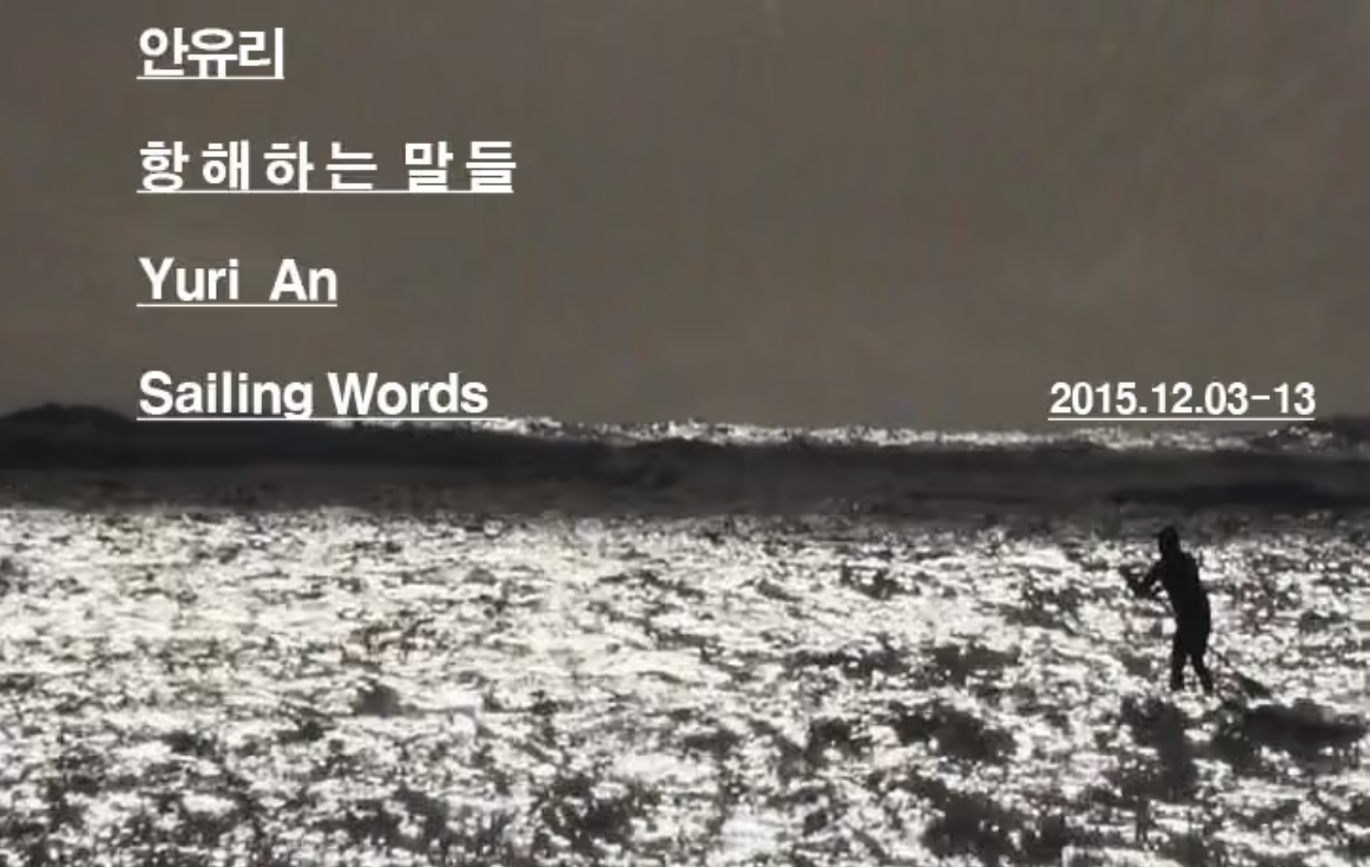
In The Unharvested Sea(2015), An weaves together legends and myths drifting across the sea with stories of those who departed across it and those left behind. Hamel, who passed through Jeju; Odysseus, who crossed the sea and returned home after twenty years; Ppong Halmeoni, who opened a sea path through prayer for her family; and Yeongdeung Halmeoni, who brings the wind for the prosperity and well-being of those who remain—all meet and part at particular points within the artist’s imagination.
Their stories, or the places through which they passed, are rewritten in her work and become a poem.
The artist, who had long carried a longing for distant places, felt an affinity with the work of poet Huh Su-kyung and reached out to her. When An confessed that the poet’s sentences had brought her comfort, Huh replied with words that were cool yet welcoming. From this unusual relationship, the name “Yuri” even appeared in 『Mint』, the novel Huh was serializing at the time.
I named the donkey Yuri. After drinking water, Yuri made as if to close its eyes. Afraid that it might fall asleep, I climbed onto its back and tightened the reins. Yuri stood perfectly still without a sound, then slowly began to walk. I thought of a god from the mythology of some ancient kingdom. A god of deserts and oases, with the head of an animal resembling a donkey and a human torso. I stroked the donkey’s neck.
— From Huh Su-kyung, 『Mint』
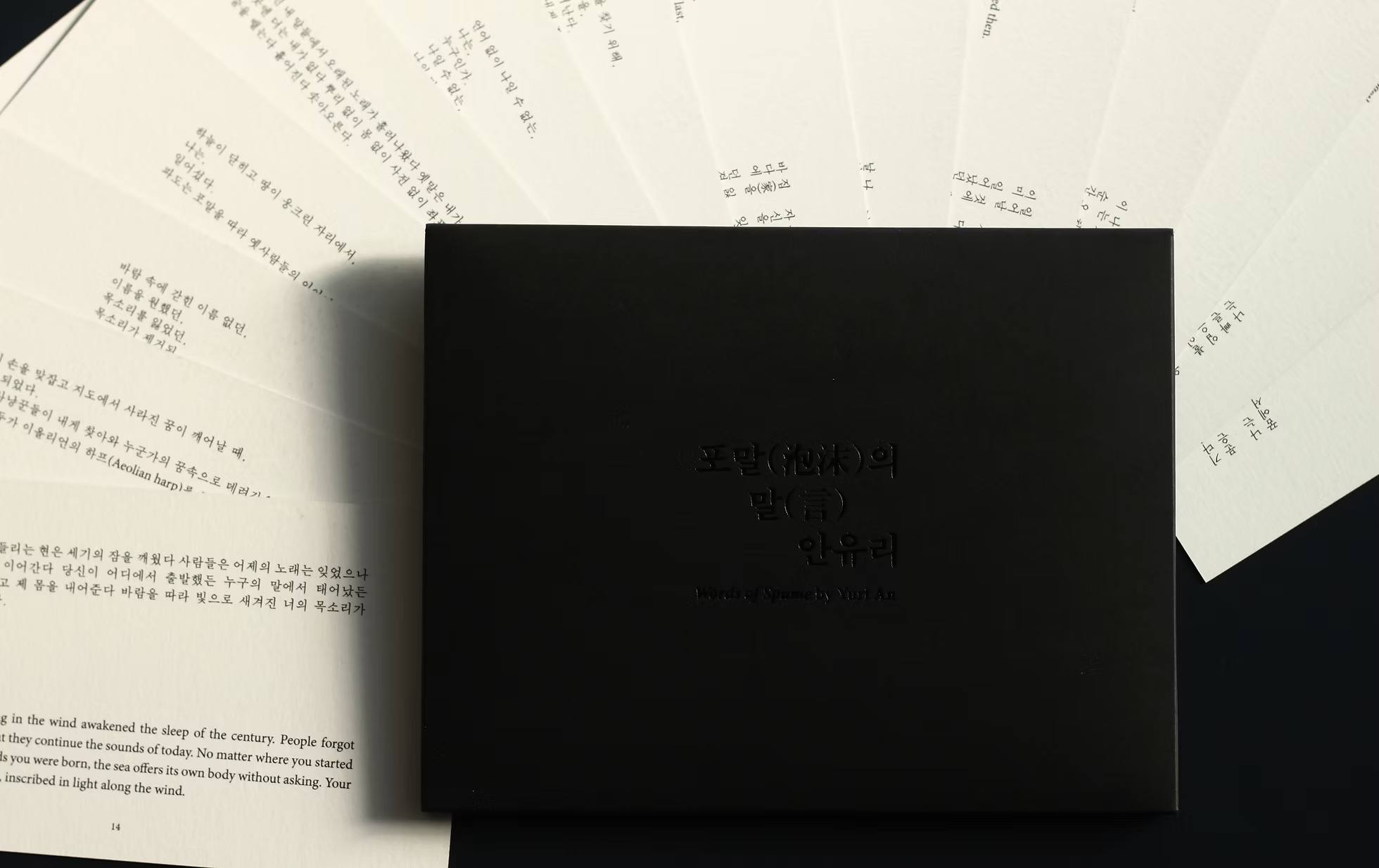
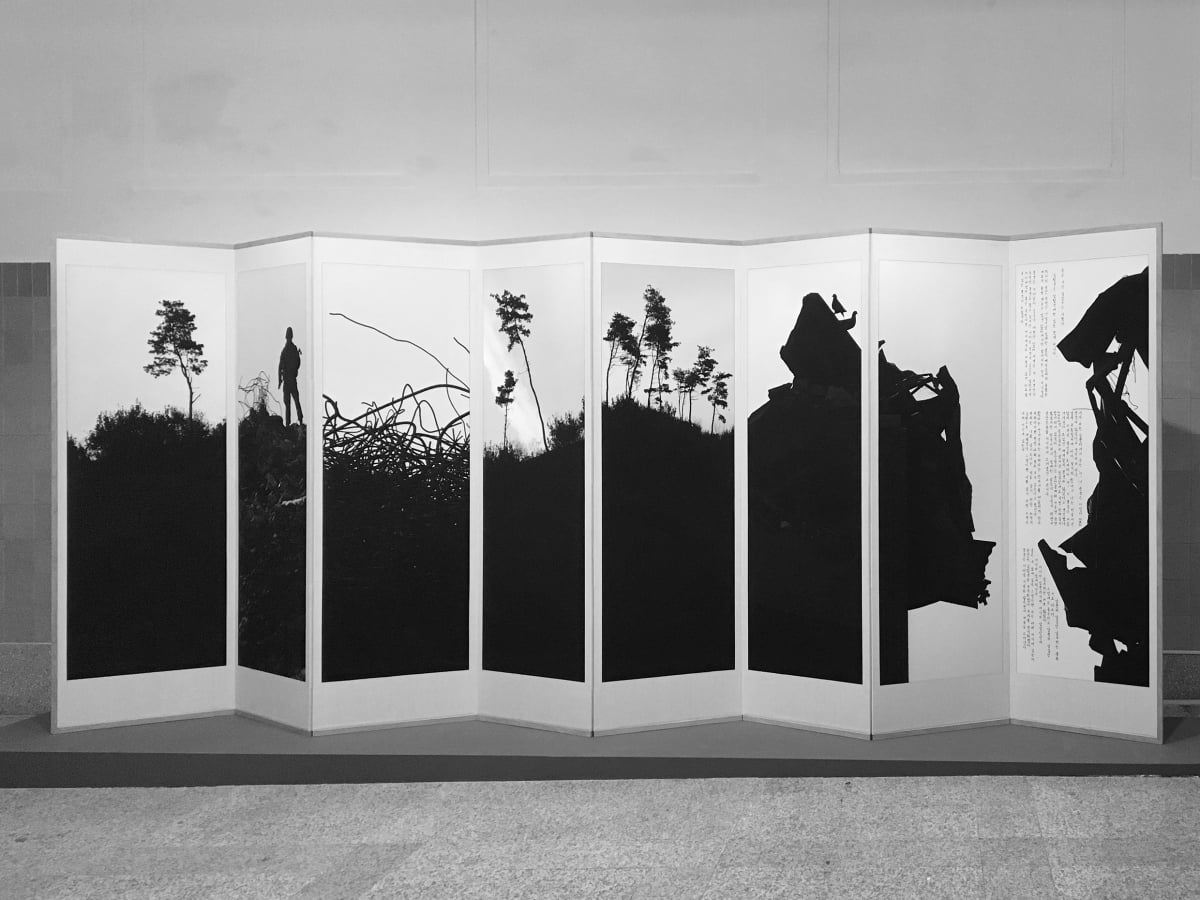
Their dialogue continued through letters, gradually accumulating to the point that even their first meeting became a memory, and eventually became a work. For this exhibition, An selected and edited letters exchanged with the poet and presented them as a text installation. Through the conversation between two artists, or perhaps two poets, viewers encounter stories of the paths An has traveled and the questions she has carried.
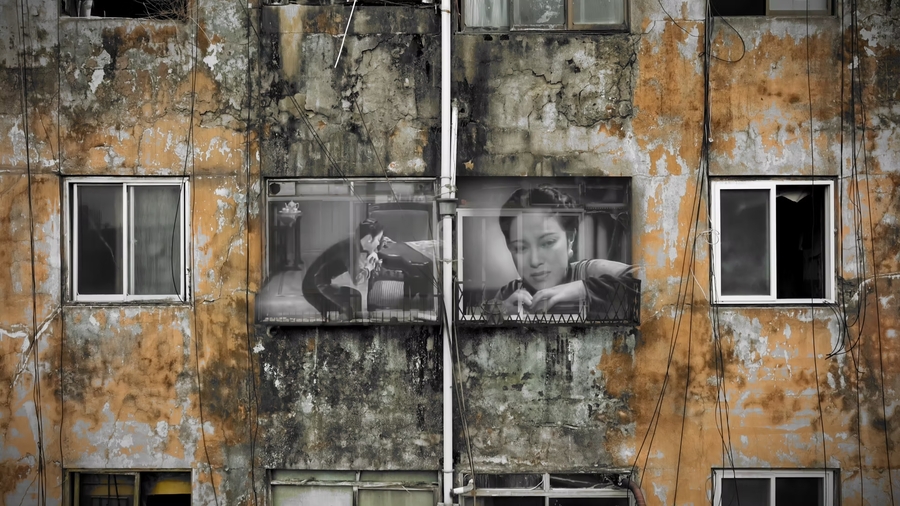
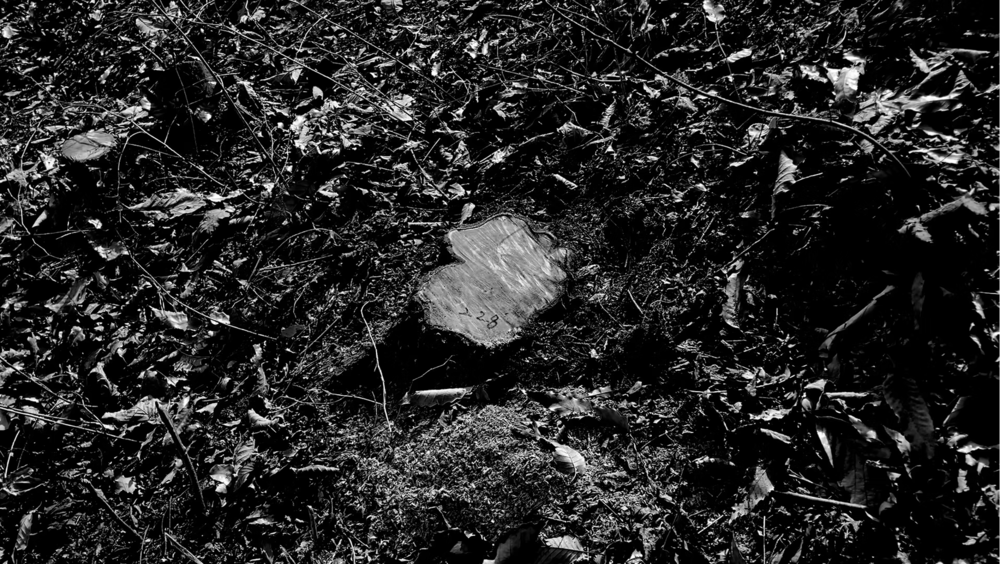
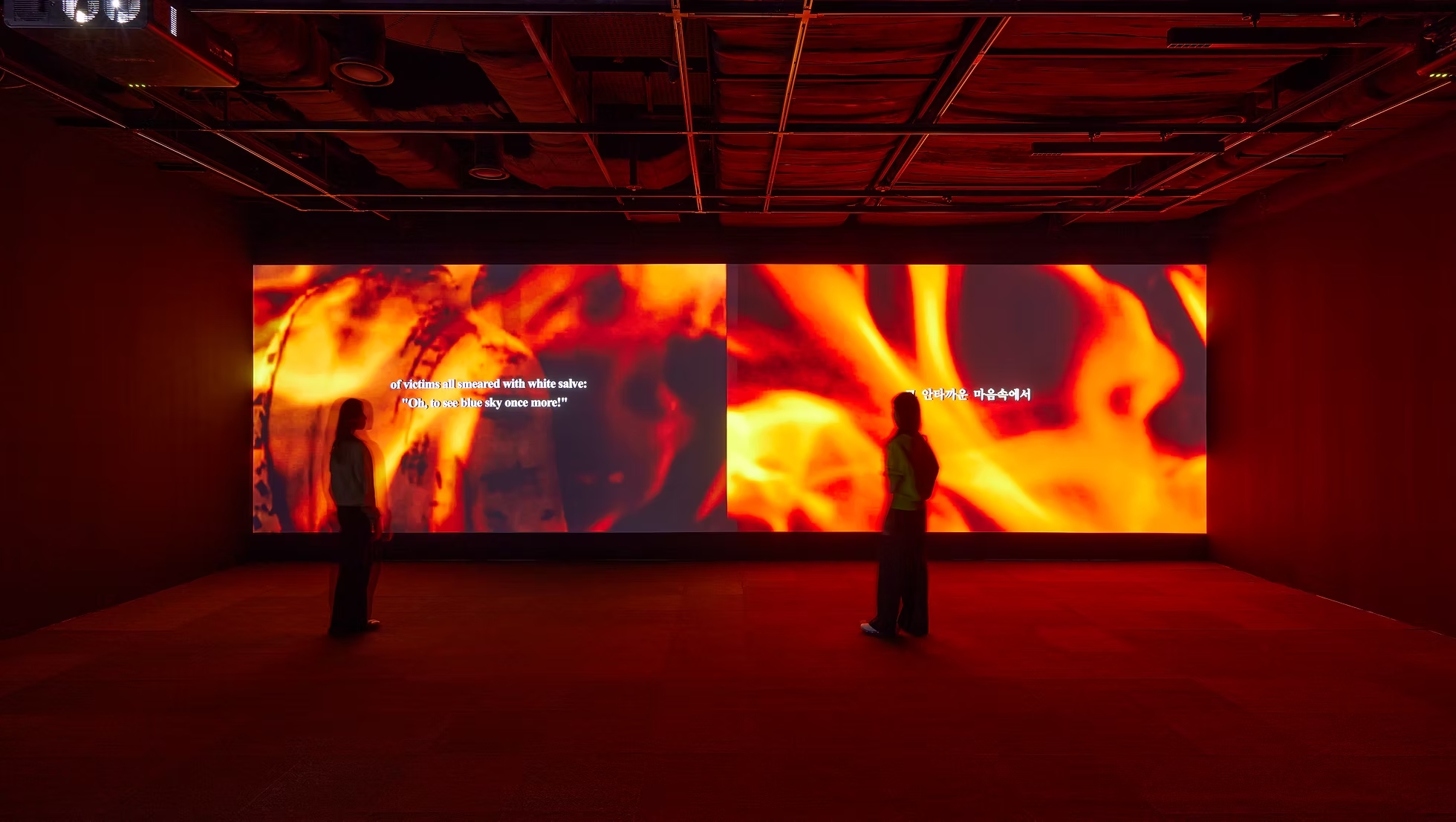
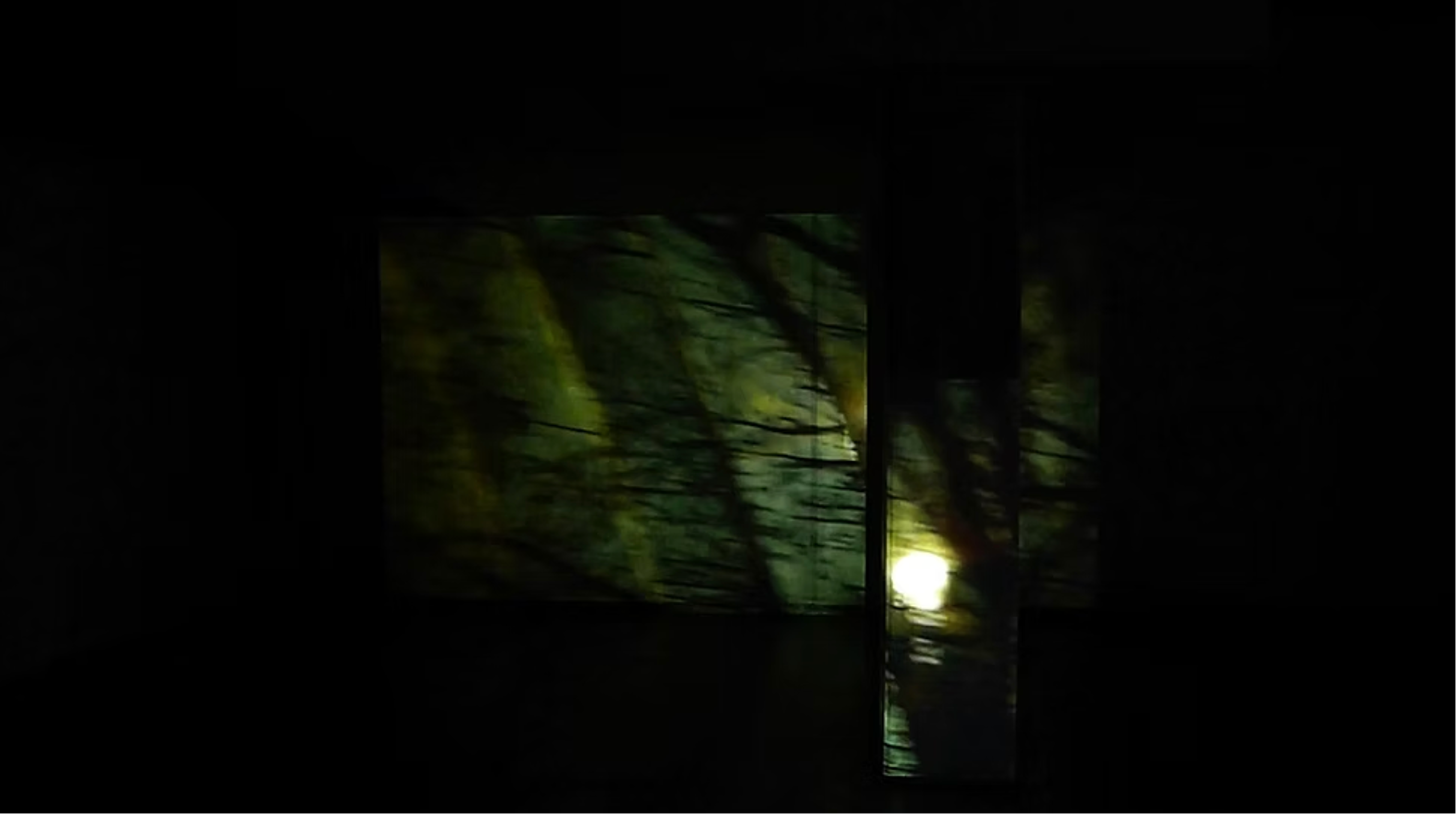
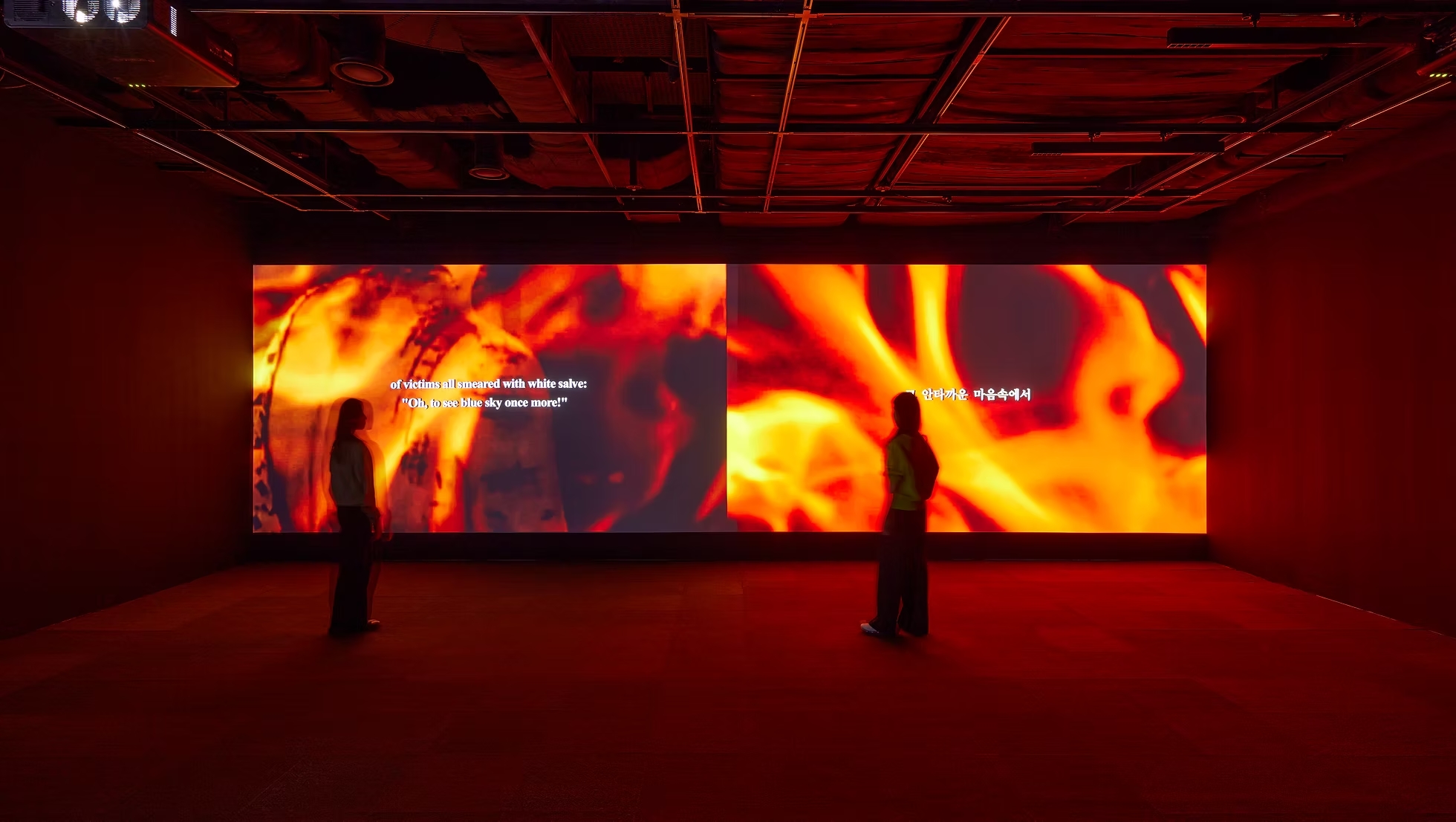
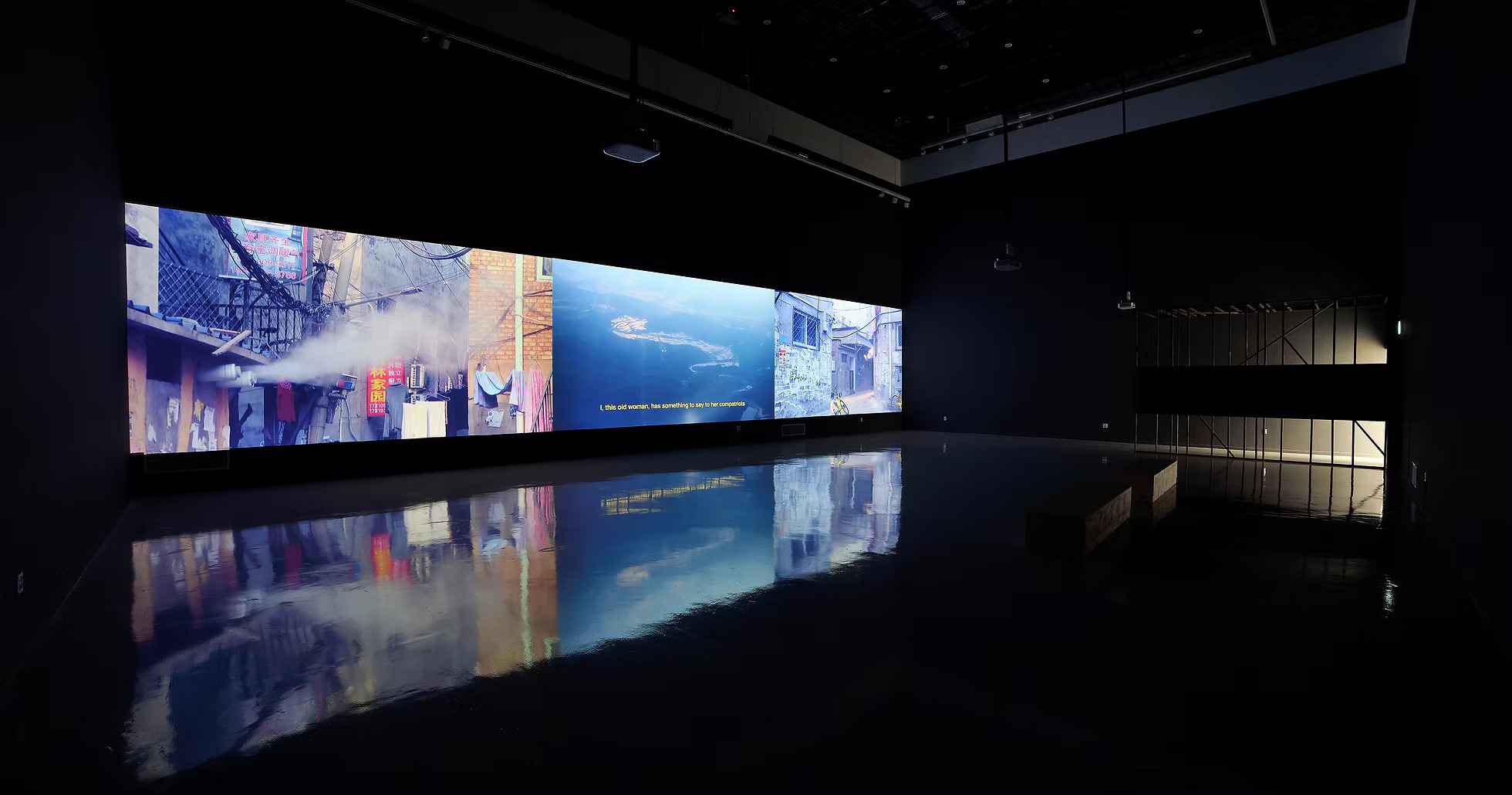
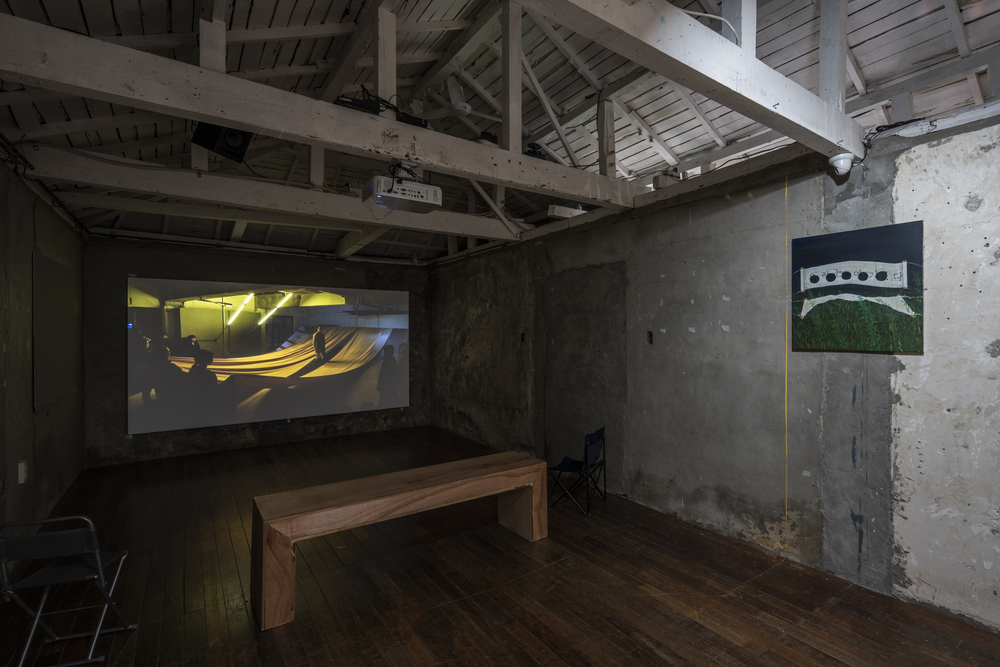
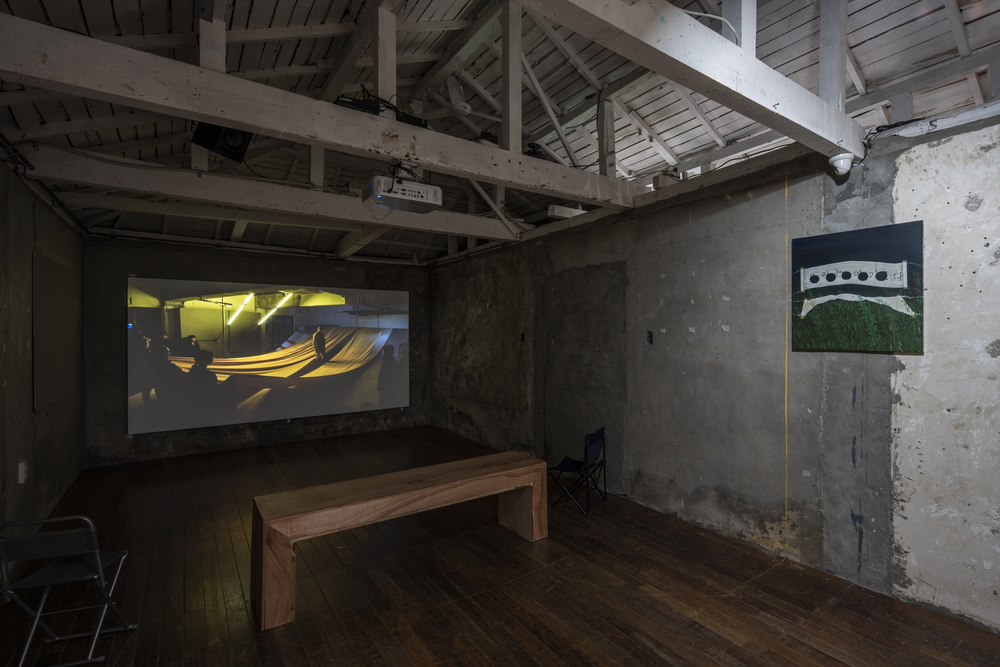
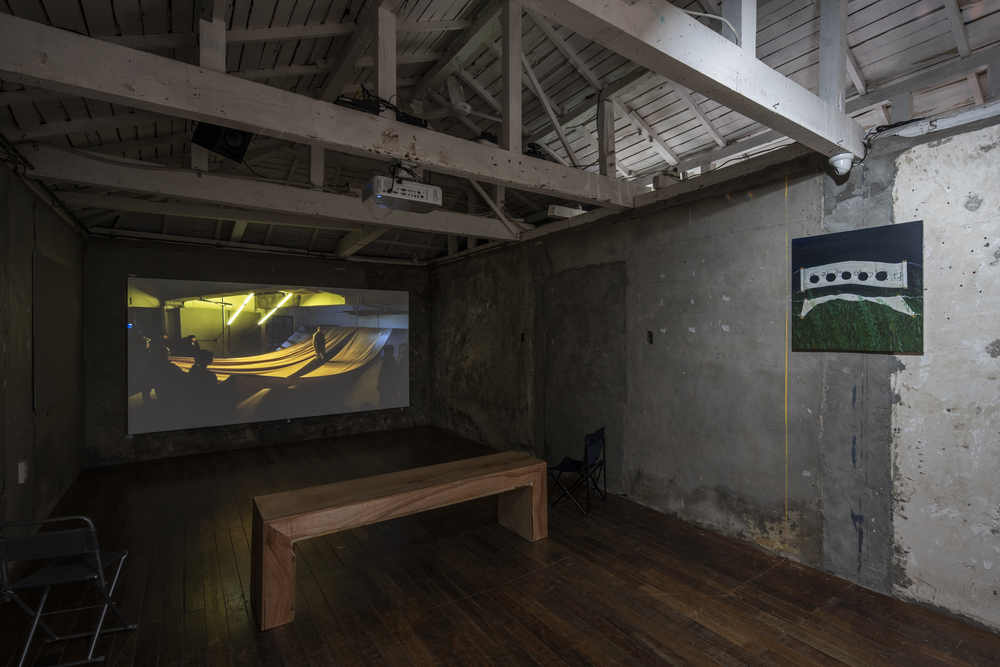
The artist’s moving images, images, and texts rooted in legends and myths are calmly arranged in the space without elaborate devices or techniques. Moving images circulate through the exhibition with sound, while texts seem to hover lightly as if brushed by the wind.
By allowing images and words to float through space, An visualizes wounds that have not yet healed. The Unharvested Sea is an epic poem containing a long journey, yet at every moment of that journey it is also a lyric poem filled with longing and empathy.
In the letters exchanged with the artist, Huh Su-kyung wrote that meeting a young artist makes any season, regardless of weather, a special one. To borrow the poet’s words, this season in which we encounter “the most solitary and most singular individual”—the young artist Yuri An, who has crossed the sea carrying words that have yet to be retrieved—will likewise remain a special season for us.
Jae-eun Jeong
Curator, Art Space Pool