1.
Eunsae Lee’s oeuvre mainly consists of three stages. First is the process of
transformation. Second is observing the transformation. Third is lining up
those that transform in order. The themes, subjects, compositions and
techniques of Lee’s oeuvre are actually quite diverse, but in many cases, they
interconnect with one another to form a greater network of meaning. The artist
finds the subject of her works from everyday life around us, or TV shows and
movies. Some of them are simple and mundane, but some are rather unconventional
and provocative. It is in her choice of the subject matter, however, that one
can sense her brilliant and unique sensitivity, as well as her thorough
understanding and thoughtfulness towards the subject. Moreover, behind her expressive,
bold, and at times spontaneous brushstrokes, lie the traces of her countless
revisions that reflect her painstaking and careful attention to detail.
2.
First and foremost, Eunsae Lee captures moments of transformation. However,
this is not limited to physical transformation alone. One of the most
interesting works from her early oeuvre is the ‘Stone Throwing’ series. The
painting depicts ripples made on the water by a stone, but more profoundly
attempts to capture the inner ripple effect in the mind of the observer who
stands before the water. Lee captures those moments of transformation which
catches the viewers off guard with a sudden effect, and calls them “cracks.”
When those “cracks” open up, in those moments that impact us even if for a
split second in very subtle ways, the artist likens them to “electronic
interference.”
A witness, who observes the transformation, frequently appears in the
paintings. The observer may be the artist herself as a witness of the event, as
a painter, or it could even be the viewer looking at the painting. On the other
hand, Eunsae Lee acknowledges the fact that her position is ambiguous –
witnessing something and feeling compelled to do something, but unable to do
anything. In The Clenching Hands (2014), she hesitantly
closes her hands into a fist. The hands are intentionally painted in thick
impasto, as if pressing on the paint to confront each another.
3.
Eunsae Lee witnesses the real world. She then transfers what she has witnessed
into the world of image on canvas. In the early works, she used to pick out
scenes without regard to its context but she explains that at some point, she
began to feel uncomfortable with such attitude. She states that it felt as
though she was consuming the images by exploiting them. She describes her
feelings with words like “guilty,” “image” and “colony.” Being an artist does
not give one the right to take and use anything of the real world at her will.
She rethinks those that she has witnessed. She witnesses herself as a witness.
Lee’s solo exhibition in November 2016 presented a series of works that
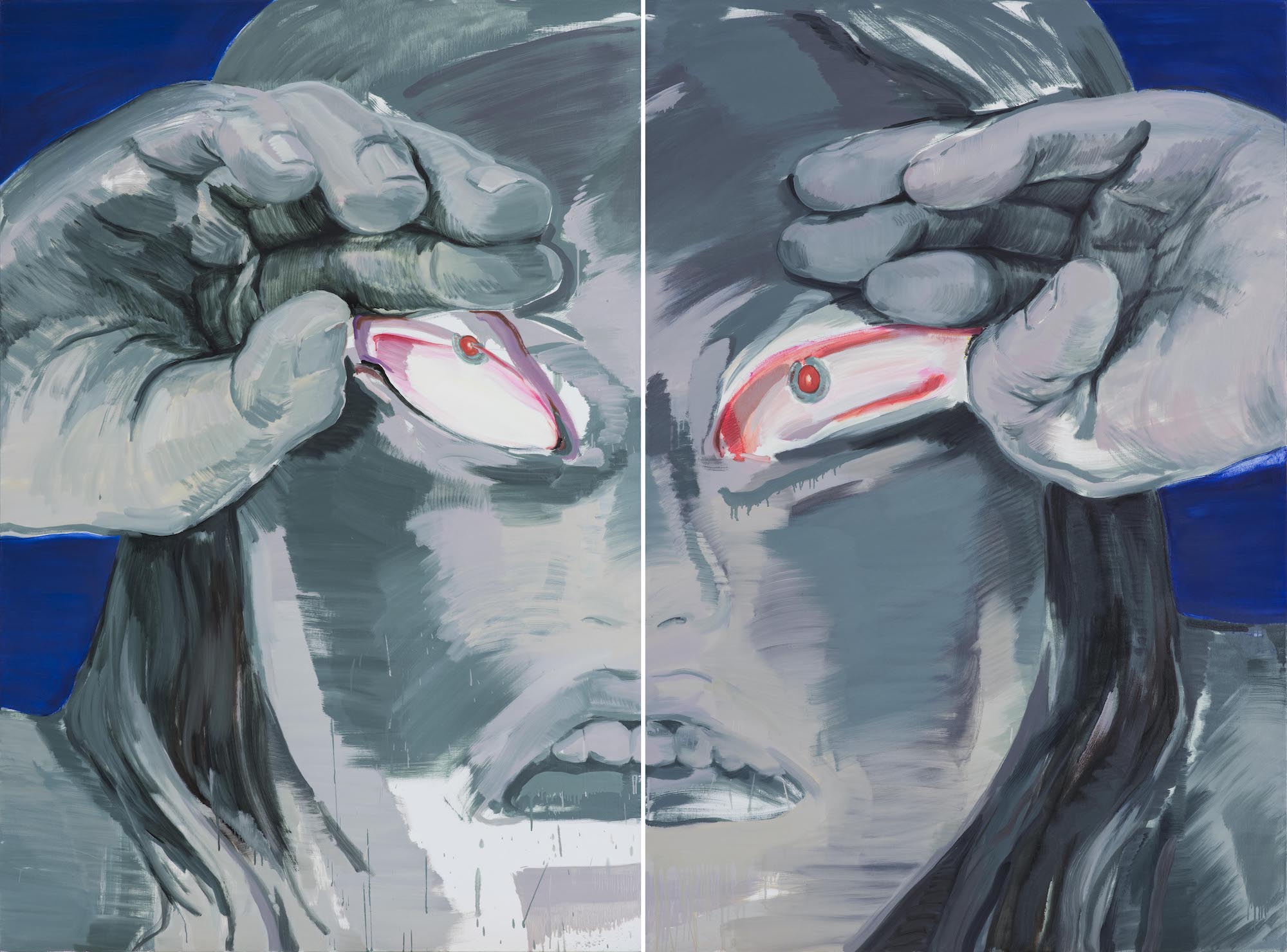
subverts the relationship between seeing and what is seen. For example, Forced
View (2016) depicts a scene of an eye surgery. The surgeon forces the
patient to keep his eyes wide open, but in the end, it appears as though it is
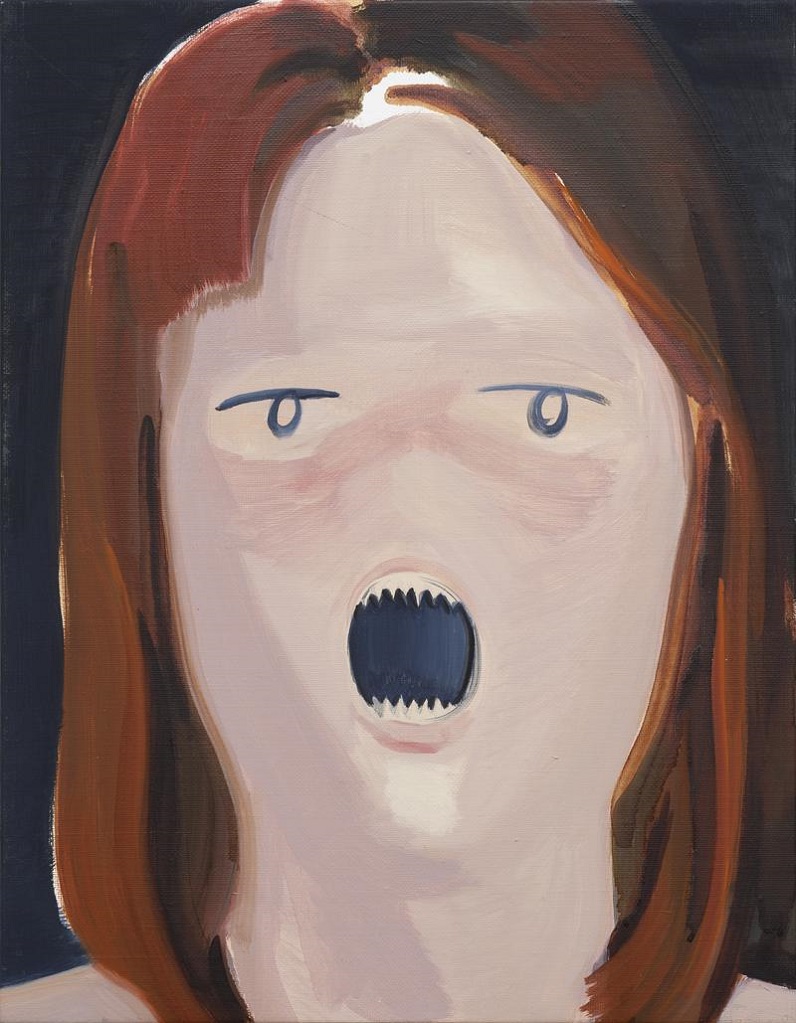
the patient, with his eyes wide open, staring intensely at the surgeon. In A
Mole with Sharp Teeth (2016), the painting shows a mole on a woman’s
breasts, but the woman on canvas is showing the mole to explicitly show off her
breasts. The artist explains that she wanted to paint the mole having facial
expression and teeth.
In such a way, Eunsae Lee creates a two-way situation where the viewers looking
at the canvas are also seen by the very object which they are looking at. By so
doing, Lee questions the conventional idea of what it is to look at a painting.
As we look at the painting, the painting looks at us.
4.
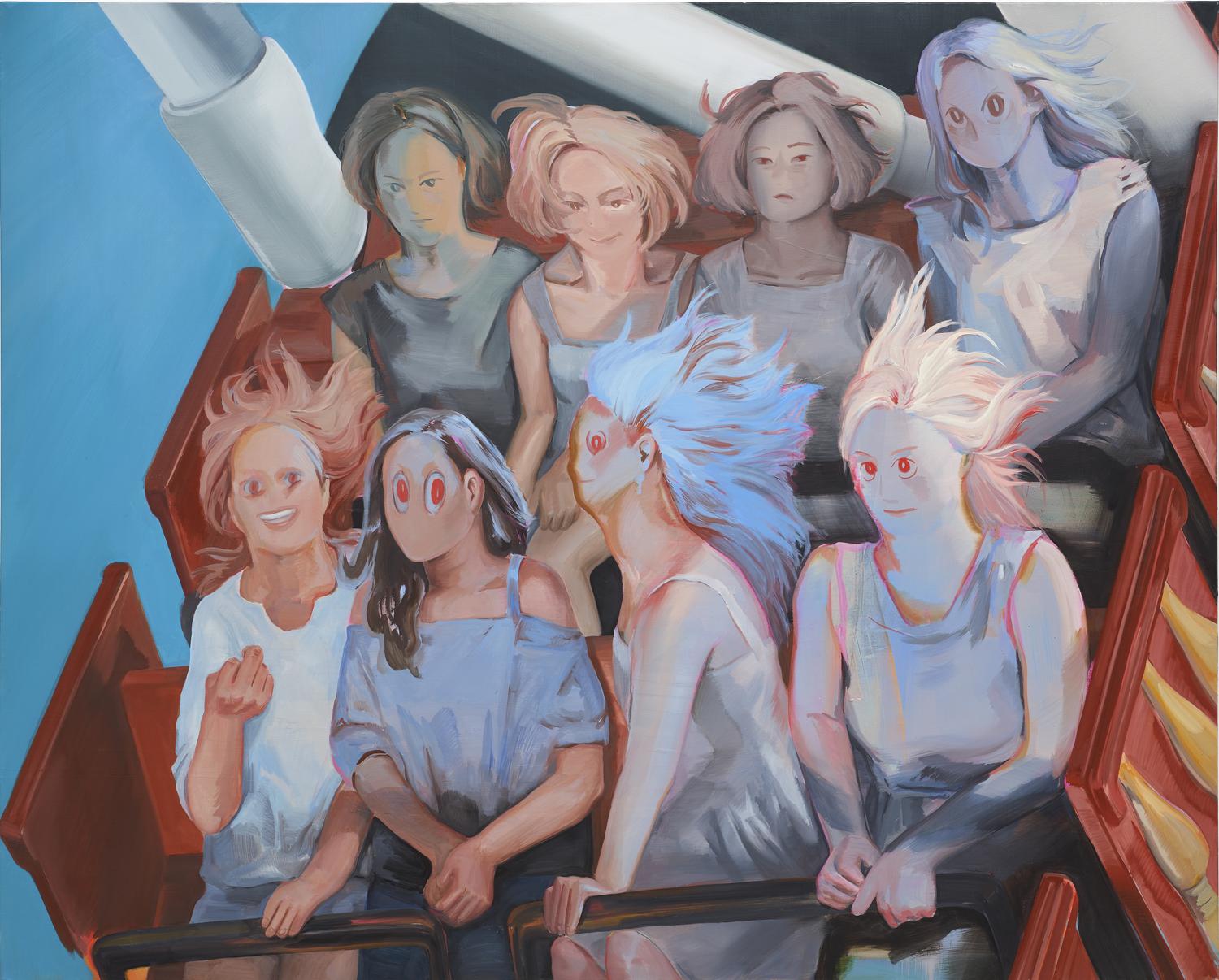
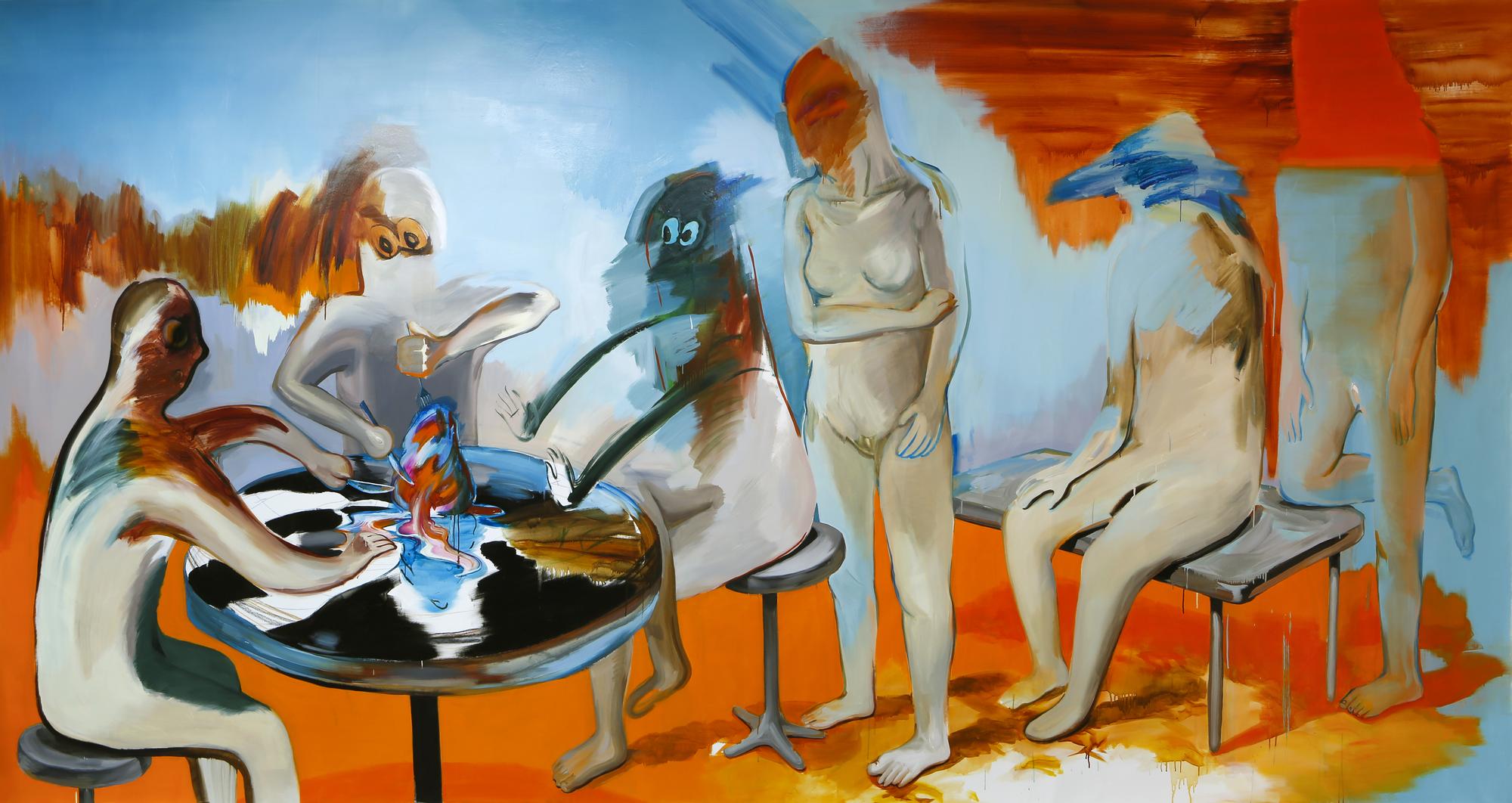
‘The Monsters of the Night’ series was first unveiled in May of 2017 with two
new paintings. In the current exhibition, Lee introduces ten additional works
from the series, portraying intoxicated women as the subject. In general, drunk
women are often portrayed as victims, or vulnerable targets for crime. In light
of recent events in reality,
perhaps this assumption is not completely wrong. On the other hand, Lee avoids
falling into those stereotypical images of drunk women and examines the subject
with a new and different approach.
The scenes in the paintings capture events that occur after drinking, inspired
by real life experiences of the artist and her friends, or imagined by the
artist. Though the scene that appear on canvas seem like a fragmentary
snapshot, there are narratives that lie behind each scene. The narratives can
be speculated through various clues such as the title of the work, or through
actions and facial expressions of the figures on canvas.
At the same time, the women on canvas do not appear weak or worn down, though
they may seem drunk or intoxicated. Rather, they look full of energy. They look
confident to face the viewer or other figures in the image, and even seem
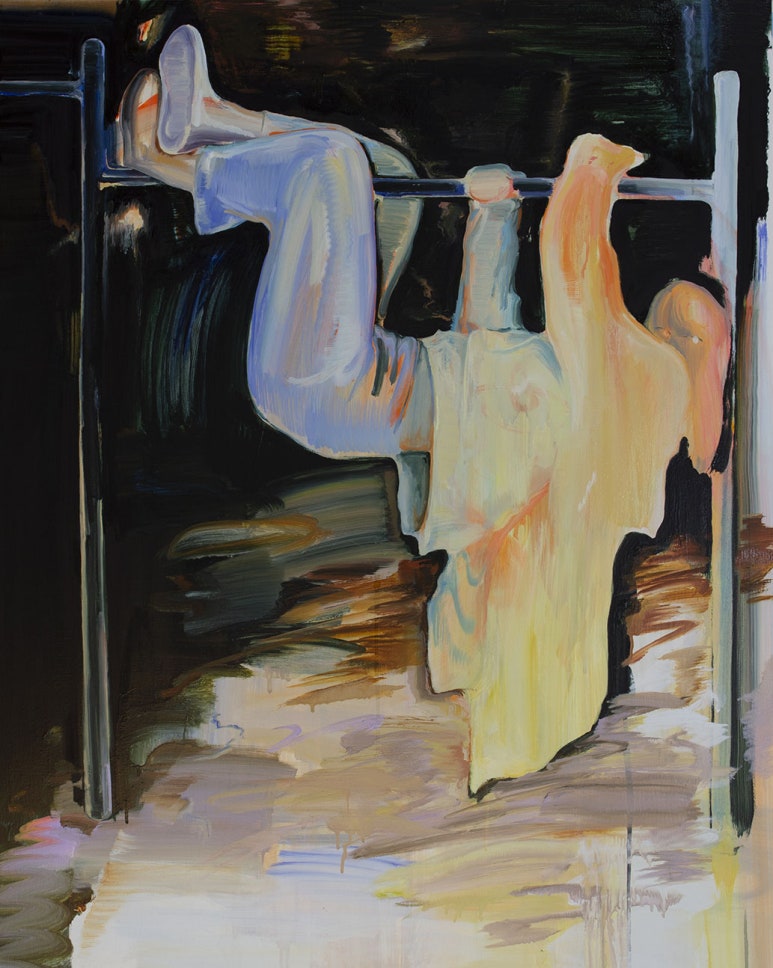
aggressive. In Rubbing the Eyes (2017), the figure is shown
rubbing her eye while glaring in the other eye (toward the viewer), and in Night
Freaks – Vomit (2018), the figure glares (toward the viewer) intently
while displaying her own vomit. In Night Freaks – Bar Exercise
(2018), the figure appears as though she is about to throw a kick (toward the
viewer), and in Night Freaks – Beach Walk (2017) the figure
appears to invite the viewer to go into the water with her. The confident
attitudes of the women are expressed on canvas with thick impasto, rough
brushstrokes, and intense colors.
In fact, these women are not simply veiled existences hidden behind the
darkness. There is always a witness who stands before them. They are the other
people in the scene, the artist and the viewers. The women, in turn, take
actions towards them – to those that lie outside the canvas. Therefore, all
those who stand before the women are not just witnesses but they relate to one
another. The actions of the women are directed towards them, and in turn, their
gazes are specifically directed towards the women. This interaction seems to be
what differentiates this series from Lee’s earlier works. As a third party, the
witnesses are not just passive observers but they become active participants in
the situation. Perhaps this change reflects the artist’s effort to make up for
those which she described as “clenched” and “guilty” in her earlier works.
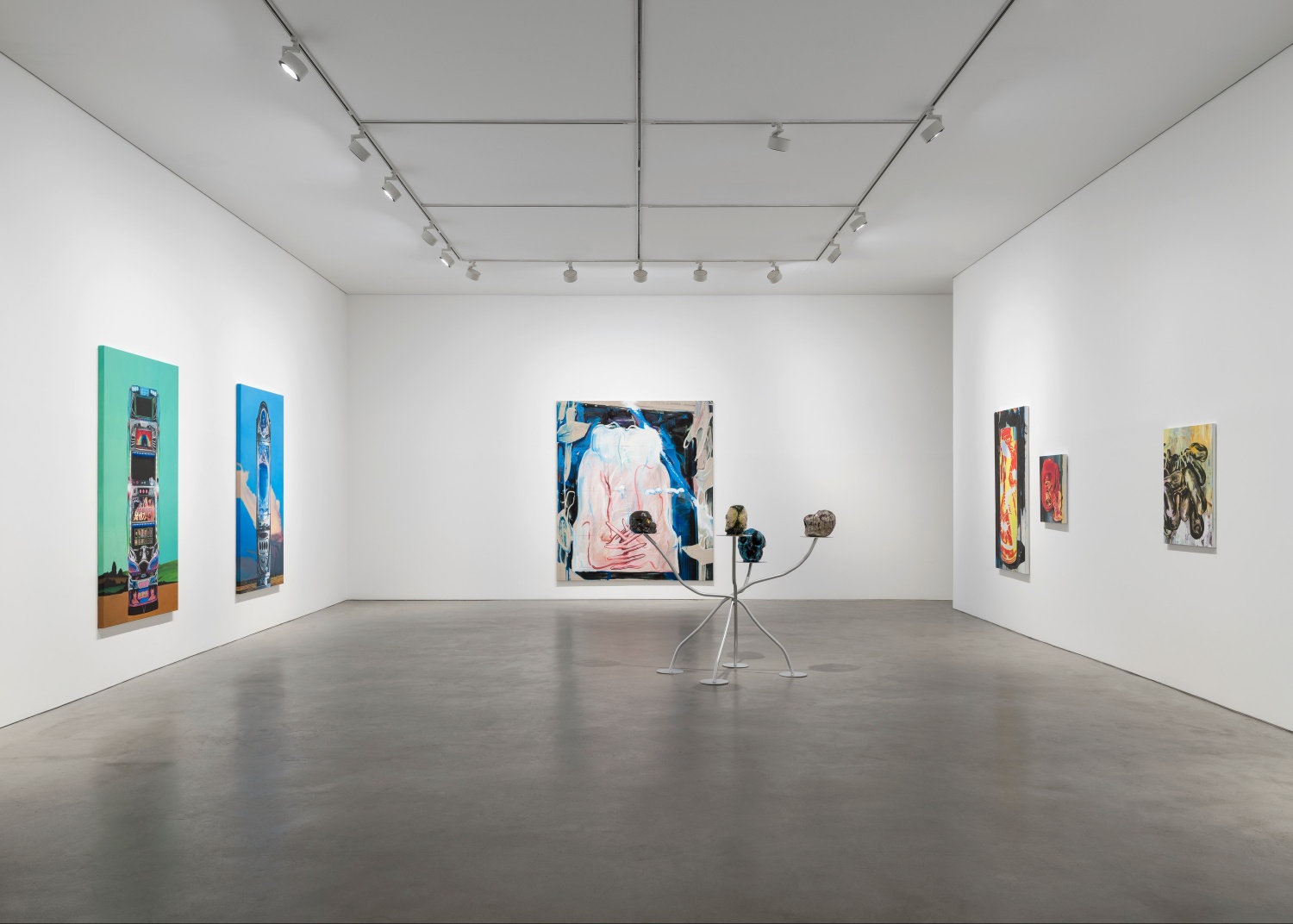
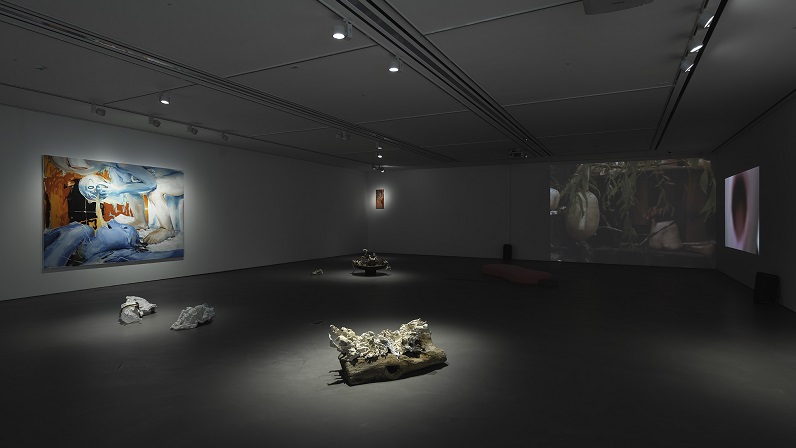
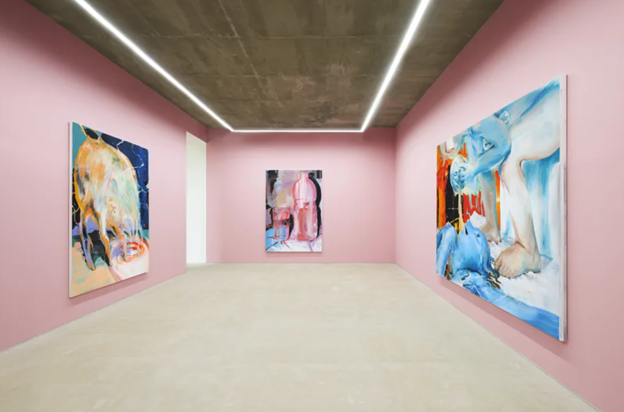
The Night Freaks series will be lined up on the gallery walls, and those
monsters of the night will face their viewers. Now, it is the viewers’ turn to
face them.