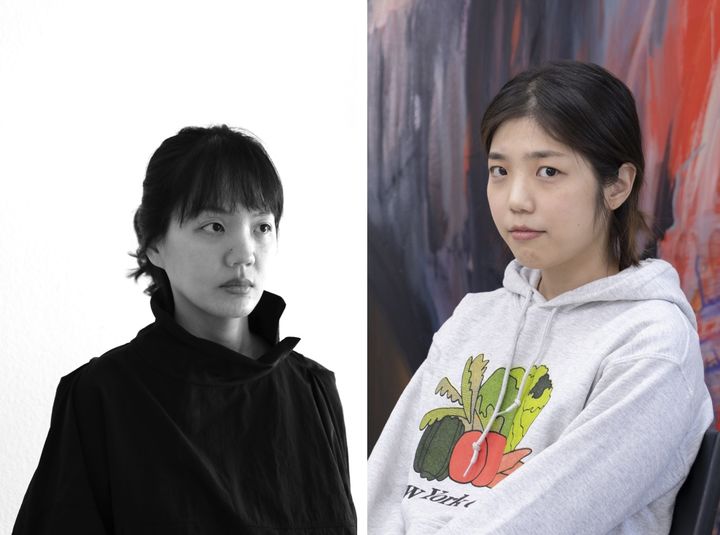
Eunsae
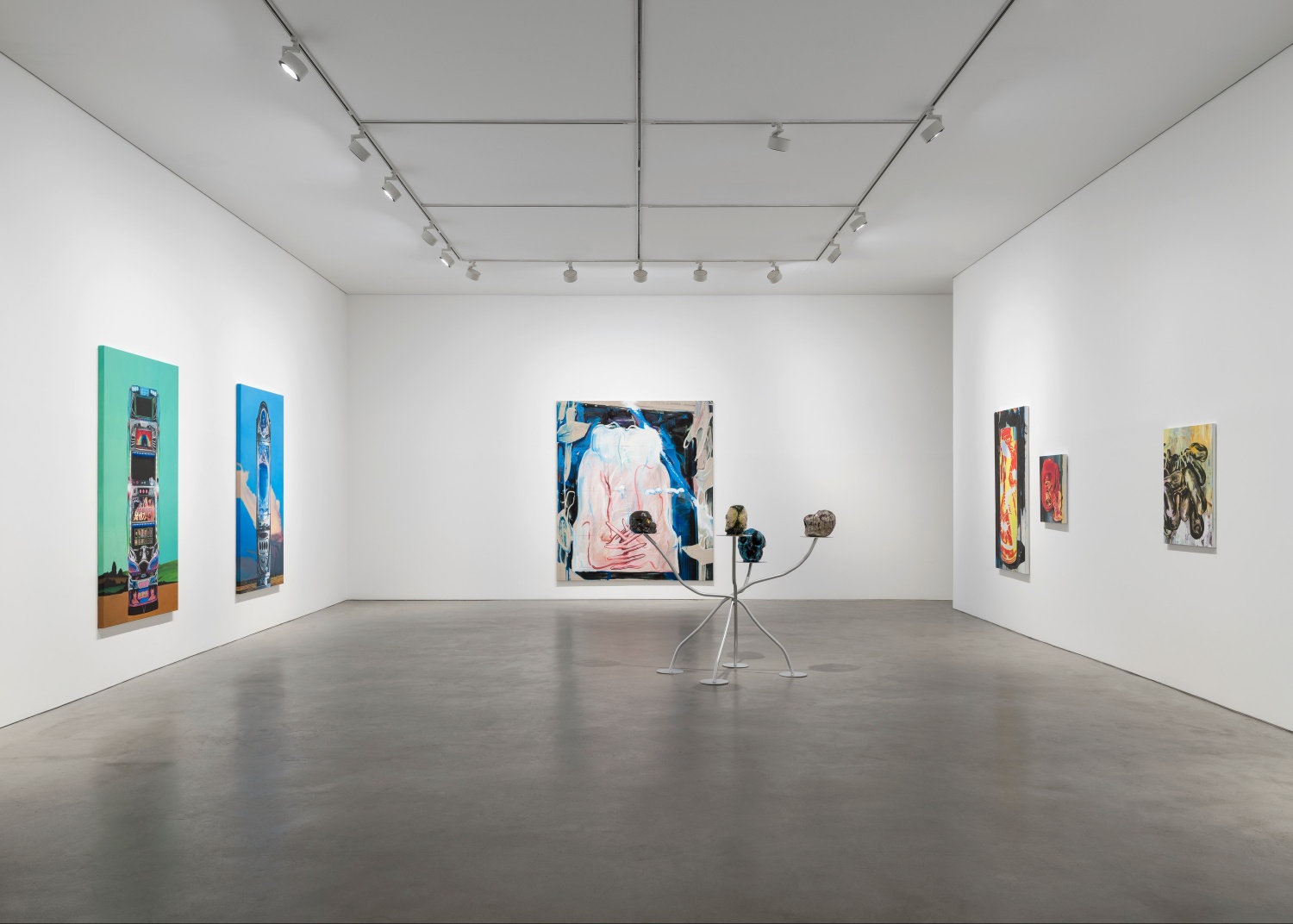
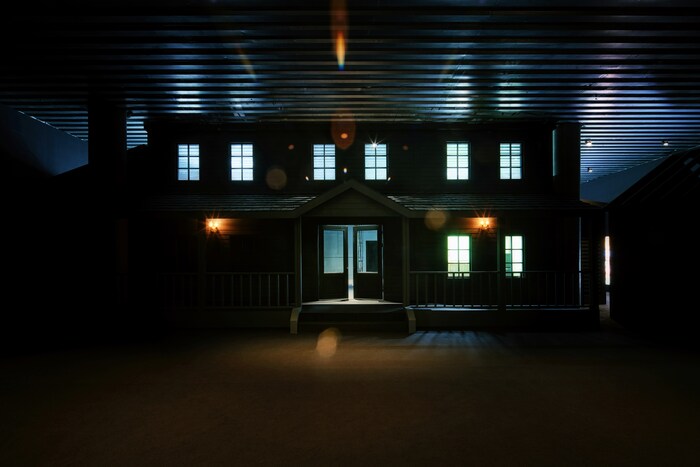
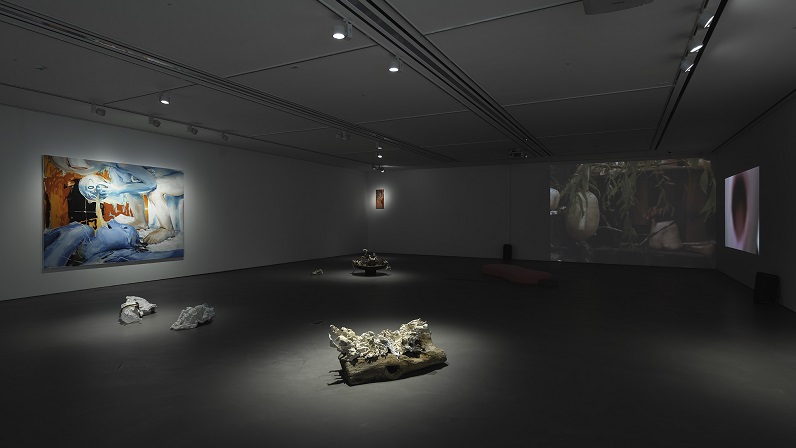
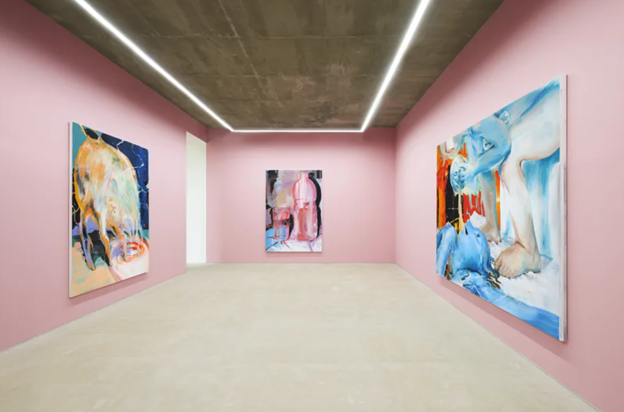
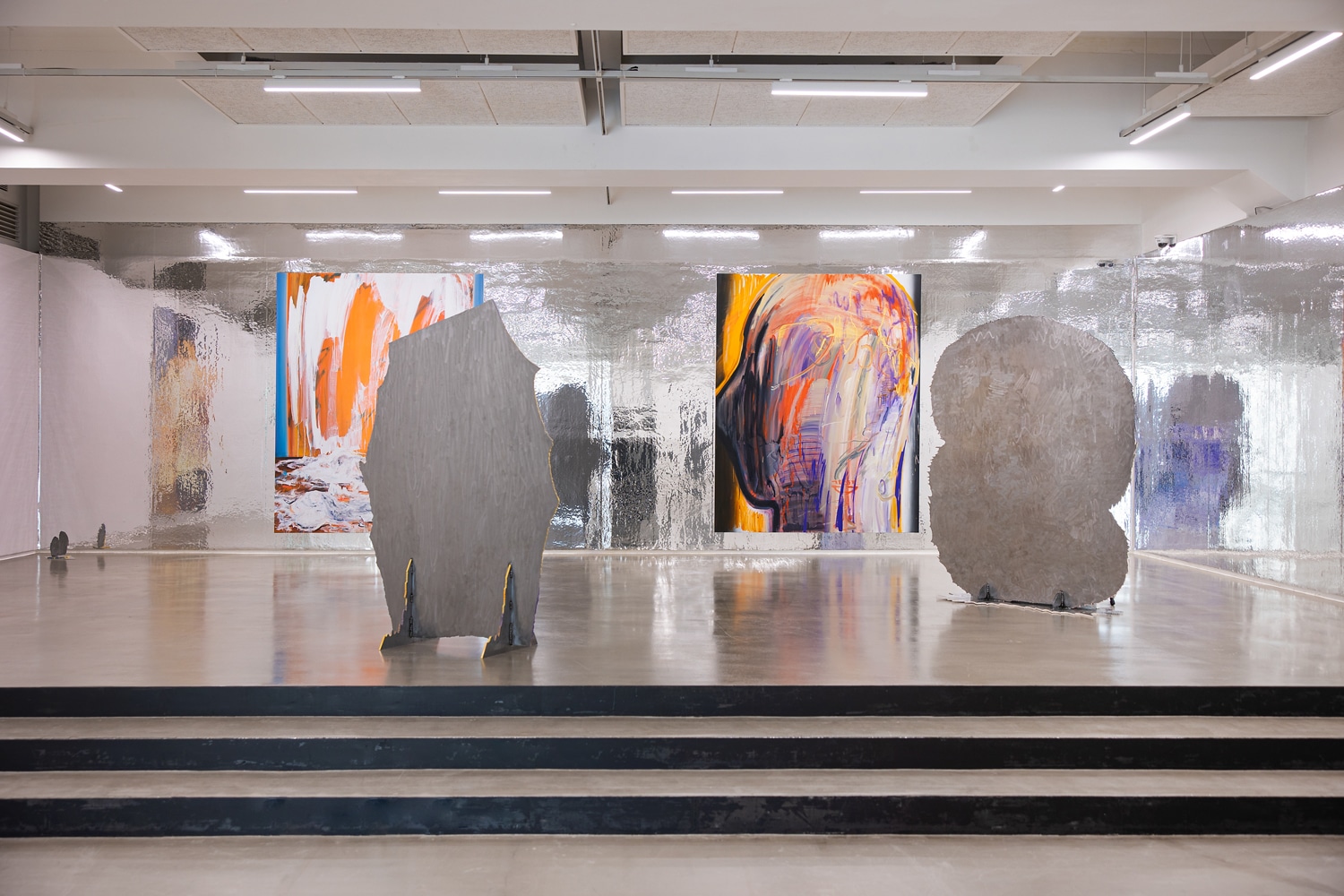
Lee’s upcoming solo exhibition is titled 《mite life》. Here, mite may
mean the arachnid pests, but also a small child or animal, especially when
regarded as an object of sympathy. For 《mite life》, Lee presents points of connection between personal anecdotes
and matters of historical record, across the subject of water and
with minor episodes involving mites. Water and mites are seemingly
unrelated things, but share an aspect of trivial mundanity, or just not very
impressionable daily. That is to say, mites in this exhibition are not about
the pests but the meek and insignificant deserving of sympathy.
This
exhibition was conceived from a personal experience. Lee was parched, but also
drowsy. So much so that she wished not to step any further than she must; she
had returned from a night out drinking. Finding an open plastic bottle, she
took a swig. She did not remember why the bottle was there or when it was
opened. It hardly mattered. Once her thirst was quenched, she could not shake
off the question of why that bottle was there. Was it food poisoning, or just
an upset stomach? Was it all in her head? Uncomfortable thoughts raced through
her mind all night. Coming back to her senses, she was struck by how much her
experience resonated with that of Wonhyo (617-686 CE) the Buddhist
philosopher. Imgallok (林間錄: Anecdotes from the Groves [of Chan]), written during China’s Song
Dynasty, chronicles Wonhyo and his scholar-monk companion Uisang setting off to
Tang China to study the Yogācāra teachings. The story goes that the pair are caught in a heavy
downpour and forced to take shelter in what they believed to be an earthen
sanctuary. During the night Wonhyo is overcome with thirst, and reaching out
grasps a gourd and drinks; refreshed with a draught of cool, refreshing water.
Upon waking the next morning, however, the companions discover that their shelter
was in fact an ancient tomb littered with human skulls, and the vessel from
which Wonhyo had drunk was a human skull full of brackish water. Eunsae Lee was
researching more on this story when she found an even more amazing account of
the two companions. Told that Uisang encountered the physical incarnate (眞身) of Bodhisattva Guanyin at Naksansa Temple, Wonhyo also heads to
slopes of Naksan Mountain. On his way, he encounters a woman by the river,
washing clothes. Thirsty from his long walk, Wonhyo asks the woman for water.
The woman scoops up a fill of water from the river, but it is red with the
sanitary napkins she had been laundering. Wonhyo is taken back, and spills the
water. It was later that Wonhyo comes to realize that the woman was the
physical incarnate of Bodhisattva Guanyin.
In
the two tales of Wonhyo, water is a recurring metaphor. It serves as a means
for enlightenment, a transcendent presence. Clearly, the artist’s experience
were not literal reiterations of Wonhyo’s path to enlightenment, but she
experienced water as a passage of emotional transformation, change in
perspective, or even a realm of multitudinous dimensions or thought patterns.
Both Lee and Wonhyo’s journey to change start from an object of seeming
mundanity. Both experience water through change in the inner state, regardless
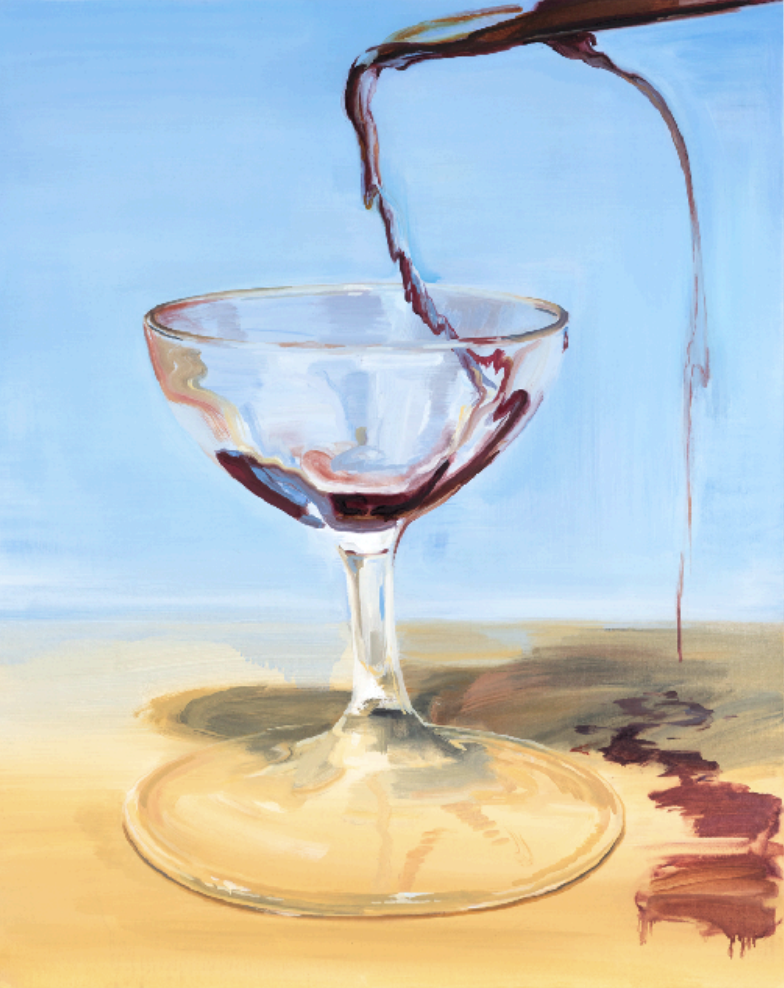
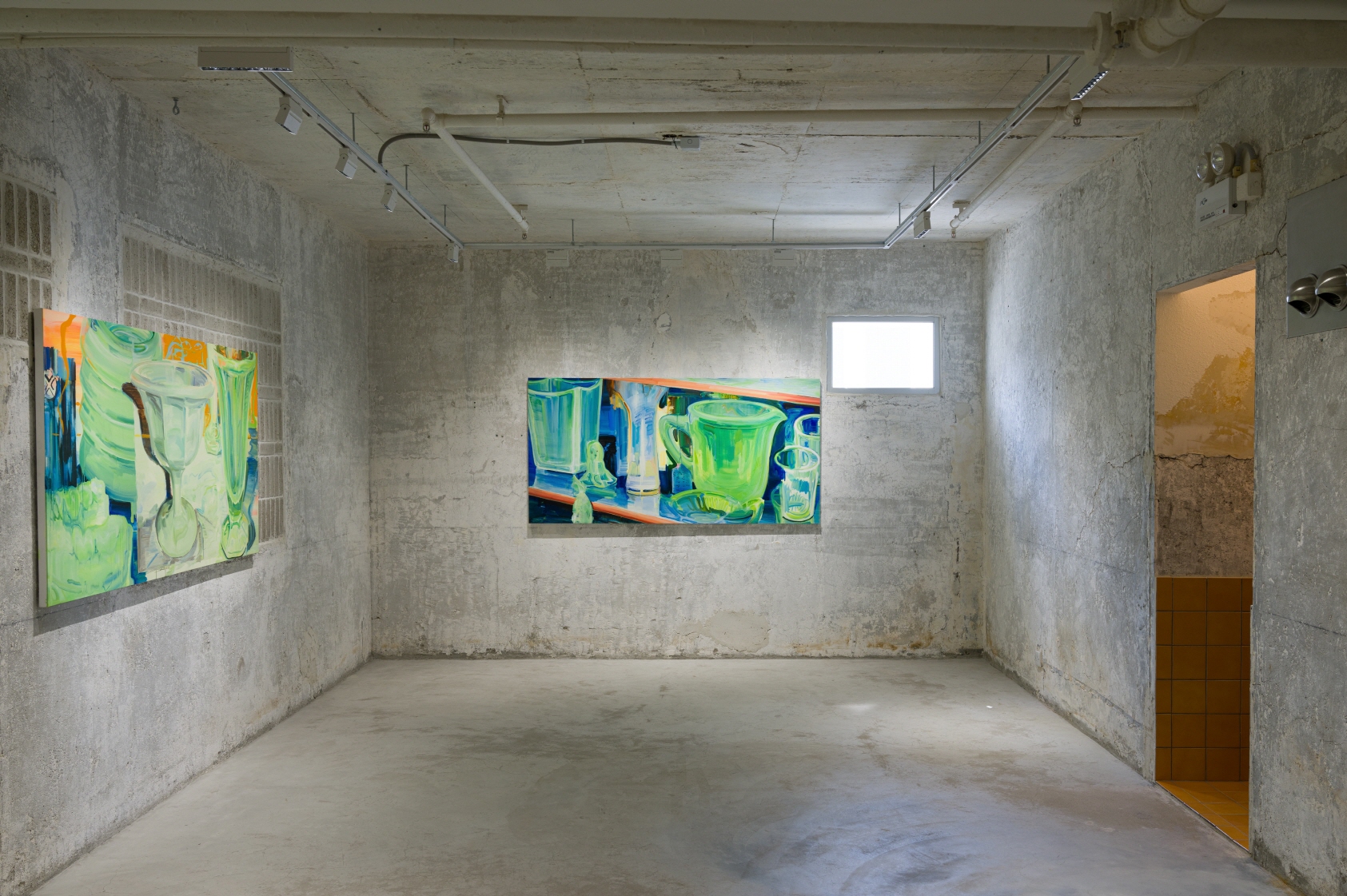
of actual space and time. In that state, water is the medium, and the Lee
wished to paint still life of water as a still medium that is completely
unmoving, but with an aspect of subtleness.
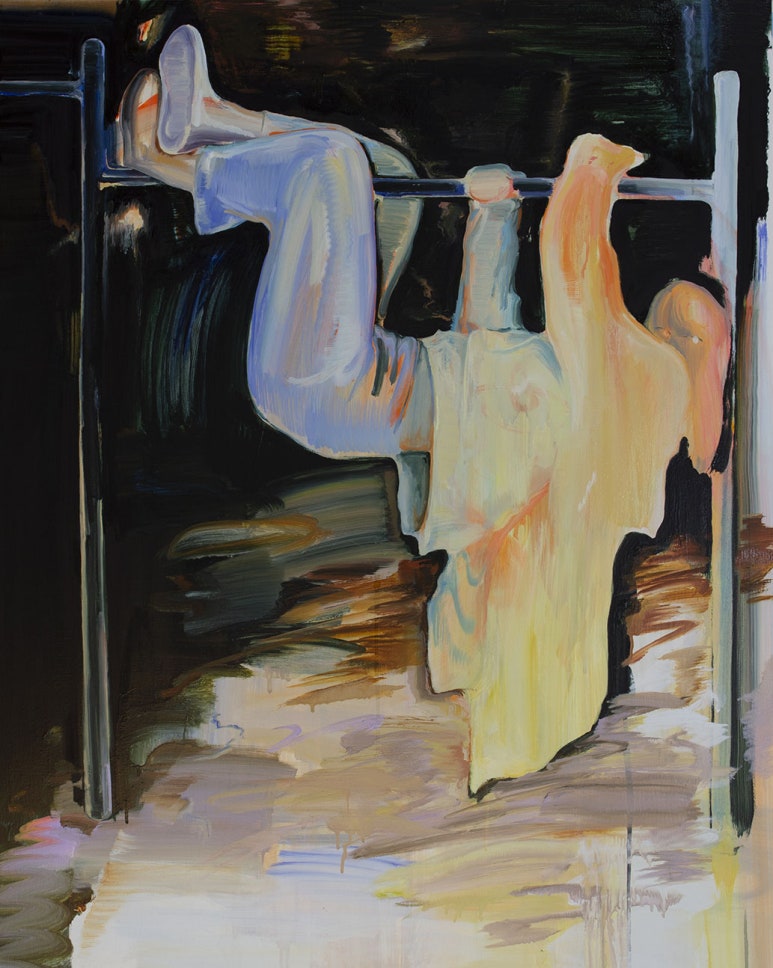
Mites
also brought about perceptual change, gradually showing up in her works as a
point of interest. Certain trivial things tend to generate obsessive behavior
once it enters the mind. The artist suffered an infestation of mites for some
time and remembers struggling with an obsessive desire to be completely rid of
them, to the point of developing a problematic anxiety. She wished that she
could return to a point in time when she was not aware of their existence, but
also, she knew that she was obsessing over something could be trivial.
Paradoxically, the impact of trivial things can be more unsettling and
shocking. Both water and mites shared that sense of triviality amplified into
something far greater in effect and experience.