What does a museum smell like? Exhibition spaces, often imagined as pristine environments with white walls and soft lighting, seem as though they would even have a pleasant scent. Yet, if we pause and sniff the air, we might detect the smell of fresh paint in a newly prepared exhibition space, the musty odor of aging pigments in paintings hanging on the walls, or the metallic tang emanating from oxidized bronze.
Artworks made from unconventional materials such as electronic devices, tires, fabrics, and metals also seem to emit their own distinctive odors. The fact that we can almost imagine these smells simply by looking at artworks may be because our senses are interconnected.
Humans perceive the world through a variety of senses. Sight, hearing, smell, taste, and touch, commonly referred to as the five senses, are considered the most fundamental components of human sensory perception.
Among these, visual art has traditionally placed particular emphasis on sight. In fact, concentrating on a single sense, such as vision, inevitably tends to marginalize the others. Contemporary art, however, increasingly incorporates diverse sensory experiences into artworks, inviting audiences not only to see, hear, and touch, but also to smell and even taste food.
Olfactory experience, in particular, may be the sense that operates most immediately and instinctively, allowing us to perceive even things that remain invisible, perhaps before sight or hearing comes into play. A scent drifting from somewhere can remind us of a particular person or object, or suddenly evoke forgotten memories and emotions. In this way, smell rapidly stimulates not only our physical senses but also our psychological responses.
Because of these characteristics, scent is employed in various ways in contemporary art. Some artworks emit fragrances themselves, while others incorporate scents deliberately into their installations to heighten the sensory experience of the work, transforming the entire exhibition space into an artwork.
Scents introduced into exhibition spaces allow visitors to experience exhibitions through multiple interconnected senses, emphasizing the emotional dimensions of encountering art. From works that directly employ fragrance to those that create multisensory environments or encourage audiences to imagine invisible scents, the role of smell in contemporary art is remarkably diverse.
Artist Oh Inhwan, whom I introduced in a previous discussion of immaterial artworks, uses incense powder as a material to explore the disappearance of matter, language, and identity, and to convey the significance of fragile and vanishing landscapes. As the incense powder burns and disappears, leaving only ashes behind, its material properties fill the exhibition space with a strong aroma.
Although the scent originates from the material itself, the fragrance released as it burns is also an intentional component of the artwork. The intense smell produced as the incense powder burns away makes viewers directly aware of the material from which the work is made.
Koo Jeong A, who represented Korea at the 2024 Venice Biennale, considers scent a central element in the construction of their artworks. Rather than treating fragrance as a decorative or atmospheric supplement, Koo employs it as a principal subject of exhibitions and artistic practice.
Their longstanding exploration of immateriality has expanded into projects involving scent, through which invisible phenomena can be experienced and memories embedded within spaces. By using fragrance to evoke memories of particular cities or places, Koo connects sensory experiences with emotional recollections.
Meanwhile, examples of scent being incorporated into museum merchandise and art products can also be found. Museums collaborate with perfumers, who create new fragrances by blending aromatic ingredients, to imagine scents associated with artists and their works and transform them into products.
For example, in 2022, the Seoul Museum of Art presented 《Kiki Smith – Free Fall》, installing a specially developed fragrance in the exhibition galleries in collaboration with a perfumer. The fragrance was also produced and sold as a room spray. Through scent, visitors could experience the exhibition in a more multifaceted way while preserving their impressions as olfactory memories.
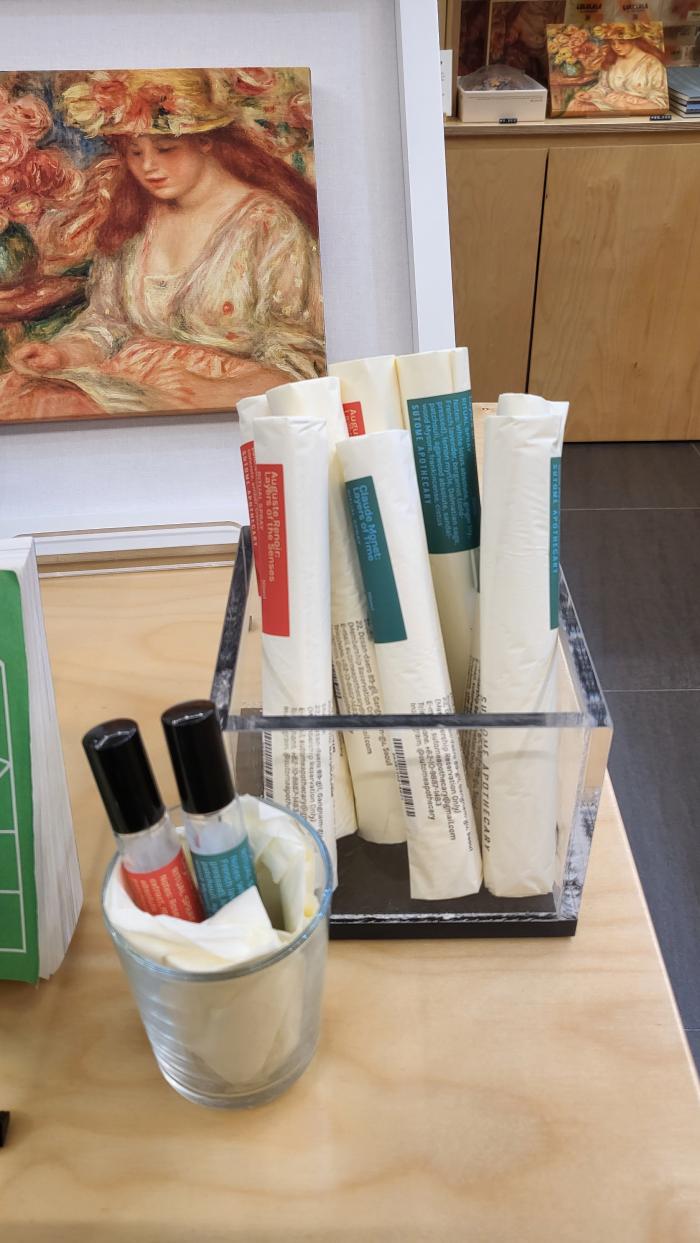
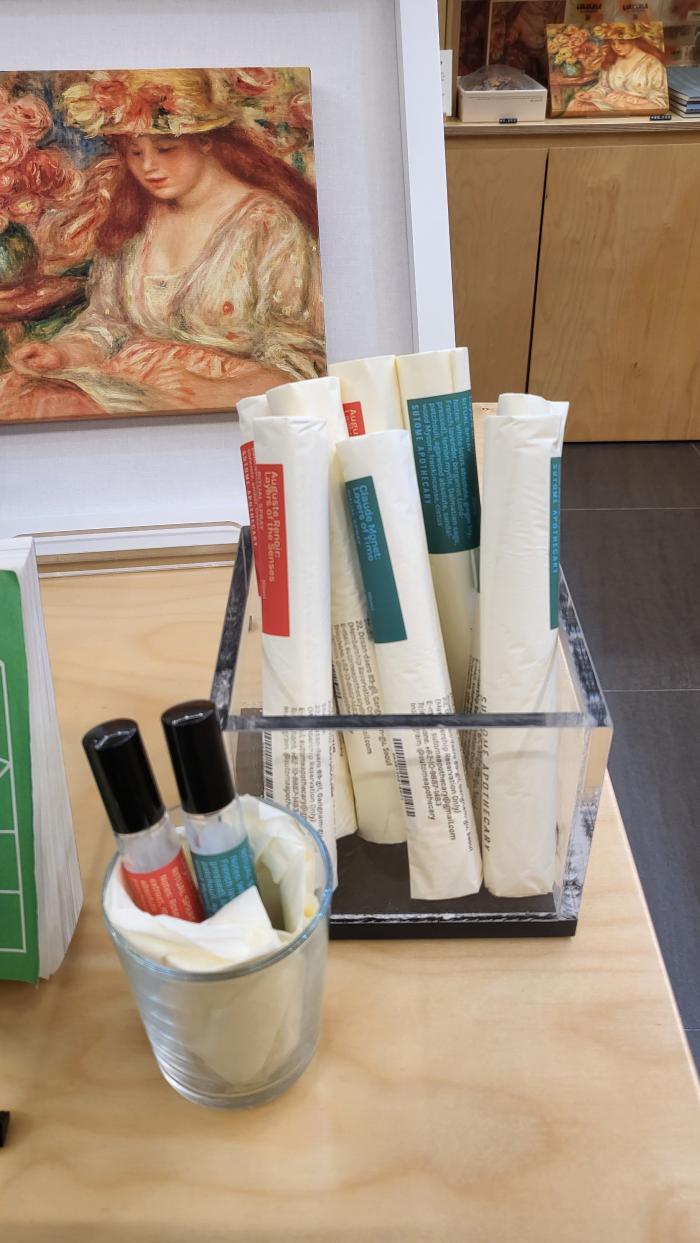
Similarly, in connection with a 2025 exhibition, the National Museum of Modern and Contemporary Art, Korea developed art products that interpreted works by Claude Monet and Pierre-Auguste Renoir, two leading figures of nineteenth-century Impressionism, through fragrance. Such scents are more than mere commercial products; they can serve as a means of extending the experience and memory of an exhibition.
By interpreting the works of nineteenth-century artists whom they have never encountered in person through scent, and creating new fragrances suited to the exhibition, perfumers become a kind of “scent artist,” generating another dimension of the exhibition experience.
Han Seohyoung, known as Korea's “first scent artist,” has collaborated with various institutions, including the Buyeo National Museum, the Gwangju Design Biennale, and the ITAMI JUN MUSEUM in Jeju, creating fragrances for exhibitions. Her practice includes infusing natural materials such as wood, stone, and paper with scent, as well as developing new fragrances inspired by images and sensory impressions gathered from nature.
The Park No-soo Art Museum in Jongno-gu is currently presenting an exhibition that combines the paintings of artist Park No-soo with fragrances created by Han Seohyoung, offering a new sensory experience in which painting and scent converge.
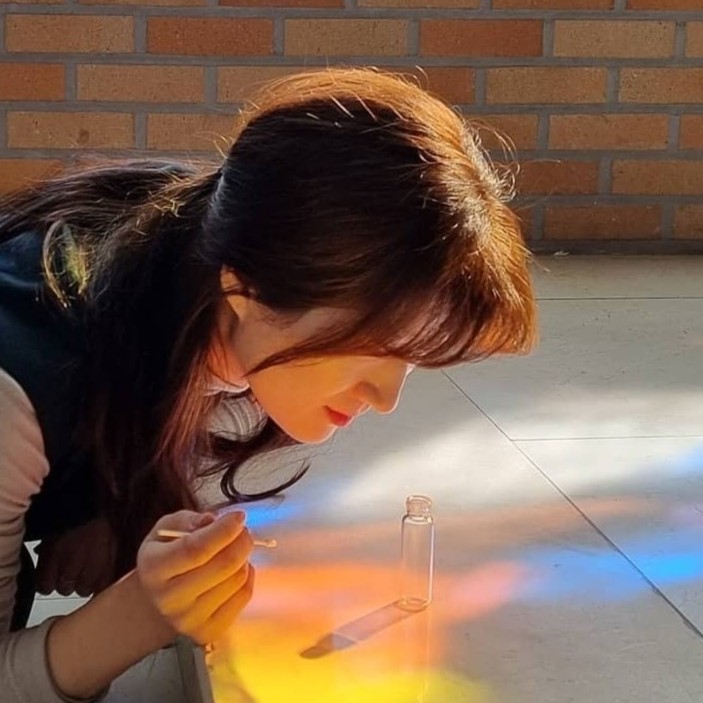
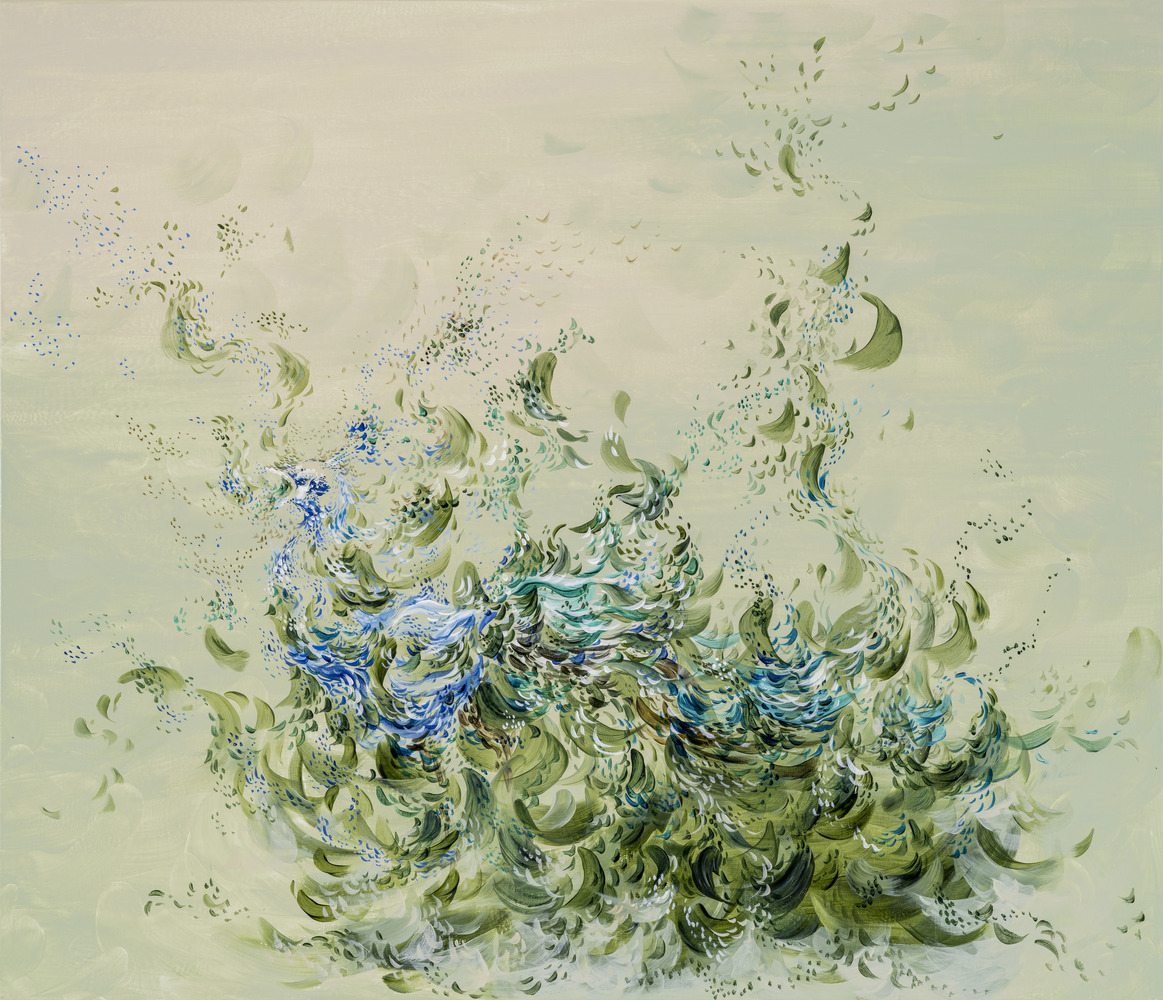
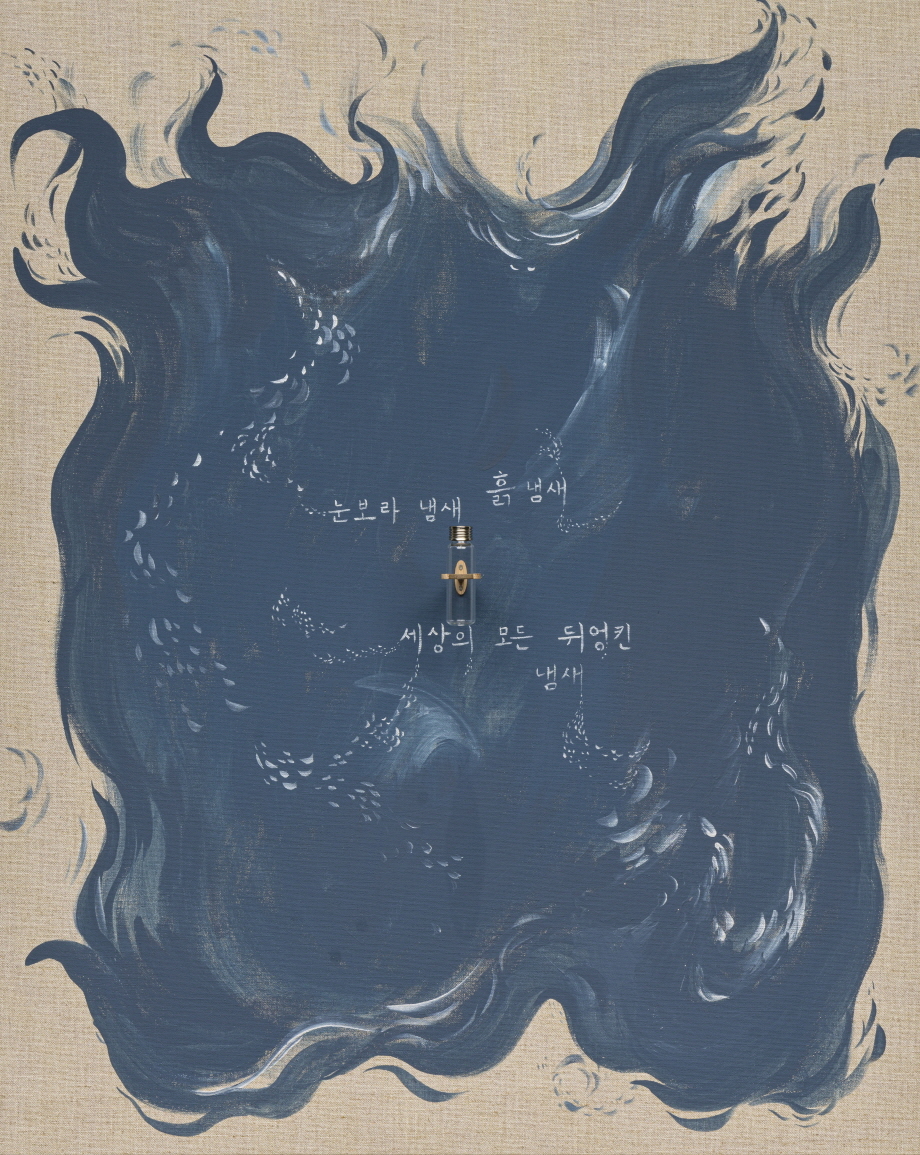
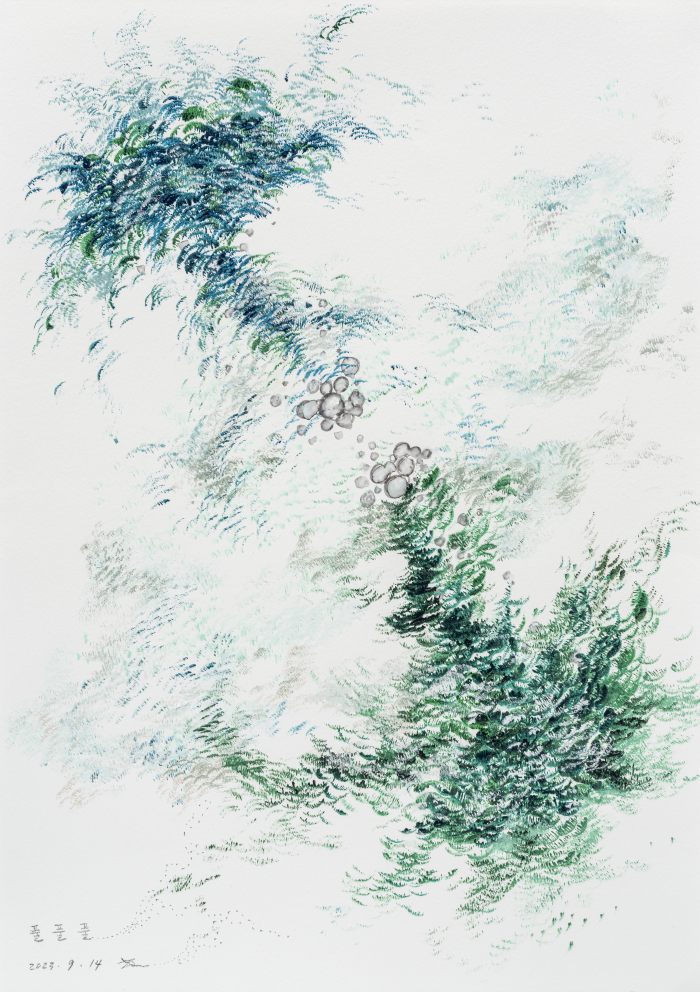
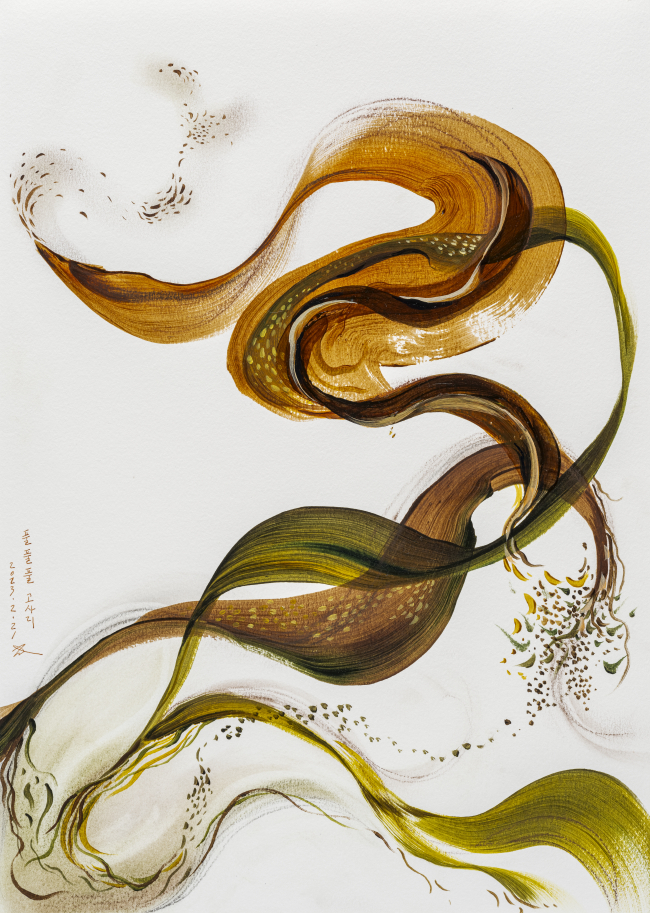
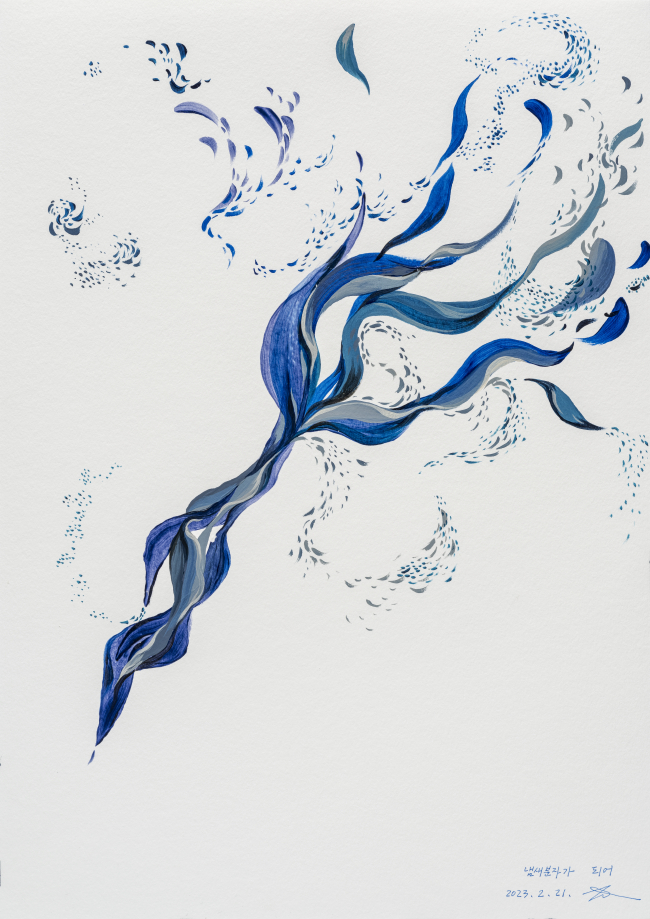
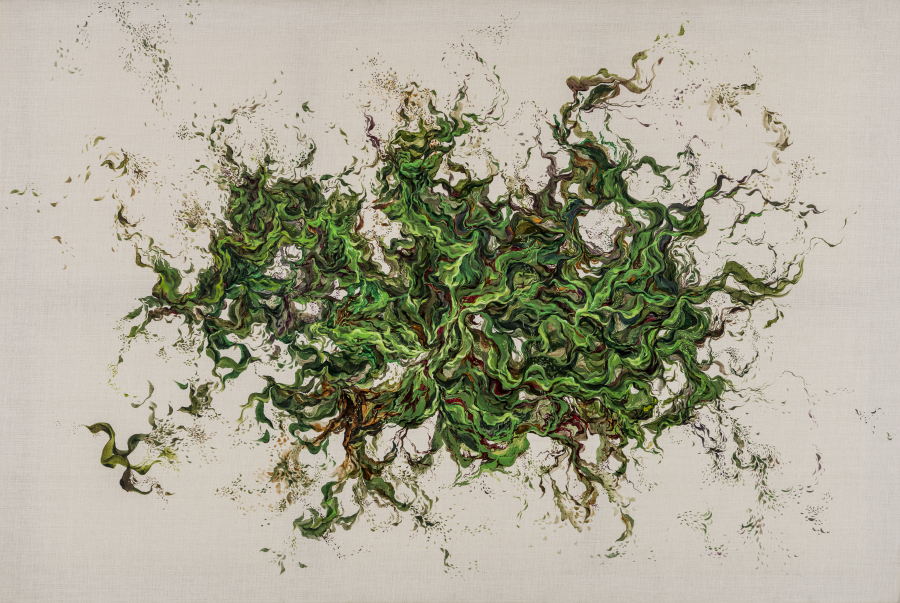
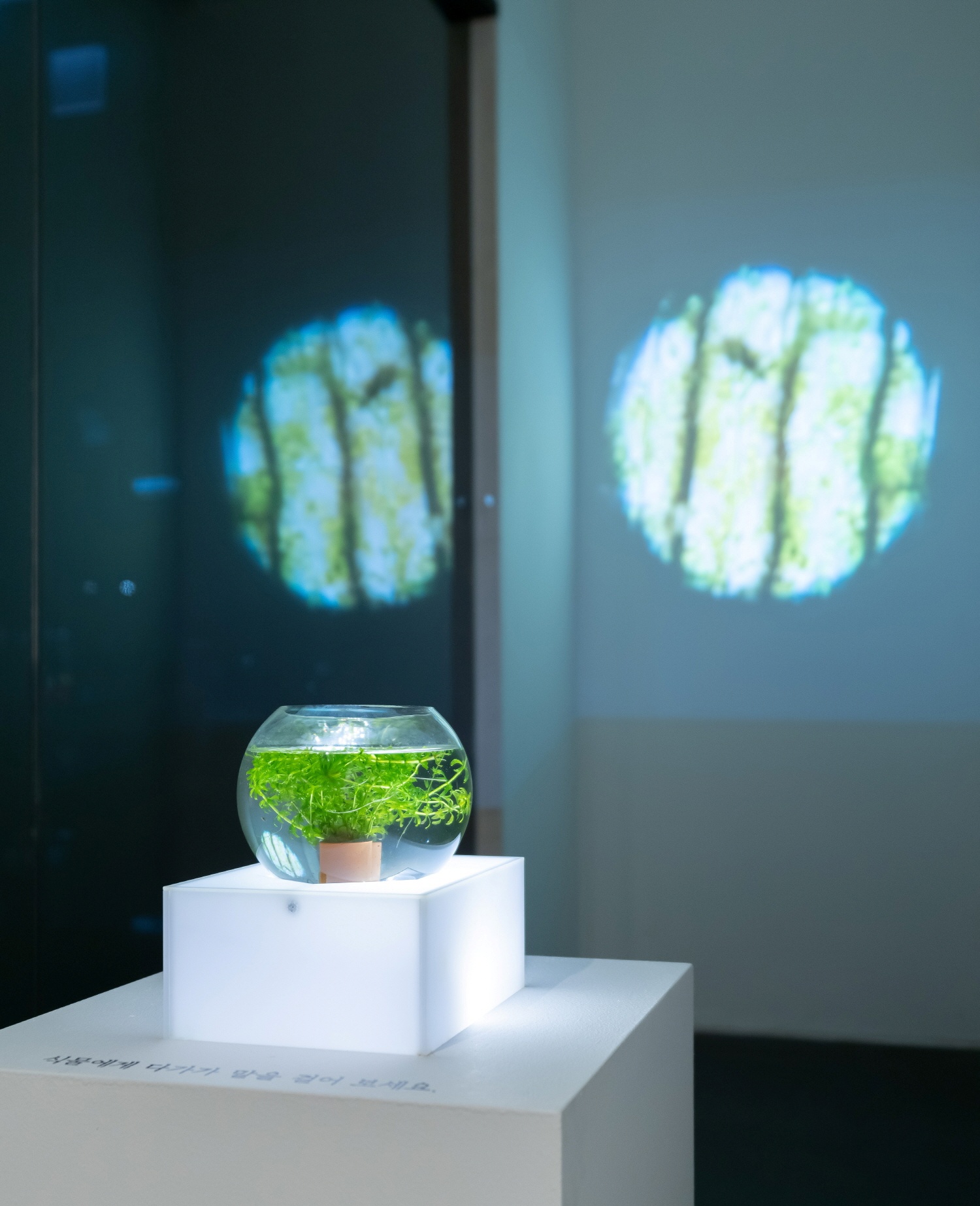
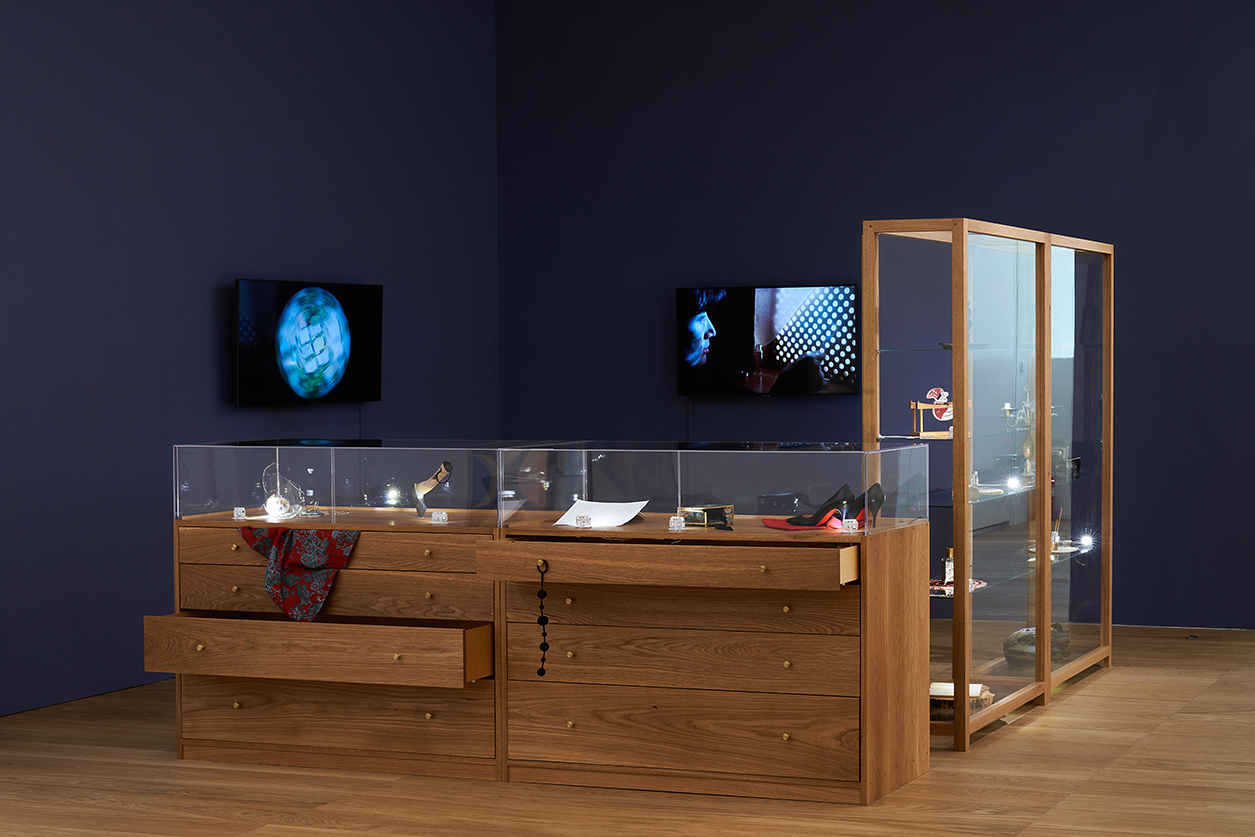
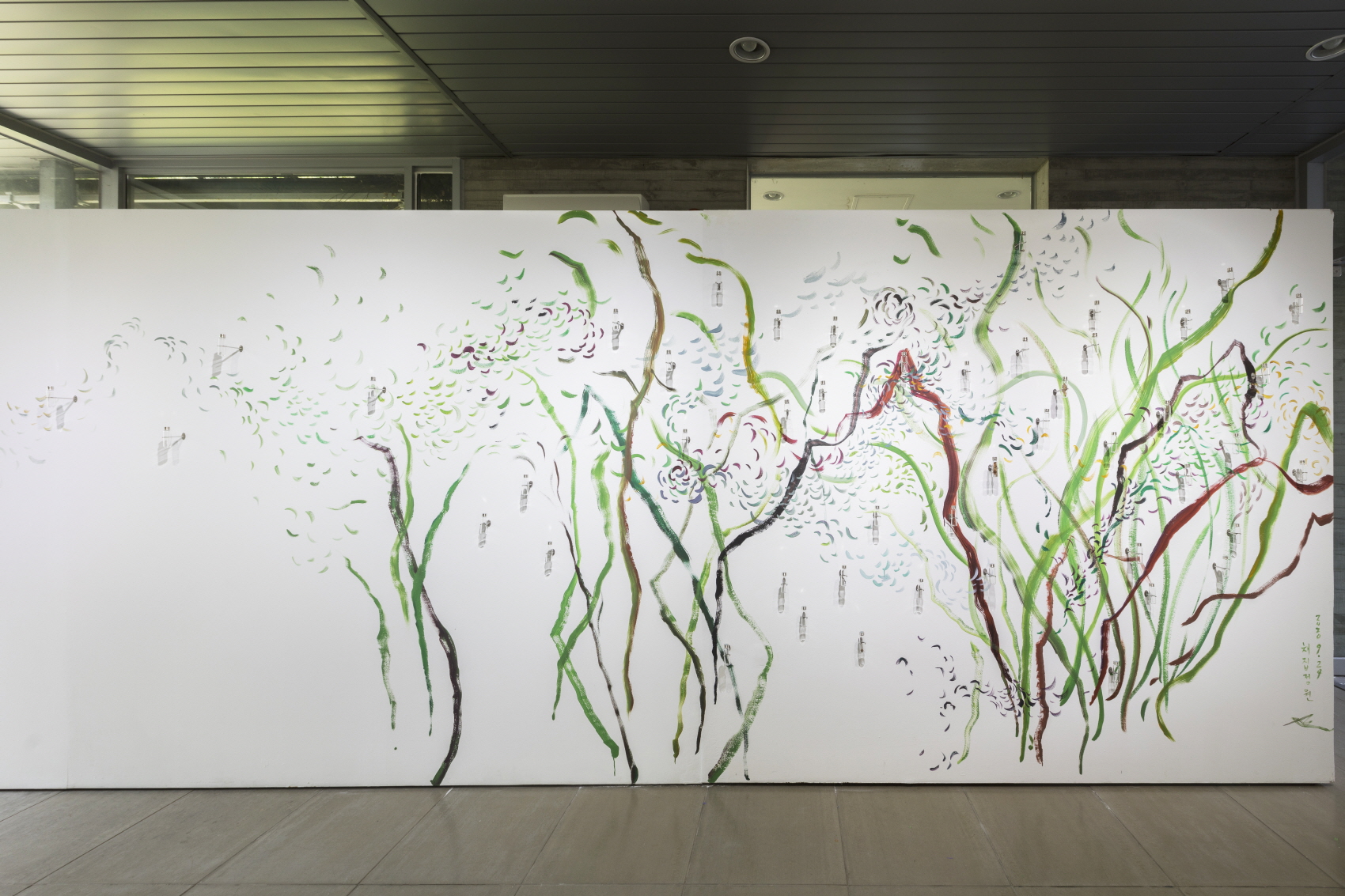
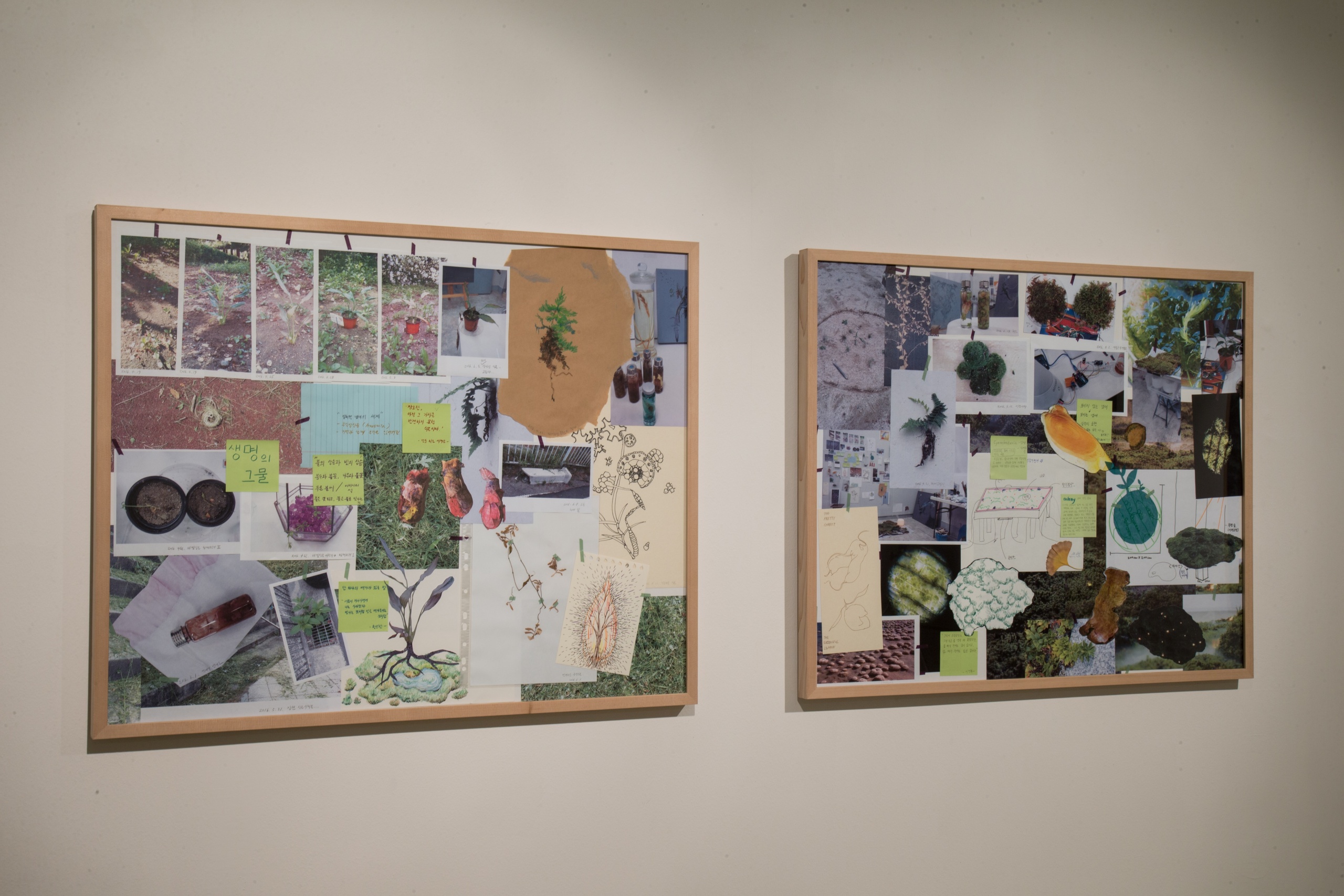
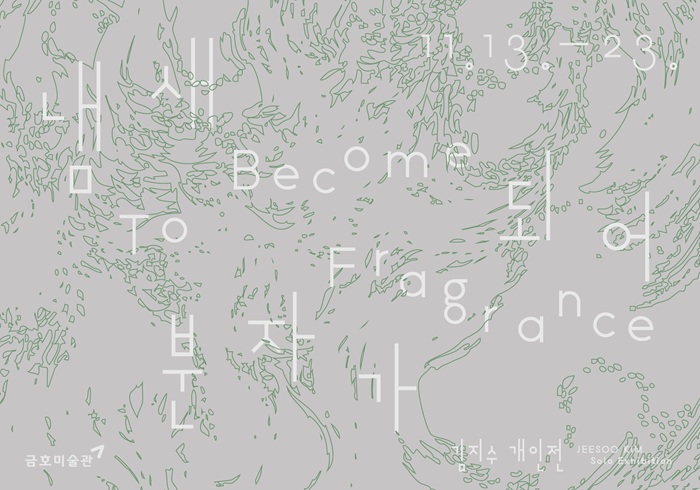
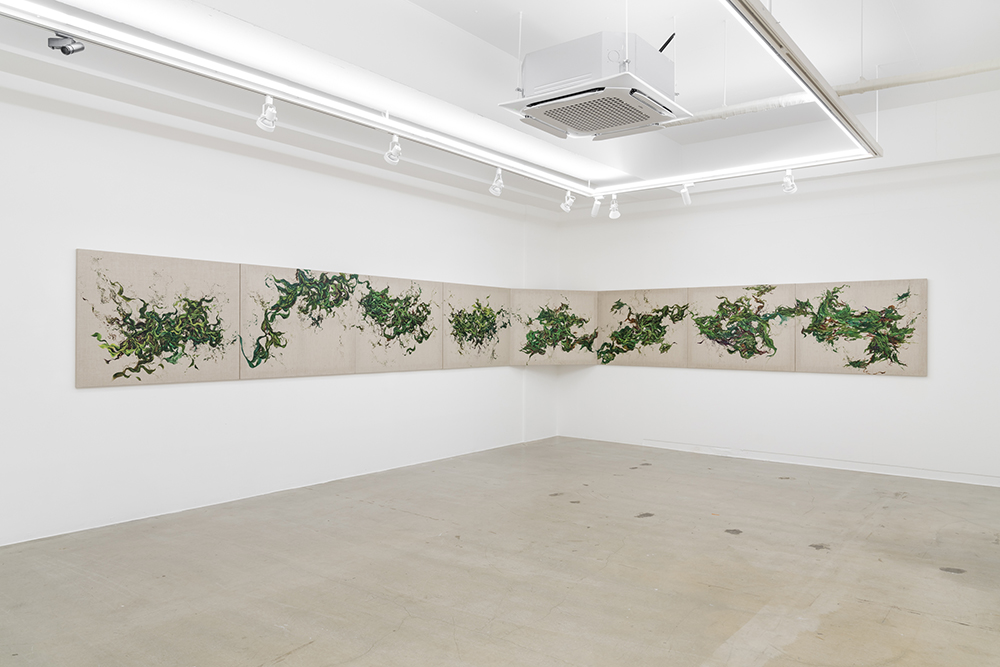
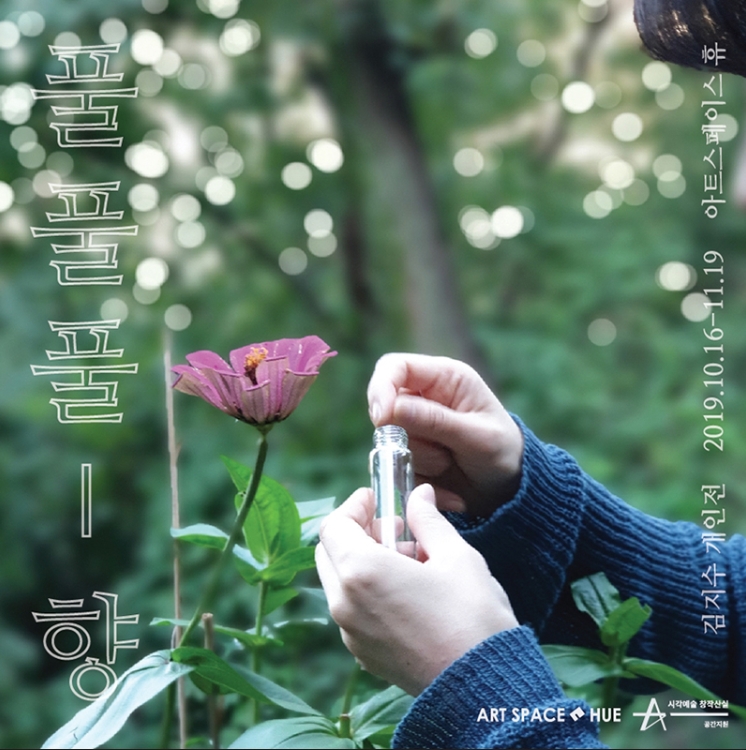
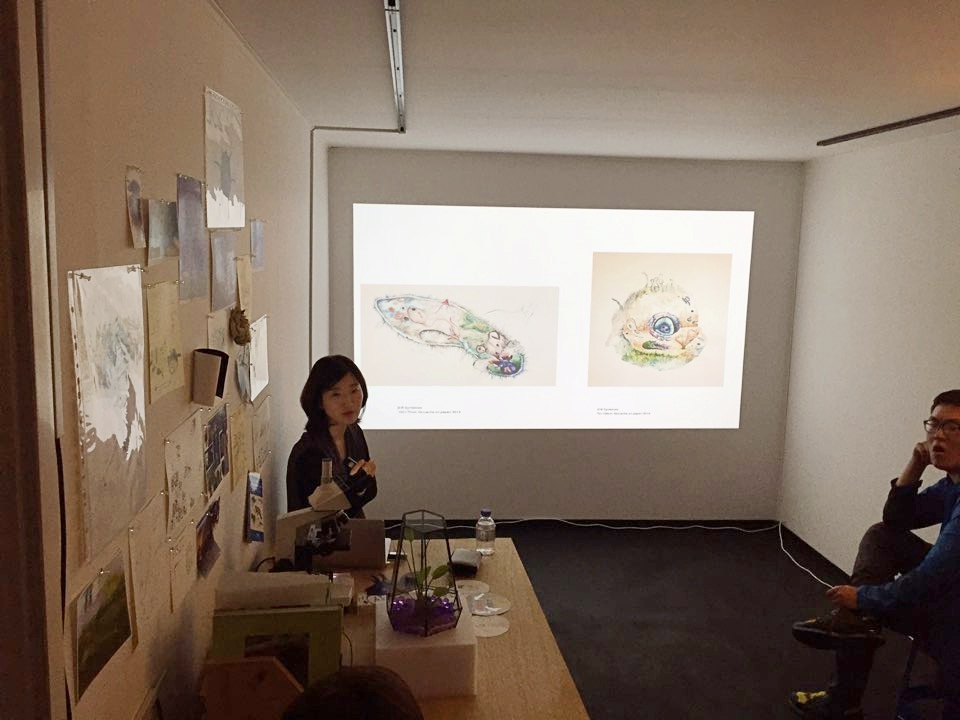
Moving beyond the direct experience of smelling fragrances while viewing exhibitions or artworks, some artists employ visual installations that invite audiences to imagine scents. Olfactory artist Kim Jee Soo, whose practice reveals the unseen dimensions of landscapes through smell, approaches scent as something to be “collected.”
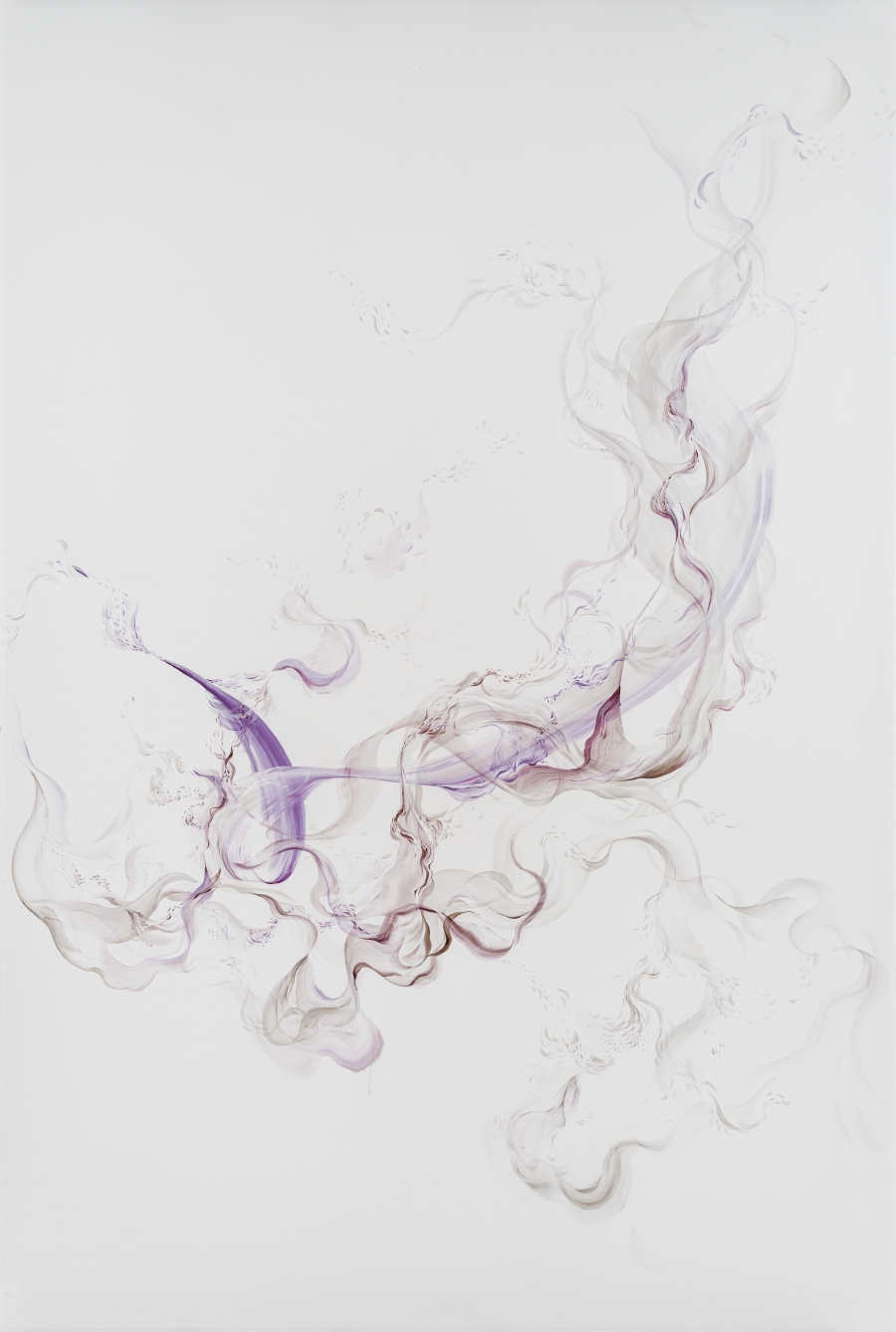
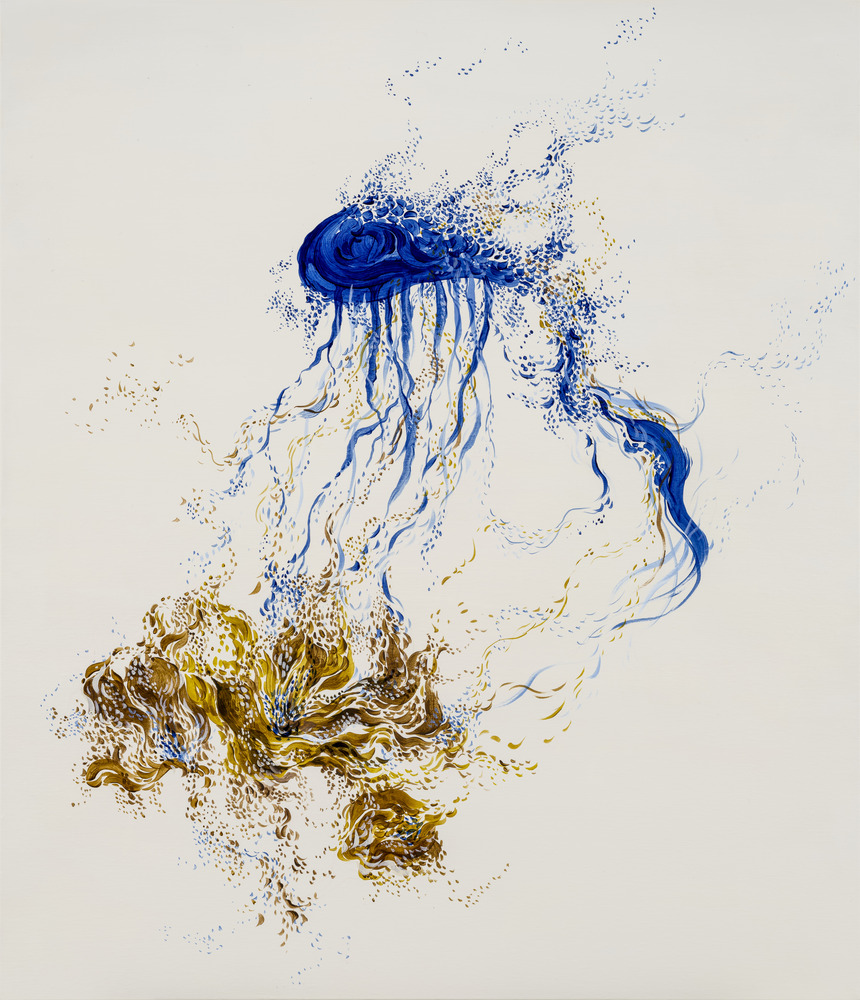
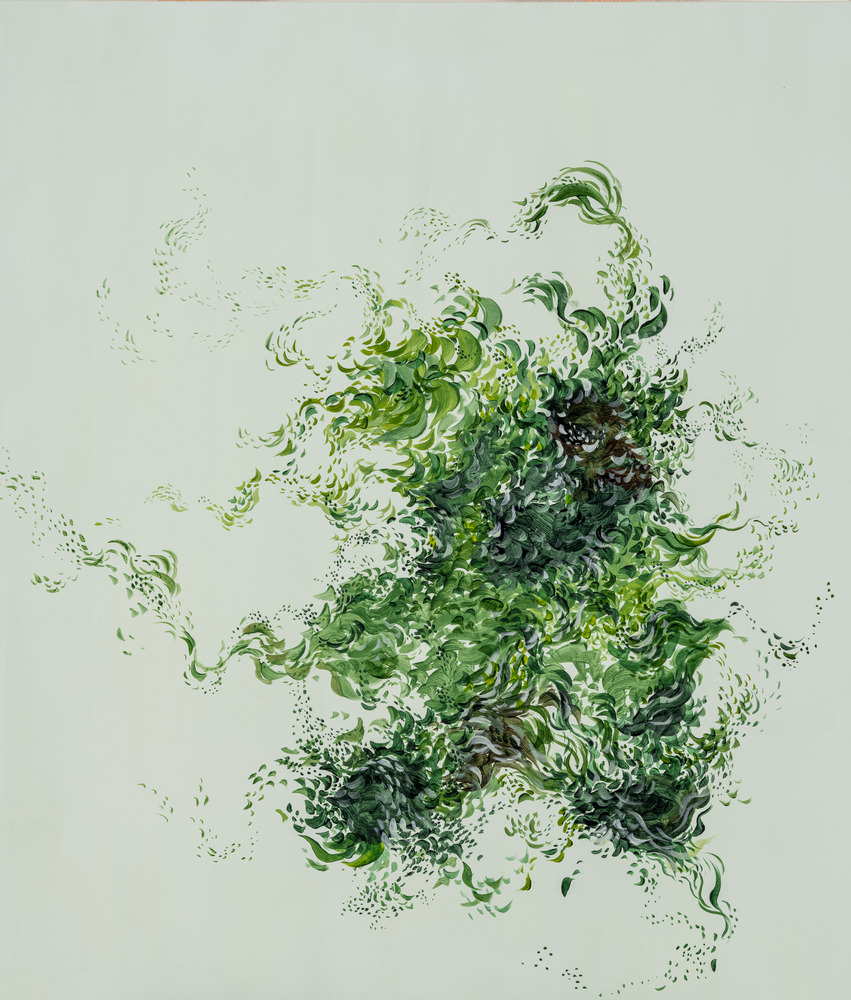
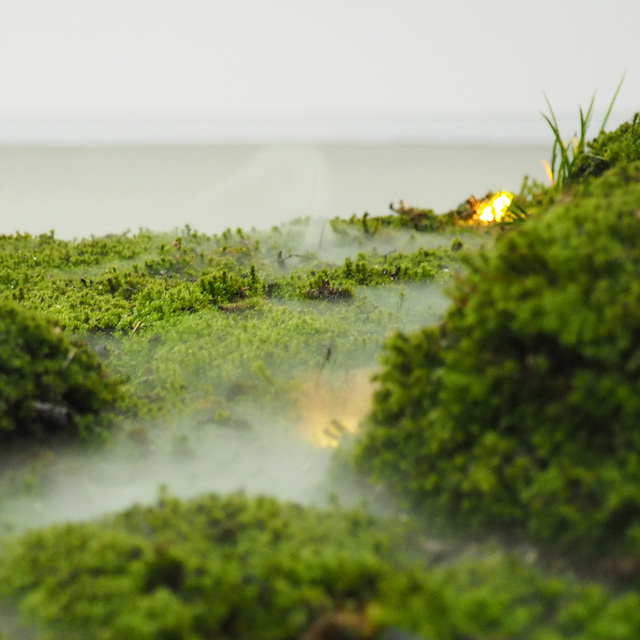
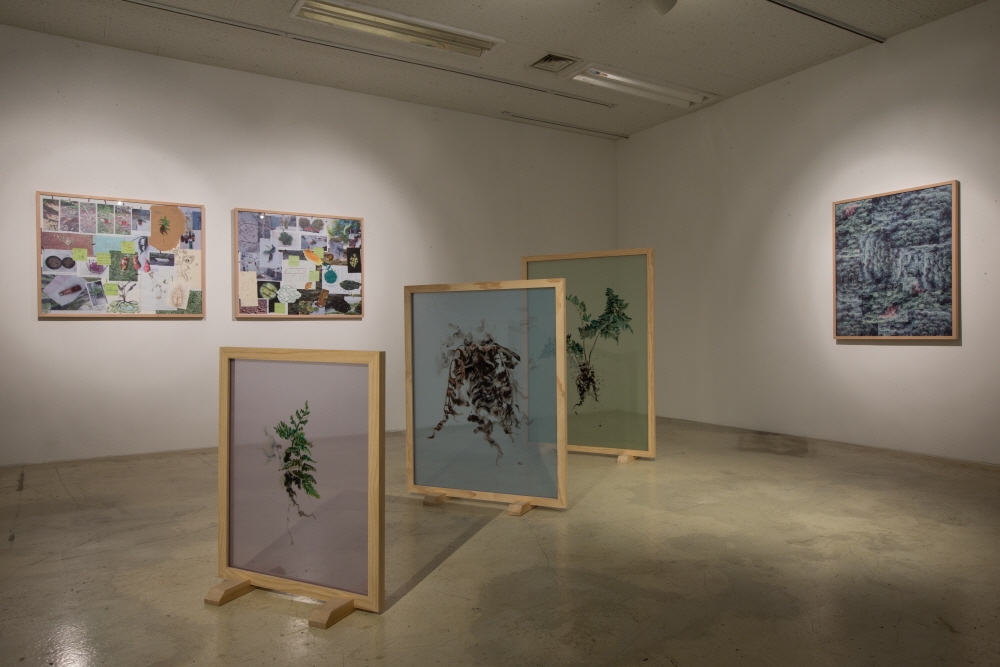
Carrying long, thick swabs resembling laboratory equipment and glass jars, Kim gathers traces of scent by rubbing the surfaces of trees, stones, moss, and other objects and places. Her distinctive method of collecting and visualizing the traces of smell, an immaterial phenomenon that readily evaporates and disappears, brings the invisible sense of smell into the realm of visual perception.
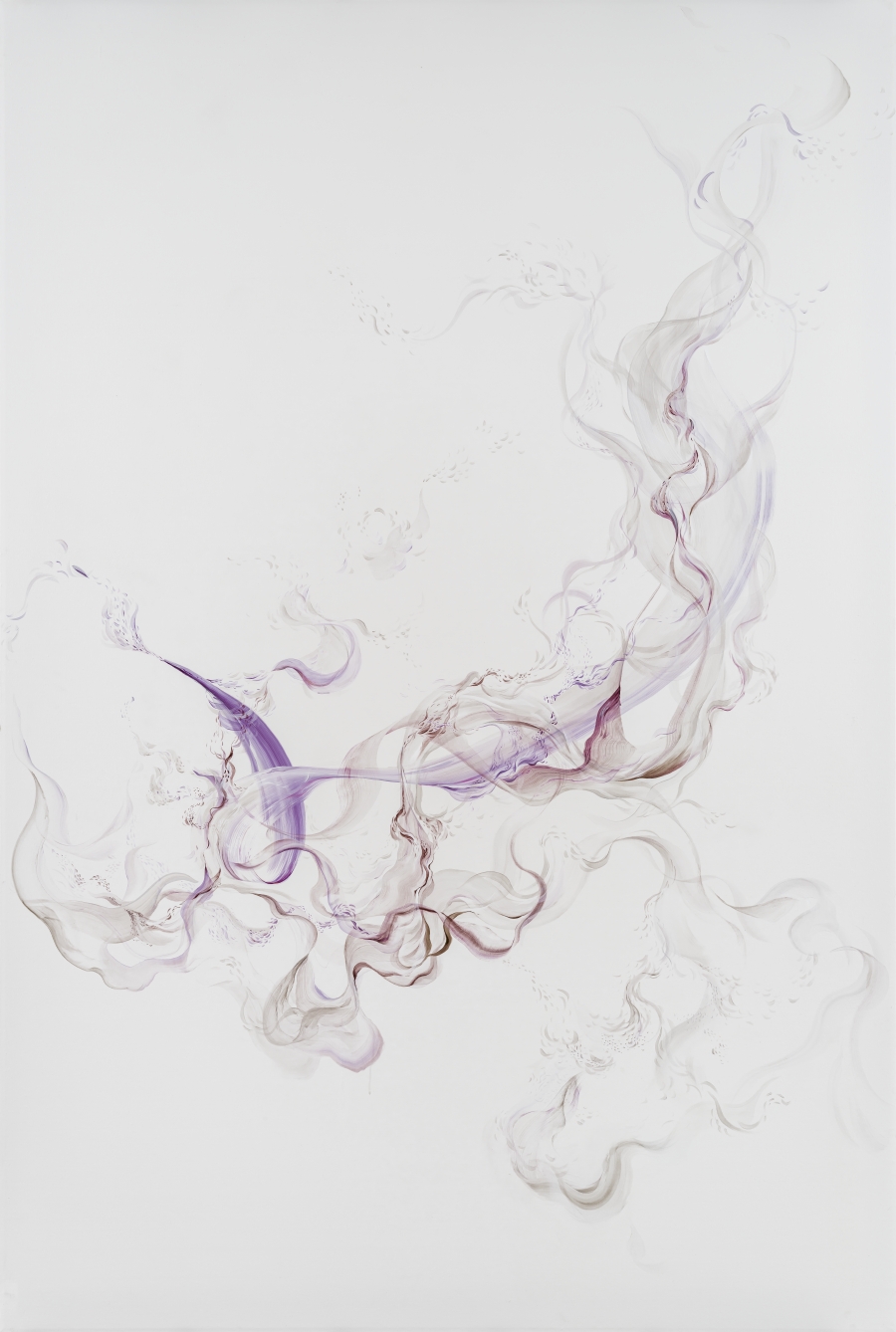
By installing the collected scents on walls alongside drawings, she creates the impression that fragrances are spreading throughout the space. Her work stimulates not only visual imagination but also olfactory imagination, extending beyond the direct experience of smell.
In this way, contemporary art that incorporates scent challenges the boundaries of art, raising complex questions about whether an artwork must be visible, whether artistic appreciation must necessarily depend on sight, and whether an artwork must exist in material form.
Scent expands art beyond the act of merely viewing or understanding a work, transforming the very process of direct sensory experience into an artistic encounter. Furthermore, fragrances created through collaborations between visual artists and perfumers open up new sensory worlds, demonstrating the breadth and flexibility with which contemporary art can expand through scent.