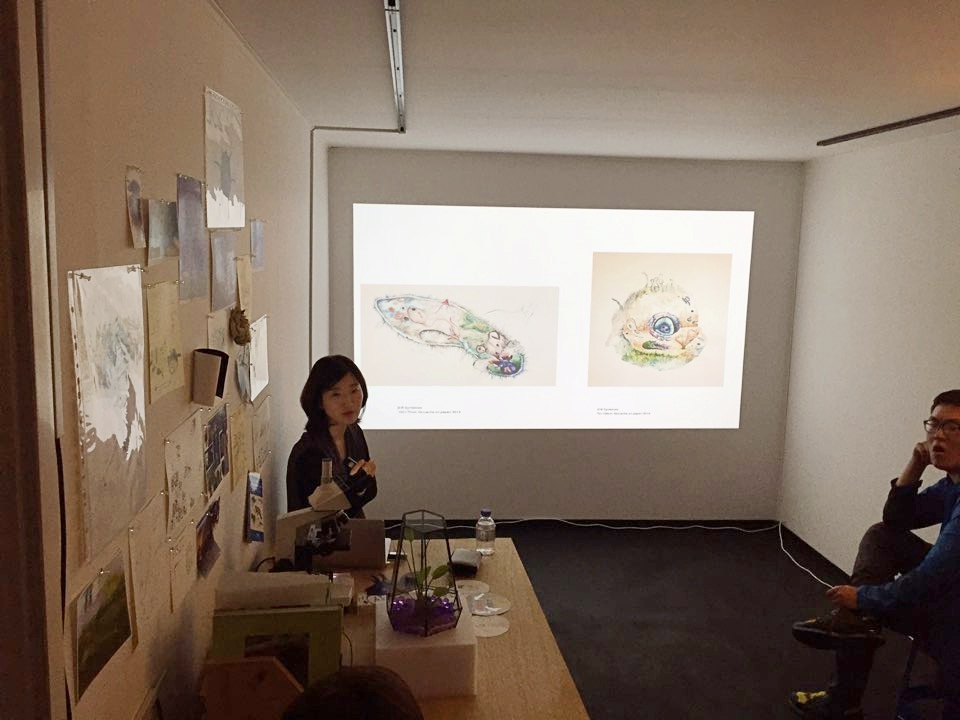
Kim Jee Soo's practice has evolved from painting and drawing into multisensory expressions combining installation, video, sound, and scent. In her early works, she emphasized tactile qualities by covering everyday objects, such as skulls, cameras, and chairs, with wool, while exploring movement and the flow of energy through repeated dots and lines. She later developed her observations of the ecological characteristics of plants and animals into what she calls “Bio-drawing,” combining biological information with personal imagination.
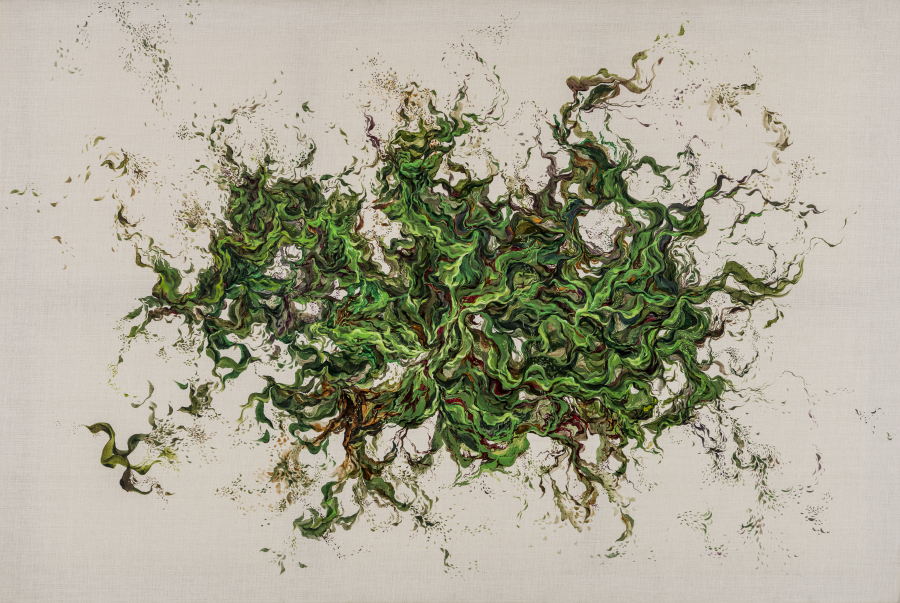
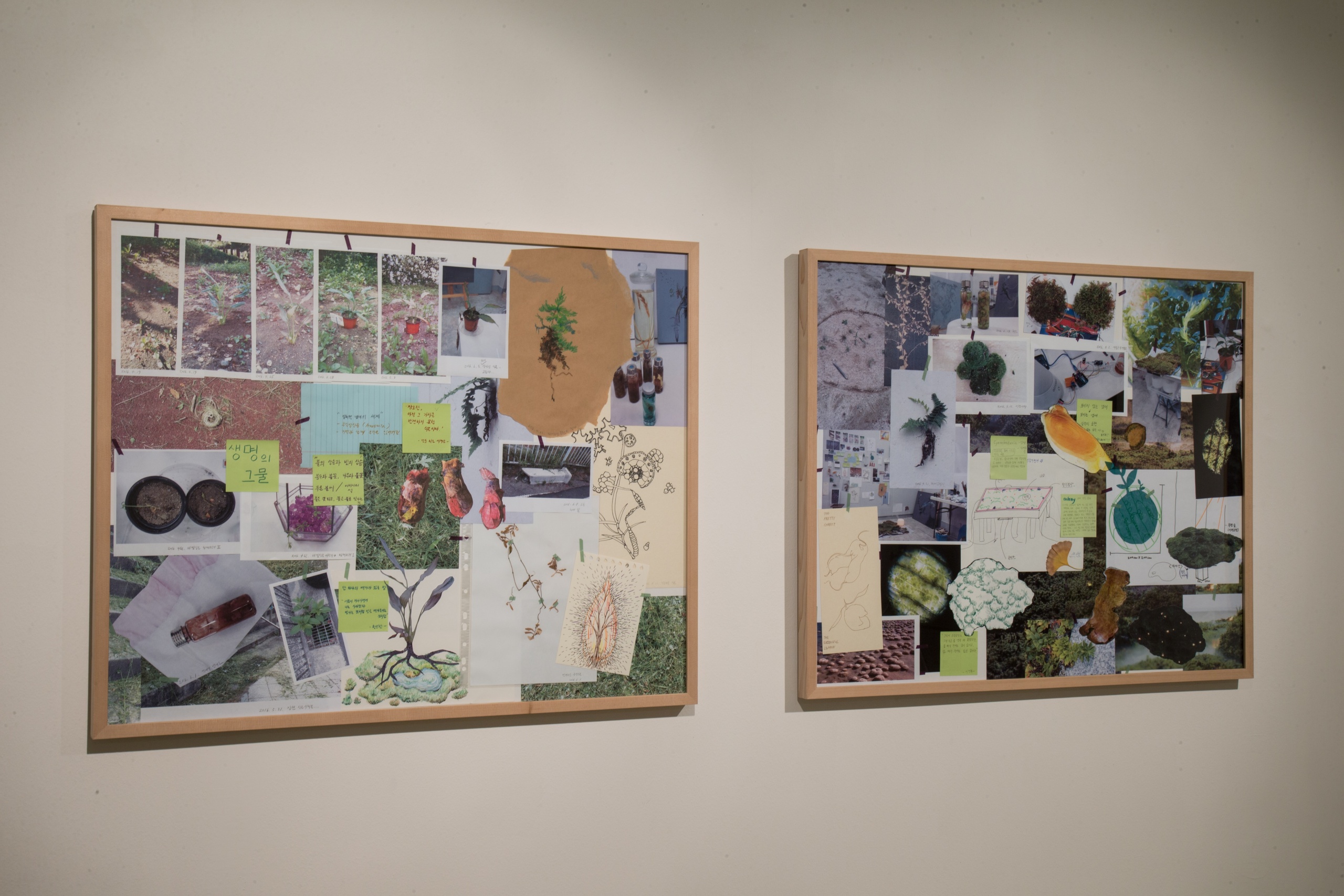
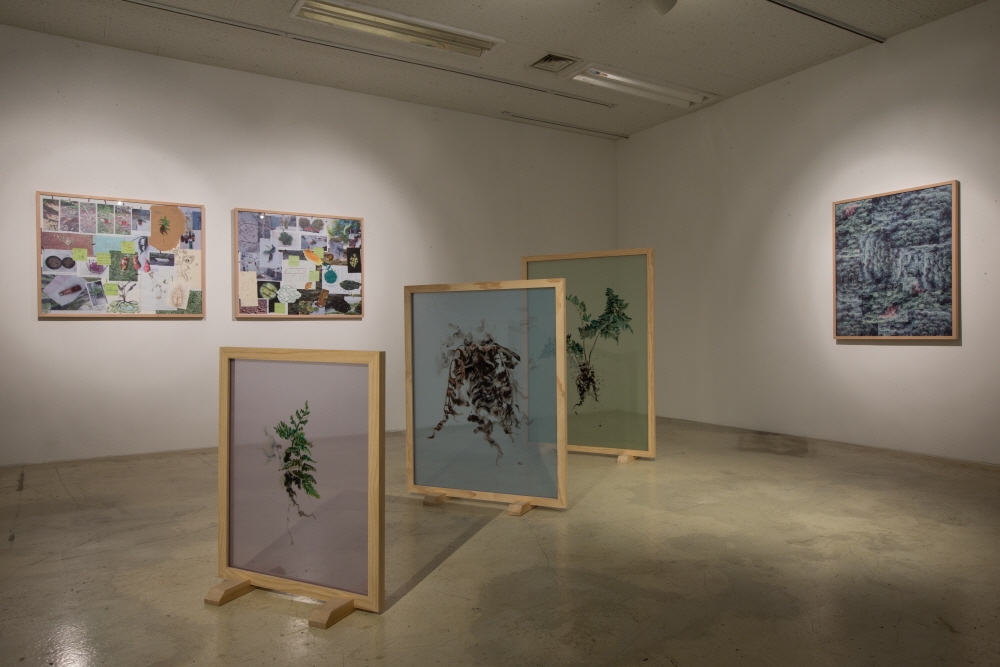
In Collected Moments (2013–2014), records of plants and animals, abstract imagery, and text coexist within the compositions, revealing the processes of observation and interpretation. This approach subsequently extended into collage and photography, in which natural forms are deconstructed and reconfigured. In TEMI Tree (2016), the artist removes the trunk of a tree and overlaps images of its foliage, creating organically proliferating forms.
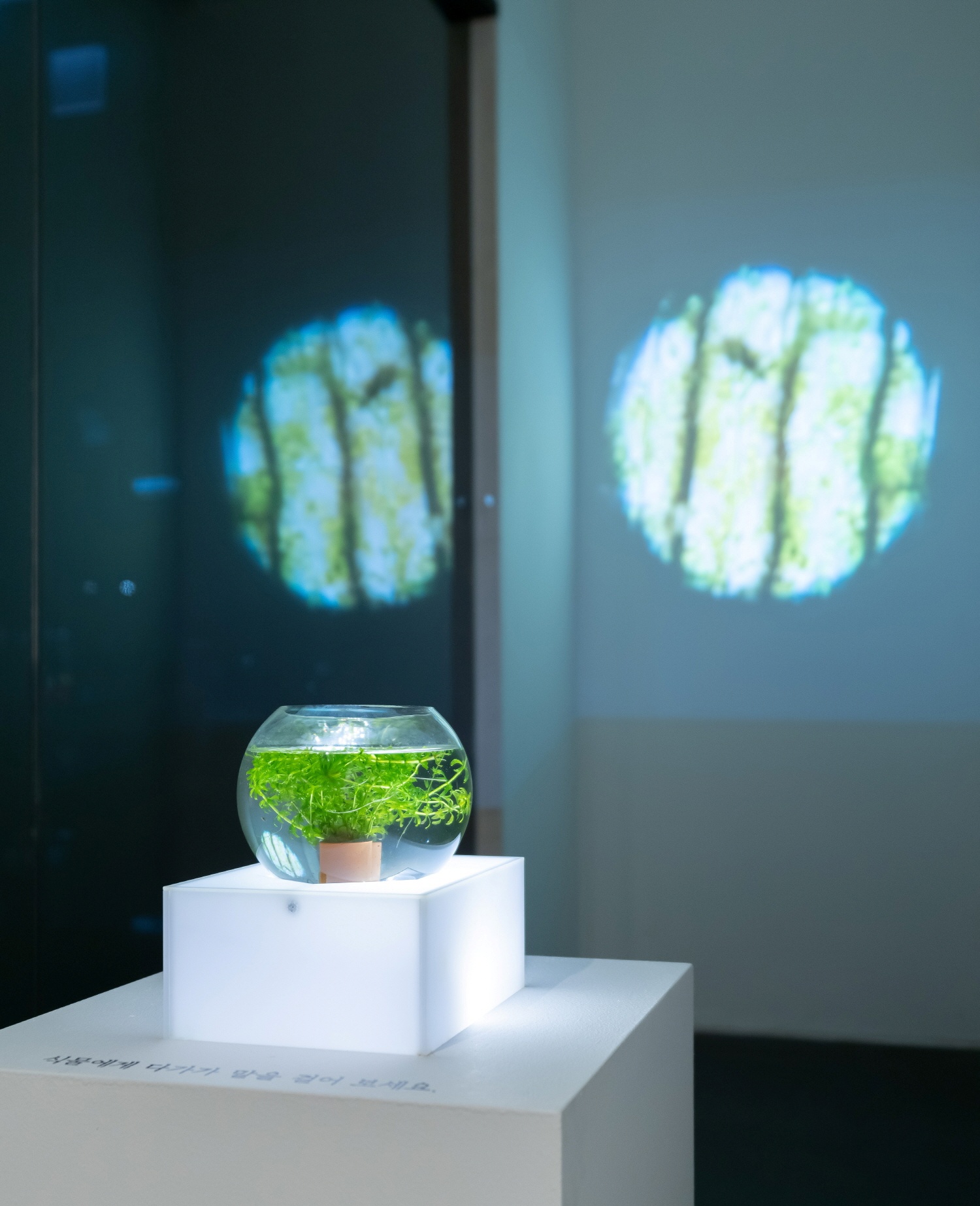
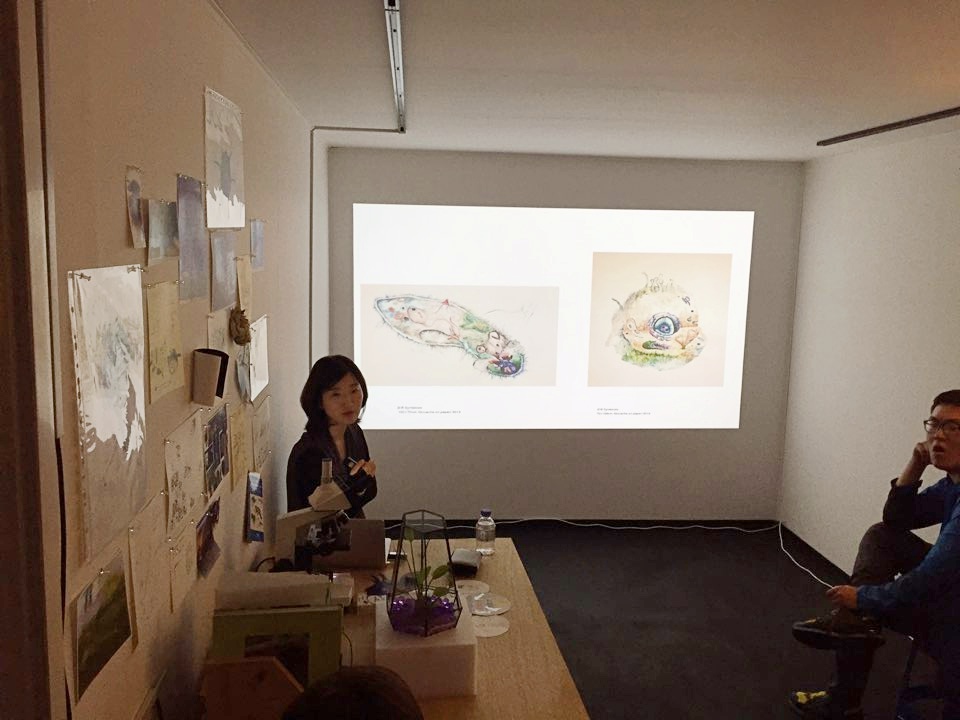
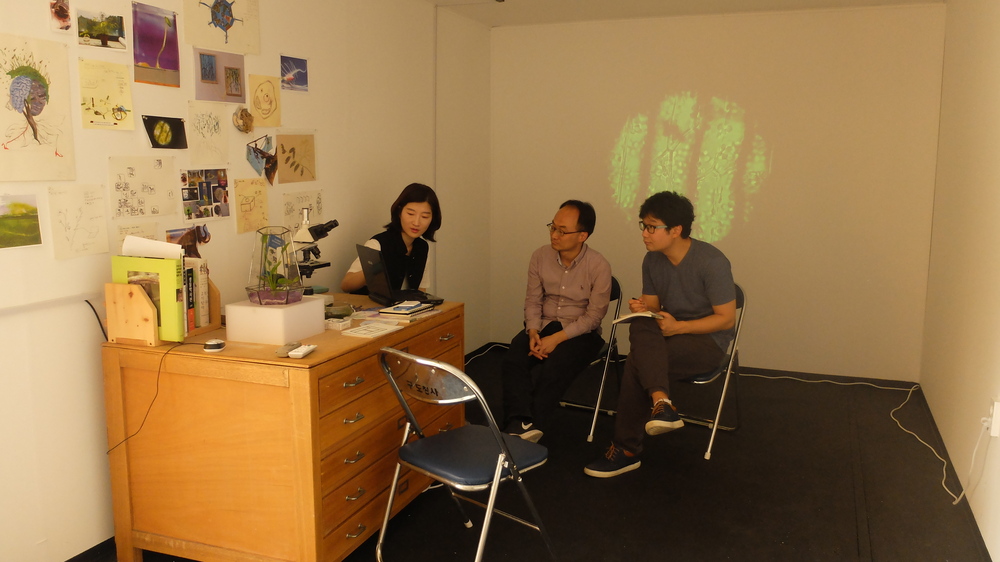
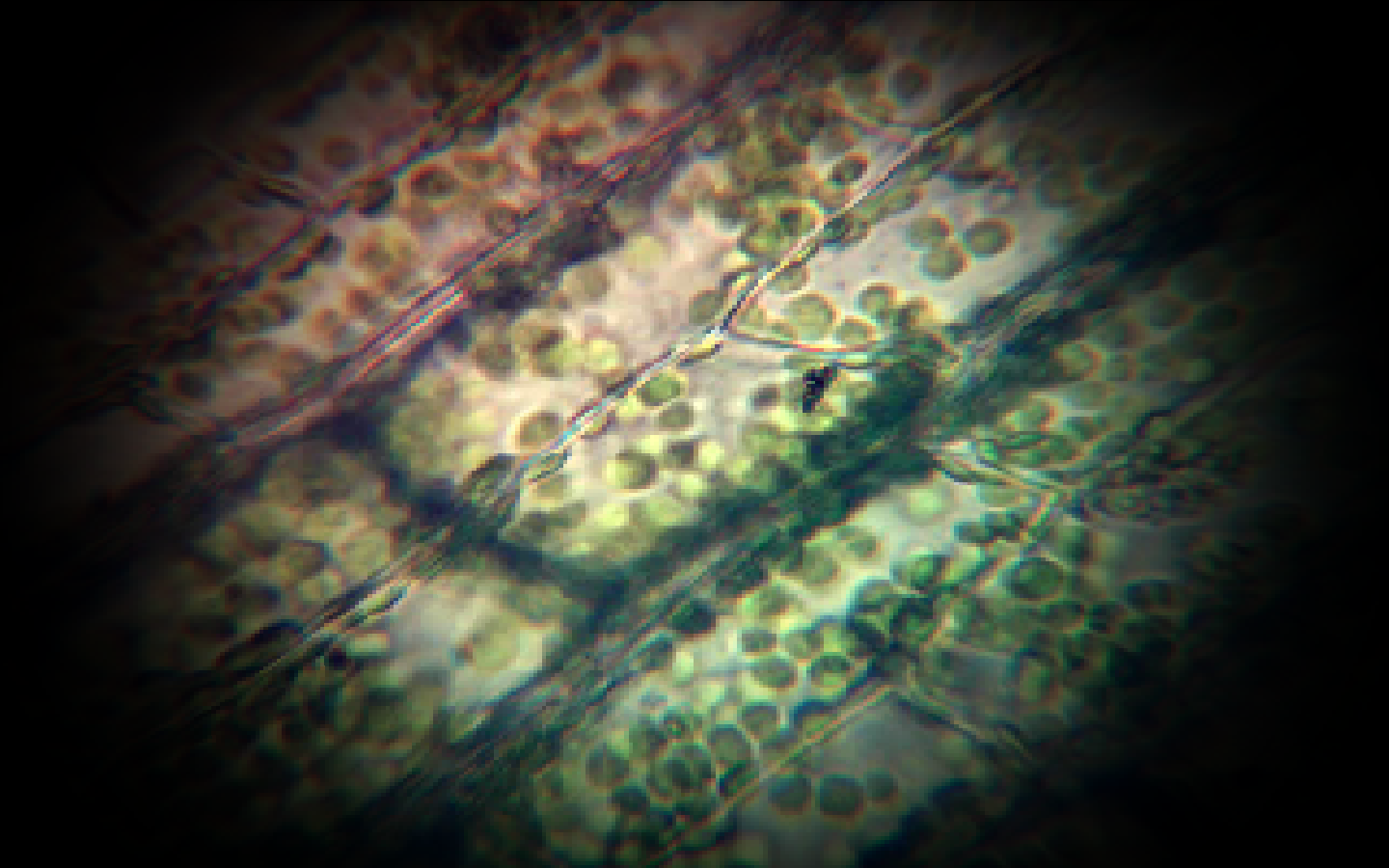
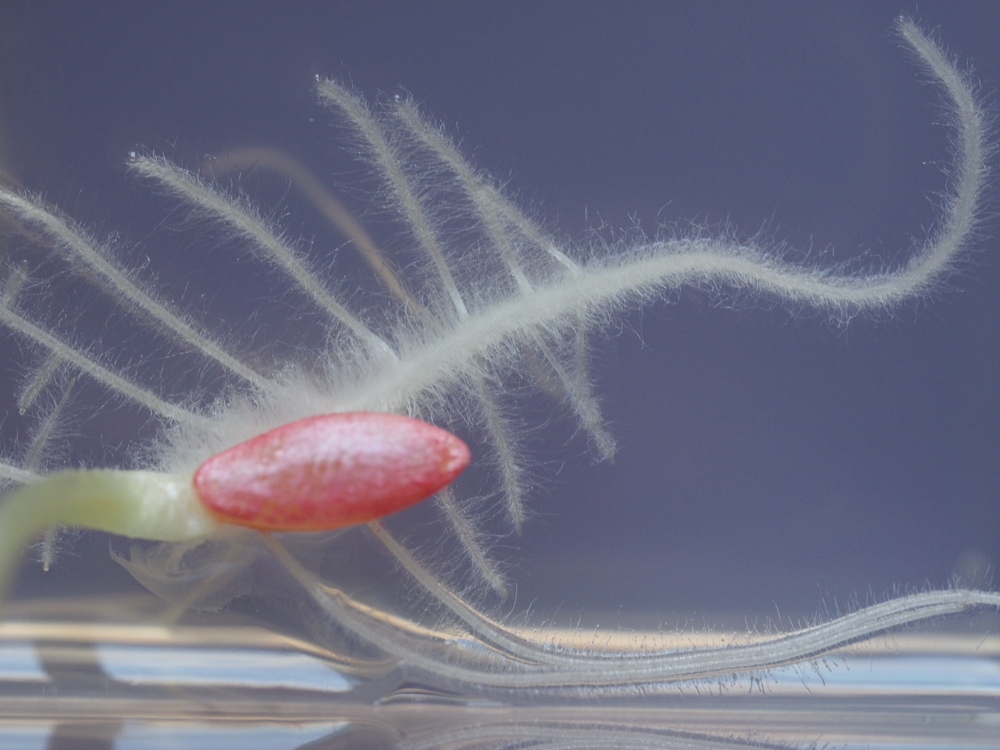
From the mid-2010s onward, interactive installations combining scientific observation and technological devices became increasingly prominent in her practice. Kim filmed the movements of chloroplasts through a microscope and connected the footage to devices that generate light, sound, and fragrance, allowing viewers to experience the responses of plants.
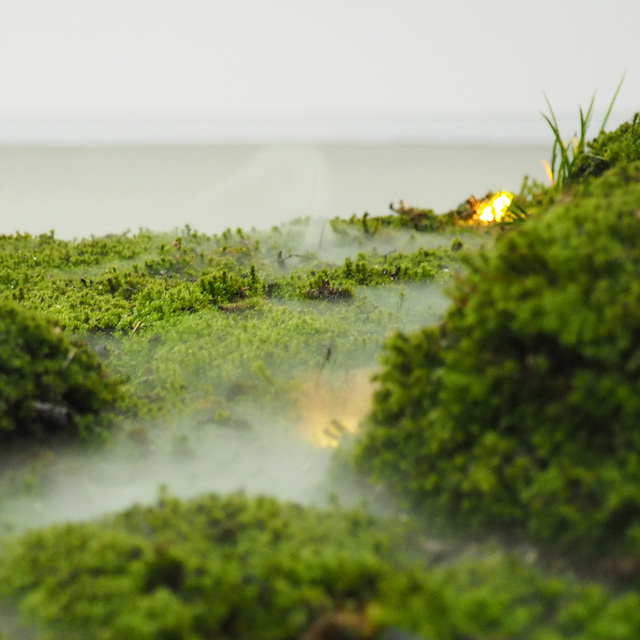
In Breathing (2016) and Sensible Plants (2016), she employed materials such as moss, wood, Arduino, LED lights, and sensors. As viewers approach or speak to the installations, lights are activated, prerecorded footage of chloroplast movements is played, or fragrances are released.
By sensorially magnifying the subtle movements of plants, these installations draw attention to the gap between the limits of human perception and the temporal rhythms of plant responses. Audience participation becomes an essential element in generating changes within the works, while the exhibition spaces are transformed into environments where the physiological characteristics of plants intersect with mechanical operations.
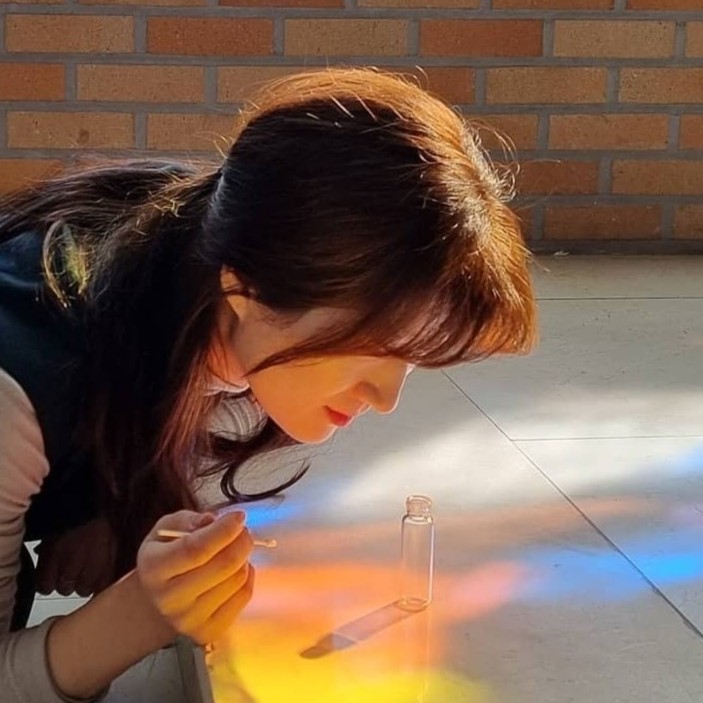
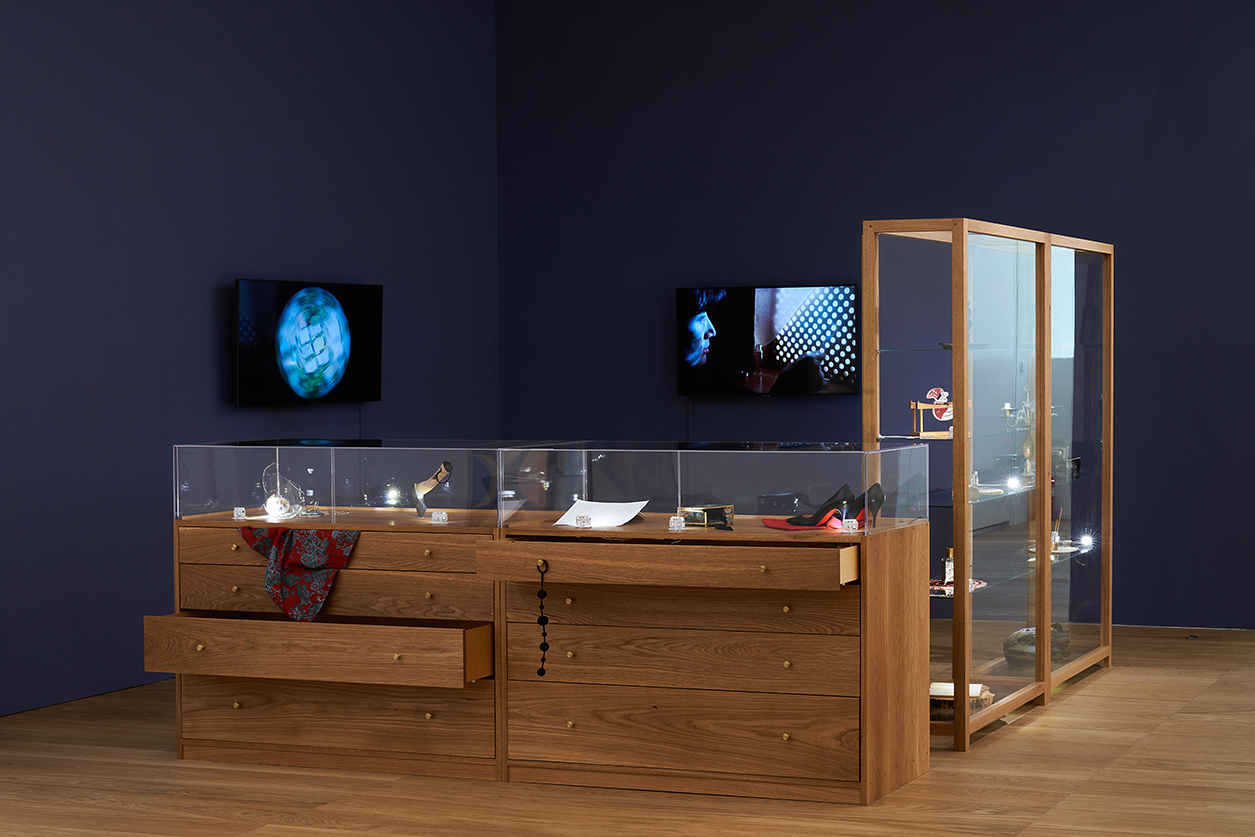
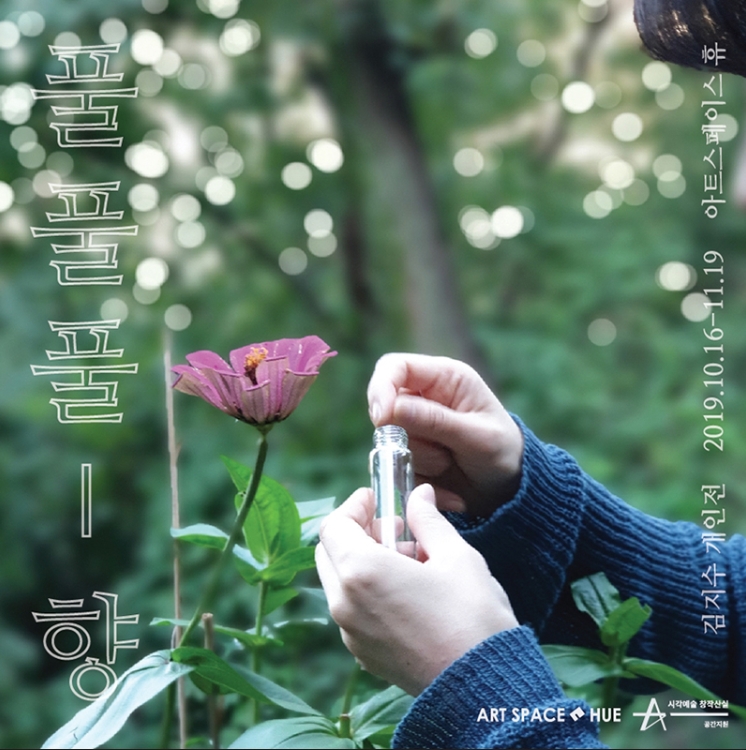
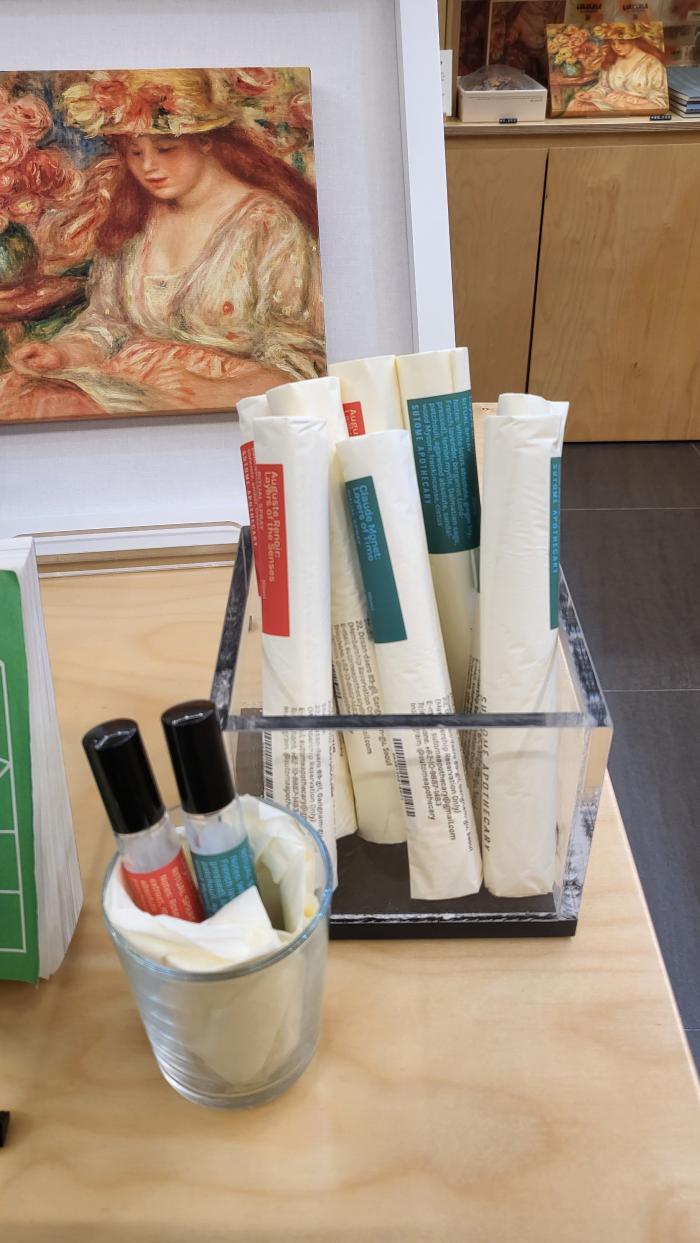
As olfaction became increasingly central to her practice, the collection, preservation, and visualization of scents also developed into important artistic methods. Kim gathers smells from the surfaces of plants and objects, the air surrounding particular places, and the bodily odors of individuals, preserving them in glass vials or capsules to accumulate sensory records.
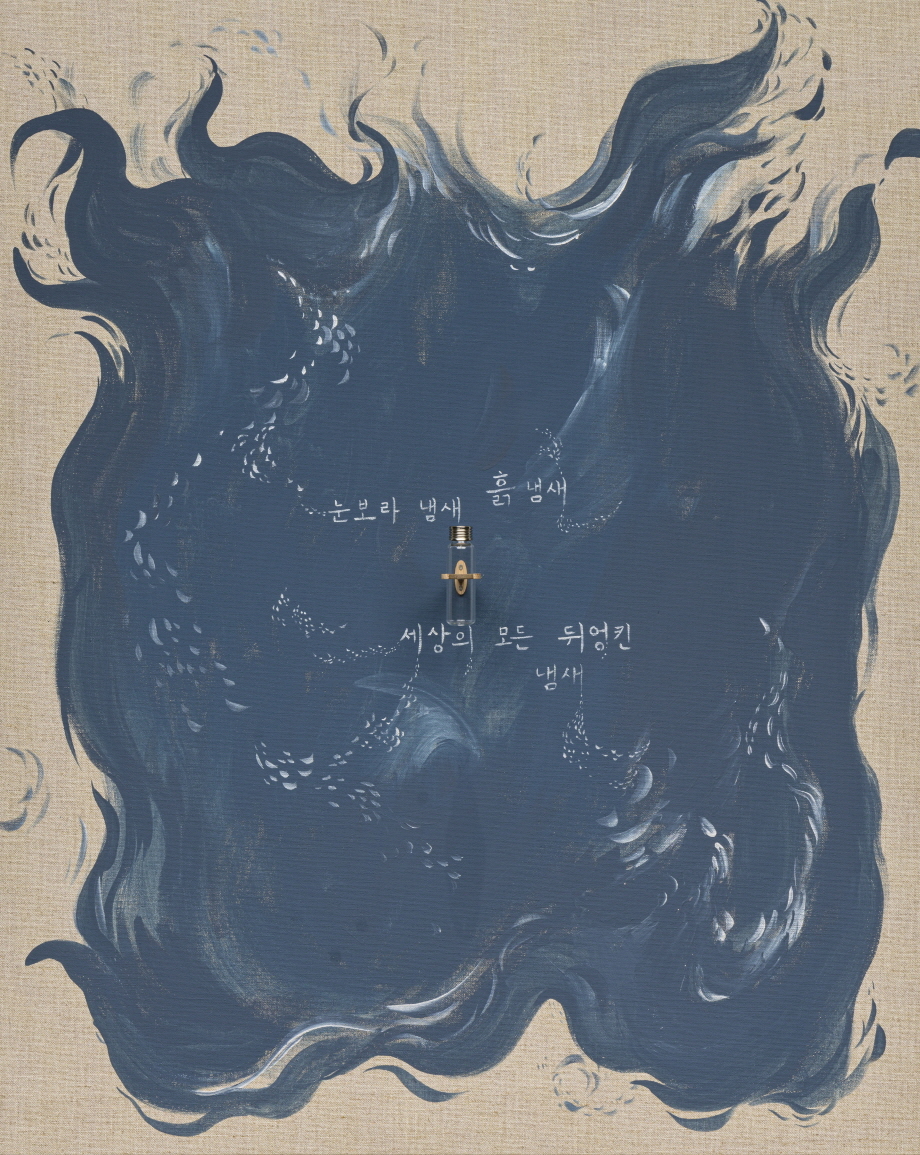
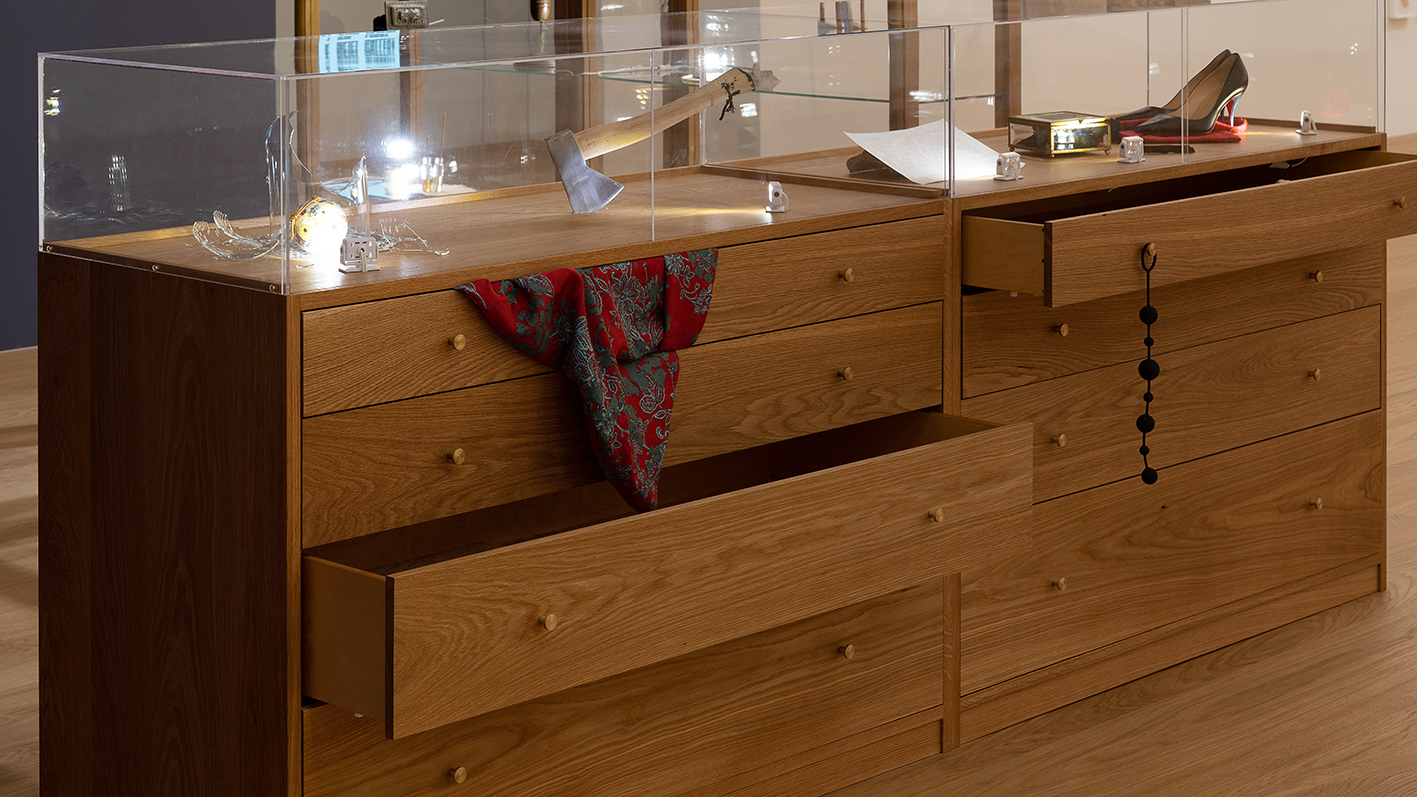
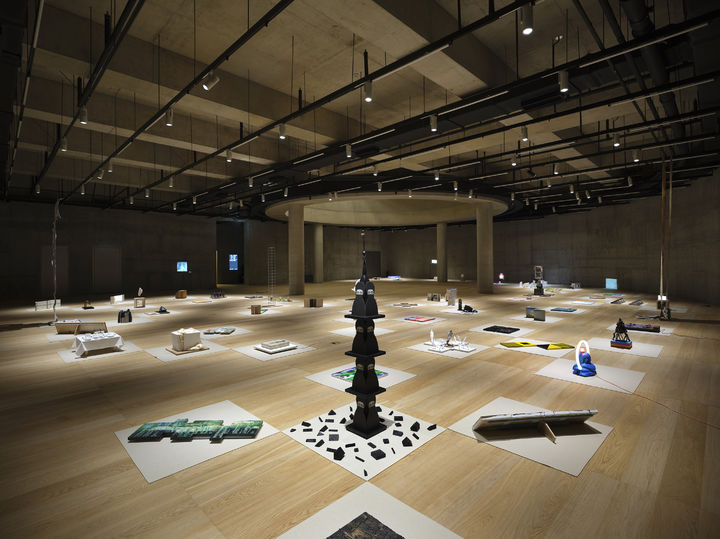
In 《Pul Pul Pul–Scents》 (2019) and Pul Pul Pul – C (2020), she presents collected scents and objects in installations. In We Are in the Air (2021), personal belongings, including books, toys, candlesticks, and moss, are arranged alongside fragrances to construct a space imbued with memory. These works closely connect the physical diffusion of scent, the material presence of objects, and the associative experiences of viewers.
Extending this exploration, 《This Is Tomorrow》 (2021) introduced imaginary scents within an online virtual reality environment, inviting audiences to envision smells through language and imagery alone and experimenting with new possibilities for representing olfactory experience.
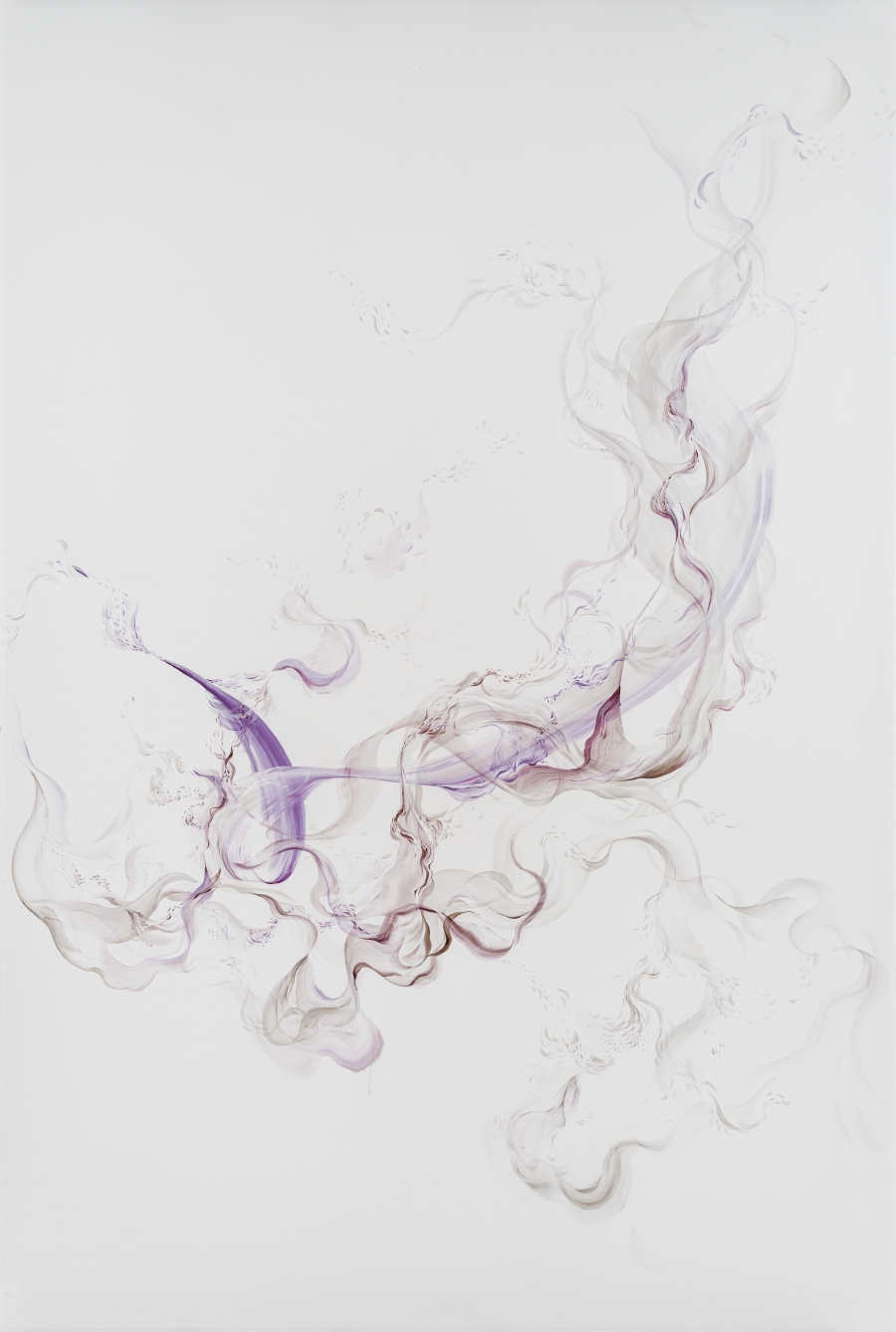
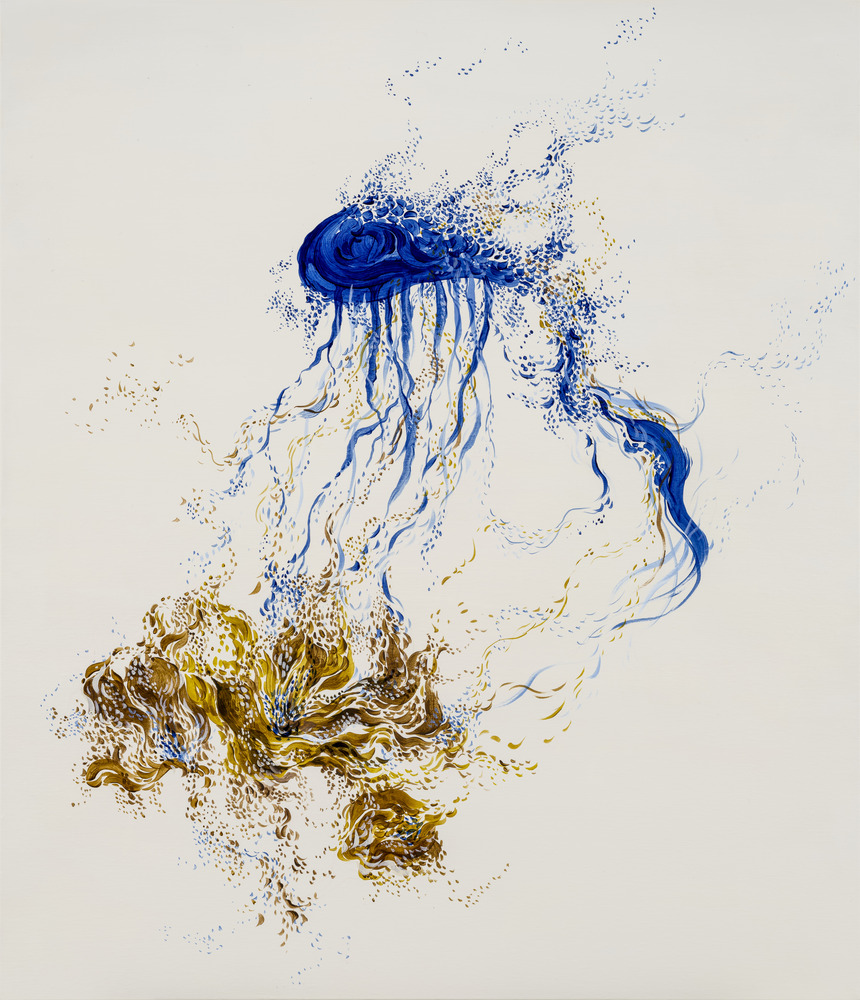
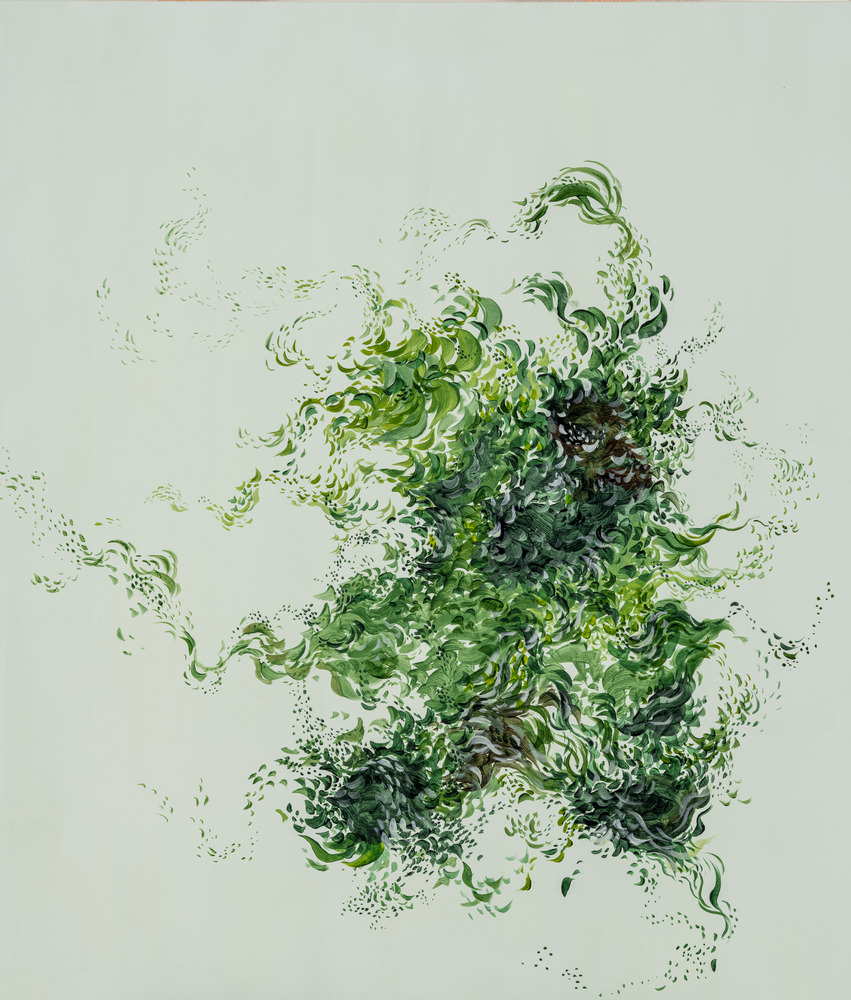
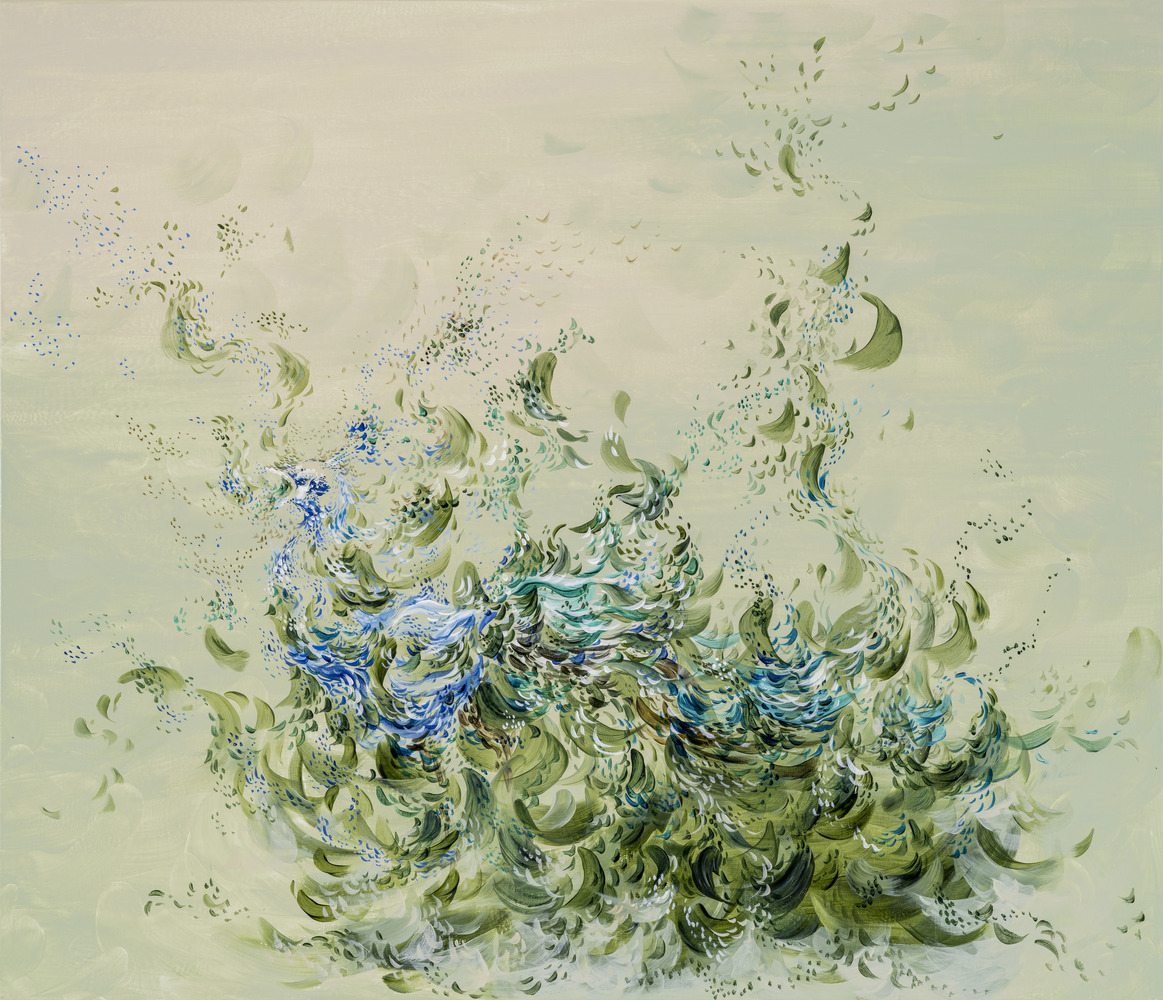
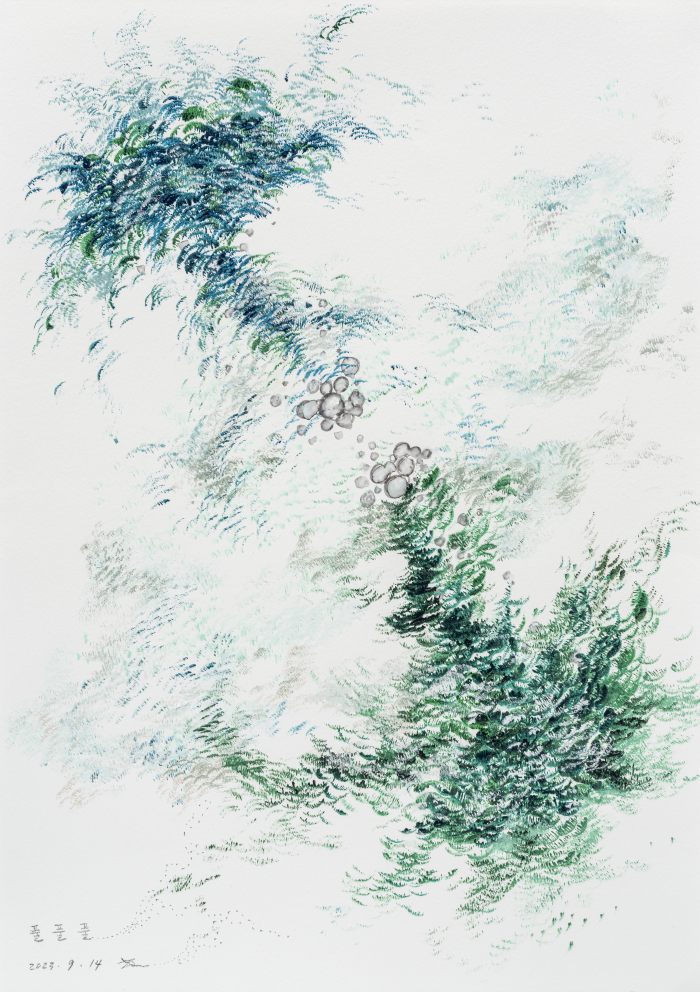
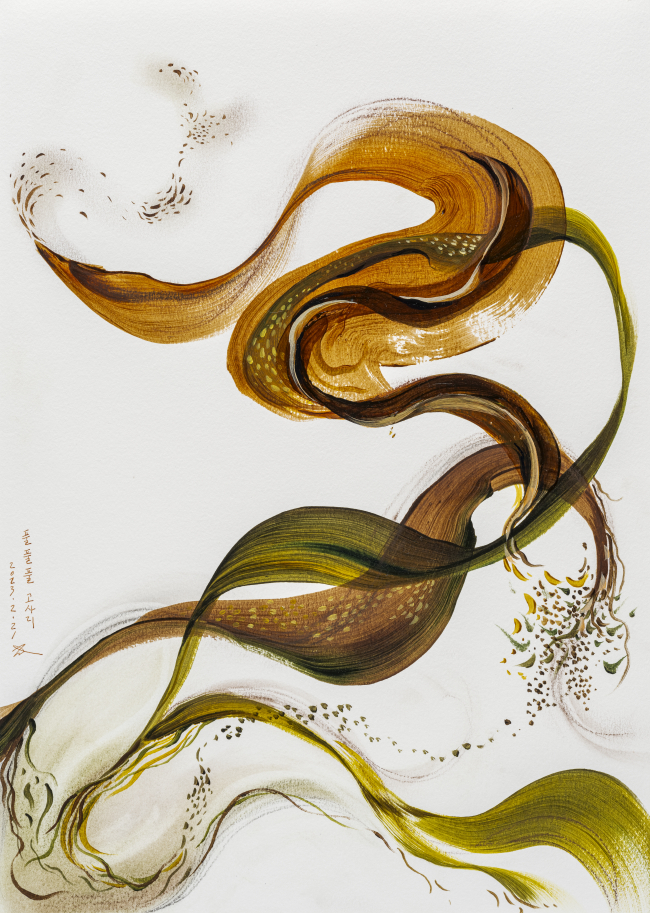
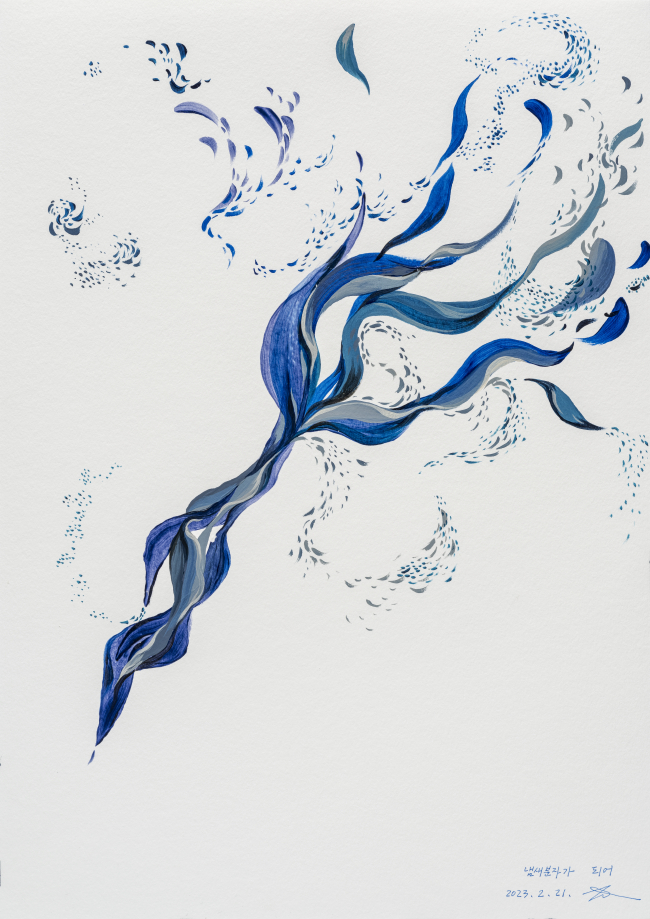
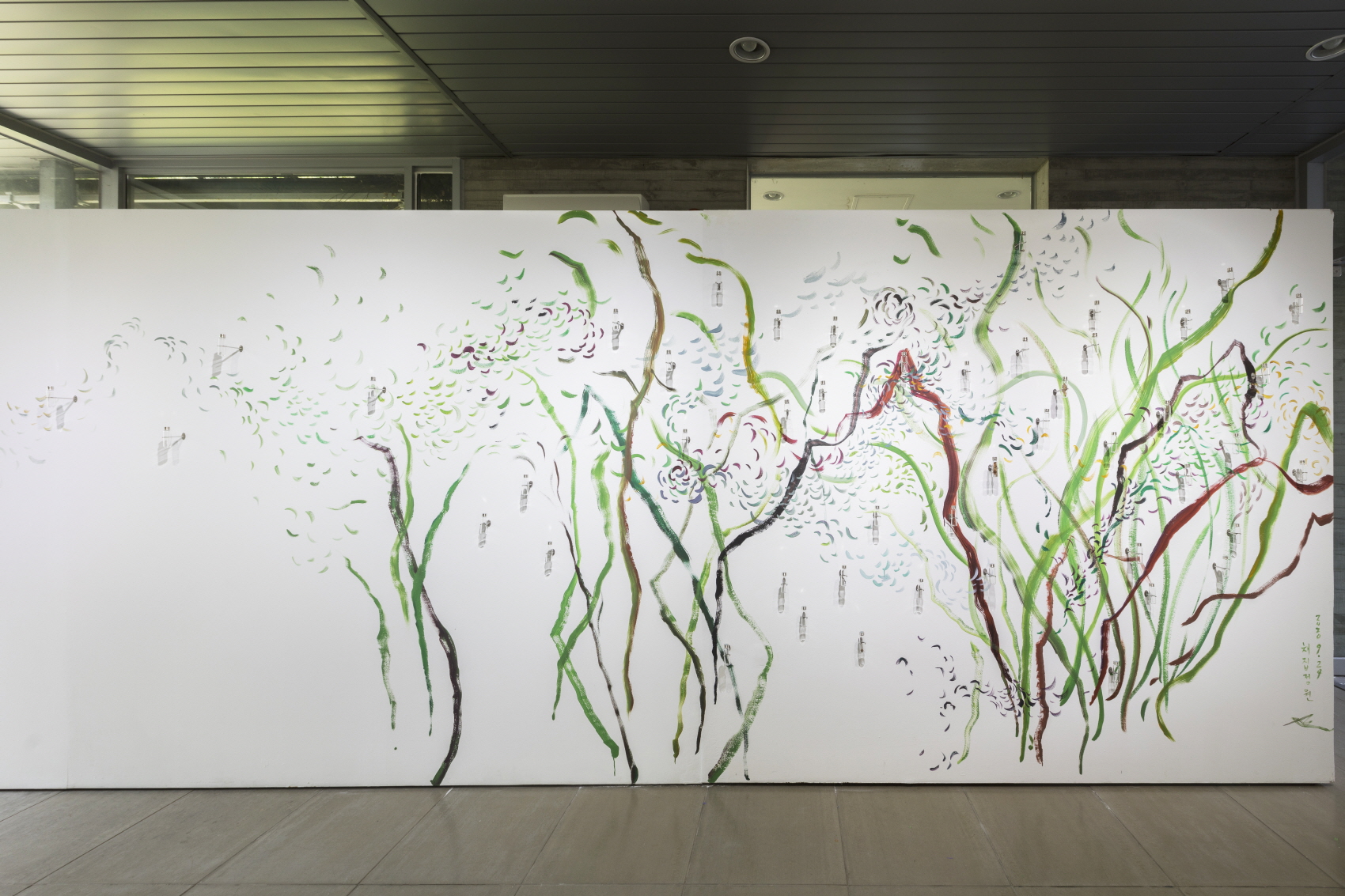
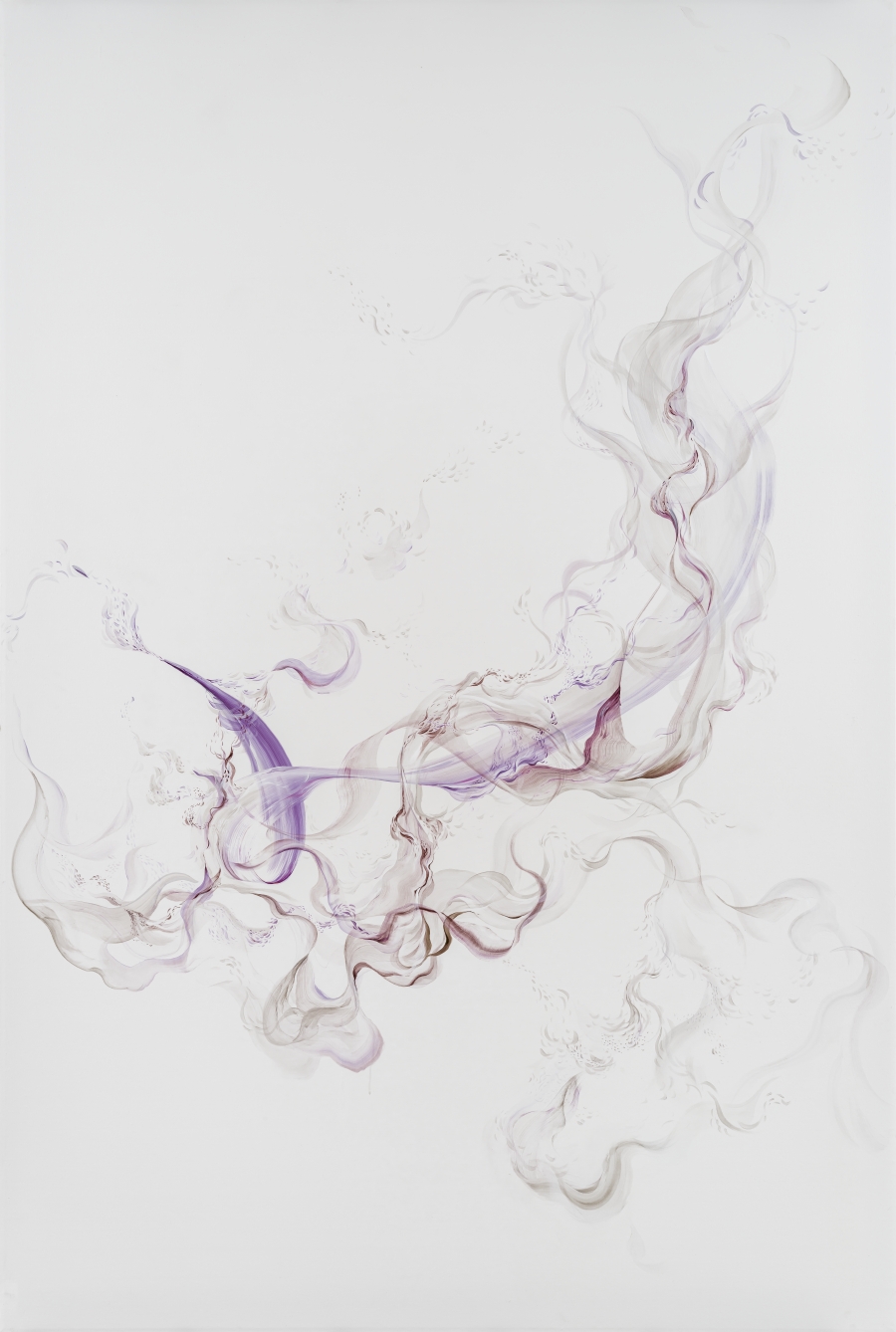
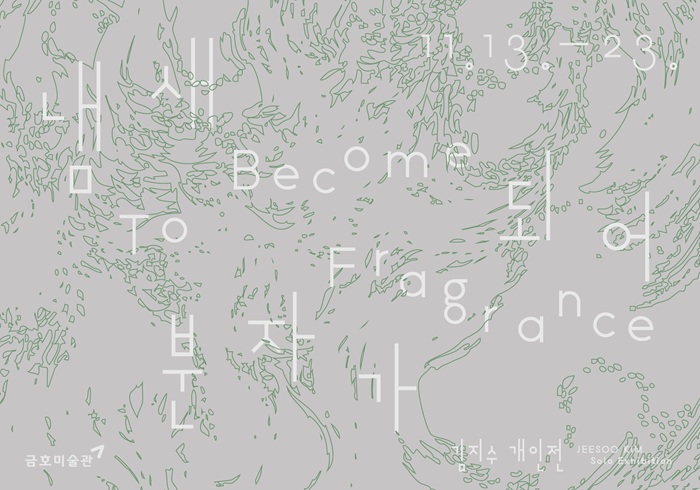
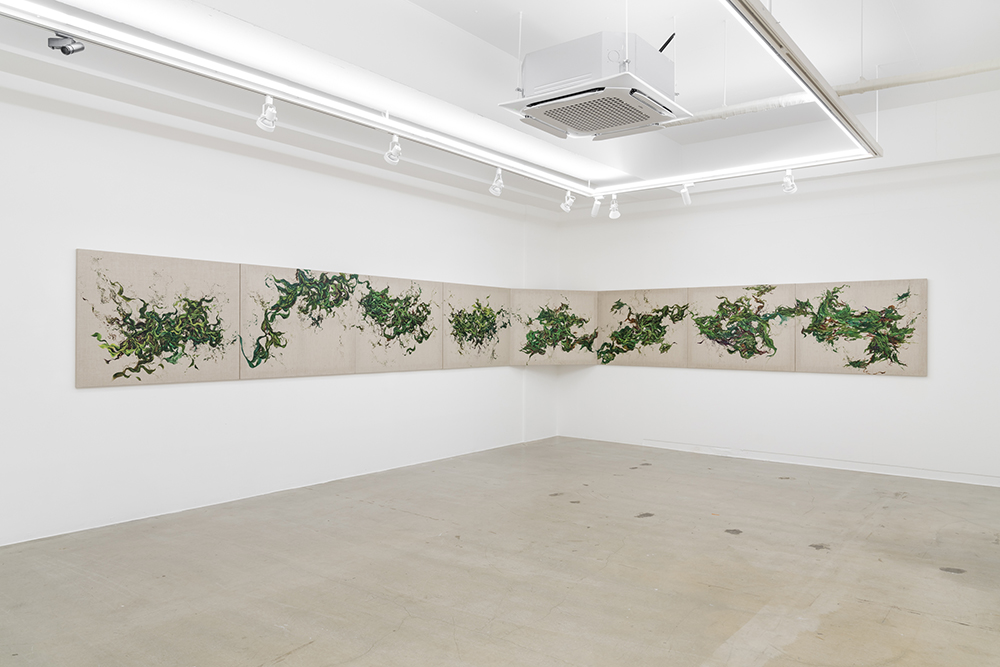
In her recent paintings and drawings, the movement and diffusion of invisible scents are increasingly articulated through color and line. In 《Smellscape》 (2023) and 《To Become Fragrance》 (2025), Kim employs organically extending lines, repeated brushstrokes, and overlapping or dispersed colors to express the fleeting transformations and movements of sensory experience.
In particular, My Poetic Universe (2025), created with acrylic and colored pencil on canvas, translates the imagined trajectories of scent molecules and the expansion of inner energy into freely flowing abstract forms. These visual expressions extend into video and text, accompanied by opportunities for visitors to experience fragrances directly within the exhibition space.
In her 2025 solo exhibition, Kim presented five tree fragrances developed in collaboration with the Jeju Plant Resources Research Institute, allowing visitors to smell them firsthand and alter the atmosphere of the space. Through the integration of painting, video, scent, and bodily participation, her practice extends olfactory imagination throughout the exhibition environment.