"To see what is in front of one's nose needs a constant struggle."
— George Orwell
There are several reasons why the sense of smell has long been disparaged or overlooked in the history of the senses. The most frequently cited reason is its perceived proximity to so-called “animality.” Whether the object of perception is an unpleasant odor or a pleasant fragrance, the act of “sniffing” evokes the characteristics of an “animal” rather than those of a “human.” This perception is succinctly expressed in Kant's observation: “When I see, I attend to an object, but when I smell or taste, I attend to the way my body is affected.”
In other words, smell is considered closer to the body than to the mind, closer to sensibility than to reason, and positioned at the lower end of the hierarchy even among the senses. It is hardly surprising, then, that Plato, who favored sight and hearing as the senses capable of mediating the noble realm of “Ideas,” regarded smell as an “incomplete” sense.
Despite historical variations, this hierarchical attitude toward smell has remained close to “common sense”—literally, a “common sense” shared across East and West, past and present. The British novelist George Orwell, regarded as a “master of describing smells,” captured the class antagonisms that permeated both his personal life and British history through the statement that “the lower classes ... smell.”
Bong Joon-ho's film Parasite brilliantly translated this sensory dimension of class, or the “smell of capitalism,” into cinema, winning Academy Awards and generating worldwide acclaim. But what about chefs? Might they be an exception? Are those who must constantly rely on their sense of smell, such as the chefs featured in the Netflix series Culinary Class Wars, which recently attracted considerable attention both in Korea and internationally, somehow different?
As specialists in using various ingredients and spices to eliminate unpleasant odors, or to “get rid of smells,” they seem instead to reinforce the hierarchical common sense surrounding odors and fragrances. In this respect, the implications of the term “fine dining” and the program's subtitle, “Culinary Class Wars,” are entirely consistent with one another.
This “common sense” concerning smell also proved compatible with the binary opposition between so-called “civilization and savagery.” For instance, the belief that “savages possessed a more developed sense of smell than (Western) civilized people” was accepted as self-evident within the dual projects of European Enlightenment and colonialism, which accelerated from the seventeenth century onward.
The acute sense of smell and rich descriptive vocabulary that Westerners encountered among supposedly “primitive” peoples of the wild served to reaffirm both the intellectual superiority of “Western civilization” and the “animality of savagery.” Indeed, the Jahai people of Malaysia still possess distinct terms for the smells of bat droppings, gasoline, and millipedes, as well as for “shrimp paste, wild ginger sap, tiger meat, and decaying flesh,” and even for “soap and the pungent smell of durian fruit.”
It is therefore hardly surprising that they reportedly mocked an Oxford University professor who treated a plant as a single object despite the different smells of its stems and flowers.
The obstacles that make smell difficult to approach and understand are expanded or intensified in different ways within the realm of art. Two factors appear particularly decisive. The first concerns permanence. Unlike vision, which has a history extending through painting, sculpture, photography, and cinema, or hearing, which has benefited from musical notation and recording technologies, smells do not endure. From the perspective of a media theorist such as Friedrich Kittler, this is a problem of “storage” and “transmission.”
But could scents not simply be preserved in containers, as perfumes are? This question leads to a classical yet more fundamental problem concerning so-called “representation.” For example, can a preserved fragrance itself be regarded as an artistic object, as a “work”? Can the fact that we have become capable of preserving and subsequently reproducing a smell in its original state be directly connected to its aesthetic evaluation?
The answer is negative, or at least requires some reservation. This remains true regardless of whether the scent in question is the fragrance of a flower, the stench of a decomposing corpse, or a newly developed perfume. Unlike visual and auditory experiences, which can be repeatedly reproduced through objects such as paintings, photographs, or films, or through records and digital files, the persistence of smell does not directly translate into the formation of a “work” that can become an object of aesthetic appreciation and evaluation.
This brings us back to the longstanding traditions of “mimesis” and “realism.” Could there be, for instance, an “olfactory modernist” or a “postmodernism of smell”? This question is also directly connected to the problem of describing and naming smells themselves. Compared with the rich vocabulary of the Jahai people mentioned earlier, the Western characterization of smell as “the wordless sense” is hardly unfamiliar to those of us who have come to share the broader historical condition of “modernity.”
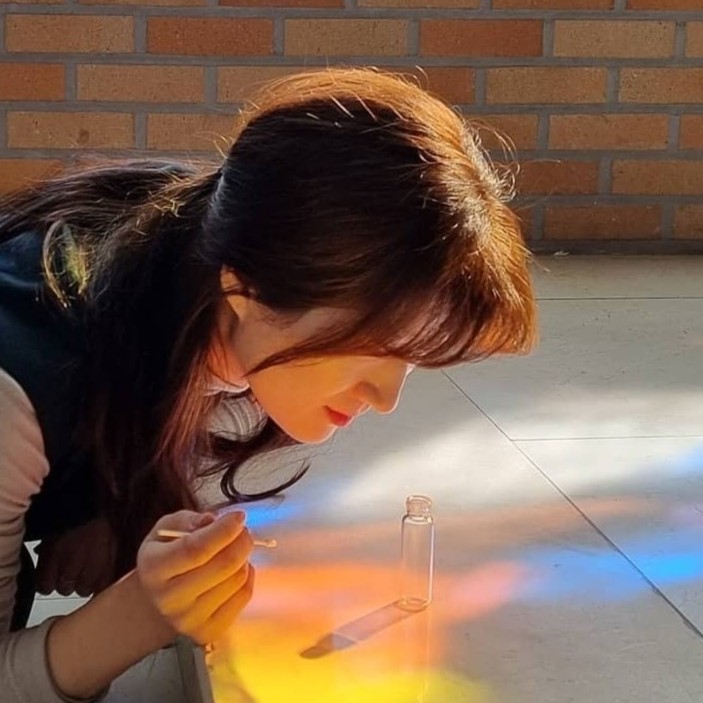
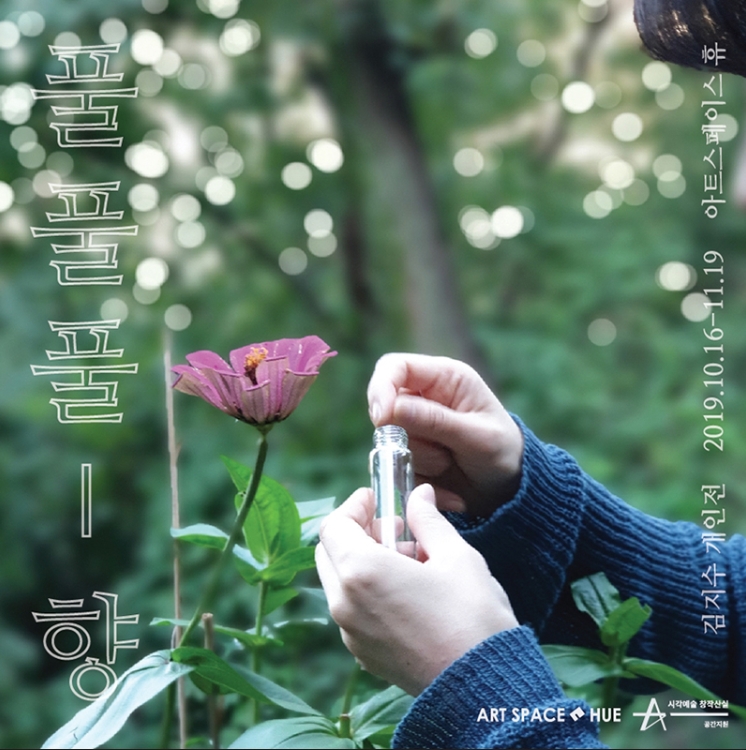
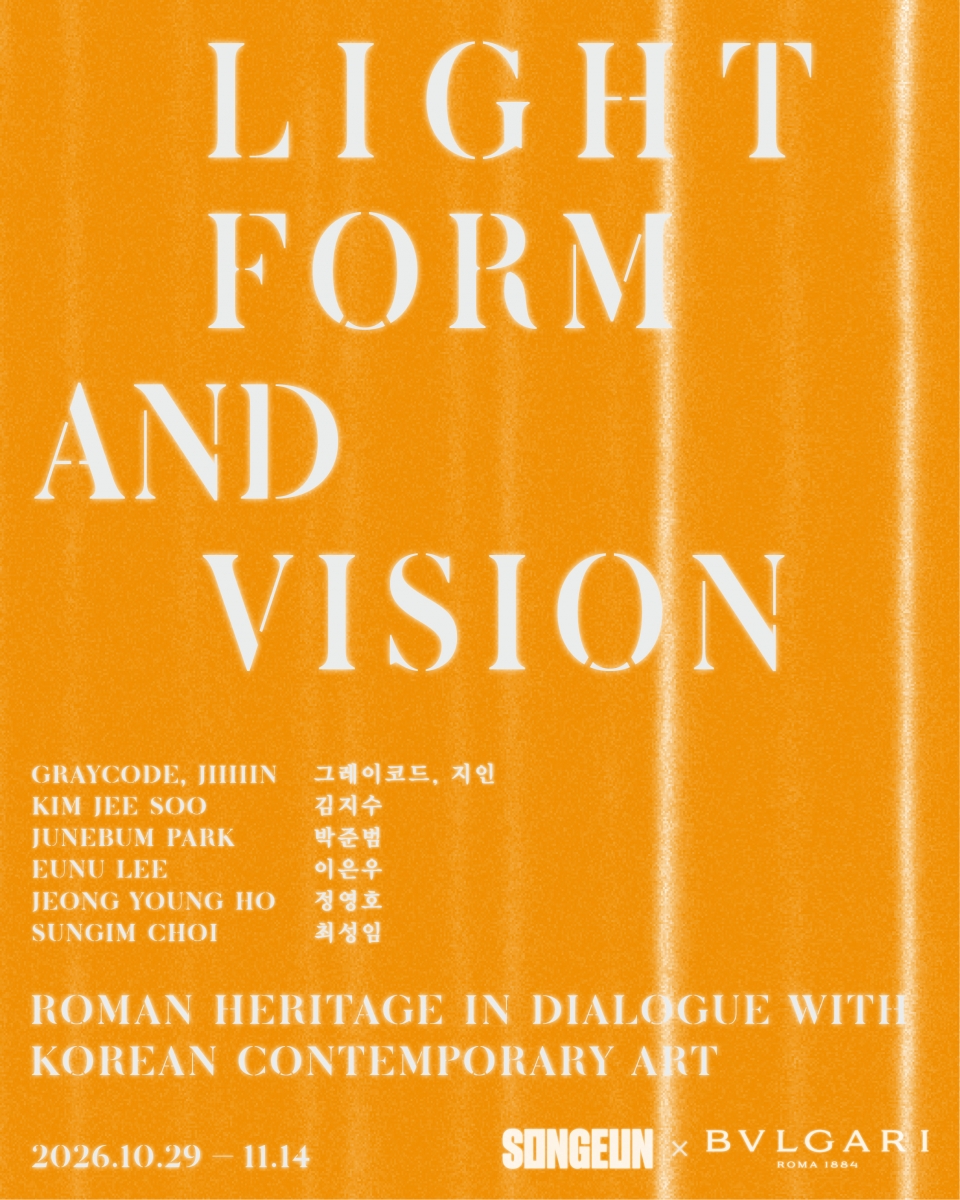
Kim Jee Soo is an artist who has explored the predicaments that smell has encountered throughout the history of the senses more persistently and in more diverse ways than almost anyone else. Of course, she has not devoted herself exclusively to olfaction from the beginning of her career to the present.
Her early works, for example, in which she covered skulls, picture frames, cameras and tripods, chairs and desks with soft wool—such as the 'Untitled' series (2001), Curiosity (2001), and One Yet a Hundred Chairs and Tables (2011)—focused on touch. Around the same period, she also experimented with paintings reminiscent of Impressionist pointillism, such as Unlimited (2002), About Moving (2002), and Survive (2002). Other works, such as Don't (2013), foregrounded language from a conceptual perspective.
Today, however, she introduces herself as “someone endowed with an acute sense of smell, capable of detecting and remembering scents vividly since childhood,” and even declares that “smell is the essence of an object. The essence of an object is its smell.” How should we understand this “transition”? Does it mean that the senses other than smell are no longer important? How can such a declaration coexist with the fact that she continues to paint and exhibit her paintings?
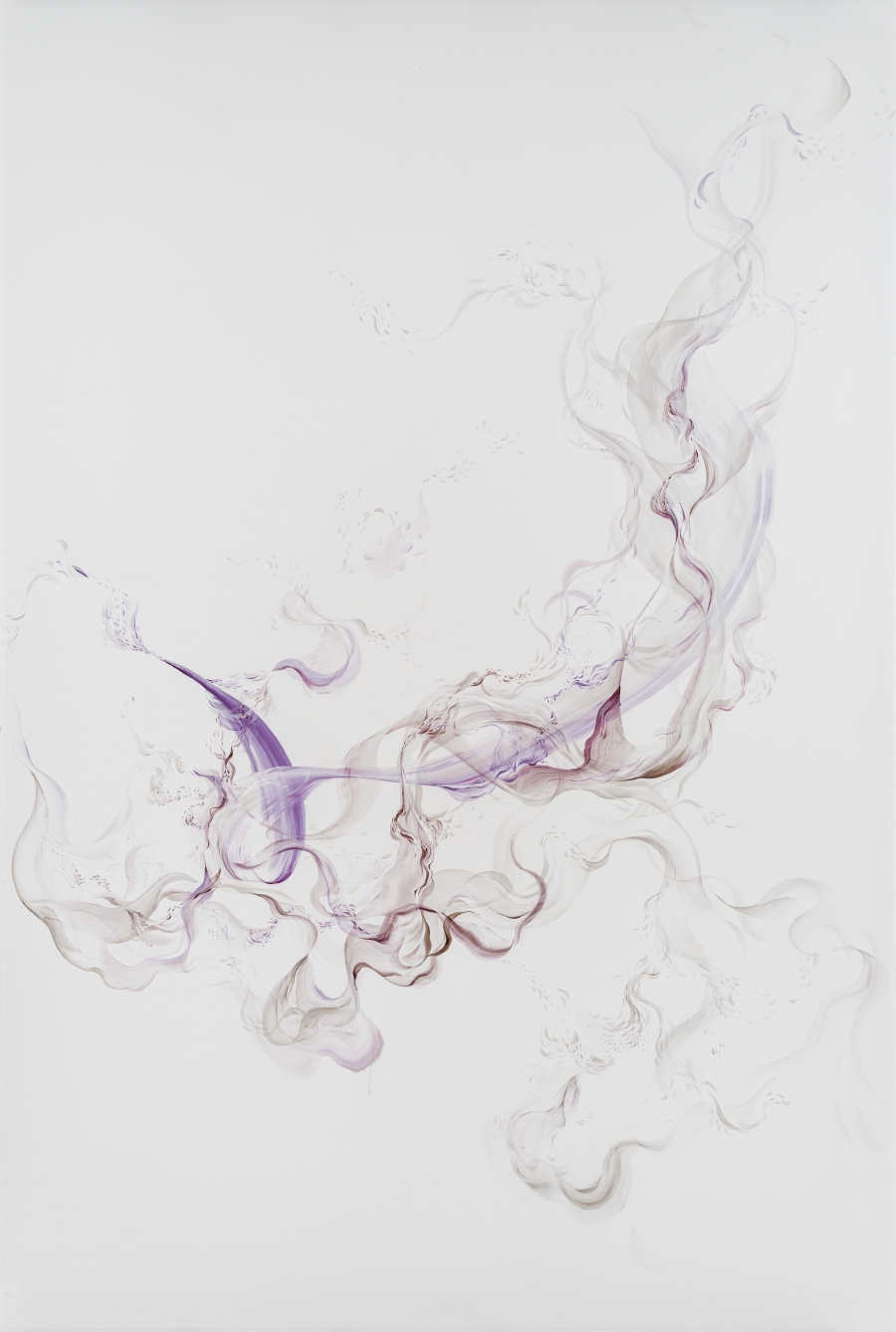
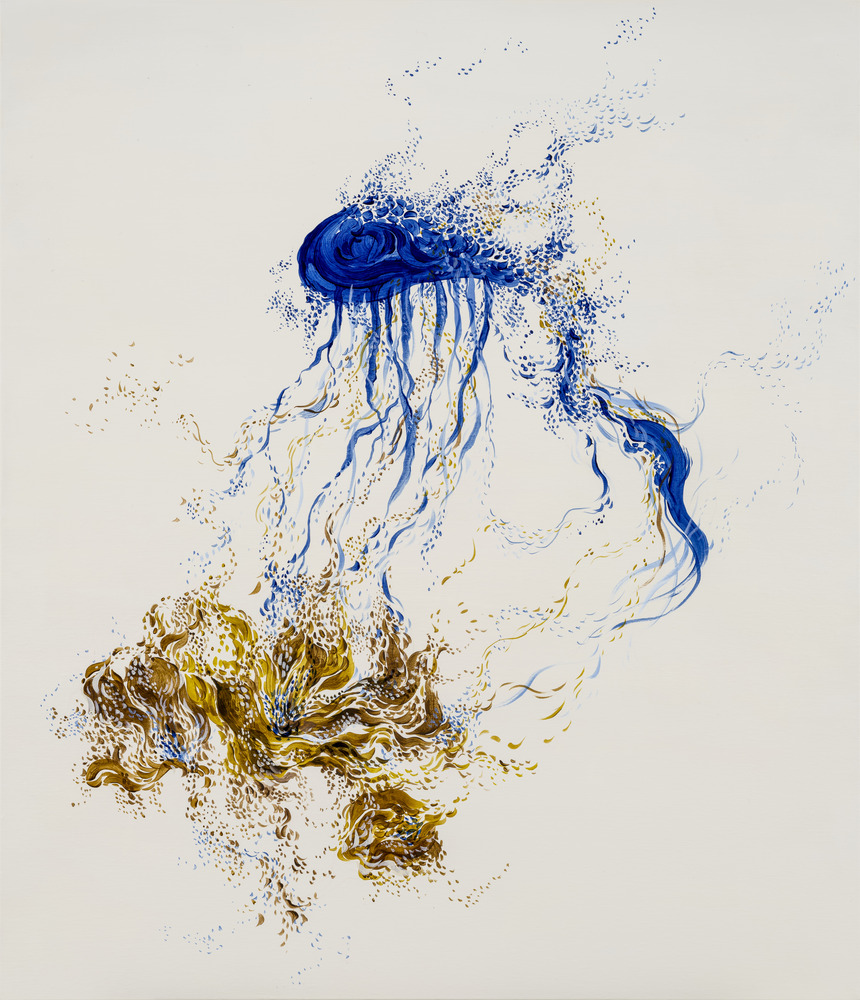
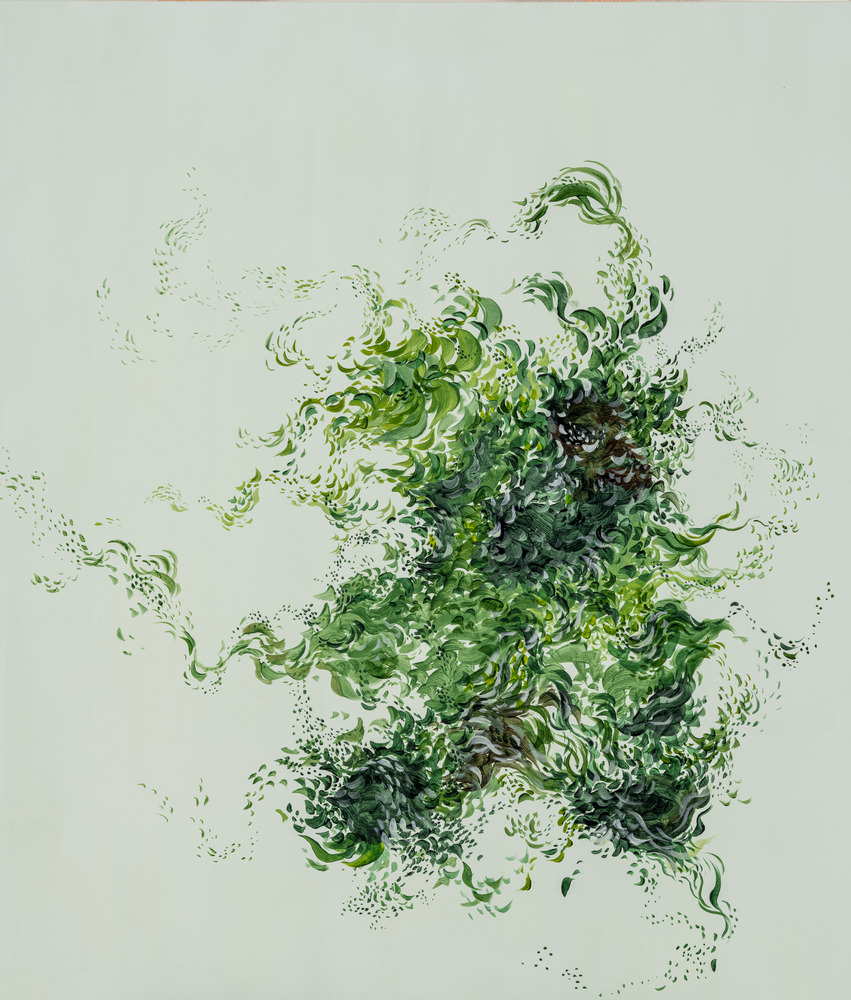
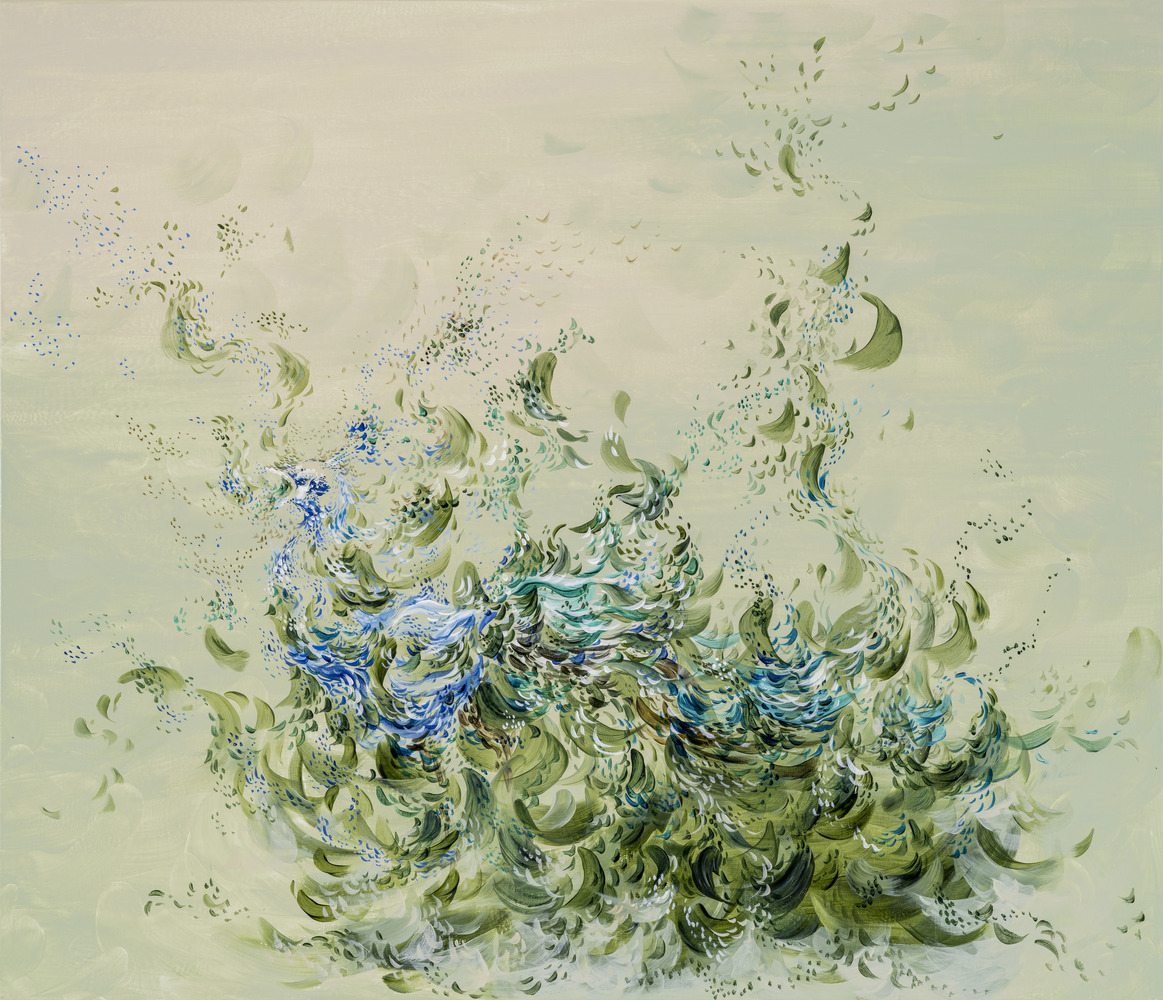
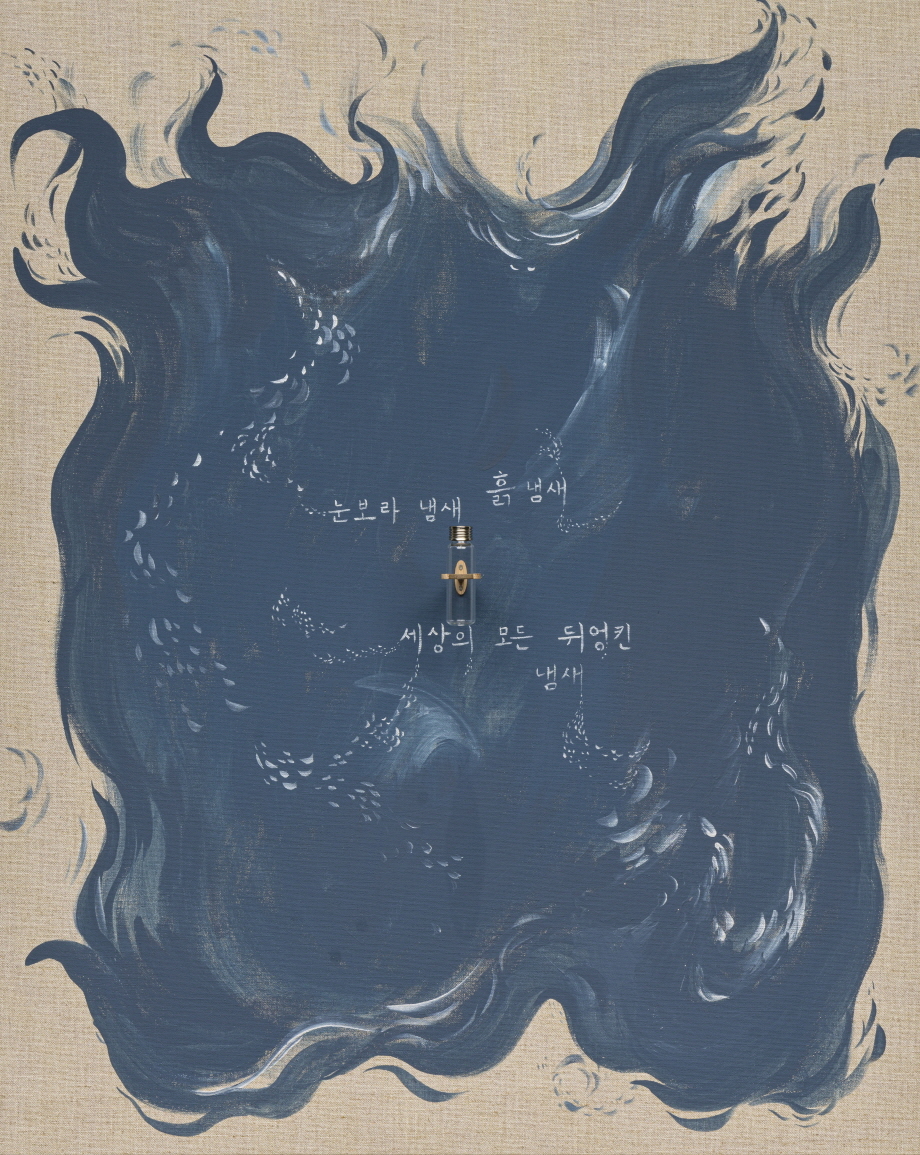
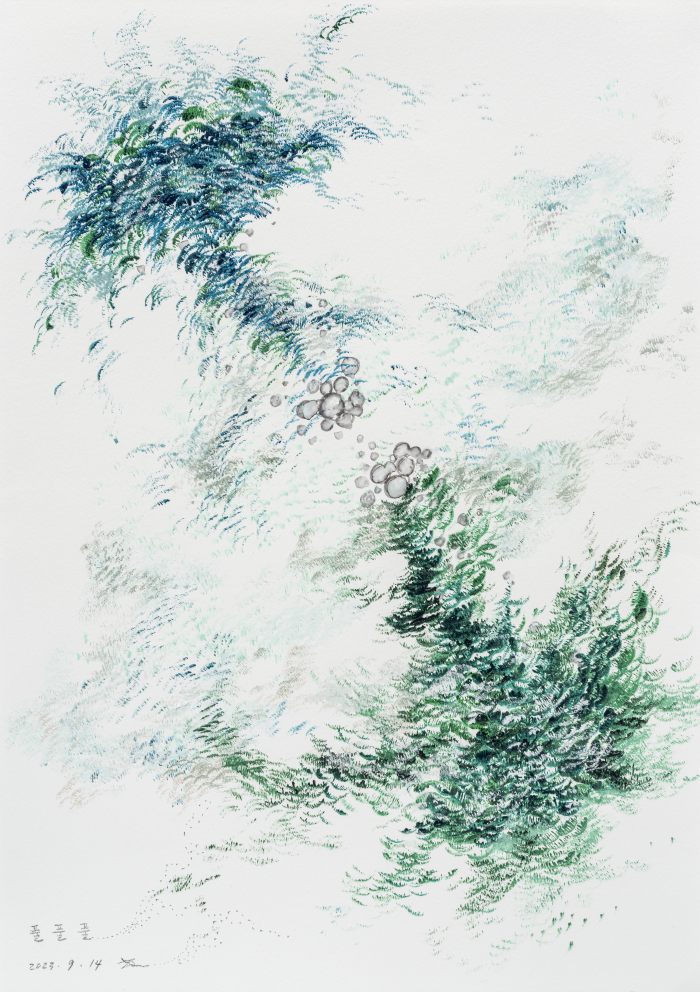
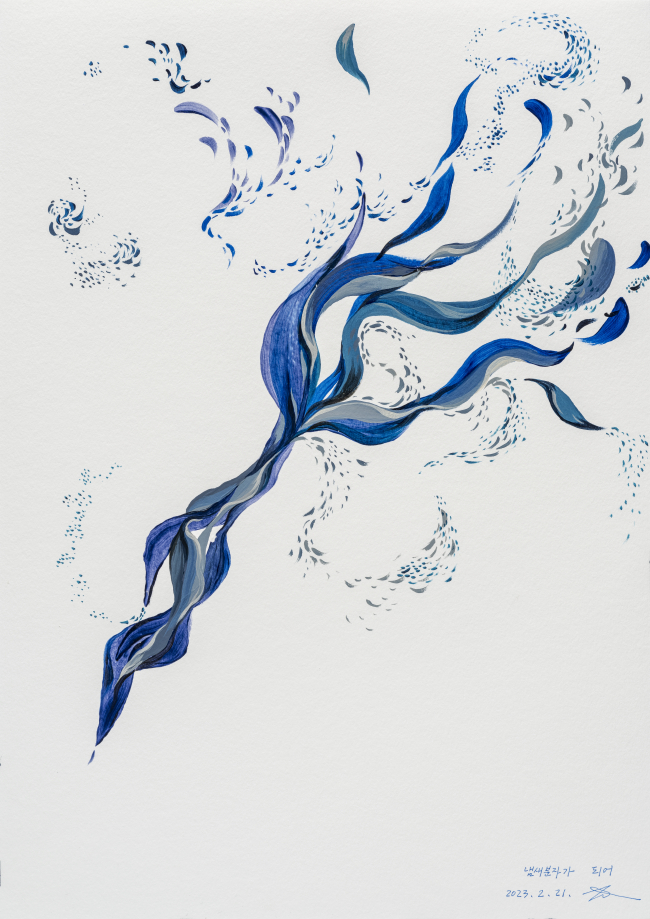
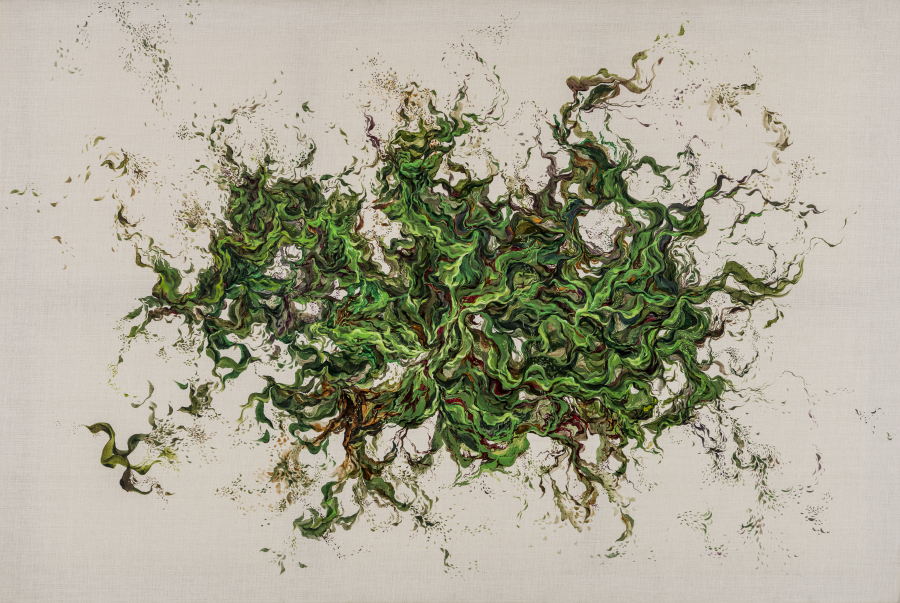
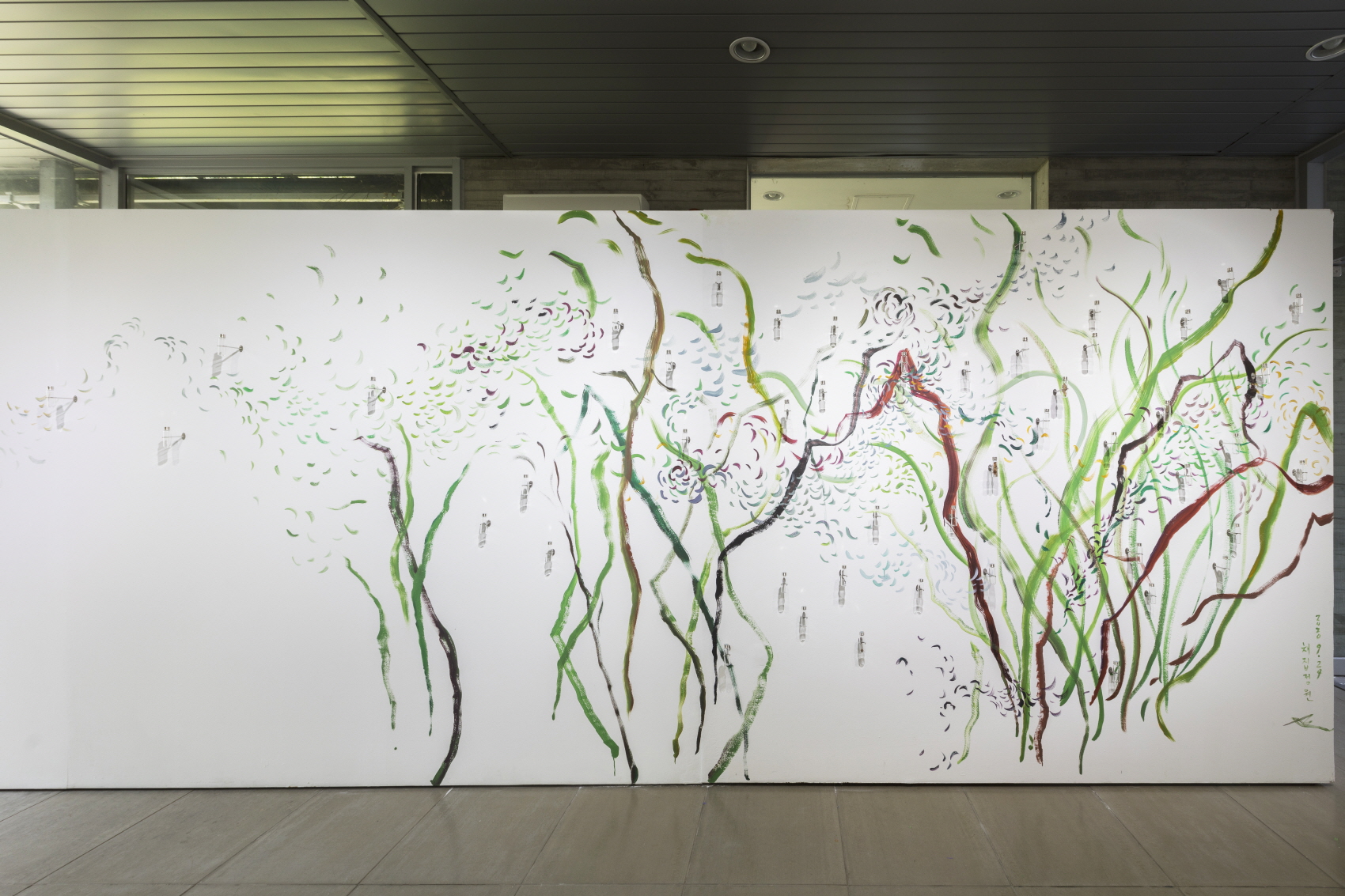
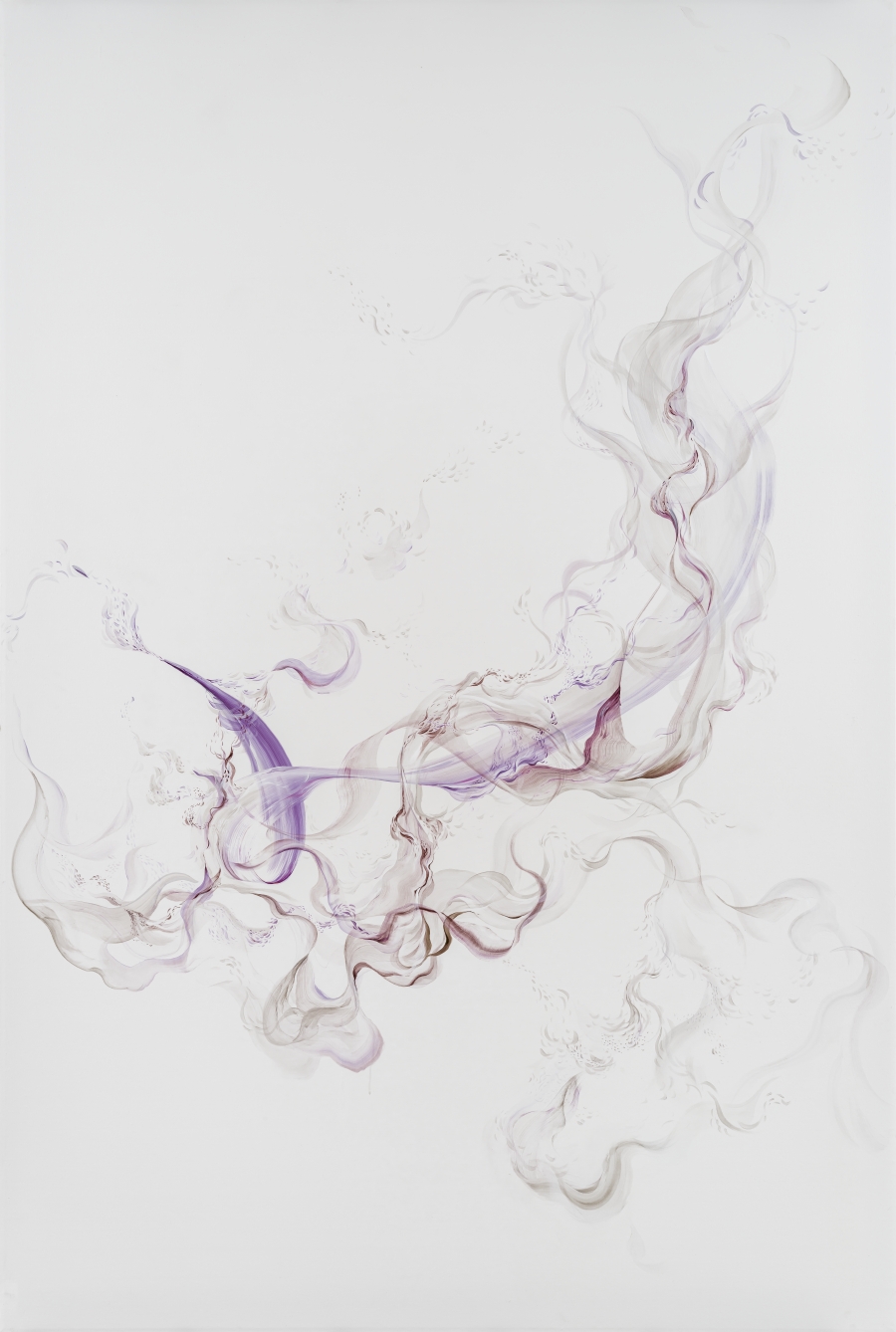
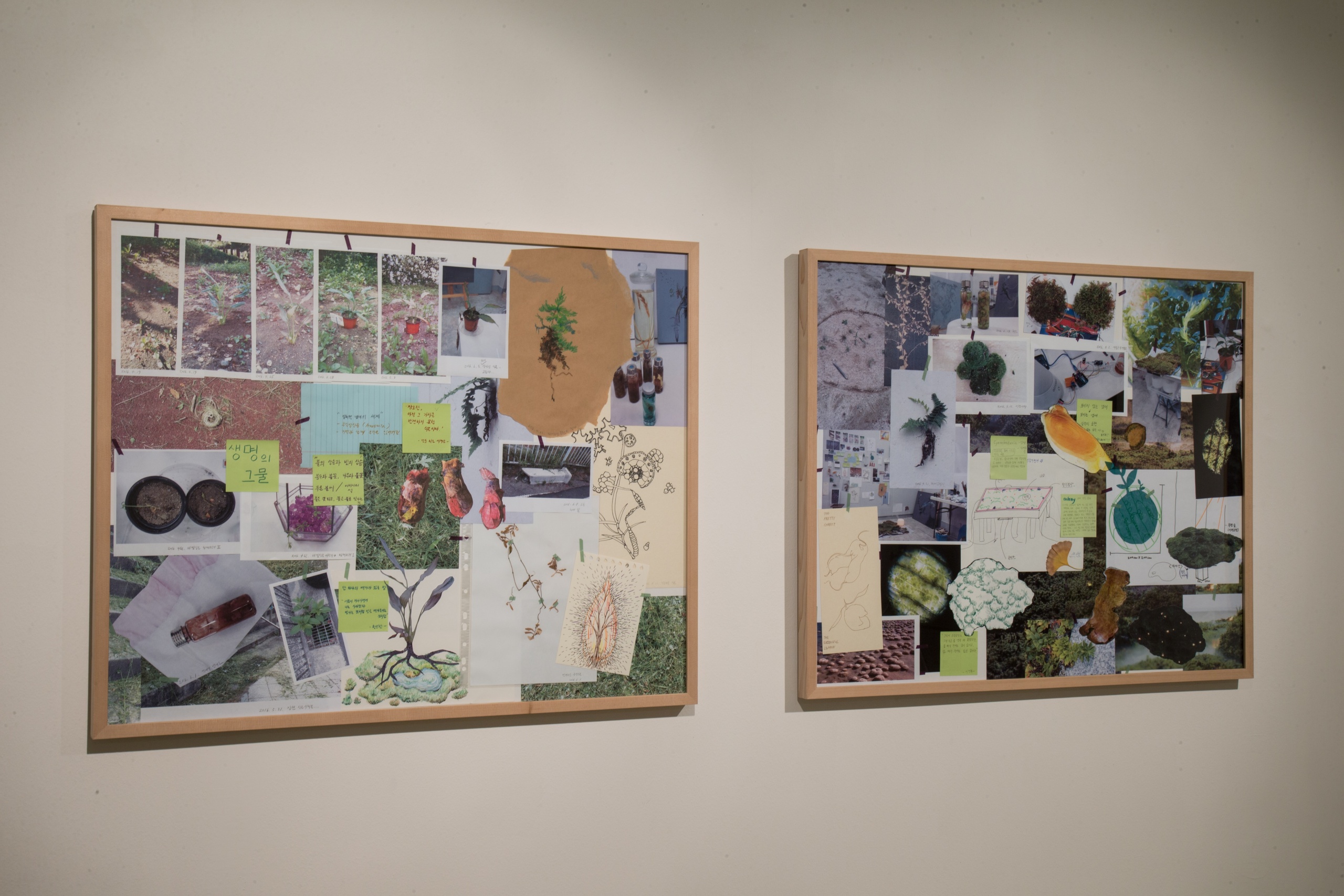
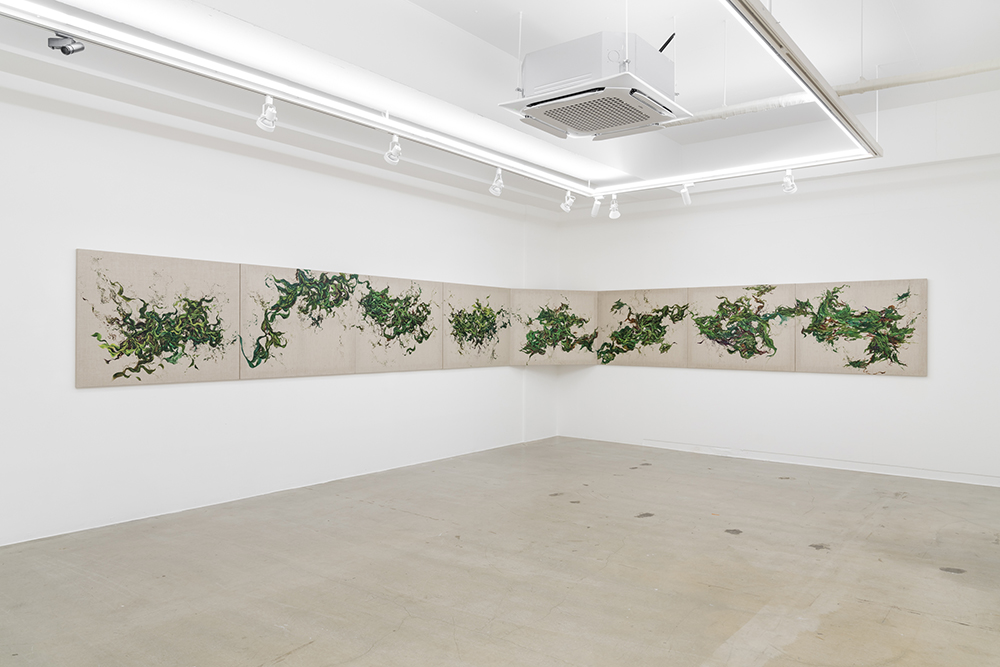
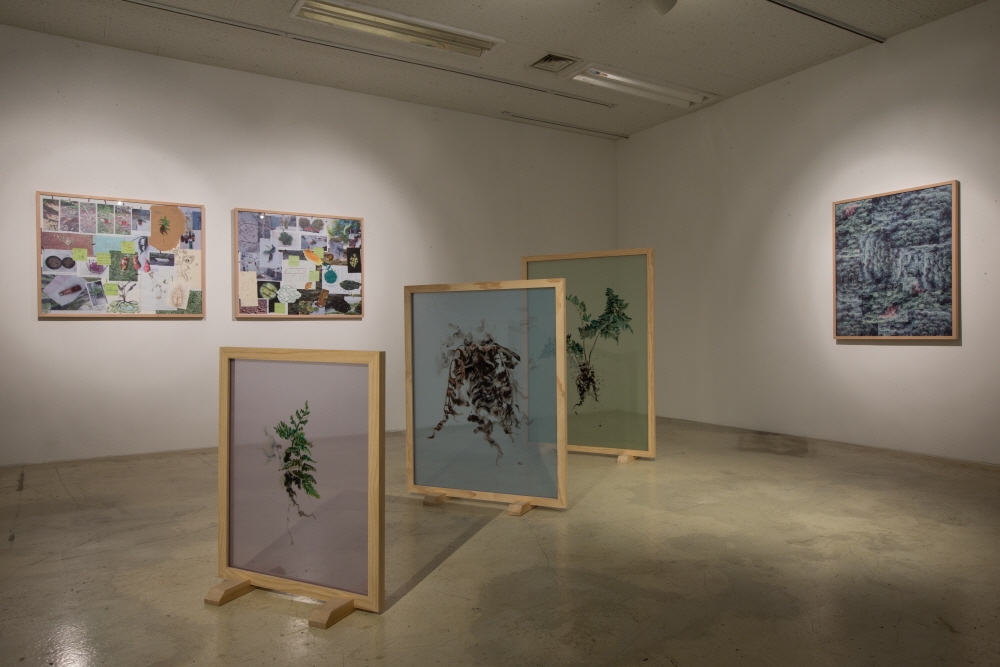
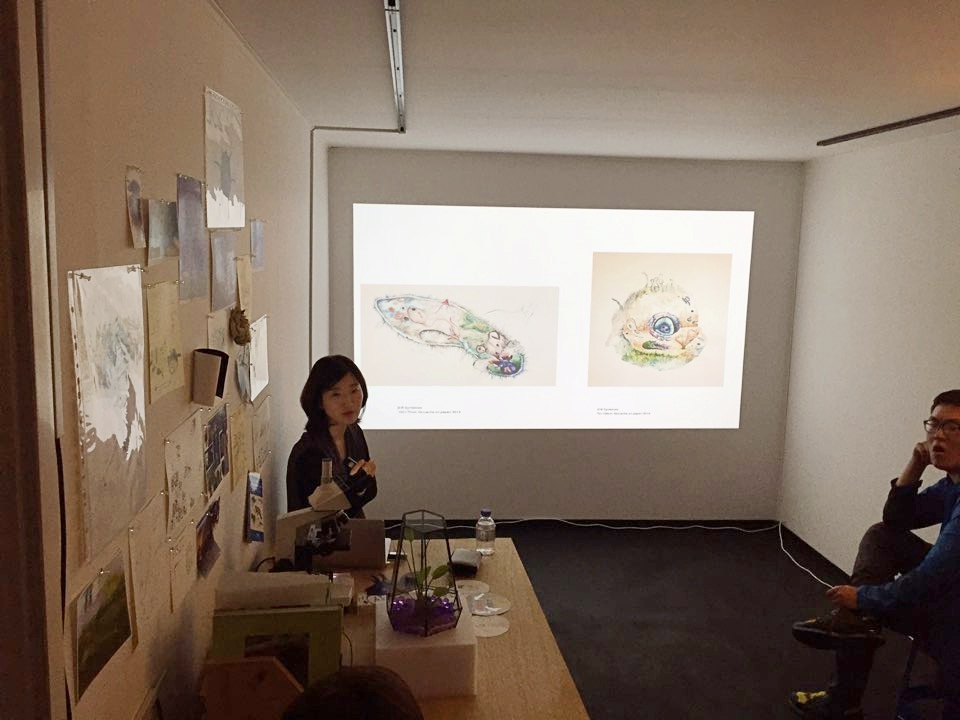
The simplest approach would be to describe her merely as a “synesthete.” Indeed, she has characterized herself as “a synesthete who simultaneously conjures up smell, images, and text.” Consider the drawings she calls “Bio-drawings,” or the paintings presented in the rear section of the first floor of her 《Smellscape》 (2023) exhibition, as well as those shown in 《This Is Not Just Local: Tactical Practices》 (2024) at the Busan Museum of Contemporary Art.
While the former evoke microscopic images of cells observed through a microscope, the latter incorporate concise yet poetic descriptions. Such examples appear sufficient to characterize her as “a synesthete who simultaneously conjures up smell, images, and text.”
Yet at a time when works and exhibitions addressing environmental and ecological concerns have proliferated to the point of saturation, such an interpretation is as hollow as simply categorizing her practice as “ecological art.” Consider, for instance, the growing tendency among artworks and exhibitions concerned with ecology and the environment to critically reflect upon the waste generated by their own production.
Representative examples include the work of Jewyo Rhii, recipient of the Korea Artist Prize 2019, and the exhibition 《Sustainable Museum: Art and Environment》 at the Busan Museum of Contemporary Art, which displayed, in a corner of the gallery, three tons of sacks filled with demolished temporary walls from a previous exhibition, alongside discarded steel frames and wooden beams, as part of the exhibition itself.
More specifically, the contemporary significance and implications of weeds, which Kim Jee Soo explored through Emerson, have been astutely investigated by Hwasoo Yoo, a recent recipient of the SONGEUN Art Award, who has hybridized them with disability and artificial intelligence technologies.
Jung Yeondoo has subtly translated the resonances shared by plants and sound through the question of “migration” in his recent works. Meanwhile, Sunmin Park explores the intersection of mushrooms and architecture, while Hanna Jang, calling plastic that has become indistinguishable from stone “New Rock,” redefines the horizons of an era marked by climate and ecological crises.
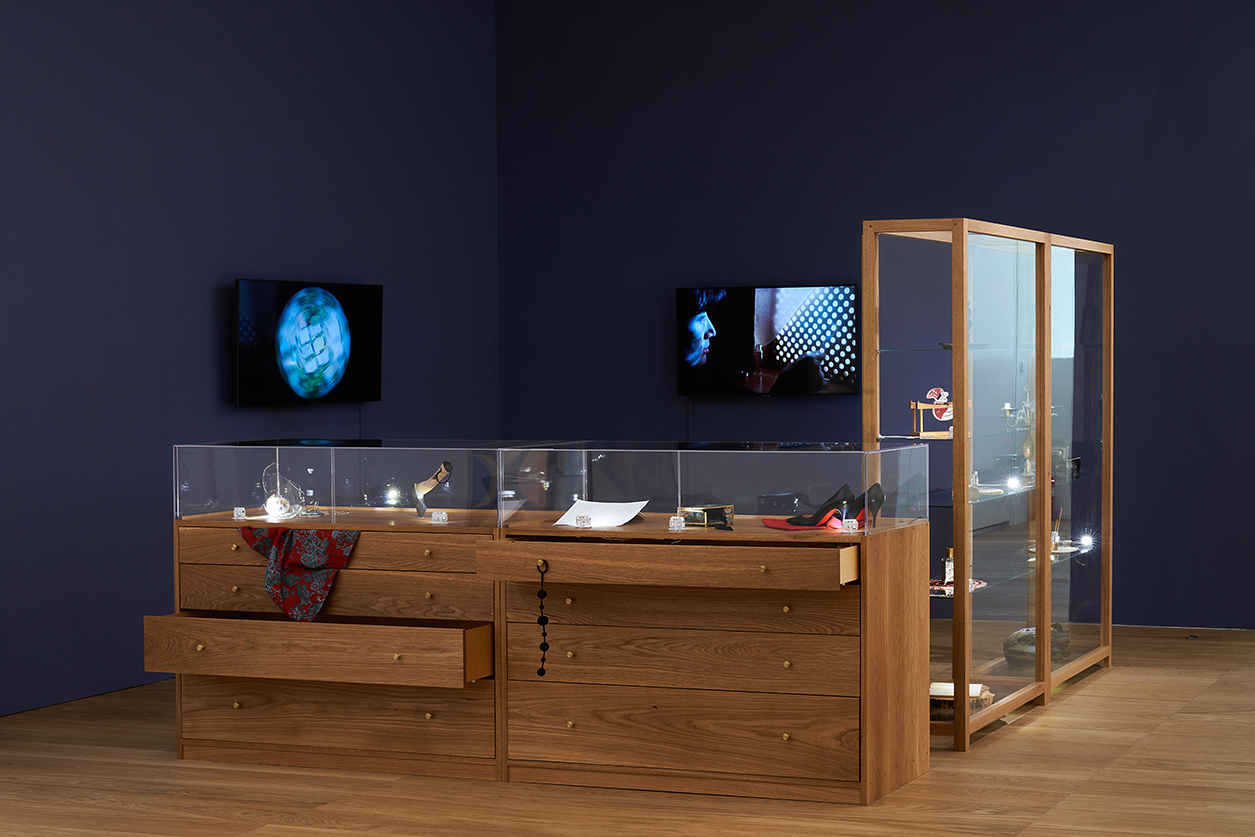
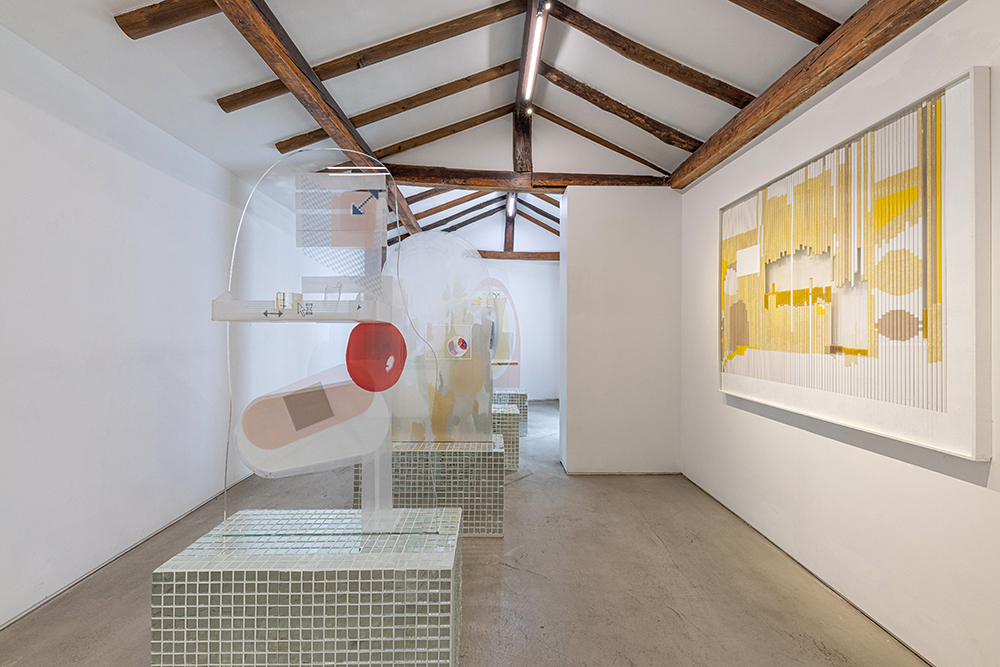
Could “installation artist,” then, offer an alternative designation? In We Are in the Air (2021), for example, books brought from the study of her father, who was a historian, were displayed alongside the artist's writings, childhood toys, and collected objects—including fragrances, samples of her own body odor, candlesticks, and moss—within display cabinets and partially opened drawers.
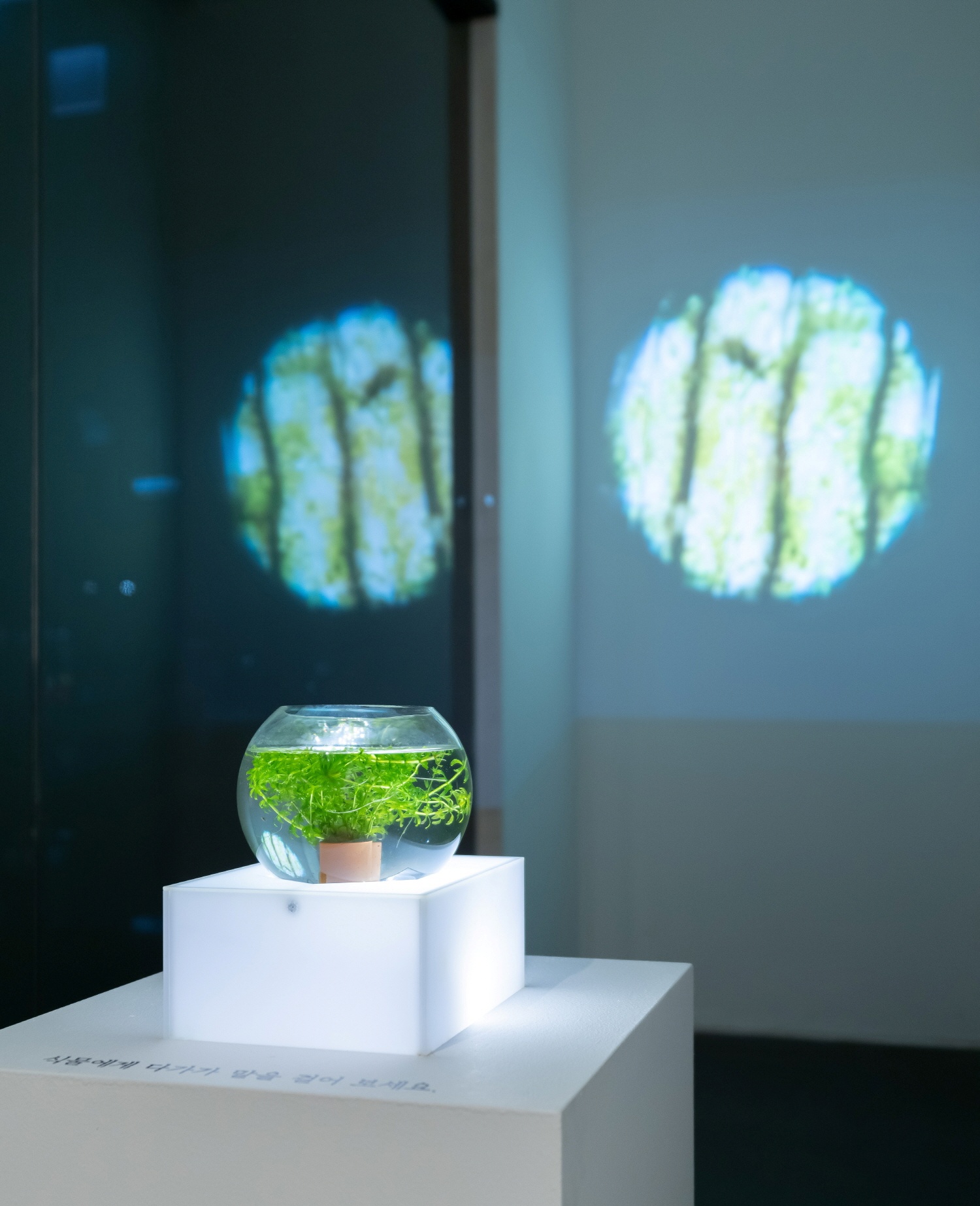
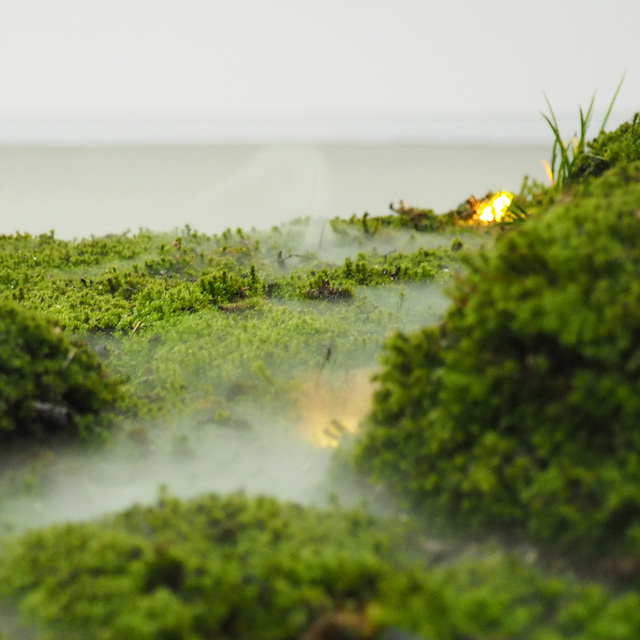
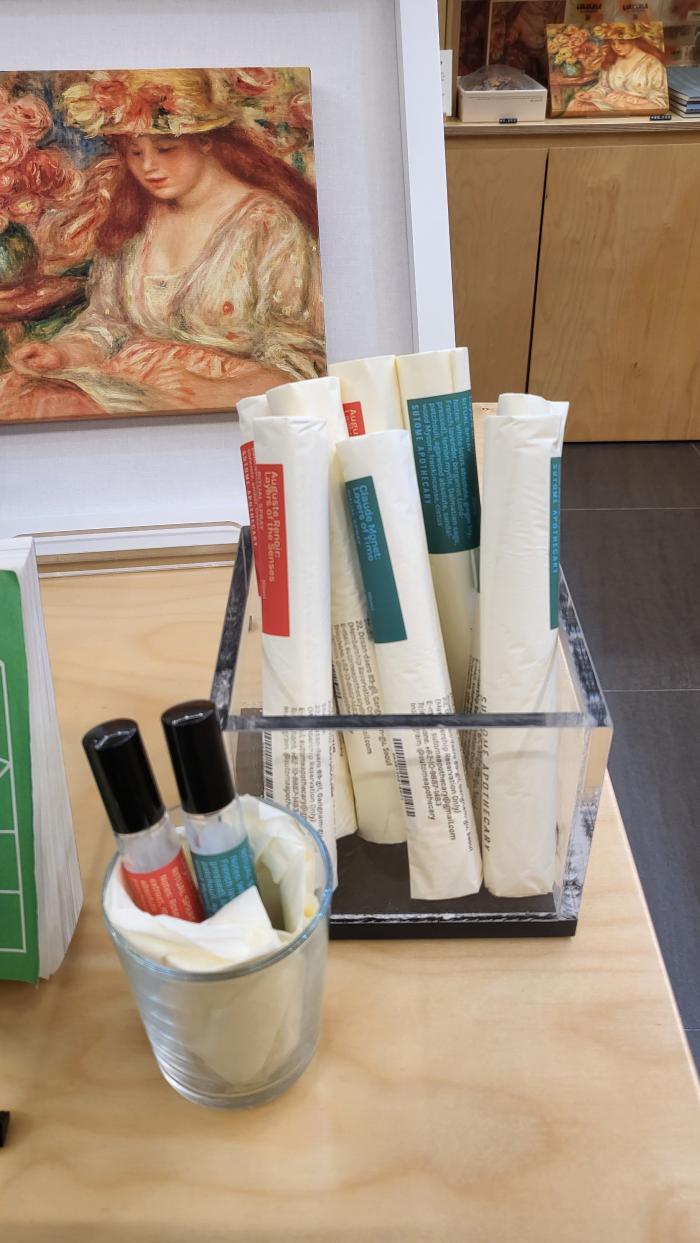
Breathing (2016) drew on the responsiveness of moss to sound through light and fragrance, employing Arduino and LED technology to encourage interaction with viewers through hearing as well as sight and smell. There are also collaborative works involving botanists and dancers, such as Petrichor (2016), in which entering a dome activates fragrances made from plant extracts above the moss, as well as audiovisual works such as A Map of Smell (2020) and The Imagination of Scent (2021).
Amid the conspicuous yet ultimately unproductive circulation of labels such as “ecology” and “installation art” around Kim Jee Soo's practice, it is olfaction that consistently runs through all these works like a basso continuo. Yet this must be clearly distinguished from any naive attempt to reduce her practice to the single sense of smell.
The reason these works mobilize various senses, encompassing not only sight and hearing but also touch, is precisely the effect of smell as a “catalyst.” It is in this context that Kim emphasizes “olfactory imagination,” insisting that she is “not simply expressing a particular smell.” Like a prism that simultaneously gathers and disperses light, smell and fragrance serve for her as media that concentrate “synesthesia” or disperse it into other senses.
At a primary level, this is not unrelated to the fact that smells themselves disperse and disappear, as noted earlier. It would not be an exaggeration to regard her early works About Moving and Disappearing Motion, together with the exhibition title 《Vague Amplification》 from that period, as descriptions of how olfaction operates. More fundamentally, however, smell functions in her practice as a “disappearing (yet never quite disappearing) medium” of dispersion and translation, one that intensifies other senses even as it vanishes.
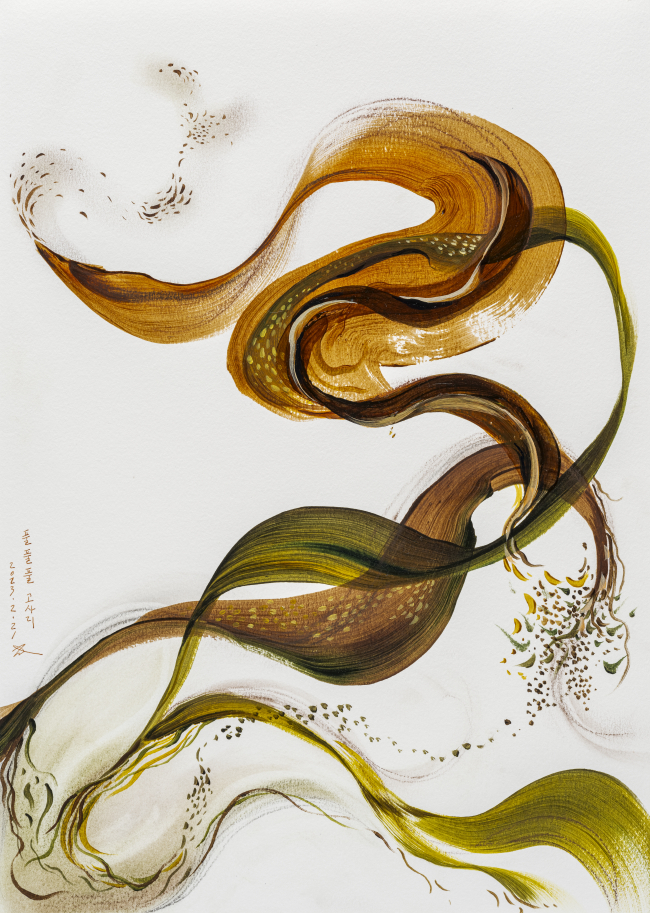
At the visual level, for instance, her works generally evoke what art critics Rosalind Krauss and Yve-Alain Bois, following Georges Bataille, called the “formless” (informe), rather than conventional forms. This characteristic has persisted to some extent from Kim Jee Soo's early works, which resembled Impressionist pointillism, to the trajectories of flames or atmospheric dispersion found in her more recent practice.
Although forms suggestive of “cells” have consistently appeared in her work, even these are, strictly speaking, closer to the “formless” (informe) in the conventional sense. This also helps explain the “metaphorical” character of the poetic sentences her works evoke, in accordance with the literal meaning of metaphor: to “carry” (pherein) “across” (meta-).
Like smells that disperse across boundaries without belonging to any fixed “place,” her works overflow into the territories of other senses, translating them through smell. Indeed, it was after an improvisational performance in 2019, during which she smelled body odors from various parts of people's bodies, that she began writing what she calls “smell texts” in earnest, including phrases such as “a smell as though one had just emerged from a primordial moss forest.” To reiterate, this should not be flattened into a form of “synesthesia” that merely “adds” poetry or performance to her practice.
Ironically, her exceptional position as an artist who has consistently cultivated her sense of smell also invites more demanding standards of evaluation. Regardless of the artist's intentions, Kim Jee Soo's works sometimes tend to remain within certain visual or linguistic boundaries, exposing them to the risk of being interpreted as using olfaction as a convenient alibi.
Moreover, despite works such as The Smell Tree (2019), which incorporates ashes left by a fire in her studio, and responses from viewers who have described experiencing “pain” in her work, one might argue that her practice leans more toward “fragrance” than “stench,” insofar as it rarely makes viewers uncomfortable.
Of course, in a world where it is becoming increasingly difficult to distinguish between foul odors and bad taste, or between discomfort and criticism, such distinctions cannot serve as absolute criteria. Again, the fact that Kim Jee Soo has relatively few artists with whom she can be compared or against whom she must compete may prove to be a double-edged sword.
Is this not precisely the ontological predicament that Orwell's observation, “To see what is in front of one's nose needs a constant struggle,” evokes on a metacritical level? For if the history of art has thus far concentrated disproportionately on language and the audiovisual senses, the horizon of sensory struggle that Kim Jee Soo may open up could be broader and more expansive than anyone else's.