Painting is not created through sight alone. It is connected to every aspect of life.
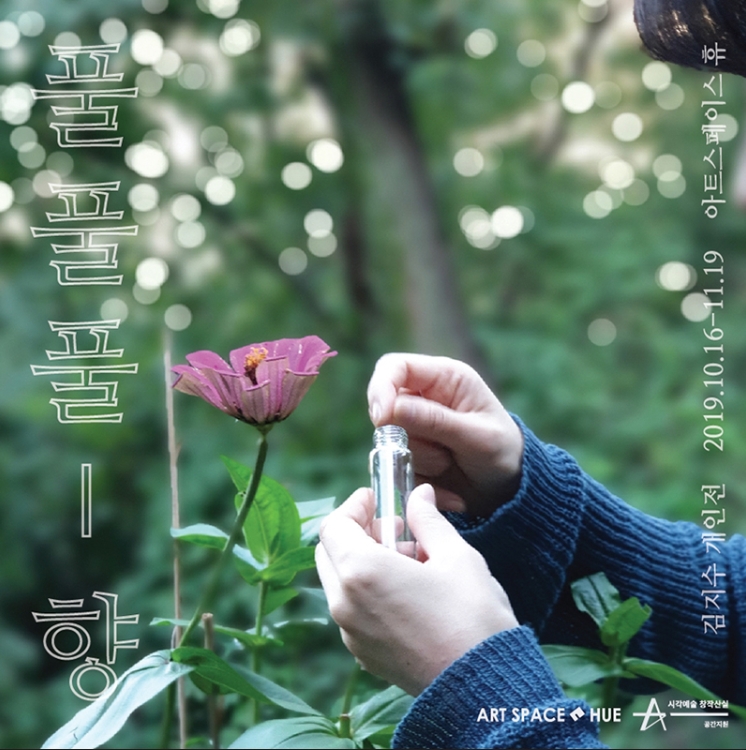
“I once saw plants being discarded after an exhibition. To me, that is simply unacceptable. I bring the plants I grow to the exhibition space and then take them back to my studio afterward. I continue to care for them.” (Kim Jee Soo)
I would like to begin with an obvious observation. Any attempt to declare an end to humanity's position of superiority must inevitably reflect an anthropocentric perspective. The philosophical approach known as “new materialism,” which has gained popularity in the Korean art scene over the past three or four years, and the various artistic movements described as “ecological art” or “Anthropocene art” are no exceptions.
Although numerous theories have emerged in an effort to dismantle the distinction between the natural and human worlds, it is virtually impossible to eliminate perspectives that are distinctly human. For this reason, I prefer to maintain a certain distance from the theoretical positions surrounding ecological art and instead focus on how artists actually engage with nature.
In their recent encounters with nature, Korean artists do not appear to claim any particular superiority over it as human beings, yet neither do they abandon their own human perspectives. Rather, they encourage us to view nature as reflected in human life in increasingly personal and active ways. One might say that they do not attempt to evade the artist's inevitable tendency to intuitively appropriate and make use of their subjects.
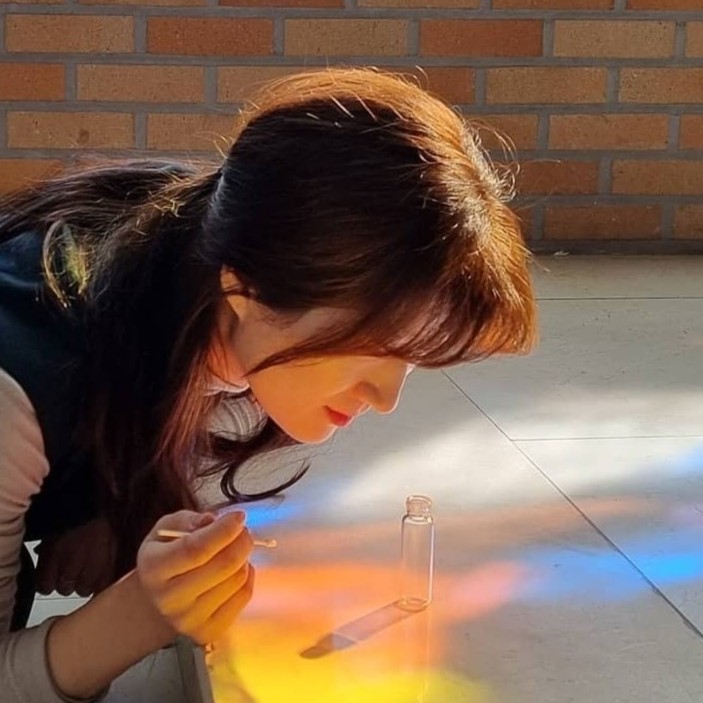
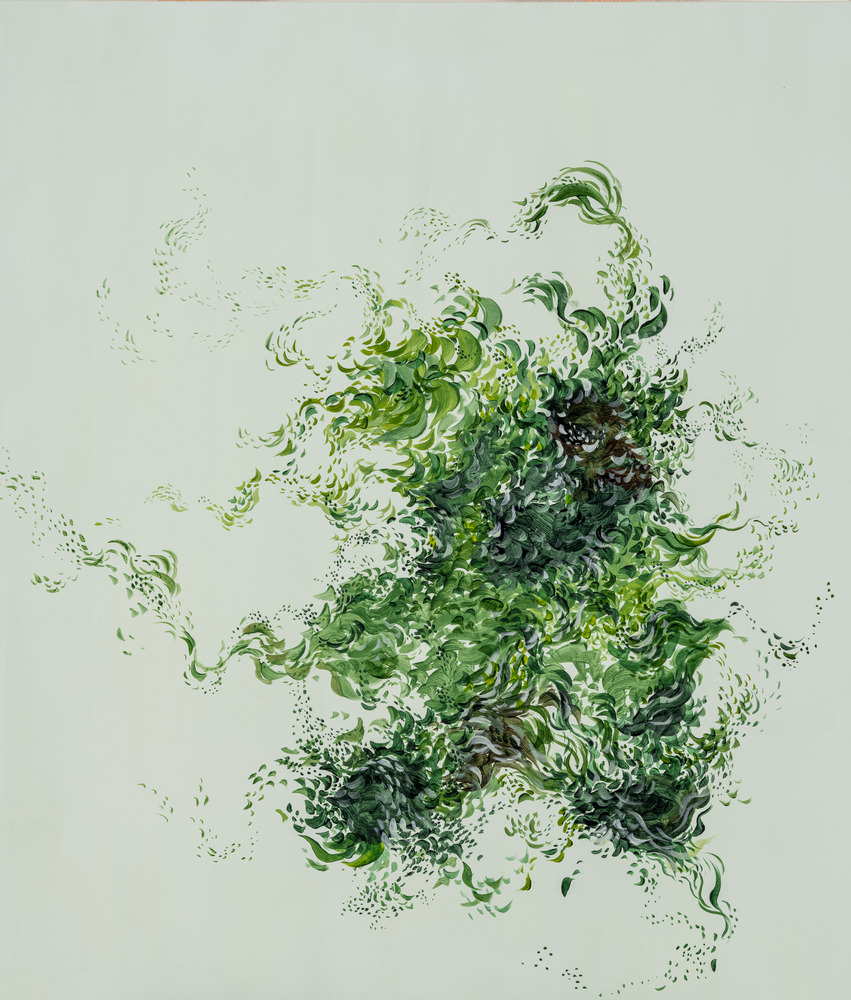
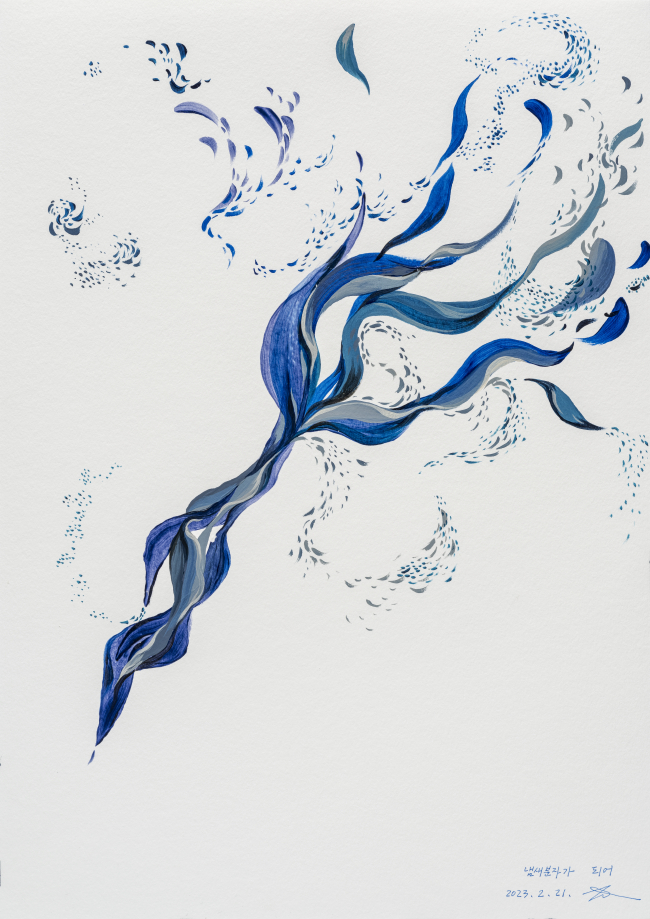
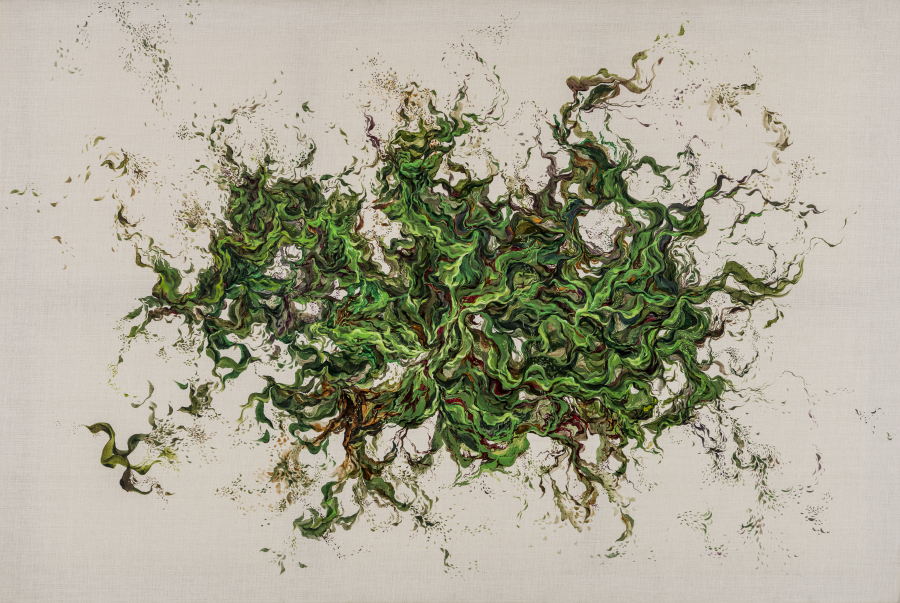
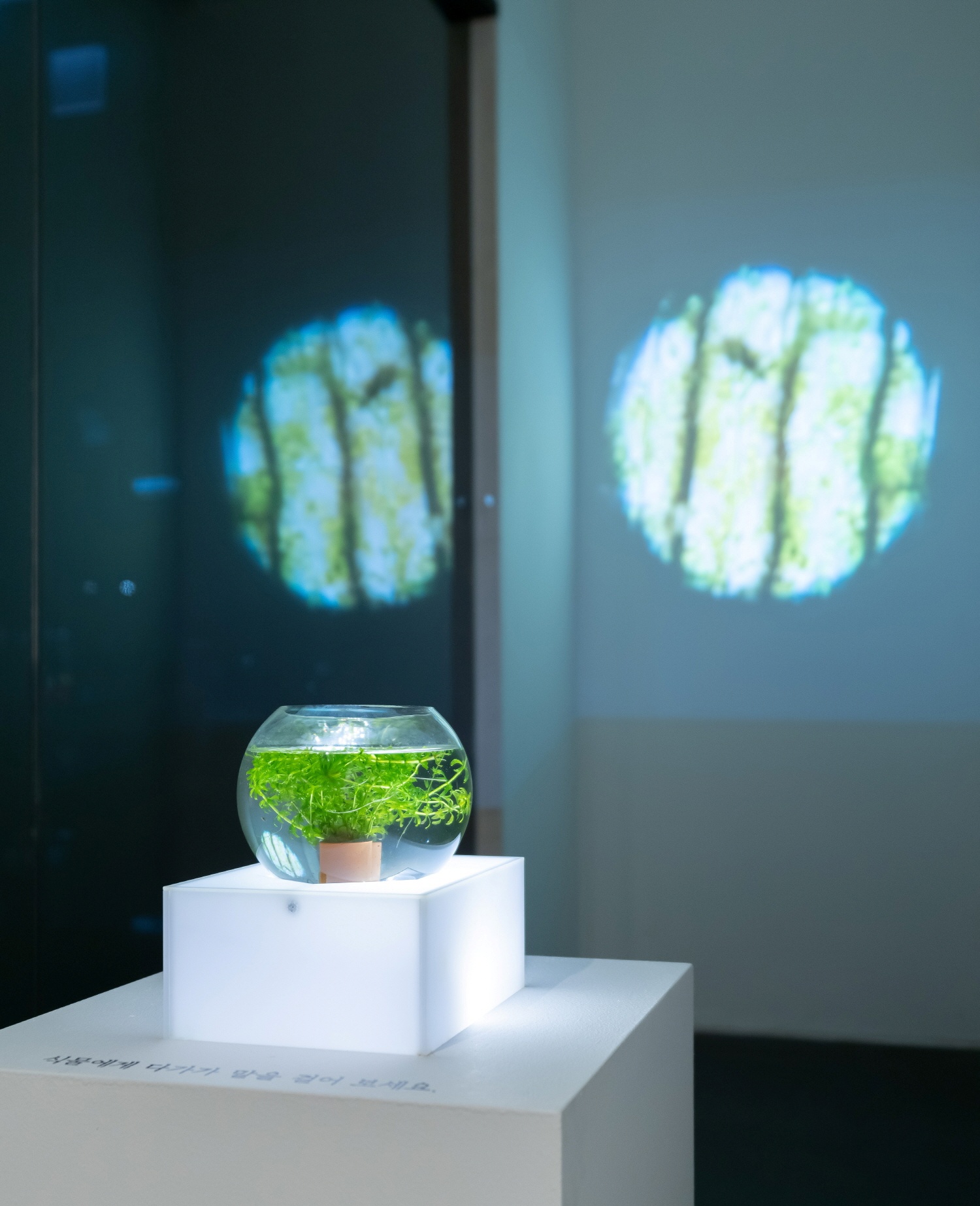
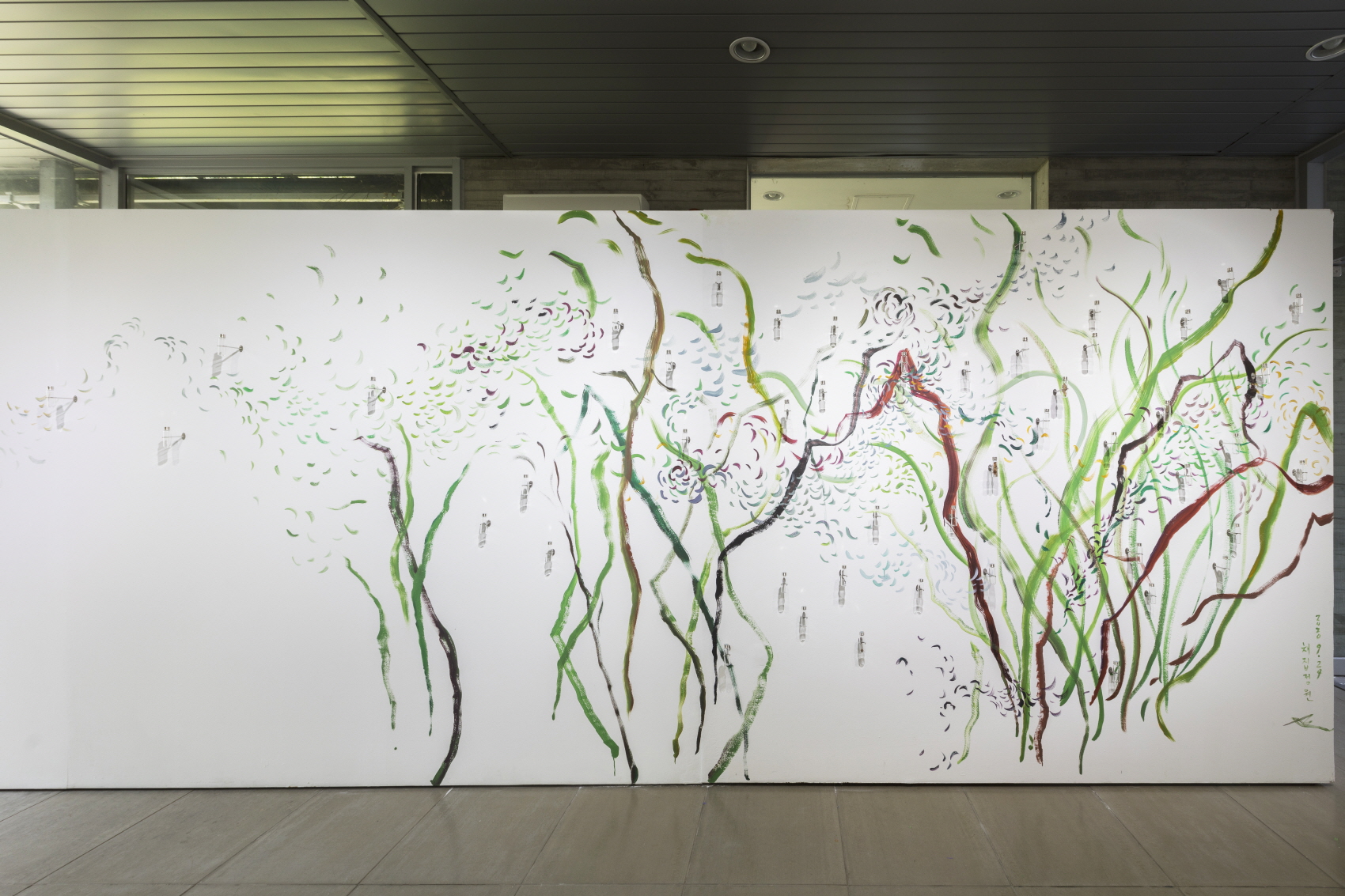
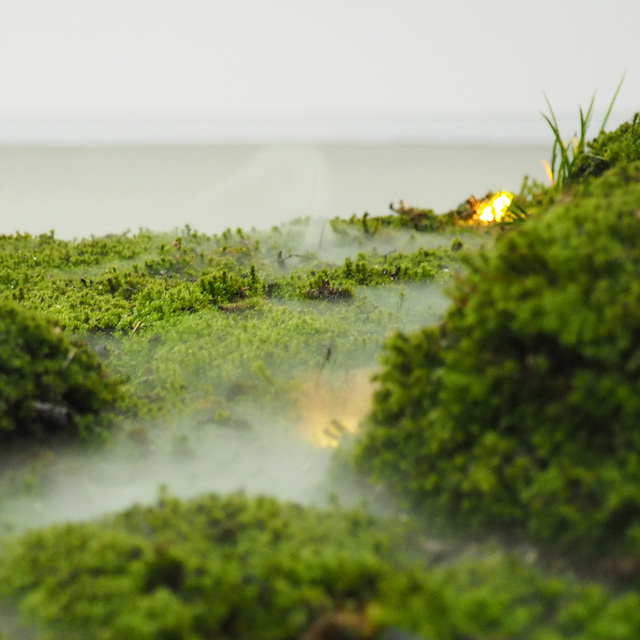
Over the past decade, Kim Jee Soo has consistently explored ecological themes through various media, including drawing, painting, mixed-media installation, and interactive media art. Before being an artist, she is an enthusiastic plant lover and cultivator, and the moss and other plants she brings into exhibition spaces are living organisms that continue to grow in her studio.
Indeed, for more than ten years, Kim has closely and continuously observed how plants perceive, respond, and survive. Recently, she has begun incorporating theatrical elements such as light and sound, stimulating sensory experiences beyond conventional visual appreciation, so that viewers can more vividly perceive the presence of the moss she grows. Throughout this process, her intuitive and sometimes deeply personal approach stands out more than a scientific or neutral attitude.
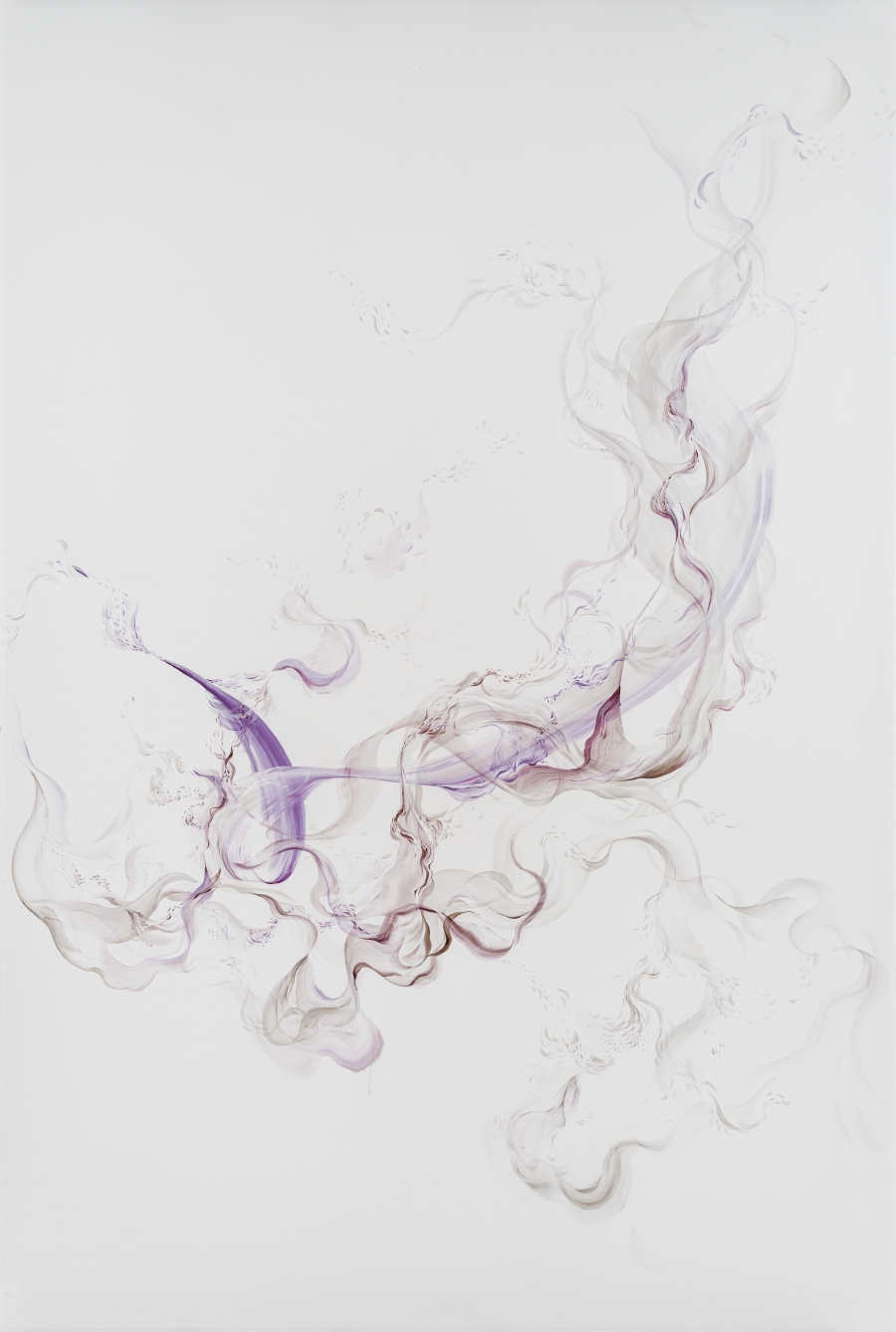
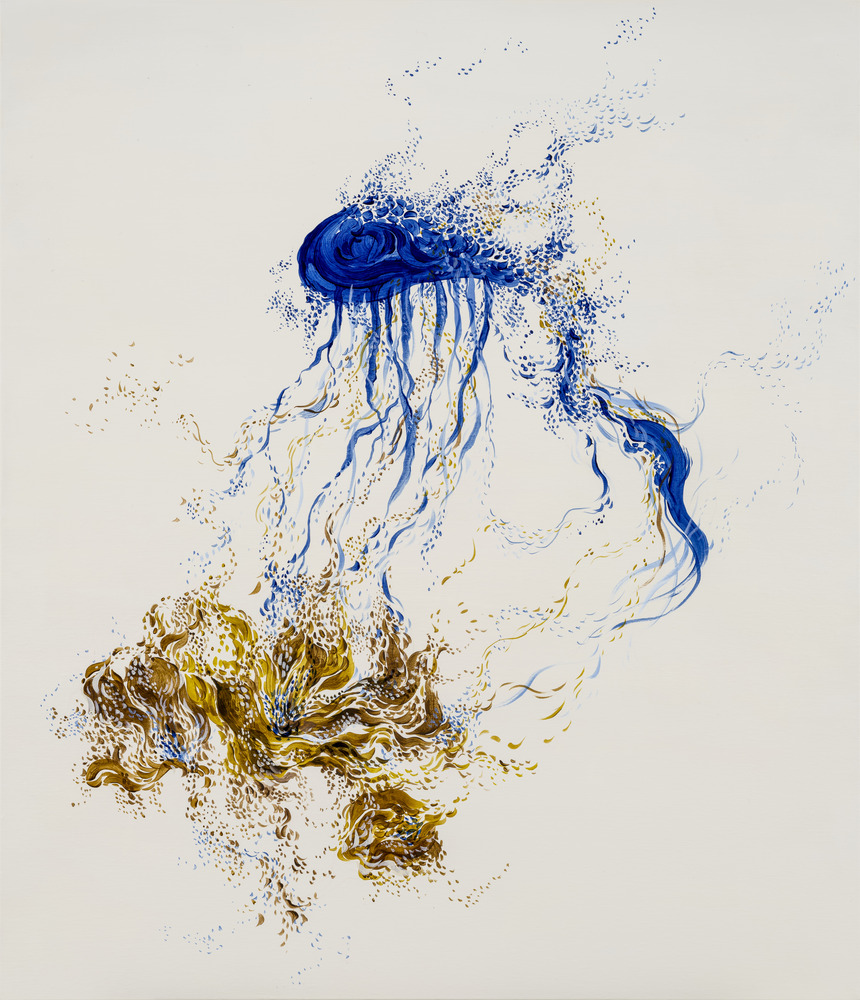
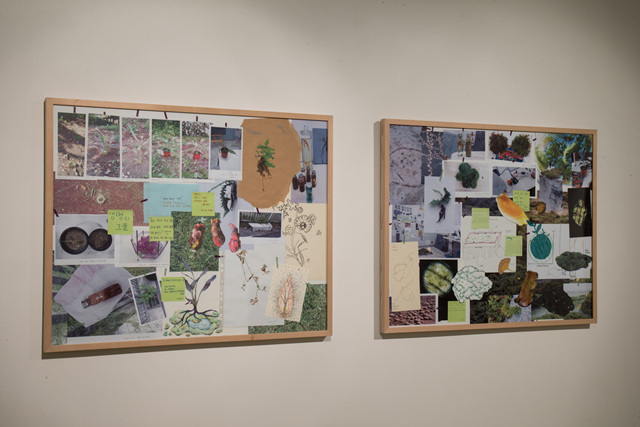
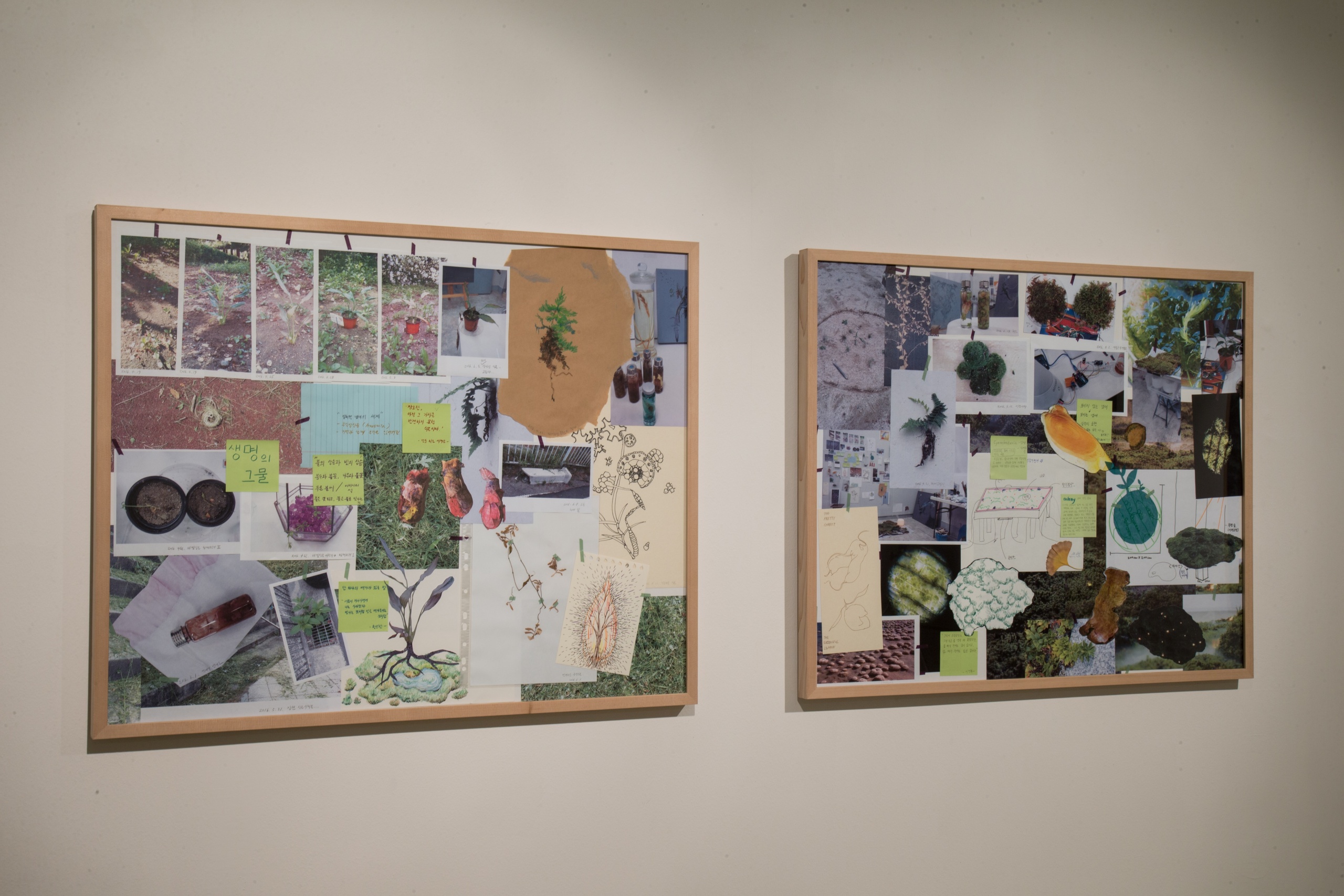
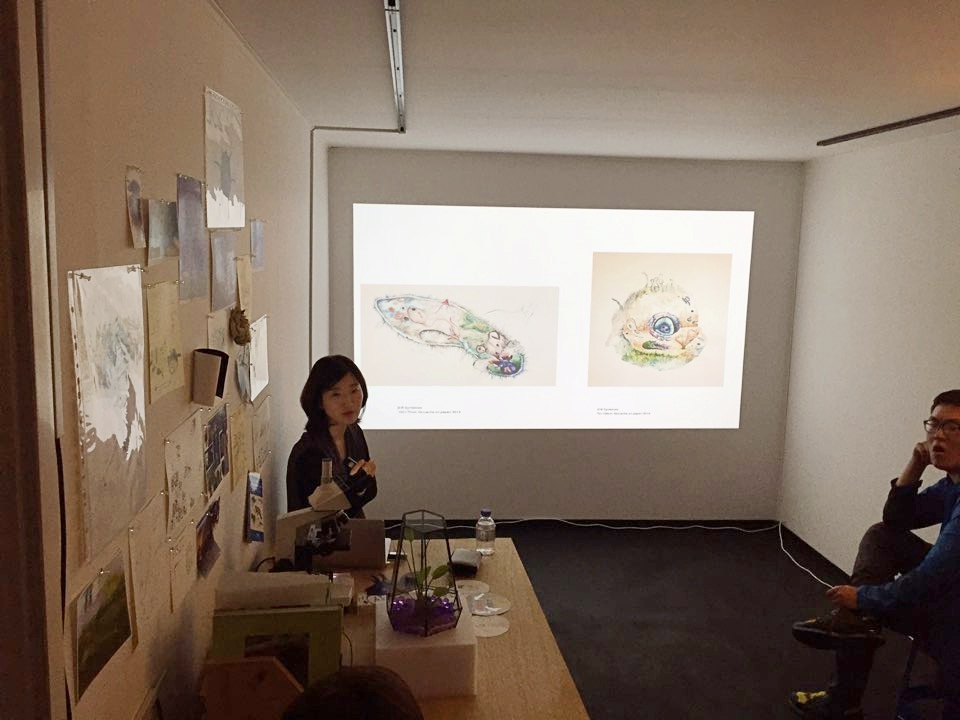
In Collected Moment (2013–2014), an installation comprising drawings and paintings, the artist reveals the process of internalizing “codified” scientific knowledge and information. Influenced by her father, Kim developed an interest in various plants and animals from an early age, which she has expressed through her own distinctive “bio-drawings.”
On sheets of paper approximately A4 in size arranged across the wall, biological information about plants and animals is intermingled with expressive and abstract images derived from the artist's imagination, as well as linguistic and visual information. This reminds viewers of the fundamental fact that although ecological art may require specialized knowledge of the natural sciences, it ultimately originates in the artist's personal imagination.
Here, the act of “collecting” is refreshing because it reveals the diverse and personal ways in which the artist encounters nature, rather than presenting objective botanical data obtained by artificially extracting samples from nature or acquiring them through force.
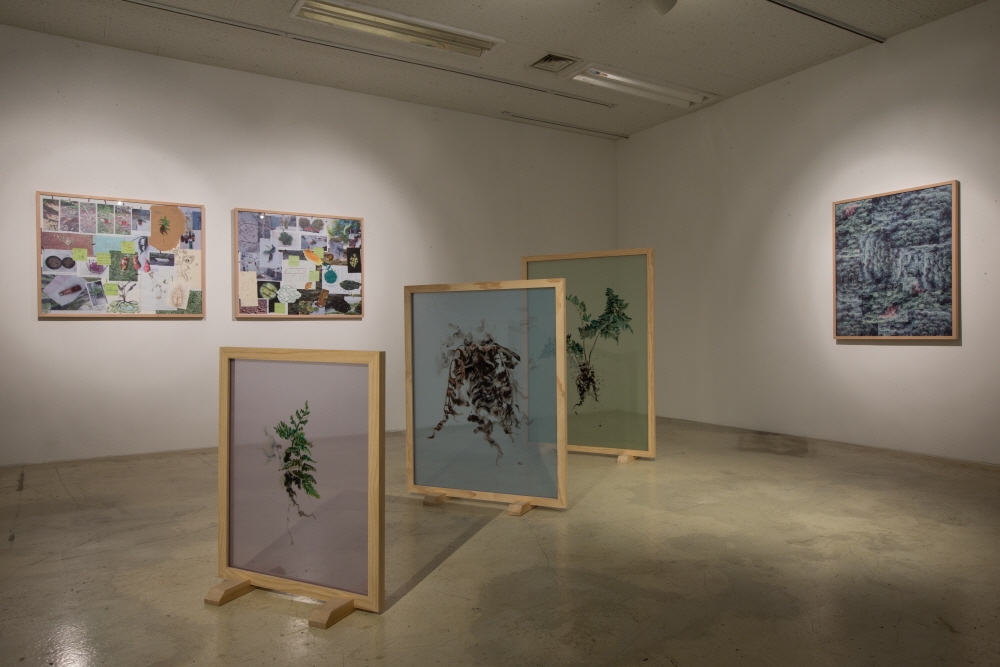
It is also worth paying attention to the dualistic or pluralistic systems found in Kim Jee Soo's paintings. The ways in which she constructs structures and layers reject objective and neutral interpretations or perspectives, instead following her personal imagination. In Collected Moment, her 'Roots' drawing series, and the photographic work TEMI Tree (2016), the artist presents a striking diversity of viewpoints.
This can be understood as an attempt to pursue a dual or multifaceted reality encompassing both the visible phenomenal world and what lies beyond it. In You, Just Like That (2016), roots represent the source of life, but they also serve as supporting structures that play an even greater role than the visible parts of plants above ground. The work reminds us not only that a single phenomenon can be interpreted from multiple perspectives, but also that a much larger structure exists beyond the phenomenal world.
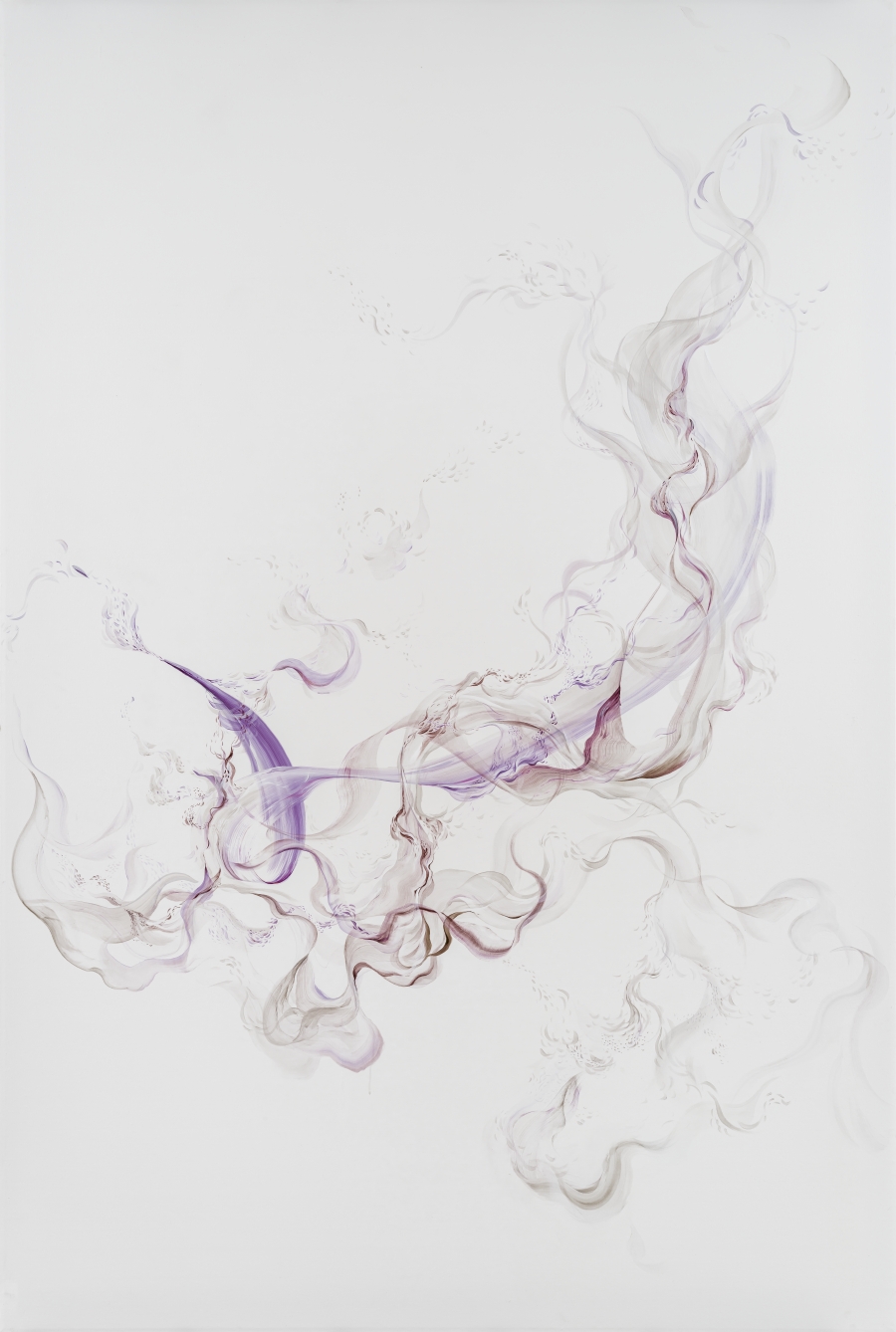
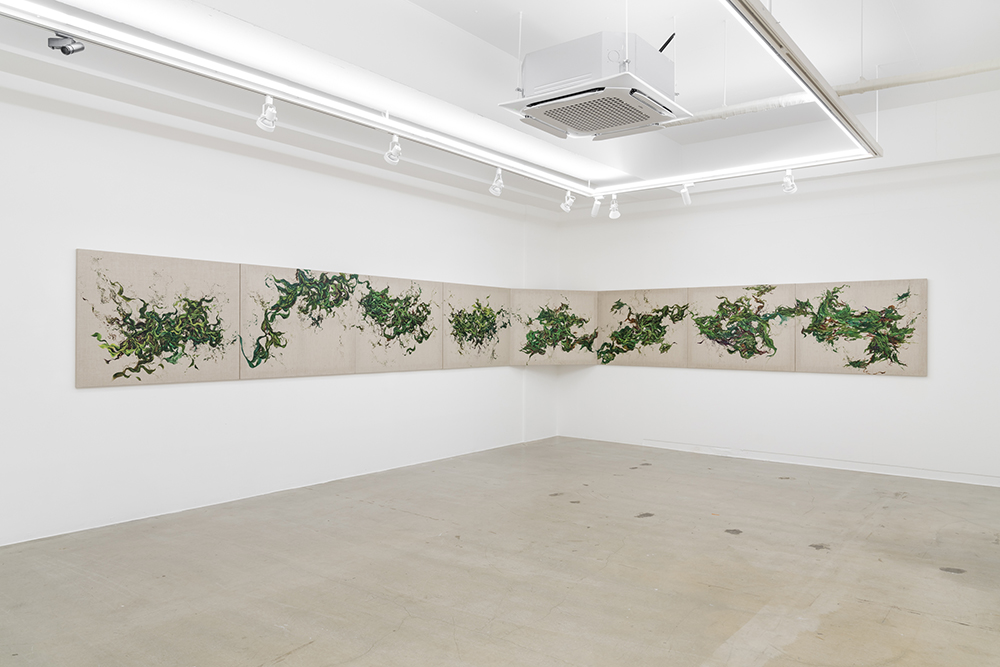
Similarly, the overlapping layers of photographs in TEMI Tree evoke geological strata. Kim Jee Soo's 'Harmony' series (2014) also makes it difficult to perceive natural phenomena from a single, clearly defined perspective, as images drawn on the inside and outside, on one side and the other, are projected onto one another.
By drawing plants on both sides of translucent fabric, images on one surface obscure or overlap those on the other. Just as different kinds of information are juxtaposed, distinct images on either side of a transparent surface overlap, placing every being and image in relation to its context. This evokes the organic characteristics of ecological structures.
Kim Jee Soo's recent focus on ecological art education, video, and sound installations over the past four or five years can be understood as part of her efforts to allow plants to “speak for themselves” and “communicate with humans.” Her growing interest in movement, sound, and smell also reflects her desire to explore various realms that clearly exist but remain invisible.
More importantly, from Kim's perspective, sound, smell, and movement are significant because they constitute ways in which plants sustain their existence. They serve as means through which humans, who possess entirely different languages and modes of communication, can perceive and learn to understand the gestures of plants.
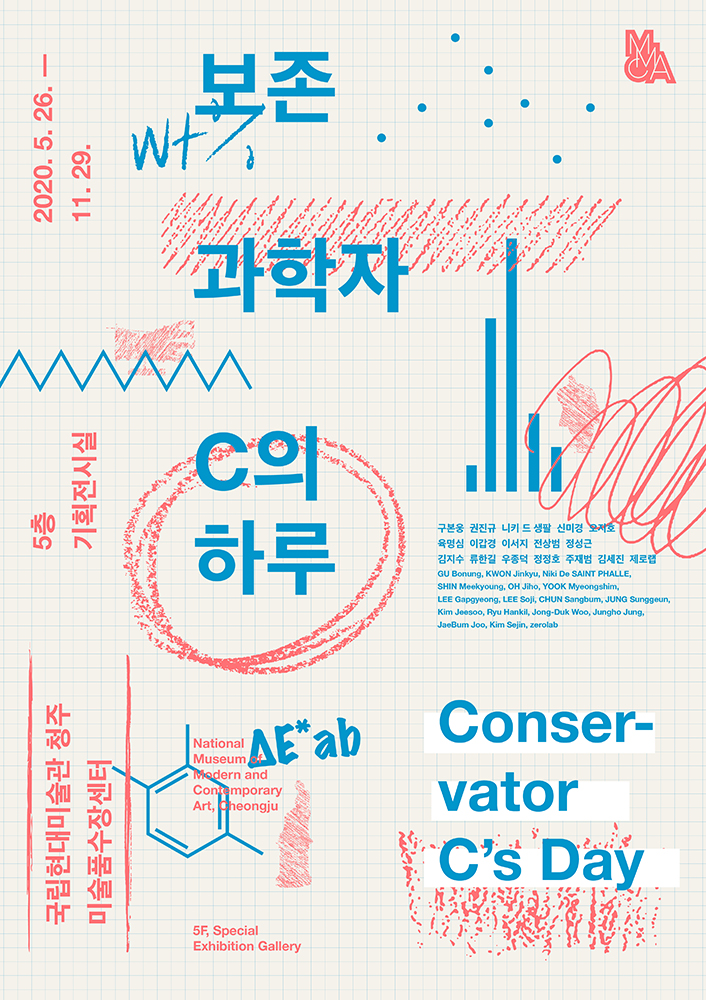
In the performance Petrico, presented in the courtyard of the National Museum of Modern and Contemporary Art, Korea, Kim collaborated with Greenblood, whose concept draws upon the movement of chloroplasts within plants, circulating and supplying nutrients in a manner reminiscent of blood vessels in the human body.
The dancer compared the internal structure of plants to the human body, translating the movements of chloroplasts into bodily movements. Meanwhile, light and scent could be perceived within a tent-like enclosure installed by the artist. The structure was designed almost as an imitation of a living organism itself. Visitors could enter the igloo-like structure of Petrico and experience the scents of plants and changes in light.
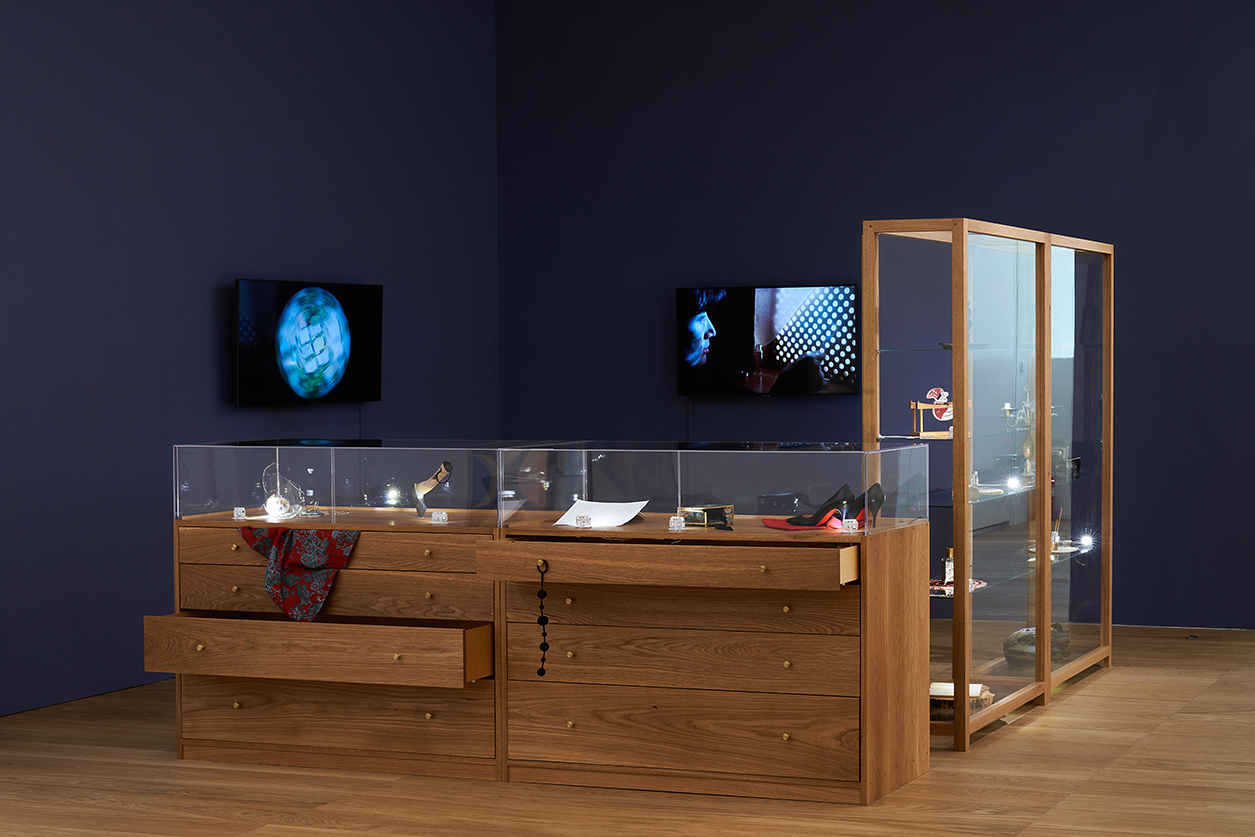
Olfaction is particularly significant not only because it is associated with smells that stimulate deeply humanistic interpretations and imagination, but also because it relates to the chemical responses that plants release to ensure their own survival. In My Father and I (2019), the artist brought together an old briefcase found in her father's study, a place deeply embedded in her childhood memories, and various plants that had spontaneously sprouted from moss she cultivated on her studio balcony.
According to neuroscience, the sense of smell is closely connected to the parts of the brain responsible for storing memories. At the same time, the notion that something “smells” has long carried negative connotations. To elaborate, distinctions between pleasant and unpleasant odors, scents associated with particular cultures, and aromas considered “healthy and desirable” have been contentious issues throughout history, both socially and economically. Unlike sound, smell is also a “problematic” entity that is difficult to control, particularly because it gradually spreads through the air.
However, if smell is an elusive element, as difficult to control as a mirage, it can also serve as one of the most effective means of self-defense for plants. In her 'Breathing' series (2016), the artist had already created installations in which approaching the work and making a sound—or, in her words, “speaking to the plants”—would activate lights and sounds.
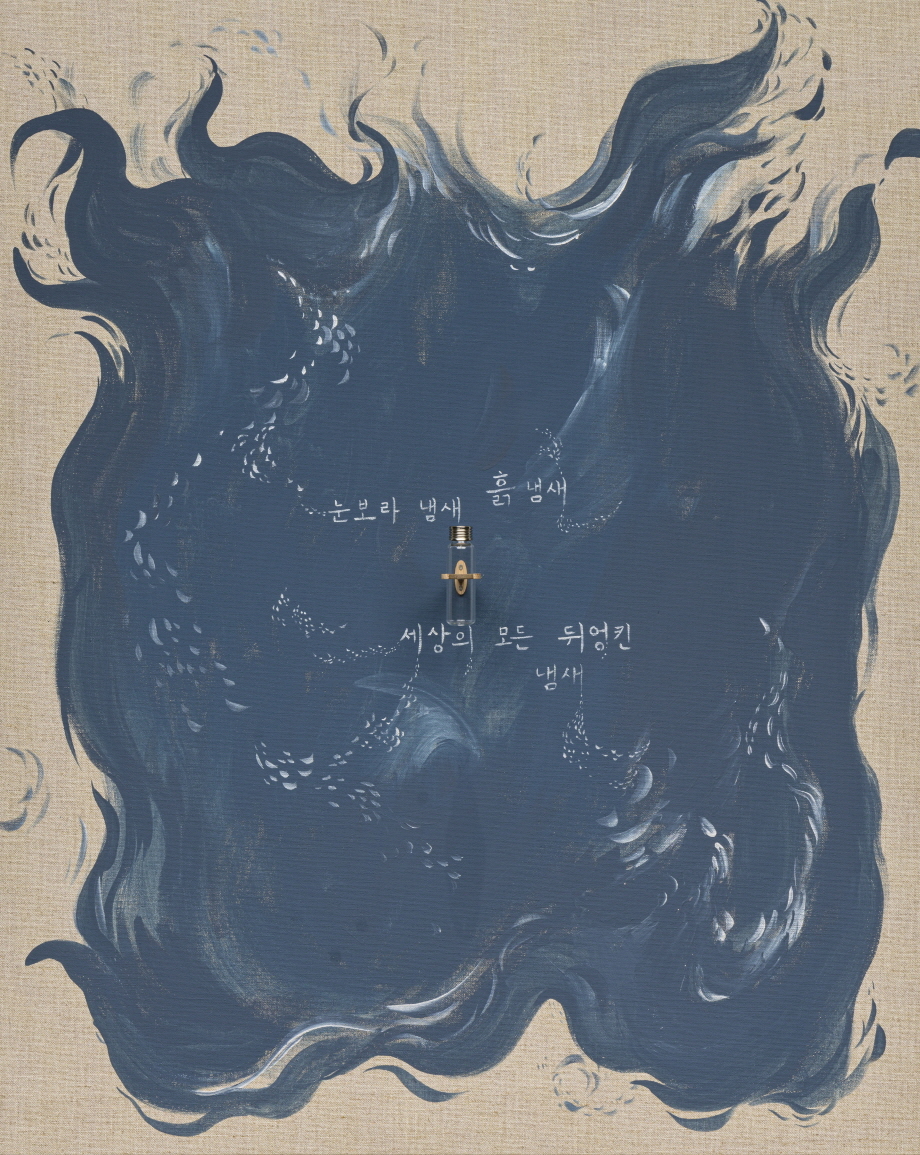
For Kim, scent is not only a means of making the presence of plants known to viewers but also a medium through which they can sensorially experience the process of a living organism encountering and responding to its external environment. Moreover, smell is a stimulus that becomes deeply embedded in human memory.
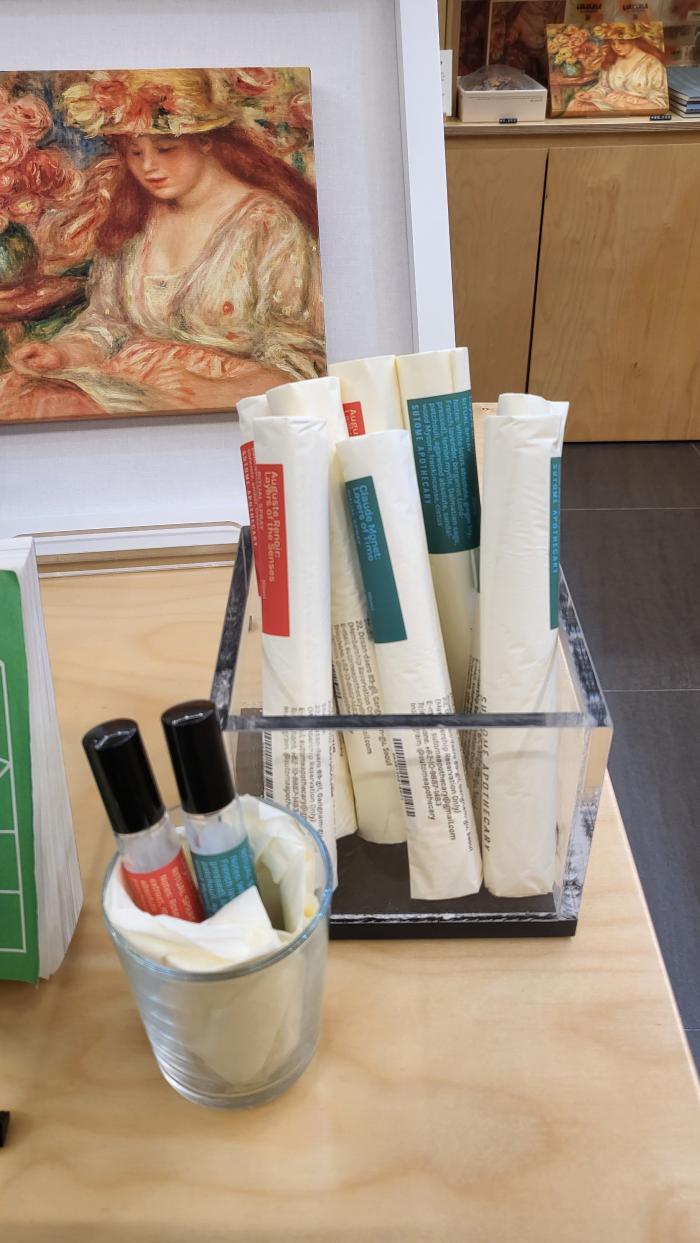
This year, Kim presented Scentime, a work that “transmits scent,” featuring collected smells in the offline exhibition and stimulating visitors' olfactory imagination in the online exhibition, as part of CAN Foundation's group exhibition 《This Is Tomorrow》. She also plans to develop projects that organically connect various sensory organs.
Of course, additional equipment would be necessary for visitors to directly experience an ongoing dialogue between humans and plants through the continuous diffusion of plant scents within an exhibition space. At present, the artist uses scents collected through various methods and seeks to return the plants used in her works to their original places whenever an exhibition ends.
Kim Jee Soo's evolving practice deserves attention precisely because it follows a different trajectory from the research-centered ecological art that has frequently appeared in museums in recent years. Such practices often strive to maintain an extremely neutral appearance or simply enumerate biological facts under the guise of an archive.
Before being an artist, Kim Jee Soo has long lived alongside plants as their devoted caretaker, and she does not appear to feel obligated to represent them in any particular way or communicate “specialized” knowledge. Although she does not necessarily avoid using objective research findings or statistics, the frequent presence of subjective and intuitive interpretations and expressions in her work suggests that she is free from such obligations.
What makes her practice feel refreshing is that it reminds us that the ultimate purpose of ecological art is, after all, “to activate nonverbal sensory communication between nature and humans,” and that fulfilling this purpose is part of “the artist's calling.”