Kim Jee Soo's 《GREEN MANTLE – Sensible Plants》 represents the culmination of years spent in dialogue with nature, particularly plants. In her work, the microscopic movements occurring within green plants arise from interactions with the human viewers standing before them. These interactions extend beyond the plants' outward appearance, penetrating their physiology and even their psychology.

Such communication goes beyond a merely lyrical engagement with nature to incorporate scientific methods that systematically explore its inner workings. While science and technology tend to treat nature as a material resource for production, Kim takes a different approach, developing her imagination through scientific processes.

Nevertheless, science and art share a strong reliance on visualization. What has driven the artist's sustained inquiry into this field is her firsthand experience of nature, dating back to her childhood days spent playing in the yard and on the hillside behind her home. Through scientific research, these experiences have gradually developed into a more universal language. The works presented to viewers are neither absorbed in vague lyricism nor confined within rigid systems of knowledge, but move freely between the two.


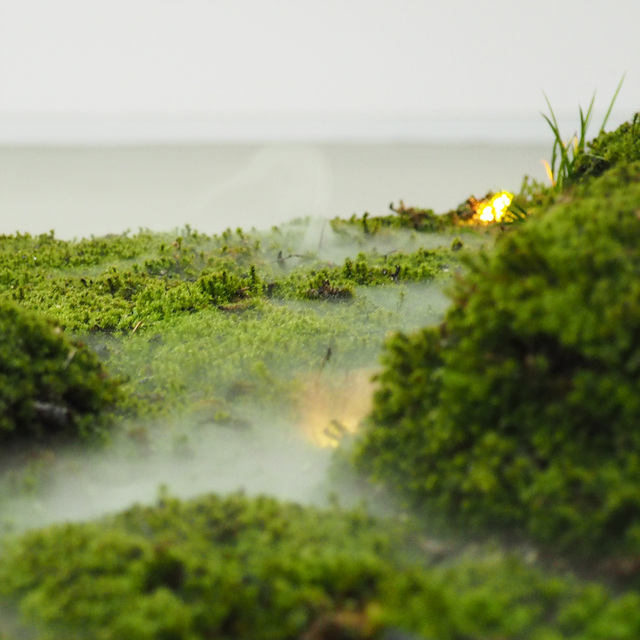
Kim Jee Soo, Breathing, 2016, Moss, wood, electrical wires, Arduino, LED lights, hoses, water, etc., 228 x 72 x 75 cm © Kim Jee Soo

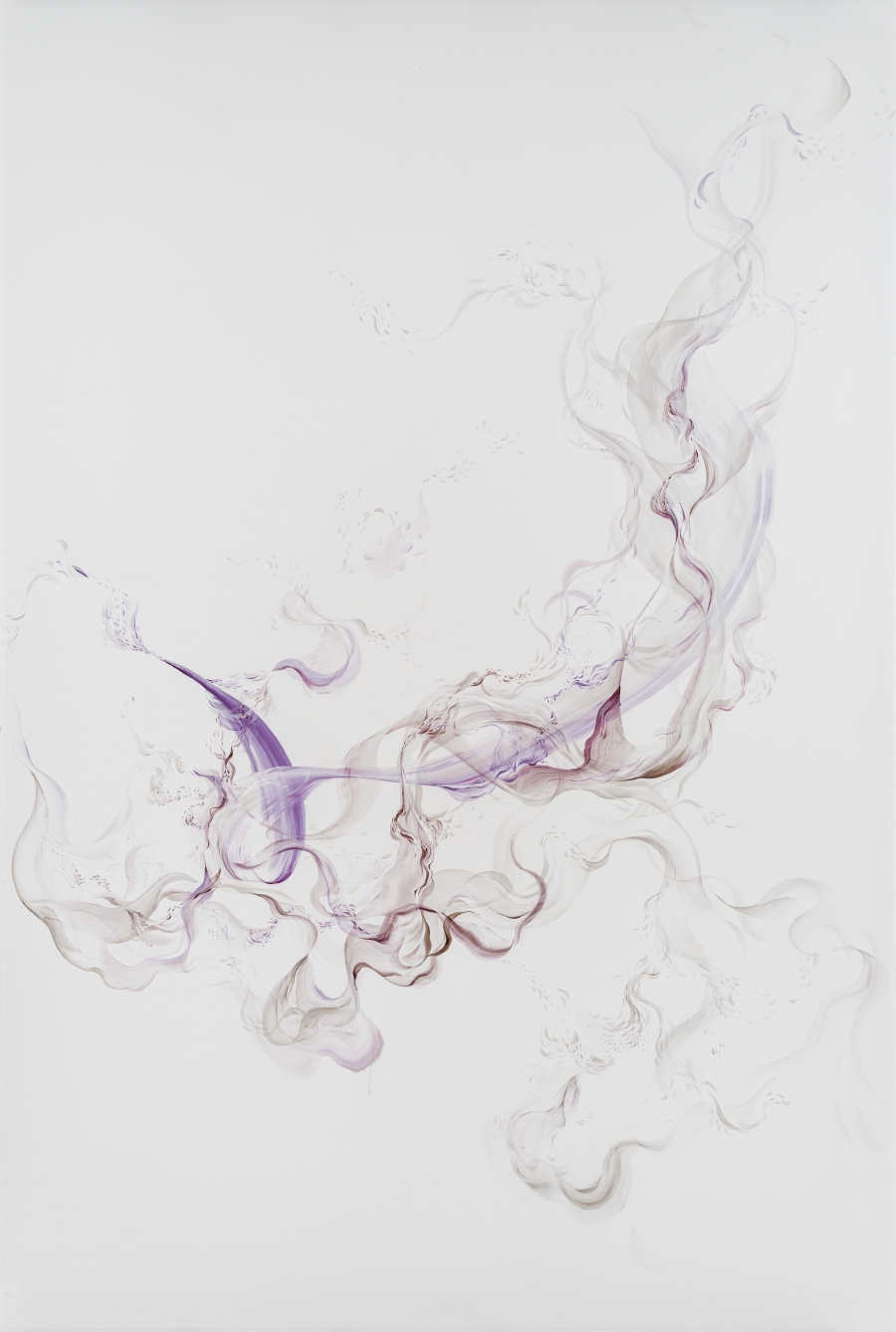
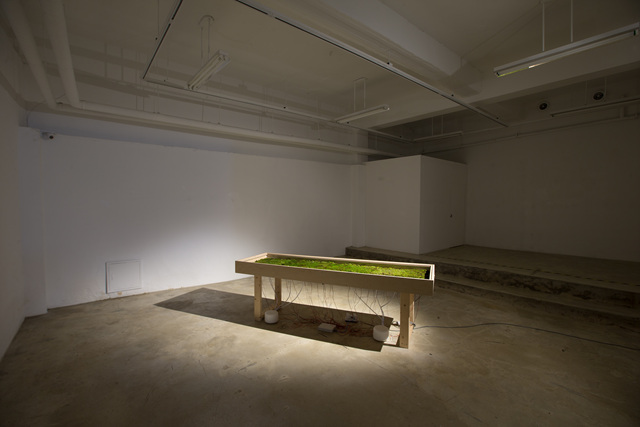
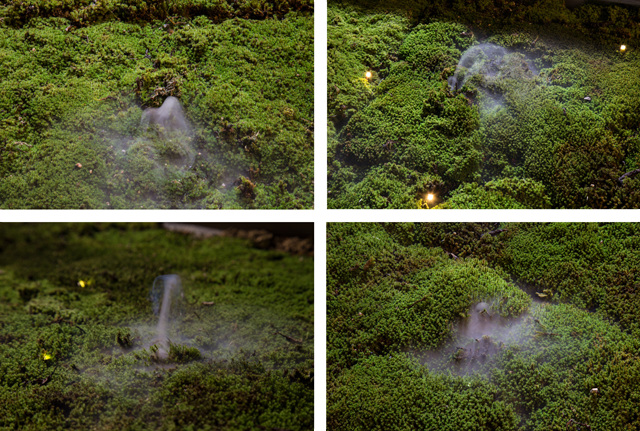
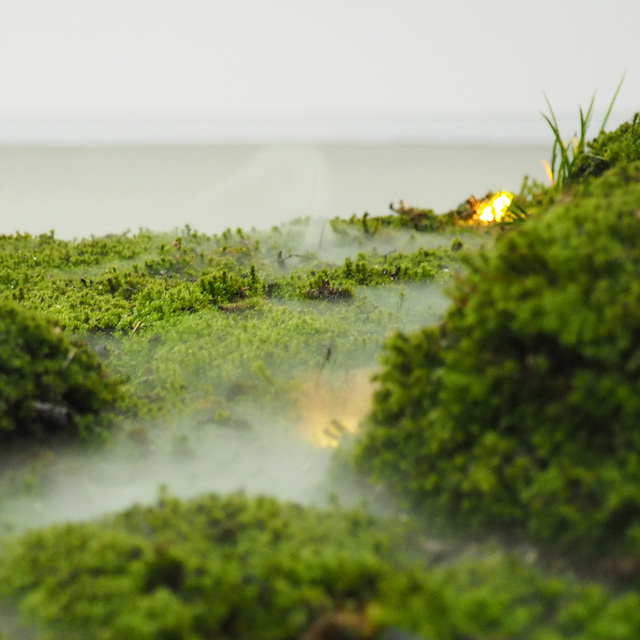
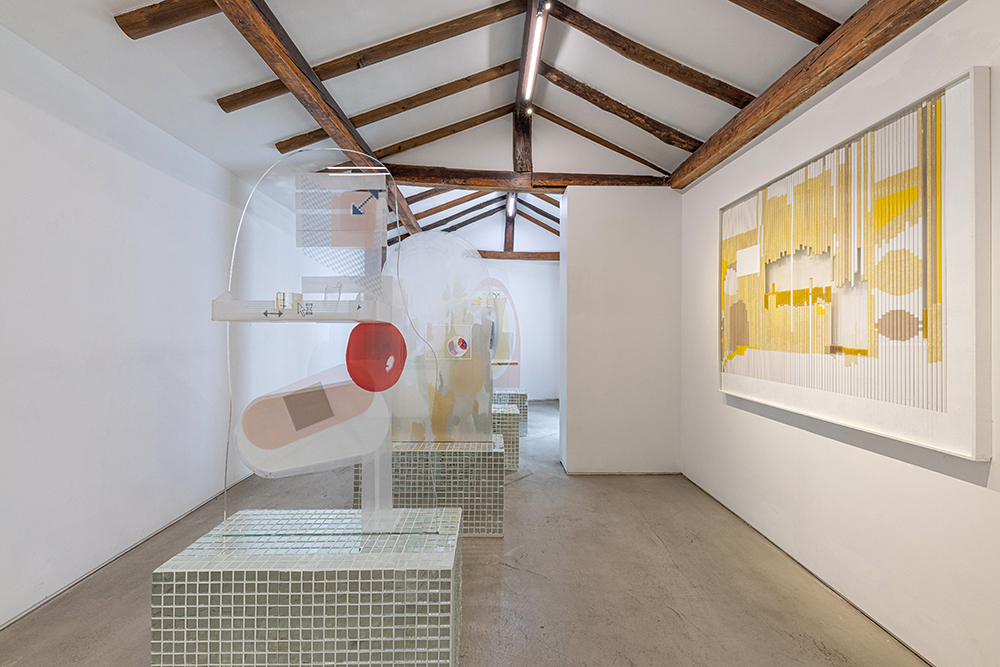
Kim Jee Soo's works hold the potential to develop in many directions, including expanding to the scale of entire environments. Installed in the basement exhibition space, Breathing-1 responds to visitors' voices by emitting light and fragrance. Here, even scent is rendered visible, much like light. Resembling steam or smoke, the whitish substance, denser than gas, rises and simultaneously drifts downward, evoking the transpiration of plants.

The white vapor rising from various points resembles vegetation covering an active fault zone. The quiet basement gallery becomes animated with the fragrances, vapor, and light emitted by the plants. Human voices and movements stimulate the plants. Beneath the thick layer of moss covering a wooden table, numerous devices are arranged in layers as intricate as those of nature itself, enabling the plants to respond with an intensity rarely associated with plant life.

The many electrical cables hanging beneath the table resemble plant roots. Could this be described as a cyborg combining plants and machines? This work is also connected to Breathing, which was exhibited in a special exhibition at the Suwon Ipark Museum of Art in September.

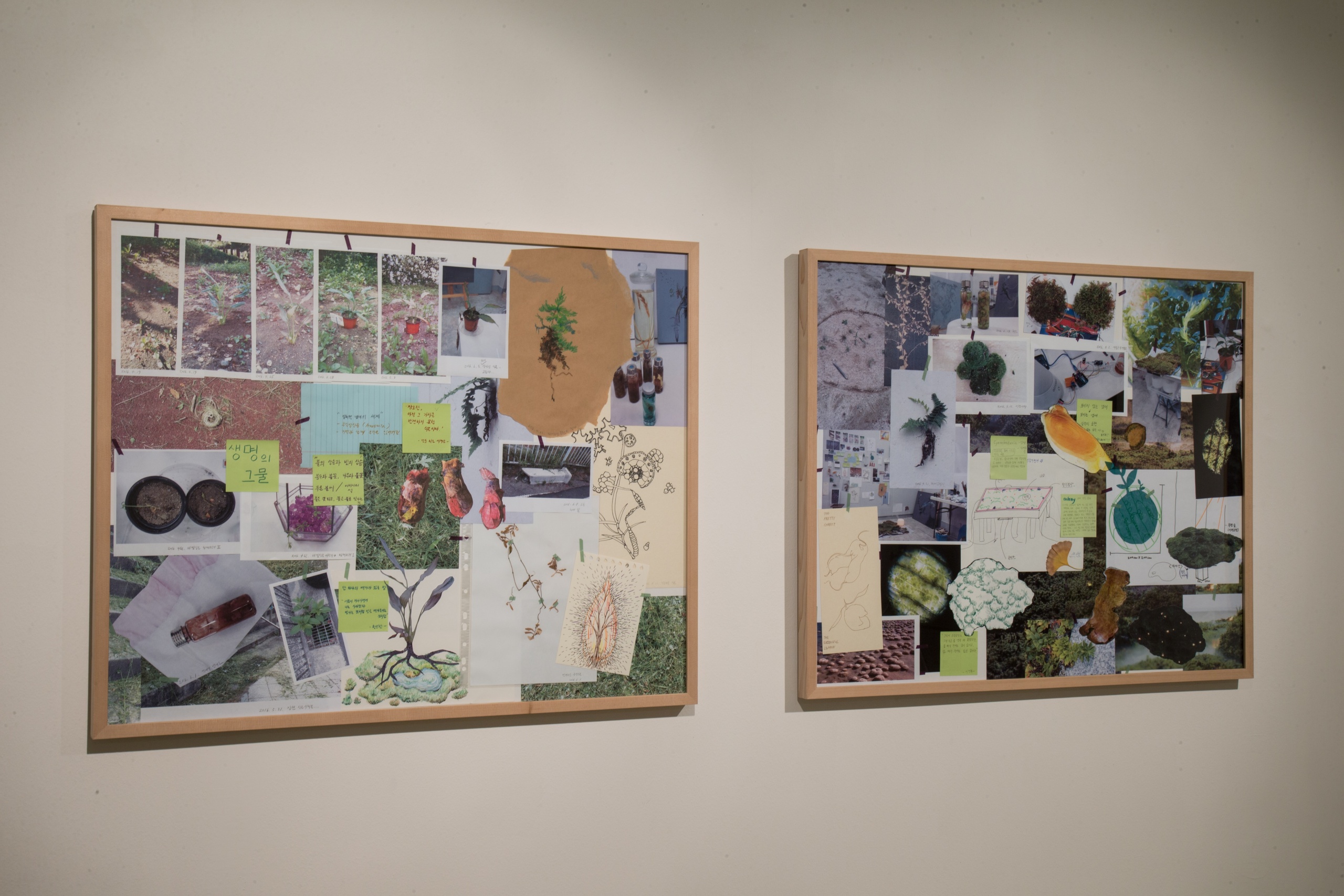
In Breathing, which creates a forest of moss, footage of chloroplasts remains in constant motion. When someone approaches, an ultrasonic sensor detects their presence and brightens the light, while speaking to the plants triggers the release of fragrance. The work presented at TEMI, which contains nature's boundless forms within a rectangular frame, has a more laboratory-like atmosphere.

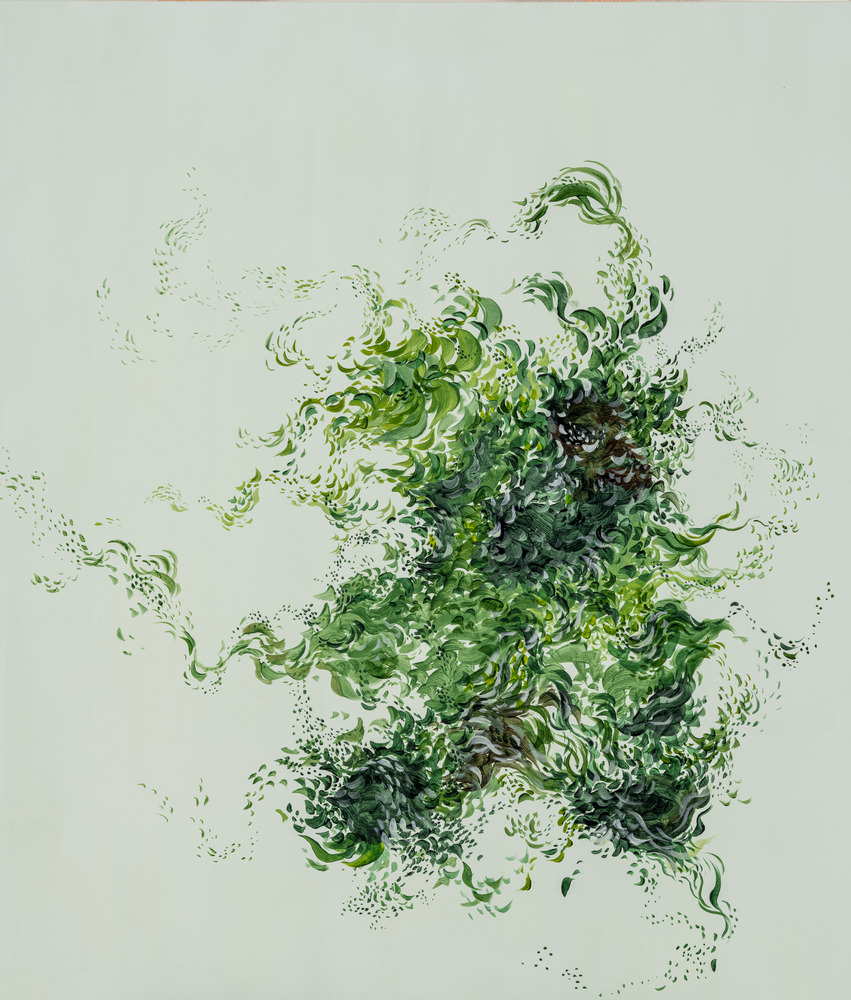
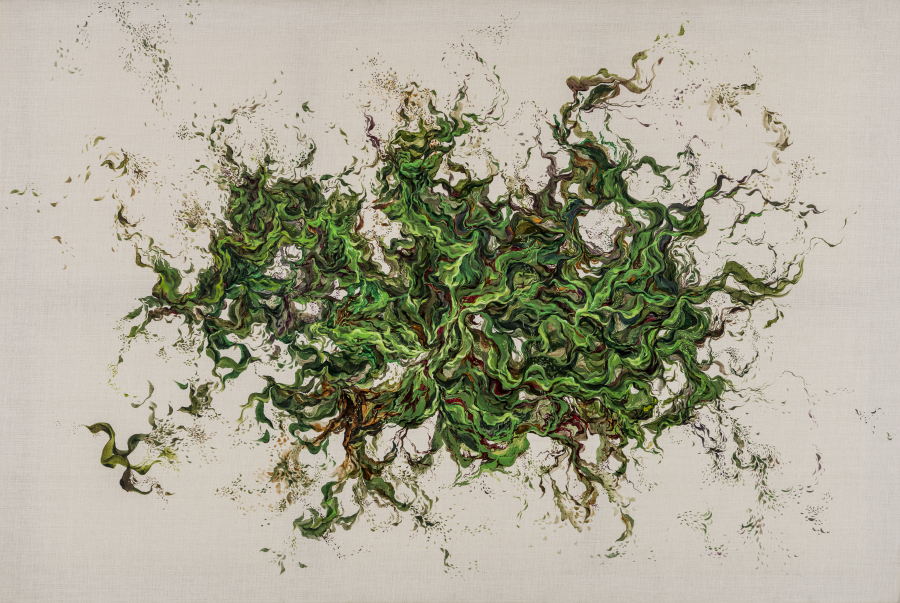
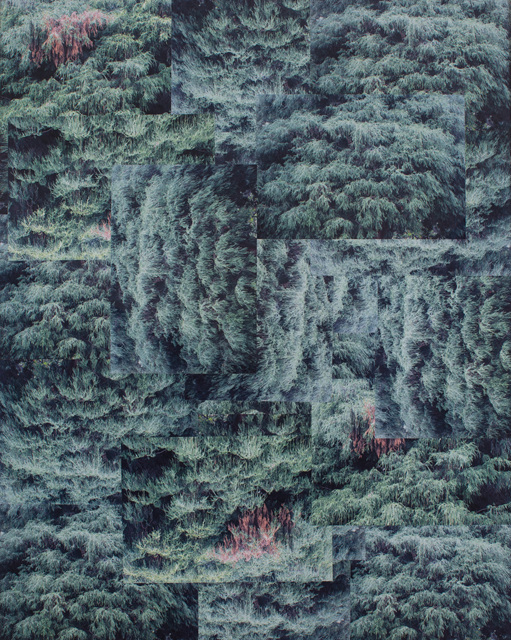
TEMI Tree
is a collage of photographs of an old tree in the park where the artist's studio is located. With the trunk removed, only clusters of foliage remain, forming soft, rounded masses that resemble moss. This unrestricted expansion across the surface departs from the conventional morphology of trees, characterized by vertical and horizontal symmetry, and instead proliferates in a rhizomatic manner.

Between the two contrasting systems of the tree and the rhizome, Kim focuses on the latter. This choice comes naturally to an artist whose drawings have been based on difference and repetition rather than on a representational system founded upon connections between fixed points.

Because the rhizome has no inherent boundaries, it can sometimes assume excessive, monstrous forms. Even when ecosystems are severely disrupted, as seen in the bands of green algae along Korea's Four Major Rivers, nature responds in similarly monstrous ways. Nature cries out, yet humanity fails to reflect on its actions.


Kim Jee Soo, Breathing-Ⅰ, 2016, Moss, wood, electrical wires, Arduino, LED lights, hoses, water, etc., 228 x 72 x 75 cm © Kim Jee Soo

Works that reflect ecological concerns are invariably sensitive to the places in which they are situated. Rather than relying on metaphysical concepts, they draw upon curiosity and interest in the signs emanating from their surroundings, as well as the hermeneutic imagination through which these signs are interpreted.

Such an approach seeks dialogue and coexistence with others, rather than conforming to a survival-of-the-fittest logic that favors only the best and the latest. In an ecosystem, communication is closely tied to survival. The artist's interest in coexistence as a means of survival has led her to place even the most seemingly insignificant plants at the center of her work.

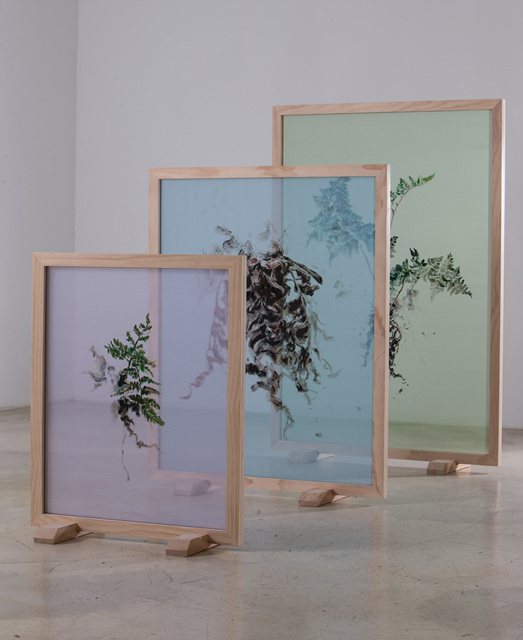
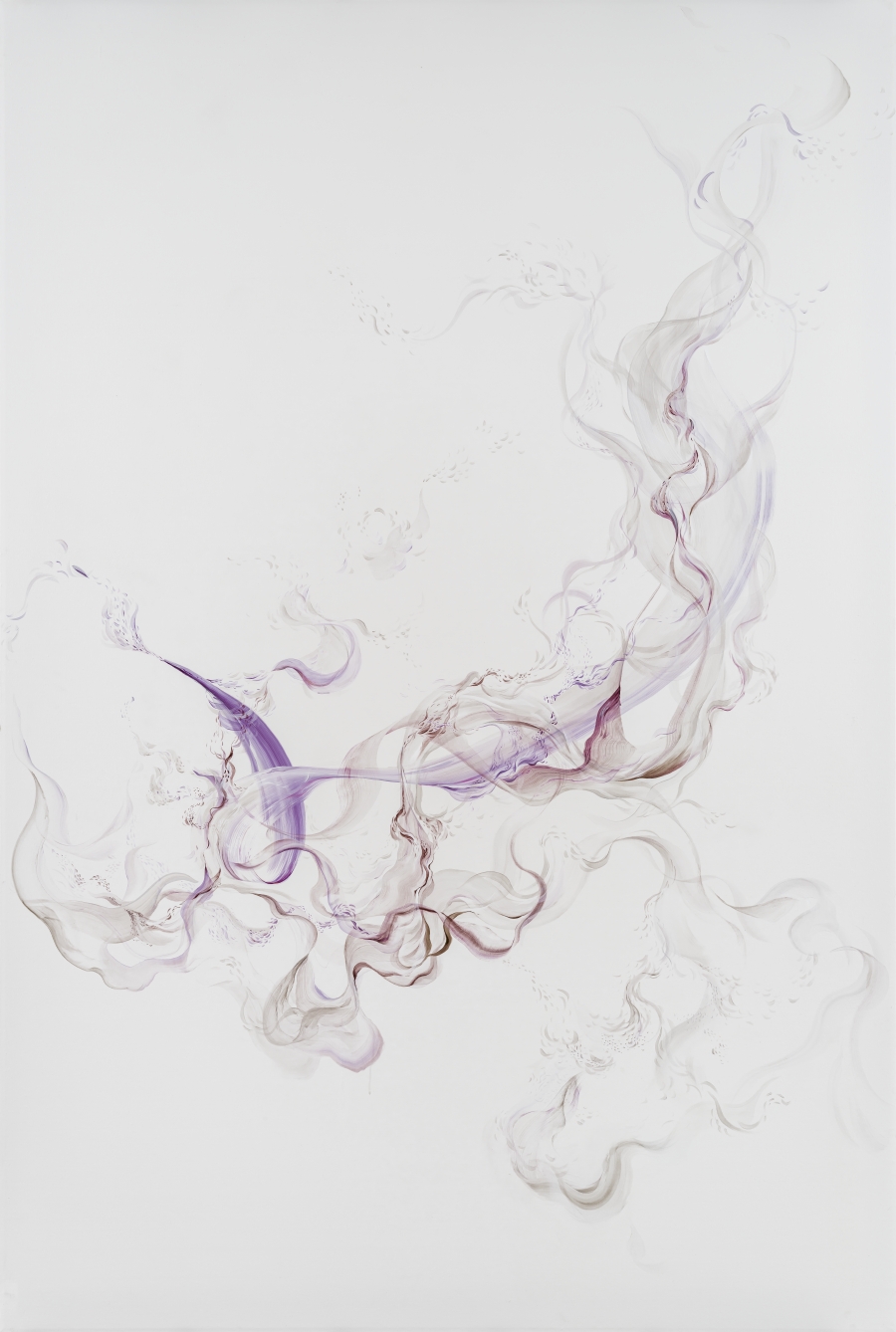
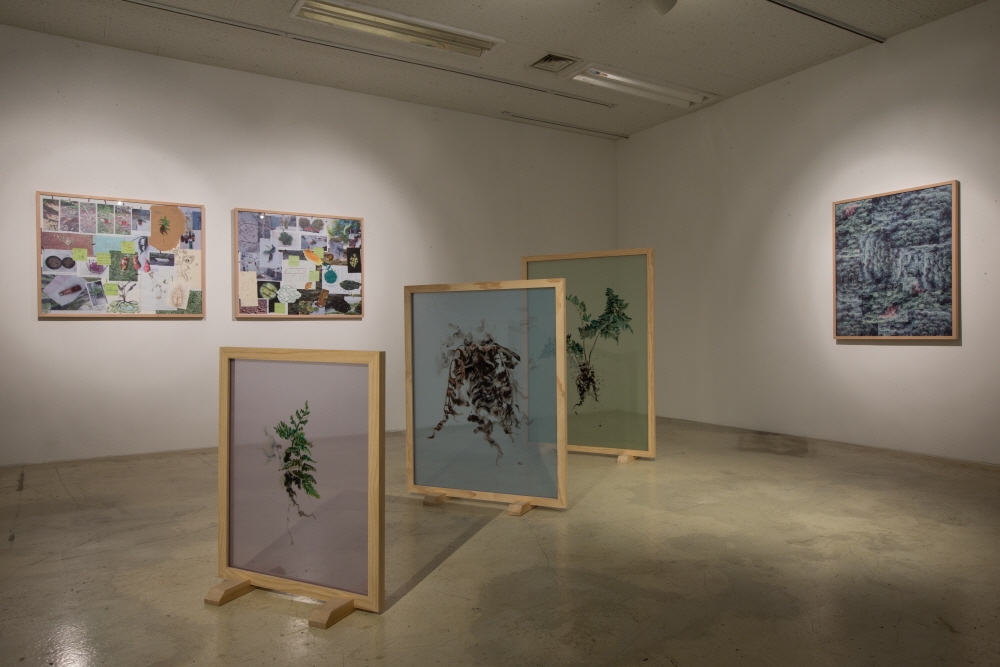
An installation featuring a fern growing in a crack in a wall is based on eight months of observation, beginning in March. The fern, which had taken root in the wall, died during the intense summer heat, but its remaining spores sprouted and developed into another individual plant, revealing the wonder of life. The artist expresses her reflections on the tenacious adaptability and regenerative capacity of plants through translucent fabrics arranged in parallel, cyclically superimposing three stages of this process.

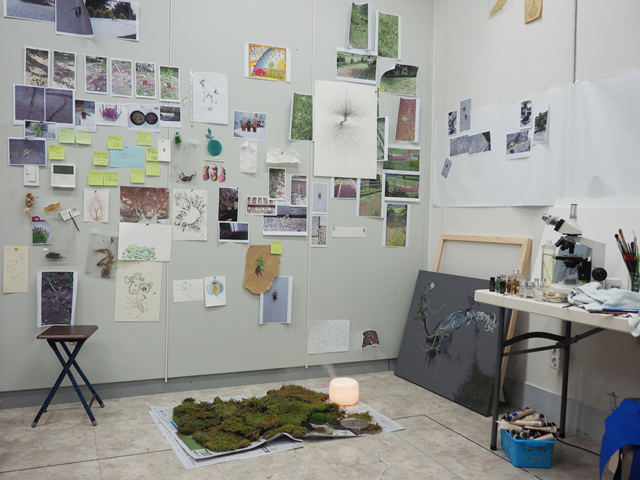
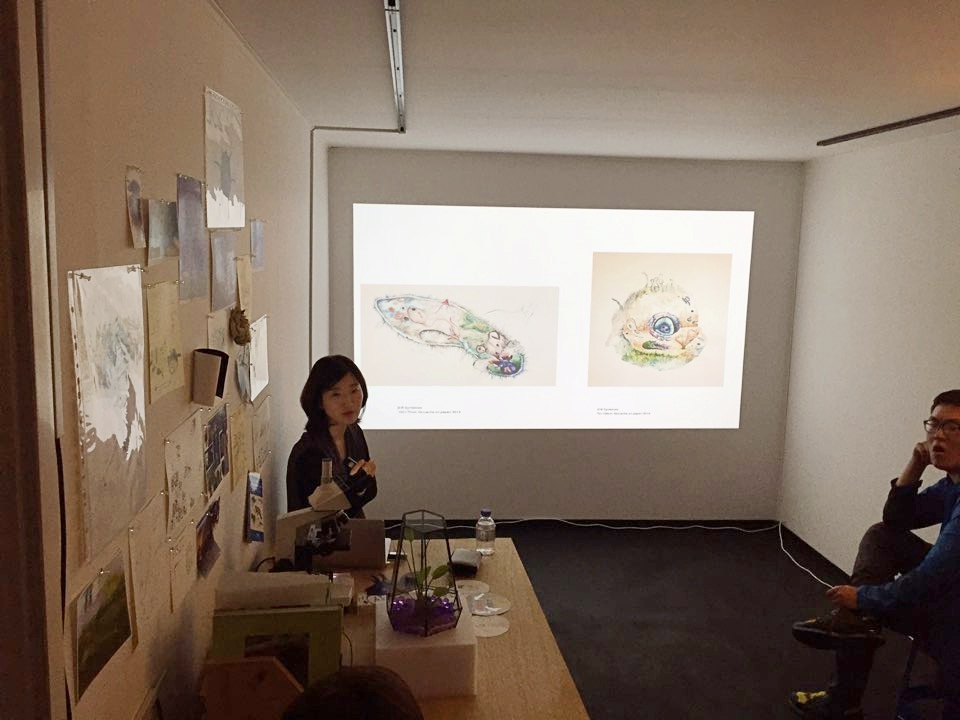
This ancient plant, which left its traces even in prehistoric fossils, has continued and will continue to survive through a kind of atavistic recurrence. Alongside dreamlike drawings, Kim Jee Soo's studio contains plants collected in laboratory vessels, microscopes, and other equipment. Her approach to nature is at once intuitive and lucid, aesthetic and scientific, mysterious and analytical.

For Kim, ecological themes encompass both the macroscopic and the microscopic, and her works emerge at the point where these dimensions intersect. The installation Breathing-I, which releases vapor accompanied by light and fragrance, dramatically emphasizes the contrast between the plants and the viewers standing before them, who are animals rather than plants.

This difference constitutes the necessary condition for dialogue. Sound is the only sense seemingly absent from this shared-sensory, synesthetic work. Yet for the work to function, sound must originate from elsewhere. This is despite the fact that the artist has also described an experience in which she seemed to hear plants screaming as they were removed en masse, likening the scene to a Holocaust.


Kim Jee Soo, Breathing, 2016, Moss, wood, electrical wires, Arduino, LED lights, hoses, water, etc., 228 x 72 x 75 cm © Kim Jee Soo

Plants allow us to hear the sound of wind passing through them, and they are sometimes used to make musical instruments, but they do not produce sounds of their own. Only animals can produce sound. In The Magic of Plants, Jacques Brosse discusses the differences between animals and plants. According to Brosse, an animal is a digestive tract with two open ends.

While plants are solidly filled within, animals contain an internal cavity that preserves the primordial waters. Brosse explains that animals possess a distinctive bodily structure that allows them to internalize the environment in which they originated within the empty space at the center of their bodies, carrying that environment with them wherever they move.

Just as animals preserve within themselves the primordial conditions in which life emerged, in the form of lymph and blood as salty as seawater, they also contain air within their bodies. By expelling this air through specialized passages that regulate its flow, they are able to produce sound. In Kim Jee Soo's work, the moss responds to the sounds produced by animals (humans).

The title Breathing-I emphasizes this dynamic relationship. Although plants are generally perceived as insentient in everyday life, they also communicate closely with the environments surrounding them, whether favorable or hostile. Plants take advantage of animals' mobility to disperse their seeds over great distances and secrete substances according to their own needs.

Animals, in turn, obtain not only sources of energy from plants but also poisons and medicines. Throughout history, humanity has discovered psychoactive substances through the ways plants communicate. Such substances, which open new “doors of perception,” can also be found in everyday life in forms such as alcohol, perfume, and tea. Plants have the power to intoxicate humans.

From a material perspective, plants communicate through chemical substances. Stimulants and sedatives, for example, directly affect the human central nervous system. In The Green Mantle, Michael Jordan identifies morphine as a representative example of these intoxicating substances. According to Jordan, the word “morphine” derives from the Greek word meaning “form” and possesses the ability to induce dreams and shape the mind.


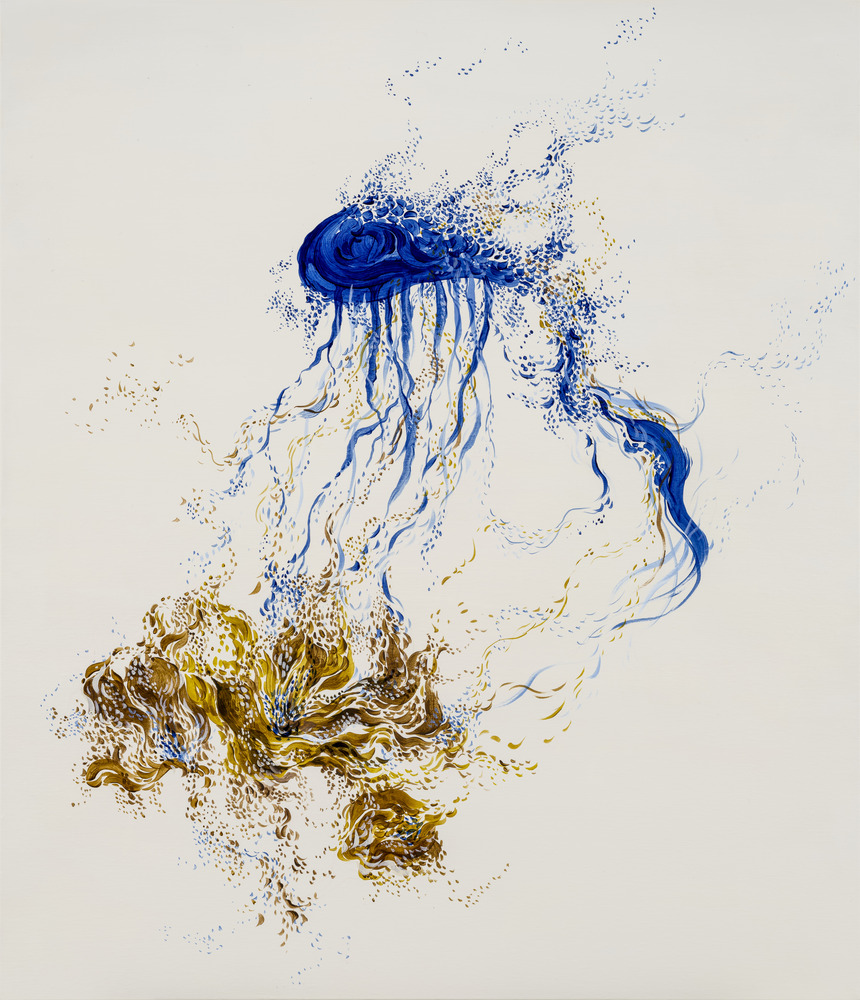
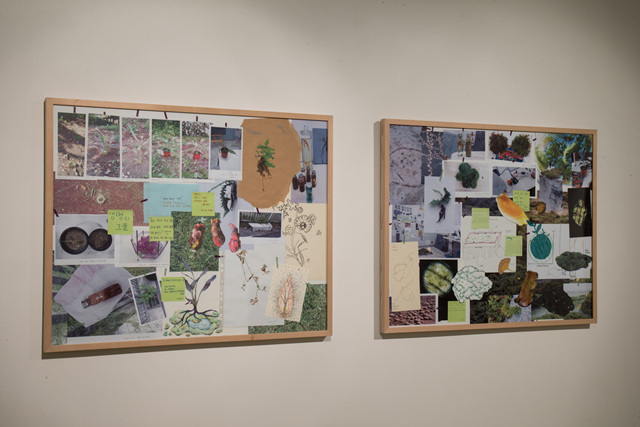
Kim Jee Soo, Collected Moment, 2016, Mixed media, 91 x 73 cm © Kim Jee Soo

The name Morpheus, the god of dreams, shares the same etymological origin. Many other plants, including cacti and mushrooms, have also influenced the human psyche. For Kim Jee Soo, who regularly enjoys aromatherapy, fragrance represents one of the primary ways plants communicate. Her studio contains numerous capsules holding scents she has collected over the years.

Perhaps art itself is a form of intoxication that does not cause the physical and psychological harm associated with addiction. Rather than relying merely on fairy-tale imagination, Kim dramatically visualizes this process of communication in her work. Such visualization may be possible precisely because humans and plants share points of connection.

In the beginning, humans depended parasitically on plants, the earliest living organisms on Earth, but the two eventually developed mutually beneficial relationships. Humans, in particular, helped plants reproduce. In The Magic of Plants, Jacques Brosse considers reproduction the driving force behind all evolution. According to Brosse, the most effective strategy adopted by plants was the cyclical process of flower, fruit, and seed.

The germination of a seed corresponds to the hatching of an egg in animals. After separating from the parent plant, the seed develops within the protective structure of a fruit until it is ready to sprout. The fruit thus serves as a protective vessel for the seed. Plants transformed their predators, animals, into indispensable partners, establishing cooperative relationships between the two groups of organisms through pollination.

Although plants and animals exist in symbiotic relationships, it is the activity of chlorophyll that reveals plants' precedence over animals as the earliest forms of life on Earth. In Breathing-I, the shimmering light emanating from the plant elements suggests the physiological and productive processes through which plants capture sunlight reaching the Earth and establish the ecological foundations for all terrestrial life.

The vapor released by the installation represents the activity of plants that absorb carbon dioxide and produce oxygen, thereby helping to make Earth a living planet. Animals, in turn, contribute to the sustainability of plant life through their mobility. The work emphasizes movement and sound, distinctive characteristics of animals that plants do not possess, suggesting that these differences are precisely what make coexistence possible.


Kim Jee Soo, TEMI Tree, 2016, 73 x 91 cm © Kim Jee Soo

In choosing plants as her subjects, the artist turns not to representative forms of vegetation such as trees, which are far larger and longer-lived than humans, but to inconspicuous moss. Even in her collages, trees are stripped of their characteristic forms and rearranged to resemble moss. The ferns appearing in her installations are likewise primitive plants.

The artist selects plants from more primordial stages of life that form the foundations of nature. Just as we continue to use coal formed in the Carboniferous forests hundreds of millions of years ago, plants have been essential to the survival of mammals. Yet since the rise of anthropocentrism, plants have gradually lost their significance.

As reflected in the expression “vegetative state,” plants have been regarded as inert and passive, relegated at best to the role of background. Indeed, plants, which carry out only minimal metabolic processes, are often assumed to be devoid of desire. They are also associated with images of religious asceticism, such as the Buddha attaining enlightenment beneath the Bodhi tree or Jesus hanging on the cross.

In Treatise on the Tree, Robert Dumas observes that the French verb “végéter,” originally derived from Latin roots associated with strength and growth, rapidly came to signify a state of lethargy and insensibility. There was once a time when nature encompassed all signs. In other words, nature itself symbolized a meaning that emerged through its own inner forces.

With the advent of anthropocentrism, however, nature lost its intrinsic value. Among the signs of nature, human interest became confined to those serving economic needs. By setting aside such narrow concerns, art activates other signs and brings nature's original abundance into the realm of artistic expression.

Kim Jee Soo's works, expressed through drawing, video, and installation, bring what has remained inert in the background into the foreground. To achieve this, plants at a more primordial stage of development offer greater dramatic potential than monumental forms of vegetation such as trees. In her collages, the artist goes so far as to rearrange trees into rhizomatic configurations.


Kim Jee Soo, Spring, 2016, 60 x 72 cm; Summer, 2016, 80 x 98 cm; Autumn, 2016, 88 x 124 cm © Kim Jee Soo

The plants in Kim Jee Soo’s work, which actively acknowledge visitors entering the dimly lit space, have already transformed the entire environment into a humid space saturated with fragrance. As Diane Ackerman writes in A Natural History of the Senses, dampness is a mixture of temperature and pressure. This quality resonates with the tactile sensation of moss. In 《GREEN MANTLE – Sensible Plants》, tactility is especially pronounced.

Citing scientific research that “touch is the first sense to be awakened and usually the last to fade,” Ackerman suggests that to live without touch is like inhabiting a blurred and numbed world. Might plants, which existed before humans and will remain after them, occupy a status in the realm of sensation comparable to that of touch?

In Kim Jee Soo’s work, moss, as a foundational organism, awakens not a single sensory organ but a tactile sensibility spread throughout the entire body. It is a “green mantle” covering the earth like skin. By relativizing human beings as merely one element among many, Kim’s work initiates a dialogue with unseen others. It is the result of her sustained interest in channels of communication not only between humans, but also between humans and nature, and among elements of nature itself.

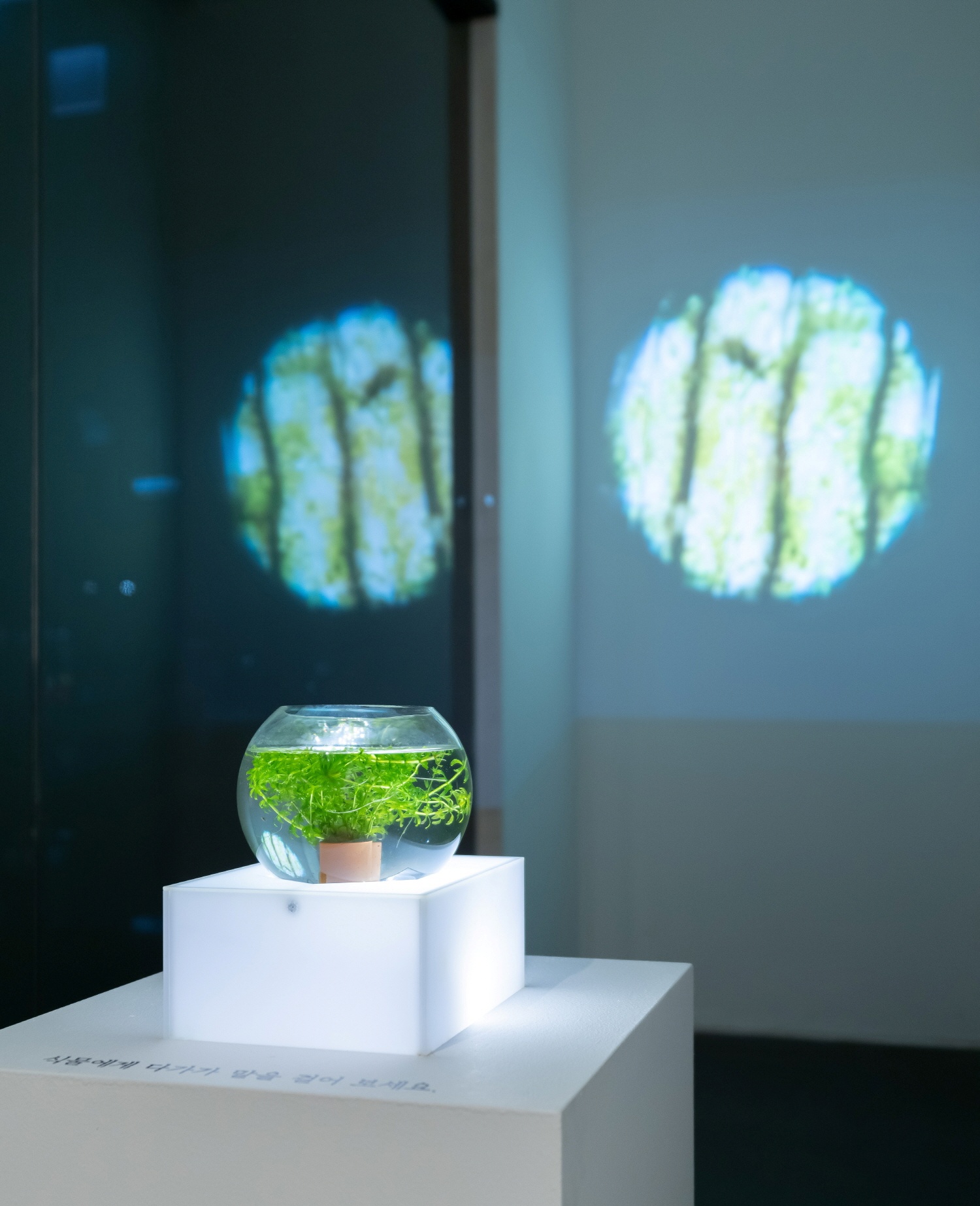
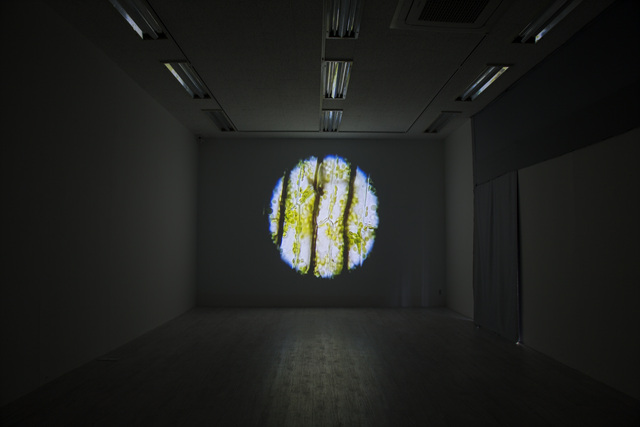
As an artist interested in “sensing plants,” Kim pays particular attention, among the various channels through which plants communicate, to the process of photosynthesis, which lies at the pinnacle of plant physiology. In the first-floor gallery, a two-meter-wide video showing the movement of chlorophyll is installed. The artist has long observed plant chlorophyll through a microscope.

According to these observations, chlorophyll differs from species to species, and the chlorophyll of aquatic plants is especially active in its movement. It responds to light and temperature. The work visualizes these physiological processes. This work, which responds to chloroplast imagery, was originally created for the installation in the 《2015 ARTIENCE DAEJEON Project (Artist–Scientist Collaboration)》 exhibition. In that piece, when one speaks to the plant, a light turns on and the chloroplasts begin to move.
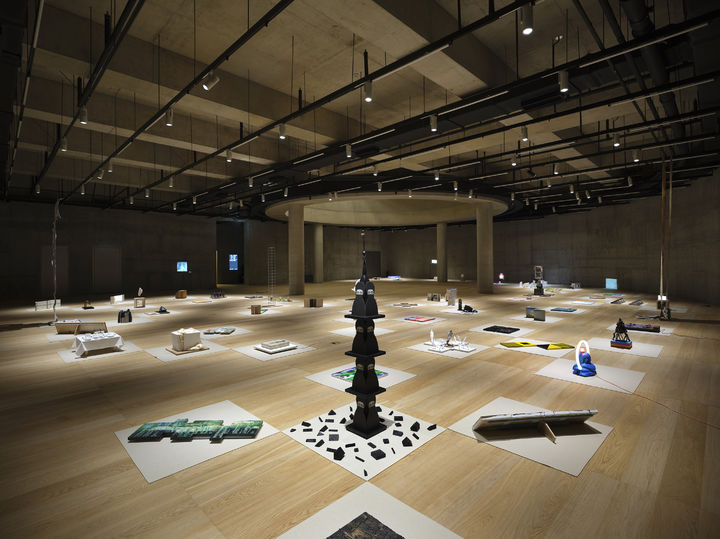
In the present exhibition, a video titled Moving presents the movement of chloroplasts themselves, revealing subtle change and vitality. It makes use of plants’ sensory responsiveness to light. Scientific instruments are indispensable for visualizing such processes. The process of photosynthesis itself, by which light energy is converted into chemical energy, is to some extent a mechanical process.
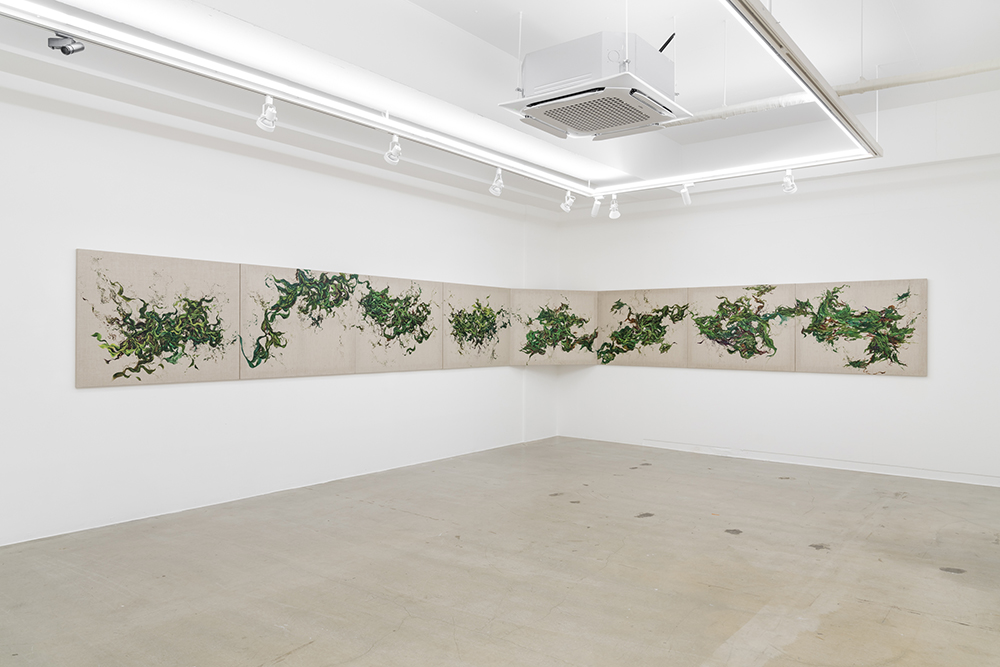
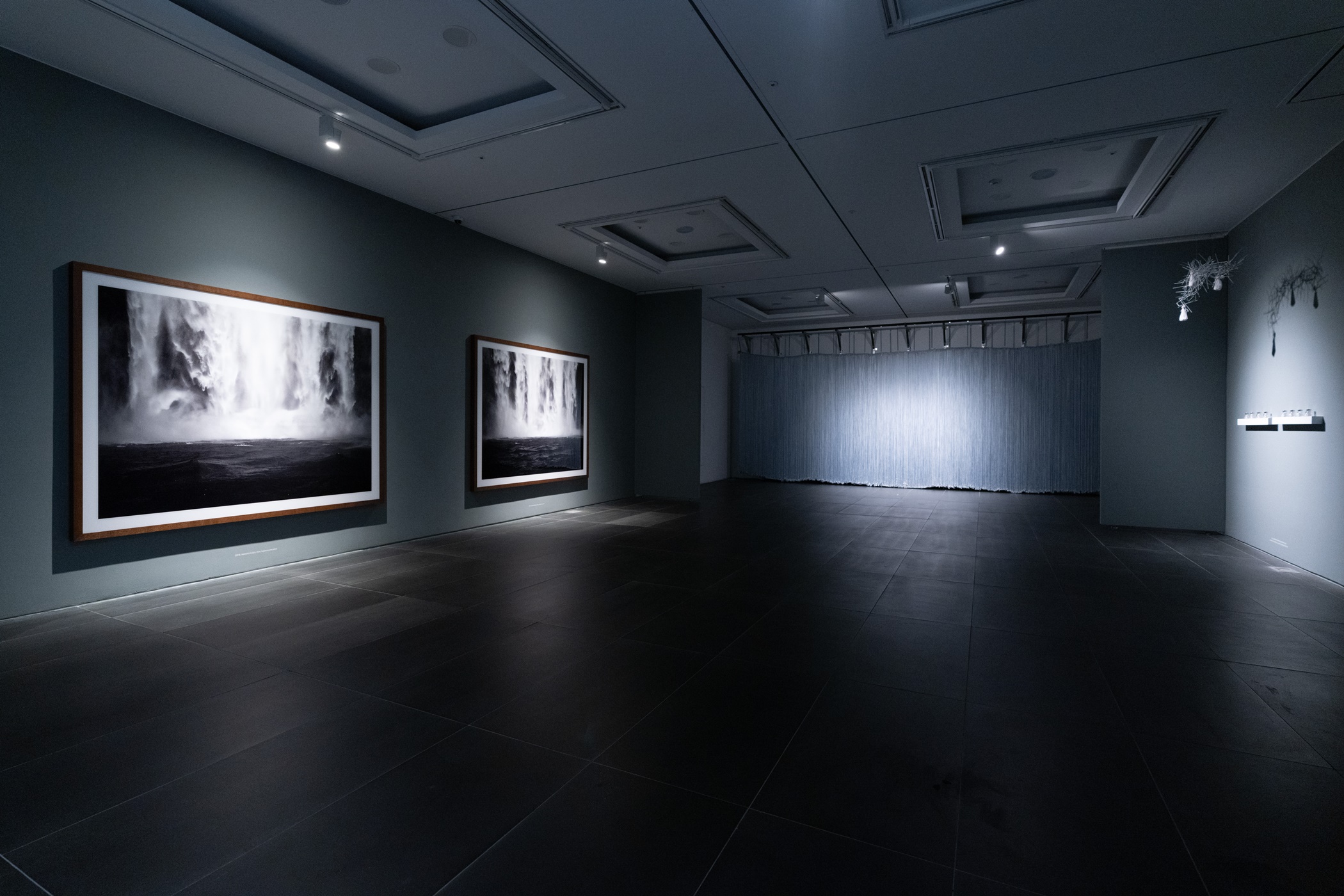

Kim Jee Soo, Moving, 2016, Video installation, 3 min 31 sec © Kim Jee Soo

The application of this process—for instance, artificial photosynthesis—will possess immense added value in relation to the capacities of science and technology that are essential for restoring collapsed ecosystems. It is the chloroplast that enables plants to absorb carbon dioxide and release oxygen. Robert Dumas defines photosynthetic plants as dynamic machines that inhale carbon dioxide, convert it into complex substances, and at the same time replenish the atmosphere with oxygen.

Plants are the only beings capable of transforming inorganic elements into complex organic ones, and chloroplasts are thus the source of all life. These green cells form a “green mantle” and lead the homeostasis and diversity of nature. When I first visited the artist’s studio, it was summer, when chlorophyll activity was at its height. Now, as I write this review, the chlorophyll is breaking down in preparation for winter, and other colors—reds and yellows once hidden behind the green—have emerged in brilliant profusion. Plants, the earliest living organisms, are fitting representatives of nature.

According to Michael Jordan’s The Green Mantle, the book that shares its title with the exhibition, up until the early sixteenth century the idea that gods planted flora in the soil and that spirits watched over their growth lent plants a mysterious aura. As the end of the sixteenth century approached, the invention of the microscope finally allowed people to begin solving the mystery of how plants reproduce.

Because plant fertilization, unlike that of animals, was not visible to the eye, it had previously been the object of all kinds of superstition. In her working notes, Kim Jee Soo writes that “the sensory world of plants, which can not only hear and produce sound but also see, smell, and remember, becomes another mystery of life.” For an artist who has often collaborated with scientists, science did not dissolve mystery under the illuminating light of reason. Curiosity simply continues to flow along another rhizomatic line.

Collaboration with related scholars has helped amplify the language of plants—such as color and scent—through formal and visual means. The mystery of nature has been illuminated by the light of science, yet its poetic resonance has not faded. In the work, plants in their primordial stages, such as ferns and moss, speak as though exhaling breath like humans.


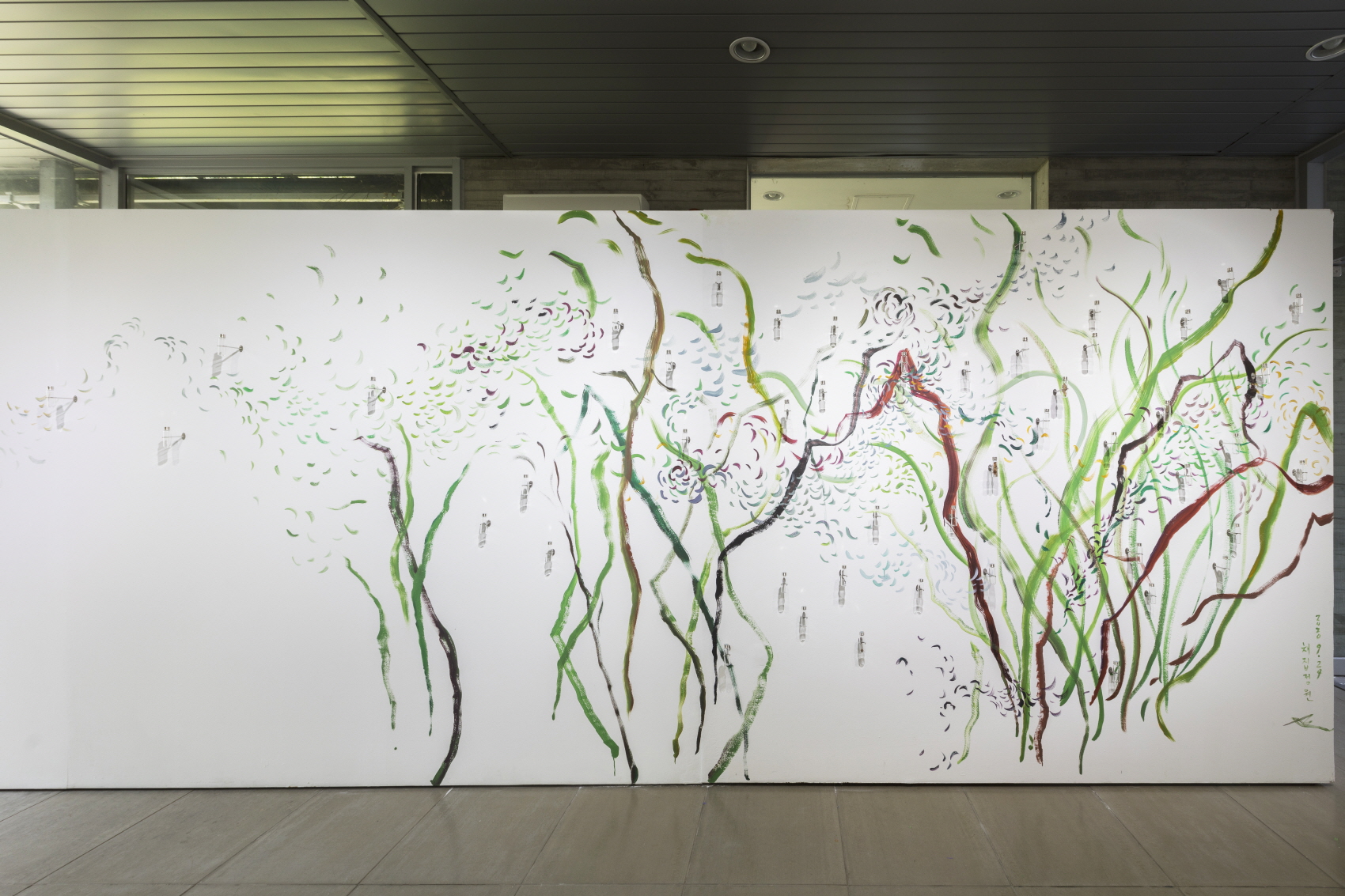
Kim Jee Soo, Sensible Plants, 2016, Mixed Media, 270 x 250 cm © Kim Jee Soo

In Paradise and Paradox, a book exploring artworks that capture the wonders of nature, Anita Albus notes that the favorite biblical passage of Carl Linnaeus, who established the modern understanding of plants in the eighteenth century, was “All flesh is grass.” Ovid's Metamorphoses was also among Linnaeus's favorite books. For this botanist, nature was a mirror reflecting the transformations of life. According to Paradise and Paradox, Linnaeus organized plants into a hierarchical system.

Mosses occupied the lowest rank, grasses represented peasants, and medicinal herbs corresponded to the nobility. In trees, the most powerful among plants, he recognized the figure of the monarch. Kim Jee Soo, however, focuses on grasses rather than trees. Grass represents the quintessential form of vegetation that has long remained in the background.

Even in trees, the most vital activities take place in the leaves, which they share in common with grasses. Kim cites Ralph Waldo Emerson's observation that “a weed is a plant whose virtues have not yet been discovered.” In Kim's work, weeds demonstrate another kind of value.

References