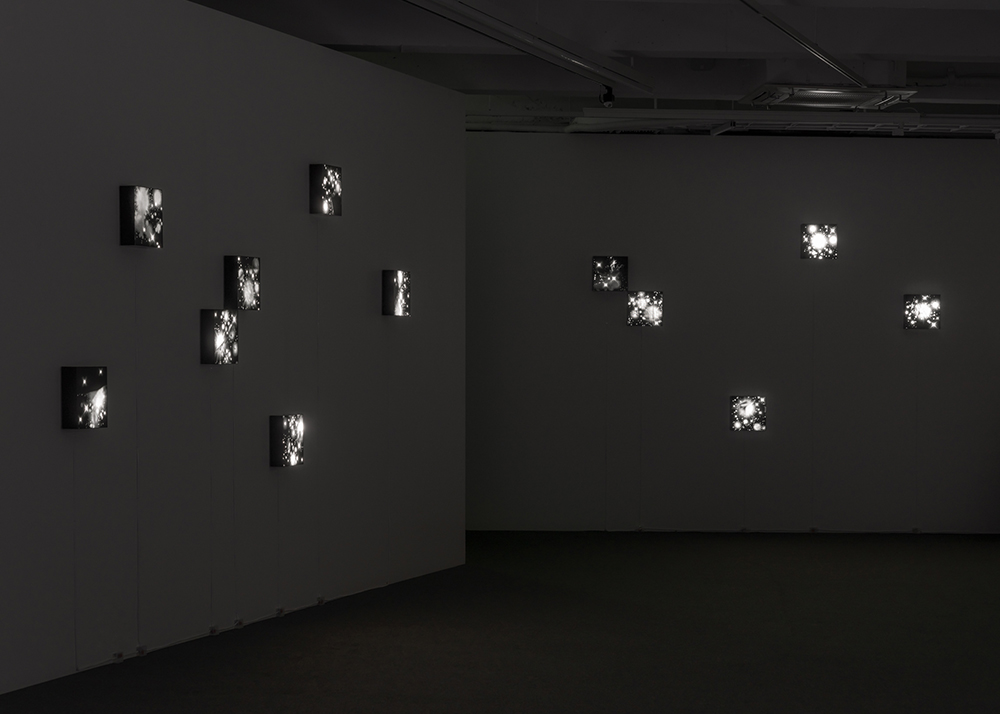
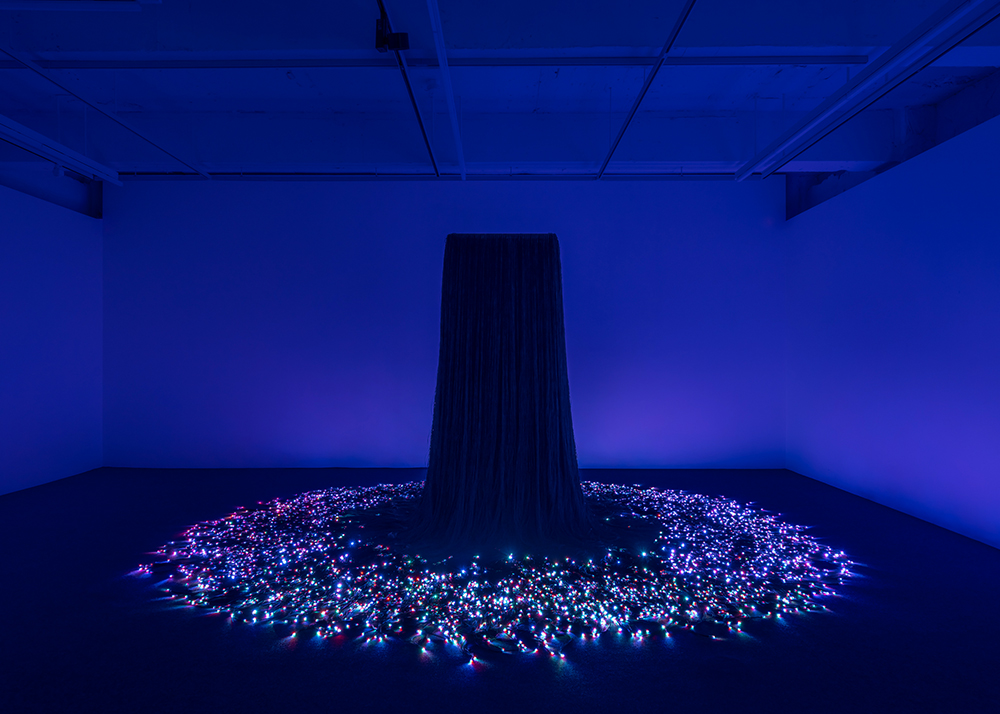
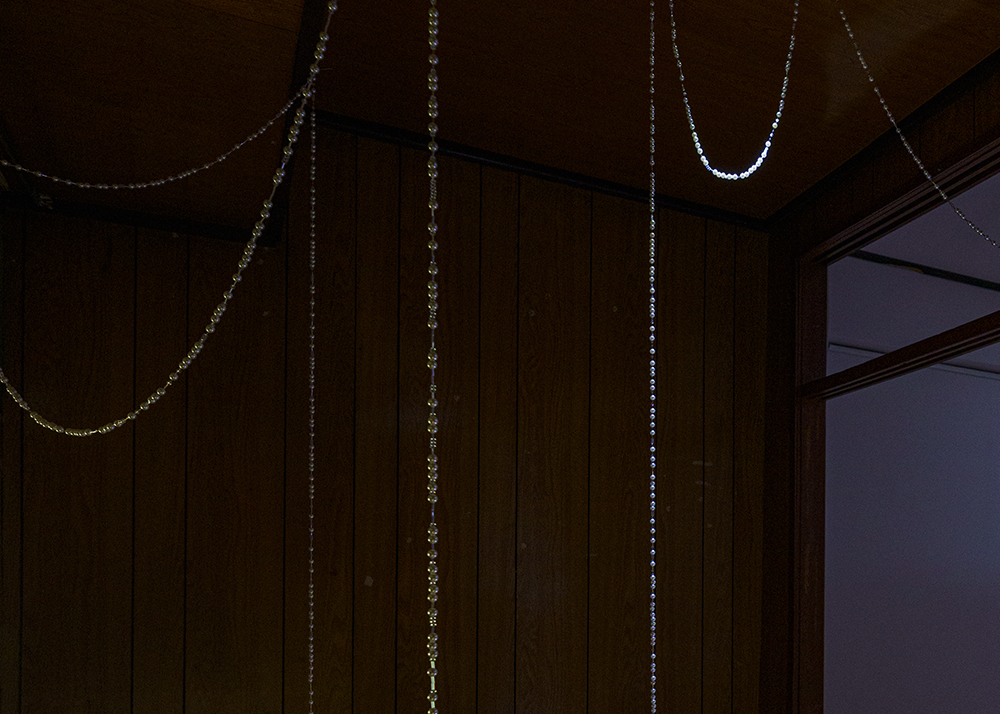
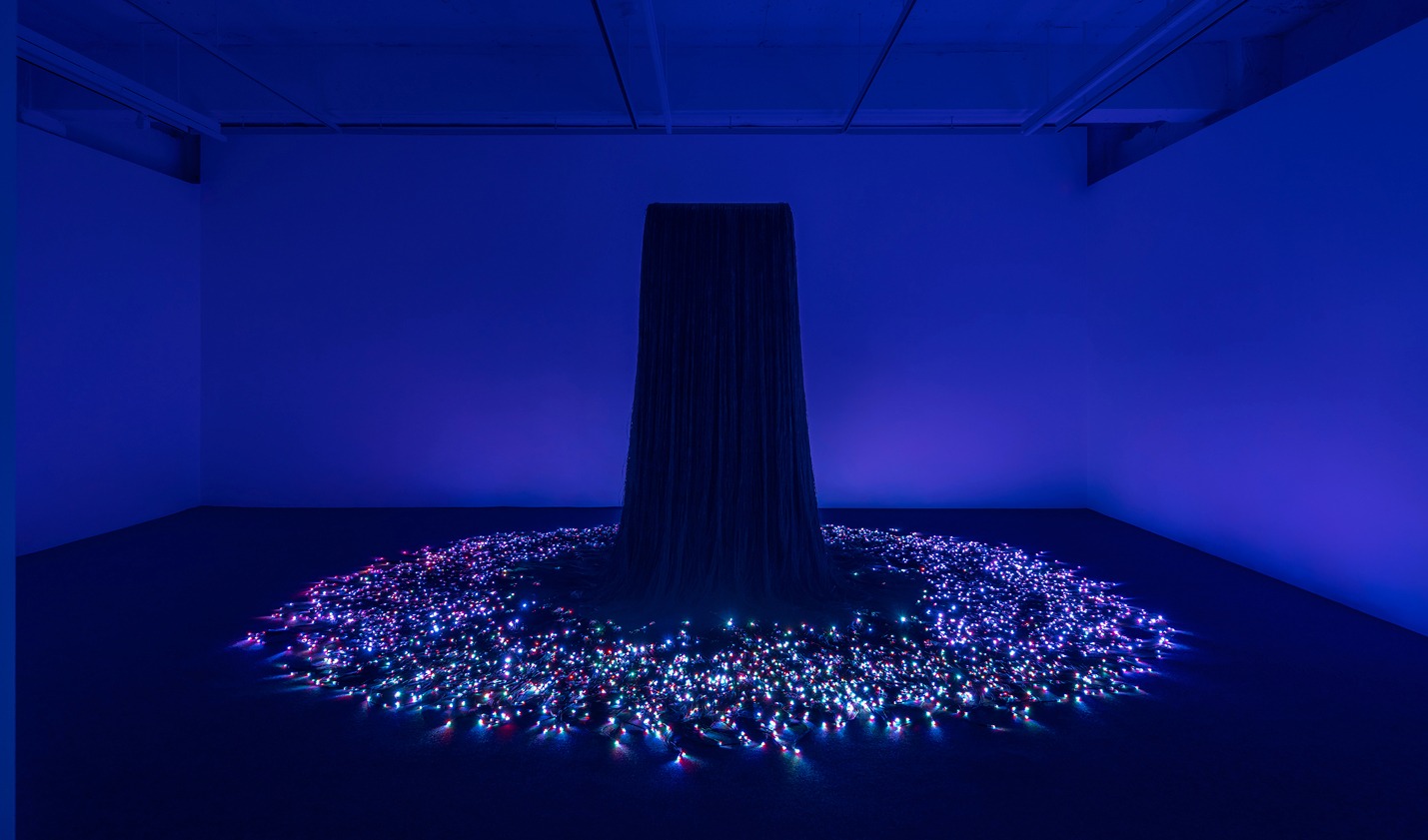
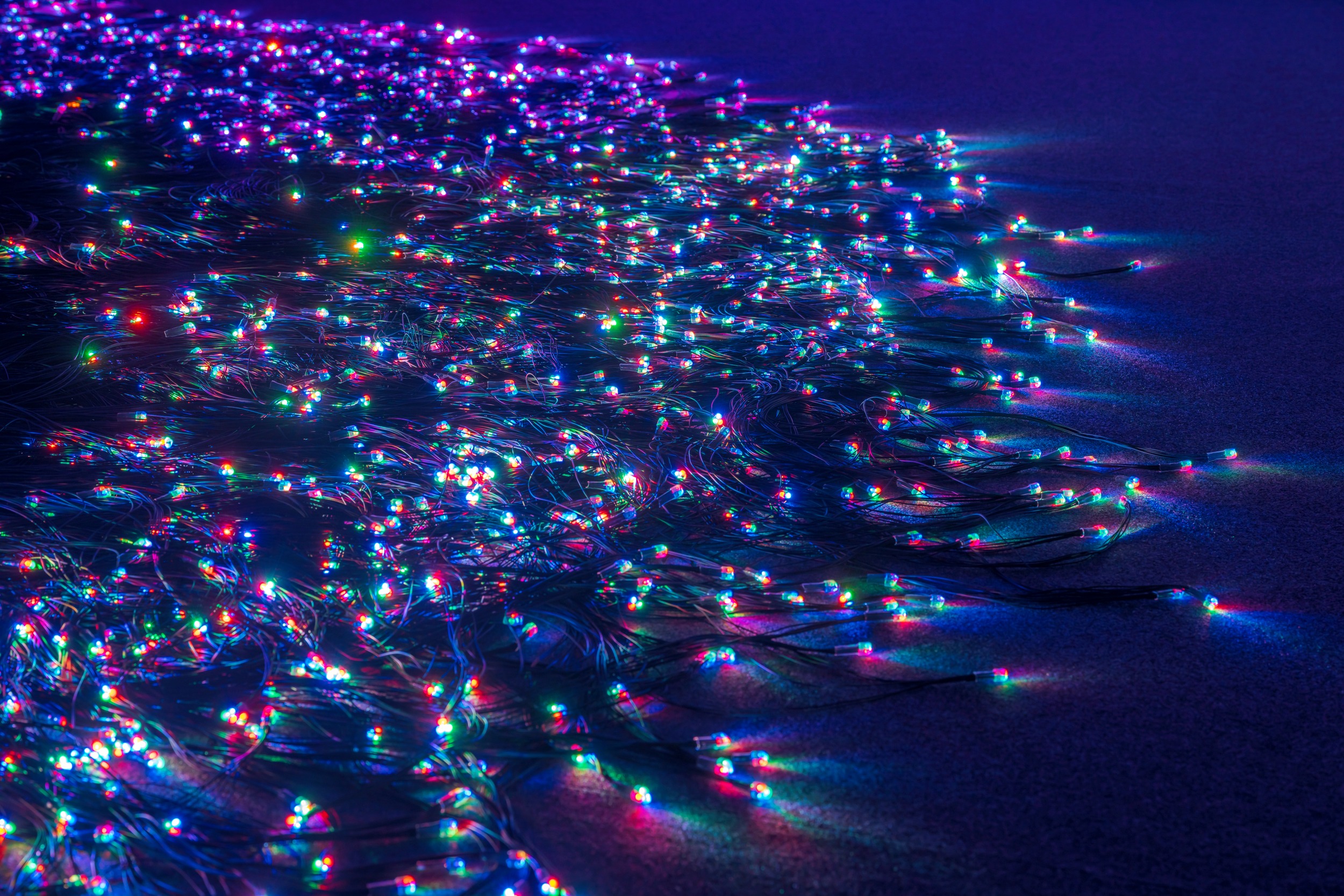
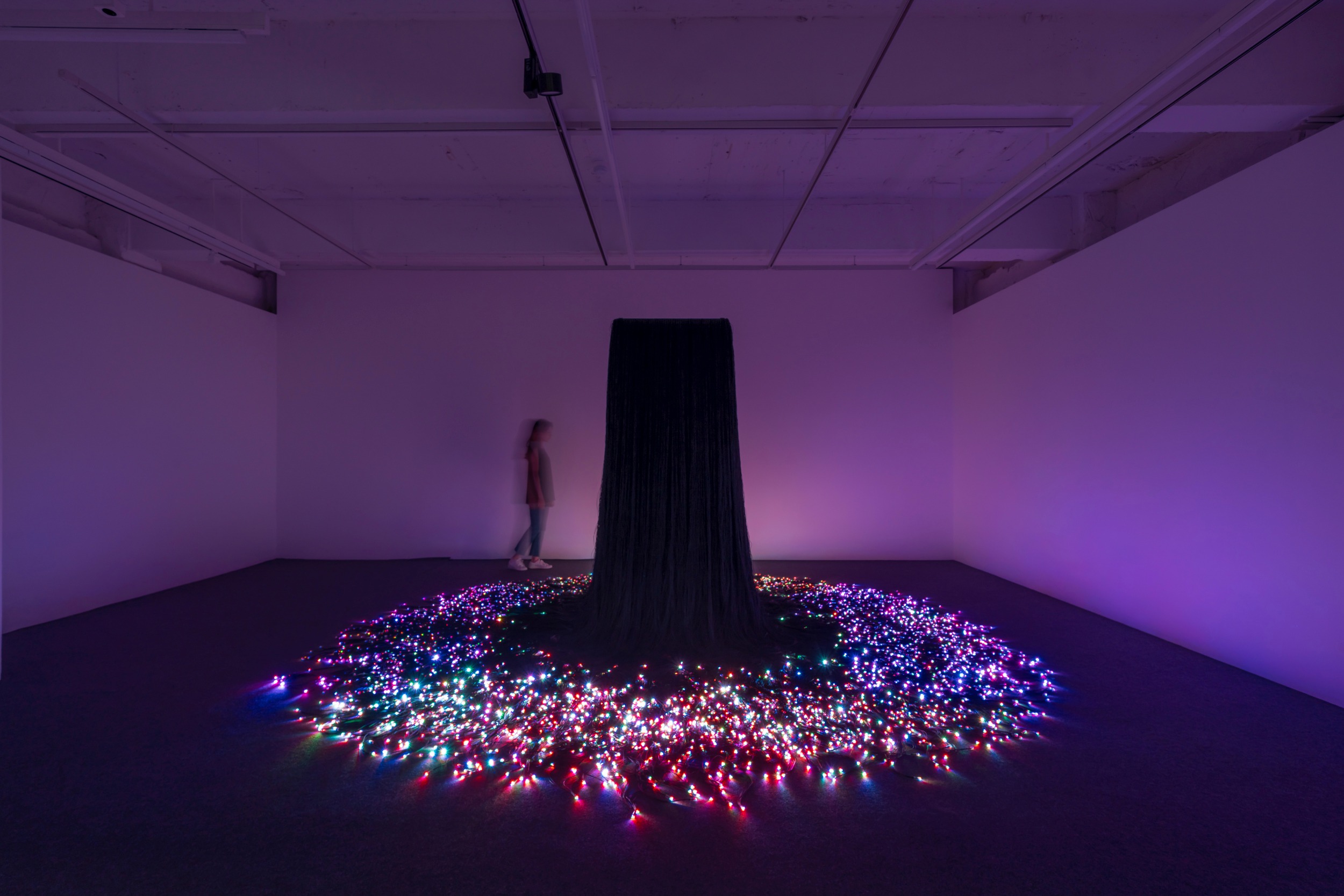
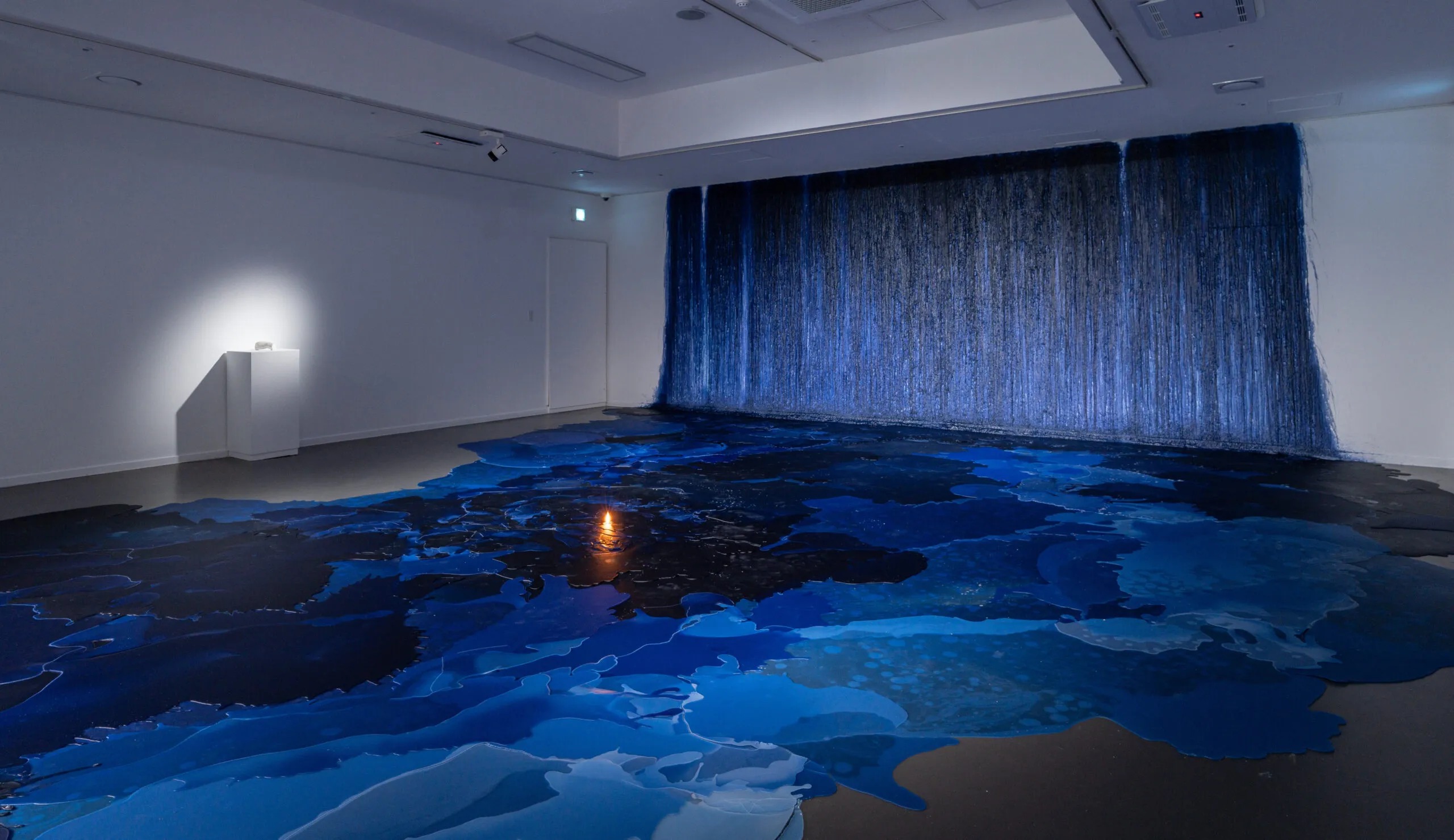
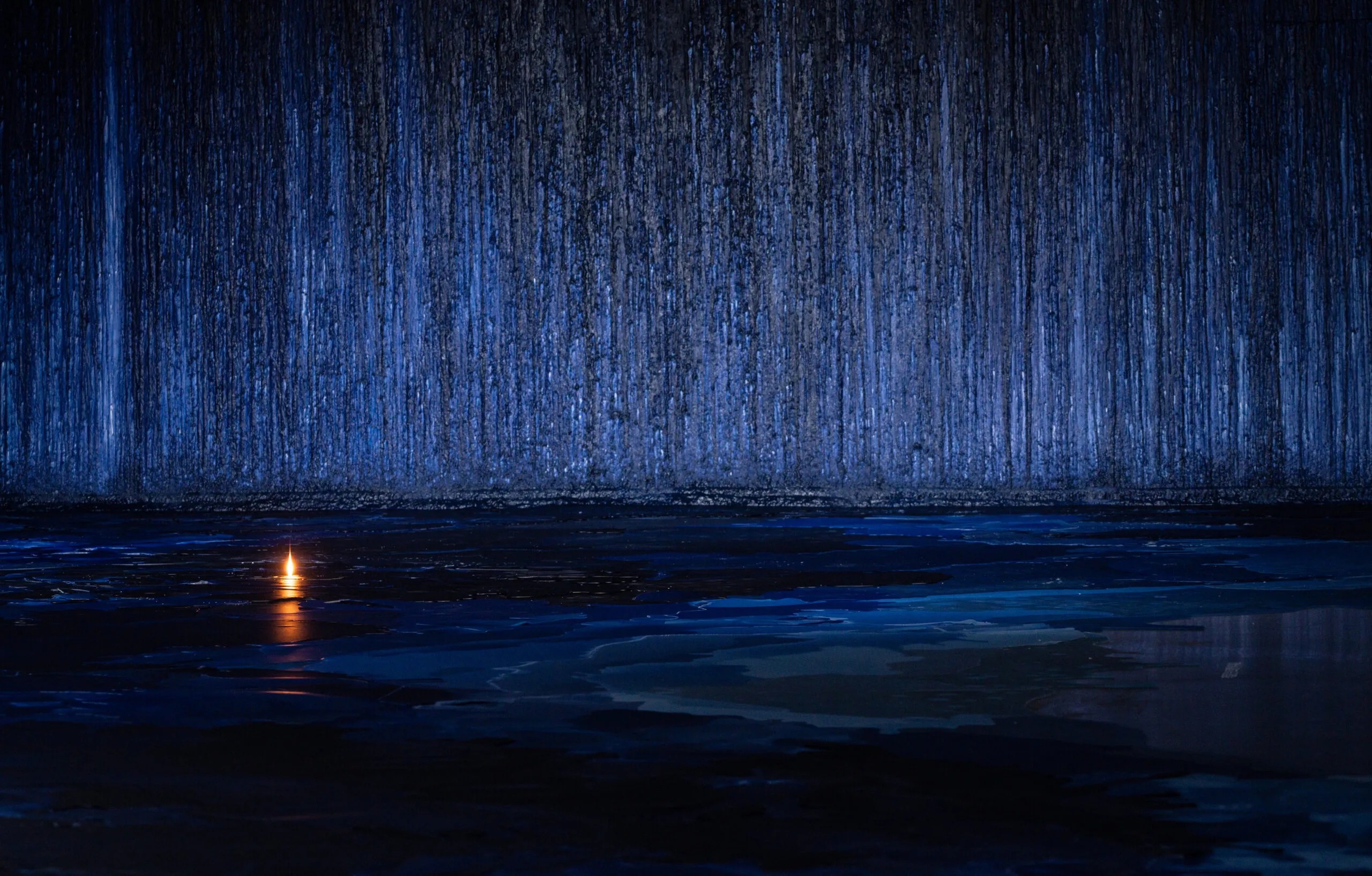
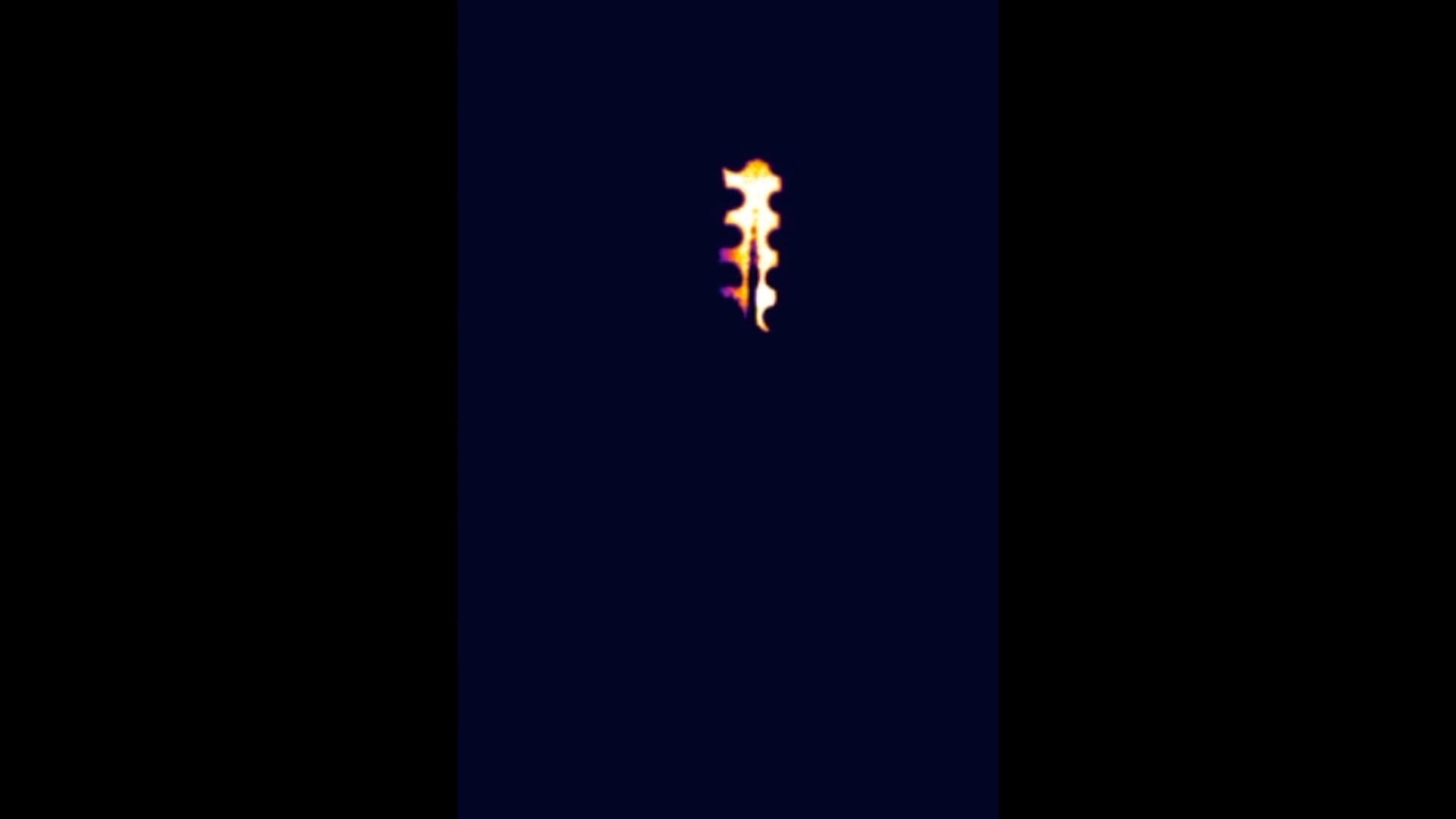
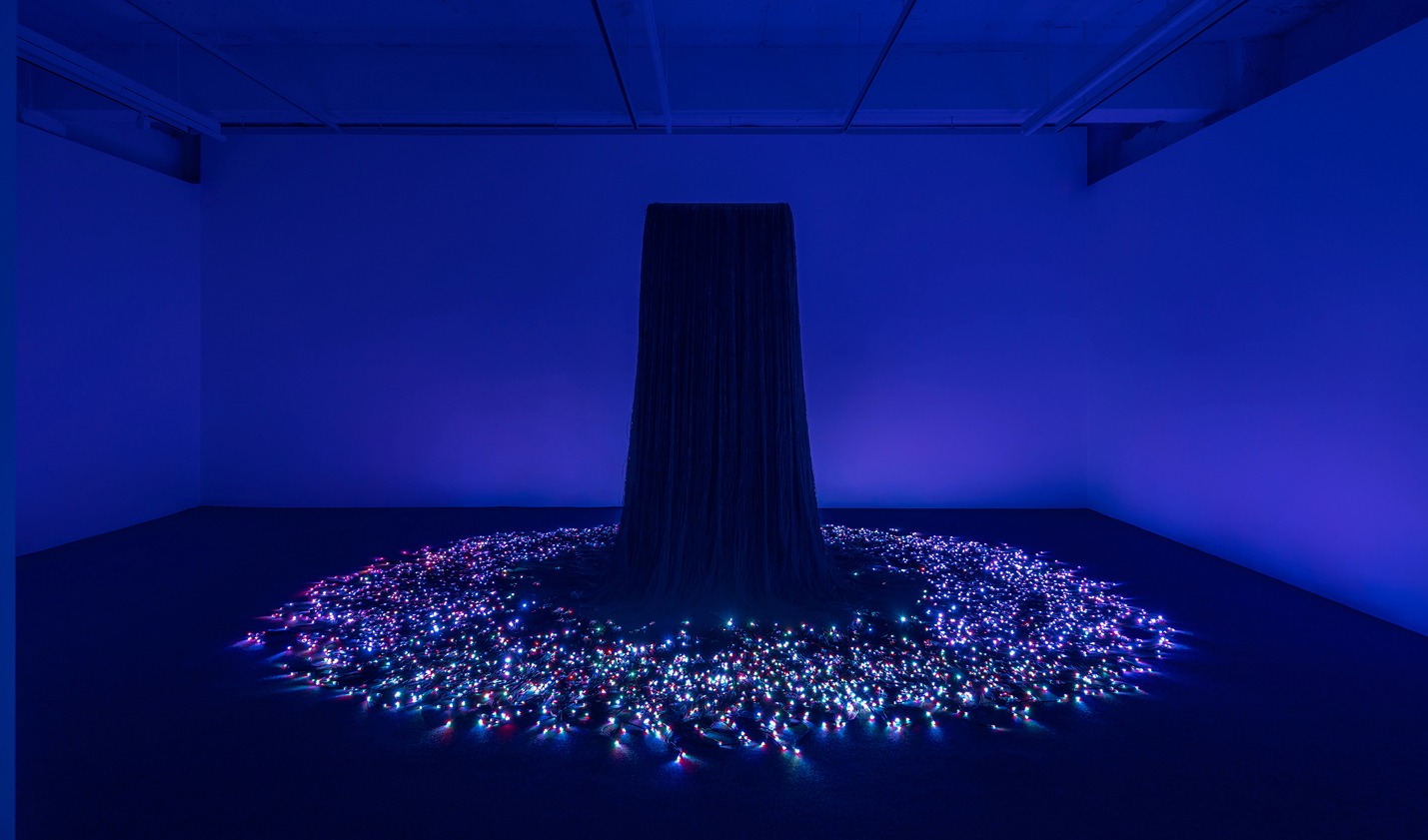
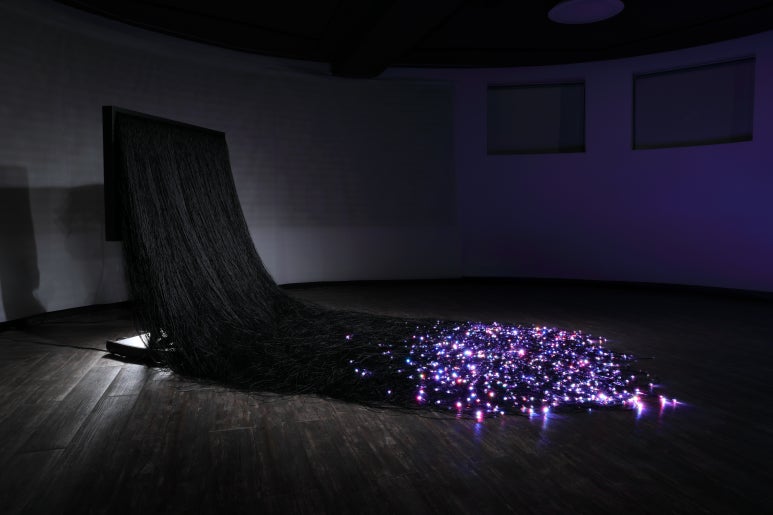
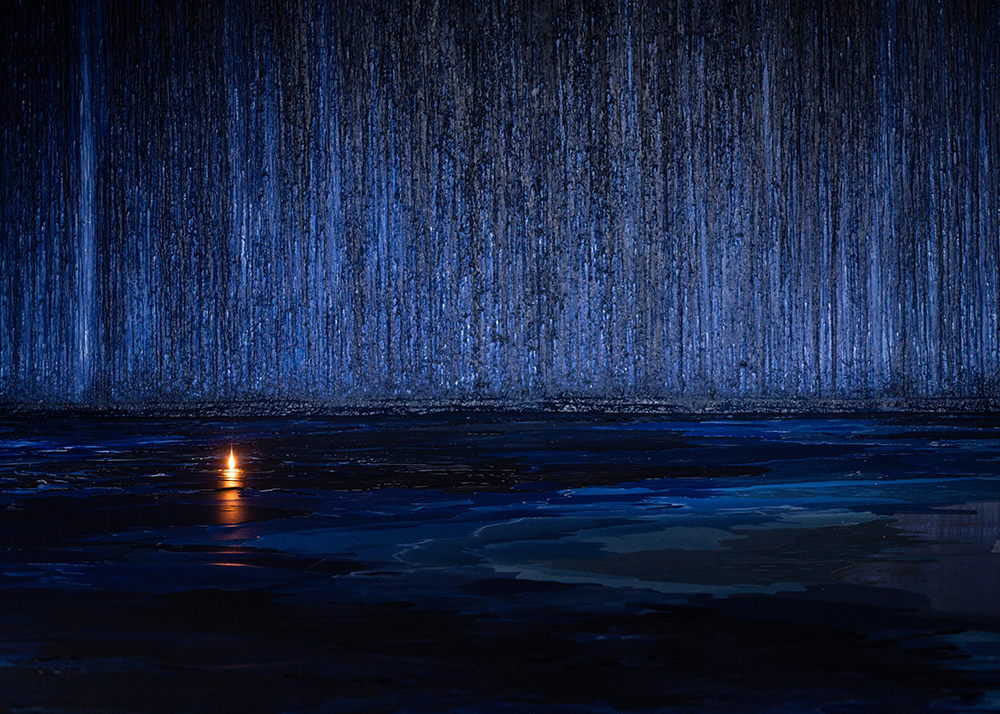
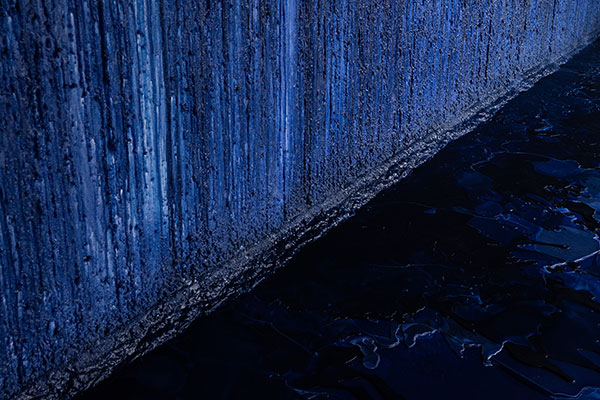
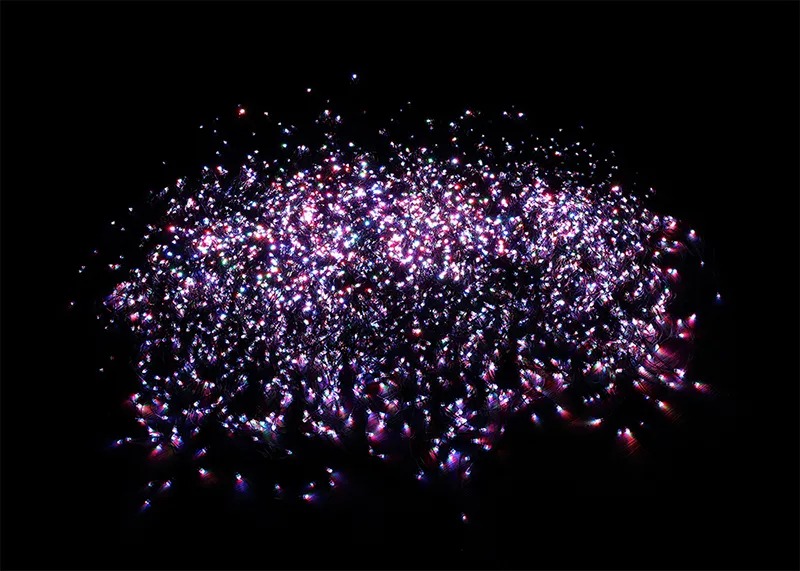
Doki Kim, Umbra, 2024, Four-way LED display, electric wires, video loop (8 min 30 sec), 210 x 480 x 480 cm © Doki Kim

Do you remember the "invisible hand" mentioned by economist Adam Smith? It is widely used to describe how the private profits pursued by individuals unintentionally contribute to the public good and drive economic efficiency. Extremely private actions interlock like a ball of yarn with various invisible forces, weaving together the world we live in.

Doki Kim's work also resembles the "invisible hand" in that it connects the self with the world and observes that interaction. Through his art, he depicts how "invisible forces" such as heat, light, time, and gravity constitute our senses, memories, and ultimately, life and the world. Discover Doki Kim's work, which traces the vague textures of sensation to find the framework of the world, in the BE(ATTITUDE) web article.


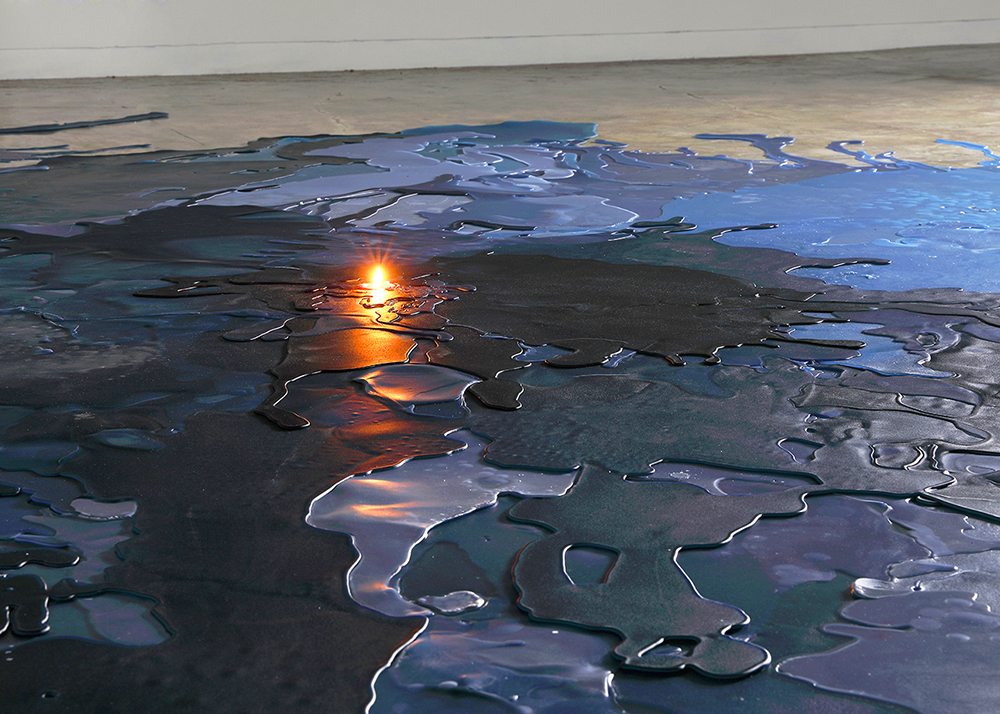
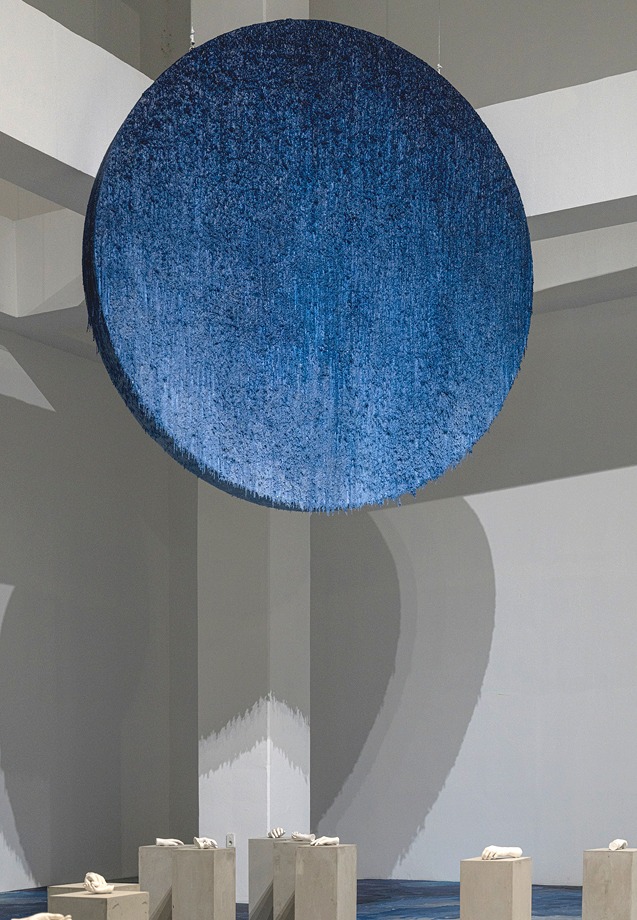
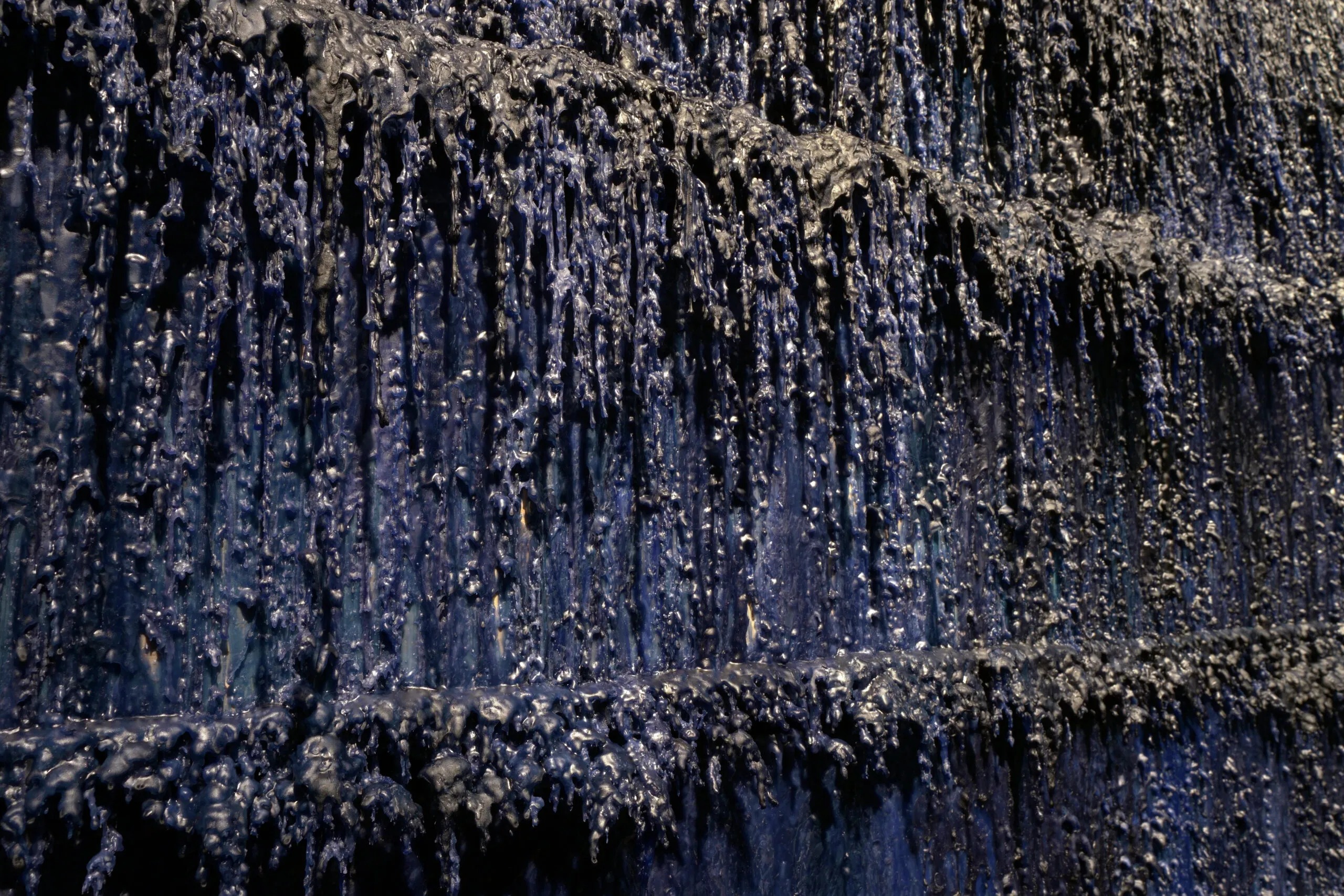
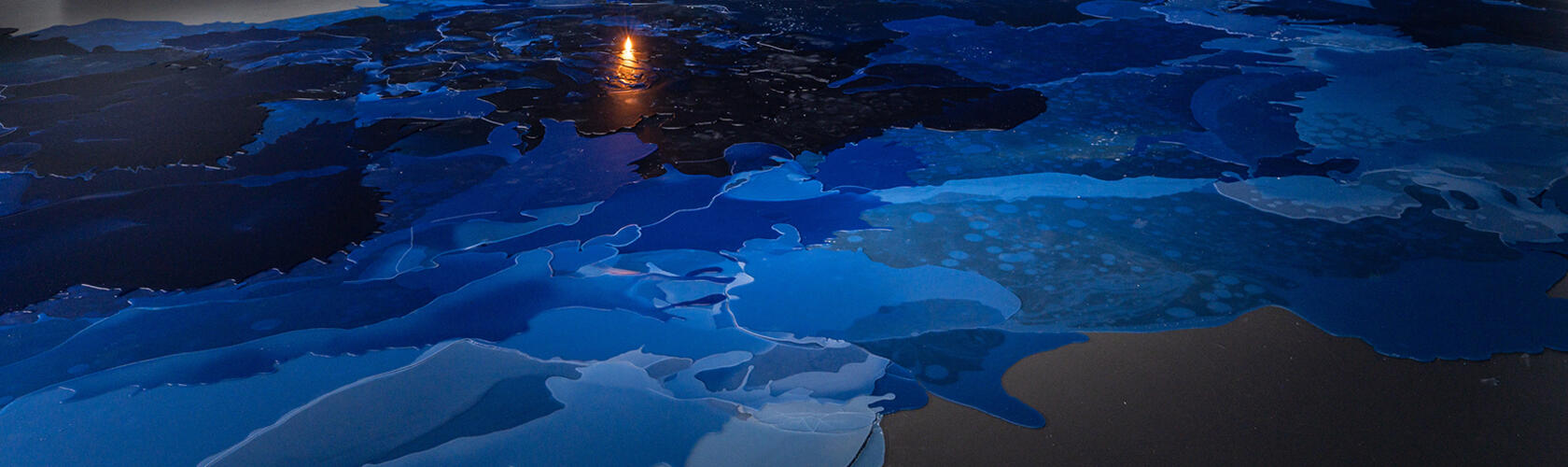
Doki Kim, Song of the Night, 2025, Paraffin wax, dye, Ø 350 cm © Doki Kim

Please introduce yourself.

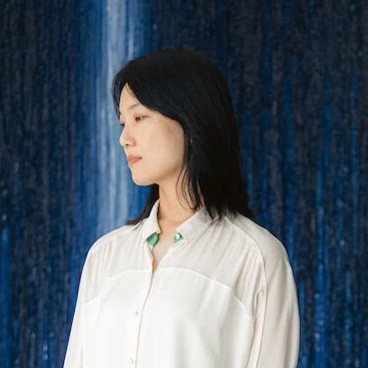
Hello. I am Doki Kim, an installation artist based in Busan. I explore how invisible forces involved in the workings of the world—such as heat, light, time, and gravity—interact between different beings, materials, and conditions to constitute our senses, memories, lives, and the world.


I’m curious about the chance you had to become the practicing creative you are today.

During high school, I prepared for art entrance exams with the goal of entering a design department, but I failed the college admissions. Not long after graduating, I also experienced a great sense of loss and emotional turmoil.

Experiencing early on that life does not unfold solely in ways I could plan or understand seems to have led me to ponder the question, "What are we, and how do we exist?" At that time, creative work was a way of grappling with that question and attempting to understand the relationship between myself and the world.

Later, by chance, I went to Japan on a working holiday and ended up attending both undergraduate and graduate school there. However, after graduating, I found myself in a situation where it was difficult to continue my personal work. After much deliberation, I joined the interior design company where I had been working part-time as a full-time employee. Even after quitting the company and returning to Korea, I couldn't bring myself to start working again.

Then, by chance, I ended up helping a Japanese artist with their work in Busan. Through that process, I was able to vividly realize once again what creation meant in my life. I realized that for me, work was a small refuge where I could catch my breath from reality, a means to reconnect myself with the world, and an opportunity to breathe most freely. I was in my mid-thirties at the time, and as if drawn by something, I started working again.


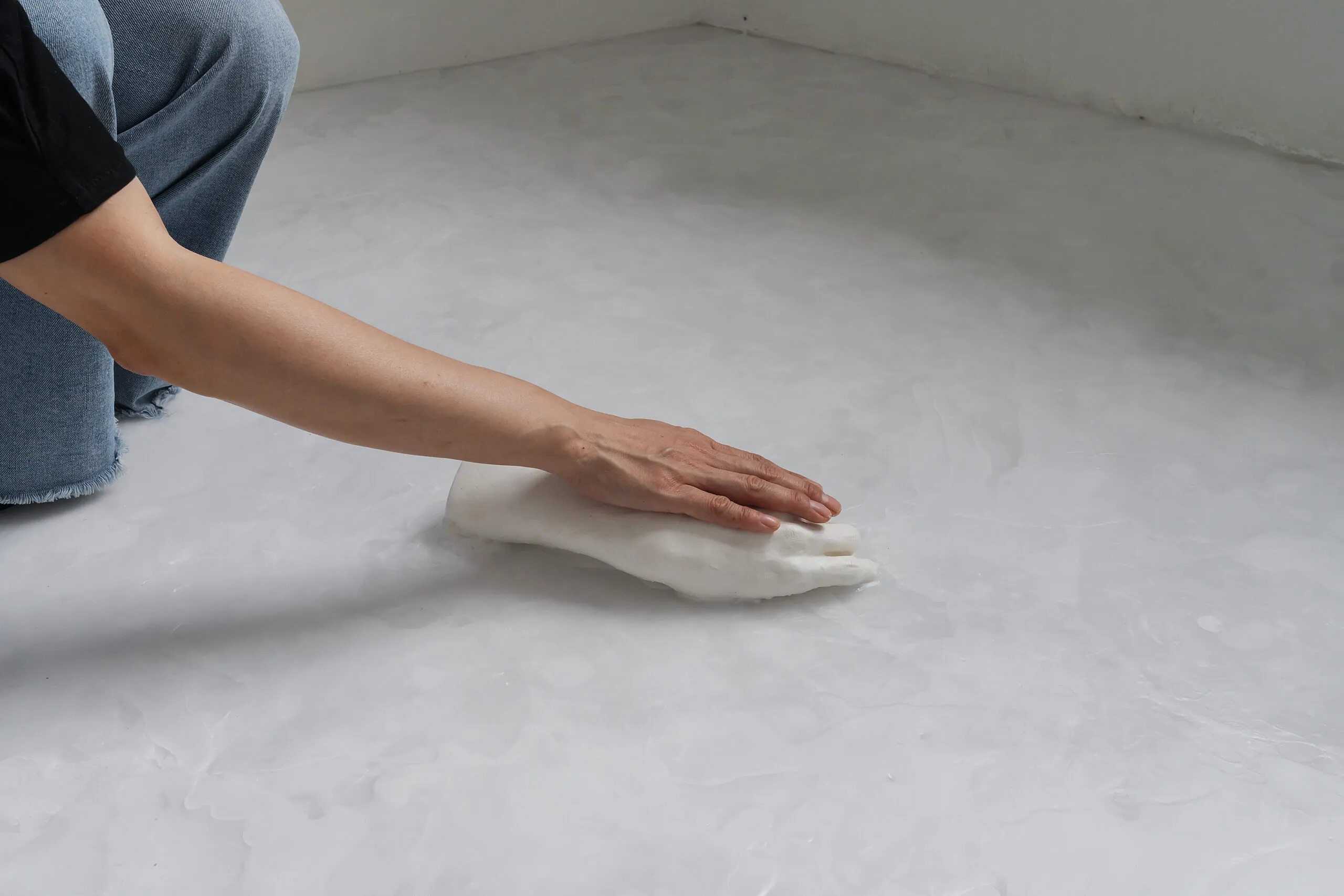
Doki Kim, Canon, 2025, Paraffin wax, plaster, electric heating element, Dimensions variable © Doki Kim

I’m curious about your workspace. Could you briefly introduce us?

I am currently a resident at the 'Tottatoga' residency located on Jungang-dong in Busan's old downtown. Rather than artists being gathered in a single building, we use studios scattered across several surrounding buildings. My residency is for three years, and this is my second year. Since there are many printing shops in this area, I work to the sound of printing presses running on weekdays.

Conversely, the surroundings become very quiet on weekends. Almost all shops close. It is interesting how a completely different atmosphere is created depending on the day of the week.

My previous studio was a cramped space in the semi-basement of a multi-family dwelling. My current studio is quite spacious, so I am very satisfied that I can organize my materials and tools according to my workflow and use them comfortably.

As I work with various media, the variety and quantity of materials continue to increase. While the expanded space has given me more freedom in the scale and methods of my work, I am also very worried about where I will move all these materials once my lease expires.


Doki Kim, Umbra, 2024, Four-way LED display, electric wires, video loop (8 min 30 sec), 210 x 480 x 480 cm © Doki Kim

Where do you mainly get your inspiration from?

I tend to draw a lot of inspiration from science and literature. I have liked science since I was young, so I read science books quite diligently.

I have always been captivated by the process of discovering the principles and forces governing the universe, the stars, and you and I existing on Earth. As I gradually came to understand how the world operates, scenes and ideas I wanted to turn into works of art also frequently came to mind.

These days, science advances so rapidly and information pours in endlessly that keeping up with new theories can feel a bit more overwhelming than before. Instead, I am more moved by facts that have long been known but are easily forgotten in our daily lives. Like the fact that we exist briefly on a tiny planet, or that beings that appear far apart are ultimately connected within a single world.

It is similar to how Carl Sagan's Cosmos moves me anew every time I read it, even though it was written a long time ago. There are times when simply facing familiar facts again makes the world suddenly feel unfamiliar and wondrous.

Lately, I have been finding more hints or breakthroughs for my work in novels or poetry. I do not always create with a complete understanding and conviction of my work. Often, I create something first, drawn by a certain sensation or scene, only to find myself unable to clearly explain what it actually is.

Then, while reading a novel or poem, if I come across an emotion I had been vaguely feeling, I sometimes realize, belatedly, "Ah, maybe it was something like this!"


Doki Kim, Umbra, 2024, Four-way LED display, electric wires, video loop (8 min 30 sec), 210 x 480 x 480 cm © Doki Kim

It may be difficult to explain in words, but what creative process do you go through when you work?

First, I will try to organize what story I most want to tell right now. I do not start with everything clearly defined from the beginning. Often, a single scene, the movement of matter, or a vague sensation comes to mind first, and I find the framework of my work by gazing at it for a long time.

Once I have a basic idea, I examine the exhibition space where the artwork will be placed. To me, space is less a backdrop for the work and more a crucial element in composing the process. I determine the scale, materials, and production method of the piece while considering the size and height of the space as well as the direction of audience movement. During this process, new works that were not initially present may emerge, or existing ideas may transform into completely different forms.

When I begin actual production, I test the materials multiple times to ensure they react as expected. This is especially true when using materials that constantly change state, such as heat or paraffin; I must find a balance between my intended direction and the inherent properties of the materials.

Finally, I fine-tune the work by checking to ensure that each piece does not feel too strong or too weak within the space. I believe the most satisfying work emerges when a small idea evolves further than I initially anticipated as it interacts with the space and materials.


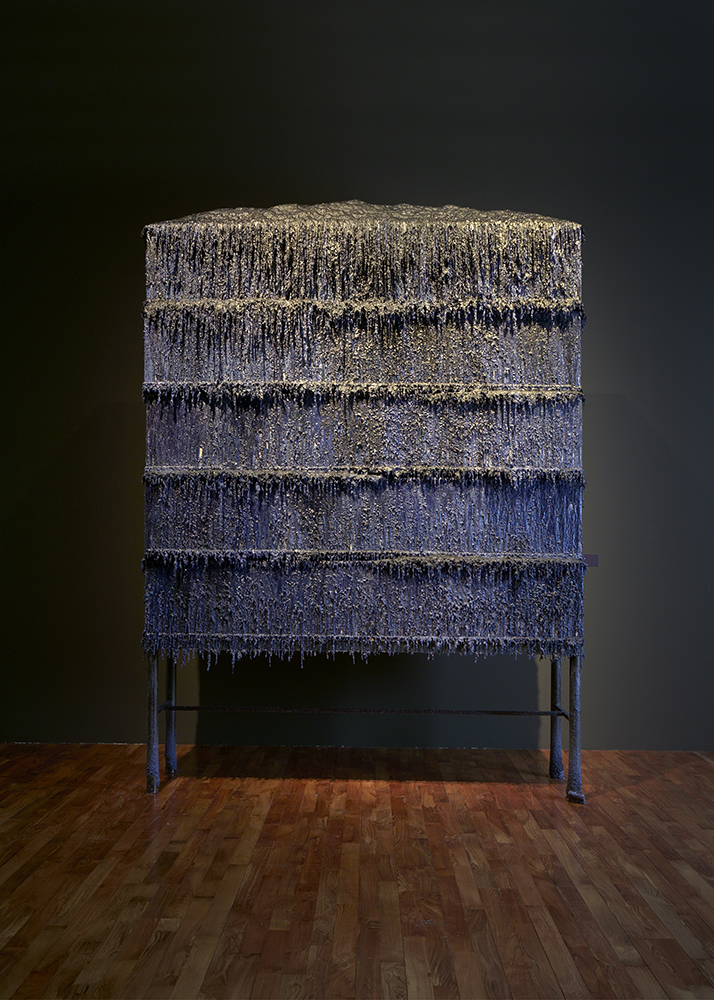
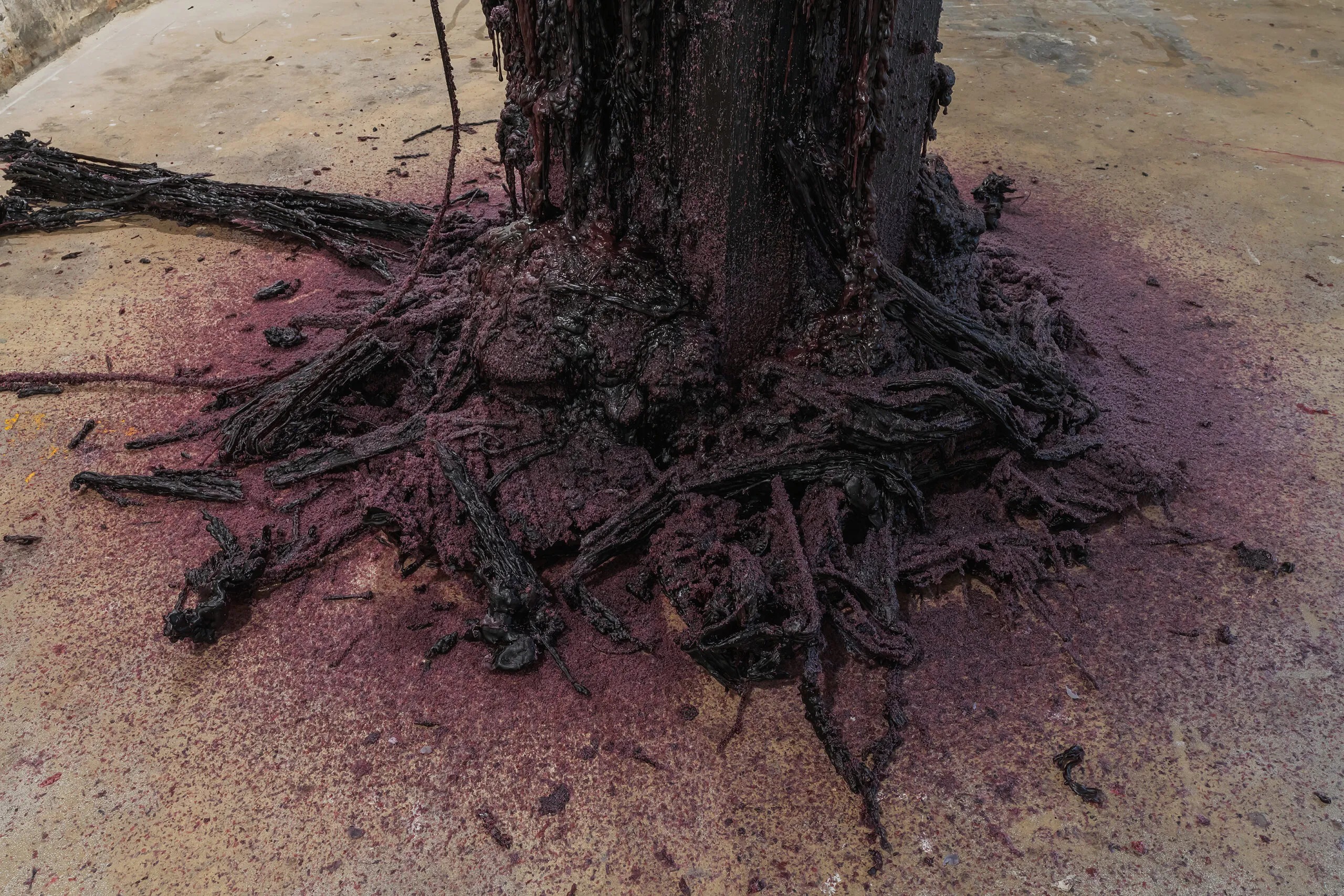
Doki Kim, Requiem, 2025, Paraffin wax, dye, steel, heater, 239 x 105 x 105 cm © Doki Kim

I'm curious about your recent work. Can you give me some examples?

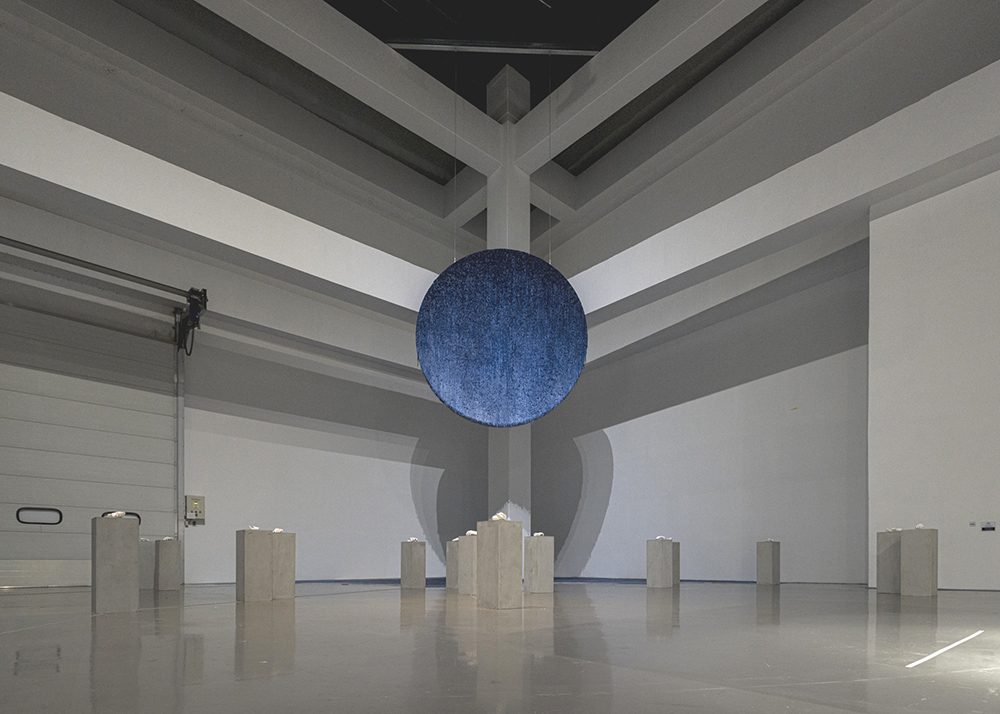
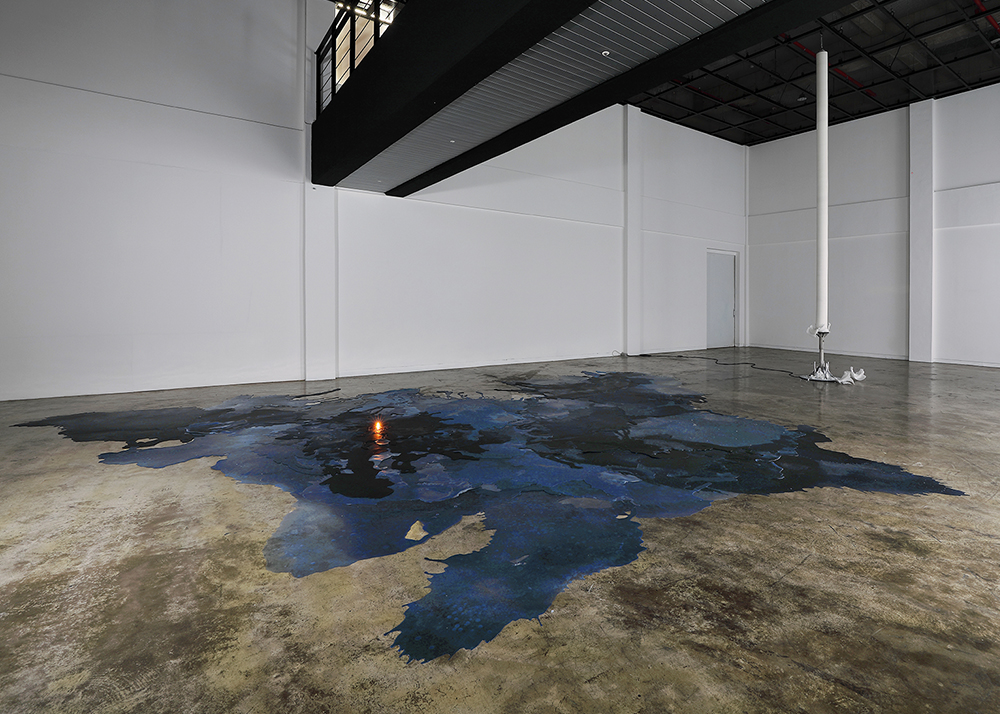
In 2025, I presented Song of the Night and White Voices together at the Busan Museum of Contemporary Art’s 《Seeing with Ten Fingers》. Song of the Night is a massive circular structure created by the repeated process of blue paraffin wax flowing and solidifying. I hoped that as the audience passes beneath it, they could feel the texture and scale of the paraffin, along with the sense of time and heat accumulated within the material.

In this work, heat is invisible, but it leaves a history of force on the surface of the material as it melts, flows, and then solidifies the paraffin. Through the unpredictable forms created by the interaction of heat energy and paraffin material, I wanted to capture a scene of the disordered and fluid nature of the world we live in.

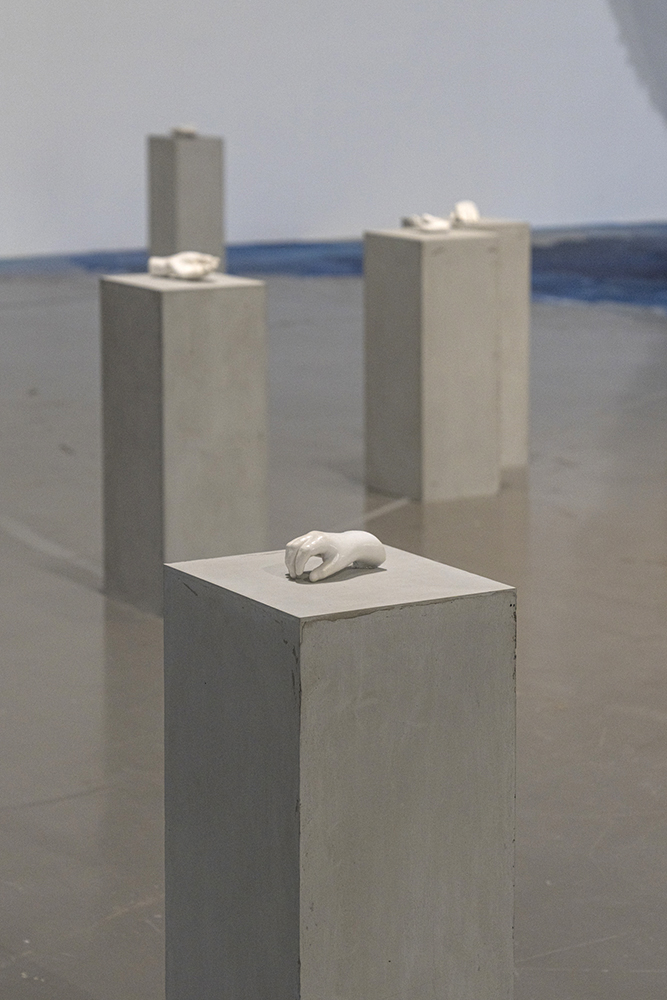
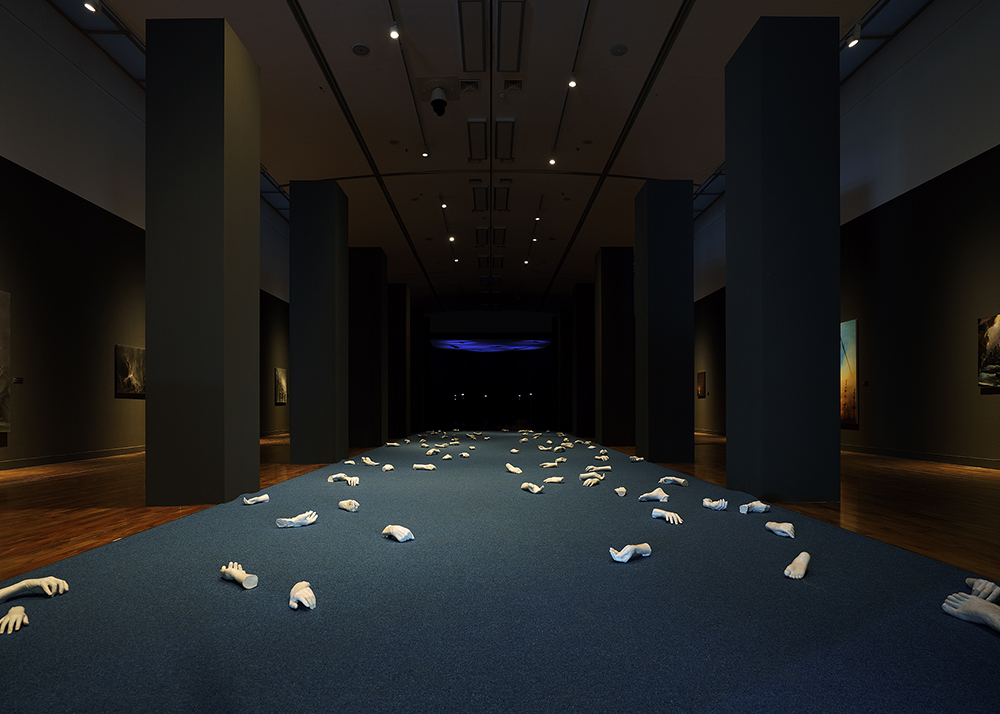
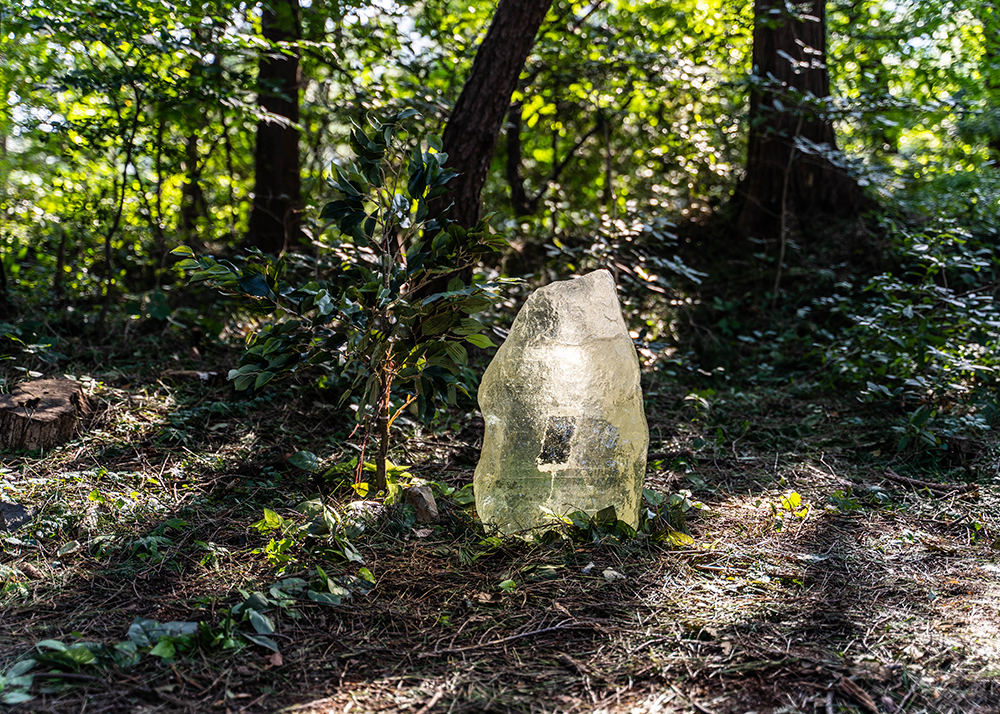
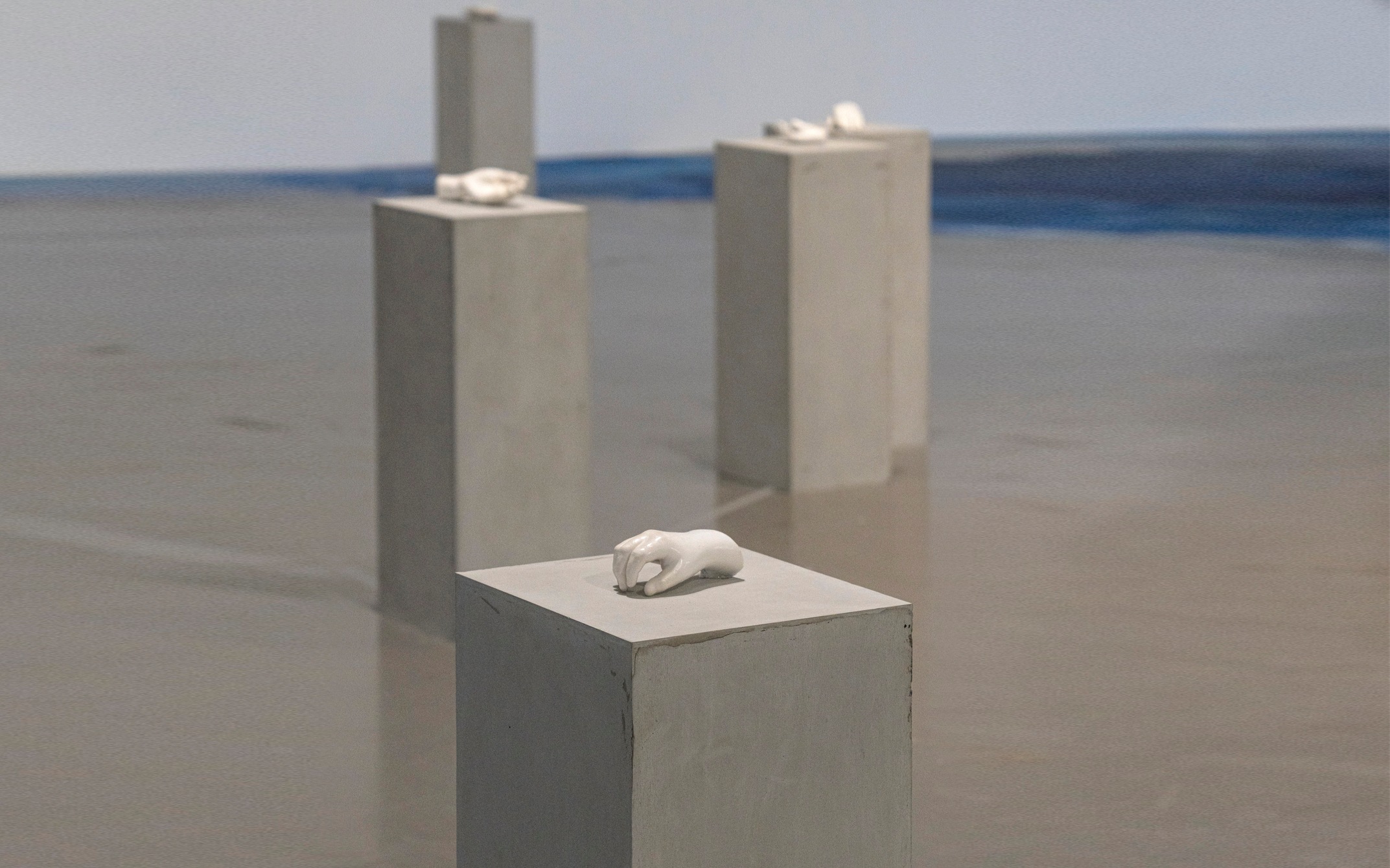
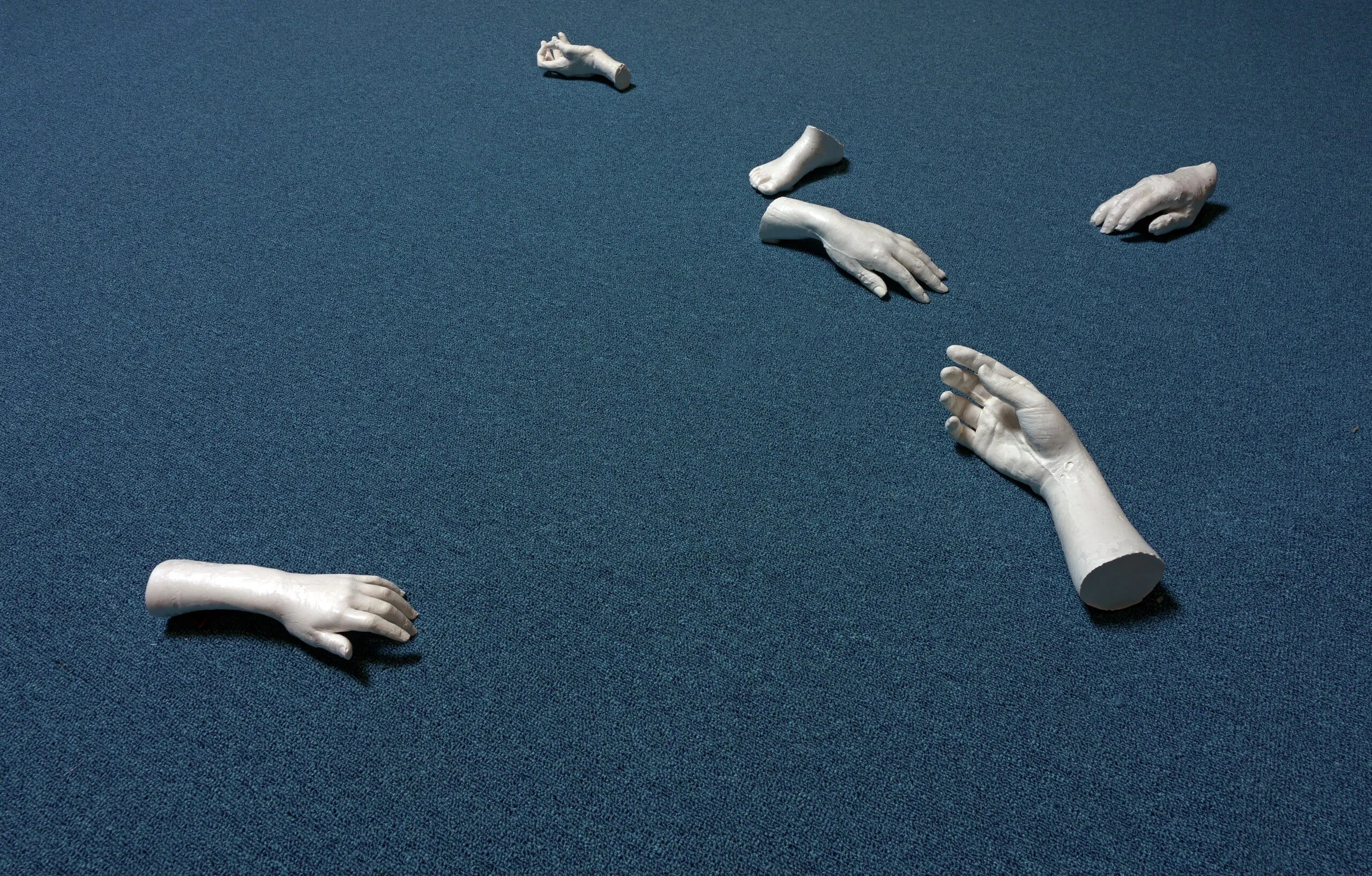
Beneath it, White Voices are scattered like constellations. These sculptures are made by directly molding the hands of citizens and are part of a hand sculpture series that has been ongoing since 2021. Each sculpture contains a heater that emits a subtle heat, allowing the audience to actually touch the works. However, I did not intend for that contact to necessarily culminate in a single emotion, such as warmth or comfort.

The heat from the hand sculptures repeatedly heats up and then cools down. I wondered if the heat hidden within these cold, hard, anonymous body sculptures could be felt as a universal power shared by all beings, transcending the traces of a single individual's life.


Doki Kim, White Voices, 2025, Plaster, heater, concrete, Dimensions variable © Doki Kim

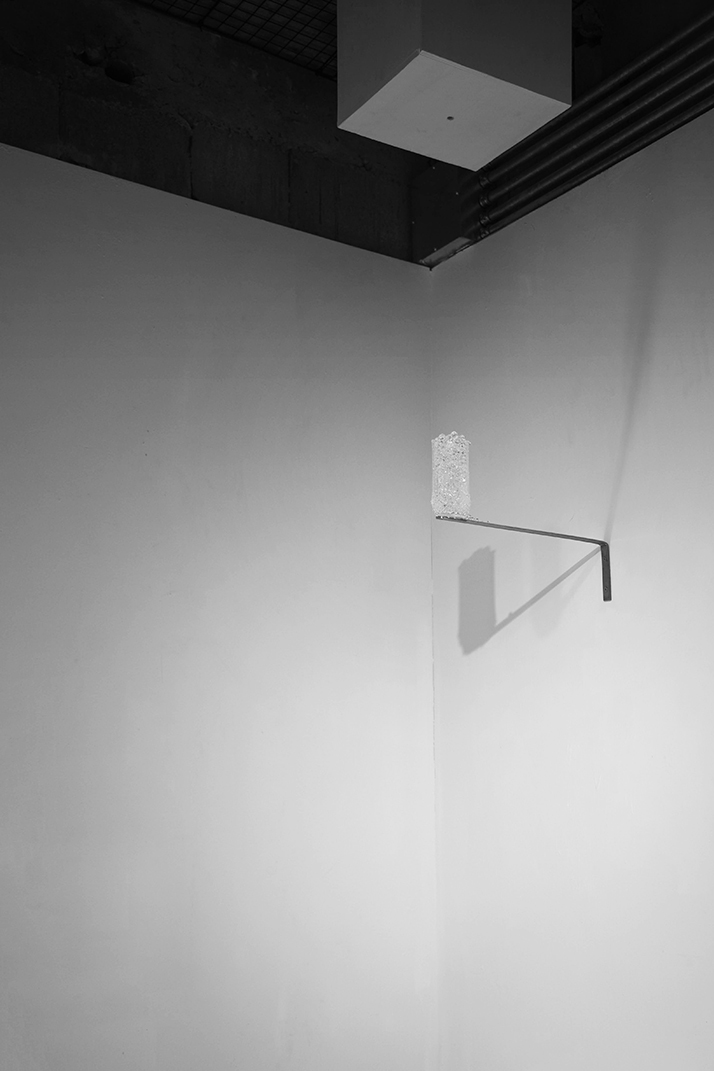
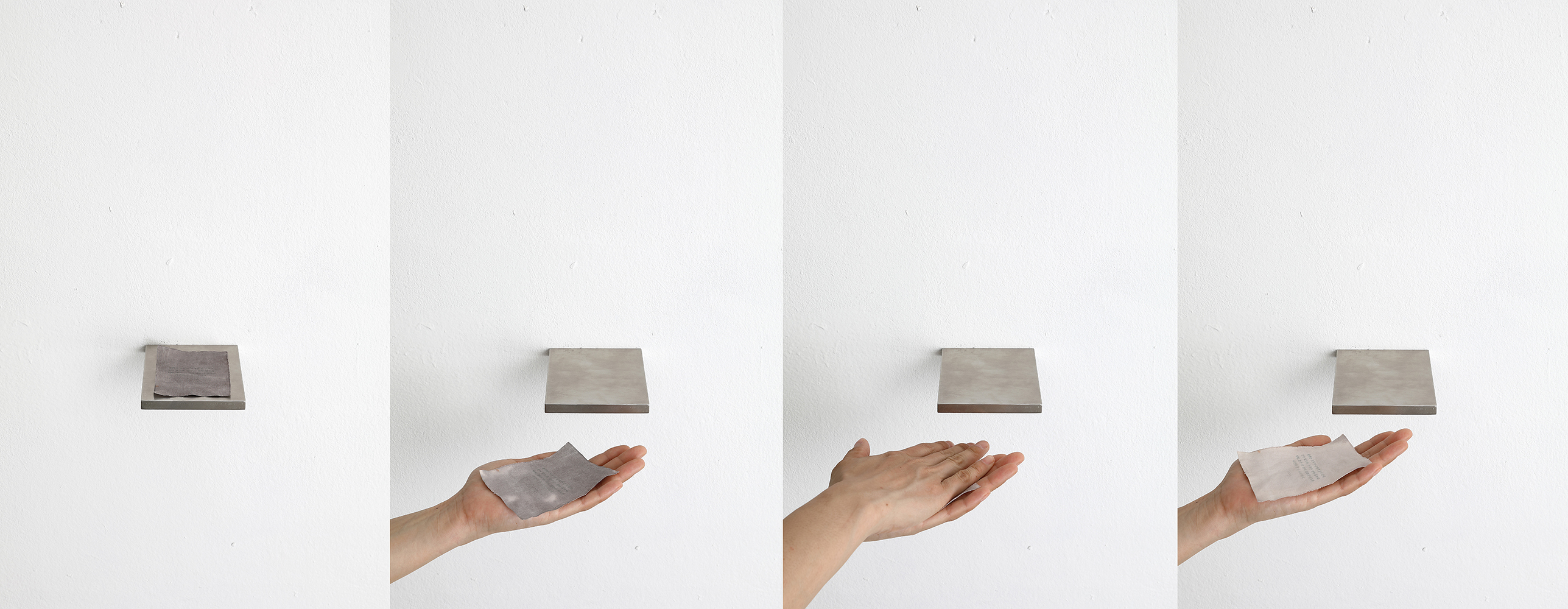
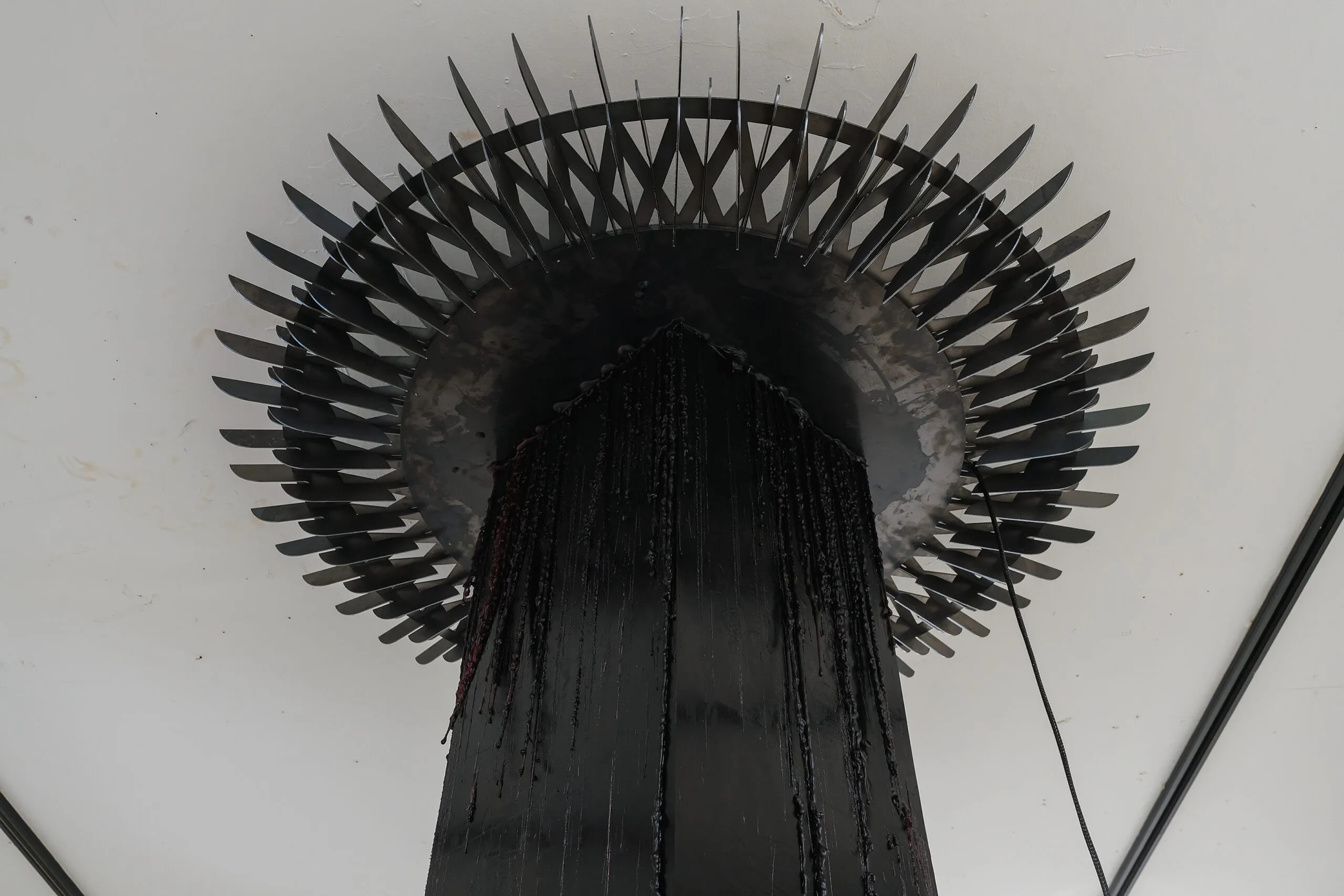
In the same year, at Amado Art Space’s exhibition 《Reliance and Independence》, the works Requiem and Canon were presented. It was an exhibition dealing with the operating principles of capitalist society, and heat appears in the two works with different characteristics. Requiem is a work in which a hot iron plate slowly melts a column made of paraffin wax.

Through the iron plate descending from above and the collapsing column, it serves as a metaphor for human desire for capital and the ruthless nature of capital as it moves while consuming everything.

In contrast, in Canon installed on the lower floor, heat is closer to a small and fragile force. I spread melted paraffin wax on the floor and placed a hand sculpture on top, allowing the audience to enter the space and touch it directly. This work is not complete without interaction among the audience. Even if it appears too small to stand against a colossal force, I wanted to believe in the power created when small beings connect and accumulate with one another.


Doki Kim, The Melting Sun in the Night, 2021, Paraffin wax, dye, candle wick, Dimensions variable © Doki Kim

What did you want to emphasize most in your recent work?

The point is that the closest and the farthest things may always be together.

I believe that the small temperature felt at the fingertips or a person's physical body are extremely personal and intimate, but at the same time, they are connected to the flow of energy and the massive structures that drive society.

In most of my work, I attempt to place small sensations that the audience can directly touch and feel alongside immense forces and structures that are difficult to fathom, all within a single space. In my recent work as well, I wanted to reveal this relationship even more clearly. I wanted to convey that very fragile and private sensations do not remain merely on a small dimension, but are connected to the structure of the world we live in together.


I'm curious about what you've been satisfied with and what you've been dissatisfied with in your recent work.

Requiem, presented at Amado Art Space, is a work in which a heated steel plate descends under its own gravity to melt a column of paraffin. Because it was a structure attempted for the first time, it was difficult to fully predict how the material would change during the exhibition period based solely on short-term testing.

As the exhibition progressed, something unexpected happened. The melted paraffin hardened and piled up like icicles, beginning to support the pillars again, and eventually, the steel plates could no longer descend. Since the initial plan was to melt the pillars all the way down, looking only at the result, the original plan was a failure.

However, on the other hand, it felt as if the work stopped collapsing on its own and created a new structure.

It remains unsettling and regrettable that the artist cannot control every outcome. However, I was incredibly surprised and satisfied that the materials and time went beyond my intentions to create meanings I hadn't even considered. Trying something for the first time always leads to unexpected results, so I feel nervous, but at the same time, that very aspect seems to be the driving force that keeps me trying new things.


Doki Kim, Requiem, 2025, Paraffin wax, dye, steel, heater, 239 x 105 x 105 cm © Doki Kim

May I ask how you usually spend your daily life?

When I don't have an exhibition, I spend my time reading books I've wanted to see, watching movies, and doing research for my next project. While working, I also try to go for walks with my mother on weekends whenever possible. Once an exhibition schedule is set, the focus of my life shifts almost entirely to preparing for the work.
Even though I prepare in advance, unexpected things always happen during the production process, and it ends up taking much longer than I anticipated. Generally, it seems to take about 1.5 times longer than expected. As a result, as the deadline approaches, I find myself repeatedly cutting back on sleep to work. I still tend to dedicate my entire life to my work when things pile up, but going forward, I want to establish a healthier rhythm, if only to sustain my artistic career.


Doki Kim, White Shadows, 2023, Plaster, heater, Dimensions variable © Doki Kim

What is the subject that interests you the most these days?

Lately, I have been most interested in the aging body. While preparing for a recent exhibition on the theme of super-aging, I came to think a lot about society's attitude of viewing aging as a disease or a deficiency, and of trying to deny old age. I also realized that I, too, had been viewing the body based on youth without much question.

It is a very minor change, but I have stopped dyeing my gray hair, something I had done every month as a matter of course. Rather than finding special meaning in the act of not dyeing itself, I wanted to reflect on why I had taken hiding my gray hair for granted. These days, I try not to define aging simply as decline or deficiency, but to view it as a process in which the body changes into a state different from before.


How does your attitude towards life come across in your work?

I tend to view the world as a constantly changing state, created by various forces and conditions briefly balancing or colliding. I believe that even the appearance right before my eyes is not completely fixed, but merely maintained for a brief moment by various conditions. This attitude seems to lead me to focus on states that move, change, disappear, or reappear in my work, rather than on completed and unchanging forms.

Heat melts matter, causes it to flow, and then solidifies it again. Images created by light scatter into small pixels as you approach them. My body heat is transferred to walls or objects, and the objects receiving this heat briefly reveal their existence through light before disappearing again. Rather than establishing a single definitive outcome, I wish to capture in my work the fleeting state created by the meeting of forces and conditions.


Doki Kim, The Melting Sun in the Night, 2021, Paraffin wax, dye, candle wick, Dimensions variable © Doki Kim

How do you overcome a slump?

When I hit a slump, I try to break free from the inertia of repeating the same thoughts. Rather than clinging to unresolved work, I put it on standby mode in a corner of my mind for a while, laugh heartily while watching stand-up comedy, or get enough sleep. When I loosen up my thoughts like that, sometimes a clue to the work appears in my dreams.


What is the most realistic problem you've encountered recently?

I recently injured my ankle. Since installation work involves moving materials, fabricating, and moving physically for long periods on-site, even a minor injury immediately affects the work schedule and methods.

Right now, the most realistic concern is figuring out how to continue with the scheduled work without overexerting ourselves.


Doki Kim, 36.5 – The Bone, 2017, Video, 9 min © Doki Kim

Could you tell us about the creative attitude and philosophy that you value?

I am not entirely sure what the most important attitude is for a creator, but I like work where the artist's unique color is clearly palpable. By "color," I mean less of an outward style and more of a distinctive way of perceiving and sensing the world. When I encounter such work, I feel as though I have momentarily entered a completely different world.

Are there any tips or tricks you would like to share with other creators looking to continue what they love?

It seems that continuing to work is not possible by willpower alone. At some point, work can become impossible due to conditions beyond an individual's control, such as health, financial situations, or caregiving. Recently, while experiencing significant stress from these realistic issues, I have gradually come to let go of my obsession with having to do things exactly as I had envisioned.

I try to think that if I can't do it this way, I should try that way, and if I can't do it right now, pausing for a while doesn't mean giving up on my work. I believe that accepting the life given to me and doing my best within it is sometimes a more difficult and important attitude than filling my life solely with things I like.


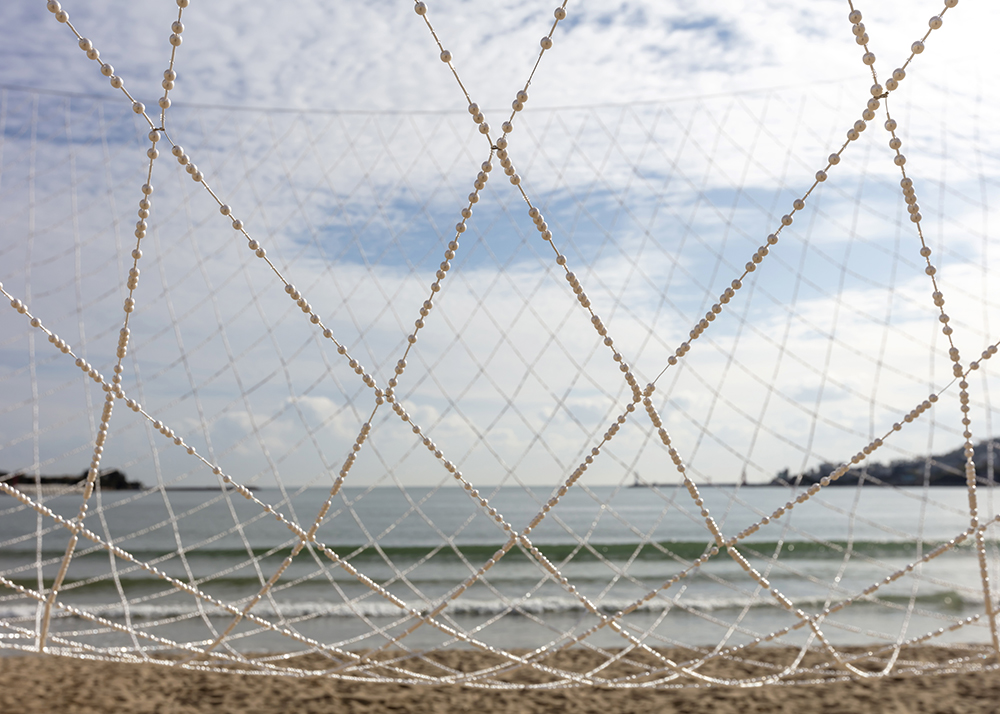
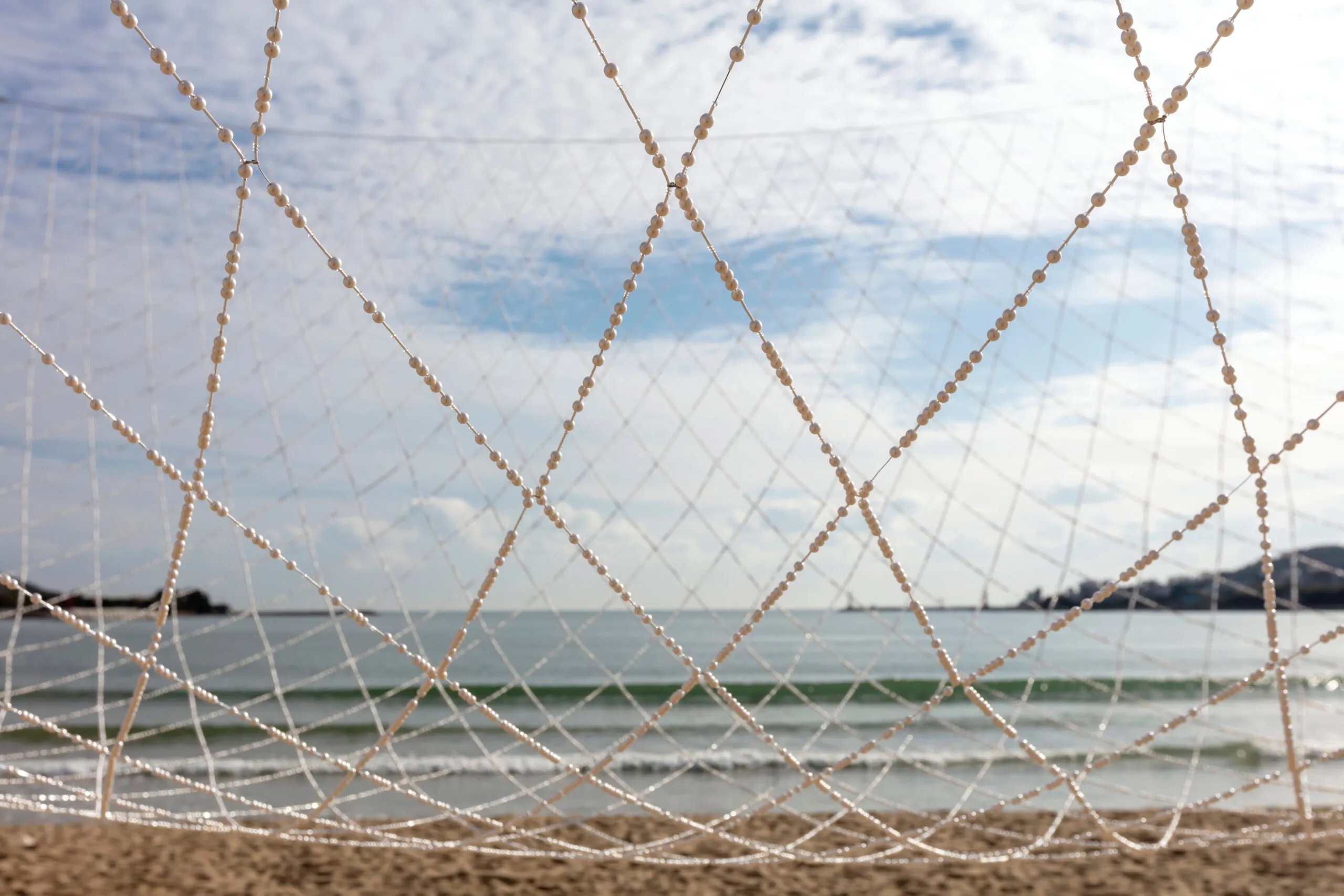
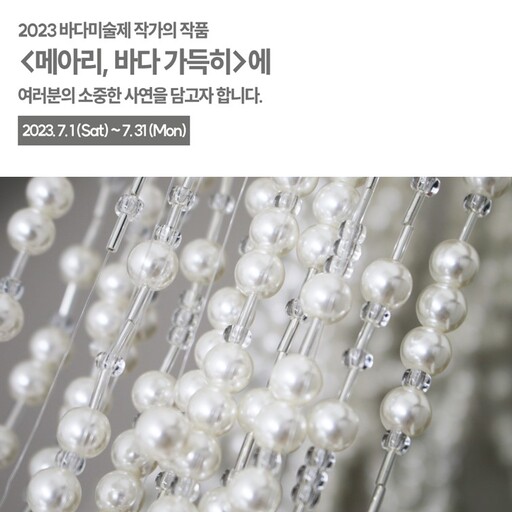
Doki Kim, Echo, Filled in the Sea, 2023, Artificial pearls, beads, stainless steel wire, 400 x 800 x 800 cm © Doki Kim

What kind of creator do you want people to remember you as?

I do not aspire to be remembered in a grand way. However, just as a novel or poem lingers in my heart for a long time and is recalled at some point in life, I would like my work to remain with someone in that same way. Even if the full meaning is not clearly conveyed the moment the piece is viewed, I would be satisfied if, after some time has passed, a single scene or sensation suddenly comes to mind and creates a small change in that person's thoughts or life.


What does the ideal future you currently envision look like?

Strangely enough, I find it difficult to concretely imagine my future. While I want to continue working and making a living, I can hardly picture what that will look like or how I will live. On the contrary, I have often thought about how I will face the end of my life for a long time.

I once watched a documentary that depicted the process of a dead whale sinking into the deep sea, becoming a food source and habitat for countless marine creatures, and eventually leaving only white bones. Rather than feeling cruel, that scene felt strangely deep and peaceful.

While the fact that a dead body eventually becomes part of other life is not particularly special in itself, I think I was drawn to the process of the dead body serving as food and a habitat for other creatures for a long time, rather than simply being buried in the ground and returning to nature.

I also hope that from the very last moment of my life until thereafter, my body can be placed within the process of connecting with other lives.


Doki Kim, Cover with the Night, 2023, Coffin, paraffin wax, dye, 300 x 195 x 51 cm © Doki Kim
References