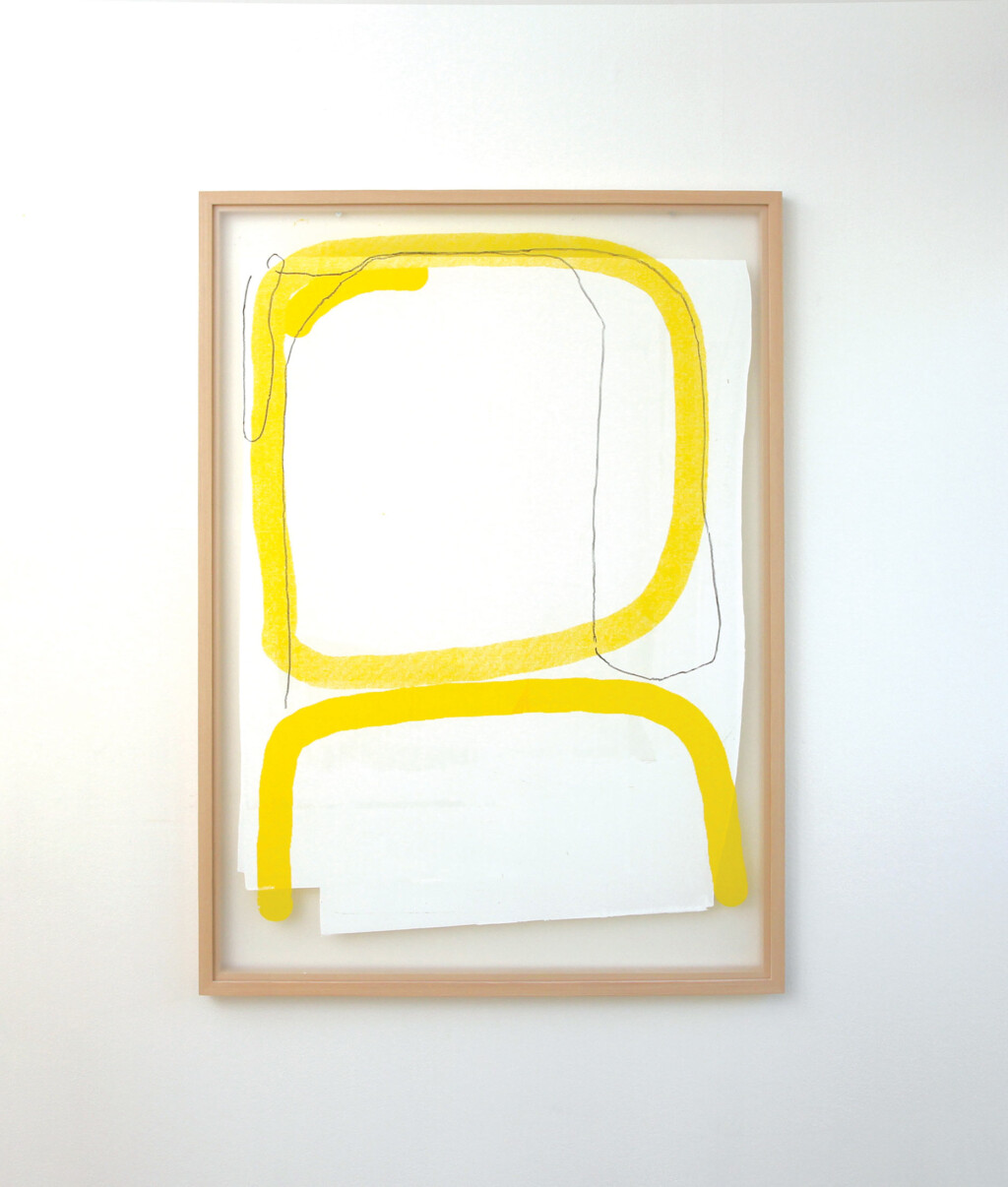
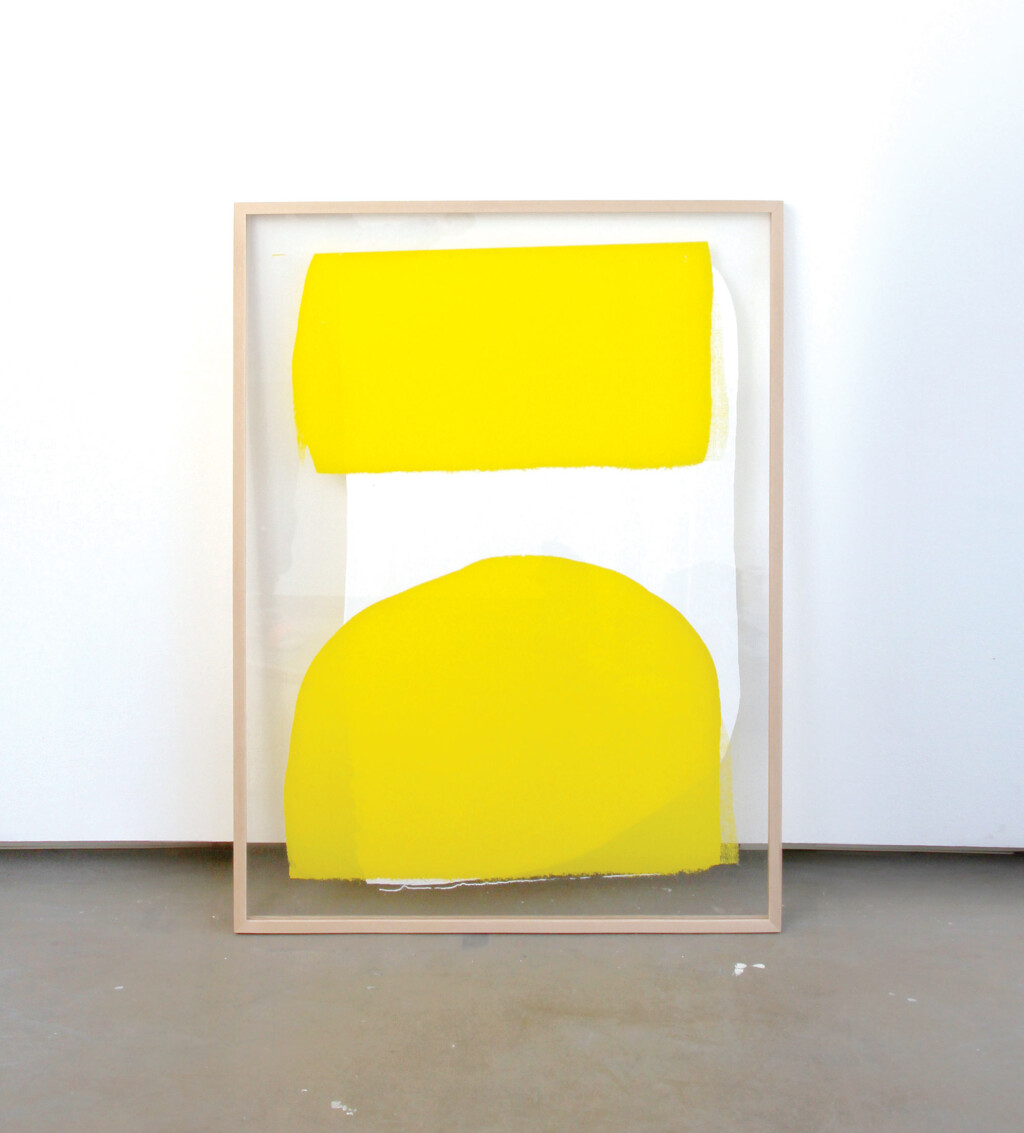
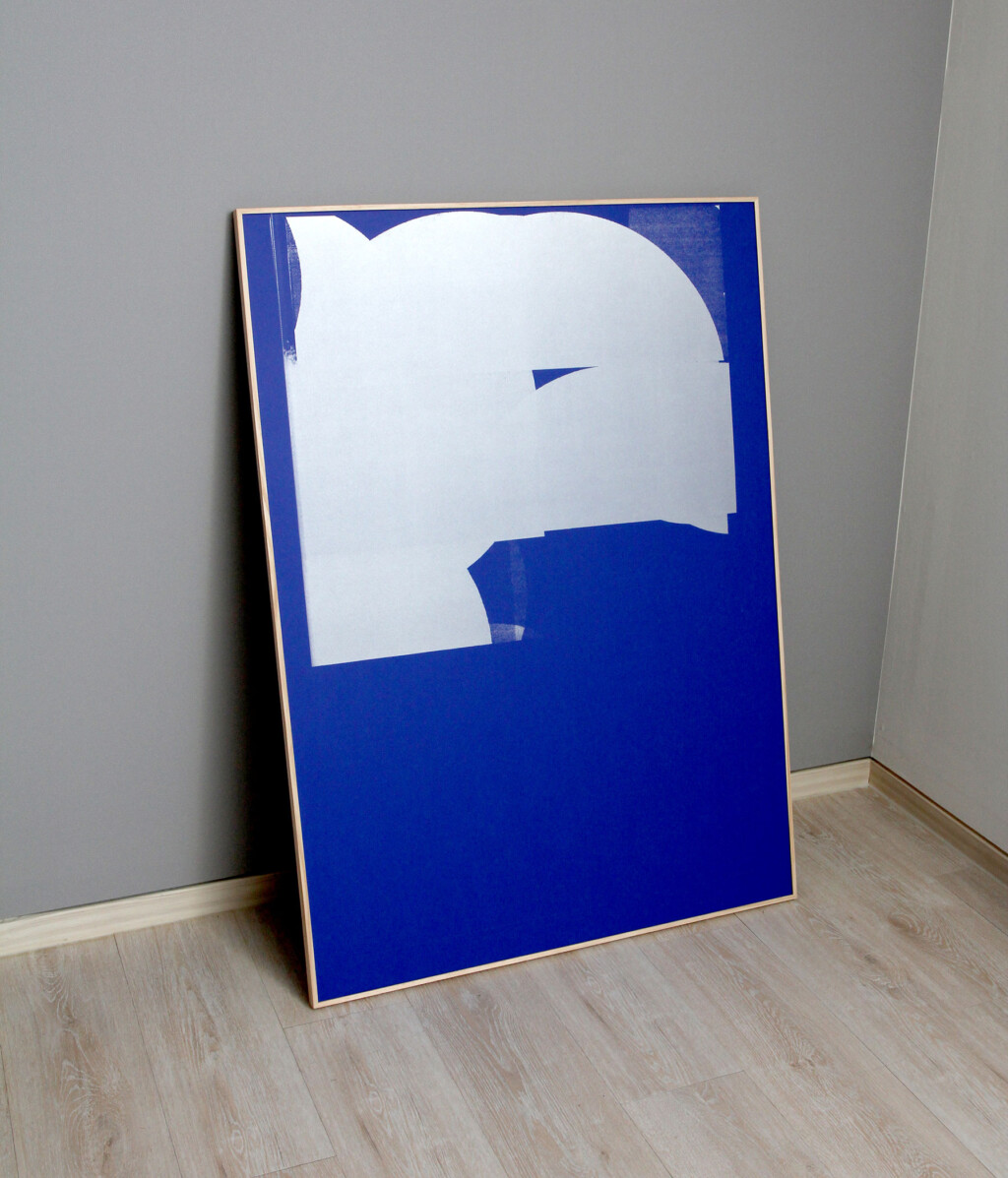
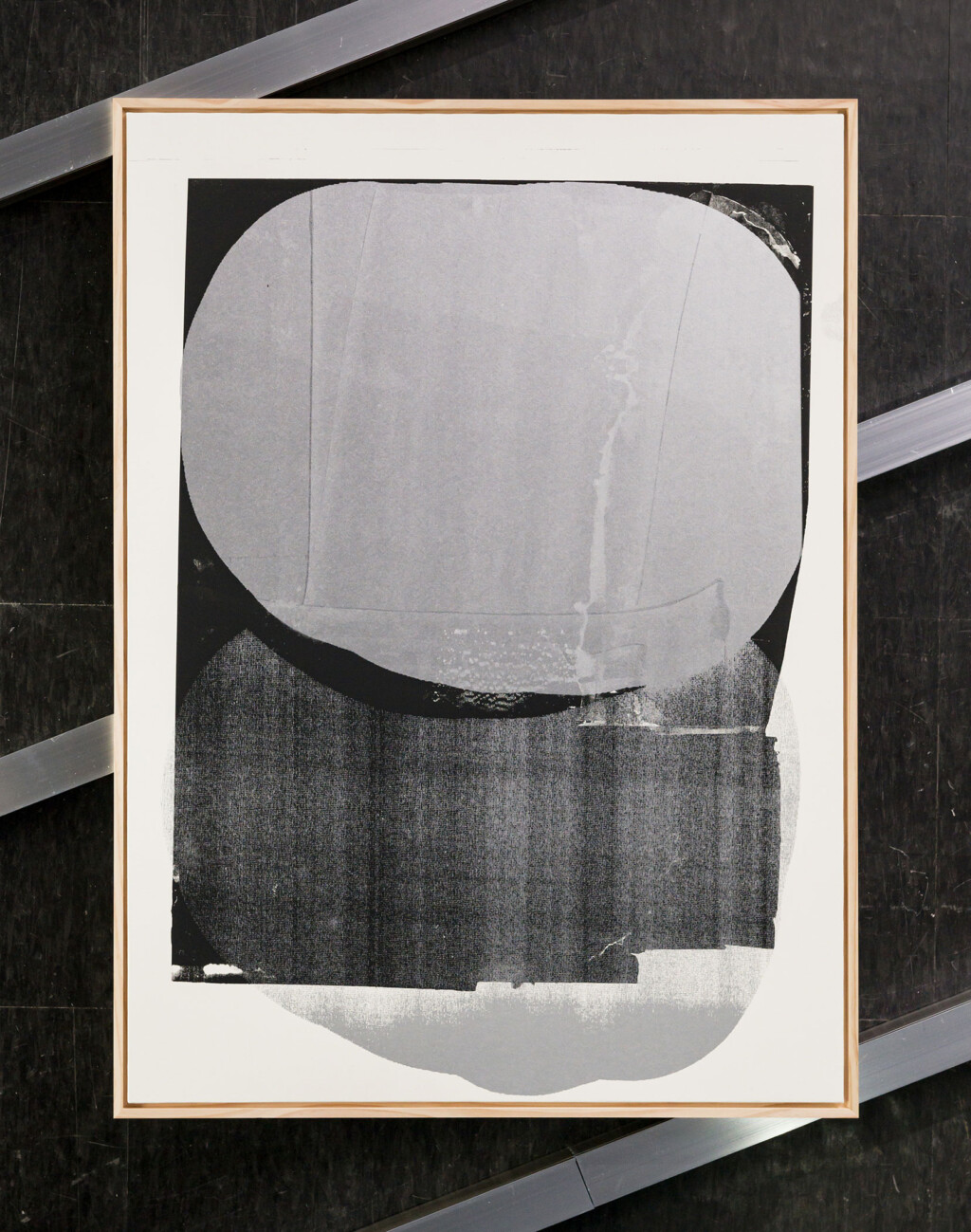
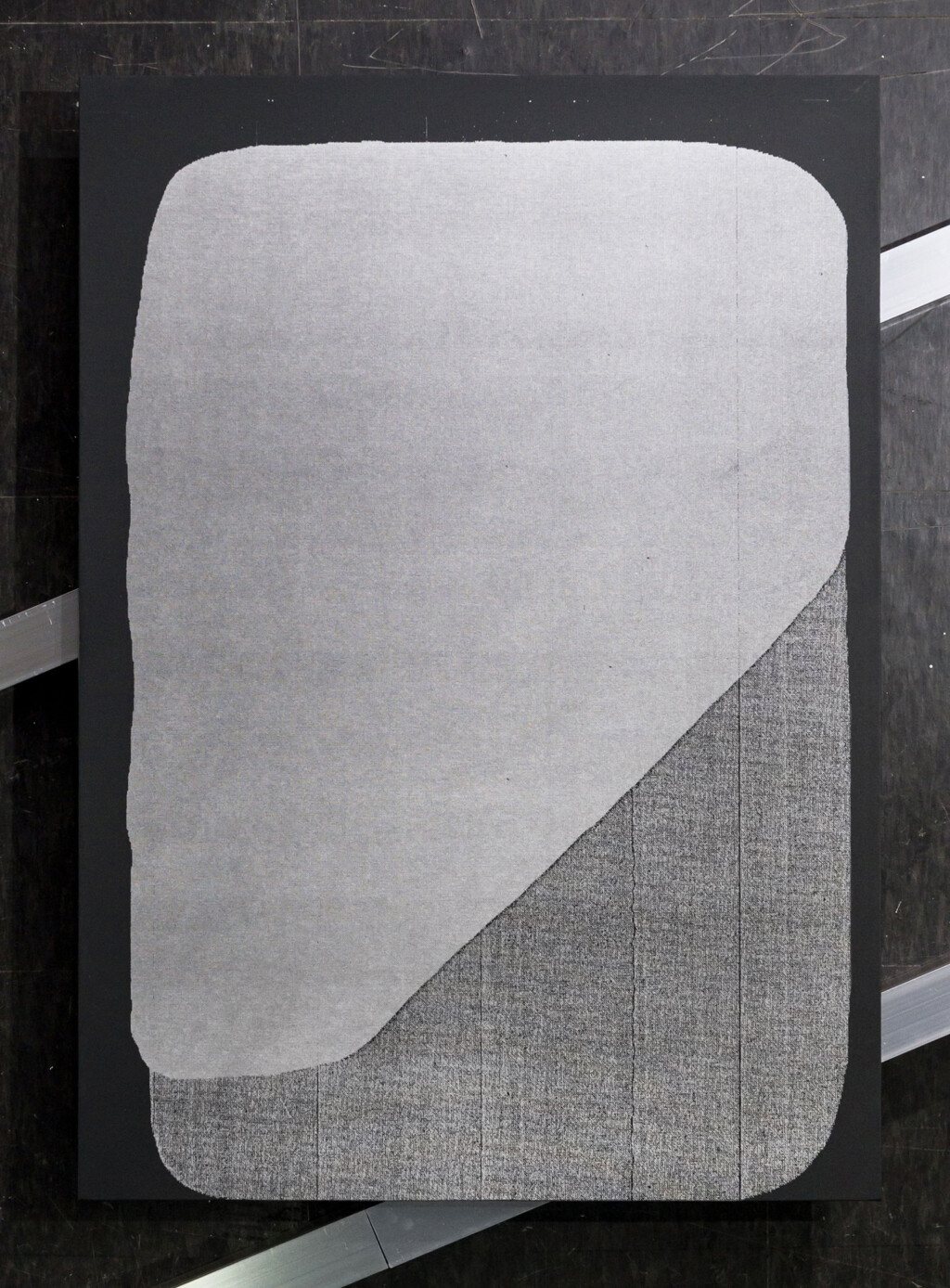
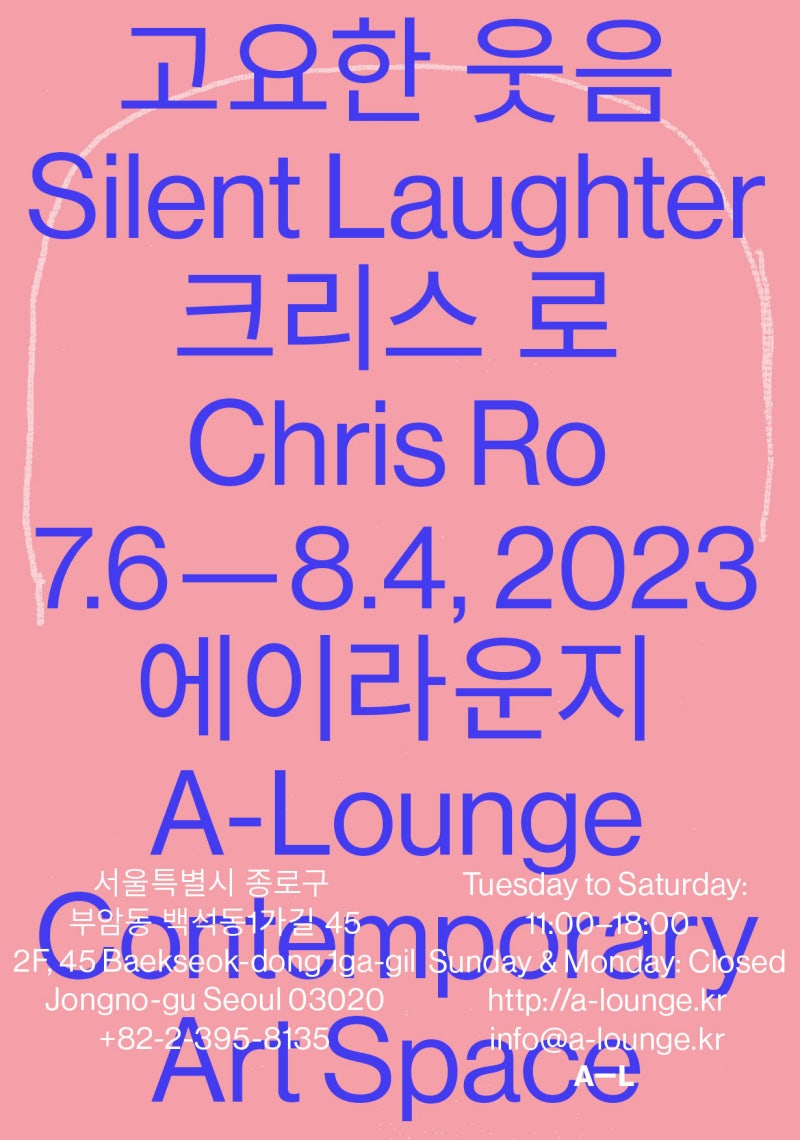
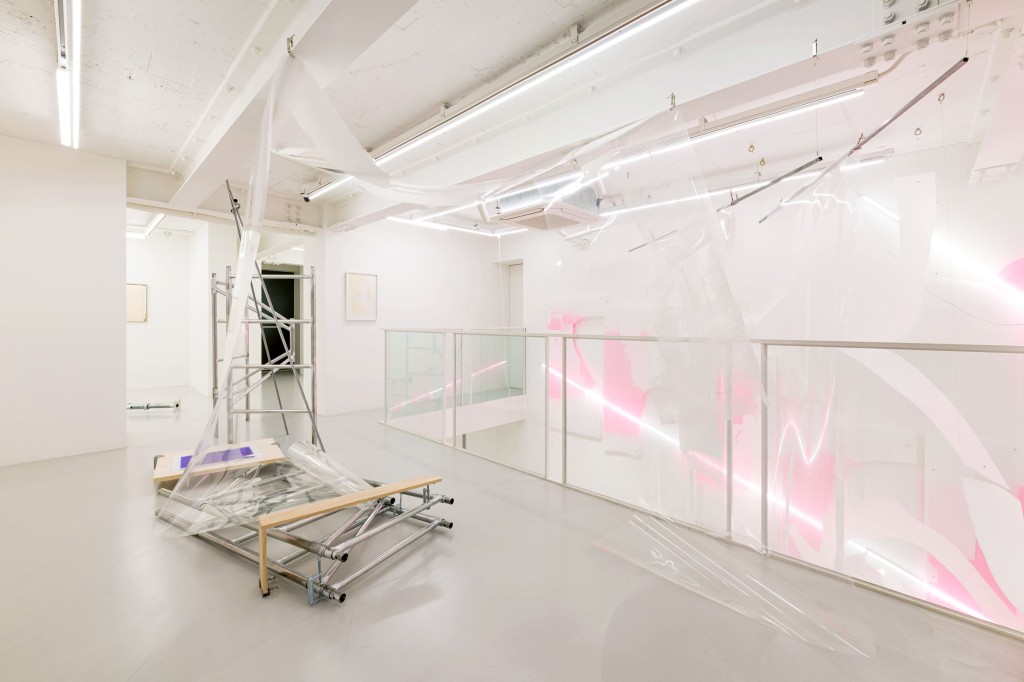
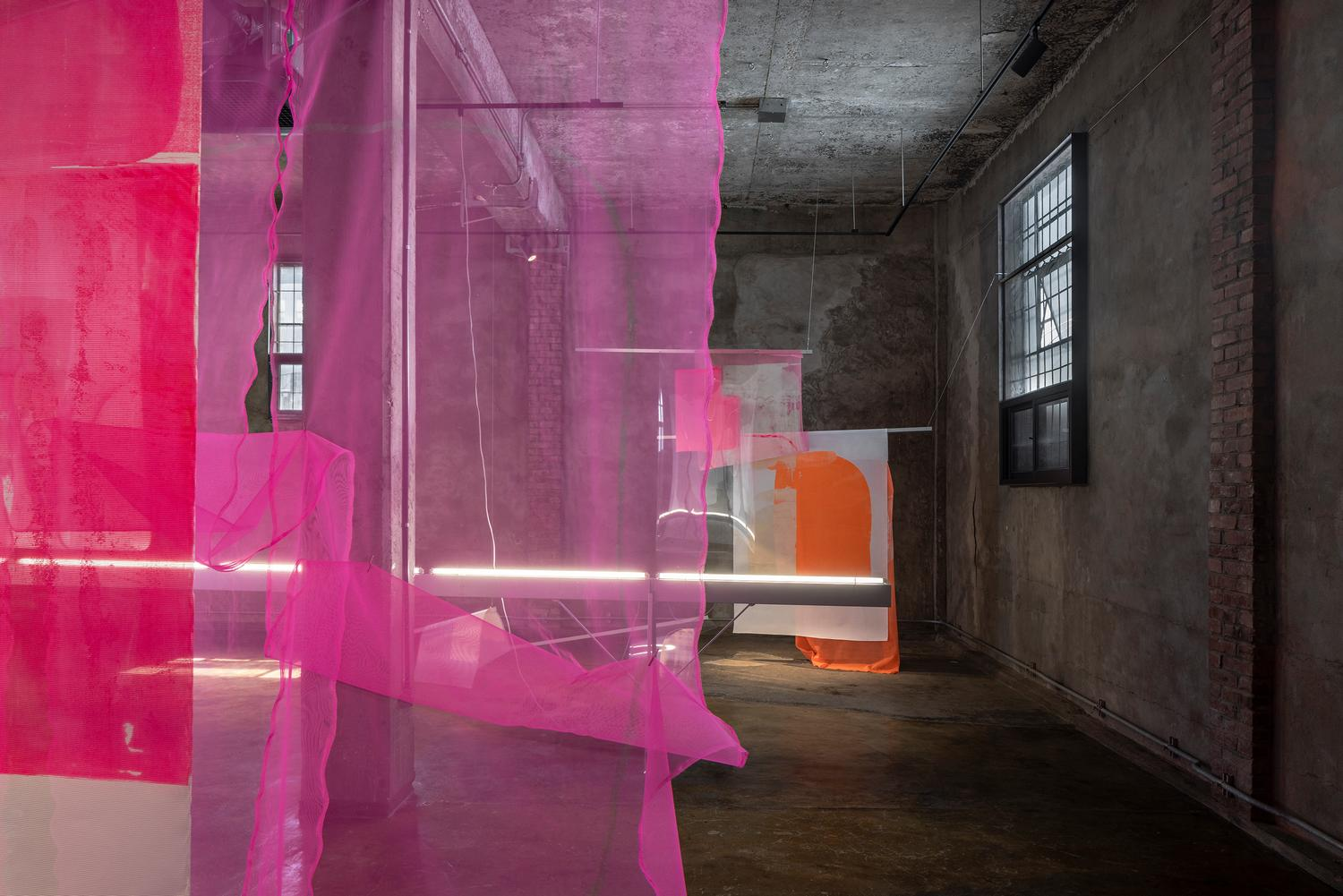
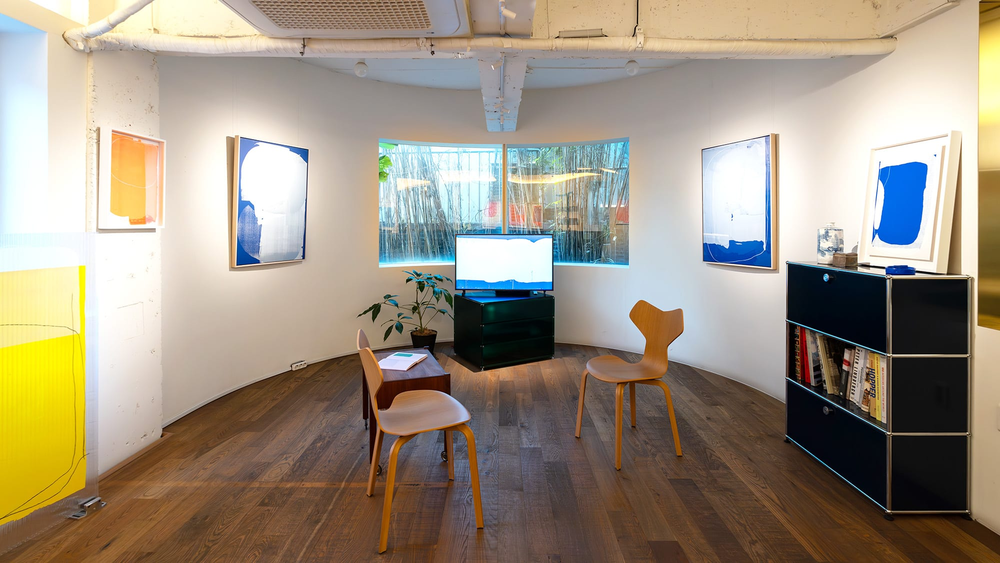
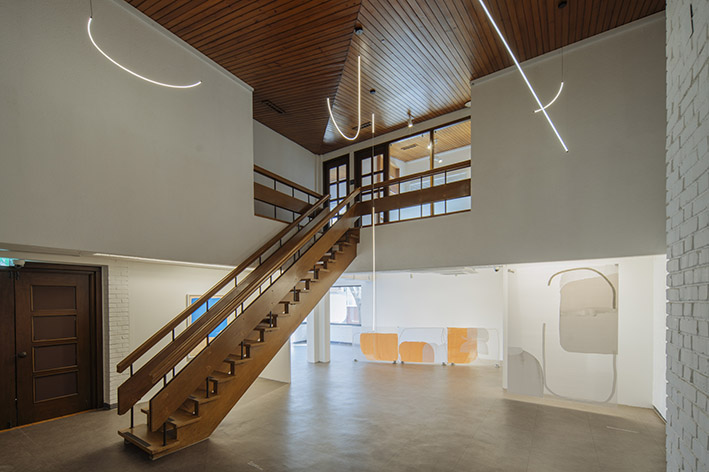
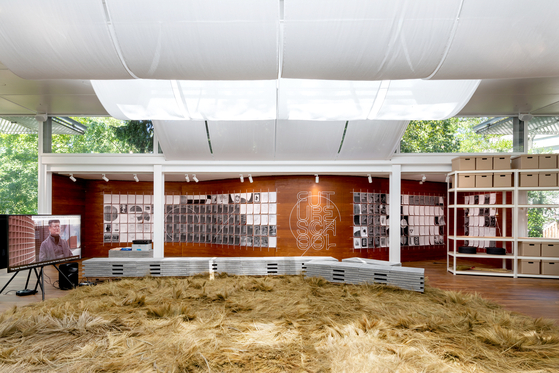
Poster image of 《Silent Laughter》 © A-Lounge Contemporary

Sounds under the surfaces

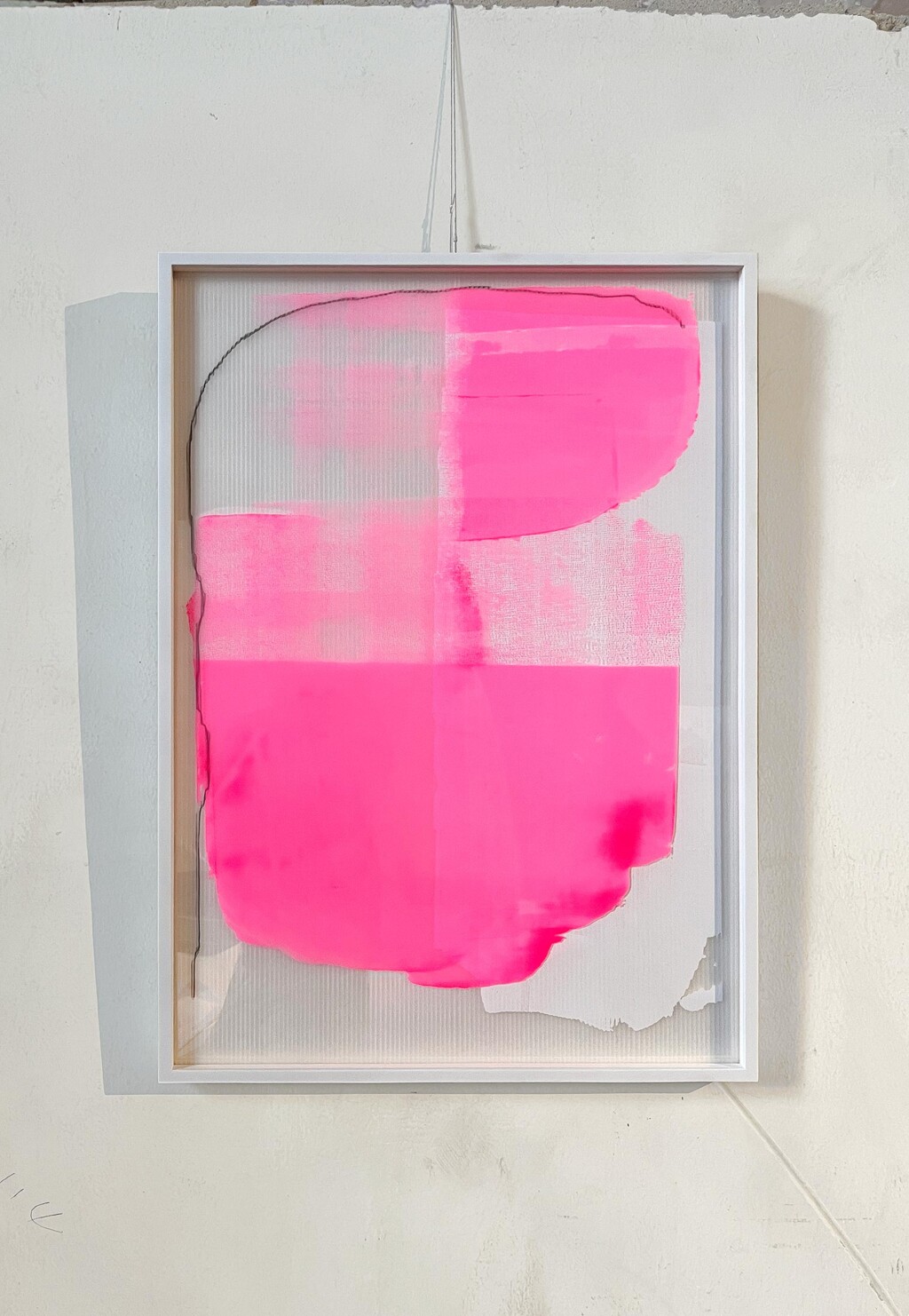
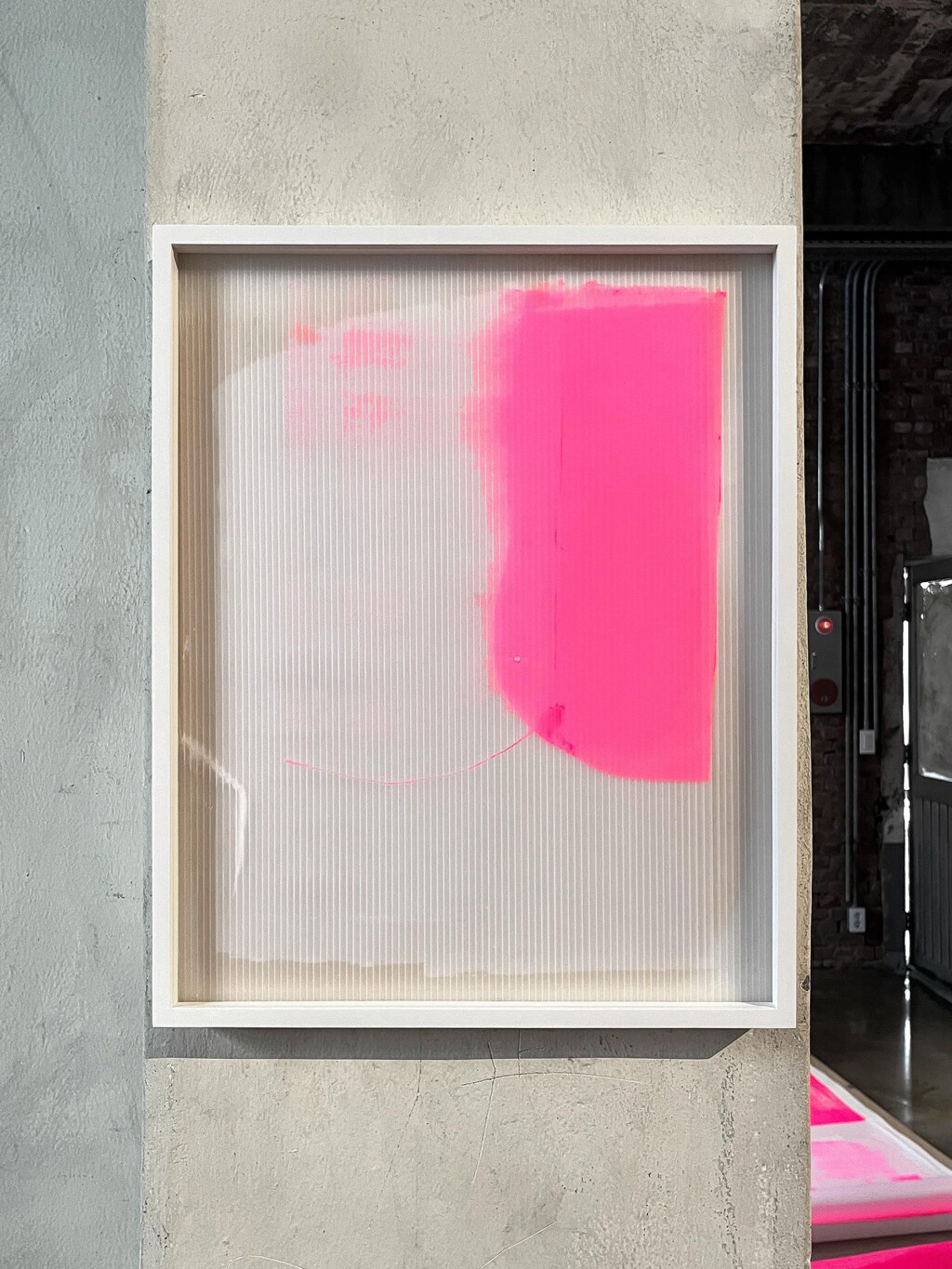
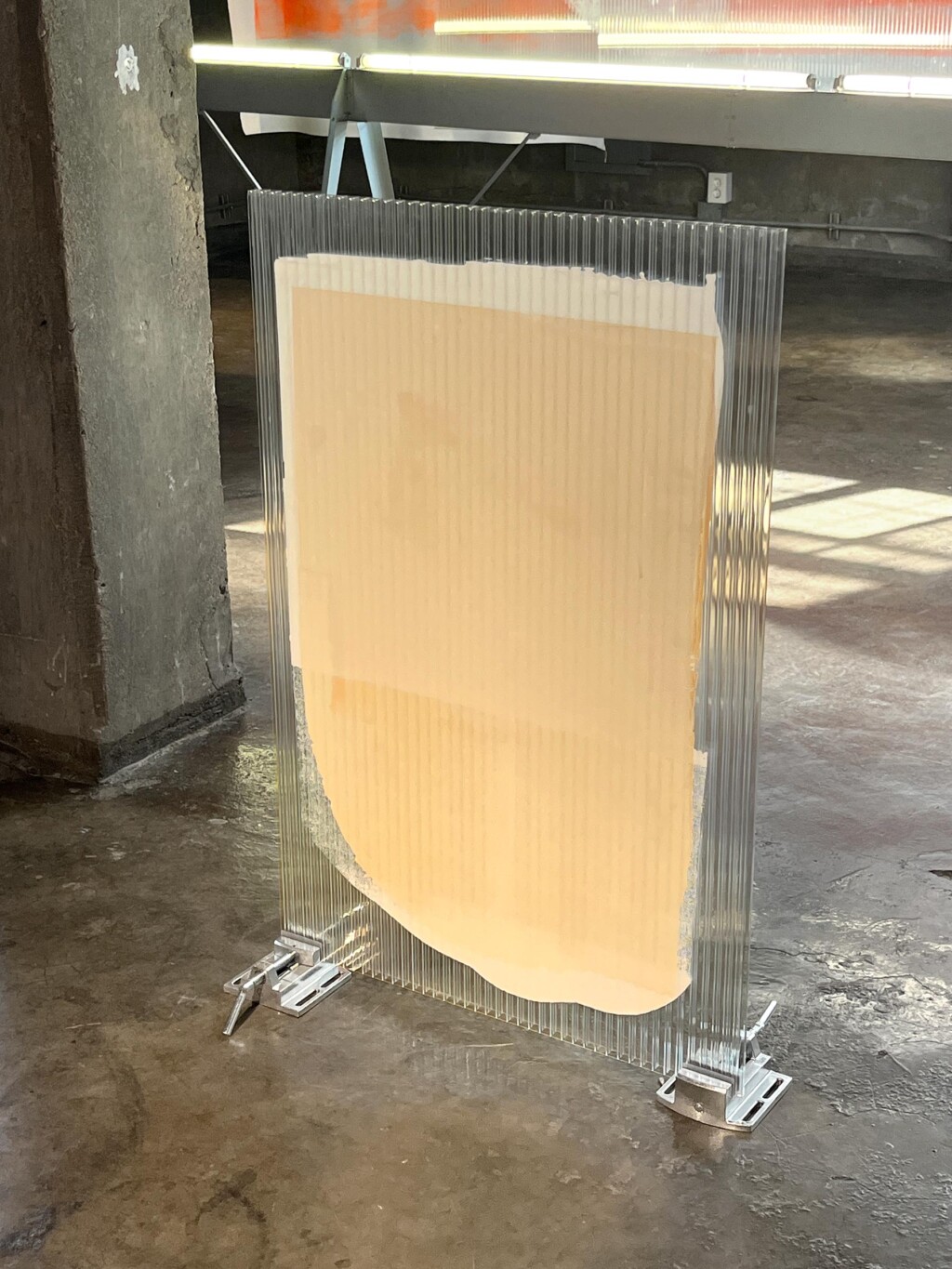
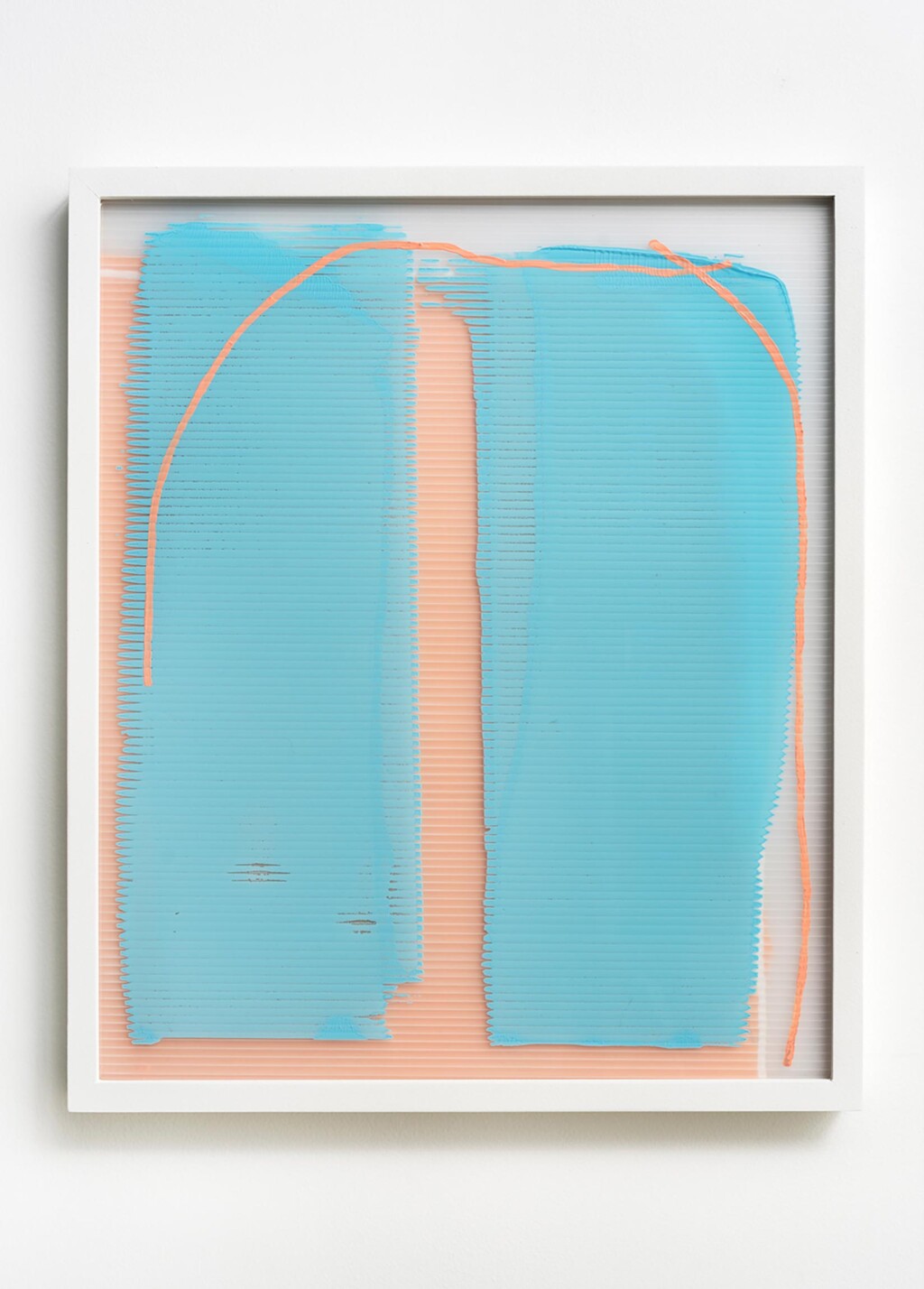
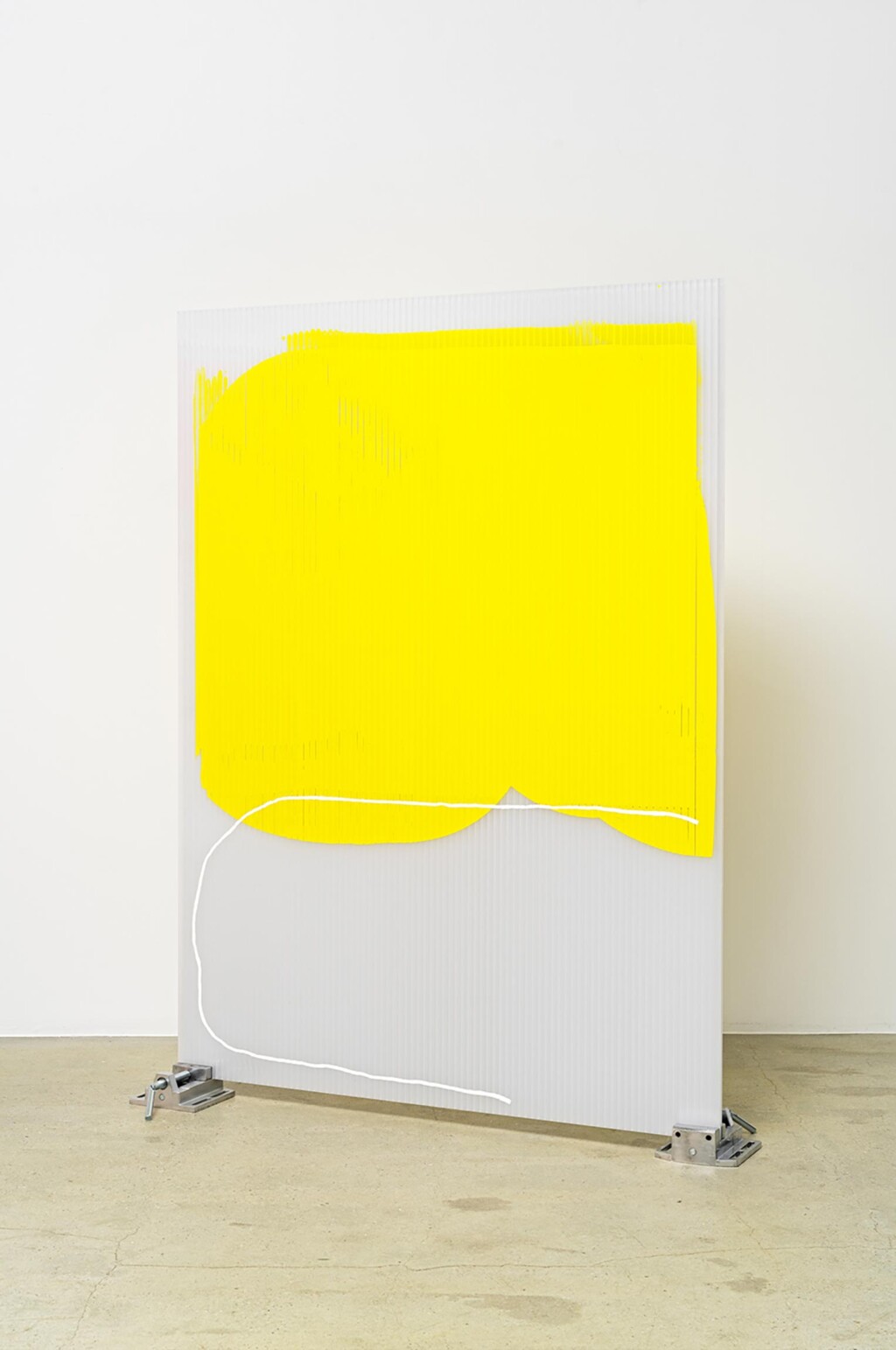
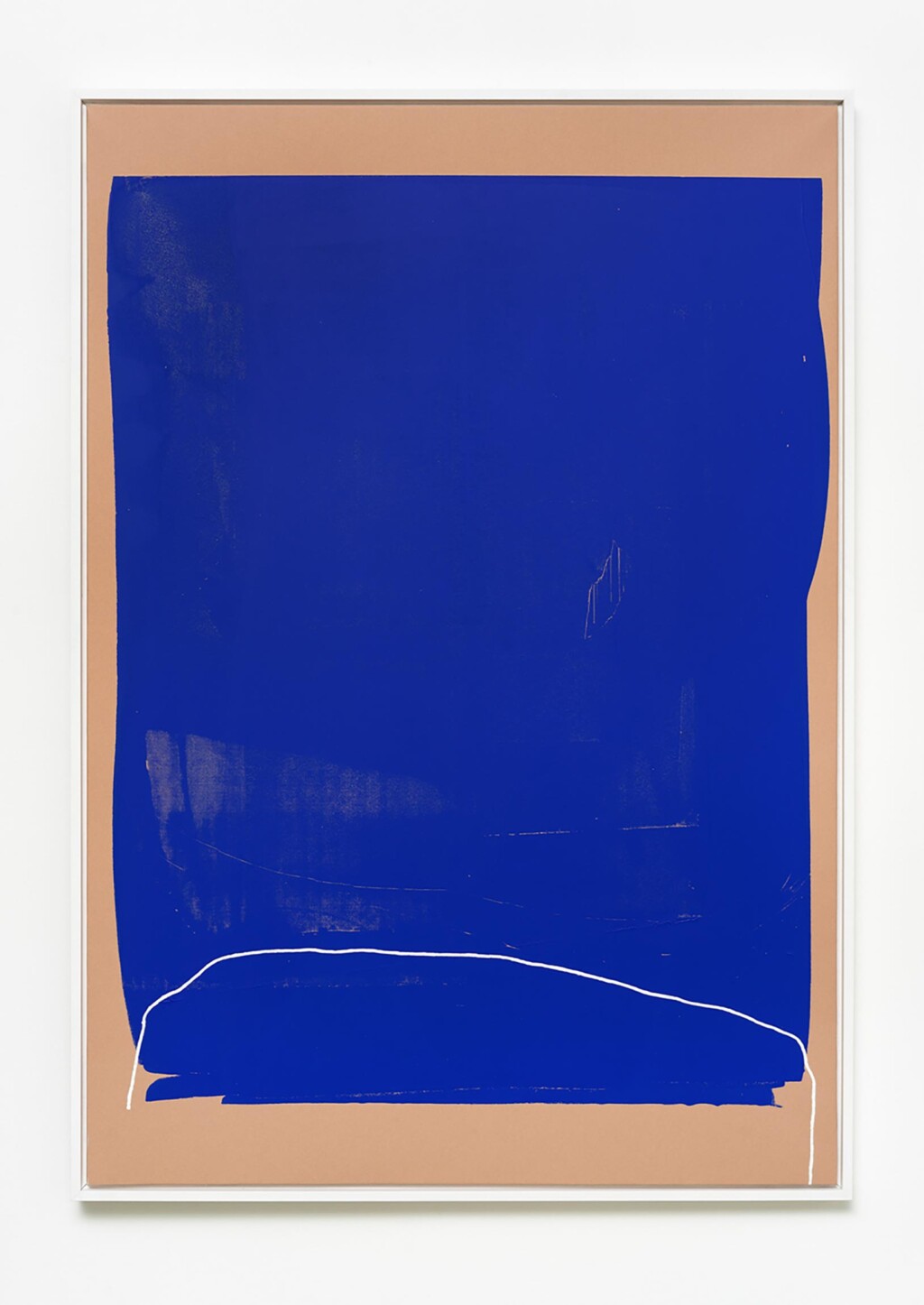
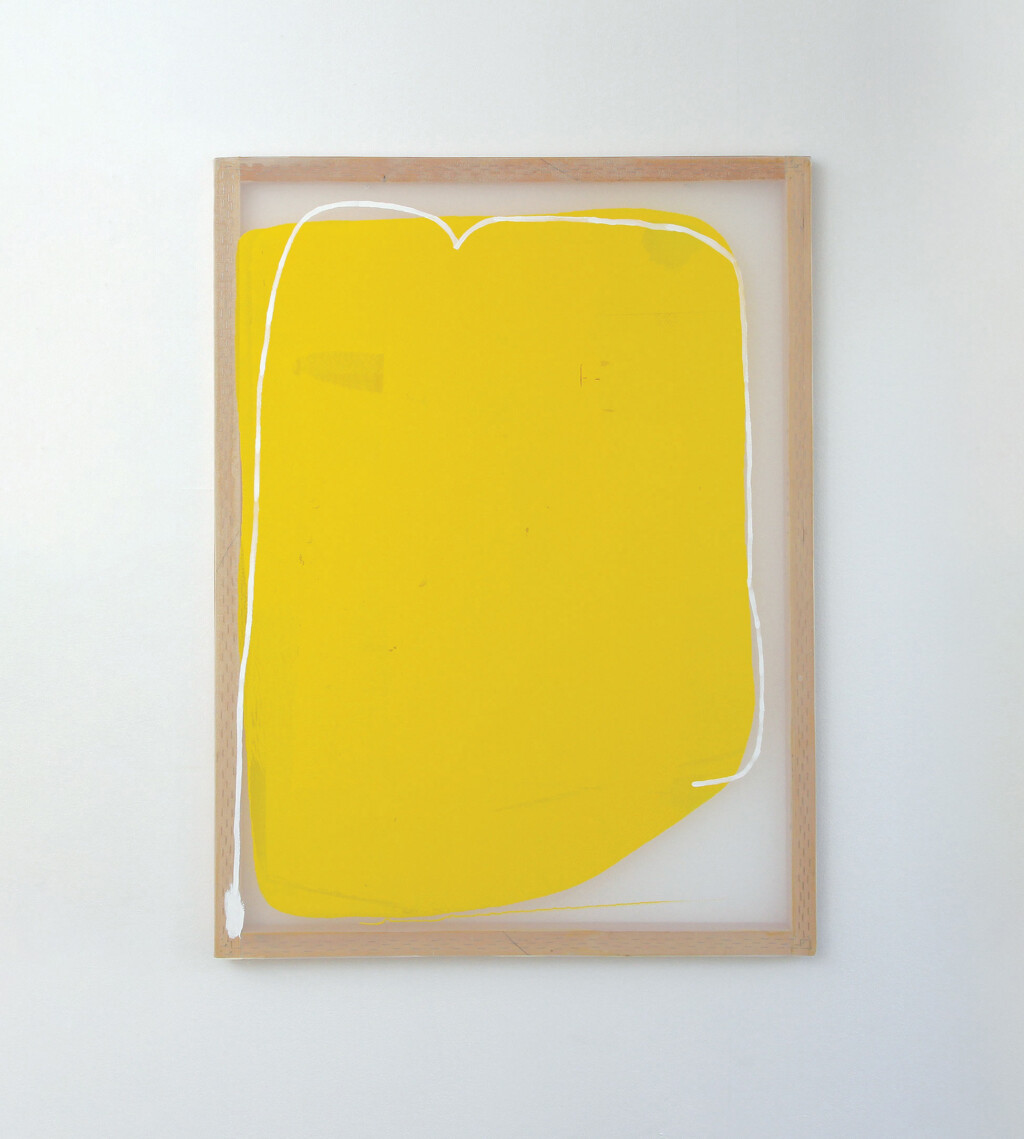
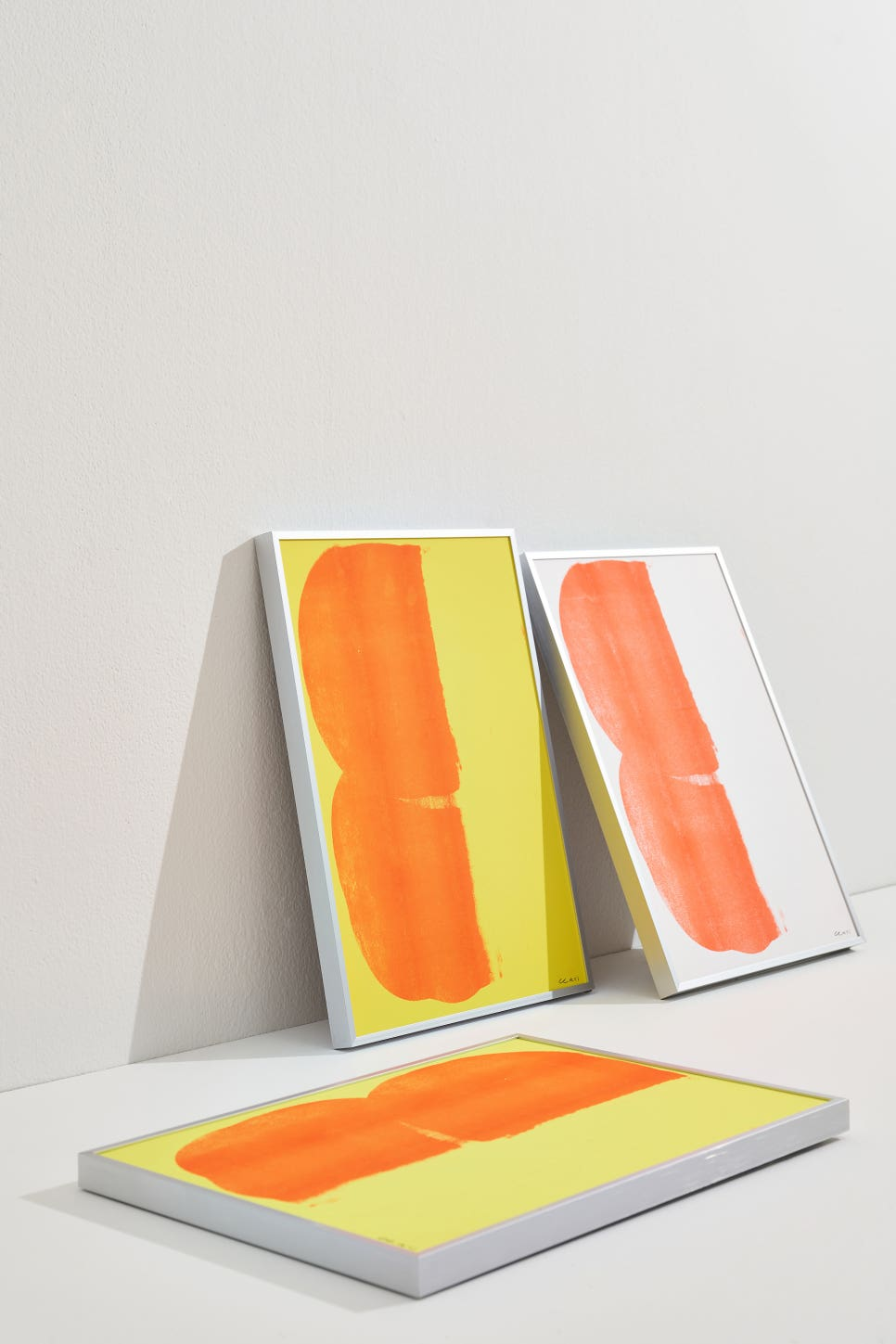
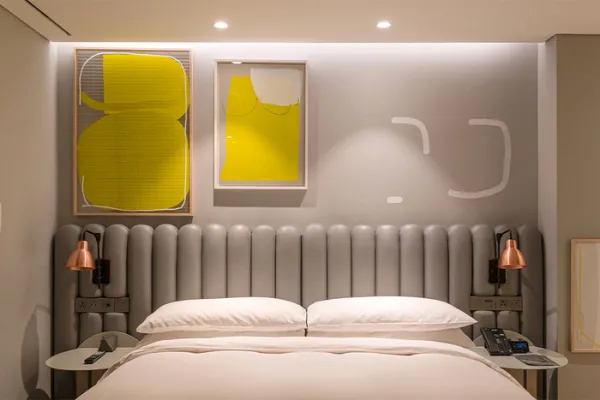
Surfaces, or the visible outer layers of things. On his website, Chris Ro categorizes his two-dimensional works as “Surfaces.” After considering how best to describe his two-dimensional works, I decided to adopt the artist's own terminology. Chris Ro's surfaces take the form of organic shapes that, as his practice develops, grow and evolve like seeds planted in the ground, sometimes transforming and sometimes merging with one another.

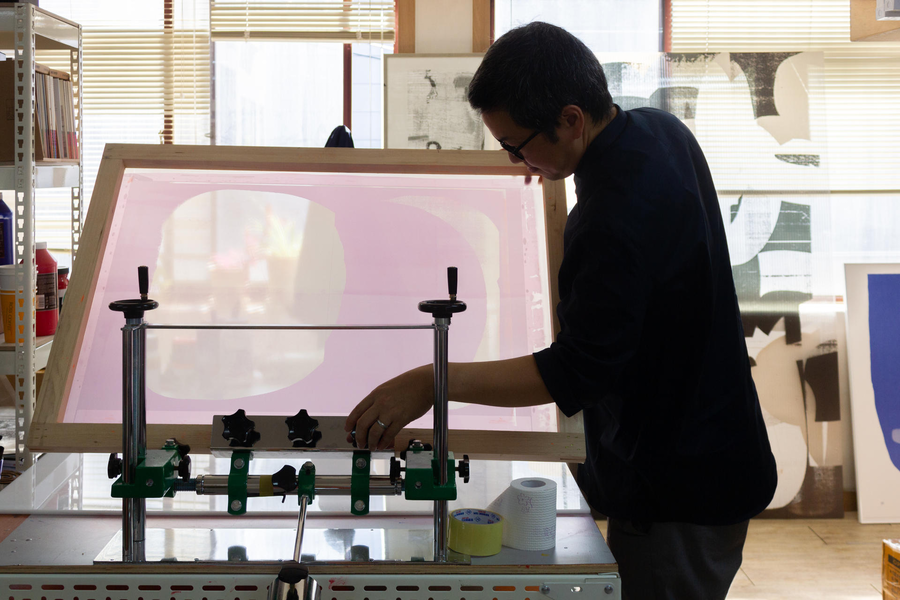
They generally feature compositions in which several layers of rectangular color fields and freely drawn curved lines overlap. Ro initially developed these surface works as part of an open-ended two-dimensional project employing various techniques, including drawing, image transfer, and printmaking.

At first, he produced them as nearly anonymous works without specific titles, but as his practice progressed, he began assigning individual titles to them. These titles take the form of descriptive phrases that convey particular situations or the emotional states of individuals. In this sense, Chris Ro's surfaces function both as multilayered visual planes and as messengers that communicate narratives.

To begin with, the photocopying, image transfer, and printmaking techniques that Chris Ro employs in his surfaces recall 《Xerox Book》, a book-form exhibition organized by Seth Siegelaub, who curated conceptual art exhibitions in the 1960s, as well as works created using silkscreen techniques by artists such as Andy Warhol and Robert Rauschenberg.

At the time, artists were drawn to the latest technologies that enabled the duplication and mass reproduction of images. However, their positions on the significance of originals and reproduced images differed subtly. For example, Seth Siegelaub, advocating exhibitions liberated from the constraints of physical exhibition spaces, used photocopying to create an exhibition in book form.

He regarded this approach as an effective means of reproducing and disseminating conceptual art. He allocated an equal number of pages to each participating artist and asked them to create works exclusively for inclusion in the publication. By making the resulting book infinitely reproducible, he challenged the very concept of the original.

Andy Warhol, who began his career in advertising design, adopted silkscreen printing, a technique widely used in advertising at the time, to reproduce images of consumer products, disasters, death, and celebrities. He employed repetition as a crucial formal element in his work. For Warhol, repetition served both to drain images of their meaning and to defend against the emergence of emotional responses.

He remarked, “The more you look at the exact same thing, the more the meaning goes away, and the better and emptier you feel.” He also stated, “If you want to know all about Andy Warhol, just look at the surface of my paintings and films and me, and there I am. There's nothing behind it,” and “I want to be a machine,” thereby presenting both himself and his work as images of an empty subject.

When producing silkscreen portraits, he also demonstrated a keen sense of marketing by exploiting variations in color and mechanical imperfections to create and sell multiple editions simultaneously.


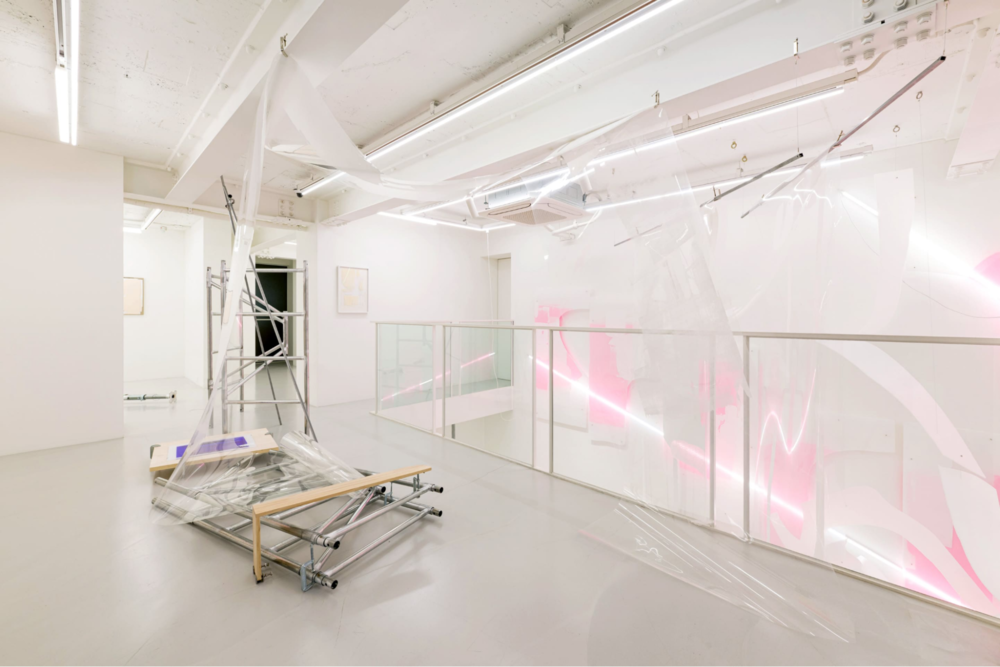
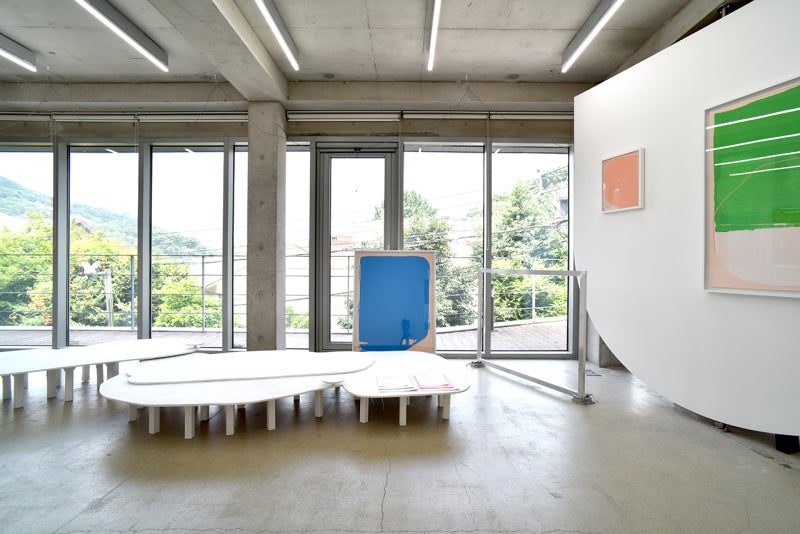
Installation view of 《Silent Laughter》 © A-Lounge Contemporary

The process of Chris Ro's image-making also involves endless acts of reproducing and transforming originals. What, then, can we infer about the relationship between originals and reproductions in Chris Ro's surfaces?

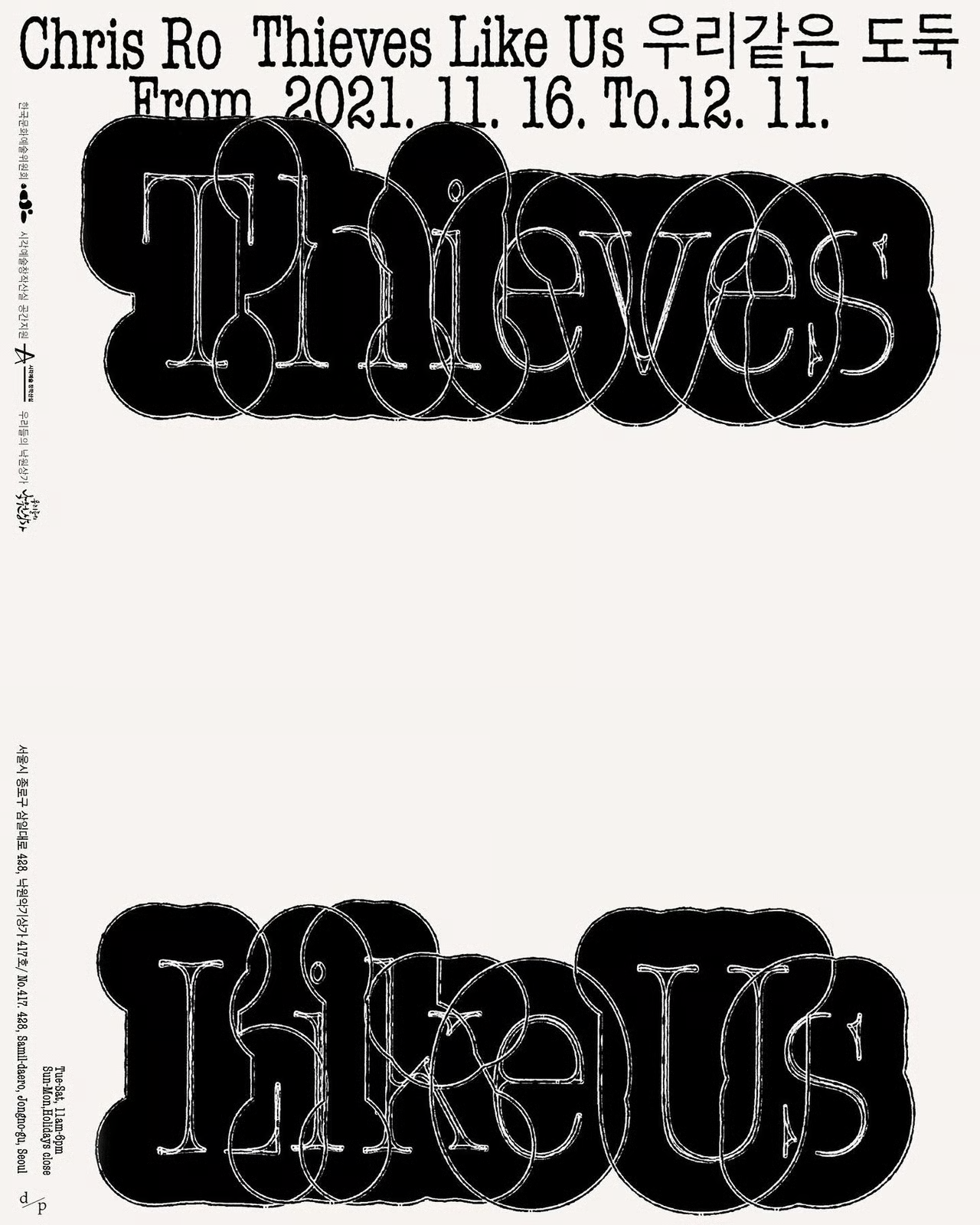
In the exhibition catalog for his solo exhibition 《Thieves Like Us》 (2022), he included a ‘Process Diagram’ that charts the transformation of images across several pages, likening the process of images passing through different media to the concept of ‘theft.’

“The markmaker steals from the animator, and the markmaker steals from the printer. The animator steals from the markmaker, and the animator steals from the printer. The printer steals from the animator, and the printer steals from the markmaker. The graphic designer steals from everything.”

Here, ‘theft’ can be understood as a playful metaphor for the artist's methods of transforming images. Ro provides a fairly detailed explanation of the image-making process for this exhibition, dividing it into five stages. In the first stage, A, original markmaking is translated into print and movement. Stage B involves an attempt to pursue the aura and atmosphere of the original through repetition, using a process in which markmaking is digitized and repeatedly translated into print and movement.

Stage C focuses on methods of movement while also concentrating on producing markmaking through analog techniques. Stage D is a repetitive process that synthesizes all of these approaches, combining printing and markmaking. Finally, Stage E involves printing pure markmaking onto various surfaces and platforms. It is difficult to determine whether all the resulting works have undergone similar stages or whether some are products of intermediate stages.

One can only speculate based on the techniques listed in the artwork captions and the physical appearance of the works themselves. What matters here, however, is that the artist continuously expands his images and explores new possibilities for them by repeatedly employing several methods of image transformation. Furthermore, rather than remaining merely as intermediate products of transformation, the resulting images possess formal qualities that allow them to exist and sometimes move like organisms in their own right.

In 《Here Are Three Stories, Here Are Three Spaces, Here Are Three Thieves》 (2023), Chris Ro held exhibitions across three spaces: shhh in Incheon, NEW SPACE in Seongbuk-gu, Seoul, and the Internet. Each space was organized around the keywords of time, space, and matter. In this exhibition, Ro once again employed the concept of the thief in his work.

Here, the thief is a gentle and delicate figure, not one associated with crime, but rather someone whose subtle actions might nevertheless raise ethical suspicions. This enigmatic concept of the thief is provocative precisely because it presents itself as moderate rather than violent or aggressive. Yellow, the exhibition's dominant color, is equally provocative.

Although yellow is a warm and lively color, it also carries connotations of warning, making it inherently contradictory. This psychological ambivalence associated with yellow is also reflected in the spatial arrangements of the exhibition. At shhh in Incheon, works were displayed in a predominantly dark space, with yellow linear lighting and the glow of monitors emphasizing their colors.

At NEW SPACE, a somewhat complex structure was constructed from wooden beams, with surface works suspended from or positioned between them. The white linear lighting used in this space heightened the saturation of yellow while simultaneously accentuating the strong rectilinear structures and angular frames. Within this confined space, where linear elements were emphasized over planar surfaces, yellow evoked a sense of unease and precariousness.

In the third space, however, the Internet, yellow took on a lively rhythm, transforming the atmosphere. The web's structure, connected through hyperlinks, undulated continuously as the screen was scrolled, while white pebble-like shapes that followed the movement of the mouse created the sensation of playing tag with the rippling screen. Although these online images may have originated from two-dimensional surfaces, they continuously transformed on the monitor, moving like organisms whose forms could never be definitively fixed.


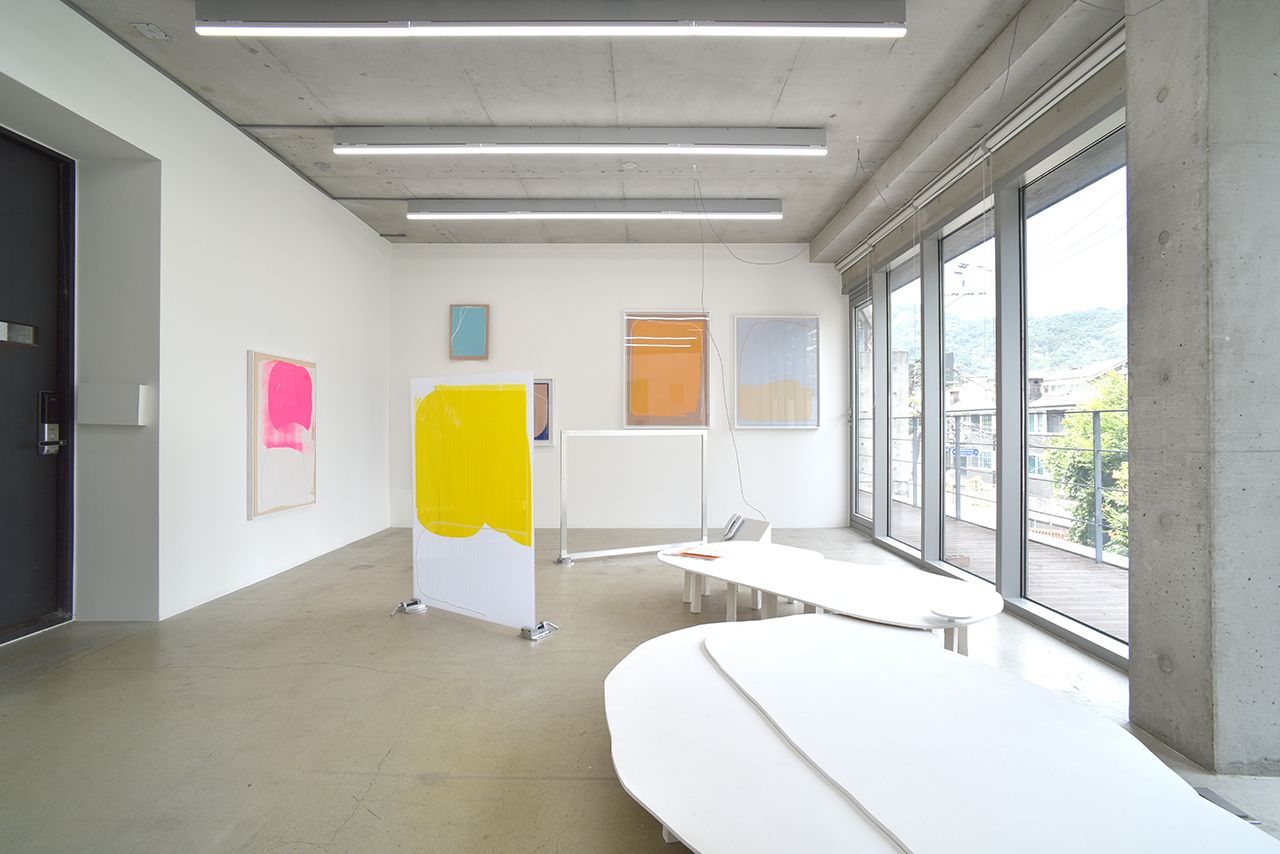
Installation view of 《Silent Laughter》 © A-Lounge Contemporary

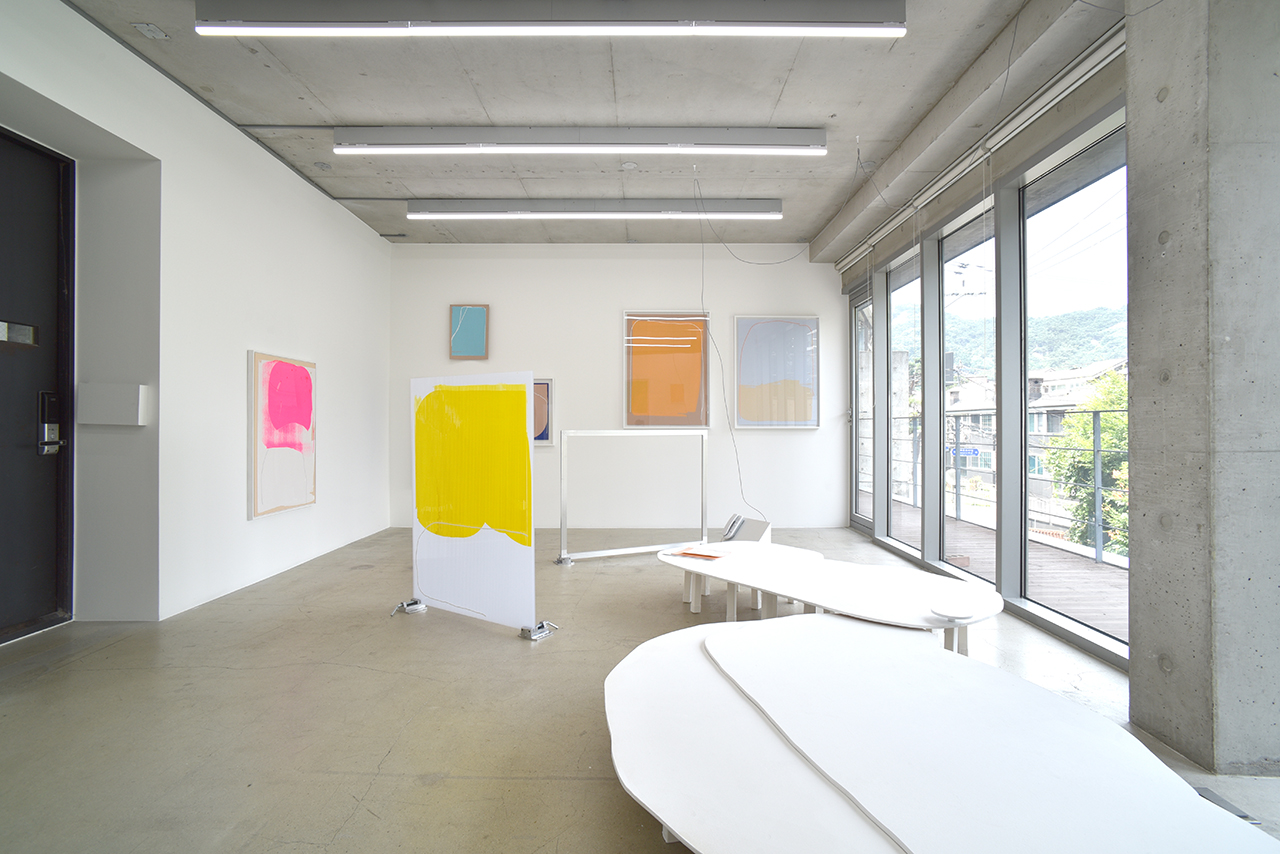
In his solo exhibition 《Silent Laughter》 (2023), Chris Ro presents a more vibrant array of colors and forms with a playful sense of rhythm. Upon entering A-Lounge, visitors are greeted by works positioned throughout the walls and floor, each possessing its own distinctive expression and rhythm. The exhibition display generally allows viewers to encounter the works frontally and carefully observe their individual expressions.

Although the way the works actively inhabit the space is not significantly different from Ro's previous solo exhibitions, the works hanging on the walls greet visitors with their own distinct expressions. At the center of the exhibition space, where their gazes seem to converge, two large white platforms supported by numerous short legs occupy a substantial portion of the floor, inviting visitors to sit and read the artist's writings.

Telephones connected by a somewhat intricate network of lines running from the floor to the ceiling and back down again are also installed throughout the exhibition, allowing visitors to make calls within the space. All these works are presented in a way that allows repetitions and variations of planes and lines to unfold and overlap rhythmically throughout the entire space. In other words, the arrangement and interrelationships of the works in three-dimensional space resemble the ways in which images are repeated, transformed, and varied on a two-dimensional plane.

Meanwhile, Chris Ro has expressed a desire for the works he presents as an artist to allow him greater freedom and the opportunity to pour more of himself into them than the design projects commissioned by clients. Above all, he seeks to free himself from the pressure that art must convey profound messages. Yet he has recently become deeply absorbed in writing and has been actively presenting his texts through exhibitions.

Even if his intention is not necessarily to communicate a particular message, it is worth examining how he connects images and narratives. Beginning with his solo exhibition 《Thieves Like Us》 (2021), Ro presented several autobiographical episodes in the form of stories about thieves, openly acknowledging his enjoyment of writing. He also suggested that if his previous works could be compared to sounds, his writing might be understood as lyrics.

In fact, he has frequently compared his graphic works to sounds or made remarks that reflect an awareness of their relationship with text. In a recent interview, he even referred to his previous graphic works as the 'Sounds Series'. According to Ro, he initially immersed himself in the creative process without any particular message or intention in mind. However, after a friend remarked, “When I look at your work, I can hear sounds,” he was inspired to call them the 'Sounds Series'.

In other words, Ro's graphic works are surfaces that also contain sounds. He once described text as a collection of silent signs, suggesting that both the presence and absence of sound are important to his fundamental understanding of language as a means of communication. Thus, soundlessness or silence also becomes a significant subject running through his practice, giving rise to the title of this solo exhibition, 《Silent Laughter》, which encapsulates his personal experiences and reflections on the subject.

So far, Ro's writings have consisted primarily of autobiographical narratives. The narrators or protagonists of these stories naturally overlap with Chris Ro himself, allowing even readers unfamiliar with the artist to approach them as works of autofiction. Ro has suggested that it would be interesting to turn his writings into films, and indeed, their humorous yet bittersweet episodes could lend themselves to an omnibus format. However, his solo exhibitions already possess considerable potential to be viewed as theatrical scripts or performances in their own right.

Consider the exhibition floor maps, which document the placement of artworks and their caption information. Interestingly, Ro has included floor maps in each of his solo exhibition catalogs. Although these maps serve as information and records of the spatial arrangement of the works, with a little imagination, they might also be read as diagrams indicating the positions and movements of actors on a theatrical stage, their characters and personalities, or even their dialogue and stage directions.

This is because each numbered artwork title implicitly contains a character situated in a particular circumstance—with the artist himself being the first figure that comes to mind—along with that character's experiences and thoughts. For example, the titles of certain works in this exhibition can be understood more readily in relation to the exhibition title 《Silent Laughter》 than to the images of the individual works themselves.

Consequently, visitors who consult the floor map while viewing the works may find it difficult to identify a direct relationship between the images and their accompanying texts. While the correspondence between image and text may be important to the artist, viewers are more likely to perceive the texts as expressions of the thoughts underlying the exhibited images as a whole.

This is also what happens when images that do not depict recognizable subjects in concrete terms—commonly described as abstract—are combined with narratives, or language that contains descriptions. Nevertheless, this does not mean that Ro's images and narratives are disconnected from one another. Imagine if his solo exhibition 《Silent Laughter》 had presented only images, with all of his texts removed. Could there be a more powerful expression of silence?

Yet Ro wants his images to contain sounds, whether they are the sounds of silence or audible sounds, and these are sounds imbued with narratives. The air on the other end of the telephone, which appears as an episode in his writing, and the silence that fills it constitute a sound of soundlessness, yet one that carries a narrative. Humor plays an essential role in these narratives.

In his text for the solo exhibition, Ro recounts an episode involving a research report on the platypus and explains that he wanted to explore the combination of beauty and humor by imagining a being that embodies both qualities, as represented by the platypus. For Ro, beauty and humor seem to constitute a kind of ideal whose two elements are difficult to reconcile.

Nevertheless, this exhibition is directed toward challenging that apparent impossibility and confronting the difficulties it presents. Although the artist suggests that his attempt may be as faint as “laughter that cannot even be heard,” this remark seems to reveal a sense of playfulness beneath his discouragement. Humor that sometimes appears subdued and at other times overflows with mischief—this dynamic sense of humor permeates the exhibition space like the air itself. And the sounds beneath his surfaces likewise fill the gallery, much like the air on the other end of a telephone.


References