Visceral Fiction
What constitutes the "corporeality" of an artwork? Seo Young Chang's Box(2011) and Inside the Box(2011) seem to offer one possible answer to the question of the corporeality of "video." Looking at the development of Chang's practice from these two early works to her more recent pieces, one notices a sustained interest in what is invisible or not physically present. The immaterial nature of video as a medium is particularly suited to such concerns.
Chang's interest in forms of existence that become visible only as indices or traces appears throughout her work. The paired videos Box and Inside the Box draw on the story of a homeless person who died while seeking shelter from the winter cold in a makeshift structure on the outskirts of a remote orchard on Jeju Island. Excluded and erased from mainstream society, the homeless person's life attracted attention only through death.
The existence of the deceased, communicated to the public through news reports, was represented solely by the image of a "box" left behind after the body had been removed. This narrative structure, in which a life becomes known only through death, recurs in By the Time You Hear This, I Will Be Gone(2014).
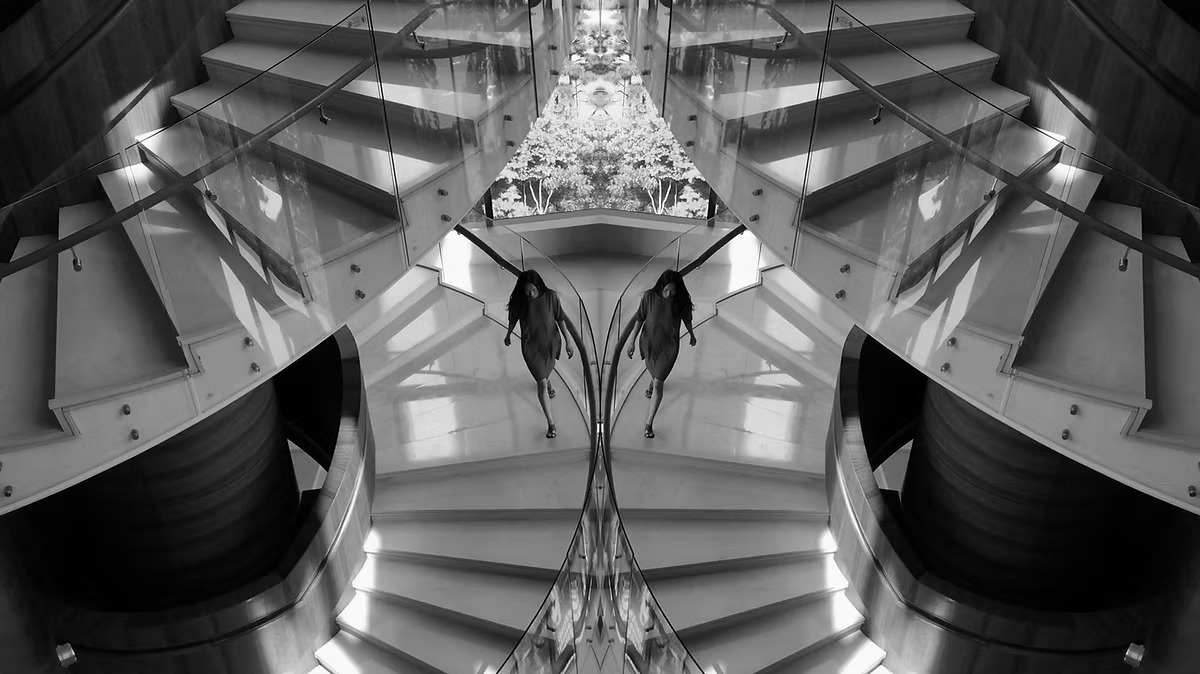
Illuminated dimly by a flashlight, a performer walks through the corridors and stairways of a dark building, repeatedly uttering the words "By the time you hear this, I will be gone" while dropping pieces of bread. This line derives from an expression frequently found in suicide notes left by adolescents who have taken their own lives. A life that has already "disappeared" is often evoked with renewed immediacy through the trace of a final message.
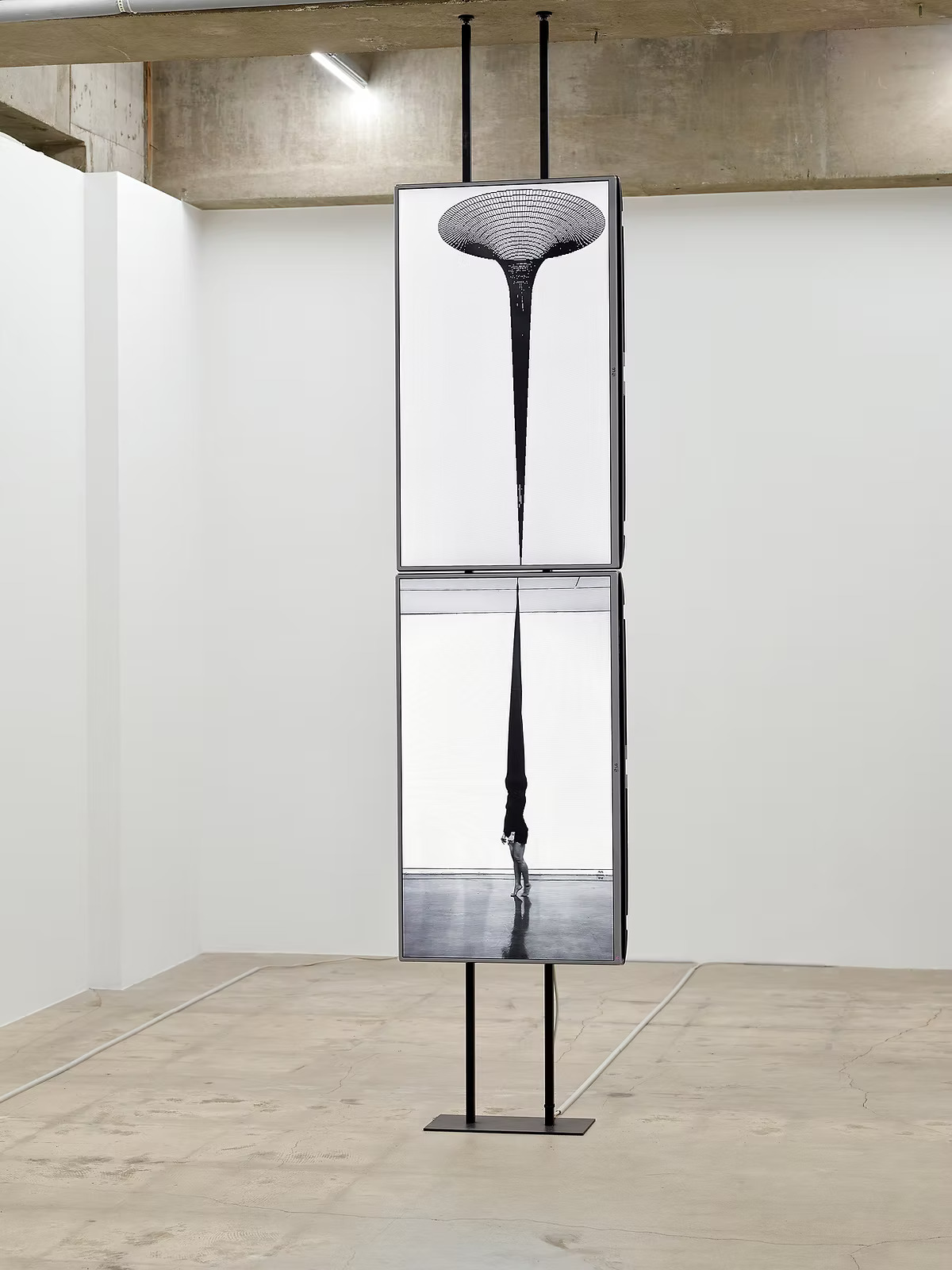
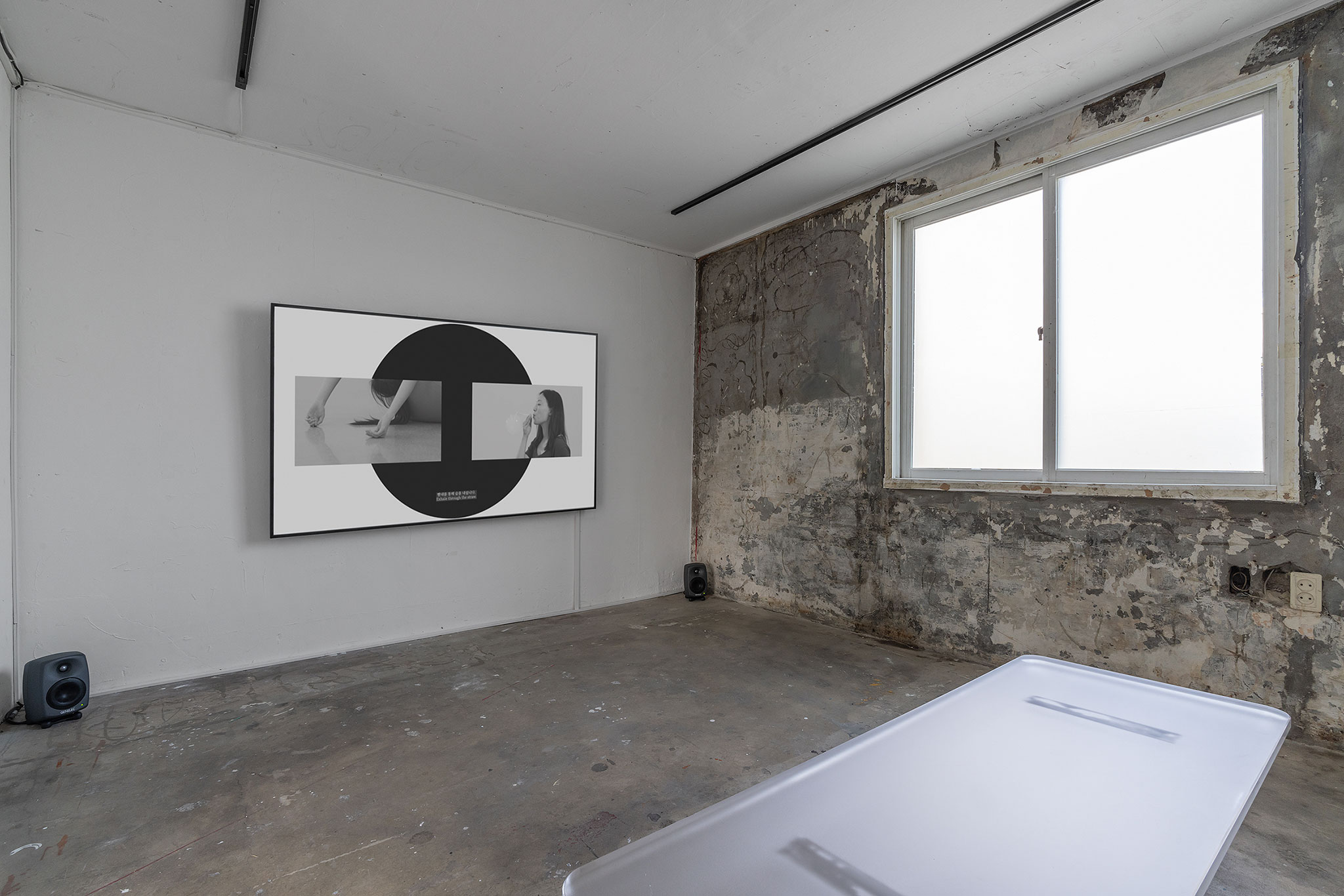
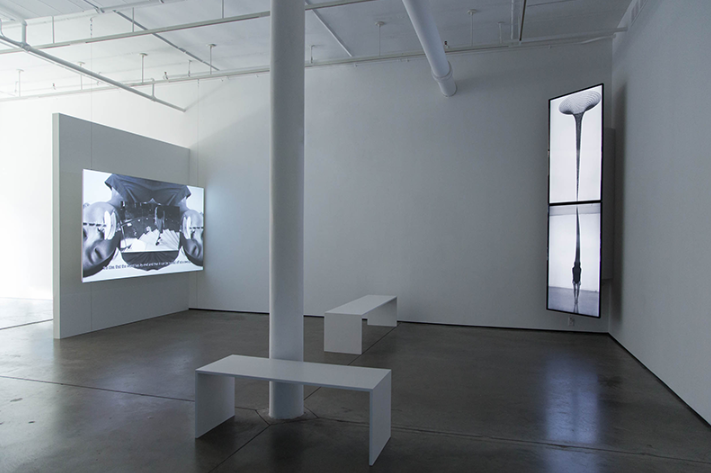
In Monument for a Very Important Organ(2014), Chang begins with the relationship between illness (the object) and pain (the index), attempting to reverse the relationship between the body's interior and exterior. A doctor diagnoses a patient complaining of pain as having no illness, prompting the patient to decide to turn the body inside out, "like turning a sock inside out": the internal organs outward, and the hair and skin inward.
Yet the narrator's account accompanying the black-and-white video of an inverted sock spinning in midair immediately reverses this arrangement. Only the hair and skin remain outside, while the internal organs and the entire world are contained within. More interesting than determining whether this verbal slip (or sudden shift in the point of reference) is intentional is witnessing what this reversal produces. What has been drawn inward through the act of "turning inside out" is not the hair and skin but the entire world.
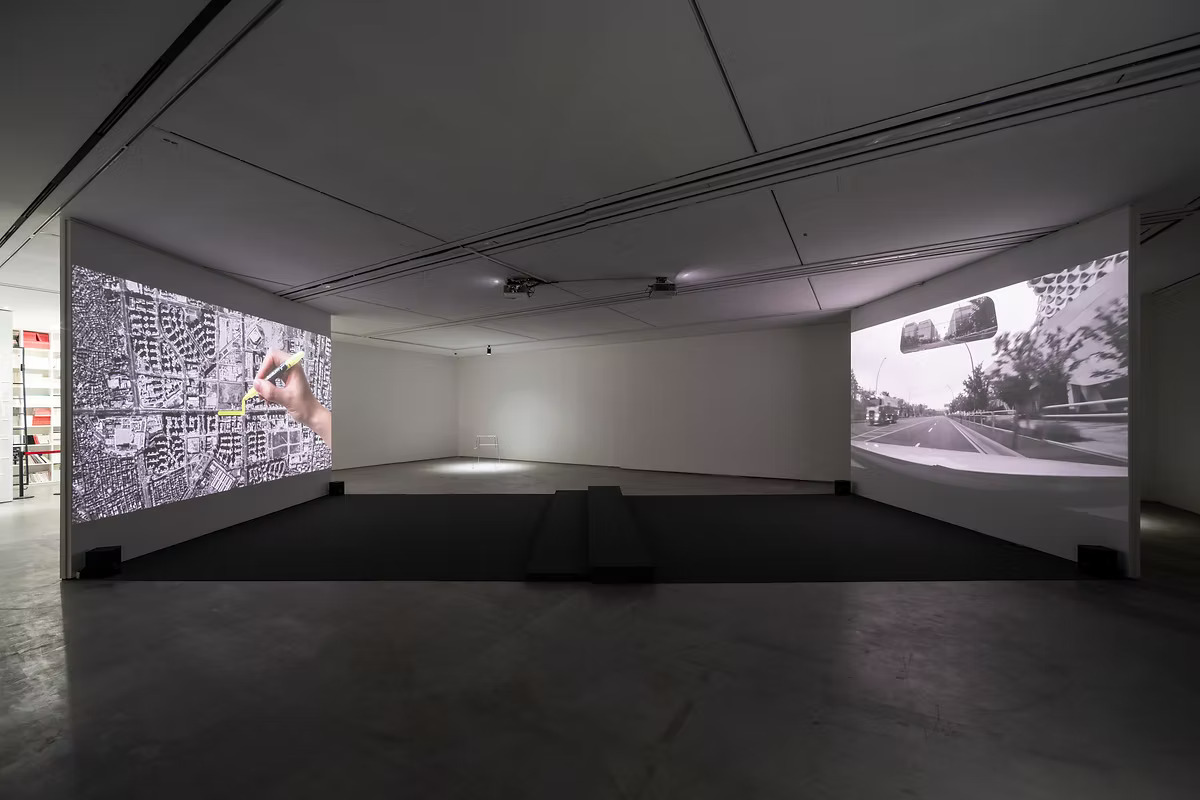
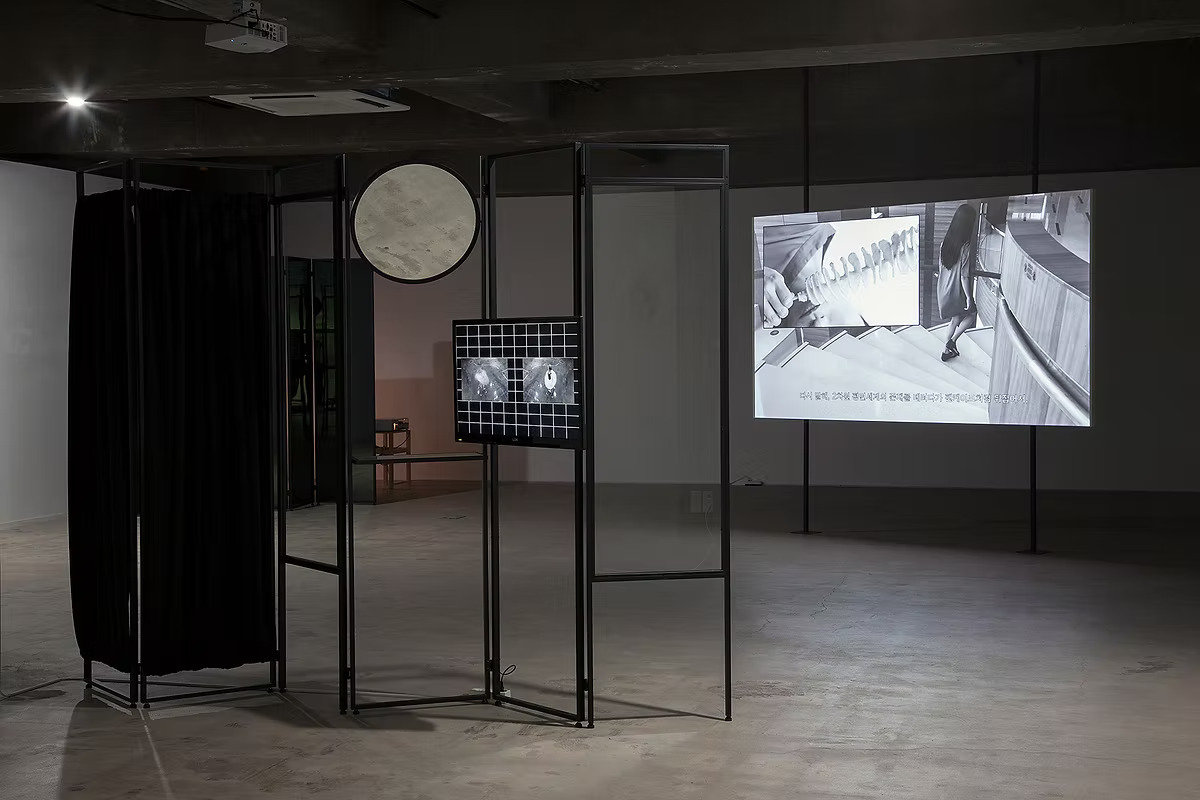
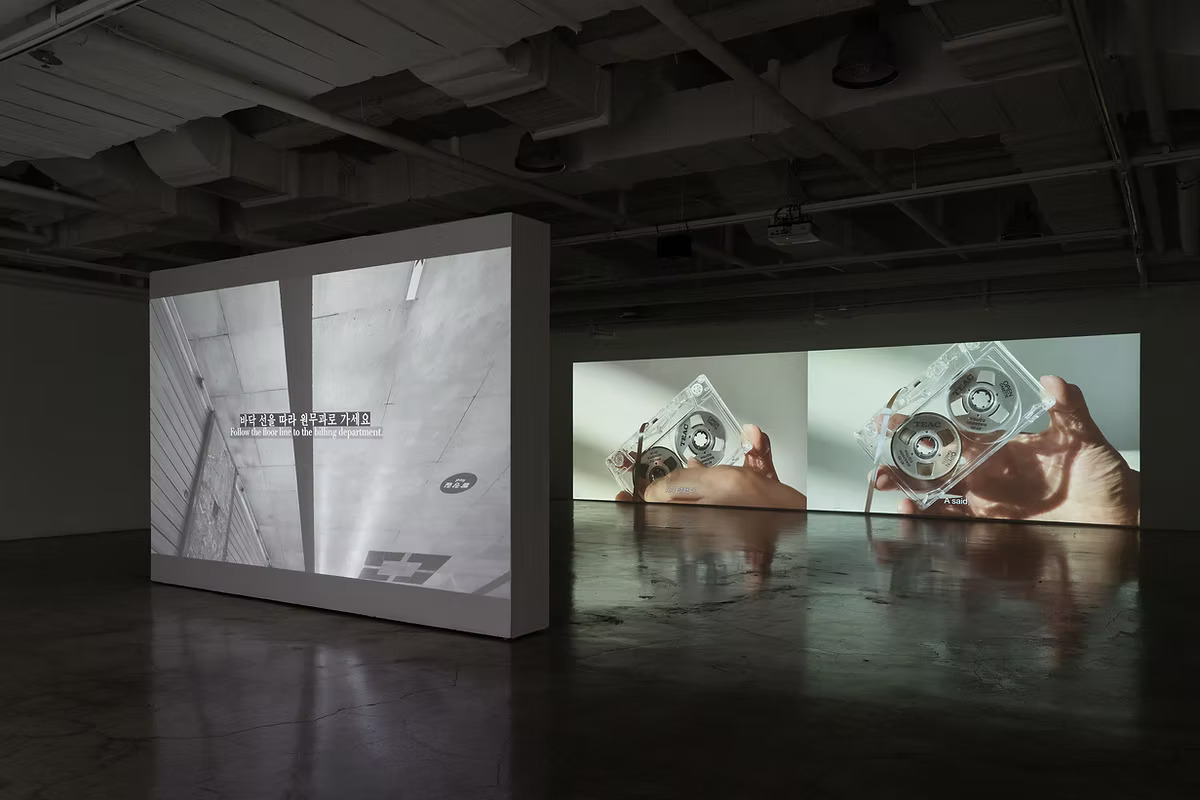
What if we consider the agent performing this bodily inversion to be the medium of video rather than the human body? The conventional understanding of video as a means of showing the world "again" is transformed in Sphere of a Flat World(2016). By allowing viewers to explore a restricted area of Deoksugung Palace through a street-view interface, the work presents video not as a means of revisiting a place but as the source of a first impression. When the original can never be encountered in one's lifetime and only its virtual representation is accessible, everything in the world already exists within the video.
An indexical sign presupposes "contact" with its referent. The pairs "homeless person–box," "suicidal adolescent–final message," and "illness–pain" are mediated by physical contact with their respective objects. They differ from the pair "restricted area–street view," in which the relationship is mediated by video or photographic recording devices.
In Chang's work, however, all four can be considered on the same level, since the former relationships are also mediated once again through video. In particular, Sphere of a Flat World enables viewers to explore an interior virtually while simultaneously presenting that virtual representation as the world's only original. Might we describe Chang's practice, which treats video as an index of the world in this way, as a kind of "visceral fiction"?
The Speaking Box
Returning to the 'Box' series, these works, based on the story of the deceased homeless person, speak through the flat box that is video. Among them, Box functions as a kind of screenplay or subtitled video, repeatedly showing text being typed and deleted against a backdrop of classical music with a rhythmic melody. (Dark and Hollow(2014) and Keep Calm and Wait(2017) can also be classified as Chang's text-based video works, although their contexts and methods differ.) Inside the Box, meanwhile, is an unusual video of recitation.
A performer mechanically reads fragmented words and phrases arranged in such a disordered sequence that their meaning becomes incomprehensible, leaving no opportunity for emotional identification. After filming, these fragments are reassembled through editing, like pieces of a puzzle, to reconstruct a coherent text.
The two works in the 'Box' series demonstrate different modes of articulation. Chang reveals her capacity as a screenwriter in several works, including Box. A news report about the death of a homeless person is adapted into a piece of flash fiction or a monologue script. As with all scripts, it is simultaneously self-contained and dependent on performance or screening for its realization.
Here, the text-based video Box emphasizes the self-sufficiency of the script more strongly than the recitation video Inside the Box. Even without the physical presence of an actor or the space of a theater, a script can be brought to life through a few simple devices. In Box, for example, lively, fast-paced music clashes with the tragic subject matter, generating dramatic tension.
Although the artist has stated that she intended to demonstrate how easily events and individuals are forgotten through the appearance and disappearance of written words, the ebb and flow of typing, combined with the background music, seems to contribute more directly to staging a silent recitation drama.
The problem of effortless forgetting is, in fact, more apparent in Inside the Box. The performer, reading a densely fragmented script, is prevented not only from comprehending its content but also from becoming emotionally immersed in it, thereby losing even the opportunity to remember the event. Is modern forgetting not a consequence of the absence of perception and reflection, rather than merely the passage of time?
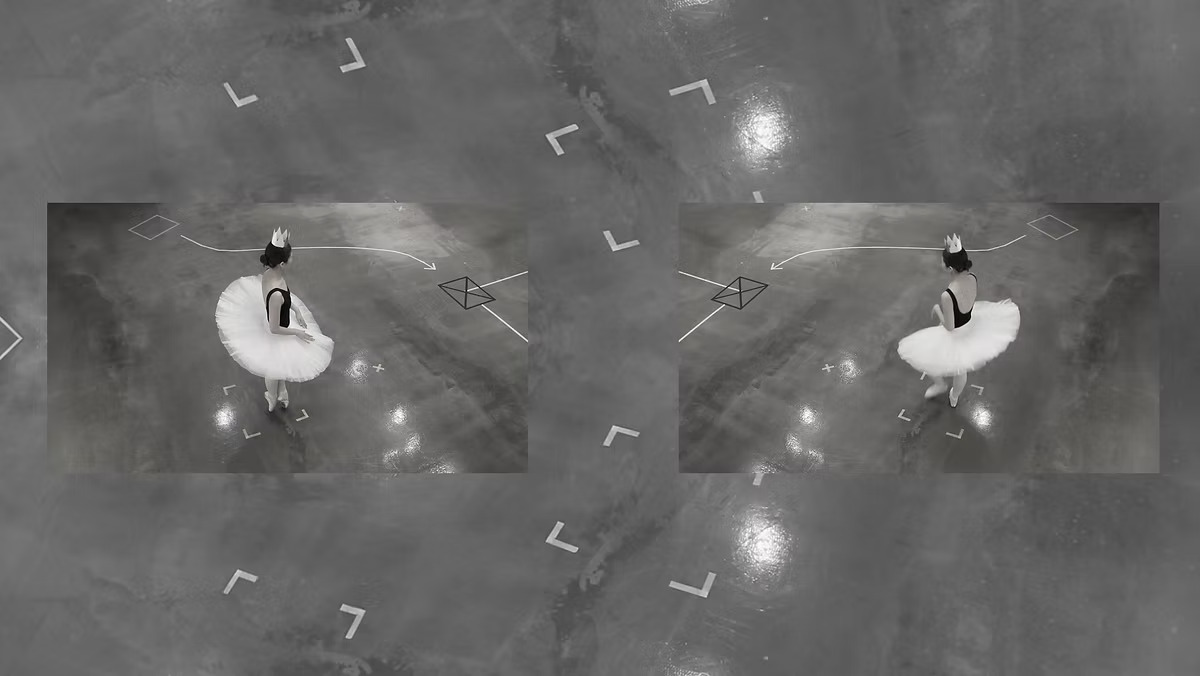
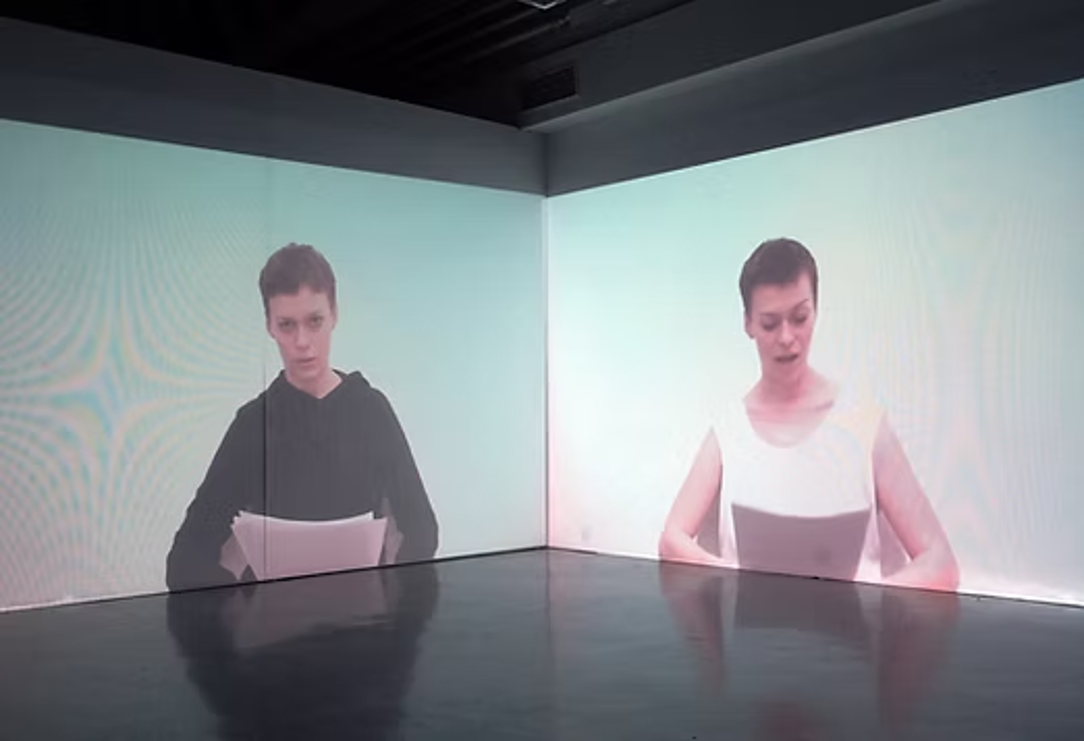
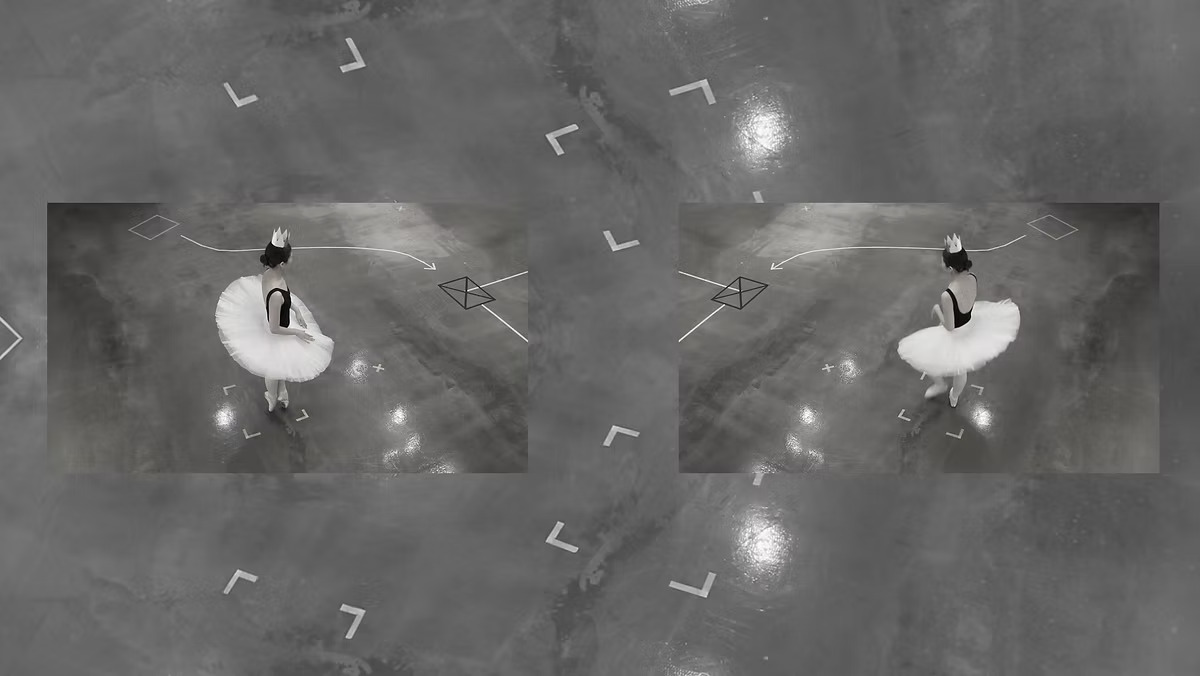
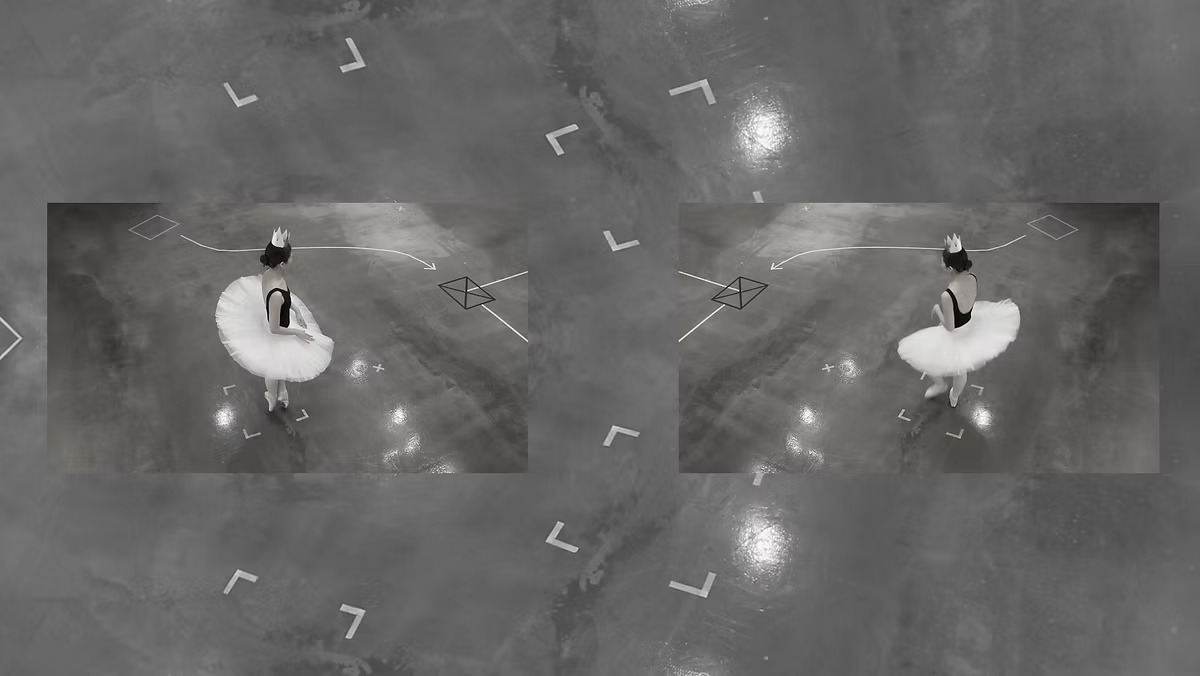
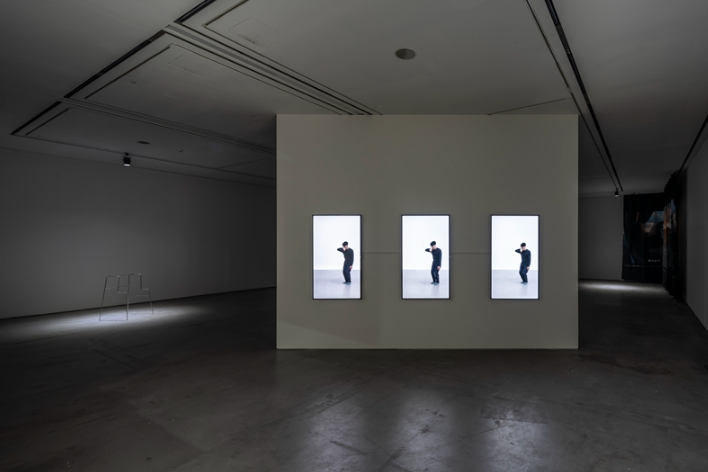
In most of Chang's works, speech takes the form of a narrator's recitation, voice-over narration, or subtitles. In Complete Human(2014), however, role-playing takes place as an exception. A single performer plays two roles: an artist (portraying Seo Young Chang) and an actor. What is noteworthy here is that the introduction of "acting" is associated with the "splitting" of the self.
This splitting occurs on two levels: first, between the artist herself and the performer who acts as her persona; and second, through the performer's dual roles, duplicated across a two-channel video. What emerges through this split form of acting is not a seamlessly constructed fictional character but the fragmented sensation of a subject observing herself in the act of performing. The subject's self-perception mediated through video resembles looking into a mirror with a temporal delay. And that delay will only continue to grow.
The investigation of the multiplicity of identity—or, more precisely, its congestion rather than confusion—reaches its height in Who Is Lea?(2015). Presenting photographs, text, and video that suggest a figure named Lea, the work appears to follow the strategy employed in Joseph Kosuth's One and Three Chairs(1965), a canonical work of conceptual art. Here, however, the physical object is replaced by a video performance.
Since the video alone already points to the conceptual division or discrepancy between object and language, the photographs and text seem decorative. Yet this "decorativeness" appears to be less a superfluous element than the very subject of the work. The protagonist of the video, which employs a framing structure, acts as an exhibition docent, explaining a video installation and the figure appearing within it.
Through this docent framework, the mystery surrounding Lea's identity overlaps with a mystery concerning the appreciation of artworks. As the language of explanation becomes increasingly complex—that is, as its verbal ornamentation increases—the mystery becomes more intricate. Thus, disguised as a drama tracing the identity of a particular individual, the work becomes an allegory of the exhibition of art itself.
Moving Sculpture
Working primarily with video, a medium that (at least initially) stands apart from physical presence, Chang appears to playfully construct labyrinthine games between the real and the virtual. Surprisingly, however, she has stated that she intended to create "moving sculptures." How, then, does the virtual, understood as that which lacks physical substance, return to presence?
In fact, recognition of the paradoxical coexistence of video's immaterial properties and sculptural manifestation is not uncommon. Many artists who first locate the spatial origins of video in the cinema and subsequently consider the temporal and spatial modes of experience within the museum have pursued this paradox.
Broadly speaking, the emergence of video sculpture can be understood in relation to two concerns: first, the architectural installation of video works, and second, responses to the distracted modes of viewing characteristic of exhibition audiences. The former has led from various forms of screen architecture to installation art incorporating decorative elements, while the latter has encouraged the use of nearly static or repetitive images, resulting in monotonous shots and sequences.
Why and how does Chang endow video with sculptural qualities? Inside the Box, which maintains a fixed bust shot of the performer throughout its running time, and Monument for a Very Important Organ, which presents the repetitive movement of a single object, are representative examples of the latter approach.
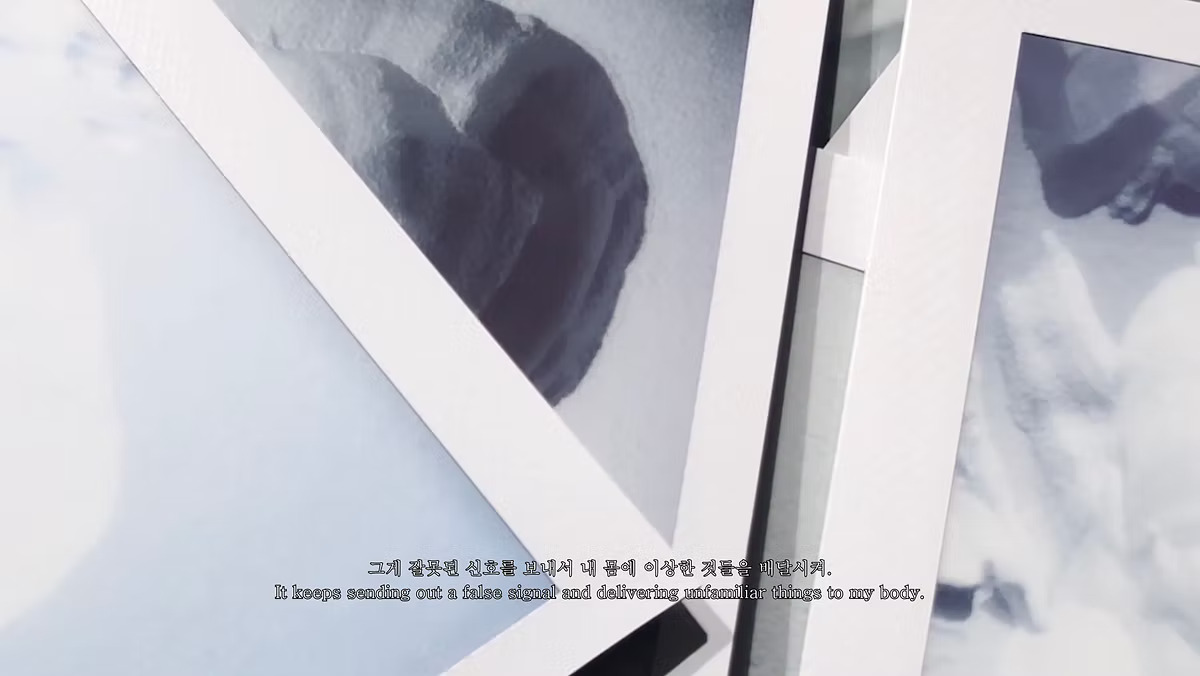
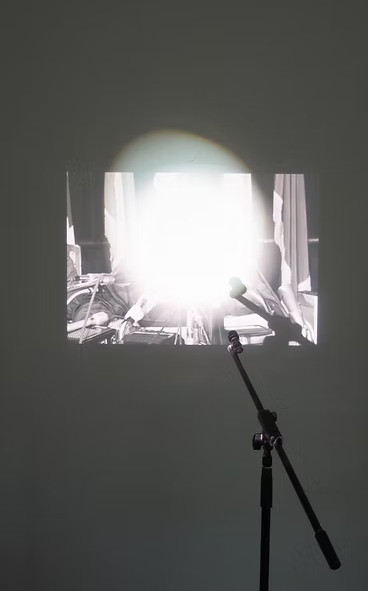
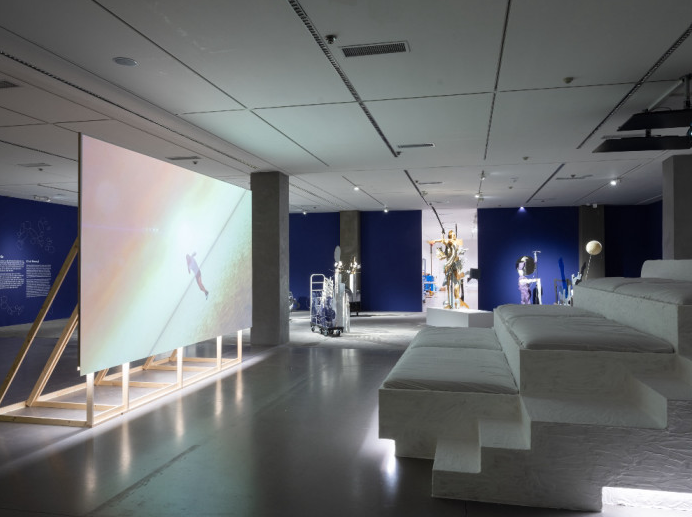
A more distinctive method can be found in Do Not Forget Me(2013) and Sphere of a Flat World(2016): illuminating the light of video with another source of light. In Do Not Forget Me, a flashlight is directed onto press photographs presented as a slideshow, causing the faces of the people depicted in the images to disappear. In Sphere of a Flat World, a figure's head is similarly erased, this time by cutting a white circular shape out of the flat image.
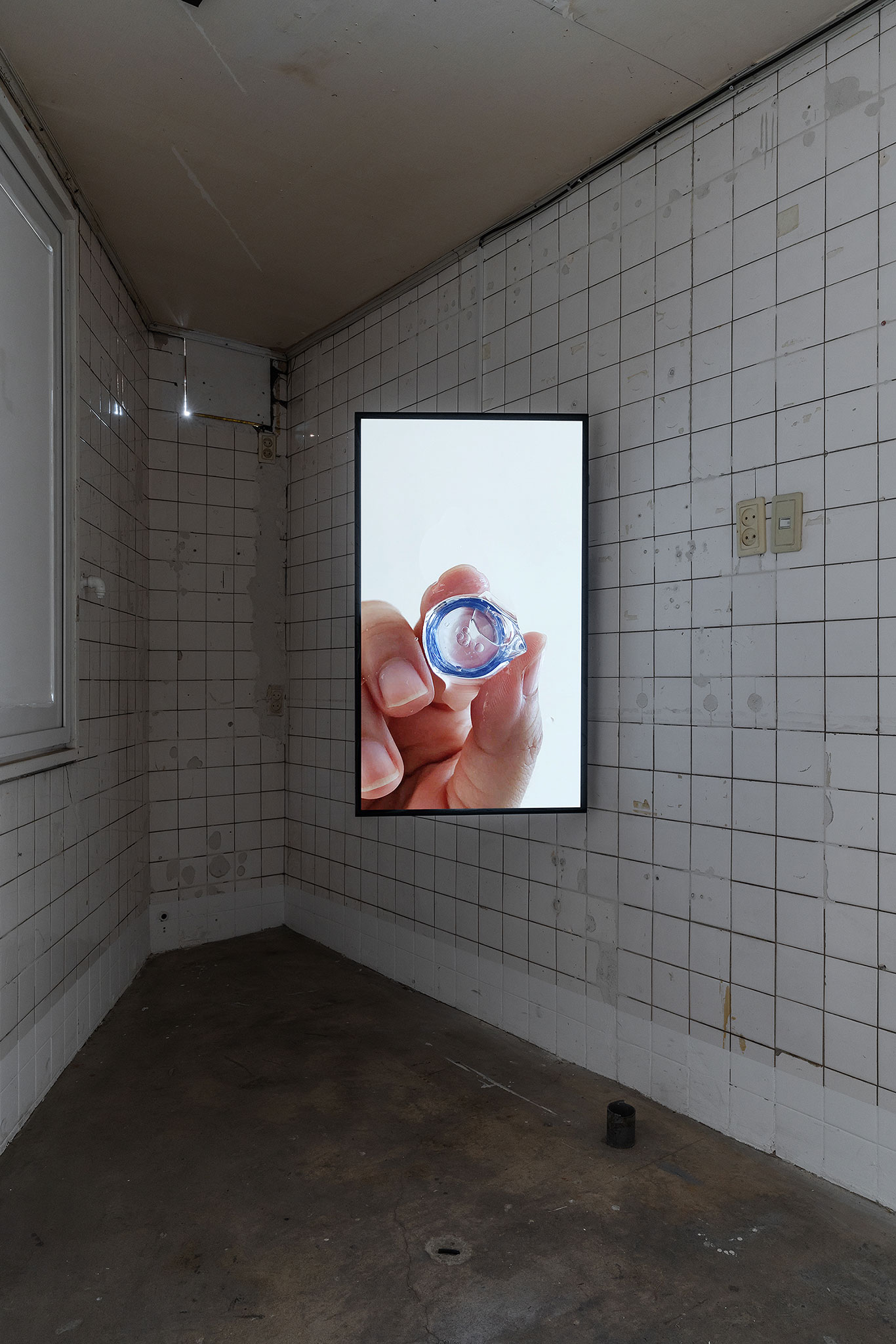
By suggesting a "perforated" space within the video, Chang prompts viewers to perceive the physically immaterial video image in three dimensions. In Sphere of a Flat World, a large white balloon is installed alongside the video, creating the impression that the perforated space within the two-dimensional image protrudes into three-dimensional space.
Could we say that the two-dimensional video has broken through into three-dimensional space? Black Hole Body(2016), in which a white balloon reappears, makes a more direct declaration concerning the reversal of the real and the virtual: "So I have to get out of my body."
Rather than video imitating and representing reality, the inside and outside, or front and back, of video and reality become reversed, producing a situation in which reality imitates and represents video. Throughout her artistic practice, Chang has continually complained of pain that others cannot precisely identify. It would be possible to reverse the entire analysis of video as a medium presented in this essay and reduce it to an autobiographical narrative. Even so, the melancholy of touching the skin of light would remain undiminished.