Exhibitions
《How Do We Get Lost in the Forest》, 2022.05.20 – 2022.06.18, P21
May 18, 2022
P21
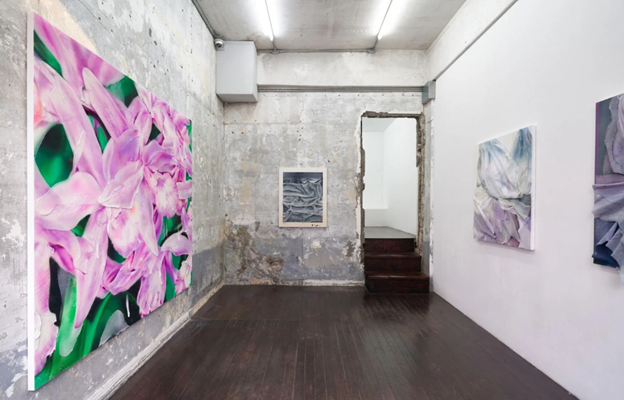
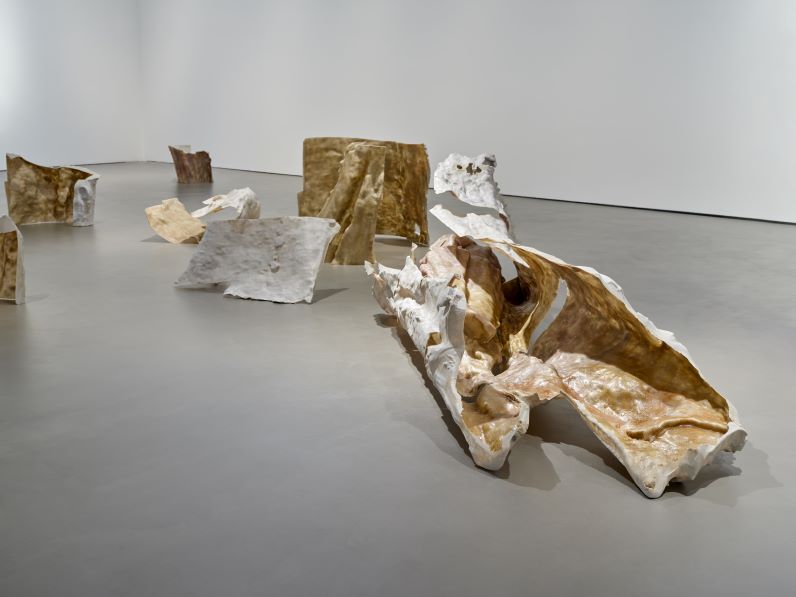
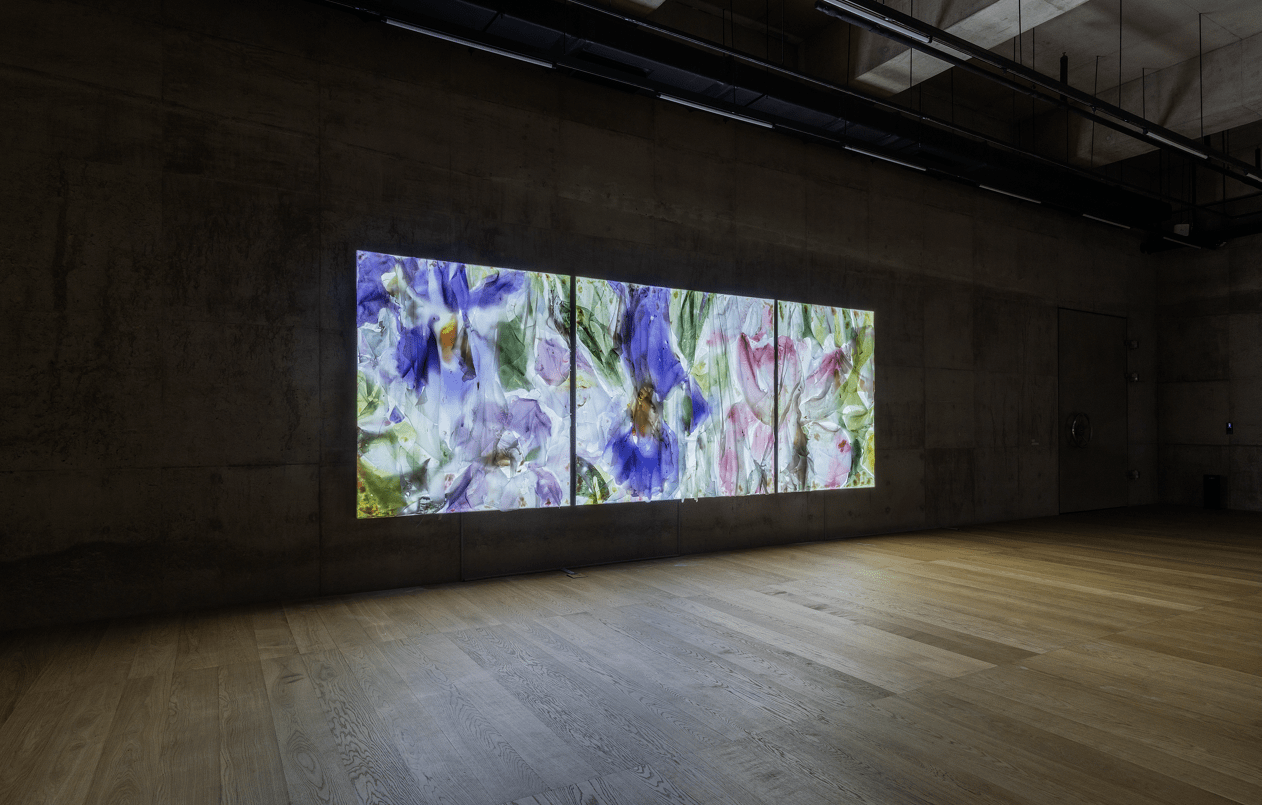
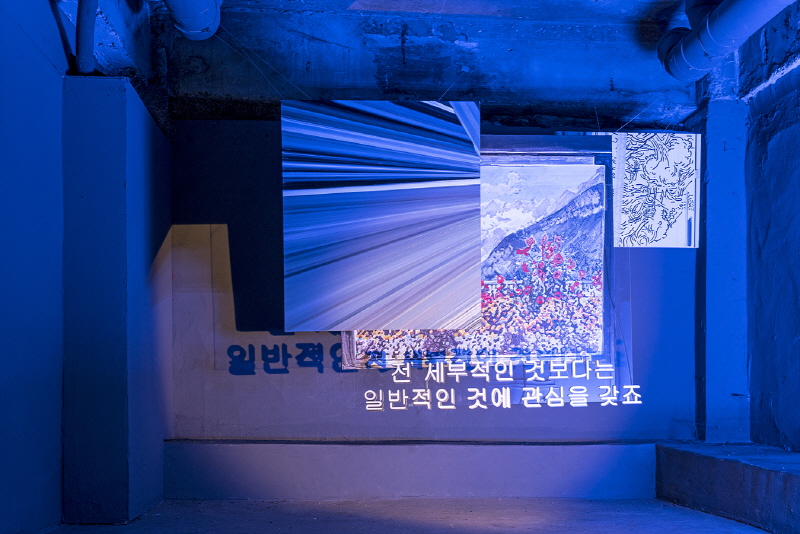
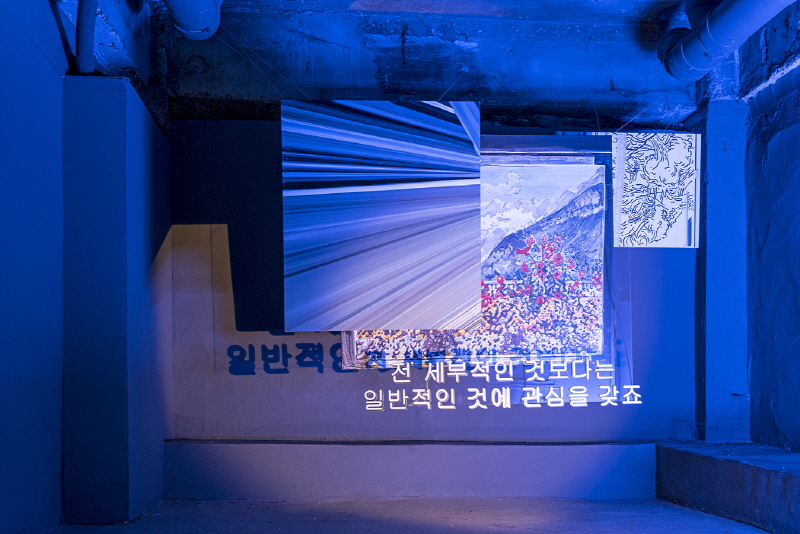
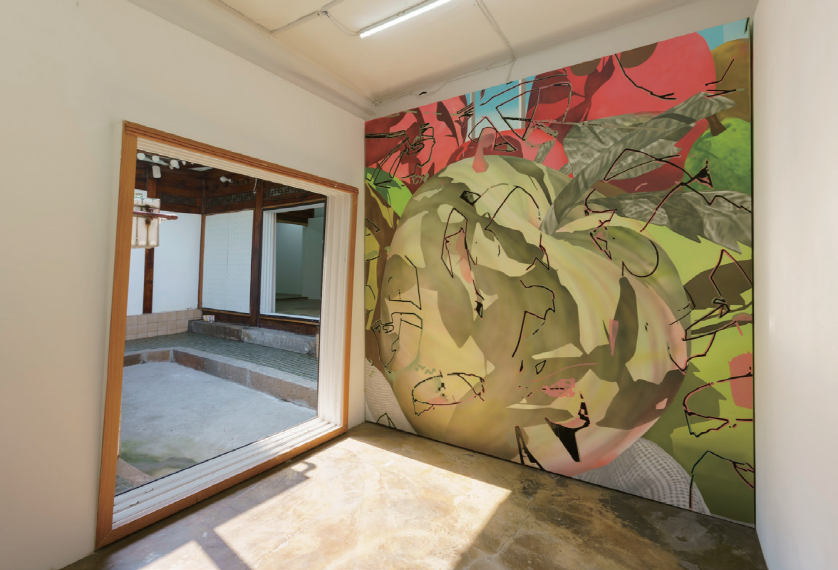
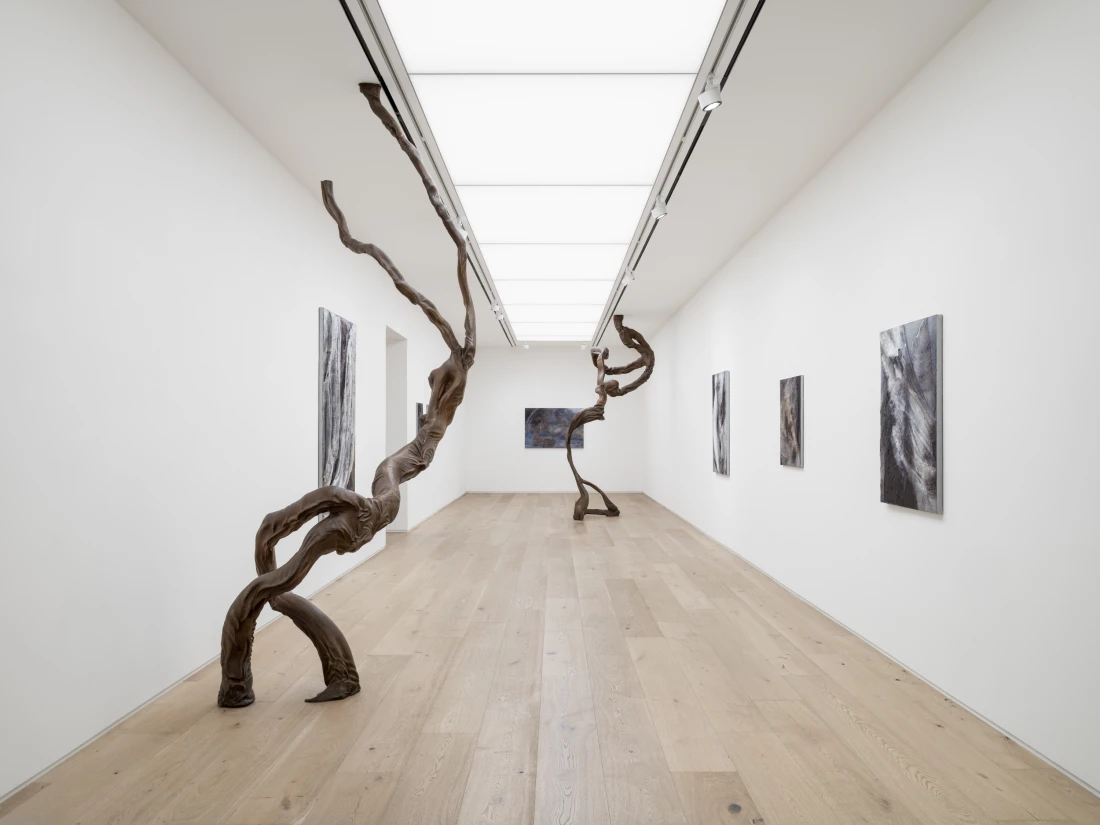
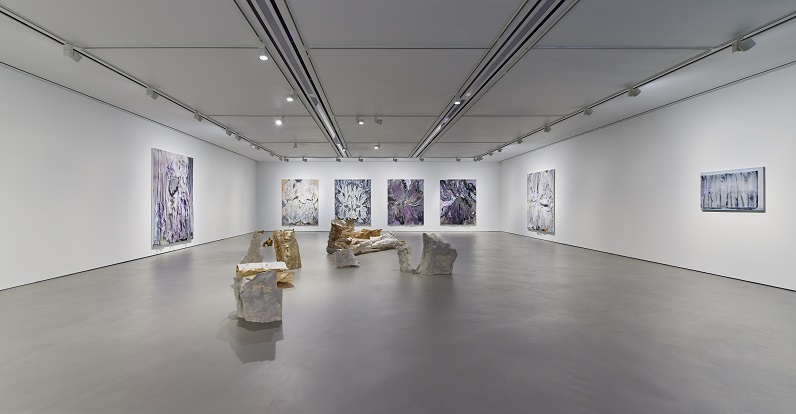
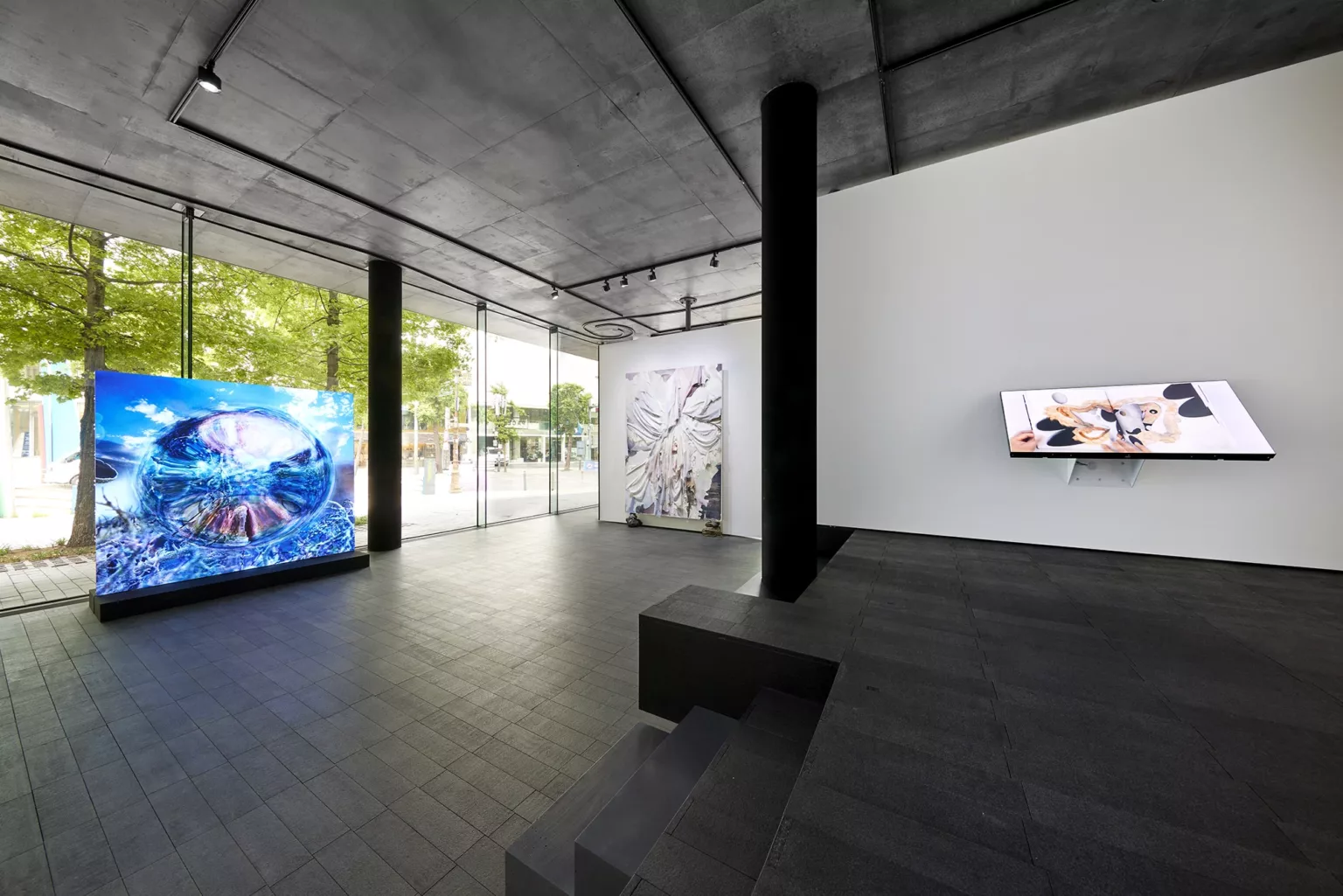
Installation view ©P21
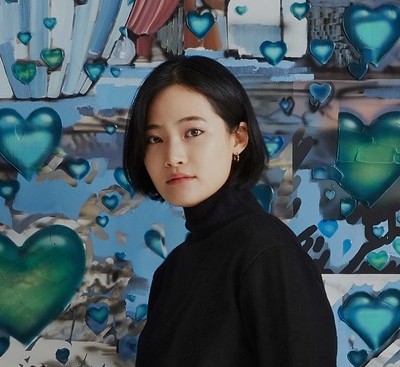
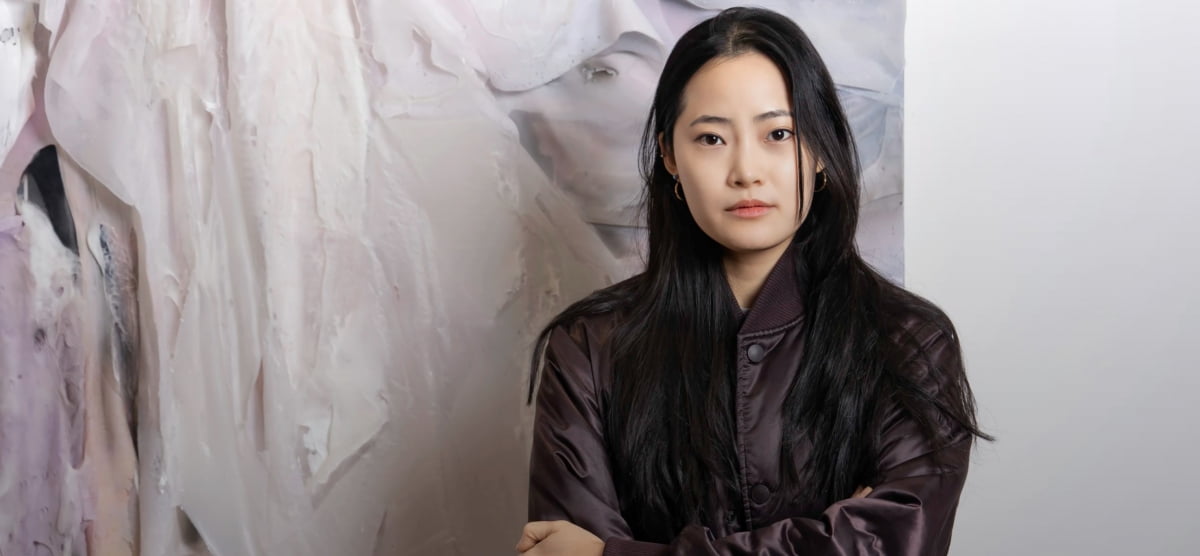
P21 is pleased to present Heemin Chung’s solo
exhibition 《How Do We Get
Lost in the Forest》, on view from May 20 to June
18, 2022. Chung has consistently captured the moments where new sensations
encounter, collide with, and diverge from painting as a traditional and fixed
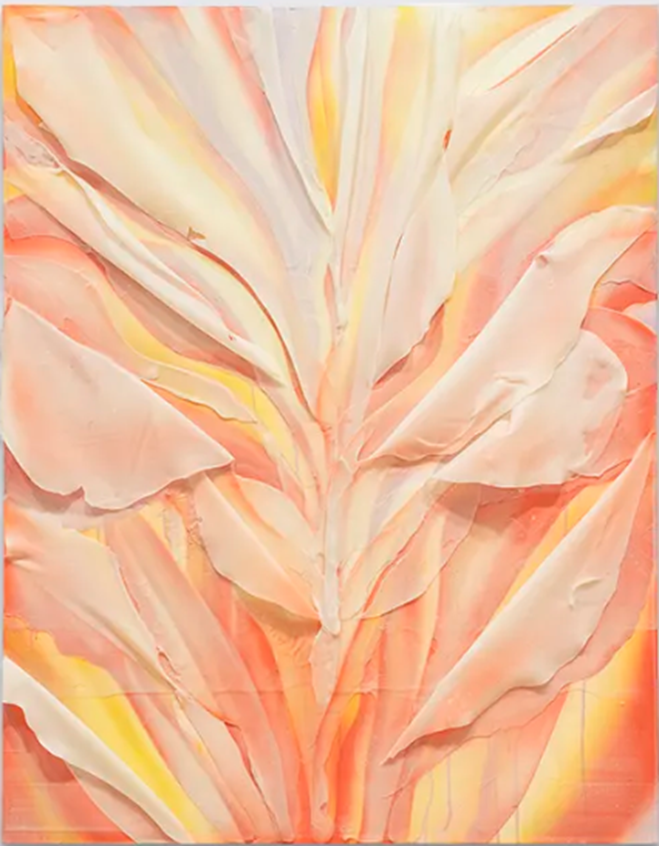
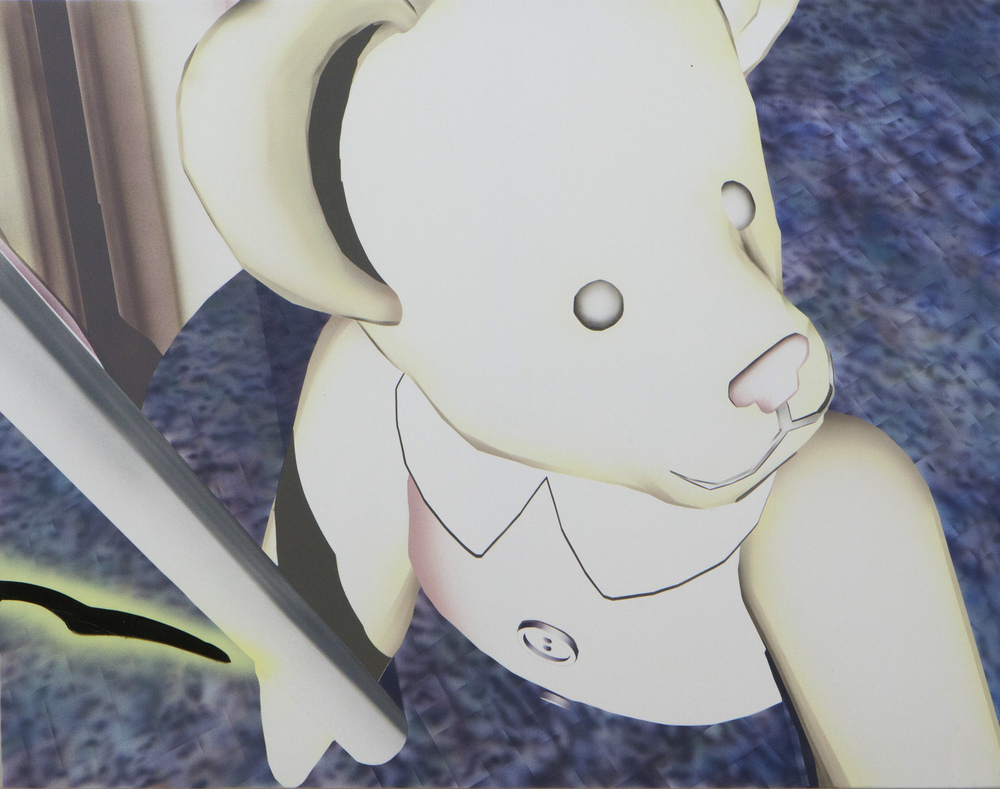
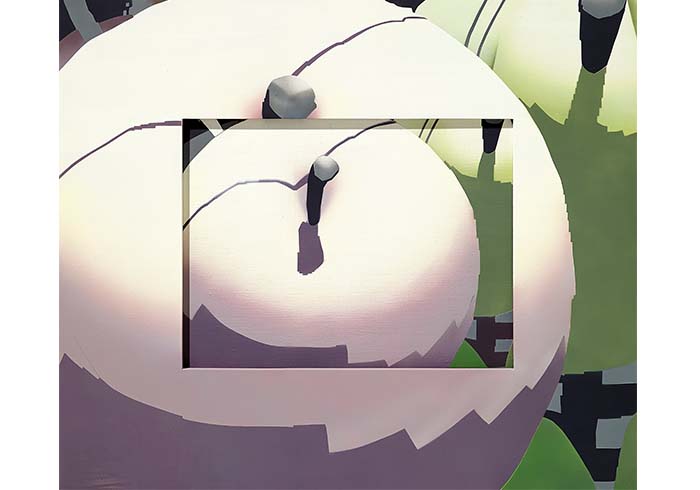
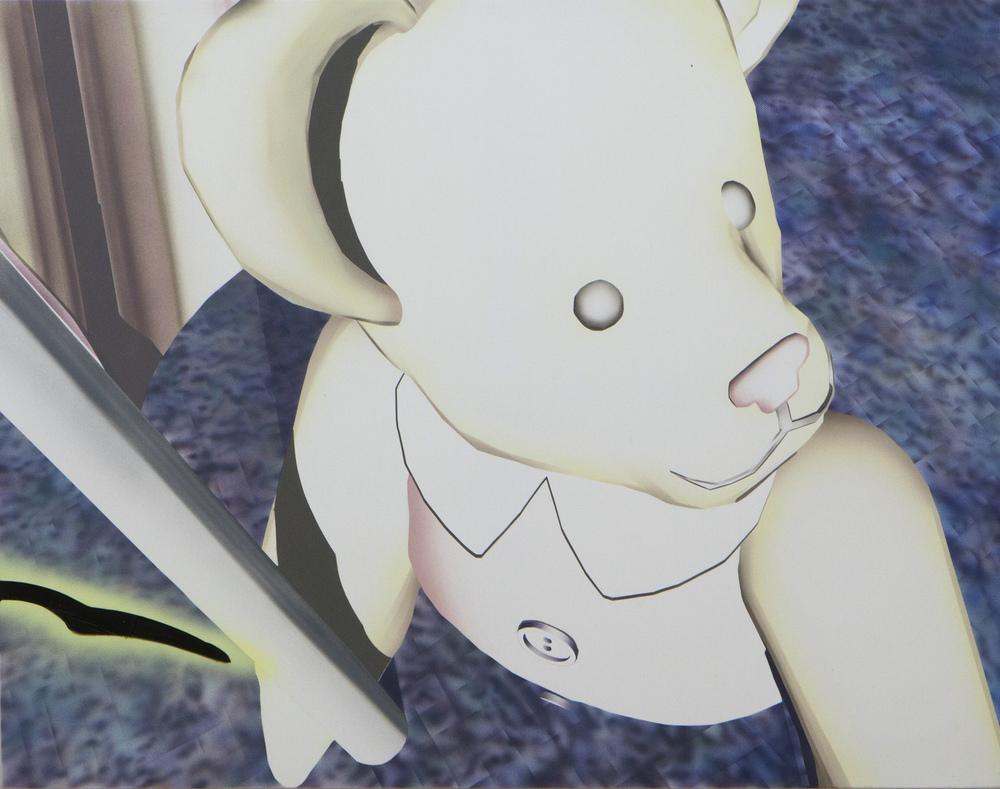
medium. This exhibition features 14 new works that document the
artist’s time spent observing familiar objects and landscapes while walking
around her studio.
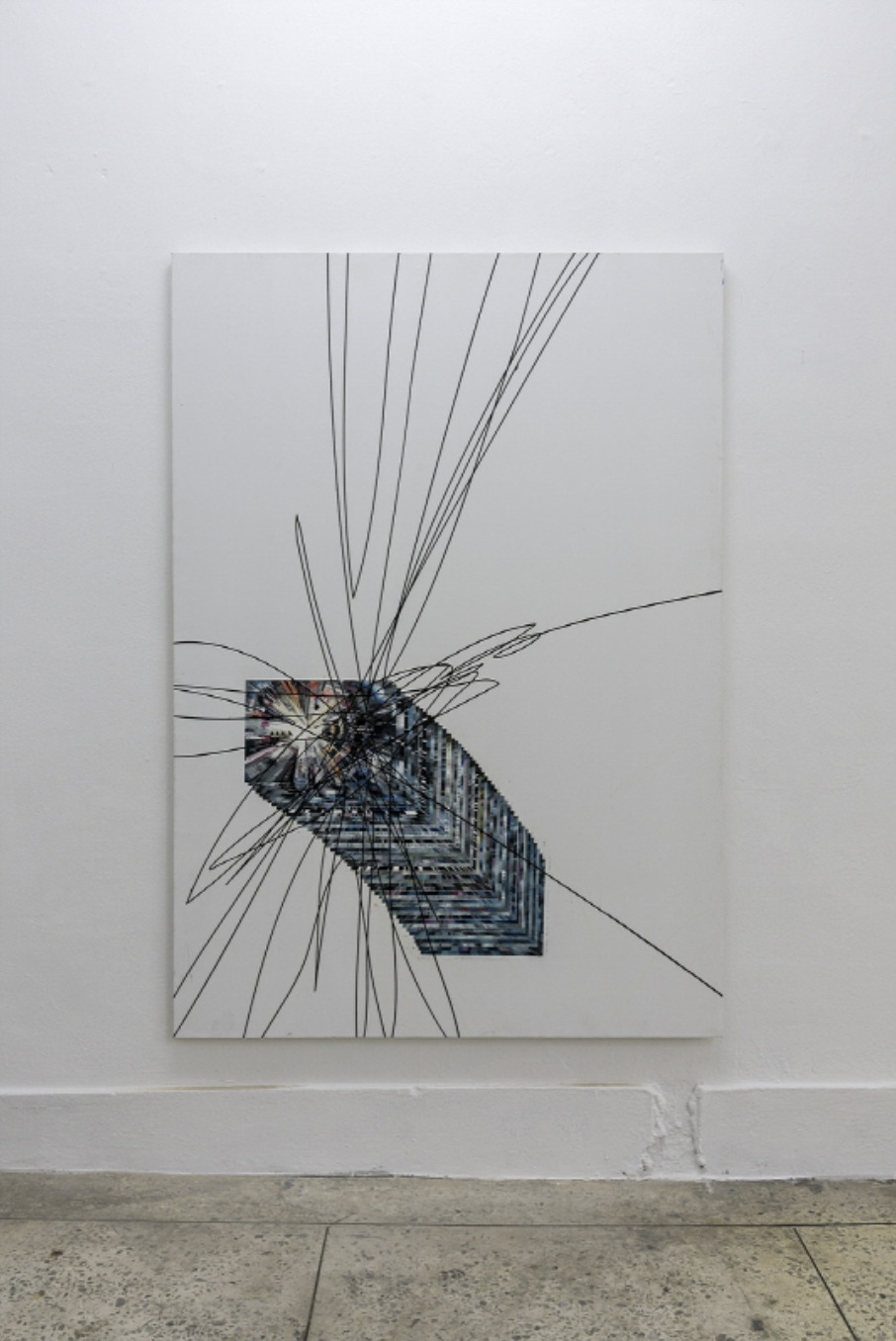
Chung revisits conventional subjects of painting, such as
landscapes and still lifes, within the context of contemporary visual culture.
She is particularly interested in existential concerns—how individuals adapt to
overwhelming urban life, feelings of alienation, and sensory deprivation.
Through her work, she attempts to address the emotional implications of these
issues and trace the perceptual dimensions that emerge from them. She
investigates non-traditional sculptural techniques that model traditional
painting materials on the surface, metaphorically exploring shifting
existential sensibilities and questioning the meaning of image and
material. More recently, she has been examining the perception of time
through materiality as a way to escape the widespread sense of
depletion and the cultural and political entrapment prevalent in
the digital age.
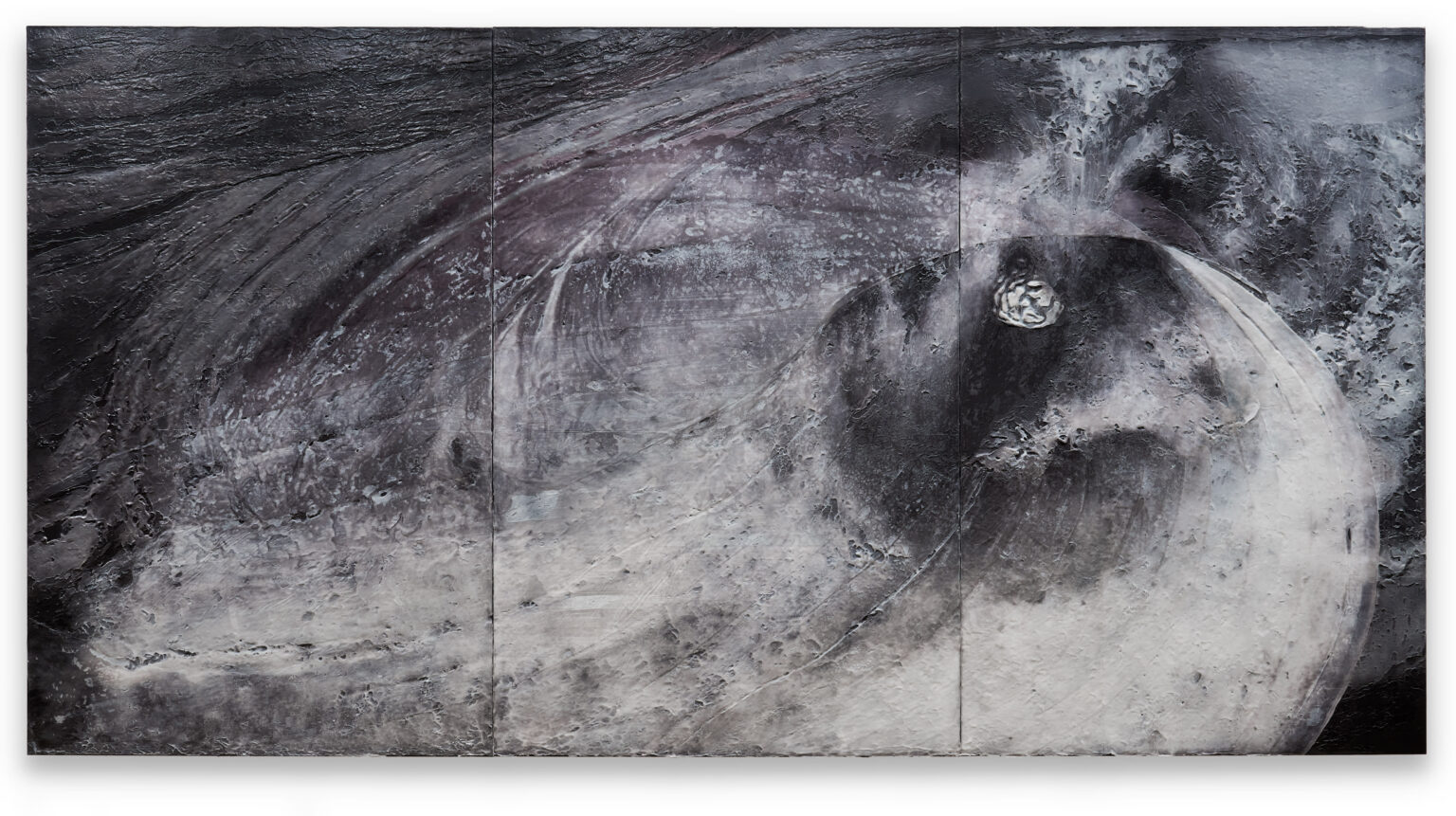
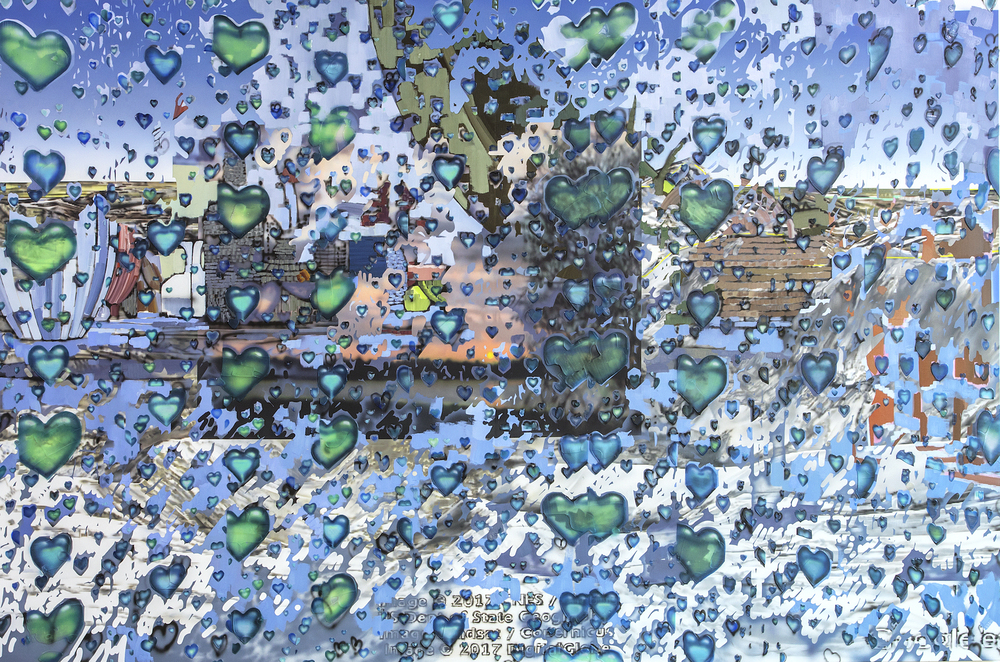
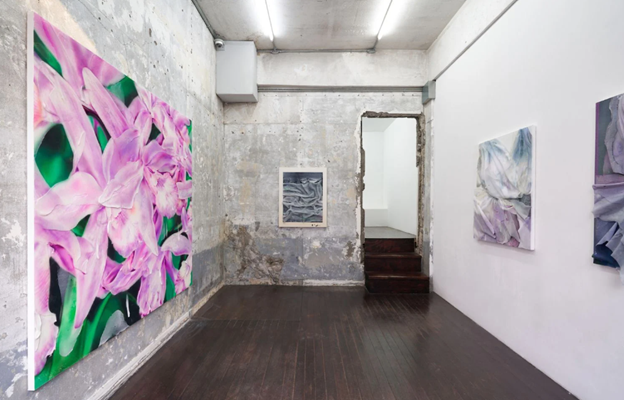
The works exhibited in P1 and P2 stem from this ongoing
exploration and consist of studies and drawings that
incorporate printing techniques and experiments in material modeling on
surfaces. As part of her practice, the artist observes familiar objects and
landscapes during walks around her studio, connecting these meditative moments
with material experimentation. She regards meditation as a post-processed
response to the irrational speed and cognitive collisions of urban life, a
method of physically enduring its pressures. Consequently, she has
maintained a deep interest in the forms and mediations of meditation.
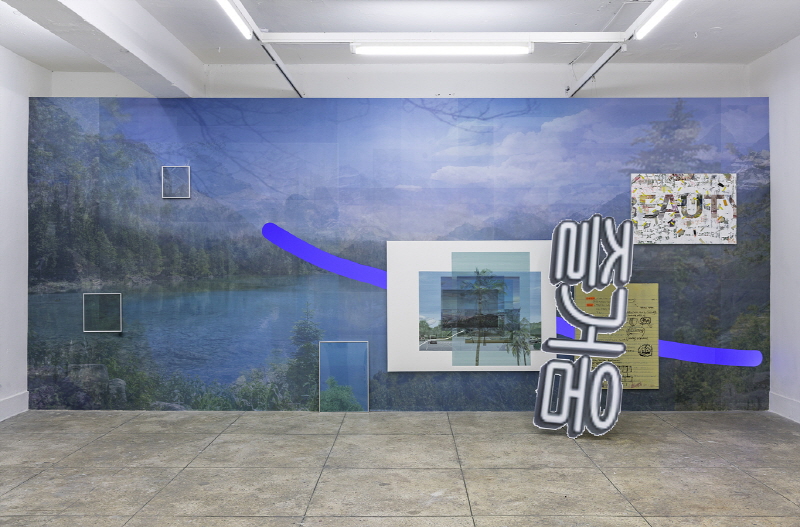
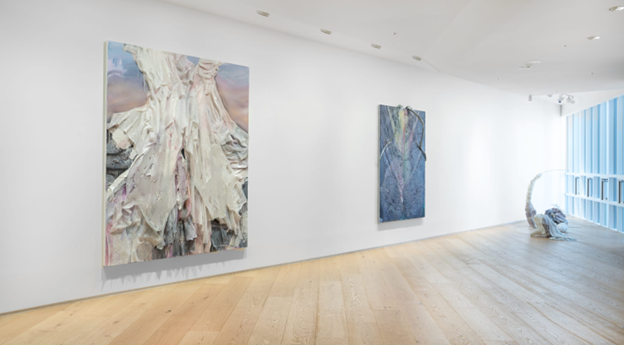
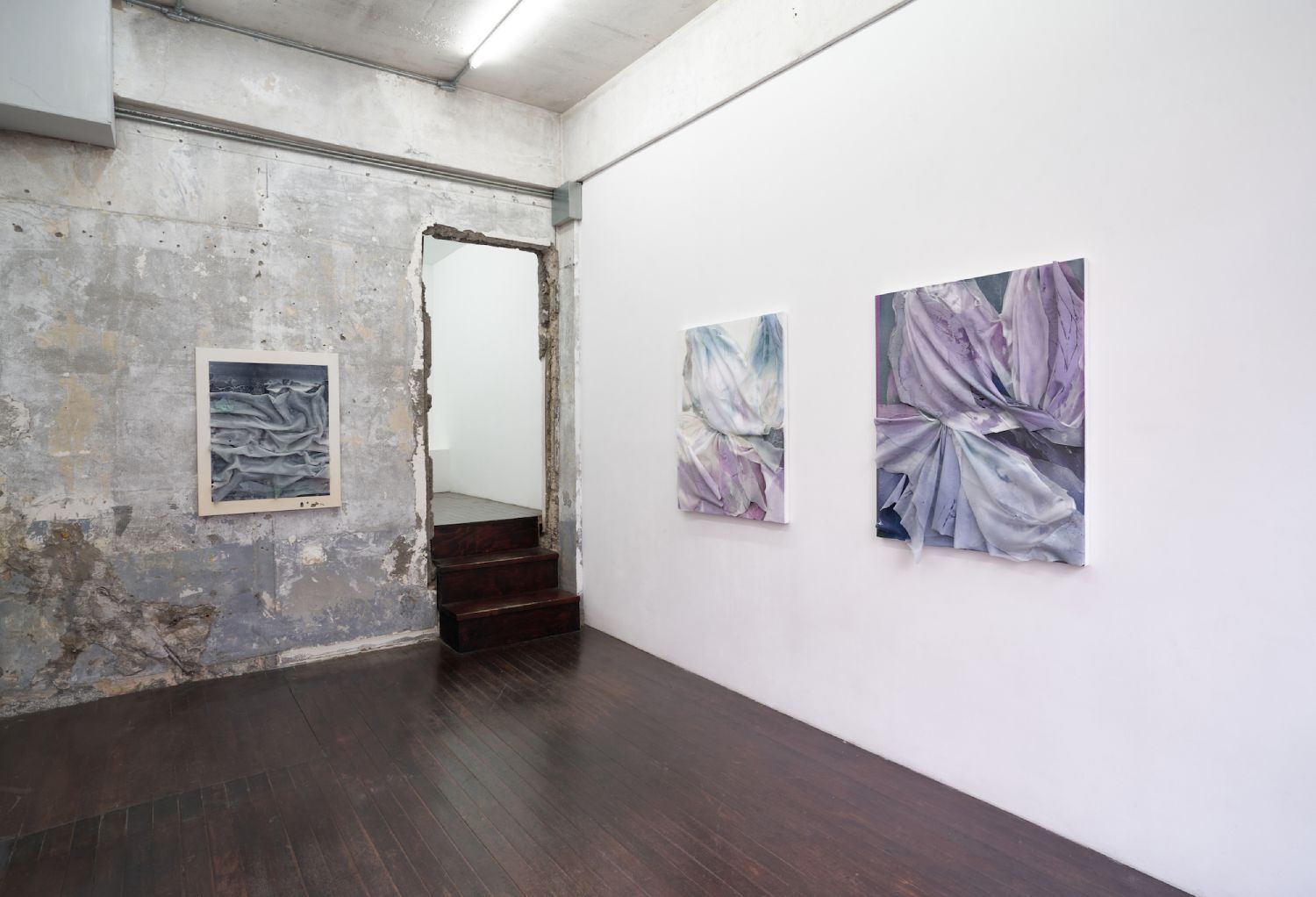 Installation view ©P21
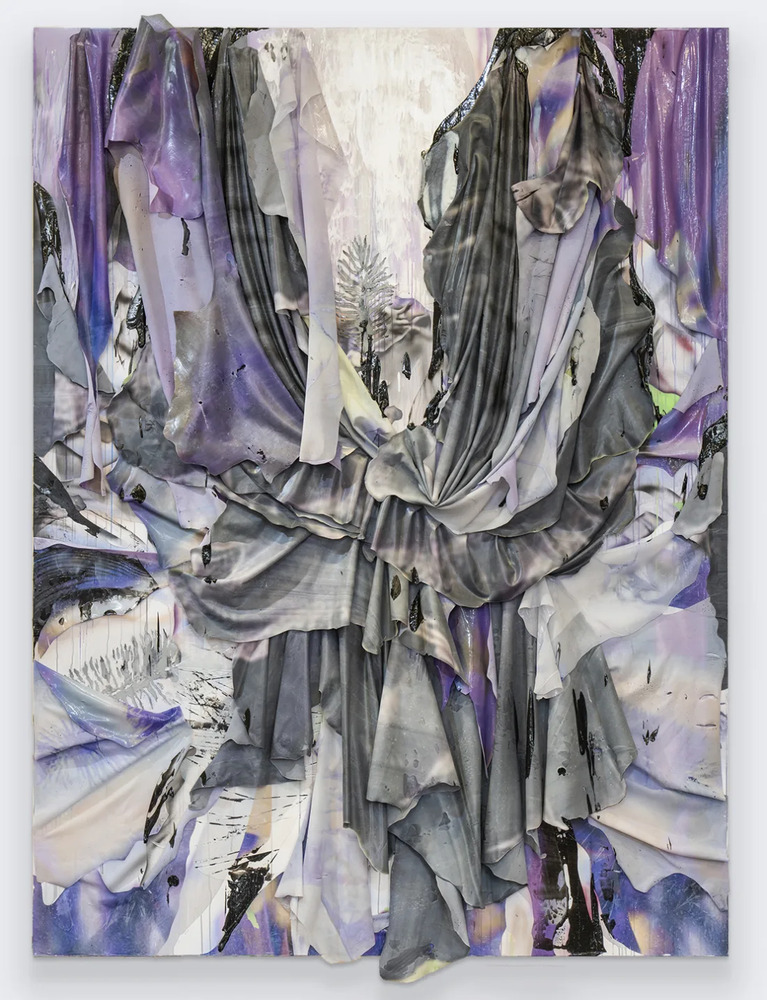
The works presented in this exhibition originate from Aldous
Huxley’s fascination with the folds of Judith’s robe while under
the influence of mescaline. Huxley, in his altered state, perceives his
surroundings as interwoven with multiple temporalities. Inspired by this
perspective, Chung juxtaposes the slowed perception of time experienced
when gazing at an object with the trance-like state of device users.
Rather than addressing hallucinations in a literal sense, she considers digital
devices as a medium for escaping the constraints of physical laws and
unified representation—an attempt to disengage from the illusion of
subjectivity.
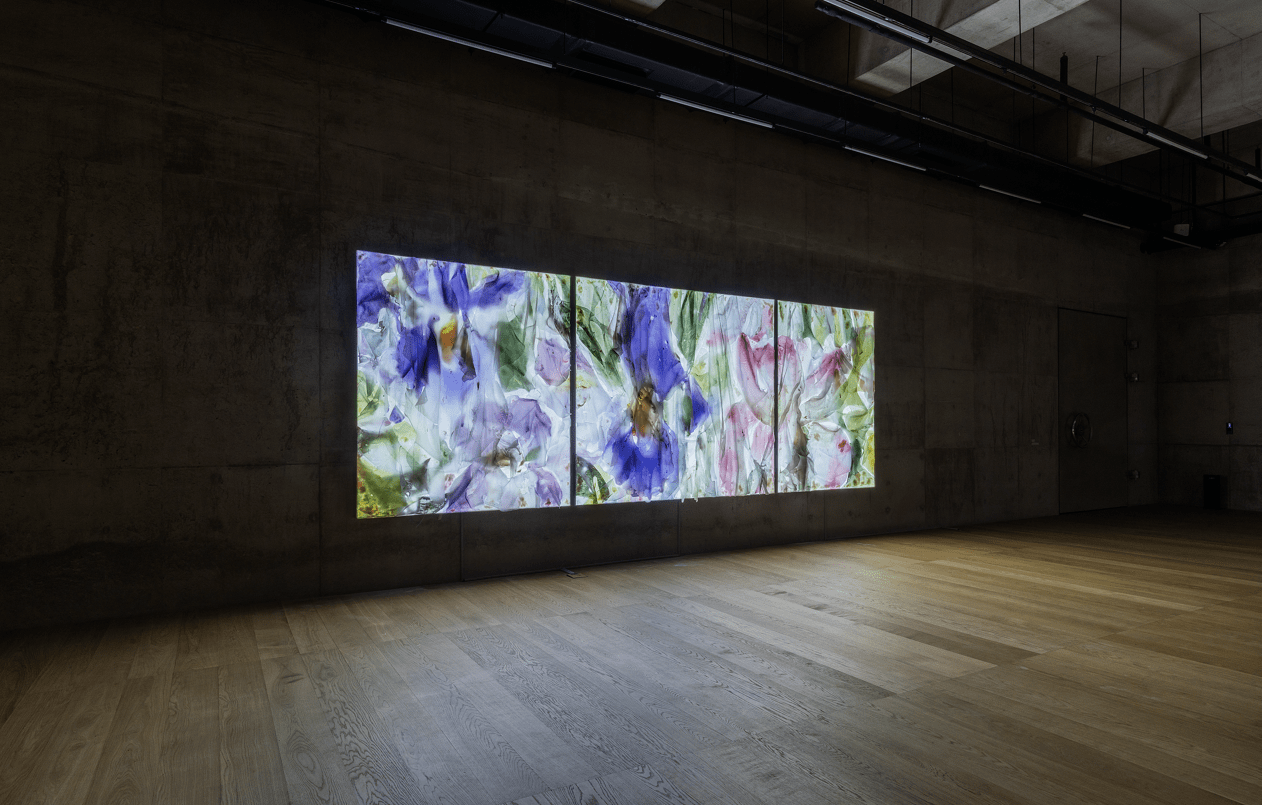
Through microscopic perspectives and close-range movements,
Chung approaches her subjects in an intimate manner,
incorporating the tactile qualities and accidental
formations discovered through her experiments with materials. In her modeling
process, where texture gains immediacy and musicality, she focuses
on formless or constantly shifting states—such as the night sky
embroidered across the surface of paint or the gesture of reading
stars. Within this process, the image acquires a body. As layers of acrylic
medium obscure and reveal the subject, narrative is erased, guiding
viewers into a contemplative experience.
Through sculptural training that liberates form from habitual
bodily sensations, linear time, and causality, Chung creates subtle
ruptures in the present state of inertia. Her work seeks to approach the
unspoken dimensions of nature, desolation, and affect, offering a glimpse into
that which remains unnamed.