DOOSAN
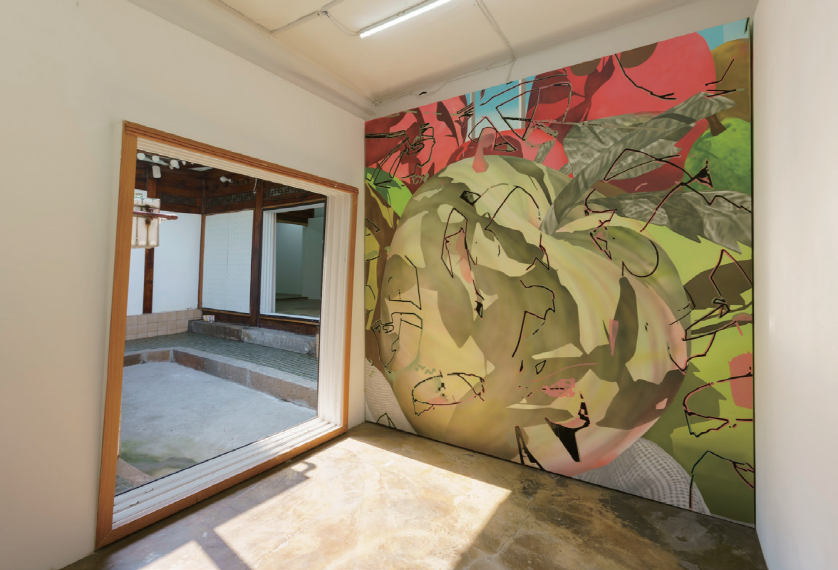
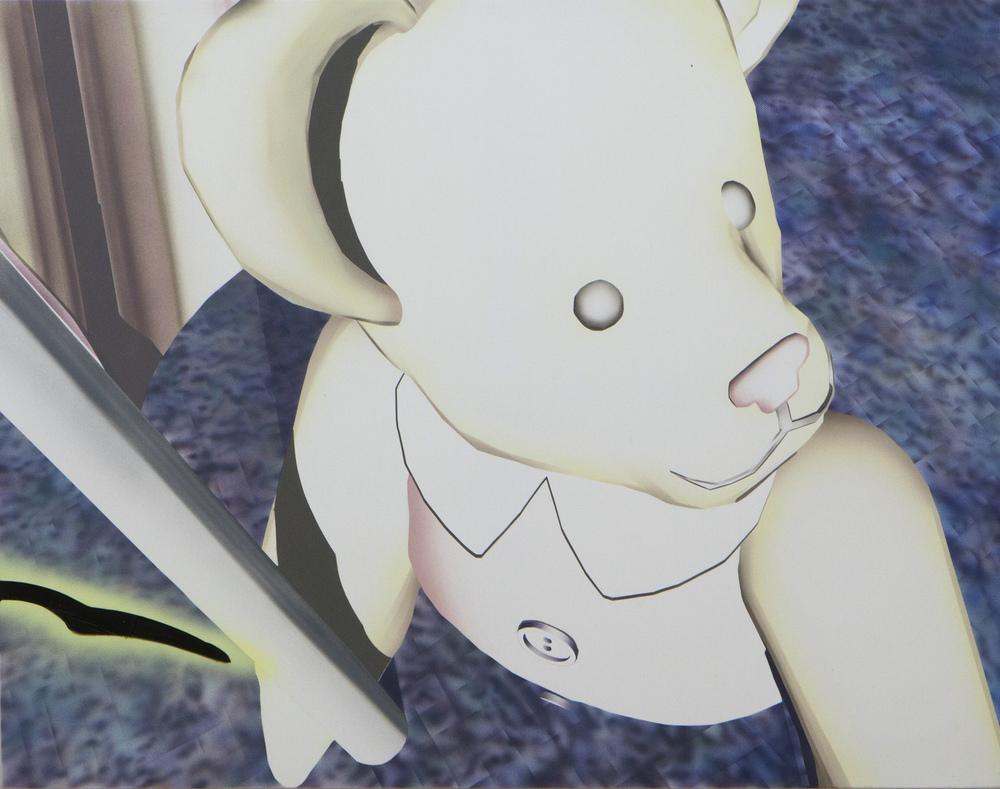
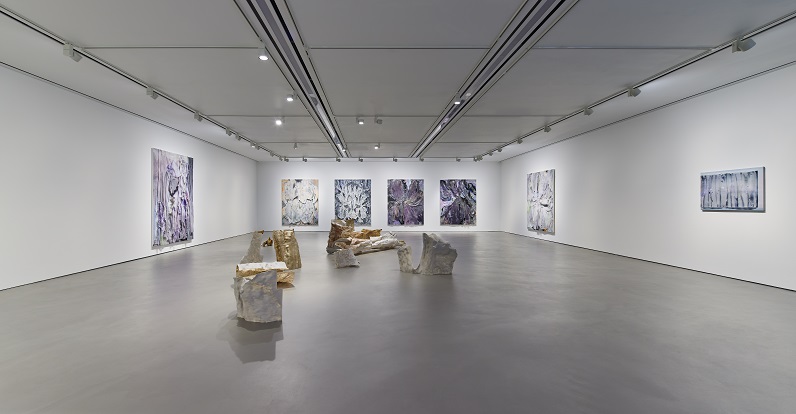
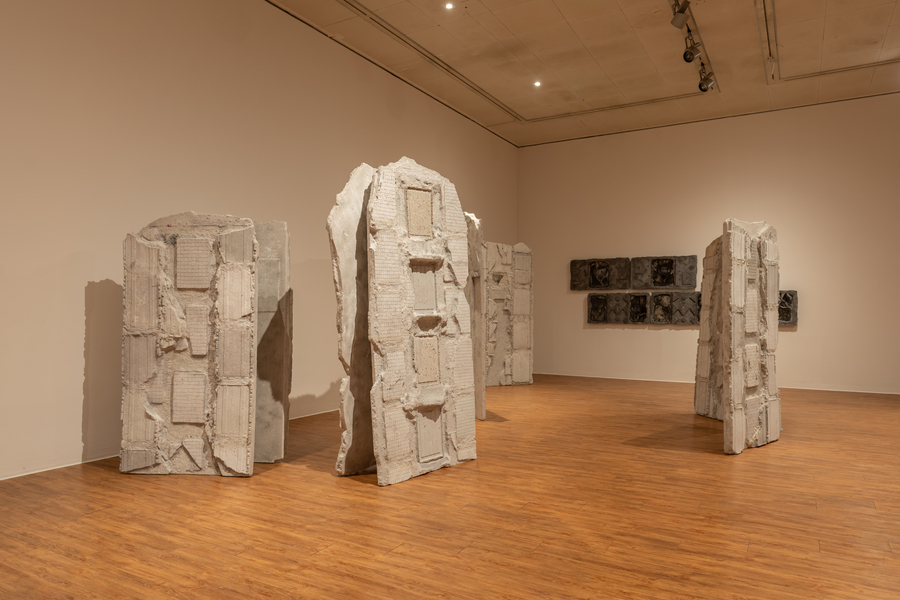
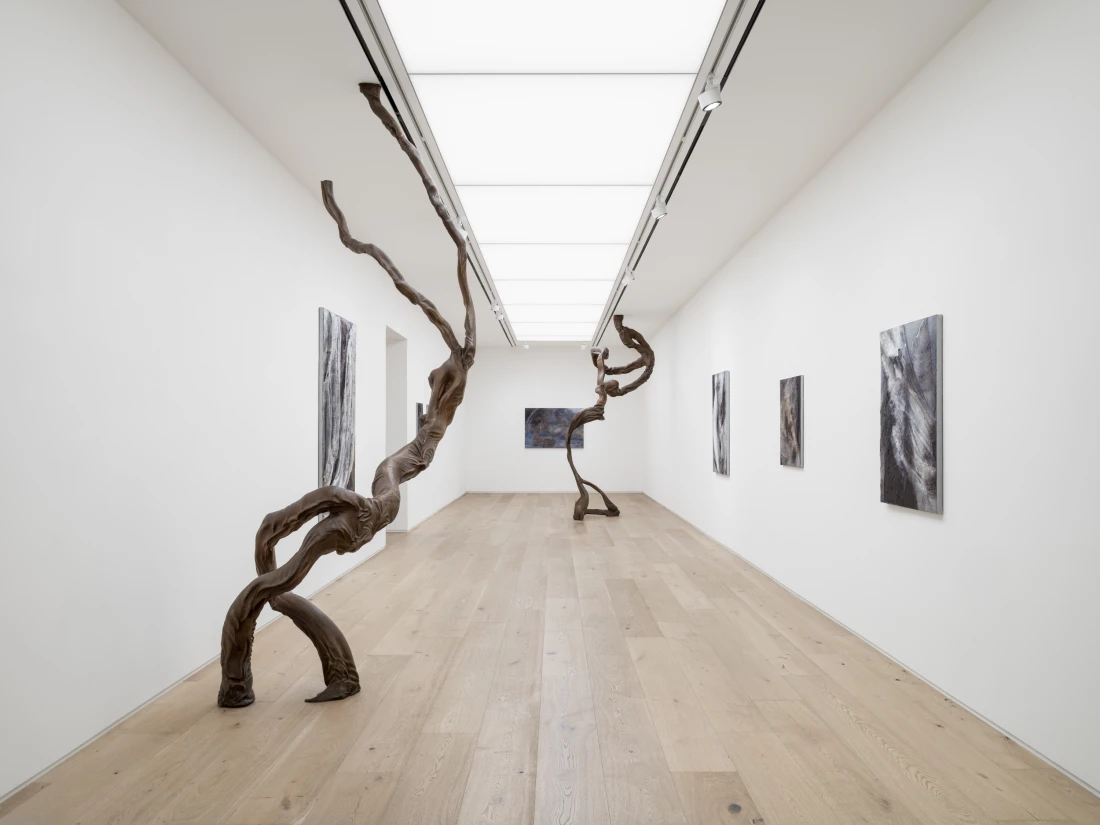
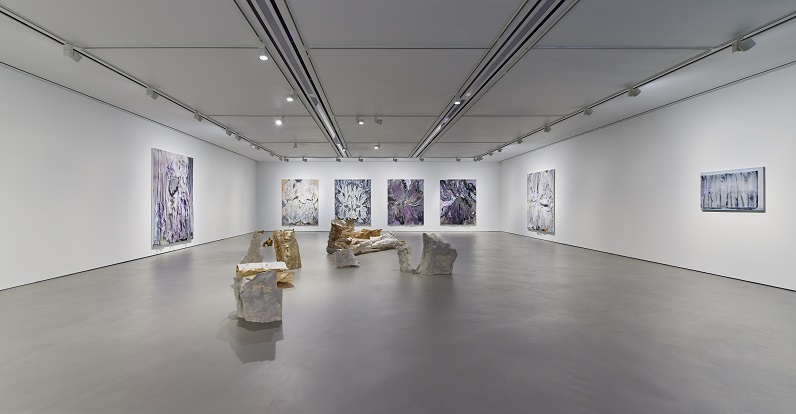
Gallery is pleased to present Heemin Chung’s solo exhibition, 《Receivers》, from
September 13 to October 21, 2023. A seminal contemporary painter, Heemin Chung
is the recipient of the 13th DOOSAN Yonkang Arts Awards. Chung explores the
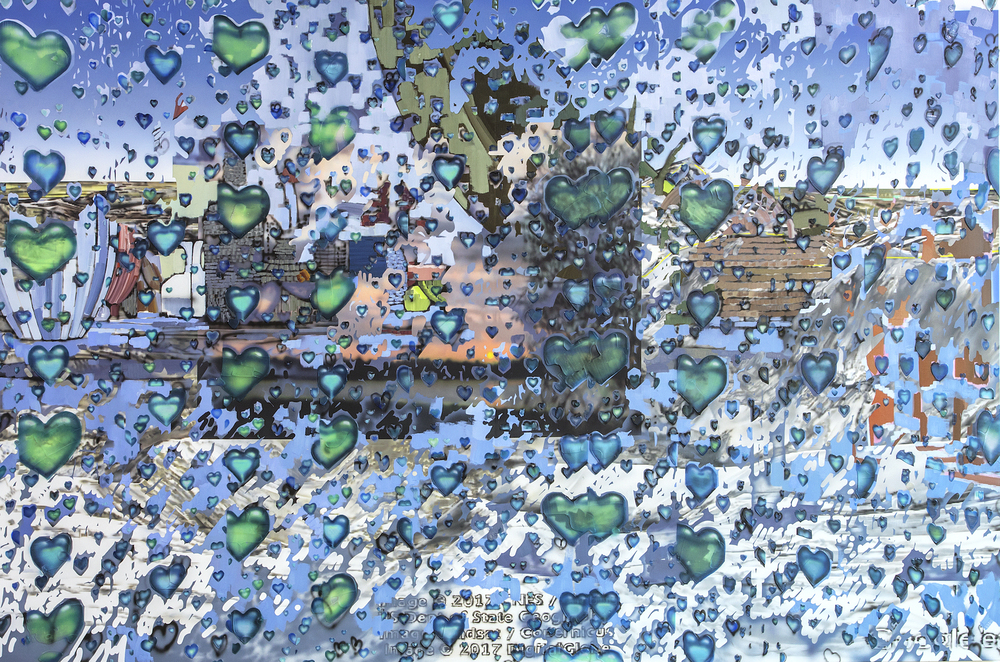
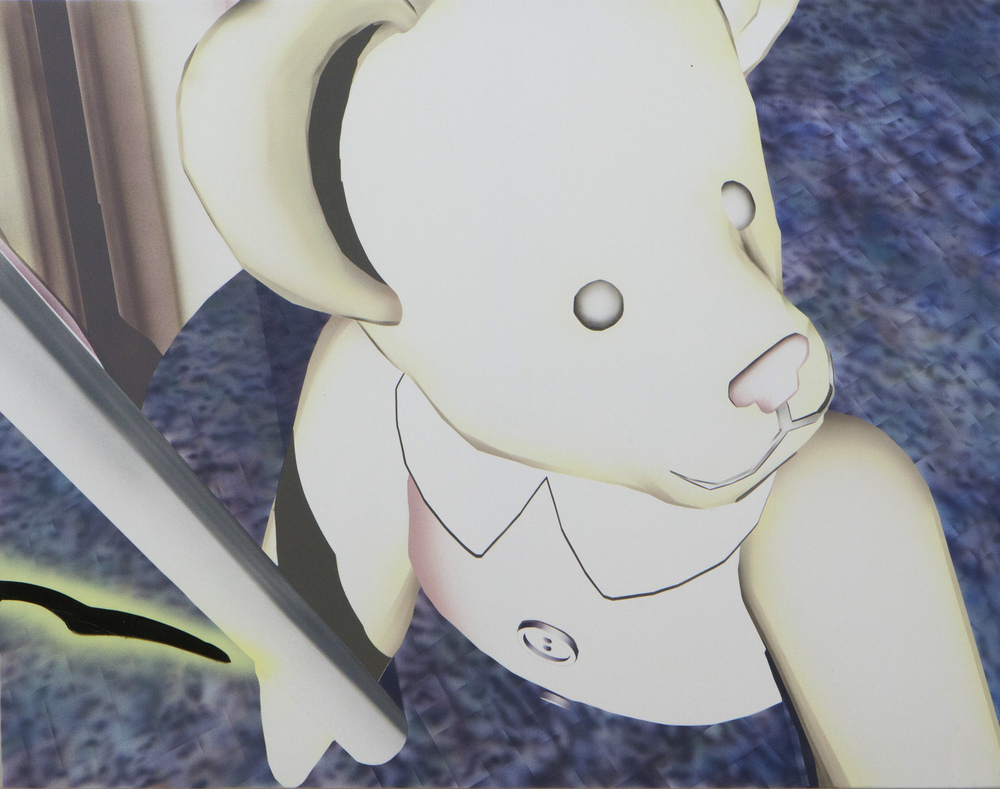
altered modes of image existence and perception caused by today’s digital
world. Through various experiments centered on painting, Chung delves into the
physical and emotional concerns of those—us—living in that world. In the
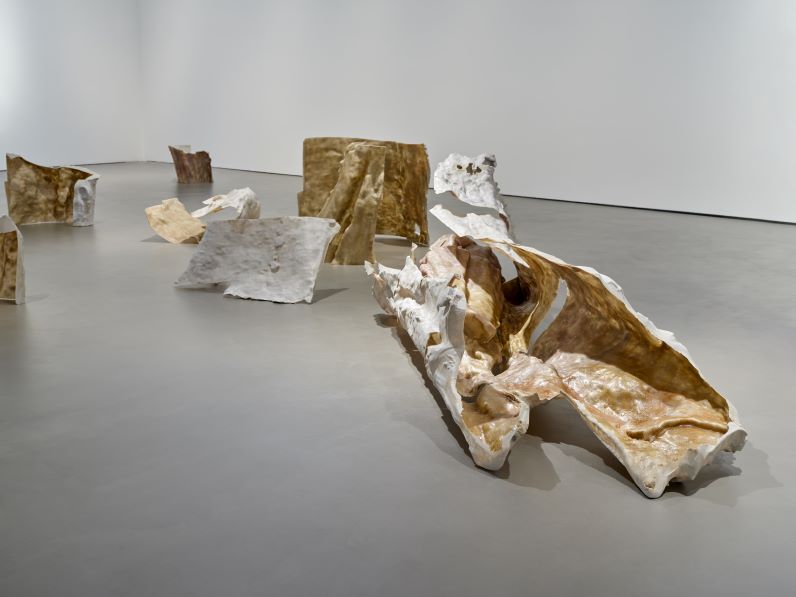
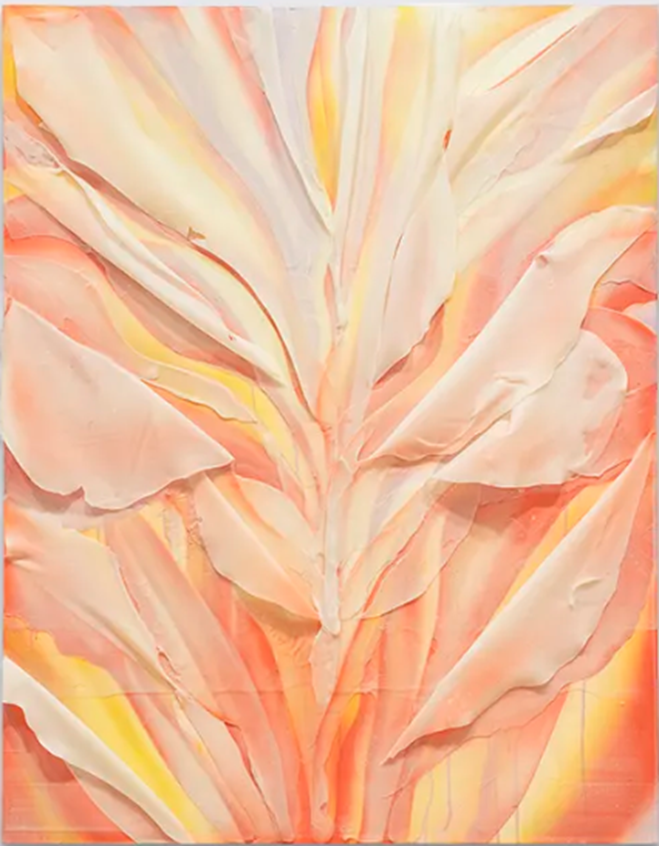
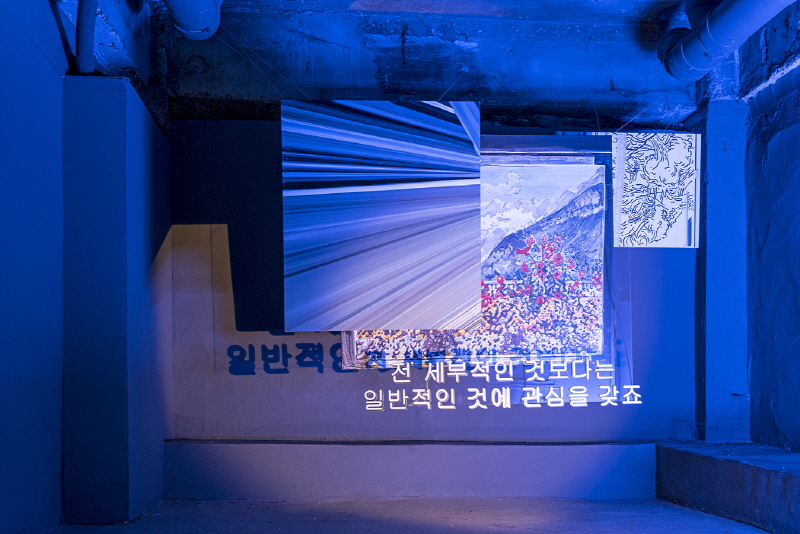
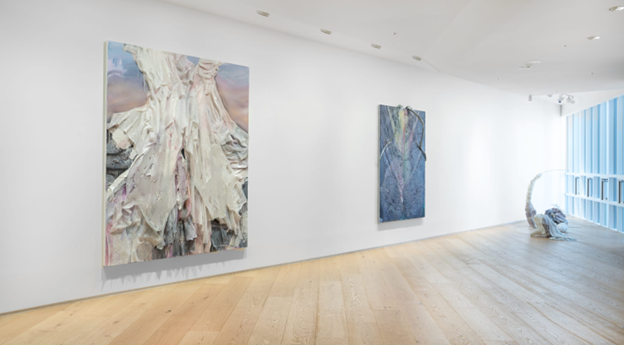
current exhibition, Receivers, Chung takes images that escape the flatness
of painting to metaphorize a “skin” that is thin and fragile yet all-sensing
and all-encompassing as she evokes a primordial form of reproduction and
creation.
Flower
muscle that opens bit by bit(1)
the
meadow-morning of the anemone,
until
into her lap the flowing light
of
the loud sky pours its polyphony,
muscle
of endless receptivity(3)
tensed
in the motionless star of the blossom,
sometimes
so overcome with plenty
that
the call to rest of the setting sun
can
hardly give you back again the furls
of
the wide-sprung edges of the leaves:
you,
resolve and strength of how many worlds!
We
violent beings we endure longer.
But
when, in which one of all our lives,
will
we at last be open, be receivers(2)?
– Rainer
Maria Rilke, Duino Elegies (the fifth poem of the second part of The
Sonnets to Orpheus, 1923. Translated from Deutsch by Stephen Mitchell)
Flowers,
with petals and filaments so easily crushed and crumpled, have safeguarded
their fragility and super-sensitivity throughout history to become beings that
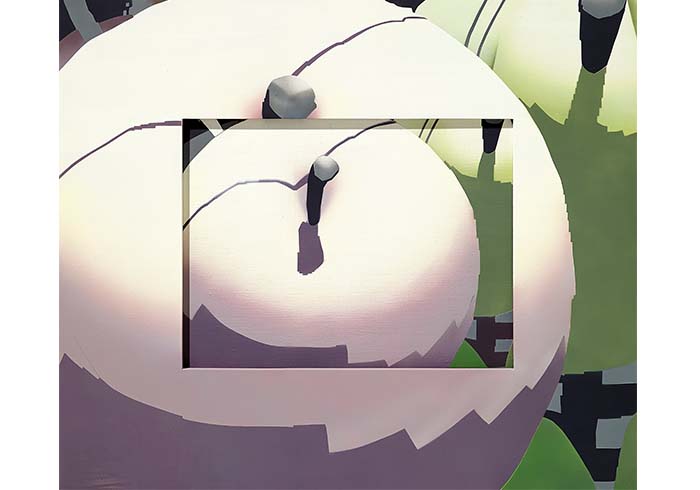
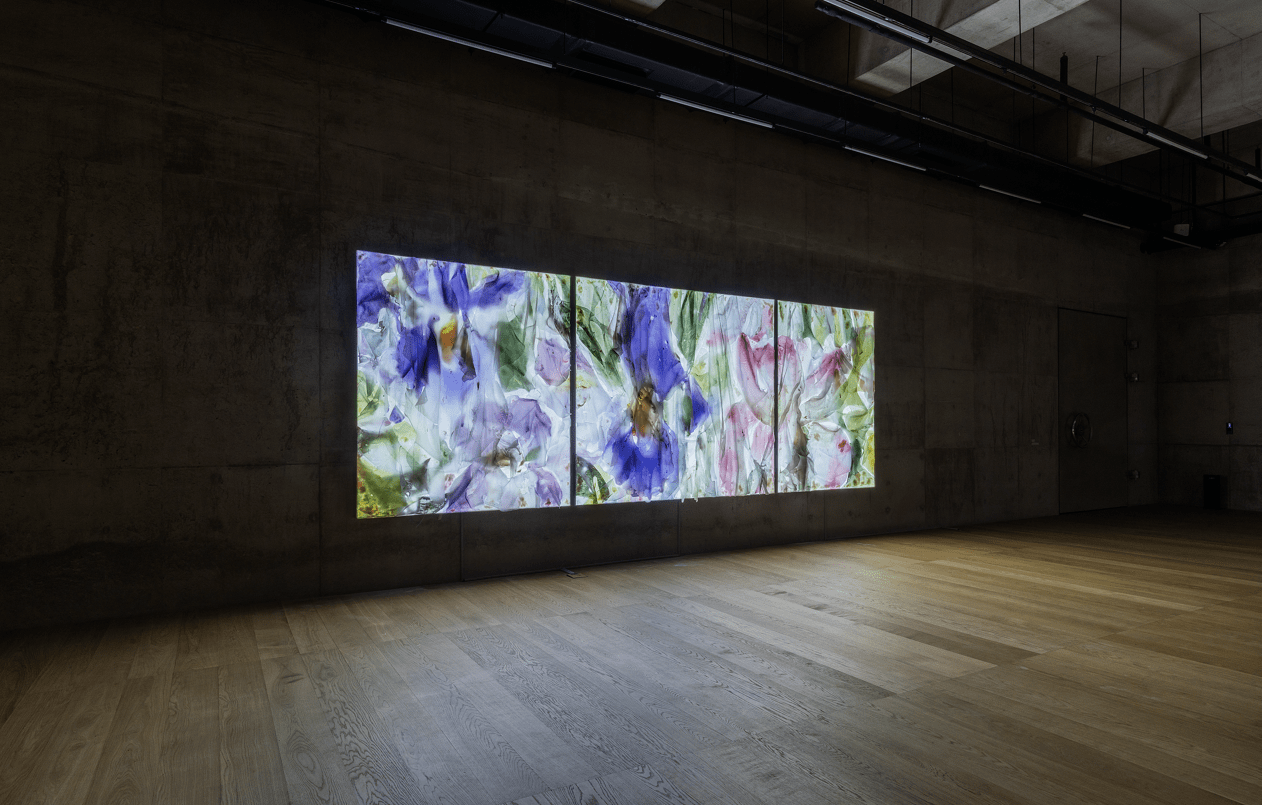
can embrace all external stimuli. Using the strength of flowers(1) as a
motif, Chung presents this exhibition as an endeavor to closely represent
beings, or their persistent practices, that sensitively receive and newly
recode the inundation of signals from their surroundings.
Since
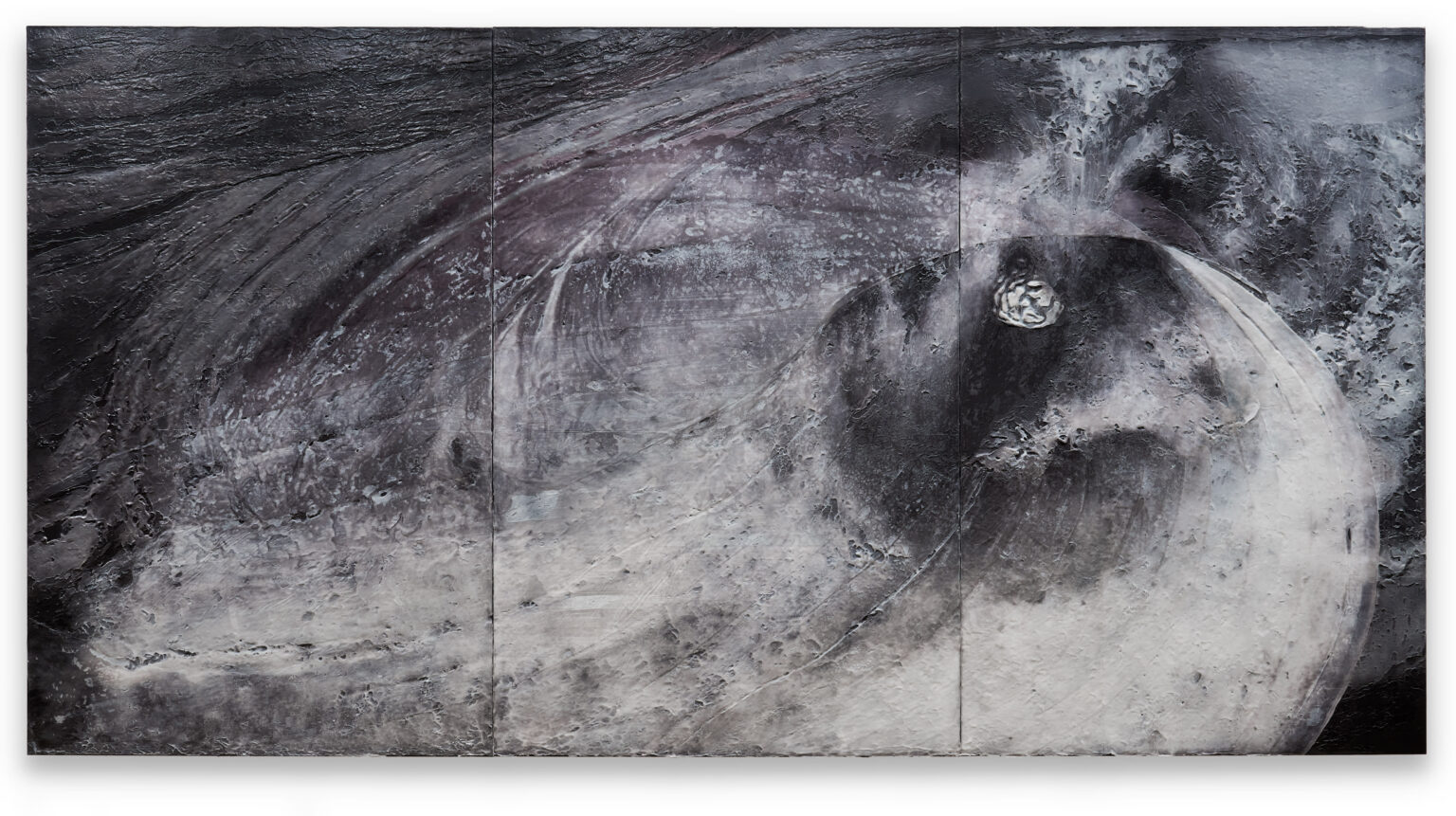
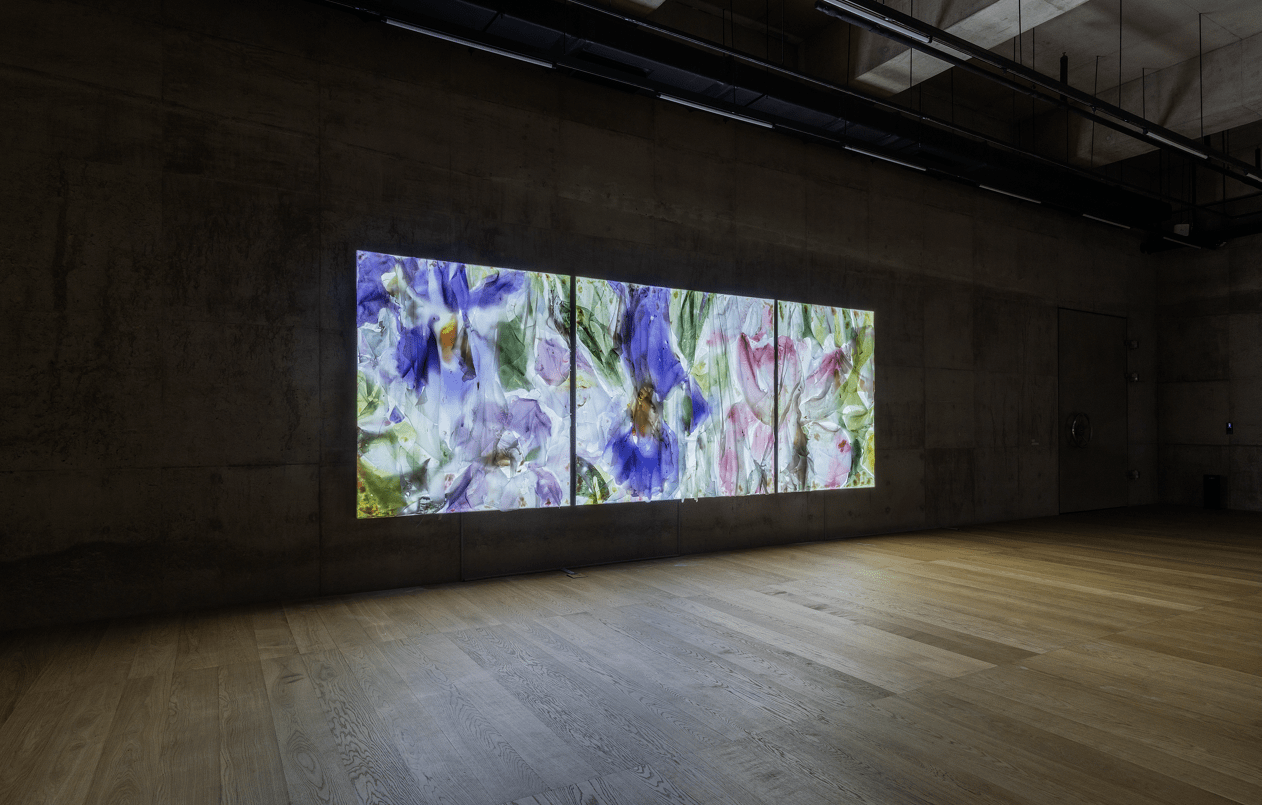
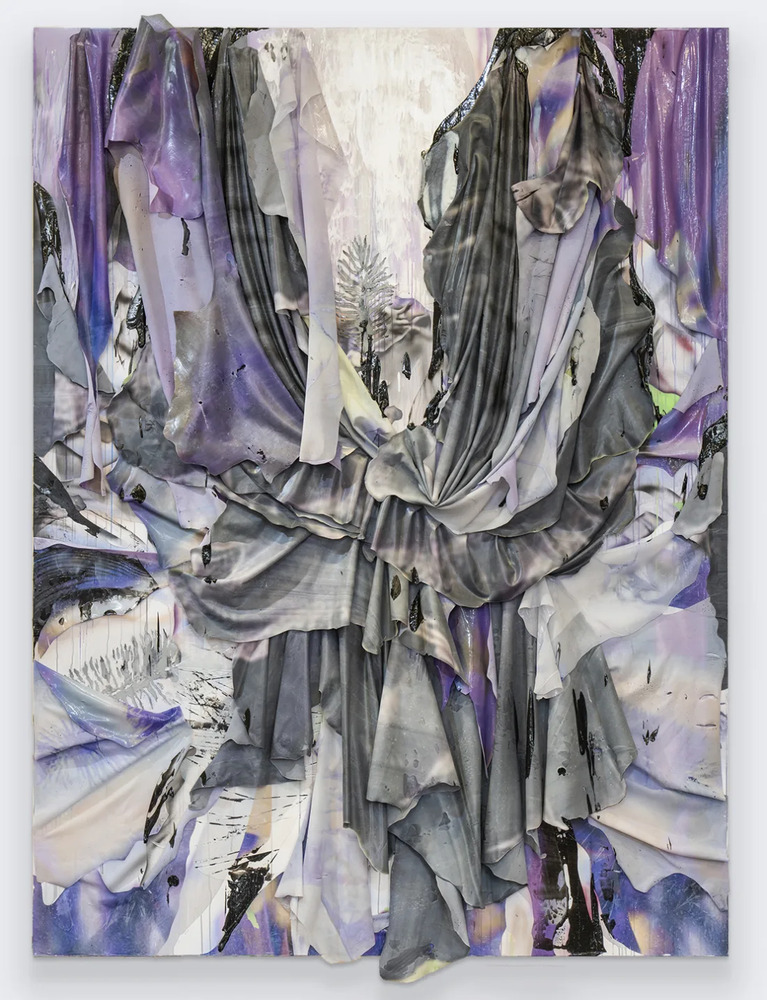
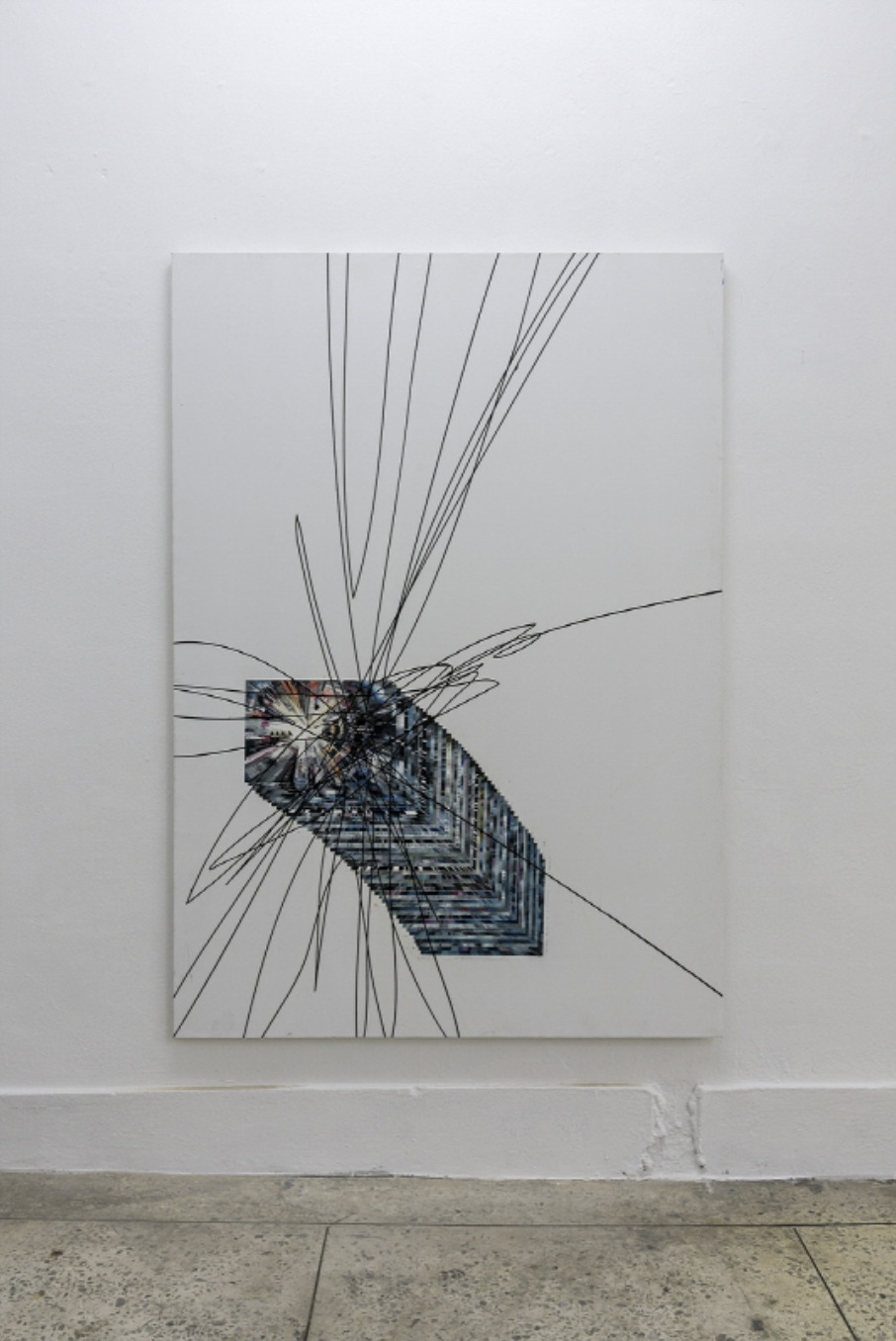
2017, Chung has explored the acrylic medium as a body, materially and
metaphorically, and utilized its transparent and flexible attributes to expand
her painting practice. Acrylic medium, typically added to pigment for extra
volume, was originally devised as an alternative material that stretches out
paint or mimics different textures. However, Chung employs the attributes of
acrylic medium, a receptor and simultaneously a penetrable lens for the
image/object, as a method to visualize how our abstract bodies sense and embody
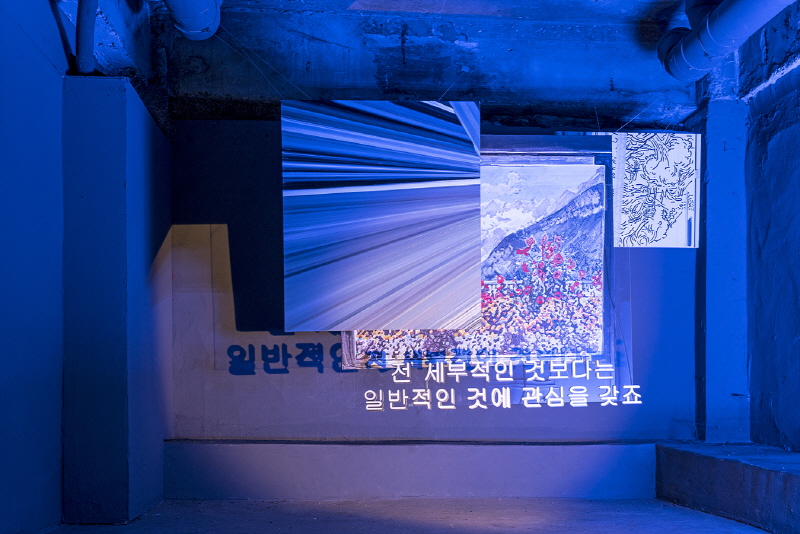
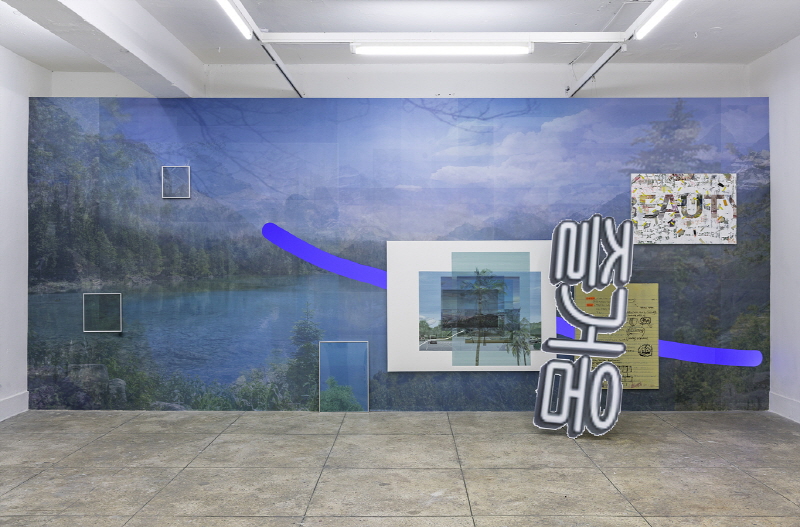
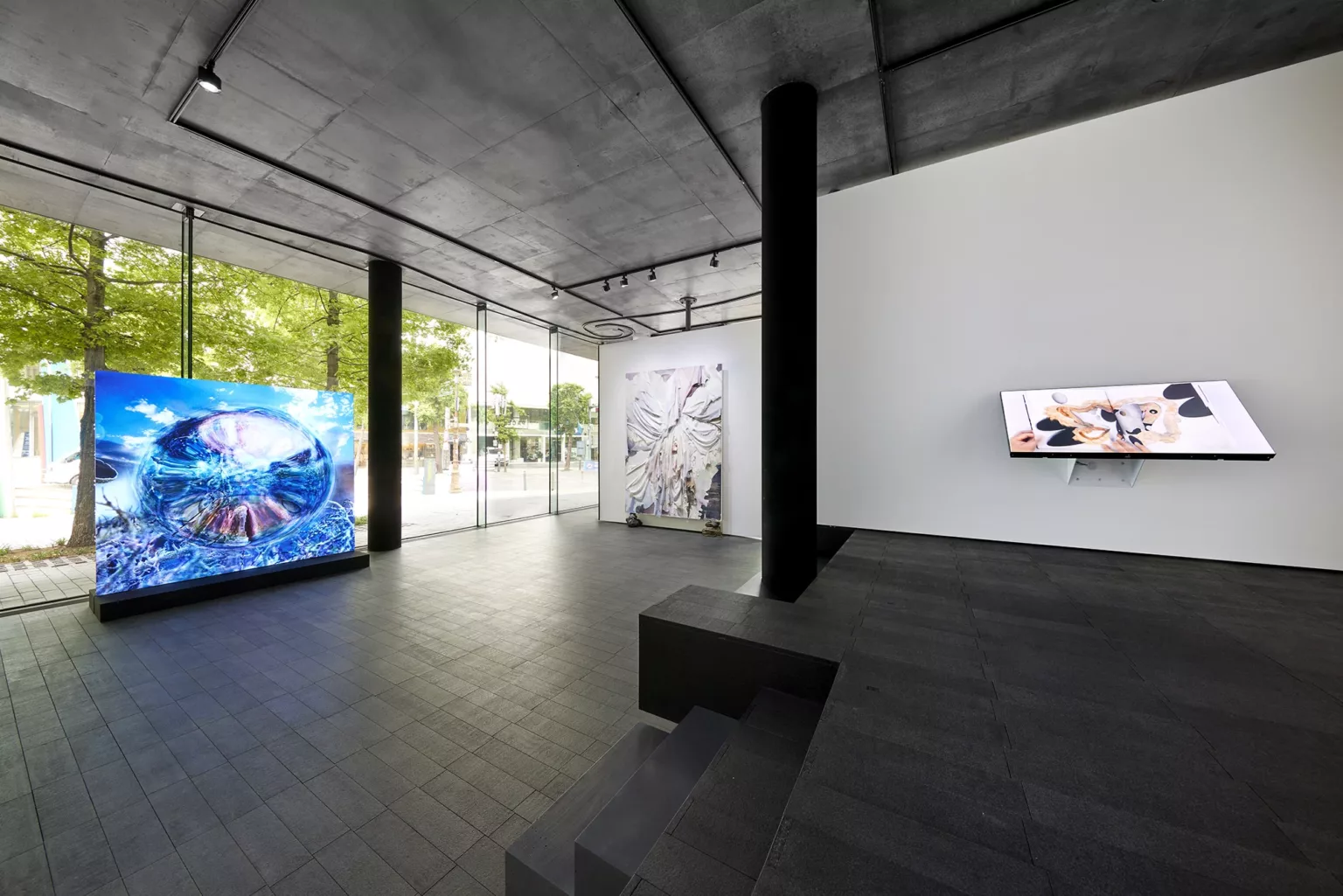
information. The transparent bodies (medium), clear of pigment, don various
nature images Chung collected from the internet through acrylic air-brushing,
inkjet printing, and UV printing. These bodies, much like petals of a blossoming
flower, layer upon and interweave with one another, becoming uncertain entities
full of potential. This process resembles the tactics of “receivers”(2), who
replicate or imitate other forms of nature or absorb their surroundings to
obscure or, conversely, highlight their existence.