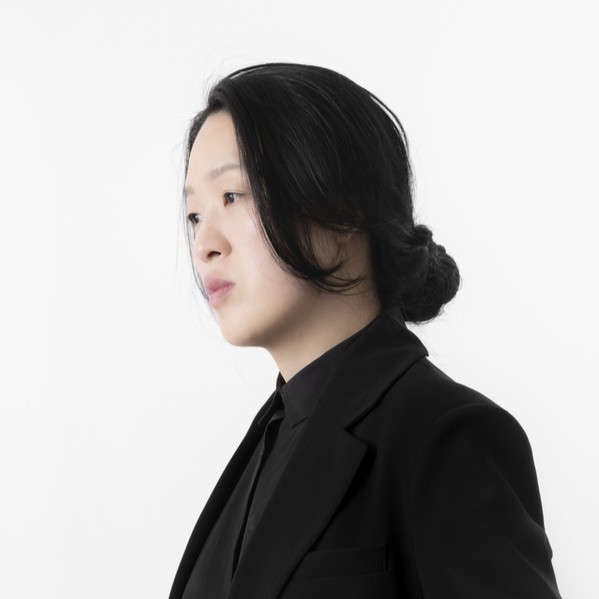
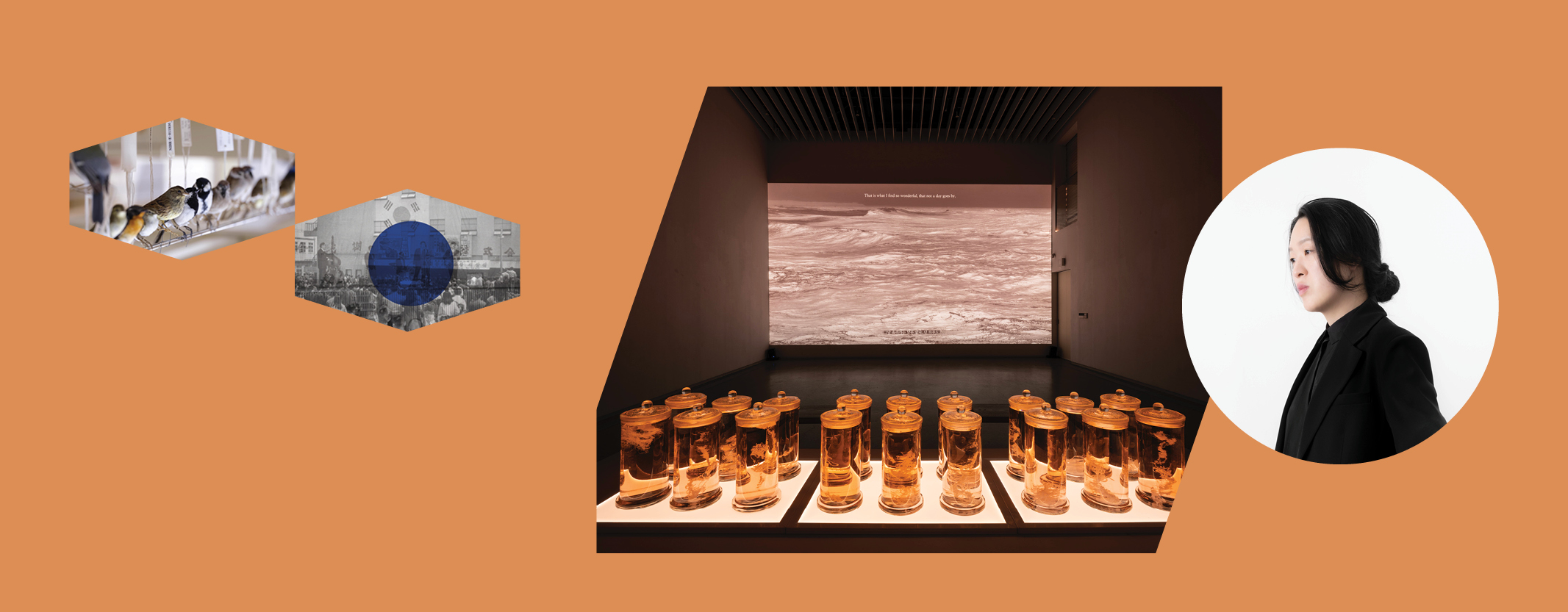
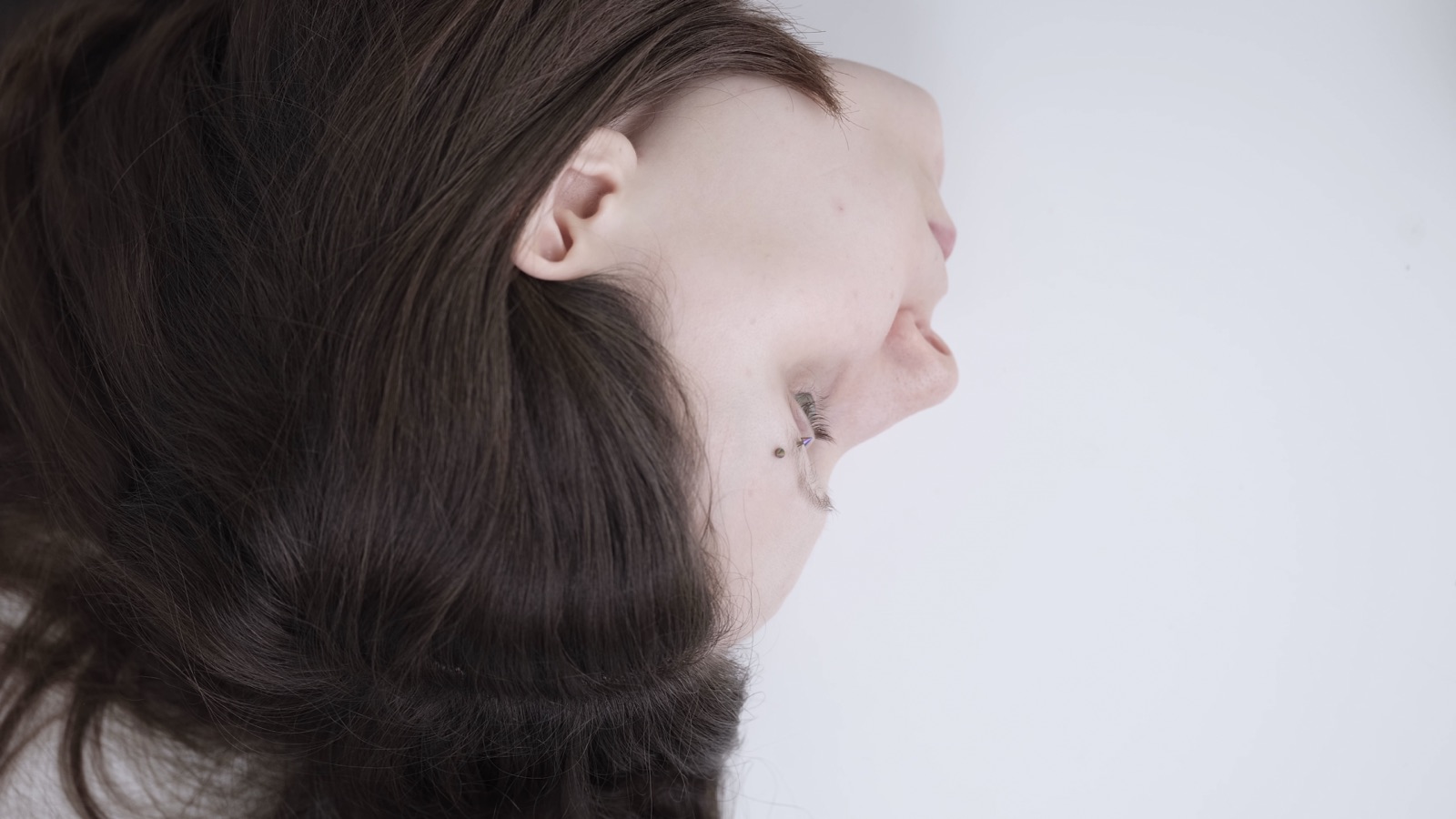
Ifie Sin intuitively and sensorially focuses on relationships between individuals, or between groups and individuals, and considers the social orders and rules constructed upon those relationships. Here, the terms “intuitive” and “sensorial” may also be understood as approaching a subject through the body rather than the mind, and through sensation rather than reason.
This is because, rather than understanding a phenomenon as a fixed event, she suspends conclusions and approaches it as a fluid sensation that resists definitive judgment, or recognizes it through modes of bodily experience. Instead of dismantling phenomena through logical analysis or interpretation and subjecting them to critical reason, the artist adopts a method of calmly depicting phenomena instinctively sensed at the microscopic level of individuals living in the contemporary world.
Some may expect contemporary artists to speak from a clear position and attitude—and I myself tend to support such art, as a critical standard capable of peeling away the surface before one becomes absorbed by superficial sensation is certainly necessary—but not all art must propose a new perspective or typology at this very moment. Perhaps new possibilities for thought can emerge precisely through observing phenomena tirelessly, consistently, and patiently while maintaining a steady distance.
The relationships that Sin attends to can be understood as observations of a kind of political condition grounded in tension. The artist understands this as a form of “battle of nerves,” a relationship between self and other formed through a state of invisible but taut tension. For Sin, this state of tension does not refer to psychological conflict experienced on the level of personal emotion, but rather to an inherent condition of the relationships formed by individual subjects in order for society to be constituted and function.
Depending on the new phase or situation in which the individual finds herself, one tension gives way to another, producing a cyclical state of conflict and resolution on a more productive level. Although the artist focuses on relationships within such states of tension—that is, political states—as mentioned earlier, she does not seek a solution for overcoming or transcending them, but instead acknowledges these conditions and continues to observe their development.
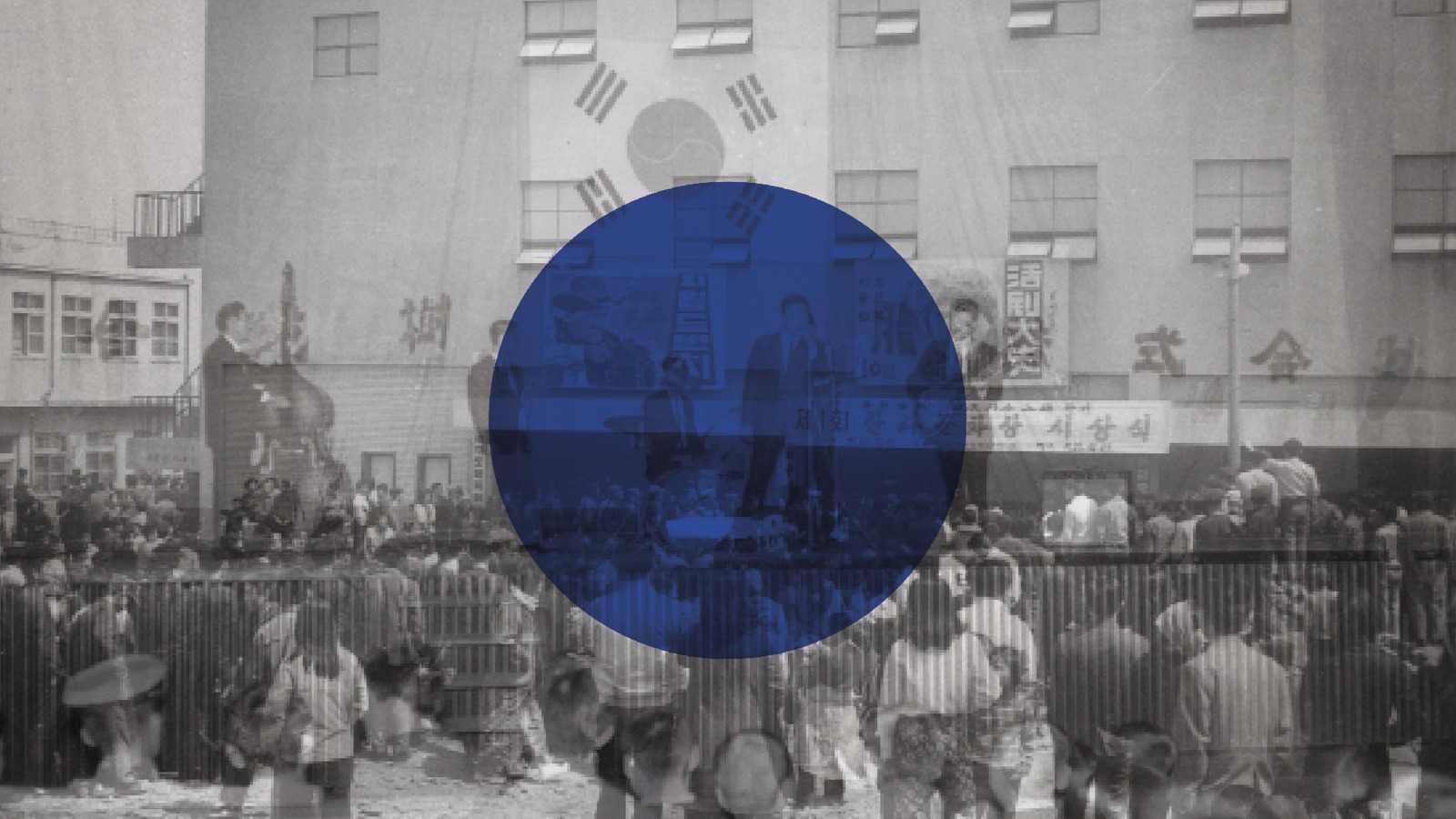
Within this consistent thematic framework, her work extends into social, political, and cultural contexts, including gender, race, migration, and urban issues, observing the different forms of relationships individuals establish when confronting groups and society. For instance, her early work began with the ideological division between North and South Korea in Red Ribbon(2008).
Although such tension undeniably exists within the reality of a divided Korea, it can be difficult to experience directly; the work makes this tension visible through the physical restraint and lack of freedom imposed on two performers in the video. In Cabbage(2008), meanwhile, she used cabbage as a medium to address migration and European prejudices arising from the appearance of Asian people.
These questions surrounding relationships began with conflicts and tensions arising at the point where external contexts define an individual’s social identity, before gradually converging on more fundamental questions of human relationships. To address this, the artist turned to the tools through which relationships are formed, particularly the problem of verbal communication.
In Talk(2011), for example, she questioned not only interpersonal modes of conversation but also effective communication for the formation and maintenance of groups and relationships. Here, the distance between individuals with different interests is translated into physical distance, while the loss of sensory information that occurs during the transmission of a message is explored through modes of communication borrowed from people with speech impairments.
In Flag(2011), she depicts the dissolution of community and the social isolation of the individual in a contemporary society dominated by goals and competing interests by juxtaposing the image of a figure waving a white flag with the sound of labored breathing.
At times, the artist places herself directly within interpersonal relationships, thereby standing in for the individual in a broader sense. In Breath of Relationship(2014), Sin appears as one of two individuals in the video and visualizes the opposition and tension existing between “self” and “other” through the medium of air.
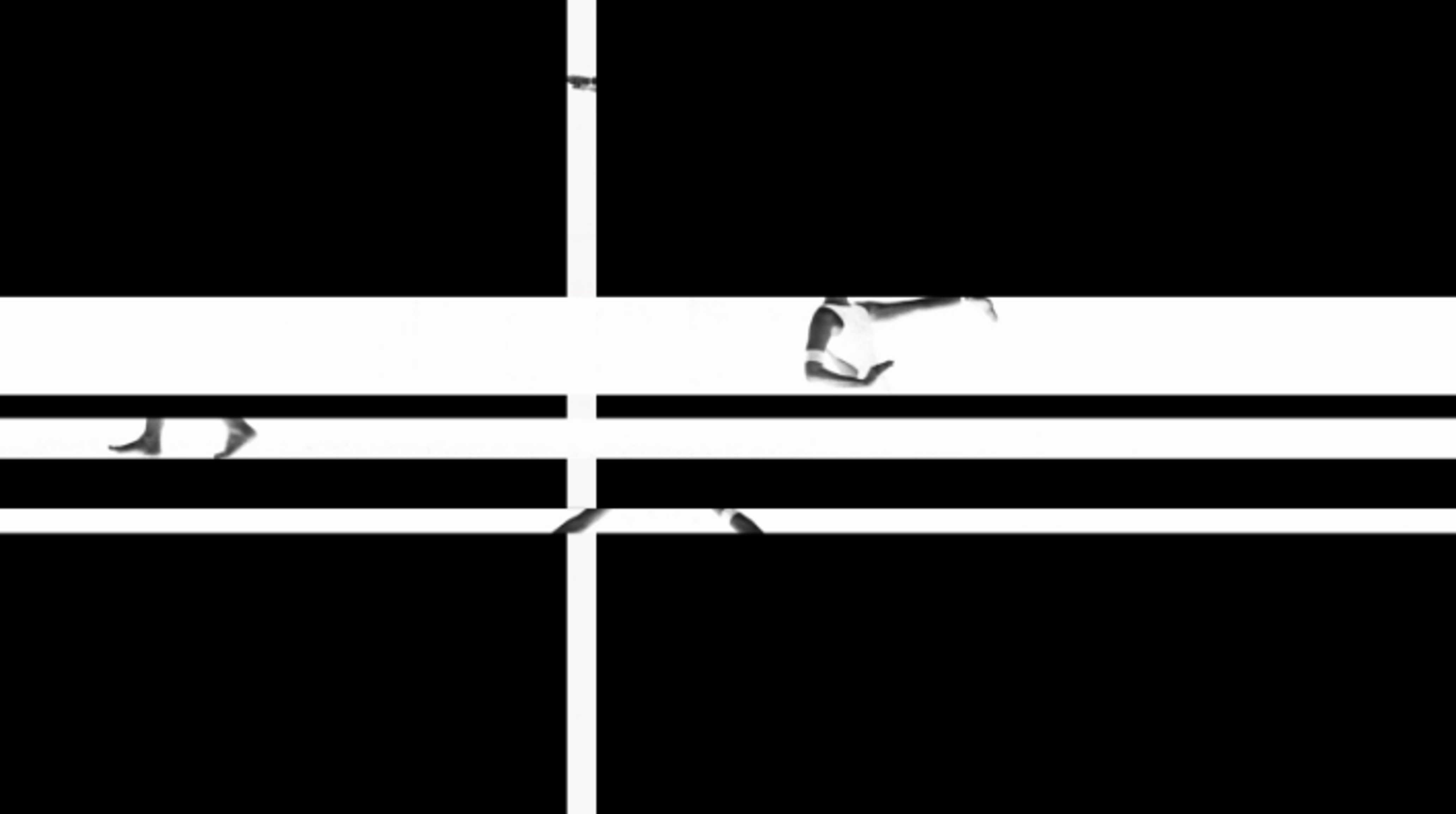
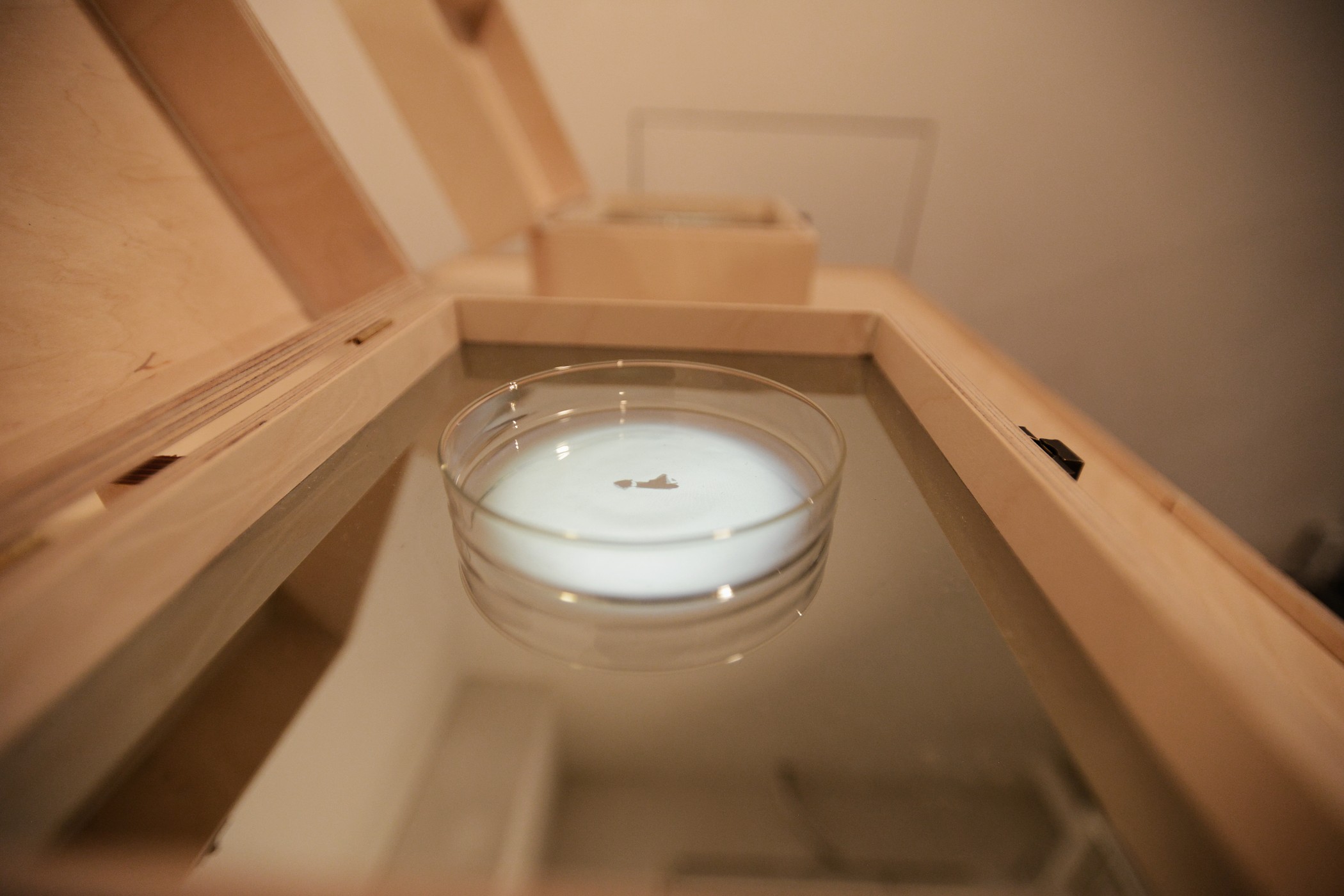
Here, air serves both as a medium connecting one person to another and as a device that transforms the conflict and opposition inherent in relationships into a mode of coexistence. Another important thread in her work is her questioning of the social rules and obligations she encounters as a woman. Cell Culture Dish(2014) raises questions about social scrutiny directed at women and standards of perception shaped by stereotypes through extreme bodily movement.
The intense movements of the body in the video go beyond choreography and appear as a vigorous struggle for life. By removing all visual information and imagery from the background and surroundings except for the dancer’s movements, the work also presents the female body as that of a subject not forcibly defined by external relationships, one capable of freedom from social constraint.
In her more recent works, questions about the fundamental nature of relationships between self and other become increasingly sensitive to the actual environments and conditions in which the artist finds herself.
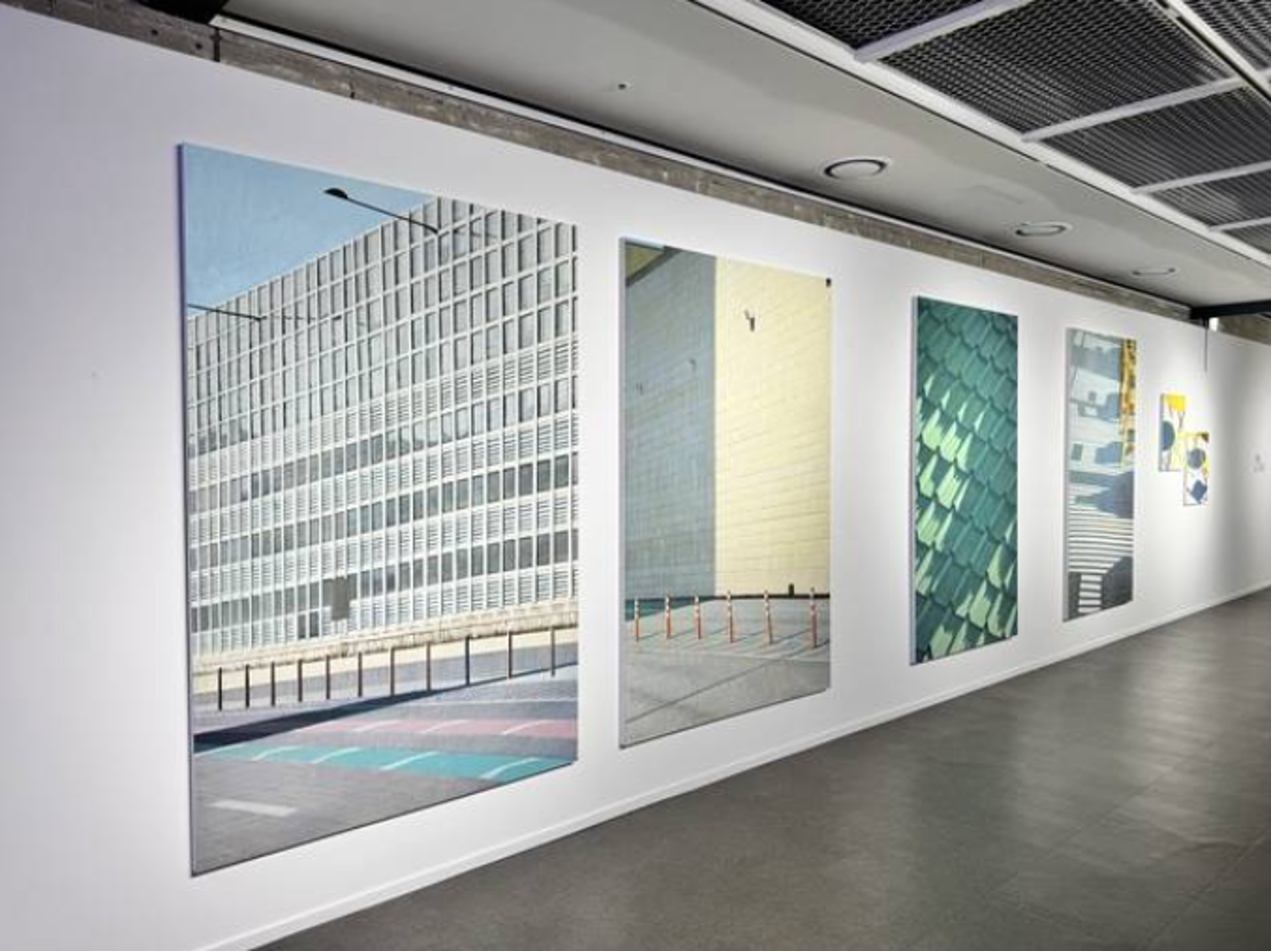
She portrays isolated individuals suffering from the absence of communication against the backdrop of contemporary urban architecture, films near Gureombi Rock in Gangjeong Village, Jeju, a site contested over the construction of a naval base, and stages performances in an old house in Seongbuk-dong shortly before its renovation. Against these everyday environments and significant social issues, images of social isolation, anxiety, and vulnerability are further intensified.
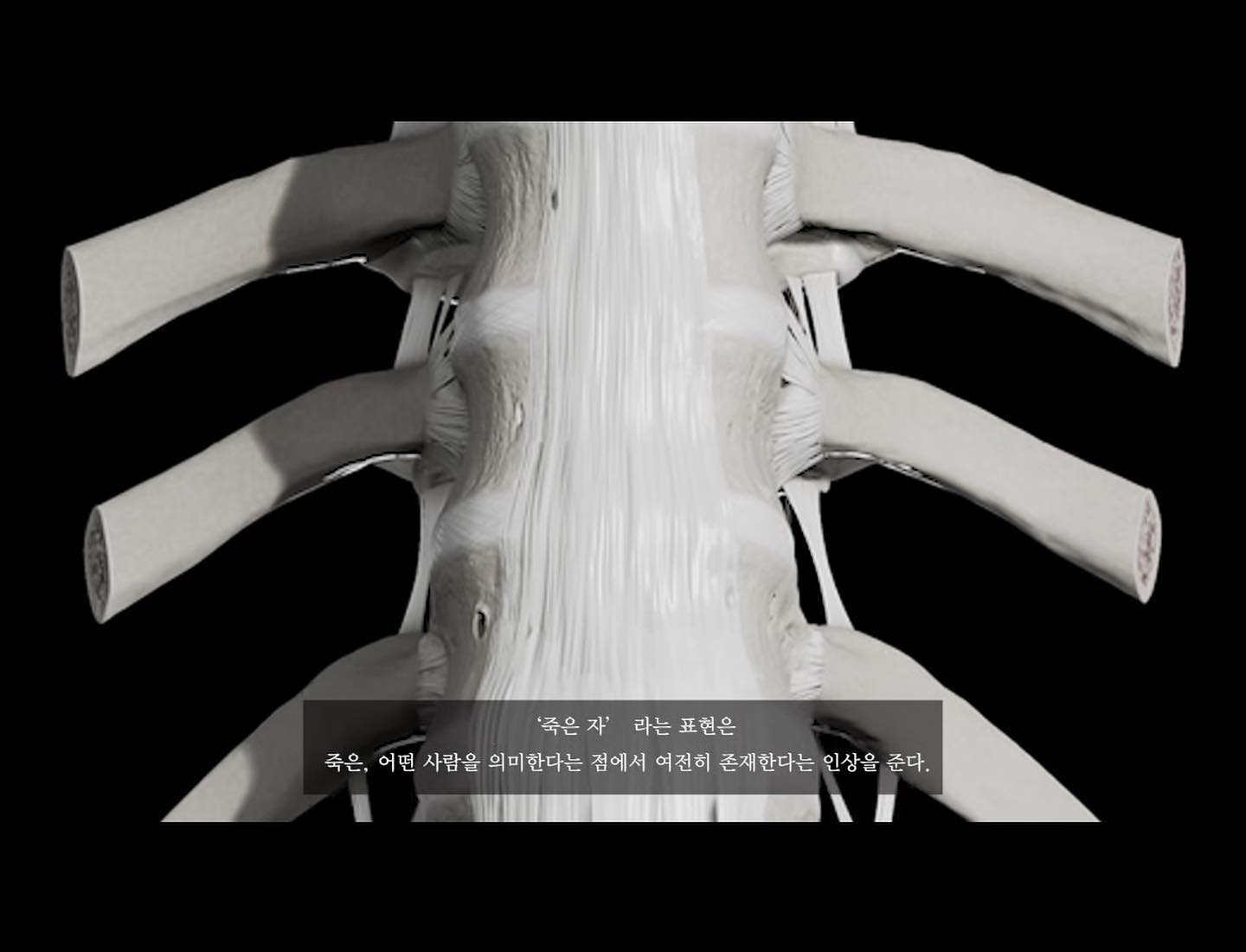
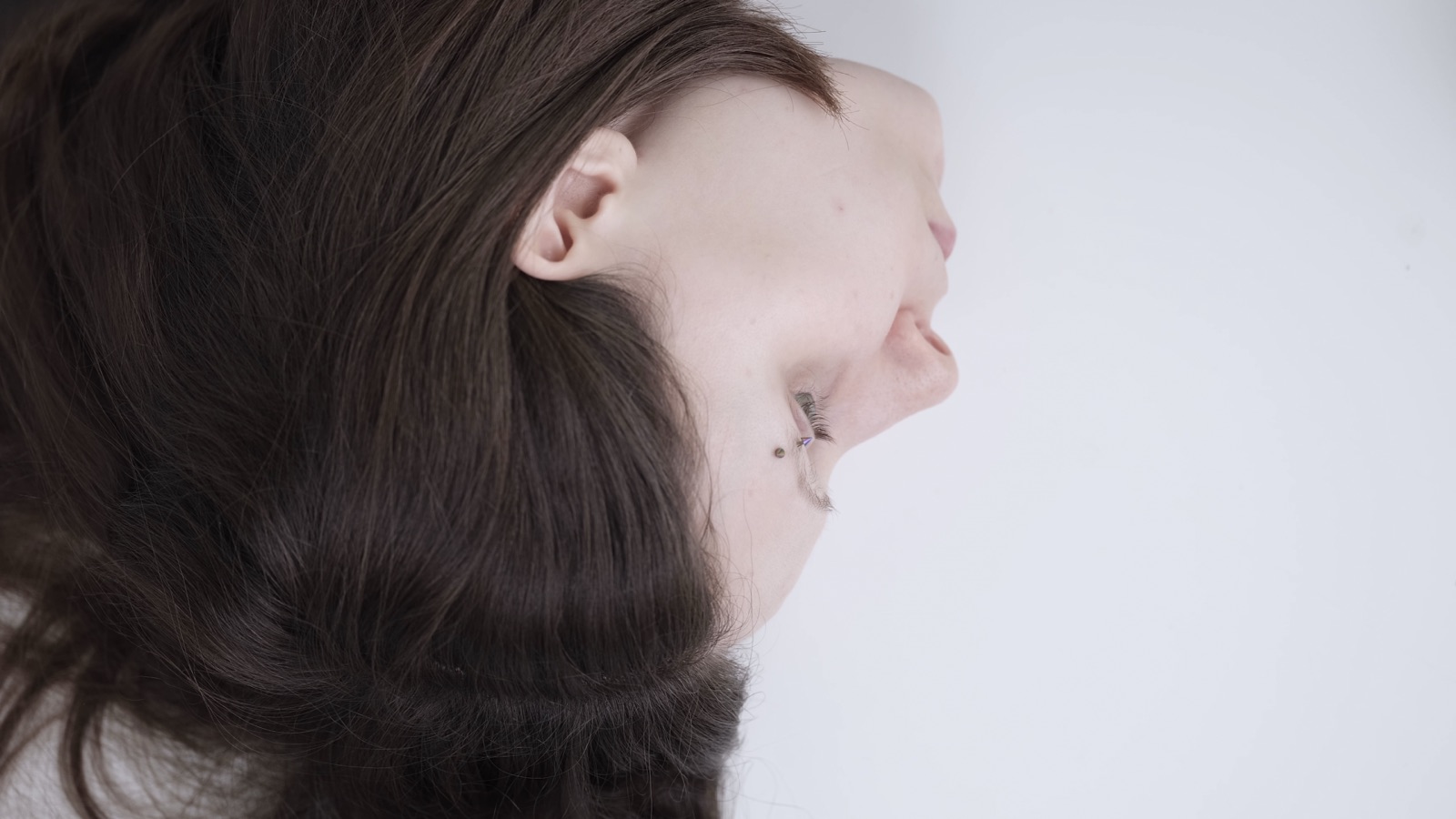
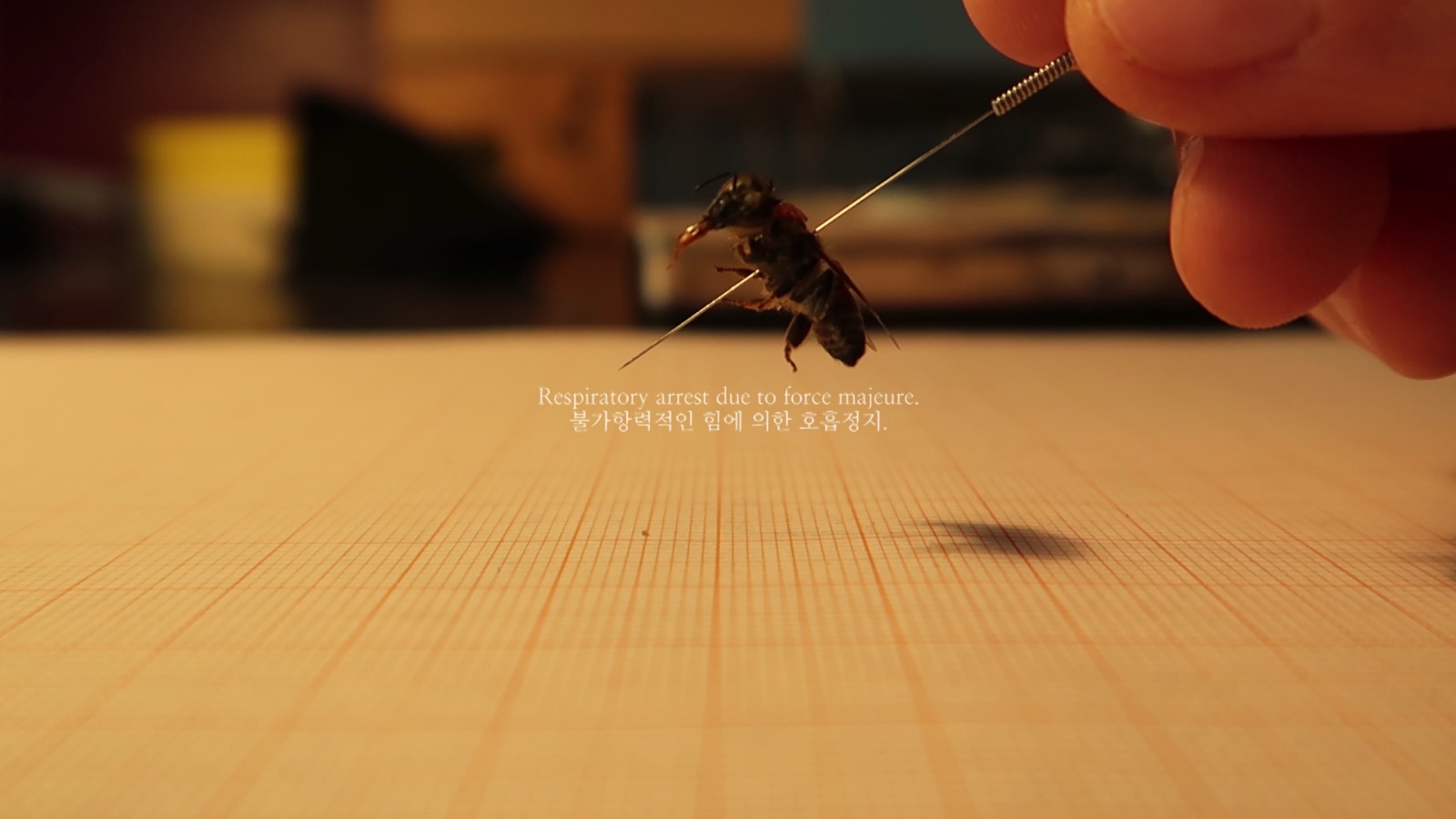
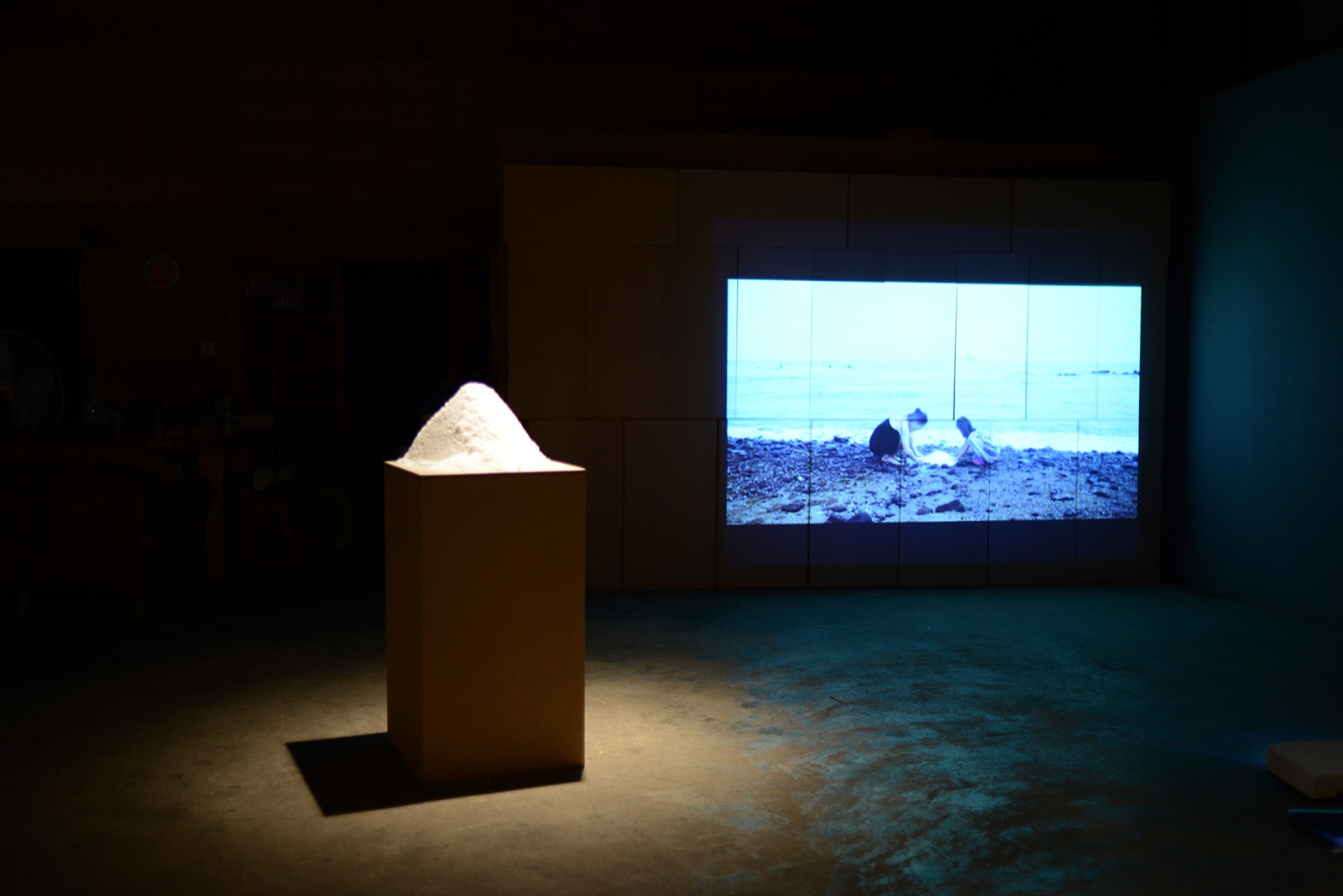
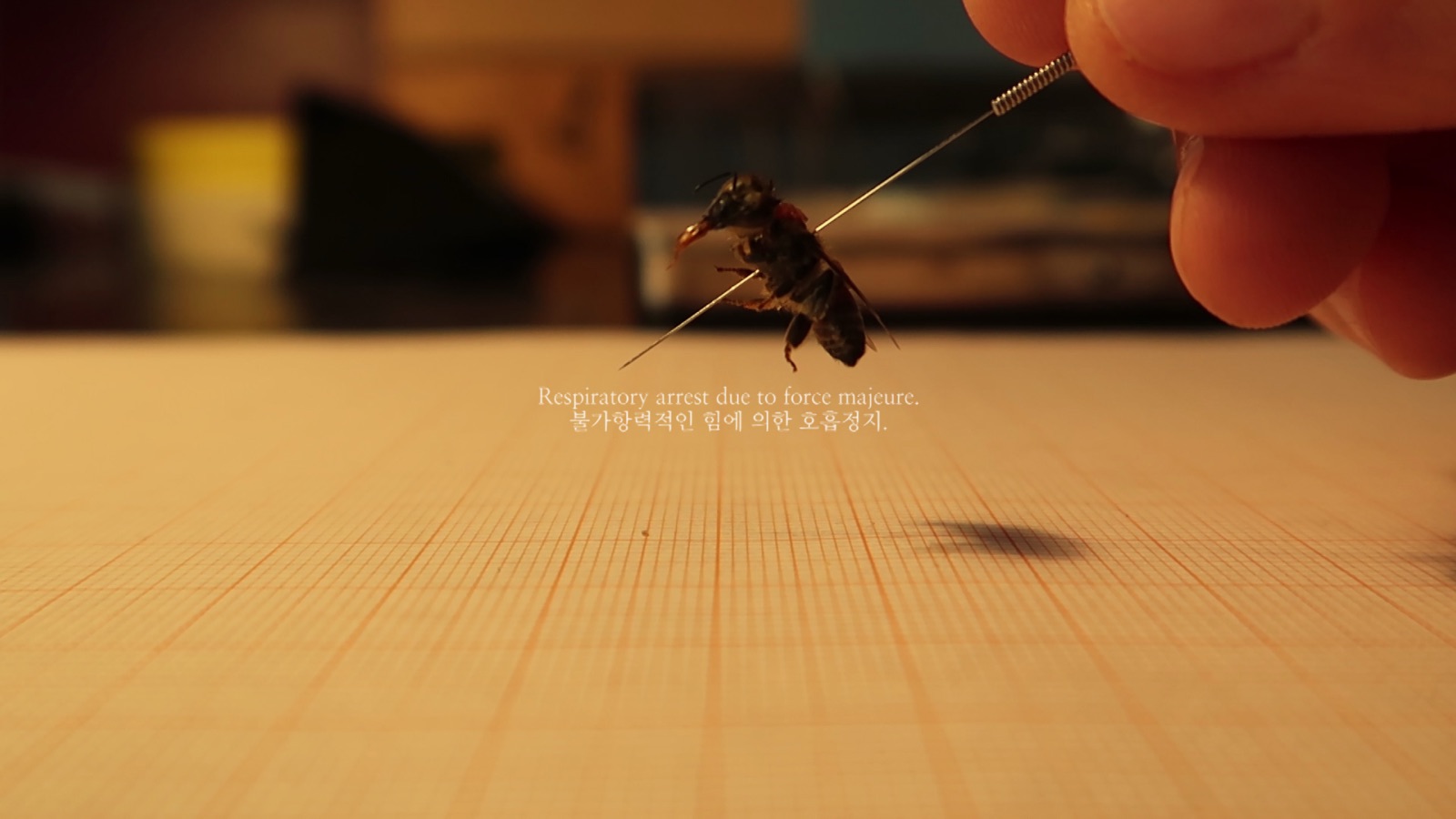
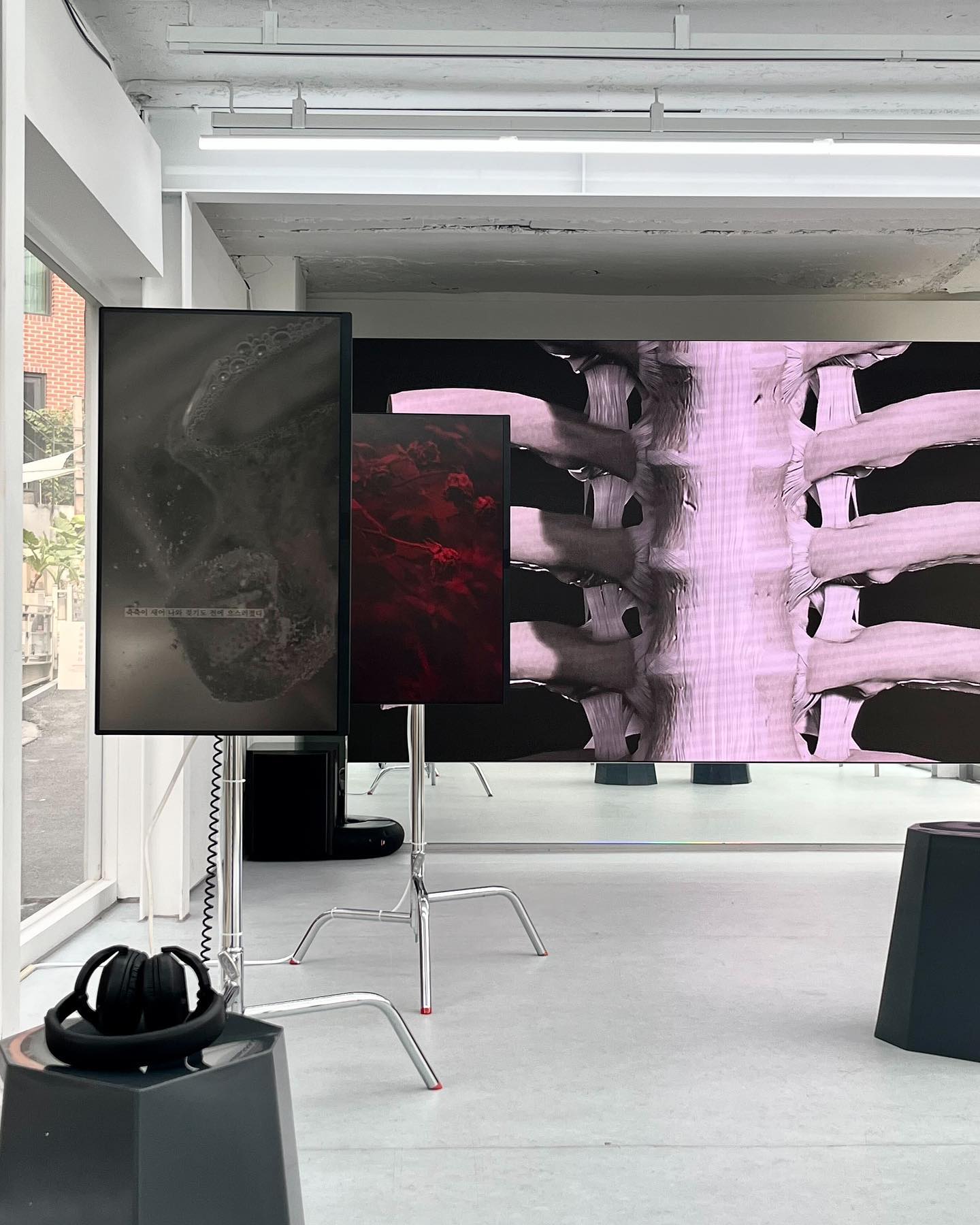
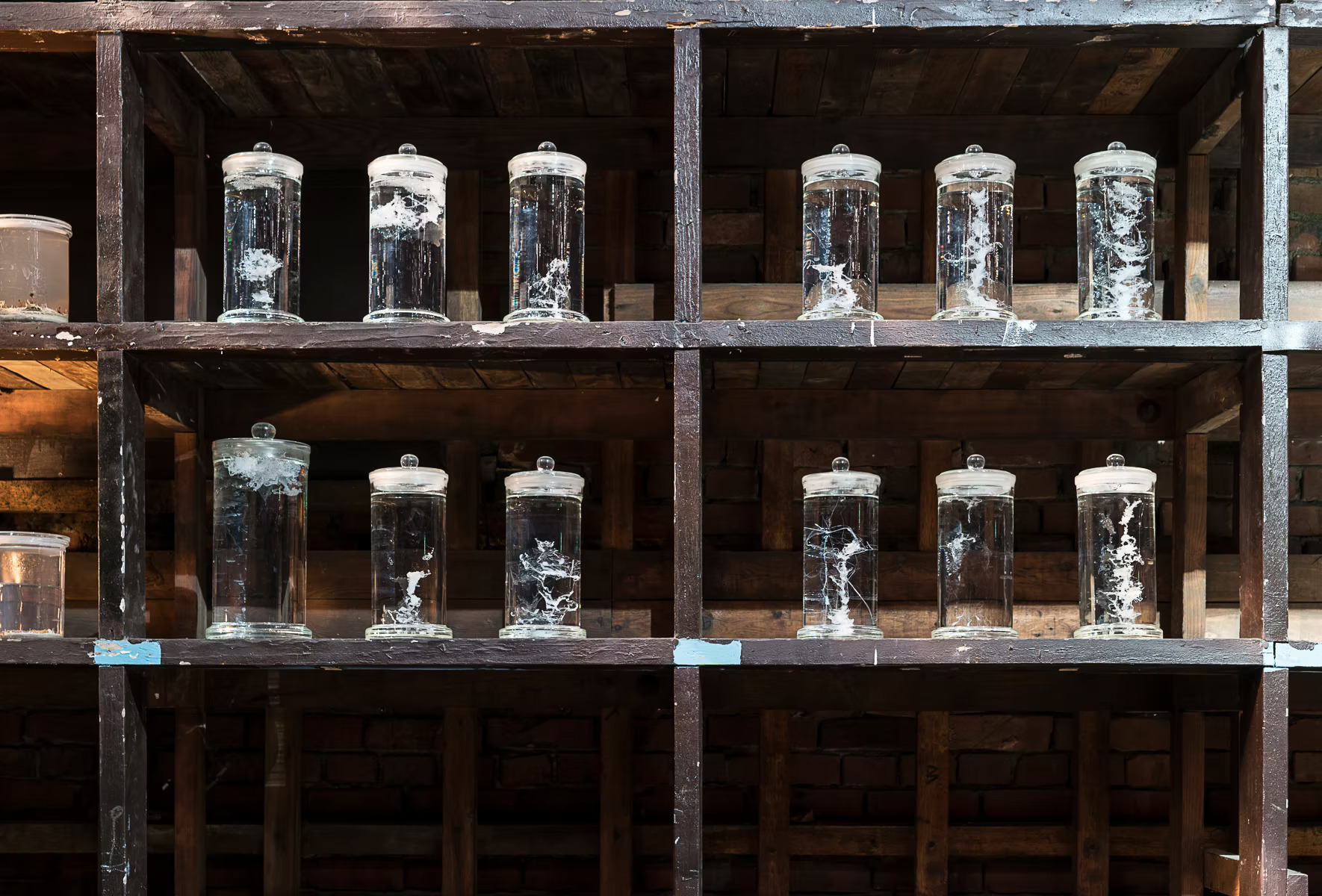
In her most recent works, Sin considers the body within social, political, and cultural contexts through the keyword of death, examining the increasingly isolated individual in contemporary society. In Autopsia(2017), she imagines death and its processes as something excluded from modern civilization.
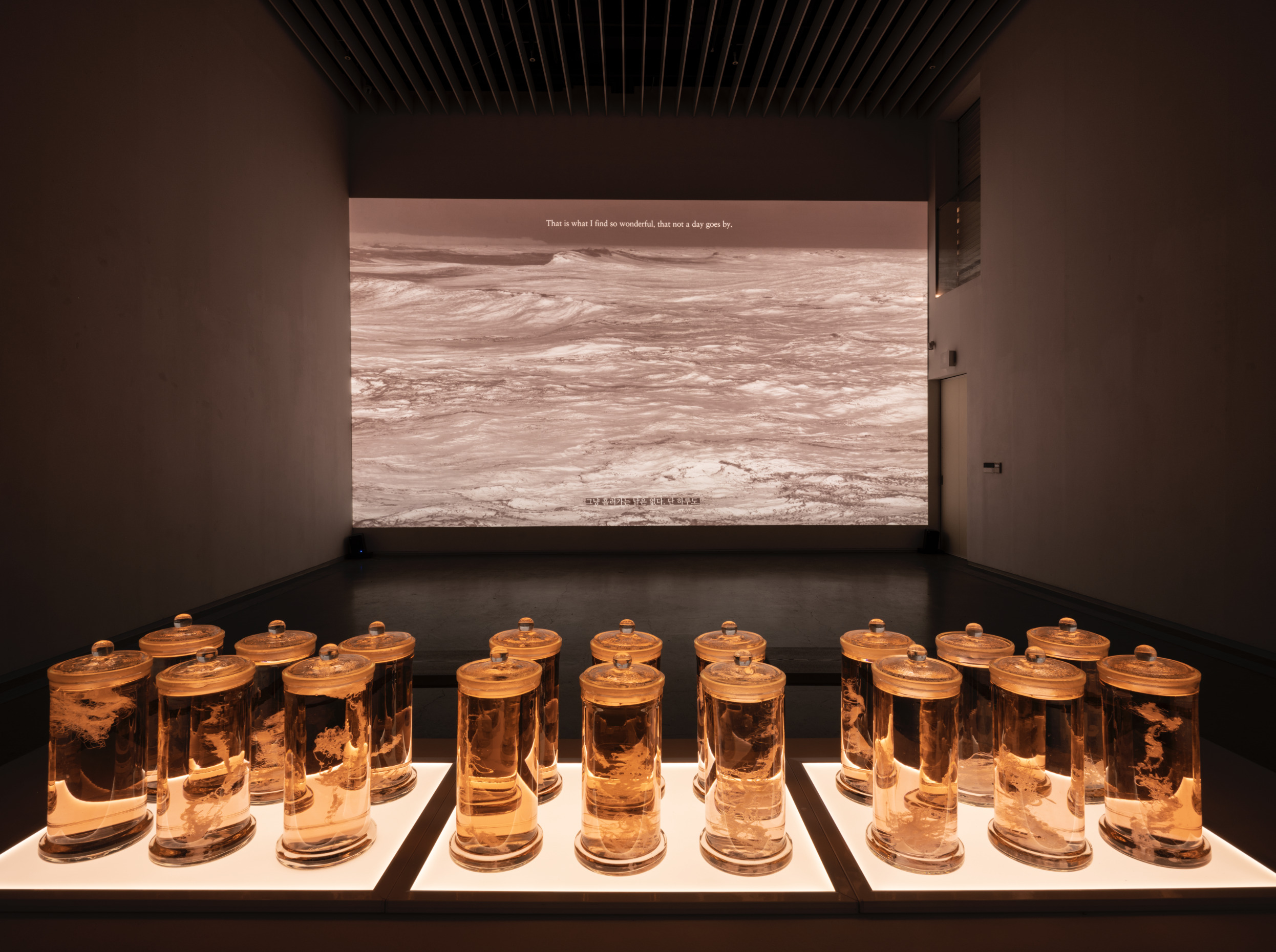
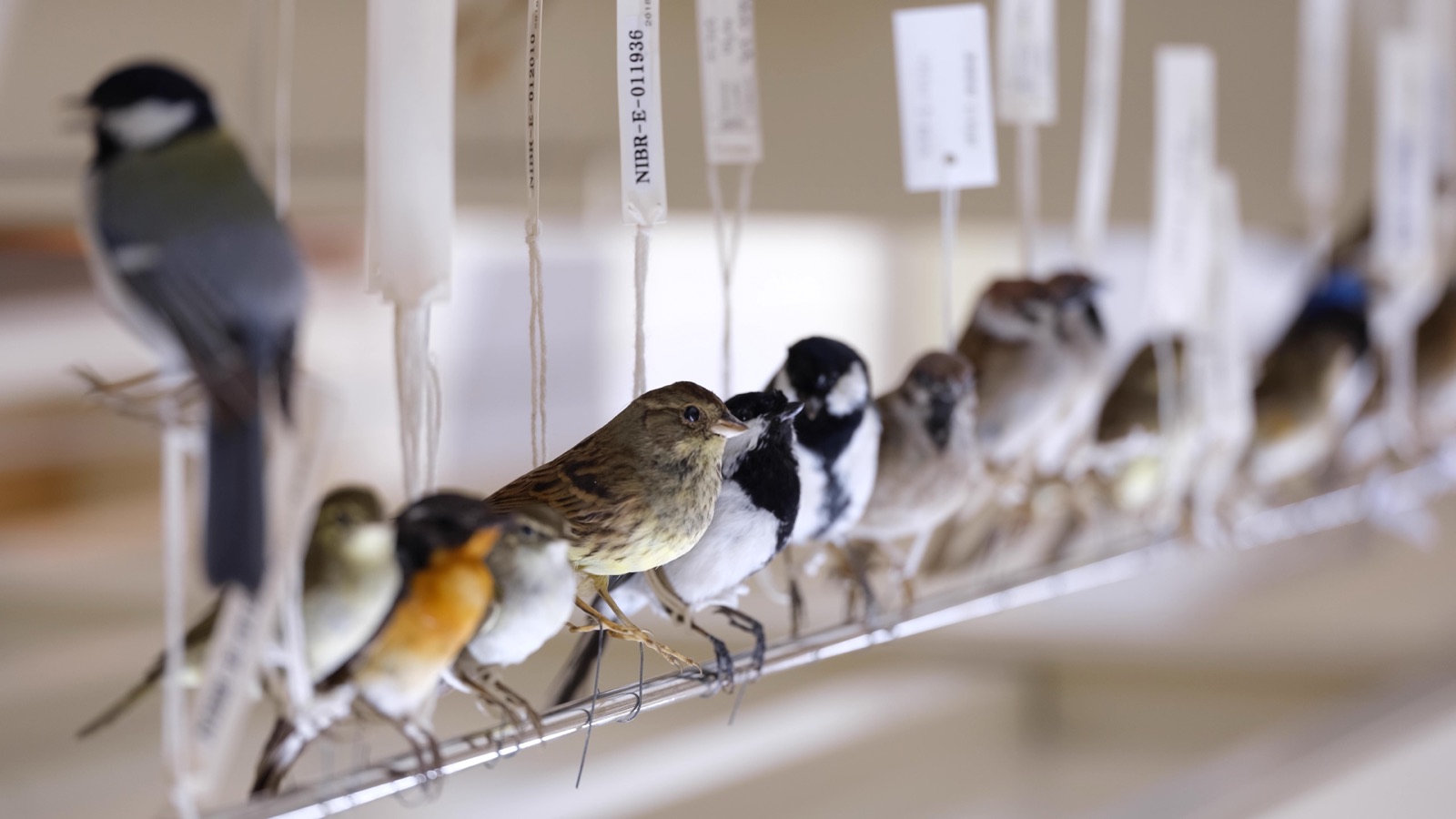
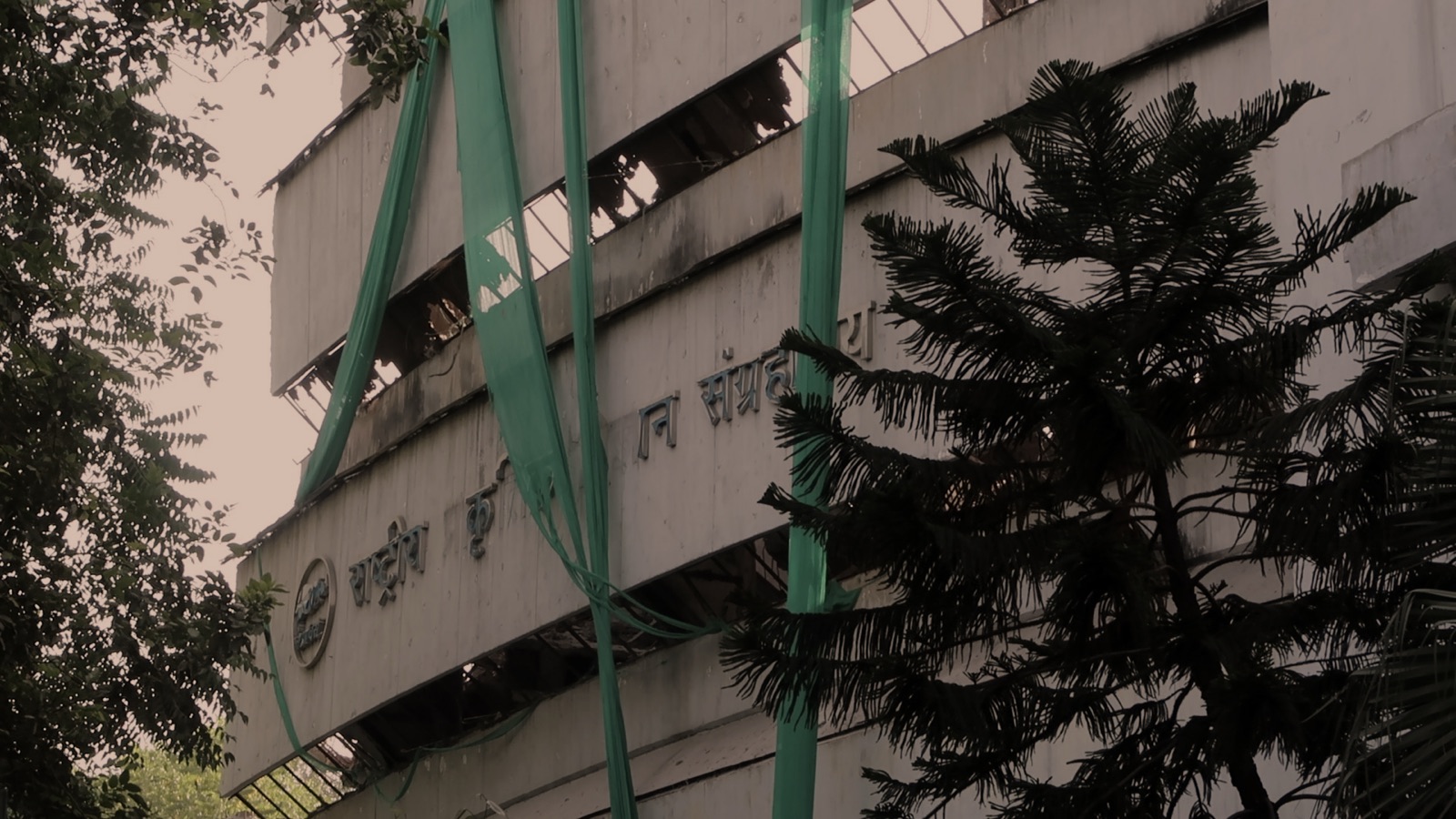
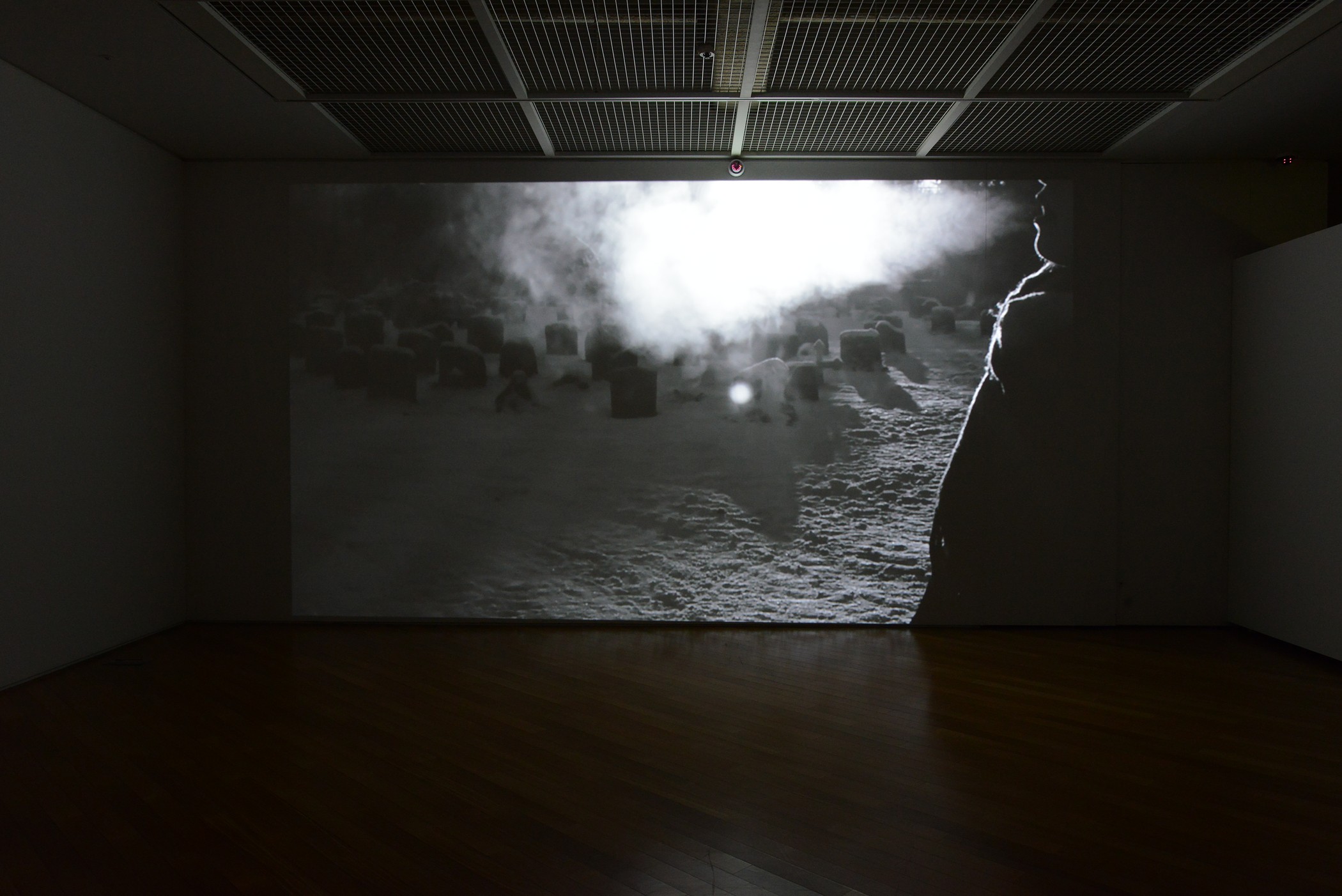
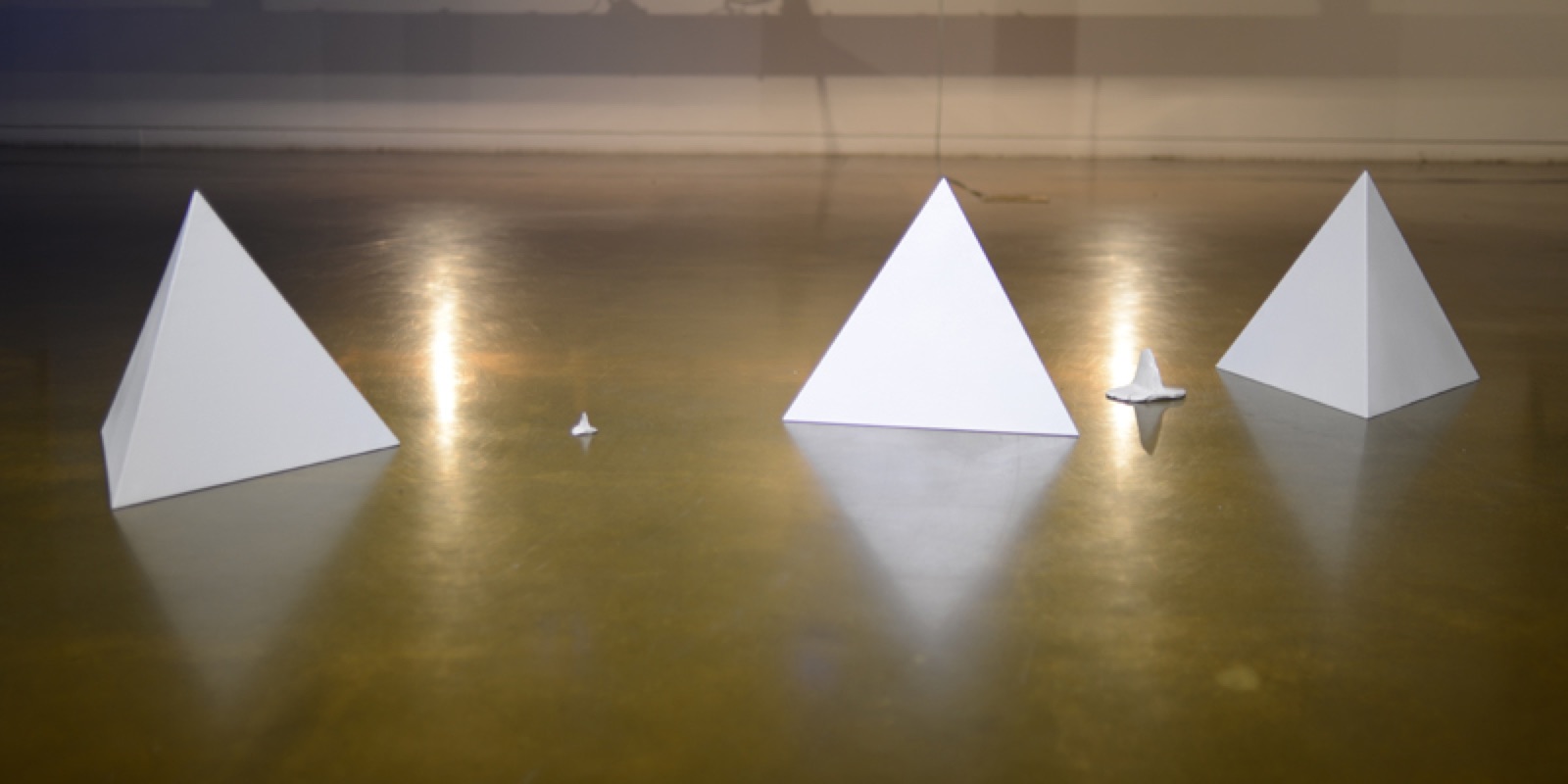
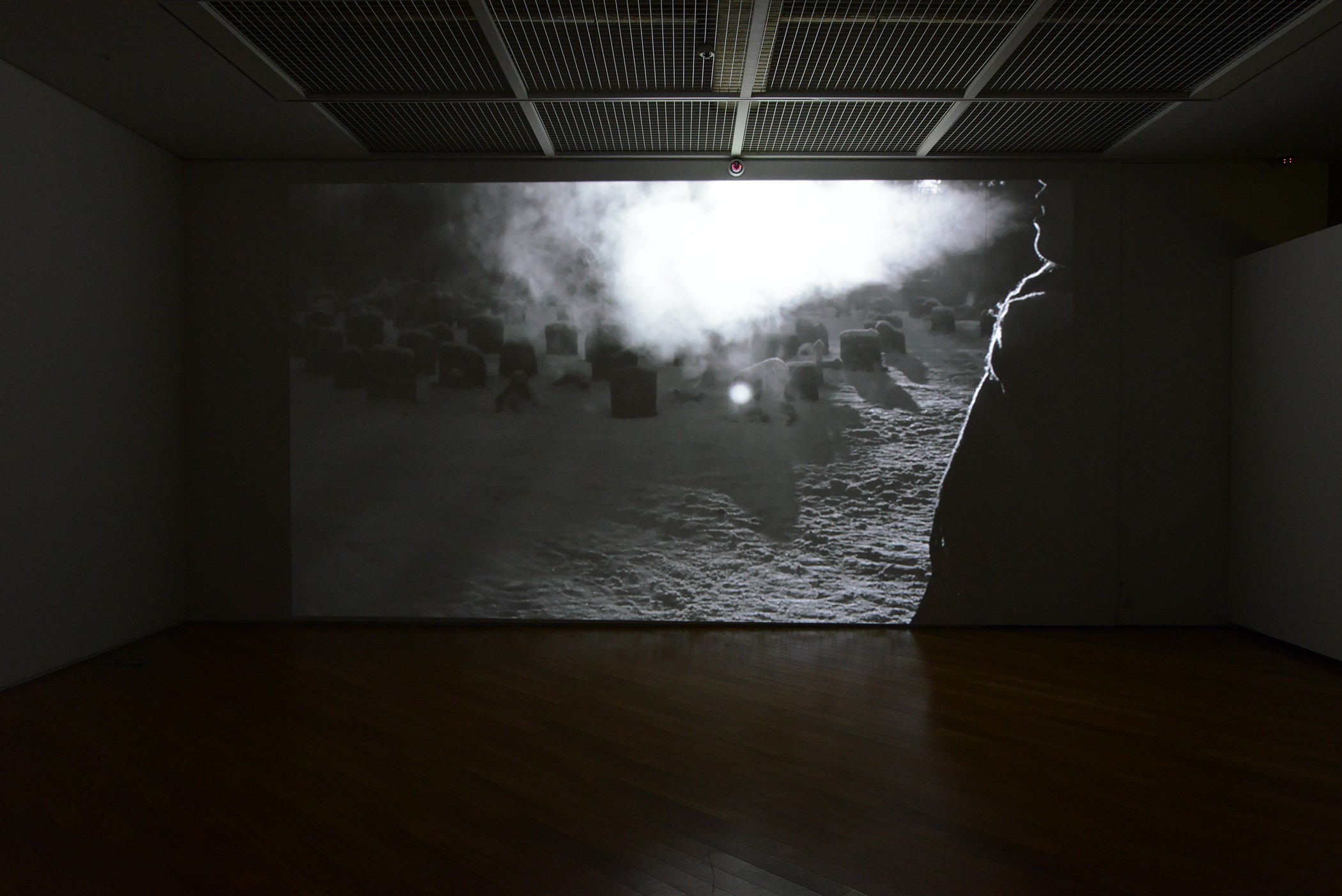
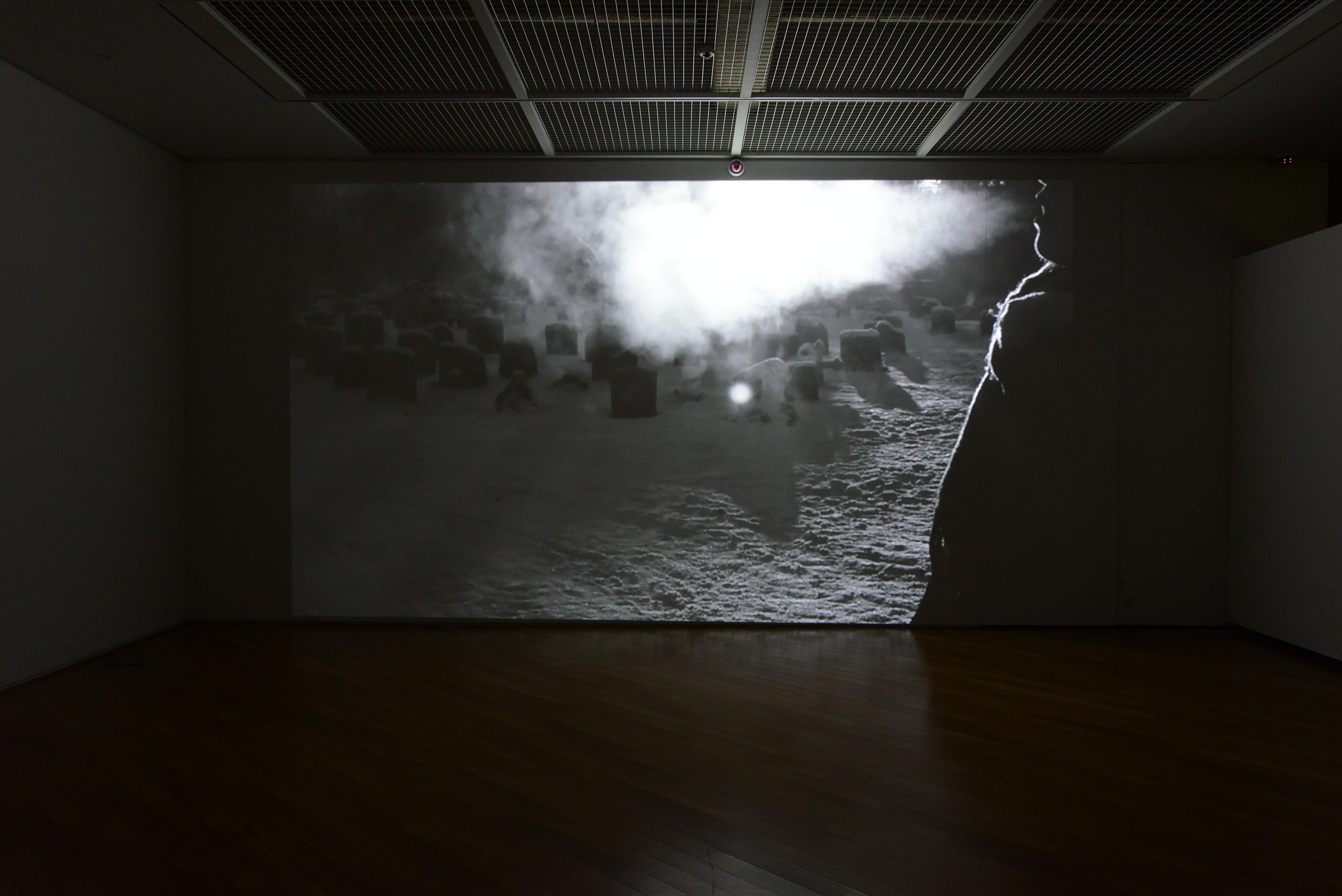
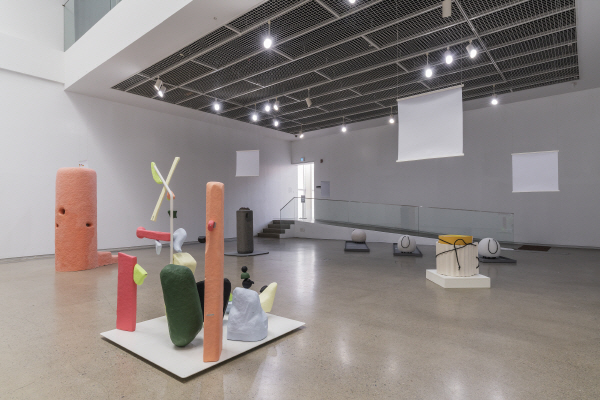
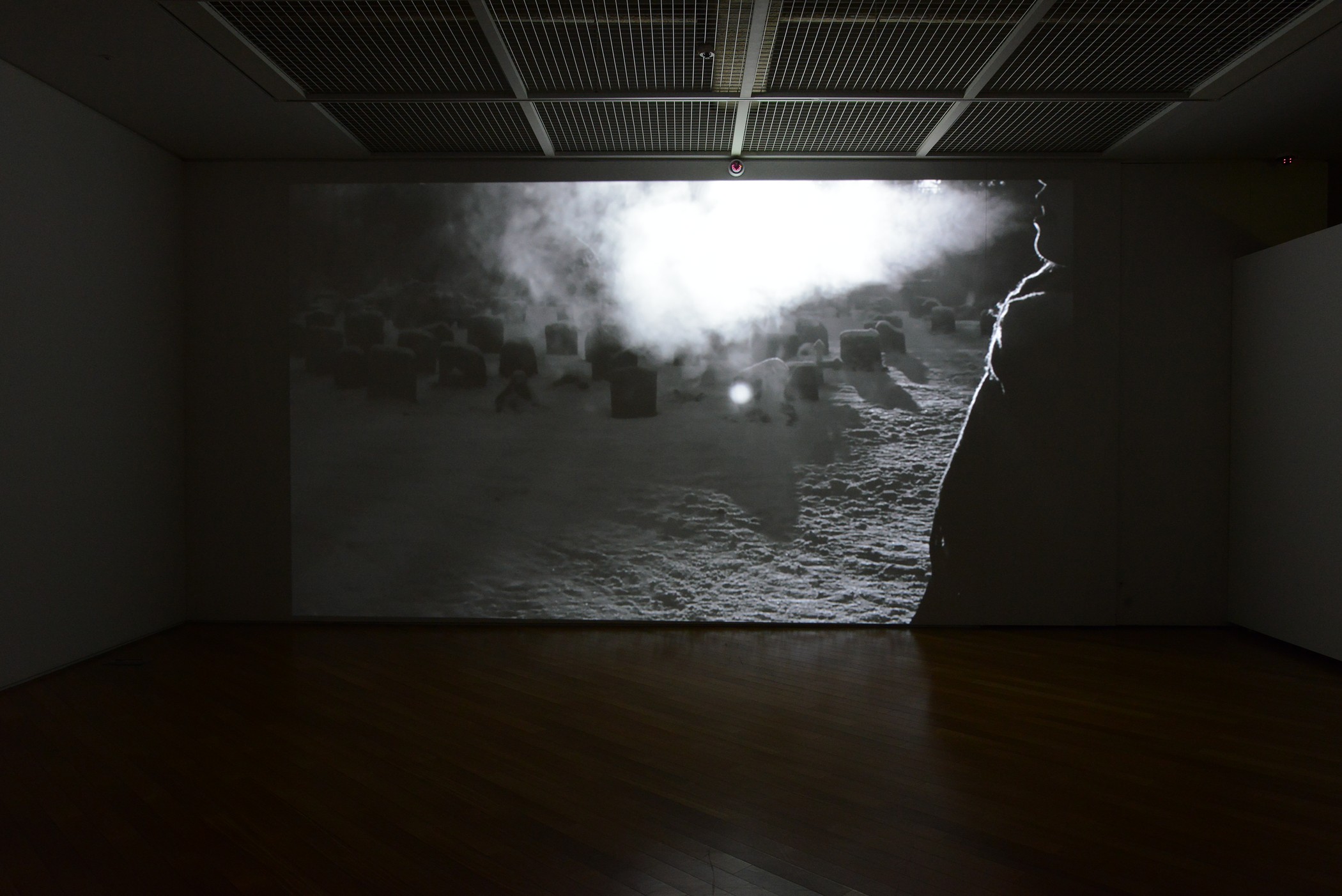
In A Sleep in Whiteness, the eponymous work presented in her current solo exhibition 《A Sleep in Whiteness》(SONGEUN Art Cube, 2018), she combines images of cemeteries symbolizing death, barren and unsettling landscapes devoid of human warmth, vast natural landscapes in which the individual is reduced to a tiny point, and plaster figures shaped like human bodies yet lacking life, thereby suggesting the social disappearance of the individual through an analogy with biological death.
In this way, the social death and end of relationships that her recent works liken to physical death may be understood as both an insulation from relationships that function (ab)normally only through supposedly rational actions conforming to prescribed social roles and purposes, and the beginning of a cyclical process through which new relations of tension are formed.
In modern life, where individuals confirm the value of their existence through social activity, relationships continually change in form, yet they also remain a dense network supporting the functioning of the world in one way or another.
However, as Walter Benjamin lamented the disappearance of mental relaxation in modern society, comparing it to a nest of time and relaxation in which the dream bird comes to rest, imagining communal relationships grounded in genuine empathy, attentive listening, and wholehearted identification with one another may be impossible in a contemporary society driven by excessive attention. Yet from a cyclical worldview, death is connected to life, and disappearance therefore also implies new creation.
From this perspective, perhaps the death that Ifie Sin observes in the present can be understood as an attempt to sever the relationships of opposition and tension confronted by individuals who continue forward despite recognizing their own isolation and disappearance, while preparing new ground for relationships and returning them once again to a point of departure.