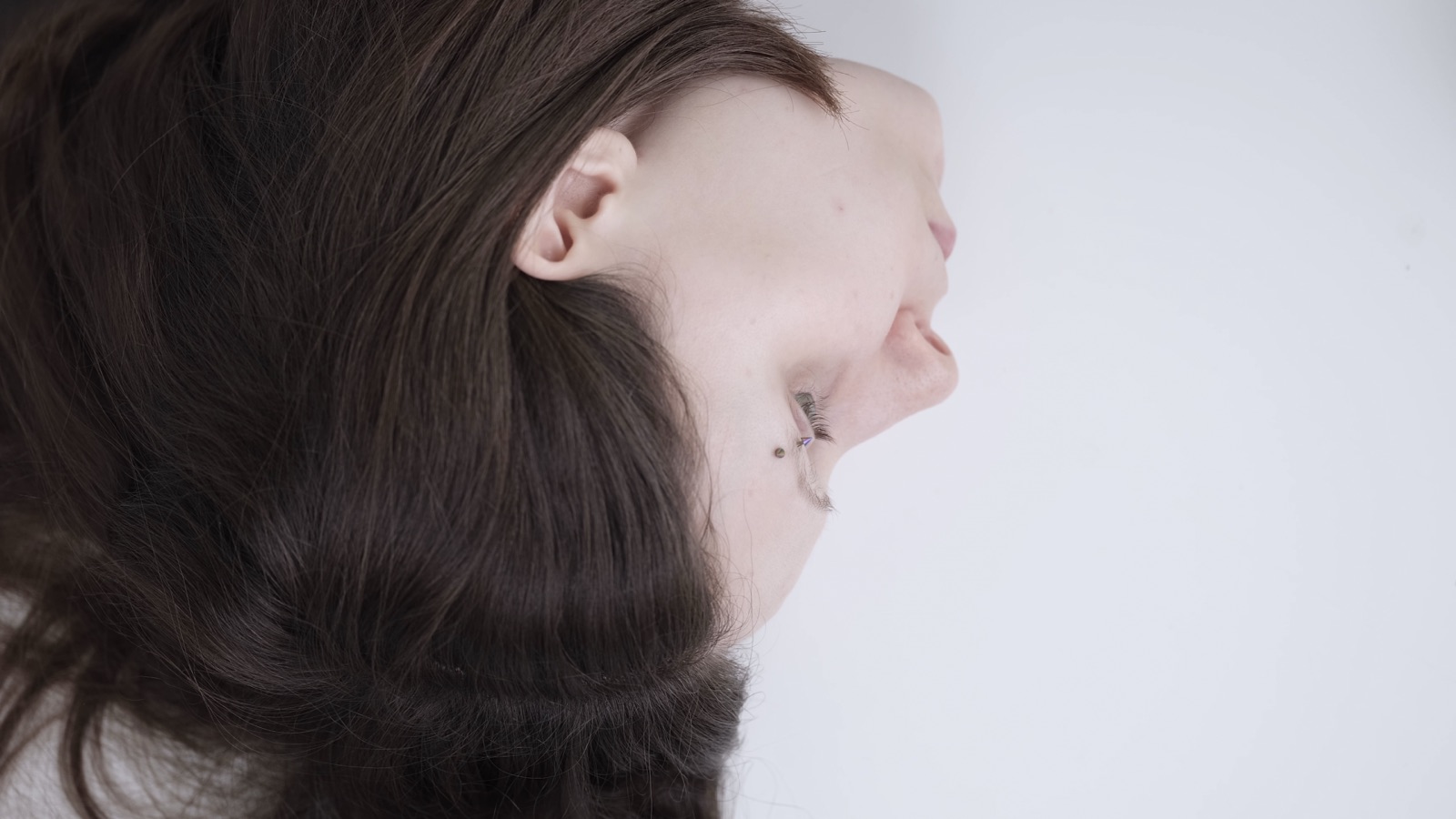
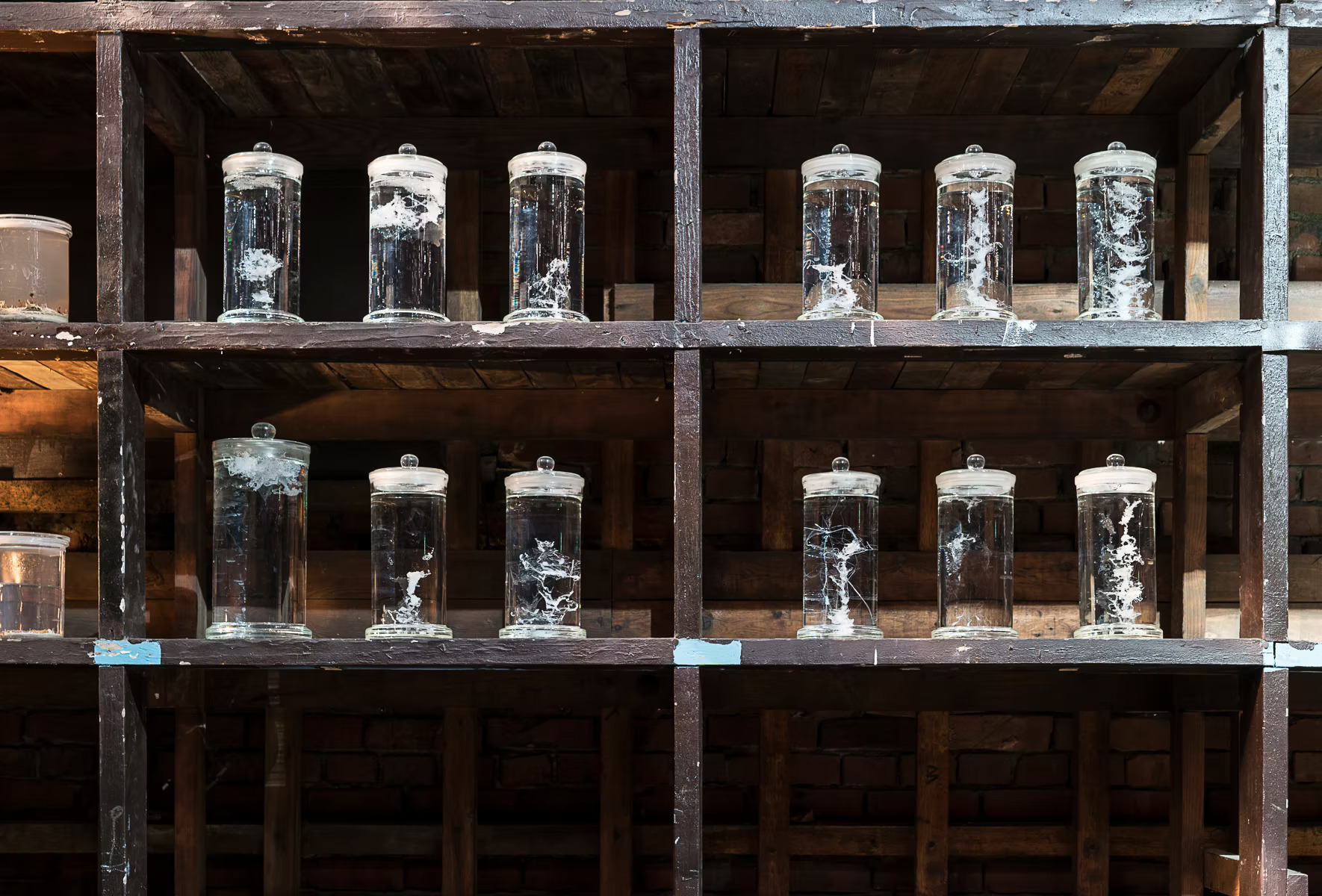
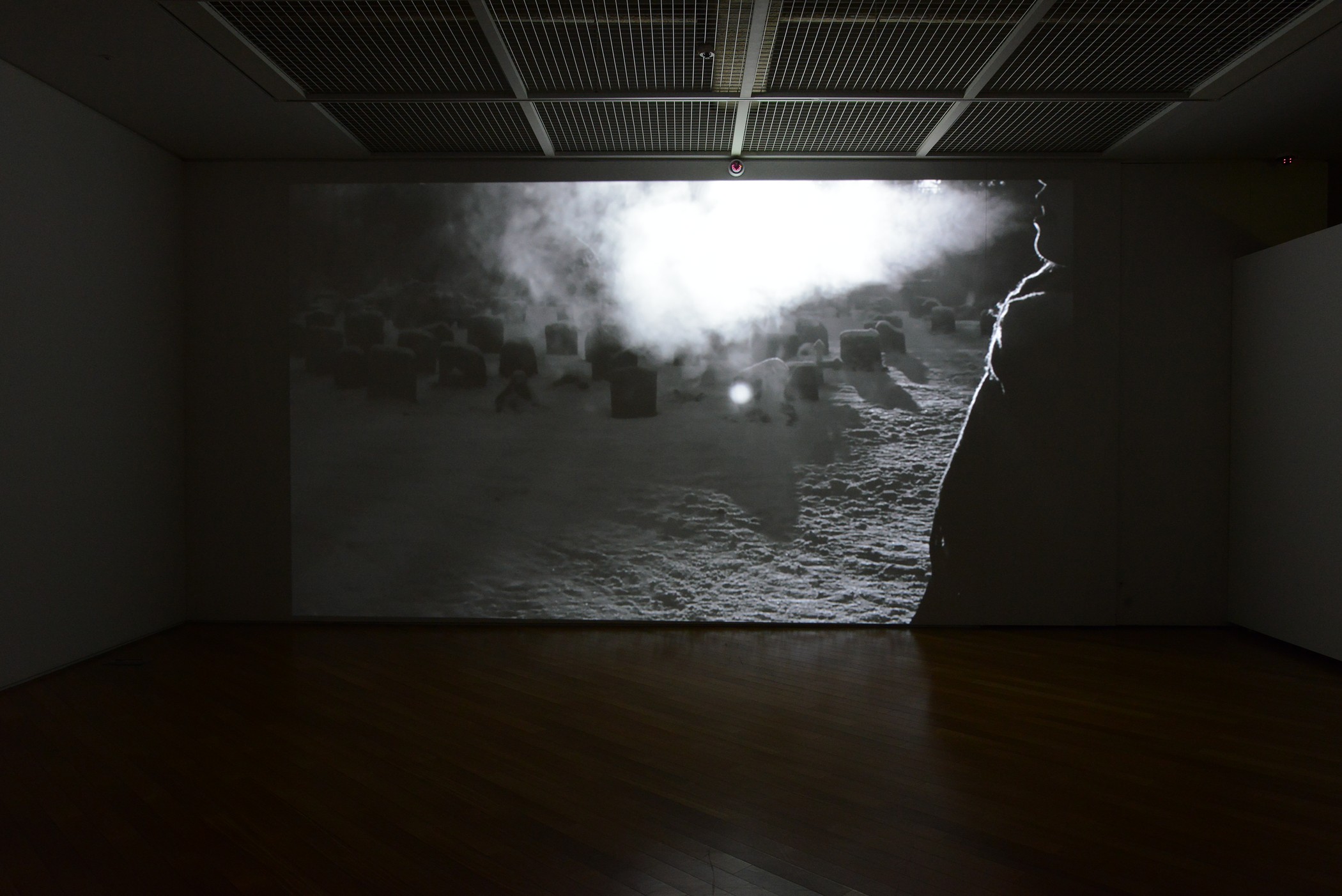
Ifie Sin (b. 1981) has developed a practice centered primarily on video-based performance and installation works. In particular, she presents the “laboratory” as a process of microscopically visualizing human social relationships, translating into video the individual narratives that mark each person as a cell within systems of censorship and rules.


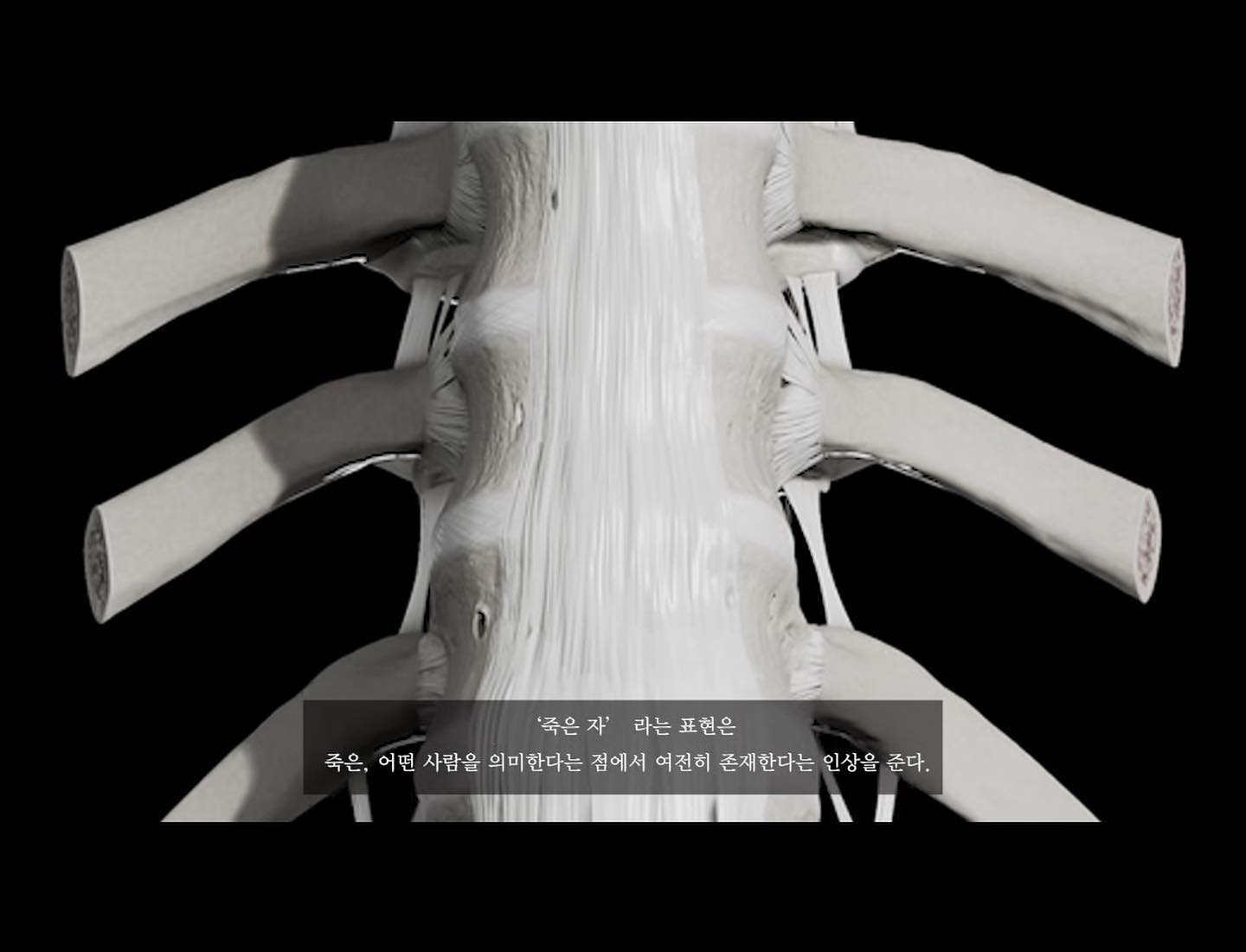
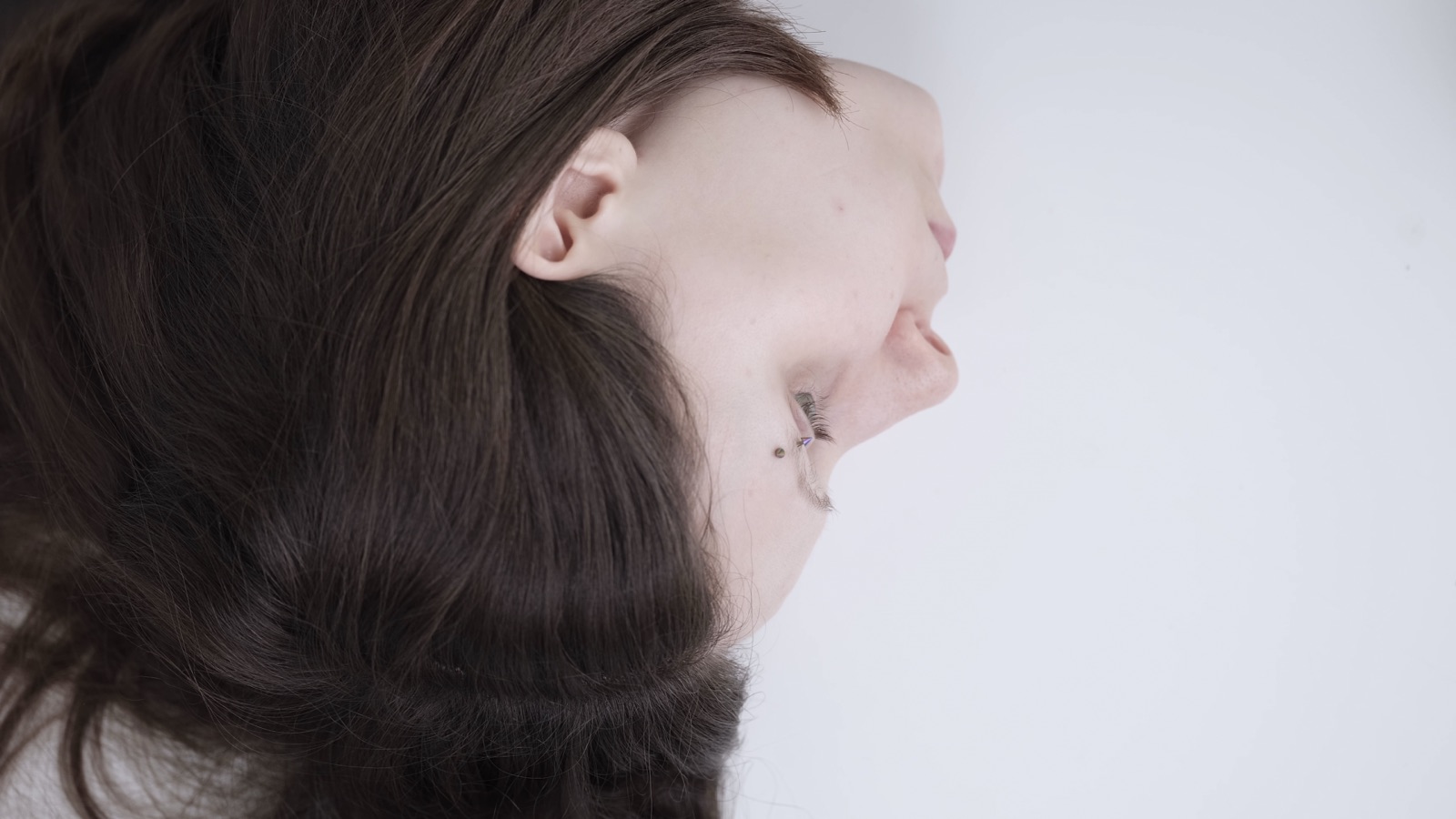
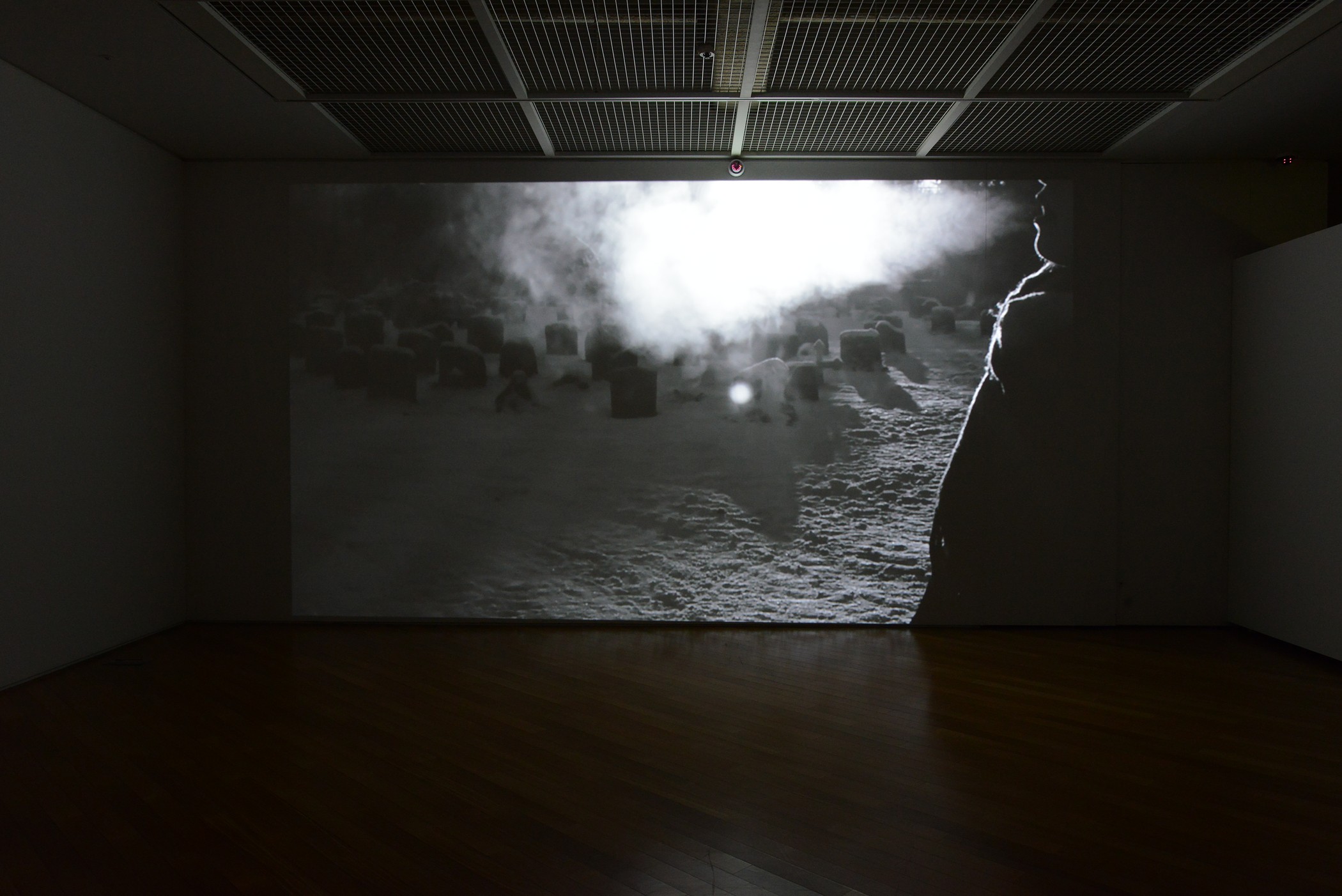
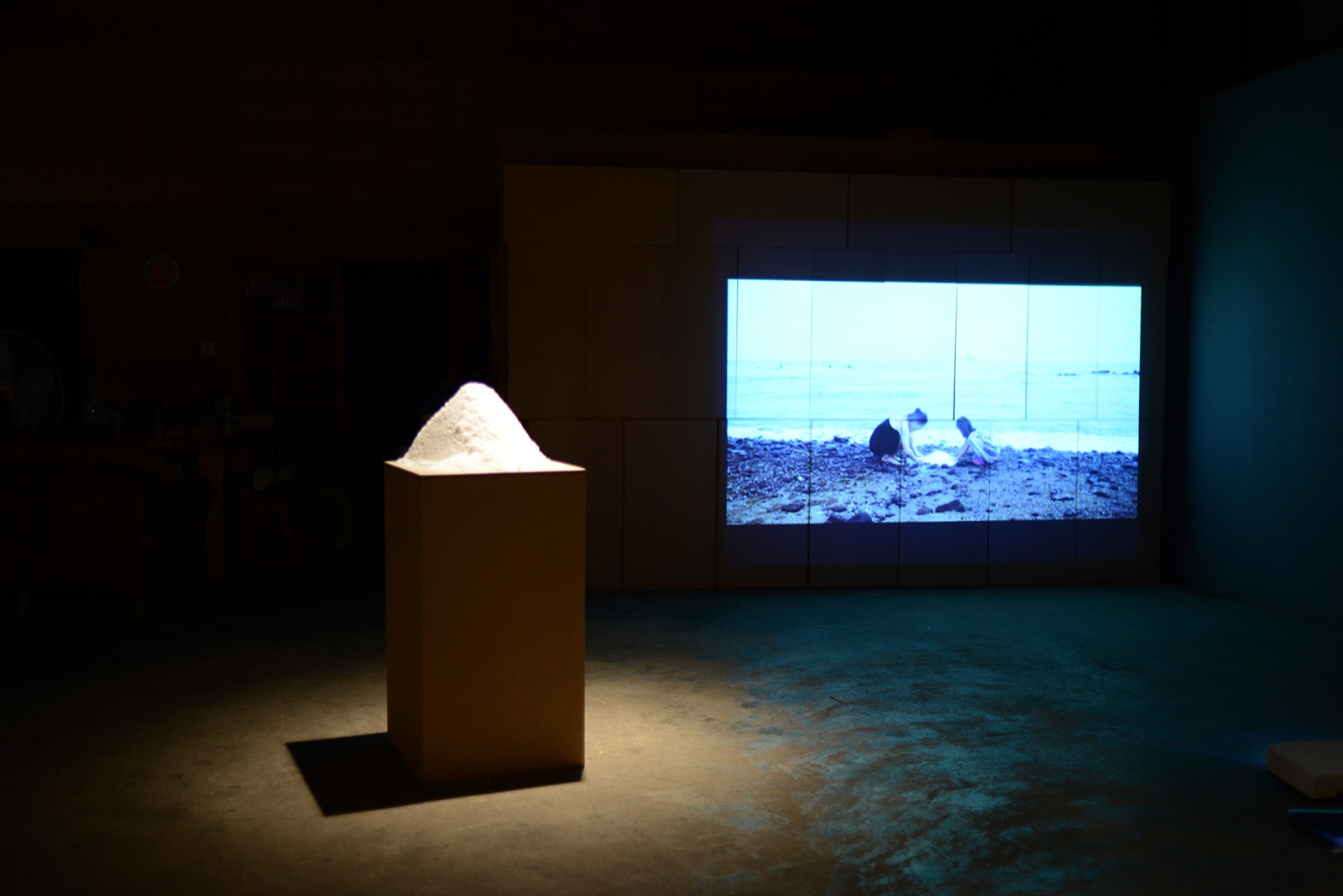
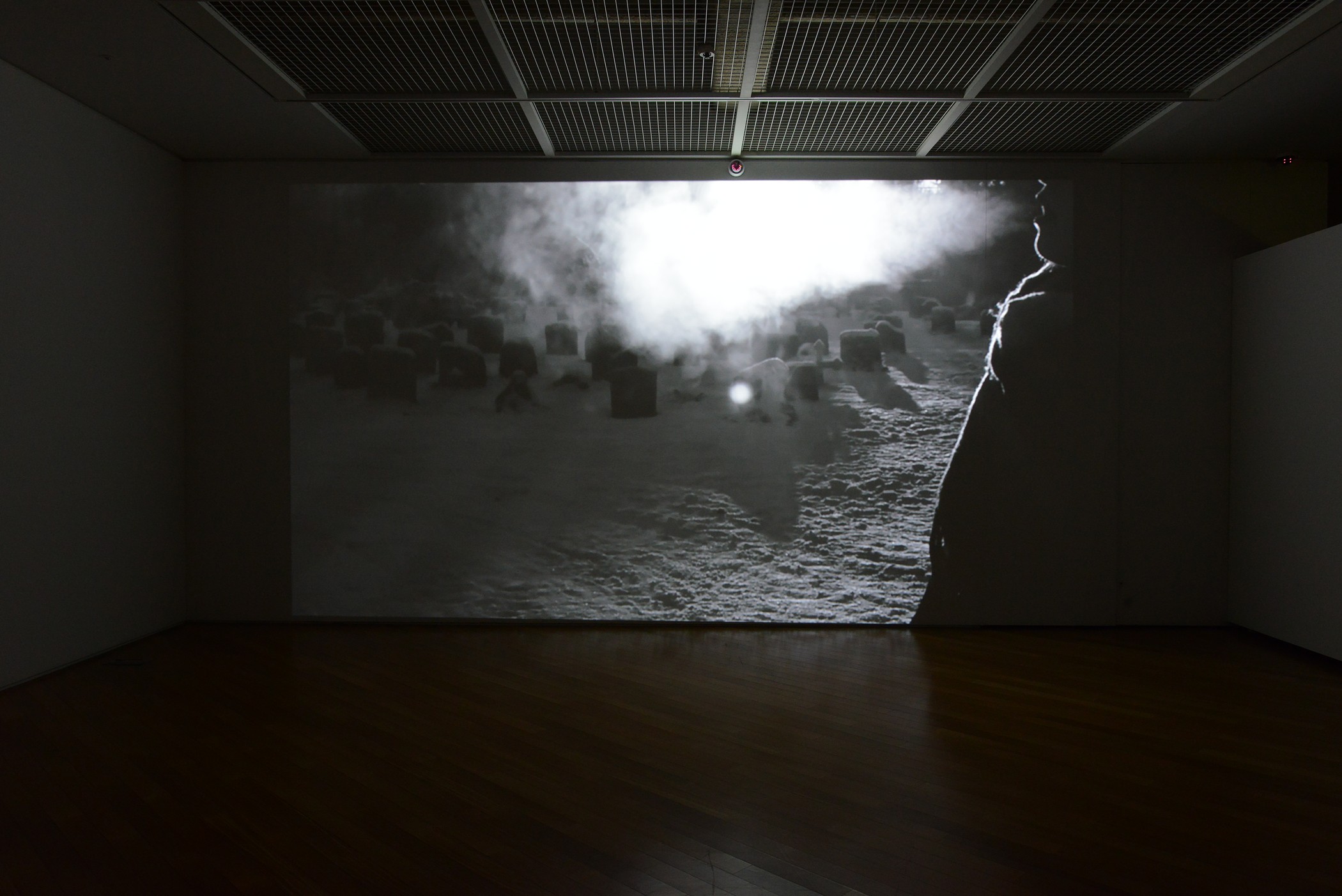
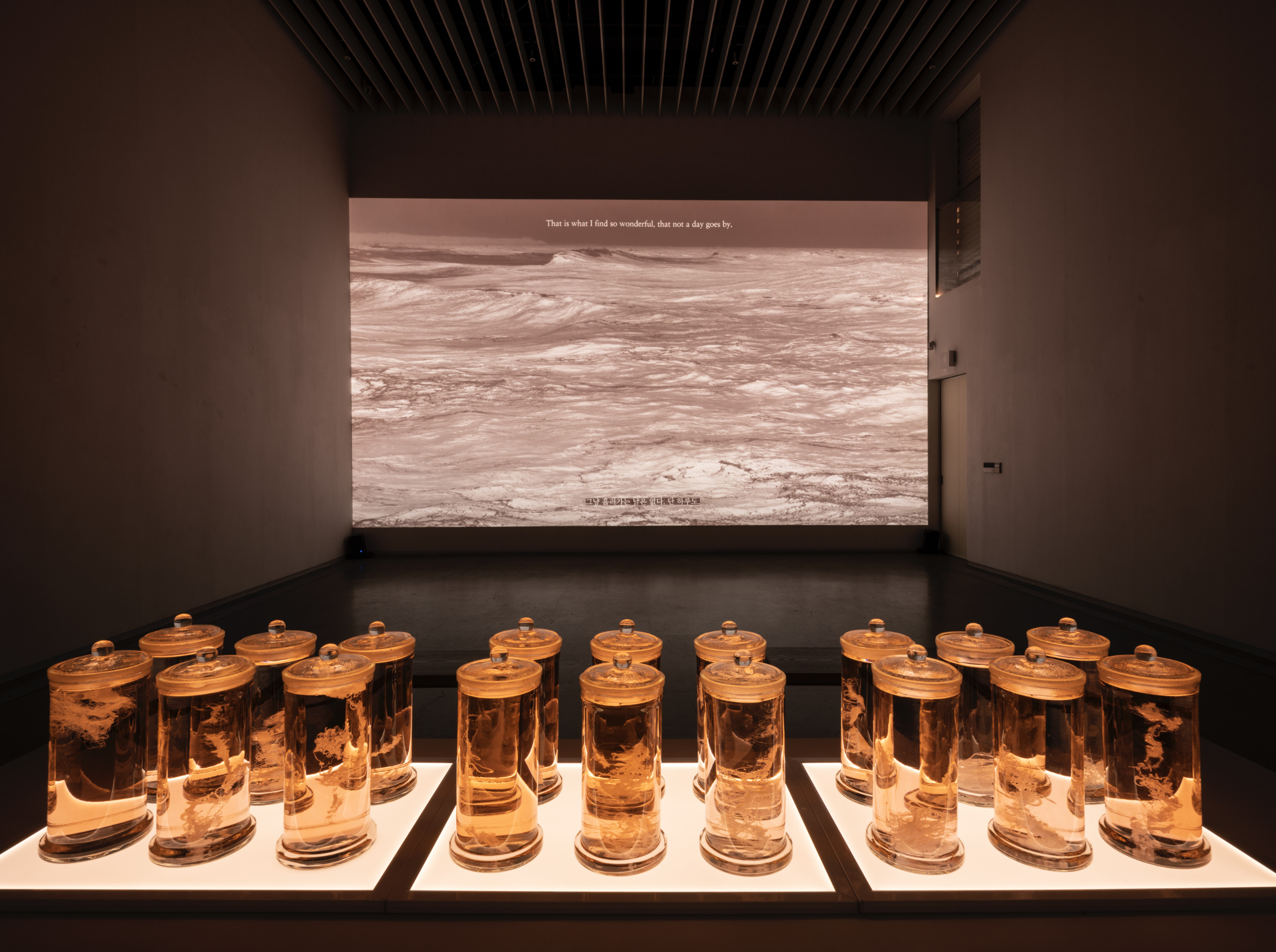
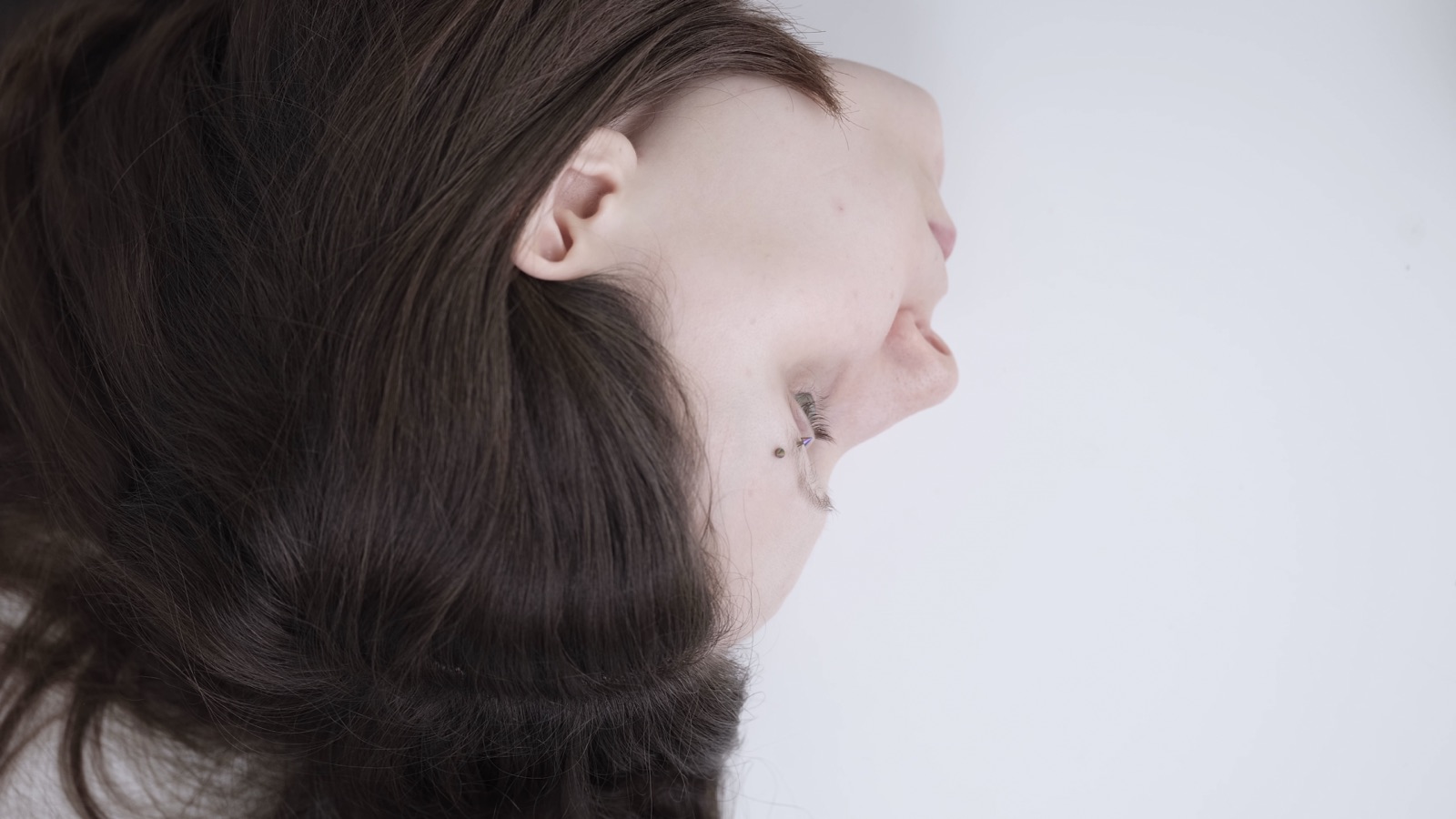
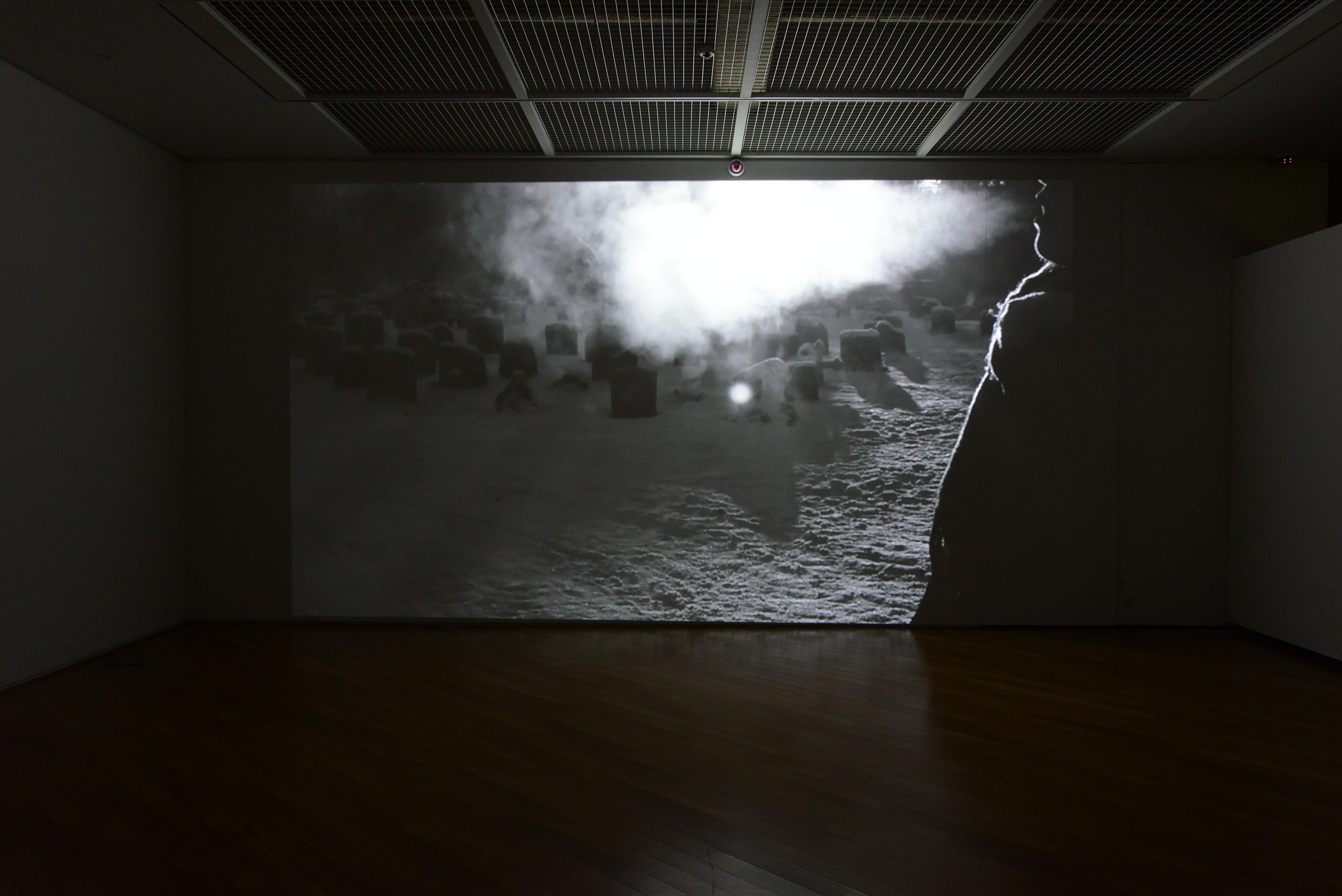
Ifie Sin, A Sleep in Whiteness, 2017, FHD single-channel video, 9min 5sec. Installation view of 《A Sleep in Whiteness》 (SONGEUN Art Cube, 2018) © SONGEUN

Ifie Sin’s practice begins with recognizing the human being as a member of society and observing individual stories from the perspective of an observer. She is interested in the invisible relationships that exist within society and has explored human behavior on a microscopic level, expressing her observations through video-based works.
 
In her practice, Sin understands human behavior not simply as an individual matter but as something that emerges within a social context. She observes familiar phenomena from everyday life by repeating and patterning them, using this process to view them from new perspectives.
 
For example, in her 2018 solo exhibition 《A Sleep in Whiteness》 at SONGEUN Art Cube, Sin sought to address the isolated human condition of the contemporary city by expanding, from a microscopic level, the sources of bodily death—the inevitable entropy of living organisms—and the emotion of depression.


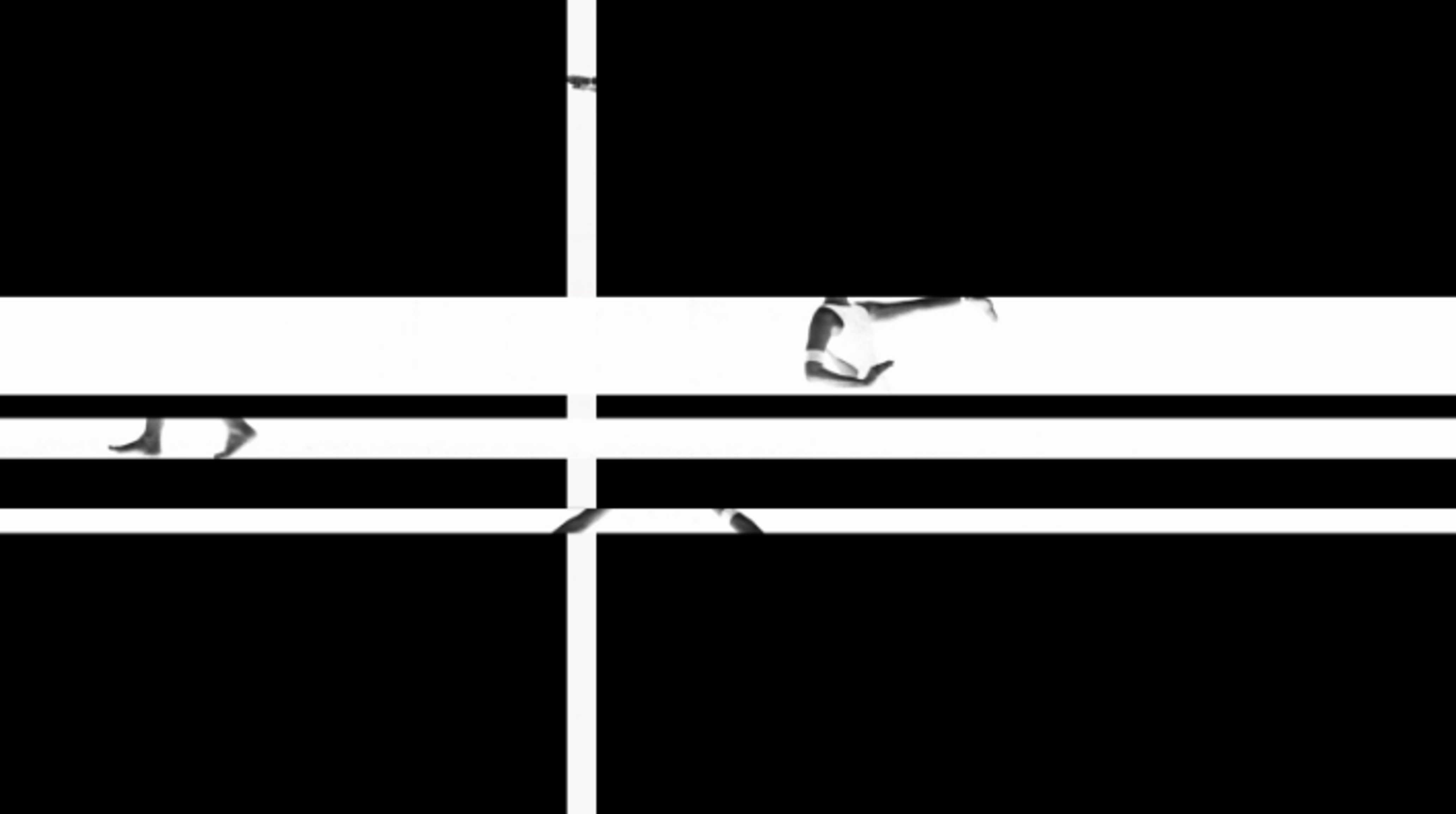
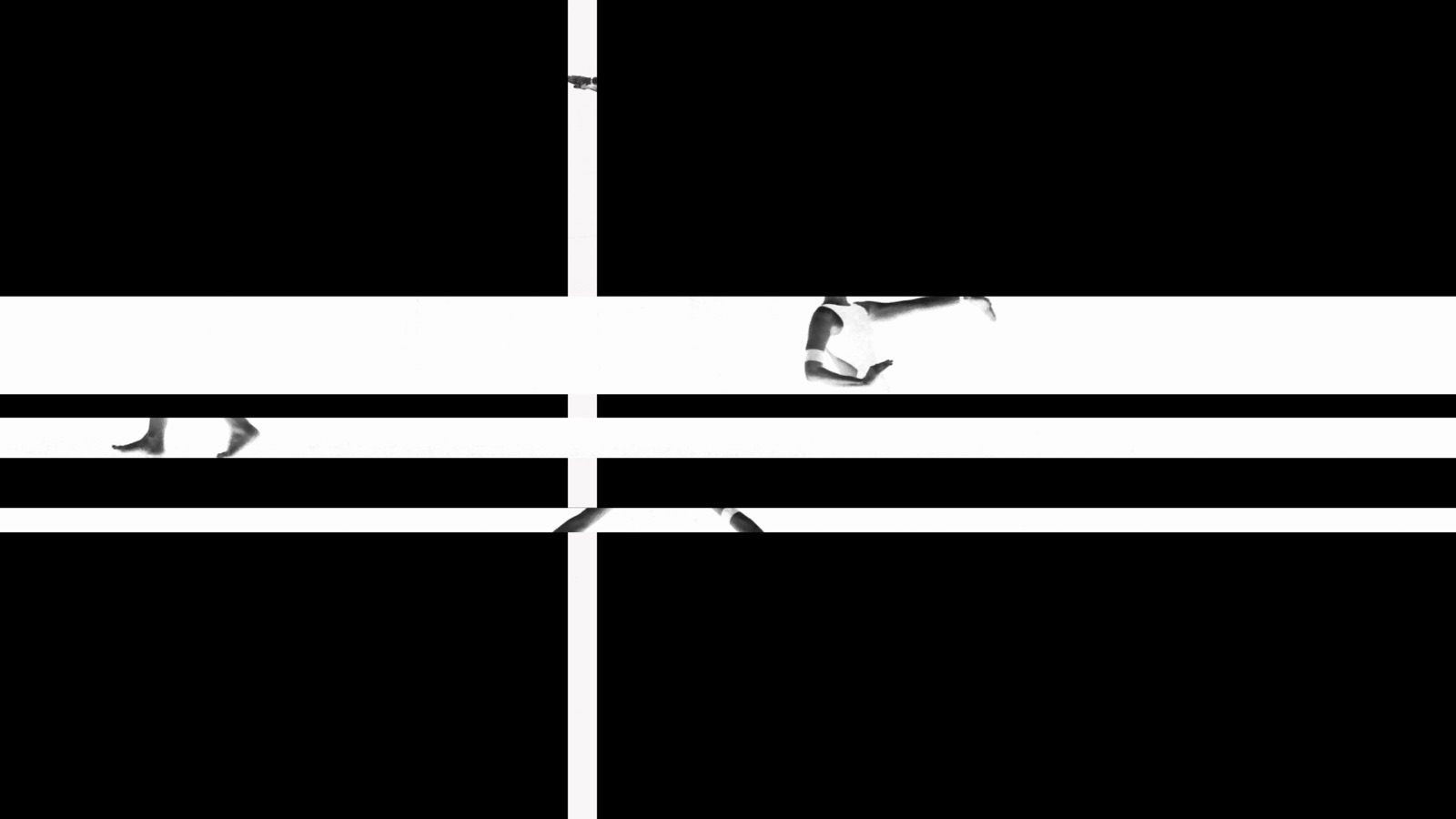
Ifie Sin, The Hidden Dimension, 2017, FHD single-channel video, 4min 27sec. © Ifie Sin

A Sleep in Whiteness (2017), which captures the quiet yet unsettling imagery of a cemetery in Oslo, Norway, and the Arctic snowfield, reflects on isolation within social systems, the anxiety that arises from it, and the question of death.
 
While humans tend to turn away from death out of fear and dread, Sin confronts the physical reality of death depicted in the video as a means of facing the roots of the melancholic and sorrowful emotions embedded within us.
 
The Hidden Dimension (2017), a video work depicting bodily movement, addresses the conflicts, crime, confusion, and other negative conditions that can emerge within social networks as a result of urban population density, expressing them through the artist’s distinctive visual language.


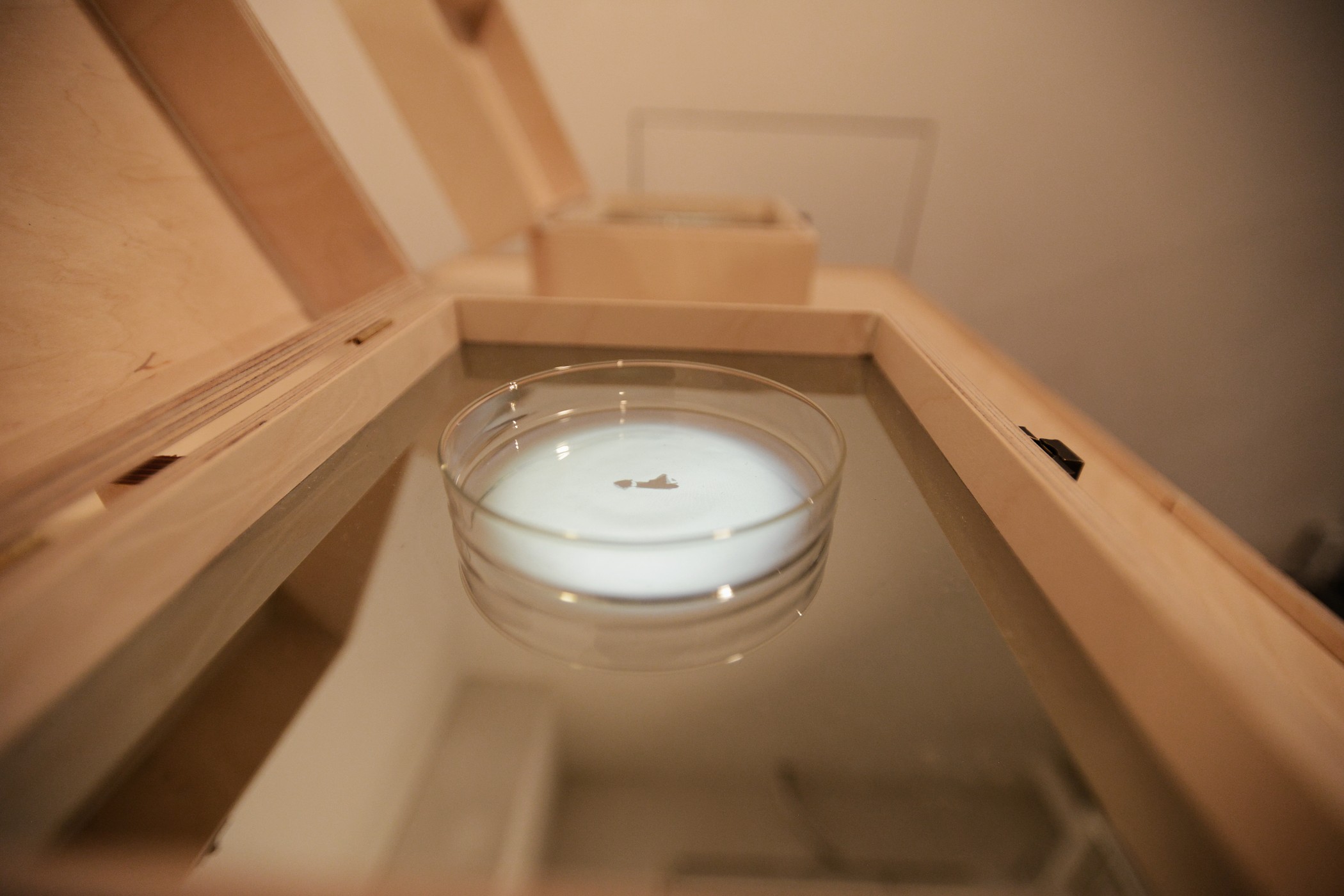
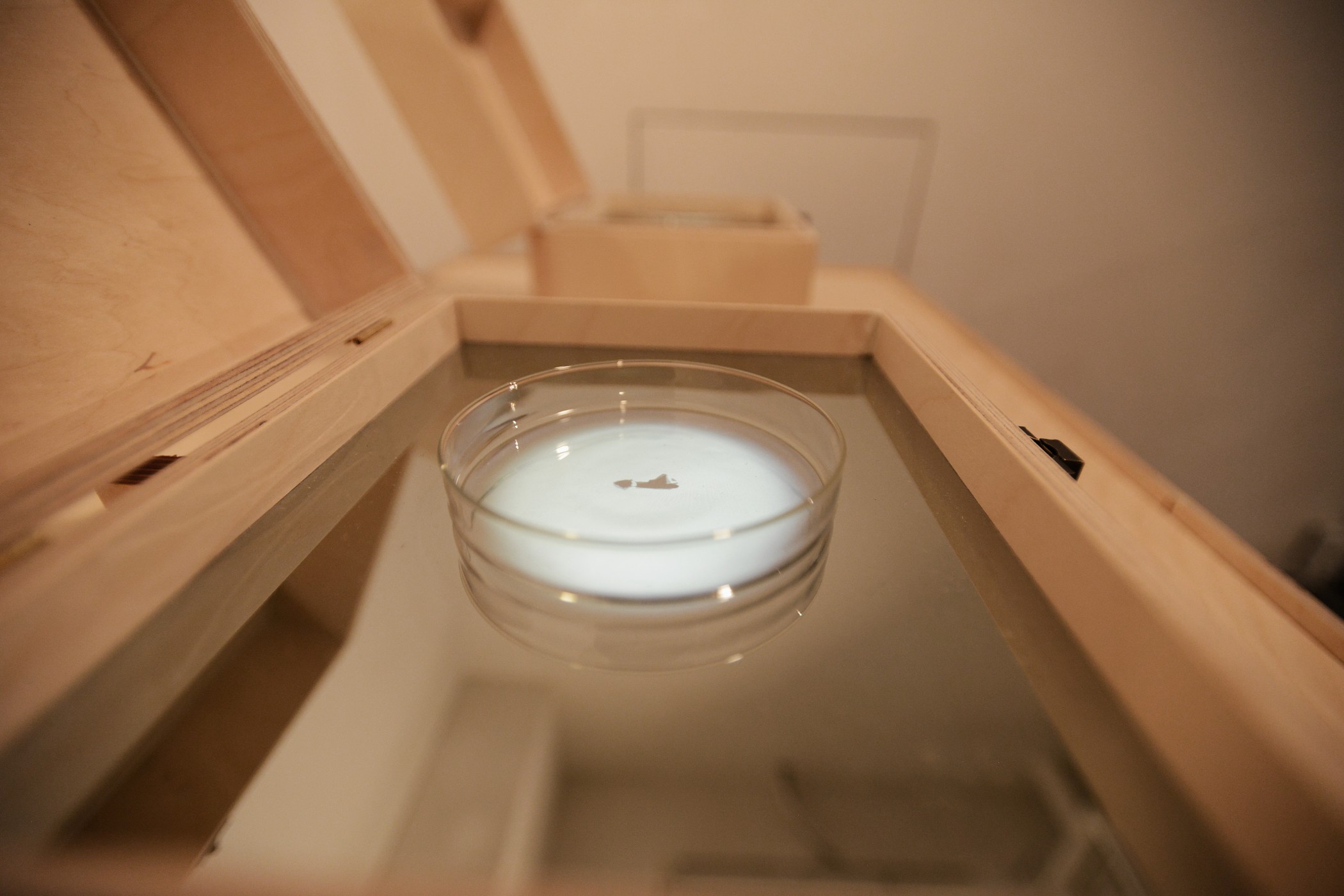
Ifie Sin, XY-SA 0900, 2015, Video installation, birch, cell culture dishes, digital frame glass, 22 × 15 × 13 cm Installation view of 《A Sleep in Whiteness》 (SONGEUN Art Cube, 2018) © SONGEUN

XY-SA 0900 (2015), which evokes the atmosphere of a scientific laboratory, projects images of dancers’ movements onto Petri dishes and glass slides used for cell culture. By depicting human movement as though it were a proliferating cell, the work reflects changes in emotions and psychology within social relationships.
 
In addition, Observation Log (2016), a series of drawings observing a love triangle, reveals the conflicts that naturally emerge within human relationships as members of society, along with the resulting sense of alienation and tension.
 
In this way, Sin has sought to identify the sources of anxiety generated by civilized society by taking on the role of an experimenter or an observer watching others. Drawing on her interest in the isolated human condition within urban civilization and the countless relationships that emerge from it, she collects and examines these phenomena, probing the relationships between individuals.


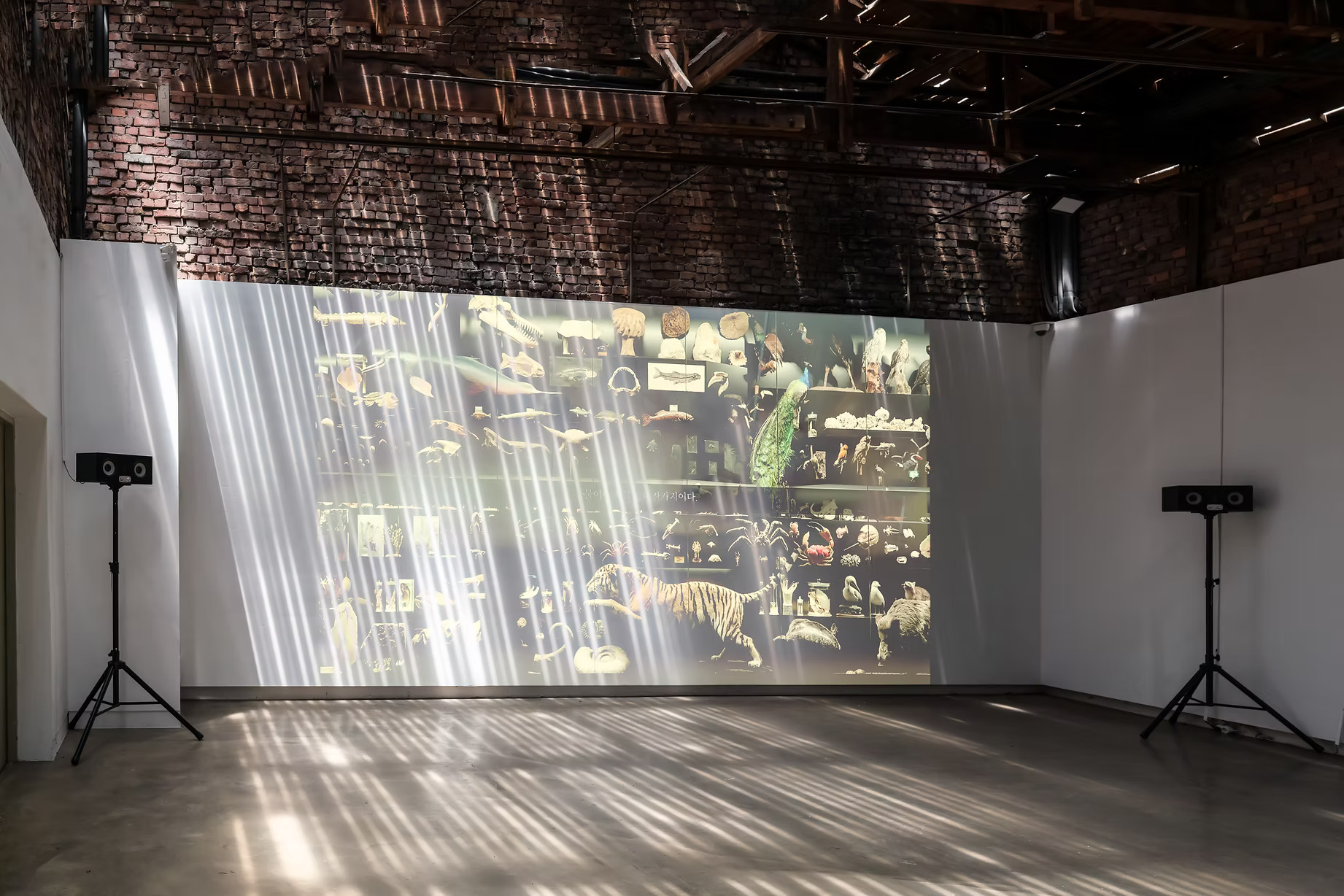
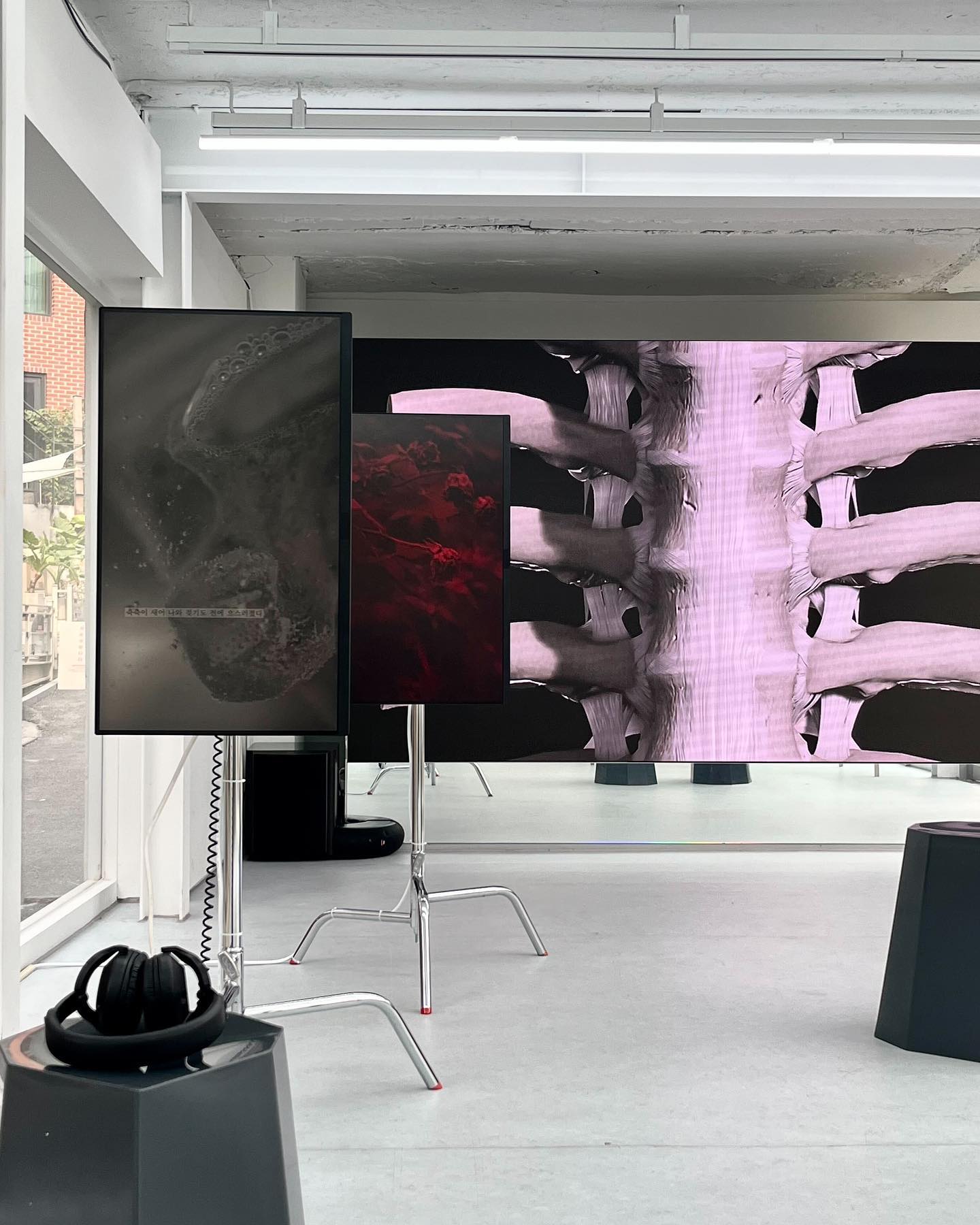
Installation view of 《Emotion of leg》 (SeMA Storage, 2019) © Ifie Sin

Her subsequent solo exhibition 《Emotion of Leg》 (SeMA Storage, 2019) brought together her reflections on how humans form relationships with the world.
 
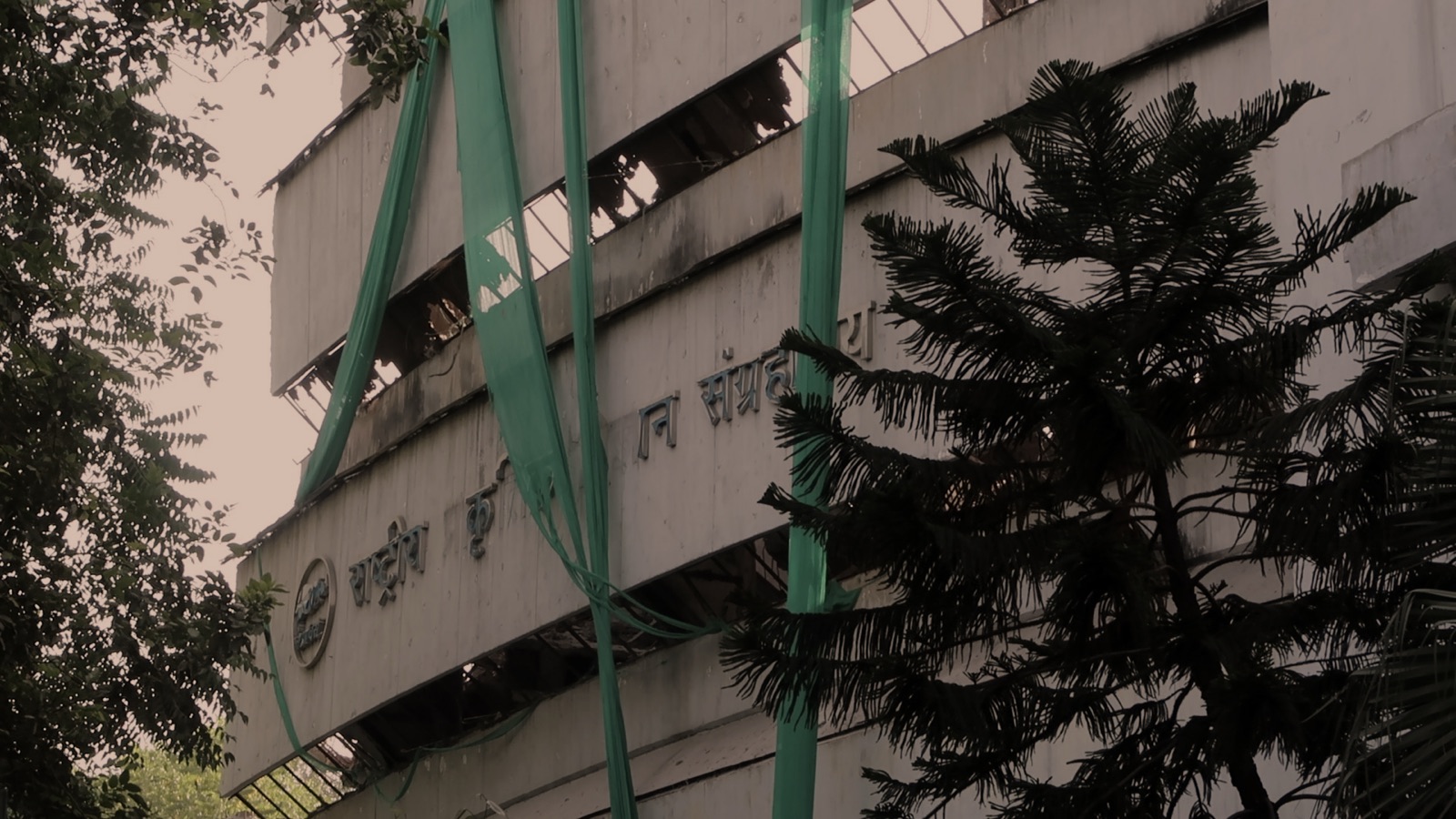
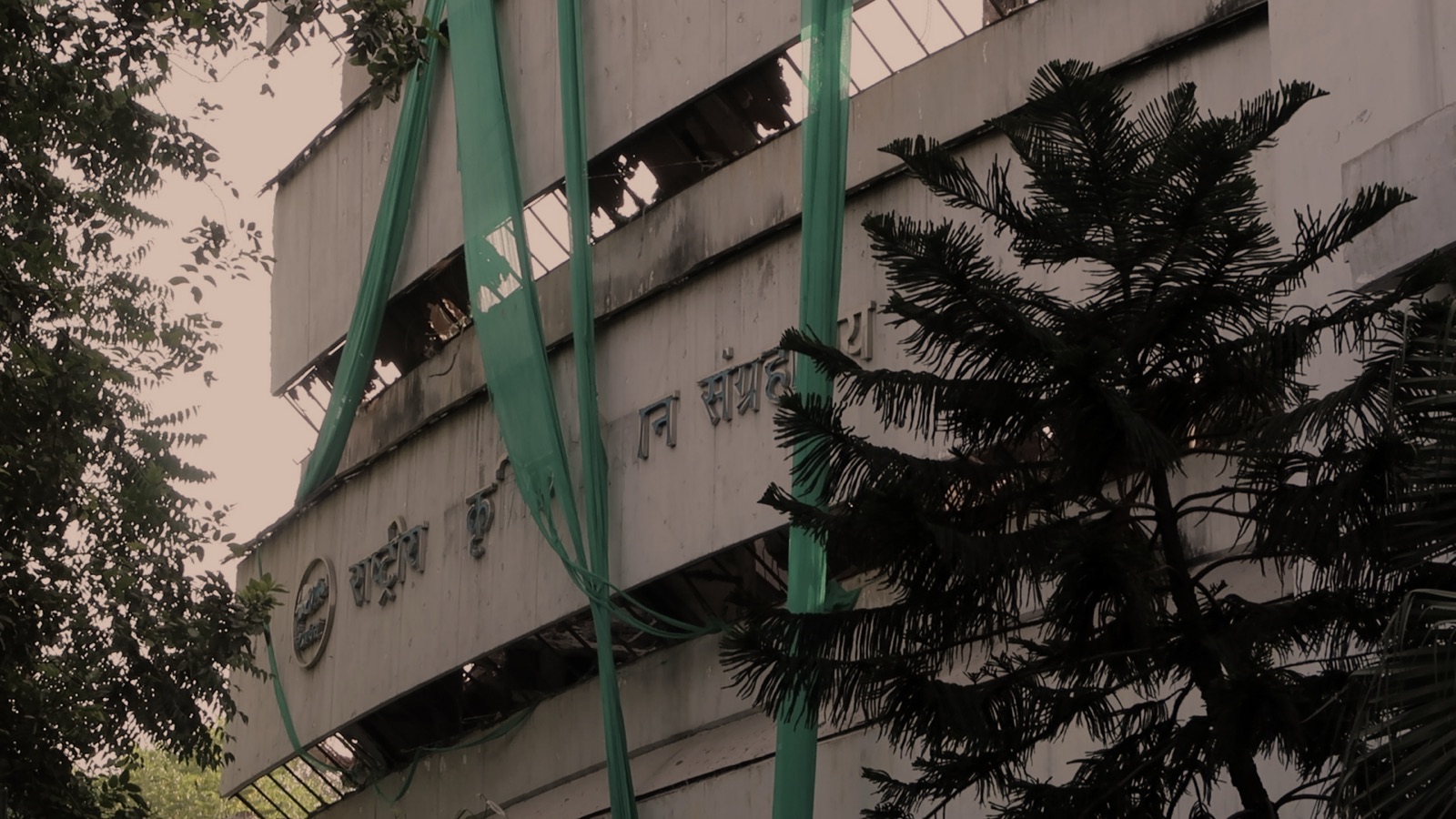
The exhibition comprised Emotion of Leg (2018), a video work filmed at the Senckenberg Natural History Museum in Frankfurt, Echolocation (2018), a video work based on research into the Natural History Museum in New Delhi, which was destroyed by fire in 2016, an archive section featuring research materials and objects related to the two museums that served as the settings for the works, and an Observation Log section presenting approximately 40 drawings made on graph paper.


Installation view of 《Emotion of leg》 (SeMA Storage, 2019) © Ifie Sin

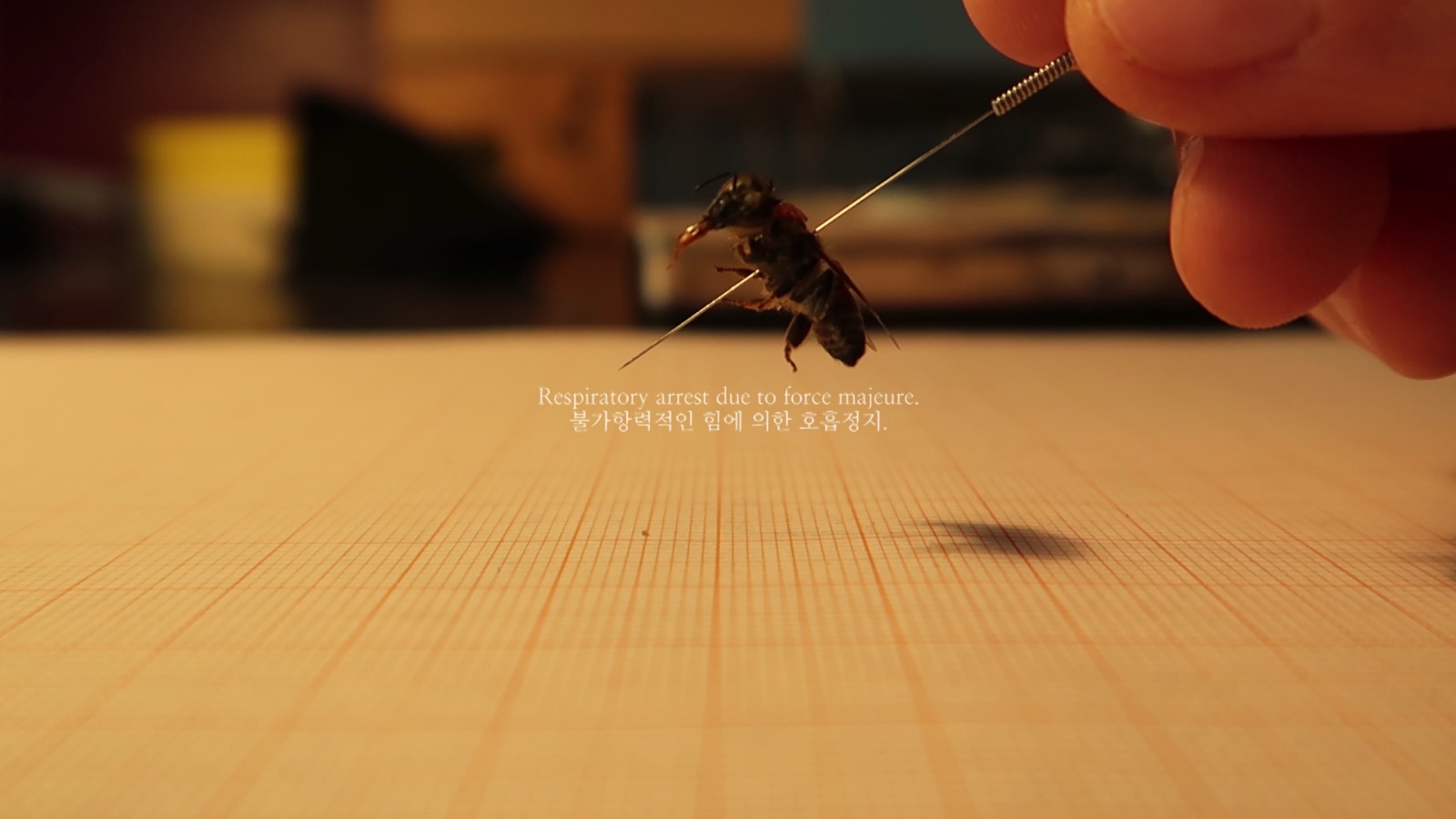
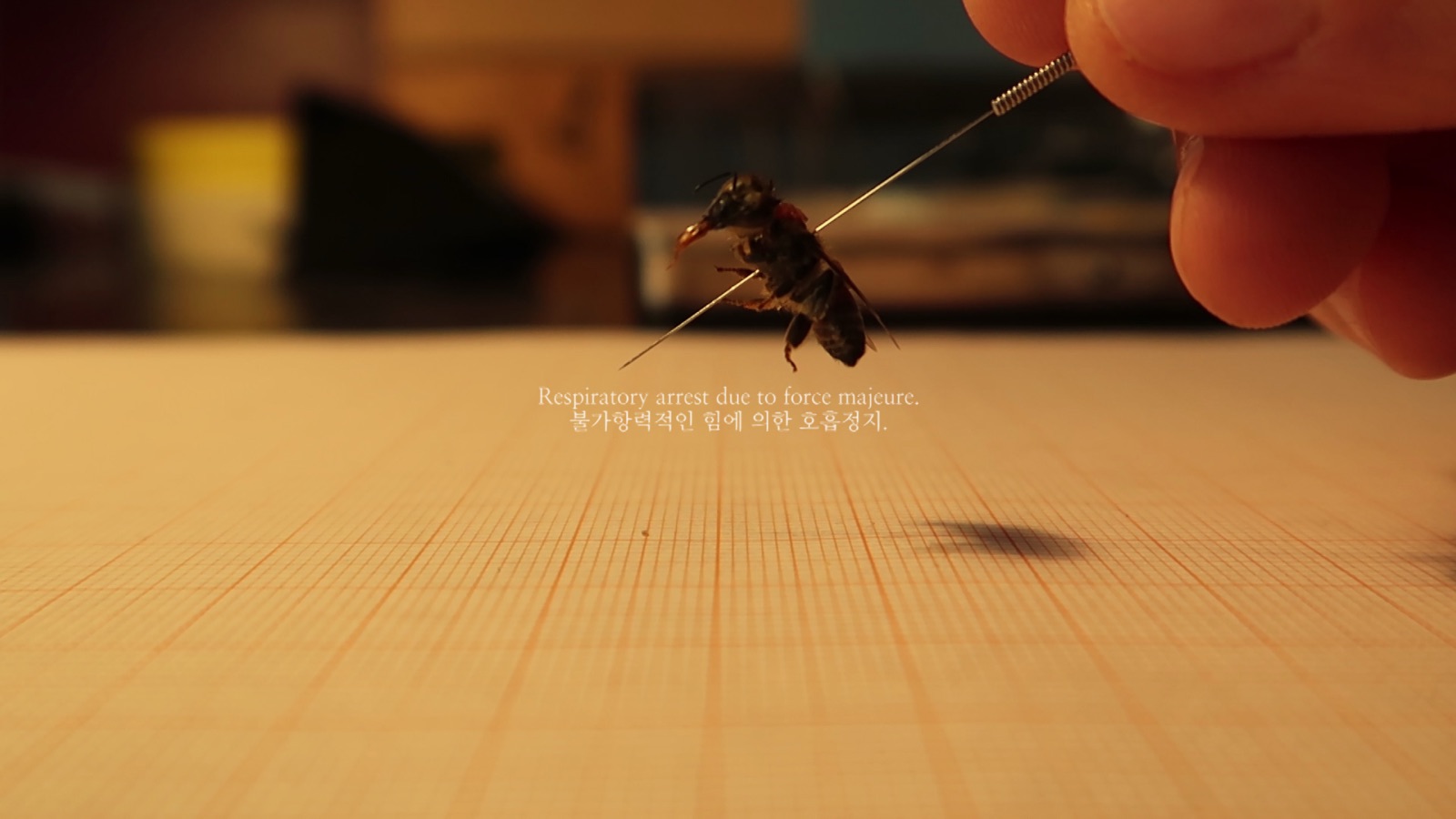
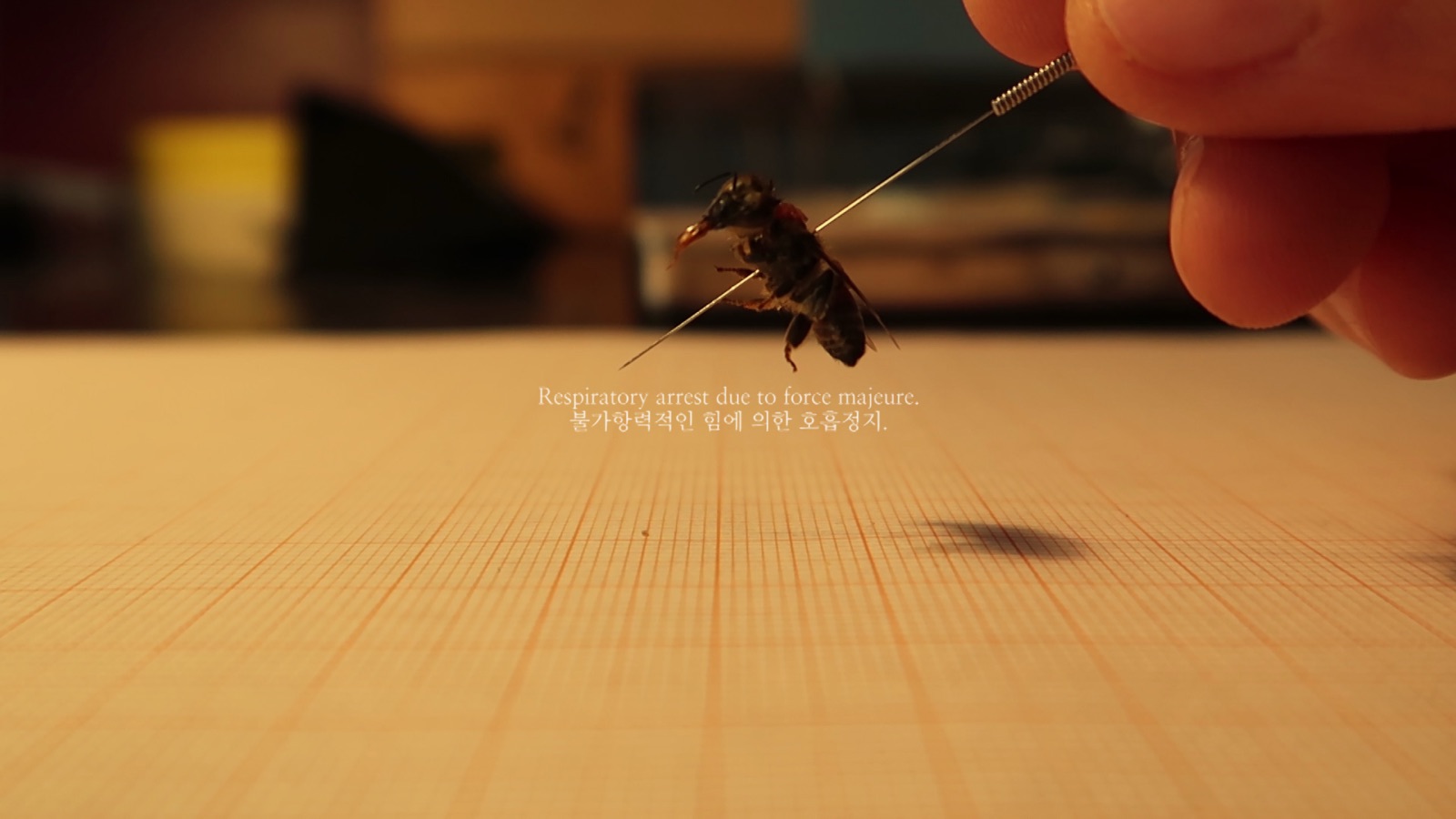
Emotion of Leg begins with a question of how the historical and emotional significance of collecting, preserving, and documenting natural history intersects with ways of recording histories of colonialism and mass killing. The video begins with the movement of a swarm of bees seen through a blurred focus, gradually and organically revealing the emotions and thoughts residing within the narrator.
 
As the narrator observes the movements and stillness of the bees as experimental subjects, her gaze extends beyond the physical forms of the insects revealed through the microscope to an observation of the human figures that make up society.
 
This gaze then shifts to a natural history museum, where visitors in an exhibition hall lined with taxidermied animals and insects look at the remains of various specimens displayed behind glass. This is followed by a close-up of the hands of a person preparing insect specimens. Moving calmly and peacefully, the human hands appear almost like those of a vast transcendent being that takes life and preserves it.


Ifie Sin, Emotion of leg, 2018, FHD single-channel video, 9min. © Ifie Sin

The narrator’s gaze then turns to the walls of a Nazi concentration camp, leading to a sense of skepticism toward the imperfection of the “transcendent being” and toward the human beings who have nevertheless continued to believe in it. This skepticism expands into a question of how humans confront death and history.
 
Preservation is both an act of leaving the dead behind and a human attempt to sustain life and understand death. The artist extends this meaning of preservation by considering historically significant species alongside historical sites, reflecting on what is preserved and recorded, and how indifference and indiscrimination are produced in the process.
 
In this way, the artist brings together questions of history, politics, and science, focusing on how taxidermied animals and plants and commemorated victims, despite having once existed as distinct individuals, are treated not as individuals but as a “mass” or collective in the process of being recorded and preserved.
 
Emotion of Leg questions such indiscriminate modes of recording and preservation, asking how individual beings and emotions are erased and remembered within a collective.


Ifie Sin, Echolocation, 2018, FHD single-channel video, 7min 12sec. © Ifie Sin

Meanwhile, the title of the video Echolocation refers to the technique used by animals such as bats and dolphins, which emit sounds and listen for their echoes to gather information about their surroundings.
 
New Delhi, where the work is set, is a place where wild animals inhabit the city as part of its urban environment. In particular, bats that fly during the day are said to have long since lost their ability to echolocate in adapting to the city. Sin raises the question of whether this should be understood as regression or evolution.
 
She then juxtaposes this with the invisible sense of loss experienced by people today following the disappearance of the Natural History Museum in New Delhi, revealing that the confusion of humans who have reached a dead end in evolution and that of bats that have lost their ability to echolocate are, in essence, not so different.


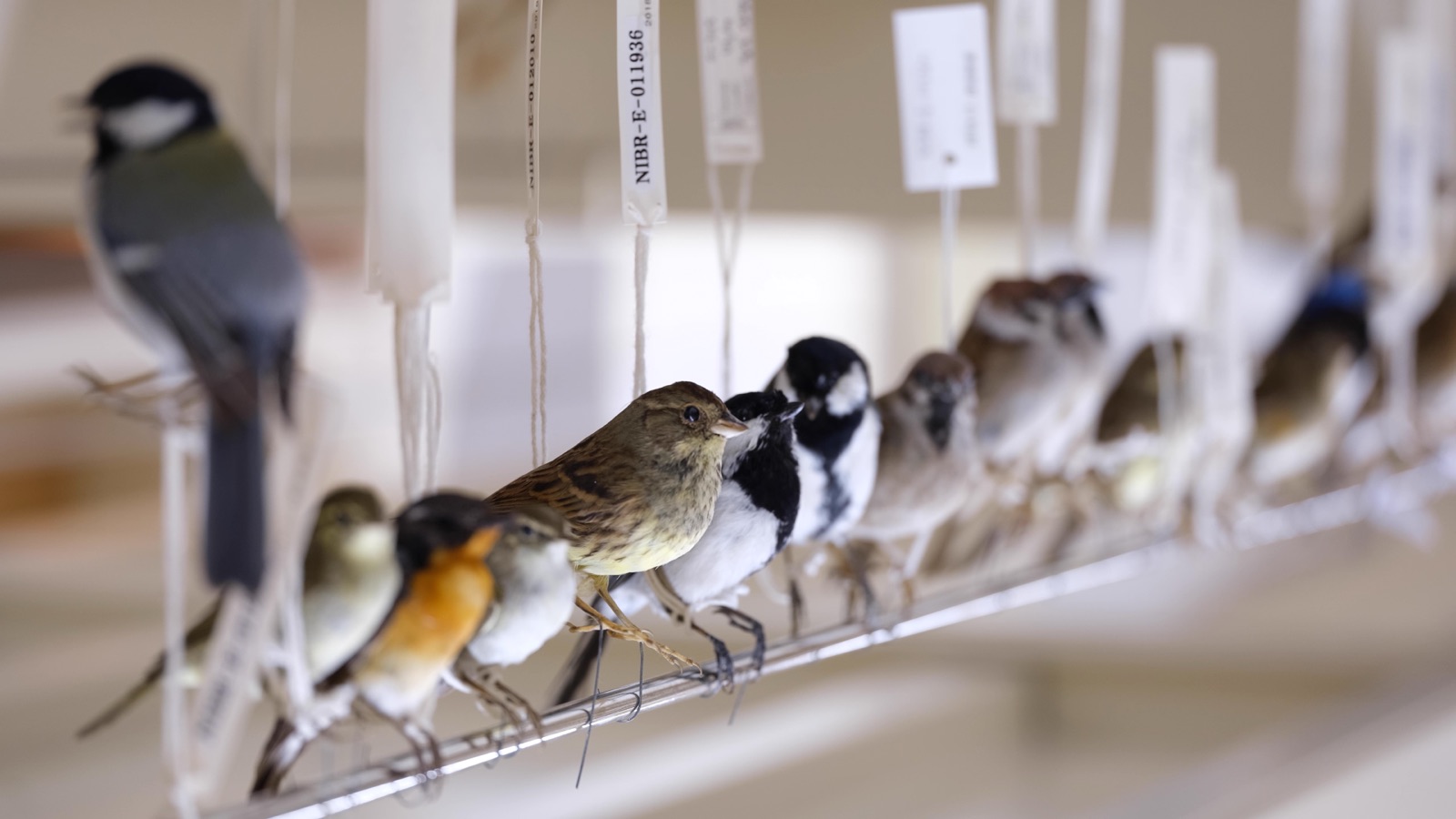
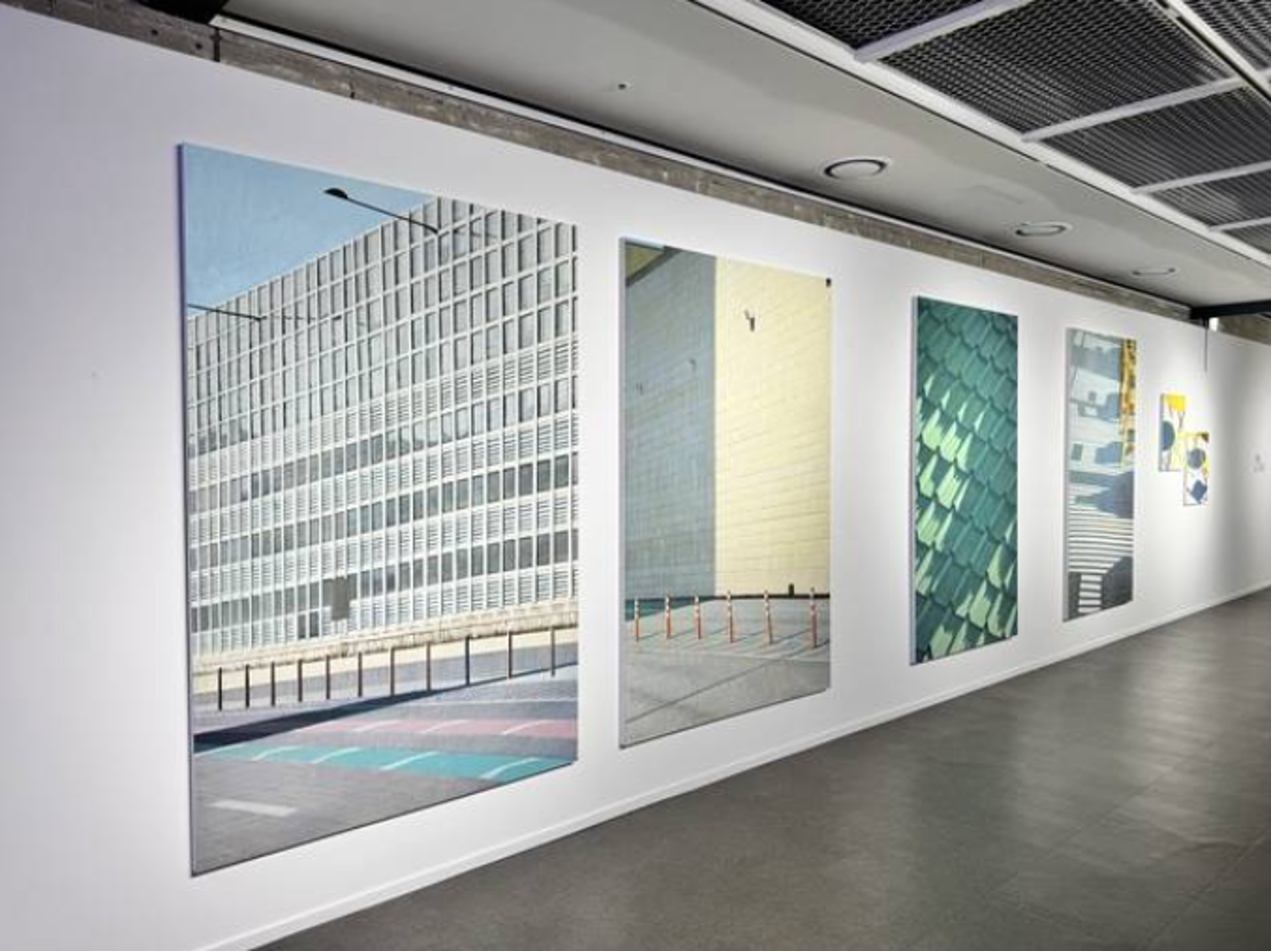
Ifie Sin, A cold bird on the dead mountain #01, 2019, 4K video, 4min. © Ifie Sin

Sin has repeatedly examined objects displayed in natural history museums from historical perspectives. In the series ‘A cold bird on the dead mountain’ (2019–2020), she reflects on life and death in contemporary history based on research into cities and ecology.
 
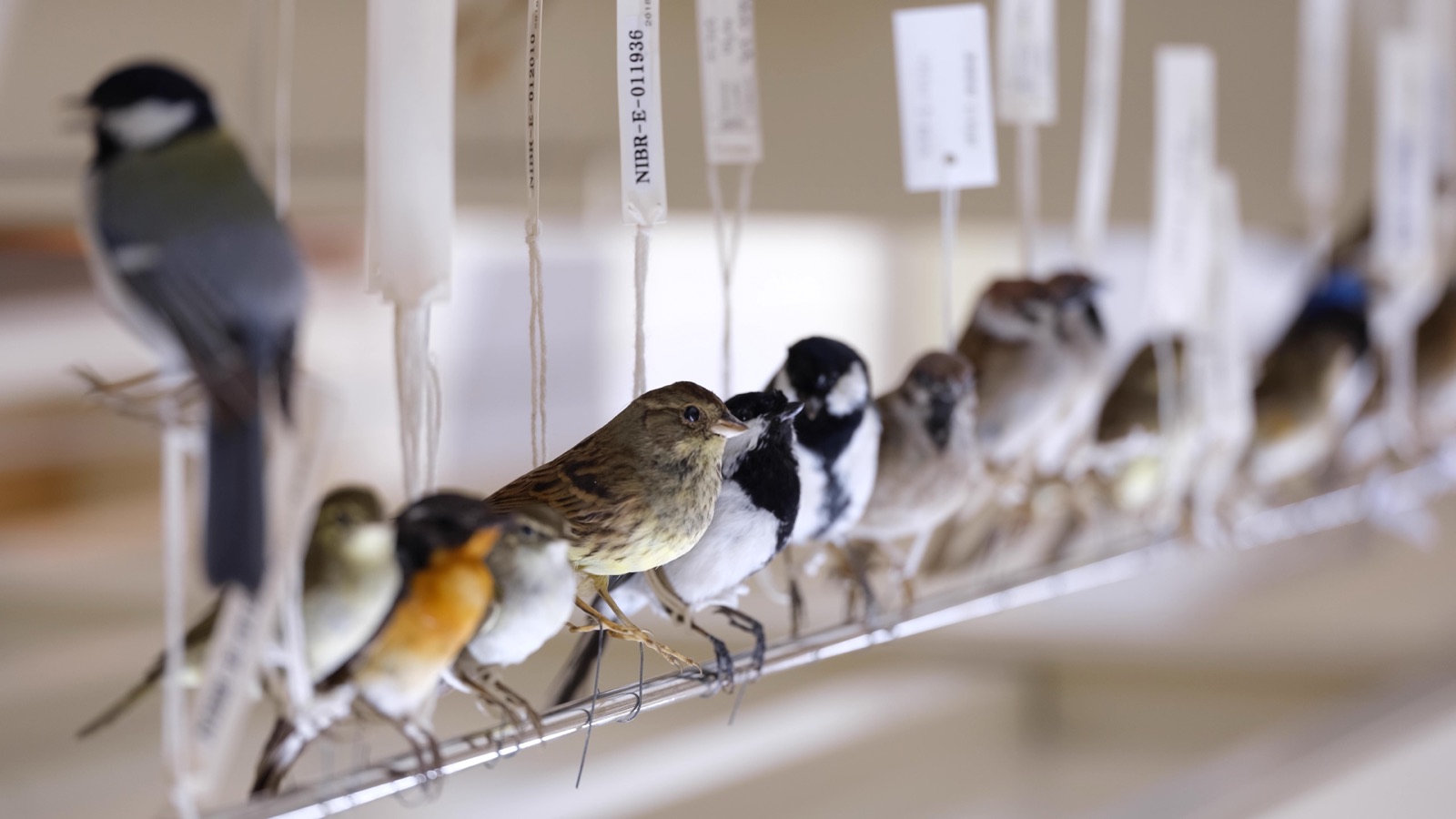
A cold bird on the dead mountain #01 (2019) compares the ideals and realities of Gimpo Hangang New Town, developed as part of a new town plan in 2003, to birds that died after failing to adapt to the urban ecosystem.
 
The video begins with a camera angle overlooking the area from a high altitude, resembling an aerial view seen from the perspective of a bird flying through the sky. These shots alternate with close-up images of taxidermied bird specimens housed in the storage facility of the National Institute of Biological Resources.


Ifie Sin, A cold bird on the dead mountain #02, 2020, 4K single-channel video, 8min 40sec. © Ifie Sin

The second video, A cold bird on the dead mountain #02 (2020), is based on research into the criteria for the preemptive culling of pigs ordered by administrative authorities and the landfills where the culled animals were buried. The subtitles that slowly appear and disappear on screen are less like a clear narrative than poetic phrases of abstract expression.
 
Frequently used in Sin’s previous works, these texts obscure the subject of narration and function as the voice of an imagined narrator, reflecting the artist’s presence as both the owner and observer of a laboratory who experiments with maintaining an external perspective detached from gender, appearance, occupation, and other identifying characteristics.
 
The pig bones and remains that appear in the latter part of the video were excavated from an actual landfill where culled pigs had been buried and were installed in the exhibition space alongside the video.


Ifie Sin, A cold bird on the dead mountain #03, 2020, 4K single-channel video, 8min 40sec. © Ifie Sin

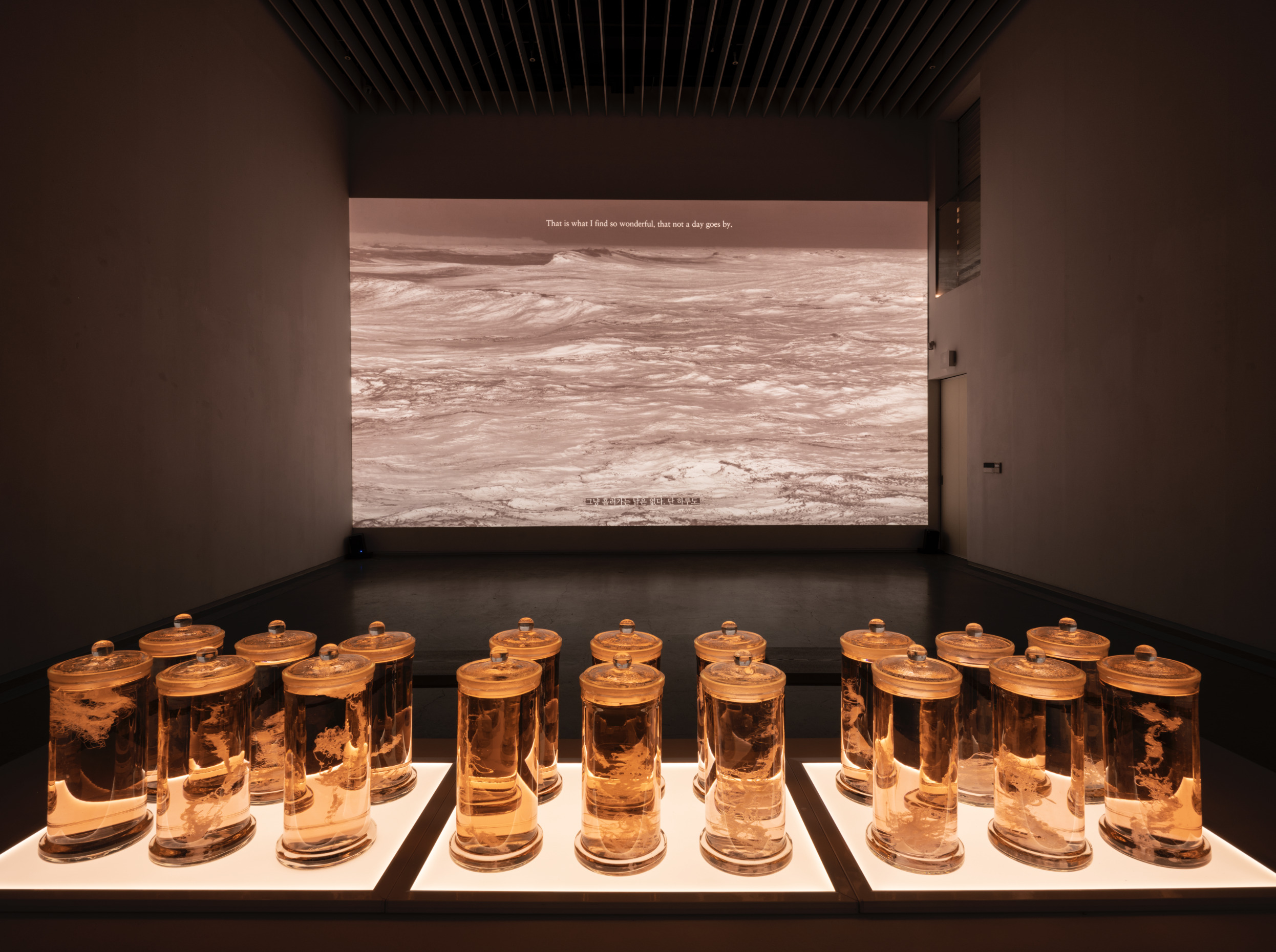
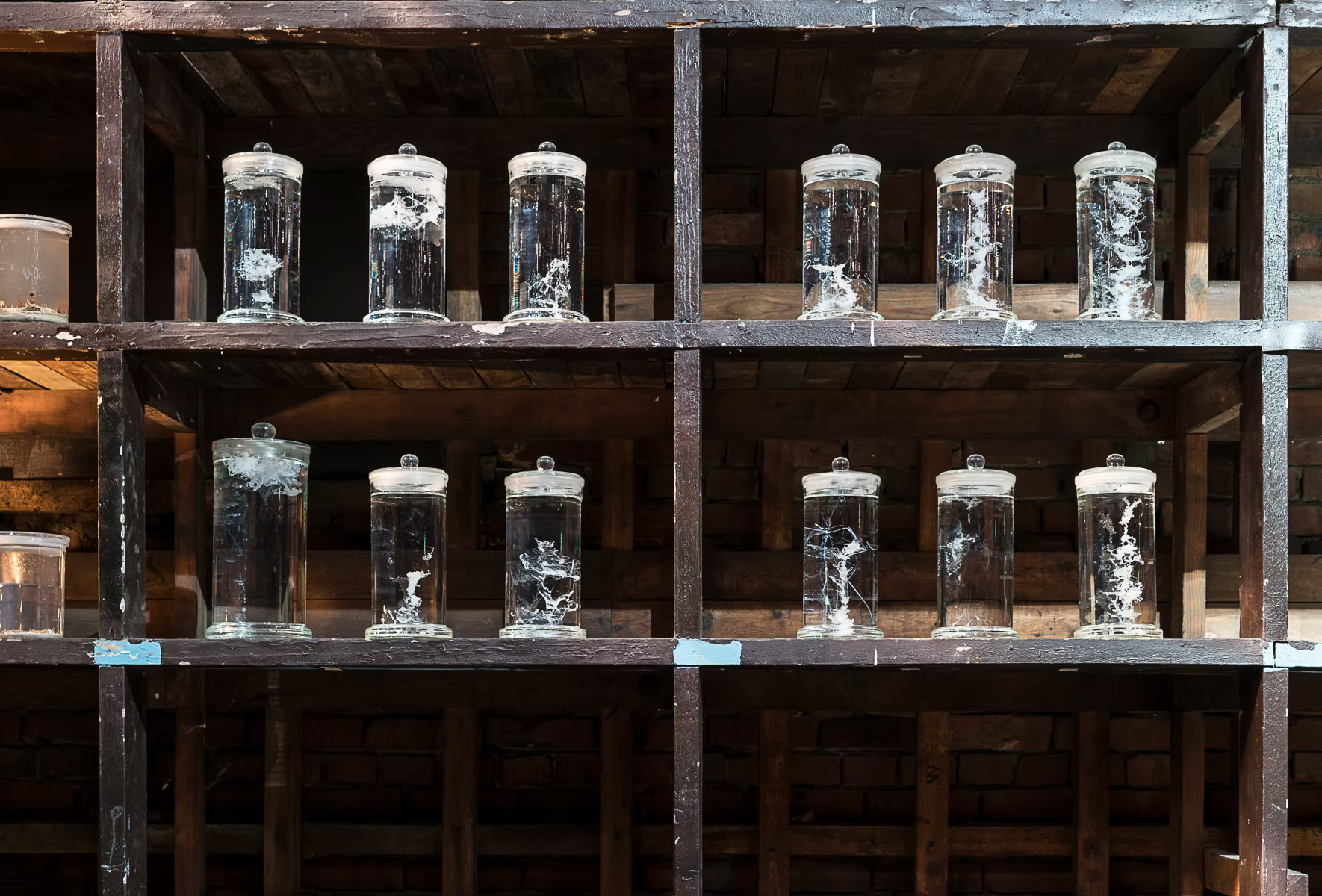
The third video, A cold bird on the dead mountain #03 (2020), presents the burial sites of pig carcasses resulting from African swine fever (ASF) through moving images. Alongside the video, Sin displays fluid-preserved specimens made from the sacrificed pigs. The video captures pigs buried in storage tanks, struggling and attempting to “rise” to the surface.
 
The artist also creates and displays her own specimens of pigs that, simply because they are livestock, are not considered worthy of preservation as specimens. By placing these specimens in the exhibition space, she challenges the value of a history written by humans who already stand upright.
 
By granting verticality to the movements and spirits of animals that are socially regarded as inferior, Sin seeks to make visible both the rights of pigs to life and the environmental issues surrounding landfill sites in the Seoul metropolitan area.


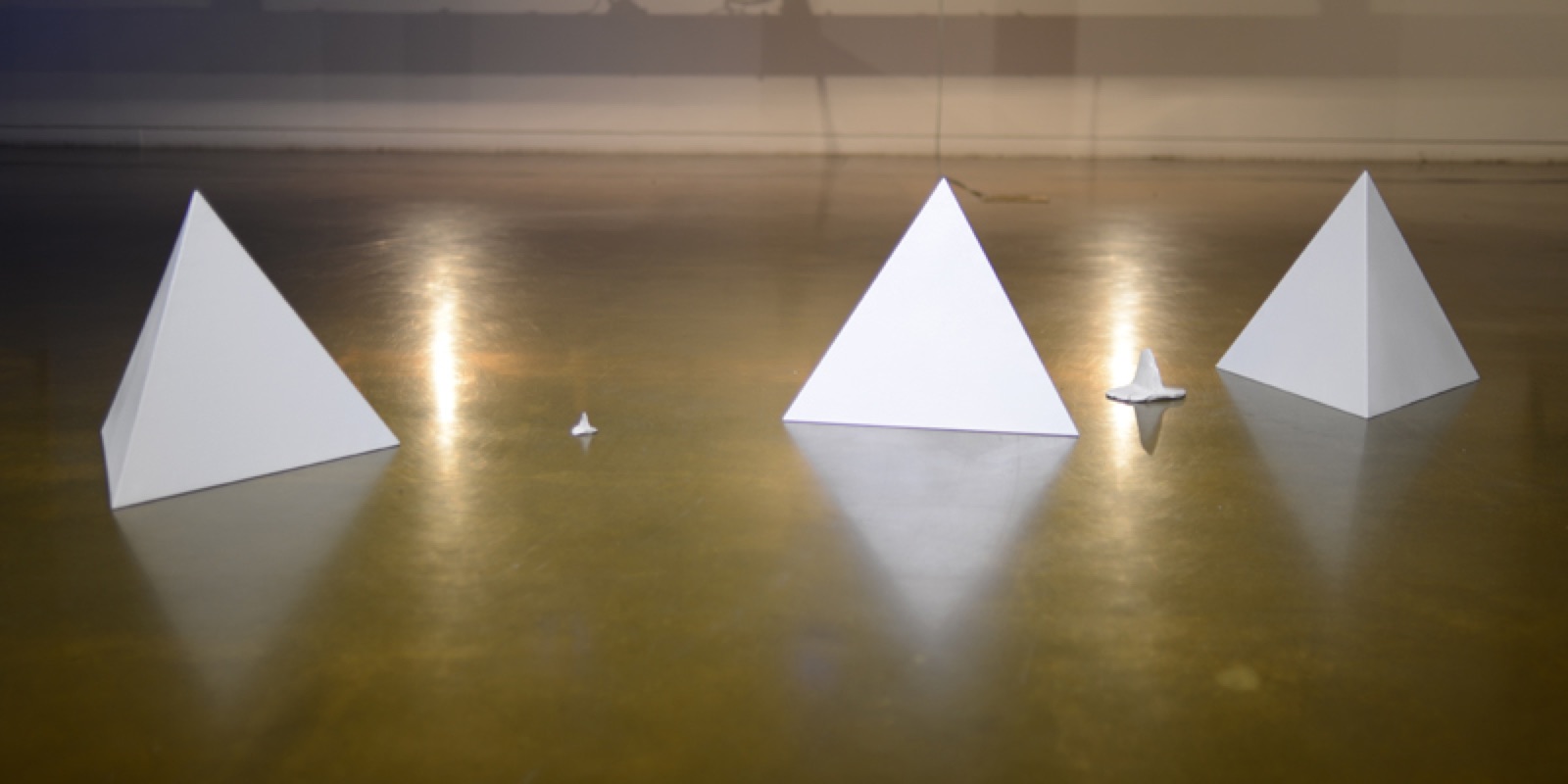
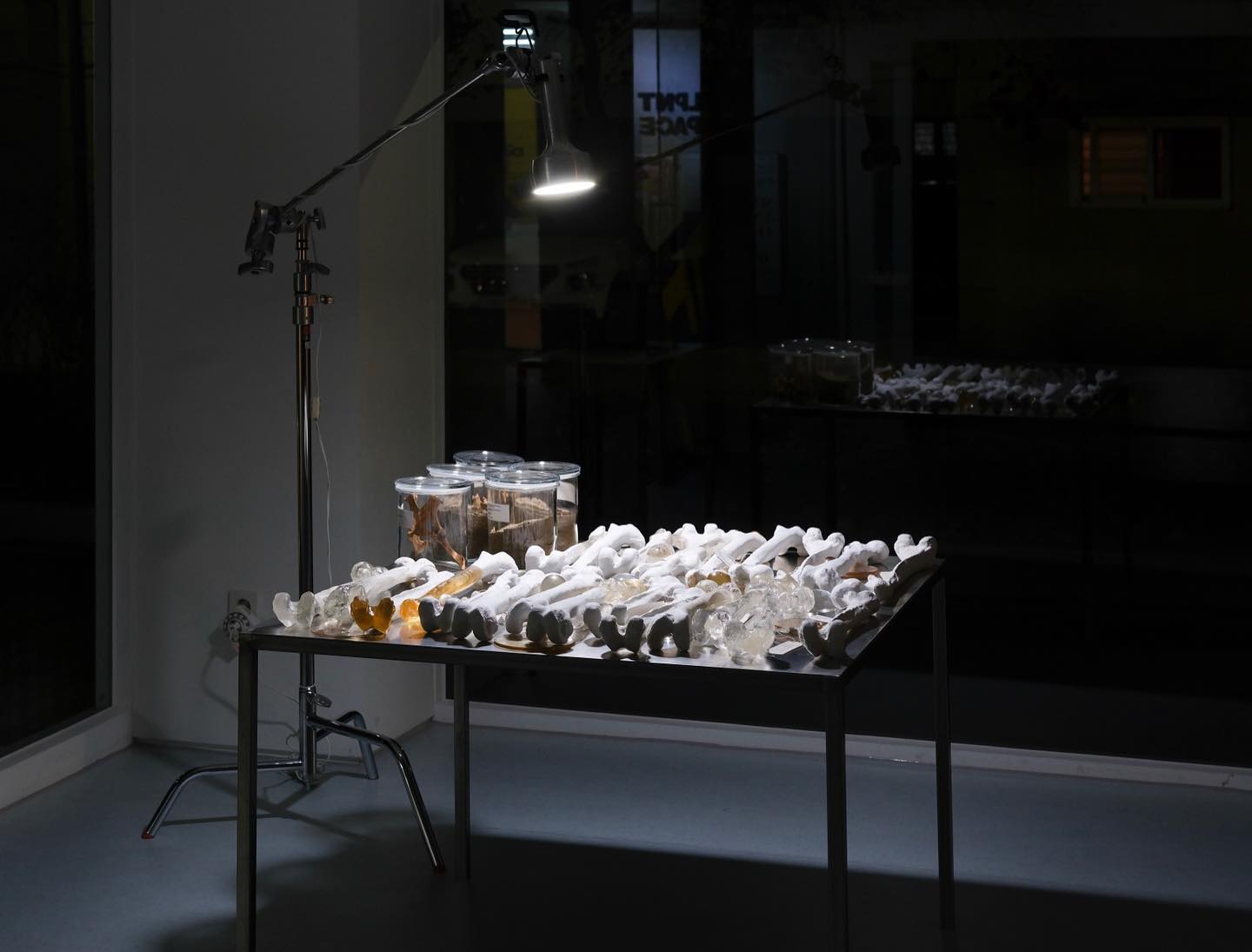
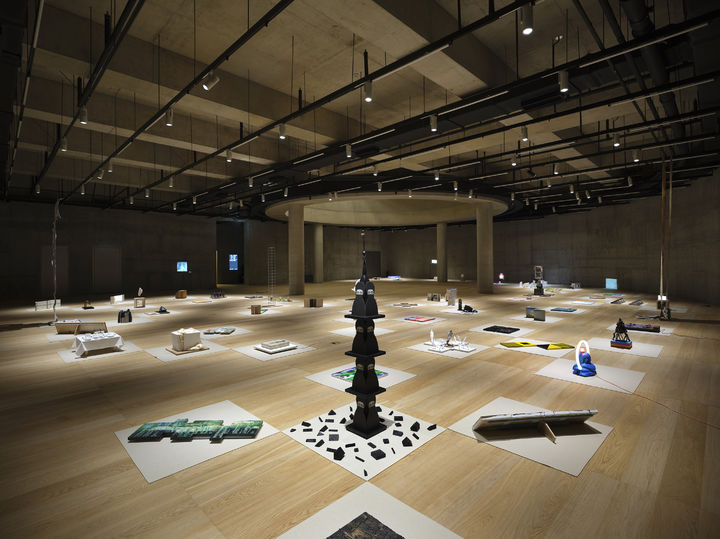
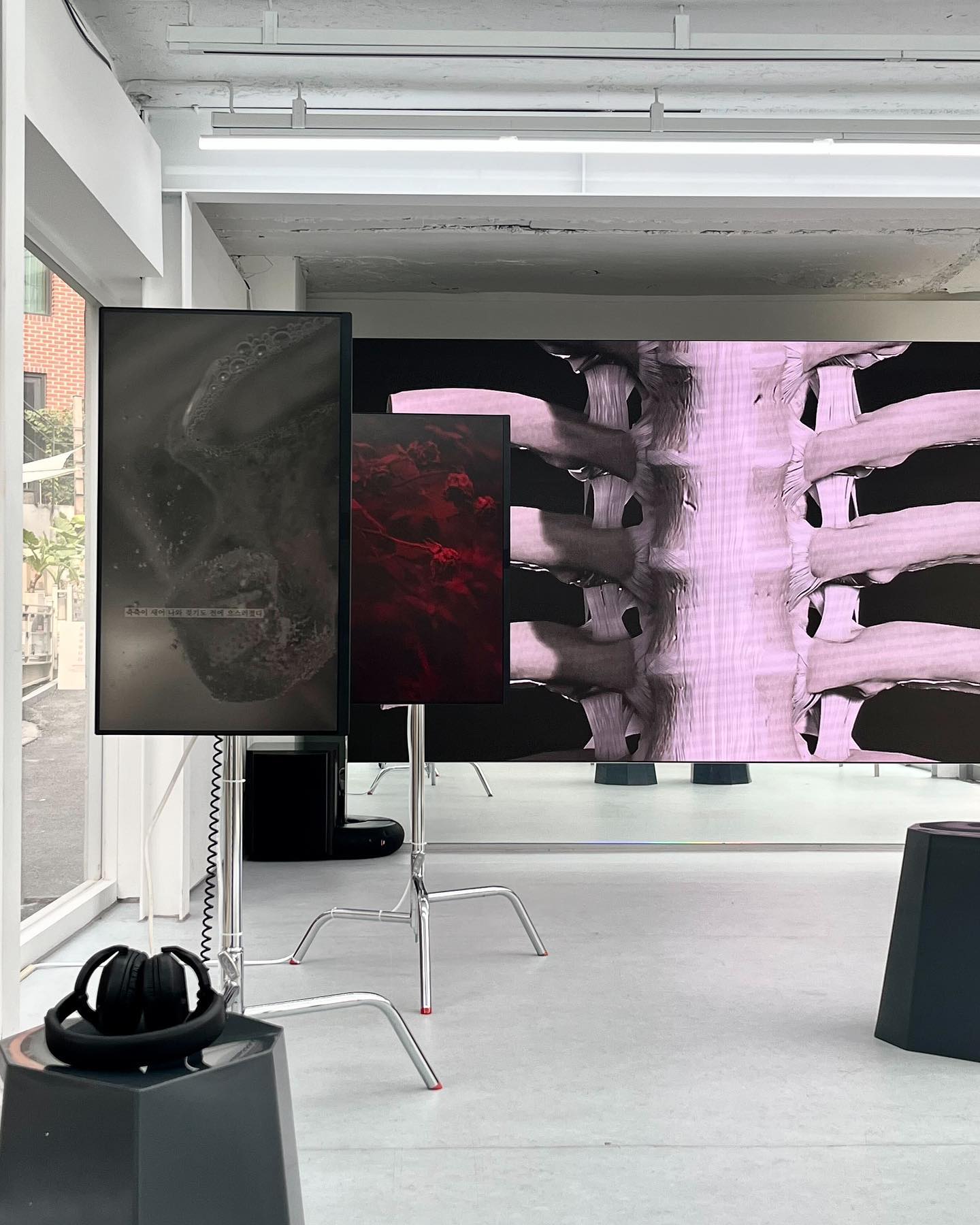
Installation view of 《Single Gentre Femur》 (Elephant Space, 2022) © Elephant Space

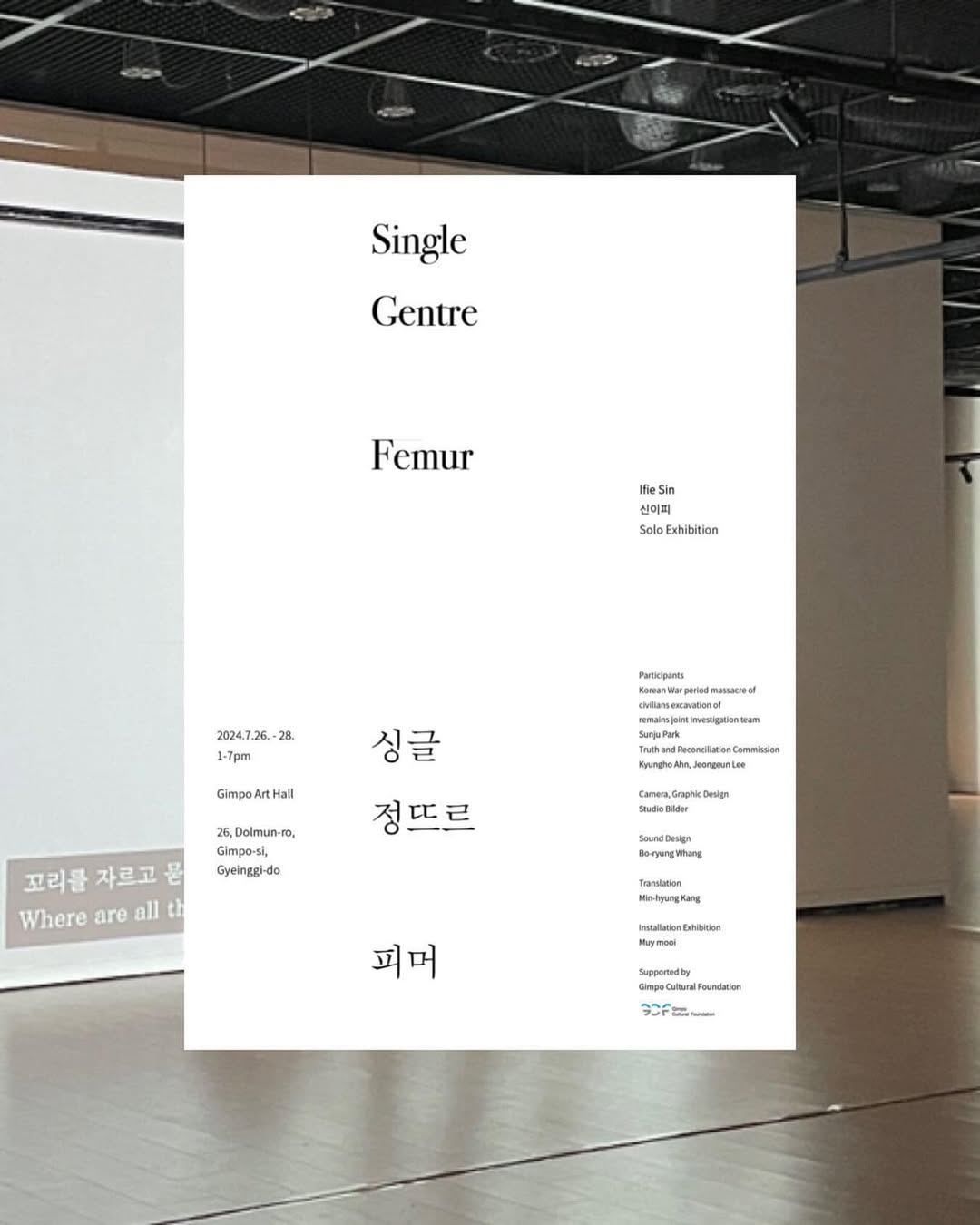
Sin’s exploration of historical events, sites of human-remains excavation, and the dignity of life as an individual being expanded further in her 2022 solo exhibition 《Single Gentre Femur》. The exhibition comprised works with metaphorical narratives that gave voice to the countless individuals exposed to discrimination, mass killing, and large-scale traumatic events, moving beyond themes of deprivation and loneliness.
 
In 《Single Gentre Femur》, the title of both the exhibition and the work, “Single” refers to one, a single or individual existence. “Gentre” is a place name referring to the area around what is now Jeju Airport in the early 1940s. The term was created by spelling the medieval form of “entry” phonetically, with the intention of evoking the word “gentle”, meaning mild or dignified.
 
“Femur” is the medical English term for the thighbone, the largest and strongest bone in the human body. It is often found relatively intact during the excavation of human remains and serves as an important basis for estimating sex and age in forensic anthropolo


Installation view of 《Single Gentre Femur》 (Elephant Space, 2022) © Elephant Space

The ‘Single Gentre Femur’ series began in 2020, when Sin participated in human-remains excavation projects, and grew out of ongoing questions about the perspectives through which the history of massacres in modern and contemporary Korean history and the history being documented are viewed. The works are grounded in research spanning the human body, organisms, life, preservation, archaeology, documentation, and taxonomy.
 
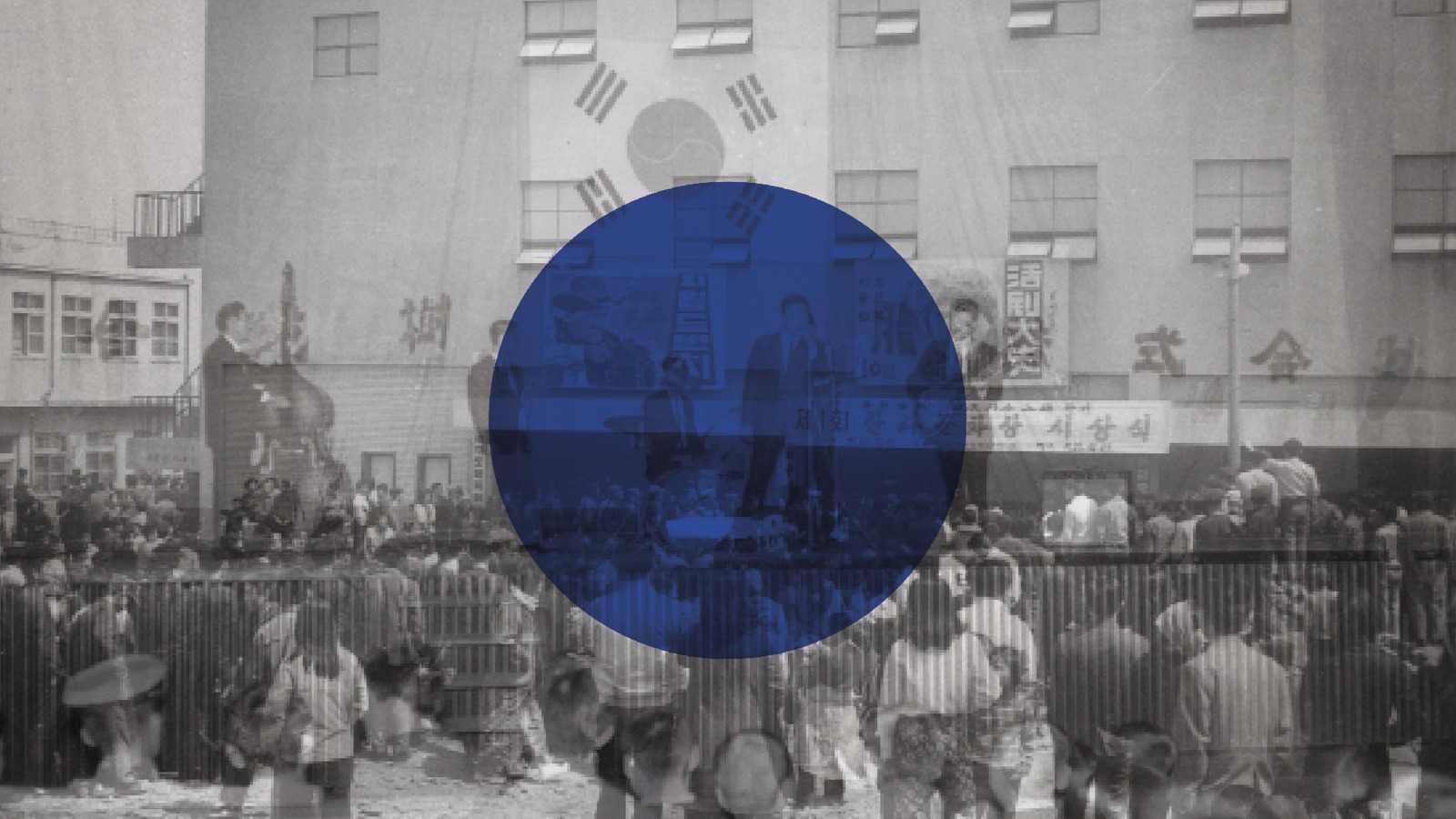
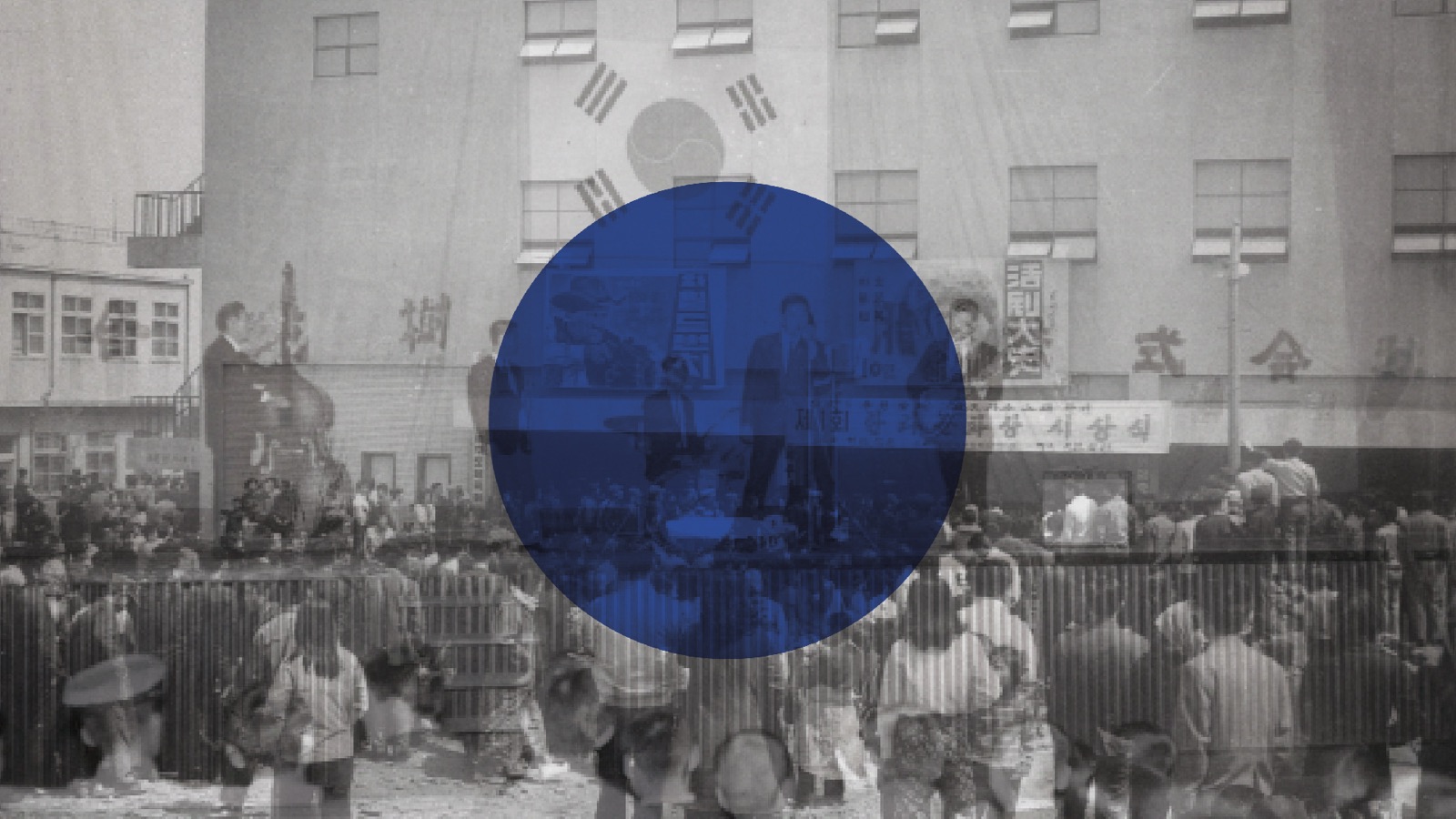
The first video in the series, Single Gentre Femur vol. 1 (2022), was produced during an eight-month stay in Jeju. It comprises footage filmed at sites deeply connected to the Jeju 4·3 Incident, along with scenes documented at an excavation site in Daejeon, where the excavation of human remains is still underway.

 
Victims who were classified as political prisoners and transferred to Daejeon Prison during the Jeju 4·3 Incident were subjected to mass killing around the time of the Korean War, and their remains continue to be excavated today.
 
Sin interweaves the time that has yet to be excavated with the present in which excavation continues, and erased names with identities brought back to light, seeking to show that these events do not remain confined to the past but continue to unfold in the present.


Ifie Sin, Single Gentre Femur vol.2, 2022, 4K single-channel video, 8min 26sec. © Ifie Sin

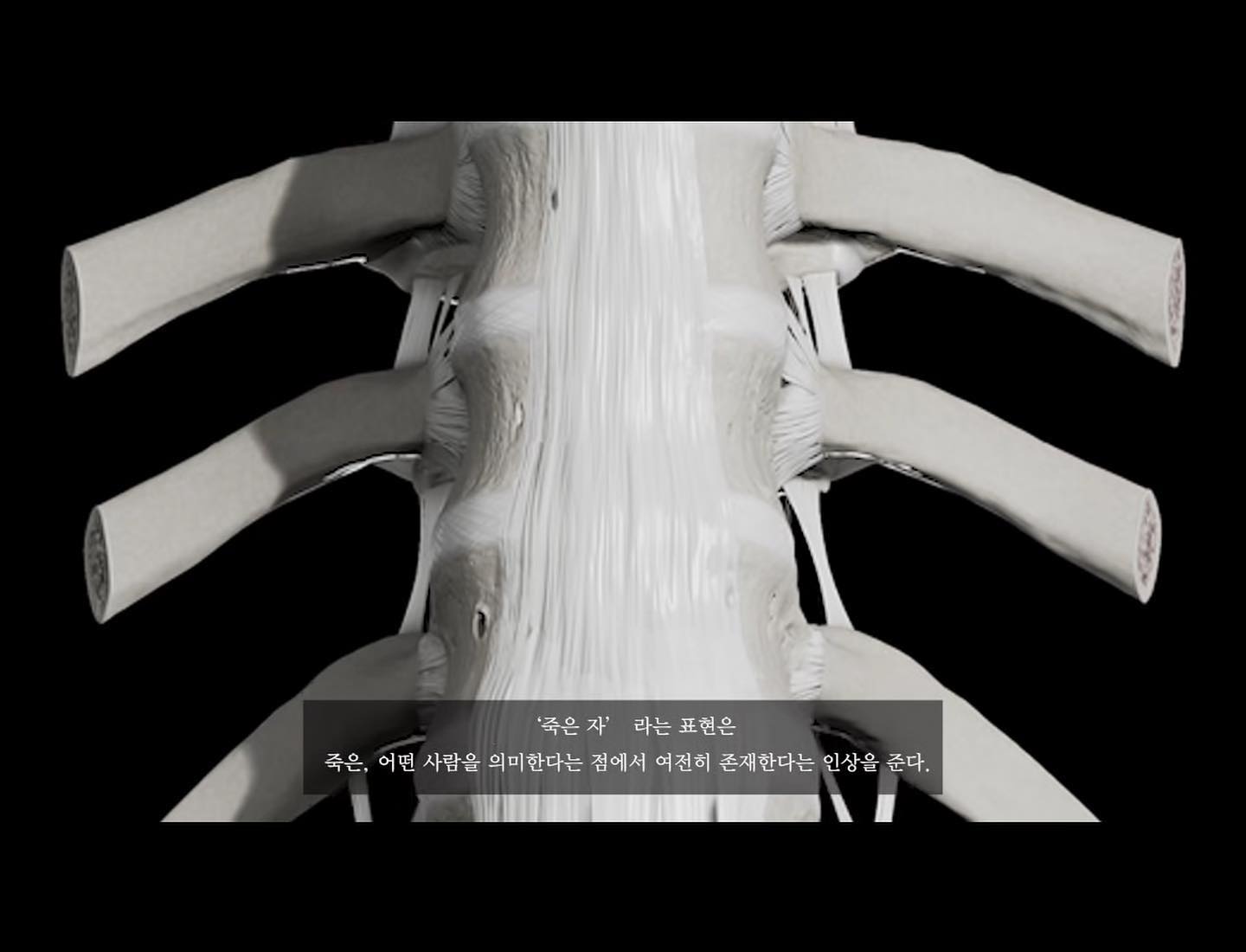
Single Gentre Femur vol. 2 (2022) begins with reflections on irreducible finitude and questions concerning the existence of the “dead.” Yet human society, which continues through time, remains grounded in the everyday, making even a series of events feel almost “ordinary.”
 
The texts in the work, which metaphorically evoke the blurred boundaries between good and evil, are an attempt to reflect the sense of unreality experienced by countless individuals exposed to national disasters.
 
Single Gentre Femur vol. 3 (2022) consists of interview materials made publicly available through a website. The interviewees are people who continue to record history in the present, including the head of the Joint Investigation Team for the Excavation of Human Remains from Civilian Massacres During the Korean War, a policy adviser to the Truth and Reconciliation Commission, and investigators.


Ifie Sin, A straight line connecting one point, 2018, FHD single-channel video, 3min 24sec. © Ifie Sin

In this way, Sin observes the relationships between individuals within larger social structures and between human and nonhuman entities, presenting the questions she gathers through these observations in the form of artworks. The process of examining relationships from a microscopic perspective and then visualizing them through the language of art is, in itself, a way for the artist to engage with the world.
 
As a practice of forming relationships, Sin’s work invites viewers to reconsider the relationships between the individual self—the “I” of the present—and the countless other individuals around them, drawing on the histories, memories, and traces of existence accumulated in the here and now.

”My work contains a fragmentary narrative on the evolution of species and the history of life, and elevate the individual members of society as one majority “individual” through a narrative video installation.” (Ifie Sin, Artist’s Note)


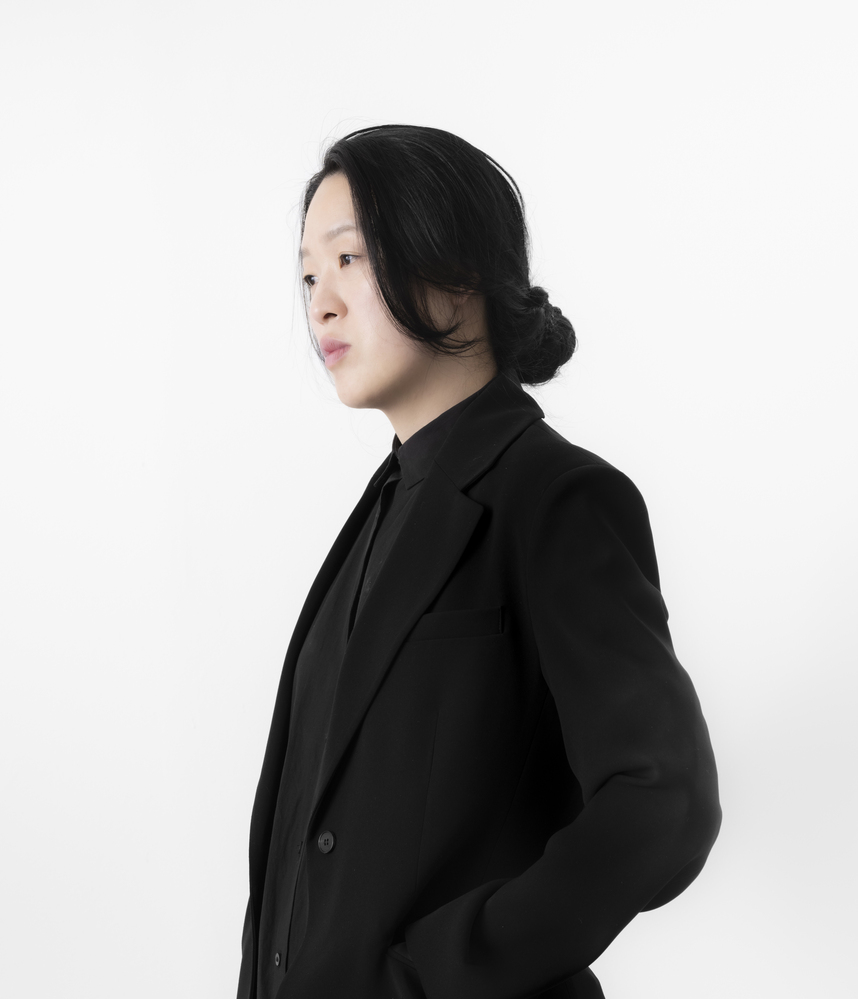
Artist Ifie Sin. Photo: Jaeuk Lee © Ifie Sin

Ifie Sin earned her bachelor’s and master’s degrees from the École européenne supérieure de l’image. Her recent solo exhibitions include 《Single Gentre Femur》 (Gimpo Art Hall, Gimpo, 2024), 《Single Gentre Femur》 (Elephant Space, Seoul, 2022), 《A cold bird on the dead mountain》 (Onsu Gong-gan, Seoul, 2020), and 《Emotion of Leg》 (SeMA Storage, Seoul, 2019).
 
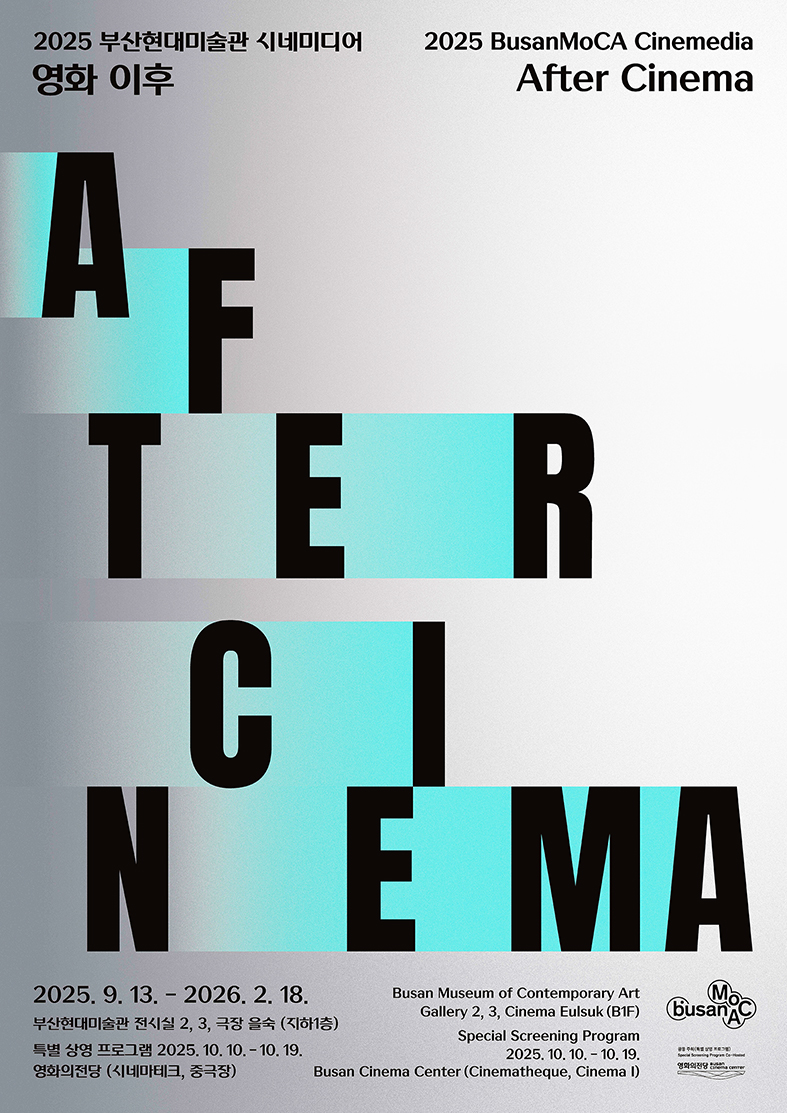
She has also participated in group exhibitions including 《Strangers Under the Same Night》 (Yeongdeungpo Art Square, Seoul, 2026), 《SONGEUN x UNBOXING PROJECT: Generative Forms》 (SONGEUN, Seoul, 2026), 《2025 BusanMoCA Cinemedia_ After Cinema》 (Busan Museum of Contemporary Art, Busan, 2025–2026), 《Boundless Gestures: Resonate With You》 (Hall 1, Seoul, 2022), and 《The 20th SONJEUN Art Award Exhibition》 (SONGEUN, Seoul, 2020).
 
In 2021, Sin received the Excellence Award at the 20th SONJEUN Art Award. Her works are held in the collections of the Seoul Museum of Art, SONGEUN Art and Cultural Foundation, and the MMCA Art Bank.

References