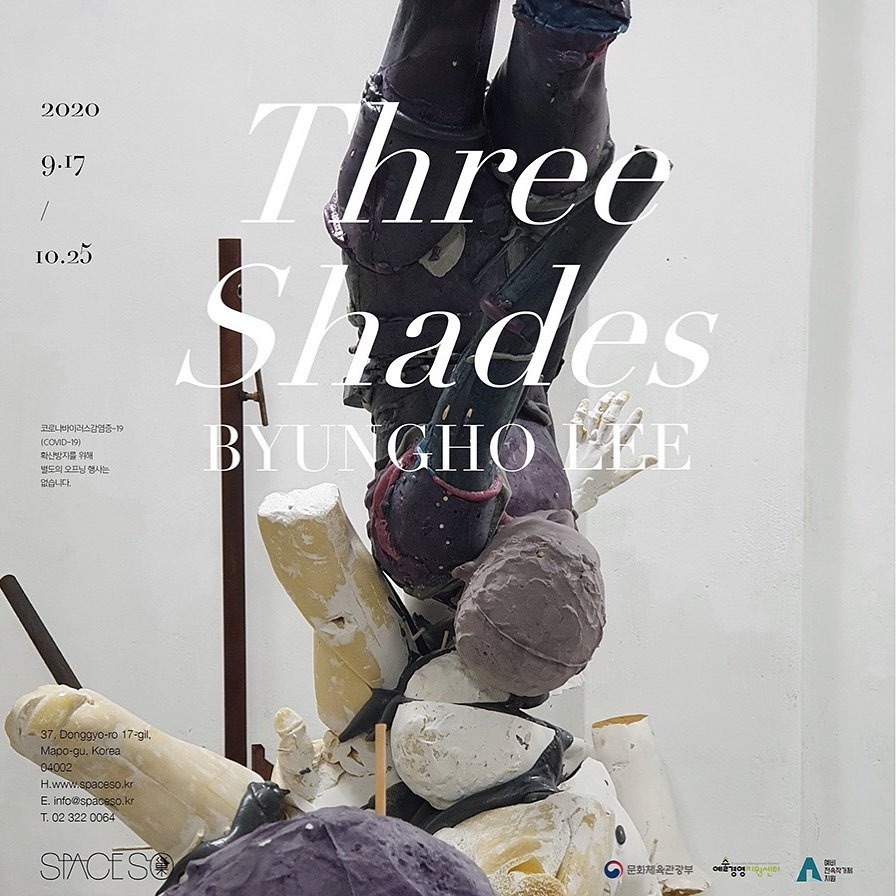
Lee Byungho has long been interested in using classical figurative sculpture as his subject to propose a kind of sculpture in a fluid state—something generally considered impossible to express through the medium of sculpture. His earlier works focused on the empty space between the outer surface of a sculpture and its internal framework by using silicone, visually representing changes in form and movement through mechanical devices that repeatedly injected and released air into and from this space.
His recent works, however, reveal a shift from these earlier practices. First, he has replaced silicone, which he had chosen for its flexible surface, with polyurethane, a material that allows for a wider range of expression. This change in material appears to serve his experiments with various working methods and modes of expression using the human body as a subject.
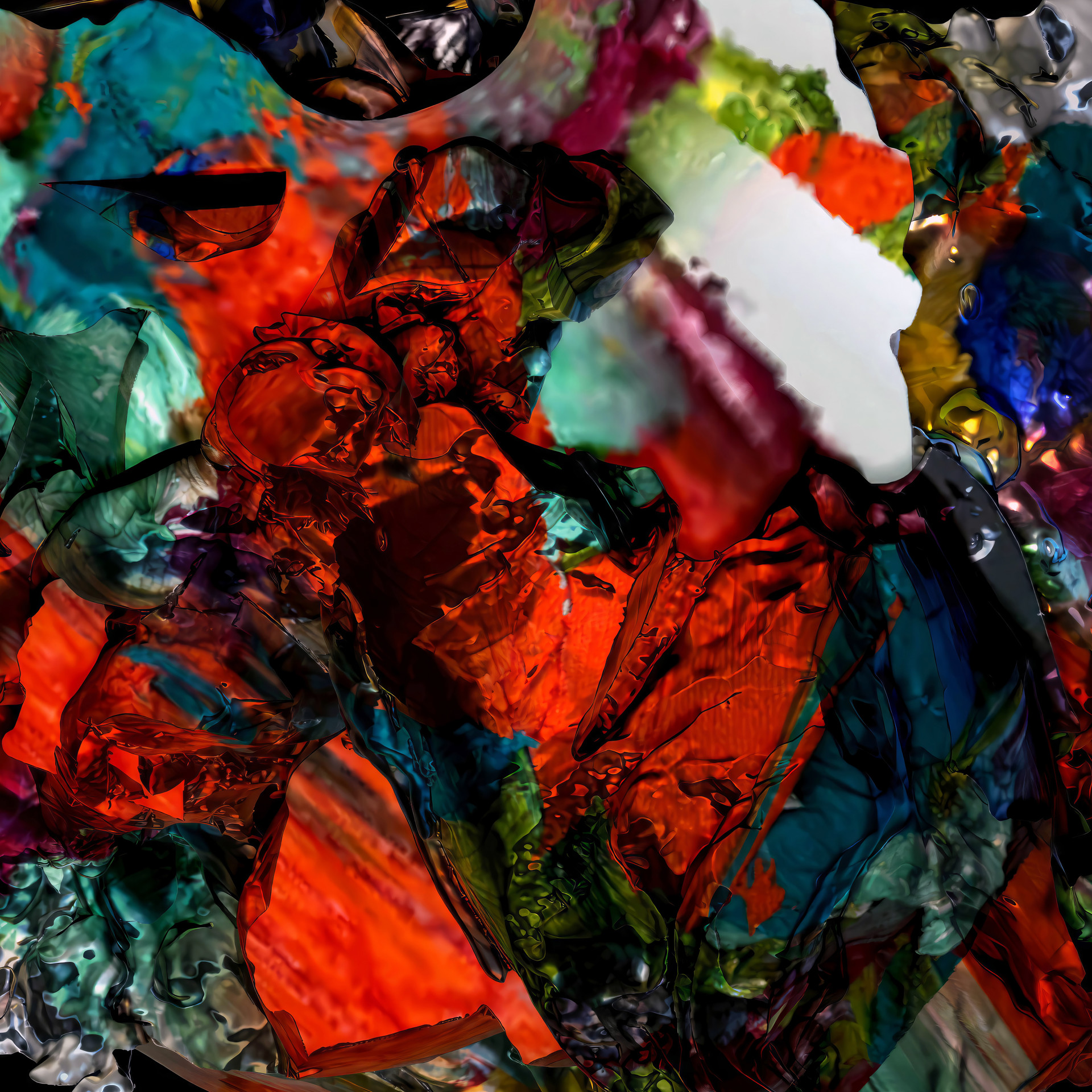
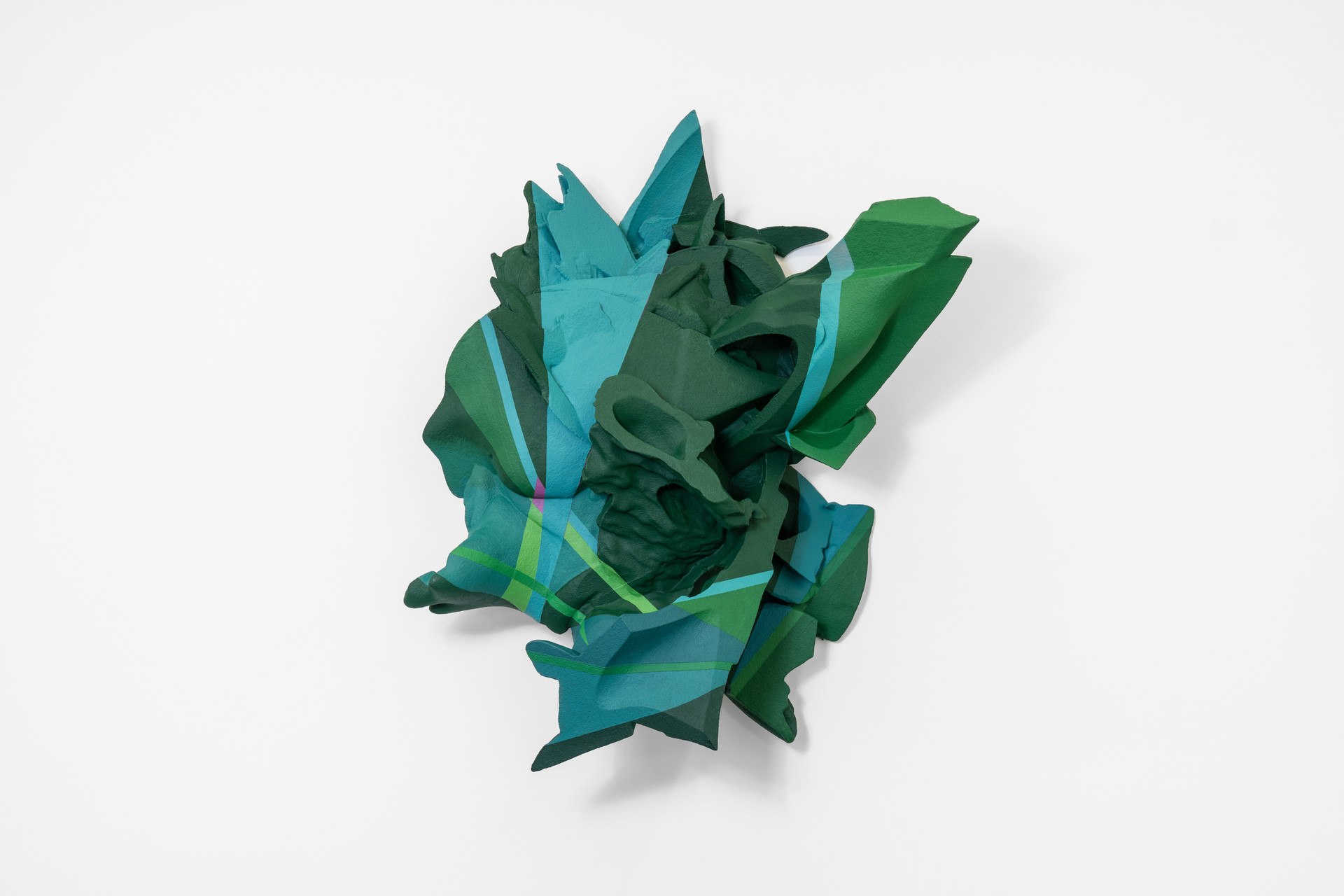
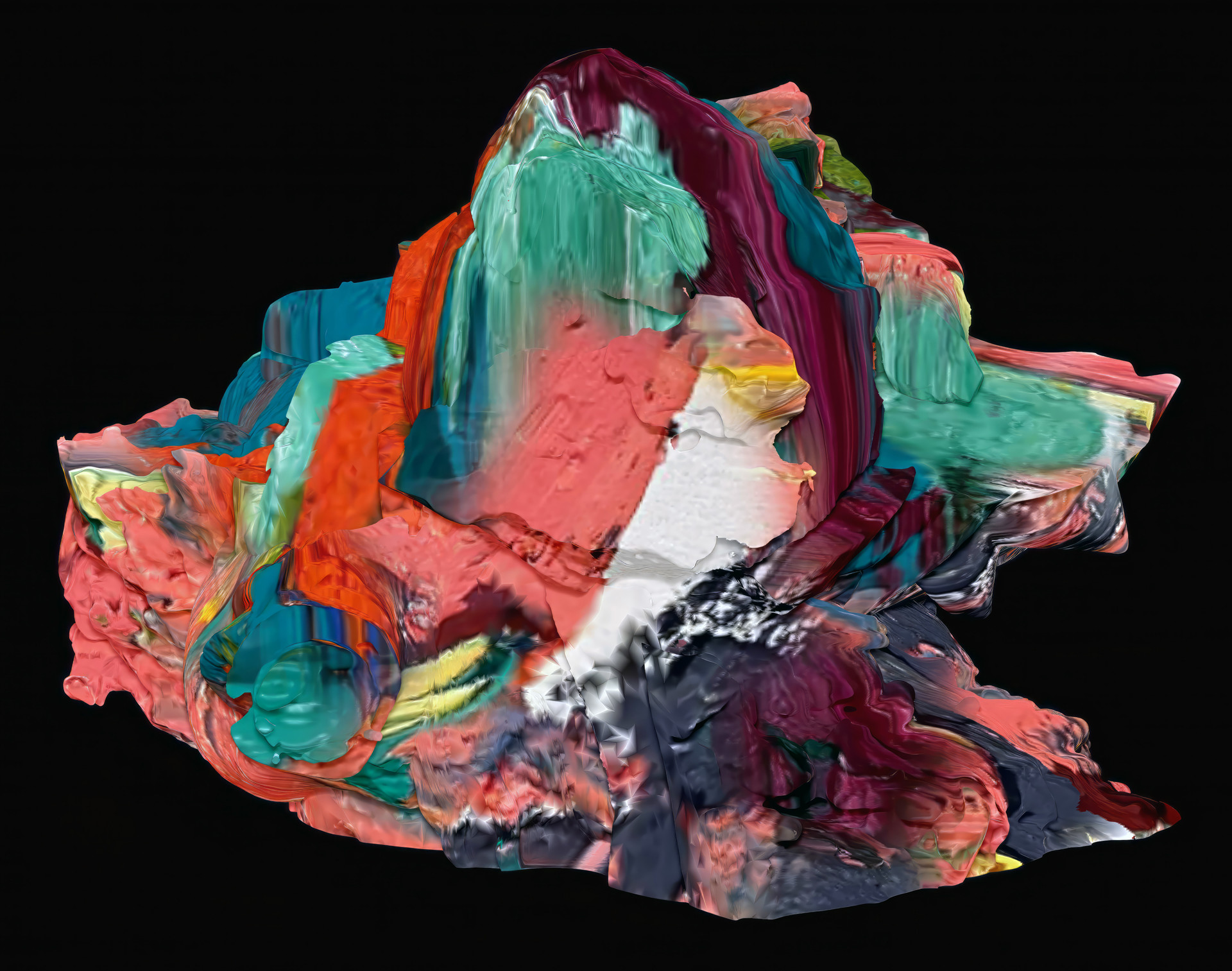
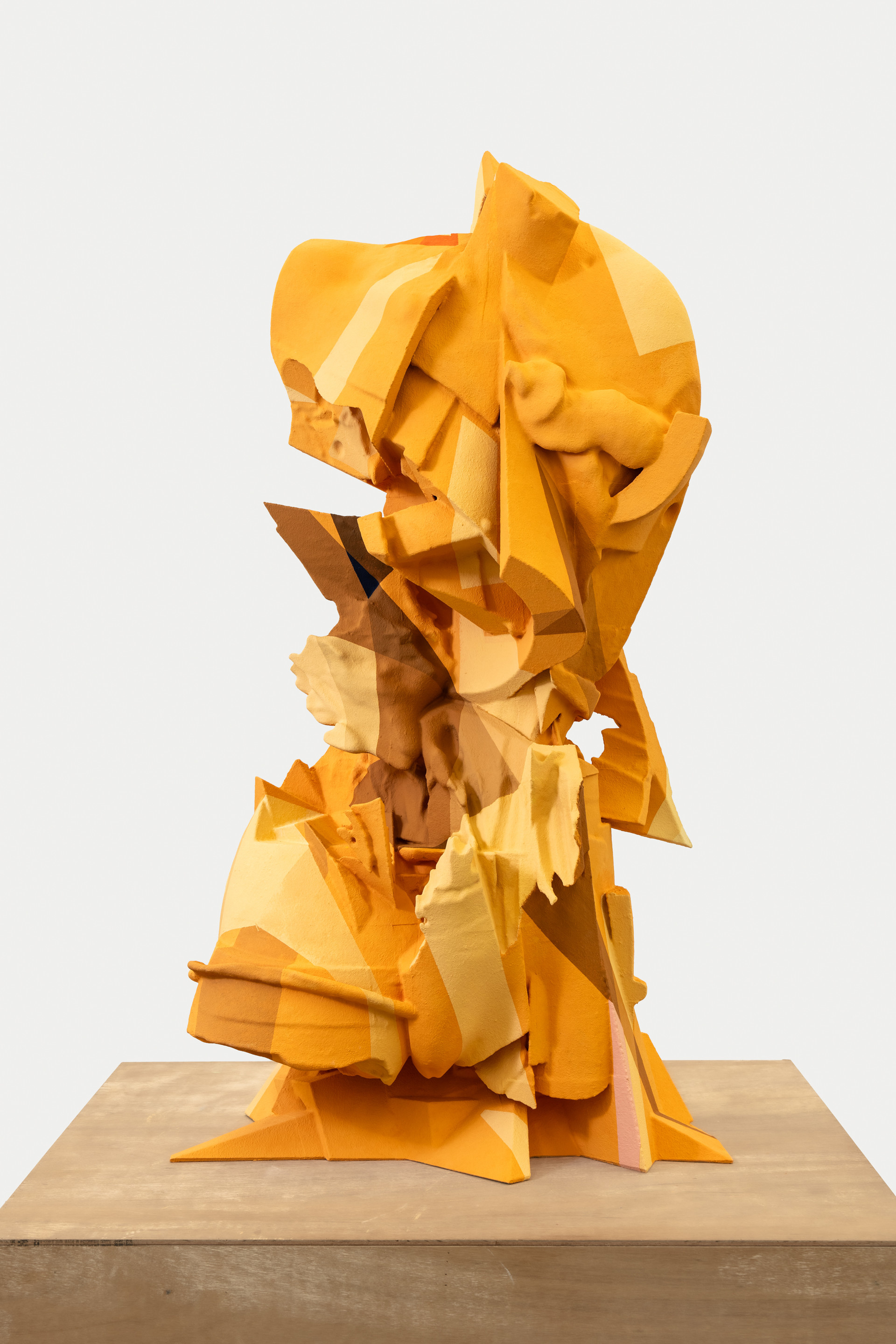
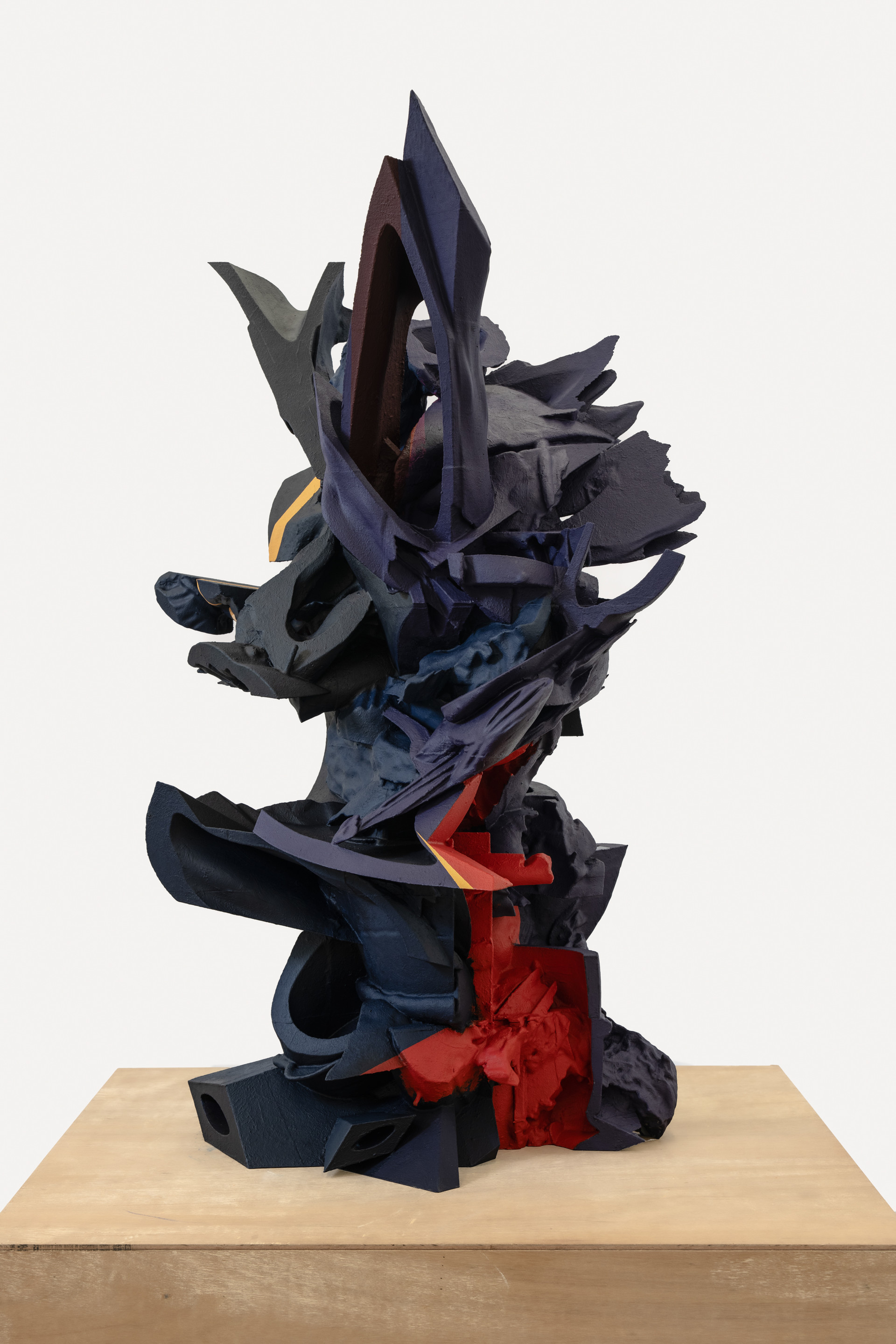
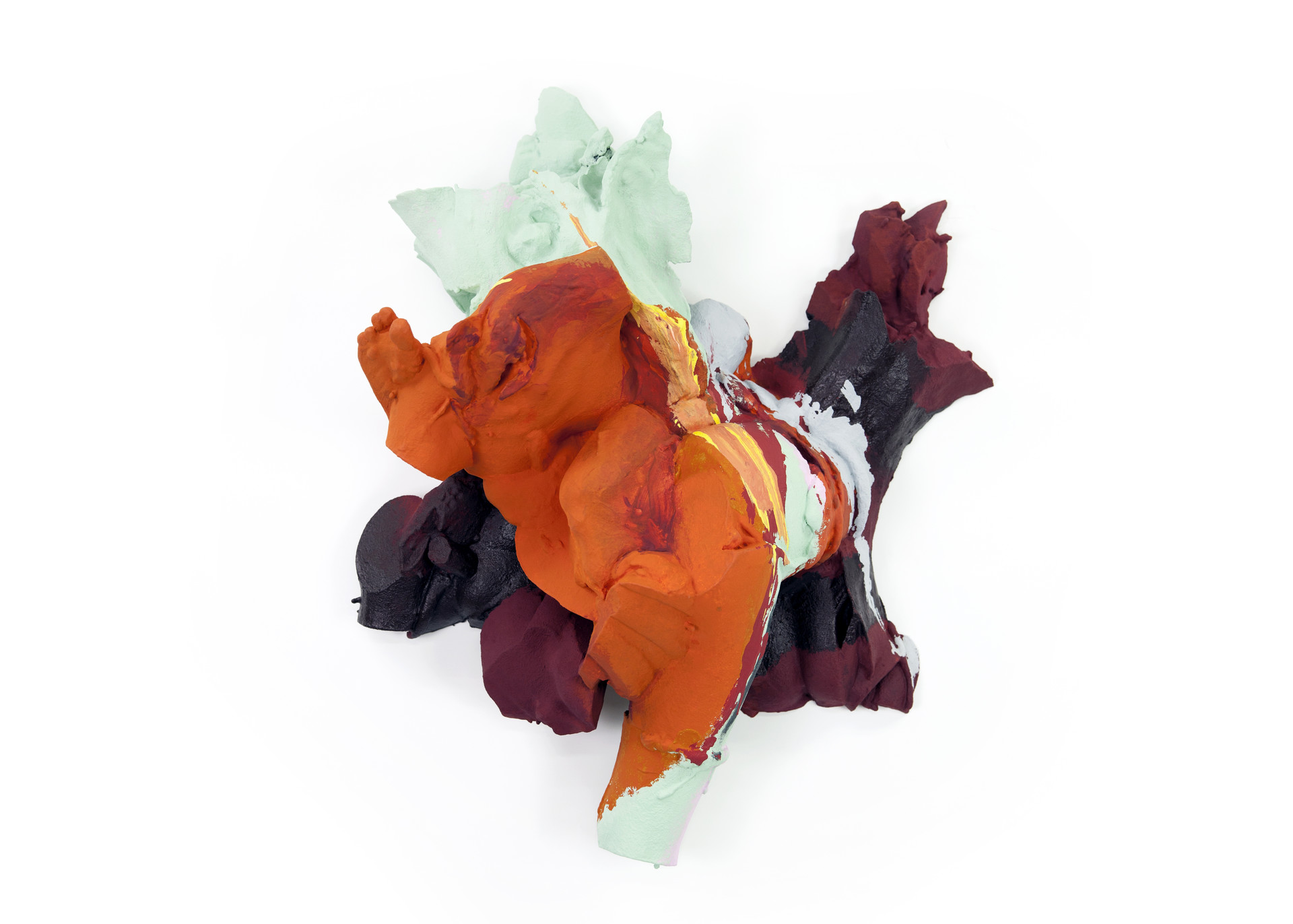
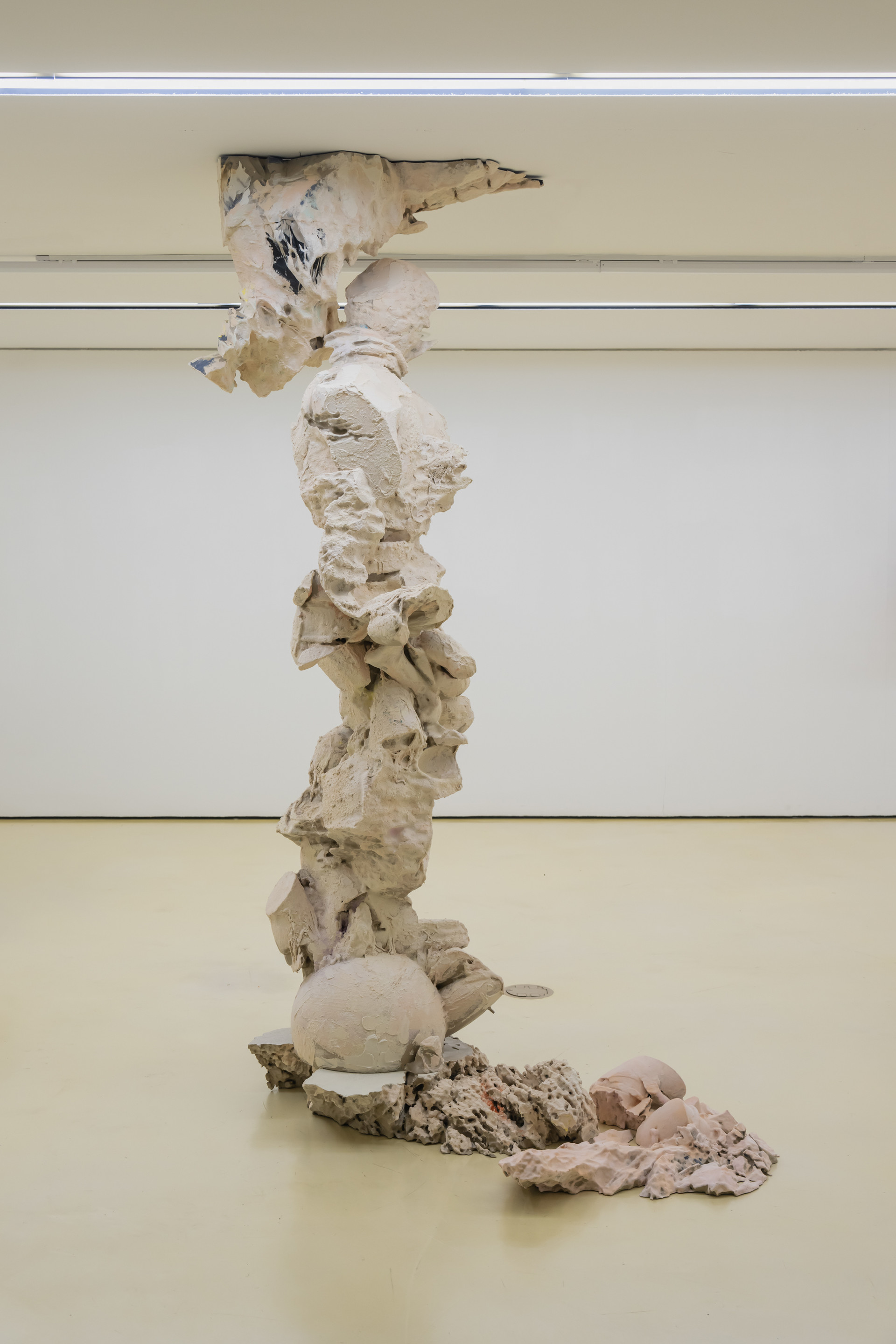
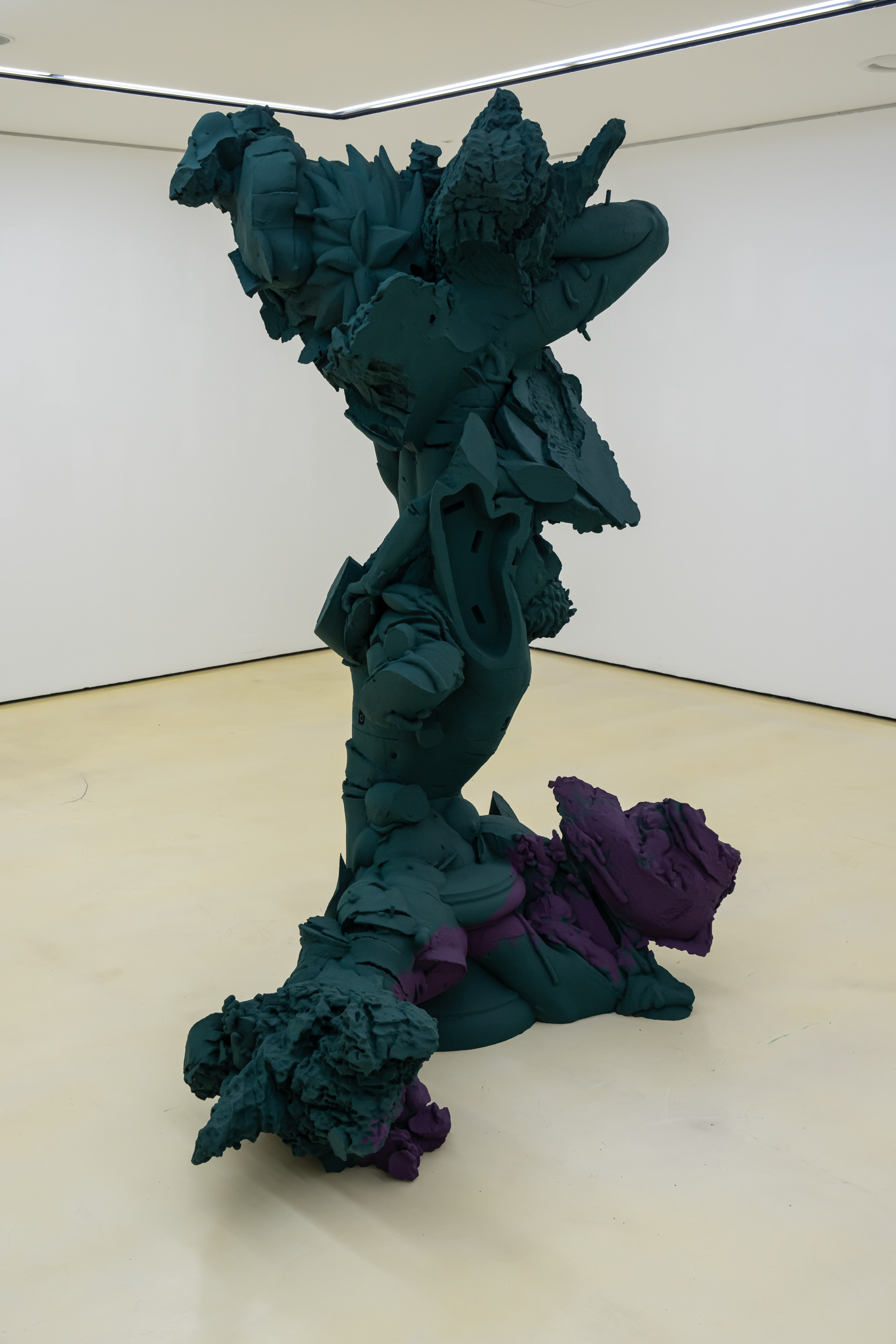
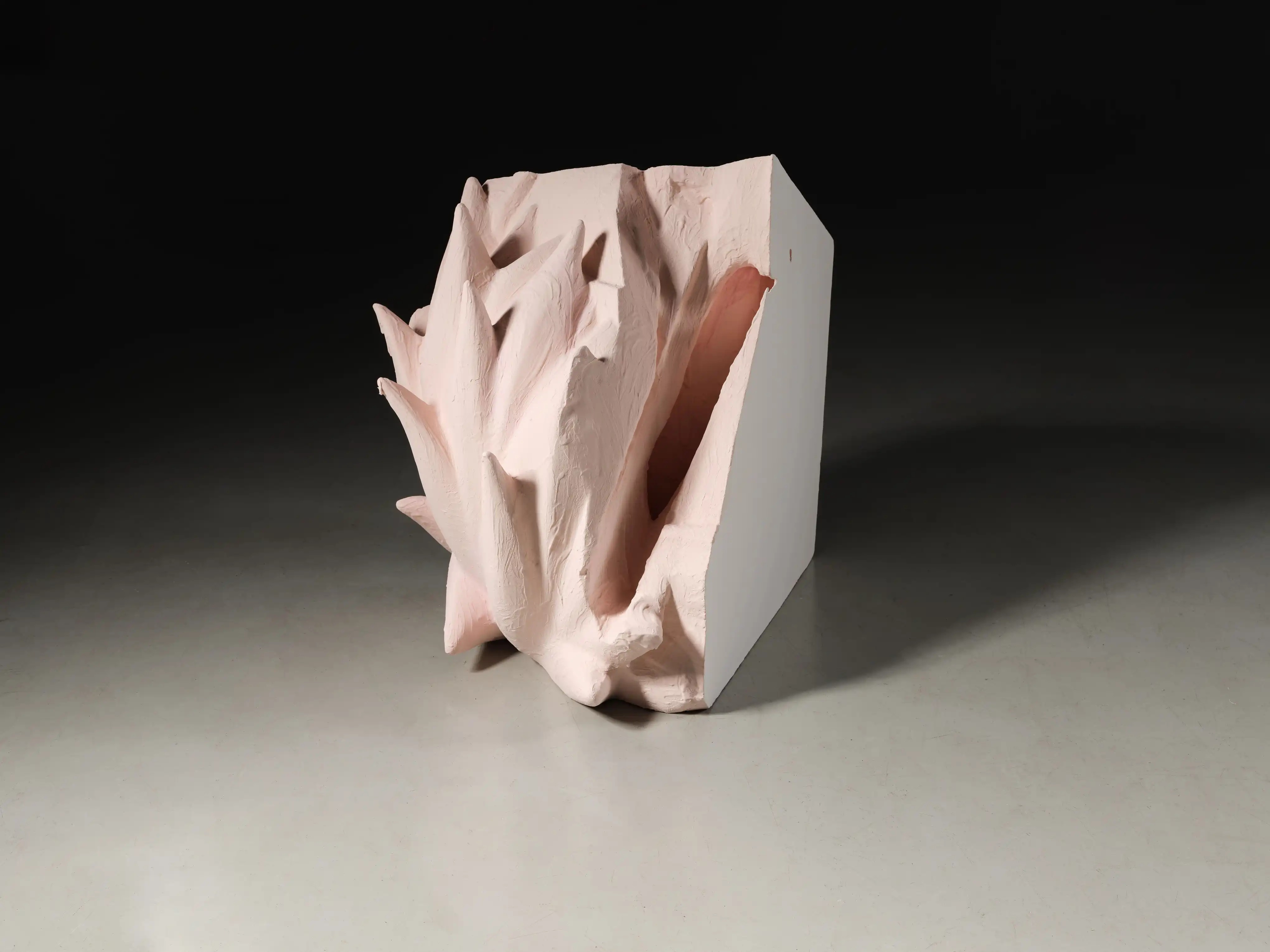
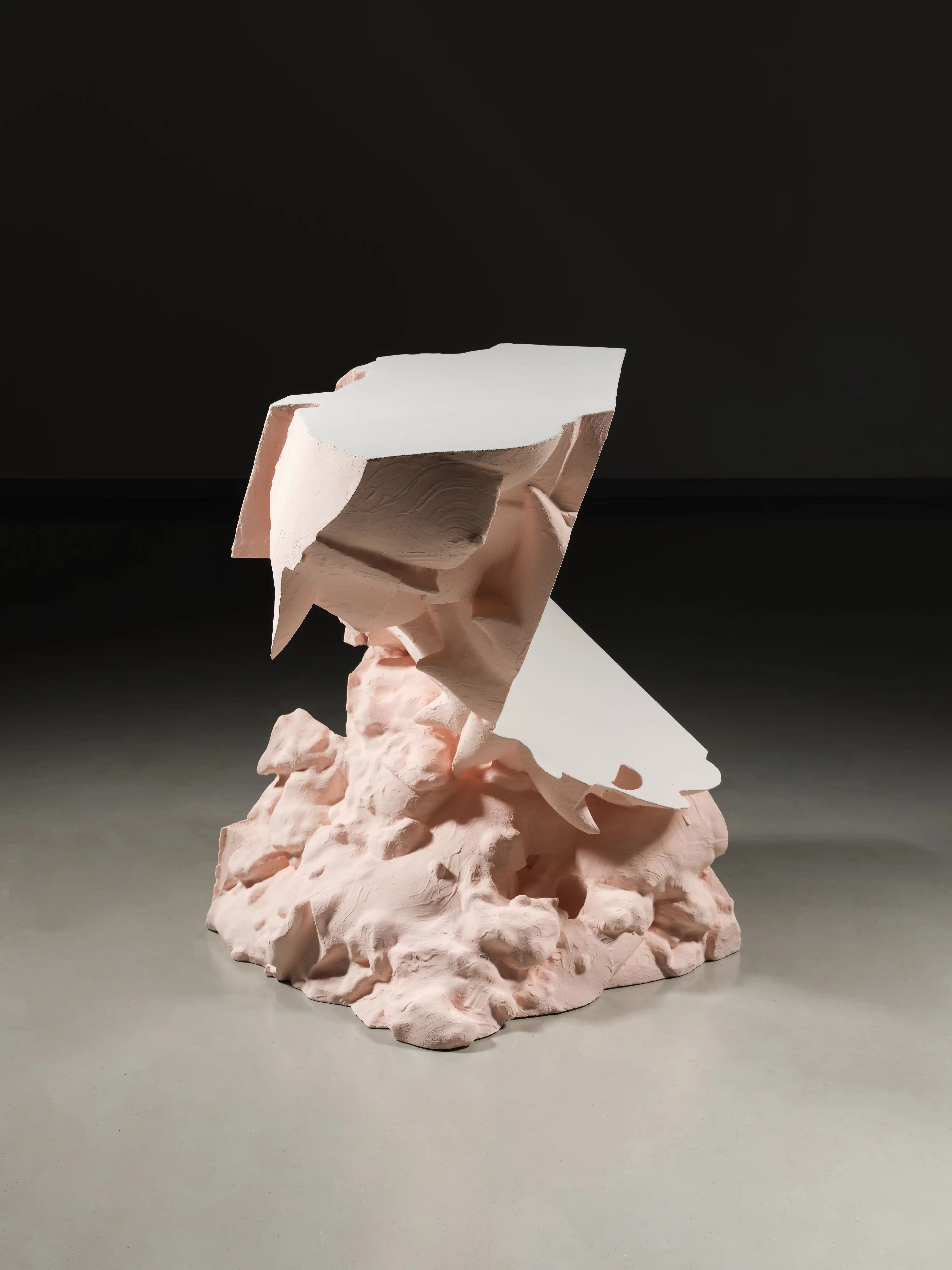
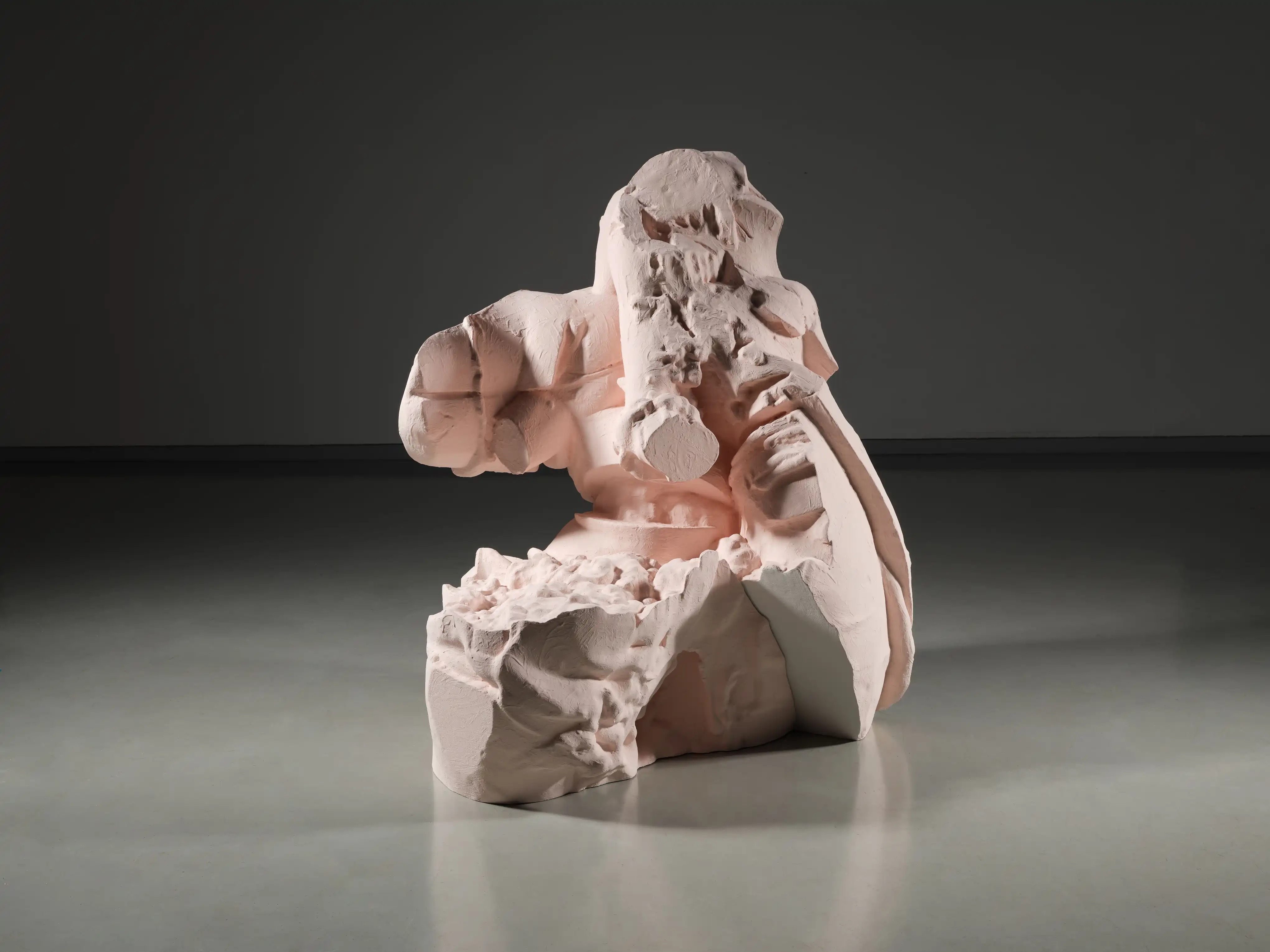
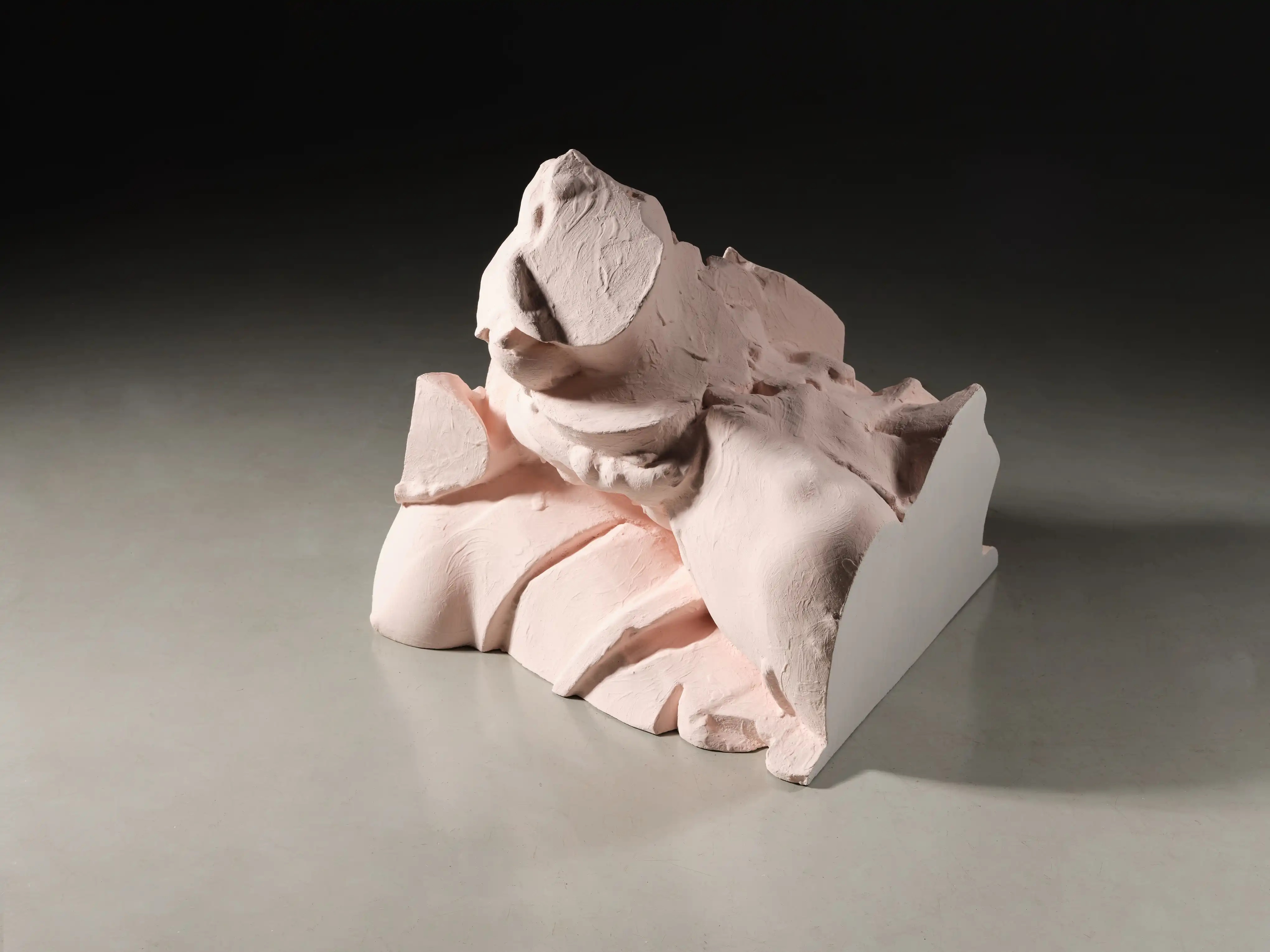
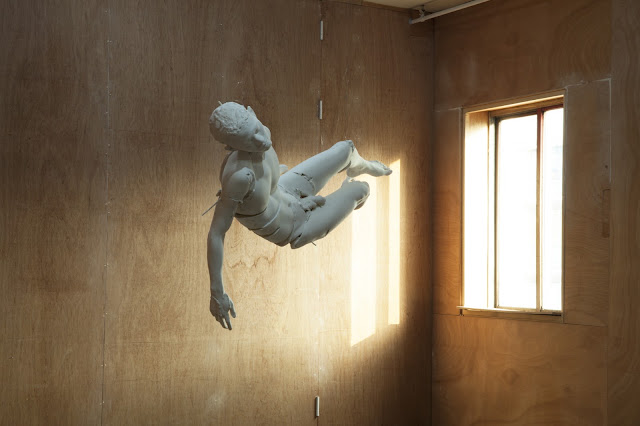
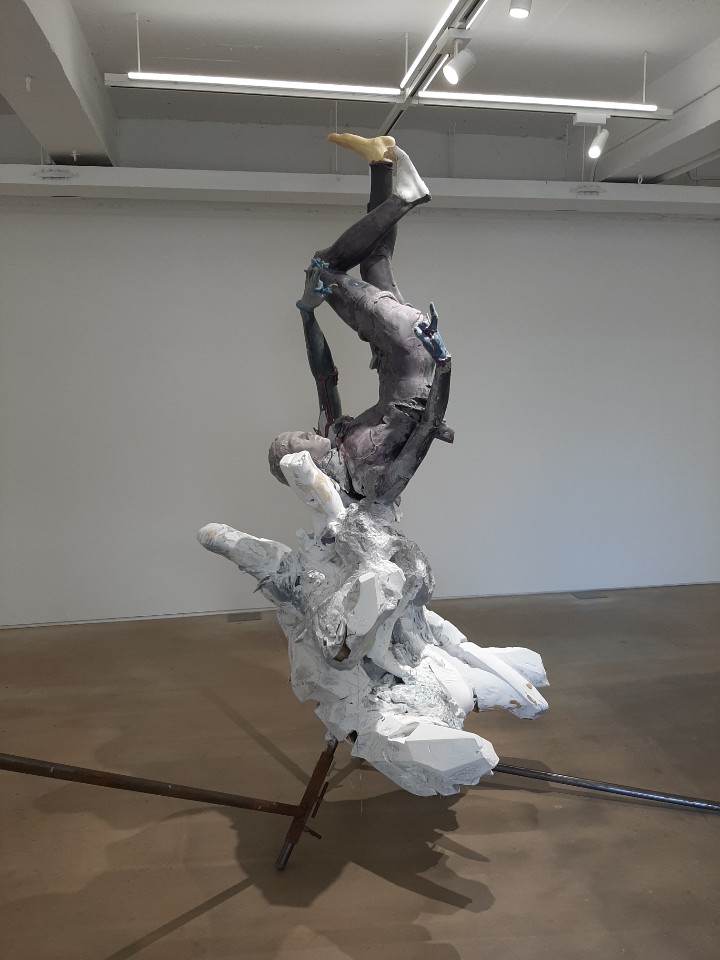
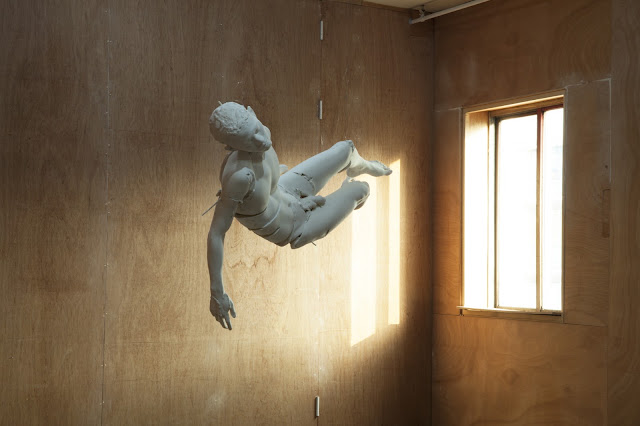
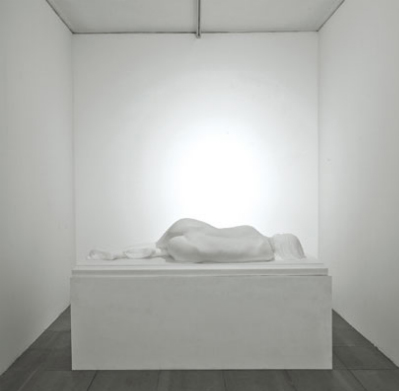
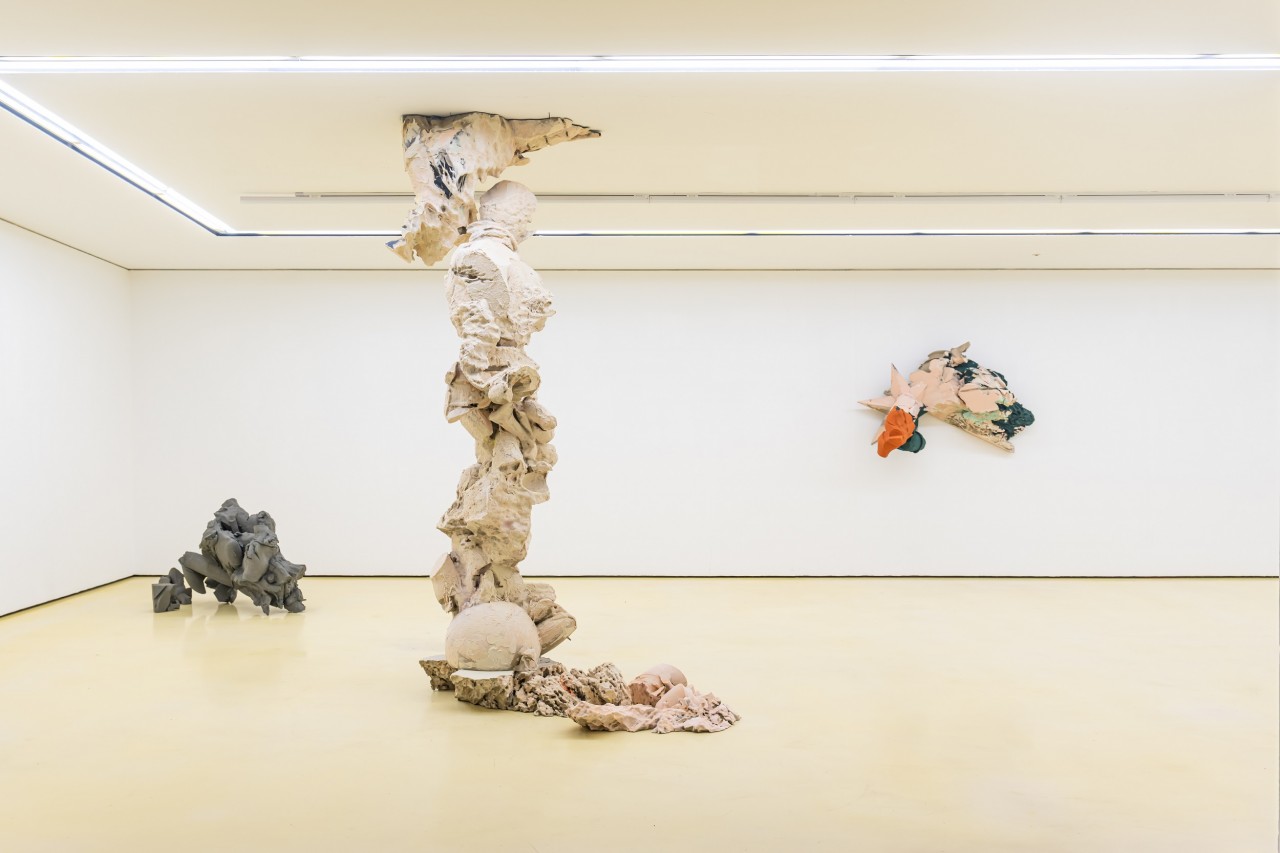
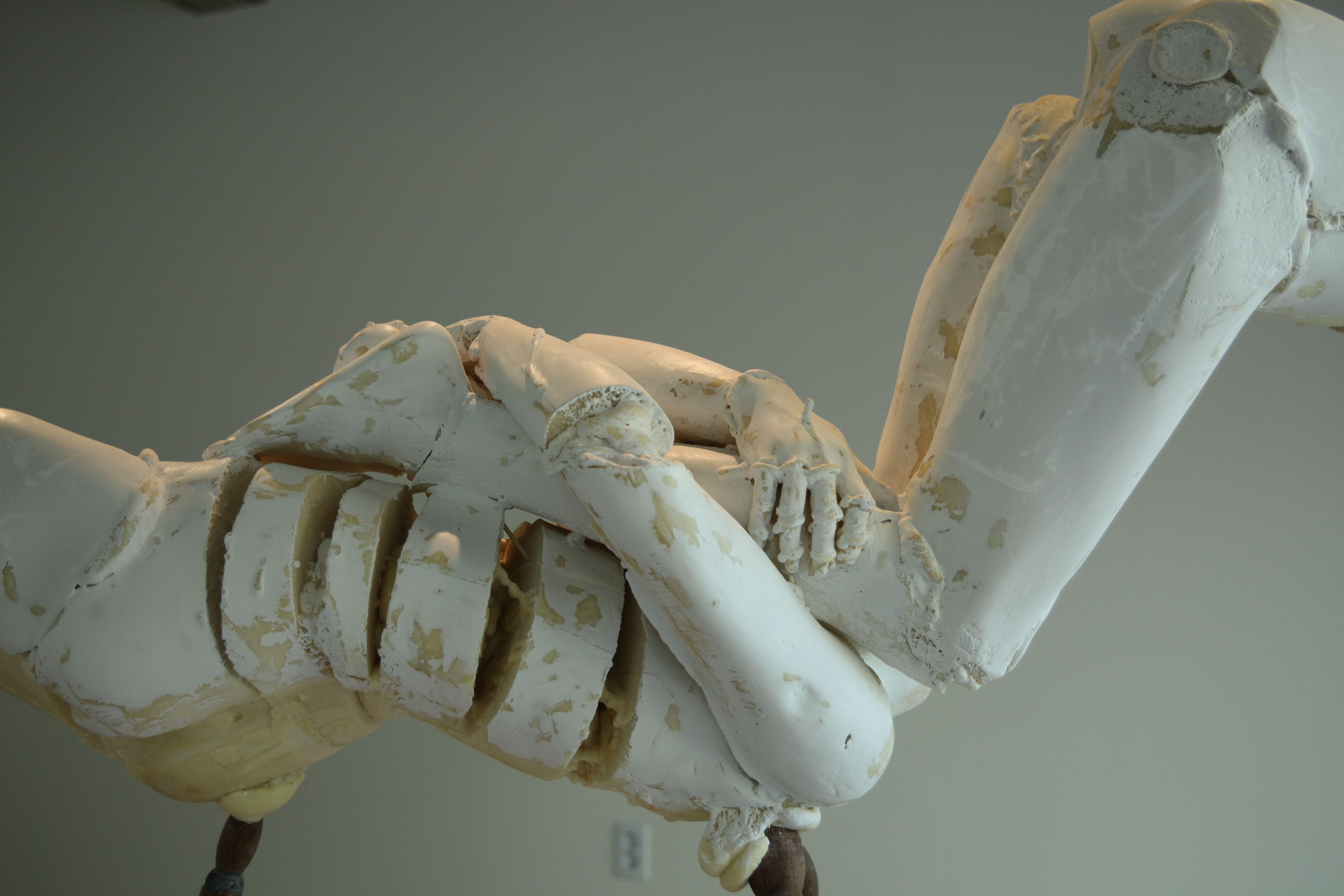
Such experimentation can also be seen in the ways his works are installed: human figures in diverse poses are suspended in the air, attached to walls, or fixed onto steel structures. His new works present a range of bodily forms, while others appear as torso-like forms with arms, legs, and even heads removed. What deserves greater attention, however, is his treatment of the body’s surface. The body is cut apart and segmented in various places, exposing its interior through the resulting cracks and gaps, while traces remain intact across surfaces that may be smooth, perforated, or swollen.
In 《STATUE X STATUE》, the artist goes even further, dismantling and disassembling previously exhibited works and recombining them as parts of other works, while also allowing abundant natural light into the exhibition space so that perception changes according to the viewer’s position. How, then, might we read these works?
To begin with his working process, Lee first creates a basic mold of the human body through live casting. He then repeatedly casts from this mold, accumulating bodies as materials for his work. In doing so, he standardizes bodily masses with singular forms, much like basic modules. Guided by the artist’s intuition, these materials are then recombined into a single body or transformed into new bodily configurations, ultimately appearing as individual figurative works. On the surface, these results may seem to pursue the traditional sculptural ideal of bodily beauty.
For Lee Byungho, however, figurative sculpture is not an object intended to represent the human body. Rather, he seeks to move beyond qualities fundamentally associated with sculpture—mass, weight, physical presence, permanence, fixity, and completeness—and to acquire a sculptural language that is light, full of potential for change, and, furthermore, not fixed to any particular meaning.
Through this, he attempts to attain the fluidity in sculpture that has remained a sustained concern throughout his practice. The methods he has chosen are therefore intended to overcome the fixed notion of completion traditionally associated with sculpture. What, then, is the artist attempting to articulate through these works?
From this perspective, Lee’s works should be regarded as objects that we must encounter and consciously perceive as they exist in the present moment. Of course, they may be categorized under the name of figurative sculpture based on their outward appearance and understood as fixed, finished objects, but we must resist this tendency.
At the same time, his practice should not be understood merely as a process of attempting an impossible task in opposition to established sculptural conventions. Rather, we should focus on his attempt to shift perception by producing objects that can never be fully completed or brought to closure, allowing reality to be apprehended intuitively. In other words, what the artist ultimately seeks to address behind the format of figurative sculpture is the act of confronting reality beyond fixed ideas and specific definitions.
To create such a fluid condition, he removes the constituent elements of sculpture one by one, leaving behind not a means of representing something but only a particular attitude and mode of practice. His works therefore approach us not as completed results but as unstable and indeterminate situations. His figurative works become sites that are simultaneously nothing and yet entirely capable of making something possible.
In this way, his sculptures of the human body, precisely through their emptiness, remain flexibly open to generating new meanings according to how we perceive them. We should therefore understand them not as fixed representations of the body that produce concrete meanings, but as fluid, abstract objects.