In Lee Byungho’s early sculptures, formal transformation is realized as direct physical movement through the combination of silicone and mechanical devices. A thin silicone skin is placed over an inner FRP structure resembling a skeleton or musculature, while air compressors, motors, and sensors regulate the injection and release of air.
The surface repeatedly inflates, collapses, adheres to the inner structure, and separates from it, making the human figure appear to breathe or age. In works such as the 'Vanitas Bust' series and Deep Breathing, this movement condenses processes of life and death, generation and disappearance, into short temporal cycles. The sculptural surface thus functions both as an outer skin and as a primary means through which time becomes visible.
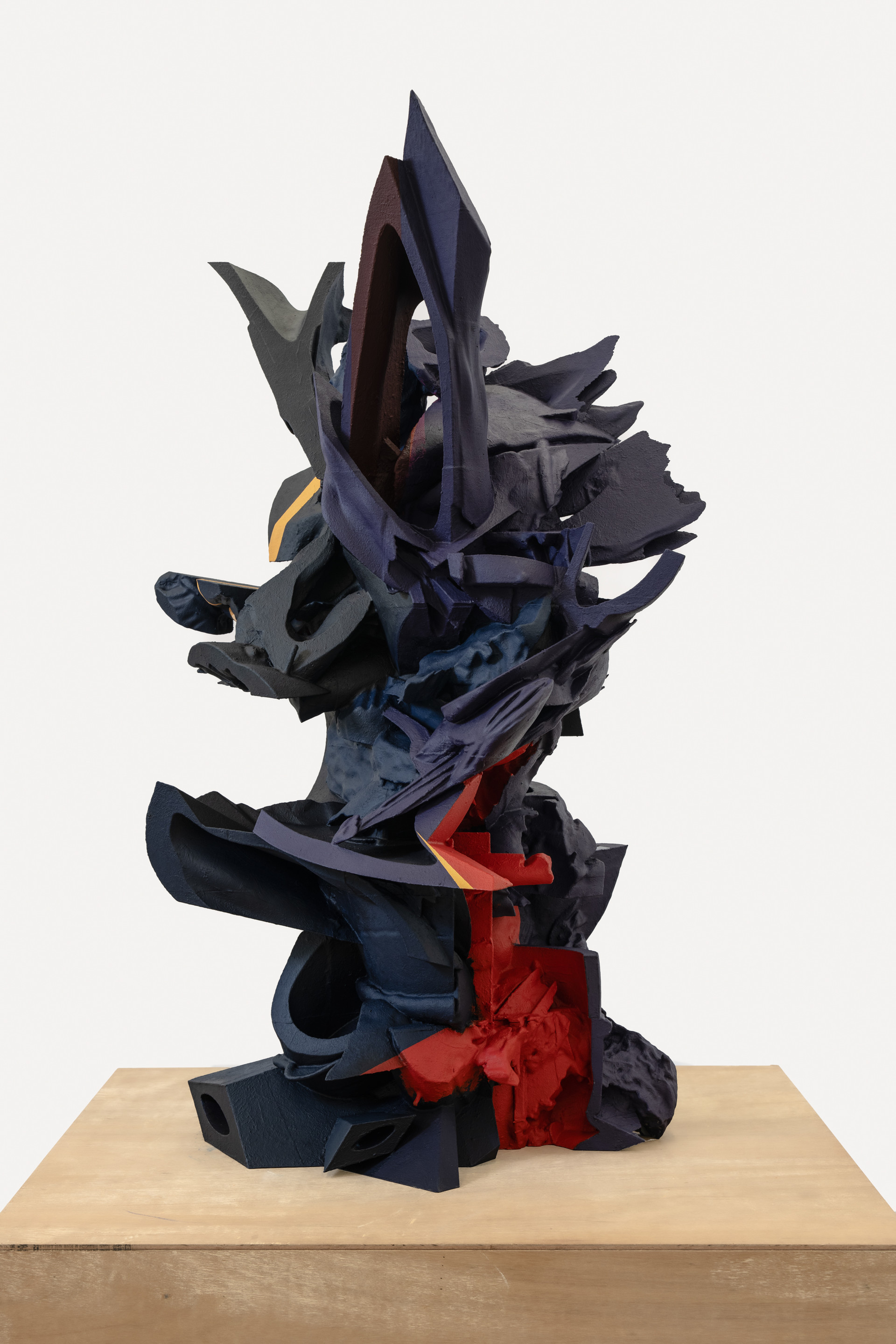
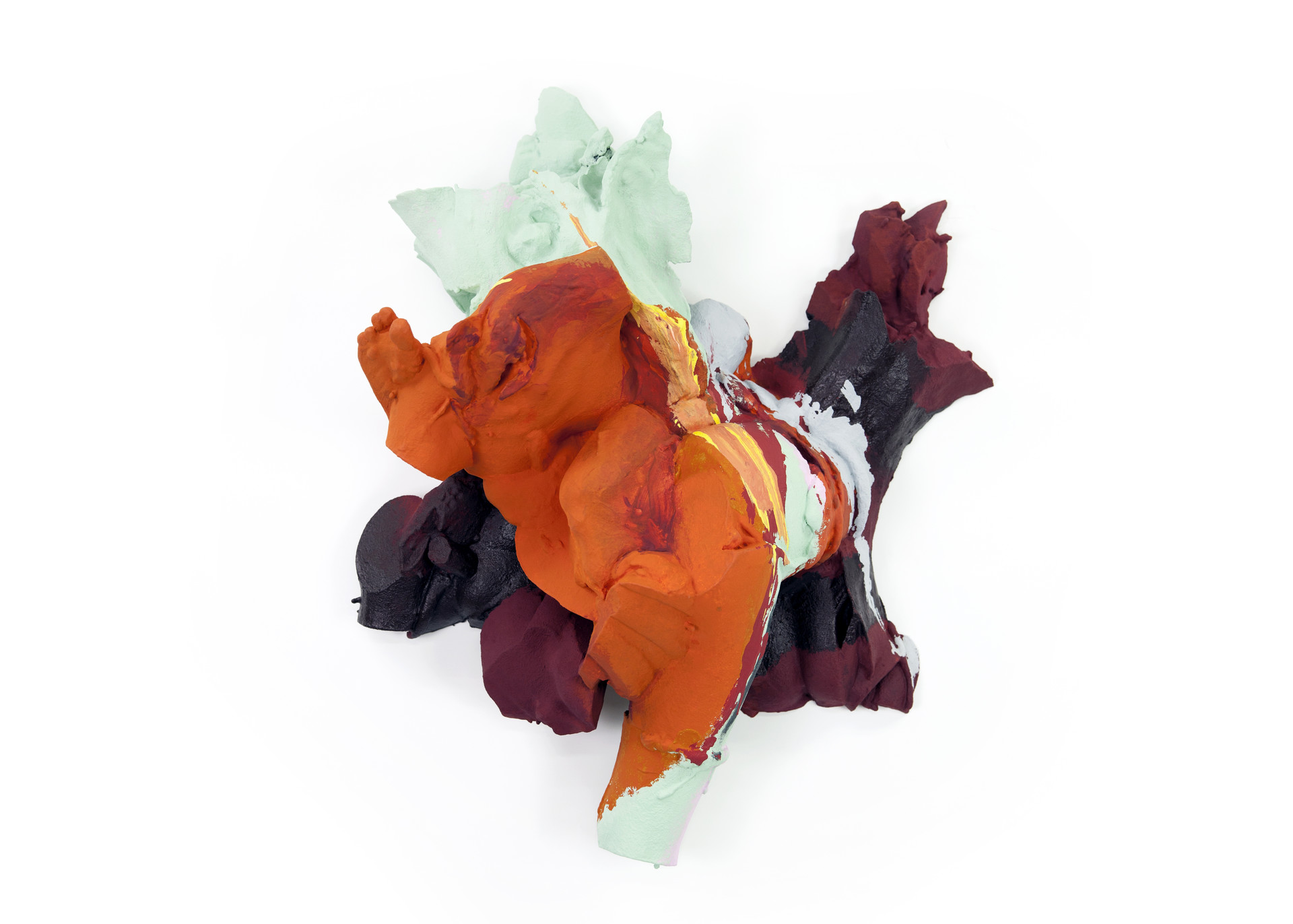
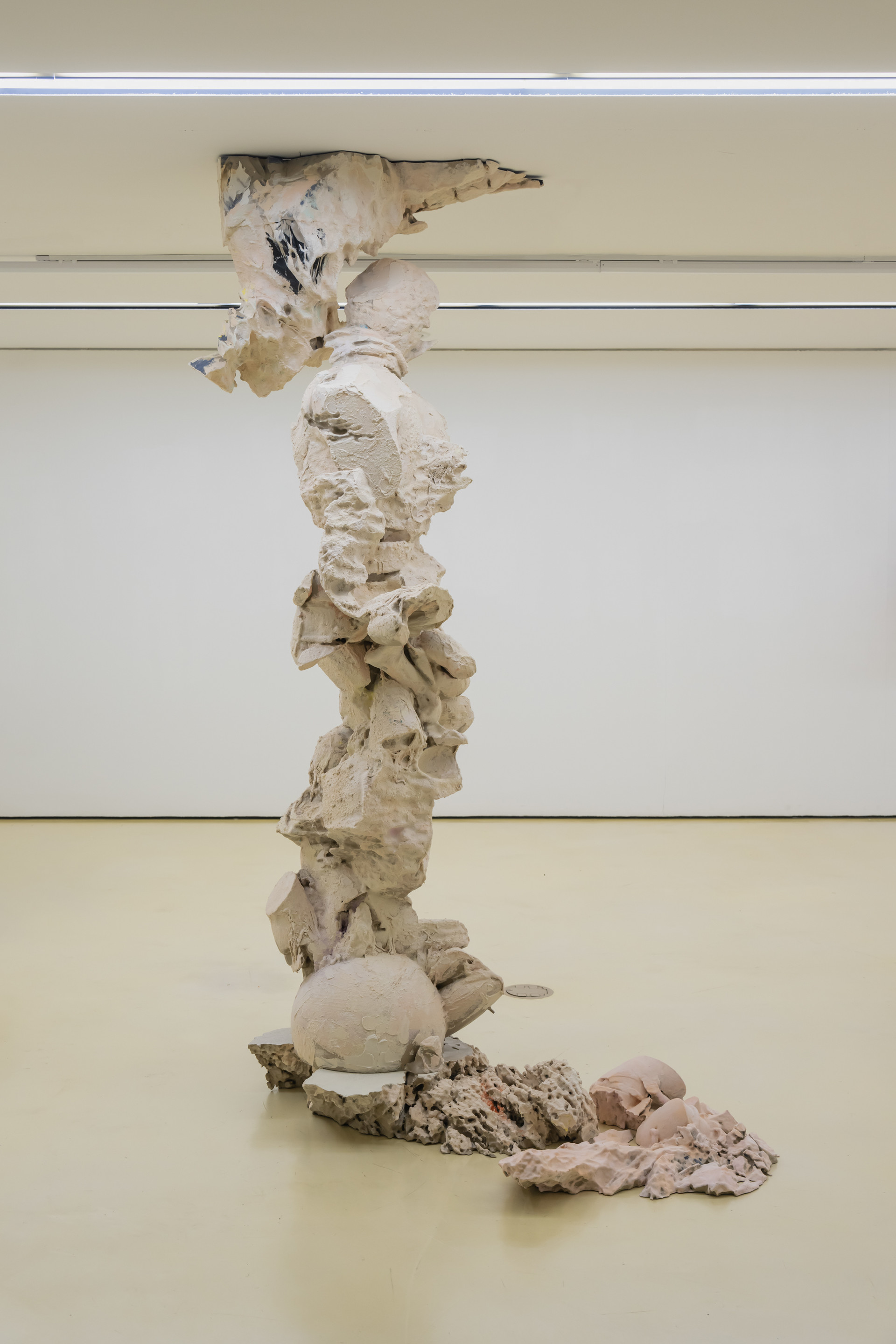
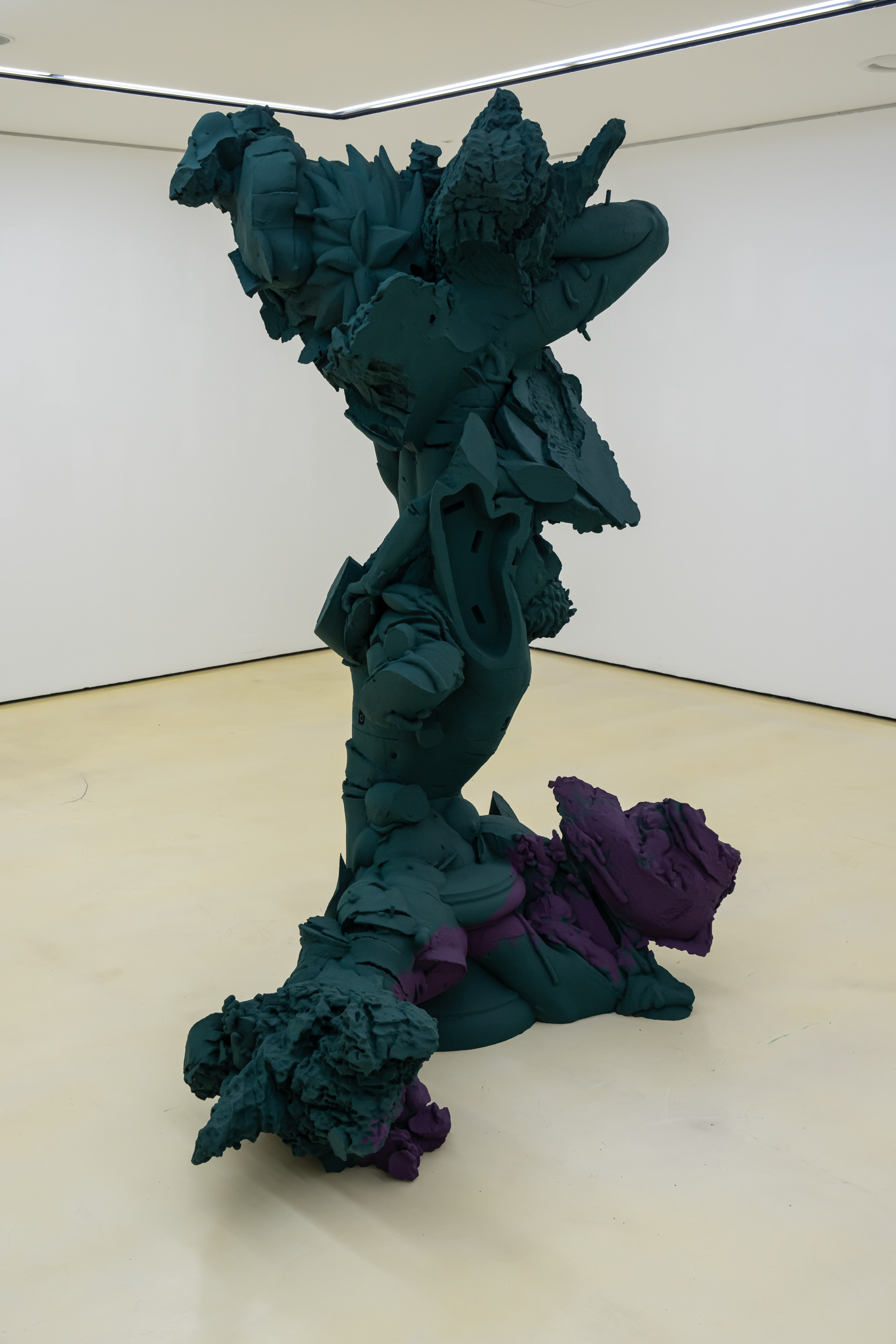
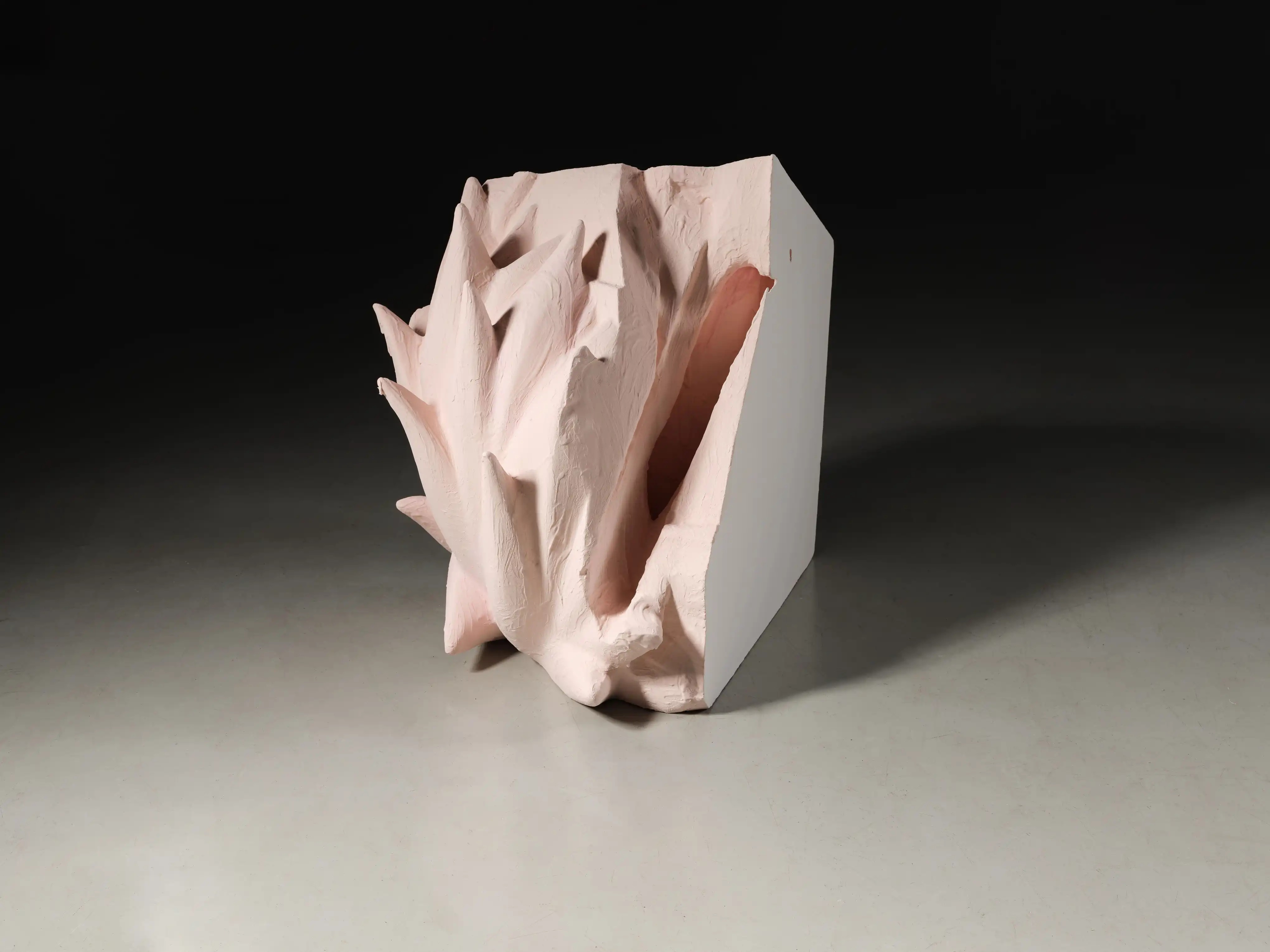
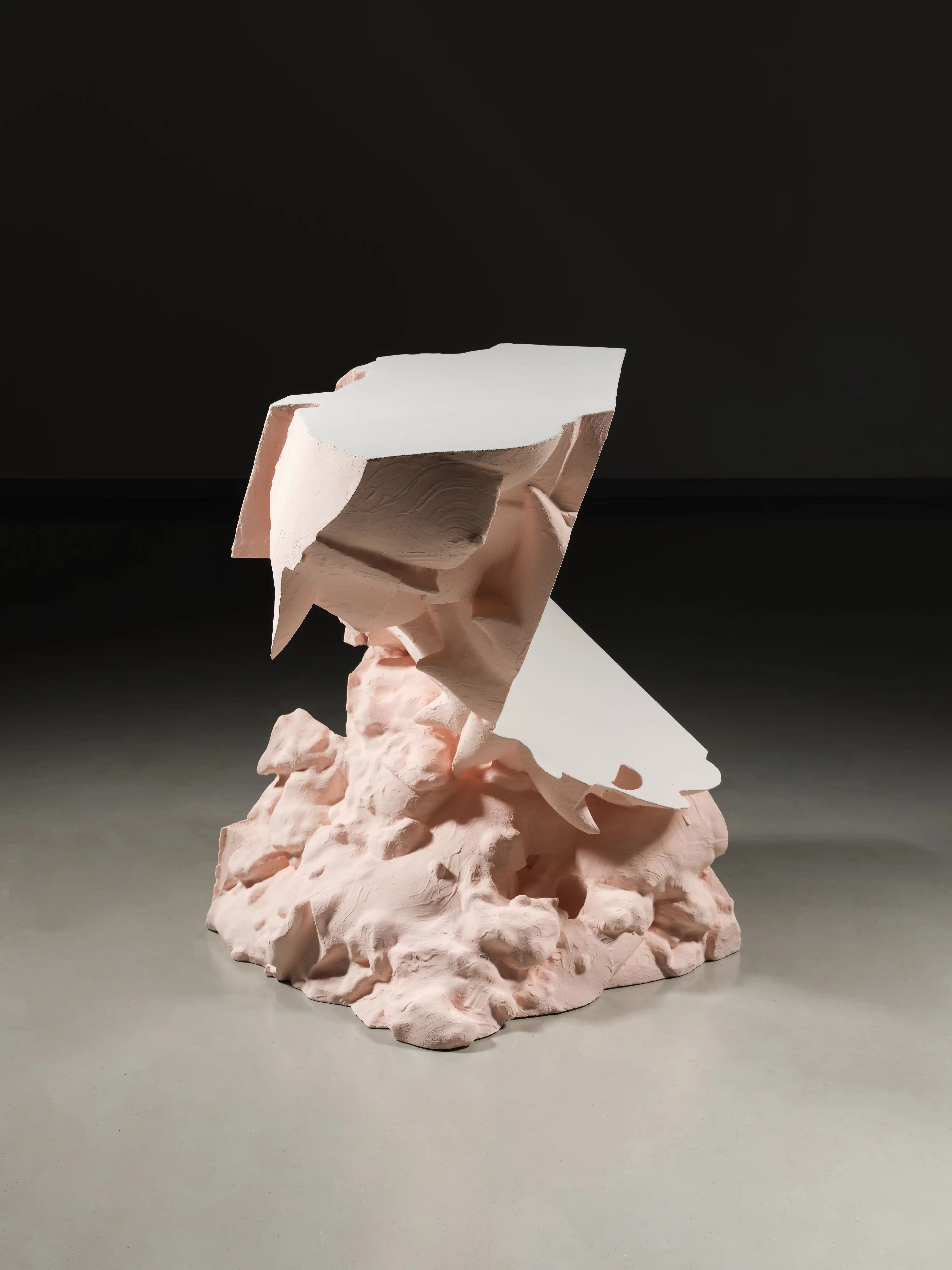
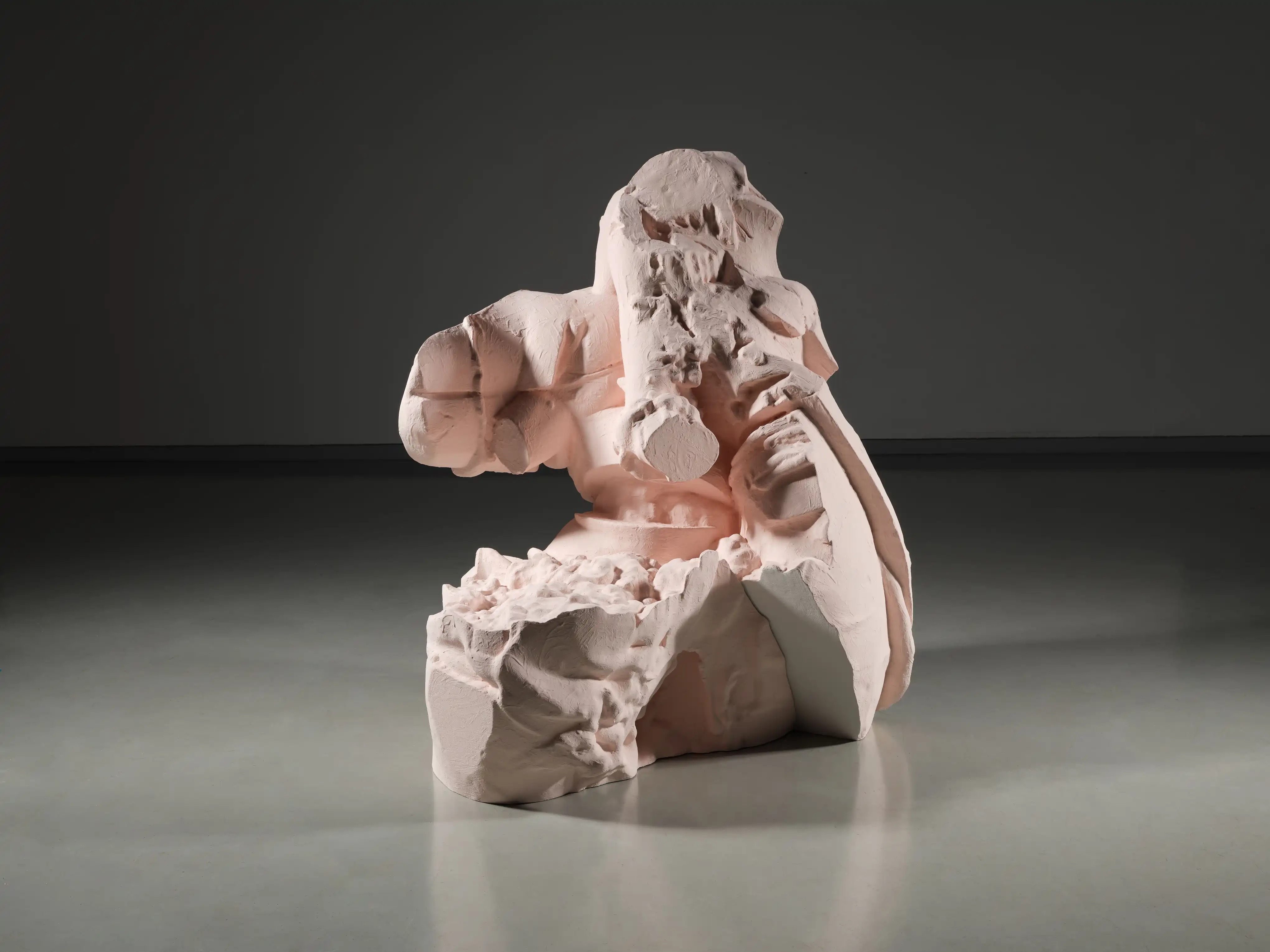
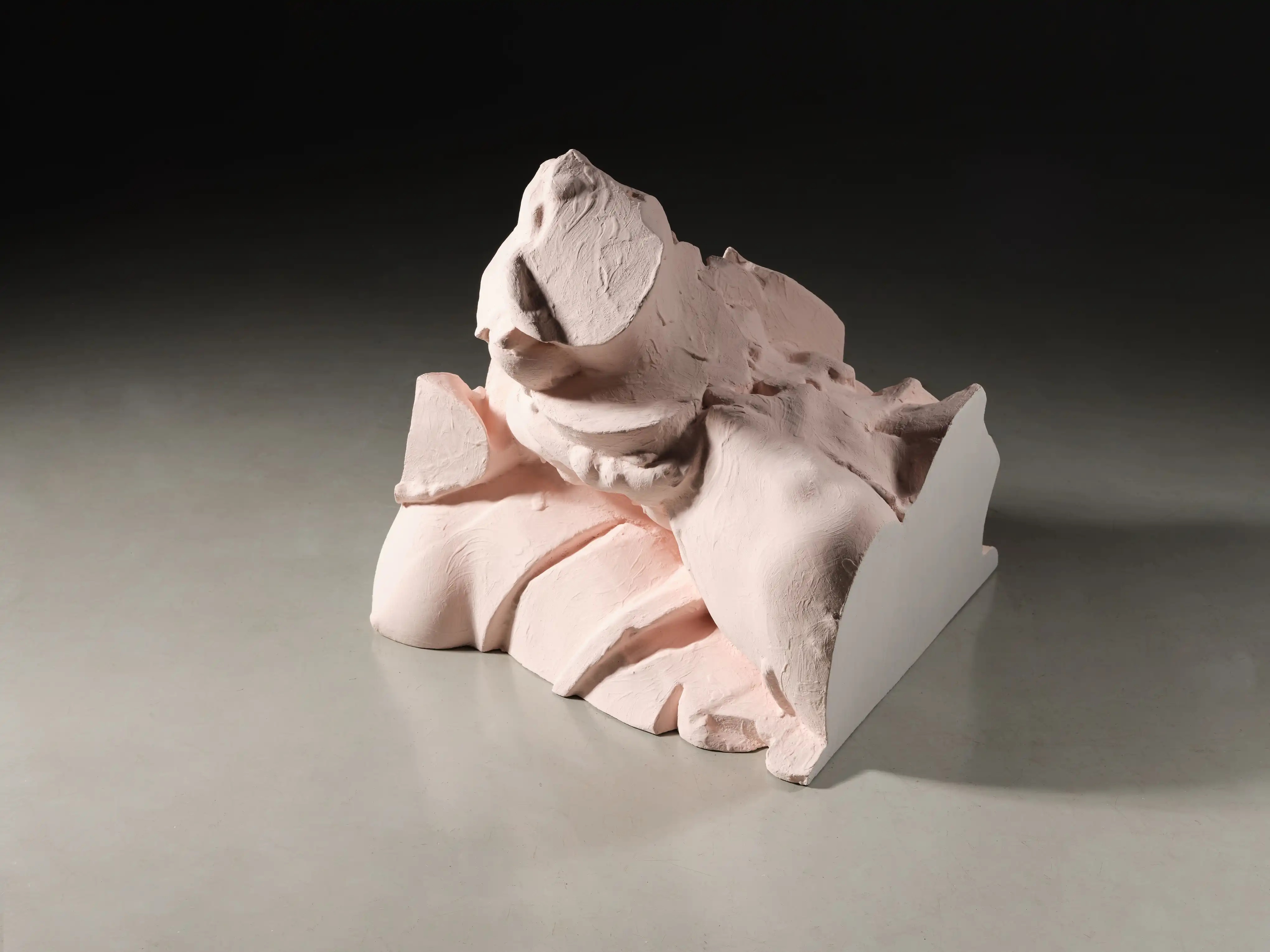
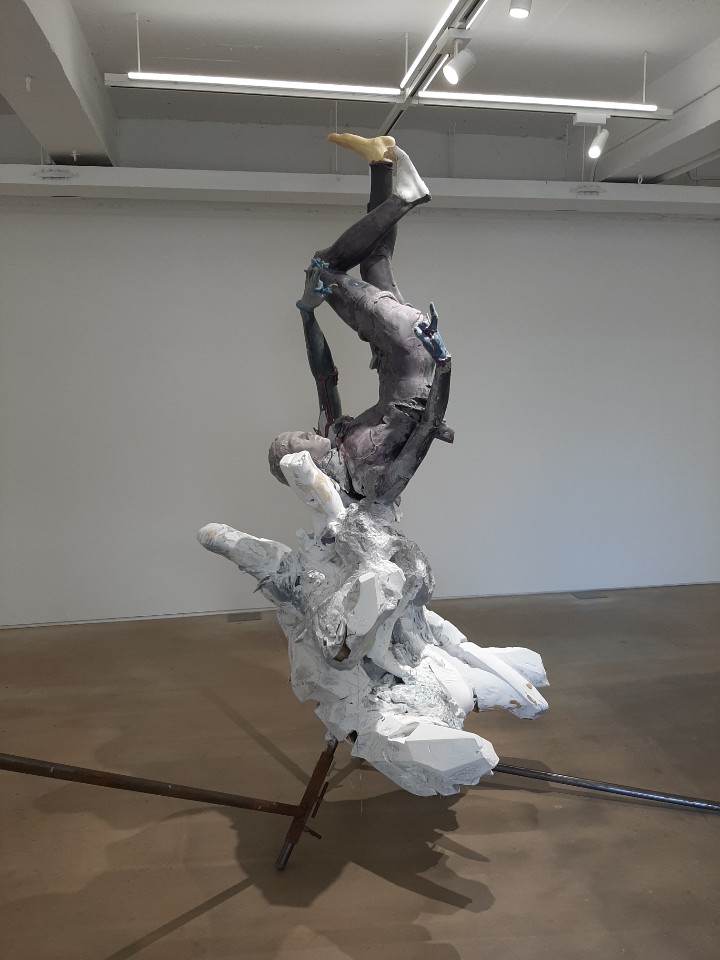
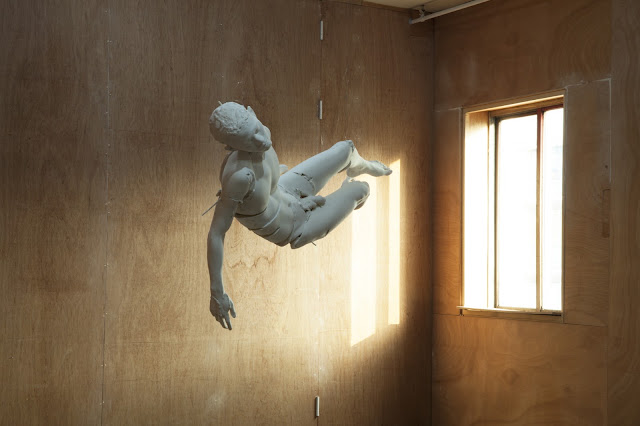
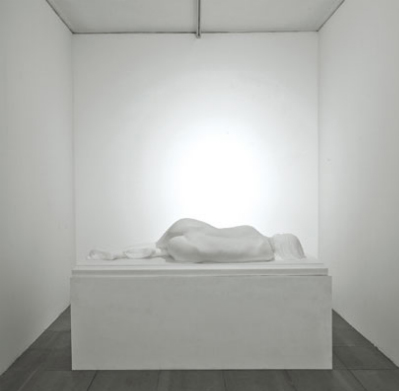
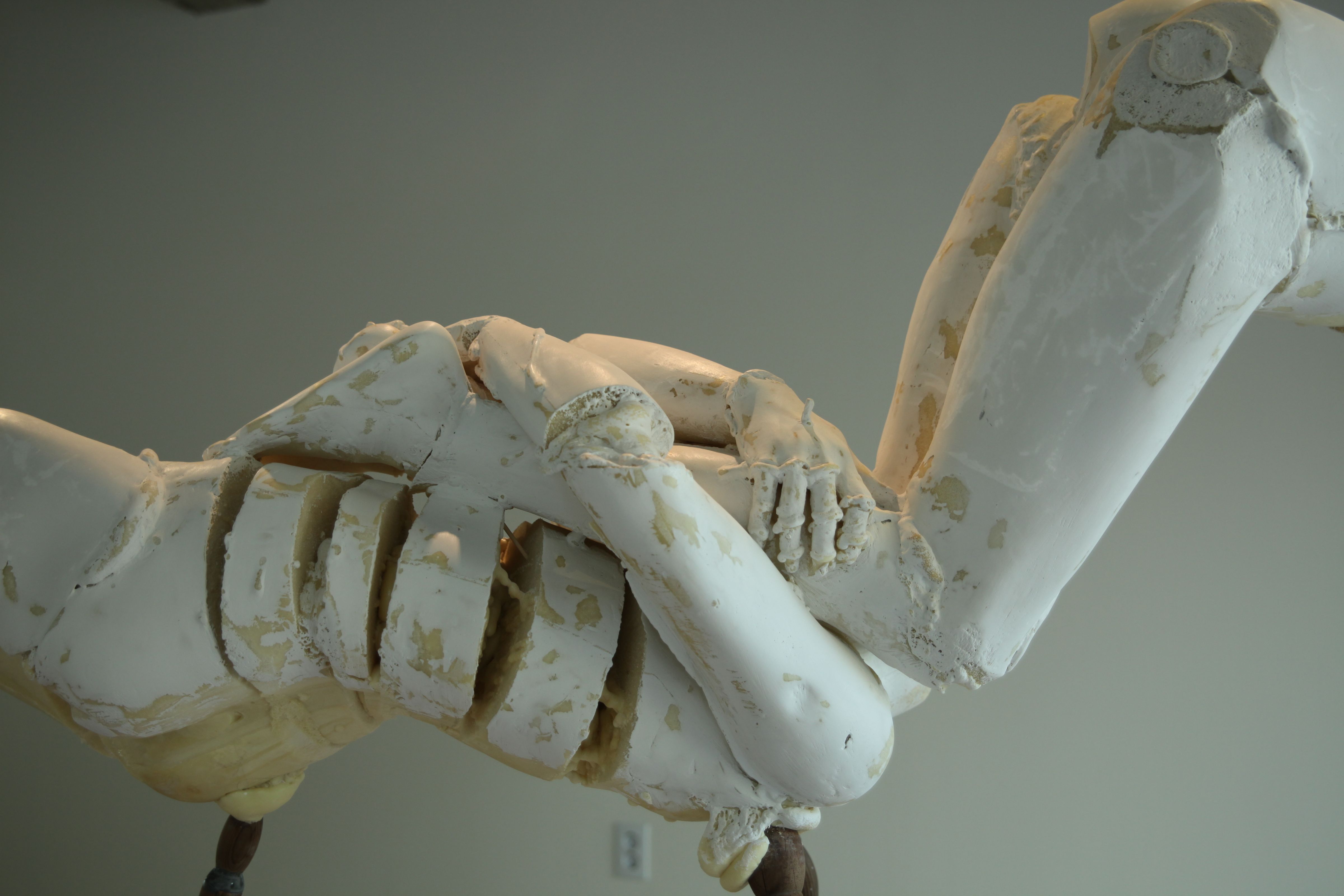
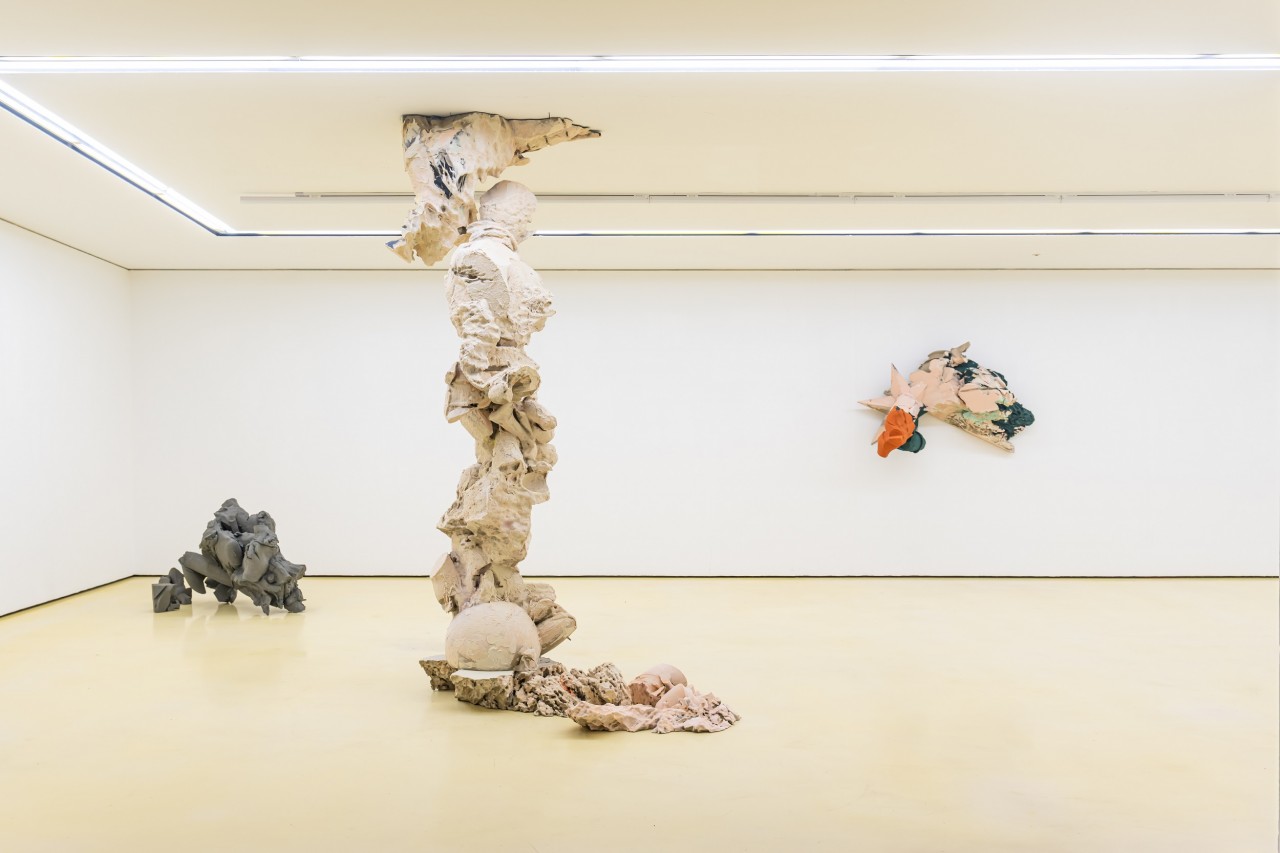
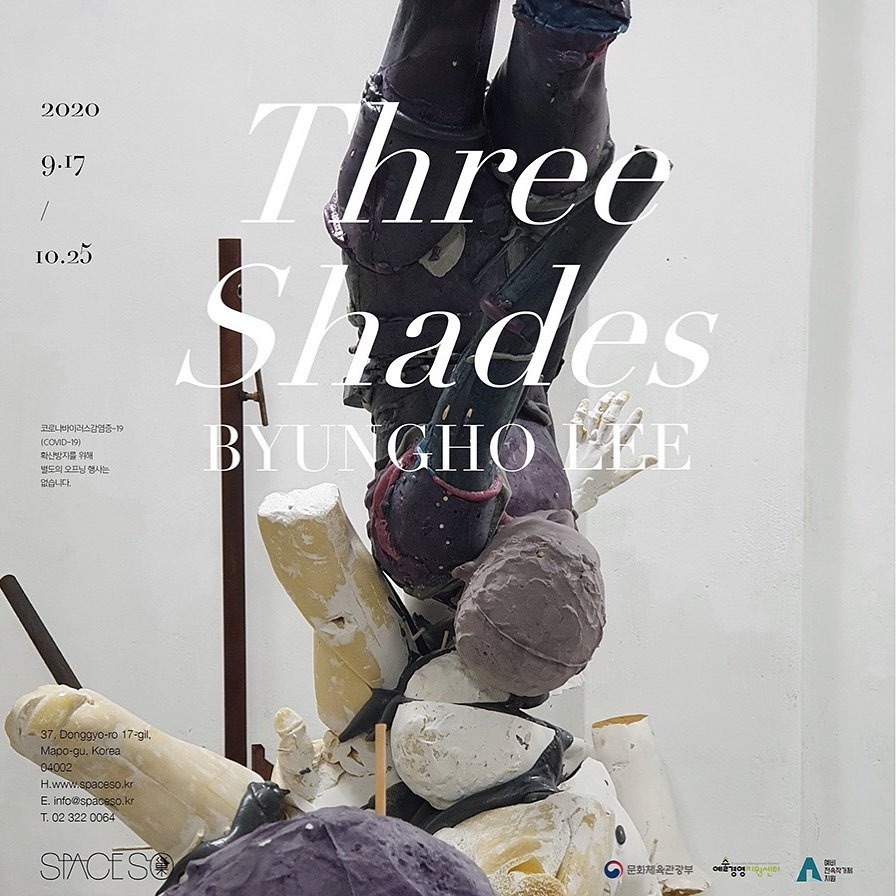
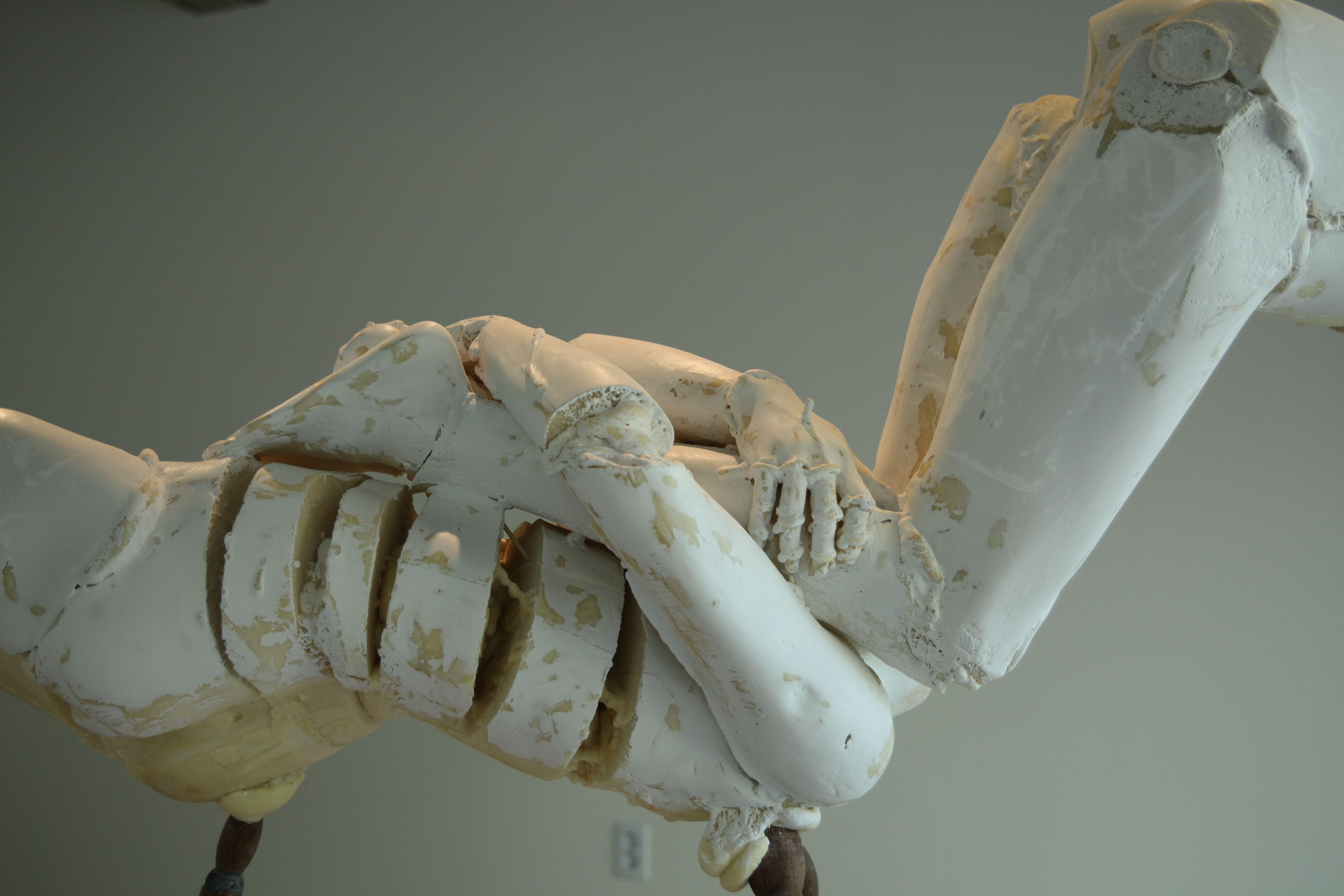
His subsequent works increasingly employ polyurethane and center on a process of repeatedly casting, cutting, and reconstructing the human body. Arms, legs, heads, and torsos are treated as interchangeable sculptural components, while completed sculptures themselves may later become material for subsequent works.
Figures are suspended from ceilings, attached to walls, supported by iron structures, or assembled into precariously balanced configurations. Lee leaves cuts and joints exposed, fills gaps with polyurethane, and applies plaster unevenly so that smooth and rough textures coexist across the same surface. These visible traces of production shift attention toward relations of separation and connection, weight and balance, and interior and exterior.
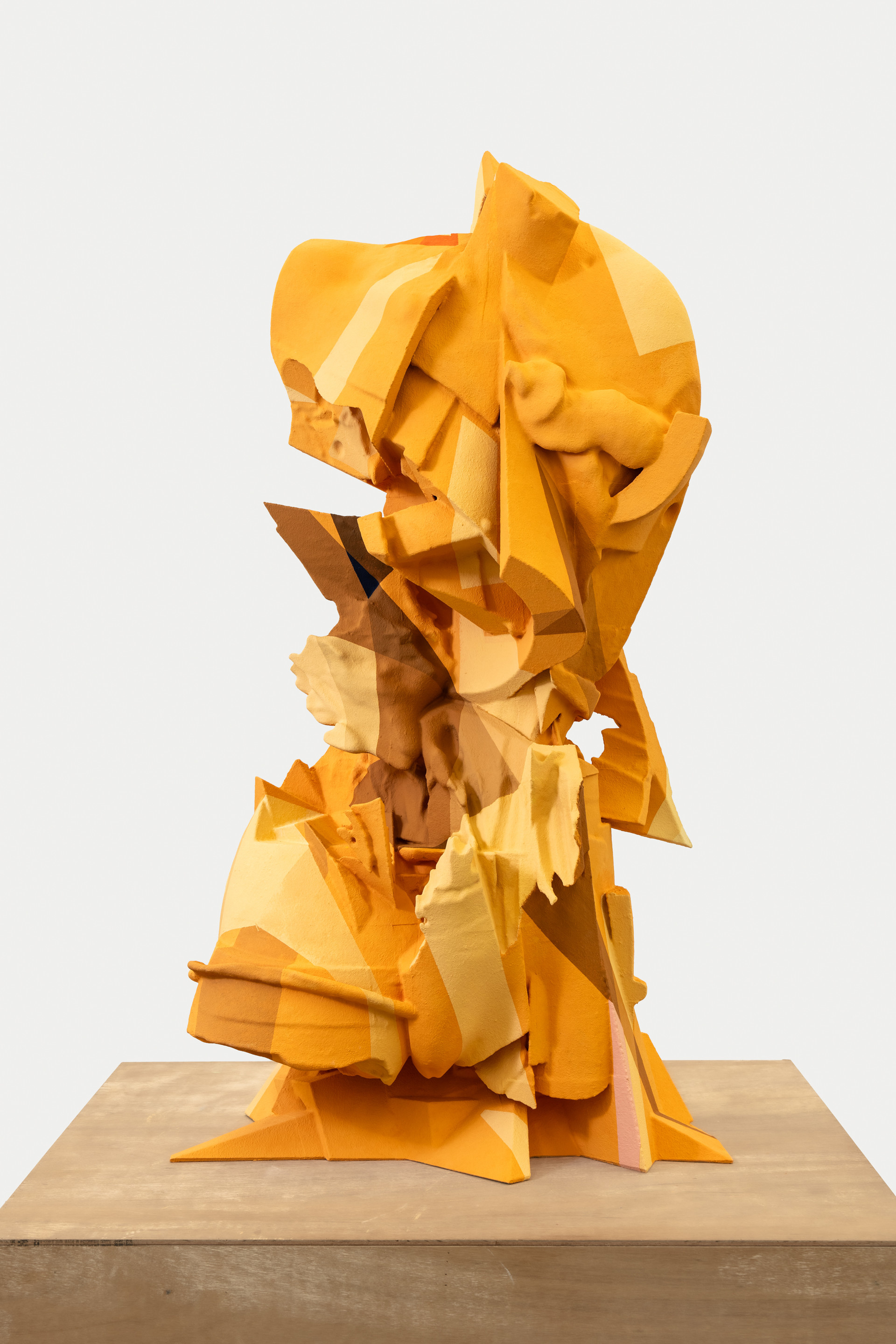
In the Eccentric Abattis works, the autonomy and combinatory potential of individual parts become particularly pronounced. Once separated from the human body, these forms gradually lose their specific anatomical names and functions, appearing instead as abstract sculptural components that can be connected, detached, or rearranged. Exposed hardware, visible seams, and precarious stacking add physical tension to their configurations.
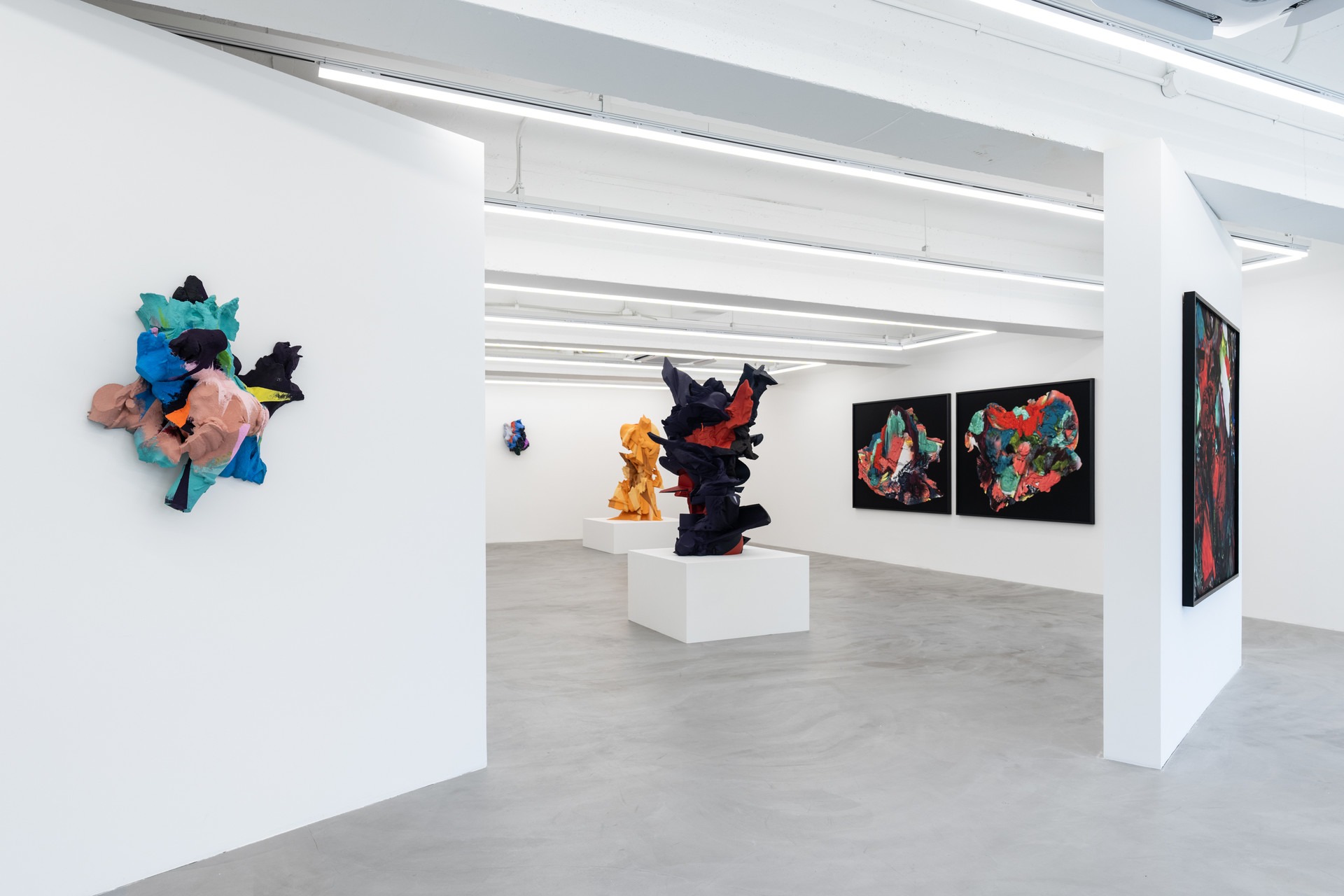
Lee also builds new surfaces with gauze and applies pigments mixed with plaster, treating the brush almost as a sculptural tool for scraping, cutting, adding, and removing material. Color consequently becomes an active formal element that alters the perception of texture, surface, and volume.
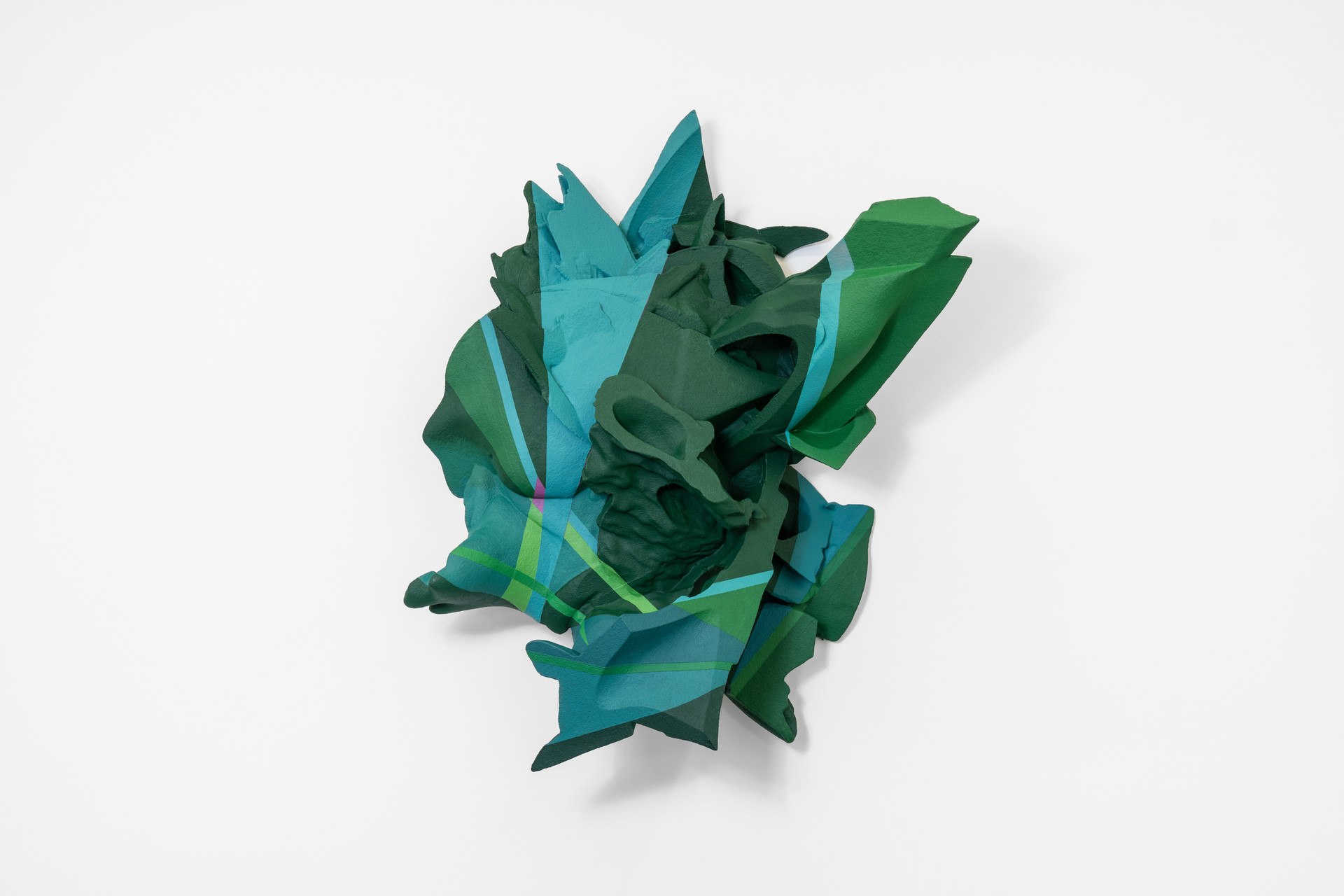
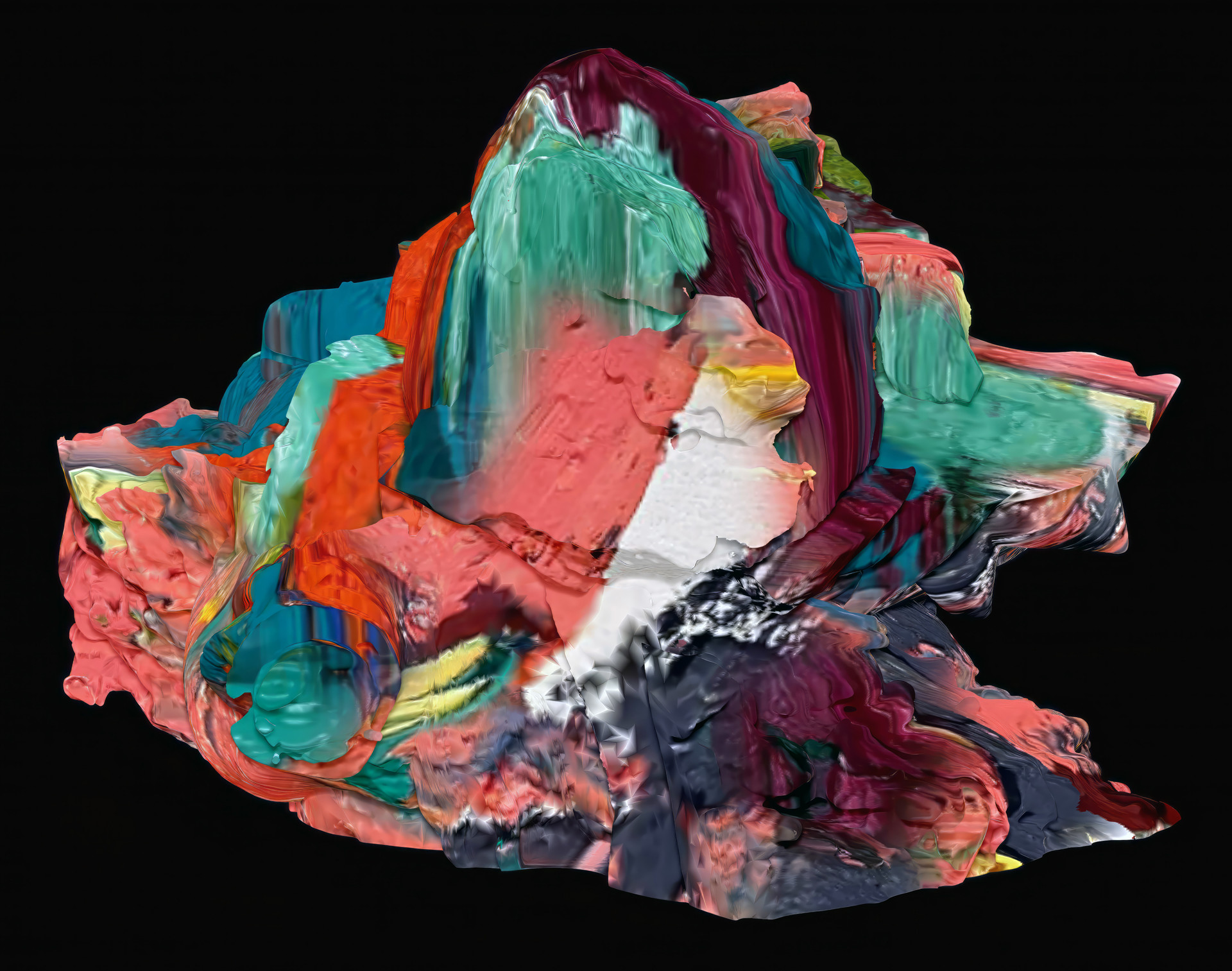
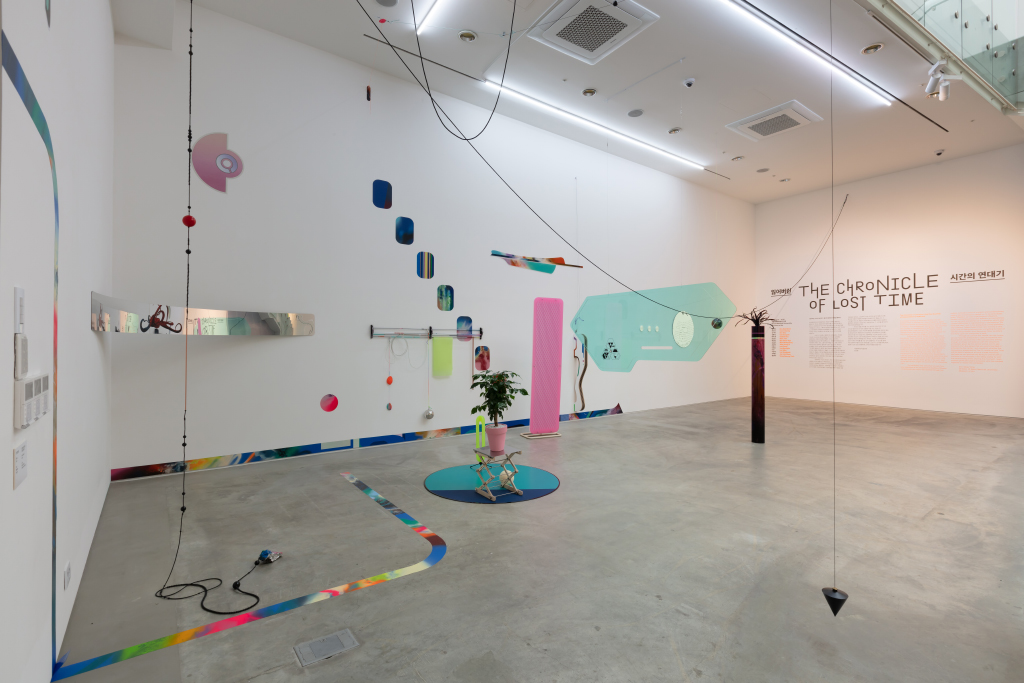
More recently, Lee has connected material processes with digital production. Fragmented bodily abattis are preserved through 3D scanning and reorganized within digital environments by manipulating coordinates and volume. In 'Silhouette Coordinates', he deliberately employs the stretching and distortion produced by applying color directly within X, Y, and Z coordinate space.
Although the digital volume exists as data stripped of physical materiality and thickness, its silhouette, shading, and distorted color restore a perceptual sense of mass. Lee’s formal vocabulary therefore extends from casting, assembly, and surface treatment to 3D scanning, coordinates, and digital color, while the movement between physical sculpture and image becomes an integral part of the work itself.