Form appears from afar and, in doing so, carries distance within itself. This statement arises from a particular context: recognizing the chain of transformations that takes place through perceptions between line and space, plane and mass, in Inbai Kim’s solo exhibition 《Do you remember love》. It is a matter of perceiving a certain form of “becoming,” one that emerges through remembering a certain “archetype/origin” of form.
Accordingly, when two (or three) things are placed far enough apart for their “distance” to be perceived, they remain separate while also being remembered as “something,” entering into a relationship in which they share one another’s archetype.
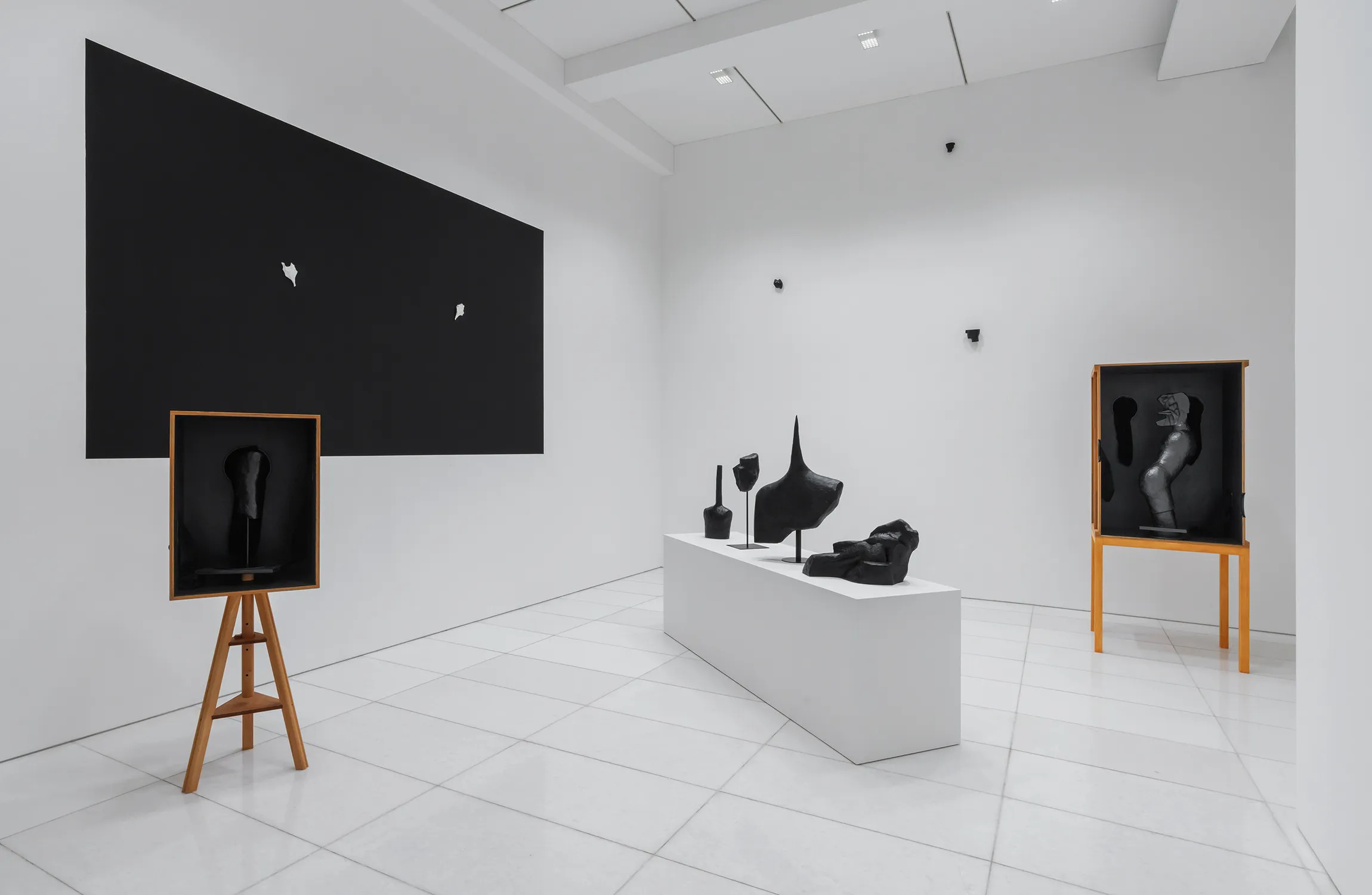
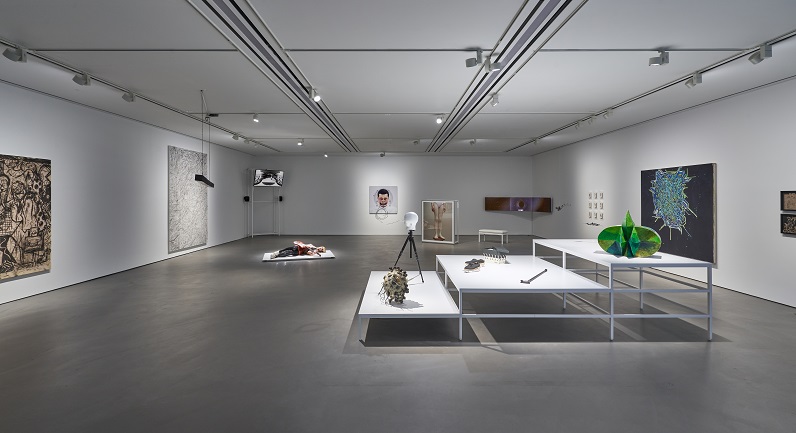
《Do you remember love》 can thus be understood as a series of dramatic spaces staged to activate such dimensions of perception and cognition concerning form. Placing the “line” as form at its center and exploring its successive transformations, Kim presents various facets of sculptural inquiry that draw out modes of perception and cognition that do not readily reveal themselves.
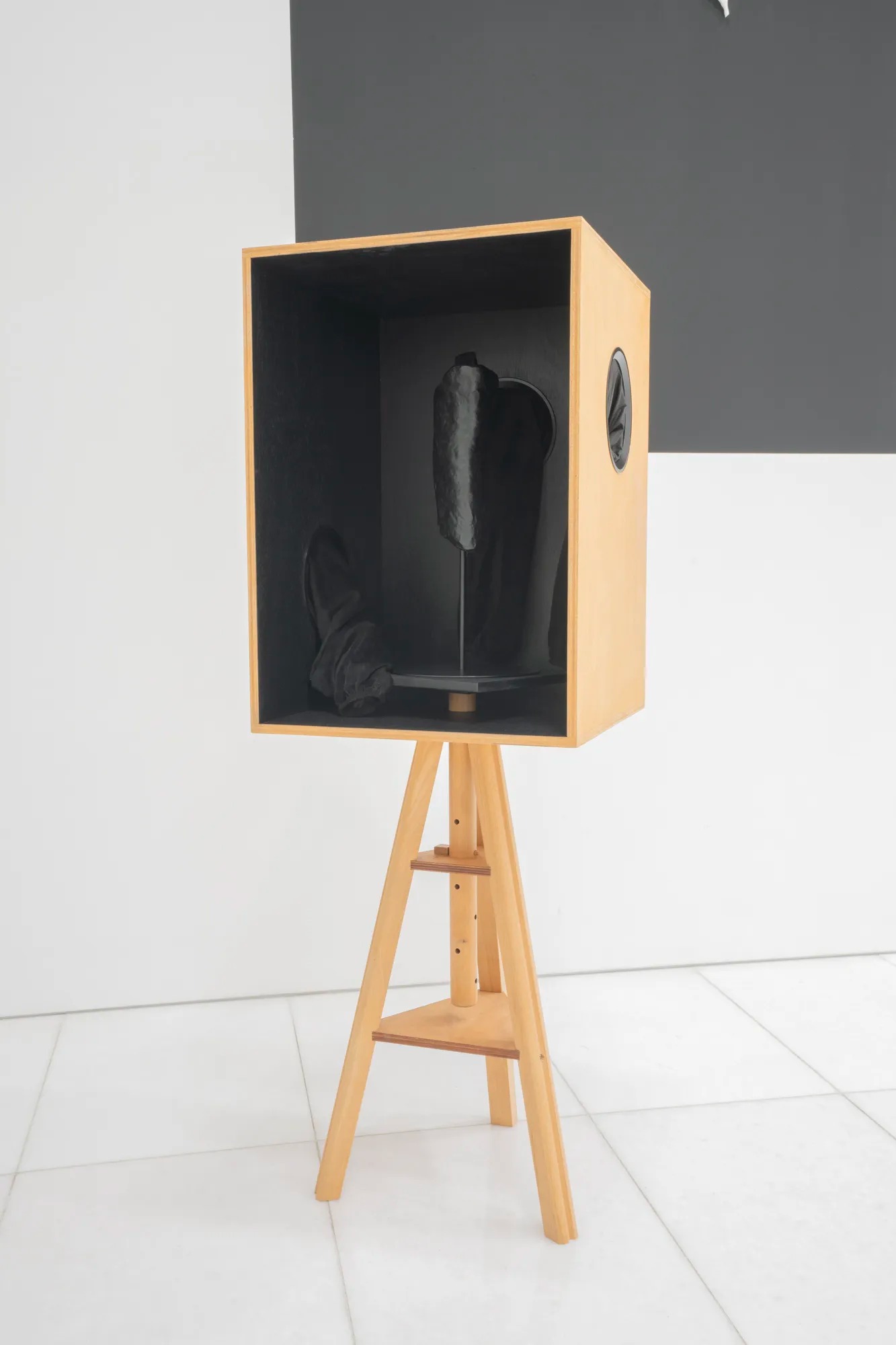
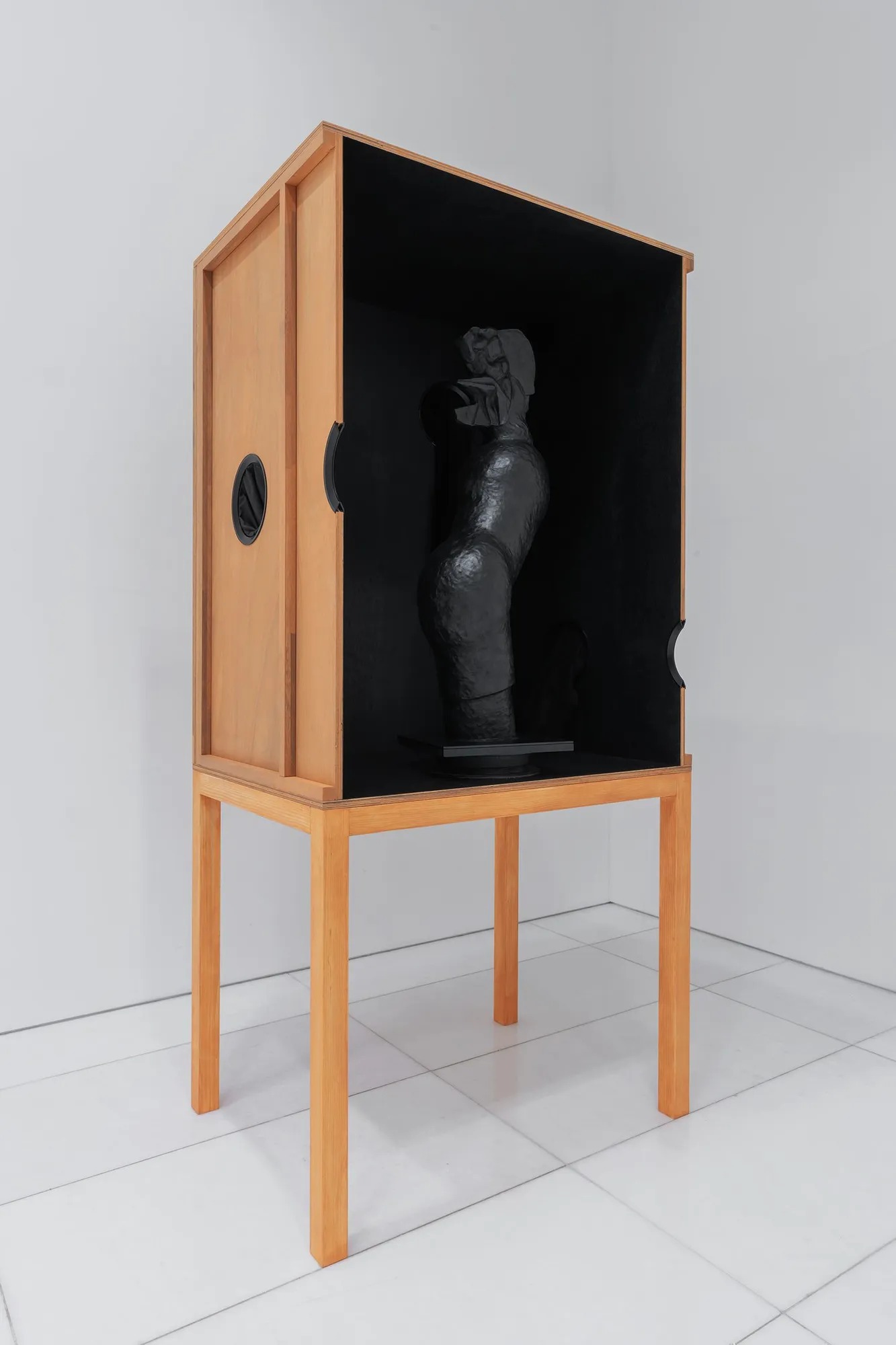
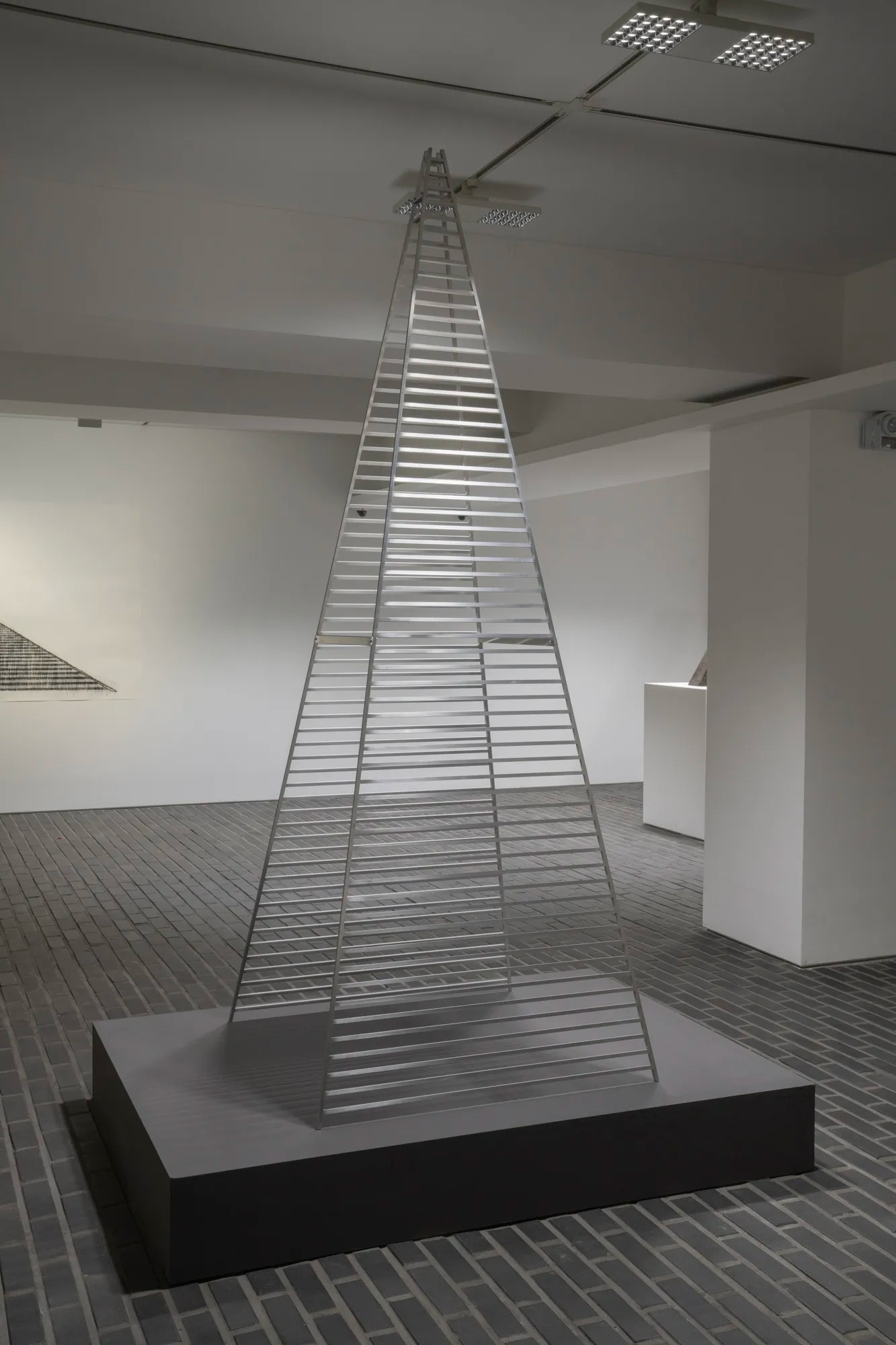
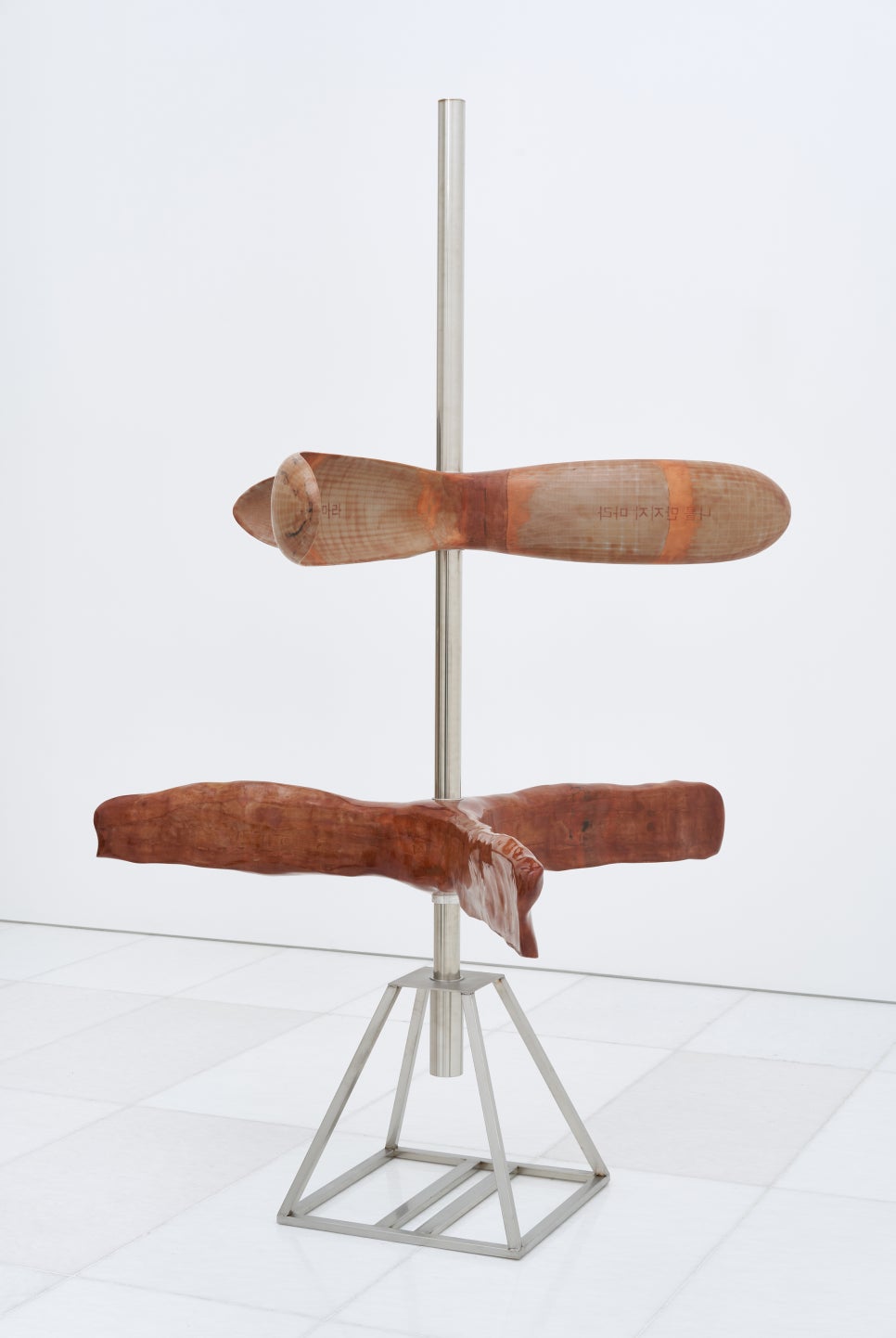
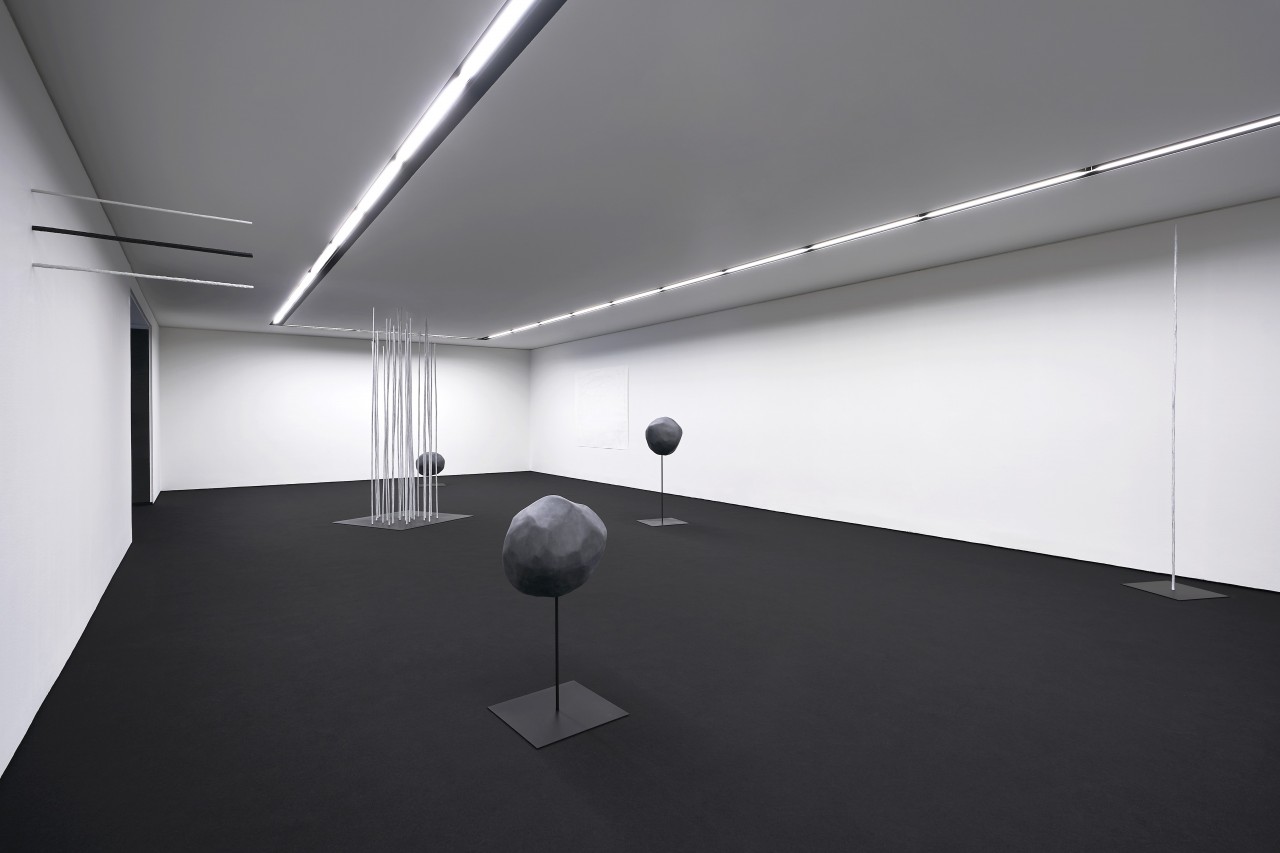
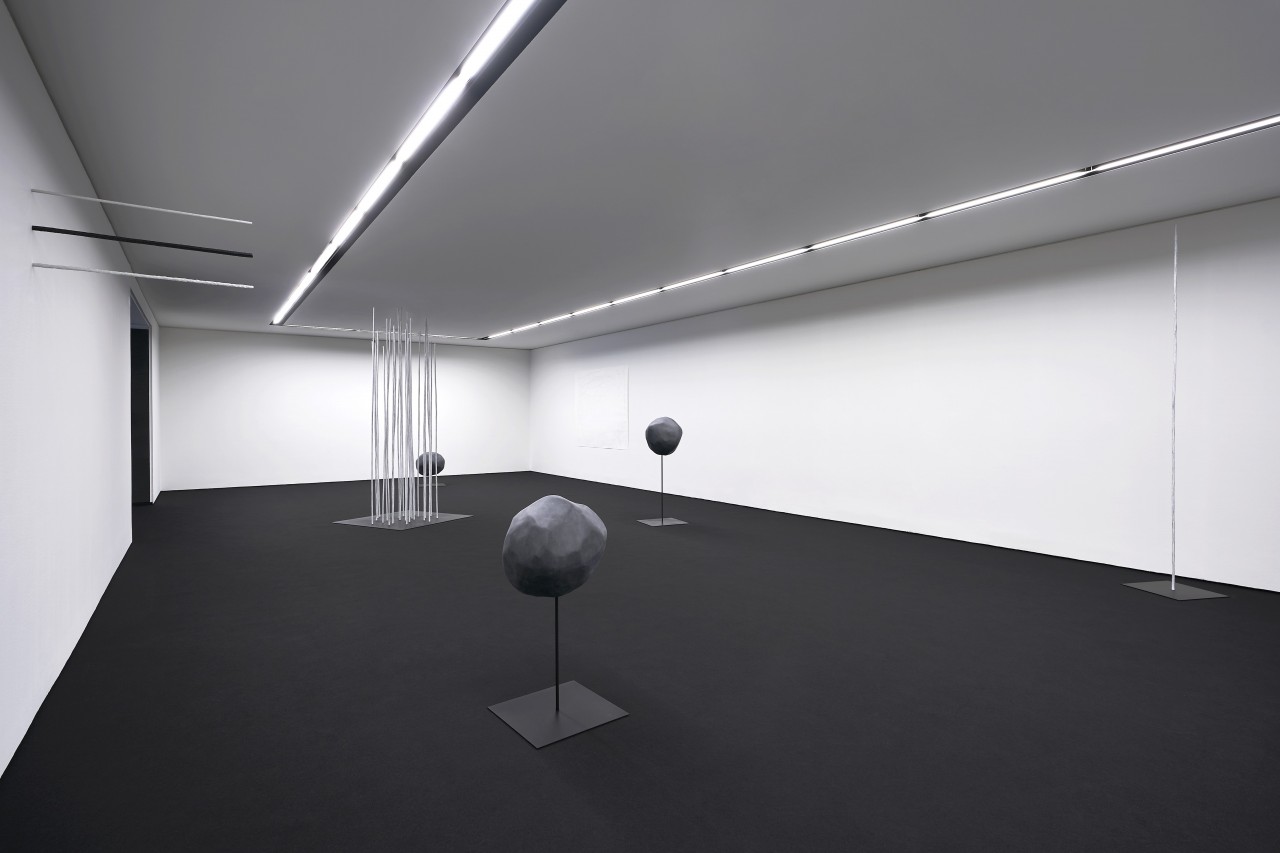
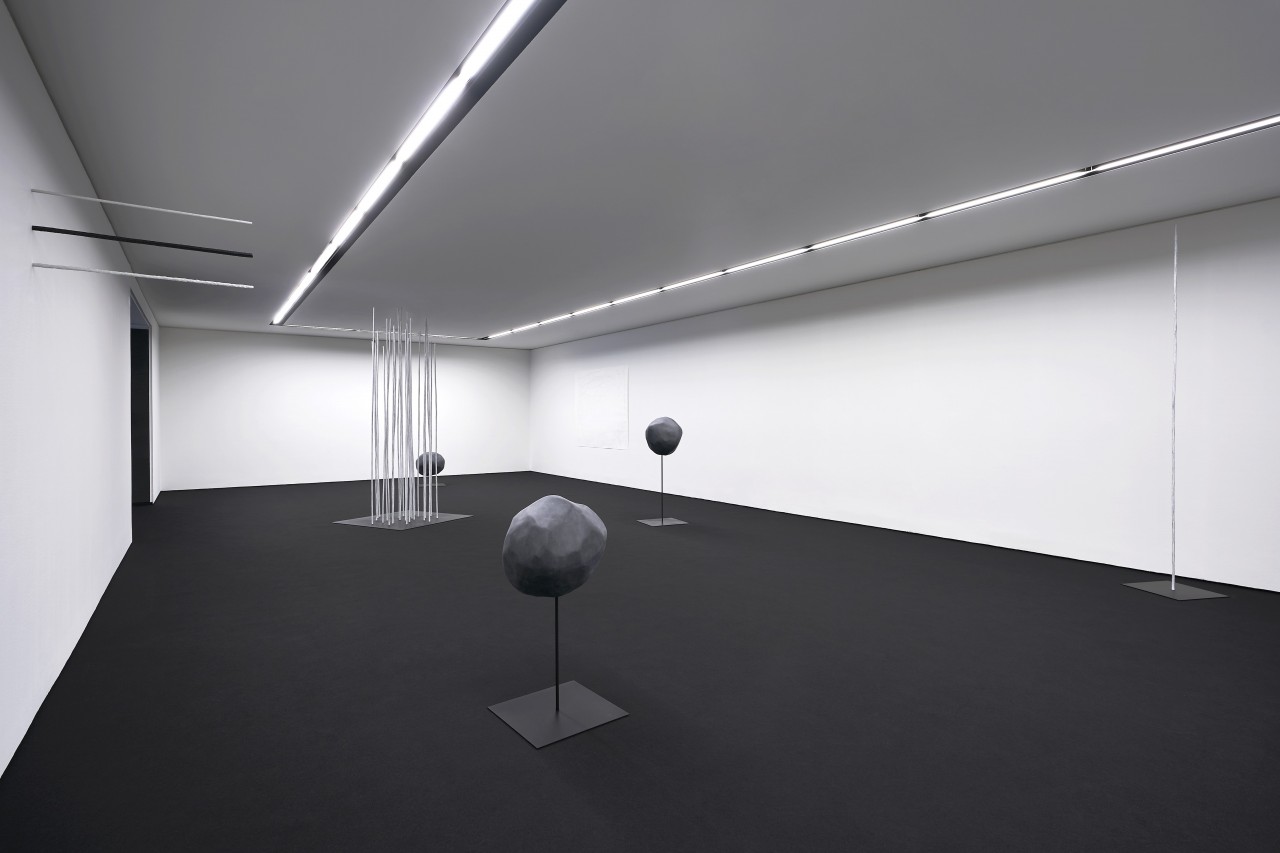
I will begin with Drawing Made from a Distance (2020) and The Largest (2020). From there, I will follow Line That Wants to be a Line (2020), standing upright in the space, then recall how, comparing it with the tactile shape of Constant Distance (2020) held in my left hand, I repeatedly narrowed and widened with my body the distances among the dispersed forms of Triptych: Size, Movement, Count (2020), lingering for a long while among its three masses.
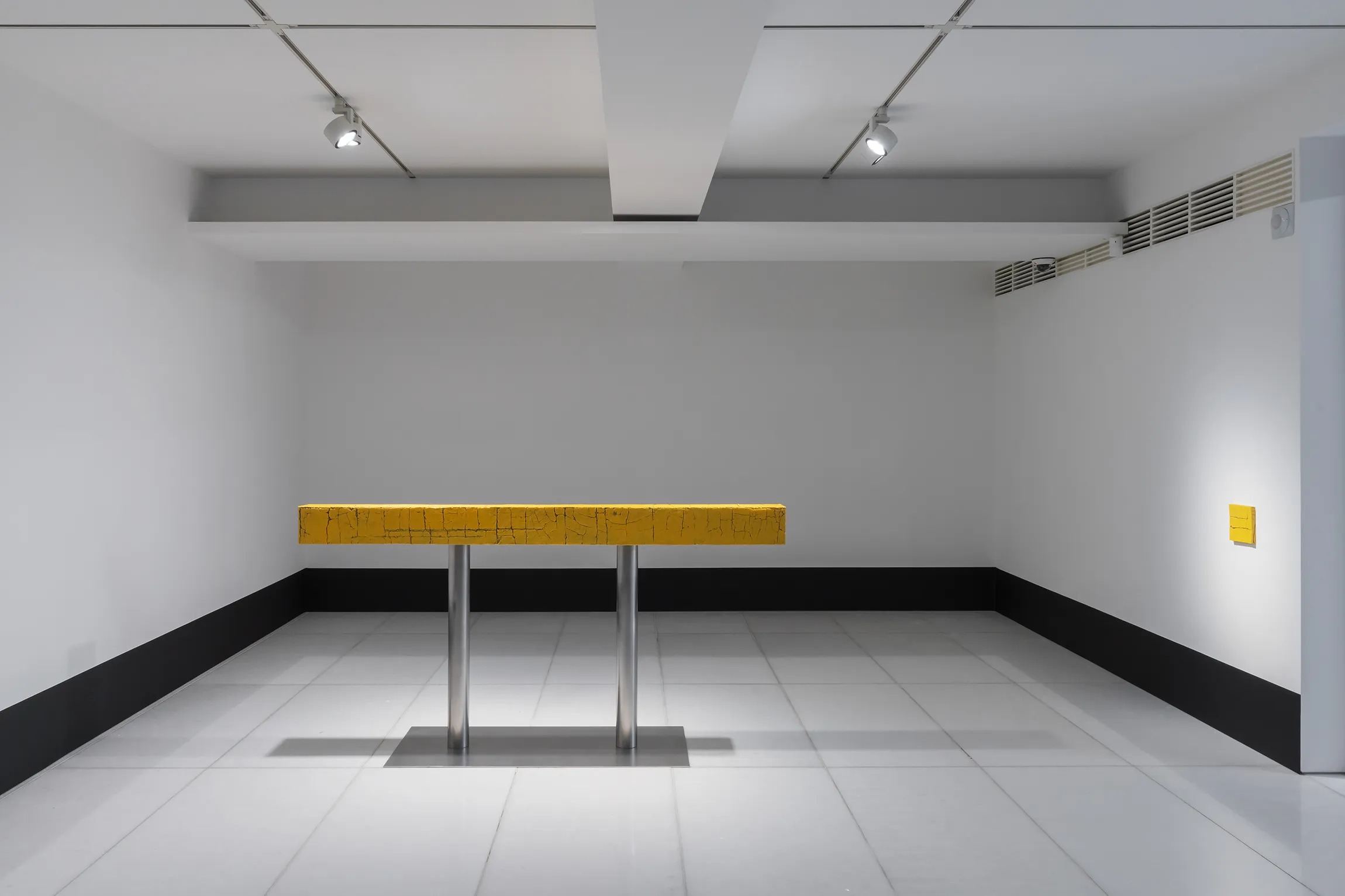
And in order to look at Play within the Play (2020), which was inserted horizontally into the wall as nothing more than three parallel lines, as though it were nothing at all or concealing a larger context, I find myself thinking that I must reconstruct the bodily sensation of fixing my gaze upon a point on one of those lines and moving sideways along a parabolic trajectory. (These are all unmistakably sculptural experiences.)
Drawing Made from a Distance invites us to imagine Kim’s point of view during a working process focused on the formal study of the “line,” in which he referred to the missile-action animation technique of Ichiro Itano (板野一郎), one of the animation directors of the theatrical version of Super Dimension Fortress Macross. (In truth, this is not easy, though neither is it extraordinarily difficult.)
This drawing, “made from a distance,” incorporates “distance” into its own form. Kim took an aluminum pipe approximately four meters long, fitted a pencil into one end, held the opposite end, and drew lines in pencil on a large sheet of paper measuring 197 cm wide by 137.8 cm high. The aluminum pipe, an especially flexible linear material, directly mediated the act of drawing lines on the distant paper while bending and swaying through the air.
The resulting lines on the paper thus reveal themselves as, in effect, copies modeled after the transformed shape of the aluminum pipe suspended across that distance in space. Throughout, Kim would have remained conscious of the pencil tip touching the paper surface at a distance from his hand, watching the form taken by the linear material between the two and allowing its movement to guide him in drawing the line that most closely resembled it at the far end.
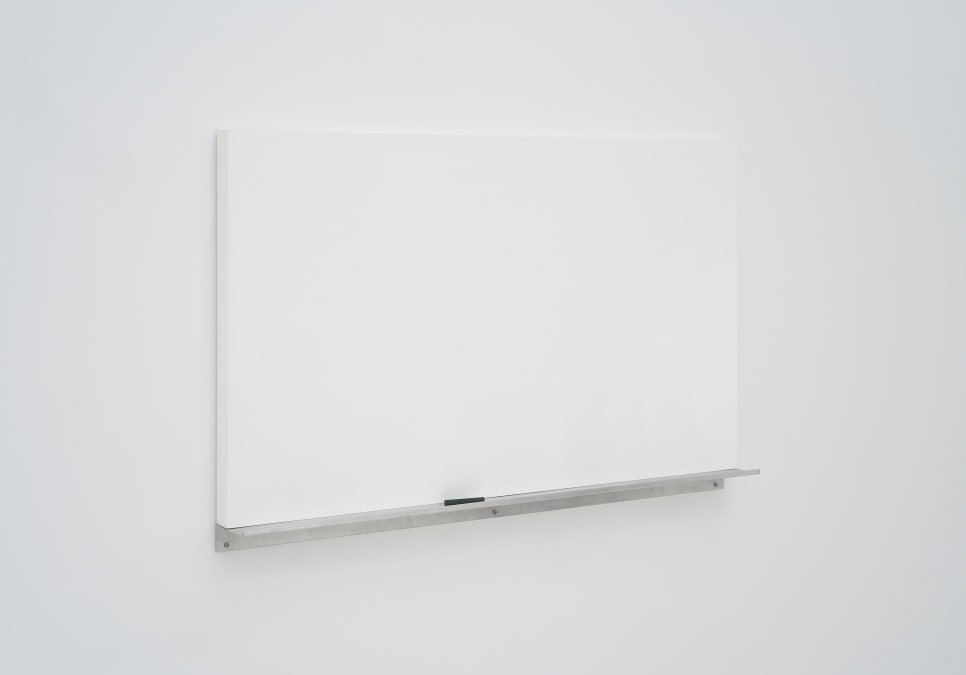
The Largest, which forms a pair with Drawing Made from a Distance, uses a sheet of tracing paper measuring 46.5 cm by 32.5 cm, with pencil lines drawn only at two corners like traces of something, while the sheet lies completely flush against the wall. Both works apply the proportions of an IMAX screen to their respective surfaces, prompting us to perceive and recognize the sculptural correlation between size and distance as transformed forms that share the same origin.
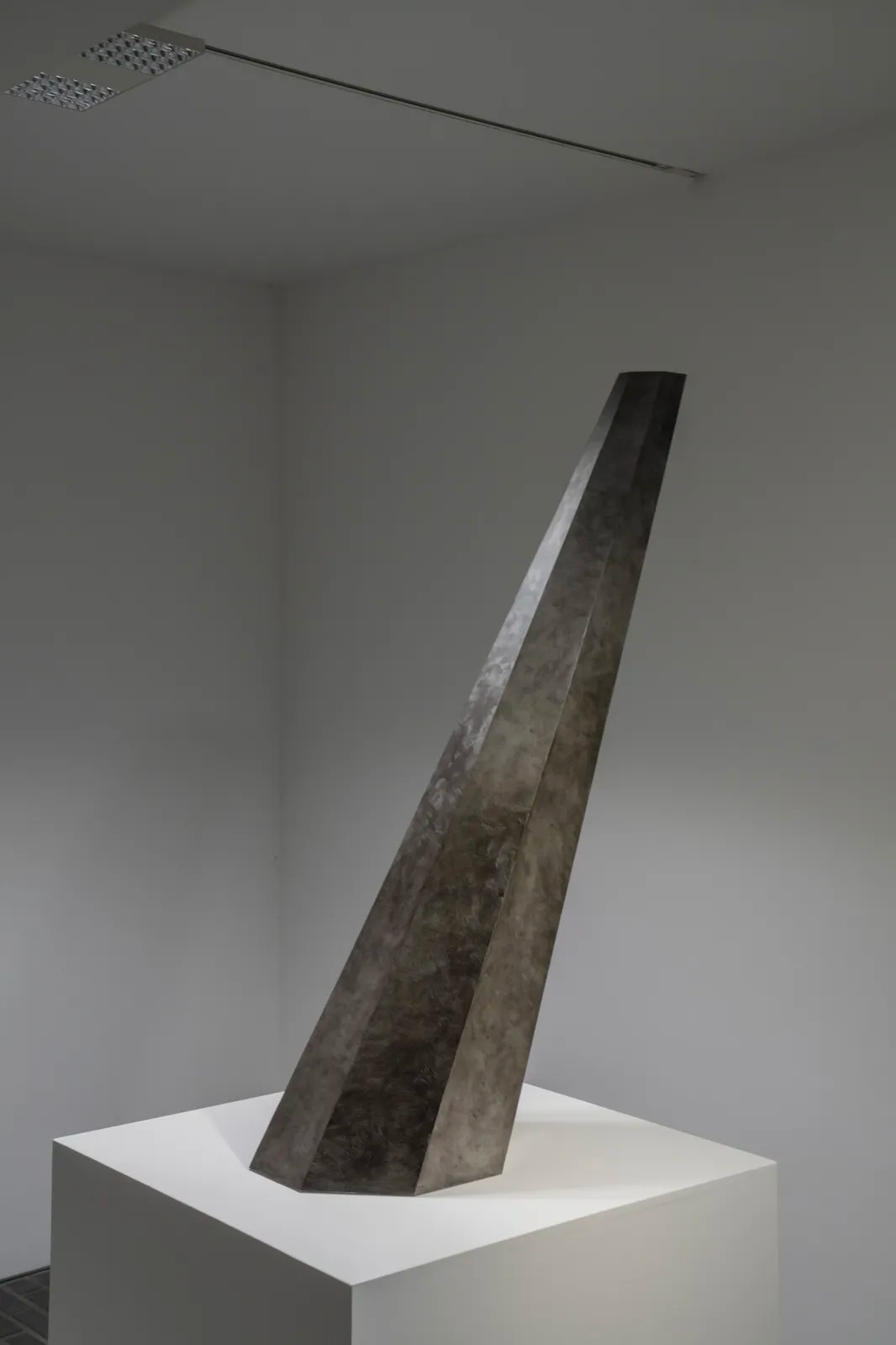
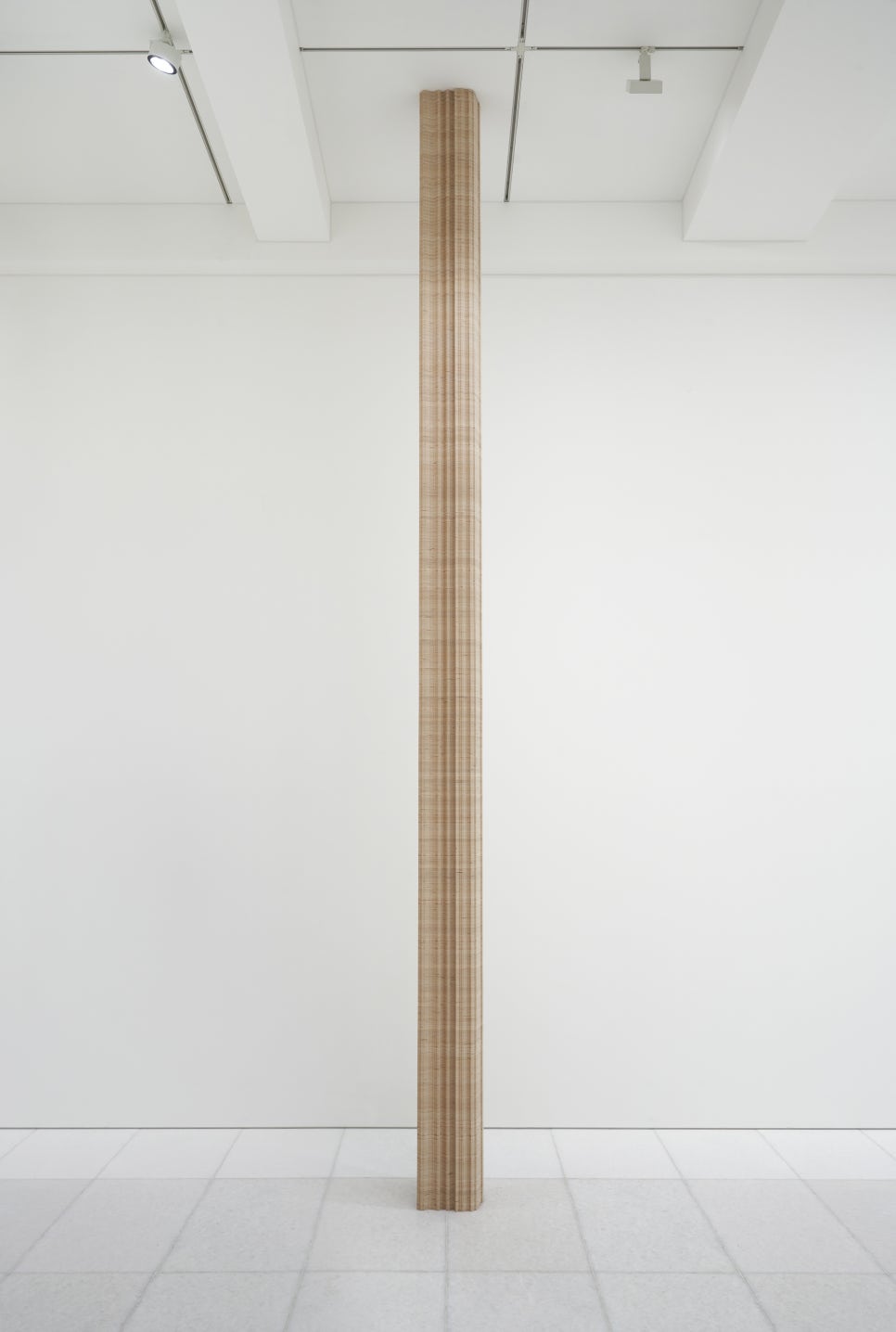
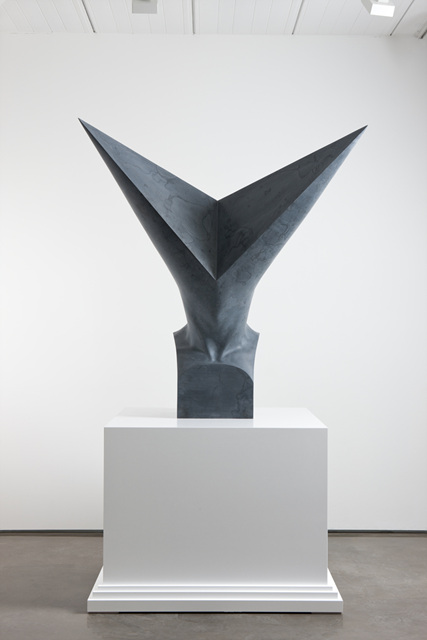
Kim seems to foreground sculptural form and attitude as an axis guiding this entire process, though strictly speaking, sculpture functions here less as an end than as a tool. As another form of the line not directly revealed in Drawing Made from a Distance and The Largest, Line That Wants to be a Line once again evokes, from a slight remove, a sculptural attitude that assists in its perception, particularly in relation to memory.
To make an aluminum rod stand vertically in space, Kim handled its wavering materiality as though it were a mass and encased it in urethane paint so that it might “become a line.” Through this act, he effectively revisited the object that had served both as the tool for drawing a line and as its archetype, following a sculptural process that appropriated Itano’s missile-action animation technique.
The pencil line drawn upon that line, in the state where lines in two different media are combined, is itself a transformation of the line into different/same drawings modeled after this form. At the same time, it implies a three-dimensional, sculptural recognition of a surface not yet perceived—a surface that, because it contains distance both inside and outside itself, must necessarily be situated in space.
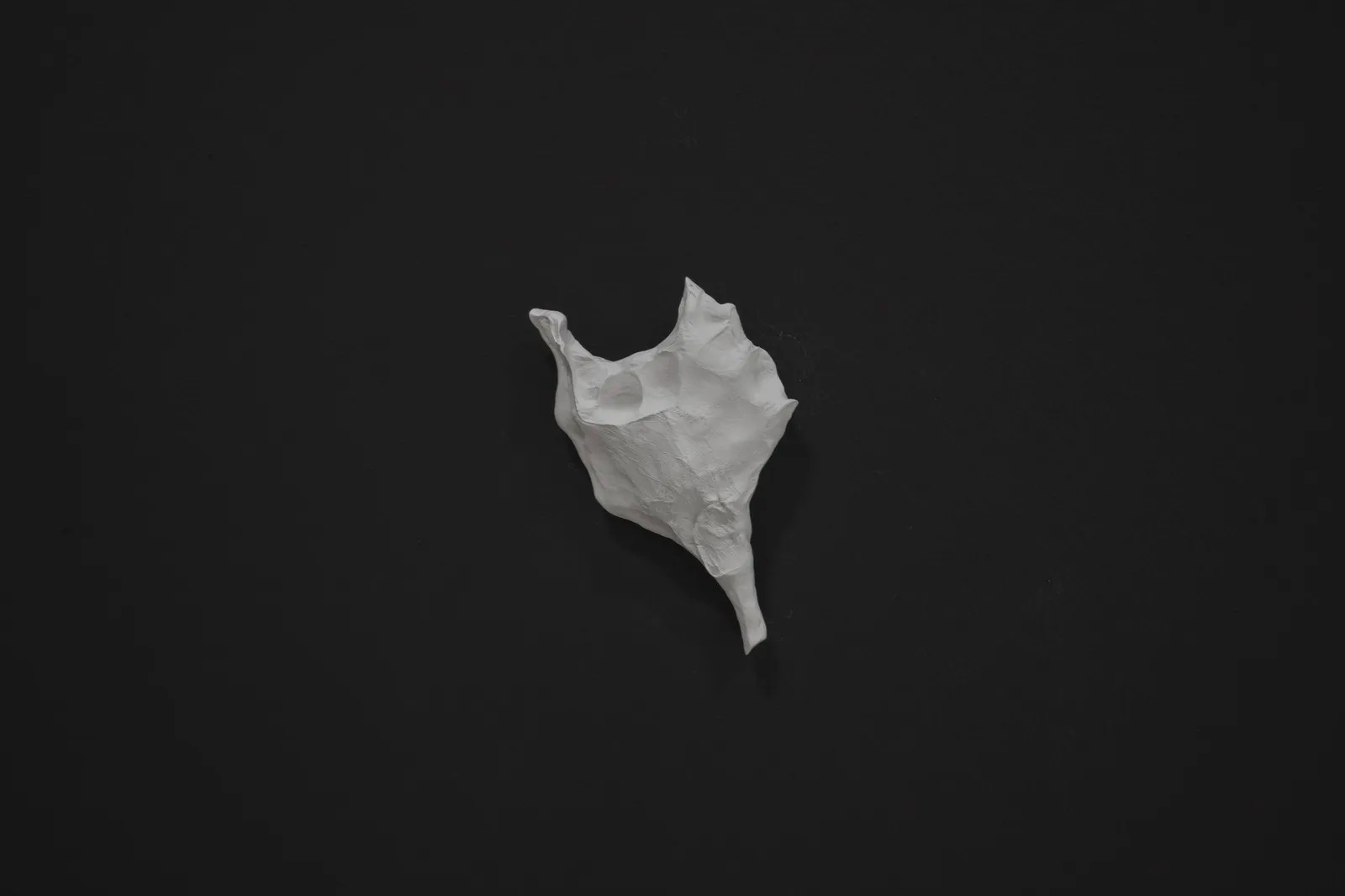
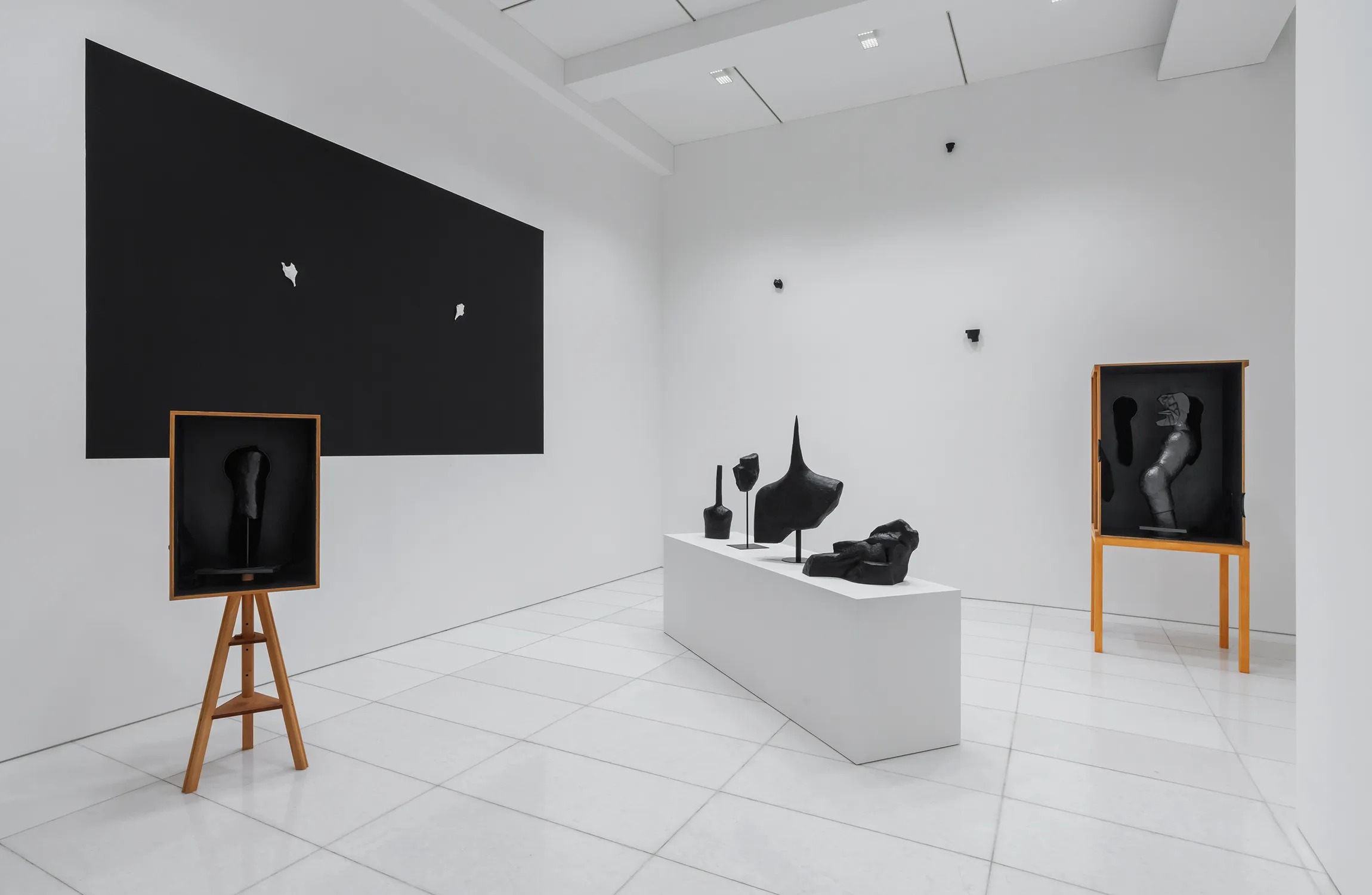
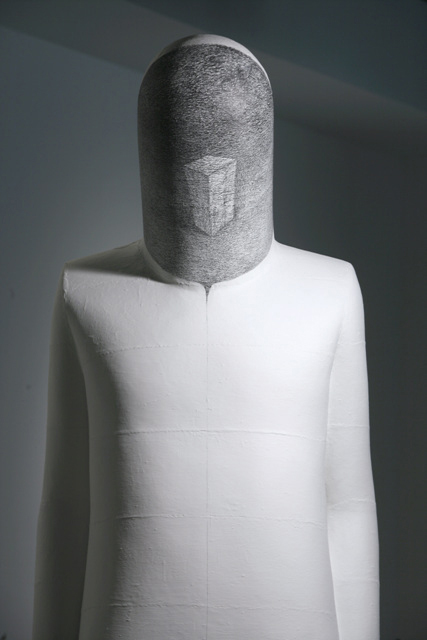
Constant Distance consists of three pieces produced with a 3D printer. What kind of relationship might arise from the temporary condition in which I stand before Triptych: size, movement, count while holding one of them in my hand? What is intriguing is that, just as an entire virtual space might continuously shift its axis and endlessly generate a Constant Distance whenever the body changes position, thereby modeling perspective in virtual space, Triptych: Size, Movement, Count continuously presents the transformation of an entity within physical space.
What grows smaller and then larger is not a finished mass suspended from an armature, but rather the surface that “wraps” the mass (or interior) through the tactile logic of modeling, as in the perception of The Largest; it is the relative distance between myself and the object, and the size of the line drawn at that moment—that is, form itself.
In other words, it is a sculptural experience through which a change in form allows us to perceive the action or movement of an entity. Indeed, the components of Constant Distance share intermediate forms cast during the process of producing Triptych: Size, Movement, Count. Meanwhile, Play within the Play refers to the methodological position and attitude of the theatrical film Macross: Do You Remember Love?, in which Itano’s animation technique is especially prominent.
It introduces the context of a play within another play: two dramas that share the same fictional world while remaining separate, with one idealizing and reproducing the world outside or inside the other. Much like the classical convention of modeling and casting an idealized form in order to remember or commemorate a beloved object, the work reproduces three ideal lines that satisfy the perceptual relationships among mass, surface, distance, and line, separating them within the same space—or outside it.