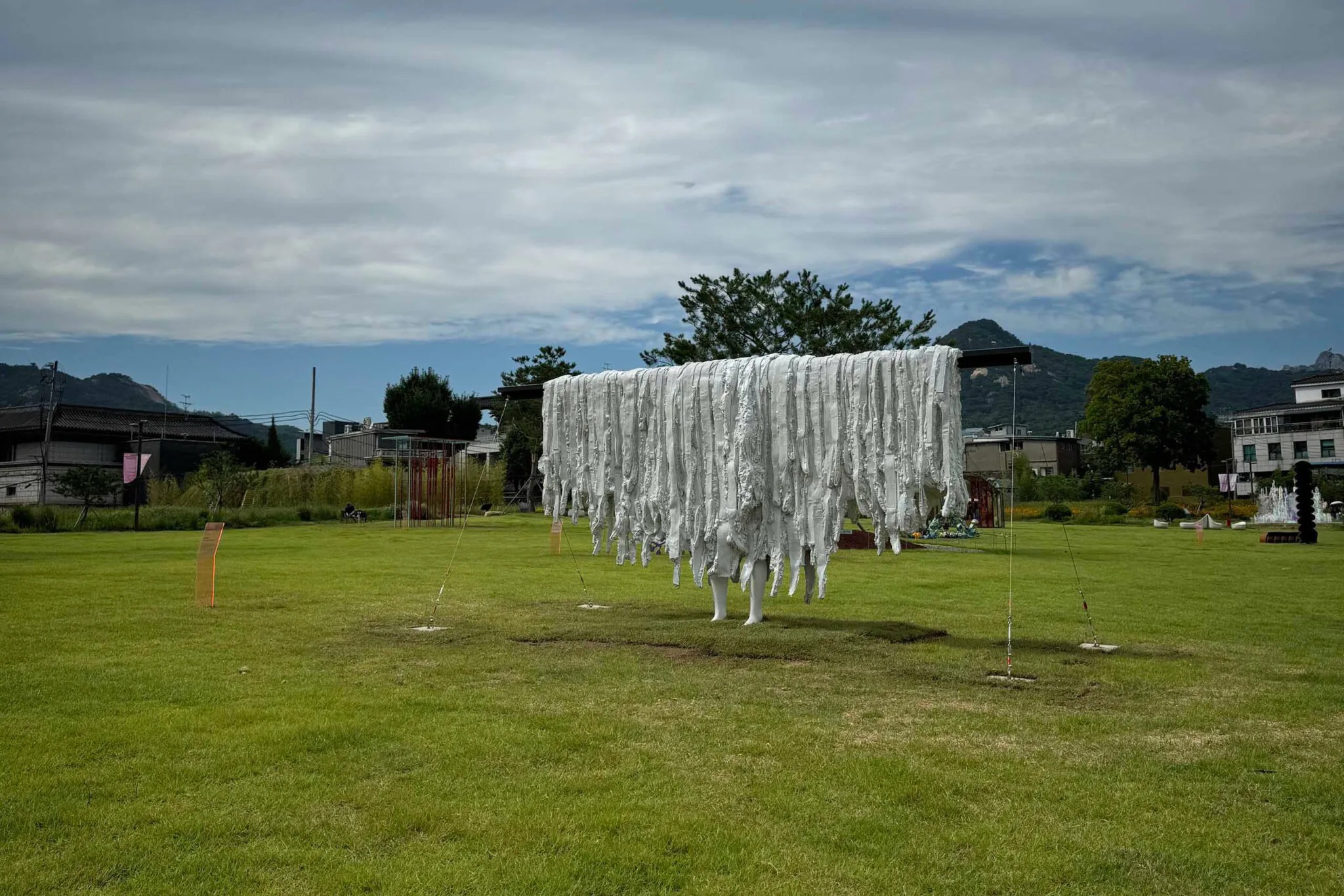
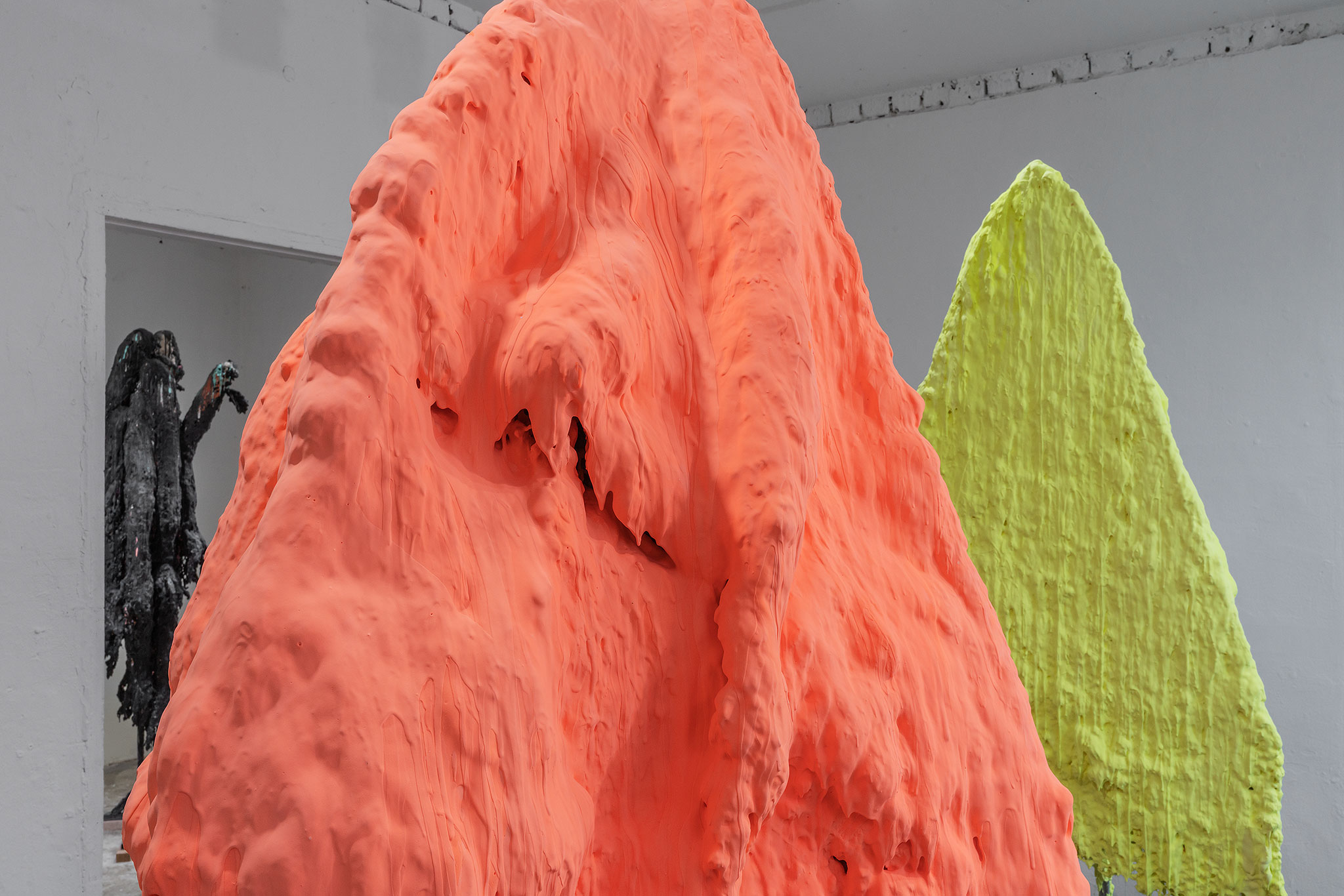
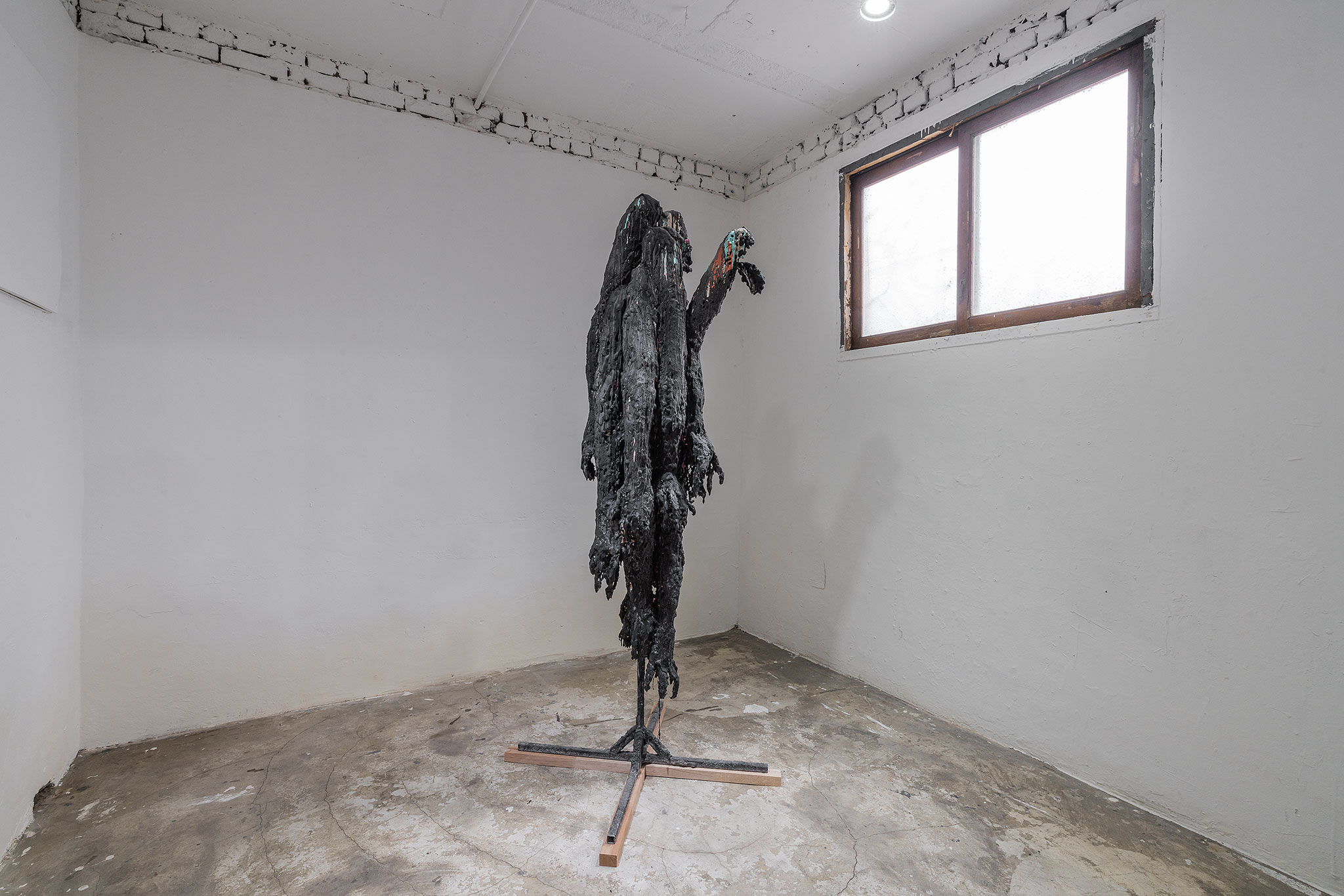
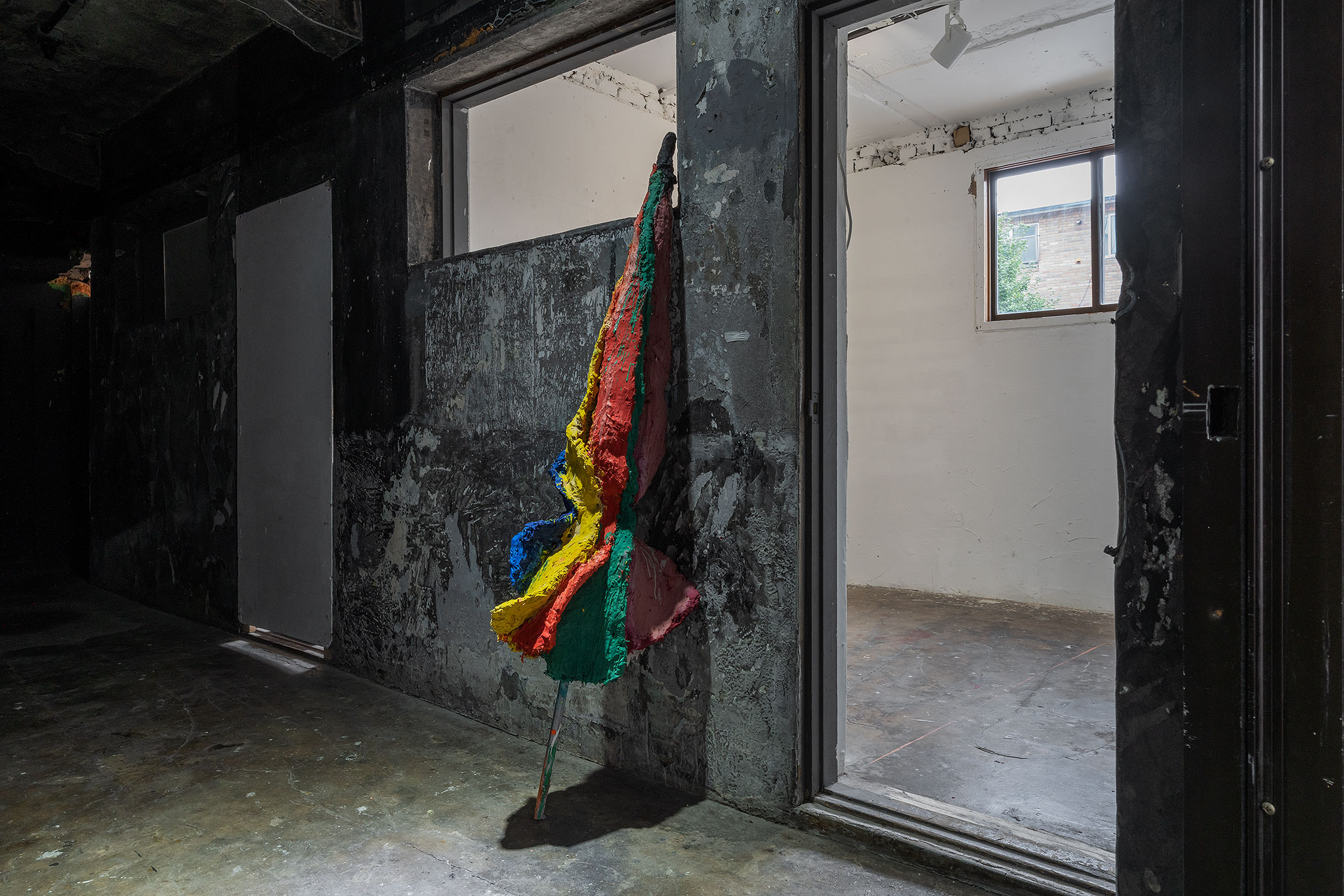
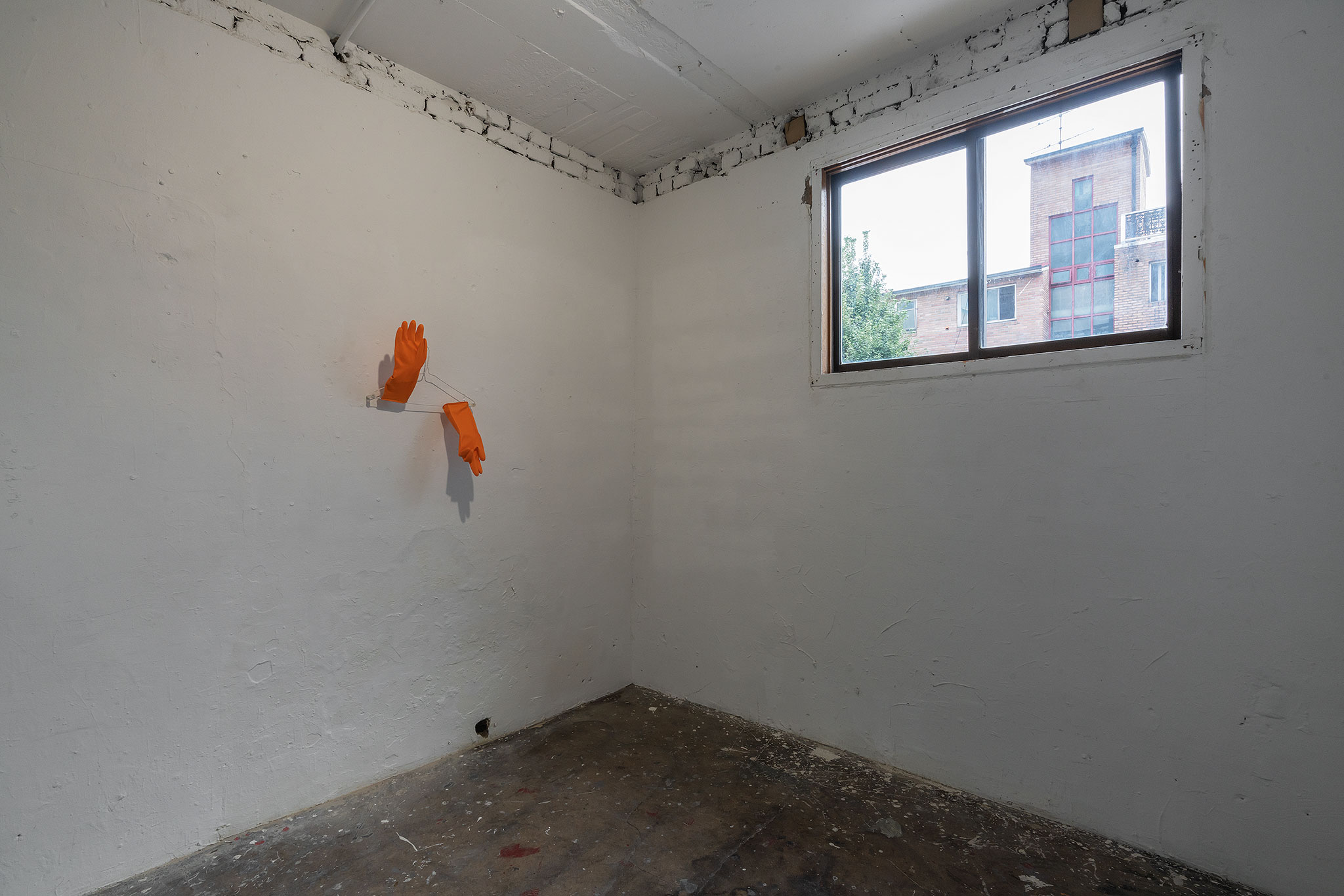
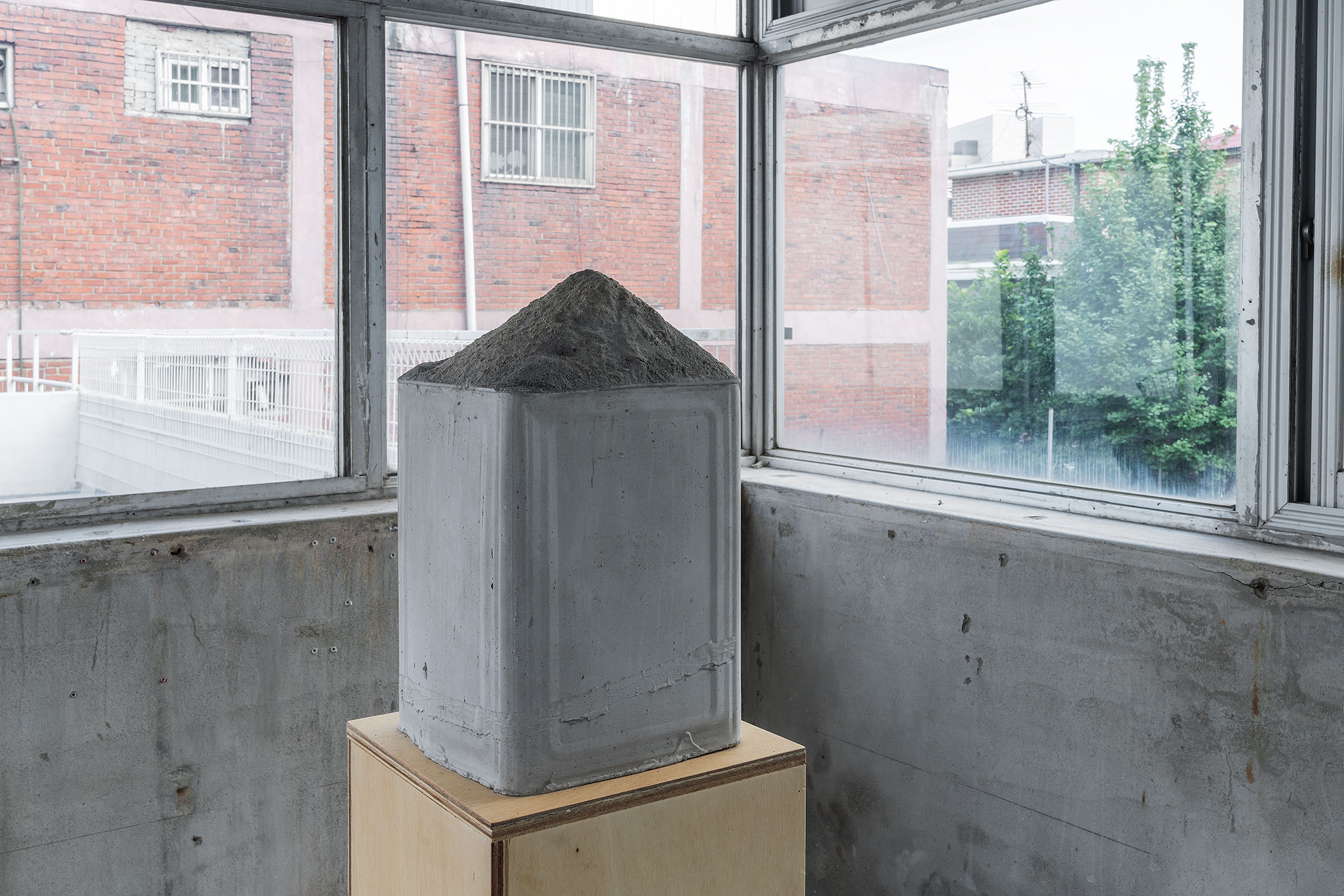
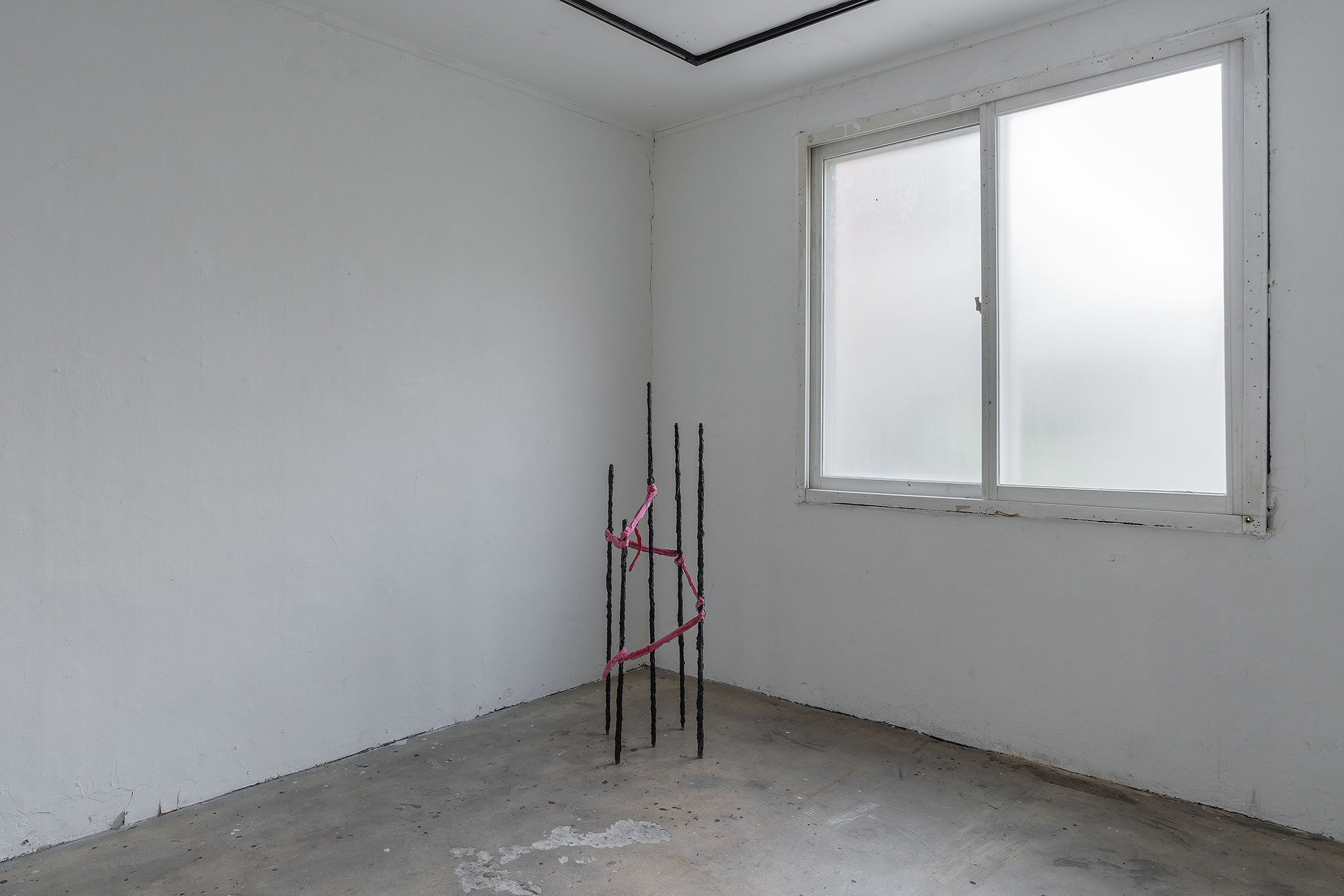
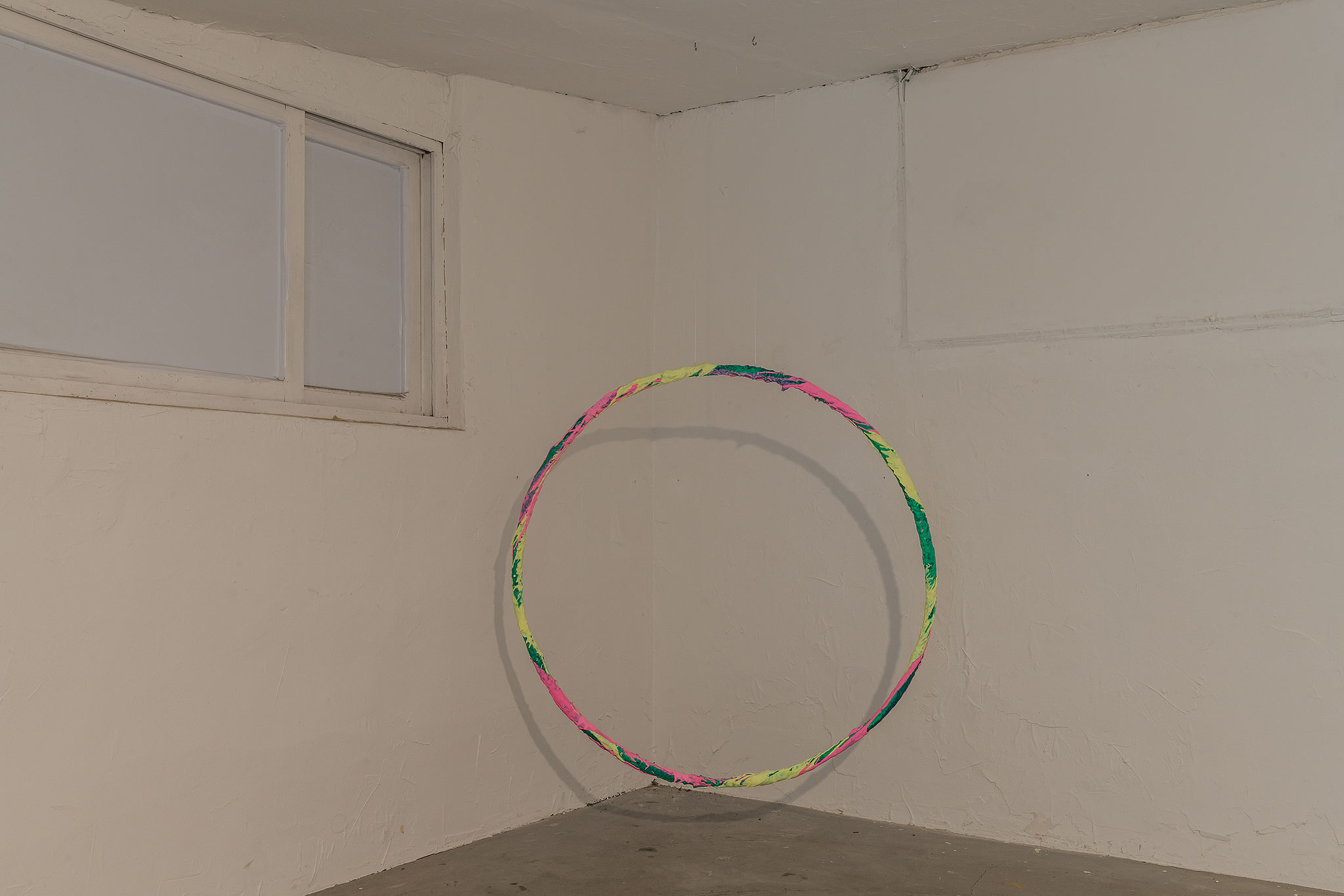
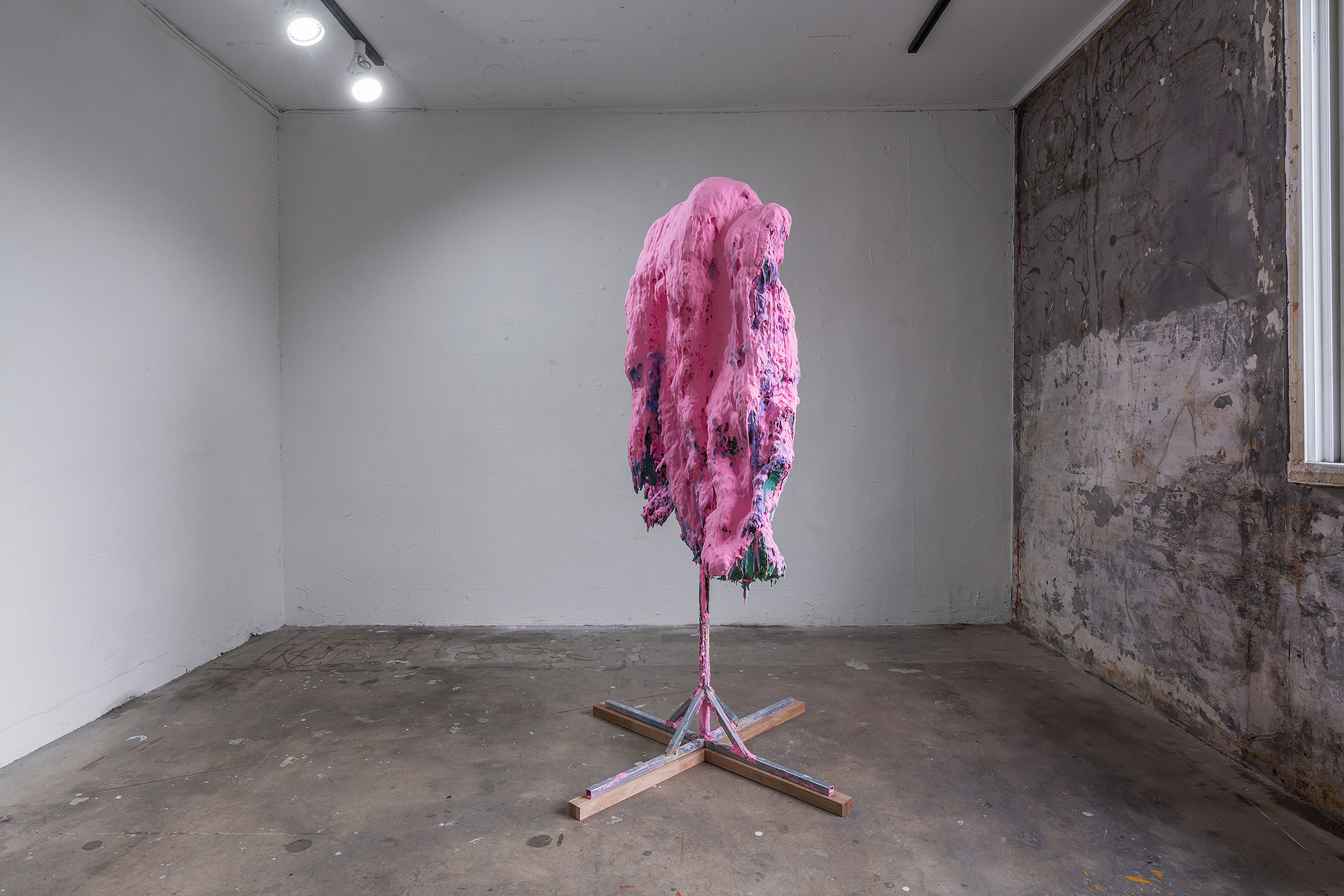
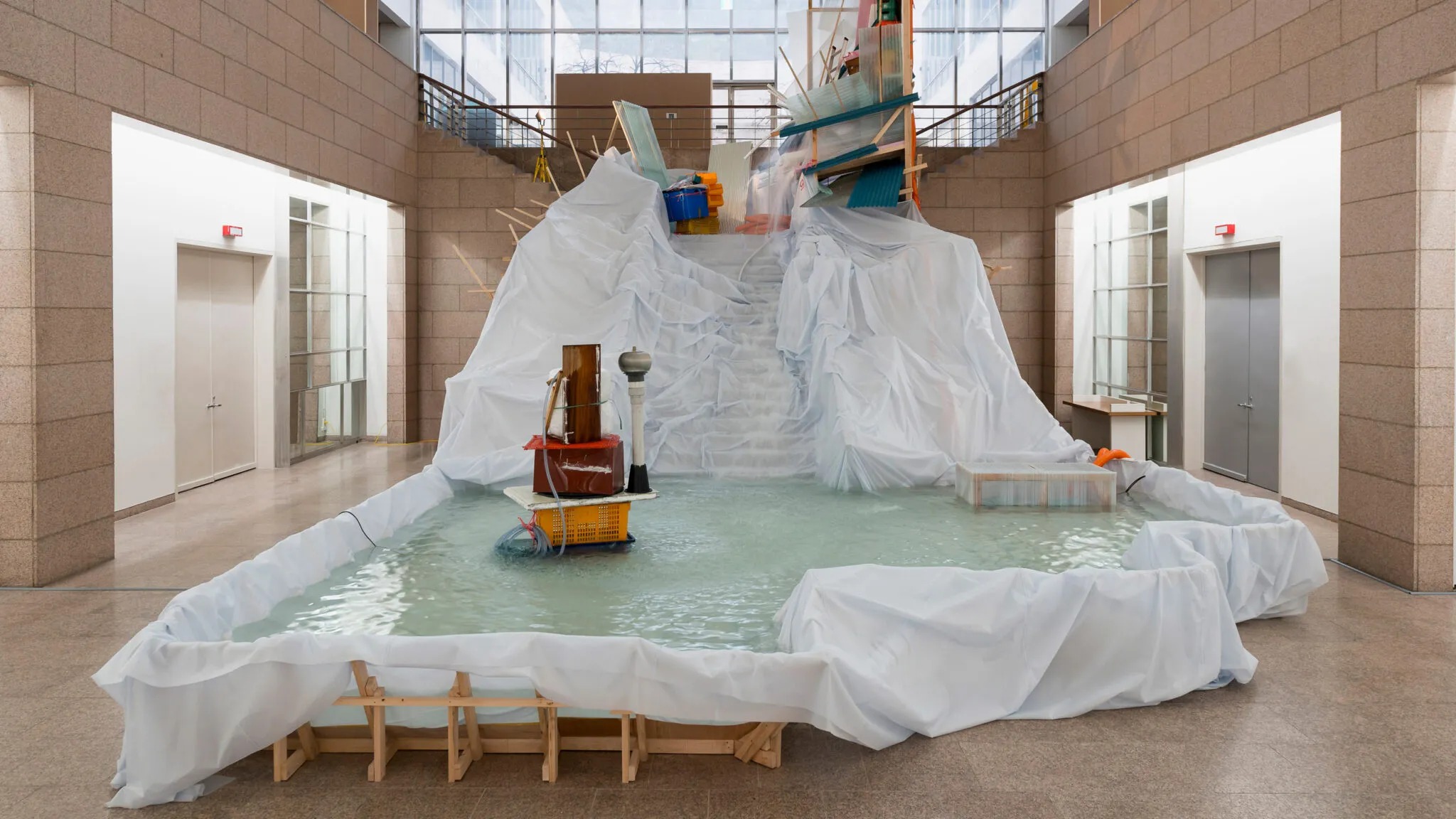
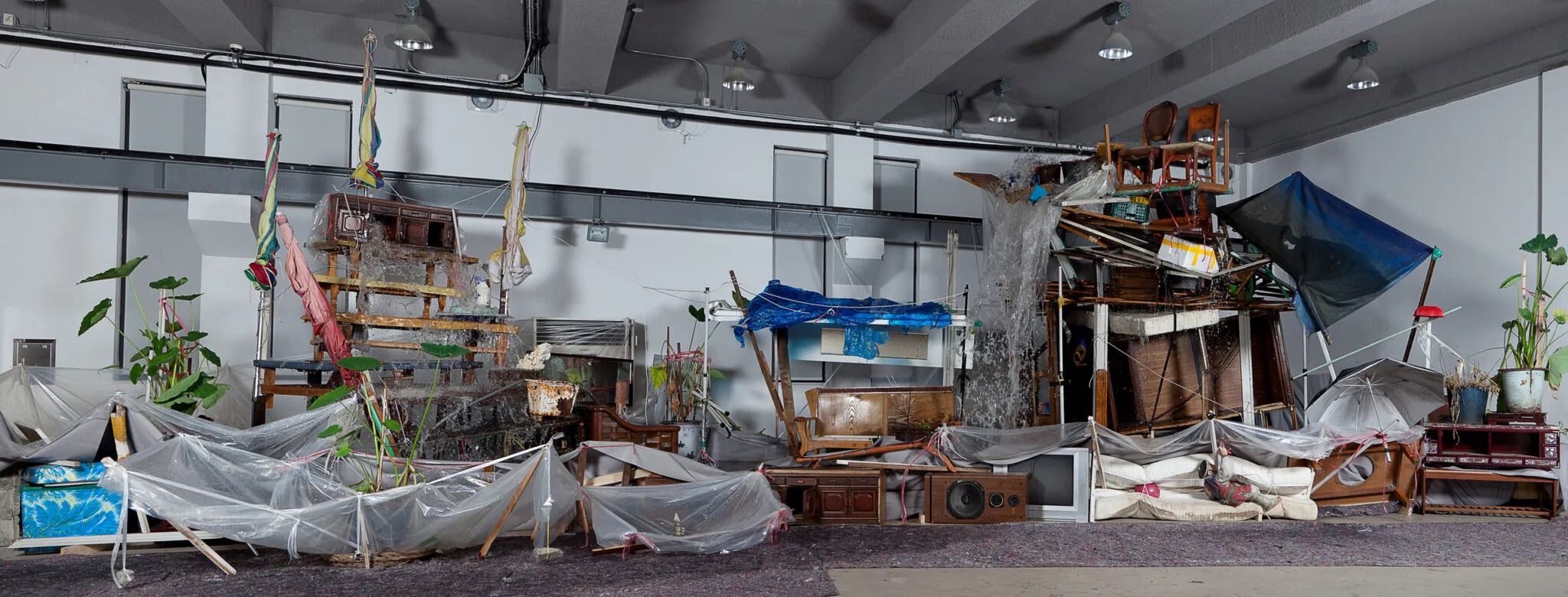
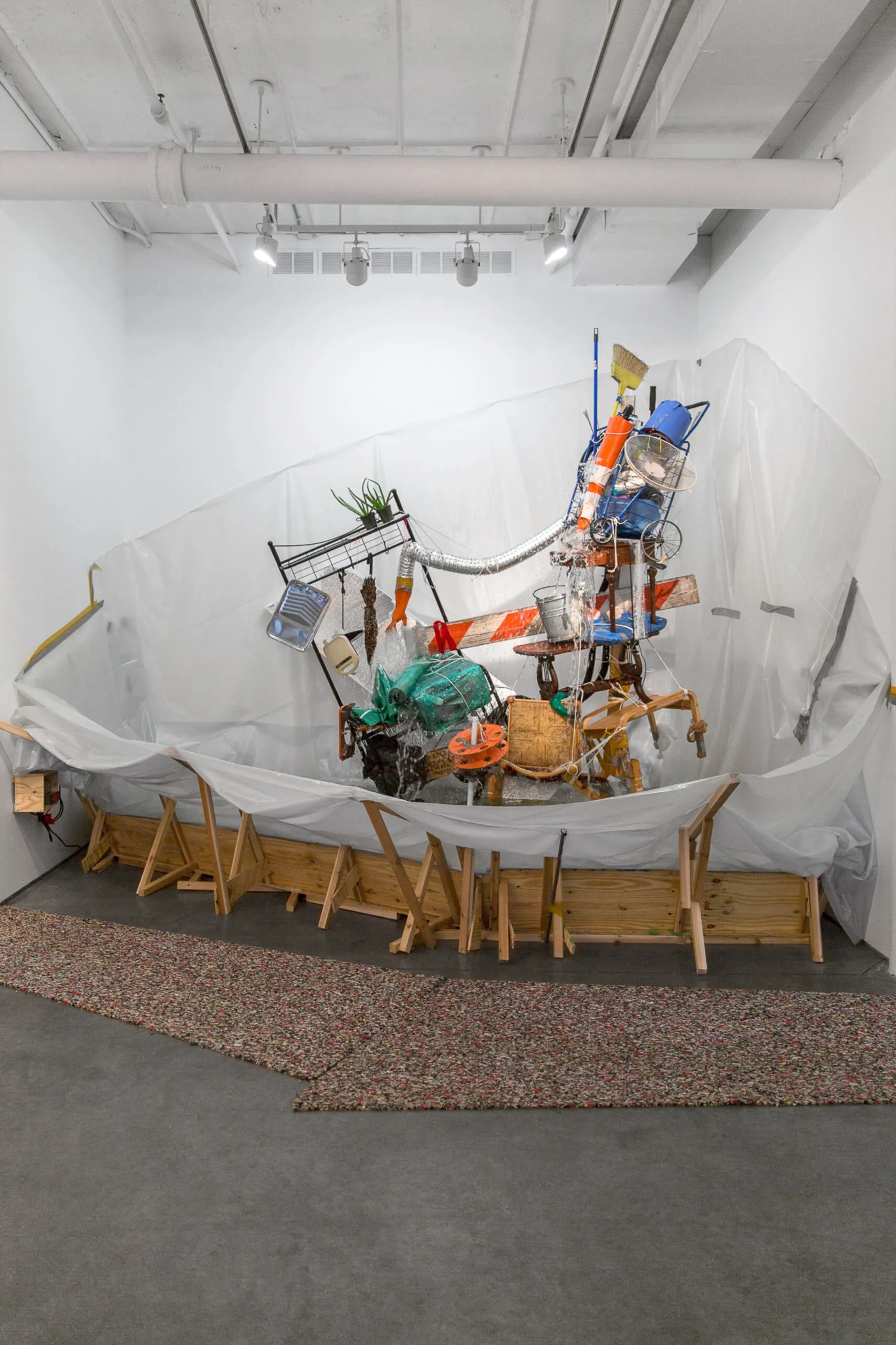
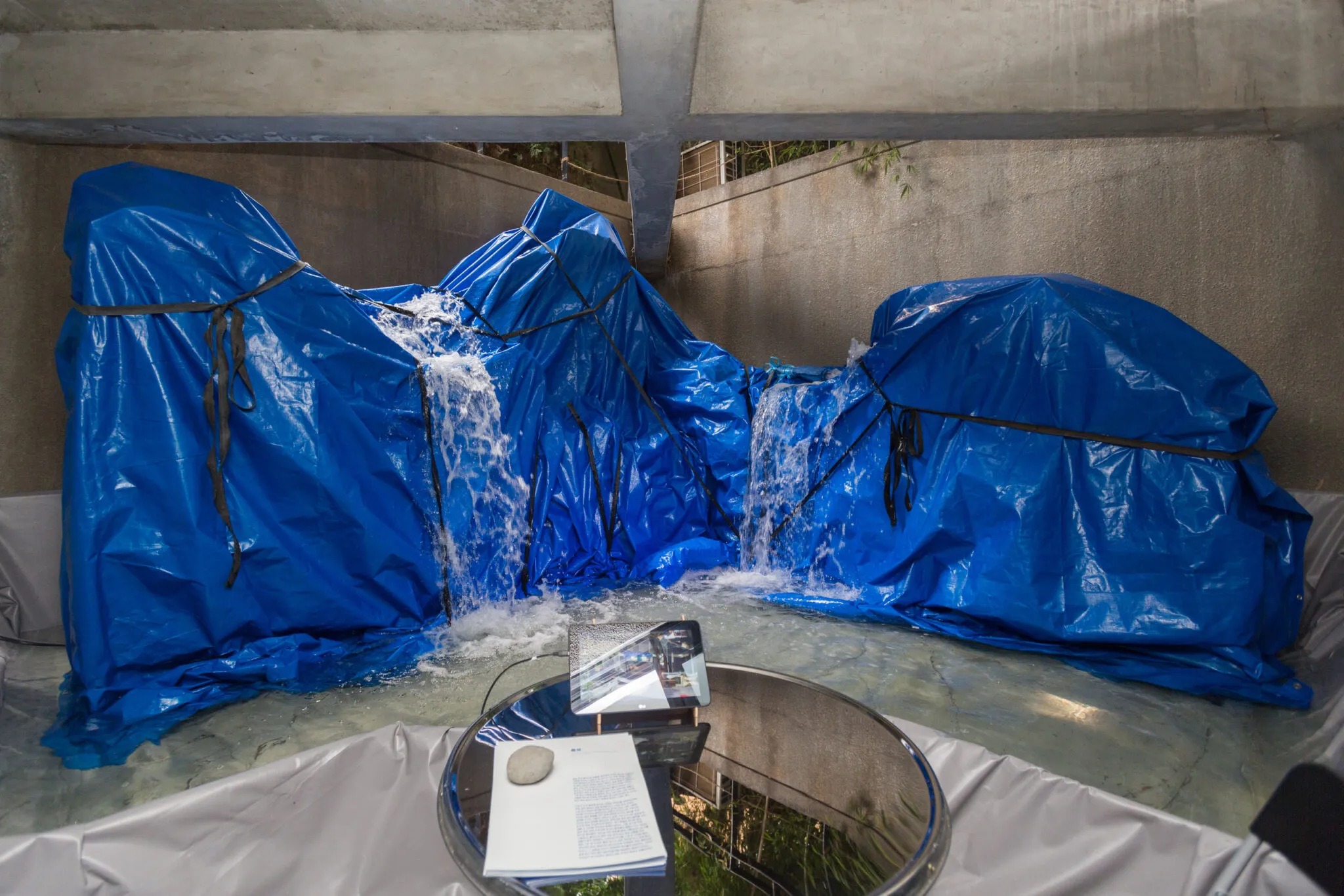
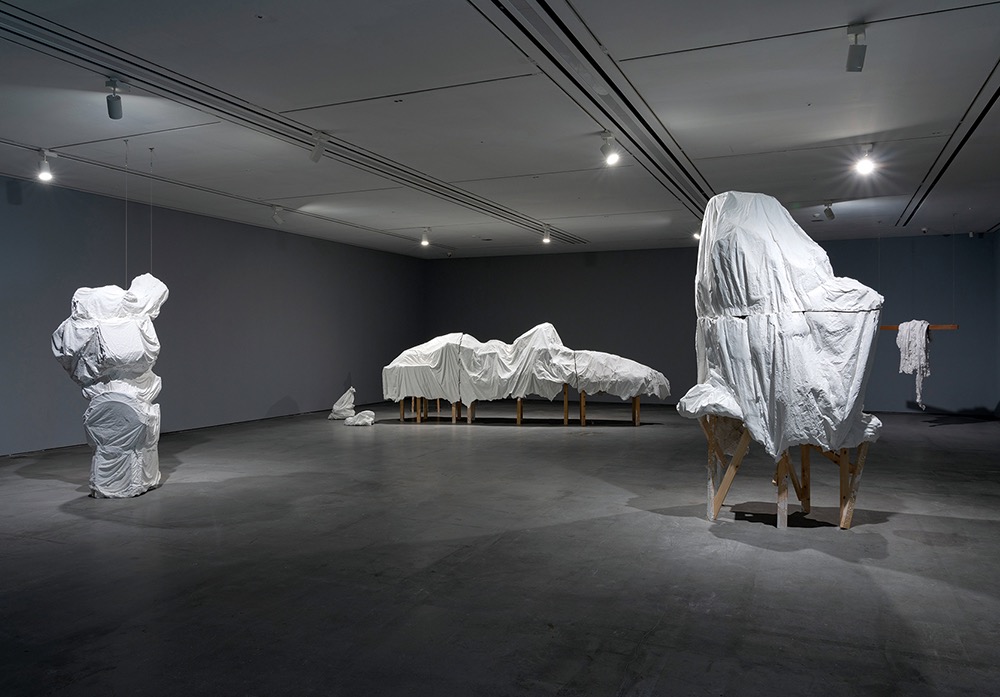
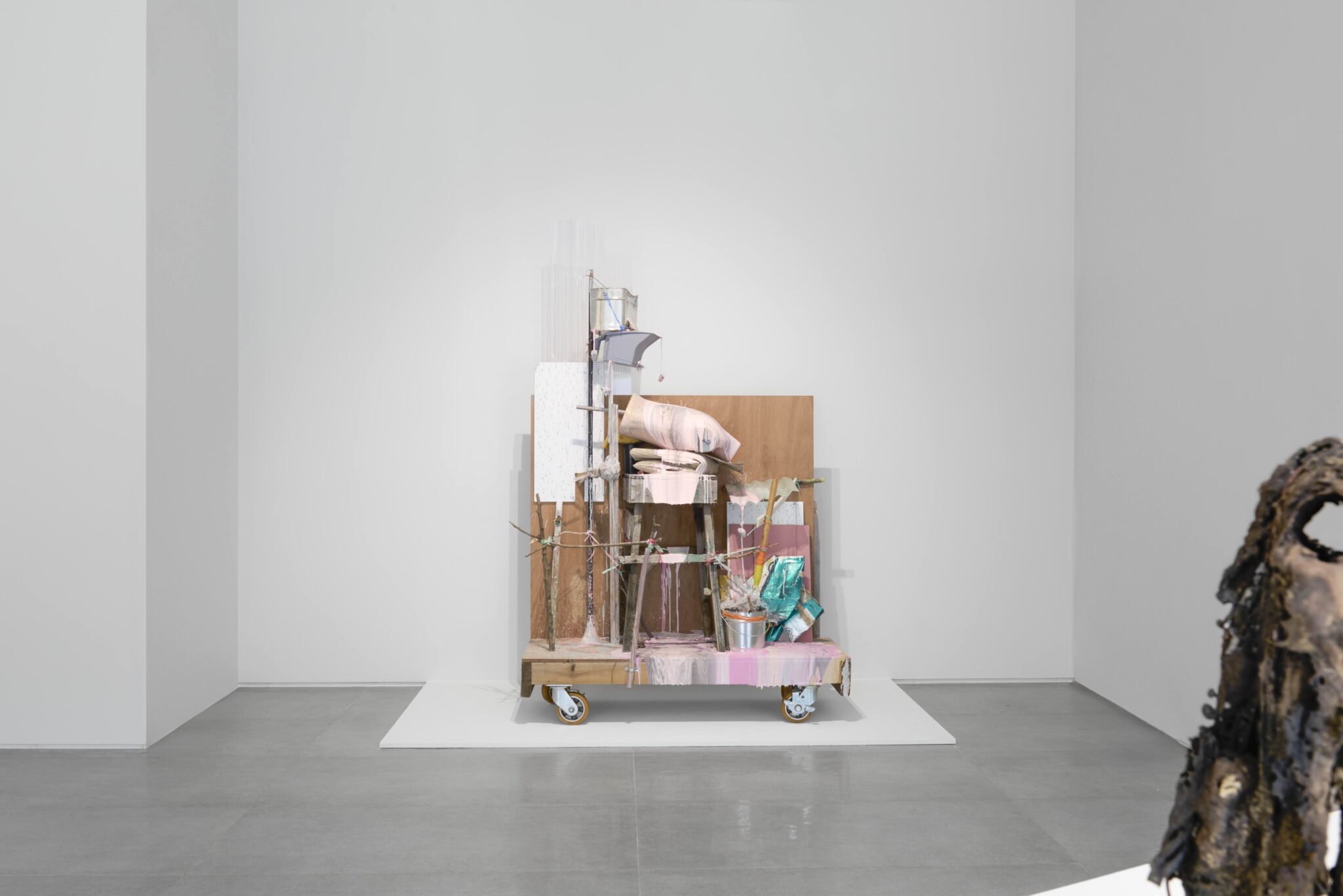
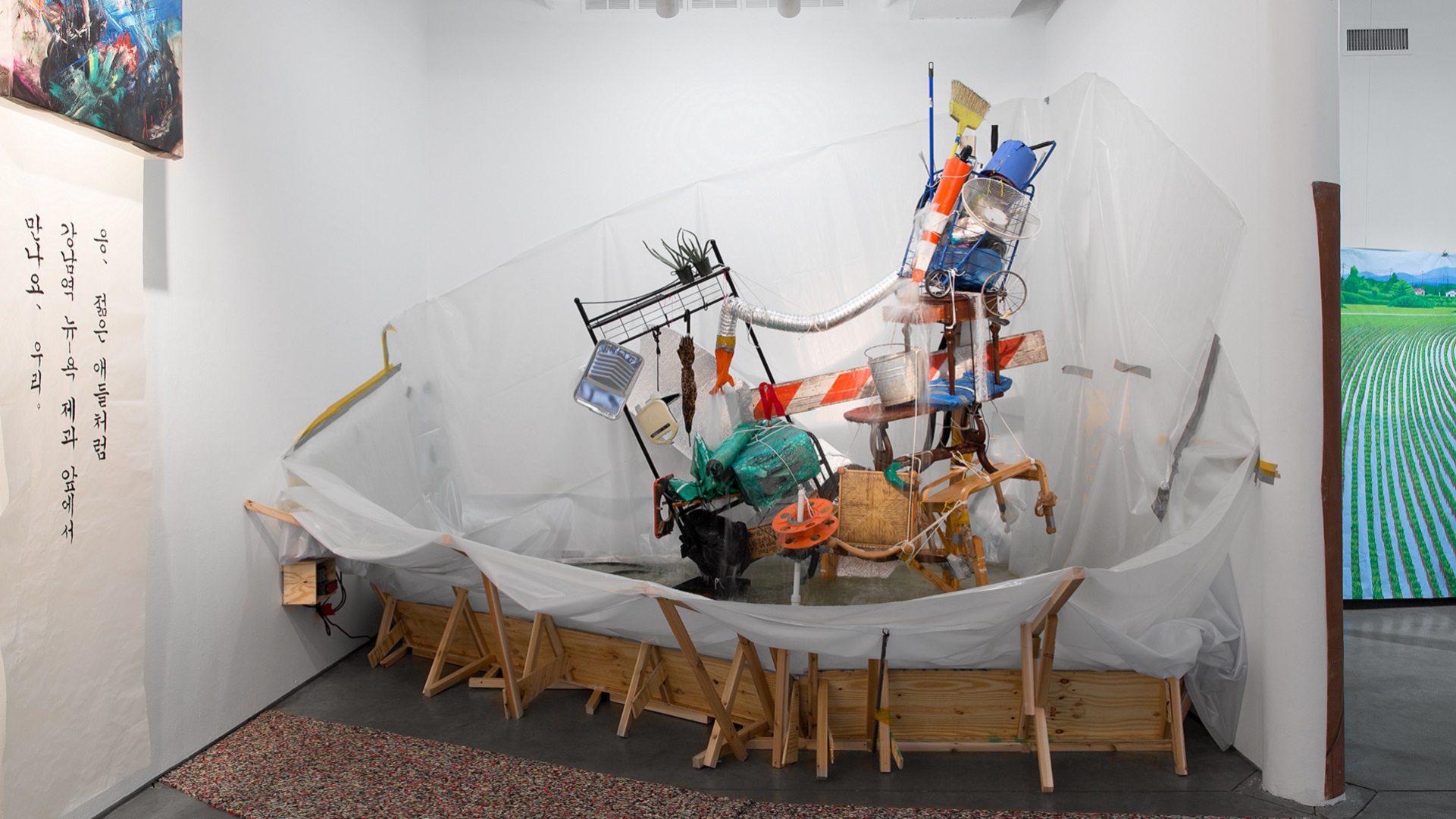
Kwon Yongju, Waterfall – Structure of Survival, 2014 © Kwon Yongju

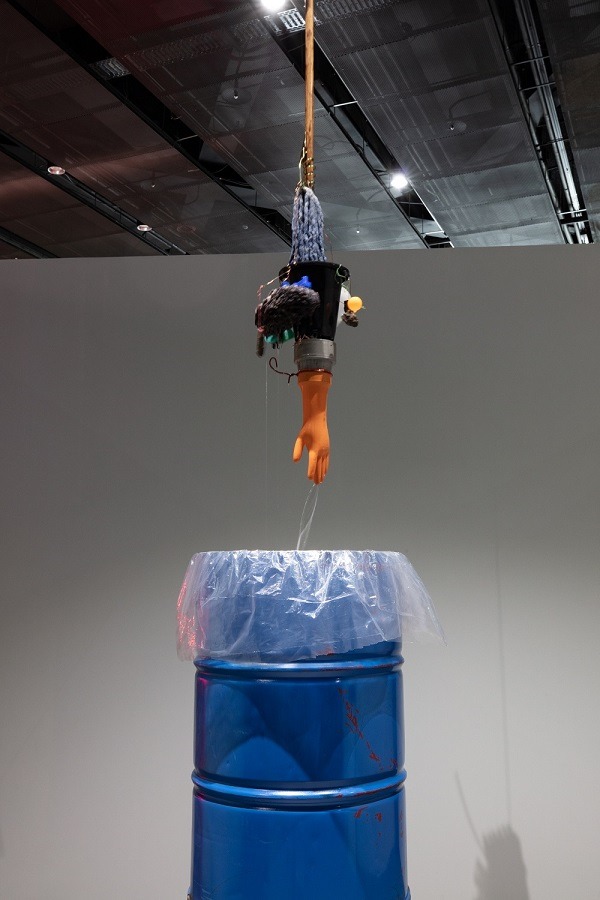
Kwon Yongju focuses on installation and sculpture. He believes that objects bear traces of people’s minds and attitudes. When everyday objects, tools, and materials pass through his hands, they are transformed into works that allow us to imagine the thoughts and feelings of others. The sheer scale of the installations he undertakes—still relatively uncommon in Korea—is astonishing the more closely one looks.

Some have described his attitude as being closer to the cynical resolve of “I’ll find a way somehow” than to the determination of “If you try, you can do it,” and even as possessing the humor of “If you somehow find a way, there is nothing you cannot do.” The artist agrees that this is an accurate assessment, yet modestly adds that it is simply an attitude shared by everyone trying to live an ordinary life.

From the perspective of those watching, however, it is undeniably remarkable. Kwon believes that the most important attitude for a creator is to keep moving steadily every day, repeatedly advancing and retreating, progressing and regressing. At the same time, with more than enough on his own plate, he simply hopes to leave behind as many works as possible. Read more about Kwon Yongju’s story in the article.


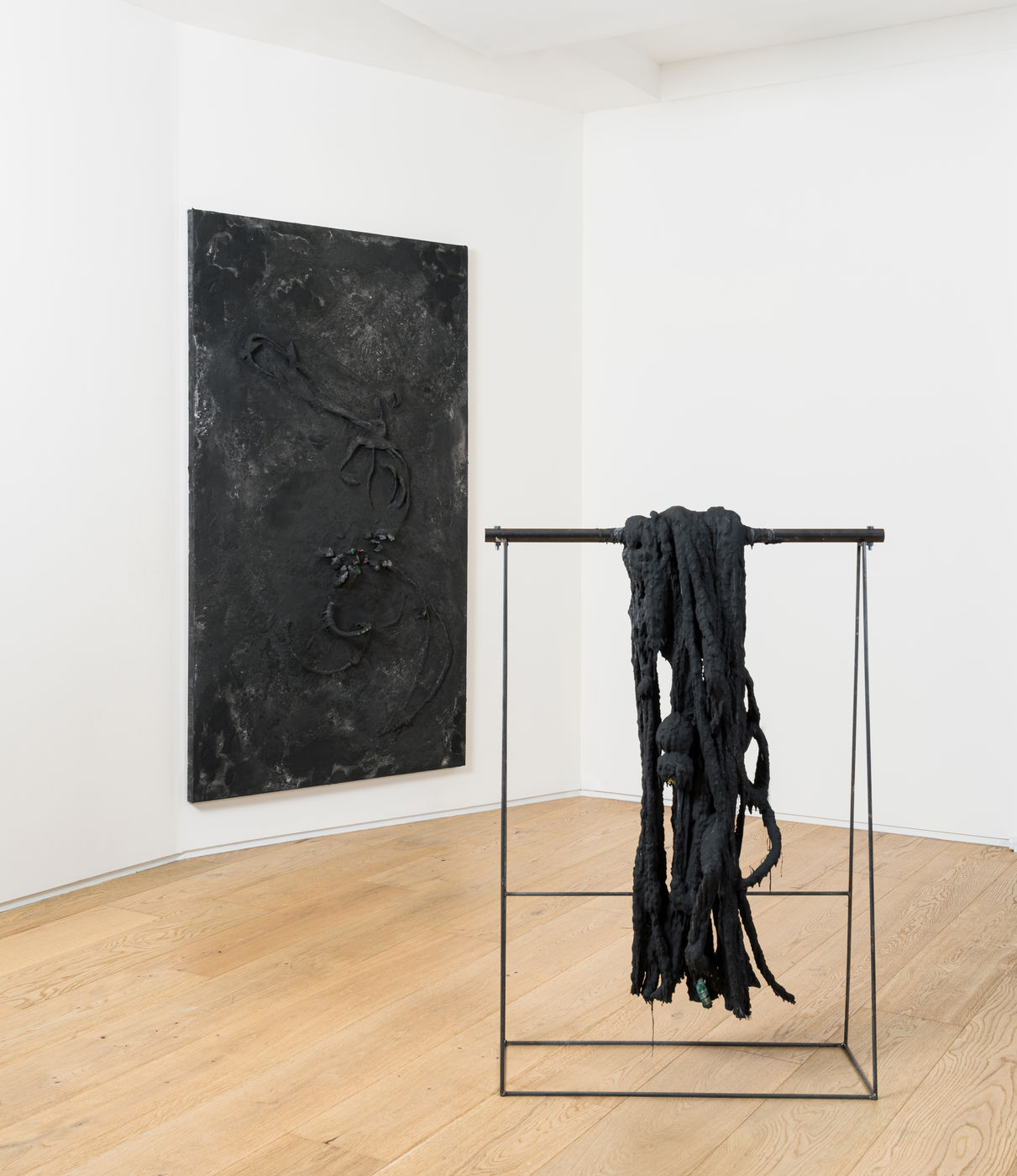
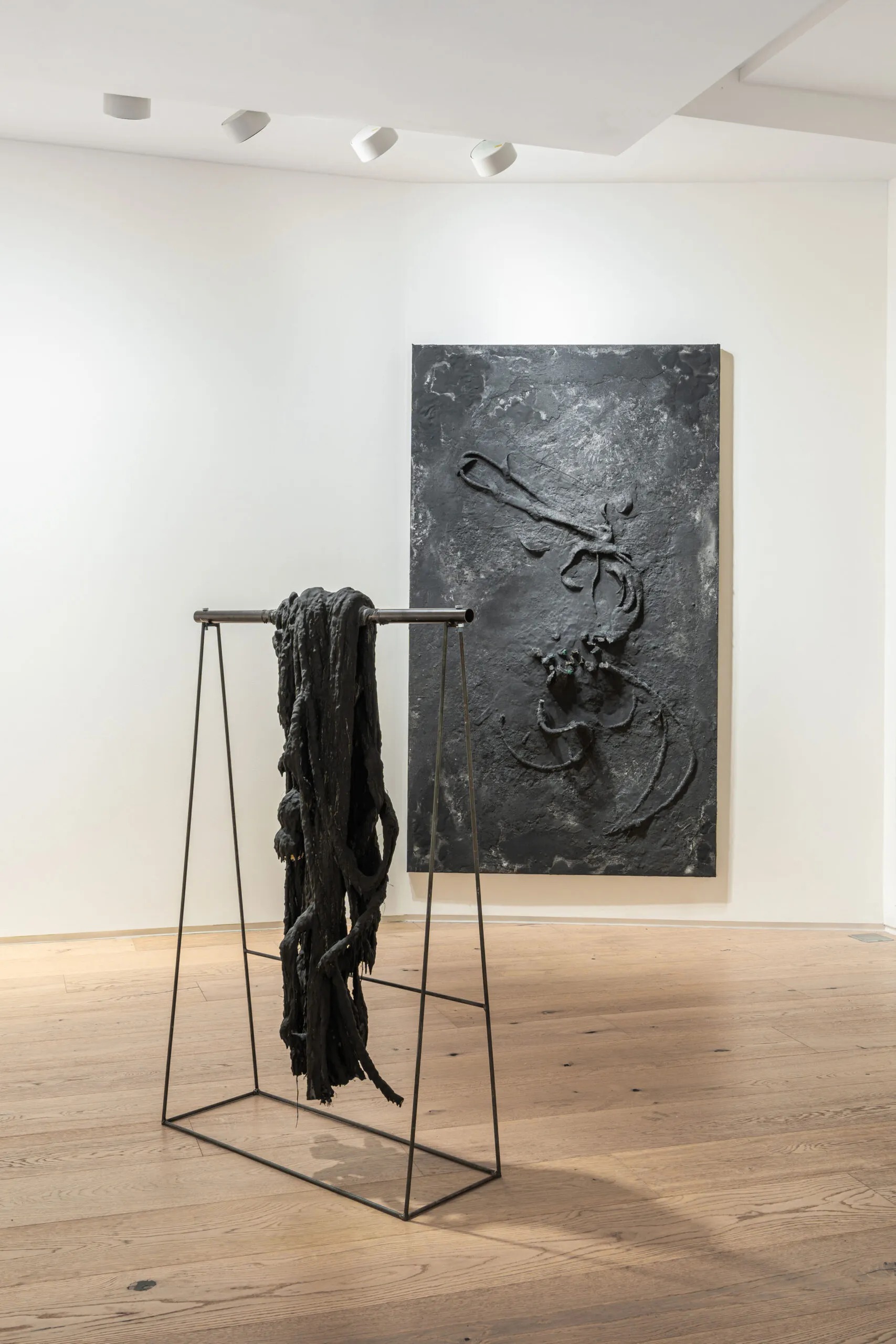
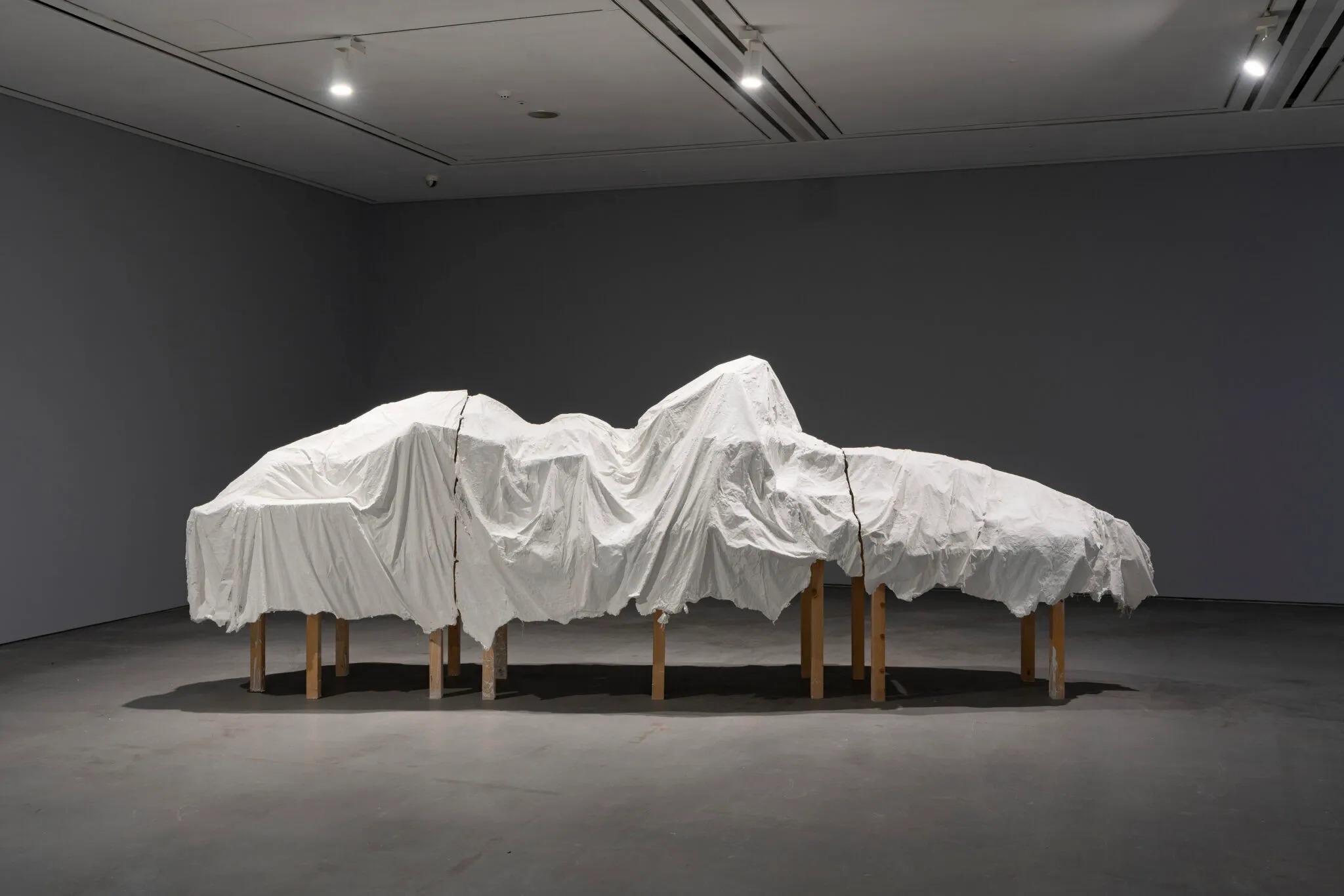
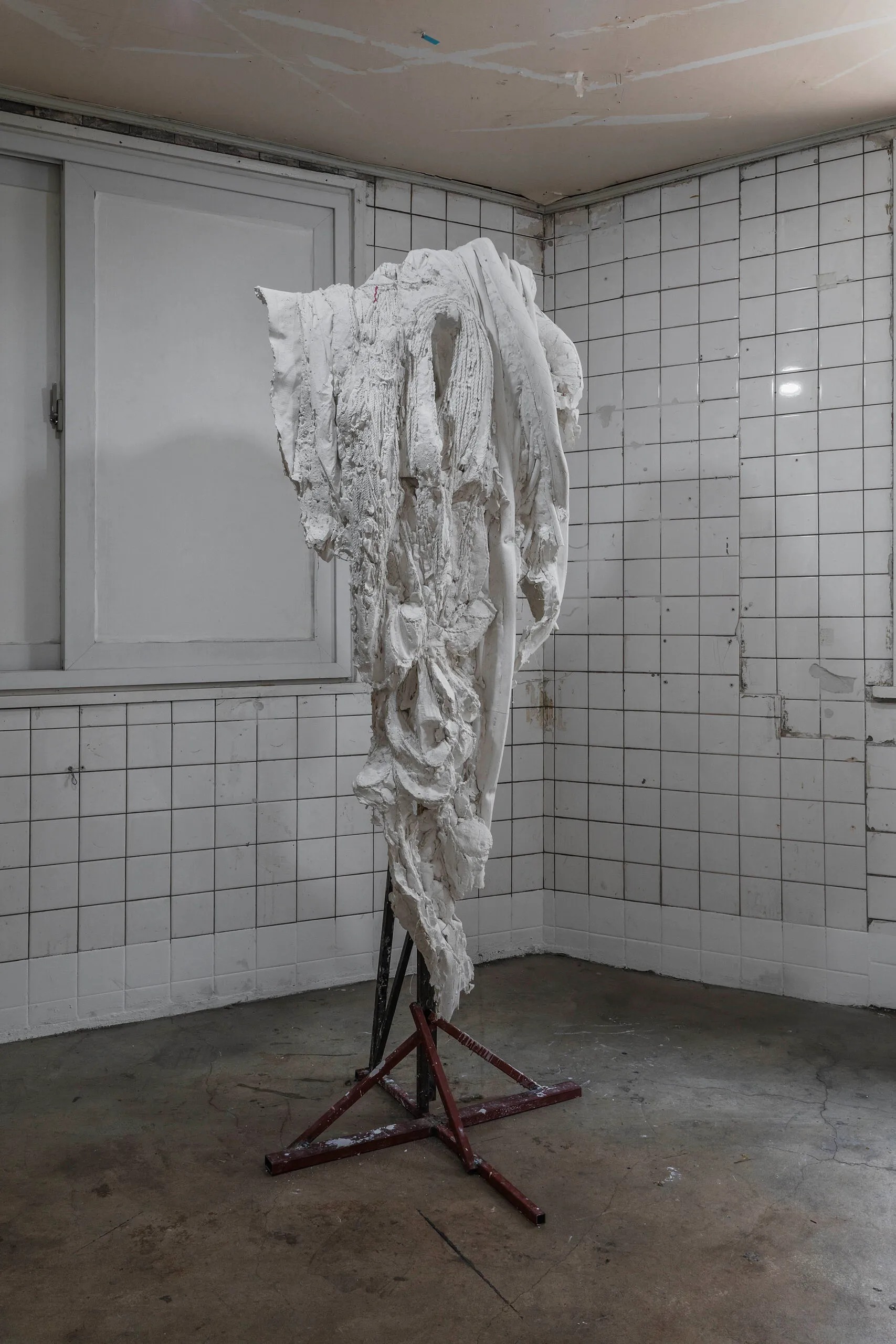
Kwon Yongju, Casting 24-1 & 24-2, 2023, 24-1: Belt, rope, steel, plaster, pigment, 120 x 90 x 30 cm; 24-2: Plaster, wood, acrylic-coated fiberglass mesh, 210 x 122 x 19 cm © Kwon Yongju

Please introduce yourself.

Hello, I’m Kwon Yongju. I focus on installation and sculpture.

What led you to become the artist you are today?

I’m very interested in objects. More precisely, I like trying to understand people’s thoughts and feelings through objects. I believe that when ordinary objects from everyday life gather somewhere, and when their shifting forms and uses are altered by human hands, they can express aspects of who we are that cannot easily be put into words. So I began my practice by copying and recreating fragments of scenes I encountered in everyday life.


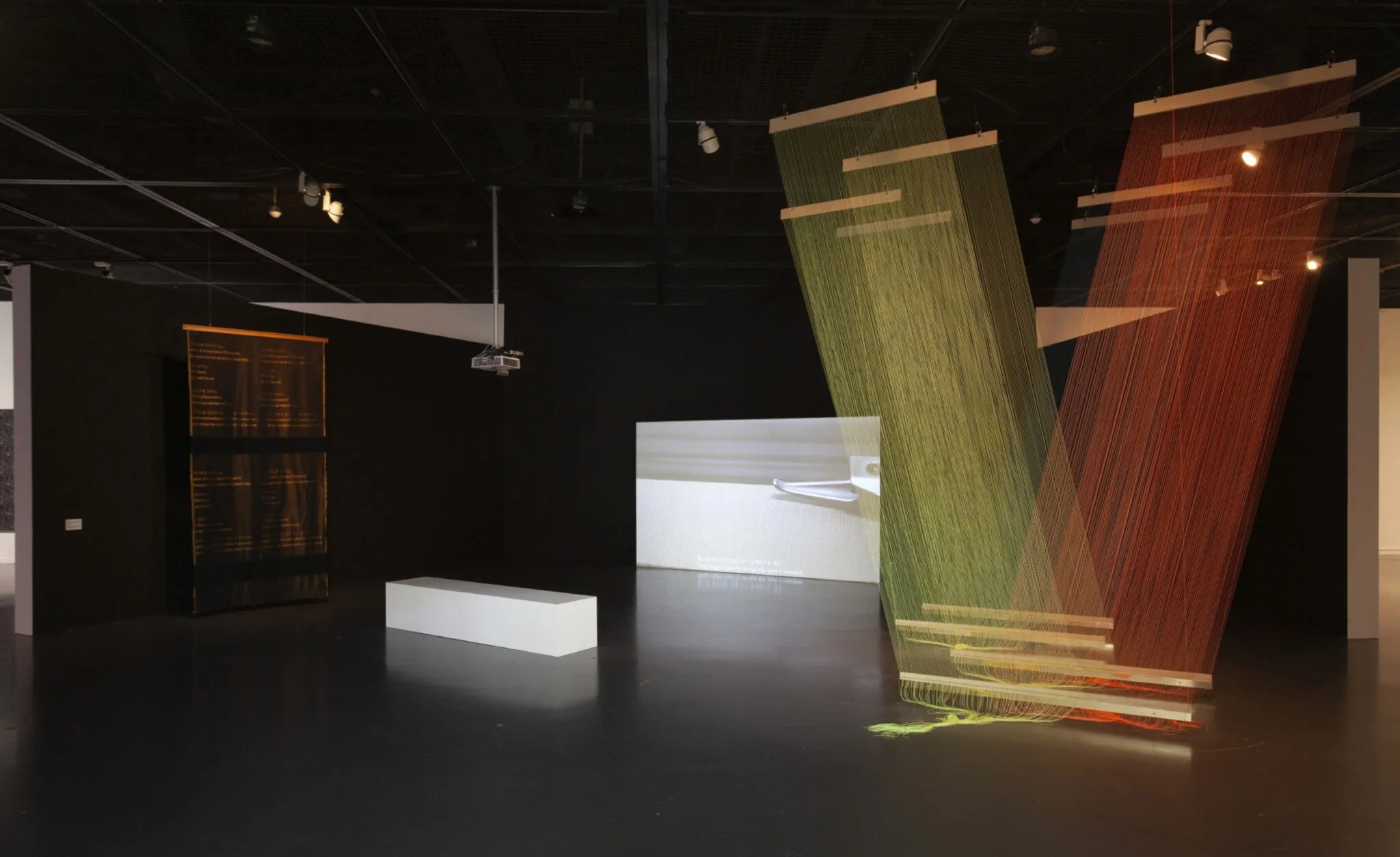
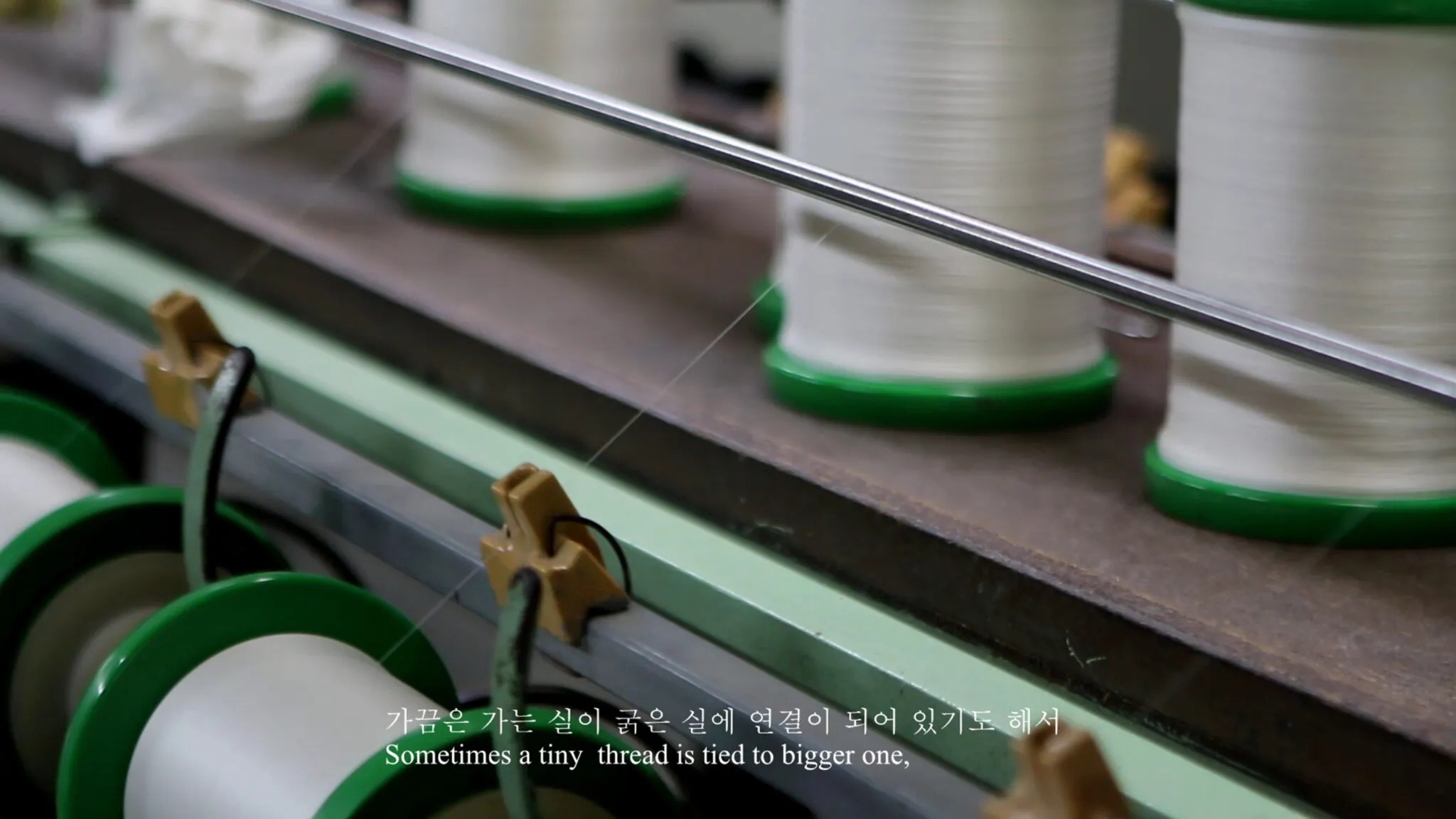
Kwon Yongju, Tying, 2014/2016, Single-channel video, thread installation, color, sound (stereo), 28 min 42 sec © Kwon Yongju

Could you tell us a little about your workspace?

I currently use a warehouse building in a quiet area of Paju, Gyeonggi-do, as my studio. It is about 2–3 km away from the town center and also some distance from the nearest village. It is closer to Gaeseong than to Seoul. Surrounded by rice fields on all sides, it is a quiet place with beautiful sunsets.

Where do you usually find inspiration for your work?

I find it in everyday landscapes—by looking at tools and materials scattered around workplaces where people labor, or objects that have been left abandoned in alleyways for a long time.


Kwon Yongju, Tying, 2014/2016, Single-channel video, thread installation, color, sound (stereo), 28 min 42 sec © Kwon Yongju

It may be difficult to put into words, but what kind of creative process do you go through when making your work?

I draw an object that left a strong impression on me somewhere onto a blank sheet of paper. By repeating the drawing process several times, I look for ways to turn it into a three-dimensional form. Most of the time, I can make it as it is, but there are also cases that require a great deal of thought. When necessary, I also use software such as SketchUp to run simulations.

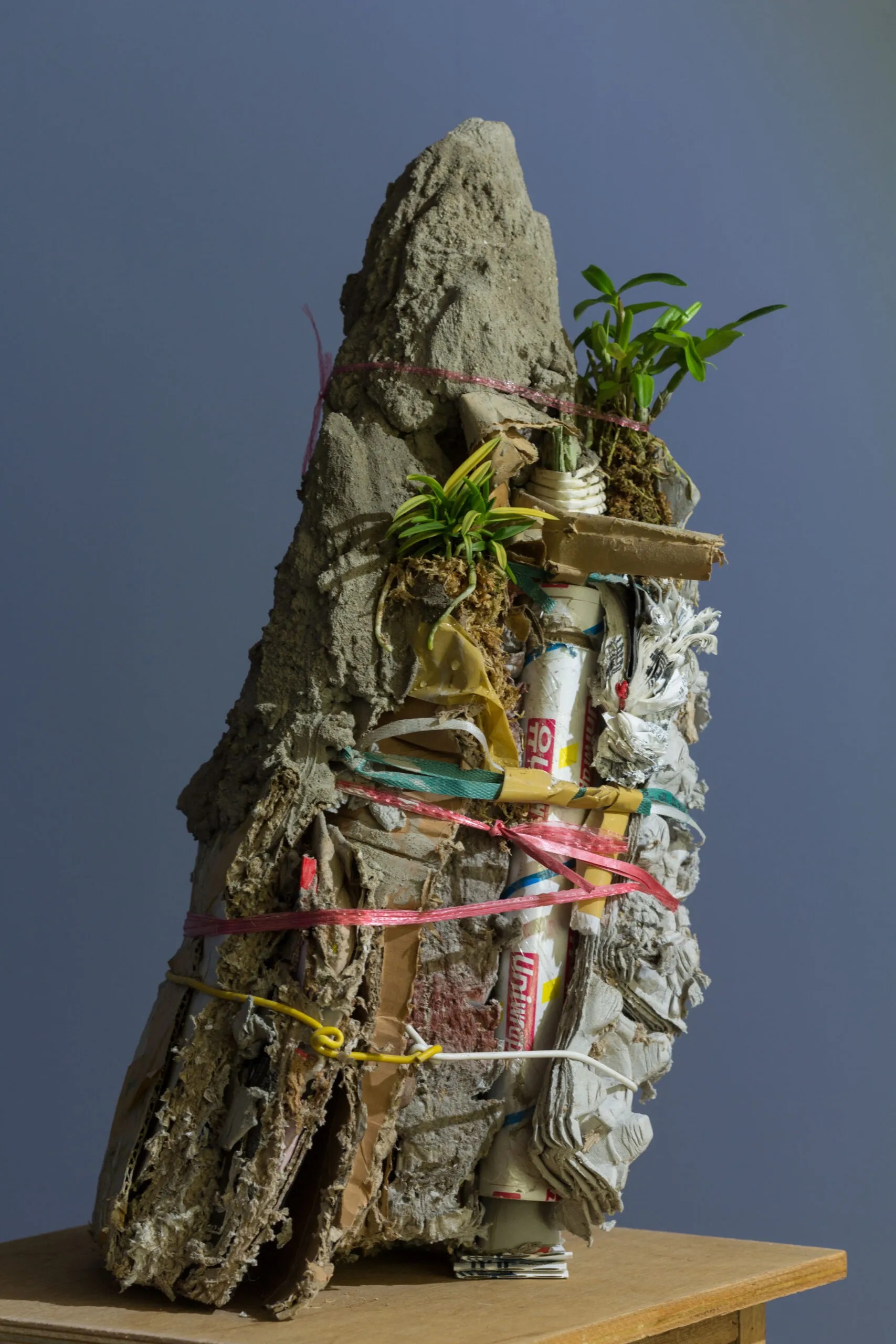
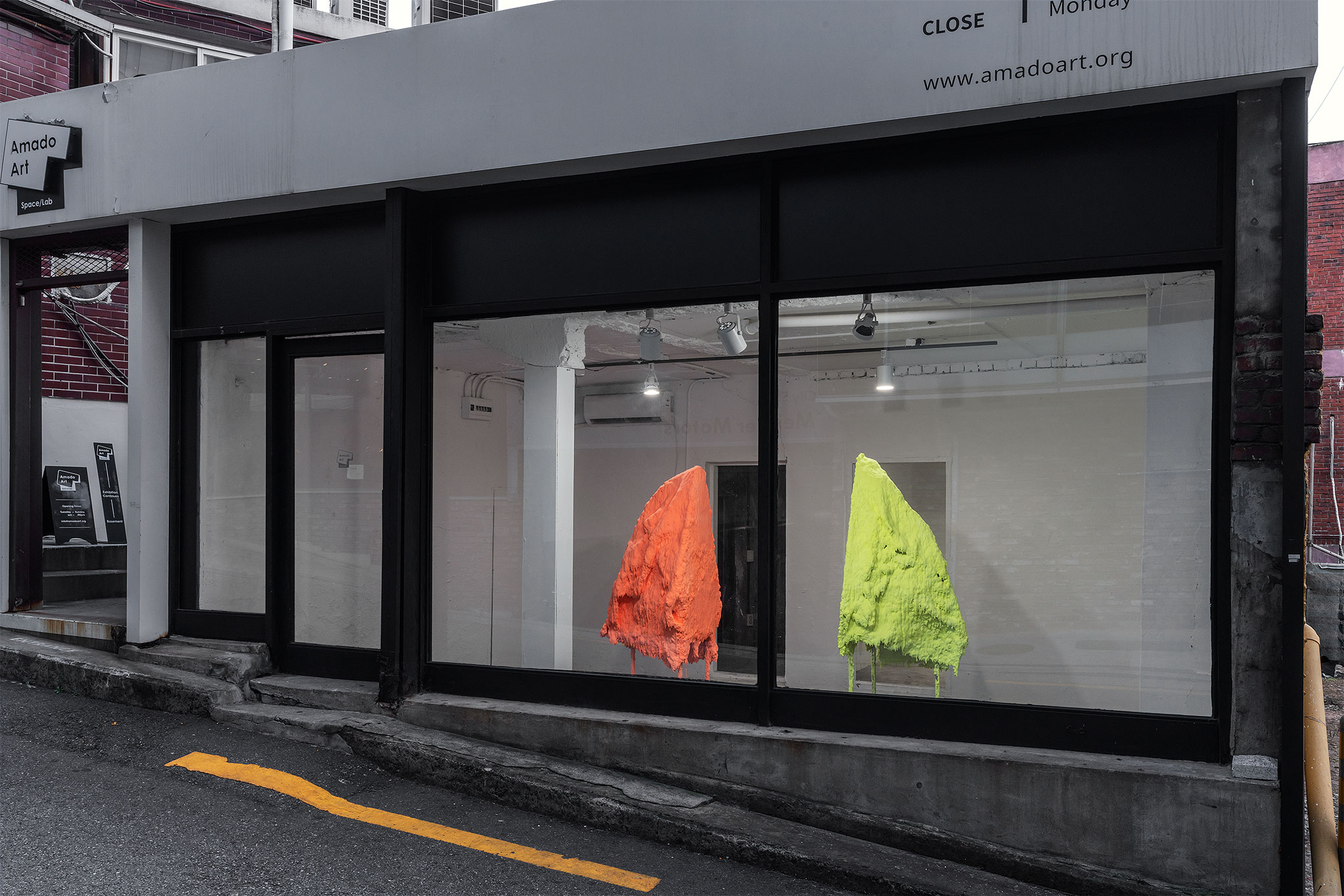
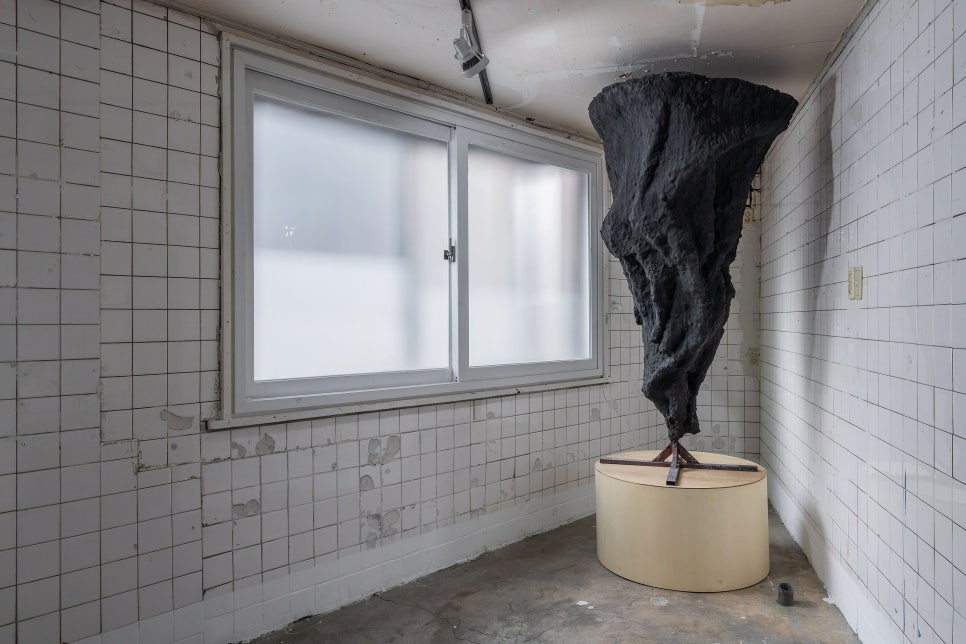
After that, the process is not much different from conventional sculptural practice. I build an armature, attach whatever materials are needed, carve things down, pile up whatever comes to hand, or bind things together. Recently, I have been finishing my works with plaster casting.


Kwon Yongju, Tent 3, 2018, Tent, rope, wood and plaster casting, 505 x 93 x 176 cm © Kwon Yongju

Could you introduce some of your recent works?

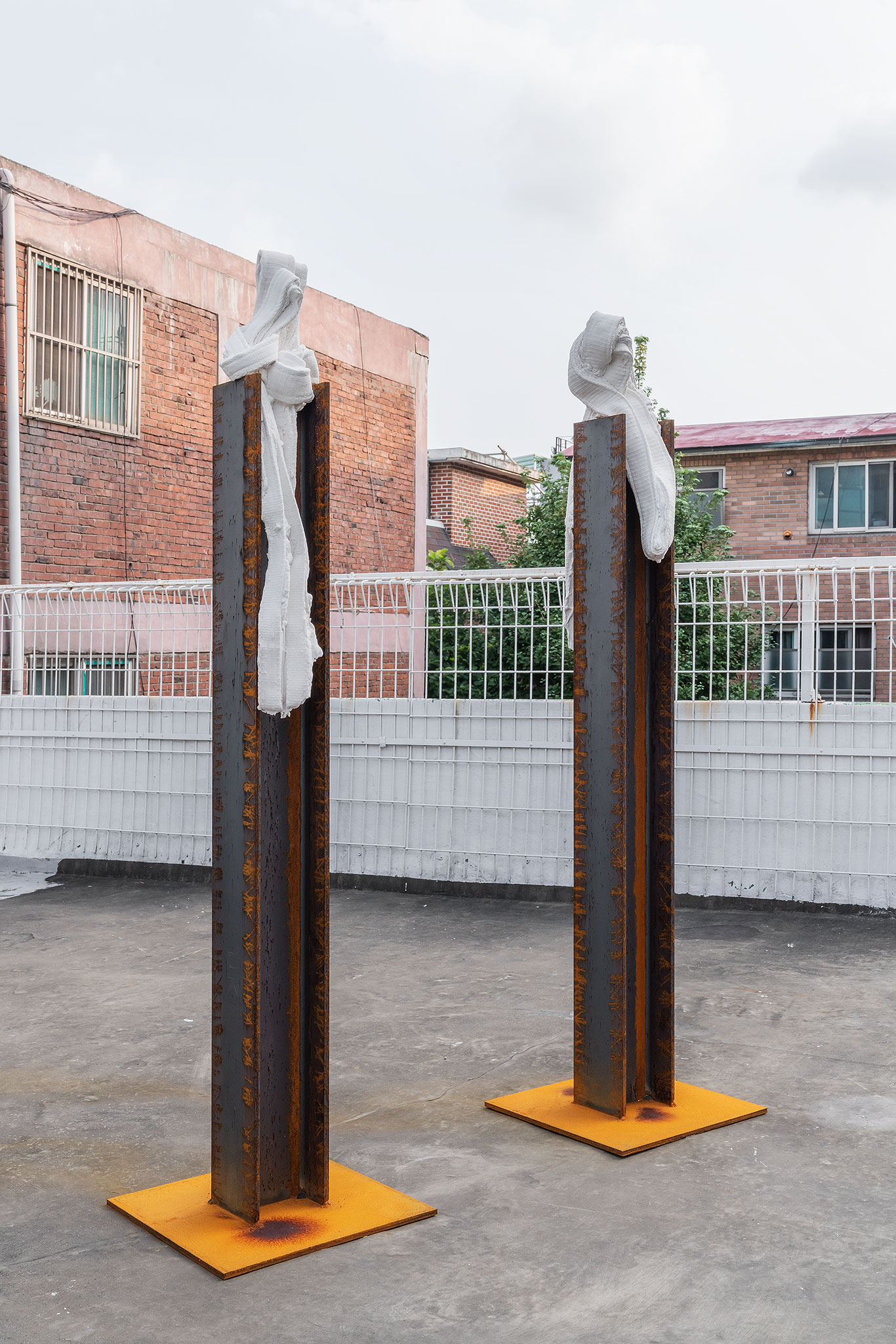
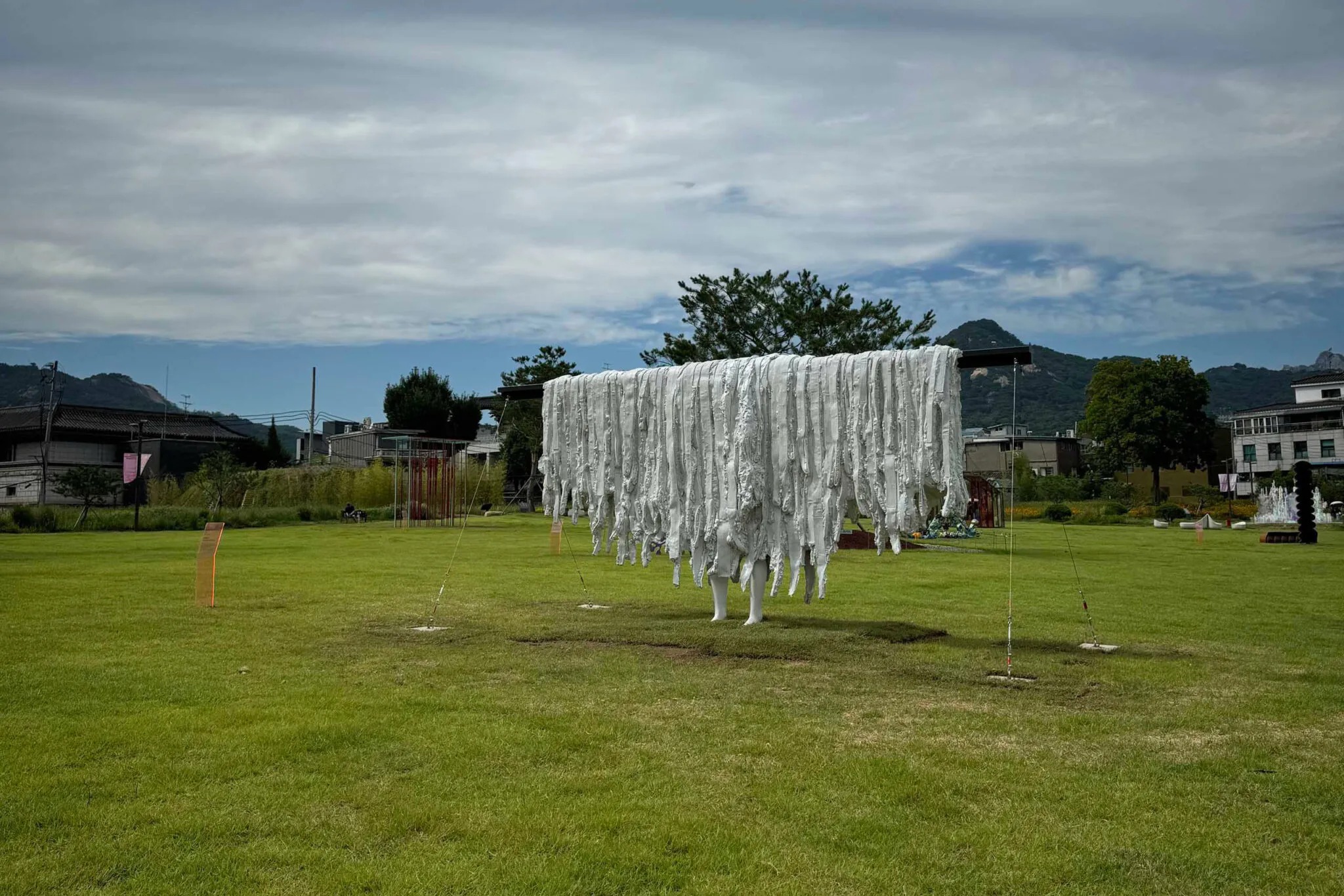
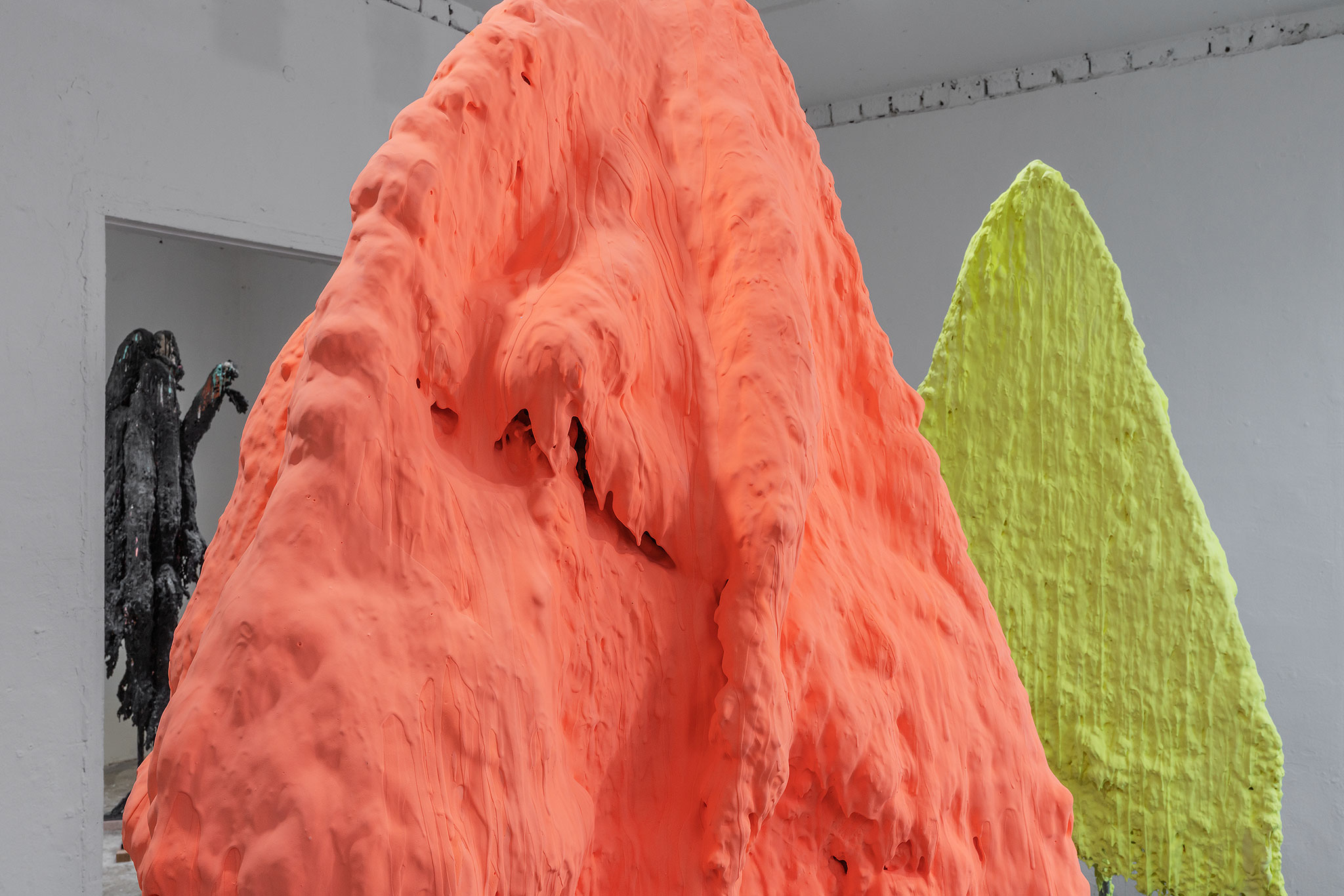
This year, I have been busy working on outdoor installations. I would point to Sling Belt & Others, which I submitted to the 1st Seoul Sculpture Prize, and Waterfall 2024, which I installed at the 《Dalseong Daegu Contemporary Art Festival》. Sling Belt & Others measures approximately 4.6 meters wide and 2.2 meters high and was molded in fiberglass-reinforced plastic.

One day, while passing by an ironworks during lunchtime, I saw the workplace after the workers had left their stations, with sling belts lying behind in various shapes. I was only looking at the objects they had left behind, yet I could imagine the people who must have been moving busily through the space. That led me to create several works in a series using sling belts.

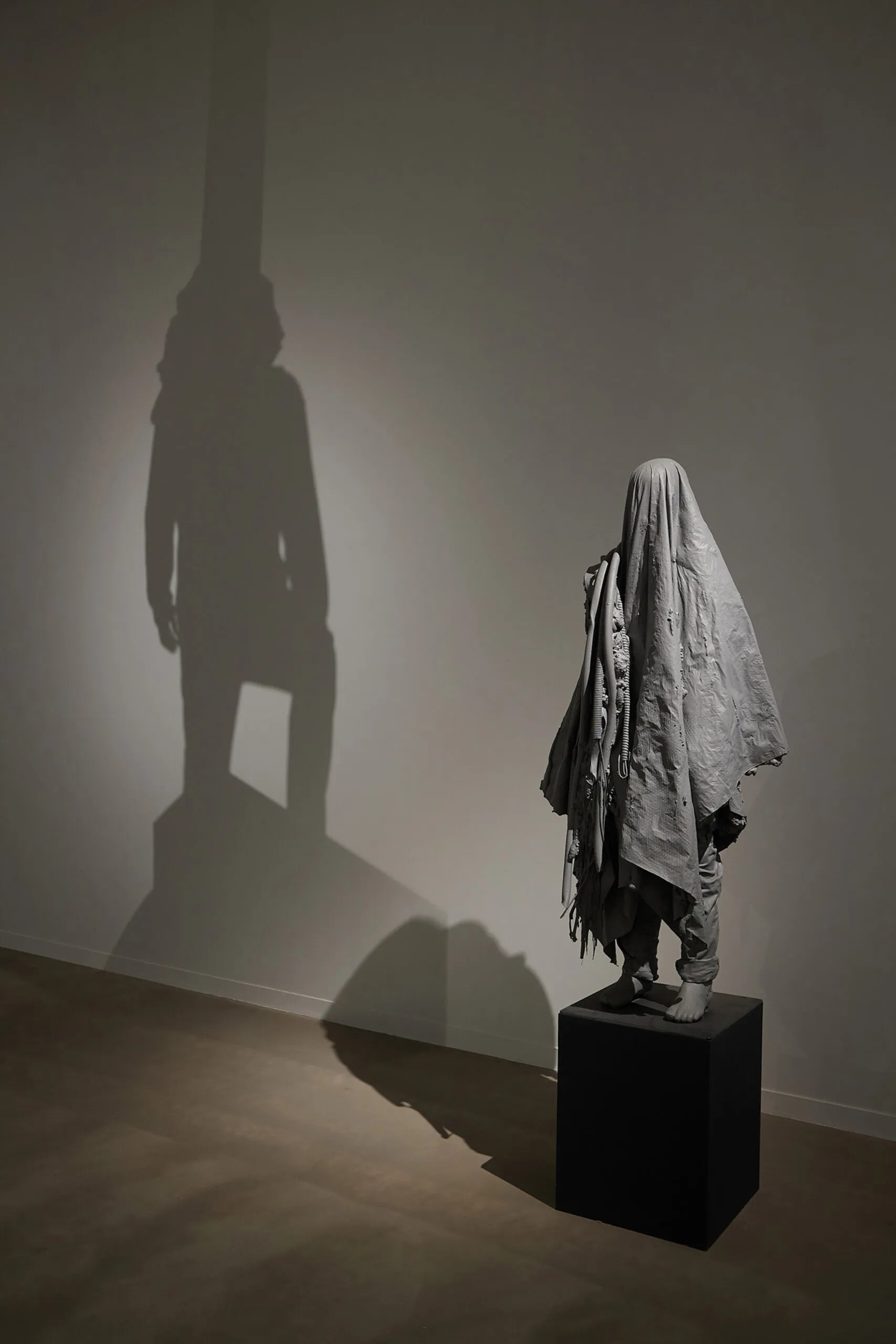
In the earlier works, I tried to show the materiality of the sling belt itself, whereas in Sling Belt & Others, I attached human legs beneath a mass of sling belts, making it resemble a person standing with their arms spread wide. The figure appears hidden beneath the objects. The labor market today is changing so rapidly that it can be difficult to keep up, yet at the same time, I felt that it has become harder than before to closely observe the people who are actually working.

Even on the web, we can easily encounter people’s extraordinary moments through short and powerful videos, while ordinary aspects of ourselves—our lives, our everyday routines, and the labor that sustains them—seem to be increasingly hidden from view. Those thoughts informed the work. You can currently see it in the sculpture exhibition 《The Strange Encounter》 at Open Songhyeon Green Plaza, so please stop by if you happen to be passing through.


Kwon Yongju, Sling Belt & Others, 2024, FRP casting on U-beam, H-beam, and steel plate structures, 220 x 465 x 55 cm © Kwon Yongju

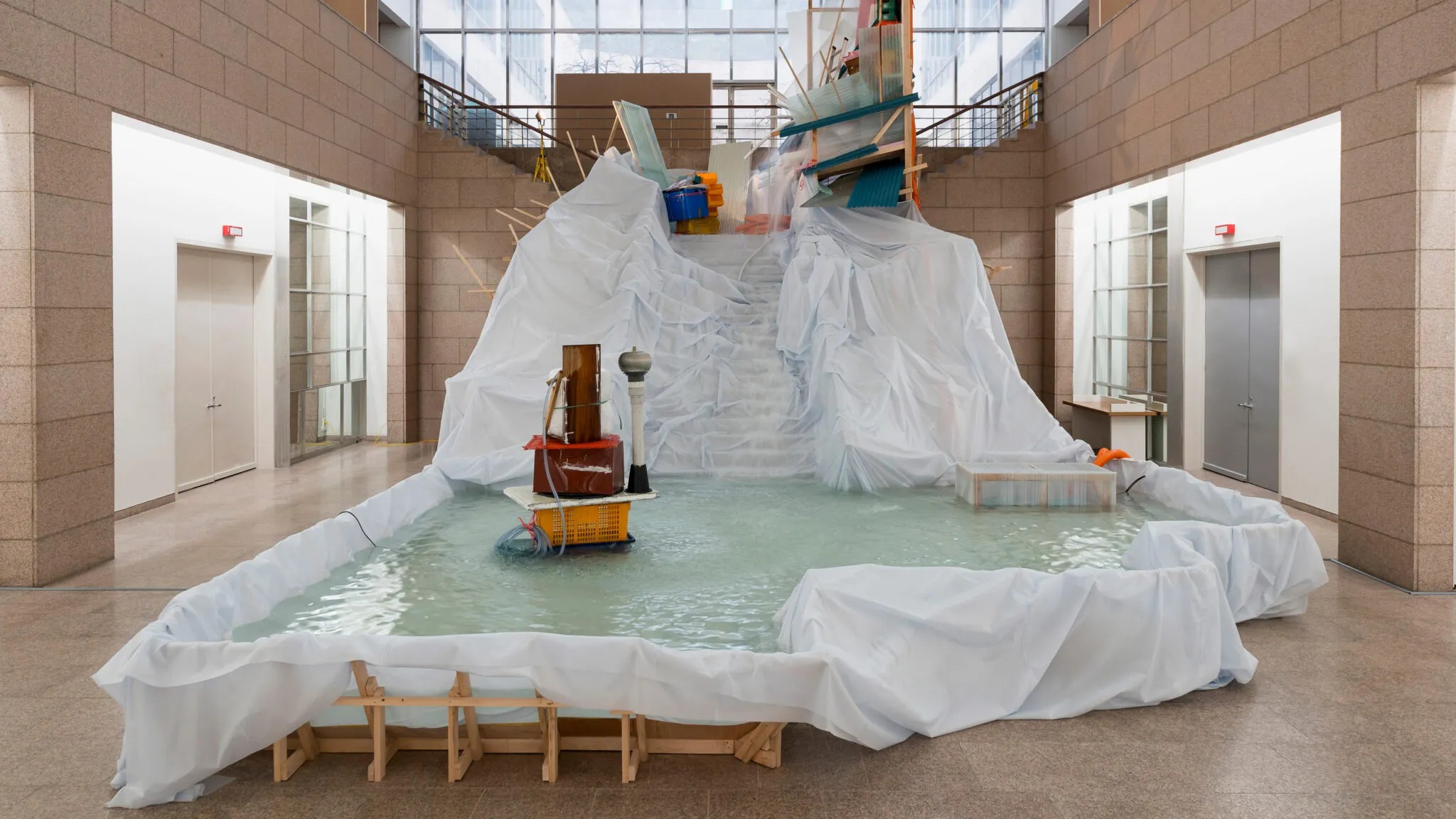
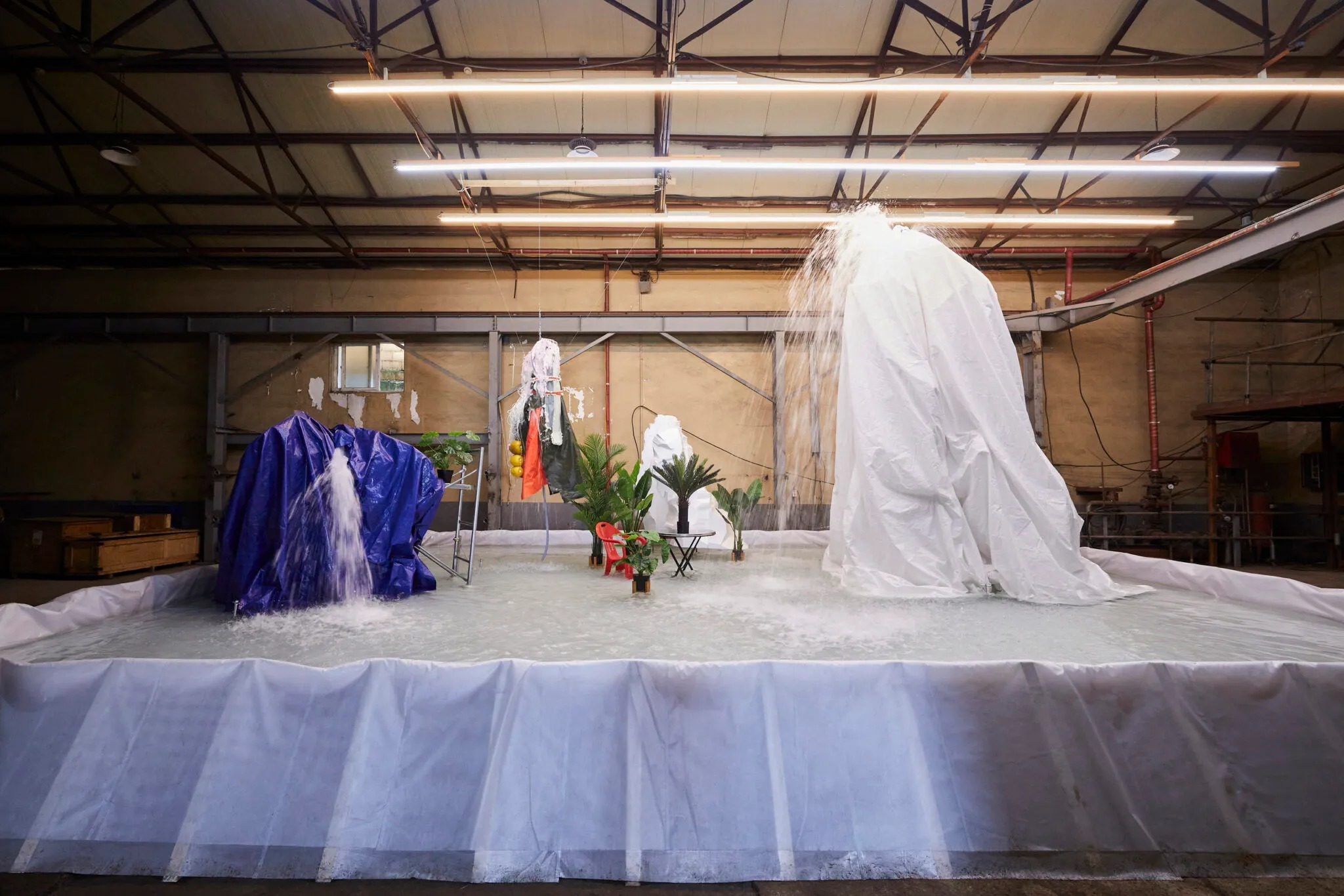
Waterfall 2024, presented at Gangjeong Goryeong Weir in Dalseong-gun, Daegu, is part of the long-running 'Waterfall' series that I began in 2011. For these works, I pile up objects collected or purchased in the city and pump water over them to create precariously balanced artificial waterfalls.

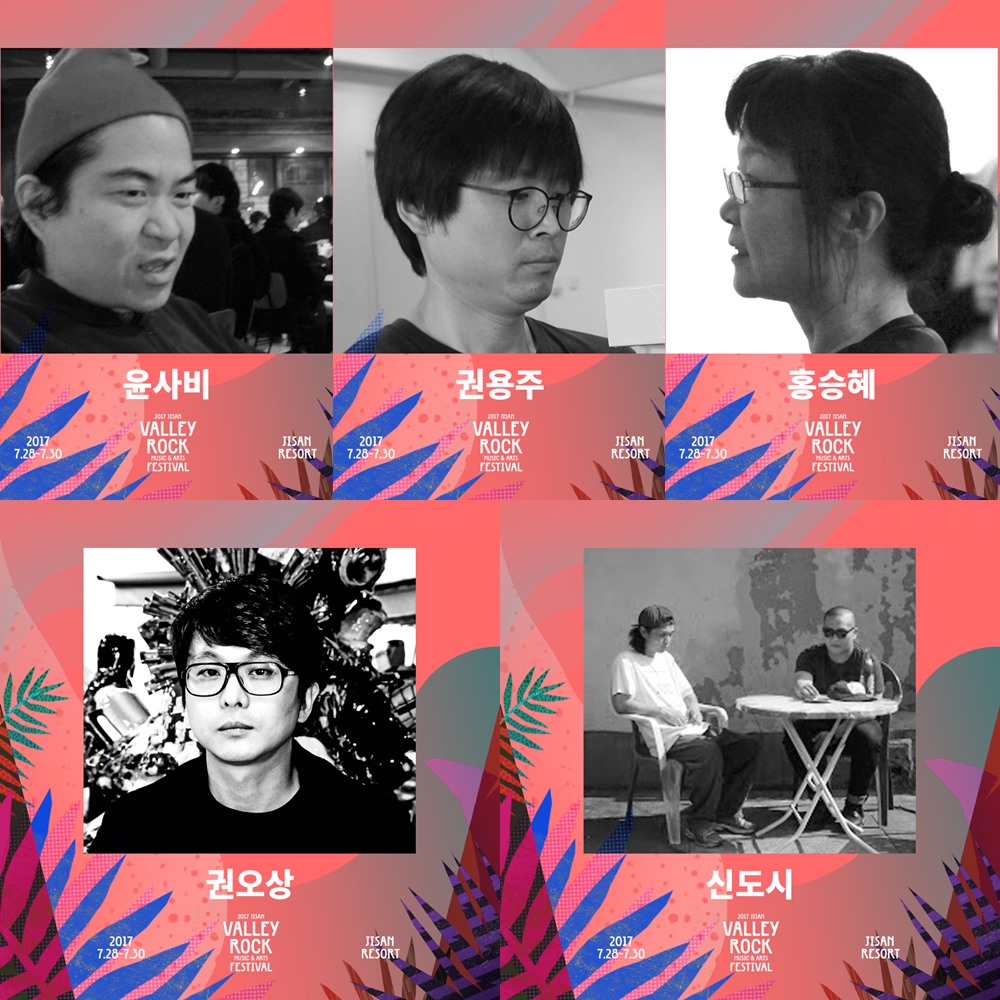
Different versions have been presented in various contexts, including 《Peace Like a River》 (space99, 2011), 《Waterfall – Structure of Survival》 (Mullae Art Factory, 2011), 《Floating, Concrete》 (DOOSAN Gallery New York, 2016), 《Solidification》 (Art Space Pool, 2016), the Jisan Valley Rock Festival (2017), and 《Busan Biennale 2020: Words at an Exhibition – an exhibition in ten chapters and five poems》 (2020).

Although they all share the constant element of “flowing water,” each version has taken on a different meaning according to the theme of the exhibition. For example, they have addressed impressions of the urban landscape (《Waterfall – Structure of Survival》), opposition to the Four Major Rivers Project (《Peace Like a River》), and reflections on socioeconomic structures (《Floating, Concrete》).

I begin by constructing a framework and loosely piling various objects onto it, then connect a pump and hoses that pour water over the structure, making only as much structural reinforcement as necessary to keep its precarious form barely intact. An essential aspect of the work is the inevitable process by which the water grows dirty and algae begins to form as the exhibition continues.


Kwon Yongju, Waterfall – Structure of Survival, 2011 © Kwon Yongju

What aspects of your work have you found satisfying, and what aspects have been disappointing?

While working on recent outdoor installations, I entrusted the casting process to outside specialists because of the scale of the works. When technical aspects that are difficult for the artist to handle directly are left to specialists, many challenges can arise.

In casting in particular, changing materials can subtly alter the feel of the work, and parts I liked during the production process may be modified or removed for structural reasons. Perhaps because I still have more to learn, I find these aspects satisfying in some ways, but at the same time, they also leave me with a sense of regret.


Kwon Yongju, Waterfall – Trickle Down, 2016 © Kwon Yongju

Could you tell us about how you usually spend your days?

I suppose I can divide my routine into periods when I am fully immersed in my work and periods when I am not. When I am focused on making work, especially ahead of a project, I work from 9 a.m. to 6 p.m. My process is often physically demanding, so once the workday is over, I tend to go to bed early. When I am not making art, I work at my day job. Since I work in spatial design, I spend a lot of time sitting in front of a computer. On days when I have classes, I spend my time at school.


Kwon Yongju, Waterfall, 2016 © Kwon Yongju

What are you most interested in these days?

The human body. Strangely enough, when I was in school, I found modeling classes incredibly boring. But now I find the human body fascinating. At the same time, it is also extremely difficult.

How does your attitude toward life find its way into your work?

The point where my practice began was the idea that objects bear traces of people’s minds and attitudes. So I think my work inevitably reflects all of my own attitudes as well. The question, then, is which of the many attitudes I have toward life actually emerge in the work.


Kwon Yongju, Mounting on Rocks, 2016 © Kwon Yongju

How do you overcome a creative slump?

I once heard someone describe my work and attitude this way: rather than the determination of “If you try, you can do it,” I am closer to the cynicism of “I’ll find a way somehow,” and beyond that, there is even a certain humor in the idea that “If you somehow find a way, there is nothing you cannot do.” I thought it was, in some respects, a very accurate assessment. It is also an attitude shared by everyone simply trying to live an ordinary life.

Whether you are in a slump or not, there are situations in which you simply have to do what needs to be done. At that point, there is no room for a slump or anything else. So if there is such a thing as a slump for me, you could say that my entire career as an artist belongs to one.


Kwon Yongju, Waterfall, 2020 © Kwon Yongju

What is the most practical problem you have encountered recently?

Loan interest.

Could you tell us about the attitude and philosophy you consider important for a creator?

(Although I am not very good at it myself,) I think consistency is the most important thing. If possible, I believe the most important attitude for a creator is to keep renewing oneself steadily every day, repeatedly moving back and forth between progress and regression. Of course, whether the work itself is good or bad is a somewhat different matter.


Kwon Yongju, Anonymous, 2020 © Kwon Yongju

If you could share any advice or tips with other creators who want to keep doing what they love, what would you say?

I have more than enough problems of my own, so I’m not sure what advice I could offer. Still, there are many different support programs available these days, so I hope people can find smart, practical ways to overcome real-world difficulties. And stay in frequent contact with peers who are facing similar challenges.


Kwon Yongju, Tangled PP Rope & Others, 2019 © Kwon Yongju

How would you like to be remembered as an artist?

I’m not at all like that right now, but… I would like to be remembered as an artist who left behind a great many works.

What does your ideal future look like at the moment?

A future in which I have paid off all my debts.

References